Author: Mei Ling Tan

  • Rotary Watches opens first China boutique

    Rotary Watches opens first China boutique

    Since launching in China last Summer Rotary has opened 24 Rotary shop in shops strengthening the brands presence in the market.

    The 107 sq ft boutique complete with tailor made fixtures and fittings, Rotary’s full range is displayed in the Poly shopping Mall boutique.

    The brand continues to prove in China with its mid-market price range and is committed to an aggressive shop in shop roll out plan for 2016.

    Rotary anticipates 150-200 points of sale in People’s Republic of China by the end of 2016.

  • Online grocer RedMart eyes at Asian market

    Online grocer RedMart eyes at Asian market

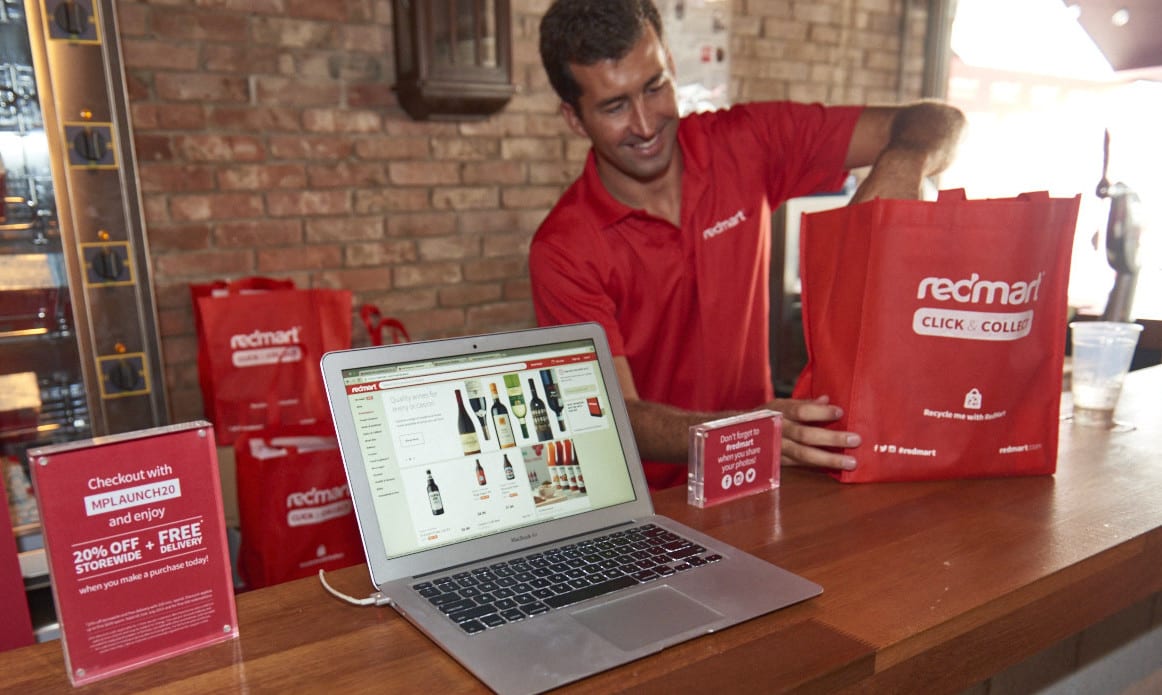
    Singapore-based online grocery organization RedMart is near raising a huge $100 million Series C round to grow its services crosswise over Asia. The new subsidizing is relied upon to shut in the following couple months. The organization was established in November 2011 to convey online and on-demand shopping to Singapore. To date, RedMart has raised over $50 million from investors such as Garena, SoftBank Ventures Korea, Visionnaire Ventures, and Facebook co­founder Eduardo Saverin, with its latest raise a $26.7 million bridge round last year.

    Given the absence of Series C stores in Southeast Asia, this new round might well incorporate institutional and vital investors, however none of the participants were not unveiled at this point. The new financing will go towards growing the organization’s services into new markets in Asia, with Hong Kong liable to be the primary port of call, conceivably took after by Jakarta, Indonesia.

    RedMart CEO Roger Egan has been open about the organization’s craving to expand abroad, yet he and his group are determined that the organization should first lockdown its plan of action in Singapore — a nation of only five million people, but with a grocery market expected to worth around $16 billion every year. RedMart’s technique is to work its own particular logistics and distribution centers, a model that it trusts gives it more control of the client service cycle and will empower it to rapidly wander into different verticals later on.

    While it was apparently the first to pioneer online grocery sales in Southeast Asia, the scene is more focused today with investment supported new companies HonestBee ($15 million) and HappyFresh ($12 million) among a emerging pack of opponents.

  • Luxury Retailers Scale Back China Brick-and-Mortar Expansion in 2016

    Luxury Retailers Scale Back China Brick-and-Mortar Expansion in 2016

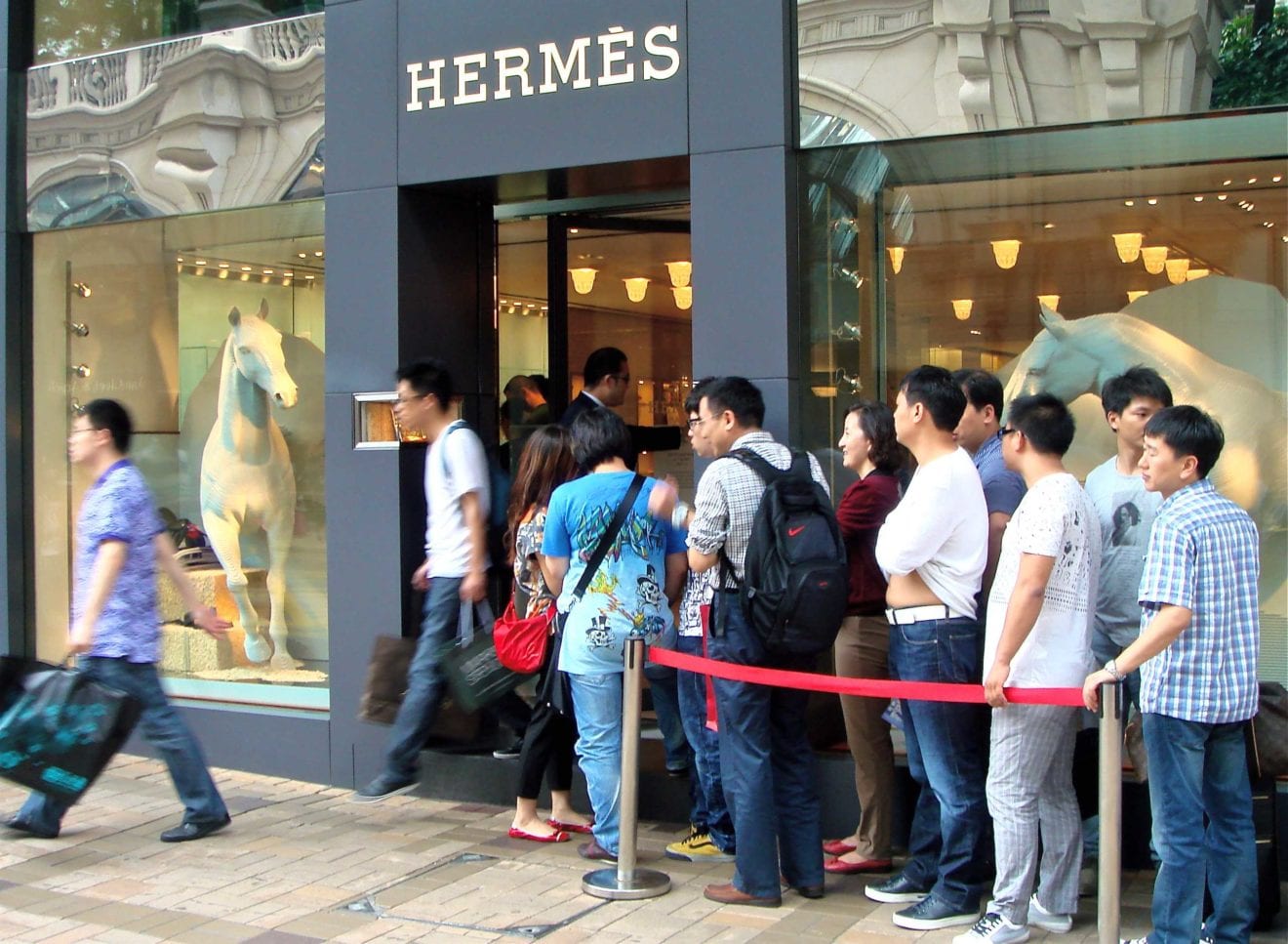
    As Chinese luxury spending decreased in China, yet rose globally last year, luxury retailers are hitting the brakes on brick-and-mortar store expansion for 2016.

    According to a report on retail in China published this month by UBS, wariness toward store expansion is at an all-time high. It found that 94 percent of retailers surveyed have a “moderate” attitude toward China expansion in 2016, rising from 85 percent in 2015 and 72 percent in 2014. A total of 67 percent said they will expand by less than 10 percent in 2016, while 6 percent said they will expand from 10 to 20 percent. Meanwhile, 22 percent of retailers plan to close stores this year.

    The retailers with the biggest expansion plans are generally department stores, according to the report, but that’s not necessarily due to sales growth. It notes that larger stores generally plan their expansion at least five years in advance, so many department stores were preparing openings happening now during China’s era of rapid growth.

    Among luxury retailers, Louis Vuitton was one of the most highly-publicized brands to halt expansion in China last year as it closed stores in Guangzhou, Harbin, and Urumqi. In addition, Chinese media reported this week that Gucci closed a Chengdu store as it readjusts its flagship arrangement in China.

    Although the shift in spending abroad and online are factors in these decisions, luxury retailers are also focusing on recalibrating their location choices. U.S. think tank The Demand Institute wrote in a report last year that many foreign brands had expanded into smaller cities when they should have been focusing on the first tier. It stated that “overly optimistic growth and consumption projections for China have misled foreign investors” into expanding too far into lower-tier cities.

    This appears to be Louis Vuitton’s position, as it opened stores in Beijing and Hangzhou last year even as it closed its other locations. A report by CBRE last year stated that slowing sales and over-saturation in the mainland “have prompted retailers to consolidate their existing store networks and slow their rate of entry into new markets focusing on operational efficiency.” This includes not only relocation of stores, but revamping design and adding lifestyle elements such as cafes, art exhibitions, and pop-ups.

  • Changi online quadruples, concessions hit $1.5bn

    Changi online quadruples, concessions hit $1.5bn

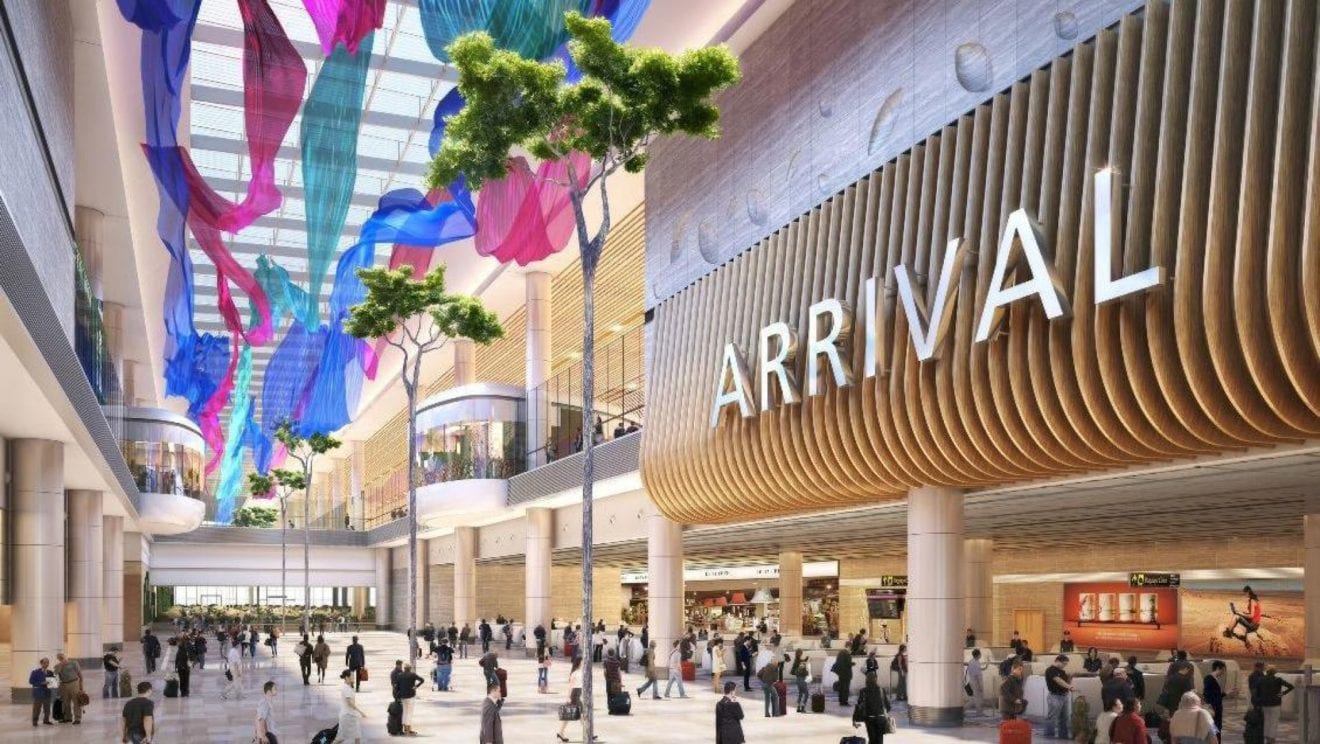
    Concession sales at Singapore Changi Airport (SIN) rose by +8% in 2015 to over S$2.2bn/$1.54bn helped by the popularity of the airport’s online shopping portal (iShopChangi.com) and growing passenger interest in the Changi Millionaire draw.

    China, Singapore, Indonesia, India and Australia were the airport’s top five customer groups contributing most to sales last year, according to the airport operator, Changi Airport Group.

    Passengers from China accounted for almost 30% of total sales, registering the strongest growth of +28% while Singaporeans accounted for about 20%, maintaining modest growth of +3% year-on-year.

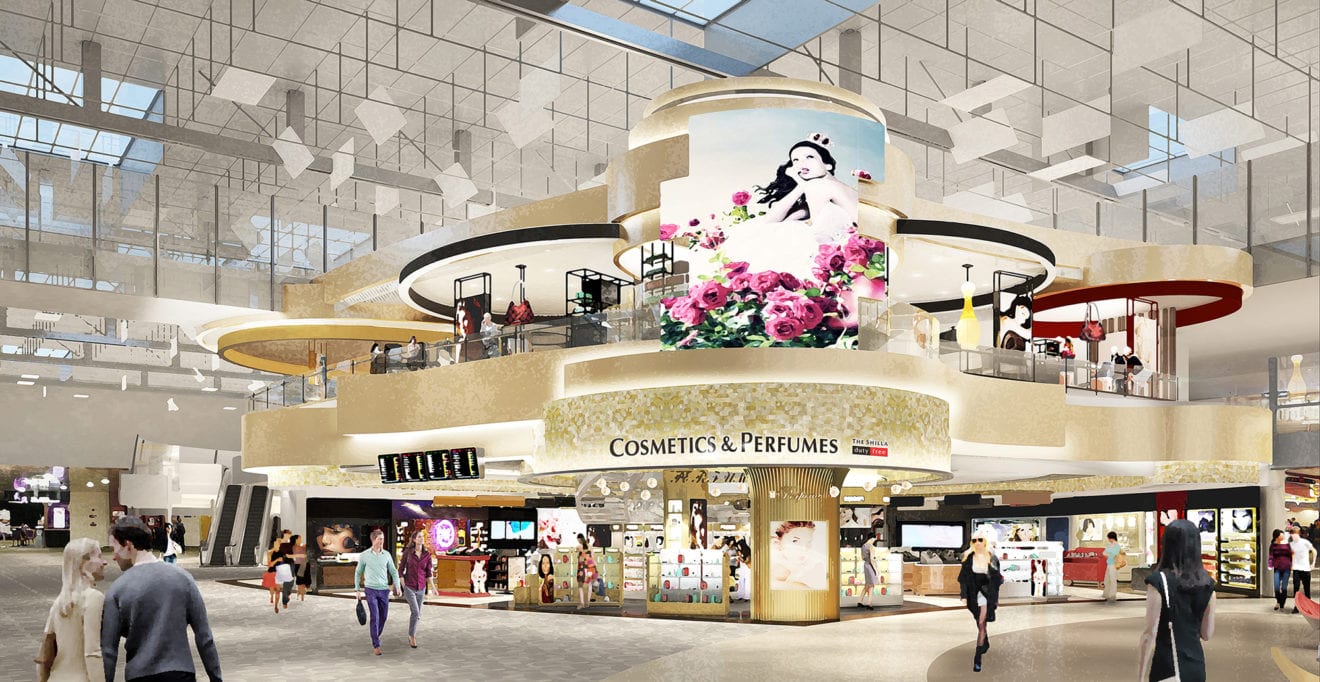
    Liquor and tobacco, and perfumes/cosmetics continued to be the most popular product categories at Changi, followed by luxury goods, electronics/equipment, and confectionery.

    ONLINE TRAFFIC DOUBLES, SALES QUADRUPLE

    A major change last year was that online shopping on iShopChangi.com saw a doubling of traffic to the portal compared to visits in 2014. However sales increased fourfold indicating a rising level of spending per head.

    Arriving, departing or transiting passengers at the Singapore hub can shop at iShopChangi.com from two weeks in advance of their travel, and up to 18 hours before their flight.That has been helped by the product range being expanded to seven categories since the site launched in 2013 and it now offers more than 6,000 items for passengers who want to shop online. However, only wine/spirits and beauty products are available for purchase and collection on arrival from DFS and Shilla outlets. Beauty products, electronics and wines and spirits are the most popular items.

    MILLIONAIRE DRIVER

    The Changi Millionaire promotion has also helped lift revenue. In 2015, the promotion, which runs from May to October, attracted nearly two million lucky draw entries from 229 nationalities globally. The top three groups were Singaporeans, Chinese nationals and Indonesians, with Singaporeans making up over one-in-three of the participants.

    To participate in the draw, passengers and visitors needed to shop or dine at Changi Airport, with a minimum spend of just S$30 in a single receipt. Purchases made in both the public and transit areas of Changi Airport are eligible for the draw. Travellers shopping on iShopChangi.com had up to 10 times more chances of being picked as a finalist.

    Commenting on the record concession sales, Lim Peck Hoon, Executive Vice President of Commercial at CAG, says: “This is positive for the Singapore air hub as profits from our retail business help to offset the cost of our aeronautical operations.”

  • The Sapphire Bloc represents the Philippines as ‘Best Condo Development’

    The Sapphire Bloc represents the Philippines as ‘Best Condo Development’

    Robinsons Land Corp. (RLC) ended 2015 by receiving another accolade for its four-tower residential complex called The Sapphire Bloc developed by Robinsons Residences, a trusted residential development brand under RLC.

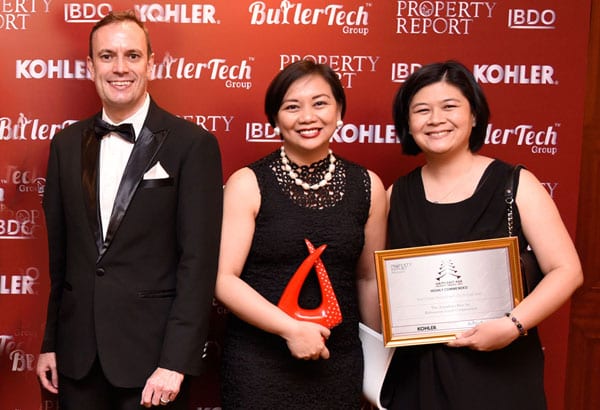
    The Sapphire Bloc represented the Philippines as “Best Condo Development” in the prestigious South East Asia Property Awards 2015. This real estate award-giving body is known as the largest and most recognized industry awards event in the region.

    RLC joined the roster of top honorees from a pool of about 400 top and emerging names in the South East Asian real estate industry. The awarding ceremonies were held recently at the Shangri-La Hotel Singapore.

    Earlier in the year, The Sapphire Bloc bagged the “Best Condo Development” (Philippines) and “Best MidRange Condo Development” (Metro Manila) awards at the prestigious 2015 Philippine Property Awards which has been rewarding high-caliber work in construction, architecture and interior design of property developments in Asia. Moreover, RLC was named “Outstanding Developer” by FIABCI, a Paris-based real estate federation for its other residential project called The Trion Towers.

    “To be highly commended in the South East Asia Property Awards further drives us to continuously innovate on what comfortable and modern condo living means, as akin to the changing needs and preferences of people over time,” remarked Trina Cipriano, VP for business development at RLC.

    Located at the Ortigas Center in Pasig, The Sapphire Bloc is RLC’s latest foray in modern vertical development that has since become a member of an elite league of other property projects now being recognized throughout the region.

    Lifestyle Feature ( Article MRec ), pagematch: 1, sectionmatch:

    Robinsons Land Corporation represented by May Precilla, VP for sales and marketing (second from left), and Trina Cipriano, VP for business development, receives the citation from the South East Asia Property Awards 2015. With them is Terry Blackburn, CEO of Ensign Media.

    Its Art Deco architecture amid contemporary buildings gives the Pasig City skyline a unique charm. Its enviable location provides an added measure of value since it is connected to three major cities, and has nearby shopping malls, offices, skyscrapers, building complexes, nightlife bars and restaurants.

    Moreover, the master-planned development offers retail space measuring up to 8,000 square meters that is currently redefining destination dining in the metro. The entire stretch of the ground floor has been dedicated to serving up new and one-of-a-kind retail shops which can satisfy every craving.

    “Again, The Sapphire Bloc has proven our company’s commitment to our ‘City Living Done Right’ mantra, that aims to offer a level of distinction on comfortable and stylish living in the metro,” enthused Trina Cipriano, vice president for business development at RLC. “Representing the country in the South East Asia Property Awards further inspires us to continue embedding the highest industry standards in all our developments.”

    The South East Asia Property Awards is the grand finale of the Asia Property Awards. Started in Thailand in 2005, the Asia Property Awards has since expanded to reward developments, consultants, architects and designers in Singapore, Malaysia, the Philippines, China, Myanmar, Indonesia, Cambodia and Vietnam. With a professionally run and fully transparent judging system, which is audited by BDO — one of the world’s largest accountancy networks — the awards have for a decade helped celebrate the region’s real estate industry on the world stage.

  • Gallery & Co opens at National Gallery Singapore

    Gallery & Co opens at National Gallery Singapore

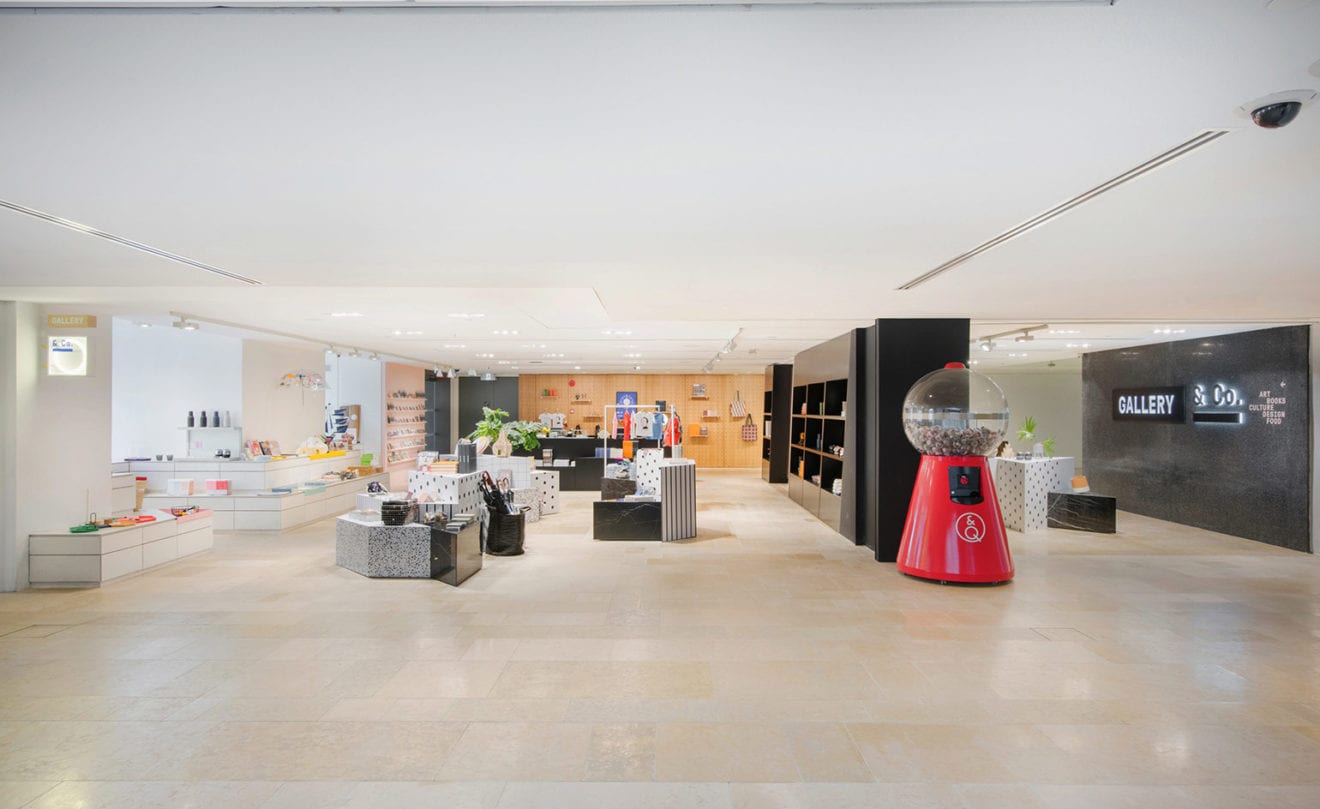
    Visitors to the National Gallery Singapore can now enjoy a quick dose of retail therapy and casual dining experience all under one roof at the newly opened Gallery & Co.

    Spanning 8,800 sq ft across the City Hall Wing on the ground floor, Gallery & Co comprises of a museum shop and cafeteria.

    According to a press release on Thursday (Jan 28), the shop is a partnership between the National Gallery and lifestyle and design collective & Co, which was founded by hotelier Loh Lik Peng, Yu Yah-Leng and Arthur Chin from Foreign Policy Design Group, and Alwyn Chong of Luxasia.

    Inspired by Southeast Asian arts and culture, Gallery & Co. hopes to fuse art and design into a curated retail and dining experience.

    “The Gallery is pleased to work with the principles of & Co who are passionate about this project and share our vision to create a seamless shopping and dining offering that is an extension of the National Gallery experience,” said Mr Kola Luu, Director (Business & Corporate Strategic Development Group), National Gallery Singapore.

  • Hong Kong Suffering From China Visitor Drop

    Hong Kong Suffering From China Visitor Drop

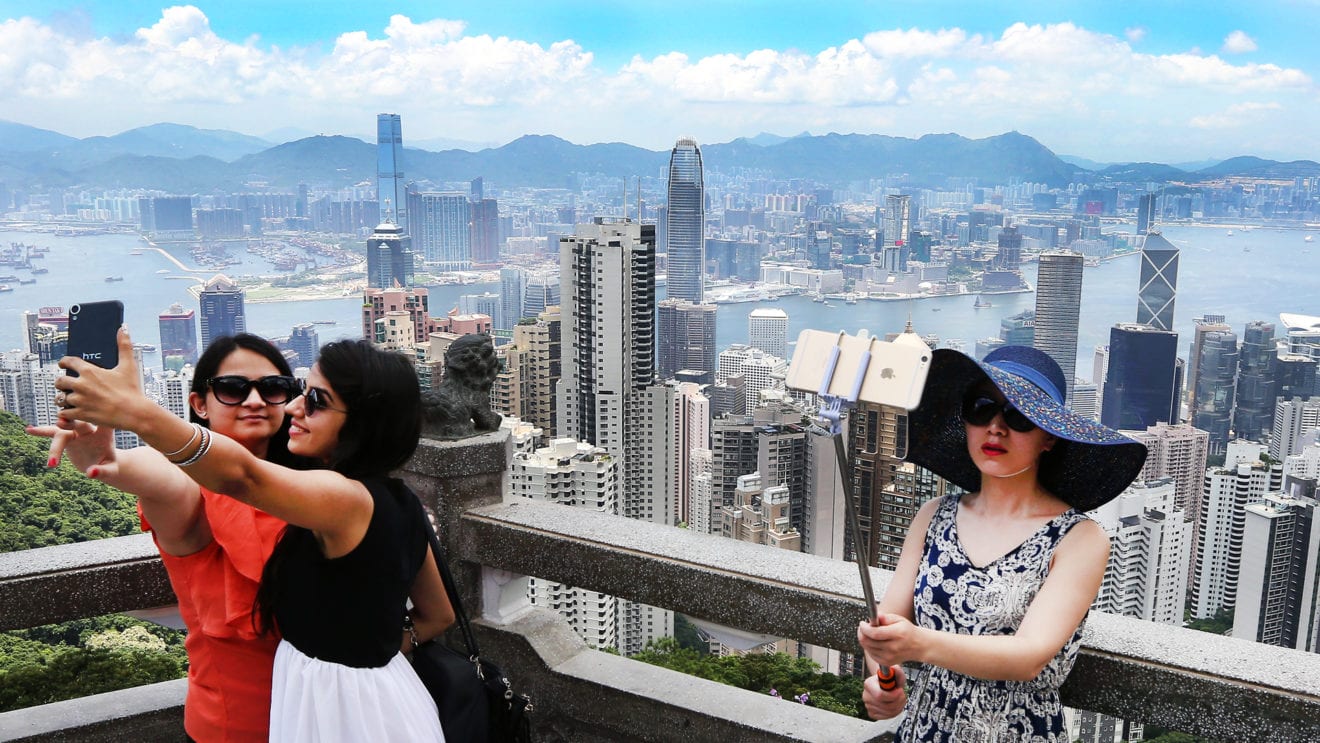
    Tour groups from mainland China to Hong Kong could shrink by two-thirds in the first half of this year, dealing another blow to retailers and an economy facing pressure from slowing growth in China.

    China accounts for almost three-quarters of all visitors to Hong Kong, which relies on tourism for about 5 percent of its GDP.

    Tourism numbers, however, fell last year for the first time in more than a decade and Ricky Tse, chairman of the Hong Kong Inbound Tour Operators Association, said he expects a further decline this year as the strong Hong Kong dollar continues to drive mainland Chinese to comparatively cheaper destinations such as Japan and South Korea.

    “The drop will continue for sure. The winter has just begun,” Tse said, adding that he expected the number of tours by Chinese visitors to fall by 60 percent in the first half of this year after halving in 2015.

    Government data shows tourist arrivals to Hong Kong fell 2.5 percent year-on-year in 2015 to 59.32 million, the first decline since 2003 when the city was hit by an outbreak of Severe Acute Respiratory Syndrome (SARS).

    This decline has hit luxury retailers, with the latest available data showing overall retail sales falling for the ninth consecutive month in November, the longest period of decline in 13 years.

    Brokerage CLSA, forecast trips by mainland Chinese to Hong Kong and the nearby gambling hub of Macau to average 3 percent growth over the next five years, compared with 16 percent growth for all other markets.

    “The move away from pure shopping trips is one of the main reasons that led to the slowdown in Hong Kong,” CLSA said in a recent report. “Looking into 2016, we believe the trend will continue.”

    (Reuters)

  • Korea duty free operations offered

    Korea duty free operations offered

    Two international airports in are set to review operational licenses for South Korea duty free shops.

    But the upcoming bids are unlikely to become competitive due to sluggish profitability, industry sources told Yonhap on Wednesday.

    Gimpo International Airport in western Seoul is expected to open a bid for tax-free shops later this month as the current operating rights expire in May after five years of operation.

    Currently, Hotel Lotte Co. and Hotel Shilla Co. have duty-free shops at the airport.

    Gimhae International Airport, west of the southern port city of Busan, also has to select a new operator as Shinsegae Co, a major retailer, shut down its store in December to focus on its city outlets.

    Shinsegae won a right to open a new duty-free shop in Myeondong, a popular tourist destination in downtown Seoul.

    While several local retailers threw hats into the ring for licenses in downtown Seoul last year to attract affluent Chinese shoppers, the upcoming bid is not likely to fuel competition as current shops at the airports have had difficulty making ends meet.

    Sales at the Gimpo and Gimhae outlets stood at 140 billion won (US$116 million) and 130 billion won, respectively, last year, according to their financial reports.

    Hotel Lotte said it plans to renew its license for Gimpo and decide on the Gimhae store after considering potential profitability.

    The unit under retail giant Lotte Group lost its license in southern Seoul in a tightly contested bid amid a bitter succession feud between the founder’s two sons.

  • Chinese luxury spend abroad soars in 2015

    Chinese luxury spend abroad soars in 2015

    Mainland Chinese shoppers increased their spending on luxury goods overseas by 10 per cent last year according to new research from Bain & Company.

    The increase comes as a surprise given the significant slowdown in China’s economic growth, the much-publicised clampdown on gift-giving and the struggle of Hong Kong watch and jewellery retailers over the past 12 months.

    Bain & Company’s report, the 2015 China Luxury Market Study says mainlanders are shopping more on cross-border eCommerce and travelling to new destinations to indulge.

    In 2015, they shunned Hong Kong and Macau in favour of places like Japan, where spending soared 200 per cent.

    Bain’s research, which included a survey of nearly 1500 Chinese consumers, found a sizable shift in shoppers’ geographic preferences for luxury shopping in 2015. Japan, South Korea, Europe and Australia were all popular shopping destinations, due to favourable exchange rates and competitive pricing on luxury goods in these markets.

    As overseas travel among Chinese shoppers increased – up an estimated 32 per cent from 2014 – consumer reliance on Daigou, or overseas personal shoppers who buy and send luxury goods to customers in China – contracted. The growing channel choice in 2014, Daigou decreased to an approximately 43 billion RMB market last year.

    Bain attributes the drop to several factors including price adjustments by key brands that reduced Daigou margins, government efforts to tighten control over imports, including Daigou, a weakened RMB, and an increased reliance on other purchase channels – notably cross-border and overseas websites, which accounted for 48 billion RMB of the 293 billion RMB luxury spend overseas.

    The report highlights the increasing popularity of cross-border and overseas websites as luxury shopping channels: nearly half of those surveyed said they purchased luxury goods via these sites last year.

    According to Bain, increased international tourism, and growing comfort and trust in some business-to-consumer (B2C) overseas websites among China’s shoppers helped stimulate overseas purchases. This resulted in a slowdown in China’s overall luxury market, which dipped 2 per cent to 113 billion RMB last year, driven by a decline in watches, men’s wear and leather goods.

    Luxury brands seeking to overcome the economic slump and reinvigorate consumer spending domestically must employ a more tailored, localised marketing strategy, with high fashion content and adjust their pricing to reduce disparities across geographies.

    “We saw notable changes in where and how Chinese consumers acquired luxury goods last year,” said Bruno Lannes, a Bain partner based in Shanghai and author of the report.

    “Buying overseas has been a trend for years, but destinations have changed, and Daigou is declining because of multiple and converging drivers from major industry players, including the government,” he said.

    “Our research found that the industry is quickly adapting to these challenges in an effort to drive more luxury consumption at home through strategies such as global pricing and a greater focus on fashion.”

    A corollary to the drop in domestic sales is a reduction of the store footprint by most brands, with a greater focus on fewer, larger and better located stores. Many brands realise they need to regain their exclusive image, which has been somewhat blurred by over extension.

    As in 2014, the research shows the greater importance of fashion and exclusive designs to win domestically. Brands with a strong fashion heritage and stronger emphasis on original design did well in 2015.

    The survey reveals that nearly 80 per cent of respondents said they normally get information on luxury brands from the internet or apps, and a full 60 per cent identified social media channels Weibo and WeChat as their online source for information on luxury goods. As a result, brands spend, on average, 35 per cent of their marketing budget on digital, and it is growing.

    Looking ahead, Bain expects these and other 2015 trends to continue this year, prompting further challenges, opportunities and requirements for brands:

    • Macro environment expected to remain similar while the rising middle class becomes more sophisticated and knowledgeable about luxury.
    • Overseas channels will stabilise (daigou will decline). Global pricing by leading brands and government efforts to localize consumption will spur domestic growth. Global pricing, will likely spread further to other brands.
    • Luxury brands should strengthen both digital platform building (e.g., Weibo WeChat, apps) and digital content creation, with an emphasis on localisation to reflect local market preferences.
    • Luxury brands must place greater emphasis on making their brand “younger” and more fashionable to capture the next generation of trendy customers. There will also be an increased focus on “exclusivity,” both in product design and store footprint.

    “Despite persistent macro, economic and industry challenges in China, all hope is not lost for luxury brands,” said Lannes.

    “There are plenty of growth opportunities for those with more exclusive and fashion collections, digital platform engagement and digital content creation, as well as with pricing that encourages Chinese consumers to spend locally.”

  • Dentsu Aegis Network and UnionPay Smart Announce Partnership

    Dentsu Aegis Network and UnionPay Smart Announce Partnership

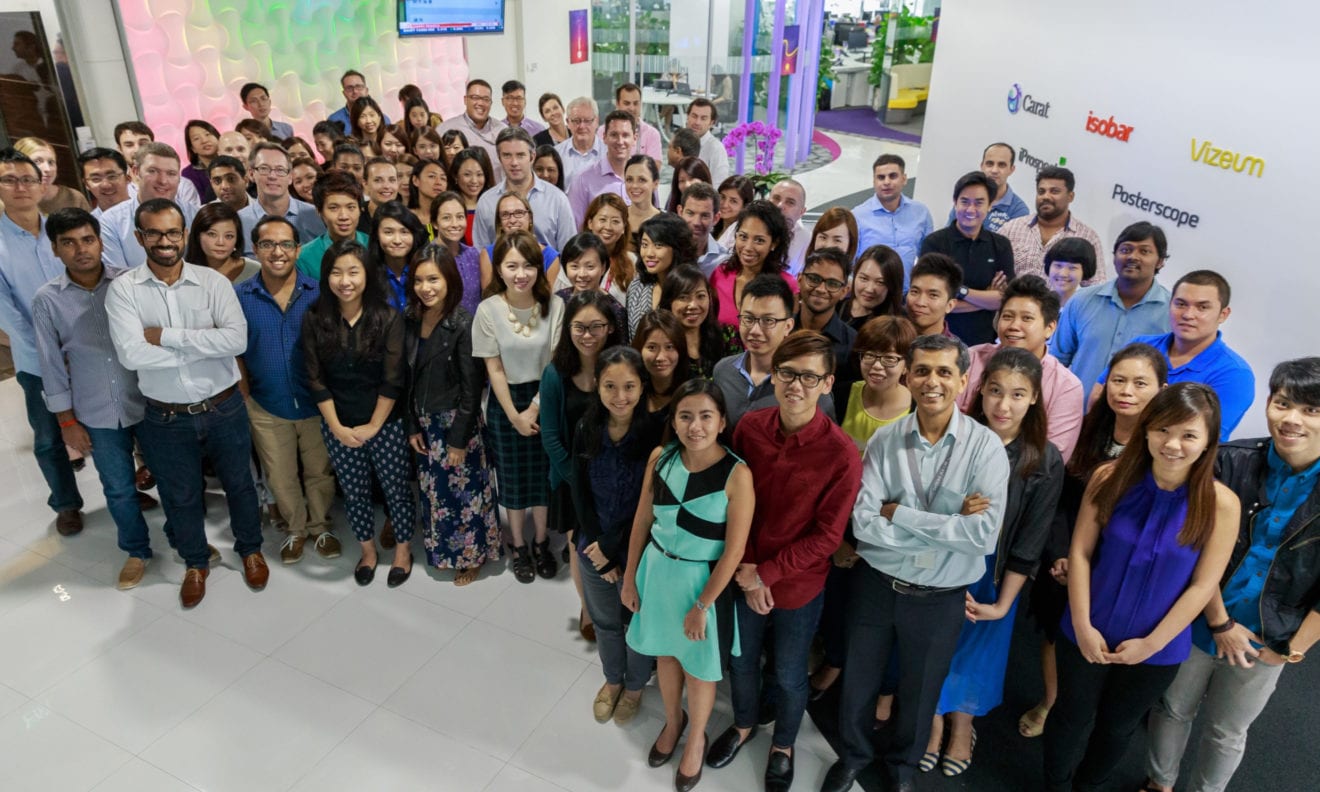
    Dentsu Aegis Network China today announced a strategic partnership with UnionPay Smart, a China UnionPay company specializing in big data applications. Combining the existing big data analytics of UnionPay Smart, with advertising and user browsing behavioral insights from Dentsu Aegis Network, the two parties will co-develop and operate a precision brand marketing platform for advertising; providing data-driven marketing solutions for brands.

    It is the first ever crossover collaboration between financial data, advertising and marketing communications industries in the field of data connection. The landmark partnership has been achieved through a year-long collaborative effort between UnionPay Smart and Isobar China Group, a digital marketing agency owned by Dentsu Aegis Network. Based on research and design of business models, the project has enabled a deep integration of media and marketing data on the premise of strict privacy and data protection; creating a reciprocal ecosystem that benefits advertisers, data solution providers as well as media platforms.

    Together with UnionPay Smart, Isobar China Group will establish a data management platform (DMP) targeting online advertising, synchronizing UnionPay Smart consumer portraits with browsing and search data shared by publishers. The platform empowers advertisers to map consumer insights with decision-making and buying processes, creating more accurate target audience portraits. Specifically, the data exchange will prioritize automotive, finance, maternity and infant as well as other key sectors.

    Isobar China Group and UnionPay Smart will then co-develop and co-own a demand-side platform (DSP) for programmatic buying. Set on the key precondition of ensuring all data is safe and legal, the platform will incorporate online and offline behavioral data to optimize audience targeting across publishers to greatly enhance returns on investments.

     Isobar China Group will collaborate with UnionPay Smart to deliver customized services for brands and media owners:

    • Customer relationship management (CRM) data solutions targeting automotive, finance, maternity and infant, and other fields;
    • Optimizing advertising investment solutions for key clients;
    • Offering customized advertising for long-term media partners.

    Founded in 2012, UnionPay Smart is a subsidiary of UnionPay. Dedicated to big data innovation, UnionPay Smart is dedicated to creating and optimizing big data platforms based on consumer data and providing diversified big data application solutions, such as industry analysis, business decisions and business strategies for China UnionPay and its partners.

    Kelvin Long, Cofounder & CTO of UnionPay Smart said: “As a pioneer and advocate of enacting data privacy legislation, UnionPay Smart will push forward innovative applications of UnionPay data under relevant regulation in a safe and legal manner. This partnership is unprecedented in the history of UnionPay Smart as it’s the first time we have collaborated with a market leader in advertising that has crossover connection of big data solution at its’ core. Big data is the future of marketing, but it cannot be achieved without massive real data, cutting-edge data mining technology and expertise in data analytics. UnionPay Smart has exclusive data of tagged consumer behavior and leading big data technology; Dentsu Aegis Network has access to unparalleled data and intelligence in digital and marketing. Through the integration of our own strengths on the precondition of protecting data safety and privacy, our shared vision is to enable brands to achieve new levels of efficiency, effectiveness and customer satisfaction.”

    Commenting on the partnership with UnionPay Smart, Phil Teeman, Group Managing Director, Dentsu Aegis Network China, said: “Dentsu Aegis Network has always attached great importance to the collection and application of data. We have been continuously investing in consumer insight studies, which include the unique CCS (Consumer Connection Study), the largest consumer survey in China, and our Brand and Consumer Data Analyzing Platform- Code 1. Data integration is critical and we have been working to bring all of our data together into one platform – consumer data, ad data, and performance data. Our partnership with UnionPay Smart will further reinforce that focus on big data. As the leading integrated communications group with digital at its core, we will work with UnionPay Smart to develop more industry beneficial data products to support brands’ ‘internet plus’ strategy in China.”

    Jane Lin-Baden, CEO of Isobar China Group added: “Brand consulting has always been our focus. We are dedicated to applying real time big data to the modelling and delivery of brand commerce. The data solution with UnionPay Smart is able to meet the needs of brand commerce, incorporating brand experiences with purchasing decision making, in order to identify consumer motives more precisely in the last mile. This is a significant milestone for Isobar China Group.

    As the largest digital advertising group in China, Dentsu Aegis Network is also the first to drive integrated digital marketing communications in the industry; serving top brands spanning automotive, finance, retail, maternity and infant as well as other fields. Isobar China Group, part of the Dentsu Aegis Network, is a full service digital marketing agency, driven by the aim of delivering marketing solutions with borderless ideas enabled by technology and new media communications, to transform businesses and brands.  


  • Reliance retail business thrives

    Reliance retail business thrives

    Indian retailer Reliance Industries has reported a 50 per cent growth in sales in its consumer electronics category for the quarter to December 31.

    Reliance Retail also consolidated its leadership in the grocery category, optimising its network to enhance profitability. Several private-label products were launched in the grocery and general merchandise categories during the quarter. The contribution of private-label sales to overall sales increased to 14.6 per cent from 8.6 per cent in the same period the previous year.

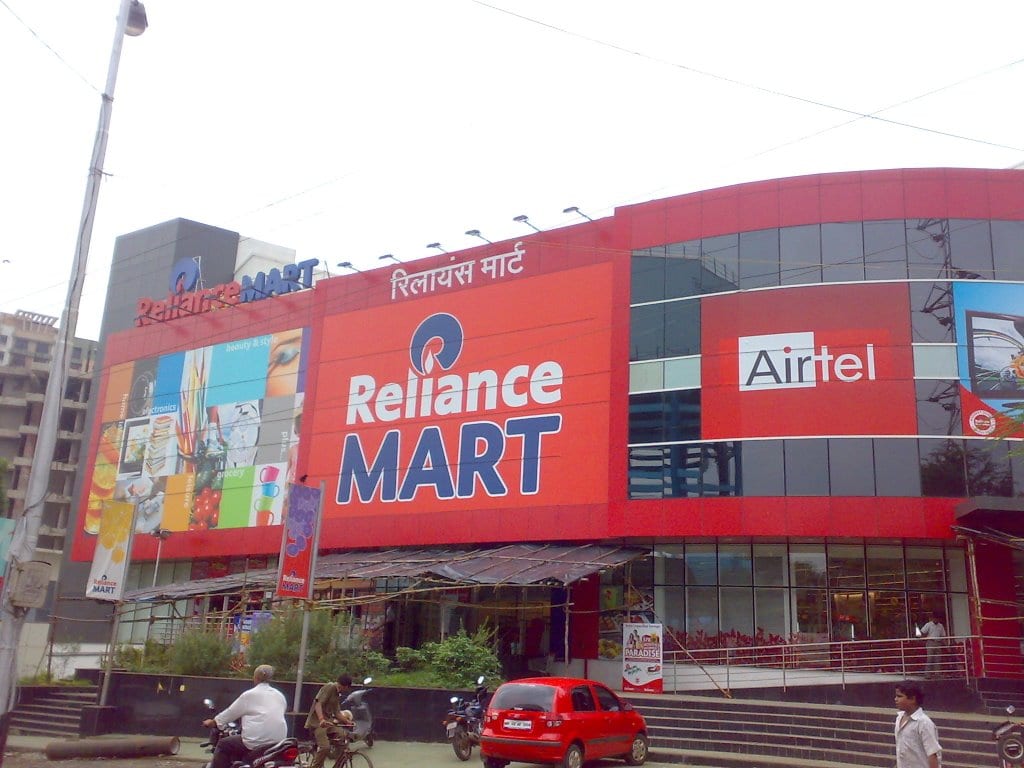
    There are now more than 2 million registered members across 37 countries for Reliance Mart stores. These 1537 outlets specialise in consumer electronics. Strong year-on-year growth in this category was helped by Digital Express Mini rapidly scaling up during the quarter to reach more than 1250 outlets across the country in a short time since launch.

    Also delivering a strong performance, the fashion and lifestyle category was 16 stores opened byReliance Trends during the quarter.

    A Reliance Retail joint venture with Marks & Spencer continued to grow with new store openings, whileReliance Brands launched Dutch lingerie brand Hunkemöller, and also opened the first airport store in India for UK games and toys retailer Hamleys, in Delhi.

    Initiatives encompassing fashion and lifestyle e-commerce are also proceeding through beta testing. The development of a marketplace platform and distribution ecosystem for 4G devices are on track and being rolled out. It will be the largest distribution reach for devices in India, says the company.

    Meanwhile, the company is training 4G sales specialists while integrating supply chain and service centres. Reliance Retail also launched its own brand of 4G LTE smartphones, under the brand LYF, during the quarter.

  • Ele.me may go to Alibaba

    Ele.me may go to Alibaba

    As more people start using their smartphones or the internet to order food, China’s eCommerce leaders are in a battle for supremacy.

    Now a food-delivery startup backed by Tencent Holdings, Ele.me, is planning a fast funding round of at least $1.25 billion, in a deal led by competitor Alibaba Group Holding, reports Deal Street Asia. It is aiming to close the round next month.

    If it goes ahead, Alibaba will become Ele.me’s controlling shareholder. It values the service at about $4.5 billion, and the deal could be announced before the Lunar New Year holiday starting on February 8, according to an insider.

    Earlier merger talks between Ele.me and group-buying site Meituan.com fell through, and Caixinpreviously reported that Ele.me was in discussions with Alibaba to raise funds.

    Meanwhile, Tencent and Alibaba are battling with China’s largest search company Baidu for front position as the local-services industry gains traction with more people going online or using mobile technology to order food, schedule beauty treatments or hire domestic helpers. Users of these services are predicted to rise 29 per cent to 400 million by next year, with sales expected to reach 7.28 trillion yuan ($1.1 trillion).

    Chinese internet companies have been the subject of $91.6 billion in acquisitions and investments over the past 12 months, according to Bloomberg data. Meanwhile, Tencent shares have fallen 1.7 per cent in Hong Kong to HK$133.10 ($17.08) – the lowest in almost four months.

    Alibaba and its financial affiliate, Zhejiang Ant Small & Micro Financial Services Group, have formed a joint venture called Koubei, in which each has agreed to invest three billion yuan to help the company expand into neighbourhood services.

    Baidu last year said it would invest $3.2 billion over three years in its own provider of local services,Nuomi.

  • BNI Syairah resolved to attract more investors

    BNI Syairah resolved to attract more investors

    State-owned Bank BNI Syariah is determined to attract more strategic investors this year as part of its efforts to increase capital, according to its President Director Dinno Indiano.

    The Bank BNI Syariah has opened itself to investors over the past three years.

    “This year we will make even more intensive efforts to lobby for investors. After all, we have the confidence, supported by good performance over the past three years,” Dinno told a press conference in Jakarta on Tuesday.

    Earlier, President Director of Bank BNI, Achmad Baiquin, said the state-owned bank was exploring the possibility of cooperating with strategic investors to support the BNI Syariah business. Bank BNI Syariah is a subsidiary of Bank BNI.

    Bank BNI was willing to sell 20 percent or more of the stake of its subsidiary to strategic investors. Yet, Bank BNI will remain the majority holder of the Bank BNI Syariah stake.

    Last week, Bank BNI said it was optimistic that its Peoples Business Credit (KUR) would increase rapidly in 2016 after the interest rate on the credit scheme was cut to 9 percent per year.

    Achmad Baiquni said in a statement that between August 2015 till 2015-end, the publicly traded state lender had already disbursed more than Rp3 trillion in KUR.

    Baiquni said this amount is predicted to surge to more than Rp10 trillion in 2016 .

    KUR disbursement by BNI was made symbolically at the Glenmore sugar factory in Banyuwangi, East Java, on Wednesday in the presence of the Minister for State Enterprises Rini Soemarno and Achmad Baiquni.

    Baiquini said the KUR funneled by BNI in 2015 represented an increase of 70 percent from 2014.

    In 2015, there were more than 12,200 KUR recipients all over Indonesia. In East Java alone, BNI funneled Rp476.5 billion in KUR to 2,022 clients, including micro businesses, retailers and workers.

    In East Java, KURs are offered to labor intensive and productive sectors such as processing industry, agriculture and trade.

    There is a potential KUR market in East Java, and it may attract sugar farmers under the coordination of state plantation company, PT Perkebunan Nusantara (PTPN).

    BNI is optimistic that there would be more KUR users in 2016 because of the cut in interest rate and improved economy.

  • Jakarta’s airport train to be operational in 2017

    Jakarta’s airport train to be operational in 2017

    Development of rail track between Jakarta’s Manggarai railway station and Soekarno Hatta airport is expected to be completed in 2017.

    “We already coordinated with PT Railink. It is to be completed in February 2017,” President director of the state owned airport operator PT Angkasa Pura II Budi Karya Sumadi said here on Wednesday.

    PT Railink is a joint venture between PT Angkasa Pura II and state owned railway company, PT Kereta Api Indonesia.

    PT Railink to revamp old track and build new track totaling 38.3 kilometers between the Manggarai railway station in Jakarta and the airport and operate the train.

    Budi said the train would take 54 minutes between Manggarai and Soekarno Hatta airport and there would be departure of train every 15 minutes.

    Everyday there would be 61 trips with a carrying capacity of 35,000 passangers.

  • Direct flights between Indonesia, India likely this year

    Direct flights between Indonesia, India likely this year

    Direct flights between India and Indonesia are likely to begin this year to facilitate tourism, Indonesian ambassador Rizali W. Indrakesuma said on Wednesday.”The Indian government has already given permission; it is a matter of how Indonesia responds. We are hoping that direct flights between the two countries begin by this year or by next year at the latest,” said Indrakesuma said.The first flights both governments plan to launch initially are between Delhi and Jakarta and Mumbai and Bali. Garuda Indonesia and Air India will operate flights between the two countries.

    The ambassador said a deal on the matter could be finalised in March when the transport minister of Indonesia will participate in an event organised by the civil aviation ministry in India.”This is an opportunity for our minister to engage with the Indian civil aviation minister (Ashok Gajapathi Raju Pusapati) at an event organised in Hyderabad in March,” the ambassador said.”The consulate general of Indonesia in Mumbai will push the ministry of tourism to open direct flights for the first time between Delhi and Jakarta and Mumbai and Bali.

    Last year, 262,000 tourists from India visited Indonesia; we expect the figure to go up to 350,000 this year. First it’ll be a government-to-government engagement and later we can engage private airlines,” said Taufik Nurhidayat, deputy director, ministry of tourism, Republic of Indonesia.Indonesia attracts the highest number of tourists from Singapore, followed by Malaysia, Australia, China, Japan, Korea and India.