Author: Mei Ling Tan

  • Nature Republic shutters TST flagship

    Nature Republic shutters TST flagship

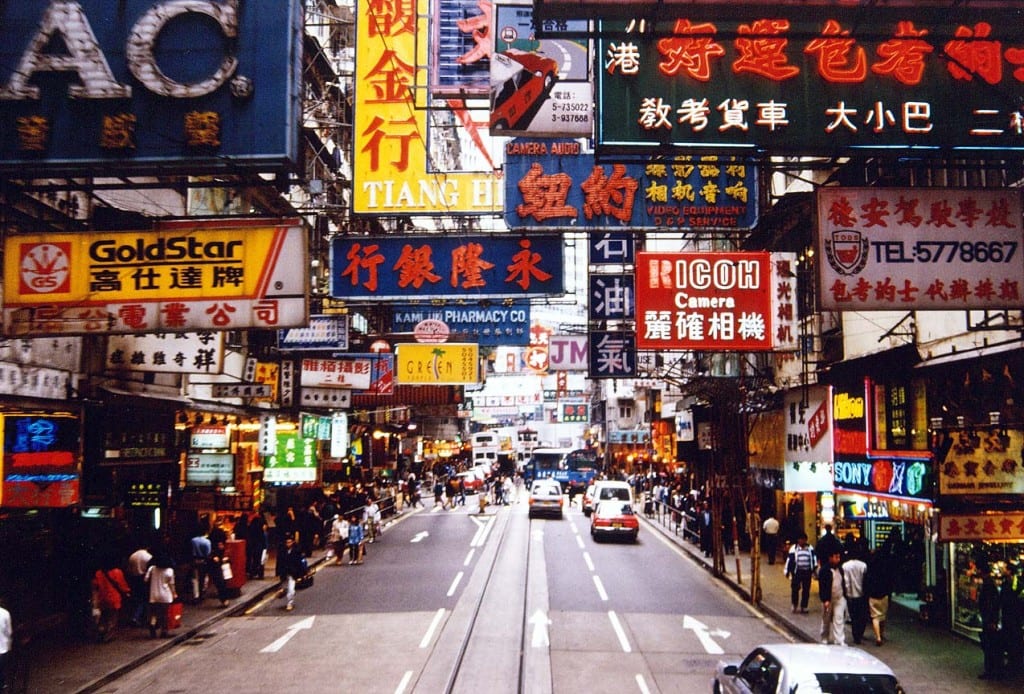
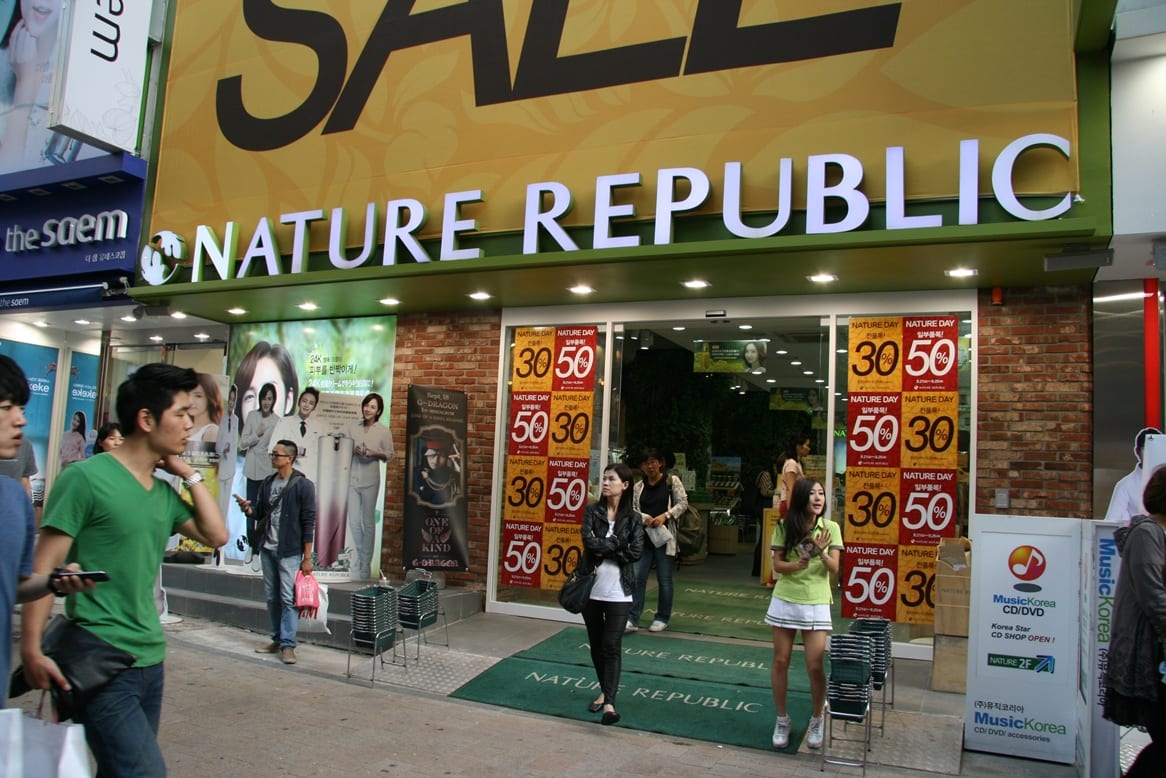
    Korean cosmetics retailer Nature Republic has shuttered its Tsim Sha Tsui flagship store – seven months before the end of its lease.

    According to a report in the Hong Kong Economic Journal, Nature Republic was paying a monthly rent of $950,000 for the 1640 sqm store which spanned three units in front of The One shopping mall on Granville Rd.

    While property industry sources are blaming declining spending by affluent Mainland Chinese tourists for the downturn in retail sales generally, Nature Republic’s move is more likely the result of over ambitious sales targets in Hong Kong, given the store has only been trading since last summer.

    While Korean brands are commanding fast growth in Greater China, it is difficult to see how a store of this size with such high rent could be commercially viable in a retail category which is hugely competitive, and dominated by listed chains Sa Sa and Bonjour.

    The space is now being offered at a 5.3 per cent discount on the previous rent, according to the HKEJ report.

    Centaline Commercial COO Stanley Poon said other retailers had ended leases prematurely after lacklustre Christmas sales – but they’d been paying monthly rentals of up to $300,000, for smaller footprints.

    Nature Republic is not the first Korean cosmetics retailer to strike trouble in Hong Kong. Exactly a year ago the local partner of Missha closed all of its 20 stores overnight before the brand returned to the territory in June with a new partner.

  • Young, rich, e-savvy will transform Chinese economy

    Young, rich, e-savvy will transform Chinese economy

    China has been one of the world’s fastest-growing consumer markets in recent decades and there’s no sign that is going to change anytime soon, slowing economy or not, US management advisory firm Boston Consulting Group says in a new report.

    However, the profile of Chinese consumers and the products they buy will change over the coming five years, according to BCG’s report, The New China Playbook: Young, Affluent, E-savvy Consumers Will Fuel Growth, which predicts three trends to watch in the country’s consumer market through 2020: upward mobility, a new generation of consumers and the continued rise of eCommerce.

    BCG expects China’s upper middle class and affluent households to overtake the emerging middle class as the main drivers of consumption growth. At the same time, a younger generation of sophisticated consumers will rise in prominence, and eCommerce through online marketplaces such as Alibaba Group’s Taobao and Tmall.com will play an increasingly important role in the Chinese economy.

    “The growing role of richer, younger, Internet-savvy consumers will boost demand for different kinds of products purchased through different kinds of retail channels,” BCG said in the report. “Indeed, this emerging consumer class will transform the structure of China’s economy.”

    This transformation is already underway as Chinese consumers increasingly go online to make purchases via desktop computers and smartphones, according to BCG. In 2010, eCommerce made up just three per cent of total private consumption, but that number will reach 20 per cent five years from now, generating $1.6 trillion in sales. In the US, eCommerce accounted for 7.4 per cent of total consumption in the third quarter of this year, according to the US Department of Commerce. Also, within this category, 15 per cent of Chinese eCommerce transactions will be cross-border, another burgeoning sales channel as the Chinese government takes steps to make the import and export of goods via eCommerce easier for both consumers and retailers.

    The report, which was carried out in partnership with AliResearch, the research arm of Alibaba Group, arrives as investors across the globe watch growth targets for China’s gross domestic product decline in the face of decreased exports, once the backbone of the economy. But Chinese consumers are unfazed, BCG said.

    The consultancy predicted that even if China’s economic growth slows to 5.5 per cent – well below the 6.5 per cent target – the country’s consumer economy will expand by about half to $6.5 trillion by 2020 from $4.2 trillion now. The $2.3 trillion differential over those five years is still 1.3 times larger than Germany’s entire $1.8 trillion consumer market.

    Rising incomes will help to fuel that growth. The number of upper middle class and affluent households – those with more than $24,000 and $46,000 in annual disposable income, respectively – will double to 100 million by 2020, and they’ll account for 81 per cent of total consumption growth during that period.

    Increasing affluence will also help to push shopping trends in new directions and to new locales. Where consumer goods such as personal care products once dominated sales, the next five years will see the demand for services take over, especially in areas such as healthy foods, education and travel, BCG researchers wrote. Moreover, merchants that want to reach this growing demographic will have to move beyond major cities such as Beijing, Shanghai and Guangzhou. BCG said that about half of the 46 million new upper middle class and affluent households expected by 2020 will be located in fourth-tier cities or lower, or those outside China’s top 100 cities.

    eCommerce sites such as Taobao have made moves to capture this growth in services. The report pointed to Taobao’s lifestyle service channel, which had customers in 300 cities only six months after launch. And most of those customers were 35 or younger and they were making online arrangements for home-based services such as house cleaning, with as many as 2600 maids booked in a single day at one point.

    Omnichannel retailing, where consumers are driven from online promotions to offline services accessed via smartphones, will be another key area of growth, BCG said. eCommerce purchases made on mobile devices currently generate 51 per cent of all online sales in the country – well above the global average of 35 per cent. Mobile transactions will account for nearly three out of every four online purchases by 2020, BCG predicted, as Chinese consumers increasingly rely on the internet to obtain local services and purchase products, such as organic foods, that they can’t find in local brick-and-mortar stores.

    An ability to attract a younger demographic, those born in the 1980s, ’90s and the first decade of the 2000s, will increasingly spell success or failure for companies selling into China, BCG said. The country’s up-and-coming crop of college-educated shoppers under the age of 35 are sophisticated and brand conscious in ways the previous generation was not. Their consumption is growing at 14 per cent annually, double that of consumers over 35, and they spend more than their elders – as much as 40 per cent more in many product categories. By 2020, BCG said the young generation’s share of total consumption is projected to reach 53 per cent in 2020 from 45 per cent.

    Companies that wish to remain competitive in China – or those entering for the first time – will need to adjust their strategies to fit in with these shifting demographics, BCG said, as the days of ubiquitous and insatiable Chinese demand across all product categories are over.

    “Even though overall consumption will continue to boom in China over the medium term, targeting the wrong income segment, playing in the wrong categories, and being underrepresented in the fast-growing online channels will be a formula for slow growth,” the report said.

  • Dior China opens largest flagship yet

    Dior China opens largest flagship yet

    Dior’s new Beijing China World boutique is the French luxury label’s largest flagship store in China.

    Dior China opened the store this week in conjunction with its re-staged Spring/Summer 2016 presentation. The retail space is split across two levels, featuring a floor-to-ceiling, double layer glass facade that emulates the fine feminine fabric in the fashion house’s Cannage print.

    Dior Beijing China 1

    Designed by Peter Marino, the interior is inspired by Dior’s Paris flagship and dotted with a carefully curated group of artworks by contemporary artists. Each of the 10 pieces, which include a bench by Terence Main and a video art wall by Yorame, reflect the codes of the house.

    There is also a sculpture Siamese Metal 5 from British artist Richard Deacon, the work Waterwall, Roselyn by Gregory Ryan and table lamps by Veronique Rivemale are also displayed in the store.

    On the second floor, the footwear section is adorned by a Gaia Imprint Low Table, designed by Vincent Dubour.

    Dior Beijing China 2

    Classic furniture pieces from Guillaume Piechaud, Paolo Giordano and Timothy Horn have been placed strategically throughout the space, and the store features a private VIP salon decorated with two Mineral Commodes designed by Juan & Paloma.

    The new Dior China flagship is located in Beijing’s Chaoyang district.

    dior beijing

  • Thai retailers call for more tax breaks

    Thai retailers call for more tax breaks

    The government should continue endorsing tax breaks for consumers and open more duty-free shops to attract foreign tourists and boost the retail business, according to the Thai Retailers Association (TRA).

    “The tax measure endorsed for the last seven days of last year has helped the whole retail sector to grow by 3.1 per cent in 2015, up from 2.8 per cent in an earlier forecast.

    “It would be great if the government could extend this scheme to cover foreign tourists in order to encourage more spending while they stay in the country,” Jariya Chirathivat, president of the TRA, said yesterday.

    For domestic tourism, the government should continue the tax-deduction measure and implement it twice annually, in the first and second halves of the year. This would increase spending by local people, particularly for tourism, during the low and back-to-school seasons.

    The government should allow more operators to open duty-free shops in major towns and tourist destinations. It is hoped this would reduce the prices of luxury products and other goods, and encourage tourists to spend more.

    “The government should give the green light to more operators to run duty-free shops at major airports and in downtown areas. Currently, there is only one duty-free operator in Thailand.

    “The government should support this by having pick-up counters at major airports for tourists buying duty-free products in downtown shops. This would benefit the tourism industry,” Jariya said.

    The average daily spending per visitor is about Bt5,000, he said. Nearly one-third of that, or about Bt1,400, is for shopping. However, the average tourist shopping expenditure in Thailand is half that in Singapore and a quarter of the outlay in Hong Kong.

    “The problem is tourists don’t come to Thailand mainly for shopping, because most luxury goods here are more expensive than in Singapore or Hong Kong,” she said.

    To strengthen the retail business in 2016, the TRA has offered more proposals to the government for consideration, including speeding up investment in infrastructure projects to create jobs and increase incomes.

    Other ideas are imposing some measures to boost local consumption by focusing on middle-to-high-income earners, restoring shoppers’ confidence, and putting consumers in a shopping mood by running some campaigns during the low season.

    Reducing duties on luxury brand-name imports to attract more shopping from foreign tourists is also needed. According to the Global Blue survey for 2012-13, Thais were ranked sixth in claiming tax refunds on overseas shopping.

    The TRA said the 2015 special tax break was one of the government’s New Year gifts for Thais. All retailers and product makers are registered in the value-added-tax system.

    The measure, which offered tax deductions of up to Bt15,000, augmented consumer purchasing power. Earlier, the government imposed another measure to allow deductions of up to Bt15,000 for individual taxpayers who bought hotel accommodations and other services from tourism operators. Both tax breaks will together allow individual taxpayers to deduct up to Bt30,000 on their personal income tax.

    It was predicted that the shopping spree during the New Year celebrations rose 20 per cent or Bt25 billion and pumped Bt125 billion into the economy in the final month of 2015.

    According to the World Bank, Thailand’s tax collections should reach 21.35 per cent of gross domestic product, but only 16.02 per cent has been collected over the last few years.

    A study of the tax structure found only 327,127 companies and partnerships registered with the corporate-income-tax system, or only 12 per cent of the 2.7 million entities registered with the Commerce Ministry’s Business Development Department.

  • Message apps pose growing risk for China securities regulator

    Message apps pose growing risk for China securities regulator

    While using mobile messaging and social media apps for trading is not unlawful in China, regulations require reliable monitoring and recording of trades to prevent activities such as insider trading or market manipulation, and to keep on top of threats to market stability such as excessive margin trading.

    China Securities Regulatory Commission (CSRC) has been clamping down on breaches, including fining four brokerages in September for failing to collect information about the identities of clients who traded stocks through external systems.

    It also shut down third-party trading software used by brokers that helped traders skirt regulations by dividing one account into many sub-accounts without the need to register a name, according to local media.

    Even so, using apps to buy and sell stocks over mobile phones is common in a country where retail investors account for 80 percent of share market volume.

    Despite closer scrutiny from China’s regulators, brokerages including large listed firms like China Galaxy Securities and smaller entities such as Great Wall Securities, started offering WeChat share trading account services last year in a bid to access the growing pool of retail traders.

    China Galaxy Securities and Great Wall Securities did not return requests for comment.

    Overall account openings swelled to around 46 million in the first half of 2015, from around 2 million over the same period in 2014, according to official data.

    For brokers, the advantages of using WeChat are obvious, since it is the preferred means of communication for many of its 600 million users.

    But a case in Hong Kong last month highlights regulators’ concerns with the trend.

    The regulator there suspended a trader for receiving a buy order on WhatsApp, a messaging app owned by Facebook Inc, in breach of the internal communication policies of the firm he then worked for, BTIG, noting that the company had no control over the recording and retention of such messages.

    GROWING RISKS

    While the Hong Kong Securities and Futures Commission code of conduct does not prohibit the use of social messaging apps, it encourages the strict recording and time stamping of all communications and says the use of mobile phones for orders is “strongly discouraged”.

    Some of China’s institutional investors are also using WeChat to instruct their brokers.

    “In practice lots of people don’t care about compliance and take orders on WeChat,” said a Hong Kong-based institutional sales trader specializing in China.

    The CSRC did not respond to requests for comment, nor did Tencent Holdings Ltd, the owner of WeChat.

    Such concerns are not limited to China.

    Clara Shih, chief executive and founder of Hearsay Social, Inc, a San Francisco-based social media compliance company, said messaging apps are also a potential gap in the compliance systems that U.S. financial services firms have spent years building.

    U.S. brokerages must monitor and store copies of employees’ electronic communications for three years and have a duty to protect clients’ personal information and confidentiality, tasks made more complicated by the proliferation of social media platforms.

    Technology has evolved in recent years to make it easier for companies to monitor employees’ activity on traditional social media platforms such as Facebook and Twitter. But WhatsApp and WeChat are not compatible with that technology, Shih said.

    Using social media for business is a growing trend but also a growing risk for compliance, said Craig Brauff, chief executive of Erado, a social media compliance company in Renton, Washington.

    “Regulations are designed to keep honest people honest. If someone really wants to be dishonest, there are lots of ways around it,” he said.

  • Gaisano bank takes in Korean partner

    Gaisano bank takes in Korean partner

    The Gaisano family has enlisted Woori Bank of South Korea as a strategic partner in thrift bank subsidiary Wealth Development Bank Corp. to boost the banking unit amid a competitive local banking landscape.

    Cebu-based Vicsal Development Corp. (Vicsal), parent firm of Wealth Development, announced the forging of an investment agreement with Woori Bank, creating a strategic alliance between the South Korean bank and one of the country’s leading thrift banks.

    The joint venture combines the global and technical resources of Woori Bank and Viscal. However, the statement did not disclose how much economic interest the South Korean partner would get in this venture.

    “It is a strategic initiative in response to the liberalization of the country’s banking sector,” WealthBank chair Edward Gaisano said.

    Gaisano said the deal was expected to increase the net worth of the thrift bank by threefold, strengthen its balance sheet and deepen its market reach and product offerings.

    WealthBank claims to be one of the country’s fastest growing independent thrift banks, expanding from just one branch in 2002 to 16 across the country today. The bank has close to P7 billion in assets.

    Under the partnership, WealthBank plans to ride on the world-class facilities and expertise of Woori Bank. It also targets to serve 1.2 million Korean tourists who visit the Philippines yearly and the 100,000-strong Korean expatriate community in the country.

    The partnership also seeks to allow WealthBank to cater to overseas Filipino workers in South Korea, as well as local and Korean small and medium enterprises.

    “This partnership with Woori Bank will unlock the huge potential of WealthBank. We are excited about the joint venture as it further underscores our commitment to growth through collaboration with world-class companies,” Gaisano said.

    Vicsal recently strengthened its strategic alliances through joint ventures with other leading global companies such as Ayala Land, Megaworld Corp. and Hong Kong Land.

    Retail unit, Metro Retail Stores Group Inc. (MRSGI), recently debuted on the Philippine Stock Exchange.

    The Cebu-based Gaisanos trace their roots to an entrepreneurial family with a long retailing heritage dating back to the 1930s. From one of the many branches of the Gaisano family sprang the lineage of Victor, who decided to go on his own and, with wife Sally, opened his first store in Colon, Cebu, in 1982. This marked the beginning of MRSGI, which didn’t use the storied surname as part of a deliberate strategy to carve its distinct identity and avoid mix-up with similar businesses operated by relatives.

    Aside from banking and retailing, Vicsal is also into real estate development through the Taft Property Venture Development Corp. and in financial management through AB Capital. Vicsal is also the majority owner of Filipino Fund Inc., a closed-end mutual fund listed on the local bourse.

    Viscal and its various businesses are now run by the second generation Gaisanos: Margaret, Jack, Edward and Frank.

  • 4 Quick Things to Learn from Singapore Press Holdings Limited’s Annual Report

    4 Quick Things to Learn from Singapore Press Holdings Limited’s Annual Report

    Reading the annual report of a company is a great way to learn more about it.

    I had recently read through the latest annual report from Singapore Press Holdings Limited, a leading media organization in Singapore. There are several important things I had picked out from the report which may be of interest to investors. Here are four of them:

    1. A multi-faceted media organization

    SPH houses multiple media formats under its umbrella. The best known are probably newspapers like The Straits Times and Lianhe Zaobao. Additionally, SPH owns more than 100 magazine titles and online sites such as AsiaOnehardwarezone.com, ShareInvestor, and Stomp.

    The company’s media segment also includes SPH Buzz, a network of 78 convenience stores, and radio stations like Kiss92 and ONE FM 91.3.

    Elsewhere, SPH has a 20% stake in MediaCorp TV Holdings and a 40% stake in MediaCorp Press Limited.

    2. SPH REIT is the key to its property segment

    “SPH REIT comprises Paragon, a premier upscale retail mall and medical suite/office property in Orchard Road and The Clementi Mall, a mid-market suburban mall in the centre of Clementi town. The Seletar Mall, located in Sengkang, is SPH’s latest retail development. This property is a potential asset to be injected into SPH REIT.”

    SPH owns more than 70% of SPH REIT. At the moment, the real estate investment trust (REIT) has only two properties in its portfolio. The new Seletar Mall, which enjoys 100% occupancy, might be injected into SPH REIT in the future.

    3. Newspaper circulation remains high

    “SPH’s total newspaper circulation, covering both print and digital editions, averaged 1,113,879 copies per day, a year-on-year increase of 4.3 per cent. This was achieved by reaching out to more readers on their mobile devices while continuing to excel in print.

    ST [Straits Times] and The Sunday Times registered a year-on-year growth of 4.9 per cent to 481,700 daily average circulation copies, with its paid digital edition ending the year at 177,400 copies, a growth of 18.6 per cent.”

    Circulation of newspapers, including digital formats, remains robust. For Straits Times and the Sunday Times, the majority of circulation growth had come from its digital edition which grew by 18.6%. The digital edition now makes up close to 37% of its circulation.

    As SPH transitions its traditional media platforms into digital formats, digital circulation and readership data will be important things for investors to watch.

    4. All eyes are on new digital formats

    “The Straits Times, Lianhe Zaobao, Lianhe Wanbao, together with news aggregator website AsiaOne and bilingual interactive web portal omy.sg, developed and launched Apple Watch applications.

    BT [Business Times] now caters to an increasingly mobile readership and has boosted the value of its All-in-One subscription bundle.

    Berita Harian (BH), the Group’s Malay-language newspaper, implemented several initiatives to streamline its operations and develop new revenue streams. In July 2015, the newspaper launched a new version of its mobile apps and e-newsletter.

    Mobile is an integral platform for publishers to deliver content to its users.”

    SPH is also exploring new formats for delivery of content on smart wearable devices, like with the Apple Watch. An overarching theme for the company’s digital efforts may be mobile, where most of the online traffic may be coming from.


  • Indonesia to import 600,000 live cows in 2016

    Indonesia to import 600,000 live cows in 2016

    Agriculture Minister Andi Arman Sulaiman said the government will still import live cows in 2016 to meet domestic requirement.

    Andi gave no detail including number of cows to be imported, but he said “we will import breeder cows that could give birth 10-12 times.”

    However, secretary general of the ministry Hary Priyono said the country would import around 600,000 cows in 2016 to meet domestic consumption of 675,000 tons of beef.

    The ministry and the Board of Logistics have only a stock of 416,000 tons , therefore, the country would need to import 600,000 cows equivalent to 236,000 tons, he said.

    He said there are many cow production centers in the country like East Nusa Tenggara, but buyers prefer to imports because of difficult access to the the centers.

    Last month, a new cattle ship began its regular service transporting live cows from East Nusa Tenggara to Jakarta.

    The KM Camara Nusantara arrived in Jakartas Tanjung Priok port last month with 353 live cows, the minister said .

    With the ship, East Nusa Tenggara began its regular shipments of live cows to Jakarta.

    The 353 male Bali cows were ordered by the state run Board of Logistics (Bulog), the minister said, welcoming the first shipment at Tanjung Priok.

    The live cows each weighing 250-350 kilograms, would produce 125 kilograms of meat on the average, the minister said.

    The minister said the plan was that shipments by KM Camara Nusantara would be made twice every month from East Nusa Tenggara bringing around 150,000-200,000 beef cows a year to Jakarta.

    He said the vessel would also brought in beef cows from South Sulawesi, West Nusa Tenggara , East Java and Lampung to Jakarta.

    He said the target is to change the market structure with 80 percent of beef requirement in Jakarta to be locally supplied.

    So far beef market in Jakarta has been dominated by meat of imported cows mainly from Australia.

    The minister said he hoped the operation of the cattle ship would reduce cow transport and distribution costs in the country.

    The government of President Joko Widodo is set to improve efficiency in the distribution of beef cow by using local cattle ships .

    Transport problem has caused the price to soar making it difficult in shipment of live cows from the regions especially East Nusa Tanggara to Jakarta .

    The availability of the special cattle ship would better guarantee market for cows from the breeding centers and supply of beef with a lower prices in consuming regions, the minister said.

    The KM Camara Nusantara 1 has spaces enough for 500 cows with international standard . It will be busy transporting live cows from production centers in East and West Nusa Tenggara and East Java to the Greater Jakarta area , the largest consuming region in the.

  • Garuda Indonesia to open direct flight on Shanghai-Denpasar route

    Garuda Indonesia to open direct flight on Shanghai-Denpasar route

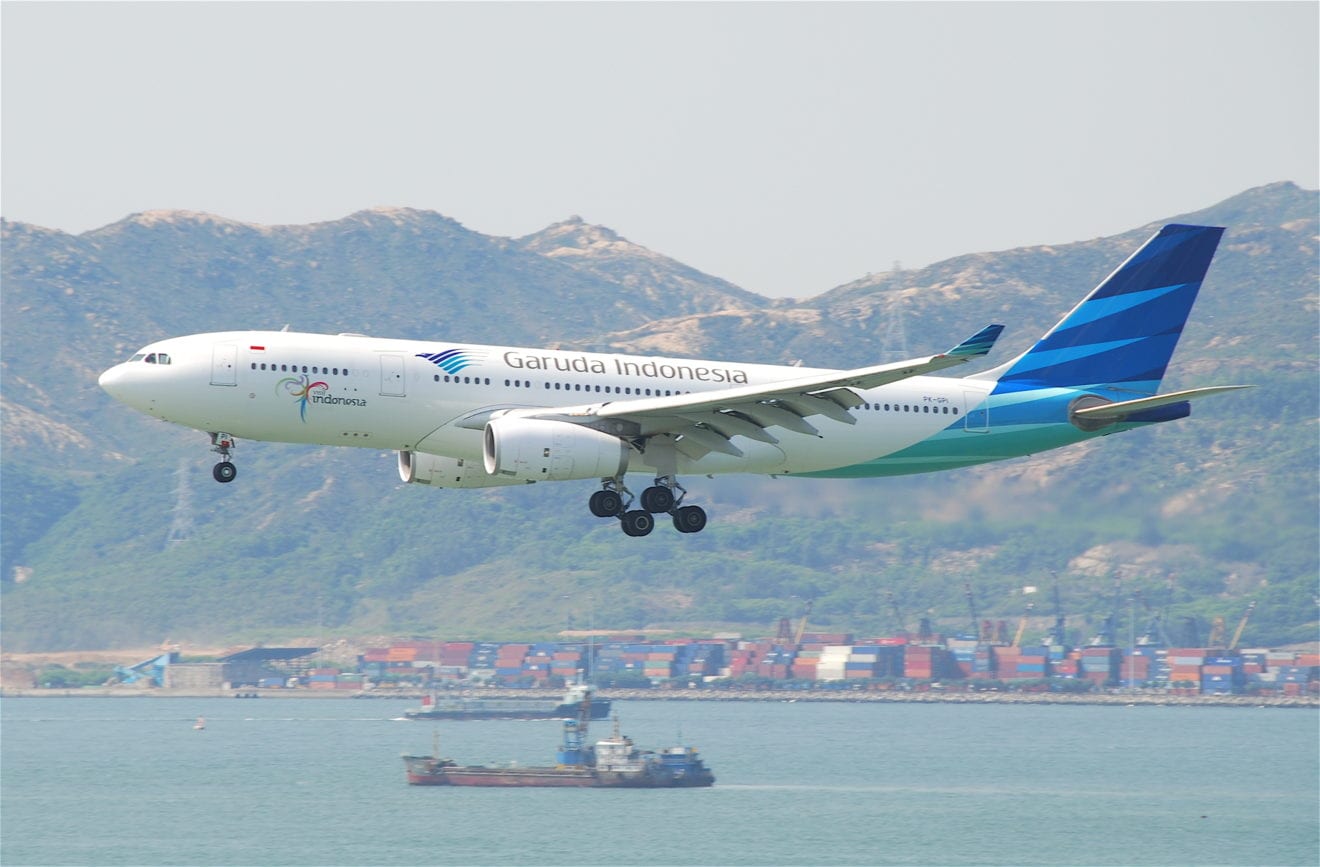
    Indonesian flag carrier Garuda Indonesia is planning to start a direct flight between Shanghai, China, and Denpasar, Bali, on January 13.

    “The non-stop flight between Shanghai and Denpasar will operate twice e a week using an Airbus-330 aircraft,” Vice President of Garuda Indonesia for China Region I, I Wayan Subagja, in Beijing, on Tuesday.

    As Bali is the favorite destination for Chinese tourists visiting Indonesia, hence Garuda will continue to increase the number of direct flights to Bali through regular and unscheduled flights.

    Garuda Indonesia also provides regular flights on the Beijing-Jakarta route that operate thrice a week and seven weekly flights each on the Shanghai-Jakarta and Guangzhou-Jakarta routes.

    Since January 2013, the national flag carrier has been operating four non-stop weekly flights on the Beijing-Denpasar route and has also added a new flight on the Guangzhou-Denpasar route at the end of 2015.

    Moreover, Garuda facilitates unscheduled flights for people from eleven Chinese cities who plan on visiting Bali for the Chinese New Year and summer holidays.

    “They still have huge interest to visit Bali due to which Garuda has tried to provide ease and comfort to tourists who want to visit Bali. We also promote other destinations in Indonesia,” Subagja emphasized.

    The opening of flights between several cities in Tiongkok and Bali is expected to support an increase in the number of Chinese tourists to Indonesia, which is targeted to reach ten million people in the next five years since 2015.

  • Sari-sari stores in Davao City to thrive vs 7-Eleven

    Sari-sari stores in Davao City to thrive vs 7-Eleven

    Philippines’ corner stores called ‘sari-sari stores’ will be affected by growing competition from convenience stores sprouting in Davao City but they will continue to survive, according to a local government official.

    Ivan C. Cortez, officer-in-charge of Davao City Investment Promotions Center (DCIPC), said, in an interview with Sun Star Davao, that the increasing number of 7-Eleven stores in the city will affect small retailers’ sales especially those of the ‘sari-sari’ stores.

    However, Cortez said that ‘sari-sari’ stores will continue to thrive as their market is different from convenience stores.

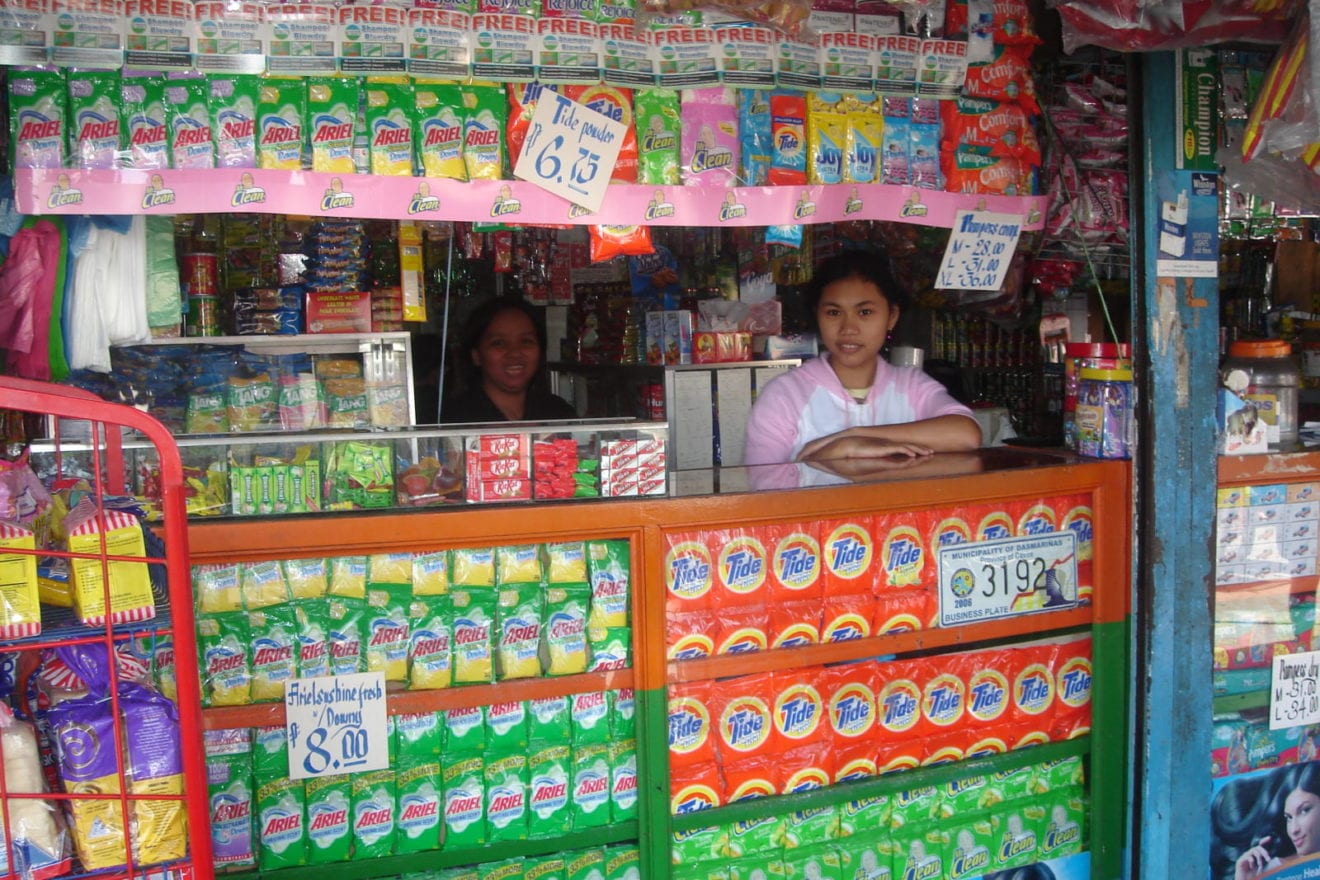
    ‘Sari-sari’ stores, considered as neighbourhood stores, sell a variety of products in retail from a cigarette stick, shampoo sachets, to a small pack of peppercorn. They are ubiquitous in residential areas and sometimes offer goods on credit.

    The market of 7-Eleven and other convenience stores, on the other hand, are mainly young professionals.

    “7-Eleven is an upscale sari-sari store with 24 hours service, this will have an effect on local sari-sari store, on the survival rate, because 7/11 is getting the bulk the sales,” added Cortez.

    7-Eleven, the largest convenience store chain in the Philippines and operated by Philippine Seven Corp. (PSC), has more than 20 stores in the city.

    PSC aims to open 70 stores in Davao City in June this year and 120 stores by 2018 in the entire region of Mindanao.

  • Hong Kong retail sales worse than expected in November

    Hong Kong retail sales worse than expected in November

    Hong Kong’s retail sales by value declined for a ninth consecutive month in November, falling by a worse-than-expected 7.8% from a year earlier as inbound tourism slowed further, the Census and Statistics Department said Monday.

    The decline deepened from October’s 3.0% fall, and was more severe than the median forecast of a 6.5% decrease from three economists surveyed by The Wall Street Journal.

    Hong Kong’s 2015 retail sales are expected to suffer their biggest annual decline since the outbreak of severe acute respiratory syndrome, or SARS, in 2003. Retail sales by value for January-November fell 3.1% from a year earlier, steeper than the 2.3% decline recorded in 2003 when tourists shunned Hong Kong for several months during the SARS outbreak.

    Hong Kong’s retail sales by volume fell 6.0% in November from a year earlier, reversing October’s 1.2% rise, and worse than the survey’s median forecast of a 3.2% contraction.

    A government spokesman said retail sales dropped amid weak tourism. “The increased downside risks to the economic outlook and recent stock market corrections might also have resulted in more cautious local consumption sentiment,” the spokesman added.


  • How China’s online retail appetite is eating our lunch

    How China’s online retail appetite is eating our lunch

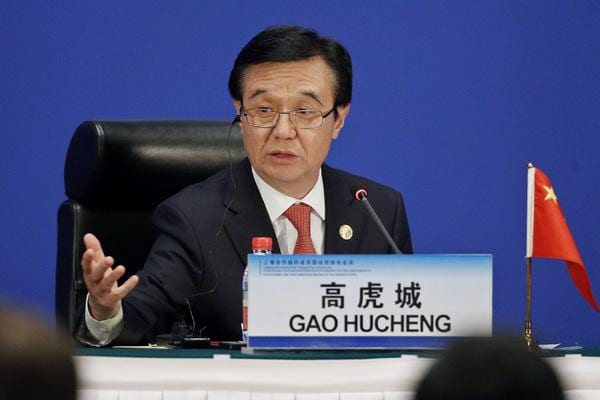
    Commerce Minister Gao Hucheng (pictured) boasts online sales will reach four trillion yuan (US$16 billion) this year.

    China has attained the key targets (outlined in the 12th Five-Year Plan) by the end of 2015 to become a genuine giant trader, Gao said at a national meeting on commerce. As a result it has outpaced its global competitors.

    chinese commerce minister

    China is now home to over 80,000 trade markets and total retail sales of consumer goods would each 30 trillion yuan this year with consumption contributing to about 60 percent of total GDP growth, he added.

    In the past five years, China’s exports of goods grew at an annual average of 6.5%, with its share in the global market rising from 10.4% in 2010 to about 13.2% in 2015, faring much better than major global economies. Service trade grew over 13.6% each year,marking the world’s second largest service trader.

    China’s actual use of foreign capital during the 20102015 period is expected to reach $620billion with the tertiary sector taking over 60% of total foreign capital. Outbound direct investment grew at 14.2 % annually.

    China is expected to receive foreign direct investment worth $135 billion both in financial and non-financial sectors in 2015, according to Gao.

  • China stocks plunge 7%, activate circuit breaker for the second time

    China stocks plunge 7%, activate circuit breaker for the second time

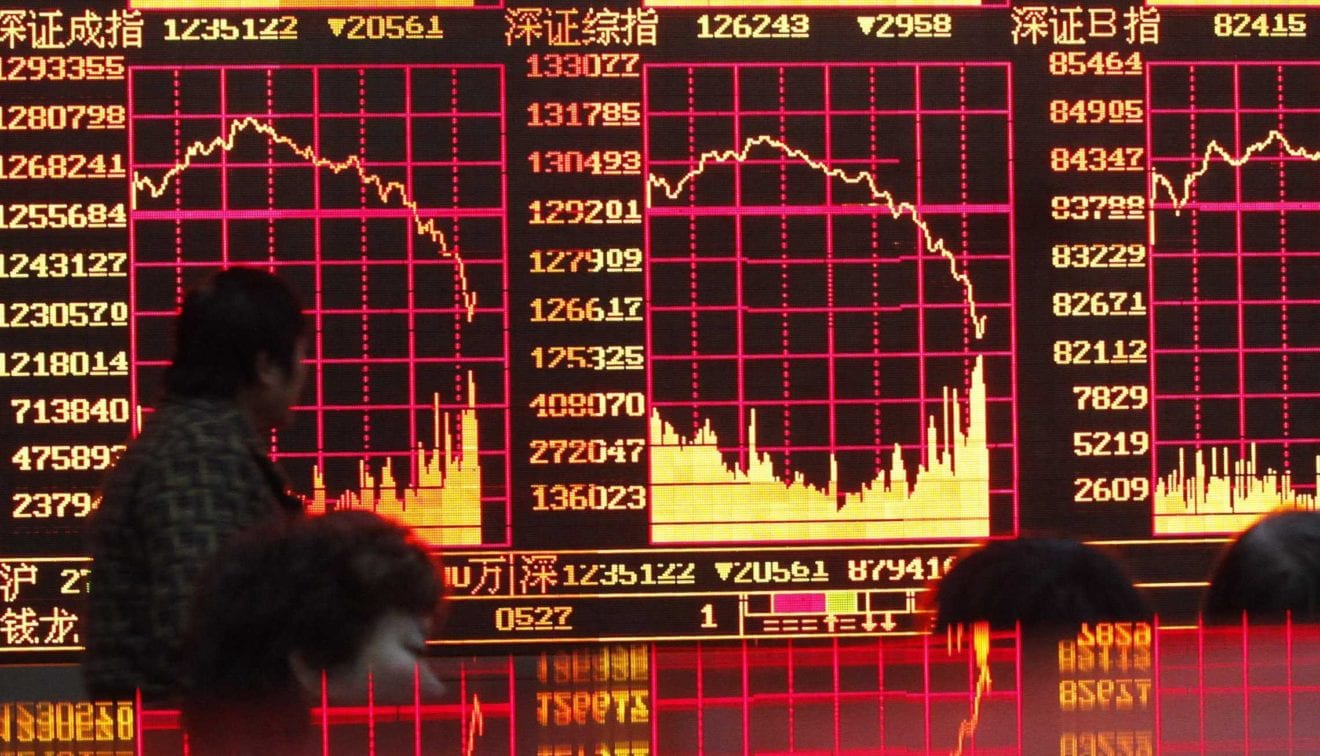
    Trading in China’s stock markets has been halted for the rest of the day, after a 7 per cent plunge in the blue-chip CSI300 index in the afternoon trading session triggered a circuit breaker mechanism which came into effect on Monday (Jan 4).

    Earlier in the session, trading in both the country’s equity indexes and equity index futures had been halted for a brief 15 minutes, following a 5 per cent decline in the benchmark index.

    The rapid activation of the second trading halt just after 1.30 pm local time indicated “a rise in market volatility” following the first trade suspension.

    “There was uncertainty in the markets. Investors were worried that maybe they might not be able to sell stocks after markets were halted,” Jackson Wong, associate director at Huarong international Securities, said in a telephone interview. “So when markets resumed trade, we saw an acceleration in selling.”

    The fact that retail investors account for nearly 70 per cent of China’s stock-market trading volume also contributed to the rapid selloff.

    “Retail investors are by nature more risk averse than institutional investors.. It isn’t hard to understand why markets legged down hard to the 7 per cent final breaker limit when markets reopened after the first circuit breaker was triggered and halted the market for 15 minutes, as this 15 minutes give a big window of opportunity for investors, mostly retail, to get new sell orders queued into the market,” Gavin Parry, managing director of Hong Kong-based Parry International Trading, said in an email interview.

    For most of Monday’s session, Chinese shares were on the back foot, following a dismal reading from the latest Caixin manufacturing purchasing mangers’ index (PMI) and ahead of the imminent expiration of a share sales ban on listed companies’ major shareholders, according to IG’s market strategist Bernard Aw.

    In addition, the move by authorities to cut the yuan’s value against the greenback on Monday, making it weaker than 6.5 for the first time in more than four-and-a-half years, added to the risk-off sentiment.

    The Shanghai Composite ended down 6.9 per cent, while the smaller Shenzhen Composite nosedived 8.2 per cent. In Hong Kong, the benchmark Hang Seng index was pulled down nearly 3 per cent.

    Mr Aw expects China’s stock markets to remain on a downward spiral on Tuesday. “I’m quite sure that there will be downward pressure tomorrow,” he said. “Circuit breakers only help to stall the pace of declines, but they do not stop the direction of movements.”

    For CMB International’s Strategist Daniel So, China’s A-shares will likely see downward pressure in early trading on Tuesday, but may “turn north by (the) market close” on the back of support from some investors who believe that now is “a good opportunity for bottom fishing amidst panic selling”.

    CIRCUIT BREAKER: BOON OR BANE?

    The idea of a circuit breaker mechanism was first raised by the Shanghai Stock Exchange last September and officially confirmed on Dec 4, 2015.

    Under the mechanism, a move of 5 per cent in either direction from the CSI300 index’s previous close will trigger a 15-minute trade suspension across the country’s stock indexes if the move occurs before 2.45 pm local time. After that, a 5 per cent move will prompt a trade suspension until the market closes at 3.00 pm.

    Moves of 7 per cent in the index will spark a trading halt for the rest of the day.

    The introduction of a circuit breaker seems to have sparked more unease among Chinese investors, despite its good intentions of limiting market volatility, according to Huarong’s Mr Wong.

    “Investors are just getting used to the new mechanism. After they get used to the idea, it may not be as bad,” the Hong Kong-based analyst said. “But to be honest, 5 to 7 per cent swings is very normal for China’s markets so while the stock market circuit breaker is introduced with good intentions, it might not be a good idea given the experiences of Chinese investors.”

    On the other hand, IG’s Mr Aw believes that investors should look beyond the short-term repercussions as the new mechanism will bring China’s markets more in line with international standards.

    The circuit breaker system will also “complement” the current 10 per cent daily limit rule which is usually limited to only “a handful of stocks”, he noted.

    Under current rules, individual stocks and index futures in China are allowed to rise or fall a daily maximum of 10 per cent from the previous closing level. Trading of a stock stops when it hits the daily maximum allowable limit.

  • Government stuck in past in retail shop payment systems

    Government stuck in past in retail shop payment systems

    Mr. Park, a 50-year-old manager of a coffee shop in Yeouido, western Seoul, recently bought an integrated circuit (IC) card reader for 400,000 won ($343). Last summer, the country’s financial authority required shops to use them so customers could pay with credit cards with an IC chip embedded in them.

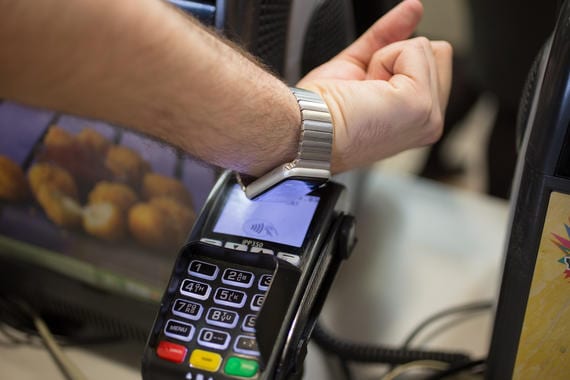
    However, as more locals use the Samsung Pay mobile payment system, IC card readers are fast becoming dinosaurs. The card reader that Park bought recently does not have ability to process Near Field Communication (NFC) payment system. If Apple decides to expand its mobile payment system in Korea, shops will have to buy new card readers with NFC capabilities.

    “I don’t understand why the government told us to buy the new card reader so early in the transitional process,” Park said. “They could have waited until the different mobile payment systems were established.”

    Many industry insiders are critical of the financial authority forcing shop owners to buy IC card readers in July. They say the government is behind in the latest technological trends.

    The government’s decision came after an information leakage scandal last February. Financial authorities believed that it was safer to use cards with IC chips compared to traditional magnetic strips, which are thought to be more vulnerable to financial crimes, including card duplication.

    Due to the government’s decision, approximately 2.47 million credit card company affiliates, or 95 percent of the total 2.6 million stores, were forced to buy the new card reader. The credit card companies chipped in 100 billion won to support their affiliated stores.

    Unfortunately, Samsung Pay, which Samsung Electronics introduced in August, turned the market upside down. Samsung Pay can work with cards that have magnetic strips and allows its customers to secure their identities with fingerprint recognition authentication.

    Samsung Pay users have grown significantly thanks to its ease and safety. Samsung Pay does not require stores to have IC card readers.

    “We did not consider Samsung Pay prior to commercializing IC card readers,” said a representative for the Financial Supervisory Service (FSS). “We intended to adapt the magnetic payment system just in case IC chips run into trouble.”

    IC card readers currently cannot process NFC. The payment system enables a portable device such as a smartphone to establish radio communication with the card readers nearby. Currently, Google’s Android Pay and Apple’s Apple Pay are using this system. Samsung Pay has NFC payment systems in its smartphones as well.

    The financial authority failed to include NFC payment systems in the new IC card readers because there was discord between the major credit card companies. Hana and BC agreed to adapt the system while others were unwilling due to extra charges the companies would have to pay mobile service providers.

    Some industry insiders argue that a lack of government’s efforts further complicated this situation. “Financial authorities failed to ease or mediate the tension between credit card companies,” said a representative for a credit card company.

    Many worry that store owners will have to pay another 100,000 won or so for a new card reader if NFC gets popular.

    Moreover, Kakao Bank and K-Bank – the first two Internet banks in Korea – are expected to open next year and shake up the existing payments market. They would not require any type of credit card readers in transactions. Customers could pay directly using their registered banking accounts, which would save them transaction fees as well.

    Experts recommend the government consider upgrading the existing card readers to enable mobile transactions.

    “As the credit card industry develops rapidly, we also need to adapt to new technologies such as NFC as fast as possible,” said Kim Jong-hyun, a senior researcher at Woori Finance Research Institute.

    “As of now, more people use traditional plastic credit cards, and we need to prioritize them in our policies,” said a representative at the FSS.

    BY LEE TAE-KYUNG [[email protected]]

  • Hong Kong must boost efforts to weed out malpractices that hurt city’s tourism industry

    Hong Kong must boost efforts to weed out malpractices that hurt city’s tourism industry

    Blacklisting unscrupulous operators in an industry is a common practice. But convenience and inadequate supervision mean the bad apples can easily reinvent themselves by re-registering under a different company name. Amid growing concerns over mainlanders tricked into signing up for compulsory shopping trips to Hong Kong, the Guangdong authorities have rightly introduced an unprecedented measure – honouring good travel agencies by putting them on a “red list”. This has also prompted the local travel industry to put its own house in order. Starting from last Friday, tour guides are required to wear identify badges at work. More spot checks at tourism and shopping outlets will also be carried out, followed by warnings or points deduction under the existing licensing regime.

    Against the backdrop of a deepening decline in tourist arrivals from across the border, the measures are essential. But they are not a panacea. The so-called “forced shopping” and “zero-fee” tours are supposed to be banned under regulations adopted by the national tourism authority in 2103. But lucrative returns means some are willing to risk acting outside the law. The use of “coupons” to attract customers to sign up for low-cost tours is just one of the many tricks to get around the ban.

    The red list scheme is a first on the mainland. To succeed, accreditation needs to be stringent. It would be meaningless if every travel agency made it to the list.

    Forced shopping would not be possible without the help of tour operators and stores in Hong Kong. The local retail and tourism industries should also do their part to help weed out such malpractices. But this is easier said than done because the financial and business interests of so many are at stake.

    But what is most at stake is the lifeline of the city’s tourism industry. Growth in arrival numbers has already slowed as mainland tourists venture into more exotic foreign destinations. The red list will not necessarily boost our tourism industry. But transparency can help consumers make informed choices and malpractices can hopefully be confined to the dustbin of history.