Author: Mei Ling Tan

  • Vietnam’s retail sales jump 9.5% last year

    Vietnam’s retail sales jump 9.5% last year

    Viet Nam’s retail sales of goods and services rose 9.5 per cent this year, the largest increase since 2011, as low inflation and strong economic growth bolstered consumer confidence, data from the General Statistics Office (GSO) revealed.

    Sales were estimated at VND3,242 trillion (US$148 billion), GSO said. Vu Manh Ha, domestic trade economist of the GSO, attributed the significant rise in 2015 to the country’s 0.63-per cent CPI year-on-year rise, the lowest increase in the past 14 years.

    Ha said the low CPI increase meant stable prices for several essential products, adding that manufacturers and suppliers could sell their products without raising prices, which encouraged consumption.

    Retail sales growth was also triggered by the increasing number of newly-opened supermarkets and convenience stores throughout the countries, enhancing competition among product suppliers, Ha said.

    The government said on Saturday that Viet Nam’s gross domestic product grew 7 per cent in the forth quarter and 6.7 per cent in 2015, the biggest expansion in five years.

    According to GSO, retail sales of goods, which account for 76 per cent of the total sales, reached VND2,470 trillion ($112 billion), up 11 per cent from last year.

    Revenue in some sectors saw a handsome increase. Food and foodstuffs saw an increase of 15 per cent, household appliances rose 15 per cent, garments and textiles up 13 per cent and transport services are estimated to increase 10 per cent.

    Retail sales of accommodation, restaurant and catering services reached VND372.2 trillion ($17 billion), accounting for 12 per cent of the total revenue, posting a 5.2 per cent year-on-year increase.

  • Credit Suisse: Tough Days for Retailers Next Year as Weak Rupiah and Spending Linger

    Credit Suisse: Tough Days for Retailers Next Year as Weak Rupiah and Spending Linger

    Indonesian retailers could see tough days persisting next year as they wade through a storm of weak rupiah and waning consumer demands, analysts at Credit Suisse Securities Indonesia says.

    Retailers in the country have grappled with volatility in the rupiah this year — with an 11 percent decline to 13,872 against the US dollar year-to-date — which are hiking costs of imports as well as interest from dollar-denominated debt against the backdrop of a slower economy.

    Credit Suisse Securities Indonesia is now underweight on local retailers next year, especially those with high imported content such as fashion and lifestyle retailer Mitra Adiperkasa and household store operator Ace Hardware. Credit Suisse Securities Indonesia is the the sixth-biggest broker in total value in November taking some 4 percent of the trading, data from the local bourse authority showed.

    “I’m worried about retailers with a lot of imported content because the rupiah has weakened a lot, so their merchandise is becoming more expensive for the local population to buy,” Jahanzeb Naseer, head of research for Indonesia at Credit Suisse Securities Indonesia, told reporters in Jakarta on Monday.

    “The government is also expecting a lot of machinery and infrastructure-related imports next year that they may put pressure on consumption imports.”

    Consumer spending on discretionary items, such as electronic devices and apparel, is also unlikely to improve until the second half of next year due to higher prices, according to Naseer.

    Credit Suisse forecasts the rupiah to weaken by between 6 and 8 percent next year due to pressure from the US Federal Reserve’s monetary tightening as well as a possible rate cut by Bank Indonesia.

    Meanwhile, it sees the economy growing by 5.2 percent next year — roughly in line with the government’s 5.3 percent target — on the back of accelerated government spending as well as a potential rate cut of 75 basis points by Bank Indonesia.

  • GST, ringgit decline hit retailers causing 40% drop in sales, says employers group

    GST, ringgit decline hit retailers causing 40% drop in sales, says employers group

    Retailers have experienced a major drop in sales with some registering a more than 40% decline over festive periods in the second half of the year, the Malaysian Employers’ Federation (MEF) said today.

    MEF executive director Datuk Shamsuddin Bardan said retailers attribute the decline to the combined impact from the implementation of the goods and services tax (GST) in April and the ringgit’s depreciation against the US dollar. He added that consumers became more prudent in their spending after the GST came into effect and this was reflected in Hari Raya and Deepavali shopping in the second half of the year.

    The cost of goods were “seemingly” higher because the tax and the exchange rate had also affected all players in the retail sector, both big and small companies, he added. “The challenges are very high for the retail sector. The sector has very much to do with domestic market outlook, especially when the rakyat is very careful with their spending and choosy with their purchases.

    As such, the retail sector will be affected very much,” he told The Malaysian Insider. Poor consumer sentiment saw retailers grapple with a drop of more the 40% than the usual spending during the last two festive seasons in July and November.

    “You look at Hari Raya and Deepavali. Many retailers are saying that their sales were affected, some by more than 40%. “In this kind of revenue outlook, this sector has no choice but to actually restructure their manpower and, unfortunately, when they talk about restructuring, they are talking about retrenchment.”

    Shamsuddin said many retailers were struggling although MEF had yet to receive any reports on closures or retrenchments. The Edge Financial Daily last week reported that independent retail research firm, Retail Group Malaysia (RGM) has cut its forecast for retail sales this year for the fifth time, attributing it to poor figures in the second and third quarters of the year.

    The firm said the decision to revise its forecast downward was due to the weakening ringgit in the past few months, which led to higher import costs. RGM, however, forecasted that the Q4 (October to December) growth to 3.8% year-on-year is higher than Malaysia Retailers Association’s (MRA) forecast of 1.3% growth for the same period.

    This was because RGM believed that the higher cost of overseas travel would encourage domestic spending. MRA also said it did not expect its businesses to recover strongly for the period as they expected a 2.6% contraction in sales.

  • Singapore risks fading into investment backwater as market cap shrinks

    Singapore risks fading into investment backwater as market cap shrinks

    Fresh off its worst year for listings in at least two decades, the Singapore stock market now faces the threat of fading into an irrelevant backwater for global investors as large privatisations, small floats and a broad-based equities slump continue to erode its market value and appeal, market watchers warn.

    With the number of initial public offerings (IPOs) here falling in 2015 to its lowest annual level since the Singapore Exchange (SGX) opened its doors in late 1999, the local share market has been left in the dust by regional rival Hong Kong as of late, while its neighbours in South-east Asia have begun to nip at its heels.

    One crucial and worrying sign is that the sharp slide in Singapore’s total market capitalisation in 2015 reflects evaporating liquidity, decreasing depth and a sore lack of interest in raising funds here as attention turns to markets with brighter prospects, analysts and asset managers say, adding that this trend could well turn into a vicious cycle.

    The total market value of stocks listed on the Singapore Exchange added up to about US$463.46 billion at the close of trading on Dec 31, 2015, going by a Bloomberg gauge based on actively traded primary securities and stripping out exchange traded funds and ADRs (American depositary receipts).

    This number would make the entire Singapore market cap smaller than that of Nasdaq-listed Apple, which weighed in at around US$586.86 billion at the end of last week. It also marks the Singapore market cap’s lowest level since hitting US$464.41 billion at the end of 2011.

    Singapore’s market cap shrank a sharp US$107.18 billion or 18.8 per cent from a year ago, according to Bloomberg data. The bulk of the drop was due to a broad-based equities slump that also put a dent in other bourses across Asia. The Straits Times Index fell 14 per cent in 2015 to finish the year at 2,882.73 points, down from 3,365.15 at the end of the previous year.

    But another significant factor is a handful of big delistings that has occurred alongside a persistent dearth of sizeable initial public offerings (IPOs), analysts say.

    “Privatisations of many large companies in the last few years, especially in the property sector, have shrunk the investable pool of stocks in Singapore,” said Kum Soek Ching, head of Southeast Asia research at Credit Suisse Private Banking Asia Pacific.

    “The absence of large and meaningful IPOs in recent years have also not been supportive to the total market cap of Singapore … With less market participants, a smaller-cap market can suffer from liquidity issue during periods of stress.”

    Large delistings in 2015 included that of conglomerate Keppel Corp’s property arm Keppel Land in July. KepLand had a market value of S$6.56 billion, based on 1.55 billion shares outstanding and the takeover price of S$4.38 per share that KepCorp paid.

    Engineering firm UE E&C, which was worth S$337.5 million based on an offer price of S$1.25 for 270 million shares, was taken over by a private equity firm and delisted in March. Bookstore chain Popular Holdings also delisted in May. It had had a market value of around S$255.07 million, based on offer price of S$0.32 and about 797.09 million shares outstanding.

    The declining total market cap points to an increasing lack of interest from companies in tapping equity capital markets here.

    Against the market values of the delistings last year, there was just S$339.18 million in total IPO fund- raisings in 2015. All but one of the 13 public floats here last year were Catalist listings, and the average IPO size worked out to around a puny S$26 million.

    The number of IPOs and the total IPO funds raised last year were the smallest in at least two decades, going by newspaper reports. Up until 2015, the SGX had not seen fewer than 20 public floats a year. In the depths of the global financial crisis, the year 2008 had 22 IPOs raising US$931 million while 2009 had 23 floats that raised about S$3.21 billion, according to media reports then. Even in 1998, with the Asian financial crisis, SGX managed to rake in 20 IPOs that raised about S$406 million.

    Several Singapore-based companies are also eschewing a local listing for an overseas float. Aircraft leasing firm BOC Aviation said last year that it wanted to list in Hong Kong. A Singapore medical company that develops treatments for Alzheimer’s also said recently that it was gunning for a Nasdaq IPO, according to media reports.

    The recent trend of substantial privatisations and tiny IPOs could continue to reduce Singapore’s market cap this year, which market watchers say does not bode well for local stocks’ investment appeal.

    “Investors, especially foreign institutions, like liquid markets, and market liquidity correlates with market size. Institutional investors take a silo approach and allocate to illiquid private equity and liquid listed equity, where they seek and expect liquidity,” said Bryan Goh, chief investment officer at wealth manager Bordier.

    Dealmakers have already hinted that they expect 2016 to be characterised by Catalist IPOs, and a couple of large delistings are already on the cards. French shipping firm CMA CGM is trying to privatise Neptune Orient Lines (NOL), which had a market cap of S$3.2 billion at end-2015. Singapore Airlines is also trying to delist Tiger Airways, which had a market cap of around S$1.03 billion as at Dec 31.

    Ms Kum added that the size of a market’s total capitalisation would determine its weighting in indices such as the MSCI that institutional investors use as benchmarks. “A market with a small weighting may become irrelevant for institutional investors, unless it has a very compelling story.

    “With a lower index weighting, the Singapore market risks losing its relevance and importance to institutional investors. Private investors may also increasingly need to avail themselves of more investable options in overseas markets, in order to preserve or grow their wealth, creating a vicious cycle in diminishing the market size and relevance.”

    According to Bloomberg data, Hong Kong had a total market cap of US$4.105 trillion at end-2015, nearly nine times that of Singapore. It also eclipsed Singapore in terms of IPO fund-raising last year, raising more than 160 times the total figure in the Republic. Japan’s market cap is nearly 11 times that of Singapore and the US is nearly 51 times as large.

    To makes matters gloomier, other countries in South-east Asia, which have so far remained smaller than Singapore in terms of total market value, are beginning to catch up.

    The gap between Singapore’s and Malaysia’s market cap was US$117.98 billion in 2014; that shrank 27 per cent to US$86.35 billion in 2015. For Indonesia, the gap with Singapore narrowed 24 per cent from US$148.68 billion to US$113.34 billion, while the gap between Singapore and Thailand was reduced by 16 per cent from US$154.85 billion to US$130.53 billion over the same timeframe.

    IG market strategist Bernard Aw noted: “We are always in competition with other bourses, and failing to increase or retain investors’ interest is akin to a kiss of death. This is why Singapore is trying to attract investors’ interest back via initiatives such as the introduction of new equity indices which are sector-specific.”

    However, some market watchers said there were still things to like about the Singapore stock market.

    “Singapore does not necessarily lose its shine as an investment destination as a result of its market cap declining or being relatively smaller than that of other global financial hubs,” said Andrew Wood, head of Asia country risk at BMI Research.

    “It is really the quality of the firms listed in that market as well, the maturity of the financial markets framework, along with other factors such as the political risk and macroeconomic risk environment in that country. Singapore scores very well for the last three criteria.”

    Though he cautioned that Singapore “could lose out if it is seen as a less attractive environment for IPOs, and a shrinking market cap could speak to a relatively shallower capital market”, Mr Wood said Singapore could still remain attractive for investors due to its regulatory environment and its macroeconomic and political stability.

    Hugh Young, Asia managing director of Aberdeen Asset Management, also remained optimistic. Though he noted that “the reality is that for many of the world’s largest investors, Singapore is a backwater given its size and relative lack of liquidity”, he said market size should not matter for “true investors looking for great investments”.

    “Of course for the more thorough investor, small markets and small companies can be a profitable hunting ground as they can be overlooked and neglected … All in all, it’s not something I would overly worry about although for many it can be a matter of pride – ‘we’re better because we’re bigger’. Size is not everything.”

  • Singapore consumer confidence in Dec above long-term average

    Singapore consumer confidence in Dec above long-term average

    Although currently weak in personal finances, consumers in Singapore have expressed confidence over the next five years. This has led December’s level of consumer confidence to rise to levels above the long-term average, according to the results of the ANZ-Roy Morgan Singapore Consumer Confidence survey released on Wednesday.

    The ANZ-Roy Morgan Singapore Consumer Confidence for December rose to 126.5, above the long-term average of 123.7. This month’s index is also higher than last December’s 121.8.

    In terms of personal finances, a smaller proportion of respondents think they are better off financially, with 29 per cent (or down by 2 percentage points) saying their families are “better off” than a year ago. At the same time, 8 per cent (down 2 percentage points) said they are “worse off” financially.

    Respondents are still doubtful about near-term prospects, with an unchanged proportion, or 32 per cent, saying that their family will be “better off” financially in a year’s time. Eight per cent (up one percentage point) expect to be worse off.

    On economic conditions in Singapore going forward, exactly half of respondents (down 2 percentage points) expect Singapore to have “good times” financially over the next 12 months, compared to 11 per cent (unchanged) who expect “bad times”.

    Over the longer term, half (up 2 percentage points) of respondents expect Singapore to have “good times” financially during the next five years and 11 per cent (down 3 points) expect to fare badly.

    Shopping sentiment is still strong. Twenty-three per cent (up 4 points) of respondents say now is a good time to buy major household items, while 13 per cent (down a point) think it’s not worth it.


  • Hypermarket sales could hit new high of more than NT$180 bil. in 2015

    Hypermarket sales could hit new high of more than NT$180 bil. in 2015

    Sales of hypermarkets in Taiwan are expected to hit a new high of more than NT$180 billion (US$33 billion) this year as chain operators have made great efforts to develop e-commerce platforms to boost sales, according to the Ministry of Economic Affairs (MOEA).

    In addition, the MOEA said that these hypermarket chain operators have worked with renowned brands in a wide range of industries, such as fashion items, restaurants and telecom service providers, to broaden their production lines, a move which is expected to attract more consumers.

    The ministry added that since the government launched short-term economic stimulus measures in November to encourage consumers to buy energy-efficient home appliances, hypermarket operators have been among the beneficiaries.

    In 2014, revenue of Taiwan’s hypermarket business stood at NT$175.8 billion, up 2.5 percent from a year earlier, the ministry added.

    On the back of their plans to add outlets countrywide, hypermarket operators in Taiwan witnessed their operations improve further in the first 10 months of this year, posting NT$153.9 billion in sales during the period, up 4.5 percent from a year earlier, statistics compiled by the MOEA showed

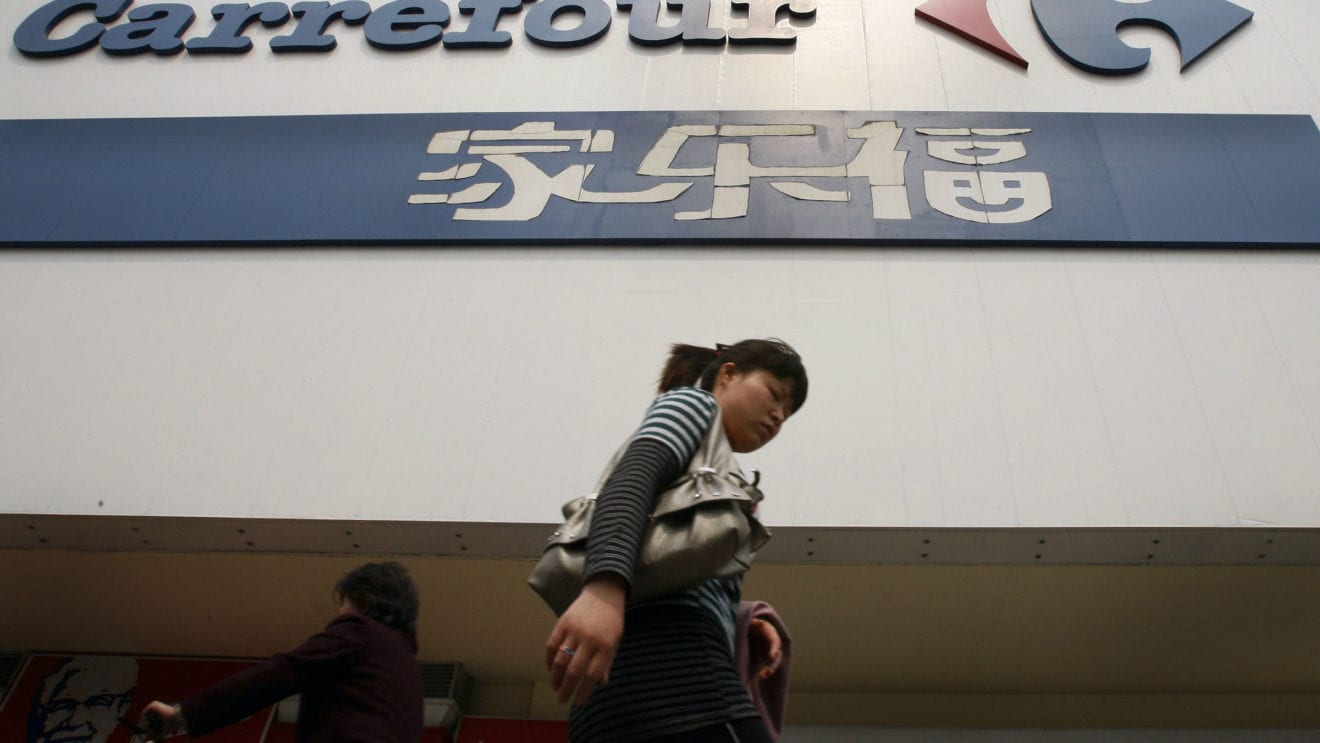
    Carrefour, the largest hypermarket operator in Taiwan, added 12 stores to its chain in the first 10 months of this year to boost its total outlets to 82 since the French retailer has intensified efforts to open smaller-sized stores in urban neighborhoods to take advantage of proximity to consumers, the MOEA said.

    RT-Mart (大潤發) ranked as the second largest hypermarket operator in Taiwan, running 26 outlets as of the end of October, unchanged from the end of 2014, ahead of A. Mart (愛買), which operated 20 outlets islandwide as of the end of October, up one from the end of 2014.

    Costco came in fourth, operating 11 outlets in Taiwan as of the end of October, up one from the end of 2014, followed by Taisuco (台糖量販), a retail business division of state-owned Taiwan Sugar Corp. (台糖), which operated five stores as of the end of October, unchanged from the end of last year.

    A total of 145 hypermarket outlets operated in Taiwan as of the end of October, up 14 from the end of 2014.

    The ministry said that the local hypermarket business accounted for 16.2 percent of sales posted by Taiwan’s retail industry in the first 10 months of this year, compared with 15.9 percent recorded in 2014.

  • Bee forces flight delay in Indonesia

    Bee forces flight delay in Indonesia

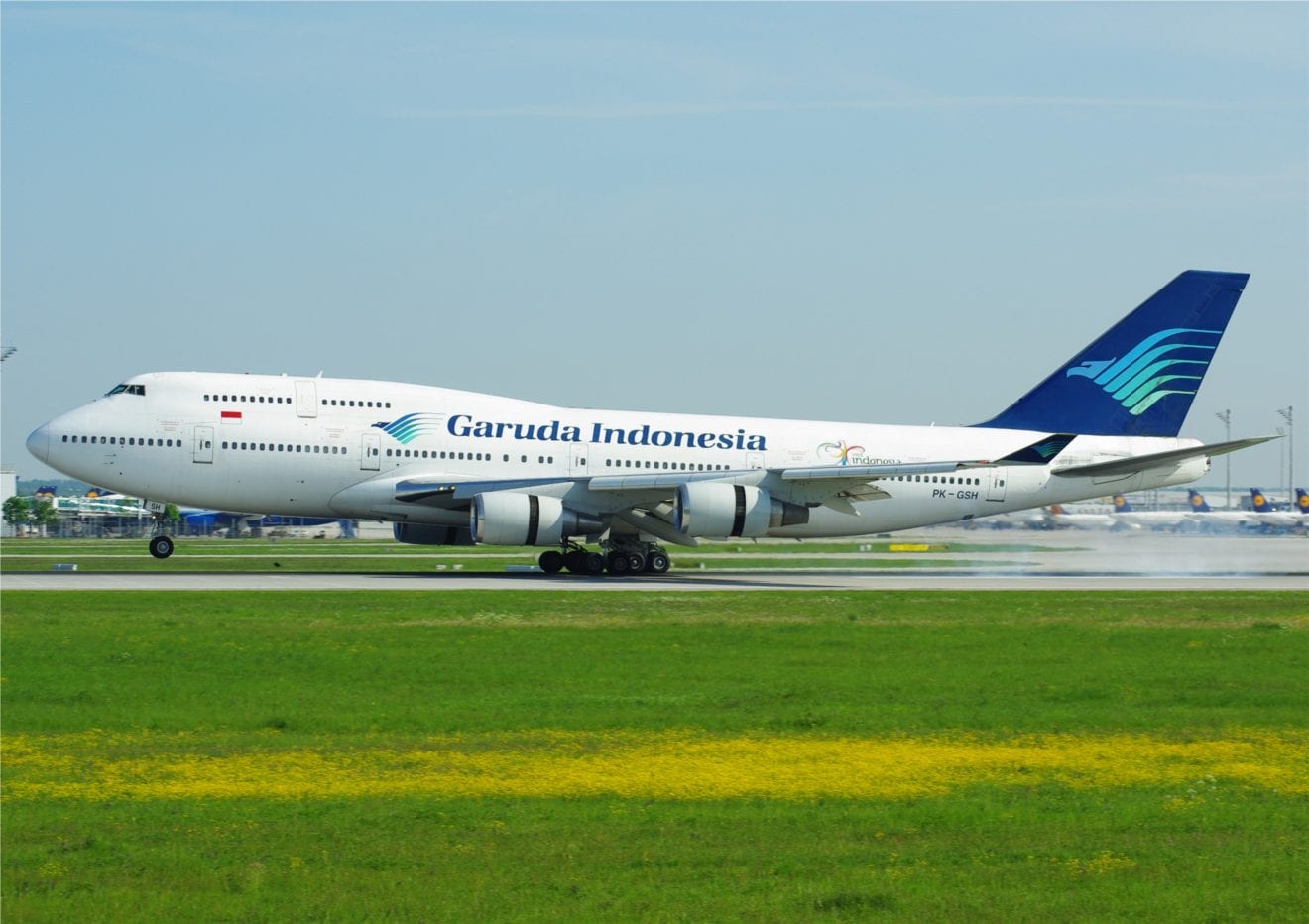
    An errant bee delayed the takeoff of a flight operated by Indonesia’s Garuda Indonesia, the flag carrier’s spokesman said Wednesday.

    Benny Butarbutar, the company’s vice president of corporate communications, told Kyodo News that the pilot of Flight GA197 decided to delay the flight for four hours Tuesday after finding some problems in one of the aircraft’s engines.

    The plane was scheduled to take off at 10.10am from Kualanamu international airport in the North Sumatra provincial capital of Medan bound for the capital Jakarta.

    “Based on a thorough investigation, the problem in the aircraft’s electronic engine control was caused by a bee entering the aircraft’s pitot tube located on the outer part of the cockpit, delaying the departure,” Mr Butarbutar said. The pitot tube measures airspeed.

    The incident, he added, “was beyond Garuda’s control and caused more by the airport’s situation and condition.”

    The problem was discovered just as the plane was about to take off, he said.

    “Considering safety aspects, Garuda Indonesia decided to delay the flight, and after a one-hour repair process, the aircraft was declared serviceable and ready to operate,” Mr Butarbutar said, adding that the incident was the first of its kind for Garuda.

  • AirAsia X promotes KL-Jeddah route to Indonesians via charter contract

    AirAsia X promotes KL-Jeddah route to Indonesians via charter contract

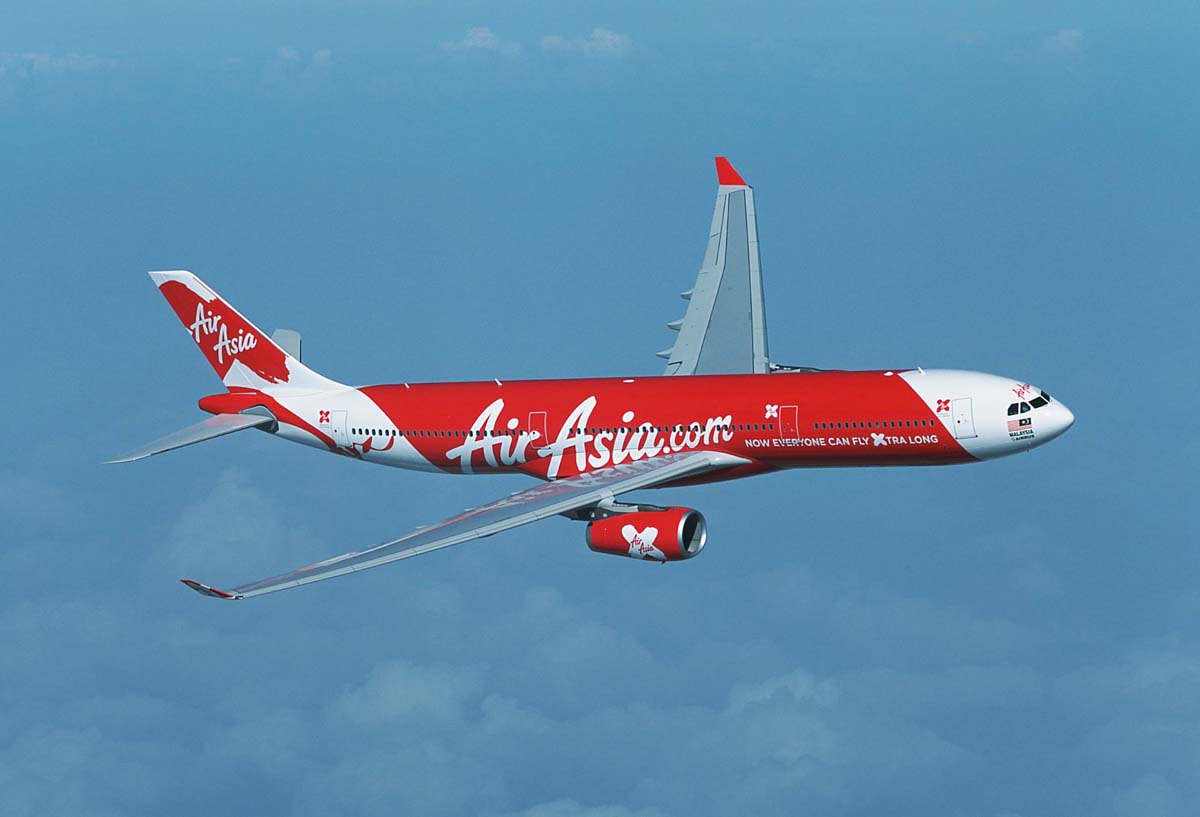
    AirAsia X Bhd (AAX) has signed an agreement to charter aircraft from sister company PT Indonesia AirAsia (IAA) for 24 return flights between Jakarta and Kuala Lumpur for US$648,000 (RM2.82mil).

    The long-haul, low-cost airline told Bursa Malaysia that the two companies had on Jan 4 signed the charter agreement which summed up to 8,640 seats as a dedicated fly-through connectivity with its current Kuala Lumpur – Jeddah – Kuala Lumpur operations.

    It said the transaction was aimed at promoting the Kuala Lumpur – Jeddah route to Indonesian passengers via the charter and to generate positive returns for AAX.

    “The charter between AAX and IAA shall commence on the date of the agreement and will expire on Feb 29, 2016 or at the end of the extension period as may be agreed by AAX and IAA,” the airline said.

    AirAsia Investment Ltd, a wholly owned subsidiary of AirAsia Bhd, and PT Fersindo each hold 49% and 51% equity interest respectively in IAA. IAA is deemed to be a related party to AAX as AirAsia Bhd’s directors and major shareholders, Datuk Kamarudin Meranun and Tan Sri Tony Fernandes, are also the directors and major shareholders in AirAsia X.

    Last month Indonesia AirAsia launched the inaugural Jakarta-Jeddah flight, which is scheduled to depart twice a week.

    AAX shares closed unchanged at 18 sen on Monday with 6.75 million shares being transacted.

  • Indonesia revising 2018 Asian Games mascot after criticism

    Indonesia revising 2018 Asian Games mascot after criticism

    Indonesia is revising the mascot for the 2018 Asian Games after criticism that the newly unveiled bird-of-paradise looks more like a chicken.

    Gatot Dewa Broto, a senior official at the Ministry of Youth and Sport, said today that the revision should be finalised over the next two to four months.

    The mascot, called Drawa, was launched December 27 and is named after Cendrawasih, the local name of an iconic bird which is only found in Indonesia’s eastern most Papua province, New Guinea, and eastern Australia.

    However, many online critics have said the design makes it look more like a chicken than a bird-of-paradise, while others have said the mascot is out of date or just not suitable for such a major event.

  • SPH Media Fund invests in Indonesia-based cashback app Snapcart

    SPH Media Fund invests in Indonesia-based cashback app Snapcart

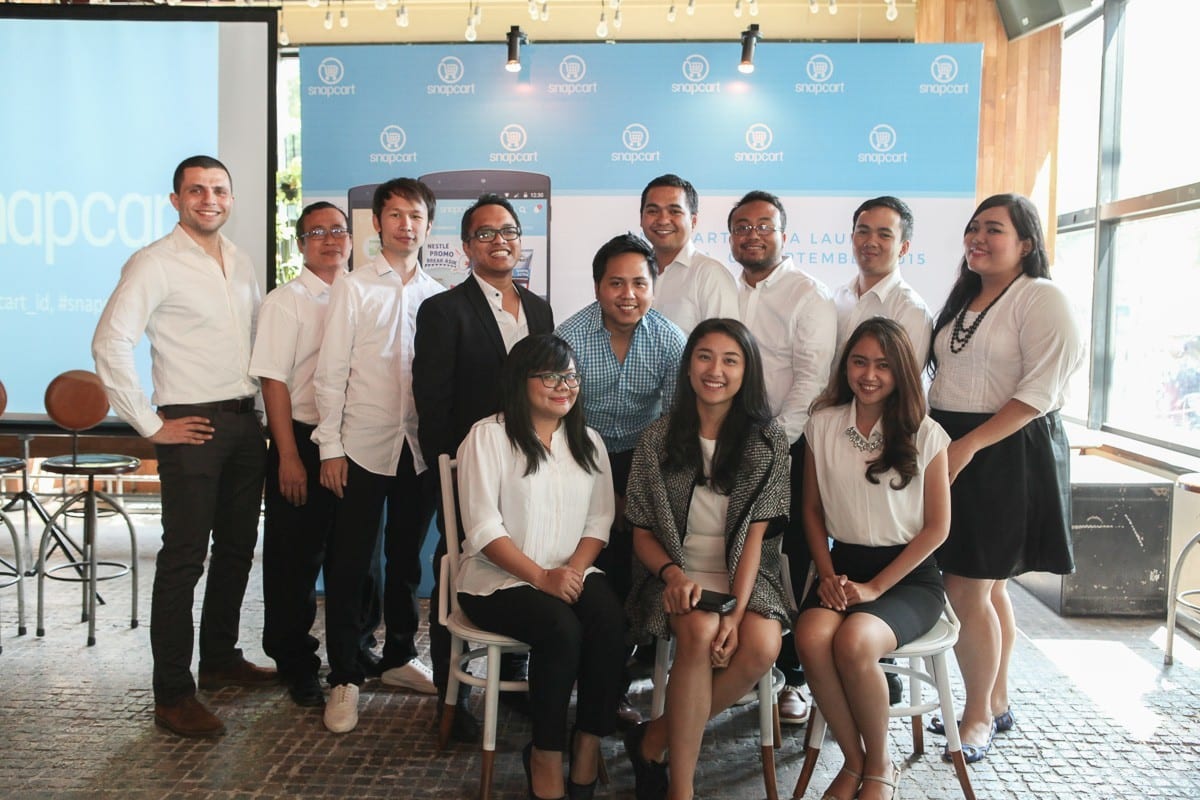
    Snapcart, a mobile app based in Indonesia, announced today (Jan 5) that it has successfully raised US$1,675,000 (S$2,385,000) pre-series A funding.

    Among this round’s participants are Wavemaker Partners, SMDV, Ardent Capital and SPH Media Fund – the investment arm of Singapore’s leading media group Singapore Press Holdings.

    “I believe we were able to earn the confidence of investors after our early signing with major FMCG brands Nestle and L’Oreal in Indonesia,” said Reynazran Royono, CEO and Founder of Snapcart. “Our pre-launch and launch traction was also amazing with 12,000 app downloads before any marketing campaigns were launched. In a relatively short period we were able to sign more than 35 brands, including brands from Procter & Gamble and Unilever”

    According to Snapcart, since its launch on Sept 2, 2015, the number of downloads has grown to over 150,000, with more than 85,000 monthly active users.

    However, the company aims to achieve 1 million users downloads in less than a year.

    Snapcart will use the capital to develop new products; including engagement video features and analytical dashboard tools. These features will accommodate brands with the platform they need in order to see their consumer behaviours in real-time, as well as to aid brands in formulating their next marketing actions.

    The company is also planning an expansion to at least two other markets in Southeast Asia, starting with the Philippines early this year. Snapcart’s iOS version launch will also be taking place at around the same time.

    “Our first stage of development was focused on mass data collection and user acquisition, activation, and engagement. Now, with over a thousand receipts received per day, we are looking to perfecting the built-in automation system and upgrading the app. In Indonesia, there are many different formats for receipts, even within the same retail franchise, which makes it harder to be automated. This is the hassle that we want to tackle in the next stage.” CTO of Snapcart, Laith Abu Rakty, said.

    “User acquisition is always on the agenda, but now we’re doing it by partnering with FMCG companies and other verticals through a combination of offline activities and online marketing.” added Mr Rey.

  • Matahari Department Store ups stake in MatahariMall.com operator

    Matahari Department Store ups stake in MatahariMall.com operator

    GEI is the controlling shareholder of PT Sinar Rekata Earth and PT Lenteng Transcontinental. The two subsidiaries are the principal shareholders of PT Solutions E-commerce Global, which operates MatahariMall.com.

    In a prospectus submitted to the Indonesian Stock Exchange, Matahari Department Store said, it has bought 4.4 million shares of GEI valued at Rp 53.14 billion ($3.88 million).

    LPPF exercised its option to buy the GEI shares at a price of Rp 12,065 per share in accordance with the agreement signed granting option rights on August 15, 2015.

    Prior to the transaction, LPPF’s holding was 2.63 million shares in PT GEI or 1.99%, PT Matahari Putra Prima Tbk (MPPA) 2.63 million shares or 1.99%, PT Duta Wibisana Anjaya 5 million shares, or 3.79%, PT Sinar Mustika Dutamas 10 million shares, or 7.58%, PT Investama Digital Venture 111.65 million shares or 84.64%.

    After the transaction (options were exercised), the ownership of LPPF in PT GEI increased to 5.16%, MPPA at 1.93%, PT Duta Wibisana Anjaya 3.67%, Dutamas Sinar Mustika 7.34% and PT Investama Digital Venture 81.9%.

    In the prospectus, Matahari Department Store said that it carried out the transactions because it considers e-commerce as having high growth potential in the country.

    MatahariMall.com, officially launched its operations in September 2015 to tap Indonesia’s growing online retail space.

    Also Read: Indonesia e-commerce Dealbook : Government mulls five-year roadmap, Mataharimall launches online platform

    Indonesia’s MatahariMall ties up with state postal service for O2O push

  • DBS Indonesia upbeat, eyes higher loan growth in 2016

    DBS Indonesia upbeat, eyes higher loan growth in 2016

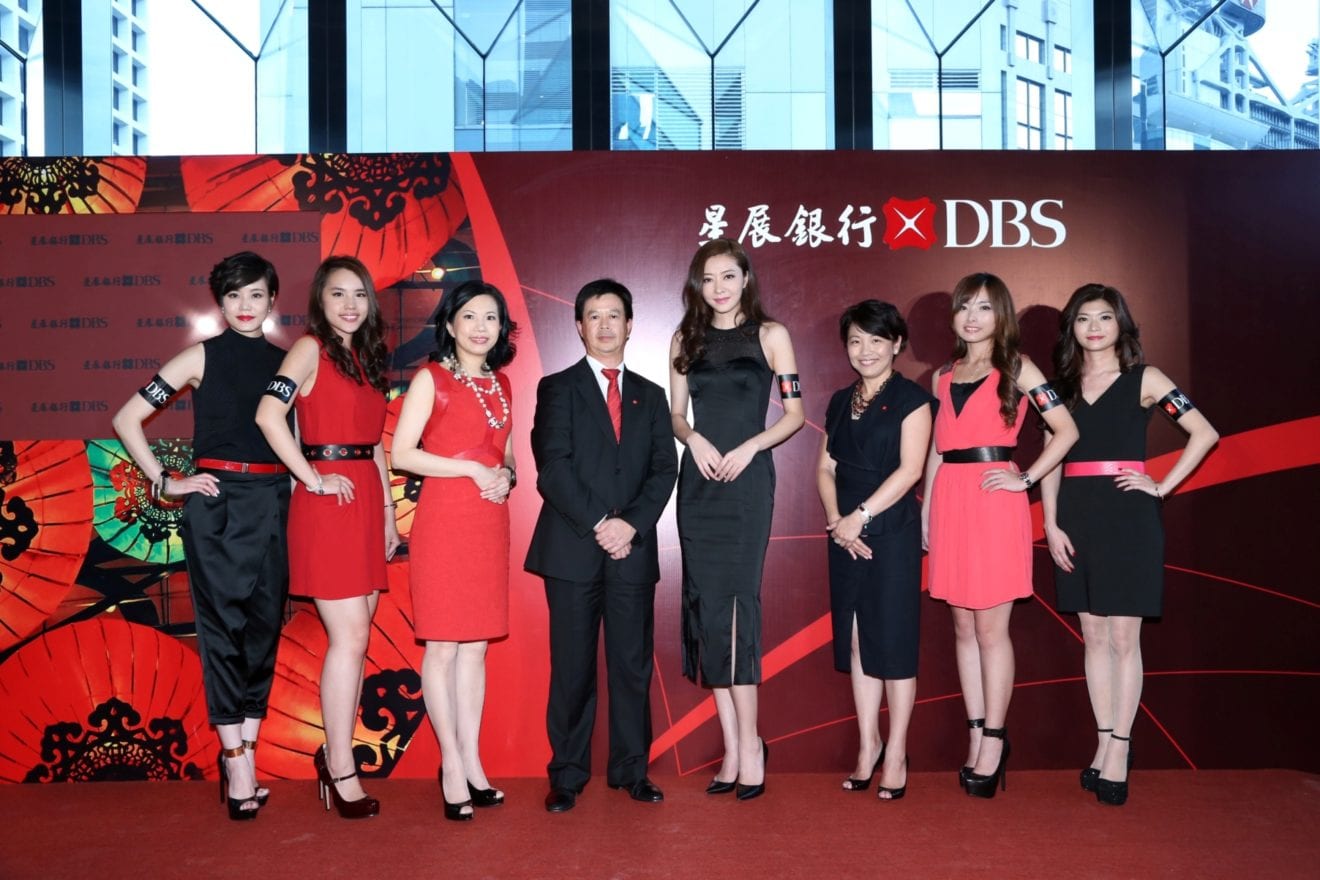
    Private lender Bank DBS Indonesia, part of Singapore’s DBS Group Holdings, expects higher loan growth this year compared to 2015 as it predicts an improvement in the country’s economy.

    DBS Indonesia president director Paulus Sutisna said the bank projected that its loans would grow by 12 percent in 2016, higher than the 10 percent booked as of last year.

    According to its financial report, the bank booked loans of Rp 43.4 trillion (US$3.11 billion) as of September, an increase of 9.87 percent year-on-year (yoy) from Rp 39.5 trillion in the same period of 2015.

    “We are more optimistic about this year because the government is holding early auctions and procurements for its spending on infrastructure projects. Such acceleration will help the country’s economic growth,” Paulus said after an event on Wednesday.

    Paulus said acceleration in government spending would boost the real sector, which in turn would increase demand for bank loans, adding that “our growth will depend on the performance of our clients”.

    Given Indonesia’s large population the bank will focus on sectors related to the mass segment such as retail and consumer goods and some types of manufacturing and infrastructure-supporting industries.

    “We’ll still focus on some commodities, such as palm oil, as well as automotive, chemical and pharmaceutical industries,” he said.

    Paulus said the bank was also planning to enlarge its consumer and retail banking as well as small and medium enterprise (SME) portfolios as it still depended mainly on the corporate segment.

    “Corporate banking is dominant now as our retail business is still under 20 percent of our total lending. We hope to divide evenly our consumer and retail banking, SME and corporate portfolios by one-third each, perhaps in the next five to seven years,” he said.

    The government has forecast that Indonesia’s economic growth will reach 5.3 percent in 2016. The country’s GDP growth stood at 4.73 percent for July to September, a slight increase from the 4.67 percent growth posted in the second quarter and 4.72 percent in the first three months of the year.

    Despite the optimism, Paulus said the bank would remain cautious about various challenges in the global economy that still lingered, such as falls in commodity prices and currency volatility, as they would have an impact on Indonesia.

    Challenges in the global and domestic economy also affected DBS Indonesia’s income as it saw losses of Rp 178.9 billion as of September 2015, compared to net profits of Rp 366 billion in the same period last year. However, the bank’s unaudited financial report in November shows that it already started to post net profits of Rp 23.79 billion.

    Paulus said the bank would also invest in internet banking, which was essential to support a bigger consumer portfolio in the future, especially in fee-based income.

    As part of its efforts to grow fee-based income, the bank has enhanced its existing partnership with life insurer Asuransi Jiwa Manulife Indonesia, part of Canada’s Manulife Financial, through the launch of a new single-premium, unit-linked product MiWealth Protection.

    The new product is designed for DBS customers who wish to grow their wealth in order to be financially secure and enjoy their life in retirement. DBS Indonesia consumer banking group director Wawan Salum said the bank expected 20 percent growth in the number of wealth-management customers this year.

  • Bengkulu exports Layur fish to Japan

    Bengkulu exports Layur fish to Japan

    The fisheries cooperative of the Bengkulu city has started exporting Layur fish (Trichiurus Lepturus) to many countries, such as Japan, Taiwan, China and South Korea.

    Layur fish export was started as the fishing season began in November 2015, the Management of Mutiara Laut Coop, Hermansyah, said here on Wednesday.

    “This Layur fish catch depends on the season which lasts for six months, and the species is not available for the rest of the year,” he said at Pondok Besi fish auction, Bengkulu city.

    This fish is obtained from North Bengkulu, South Bengkulu and Kaur districts.

    Hermansyah could export 100 tons of Layur fish per month through the Bandung city, West Java.

    “We use a cold store built by the government for this auction,” he said.

    The coop buys Layur fish from fishermen at prices ranging between Rp15 thousand and Rp36 thousand per kilogram, depending on the size of the fish.

    The demand of Layur fish caught from the Indian Ocean is high because it if of better quality.

    “There are no certain standards in case of this fish. They always accept every lot of the species we send. The problem is actually of the production being low because many fishermen still use traditional fishing gear,” Hermansyah emphasized.

    Layur fish could easily be identified, owing to its flat and long shape.

    Various kind of Layur fish are found in the Pacific and Atlantic Ocean.

    Many people like it because the meat is chewy, not too fishy, not greasy, and it has easily removable bones.

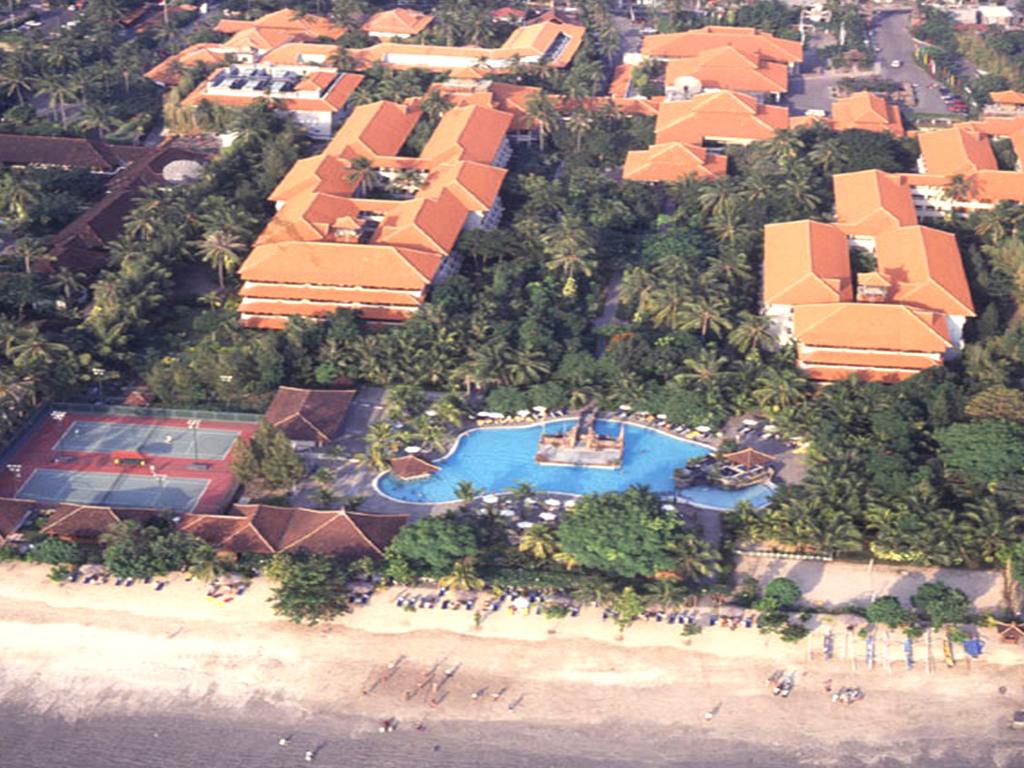
  • Ramada Bali Sunset Road Kuta Opens in Indonesia

    Ramada Bali Sunset Road Kuta Opens in Indonesia

    Demonstrating strong and increasing interest in its portfolio of brands in South East Asia, Wyndham Hotel Group has introduced a third hotel in Bali, Ramada Bali Sunset Road Kuta, located in the heart of the vibrant Kuta district.

    Formerly the Best Western Premier Sunset Road, the 271-room property is owned by Sun Motor Group and managed by PT Wyndham Hotel Management, an Indonesian subsidiary of Wyndham Hotel Group. Ideally located close to Jalan Legian and popular Seminyak Beach, the stylish guest rooms feature contemporary décor, while suites boast separate living areas. The well-appointed facilities include a rooftop pool, gymnasium, on-site spa, meeting rooms, business centre and two distinct dining establishments.

    “Bali is one of Indonesia’s most popular destinations, attracting close to four million visitors a year,” said Barry Robinson, President and Managing Director of Wyndham Hotel Group South East Asia and Pacific Rim. “With the 2013 expansion of Ngurah Rai International Airport and this year’s four-fold increase in government spending on tourism, we believe it’s a market prime for year-on-year growth.”

    Wyndham Hotel Group is focused on strategic expansion throughout South East Asia as part of its larger global development strategy—especially as it relates to its Ramada brand. The company believes Ramada Bali Sunset Road will become a landmark hotel for visitors.

    President and Commissioner of Sun Motor Group, Imelda Sundoro said “Ramada is a globally known brand with an enviable reputation for offering exceptional experiences in some of the world’s most sought after destinations. That strong recognition, combined with the expertise and resources of a partner like Wyndham Hotel Group, made Ramada the clear choice for us as we look to grow our hospitality developments in Indonesia.”

    All Ramada hotels in Indonesia participate in Wyndham Rewards®, the simple-to-use, revolutionary loyalty program from Wyndham Hotel Group that offers members a generous points earning structure along with a flat, free-night redemption rate.

  • First passenger drone makes its debut at CES

    First passenger drone makes its debut at CES

    Chinese entrepreneurs bring their one-person craft, which is controlled by tablet and capable of flying 60mph, to the annual technology convention CES.

    A Chinese company claimed a world first on Wednesday by unveiling a drone capable of carrying a human passenger.

    Guangzhou-based Ehang Inc pulled the cloth off the Ehang 184 at the Las Vegas convention center during the CES gadget show.

    In a company video showing the 184 flying, it looks like a small helicopter but with four propellers spinning parallel to the ground in a similar configuration to other drones.

    The electric-powered drone can be fully charged in two hours, carry up to 100kg (220lb) and fly for 23 minutes at sea level, according to Ehang. The cabin fits one person and a small backpack and is fitted with air conditioning and a reading light. It is designed to fit, with propellers folded, in a single parking spot.

    After setting a flight plan, passengers needed only to give two commands – “take off” and “land” – done with a single click on a tablet, the company said.

    The drone is designed to fly 300 metres to 500 metres (1,000 to 1,650 feet) off the ground with a maximum altitude of 3.5km (11,500 feet) and top speed of 63 mph (100km/h).

    US authorities are starting to lay out guidelines for drone use, and a human-passenger drone seems certain to face strict scrutiny.

    Michael Huerta, head of the Federal Aviation Administration, was at CES but could not immediately be reached for comment.

    Shang Hsiao, Ehang’s co-founder and chief financial officer, said his company hoped to sell the device for $200,000-$300,000 this year but acknowledged it occupied a legal grey area. “The whole world never had something like this before,” he said.

    A passenger would have no controls as a backup, he said. The company was planning a remote control centre that would take over the vehicle in the event of a problem and ensure it landed safely.

    Derrick Xiong, the chief marketing officer, said the vehicle had been flown more than 100 times at low altitudes in a forested area in Guangzhou, including several times with a person aboard.

    One feature that made the quadcopter safer than a helicopter was its numerous propellers, Xiong said. Even if three of the four arms had their six propellers disabled, the final arm’s working propellers could ensure a rough landing by spiralling toward the ground.

    The company, which also makes smaller drones, said in August that it had raised $42m in capital from various investors including GP Capital, GGV Capital, ZhenFund and others, after raising $10 m the previous year.