Author: Mei Ling Tan

  • LVMH’s L Capital in PE merger deal

    LVMH’s L Capital in PE merger deal

    In a marriage of high fashion and finance, a new partnership is being formed by luxury products company LVMH with two equity firms, Catterton and Groupe Arnault.

    They have agreed to create L Catterton, combining private equity firm Catterton’s North and Latin American interests with LVMH and Groupe Arnault’s European and Asian private equity and real estate interests, now under the Singapore-based L Capital and the L Real Estate banners. Under the terms of the agreement, L Catterton will be 60 per cent owned by the partners of L Catterton and 40 per cent jointly owned by LVMH and Groupe Arnault.

    This will make L Catterton the largest global consumer-focussed investment firm with six distinct and complementary fund strategies specialising on consumer buyout and growth investments across Asia, Europe, and North and Latin America, as well as prime commercial real estate globally. After various successor funds are closed, L Catterton expects to grow its assets under management to more than $12 billion, drawing on 27 years of experience with more than 120 investment and operating professionals in 17 offices across five continents. It will be led by global co-CEOs J. Michael Chu and Scott A. Dahnke, currently managing partners at Catterton.

    “The breadth of our collective expertise will be second to none in the consumer industry,” says Chu.  “And we look forward to benefitting from the strength and global reach of the team at L Capital and L Real Estate as we continue to seek out investment opportunities with significant growth potential.”

    “The globalisation of media and technology, combined with increasingly permeable geographic borders, is driving rapid consumer growth on an unprecedented global scale,” said Dahnke.

    Catterton invests in all major consumer segments, including food and beverage, retail and restaurants, consumer products and services, consumer health, and media and marketing services. Its investments include CorePower Yoga, Kettle Foods, Nature’s Variety pet food, Noodles & Company, Outback Steakhouse, PF Chang’s, Plum Organics, Restoration Hardware, Protein Bar, Snap Kitchen, Sweaty Betty and Wellness pet food.

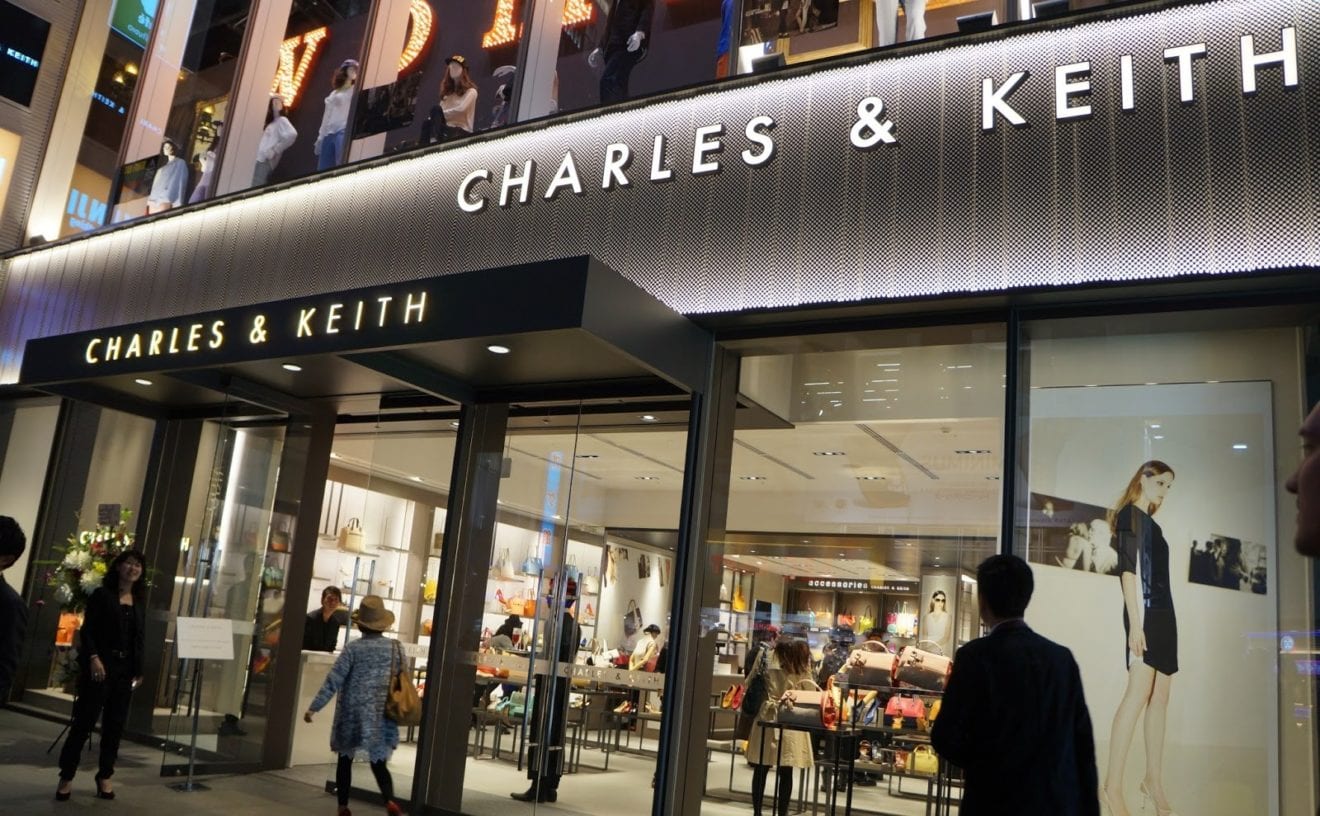
    L Capital invests in companies across Asia and Europe in such sectors as beauty and wellness, fashion and accessories, food and beverage, media and entertainment, and special retail. Founded in 2001 with support from LVMH and Groupe Arnault, it specialises in lifestyle brands and selective retail businesses in Europe. L Capital – Asia is Asia’s largest consumer-focussed private equity firm with headquarters in Singapore, and regional offices in Hong Kong, Melbourne, Mumbai and Shanghai. Its investments include 2XU, Asiaray Media, Bateel, Charles & Keith, Emperor Watch & Jewellery, Jones the Grocer, Marubi and Sasseur.

    L Real Estate develops mixed-use projects anchored by luxury retail. Its investments include G6 in Ginza, Tokyo, and Miami Design District.

    LVMH (Moet Hennessy Louis Vuitton) is represented in fashion and leather goods by a portfolio of brands including Celine, Donna Karan, Fendi, Givenchy, Kenzo, Loewe, Louis Vuitton and Marc Jacobs. Its wines and spirits division includes Belvedere, Chandon, Cloudy Bay, Dom Perignon, Hennessy, Krug, Moet & Chandon and Wenjun. In the perfumes and cosmetics sector it has Guerain, Parfums Christian Dior, Parfums Givenchy, Parfums Kenzo and Perfumes Loewe.

    LVMH’s retail interests include DFS, Le Bon Marche and Sephora, it has a joint venture with De Beers Diamond Jewellers, and its watches and jewellery division comprises Bulgari, Chaumet, Dior Watches, Hublot, TAG Heuer and Zenith.

    Subject to customary regulatory and certain investor approvals, the L Catterton transaction is expected to close early this year.

  • CNBC, Trans Media partnership; Government to study Netflix impact

    CNBC, Trans Media partnership; Government to study Netflix impact

    CNBC and Trans Media will launch CNBC Indonesia

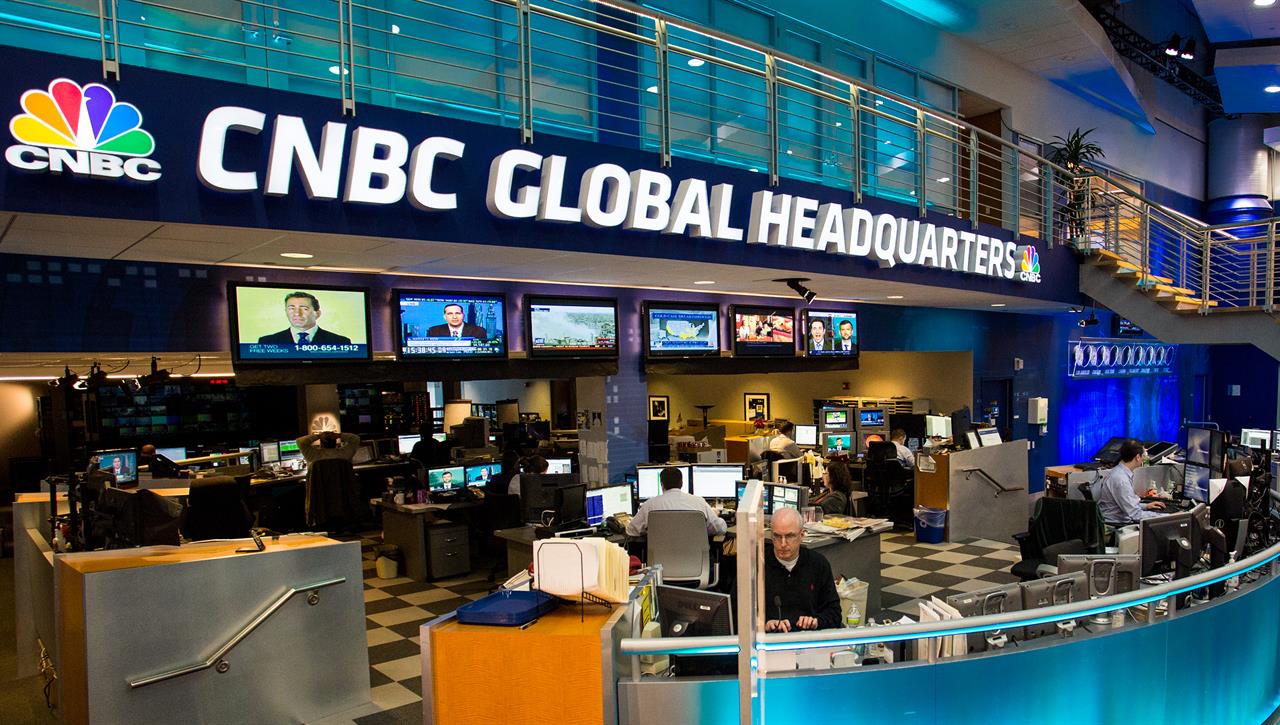
    CNBC and the media company own by tycoon Chaerul Tanjung will launch new media services CNBC Indonesia, a dedicated business, financial TV and digital news service in Bahasa.  The partnership agreement was signed in Jakarta by Mark Hoffman, chairman of CNBC and Chairul Tanjung, founder & chairman of Trans Media Corpora’s parent company, CT Corp. Specific launch dates for the digital and TV services are expected to be announced later this year.

    According to Hoffman, the collaboration with Trans Media is a strong addition to the suite of strategic partnerships underpinning CNBC’s emerging markets strategy.

    “We are pleased to bring CNBC’s unique and robust content proposition to millions of Indonesians in their local language, further opening the world of international business and finance to a growing economic powerhouse,” said Hoffman.

    “The primary objectives of the CNBC Indonesia venture are to facilitate global business conversations in Bahasa Indonesia, to educate our growing middle class, and to facilitate better information flow for decision making. This will help realize the full potential of the capital markets and businesses, accelerating the economic development of Indonesia,” added Tanjung.

    Netflix’s presence might affect existing players

    Communication and InformationTechnology Minister Rudiantara said, Netflix’s presence might affect existing playres in the entertainment industry and other online businesses. Hence, his ministry would seek advice from the Culture and Education Ministry to look into the content available on Netflix to gauge its impact on society.

    “If the disadvantages outweigh the advantages, then something must be done to fix that. We have to study the Netflix entrance carefully as we do not want to hinder technology for the sake of the public,” he stated.

    However, Rudiantara was confident that the country’s internet infrastructure would be ready, especially mobile broadband networks to support a service like Netflix.

    Netflix’s listed Indonesian rates are Rp 109,000 per month for its basic service, Rp 139,000 a month for its standard service and Rp 169,000 a month for its premium service.

    Netflix was founded in 1997 with headquarter in in Los Gatos, California. In, 2007, the company grabbed headlines as it delivered its billionth DVD in the United States. The on-demand streaming service was later often cited by media as one of the factors that led to the bankruptcy of video rental chain Blockbuster.

    Currently, Netflix is already available in 60 countries worldwide and aims to cover 200 countries by the end of 2016.

  • PT Trans Media Corpora & CNBC to Launch “CNBC Indonesia”

    PT Trans Media Corpora & CNBC to Launch “CNBC Indonesia”

    PT Trans Media Corpora and CNBC have agreed a strategic partnership that will culminate in the launch of CNBC Indonesia.

    The service, which will be based in Bahasa, Indonesia, will bring CNBC’s unrivalled content to the growing business community in South East Asia’s largest economy and the world’s fourth most populous country.

    The partnership was signed in Jakarta by CNBC Chief, Mark Hoffman and Chairul Tanjung, Founder & Chairman of PT Trans Media Corpora’s parent company, CT Corp.

    Hoffman Said; “This collaboration with Trans Media is a strong addition to the suite of strategic partnerships underpinning CNBC’s emerging markets strategy. We are pleased to bring CNBC’s unique and robust content proposition to millions of Indonesians in their local language, further opening the world of international business and finance to a growing economic powerhouse.”

    “The primary objectives of the CNBC Indonesia venture are to facilitate global business conversations in Bahasa Indonesia, to educate our growing middle class, and to facilitate better information flow for decision making. This will help realize the full potential of the capital markets and businesses, accelerating the economic development of Indonesia,” added Tanjung.

    Specific launch dates for the digital and TV services are expected to be announced later this year.

  • Lion group to receive 44 aircraft

    Lion group to receive 44 aircraft

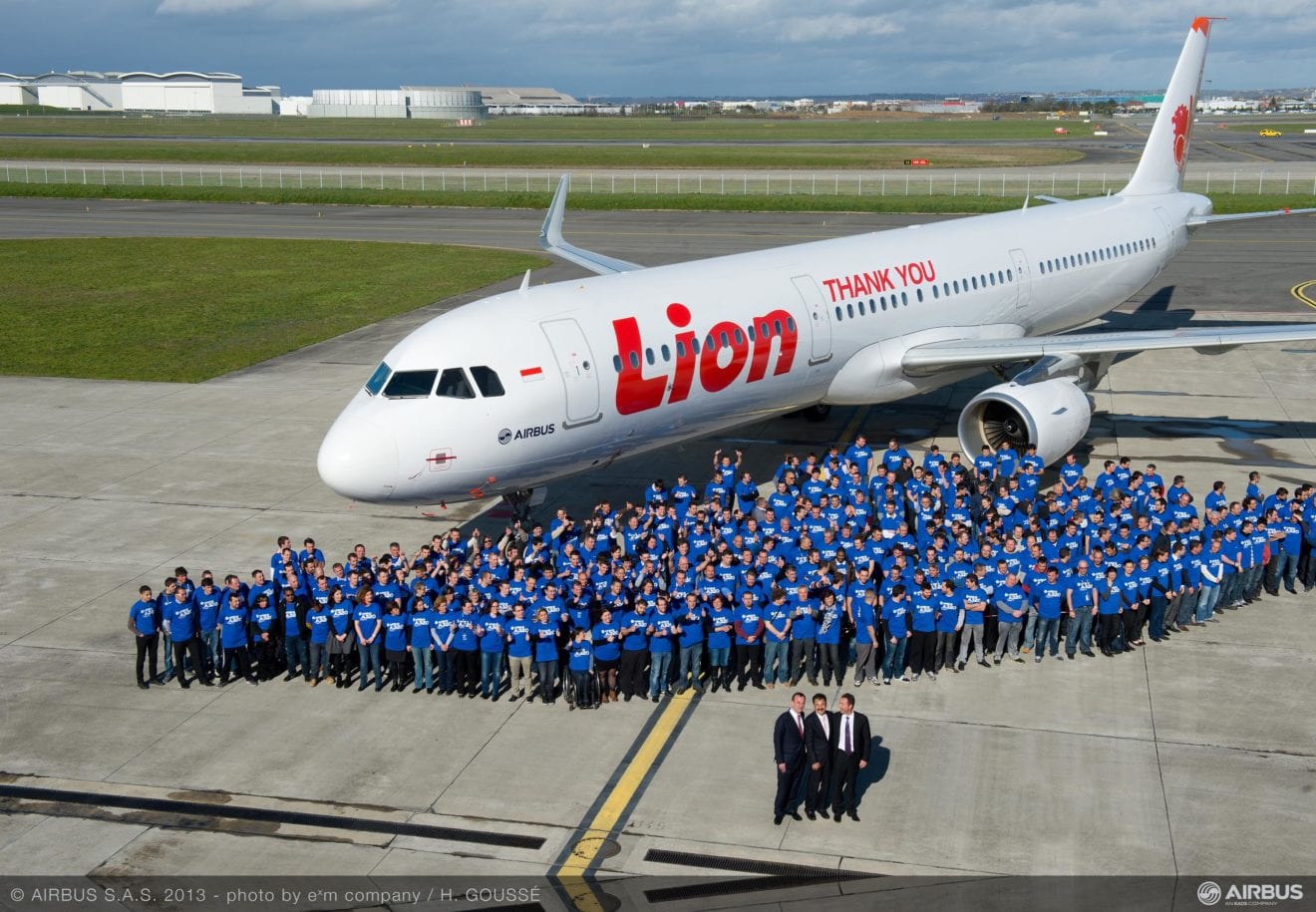
    Lion Group will procure 44 aircraft this year for the airlines under its operations, including Lion Air, Wings Air, and Batik Air, Edward Sirait, its president director, stated here on Monday.

    He noted that the aircraft fleet is being expanded to increase capacity in view of the growth this year, which is expected to reach 15 percent.

    Edward remarked that 14 aircraft will be for Lion Air, 18 for Wings Air, and 12 for Batik Air.

    “The number will be adjusted based on the market demand in line with the transportation ministrys forecast that the number of passengers will increase by 15 percent,” he claimed.

    He affirmed that all the new aircraft for Lion Air are Boeing, while Batik Air will receive Boeing and Airbus aircraft, and Wings Air would get ATR aircraft.

    He stated that the aircraft were procured through operating lease and financial lease schemes.

    He noted that the new aircraft will be used to serve new routes, especially for direct flights such as on the Balikpapan-Bandung, Tarakan-Semarang, and Banjarmasin-Denpasar routes.

    He remarked that Lion Group will also start flight services for minor Hajj pilgrims, with direct flights to Madinah using the wide-bodied Boeing 747 and Airbus 330.

    “Other airlines only offer flights to Jeddah, from where the passengers have to undertake a six-hour land journey. We have prepared direct flights to Madinah, so that the passengers could immediately proceed to carry out their religious rites,” he added.

    Lion Group currently has two Boeing 747 and three Airbus 330 aircraft.

  • Largest Licensing Show and Conference Open in Hong Kong

    Largest Licensing Show and Conference Open in Hong Kong

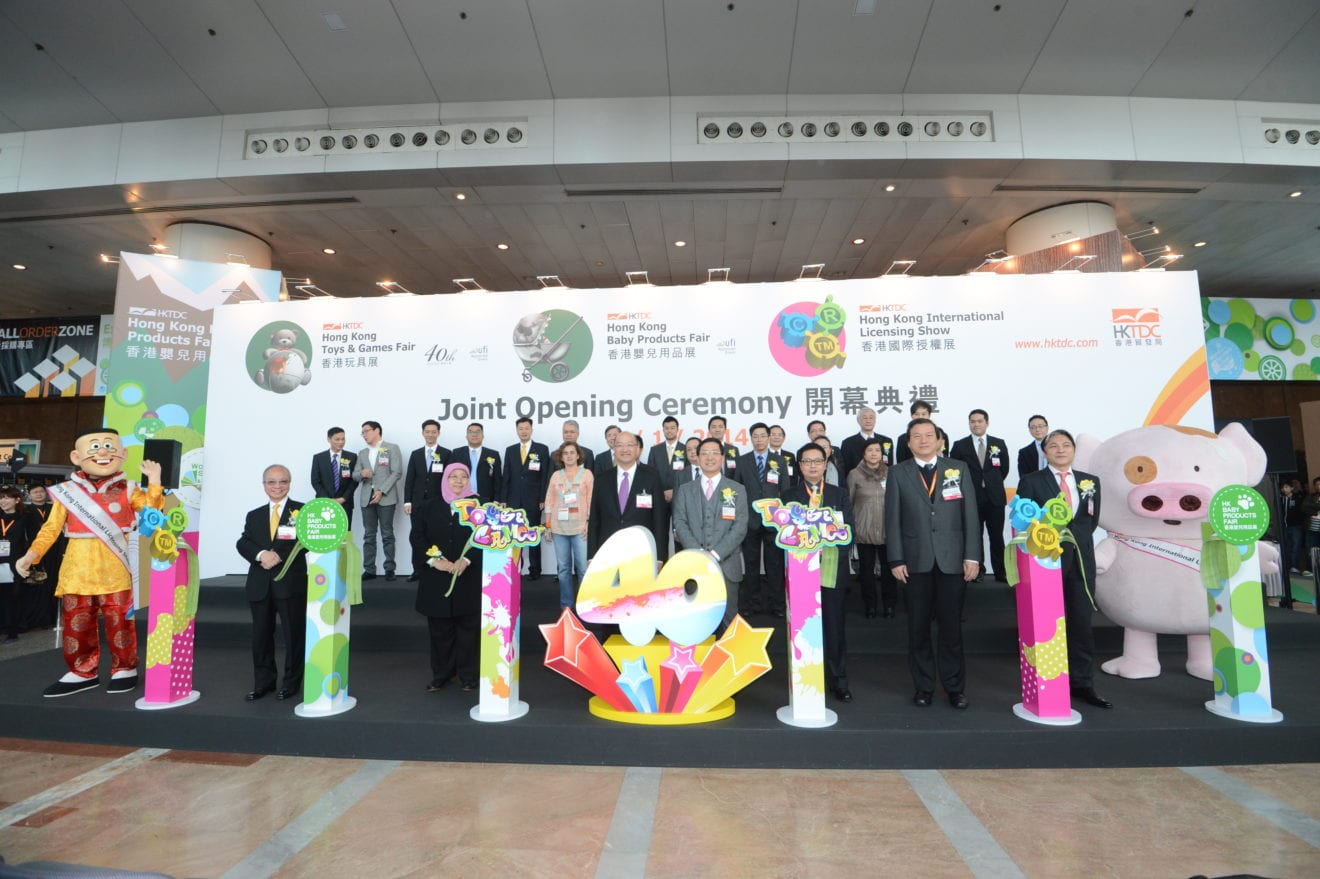
    The world’s leading licensors have gathered at the Hong Kong Convention and Exhibition Centre (HKCEC) for the 14th Hong Kong International Licensing Show and fifth Asian Licensing Conference which opened today. Organised by the Hong Kong Trade Development Council (HKTDC), the twin events explore partnership and licensing opportunities in Asia, and especially the Chinese mainland.

    Among the international brands taking part in the International Licensing Show (11-13 January) are BBC Worldwide, Chelsea Football Club, Hasbro, Hearst Magazines International, Sanrio, The Palace Museum in Beijing, The Wiggles, Warner Bros., 20th Century Fox and Ali-the-Fox. This year, the show features a record number of more than 340 exhibitors from 15 countries and regions, showcasing more than 860 brands and properties across such categories as animation and edutainment, art and design, fashion and lifestyle, and food and beverage.

    HKTDC Executive Director Margaret Fong said the global licensing industry is valued at more than US$158 billion, with Asia accounting for 12.2 per cent of the global market and the Chinese mainland being the main driving force of such sales. She also noted that Asia is not only a key market for licensing, but also the origin of dynamic and indigenous brands developed by the region’s young creative talents and backed by strong local government support, as evidenced by the strong Asian participation at the International Licensing Show.

    Ms Fong also pointed out that Hong Kong, with its strategic location, robust protection of intellectual property (IP) rights, an independent legal system, deep and broad pool of IP professionals as well as close business links with the Chinese mainland and the rest of the region, is the best place from which to tap into licensing opportunities in Asia, and especially the mainland.

    Licensing is a type of intellectual property trading. The HKTDC supports and promotes IP trading, including by developing and enhancing the Asia IP Exchange (AsiaIPEX), a free online intellectual property trading platform and database. The Character Brand Licensing Association (CBLA), organiser of the Japan Pavilion at the Licensing Show, this morning (11 January) formed a strategic partnership with the HKTDC to foster IP trading between Hong Kong and Japan through the AsiaIPEX.

    Besides the Japan Pavilion, other international pavilions include those from the mainland, Korea, Taiwan, Malaysia, Thailand, Australia and the United Kingdom, which together enrich the show with more region-specific content.

    China’s Ministry of Culture brings a large delegation

    China’s Ministry of Culture is leading a delegation of more than 60 companies, including over 30 from Guangdong, Zhejiang and Szechuan, making the Chinese mainland pavilion the largest in the Licensing Show’s history. Among the key enterprises and organisations are The Palace Museum, Beijing Dream Castle Culture Co. Ltd with its brand Ali-the-Fox and the animation enterprise Zhejiang Zhongnan Animation Co.

    Dynamic prospects for lifestyle sectors

    Among the wide range of licensing categories spotlighted are character, animation, edutainment, art and culture, fashion and lifestyle as well as the newly added food and beverage licensing category.

    The Art and Culture Licensing category features well-known brands showcasing their properties and merchandise, including The Palace Museum (China), National Museum of History (Taiwan), Van Gogh Museum (Netherlands), ink colour paintings by Master Lam Tian Xing and three Japanese manga culture museums, namely The Osamu Tezuka Manga Museum, Kawasaki City Fujiko F. Fujio Museum and the Anpanman Museum.

    Under the Fashion & Lifestyle Licensing category, classic and stylish brands such as Smiley, Ducati, Paris Saint-Germain FC, AC Milan, Chelsea Football Club, FC Barcelona and Manchester City Football Club are on display. The “Harper’s Bazaar Lounge”, sponsored by Hearst Magazines in the Chancellor Room of the newly expanded show venue, offers a taste of lifestyle licensing. Also, The Royal Touch created by Carolyn Robb, former Executive Chef to Prince Charles and Princess Diana and world-famous food critic, has joined hands with Dining Plus, a premier business food and beverage platform, to present Food and Beverage Licensing.

    Hong Kong Creative Gallery, promoting home-grown creativity, returns with around 60 original characters created by young Hong Kong designers and illustrators. Hong Kong’s Leisure and Cultural Services Department presents cross-over merchandise from Hong Kong museums and local designers under the theme “Bring Me Home – the Story of Hong Kong Culture, Art & Design”. Hong Kong Creative Gallery also features award-winning brands from the inaugural Hong Kong Licensing Awards 2015, organised by the Asian Licensing Association.

    Business matching sessions foster collaboration

    The HKTDC has organised 63 delegations, welcoming more than 1,000 business representatives from some 20 countries and regions to participate in the Licensing Show. To connect more buyers with exhibitors, a dedicated business matching session is organised in collaboration with Hong Kong’s industry associations (Federation of Hong Kong Brands, the Hong Kong Association of Amusement Parks and Attractions, Hong Kong Apparel Society, the Hong Kong Exporters’ Association, Hong Kong Watch Manufacturers Association Limited, Hong Kong Toys Council, the Federation of Hong Kong Watch Trades & Industries Ltd, Hong Kong Retail Management Association and Hong Kong Publishing Federation) covering sectors including toys, garment, watch and clock, publishing, retail and travel. More than 500 business matching meetings will be arranged at the fairground to create more business opportunities for the show’s participants.

    Interactive events generate business exchange

    The Licensing Show includes interactive events to create more business matching opportunities for visitors. The ink colour painting Master Lam Tian Xing presented art demonstrations today during the show. Activities tomorrow include “Kumamon Exercise” organised by Kumamoto Prefectural Government of Japan, a presentation by actor Jim Chim entitled “Jim Chim x PLAYCORNER x dr jim jim: Reaching out to the world of licensing”, “Junior Chef Go! Go! Go!” delivered by Dining Plus as well as a series of activities presented by Warner Bros.

    Asian Licensing Conference explores opportunities in the region

    Held alongside the Licensing Show, the Asian Licensing Conference (11-12 January) welcomes more than 30 global licensing experts to speak at the conference. During this morning’s plenary session, Maura Regan, Sesame Workshop’s Senior Vice President & General Manager of International Media Business, spoke about the company’s strategic collaborations with mainland broadcasters and top digital platforms in expanding to Asia, in particular the Chinese mainland market. Another speaker Shinichi Murata, Vice Governor of Kumamoto Prefectural Government Japan, demonstrated how the Japanese prefecture uses the licenses of Kumamon to promote Kumamoto’s tourism and culture. Senior executives from BBC Worldwide and Michelin Lifestyle also discussed licensing opportunities and their corporate strategies in Asia.

    Meanwhile, three Breakout Sessions today explored brand extension through licensing in areas of “entertainment and new media”, “fashion, lifestyle and branded services” as well as “art, culture and tourism”. Speakers included representatives from Disney, Harley Davidson, Hearst Magazines, Kodak Worldwide, Taiwan’s Jimmy S.P.A., The British Library, The Palace Museum, The Wiggles and Tezuka Productions.

    The main theme of the conference tomorrow will be the Chinese mainland market, with senior executives from Hasbro, JD.com, Guangzhou’s HccartoonAnimationTechnology (GZ) Company Limited and Alpha Animation Brand Management Company Limited discussing how licensing can help companies tap into the mainland market. Two workshops will introduce the basics of licensing and hear from experts on legal and intellectual property (IP) issues related to licensing. The Intellectual Property Department of the Hong Kong Special Administrative Region (HKSAR) Government is a strategic partner of the IP and legal workshop.

    Concurrent events add new business dimension

    Taking place in parallel with the Licensing Show and the Asian Licensing Conference are the Hong Kong Toys & Games Fair, Hong Kong Baby Products Fair and Hong Kong International Stationery Fair. Together these events, which each have significant licensing elements, will generate new business opportunities and attract more industry professionals and buyers to the fairs.

  • Jewellery retailers bearish on sales for CNY holiday

    Jewellery retailers bearish on sales for CNY holiday

    Retailers Chow Sang Sang and Seng Fung both reckon the fall trend in jewellery sales seen in 2015 will last until the upcoming holiday

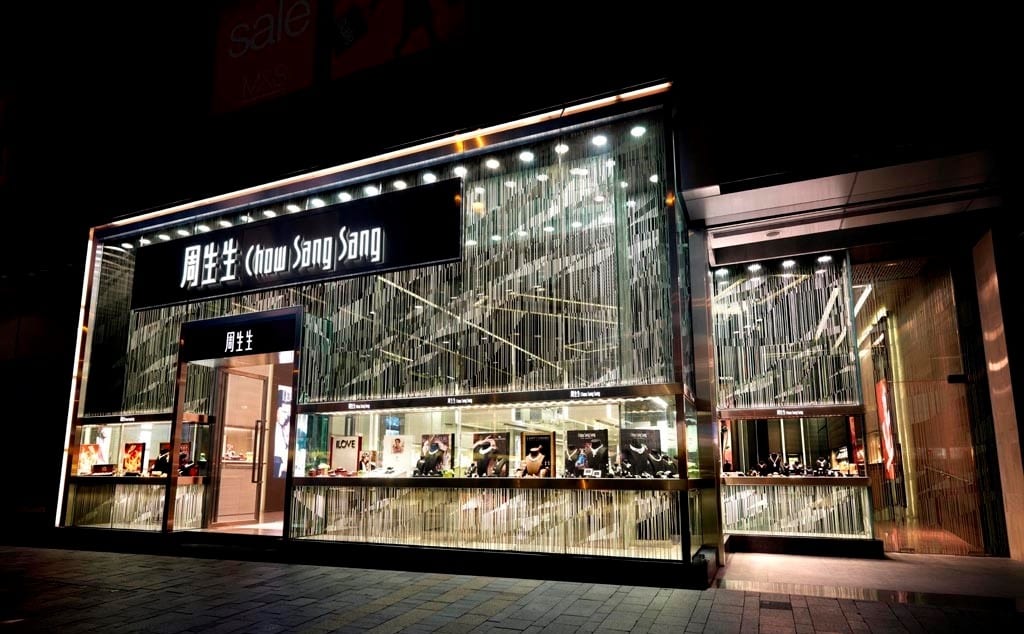
    The fall trend seen in jewellery sales last year will persist all the way through the upcoming Chinese New Year holiday in February, and more shop consolidations or a halt of retail expansion are likely to happen under the bearish outlook on sales, said jewellery retailers. Mr Lau Hak Bun, general manager of retail operations (Greater China) at the jewellery retailer Chow Sang Sang Holdings International Ltd, told media yesterday after attending a Hong Kong radio programme of his bearish forecast for sales for the coming Chinese New Year holiday, with a likely register of “single-digit” drop in sales for Hong Kong and Macau.

    The Chinese New Year holiday this year will fall on the second week of February.

    Speaking to media, Mr Lau has noted that sales during Christmas have failed to stimulate overall sales for Chow Sang Sang, which has already seen a fall trend since the first half of 2015. Chow Sang Sang saw its same store sales in Hong Kong and Macau decline by 12 percent year-on-year for the first half of last year as the consumption sentiment from mainland Chinese clients weakened and the unit selling price of the company’s jewellery items decreased, Mr Lau said.

    The gaining strength of the US dollar and the depreciation of Southeast Asian currencies will also affect visitors’ high-end spendings in Hong Kong this year, the jewellery retailer executive expected. Lee Koi Ian, general manager at local jewellery retailer Seng Fung Jewellery Co Ltd, shared a similar sales outlook with Mr Lau.

    “The recent drop in gold prices has not really stimulated much of our sales,” Mr Lee told Business Daily, “Since last year, the sales of jewellery has weakened a lot as we have seen much less gift hunting [from mainland Chinese shoppers] and spending from gamblers.”
    Declining to give a full sales figure for last year, Mr Lee said Seng Fung has suffered a “double-digit” drop in its turnover for the whole year.
    “Visitors’ traffic did improve a bit during the Christmas holiday, but still on a year-on-year basis, we saw our sales register a single-digit drop,” Mr Lee said.

    For the first three quarters of 2015, notable decline is seen in the sales of watches and jewellery here: the value of the retail sales of watches and jewellery has dropped by 26.1 percent year-on-year to MOP10.15 billion in the period, latest available data from Statistics and Census Service (DSEC) shows.

    Cautious outlook
    In response to the weaker sales performance, both Chow Sang Sang and Seng Fung said that they are not going to offer steep discounts for the promotion of sales of their products.

    “But we’ll be more cautious in our shop expansion plan,” Mr Lee said, “In the coming one or two years, we don’t think we are having more shops in casinos.”

    Currently Seng Fung runs eight shops across Macau, mostly on streets. In Chow Sang Sang’s interim report filed in September last year, the retailer has already mentioned that one street-level shop in Macau was closed at the expiry of its lease. Now Chow Sang Sang runs four shops in Macau, of which three are in casino-resorts.

    The Hong Kong-listed jewellery retailer does not rule out more shop consolidation or even closures to happen, Mr Lau noted to media yesterday. Chow Sang Sang has already closed two stores last year, one in Causeway Bay and another in Kwai Fong.

  • 2015 ends well for private sector in Singapore

    2015 ends well for private sector in Singapore

    Last December proved another positive month for the private sector, with overall business and operating conditions holding up.

    The Nikkei purchasing managers’ index (PMI), which is a proxy for business activity, inched down from 52.2 in November to 52.1 last month. A reading of above 50 signals expansion.

    Output growth was sustained and still noticeable, despite the slight decline since November.

    An official PMI representing only factory activity, out on Monday, indicated a sixth consecutive month of contraction in the manufacturing industry, with a reading of 49.5 for last month, from November’s 49.2 reading.

    The Nikkei Singapore PMI is derived from a survey by Nikkei and Markit Economics. Data is compiled from monthly questionnaires sent to executives in over 400 private sector firms that represent the structure of Singapore’s economy, including manufacturing, services, construction and retail.

    The report said: “The health of the economy has now strengthened in each of the past seven months, though the rate of improvement remained moderate overall.”

    It found that foreign client demand softened last month owing to new export-order growth slowing to a modest rate since November.

    Costs for firms also rose at the quickest rate in 11 months, said to have been driven by faster increases in both purchasing prices and staffing costs. “Companies only passed on part of their higher cost burdens, however, and raised their selling prices marginally,” said the survey.

    Economist Annabel Fiddes at Markit said: “Firms took a cautious approach to employment and purchasing activity, with staff numbers little changed in December and input buying rising only slightly.”

    She said this suggests that growth projections for the start of this year remain muted, as companies wait for a “much- needed pick-up in client demand”.

  • There’s no stopping the e-commerce boom in Singapore

    There’s no stopping the e-commerce boom in Singapore

    Sales will top $1.4 billion this year.

    Singapore’s e-commerce sector will continue to expand at a breakneck pace in coming years, according to a report by CBRE.

    Sales have grown at a record rate over the past five years, rising from just $800 million in 2012 to over $1.34 billion in 2015.

    Citing data from a report by Euromonitor International, CBRE noted that 2014’s internet retail sales grew 12.5% year-on-year to $1.08b, while mobile internet retail sales surged by 53.9% to $280.9 million.

    CBRE believes that the strong growth in online retail will drive demand for industrial space in Singapore.

    “All these indicate that Singapore’s e-commerce sector is poised to expand further, which could potentially emerge as the next underlying demand driver for the industrial market,” said CBRE.

  • Understanding CapitaLand Limited From An Investor’s Perspective

    Understanding CapitaLand Limited From An Investor’s Perspective

    CapitaLand Limited (SGX: C31) is one of Asia’s largest real estate companies with a presence in Singapore, China, Indonesia, Malaysia and Vietnam. It is listed on the Singapore Exchange with a market capitalization of over S$13 billion.

    The company has a diversified suite of real estate businesses. This includes the development of residential and commercial properties, as well as the ownership and management of retail malls, offices, and hospitality properties. In addition, CapitaLand has a number of Singapore-listed trusts under its umbrella and these include:

    • CapitaLand Mall Trust (SGX: C38U), a real estate investment trust (REIT) that owns and manages mainly retail malls in Singapore.
    • CapitaLand Commercial Trust (SGX: C61U), a REIT with a portfolio of predominantly Singapore commercial/retail buildings.
    • Ascott Residence Trust (SGX: A68U), a REIT that holds hospitality-related properties (such as serviced residences) in the U.S., Europe, Asia, and Australia.
    • CapitaLand Retail China Trust (SGX: AU8U), a China-focused REIT that owns a portfolio of retail malls in the country.

    2015 was a year in which the Singapore stock market, as represented by the Straits Times Index (SGX: ^STI), fell by 14%. CapitaLand, however, bucked the trend with a gain, albeit a meagre one of just 1.4%.

    Let’s analyze the company’s financials to understand if it may be a potential investing opportunity now. For this we will be using four metrics, namely the price to earnings (P/E) ratio, price to book (P/B) ratio, net debt to equity ratio, and dividend yield.

    CapitaLand has a trailing 12 months (TTM) earnings per share of S$0.288, according to S&P Capital IQ. With the company’s current share price of S$3.14, this implies a P/E ratio of 11. This is on par with the P/E ratio of the SPDR STI ETF (SGX: ES3) – an exchange-traded fund tracking the Straits Times Index – which stands at 11.

    As at the end of the third-quarter of 2015, CapitaLand has a net asset value per share of S$4.14. This would mean that the company has a P/B ratio of 0.76 at its current share price. What this means is that investors are able to buy the company’s assets, net of all liabilities, at a discount at the moment. Investors might thus be able to get a margin of safety with CapitaLand.

    Moving on, CapitaLand had net debt (total borrowings minus cash) of S$12.5 billion and equity of S$24.5 billion as of 30 September 2015. This would imply a net debt to equity ratio of 51%, which is on the high side, in my opinion.

    Lastly, the company has a dividend yield of 2.9% based on its 2014 annual dividend of S$0.09 per share. It’s worth noting that CapitaLand’s ordinary dividend has been growing over the past few years, rising in 1 cent per share increments in each year from S$0.06 per share in 2011 to S$0.09 in 2014.

    In looking at the four metrics, the negatives appear to outweigh the positives. While CapitaLand’s low P/B ratio may give investors some margin of safety, its high net debt to equity ratio could add some risk. Moreover, CapitaLand’s P/E ratio and dividend yield are not very attractive.

    To sum it up, the four metrics seem to suggest that CapitaLand may not be a potential investing opportunity for investors currently. That being said, a deeper look will still be required before any firm investing conclusion can be reached – the four metrics only represent a useful starting point for further research.


  • Apple Crash? iPhone Parts Orders Slashed 30%

    Apple Crash? iPhone Parts Orders Slashed 30%

    Apple’s bet that Chinese consumers would rush to buy massive numbers of iPhones appears to have imploded as the tech leader has cut supplier parts orders by 30 percent.
    Apple’ss stock fell by $3 to $102 on January 5 after the Nikkei Asian Review reported that with iPhone 6S and 6S Plus models ballooning on retail shelves in China and Europe, the company was forced to slash parts demand by almost a third versus last year.

    Breitbart News warned on July 10, with Apple’s stock price at $124 a share, that the international dominance of Apple’s iPhone was at risk from the long-term impacts of China’s stock market crash, which saw prices fall by 40 percent over a 10-week period.

    We pointed out at the time that Apple’s growing dominance in the “Red Dragon” was due to huge investments by the company to make iOS and Mac OS X easier for Chinese language users. Many of the upgrades at Apple Worldwide Developers Conference 2015 were optimized specifically to target Chinese users.

    The company also embarked on a crash program to build 40 retail stores and Genius Bar help desks in premium retail spaces in an effort to portray Apple as an aspirational brand.

    Despite losing significant market share in the rest of the world, Apple’s strategy of betting the farm in China had seemed brilliant through the month of May. China’s “Silk Road” domestic reforms, aimed at expanding consumption by taking hundreds of state-owned-enterprises public, had caused 150 percent gain in the nation’s stock markets over the past year.

    With the number of retail brokerage accounts for Chinese investors exploding up from 20 million to about 100 million accounts, the ultimate status symbol in China had become watching live stock prices on the iPhone 6.

    The China stock indexes tumbled by 41 percent and wiped out $5 trillion in value in a three-month period this summer. Goldman Sachs just estimated that the Chinese government had to spend $236 billion and ban selling by major shareholders to stabilize markets. But the international brokerage firm is worried that with China now owning the equivalent of 9.2 percent of China’s freely-traded stock shares, the stock markets are at risk of crashing again if the government tries to sell.

    Despite the summer’s turmoil, Apple announced on October 27 that for the year ending September 30, the company achieved 99 percent year-over-year revenue growth in China. Apple CEO Tim Cook triumphantly told institutional investors later in the day that he anticipates the Greater China region, currently accounting for 24 percent of sales, will become “Apple’s top market in the world.”

    Despite all the company’s positive spin, Apple’s stock is now in a “bear market.” It just made an annual low, down 23 percent from its July high.

    With Apple’s stock appearing to carve out what some traders are calling a very dangerous “head and shoulders trading pattern,” a re-acceleration of the China stock crash represents a huge downside risk to Apple shareholders.

  • GM posts sales high of 3.61M vehicles in China in 2015

    GM posts sales high of 3.61M vehicles in China in 2015

    The carmaker said Wednesday that China remains the company’s largest sales market, as retail sales rose 5.2 percent from the previous high set in 2014. December 2015 sales also set an all-time monthly high at 445,227 vehicles, up 14 percent year-over-year. Industry sales improved later in the year after the stock market in China fell around mid year. The government in China in the fall also cut a tax and instituted incentives to help bolster demand for vehicles and aid sales.

    “We expect to have increased our market share in 2015 through great products and our team’s relentless effort,” GM China President Matt Tsien said in a statement. “We anticipate continued growth in 2016, as we plan to introduce 13 new and refreshed models starting with Cadillac’s all-new CT6 sedan later this month.”

    GM said SUV sales last year jumped 144 percent as SUVs accounted for 13 percent of the company’s sales in 2015 in China, up from 5.6 percent in 2014. Multi-purpose vehicle sales also increased 12 percent from 2014.

    Sales for the Cadillac luxury brand rose 17 percent from 2014 to 79,779 vehicles in 2015. Buick retail sales increased 12 percent to a record 989,167 vehicles. GM said sales were led by the Excelle GT, which sold 258,834 vehicles, followed by the Envision SUV, which had sales of 147,093. And Baojun sales surged 173 percent to a record 463,532 last year.

    Sales for Chevrolet fell 9.7 percent to 612,024 vehicles, which GM blamed mostly on vehicle model changeovers. The automaker said it expects sales in 2016 to improve with the new models such as the Malibu XL and Cruze XL. Wuling brand sales also slipped 7.5 percent to nearly 1.47 million vehicles.

    GM and its joint ventures last year added 12 new or refreshed vehicles.


  • China’s Li Ning on track to end bad run

    China’s Li Ning on track to end bad run

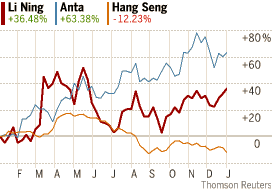
    Li Ning, the struggling Chinese sportswear company that is one of the mainland’s best known brands, says it will break even for 2015, leaving behind three years of annual losses.

    In a filing to the Hong Kong stock exchange, the company said it expected to “record an approximate break-even in terms of profit and loss attributable to the equity holders” in the year that ended December 31, “principally due to an increase in both the sales revenue and gross profit of the group and a decrease in expense ratio”.

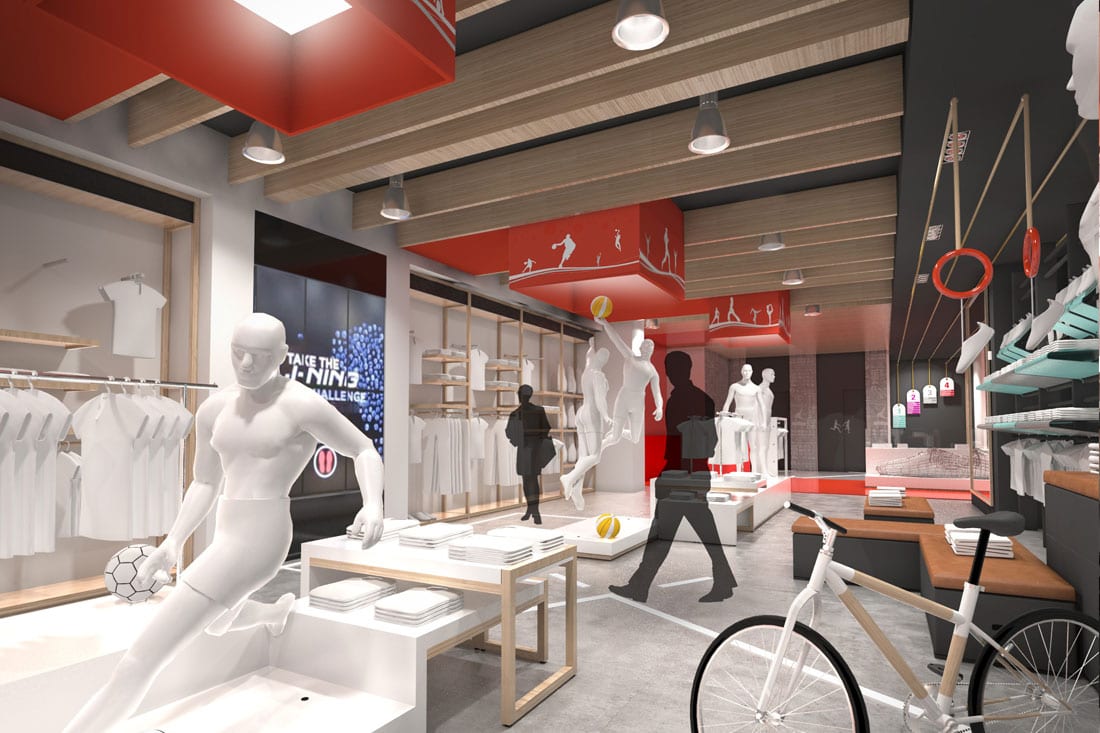
    Li Ning has spent most of the past three years trying to restructure its business, clearing out inventory built up by third-party distributors, closing thousands of underperforming stores and increasing the percentage of direct-run outlets.

    The brand, which has struggled to shake off the image of a producer of cheap sports shoes that are little more than western knock-offs, announced a net loss of Rmb781m ($119m) for 2014, its third consecutive annual loss. But it reported signs at that time of a recovery in sales growth.

    The company on Wednesday attributed the improved performance to enhanced direct retail operating efficiency and long-term relationships with channel partners, and expanded ecommerce business.

    “It looks like their efforts to shut down unprofitable stores and focus on inventory with better sales and better margins are finally paying off,” said Ben Cavender of China Market Research in Shanghai.

    A recovery in the broader China sportswear market also appears to have played a role, retail analysts said.

    Ma Gang, a China-based footwear and apparel analyst, noted that “the whole industry is now on the upturn . . . and Li Ning has done a lot of work [to stem its losses].” But “whether the company will start to make profit now depends on its future strategy, including whether it keeps opening more stores,” he added.

    Chen Ke, Shanghai-based retail partner at Roland Berger, projects that the Chinese sportswear market will “maintain a 10 per cent growth rate in the next three years” while Li Ning itself “has improved efficiency after a shift . . . to opening more of its own stores”.

    But Mr Cavender pointed out that Li Ning “is still lagging behind some of their major domestic and international competitors and it’s unclear whether they have enough exciting products in place to make a strong run in 2016”.

    Anta, Li Ning’s top domestic sportswear rival, said net profit for the first half of 2015 rose 20 per cent from the same period a year earlier.

    Shares in Li Ning closed up nearly 7 per cent on Wednesday in Hong Kong, in a broader market down almost 1 per cent.


  • European Stocks Fall on North Korea Bomb Test

    European Stocks Fall on North Korea Bomb Test

    European shares fell on Wednesday as a self-professed bout of nuclear testing by North Korea and a falling renminbi rattled investors.

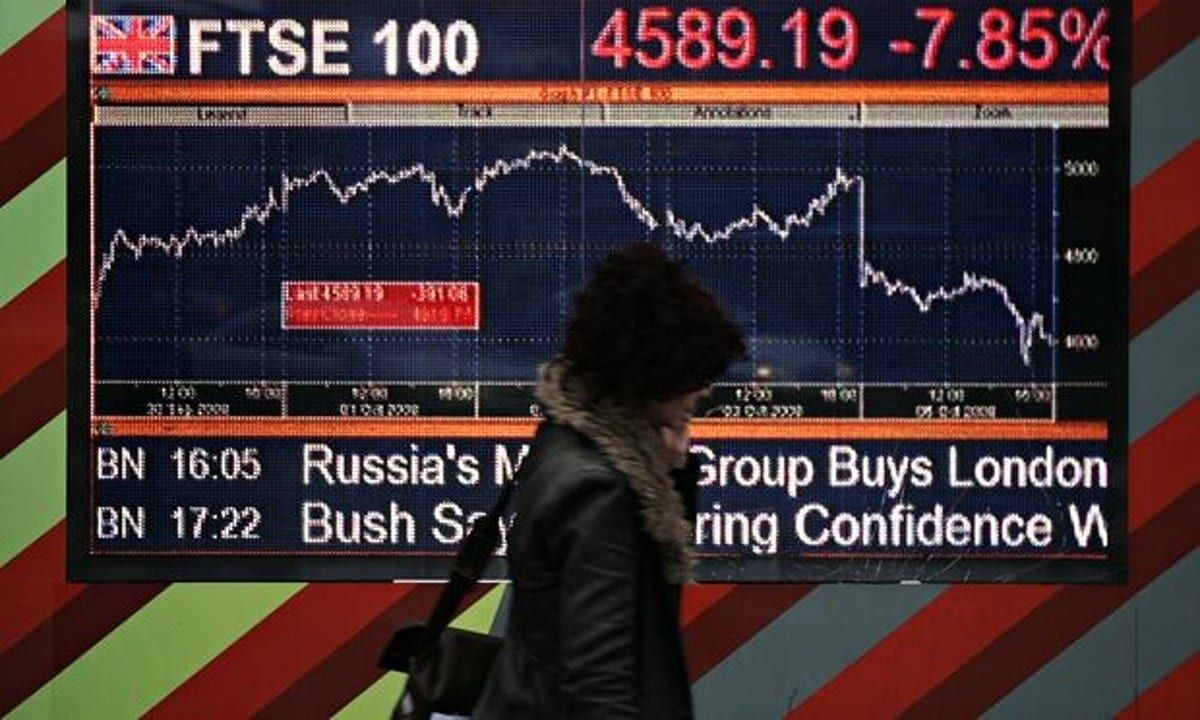
    By late morning in London, the FTSE 100 was down 1.33% at 6,055.53. Mining stocks, as leaders BHP Billiton (BHP) and Rio Tinto (RIO) led the benchmark lower.

    In Frankfurt, the DAX was down 1.31% at 10,175.31 and in Paris the CAC 40 was down 1.36% at 4,475.91. Volkswagen (VLKAY)  extended Tuesday’s losses in Frankfurt amid fears of hefty legal costs in the U.S. over emissions-tests rigging.

    After the Chinese central bank set the renminbi reference point at a weaker-than-expected level, the currency fell to a five-year low against the dollar. Meanwhile, North Korea claimed to have tested an underground hydrogen bomb, although some international observers were skeptical.

    Final eurozone purchasing managers’ data from Markit Economics came in better than expected in December, with the composite index, which melds the service sector with factory output, unexpectedly rising to 54.3, taking it further above the 50 threshold which separates economic expansion from contraction. Initial December data had pointed to a reading of 54.0. However, weak European Union producer price data for November later took the sheen off those Markit figures.

    Construction and engineering company Costain was up almost 2% in London after it reported record orders worth £3.9 billion ($5.7 billion) in 2015, including £2.8 billion-worth of revenue that Costain will accrue in 2017 and beyond. It will release its full 2015 results on March 2.

    Retailer Topps Tiles was up about 1.3% after reporting same-store sales growth of 4.4% in its first quarter.

    Another retailer, Card Factory, was up 1.8% as it announced that Christmas trading had met its expectations. It said CEO Richard Hayes would retire and be replaced by Karen Hubbard, the chief operating officer of discounter B&M European Value Retail.

    Insurer NN (NNGPF) was up almost 3% at €32.10 in Amsterdam after ING cut its stake to 16.2% from 25.8%. ING sold the shares at €31 in an accelerated book build, raising €1 billion ($1.1 billion). NN itself bought 8 million of the 33 million shares on offer.

    Many Asian indices fell as the renminbi and emerging-market currencies retreated.

    In Seoul, stocks were mixed, with the main index closing up 0.47% at 687.27 after the North Korea H-bomb claim. But Chinese stocks recovered after a state media outlet reported that Chinese securities regulators would extend a six-month ban on share selling by major investors until permanent rules were put in place. The ban would otherwise have expired on Friday. The Shanghai Composite closed up 2.25% at 3,361.84 and the Shenzhen Component index gained 2.24% to close at 11,724.88.

    In Hong Kong, the Hang Seng closed down 0.98% at 20,980.81.

    Shares of New World China Land closed up almost 21% in Hong Kong at HK$7.49 per share after majority shareholder New World Development offered HK$7.80 per share to take the company private after a previous attempt failed to garner sufficient shareholder approval in June 2014. The new offer values the stock at HK$67.8 billion ($8.7 billion).

    In Tokyo, the Nikkei 225 closed down 0.99% at 18,191.32 and the Topix fell 1.05% to close at 1,488.84.

    In Sydney, the S&P/ASX 200 closed down 1.18% at 5,123.13.

  • WeChat use by retail investors poses headache for regulators

    WeChat use by retail investors poses headache for regulators

    The growing popularity of messaging and social media app WeChat among China’s stock market investors is posing a problem to regulators, who now find it harder to monitor trades and spot illegal activity, Reuters reports, citing traders and investors.

    While using apps for trading is not unlawful in China, regulations require reliable monitoring and recording of trades to prevent activities such as insider trading or market manipulation, and to keep regulators on top of threats to market stability such as excessive margin trading.

    The China Securities Regulatory Commission has been clamping down on breaches, including fining four brokerages in September for failing to collect information about the identities of clients who traded stocks through external systems. 

    It also shut down third-party trading software used by brokers that helped traders skirt regulations by dividing one account into many sub-accounts without the need to register a name, the news agency said, citing local media reports.

    Even so, using apps to buy and sell stocks over mobile phones is common in a country where retail investors account for 80 percent of share market volume.

    Despite closer scrutiny from China’s regulators, brokerages including large firms like China Galaxy Securities (06881.HK) and smaller entities such as Great Wall Securities, started offering WeChat share trading account services last year in a bid to access the growing pool of retail traders.

    Overall account openings swelled to around 46 million in the first half of 2015, from around two million over the same period in 2014, according to official data.

    For brokers, the advantages of using WeChat are obvious, since it is the preferred means of communication for many of its 600 million users.

    But a case in Hong Kong last month highlights regulators’ concerns with the trend.

    The regulator there suspended a trader for receiving a buy order on WhatsApp, a messaging app owned by Facebook Inc., in breach of the internal communication policies of the firm he then worked for, BTIG, noting that the company had no control over the recording and retention of such messages.

    While the Hong Kong Securities and Futures Commission code of conduct does not prohibit the use of social messaging apps, it encourages the strict recording and time stamping of all communications and says the use of mobile phones for orders is “strongly discouraged”.

    Some of China’s institutional investors are also using WeChat to instruct their brokers.

    “In practice lots of people don’t care about compliance and take orders on WeChat,” said a Hong Kong-based institutional sales trader specializing in China.

    Such concerns are not limited to China.

    Clara Shih, chief executive and founder of Hearsay Social, a San Francisco-based social media compliance company, said messaging apps are also a potential gap in the compliance systems that US financial services firms have spent years building.

    US brokerages must monitor and store copies of employees’ electronic communications for three years and have a duty to protect clients’ personal information and confidentiality, tasks made more complicated by the proliferation of social media platforms.

    Technology has evolved in recent years to make it easier for companies to monitor employees’ activity on traditional social media platforms such as Facebook and Twitter. But WhatsApp and WeChat are not compatible with that technology, Shih said.

    Using social media for business is a growing trend but also a growing risk for compliance, said Craig Brauff, chief executive of Erado, a social media compliance company in Renton, Washington.

    “Regulations are designed to keep honest people honest. If someone really wants to be dishonest, there are lots of ways around it,” he said.


  • What to expect in 2016 as Singapore economy hits slowest growth since 2009

    What to expect in 2016 as Singapore economy hits slowest growth since 2009

    GDP is seen to likely remain stuck in the 2-3% yoy range. The 4Q15 GDP growth flash estimate was a breathtaking +2.0% yoy (+5.7% qoq saar), which beat market consensus forecast marked a sweet end to 2015. OCBC Bank notes that the surprise factor came from construction which doubled to 2.2% yoy (+7.0% qoq saar) in its strongest showing since 2Q15 due to public sector construction activities, and supported by the still resilient services sector which expanded 3.2% yoy (+6.5% qoq saar) in 4Q15 on the back of wholesale & retail trade and finance & insurance sectors. Manufacturing remained the main drag, contracting for the 5th straight quarter and actually deteriorating further from the 5.9% decline in 3Q15 to -6.0% in 4Q15.

    But 2015 GDP growth is still the lowest since 2009’s -0.6% performance.

    The 4Q2015 GDP figure brought the full year growth to 2.1% which is close to the official growth forecast of “close to 2 percent” but is nevertheless a moderation from the 2.9% growth registered in 2014.

    Here’s what analysts had to say:

    Selina Ling, analyst, OCBC Treasury Research

    Notably, this data set reinforced that growth has likely stabilized since 3Q15 after avoiding a technical recession earlier in the year. The 2015 outperformer remained services which accelerated from 3.2% growth in 2014 to 3.6% last year, followed by construction at 1.1% (2014: 3.0%), whereas the 4.8% drop in manufacturing was the worst since 2001 (-11.6%).

    Looking ahead, 2016 growth will likely remain stuck in the 2-3% yoy range.

    Headline GDP growth may not deviate from the 2+% yoy range in the near-term. We expect that manufacturing may continue to be in the doldrums and shrink 0.2% yoy in 1Q16 and constrain overall GDP growth to 2.4% yoy. Note the latest SME business surveys suggest greater caution for the first half of this year. Our full-year 2016 GDP growth forecast remains at 2-3%, which is at the upper end of the official 1-3% forecast. The downside risks remain the ongoing deceleration and policy risks in China, as well as the sustained US monetary policy normalization (given market perception continues to differ significantly from the median dots graph). It is interesting that the two-track growth trajectory in China, with the service PMI outperforming the manufacturing PMI, heralds a trend towards servitization that could be also apparent for the rest of the region.

    Inflation could remain subdued in 2016, with core inflation picking up slightly. Headline CPI prints may stay deflationary in 1H16 but edge back to positive territory before the year is out. That said, headline CPI inflation may remain flat in 2016 as asset price deflation in housing (especially with private residential prices having fallen for nine straight quarters and official rhetoric hinting at no lifting of cooling measures in the near-term) and private road transport sustains, and the pass-through from the tight labour market into the broader cost environment has been fairly limited. Given the benign crude oil price environment, the CPI basket components that would contribute positively to inflation are likely to be food (due to La Nina), healthcare and education costs. At this juncture, we do not see any game-changers that warrant a third monetary policy easing this year as the 4Q15 flash GDP growth estimate is “water under the bridge” so to speak.

    Policy settings will remain within comfort zones for now. The 3-month SIBOR has been relatively stable post-Oct15 MPS, but the SOR have tracked higher as the US FOMC initiated lift-off with a 25bp rate hike to 0.5% in mid-Dec15. The spread between the 3-month SOR-SIBOR has widened to more than 50bps, which is the largest since March 2009, but we anticipate that the gap will narrow to around 30bps as the SIBOR plays catch-up to SOR. Our end-2016 forecasts for 3-month SIBOR and SOR are 2.03% and 2.05% respectively, assuming that the FOMC continues to hike at a benign pace of 100bps next year.

    Francis Tan, analyst, UOB

    The main support in 4Q came from the robust services sector which grew 3.2% y/y, as the wholesale & retail trade and finance & insurance sectors maintained healthy growth paths. The construction sector also expanded 2.2% y/y, compared to the 1.1% y/y growth in 3Q.

    Singapore’s manufacturing engine remained weak as the sector contracted for the fifth consecutive quarter to register a decline of 6.0% y/y due to the decline in output from the electronics, transport engineering and precision engineering clusters.

    Although Singapore’s manufacturing sector is not out of the doldrums yet, we remain optimistic that there could be some pickup in manufacturing growth in2016 and we are projecting the manufacturing sector to grow by a modest 2.5%, compared to the 4.8% decline in 2015.

    The services sector will continue to be a bright spot, although growth for 2016 may slow to 2.7%, from 3.6% in 2015. This is due to the higher base effects for the wholesale & retail trade to hurdle past; While the finance & insurance sector may grow at a slower pace, resulting from the US interest rate normalization that could impact on the overall loans demand in 2016.

    With this, we maintain our forecast for Singapore’s 2016 GDP to grow 2.7%.

    Regarding monetary policy, we hold to our view that the Monetary Authority of Singapore (MAS) will likely leave the current policy of the “modest and gradual appreciation” of the SGD NEER unchanged at our estimated 0.5% pa rate.

    The monetary policy divergence between the US and Singapore will likely see the USD/SGD continue on a weaker path to reach 1.46/USD by the middle of this year. However, the increased trade and investment flows from a stronger US economy will probably see a direction reversal by 2H 2016, where we forecast the USD/SGD to end 2016 at 1.42/USD.