Author: Mei Ling Tan

  • Uniqlo struggles with currency and weather

    Uniqlo struggles with currency and weather

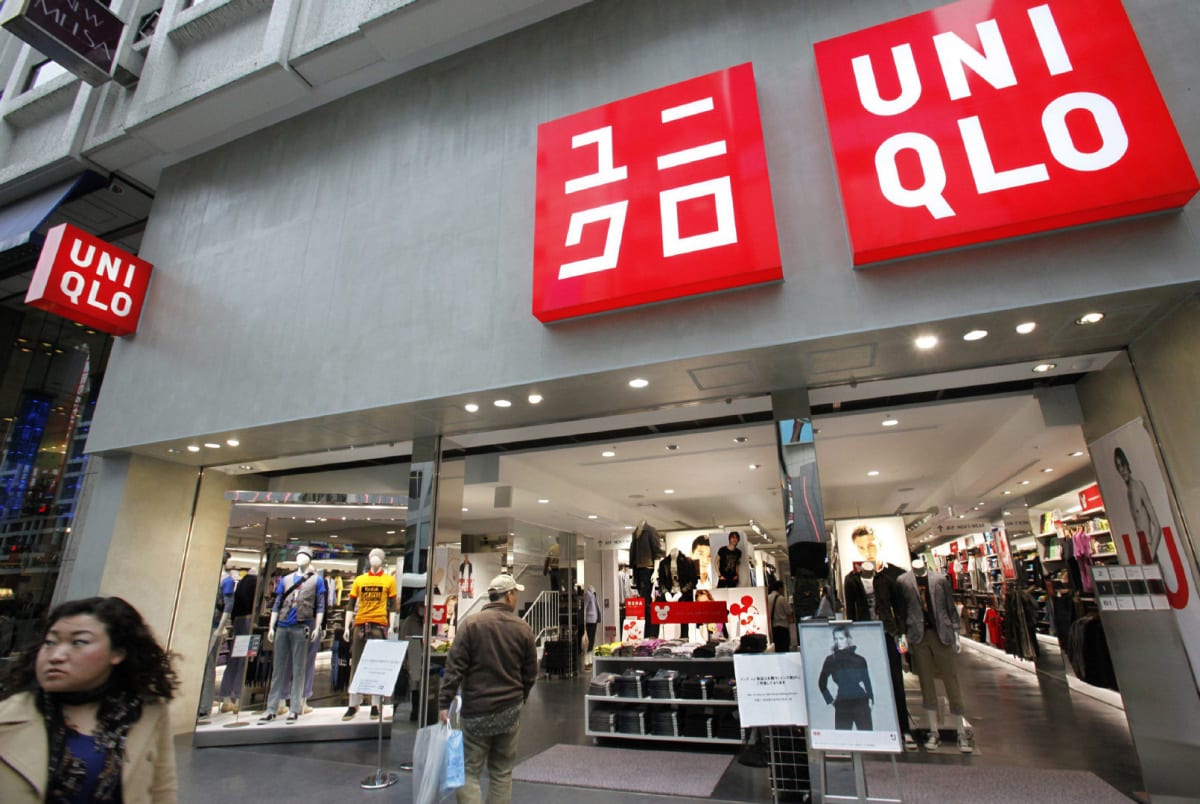
    Uniqlo, Asia’s largest apparel retailer, has delivered a disappointing set of results for the quarter to November 30.

    While revenue rose 8.5 per cent year on year to ¥520.3 billion (US$4.44 billion), profit fell 16.9 per cent to ¥75.9 billion ($647.1 million). Considerable depreciation of the Japanese yen was the main factor in a ¥29.0 billion fall in pre-tax profits, the company said.

    Uniqlo International sales also fell short of target in the first quarter, reporting a rise in revenue but a decline in profit (revenue: ¥196.9 billion (+17.2 per cent year on year), operating profit: ¥20.8 billion (-14.2 per cent)).

    “Unseasonal warm winter weather around the globe adversely impacted same-store sales at Uniqlo Greater China (encompassing operations in mainland China, Hong Kong and Taiwan), Uniqlo South Korea and Uniqlo US in particular, resulting in a lower than expected first-quarter performance and declining profits in all three of these areas.

    Meanwhile, Uniqlo Europe reported higher than forecast gains in both revenue and profit, and Uniqlo Southeast Asia and Oceania reported a steady operating profit, as expected.

    New store openings proceeded as planned, with a net 66 stores opened during the first quarter, mainly in Greater China and Southeast Asia. As a result, the total number of Uniqlo International stores had expanded by 169 year on year to 864 stores as at November 30.

    Uniqlo Japan fell short of expectations in the first quarter, declining in both revenue and profit Revenue was ¥230.9 billion (-0.7 per cent), operating profit ¥44.8 billion (-12.4 per cent).

    “While online sales expanded 23.2 per cent year on year, same-store sales declined 2.3 per cent, resulting the fall in revenue,” the company said.

    “In September and October, fall winter items such as cashmere sweaters, merino sweaters, gaucho pants and wide pants got off to a great start and sales proved strong, pushing same-stores sales higher as a result. However, the unexpected heatwave in November stifled demand for winter items, and led to a sharp drop in revenue.

    “On the profit side, hefty discounting of winter items in November squeezed the first-quarter gross profit margin, while lower than-expected first-quarter sales inflated the selling, general and administrative expenses to revenue ratio.”

    The number of directly run Uniqlo Japan stores, excluding 38 franchise outlets, totaled 806 stores at the end of November 2015. While that represents a net decrease of 18 stores year-on-year, 10 of these stores were converted from directly-run stores to new employee-franchise outlets.

    The group reiterated its goal of becoming the globe’s largest apparel retailer.

    “To this aim, we have focused our efforts on expanding Uniqlo’s global operations, boosting store numbers in each country where we operate, opening global flagship stores and large-format stores in major cities around the world, and offering exciting joint collections with well-known designers from around the world, such as Ines de la Fressange. This strategy is designed to both boost awareness and visibility of the Uniqlo brand and strengthen our global operational base. We are also actively promoting our GU brand by accelerating the opening of new stores in Japan and launching the label in the Chinese market.

    “We believe the GU operation has reached a key turning point in its growth and development as a second pillar brand for the group,” the company concluded.

    Uniqlo’s Global Brands division exceeded expectations in the first quarter by reporting a 17.4 per cent year on year gain in revenue to ¥91.8 billion, and a 29.7 per cent year on year gain in operating profit to ¥12.4 billion.

    “Within the Global Brands segment, our low-priced GU fashion casualwear label reported significant rises in both revenue and profit that surpassed our initial forecasts. GU reported double-digit growth in same-store sales on the back of strong sales of heavily advertised campaign items such wide pants, baggy sweaters and knitted bottoms.

    “Meanwhile, our Theory fashion brand and J Brand premium denim label both fell slightly short of target when they reported a decline in profits.”

    The company’s France-based Comptoir des Cotonniers and Princesse tam.tam labels reported lower-than-expected sales and a decline in profit, after the November terrorist attacks in Paris forced some stores to close temporarily.
  • Chow Tai Fook sales slide continues

    Chow Tai Fook sales slide continues

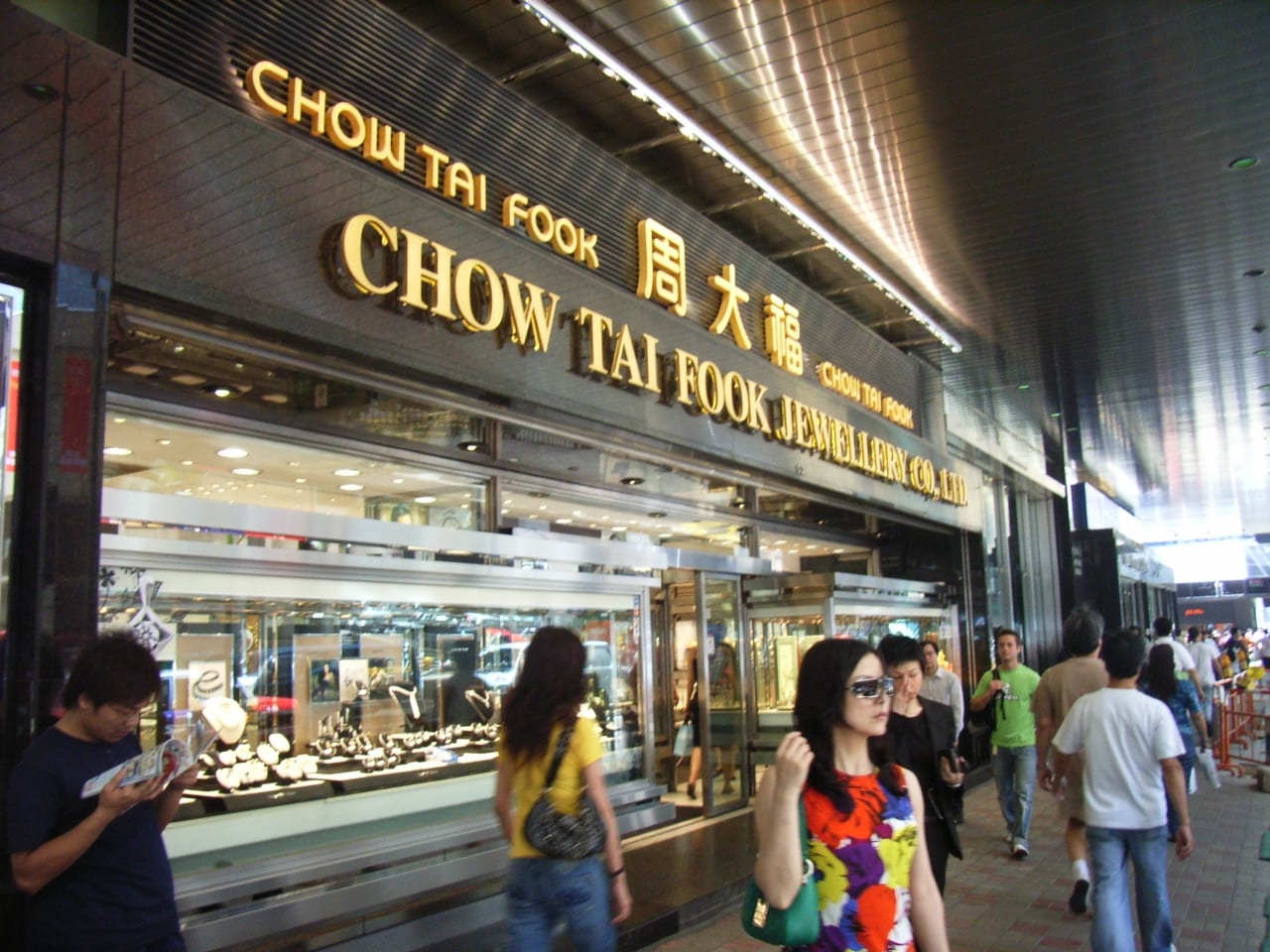
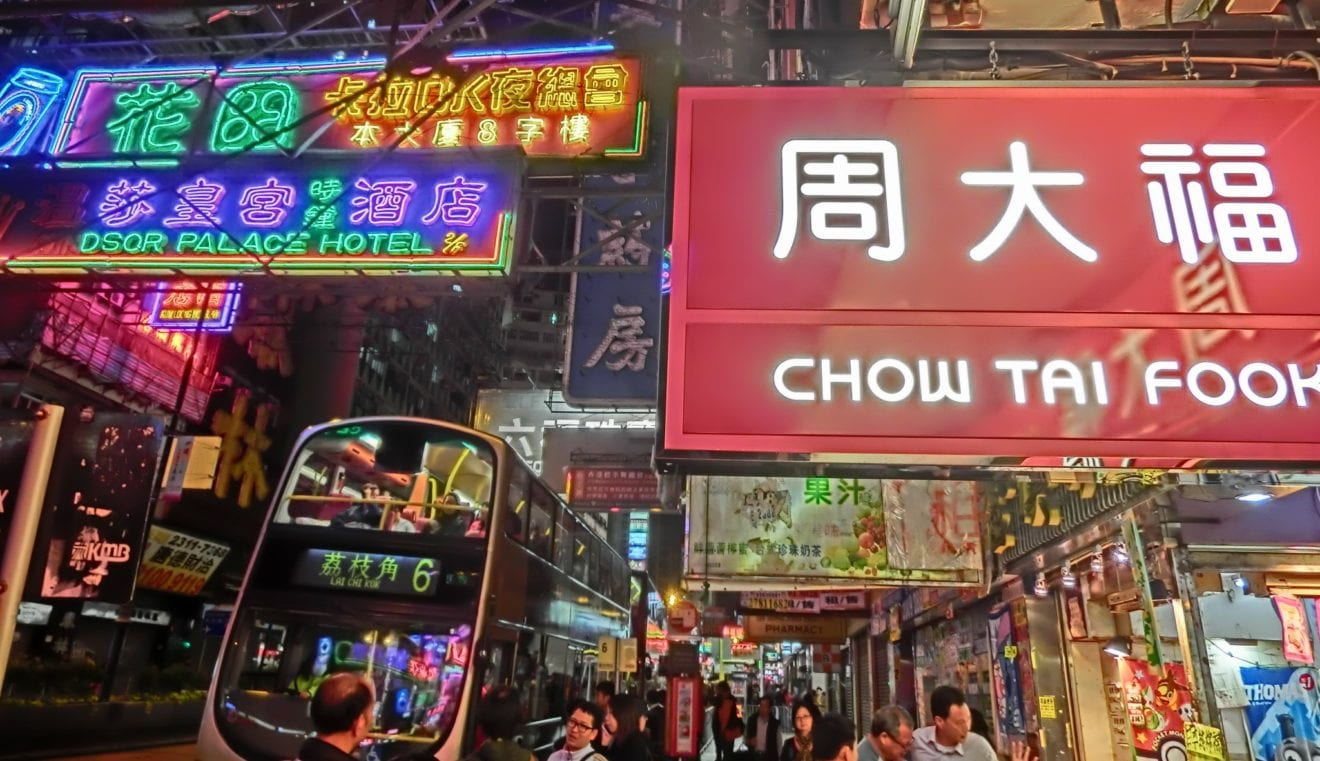
    Jeweller Chow Tai Fook continues to be battered by the declining number of wealthy Mainland Chinese tourists visiting Hong Kong and Macau.

    The Hong Kong listed retailer has revealed its same store quarterly sales slumped 23 per cent in Hong Kong and Macau in the three months to December 31 and by 6 per cent in Mainland China. It said those figures were “similar to the same store sales sales performance” of the preceding quarter.

    In total value, after currency effects were taken into account, total sales fell 11 per cent, compared with 10 per cent in the preceding quarter. Mainland sales, on a constant currency basis, were down two per cent.

    The group opened a net 31 points of sale during the quarter, including 28 jewellery outlets and two watch stores in Mainland China, and a net one store elsewhere, taking its total point of sale count to 2317 as at December 31.

    Meanwhile, Chow Tai Fook MD Kent Wong said on a conference call that the company expects to close five or six stores in Hong Kong during the next three months as it adjusts its network to reflect the changing shopper demographic.

    He said the domestic market remained challenging with the local currency pegged to the US dollar which is widening the gap between the Hong Kong dollar and China’s renminbi.

  • Thailand set to lure shoppers from Singapore

    Thailand set to lure shoppers from Singapore

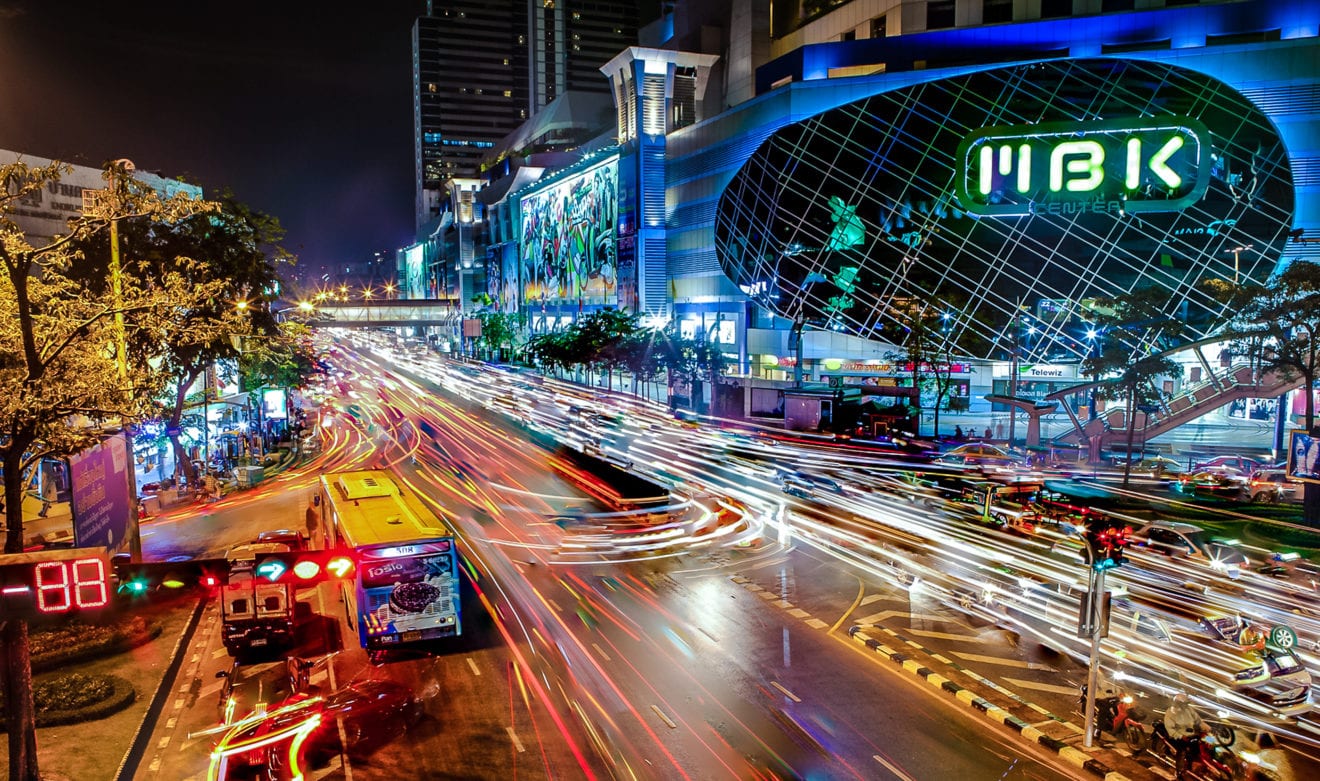
    Thailand luxury goods import duties may be cut in a move to make the nation a more attractive shopping destination for foreigners, a direct challenge to Singapore.

    Such a move would put Bangkok, already a fast-growing regional retail destination, in direct competition with Singapore and Hong Kong for regional tourist spending. Both Singapore and Hong Kong have long since culled such duties.

    Thailand’s Customs Department believes removing the 30 per cent tax on luxury goods would make the country the leading tourist destination for luxury goods shopping in Asia, potentially boosting tourist spending on shopping by 15 to 20 per cent.

    The argument in favour of the cut is that if Thailand’s luxury goods tax was no different from those in Hong Kong and Singapore, Thailand could become the preferred destination, because the country overall offers more attractions at a lower cost.

    The cut might also encourage Thais to shop at home instead of abroad.

    Foreign tourists in Thailand spend about US$33 a day on average on shopping – just half the figure tourists in Singapore spend and a quarter that spent in Hong Kong (it is not clear if those figures were calculated before the current downturn which has impacted on Chinese Mainlanders’ spending in Hong Kong).

    While Thailand retail prices overall are regionally competitive, import duties on so-called luxury items and a seven per cent sales tax make luxury branded goods, and items like fragrances, are more expensive than elsewhere.

    Thailand Customs Department director Kulit Sombatsiri says the department is studying the implications of the move to ensure it will not affect local businesses, and might limit the reduction to selected products that Thailand does not make.

  • Laneige opens Singapore concept store

    Laneige opens Singapore concept store

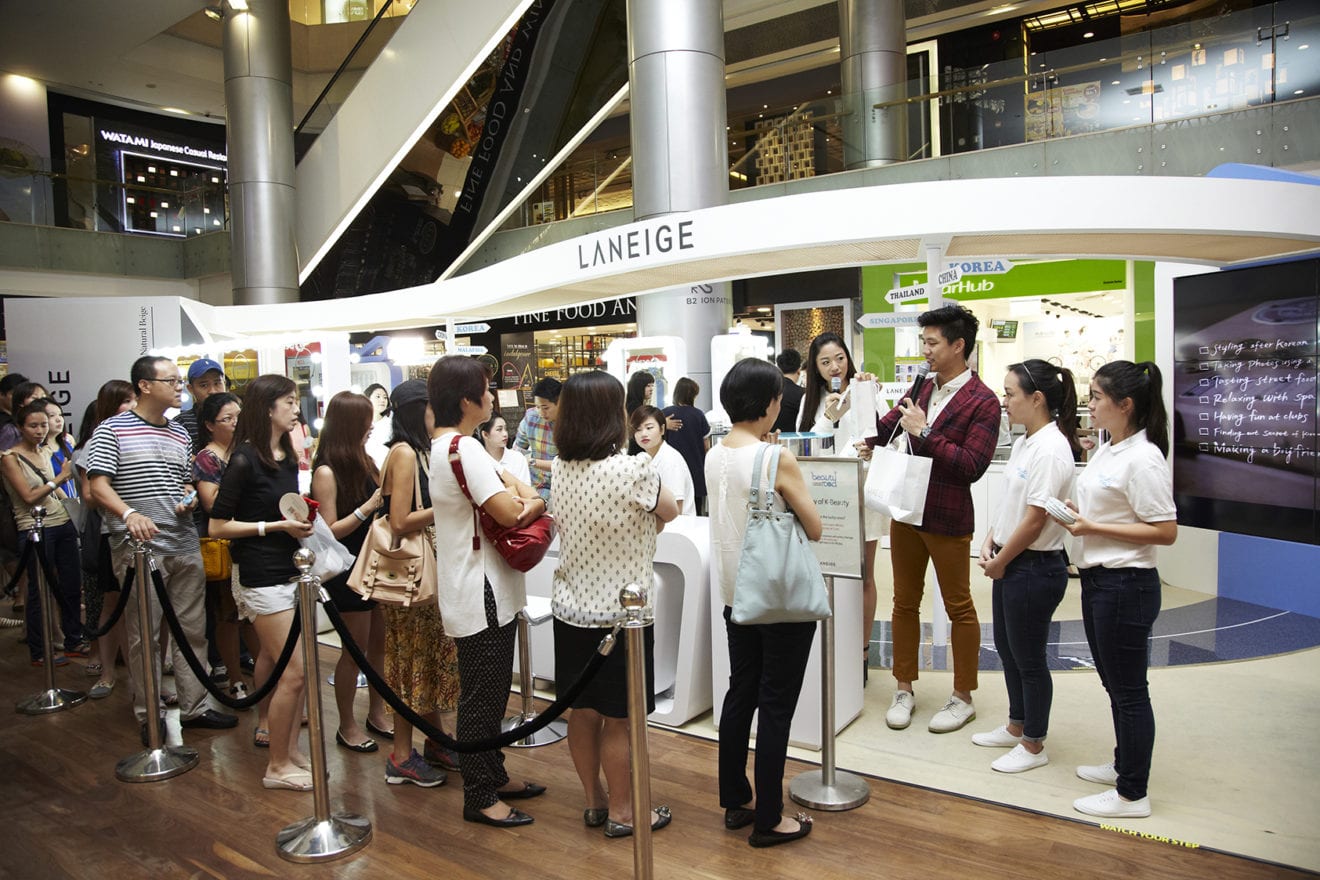
    South Korean skincare brand Laneige has opened a new concept store in Ion Orchard, Singapore.

    Not only does the outlet have a new look, but it features exclusive products. It is the ninth Laneige store for Singapore, the first opening in 2012.

    Exclusive to the store is the Laneige G5 product range, comprising seven variations of Water Science Mist, various types of sleeping balls that serve as a mask for different parts of the body, and lip cards in 20 different shades. The range is exclusive to G5 concept boutiques, and as the new store is the first and only boutique so far, it is the only shop in the world selling it.

    As Laneige’s flagship outlet, the store’s design is different from its other shops. The “water meets light” design concept infuses elements of water, light, and blue and pink colours.

    Laneige brand GM Doreen Chia says the design is “edgy, sophisticated, modern and sparkling” in line with the brand’s beauty concept and vision. Laneige is known for its emphasis on the power of water for revitalising and nourishing the skin.

    There are several zones in the store – one for top-selling items, another for signature products (such as its Water Bank range), Homme for men another for make-up. A feature is a consultation room where beauty advisors can analyse a customer’s skin condition and advise on appropriate products.

    Laneige has stores throughout Asia – in Brunei, China, Hong Kong, Indonesia, Malaysia, Taiwan, Thailand, The Philippines and Vietnam – as well as Canada, New Zealand and the US.

  • Thai import duties may be cut

    Thai import duties may be cut

    Thailand import duties may be cut in a move to make the nation a more attractive shopping destination for foreigners.

    The Thailand Customs Department is mulling a reduction of import duties on luxury items like clothing and accessories. While Thai retail prices overall are regionally competitive, import duties on so-called luxury items and a seven per cent sales tax make luxury branded goods, and items like fragrances, more expensive than elsewhere.

    Thailand Customs Department director Kulit Sombatsiri says the department is studying the implications of the move to ensure it will not affect local businesses, and might limit the reduction to selected products that Thailand does not make.

    This move follows a proposal from the private sector that claims the reduction would boost tourist spending, the Post Today reported. Import duties are 30 per cent for most luxury items.

    Other major Asian shopping hubs such as Hong Kong and Singapore do not impose import duties on luxury items.

  • Colliers Singapore’s senior executives for industrial services quit

    Colliers Singapore’s senior executives for industrial services quit

    THE exodus of executives from Colliers International Singapore has continued this week. This time, some senior executives in its industrial services team including the division head are leaving for a rival firm.

    Colliers’ executive director and head of industrial services, Tan Boon Leong, three other senior executives and one support staff are said to be joining Knight Frank Singapore.

    This leaves Colliers with two industrial brokers. Meanwhile, Knight Frank’s industrial department will increase significantly to 11 executives, comprising nine brokers and two administrative staff with Mr Tan helming the team.

    Their official starting date at Knight Frank is not confirmed yet. But sources told BT that Mr Tan is expected to join Knight Frank in March after two months of gardening leave. He will be reporting to Knight Frank Singapore group managing director Danny Yeo.

    An internal email to employees announcing the changes were sent out by Knight Frank at 5.30pm on Friday.

    Colliers’ traditional strengths are said to be in industrial services and valuation.

    But last June, five industrial brokers from Colliers Singapore, including executive directors Brenda Ong and Rimon Ambarchi, jumped ship to CBRE. Its former managing director, Dennis Yeo, later joined CBRE as regional head of industrial and logistics services in Asia.

    Since some leadership changes took place at Colliers International, the firm became a poaching ground here.

    In September, a team of eight experienced valuers including Colliers’ head of valuation and deputy managing director, Cynthia Ng, moved to Savills Singapore.

    All three directors of its office services team joined Savills Singapore earlier in February and four members of its retail team hopped over to JLL’s retail agency team in June.

    This week, one of its deputy managing directors, Calvin Yeo, and head of investment service, Stella Hoh, also left the company.

  • OGIO Announces First Retail Store Opening in Indonesia

    OGIO Announces First Retail Store Opening in Indonesia

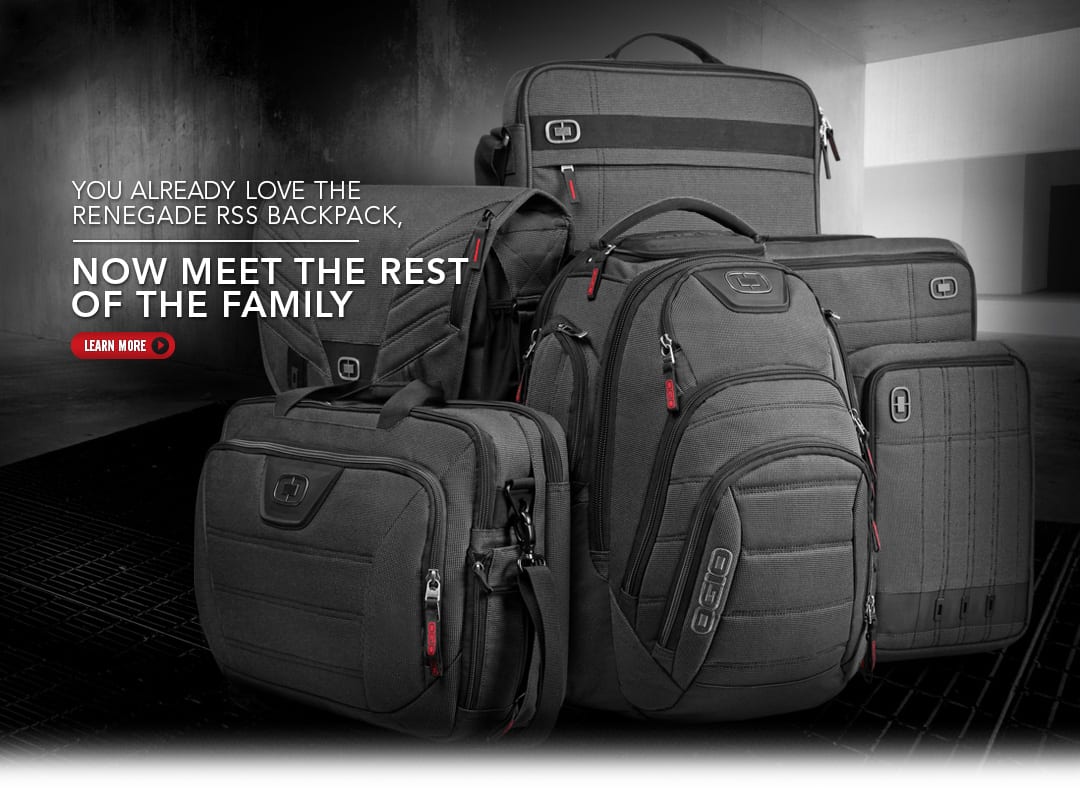
    Following the highly successful introductions of their first 3 flagship store locations in Beijing, Shanghai and Seoul, South Korea, OGIO International announces the opening of its first retail store in Jakarta, Indonesia. The Jakarta location officially opened to the public on December 1st. The location, in the heart of Jakarta’s bustling Gambir Sub-District, is designed to house all of OGIO’s product collections.

    Investorideas.com Newswire

    “We are excited that our brand retail platform continues to be a major driver of growth for our international distributors and for our brand,” said OGIO CEO Tony Palma. “We feel that these flagship stores allow for a great introduction of OGIO to local customers around the world.”

    “The Jakarta location is our way of introducing our customers to the OGIO brand in Indonesia,” said Setiawan Sodhi, CEO at distribution partner PT Raja. “We feel that OGIO’s brand identity can really connect with the end consumer in Indonesia. Our customers will love OGIO’s adrenaline-driven styling in all of the various product collections.”

    Investorideas.com Newswire

    OGIO anticipates a second new flagship location in Indonesia, in the tourist mecca of Bali, slated for opening in 2016. With retail concepts successfully executed in China, Korea, Japan, Italy and Indonesia, OGIO continues to grow its international lifestyle business by double digits.

    “The success of our retail locations in other countries, both flagship stores and shop-in-shop concepts, has really caught the attention of many of our International distribution partners”, said OGIO’s GVP of International Mark Talarico. “The retail store concept is proving itself to be a fantastic marketing, sales, and most importantly, brand awareness driver for our distributors.”

  • Indonesia Wants Netflix to Open Office, Pay Tax

    Indonesia Wants Netflix to Open Office, Pay Tax

    If Netflix wants to obtain a but, the company must obey local regulations, such as opening an office and hiring employees. Furthermore, it must also obey tax regulations, which means every transaction with Netflix in Indonesia will be taxed.

    According to Kompas.com, the obligation to have a business license also applies to other over-the-top Internet-based services, such as Google and Facebook.

    These permanent businesses are required to pay corporate income tax and value added tax for every transaction made in Indonesia.

    Netflix’s video-streaming service went live in more than 130 countries, including Indonesia, last Wednesday as chief executive Reed Hastings aimed to counter slowing growth in the US.

    Indonesian users can choose from three monthly subscription plans on Netflix, with the basic plan priced at Rp 109,000 ($8) per month.

  • Singapore-Indonesia Talk Agribusiness Export

    Singapore-Indonesia Talk Agribusiness Export

    Minister of Foreign Affairs Retno Marsudi received her Singaporean counterpart Vivian Balakrishnan at the Foreign Affairs Ministry building in Jakarta today, January 13. This meeting between the two ministers is their second after the ASEAN Summit in Kuala Lumpur in November last year.

    For Mr. Balakrishnan, this is his introductory visit to Indonesia since he was appointed as Singapore’s Foreign Affairs Minister in October 2015. In the meeting, the two ministers talked about a number of important issues.

    “The relationship between Indonesia and Singapore is one of the most intensive bilateral ties due to our geographic proximity and tight work relations,” Minister Retno said in an official statement on Wednesday, January 13.

    The ministers talked about how to enhance economic ties between the two nations. One way is through agribusiness exports.

    “Singapore needs this product, while Indonesia has the capacity. The geographic proximity between the two countries is a potential than can be brought closer,” the minister said.

    Indonesia and Singapore are planning to hold agribusiness collaborations in the fields of cool storage and infrastructure standard.

    The two ministers also discussed about the potential for a partnership in the manpower sector. Minister Retno said that, in the future, Indonesia will enhance the quality of skilled workers – particularly in fields with high demands such as therapists, caregivers, and other.

    The meeting was also spent talking about regional cooperation, ASEAN in particular, and the plan for Singapore’s Prime Minister to visit Indonesia.

    In addition to meeting Minister Retno, Mr. Balakrishnan’s trip to Indonesia also included an honorary visit to President Joko WIdodo and Luhut Pandjaitan, Coordinating Minister of Law and Human Rights.

    Singapore is Indonesia’s second largest trading partner after China. In 2014, the trading value between Indonesia and Singapore reached US$42 billion.

    In terms of investment, Singapore is Indonesia’s biggest investor. In 2014, Singapore’s investment actualization in Indonesia valued at US$5.8 billion. Singapore is also Indonesia’s largest contributor of foreign tourists, with more than 1.5 million Singaporeans visiting Indonesia per year on average.

  • Siemens studies participation in Indonesia`s electricity program

    Siemens studies participation in Indonesia`s electricity program

    German company Siemens Energy Sector is studying the possibility of taking part in the governments program in the electricity sector.

    The government has a program to build power plants with a total capacity of 35,000 megawatts until 2019.

    Member of the board of management of Siemens Lisa Davis met Vice President M. Jusuf Kalla on Tuesday discussing Siemens interest in taking part in carrying out the program.

    Lisa said Siemens has long been venturing in Indonesia taking part in the government development program especially in development of power plants.

    She also expressed interest in cooperating with the state power utility company PLN in building power plants.

    “We discussed a lot of things in the energy sector such as in power generating plant, power transmission facility and distribution of power,” she said.

    She said involvement of Siemens in the 35,000 MW electric program would open many jobs in the country.

    Siemens has produced electrical components and Indonesia is a potential market for the products.

    “We see Indonesia a potential market for our manufactured products. That is the reason for our interest in cooperation with the Indonesian government,” she added.

    German Ambassador Georg Witschel, who accompanied Lisa at the meeting with the vice president, said Germany will also be ready to offer help for Indonesia in the implementation of its programs including in its electricity program.

  • Komodo Island named Indonesia`s main marine tourist destination

    Komodo Island named Indonesia`s main marine tourist destination

    The Ministry of Tourism has mapped Komodo Island as one of the 12 major marine tourist destinations in Indonesia.

    The other destinations included in the list are Wakatobi in Southeast Sulawesi, Derawan in East Kalimantan, Raja Ampat in Papua, Nias in North Sumatra, Mentawai in West Sumatra, Ujung Kulon in West Java, Anak Krakatau in Sunda Strait, Tomini in Central Sulawesi, and Bali and Lombok in West Nusa Tenggara.

    “The twelve islands are included in the blueprint of the marine tourism development plan for natural resources and creative economy in promoting the brand Wonderful Indonesia,” Welly Rame Rohimone, acting head of the provincial tourism and creative economy office, stated here on Tuesday.

    Komodo Island, the natural habitat of the Komodo dragon (Varanus kommodoensis), has been selected as one of the new seven Wonders of Nature. The tourist area is ideal for diving and cruise tourism.

    “East Nusa Tenggara will be developed as Indonesias tourism gateway besides Bali, West Nusa Tenggara, and ten other islands,” Rohimone noted.

    The Komodo dragon in Komodo National Park can be found on the islands of Rica, Padar, and Komodo.

    “Sail Indonesia, being held since 2009, has also been organized in East Nusa Tenggara in 2013 under the name of Sail Komodo,” he emphasized.

    Komodo Island, with a land area of 390 square kilometers, has a population of over two thousand.

    The island has a beach with sand that appears pink as it contains a mixture of white sand and red sand, formed from pieces of Foraminifera.

  • CNBC to launch channel in Indonesia

    CNBC to launch channel in Indonesia

    Financial news channel CNBC has struck a deal with PT Trans Media Corpora to launch a CNBC-branded channel in Indonesia.

    CNBC Indonesia is to enter Southeast Asia’s largest economy later this year, and will be a Bahasa-language service.

    Mark Hoffman, chairman of CNBC, said that the deal with Trans Media underpins the broadcaster’s emerging markets strategy.

    “We are pleased to bring CNBC’s unique and robust content proposition to millions of Indonesians in their local language, further opening the world of international business and finance to a growing economic powerhouse,” Hoffman said.

    Chairul Tanjung, founder and chairman of PT Trans Media Corpora’s parent company, CT Corp, said: “The primary objectives of the CNBC Indonesia venture are to facilitate global business conversations in Bahasa Indonesia, to educate our growing middle class, and to facilitate better information flow for decision making. This will help realise the full potential of the capital markets and businesses, accelerating the economic development of Indonesia.”

    CNBC’s announced launch comes just three months after rival Bloomberg closed its Indonesian joint venture after running into financial difficulties. Bloomberg is still looking for a new local partner to revive its Indonesian ambitions, Mumbrella understands.

  • China’s stock market like a casino, only riskier

    China’s stock market like a casino, only riskier

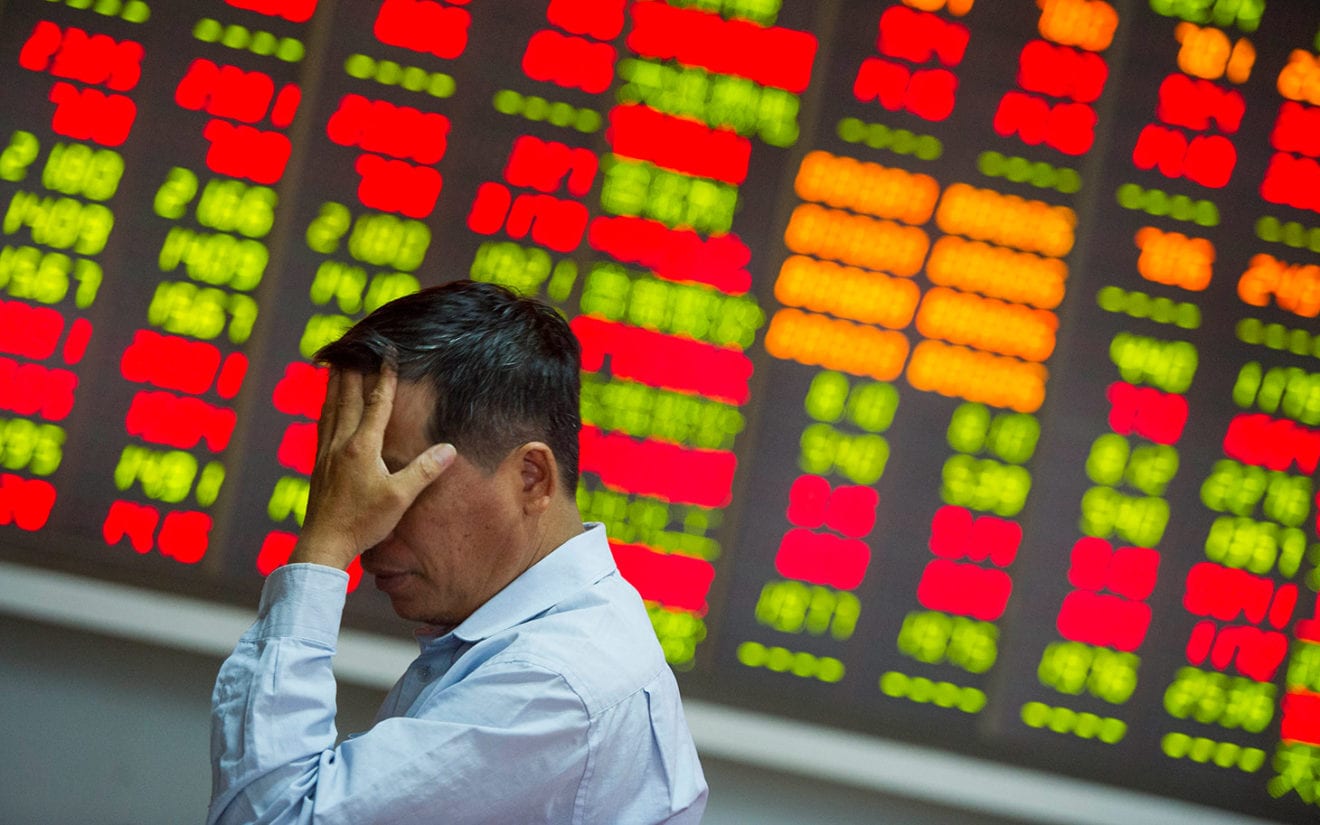
    The one thing to remember about the Chinese stock market is that it operates so differently from U.S. and European markets. First off, the China market is dominated by retail investors, who treat it very much like a casino. Look at this chart:

    There are more than 200 million trading accounts in China. That’s the same size as America’s adult population. And that’s one of the main reasons we’re seeing so much volatility. FIS Group in a recent report said that more than 90 percent of capital accounts are owned by retail investors, suggesting the wild moves in Chinese stocks is primarily driven by “their market structure” and “trade momentum.”

    Even though we’ve seen huge drops in the last week, let’s not forget how massive the spikes up have been in the past 10 years. Chinese stock market volatility makes the S&P 500 look almost like a flat line.

    Another way to see it: the difference between small and large caps.

    Of course small caps anywhere tend to move more than large caps — but in China, that difference is bigger, especially in the past months.

    Remember, many Chinese large-cap stocks are primarily state-owned enterprises, so retail traders generally look toward smaller companies to make their quick bucks.

    Wu Jinglian, a veteran economist, has said comparing Chinese markets to a casino is actually unfair — to the casinos. He said that at least the casinos have stronger rules, and don’t have price manipulation.

    That’s why when bad news in the economy happens, a spooked and scared set of retail traders will be much quicker to bail versus the more professionally dominated U.S. market.

  • Chow Tai Fook’s Hong Kong, Macau Sales Plunge on Fewer Chinese

    Chow Tai Fook’s Hong Kong, Macau Sales Plunge on Fewer Chinese

    Chow Tai Fook Jewellery Group Ltd., the world’s largest listed jewelry chain, said same-store sales in Hong Kong and Macau plunged 23 percent in the final three months of 2015 as fewer mainland Chinese tourists visited the two cities.

    Same-store sales, for outlets open at least a year, fell 6 percent for those in mainland China, bringing the total decline to 15 percent for the fiscal third quarter ending December, the company said in a statement Friday. The retail sales value for all of the company’s outlets slumped 11 percent in the period, it added.

    The operating environment in China as well as sales outlook for the Lunar New Year holidays in February remain challenging, and the company will continue to focus on cost-cutting measures in the rest of the current fiscal year ending March, Managing Director Kent Wong said on a conference call with reporters Friday.

    “The retail jewelry industry is now in a consolidation stage after the rapid growth in the past decade,” Wong said. “What we can do now is to better control cost structure on both rentals and staff costs, while expanding our high-end product lines.”

    Chow Tai Fook in November declared its first-ever special dividend even as it posted the steepest decline in semi-annual profit since it went public, after its shares fell to about 70 percent before its offer price since its 2011 share listing. China’s economic slowdown, as well as campaigns against corruption and extravagant spending have hurt luxury retailers and casino companies.

    The retailer of gems and watches has said it will shut outlets that do not perform well, but doesn’t plan to lay off workers. Still, the number of employees may fall further after it dropped 8 percent in the first half, reducing staff costs by 13 percent, Wong said Friday.

    Chow Tai Fook Chairman Henry Cheng said in November the company has shelved its overseas expansion plans and will focus on the Hong Kong, Macau and mainland China businesses.

    Mainland Chinese tourists to Hong Kong, who accounted for more than 70 percent of the total in November, have dropped 16 percent in the month, according to the city’s tourism board.

    Chow Tai Fook may request rental reductions of 30 percent on average, for the roughly one-third of its Hong Kong stores that renew their lease agreements each year, it had said in November. Wong said the company is in talks to renew leases for three shops in the city.

    The luxury chain’s retail network expanded to 2,317 points of sales as of end-2015, including a net opening of 28 jewelry, and 2 watch outlets in mainland China. It will open between 50 to 60 points of sales in China in the rest of the fiscal year, Wong said.

    Competitor Chow Sang Sang Holdings International Ltd. said it won’t cut prices even as it expects same-store sales to slide during the Lunar New Year holidays, amid a strong Hong Kong dollar that has turned mainland tourists away, the Standard newspaper reported Friday citing Lau Hak-bun, the company’s general manager of Greater China retail.

    Chow Tai Fook’s Wong also said the company has no plan to cut product prices in the future.

  • Hong Kong Airport tenders fashion concession

    Hong Kong Airport tenders fashion concession

    The Airport Authority of Hong Kong (AAHK) is inviting interested companies to tender for a shoes, fashion accessories and sports concession at Hong Kong International Airport, in Terminal 1.

    The tender is due to close on 25 February 2016, at 14:30 (Hong Kong Time) for the 57sq m concession space.

    As the airport authority has been keen to communicate in recent years, HKIA presents a ‘unique business opportunity ‘for retail operators at this aviation hub in Asia. Taking this into consideration, AAHK believes this to be another ‘extraordinary business opportunity in a premier location’.

    The new shop will be erected on Level 7 of the East Hall Departures lounge.

    “HKIA is a world-class international transport hub with extensive air, sea and land links as well as round-the-clock facilities, serving over 100 airlines and 63.3m passengers in 2014 with an annual growth of 5.8%,” adds HKIA.

    “HKIA’s affluent mix of passengers come from all over the world, with over 45% being executives, professionals and proprietors.”

    Interested companies, who wish to receive the tender documents are asked to send a cashier’s order of HK$500 (non-refundable) made payable to ‘Airport Authority’, along with a written request on company letterhead paper specifying the tender number, company name, contact details and trading name to the following address.

    Ms. Dorothy Tan
    Assistant General Manager
    Retail & Advertising
    Airport Authority Hong Kong
    5/F, HKIA Tower, 1 Sky Plaza Road
    Hong Kong International Airport
    Lantau, Hong Kong