Author: Mei Ling Tan

  • Thailand’s TCC buys Metro supermarket

    Thailand’s TCC buys Metro supermarket

    Metro said TCC Land International Pte, Ltd, a subsidiary of TCC Holding Company Ltd, has acquired its complete operations in Vietnam for 655 million euros (US$706 million).

    In a press release, it said: “This results in a cash inflow of around 400 million euros [$432 million]. The payment has been already made.”

    Metro Cash and Carry Vietnam told Viet Nam News that under the new ownership the wholesaler would operate under the old name and management and continue to serve over a million professional customers with the same products and services.

    Metro came to Vietnam in 2002 and now has 19 stores around country with more than 3,300 employees.

    Over the years it has invested in the local trade infrastructure and food hygiene and safety, and trained more than 20,000 Vietnamese farmers and fishermen, helping them increase their yields and product safety.

    In August 2014 Metro announced it had agreed to sell to Berli Jucker (BJC).

    But last February BJC’s majority shareholder TCC replaced BJC as the buyer.

    BJC, a conglomerate with interests in multiple sectors including retail, will run Metro for TCC.

  • China imposes fresh stock-sale restrictions

    China imposes fresh stock-sale restrictions

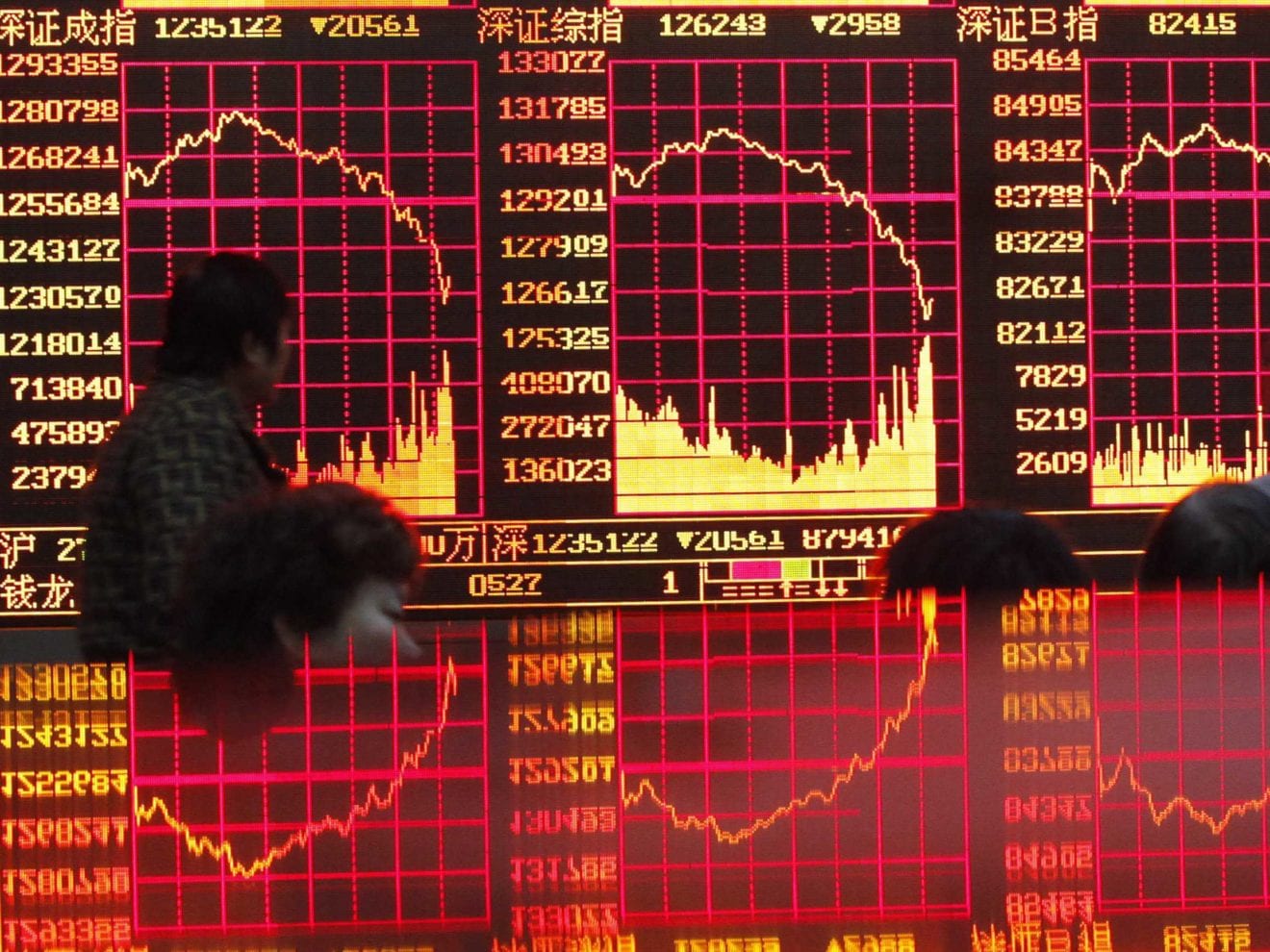
    China’s securities regulator will suspend its newly implemented circuit-breaker mechanism designed to tame market volatility after it exacerbated stock sell-offs and shut down equity trading early twice in one week.

    The China Securities Regulatory Commission announced late on Thursday night that the circuit-breaker system would be halted from Friday, only four days after introduction, without saying how long the suspension will last.

    “It didn’t work out as expected… Currently the negative effect is bigger than the positive one. Therefore, we have decided to suspend it in order to maintain market stability,” the CSRC said in a statement posted on its Weibo account.

    The regulator implemented the mechanism on Monday, hoping to offer a “cooling period” when there are sharp fluctuations in the market and therefore stamp out the wild swings.

    A move of 5% in either direction on the CSI 300 Index, China’s blue-chip tracker, triggered a 15-minute trading halt for stocks, convertible bonds, stock options and futures contracts. A swing of 7% froze trading for the rest of the day.

    Previously, individual Chinese stocks were only allowed to rise or sink by a maximum 10% per day.

    Circuit-breaker controversy

    However, the new mechanism appears to have amplified the panic among investors and prompted new waves of selling in response to sluggish economic data and renminbi weakening, according to some market players and equity analysts.

    Hong Hao, chief China strategist at Bank of Communications in Hong Kong, said circuit-breakers could easily pose threats to market liquidity and investor sentiment.

    “Clearly the tight stops of 5% and 7% of China’s circuit breaker have a magnet effect as prices gravitate towards the breaker [striking points] and prompt a stampede that drains market liquidity,” he said.

    The circuit-breaker system halted trading early on Thursday for the second time in a week, following its first use on Monday. The close of a 14-minute trading session in Shanghai and Shenzhen on Thursday morning also marked the shortest in the country’s history.

    “There are huge risks to introduce it in China now as irrational, retail investors are not really for it. When they see the market fall by 3%, they will only want to sell rather than buy. Then it could soon trigger the trading halt. Then there’s no liquidity,” one Hong Kong-based senior investment banker at a Wall Street bank told FinanceAsia.

    Fresh stock-sale restrictions

    Earlier on Thursday, the CSRC also introduced fresh restrictions on stock sales. It announced new rules to prohibit large shareholders and company directors or managers with stakes of more than 5% from selling more than 1% of their outstanding shares every three months.

    In a separate statement, the CSRC said the new rules would help to “defuse panic sentiment” among investors and would not lead to a new peak of stock selling. “There’s no basis to say they will lead to sharp falls in the market.”

    The new rules, which will come into effect on January 9, require stock sales to be conducted through a centralised auction system and major shareholders to disclose equity-disposal plans 15 days in advance.

    “The 15-day heads-up could more or less dilute the impact on the market – as retail investors know which company’s major holders plan to sell shares. Retail investors can exit their positions first,” said one Beijing-based fund manager at Citic Securities.

    The new measures, which will apply to significant stakes held when a company listed, replace an existing ban set to expire on Friday.

    Beijing in early July imposed a six-month curb on stock selling by major shareholders as part of a raft of controversial measures introduced in the summer to prop up sagging markets.

    China’s stock market, dominated by retail investors, has been one of the most volatile in the world over the last 18 months, with the Shanghai Composite index advancing by as much as 150% in a year-long rally running through mid-June, before plunging 43% by late August. It recovered somewhat in the subsequent months, and plunged again into 2016.

    Hong at Bank of Communications told FinanceAsia earlier on Thursday that the new restrictions alone would be “useless to stem the market plunge as the top priority now is either to abolish the circuit breaker mechanism or improve it.”

    Some of China’s retail investors have tried to use humour on social media platforms like Wechat and Weibo to deal with the new circumstances.

    One wag said the new circuit breakers were like having a girlfriend with a bad temper: “If she’s angry with you and you fail to cheer her up in 15 minutes, she won’t be talking to you for the rest of the day.”

  • China’s stock market is a clown show

    China’s stock market is a clown show

    Just as “bad cases make bad law,” to cite the ancient legal adage, bad stock markets make for bad investment decisions. China’s stock market, with its repeated crashes, has the entire world in a tizzy.

    The Shanghai stock exchange experienced its shortest trading day ever on Wednesday, as circuit breakers designed to end trading if the market slid 7% kicked in after only 14 minutes of active trading. As reported, the Shanghai Composite has dropped about 12% this year, and the Shenzhen composite has fallen more than 15%.

    Investors in the U.S. have taken the opportunity to sell. As of Thursday’s close, the Standard & Poor’s 500 index is down 4.67% from the opening bell for 2016 trading Monday, theNasdaq has lost 4.29%, and the Dow Jones Industrials have shed 5.12%. European stocks have marched over the cliff in tandem.in the U.S. took the opportunity to sell. As of Thursday’s close, the Standard & Poor’s 500 index is down 4.67% from the opening bell for 2016 trading Monday, the Nasdaq has lost 4.29%, and the Dow Jones Industrials have shed 5.12%. European stocks have marched over the cliff in tandem.

    The world should take a deep breath. The China stock market meets the definition of a bad stock market.

    The market is the target of relentless intervention by the Chinese government, which has been setting investment rules and tweaking them without any evident understanding of how open markets work. Adding to the chaos, the market was inflated by an inflow of small investors buying on huge margins — a notoriously skittish class of investors buying under conditions that made them especially vulnerable to the market’s volatile swings.

    Last April, as Evan Osnos of the New Yorker reported, the official organ of the Chinese Communist Party exhorted citizens to plunge into the market. An upsurge of more than 80% in four months was “merely the start of a bull market.” Investors should take heart from the government’s determination to keep Chinese companies strong.

    “Over the next two and a half months, investors opened thirty-eight million new stock accounts, more than quadruple the number of accounts opened in all of 2014,” Osnos wrote. “Retail exchanges, equipped with audience seating, attracted retirees and other small-time investors who spent hours scanning the digital displays, like visitors to the dog track.”

    This was a bubble primed for pricking. But that wasn’t all. On July 8, during a major market crash, Chinese regulators imposed a lockup on shareholders owning 5% or more of their companies, prohibiting them from selling for six months.

    The effect of lockups is well understood in mature stock markets; they tend to create latent bearish pressures as the expiration approaches. That expiration was due for Friday, Jan. 8, plainly creating some of the downdraft witnessed this week.

    The circuit breakers are another source of trouble. Introduced Jan. 4, the rules halt trading for 15 minutes after a 5% drop in the benchmark CSI 300 index, and stop trading for the rest of the day when the index falls 7%. They were triggered on day one, and again on Wednesday.

    Circuit breakers exist in U.S. markets, but critics say they’re cinched too tight in China, where 5% swings have been far more common. In the U.S., trading is shut down only if the Standard & Poor’s 500 benchmark falls 20% in a day.

    Adding to the confusion is that Chinese authorities lack the courage of their own convictions. On Wednesday, regulators tried to keep the bear caged by extending the stock lockup for three more months, albeit in modified form–big shareholders could sell, but only up to 1% of their companies’ shares. And following the circuit-breaker meltdowns of Monday and Wednesday, they scrapped the circuit-breakers themselves, a clear indication that they were not implemented properly in the first place.

    Among other signs of the immaturity of the markets and their regulators are stiff limits on short-selling–after a market crash this summer, the Shanghai and Shenzhen exchanges banned one-day short sales, in which traders place short orders and cover them on the same day. Mature exchanges understand that short selling is an indispensable relief valve for overheated bull markets.

    All these features, artifacts of the government’s inclination toward intervention in the stock market on the bull side, make the market an unreliable gauge of economic trends, many critics say. (Though they’re not unanimous — last February, economists at MIT and New York University argued that the market had matured to the point that it was providing reasonably accurate signals about future corporate earnings. “China’s stock market no longer deserves its reputation as a casino,” they wrote.)

    None of this means that there’s not cause to be concerned about the Chinese economy and its effect on world markets. Underlying the Chinese market plunge are signs that the world’s second-largest economy is slowing down, and that government economic officials aren’t fully up to the task of managing it.

    They’ve been frantically depreciating the Chinese yuan, which will put pressure on the nation’s trading partners by making Chinese exports more competitive and imports more expensive. The rapid depreciation sends a signal, moreover, that policymakers are getting to the end of their stimulative arsenal.

    Adding to uneasiness about government policy, no one has ever been entirely certain about the pace of China’s economic growth because its official figures are untrustworthy. Gross domestic product may have been overstated as much as three-fold, some observers believe.

    There’s no question that cracks in the Chinese economy are worrisome, but the wild swings of the stock market may be exaggerating the mood of panic. It makes sense for investors worldwide to keep their eye on the economy, but the stock exchanges? Just watch the ride.

     

  • Shibuya109 opens in Hong Kong

    Shibuya109 opens in Hong Kong

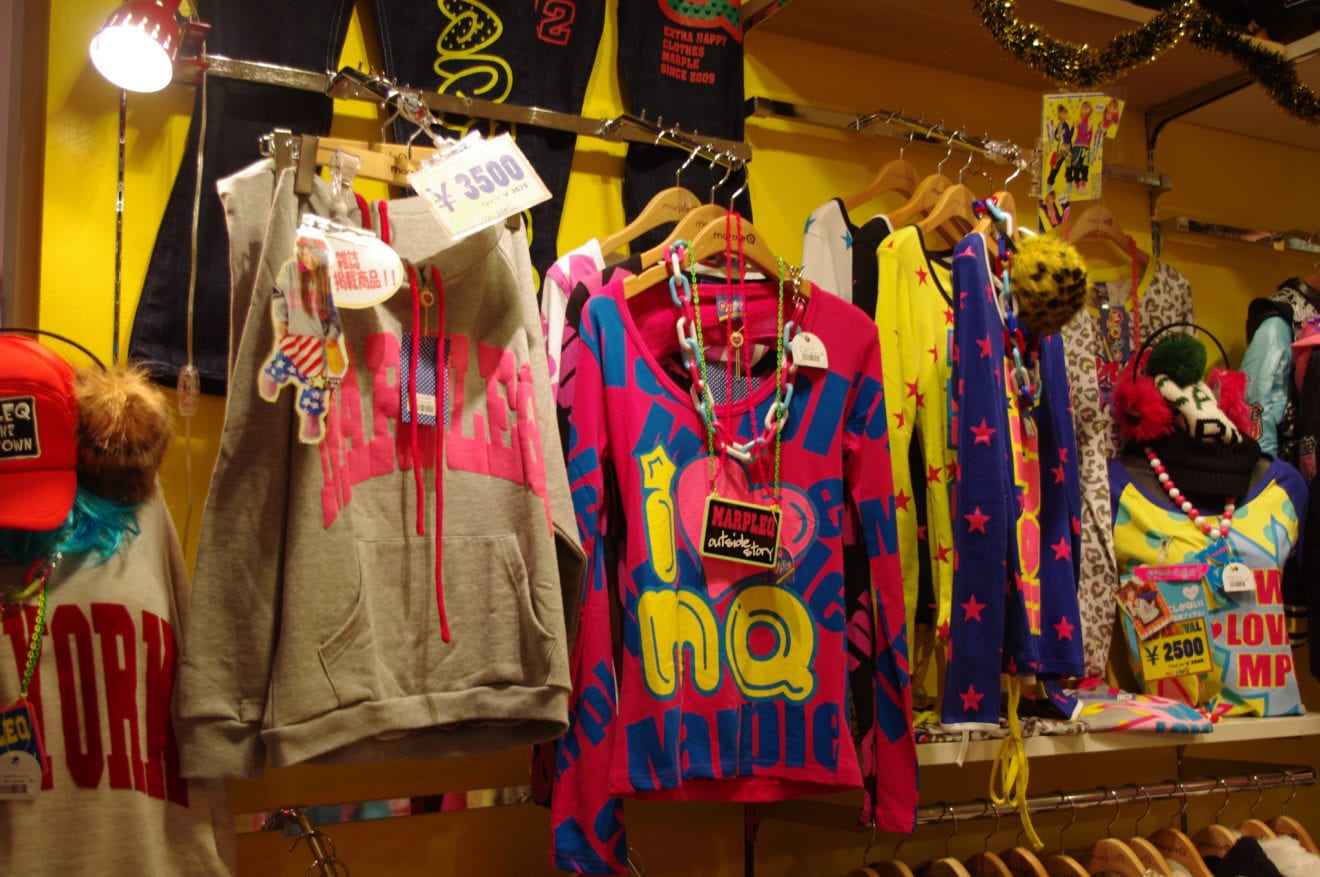
    The Japanese department store Shibuya109 has opened its first outlet outside its home market – in Market City in Kowloon, Hong Kong.

    Owned by Tokyu Hands, Shibuya109’s first Hong Kong store is described as a ‘mini-mall’ offering just a curated collection of brands from Japan to test the broader Asian market.

    The store opened quietly during the Christmas season lead-up taking up an 800sqm space on the third floor of Gateway Arcade at Harbour City in Tsim Sha Tsui. It is home to 13 retail brands from the Tokyo stores: Ank Rouge, Duras, Esperanza, Ki La Ra Girl, Liz Lisa, MLR, Rady, Redyazel, Regalect, Samantha Vega, Secret Honey, SLY and Wego Tokyo. For six of these brands, it will be their first launch on an overseas market.

    There is also a space tagged Shibuya109 Stage, dedicated to incubator brands.

    Shibuya109 takes its name from the popular shopping district in Tokyo.

    The concept of the mini mall is to highlight Japan’s fashion culture.

    Tokyu Malls Development Corporation says it chose Hong Kong because of its popularity with tourists – some 50 million people a year visit the territory.

    If the Hong Kong store proves a success, Tokyu will consider similar such outlets in Singapore and other Asian cities.

  • Myanmar City Mart eyes US$25m expansion

    Myanmar City Mart eyes US$25m expansion

    The Work Bank Group’s International Finance Corporation (IFC) has invested US$25m in Myanmar’s largest private retailer Myanmar City Mart Holding (CMHL) to expand its operations, create jobs and boost Myanmar’s retail sector.

    CMHL plans to use the loan to construct 20 additional supermarkets and hypermarkets over the next three years, adding to the 150 stores operating in Myanmar.

    The new operations are expected to increase CMHL’s purchases from domestic suppliers six-fold, hitting US$150m by 2021, and creating more than 4,000 jobs, half of which will be for women.

    “IFC’s investment is a sign of confidence in our business plan as well as in Myanmar’s retail sector potential,” founder and managing director Win Win Tint said in a company statement.

    “In addition to funding, IFC’s expertise and advice on food safety, good social and environmental practices and corporate governance will also help us take the company to the next level.”

    “IFC supports the development of a modern retail sector in developing countries as it helps spur growth and job creation, develop supply chain and logistics infrastructure, and support smaller businesses,” said Vivek Pathak, IFC regional director for East Asia and Pacific. “With our global expertise and industry knowledge, we will be delighted to work with CMHL to improve efficiency and standards to become a model retailer in Myanmar.”

    CMHL was established in 1996 and today operates supermarkets, hypermarkets, bakeries, pharmacies and convenience stores across Myanmar.

  • Europe’s Decathlon sets opening date

    Europe’s Decathlon sets opening date

    Europe’s leading sports retailer Decathlon will open its first Singapore store on January 16.

    It follows the unveiling of five stores in Thailand in the two months prior to Christma, as the UK-based retailer builds its Asian footprint.

    Few details of the store have been released, but the accompanying photograph of the first bangkok shop gives readers an idea of how the interior will look.

    The company describes the new flagship as “Singapore’s first sports megastore with 50 sports under one roof” including football, water sports, trekking, running, road biking and golf. Located at 750A Chai Chee Rd, it will trade from 9am to 10pm 365 days a year “to do what we do best – make sports accessible to you!”

    The Thai stores range in size from 1700 sqm to 2700 sqm, and are evenly located around the capital city, Bangkok.

    Decathlon Thailand boss Frederic Bichet says the stores are exclusive retailers of Decathlon’s Passion brands.

  • Singapore male youth burn more money shopping online than women

    Singapore male youth burn more money shopping online than women

    About 5 in 10 say they spend more than $100/month. Singapore male youth spend more than women on online purchases, according to Singapore Polytechnic’s survey of 816 youth aged 15 to 35. About 5 in 10 (50.6%) males say they spend more than $100 per month on online purchases, compared to about 4 in 10 (41.3%) women.

    On the other hand, the survey revealed that women shop online more often. About 2 in 10 (20.4%) female respondents browsed for products and services online daily, compared to 14.5% of male respondents.

    More males (29%) also purchase from stores that stock limited edition items, compared to 32.5% of women. Meanwhile, female respondents (47.6%) purchase from online stores they liked or are subscribed to on social media, compared to 32.5% of male respondents.

    For male youth, the most popular purchase categories include apparel, technology, and movies. Meanwhile, young women’s top purchase categories include apparel, beauty, and travel.

    The survey also showed that Singapore youth prefer to keep their online shopping habits private. Almost 6 in 10 (59.5%) indicated that they shop online to purchase items without their friends or family knowing, while 57.9% do so to keep their identity private. Also, more male respondents (61.8%) agreed that they shop online as it gives them privacy, compared to women (54.1%).

    It was also revealed that young shoppers were more receptive to special online deals, peer influence and social media. Celebrity endorsements appeared to be the least effective sales strategy, as only 11.4% of respondents purchased from stores endorsed by their favorite celebrity.

  • Alibaba to focus on China’s biggest cities

    Alibaba to focus on China’s biggest cities

    Alibaba Group CEO Daniel Zhang has laid out the eCommerce giant’s strategic direction for 2016, saying Alibaba will be looking to grow its already large operations in China’s biggest cities.

    That change of focus follows a year in which it made global expansion and greater penetration of China’s underserved rural markets priorities during 2015.

    “We are going to consolidate and expand our current market, particularly by enhancing reputation, optimising user experience and increasing our market share in first-tier cities,” Zhang told employees at the company’s campus in Hangzhou.

    Although he provided few details, this refocusing on the country’s wealthy mega-cities was foreshadowed in September when Alibaba announced it would add China’s capital, Beijing, as a second headquarters.

    The company has been bolstering its Beijing operations in areas such as the online sale of groceries and consumer electronics, and plans to use the city as a gateway to better serve some 400 million people in northern China, where penetration and support infrastructure is less developed than it is in the country’s southeastern provinces.

    Outlining a three-prong expansion strategy that he stopped short of calling “Alibaba everywhere,” Zhang said in addition to targeting first-tier Chinese cities, the company in 2016 would continue to promote eCommerce among rural Chinese residents and globally through its international eCommerce websites.

    “Global import, rural eCommerce, and top-tier cities are the three key battlefields for Alibaba in 2016,” he said.

    Zhang last year said the globalisation of Alibaba’s mostly Chinese operations was a top priority. The company hired former top Goldman Sachs executive Michael Evans to oversee international expansion, boosted its presence in Europe and made cross-border online shopping a highlight of its annual 11.11 Shopping Festival.

    This year, Zhang said, the company will continue to build up channels that allow international brands and merchants to sell online to Chinese consumers.

    The focus of this effort will be Alibaba’s Tmall Global, a cross-border shopping solution that provides Western merchants with a simplified channel for selling online in China, and g.taobao.com, a niche channel within the company’s giant Taobao Marketplace that helps consumers discover quality products sourced from around the world.

    “We are going to build our businesses around the two brands, in order to raise their awareness among customers and offer optimal user experience,” Zhang said.

    Meanwhile, the company plans to invest in operations that not only allow to retailers tap the growing purchasing power of rural Chinese consumers, but also in platforms that help farmers in the hinterlands sell and deliver agricultural products to online shoppers in the country’s big cities.

    “In 2016, we are going to ramp up our efforts to bring quality goods to rural buyers, and deliver local produce to urban customers,” Zhang said, “so the rural market can be connected to the whole country and even the whole world.”

    Alibaba has built more than 10,000 village-level service centers that promote eCommerce and provide delivery services in more than 20 provinces.

    Zhang added that Alibaba this year would continue to drive innovation in omnichannel retailing and build up its on-demand services offerings.

  • First Brookstone store China opens

    First Brookstone store China opens

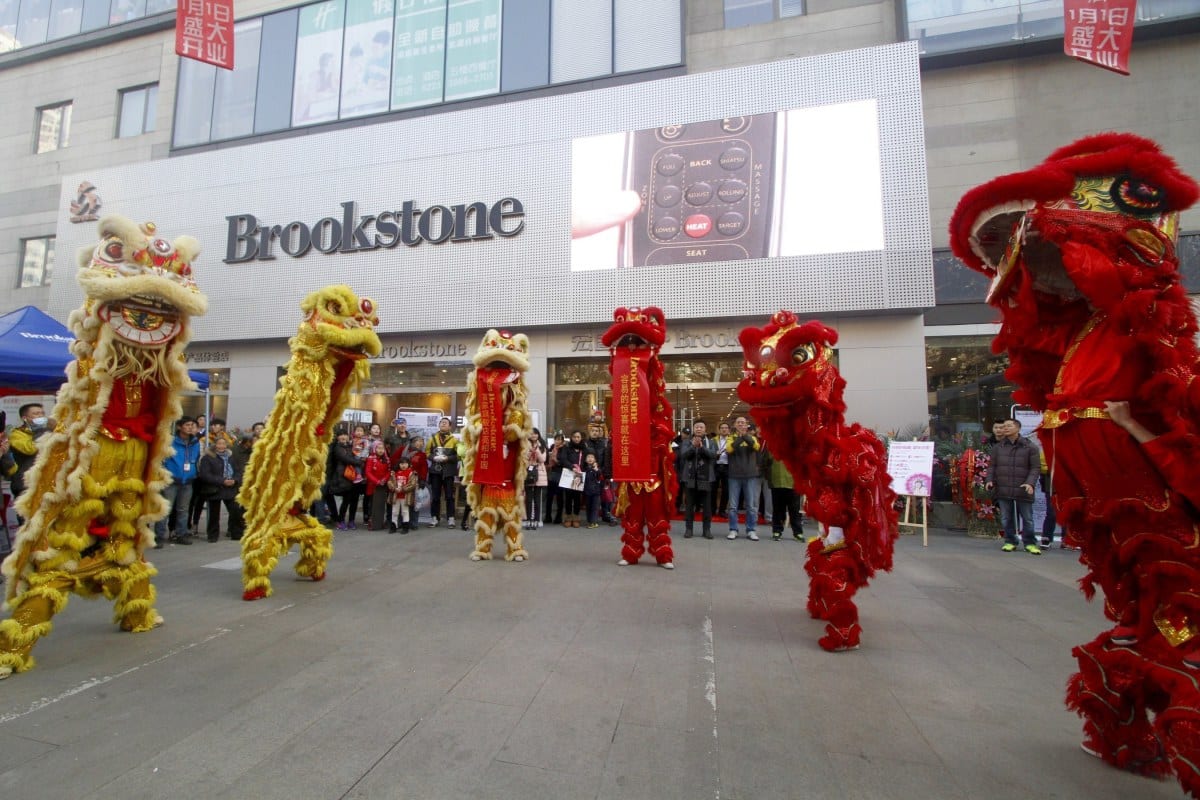
    US specialty retailer Brookstone has opened its first overseas store in one of the largest shopping centers in Nanjing, China.

    First-day sales far exceeded expectations for the new outlet, says CEO Tom Via. “We’re thrilled with how enthusiastically customers are embracing their first Brookstone China store experience.”

    Brookstone shops allow customers to try out products, and Via says visitors to the new outlet “love being able to try out our massagers, wear the Cat Ear headphones and see drones in action”.

    Founded in 1965, Brookstone offers innovative and lifestyle products designed for smart living. It has more than 300 mall and airport stores across the US, plus an online presence and a B2B/wholesale business. Two months after filing for bankruptcy in April 2014, the company was bought by Chinese investment firm Sailing Capital and Chinese conglomerate Sanpower for more than $173 million. By July, the company had emerged from bankruptcy with a restructured balance sheet, improved capital structure and a new strategic partner with a corporate mission to introduce premium American lifestyle products to shoppers in China.

    Over the years, Brookstone has built a following for its memory-foam pillows, sleep-sound machines, massagers and checkpoint-friendly luggage.

    Brookstone China chairman Xin Kexia is using the slogan “Easy surprise” to position the store as a destination for people to find “surprising innovations that make life easier”.

    Not only does the brand have in-house R&D teams that develop exclusive products, it also explores innovative products from makers all over the world.

    “For offline commerce to have any real meaning in the future internet-based society, it must meet the spiritual needs of consumers,” says Xin Kexia, “and offer customers a richer experience. Our mission is to consistently offer fresh and exciting product that customers have never seen before.”

    To help achieve this goal, the Sanpower Group has made active strategic adjustments and joined hands with Brookstone to sign a co-operation agreement with research and innovation institution MIT Media Lab.

    For China, Brookstone is adopting a sales model featuring hands-on interactive shopping. Store “associates” (rather than sales persons) will show customers how to control its products.

    Looking ahead, Brookstone’s China strategy will include opening independent shops in airports and high-speed railway stations, says chairman and Sanpower Group global vice-president Piau Phang Foo. It will also continue to launch store-in-stores in Sanpower’s offline retail brands, including Hisap and Smart Funtalk Telecommunications.

  • Seoul retail rents fuelled by food frenzy

    Seoul retail rents fuelled by food frenzy

    In the backstreets of Seoul, hipster culture is flourishing, and specialist cafés and eateries are jostling with big brand names to gain exposure in so-called “hot” neighborhoods. And as the crowds grow, so too do the retail rents.

    Just 10 years ago, Seoul wouldn’t have been the first city that came to mind as hip. As its economy picked up, a new class of Korean consumer has emerged and many are well travelled, knowledgeable and have discerning tastes, reports JLL Retail Views.

    Nick Kim, head of retail advisory & marketing in JLL’s Seoul offices, attributes the popularity of backstreet food and beverage (F&B) outlets to the fact that locals are always looking for “new, trendy, different places”.

    “They enjoy the blending of Korean and international cultures,” he says, and find cultural innovation on the backstreets, where prices are cheaper and the atmosphere is more casual.

    The rapid rise of artisan eateries and stylish bakeries in these alleyways was aided by the gentrification of districts such as Hongdae and Itaewon – formally avoided because of their association with crimes and drunkenness. F&B entrepreneurs typically set up shop on the back streets for good reason: real estate is far cheaper in the alleys than on the main roads.

    The pull of South Korean cool

    Thanks to promotional efforts by the government and the huge international success of South Korean pop music and television shows, the country’s cultural exports have gone beyond Kimchi and Psy’s global hit Gangham Style.

    According to Food Industry Asia, ‘Seoul Food’ is enjoying an international renaissance. Korean food tops the list of foods purchased at foreign specialty stores in China, is the most prominent emerging style of restaurant and cuisine in Singapore and is among the most popular cuisines for Australian consumers in 2014. his proliferation of modern Korean culture has led to a surge in the number of visitors to South Korea, from the region, notably from mainland China.

    As retail sales growth averaged about 2 per cent in recent years, a rising number of local fashion brands and F&B outlets have contributed to the steady rise of retail rents in Seoul’s prime submarkets.

    One example is Garosugil, one of Gangnam district’s most renowned enclaves, where rents have almost doubled over the past five years. The high street shops in Myeong-dong, the city’s prime shopping district, command the highest rents in South Korea at $6,244 per square meter per annum. Myeong-dong ranked third in Asia Pacific’s high street rents in the second quarter of this year, behind Hong Kong’s Russell St and Tokyo’s Ginza.

    However, when a backstreet turns into a main street, often following the entry of big brand names or retail chains, some diners move on. This sometimes leads to the creation of other alleyways, which is what happened in Garosugil, once known for its unique eateries. After big names such as H&M and Starbucks moved onto the street, newer, authentic outlets started to spread along many vertical roads nearby, says Kim. This has given Serosugil, a series of small alleyways near Garosugil, a new lease of life.

    In recent years, Seoul’s food culture has not only spilled over from its backstreets to Asia’s retail malls but has also hit the streets of London and New York. Following in the footsteps of K-pop, K-beauty and K-movies, K-food is increasingly gaining prominence in Western markets.

    There are already signs of a growing trend towards Korean fusion restaurants such as the American-Italian-Korean cuisine offered at Piora in New York City’s West Village and Jin Jiu in London. Key to the success of K-food culture overseas is the strong advocacy by the country’s Ministry of Agriculture, Food and Rural Affairs, which has been actively organizing food fairs in Indonesia and Malaysia and has even opened Korean culinary classes in universities in Vietnam and China.

    So far it’s been a winning strategy – and the appetite for all things Korean is far from sated.

  • Max Brenner Korea launches

    Max Brenner Korea launches

    Max Brenner “the baldy man” has opened its first stores in Japan and Korea as it expands its Asian footprint.

    The first Korean store (pictured) was opened quietly in Seoul in late November.

    In Japan, the brand made its debut in Tokyo’s upmarket Omotesando Hills retail precinct, and followed that with a second outlet which opened just before Christmas at the Skytree shopping complex in Tokyo Solamachi.

    Founded in 1996, the now famous global chocolate brand Max Brenner came from humble beginnings in Israel, as a small shop selling handmade chocolates. Max Fichtman and Oded Brenner combined their names to form the brand, which is now a fully owned subsidiary of the

    Strauss Group, Israel’s second-largest food and beverage company.

    There are now over 40 restaurant and bar stores worldwide, including outlets in Israel, New York, and other locations throughout the US, in Australia, the Philippines and Singapore.

    In line with the catering style of other Max Brenner Chocolate Bars, the Korean and Japanese stores were set up in the fashion of a casual counter-style cafe serving pizzas, waffles, crepes, and fondue.

    Max Brenner’s fun and pop art attitude of serving chocolates, or “chocolate entertainment,” will also be featured in the Tokyo stores, such as in the chocolate-filled giant “syringes,” the cacao

    bean-shaped cup filled with Max Brenner’s trademark hot chocolate known as the Hug Mug, and Chocolate Chunk Pizzas topped with toasted marshmallows and melted chocolate.

    The interior of the Max Brenner Chocolate Bar is fashioned in the image of a chocolate factory, in chocolate shades of dark brown, milk, caramel, and white chocolate.

  • MasterCard to take payments by wearable devices

    MasterCard to take payments by wearable devices

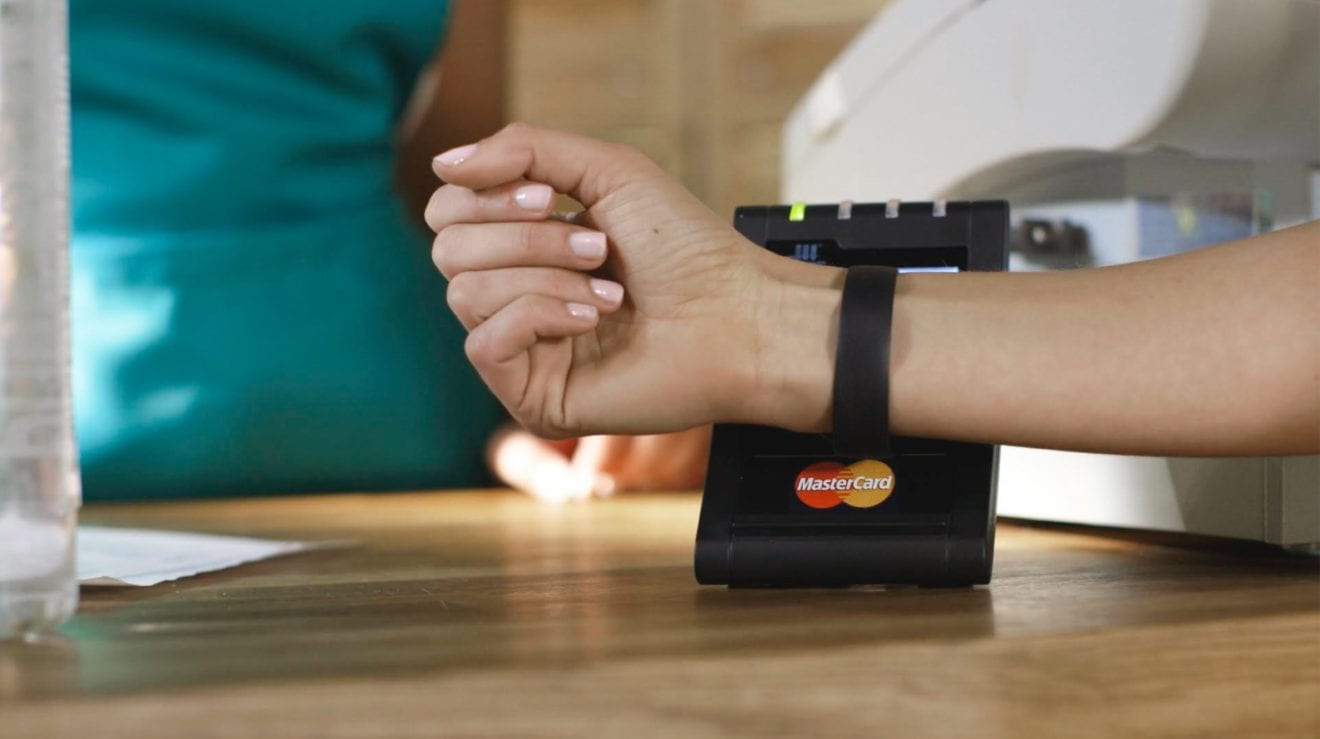
    MasterCard and secure payments company Coin have teamed up to make the credit card available for buying a wide range of fitness bands, smartwatches and other wearable devices.

    This collaboration builds upon the MasterCard announcement in October of its Commerce for Every Device program, aimed at enabling any consumer gadget, accessory or wearable to become a payment device.

    Atlas Wearables, which designs advanced fitness trackers, Moov, a personal fitness coach on your wrist, and smartwatch manufacturer Omate are the first set of companies working with MasterCard and Coin to include payment technology in their products.

    “We are adding payment functionality to items that consumers are already using – fitness bands, jewellery, clothing, watches,” says MasterCard’s senior vice-president for digital payments, Sherri Haymond.

    “This makes the products more useful for consumers and enhances the value device manufacturers can deliver to their customers. Coin complements that approach and enables us to reach an expanded set of device partners.”

    Coin will provide hardware and software technology for embedding MasterCard payments into devices.

    Coin’s Payment of Things platform is a turnkey solution to enable payments for the wearable device industry,” says Coin co-founder and CEO Kanishk Parashar.

    “By leveraging Coin’s technology, device manufacturers will benefit from significantly reduced costs and time to market.”

    He says the wearable domain is projected to grow to $53 billion by 2019.

  • Meal kits: a US$1 bn market disruptor

    Meal kits: a US$1 bn market disruptor

    A niche market has started disrupting food consumption norms, according to a new research in the US.

    The global “meal kit” market has topped $1 billion and is positioned to change the way consumers think about food at home, according to food industry research company Technomic, in itsUnderstanding Fresh Food Subscription study.

    Meal kits are subscription services where a company supplies customers with a daily or weekly delivery of prepared meals ready to heat and mix at home. Targeted especially at singles and shift workers, it represents an entirely new retail category for online suppliers, both web and app based.

    The fresh food subscription market (meal kits) is defined as a service designed to deliver fresh, pre-measured ingredients to consumers’ homes.

    “This market initially gained traction overseas, but today the US represents nearly 40 per cent of the global market,” says Technomic principal Erik Thoresen. “We project the fresh food subscription market will grow to a multi-billion-dollar market over the next five years in the US alone.”

    As well as measuring and predicting the economic health of the industry, the study analyses trends and global opportunities. It predicts that worldwide revenues from fresh food subscriptions will top $10 billion by 2020, with the US market alone growing tenfold over the next five years. The research program involved 4500 consumers from Australia, Denmark, Germany, Sweden, The Netherlands, the UK and the US.

  • Valentino Singapore opens Marina Bay Sands boutique

    Valentino Singapore opens Marina Bay Sands boutique

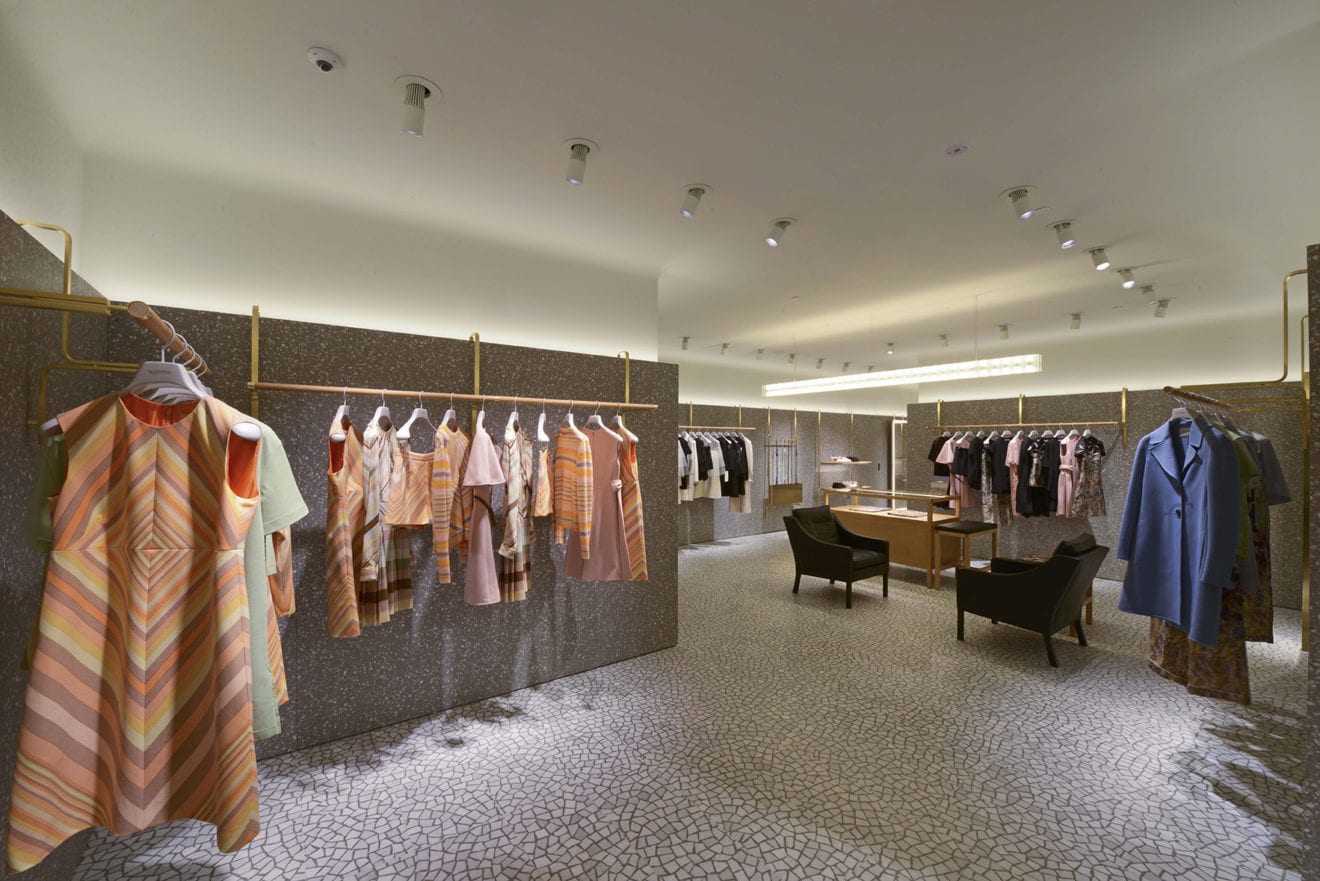
    Italian luxury fashion brand Valentino has opened its second and largest store in Singapore, at Marina Bay Sands.

    The 341 sqm store Palazzo concept was developed in partnership with the brand’s creative directors, Maria Grazia Chiuri and Pierpaolo Piccioli, and British architect David Chipperfield. It features marble, timber and leather interiors.

    The boutique offers the brand’s women’s ready-to-wear line, accessories and fragrances. Few details have emerged as yet, with only the store’s name appearing on the Marina Bay Sands website without any information.

    To mark the opening, the House of Valentino is organising a grand opening celebration cocktail party on January 13. The outlet is in The Shoppes at Marina Bay Sands, one of the city’s largest luxury shopping malls.

    Valentino’s other shop in Singapore is in the Ion Orchard complex.

  • Snapcart docket scanning concept wins funding

    Snapcart docket scanning concept wins funding

    An Indonesia-based startup that runs a service offering consumers rewards in exchange for scans of their shopping receipts has received US$1.675 million in funding just four months after launching.

    New investors in Snapcart, Wavemaker Partners and Singapore Press Holding’s SPH Media Fund, along with existing backers SMDV (Sinar Mas Digital Ventures) and Ardent Capital, launched the funding round – described as “pre-Series A” – as the company started exploring expansion options in Southeast Asia, reports Techcrunch.

    Snapcart’s business is two-fold: one one side it allows customers to scan their store receipts in exchange for cashback and rewards; on the other side, information from the receipts is compiled and used to provide clients, such as consulting agencies, with reports and information about consumer spending and shopping habits – valuable, because it is not easy to track offline commerce.

    Snapcart CEO and founder Reynazran Royono says the company has scaled faster than initially anticipated, with the funding round being wrapped up a few months ahead of schedule.

    He says the new capital will be used to develop more products, including engagement videos and analytical dashboard tools that will enable client brands to view customer behaviour in real time. There are more than 35 Snapcart clients including L’Oreal, Nestle, Procter & Gamble and Unilever.

    “The amount of data we’re receiving is humongous,” says Royono, who previously worked as a consultant for Procter & Gamble and Boston Consulting.

    So far, Snapcart for Android has clocked 150,000 downloads and has 85,000 monthly active users in Indonesia. An IOS app is about to be released.

    TechCrunch.com says Snapcart is expected to push beyond its initial focus on FMCG into other verticals, and the company is looking at other options that could involve small retails.

    Snapcart is also investigating regional expansion, adding former Procter & Gamble market research director Mayeth Condicion as chief data officer and co-founder. Condicion is based in Manila, which will be Snapcart’s first international expansion and soon home to its data analytics team. Jakarta will remain its technology hub.

    Meanwhile, the company is thinking of a second funding round about the middle of this year so it can push ahead with its expansion plans. Snapcart aims to achieve one million user downloads in less than 12 months.