Author: Mei Ling Tan

  • Thailand cracking down on foreign-controlled firms using locals as nominees

    Thailand cracking down on foreign-controlled firms using locals as nominees

    The Commerce Ministry’s Business Development Department will this year expand its investigation into the use of Thai nationals as nominees for foreign-controlled companies in nine provinces where it suspects the illegal practice is widespread.

    This year, three additional provinces will be monitored – Krabi, Trat (Koh Chang), and Chiang Rai. Last year, six provinces were focused on – Bangkok, Chon Buri, Surat Thani, Prachuap Khiri Khan, Chiang Mai, and Phuket – and 13 firms were suspected of breaching the Foreign Business Act (FBA) through the use of Thai nominees.

    Pongpun Gearaviriyapun, director-general of the department, said it would tackle this practice vigorously this year through stringent law enforcement in a bid to prevent problems occurring under the FBA.

    She said the department would extend its investigation of nominee cases to 10 business sectors – food and beverages, tourism, property rental, the property trade, car rentals, spas, handicraft and souvenir retail, Internet retailing, direct sales, and education consultants.

    She said those sectors would be targeted because it was believed that a high proportion of their businesses were foreign controlled through the use of Thai nominees.

    She said the department would stringently investigate those businesses in an effort to prevent enterprises and consumers being affected negatively as some foreign-owned businesses were engaged in unscrupulous activities to lure consumers.

    The inspections will focus on a business’ share structure, investment capital, and technology transfer.

    Last year, the department investigated six sectors – food and beverages, tourism, car rentals, property rental, property sales, and spas.

    Meanwhile, to facilitate foreign enterprises doing business in the country, the department is considering relaxing its regulations under the FBA. This would involve them not having to get the FBA board’s permission to operate under the act.

    Businesses that would benefit from the move include representative offices, companies that are state-owned contractors, and subsidiary firms.

    In addition, the department will focus on supporting the starting up of new enterprises and strengthening local business growth under the ASEAN seamless market.

    The department will also develop its electronic services, such as e-registration, e-filing, and e-service applications, to help enterprises register, submit account balances, and update information online so they can save costs and time.

  • Learn to build winning portfolio with new investment series

    Learn to build winning portfolio with new investment series

    Here’s your chance to learn how to build a winning portfolio amid the uncertain market.

    Over the next 12 months, The Sunday Times will feature a new series that will showcase and track the simulated portfolios of three types of retail investors. The year-long Save and Invest Portfolio Series campaign aims to encourage and equip investors with the knowledge to save for the future.

    The initiative will involve the Singapore Exchange (SGX) collaborating with CFA Society Singapore and MoneySense, the national financial education programme.

    Starting next Sunday, the series will feature simulated portfolios of a young working adult, a married couple with two young children and a retiree.

    Their portfolios are guided by a panel of four CFA charterholders who are volunteers with CFA Society Singapore and have 77 years of experience collectively as investment professionals.

    SMART INVESTING

    We are excited about this initiative that showcases real-life investment portfolios of people at different life stages that the average investor can relate to. This series is an extension of SGX’s commitment to educating and engaging our retail investors, and to arm them with skills and confidence.

    MS LYNN GASPAR, head of retail investors at SGX.

    The series aims to guide retail investors in basic investment techniques and how to build a portfolio in accordance with their investment goals and risk tolerance.

    The portfolios will be tracked over 12 months. Different types of investment instruments and choices, including relatively new ones such as the Singapore Savings Bonds, will be introduced.

    Mr Lee Boon Ngiap, Monetary Authority of Singapore’s assistant managing director of capital markets, says it is essential to save and invest for the long term to grow our retirement nest egg.

    He says: “In investing, one should consider one’s goals, investment objectives, existing commitments and risk appetite.

    “We encourage the public to visit the MoneySense website and Facebook page which regularly feature informative guides and useful articles on investing.”

    He adds that the Save and Invest Portfolio Series will help enhance financial knowledge and complement MoneySense in empowering investors to make better-informed decisions.

    Ms Lynn Gaspar, head of retail investors at SGX, says: “We are excited about this initiative that showcases real-life investment portfolios of people at different life stages that the average investor can relate to. This series is an extension of SGX’s commitment to educating and engaging our retail investors, and to arm them with skills and confidence.”

    She adds: “We hope this will set the momentum for more investors to start or progress in their investing journey.”

    The SGX Academy and CFA Society Singapore will jointly host six public seminars that are aligned with themes featured in the series.

    These seminars will allow retail investors to meet SGX Academy trainers and CFA Society professionals.

    Ms Jan Richards, president of CFA Society Singapore, says one of the most fundamental and effective ways to protect investors is to equip them with the knowledge and tools to make informed decisions.

    “This has become ever more imperative as global markets remain uncertain and the investment environment challenging,” she adds.

    “We hope that the Save and Invest Portfolio Series can introduce The Sunday Times readers to a more disciplined way of investing, inspire them to learn more and eventually help them grow their hard-earned savings into a comfortable nest egg.”

    Business editor Lee Su Shyan believes readers will get an in-depth look into how different investing decisions play out in real life. She says: “We at Sunday Times Invest feel very strongly about financial literacy and this series will enhance retail investors’ understanding of investing.

    “Readers are welcome to write in with their views and suggestions to Invest editor Lorna Tan.”

    Watch this space.

  • Singapore retail sales up 4.7% year-on-year, boosted by car sales

    Singapore retail sales up 4.7% year-on-year, boosted by car sales

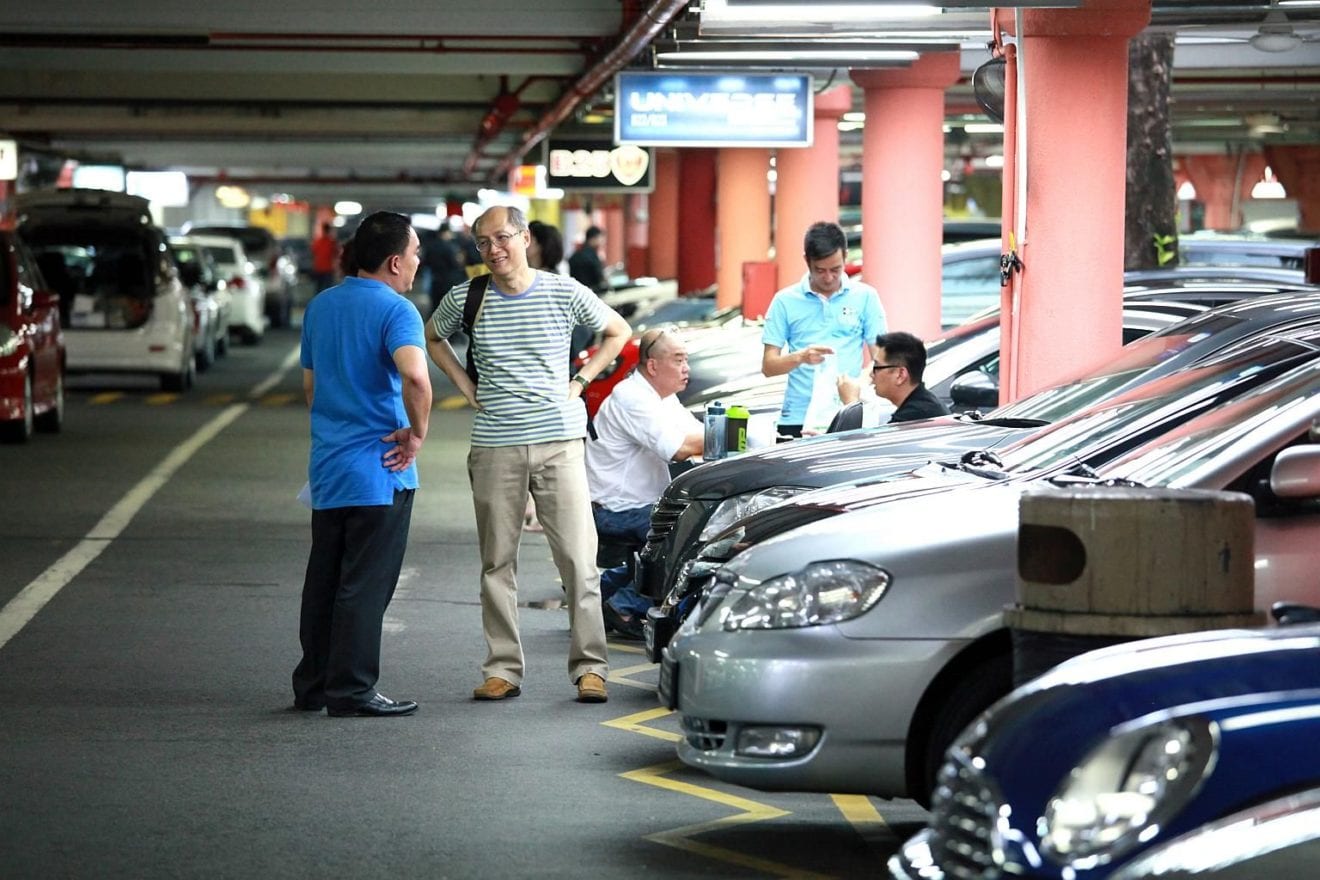
    ONCE more, a massive double-digit surge in motor vehicle sales pulled up Singapore’s retail sales in November. In year-on-year terms, retail sales grew 4.7 per cent, according to data released by the Department of Statistics on Friday.

    Excluding the significant 59.7 per cent jump in car sales, retail sales would have actually fallen 2 per cent.

    The total retail sales value in November 2015 was estimated at S$3.5 billion, higher than the S$3.3 billion in November 2014.

    Apart from car sales, only two other segments – department stores and medical goods and toiletries – experienced growth. The former rose 1.3 per cent year-on-year in November, and the latter, 9.6 per cent.

    All other segments reported a slippage in retail sales, with the worst-performing category being petrol service stations, with a 15.8 per cent drop. Food and beverages followed, with a 11.4 per cent decrease.

    On a seasonally-adjusted basis, retail sales increased 1.4 per cent in November over the previous month.

    Excluding motor vehicles, however – sales of these fell 0.6 per cent month-on-month – retail sales would have increased a larger 1.9 per cent from October.

  • ‘Don’t blame retail investors for China’s flash crash’

    ‘Don’t blame retail investors for China’s flash crash’

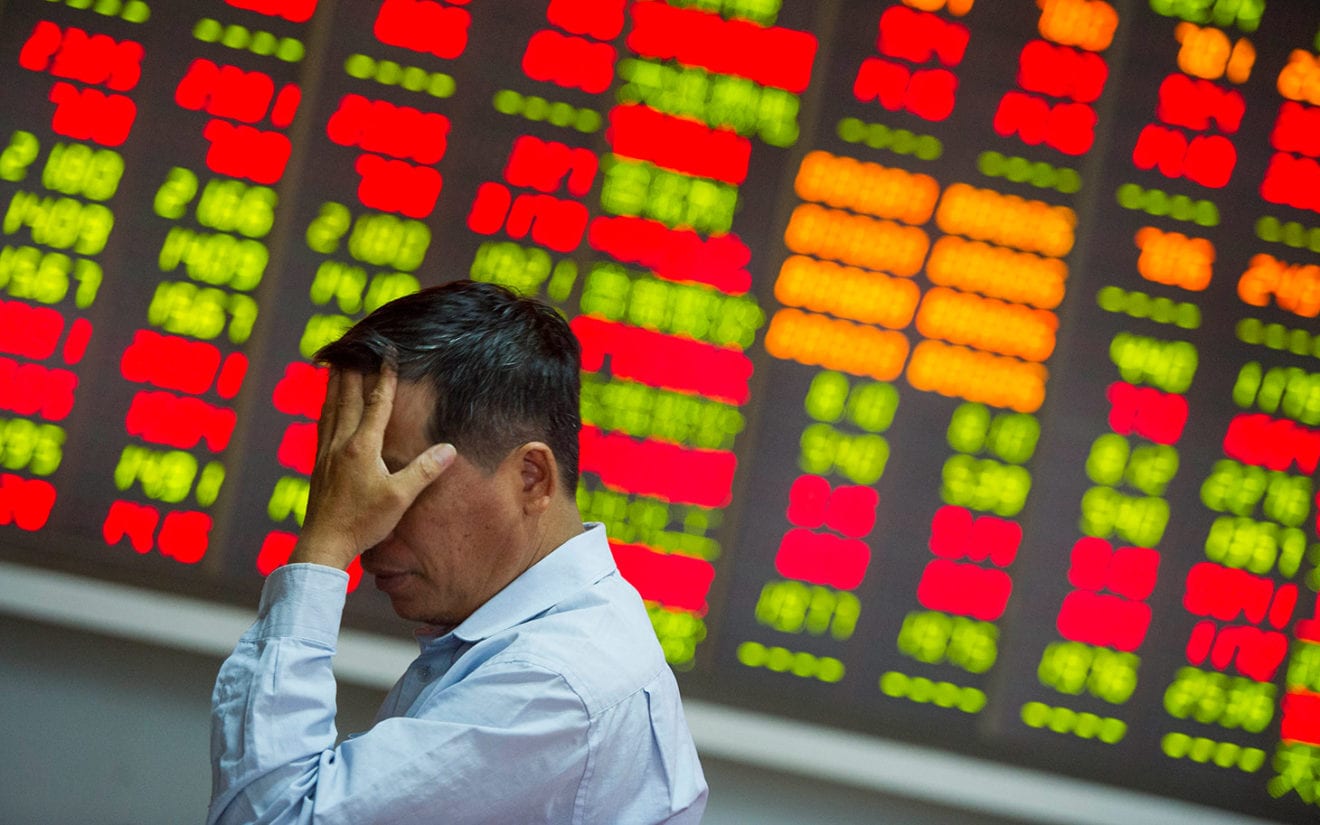
    Picture this: the market plunged 9 percent in around 30 minutes of hectic trading. Regulators raced to contain the damage, that was estimated in the trillions. Later, the plunge was repeated with a market collapse of 6.5 percent as 1,100 points were wiped in about five minutes. Trading was halted multiple times and circuit breakers were praised for preventing a full-on market crash of epic proportions.

    It just goes to show that this is an untrustworthy, poorly developed market that has to be managed externally by imposing trading halts.

    Hang on, there’s just one problem with this assumption. The 9 percent plunge happened on May 6, 2010. It was the infamous Flash Crash on the New York Stock Exchange. The second 6.5 percent fall was the August 24, 2015 flash crash, also on the NYSE.

    And rather than signaling the end of the financial world as we know it, markets simply shrugged their collective shoulders and moved on.

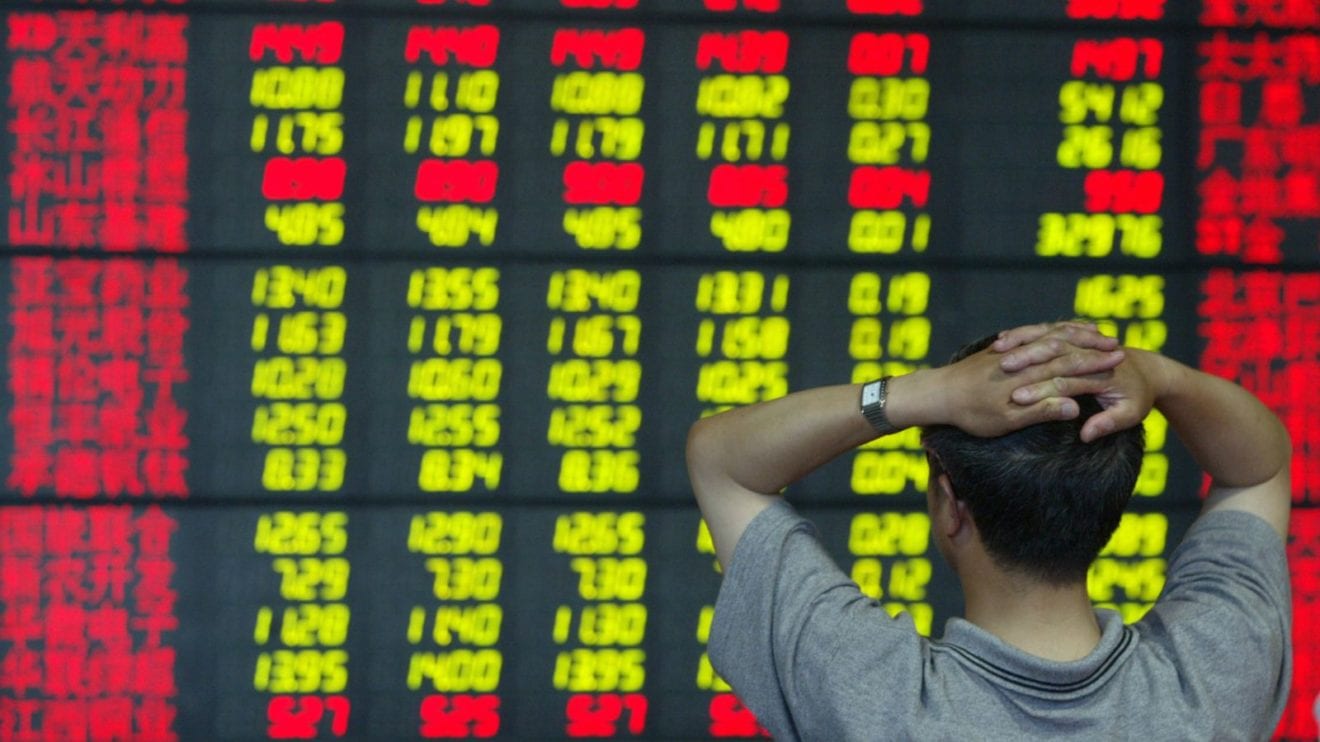
    But analysts seem to apply a different yardstick to the China market and are using this week’s Shanghai Composite flash crash to highlight what they see as China’s economic disaster.

    This is more than easily dismissed as double-standard analysis, because closer examination suggests some alternative explanations.

    Let’s first go back to the US flash crashes. The 2010 crash was widely attributed to the activity of exchange traded funds (ETFs). The 2015 crash was attributed to high frequency trading because sell algorithms cascaded in a falling market.

    The true reasons are certainly more complex, but it’s the nature of these suspects that is interesting because they highlight the connection between the derivative markets and the underlying market.

    One of the key connections is the rapid placement and withdrawal of trading orders that lies at the core of high frequency trading. These are placed in the futures and associated markets. In its subsequent investigation, the Commodity and Futures Trading Commission (CFTC) concluded that this activity was at least significantly responsible for order imbalances in the derivatives market, which in turn affected the stock market.

    The key feature is that these types of extreme and rapid market collapses are most often associated with markets dominated by derivative trading. These crashes are caused by institutional trading from ETFs and HFT. They are not caused by mums and dads trading because mums and dads simply do not act in such a coordinated fashion in such a short timeframe. Mums and dads also do not have the leverage to shift markets in this way within 30 minutes or an hour. That power lies in the hands of large-scale derivative traders.

    So, heres the rub. The onshore China market is dominated by retail traders. The offshore derivative market is dominated by institutional funds and ETFs and trading activity has been facilitated by the Shanghai-Hong Kong Stock Connect that opened in November 2014.

    Chinese authorities have been concerned for some time by allegations of Qualified Foreign Institutional Invetor (QFFI) funds being used in offshore shadow derivative trading. In June 2015 there were claims that the Shanghai index sell-off from the high of 5,176 was preceded by a spike in the placement and rapid removal of sell orders that is typical of HFT activity. It took the CFTC 4 years to deliver a final report on the 2010 Flash Crash so its unreasonable to expect a CSRC report on the June 2015 fall anytime soon.

    The January 1 Shanghai flash crash has all the characteristics of the NYSE flash crashes but in a market that is not dominated by fund managers and institutional trading. It’s the imposition of circuit breaker-thinking, imported directly from the flash crash-vulnerable NYSE market, that stopped this Shanghai flash crash from worsening.

    It’s convenient but far too simplistic to blame Chinese retail traders. The pattern of order placement in the physical and derivative markets need further investigation.


  • Maybank Launches Market Outlook Roadshow Across Malaysia

    Maybank Launches Market Outlook Roadshow Across Malaysia

    Maybank Investment Bank has just kicked off their annual Market Outlook 1H 2016 investors’ roadshow across Malaysia for this year’s investment strategies.

    The Market Outlook is aimed to share stock market views and investment strategies on the Malaysian, Hong Kong, and US markets with their retail equities clients, with the roadshows behind held in the multiple states Johor, Penang, Ipoh, Kota Kinabalu, Kuching, Sibu, Seremban, and Kota Bahru and Kuala Lumpur from 9 to 30 January 2016.

    Present during the launch was Head of Retail Equities (Malaysia) CK Lim, Head of Regional Retail Research Ong Seng Yeow, Regional Chartist Lee Cheng Hooi, Head of Retail Research (Hong Kong) Benny Wong and CEO of i-VCAP Mahdzir Othman.


  • What’s Driving China’s Stock Market Selloff?

    What’s Driving China’s Stock Market Selloff?

    Just as they did when Chinese stocks swooned in July, global investors appear to be learning the right lessons about China for all the wrong reasons. Investors who can see through the haze and confusion can keep picking up bargains in undervalued markets like Indonesia.

    First and foremost, the latest stock-market turmoil does not mean that China’s economy is in a meltdown. Yes, China’s economy is still slowing as investment retreats and exports decline. Spending by China’s emerging middle class remains a bright spot. But the service sector’s growth isn’t powerful enough to counteract the slowdown in China’s industrial sector. Most predictions are for growth of roughly 6.4% this year, slightly below the government’s 6.5% target.

    What’s driving the selloff? Not global investors jittery about China’s growth prospects. China’s markets remain highly restricted to foreigners, who represent a tiny fraction of trading. On the contrary, trading in China is dominated by domestic, retail investors. This makes the market relatively volatile. Retail investors everywhere tend to trade more frequently are more prone to herd behavior. Many in China fled the market after last summer’s turmoil, which has left the market in the hands of an even smaller group of jittery, retail punters.

    That’s why China’s new circuit breakers turned out to be such a bad idea. Intended to halt panics so cooler heads could prevail, the trading curbs proved too narrow for a market as volatile as China’s. In the U.S., a much less volatile market, trading pauses for 15 minutes if the S&P500 drops 7% or more and halts for the day only if the index falls 20%. China’s circuit breaker imposed a 15-minute halt after a 5% drop and halted trading if its CSI300 index fell 7%, a fluctuation all too common last year. So as stocks started falling, retail investors nervous they might be frozen into positions if the circuit breakers tripped joined the stampede to sell. The circuit breakers thus heightened volatility. Realizing this, regulators scotched the breakers Thursday night.

    Most of these domestic, retail investors in the stock market aren’t middle-class consumers. They’re relatively affluent individuals who invest a conservative portion of their net worth in stocks. Volatility in China’s stock market therefore poses little threat to the overall wealth of China’s middle class and its ability to spend.

    So what caused these wealthy punters to take flight? Because China’s economy is so tightly controlled by the government, and the stock market so dominated by big government-controlled companies, investors in Shanghai have long looked to signals on policy, rather than corporate profits, to drive markets. Beijing’s intervention in the stock market last summer has only reinforced this logic. So signals over the weekend that President Xi Jinping might favor painful economic reform over feel-good stimulus measures touched off this week’s selling.

    Does that mean we shouldn’t be worried? Absolutely not. While China’s slowdown by itself isn’t enough to derail global growth, it won’t help. As times get tougher, growing labor unrest is a worrisome red flag. And the more growth slows, the more difficult it will be for China Inc. to service a mountain of corporate and local government debt that by some estimates has swelled to 250% of GDP. China is inching closer to a possible credit crisis.

    That’s particularly true now that China has removed its gloves to join the global currency war already underway between Japan and Europe. It fired a shot across the bow in August with a one-time depreciation of its currency, the yuan. Then in December, the People’s Bank of China started marking the yuan down with the currencies of China’s major trading partners.

    Some economists believe most of that revaluation lower is complete. Not likely. Central banks in Europe and Japan, which are using weaker currencies to try to revive growth, will now likely need to push their own currencies lower still, which will prompt China to nudge the yuan lower with them. That creates a vicious circle of depreciation.

    Worse, China’s decision to move the yuan lower appears to be accelerating what was already a torrent of outflows by Chinese savers eager to get their cash out of the way of the slowing economy and a widening crackdown on corruption. China is trying to discourage the outflows by cracking down on foreign-exchange transactions and even trying to influence rates for yuan offshore. But the vacuum of funds out of banks is pushing up the cost of credit, forcing the PBoC to print yet more yuan to inject into the banking system – a measure that stands to weaken the yuan even further. And Jefferies warns that liquidity is likely to tighten even more ahead of the Lunar New Year holidays a month from now.

    A weaker yuan will ultimately be good for China’s exporters and stocks. But because it inflates China’s economy by exporting deflation, the cheaper yuan is bad for economies that rely on exporting to China, like Australia, or that are using a weaker currency to try to inflate their own growth, like Japan.

    Not surprisingly, stocks in Australia and Japan suffered the biggest declines in Asia outside China this week, falling 5.8% and 5.4%, respectively. Also hit hard was South Korea, which has one of the region’s highest exposures to China’s import demand. Stocks there have dropped 2.8%.

    But the turmoil doesn’t alter the overall outlook for regional markets this column laid out earlier this week. Because it’s most likely to enjoy government support, China’s stock market is still likely to outperform its neighbors’. And stocks in a handful of Asian markets still stand to exceed investors’ rock-bottom expectations. This week’s declines have made stocks in Jakarta, for example, even more attractive.

    Comments? E-mail us at [email protected]

    Comments? E-mail us at [email protected]
  • Singapore retail sector kept at ‘neutral’ by OCBC, picks Sheng Siong, Thai Bev

    Singapore retail sector kept at ‘neutral’ by OCBC, picks Sheng Siong, Thai Bev

    OCBC reiterates its “neutral” stance on Singapore’s retail sector, but says opportunities exist in companies that are able to weather the current gloomy sentiment.

    The house notes that the year has started on a bleak note with volatile stock markets and a World Bank report flagging continued fears over developing economies, especially China.

    Singapore reported stronger fourth quarter growth, but the economy logged its lowest pace of growth in six years in 2015.

    OCBC believes its “picks in the sector exemplify stability and are able to ride out the gloomy sentiment.”

    OCBC has “buy” recommendations on Sheng Siong Group, QAF and Thai Beverage.

  • Luk Fook same store sales down 26 pct in SARs for fiscal Q3

    Luk Fook same store sales down 26 pct in SARs for fiscal Q3

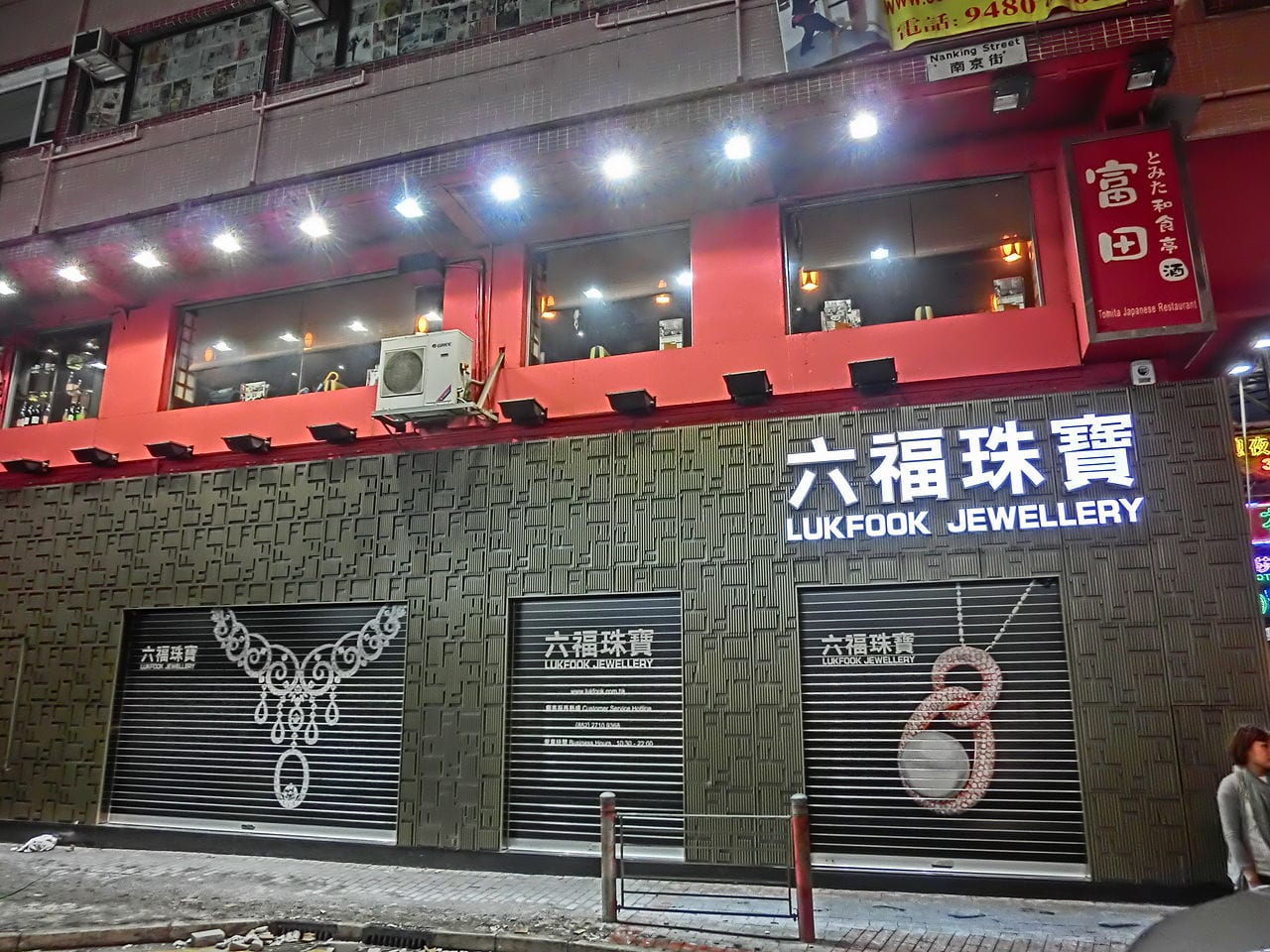
    Hong Kong-listed jewellery retailer Luk Fook Holdings (International) Ltd. saw a 26 per cent year-on-year decrease in its same store sales from Hong Kong and Macau shops for the three months ended December 2015, the biggest decline since the final quarter of 2014.

    During the third quarter fiscal, Luk Fook saw a decline of same store sales of 26 per cent year-on-year in gold from its shops in both Hong Kong and Macau, while that of gem-set jewellery fell 27 per cent, the company told the Hong Kong Stock Exchange after trading hours on Wednesday.

    The exact sales revenue figures were not disclosed in the retailer’s Wednesday filing, and the sales performance disclosed by the company only covered sales from its self-operated shops, while the sales of licensed shops and e-commerce business was excluded.

    The same store sales of Luk Fook’s group-wide retail business was down 25 per cent in the fiscal third quarter, as the retailer also saw a drop of 10 per cent in its shops in Mainland China.

    According to the filing, Luk Fook blamed the sales decline in the third quarter on ‘continuing overall sluggish retail sentiment’ and a relatively high base in sales figures.

    As at the end of last year, Luk Fook ran 96 self-operated shops on the Mainland, 47 shops in Hong Kong, 10 in Macau and 6 overseas. The jewellery retailer ran another 1,261 licensed shops on the Mainland and in Korea.

  • Is Amazon moving into the ocean freight business?

    Is Amazon moving into the ocean freight business?

    Amazon has garnered a lot of attention recently for its moves to muscle into nearly all miles of delivery, and this development shows it’s apparently willing to log nautical miles as well.

    An ocean freight forwarder organizes shipments from suppliers to far-flung receivers, which Flexport calls a $350 billion market. An entry into the ocean freight forwarding market could be significant because it could allow Chinese factories a more direct path to American consumers, Flexport CEO Ryan Petersen noted.

    In fact, while Amazon could smooth logistics or make them cheaper for its Marketplace sellers, those sellers aren’t likely to take Amazon up on that. That’s because they’re unlikely to be willing to give Amazon, a rival retailer, the kind of information that an ocean freight company would be privy to, Petersen said. And it’s likely that any full-blown development of Amazon’s ocean freight forwarding capabilities is still months, if not years, away.

    Still, the move could be a boon to Chinese sellers interested in reaching the American market as well as Amazon’s other markets globally, especially considering the expectation that Amazon would keep costs down.

    “I don’t think people realize how threatening this is for their U.S.-based merchants, who are making money selling goods from Chinese factories,” Petersen told Retail Dive. “It makes sense for Amazon, for a company so focused on driving down costs. But considering that 40% of their business comes from their Marketplace, it would have to be a graceful transition and managed really well.”

    The registration means that Amazon China can provide freight forwarding services to Chinese companies looking to move products directly into Fulfillment by Amazon warehouses, or “even cross-docking the goods for direct injection into Amazon’s courier network,” according to Petersen.

    While some may think that Amazon has Alibaba in its sights with such a move, Petersen believes it may, if anything, be an answer to Wish, a mobile e-commerce platform that has built much of its fortunes so far on bringing Chinese sellers to customers in the U.S. and elsewhere.

    “We think we’re going to be the second or third trillion-dollar-a-year marketplace,” Wish CEO Peter Szulczewsk. “We think Alibaba will be first and then it’s either us or potentially Amazon depending on how quickly, or if, they win in India.”

    Taking on the ocean freight market “to create a streamlined, vertically-integrated system for Chinese factories to sell directly through Amazon would be a classic Bezos response to Wish’s threat,” Petersen said, predicting that “Amazon’s ocean freight offering could be a huge hit for Chinese merchants.

  • Hong Kong Government Collaborates With China In Phasing Out Ivory Trade

    Hong Kong Government Collaborates With China In Phasing Out Ivory Trade

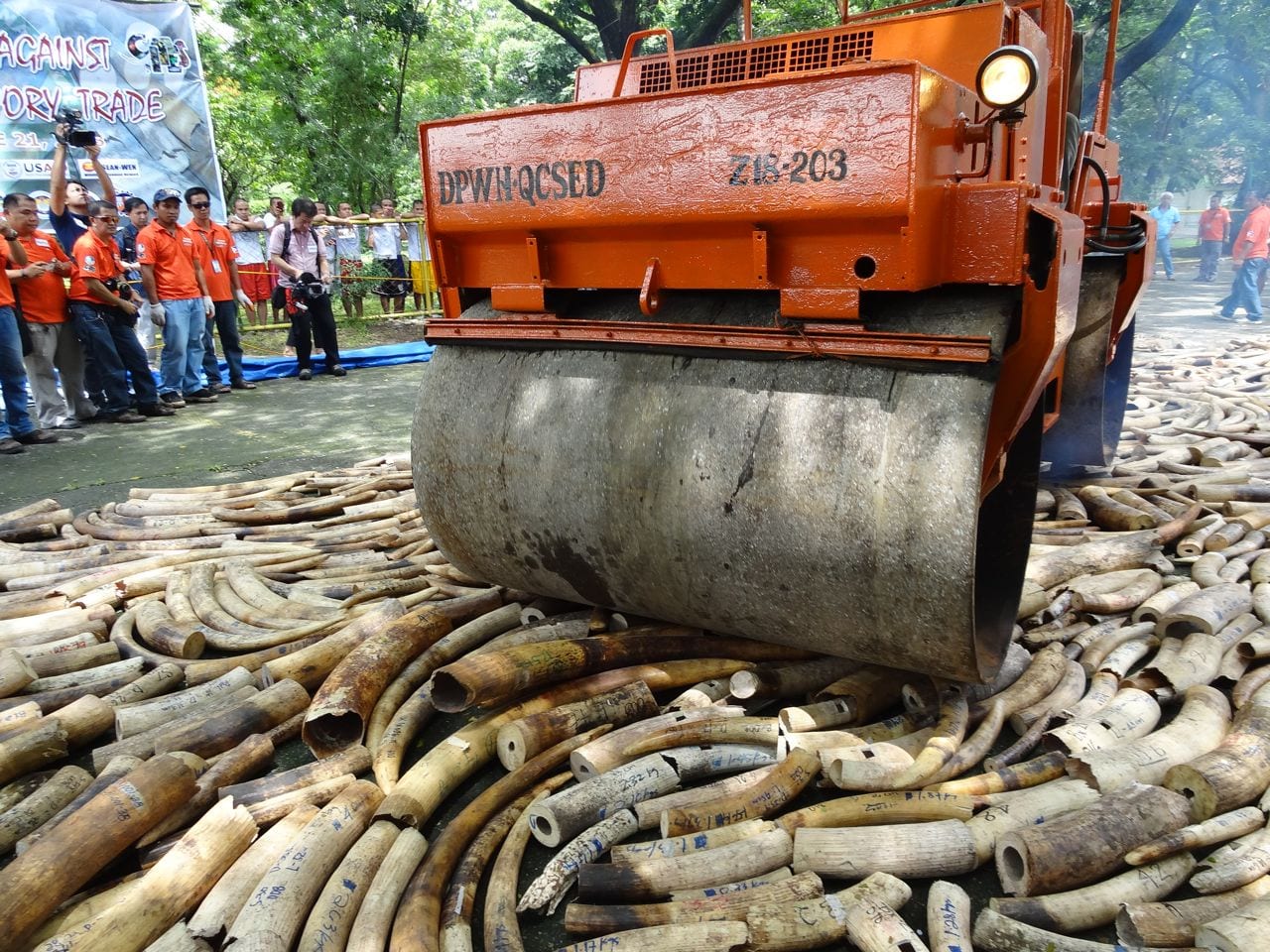
    This week, animal rights activists in Hong Kong are celebrating a huge win as their plea to eliminate global ivory trade has been heard. Hong Kong’s Chief Executive Leung Chun Ying announced in his annual policy address that the country will phase out on ivory trading in collaboration with China.

    CNN reported that Hong Kong was allegedly the world’s largest retail market for ivory and a facilitator of illegal ivory transport into mainland China.

    The Government is very concerned about the illegal poaching of elephants in Africa,” Leung said in his speech, “It will kick start legislative procedures as soon as possible to ban the import and export of elephant hunting trophies.”

    Hong Kong’s government has also vowed to impose heavy penalties against those who partake in illegal ivory trade and importation

    China reportedly has better laws regarding ivory trade compared to Hong Kong.

    According to Huffington Post, 30,000 African elephants are killed every year for their tusks, hence putting the species at a risk of extinction.  The government has reportedly begun a crackdown on the illegal trade, and the action is already making a difference.

    Earth Torch News Network asserted that the activist group initially began pinning down perpetrators three years ago, although the government was not so keen on doing the same. Additionally, reports indicate that the import and export of ivory have been banned in Hong Kong since 1989. However, there have been loopholes in the enforcement of such prohibition, thus allowing the trade to propagate.

    Meanwhile, an estimated 16.7 tons of ivory have been confiscated in Hong Kong for the past three years.

    In other news, animal rights activists are calling other Southeast Asian countries, including Thailand, to emulate China, Hongkong and the United States in banning the domestic trade of ivory.

    Wild Life reported that new fears arise as South Africa is planning to propose the re-opening of a regulated trade of rhino horn. Once the bill is passed, elephant poachers are likely to venture into rhino poaching to supply investors.

  • Top Japan bank buys 20% of Security Bank

    Top Japan bank buys 20% of Security Bank

    Bank of Tokyo-Mitsubishi UFJ Ltd., Japan’s biggest bank, is buying a 20 percent stake in the Philippines’ Security Bank Corp. in a deal expected to expand both institutions’ market reach.

    Security Bank Corp. said the deal would infuse an additional P36.9 billion in capital with BTMU investing in newly issued common and preferred shares. The sale remains subject to regulatory approvals and other conditions.

    Described as the largest equity investment in a Philippine financial institution by a foreign investor, the stake sale will increase Security Bank’s shareholder capital from P52.4 billion as of September 2015 to P89.3 billion on a pro-forma post-transaction basis.

    “The additional capital will help us accelerate our strategy over the next three to five years of building our retail banking business as a third business pillar alongside wholesale banking and financial markets,” said Alfonso Salcedo Jr., Security Bank president and chief executive officer.

    Salcedo said the bank would be able to scale up its branch network much faster, from the current 262 to more than 500 branches by 2020.

    “We will be able to conveniently serve our customers with a larger network, offer them a comprehensive range of financial services, as well as make inroads into the Japanese business sector, tapping on BTMU’s expertise,” he added.

    The strategic partnership will result in BTMU, the commercial banking entity of Mitsubishi UFJ Financial Group, becoming the second largest shareholder of Security Bank.

    BTMU will be appointing two directors to Security Bank’s board, while Security Bank will become an equity affiliate of BTMU.

    The Dy Group will remain as the biggest shareholder of Security Bank with majority voting control.

    Through the partnership, BTMU aims to establish a comprehensive financial service platform, including retail banking, to meet clients’ needs in the Philippines. It has adopted similar equity alliance deals in Asia including Vietnam.

    Seeking to take advantage of the fast-growing Philippine market and the economy’s attractive fundamentals, BTMU expects to expand its business platform indirectly through the investment in Security Bank, which is known for its retail and small and medium business capabilities that will be new business areas for BTMU in the country.

    “BTMU has been focusing on Asia as one of its core markets for growth. It is a strategic intent for the bank to identify the right partner in the higher growth markets like the Philippines to deepen our presence, including through inorganic means,” said Go Watanabe, chief executive officer of BTMU for the Asia and Oceania region,
    “This strategic partnership with Security Bank reinforces our Asia strategy and enables both parties to offer more comprehensive financial services to a wider range of customers in the Philippines. We believe in Security Bank’s growth strategy and are keen to play a role and be part of its transformational journey, “he added.

    For Security Bank, the partnership with Japan’s largest banking group is expected to enhance shareholder value by accelerating the bank’s growth strategy, including the
    expansion of its branch network and increasing its retail market penetration.

    It also expects to tap BTMU’s extensive relationship with Japanese corporates, its global network, and diverse range of functions and expertise within MUFG.

    “We are elated to have BTMU as a strategic shareholder and business partner. The transaction will position Security Bank as a large independent bank supporting the growth of the Philippines’ economy, with the strength and capabilities to compete with other larger financial institutions,” said Alberto Villarosa, Security Bank chairman.

  • Burberry sees return to sales growth in China

    Burberry sees return to sales growth in China

    Luxury fashion group Burberry on Thursday announced a return to retail sales growth in China despite an economic slowdown, boosting overall results in its third quarter.

    The British handbag and clothing company reported overall retail sales of £603 million ($866 million, 794 million euros) in the October through December period, “as (sales in) mainland China returned to growth”, Burberry said in an earnings statement.

    China is in sharp focus for markets amid an overall slowdown for the world’s second largest economy.

    In the three months to the end of 2015, Burberry saw total underlying retail sales growth of 1.0 percent, an improvement on the 4.0-percent decline in its second quarter.

    Burberry’s financial year runs from April to the end of March

    On the downside, sales in Hong Kong fell by more than 20 percent owing to long-standing protests against China.

    All of Burberry’s Hong Kong stores remain profitable however thanks to cost controls, the company said in the statement.

    “The outlook for our sector remains uncertain,” said chief executive Christopher Bailey.

    “However, we are anticipating and responding to these changes through an intense focus on new growth opportunities.”

    Chief financial officer Carol Fairweather told a conference call with reporters that Burberry’s performance in France had been impacted by fewer tourists visiting from China and the Middle East following the Paris terrorist attacks in November.

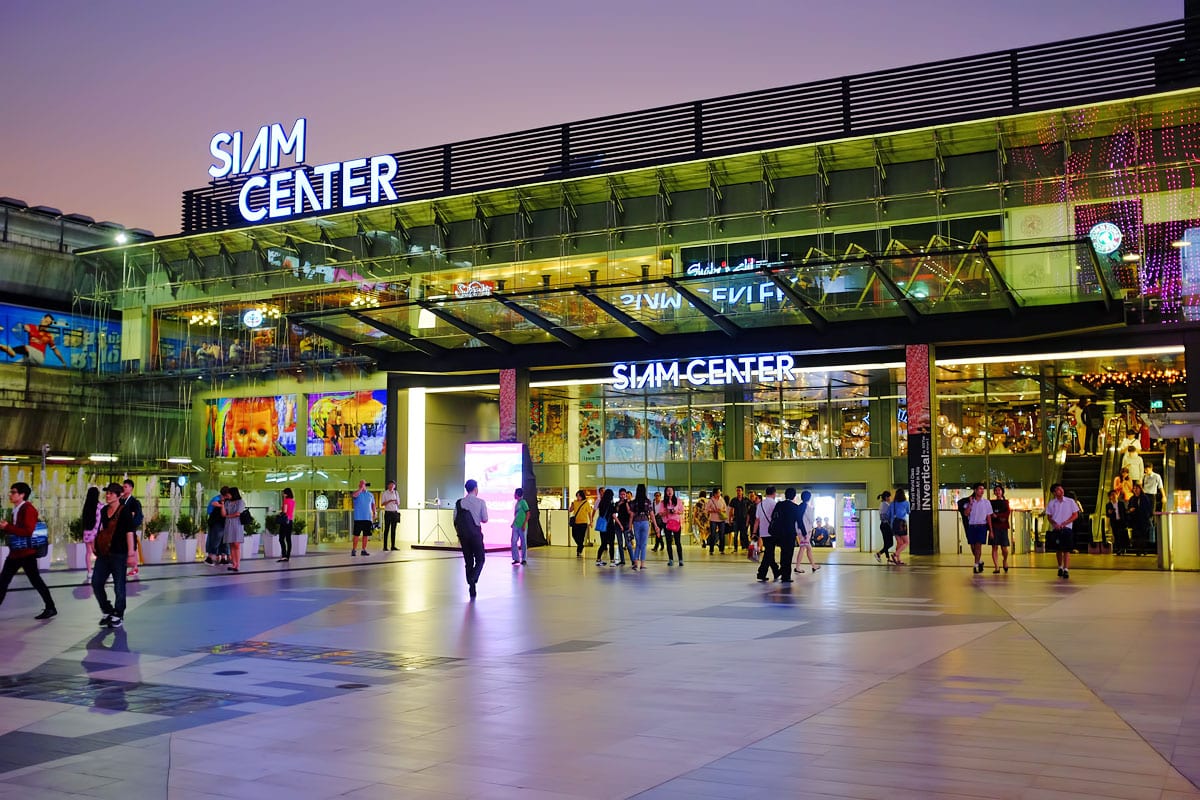
  • Freak accident injures Siam Paragon patrons

    Freak accident injures Siam Paragon patrons

    Sixteen people, mainly children, were injured when a tent at an outdoor event crashed down on them at a Bangkok shopping mall on Saturday.

    Strong winds are blamed for the tent collapsing at Siam Paragon shopping mall, according to acting police chief Lt. Gen. Sanit Mahathaworn.

    He says the tent flew up about a metre in the air and wooden signs attached to the back of the tent flew off and injured nearby people. Among the injured were at least 12 children between about six and nine years old. They were among dozens of people at a “Pokemon Day” dance party as part of Thailand’s Children’s Day celebrations.

    One mother was trying to protect her child, but both received broken legs. They were taken to a nearby hospital along with the other victims. Only two persons were kept in hospital.

    In a statement, Siam Paragon said it “regretfully apologised” for the accident on behalf of the event organisers, which included other Thai companies.

    Mahathaworn said police would press criminal negligence charges against the owners of the company that installed the tent. They could face up to three years’ prison and a fine of 6000 baht ($165).

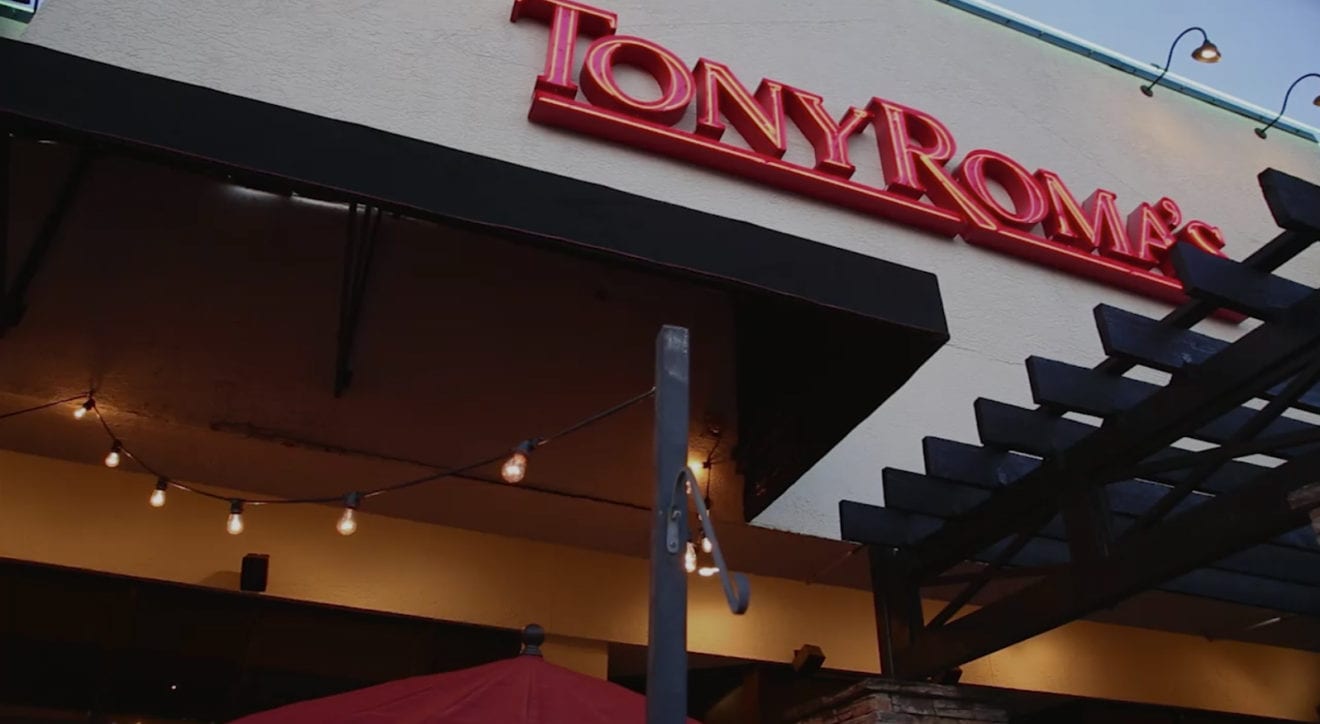
  • Tony Roma’s Malaysia marks 10th outlet

    Tony Roma’s Malaysia marks 10th outlet

    Kuching, in Sarawak, is home for the 10th and latest Tony Roma’s Malaysia restaurant.

    Romacorp, the parent company of Tony Roma’s based in Orlando, Florida, has announced the opening through its local franchisee Grand Companions.

    “Tony Roma’s has become one of the most recognised brands in Malaysia, and we’re excited to continue to grow the brand and bring our world-famous ribs to fans,” says Romacorp president/CEO Stephen Judge.

    Tony Roma's MalaysiaIn the new Vivacity Megamall in the heart of a bustling residential and business district of Kuching, the 390 sqm restaurant seats nearly 200 diners, and has an outdoor dining area as well as a bar serving beer and wine. The mall itself has four levels of shopping, a department store, supermarket and an eight-screen cinema.

     

    “We are celebrating 10 fantastic years since we first brought Tony Roma’s to Malaysia by opening our 10th restaurant,” says Grand Companion COO Dickson Low.

    “This is the largest stand-alone dining establishment in Kuching, and we’re confident it will be a rousing success.”

    Tony Roma’s is the world’s largest casual dining concept specialising in ribs. It has more than 150 locations in more than 30 countries. The first Tony Roma’s restaurant opened more than 40 years ago in Miami, Florida.

  • Savoir Beds Hong Kong showroom opens

    Savoir Beds Hong Kong showroom opens

    Luxury British bed maker Savoir Beds has expanded its Asian footprint, opening its first showroom in Hong Kong.

    Savoir already has a presence in Asia in Korea, Taiwan, Mainland China and India.

    The new 150 sqm showroom in Ap Lei Chau, Aberdeen Island, is located in the Horizon Plaza, a multi-storey mall featuring high end furniture, furnishings and fashion.

    Savoir Beds’ Hong Kong partner is Brandon Chau, described as a flamboyant local businessman and socialite.

    The fitout features signature Savoir Beds touches, including subtle hints of gold, contrasted with traditional craft displays. Six beds feature in full display.

    Savoir Beds


    “We’re thrilled to have continued our worldwide growth to Hong Kong – which is known as one of Asia’s most thriving shopping destinations,” said Alistair Hughes, founder and MD of Savoir Beds.

    “We are delighted to be working with Brandon, someone so well connected with the city’s movers and shakers. We have every faith that this new venture will be very prosperous for the Savoir brand and hope its fantastic location continues to flourish.”

    The Hong Kong store takes Savoir’s global network to 14 showrooms.