Author: Mei Ling Tan

  • Tupperware finds favour in China

    Tupperware finds favour in China

    Not long ago, Tupperware seemed to be a brand with a limited future.

    Tupperware’s background is selling products at relatively high prices through direct selling, or the party plan concept, rather than retail stores, a system dating back to the 1970s. In recent times it has come under pressure from mass-produced containers, usually manufactured in Asia, and marketed in retail stores at low price points.

    Neil Saunders, CEO of Conlumino, analysing the company’s last quarter financial results, says with another sequential improvement in its sales number, “Tupperware continues to show signs of progress”.

    Away from the established western markets – namely in North America and Europe –  emerging regions continue to be the mainstay of growth with sales up by 11 per cent on a local currency basis.

    “Within this group China (up 18 per cent), Indonesia (up 12 per cent), Middle East and North Africa (up 97 per cent), and South Africa (up 52 per cent) all posted strong performances.

    “Across most of these geographies, Tupperware continues to benefit from the growing number of middle class consumers and increased interest in home products.

    “That said, across most emerging markets sales are dominated by relatively simple food preservation products which are sold via catalogues,” observes Saunders.

    “Tupperware has identified this as an opportunity for growth. One of its ongoing initiatives is to increase the support and training of representatives in these regions so that more sales are made via parties and demonstrations – both of which are proven to result in the sale of higher priced products and in higher average order values. This, in our view, should help these regions to continue delivering even as they become more mature.”

    Tupperware’s total sales actually fell 11 per cent in the latest quarter. However that was purely the effect of exchange rate losses, with sales up seven per cent when measured in local currencies – up from four per cent a quarter earlier.

    Saunders says Tupperware’s development of Experience Centres are a positive move. These centres, which launched in Canada earlier this year and are now being introduced to the US, are physical locations in which the Tupperware sales force can be trained and where consumers can visit for demonstrations of products in a professional environment.

    “The aim behind the centers is both to increase brand exposure and to ensure a strong local presence in key markets in an era when many transactions are becoming remote and disintermediated. Initial results are encouraging.”

    Saunders says it is to Tupperware’s credit that it has recognised, that the way consumers buy and behave is changing.

    “However, rather than shifting its entire business model – which would mean the risk of moving away from relationship based selling – Tupperware is updating existing practices and procedures. This, in our view, is a sensible strategy.”
  • Uniqlo Malaysia expands footprint

    Uniqlo Malaysia expands footprint

    After making its first foray into East Malaysia by opening two  stores in Kota Kinabalu, Sabah and one in Kuching, Sarawak, Uniqlo Malaysia is opening its first Perak store in the newly opened Aeon Mall Ipoh Klebang.

    This will be Uniqlo’s 31st store in Malaysia as the company increases its reach to make its high quality and affordable apparels more accessible to Malaysians.

    Uniqlo Perak Malaysia 1

    “As we further increase our reach to Malaysians, we want to be a brand that is present in various aspects of our customers’ daily lives. Be it just lounging at home or engaging in sports activities, we want to be the brand that provides clothes which enable them to engage in these daily activities with ease” said Jocelyn Ng, COO.

    Uniqlo Perak Malaysia 2

    Uniqlo Malaysia has lined up two more store openings in Johor and Sarawak, respectively. These will be the second Uniqlo stores for both states, after City Square in Johor Bahru and The Spring in Kuching.

    Uniqlo Perak Malaysia 4

    Uniqlo recently announced its collaboration with Disney to produce items with Disney,  Pixar, Star Wars and Marvel characters, which will be rolled out in its Malaysian network.

  • “Fashion Hong Kong” x Japan

    “Fashion Hong Kong” x Japan

    Five innovative Hong Kong fashion designers; Chailie Ho, Kathy Lam, KOYO William, Lulu Cheung and Polly Ho, will showcase their 2016 Spring/Summer collections at the Mercedes-Benz Fashion Week TOKYO this month. The group show, “Fashion Hong Kong”, which is organised by the Hong Kong Trade Development Council (HKTDC), will be held at Hall B in Shibuya Hikarie at 8:30pm on 14 October.

    Versatility from five fashion designers

    Tokyo is known for its fashion-forward culture and the Mercedes-Benz Fashion Week TOKYO is one of the top-tier international fashion weeks. In the “Fashion Hong Kong” show, Chailie Ho will present her collection “Mermaid Circus”, which is built around fluid shapes and presented in hand-drawn watercolour prints. The latest collection by Kathy Lam will feature a playful dichotomy between white and blue that was inspired by “Lorelei”, a song by the famous band, Cocteau Twins. KOYO William will apply functional fabrics that are highly resistant to harsh environments to his collection “Welcome on board”. Lulu Cheung will introduce her “Light It Up” collection, which focuses on spreading positivity and love through natural forms that express buoyant femininity. Last but not least, Polly Ho will unveil her collection “The Happy Prince”, which is inspired by the popular children’s story and created with delicate Canton silk.

    Hong Kong’s strong fashion heritage

    “In Hong Kong, we have an ideal and supportive environment for the fashion industry. We have a strong heritage in the fashion business, from fashion design and manufacturing to marketing and sales supporting services, everything is fueled up and ready to go,” said Raymond Yip, Deputy Executive Director of the HKTDC. “We have a pool of talented and creative fashion designers and you can easily recognise their creativity in the collections. Through introducing the Hong Kong designers and brands to the international fashion arena, we hope to promote and showcase their talents.” Mr Yip added that the Hong Kong designers are thrilled to have the opportunity to display their latest collections at the Mercedes-Benz Fashion Week TOKYO and present their finest designs to local buyers, media, bloggers and fashionistas.

    Local Japanese buyers and PR experts have specifically made a trip to Hong Kong to assist the designers with their collection preparations. Prior to the “Fashion Hong Kong” show, designers will be able to meet with representatives from PARCO, a prominent local department store, to discuss the latest information in the fashion and retail industries. The “Fashion Hong Kong” show will be followed by the Fashion Gallery at CUBE1,2,3 on 15 October and the Joint Exhibition at Hillside Terrace from 20 to 22 October. At the Fashion Gallery, visitors will be able to see and feel designers’ runway pieces and other collections. A selection of items that inspired the designers will also be presented. Designers will be available on site to discuss their ideas and creations with visitors.

    Experience Hong Kong in Tokyo

    The HKTDC is collaborating with the brand Chef Nic Cookies, founded by renowned Hong Kong singer and actor-turned-entrepreneur Nicholas Tse, to provide an authentic taste of Hong Kong at the Fashion Gallery. As his first foray into the food business, Chef Nic Cookies is based on four flavors: sweet, sour, bitter and spicy, represented by butter, lemon, dark chocolate and chili cookies. To respect the Japanese culture and its strong emphasis on tradition, we have partnered with Polytrade Paper, a premium and awarding-wining paper supplier from Hong Kong, to provide top quality eco-friendly materials and inspirations for the event.

    By collectively presenting fashion, paper art and food at “Fashion Hong Kong”, the event highlights Hong Kong’s position as a lifestyle trendsetter in Asia.

    “Fashion Hong Kong” is a series of overseas promotional events organised by the HKTDC to promote Hong Kong fashion designers and brands at leading international fashion weeks. In addition to Mercedes-Benz Fashion Week TOKYO, the 2015/16 series also includes Hong Kong designer participation in Copenhagen Fashion Week and the upcoming New York Fashion Week.

    “Fashion Hong Kong” (Fashion Show)
    Date: 14 October 2015 (Wednesday)
    Time: 8:30 pm
    Address: Shibuya Hikarie Hall B, 9/F Shibuya Hikarie, 2-21-1 Shibuya, Shibuya-ku, Tokyo, Japan zip 150-8510
    Website: https://tokyo-mbfashionweek.com/en/brands/detail/fashion-hong-kong/

    “Fashion Gallery” (Showroom)
    Date: 15 October 2015 (Thursday)
    Time: 11:00 am – 8:00 pm
    Address: CUBE 1,2,3, 8/F Shibuya Hikarie, 2-21-1 Shibuya, Shibuya-ku, Tokyo, Japan zip 150-8510
    Website: https://www.hikarie.jp/floormap/8F.html, https://www.hikarie8.com/cube/about.shtml

    Joint Exhibition (Business Matching)
    Date: 20-22 October 2015 (Tuesday – Thursday)
    Time: 20-21 October 2015 10:00 am – 8:00 pm; 22 October 2015 10:00 am – 6:00 pm
    Address: Hillside Banquet (Hillside Terrace C), 29-8 Sarugakucho, Shibuya-ku, Tokyo, Japan zip 150-0033
    Website: https://www.hillsideterrace.com/index2.html

    Mercedes-Benz Fashion Week TOKYO 2016 Spring/Summer
    Date: 12-18 October 2015 (Monday – Sunday)
    Website: https://tokyo-mbfashionweek.com/en/aboutmbfwt/

    Photo download: https://bit.ly/1VAO9rr

  • M1 rolls out machine-to-machine platform for corporate customers

    M1 rolls out machine-to-machine platform for corporate customers

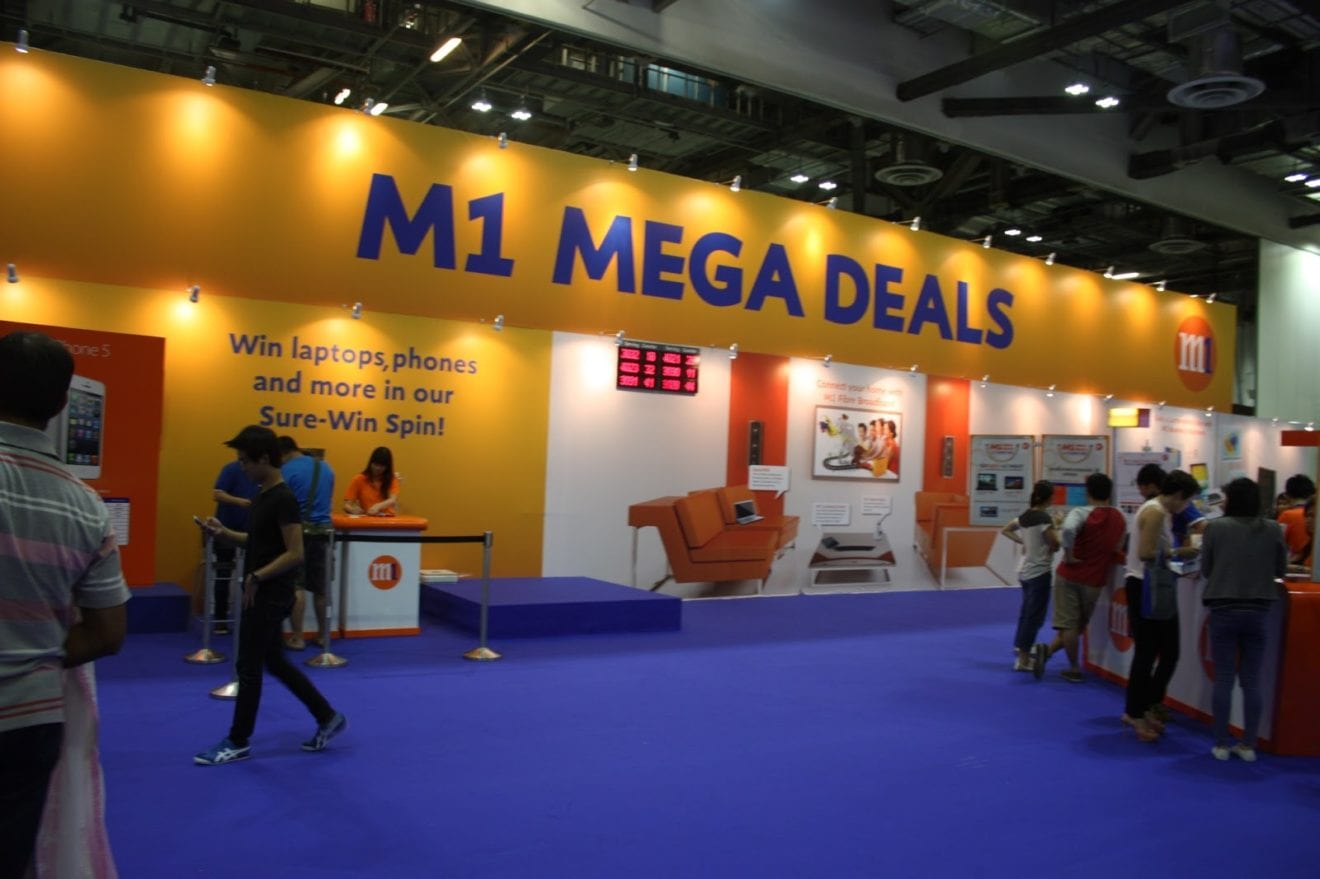
    Users can manage connected devices from their phones. The member of Singapore’s telco triumvirate boosted convenience and ease of access for its corporate customer-base as it launches its advanced M2M platform, M1 Connect.

    According to a statement by M1, the platform will enable customers to access, track, and manage all their connected devices from any authorised computer or mobile phone.

    Through the platform, M1 also says the users will be able to set and change business rules, perform device troubleshooting and obtain detailed reporting of all M2M activities.

    M1 said they have also partnered with technology providers for this project.

    “M1 has partnered multiple technology providers, including Aerolion Technologies, Napier Healthcare Solutions, Quantum Inventions, and Parametric Technology to introduce customised solutions to meet the needs of Singapore’s transport, retail, healthcare, and security industries,” the statement said.

  • Sands China reveals retail mall performance

    Sands China reveals retail mall performance

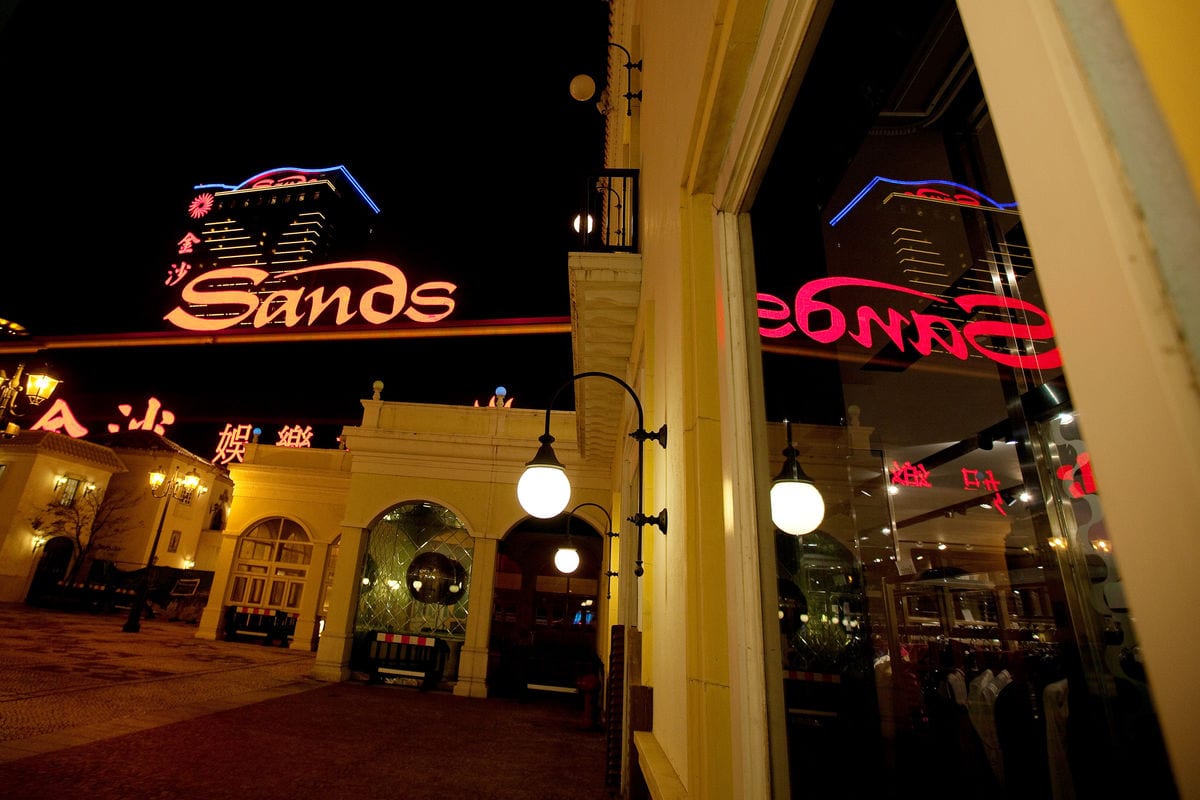
    Sales may be down at Sands China’s shopping malls, but by nowhere near the decline in Macau’s gambling revenues.

    Sands China has revealed that gross revenue from tenants in the company’s retail malls on Cotai (The Venetian Macao, Four Seasons Macao and Sands Cotai Central) and Marina Bay Sands in Singapore was US$139.3 million for the third quarter of 2015, a decrease of 6.8 per cent compared to the third quarter of 2014.

    Operating profit derived from these retail mall assets decreased 5.2 per cent year on year to US$125 million.

    By comparison, total net revenue for Sands China fell 28.8 per cent to US$1.66 billion in the third quarter, down from $2.33 billion in the same period last year.

    As the table below shows, occupancy levels at the end of the three months to September 30 was running at 100 per cent – or close to it – at all the company’s retail properties in Macau. At the Marina Bay Sands, occupancy was at 95.5 per cent, perhaps reflecting an ongoing reshuffle of tenancies in the centre.

    Sands numbers

    The company’s operating profit margin across all the facilities ran at between 87.7 and 94.1 per cent.

    Sheldon Adelson, chairman and CEO of Sands China’s US parent Las Vegas Sands, said while the operating environment in Macao, particularly in the high-end gaming segments, remained challenging during the quarter, the company’s focus on the higher margin mass and non-gaming segments and the geographic diversification of its cash flows allowed the company to again deliver in excess of US$1 billion of adjusted property EBITDA during the quarter and weather this cyclical downturn better than the industry overall.

    “In Macao… we remain confident that our market-leading Cotai Strip properties, which will be complemented in the future by the St. Regis tower at Sands Cotai Central opening in December 2015, and by The Parisian Macao, targeted to open in late 2016, will continue to provide the economic benefits of diversification to Macao, help attract greater numbers of business and leisure travellers, and provide an outstanding and diversified platform for growth in the years ahead.”

  • ANZ grows retail footprint in Asia

    ANZ grows retail footprint in Asia

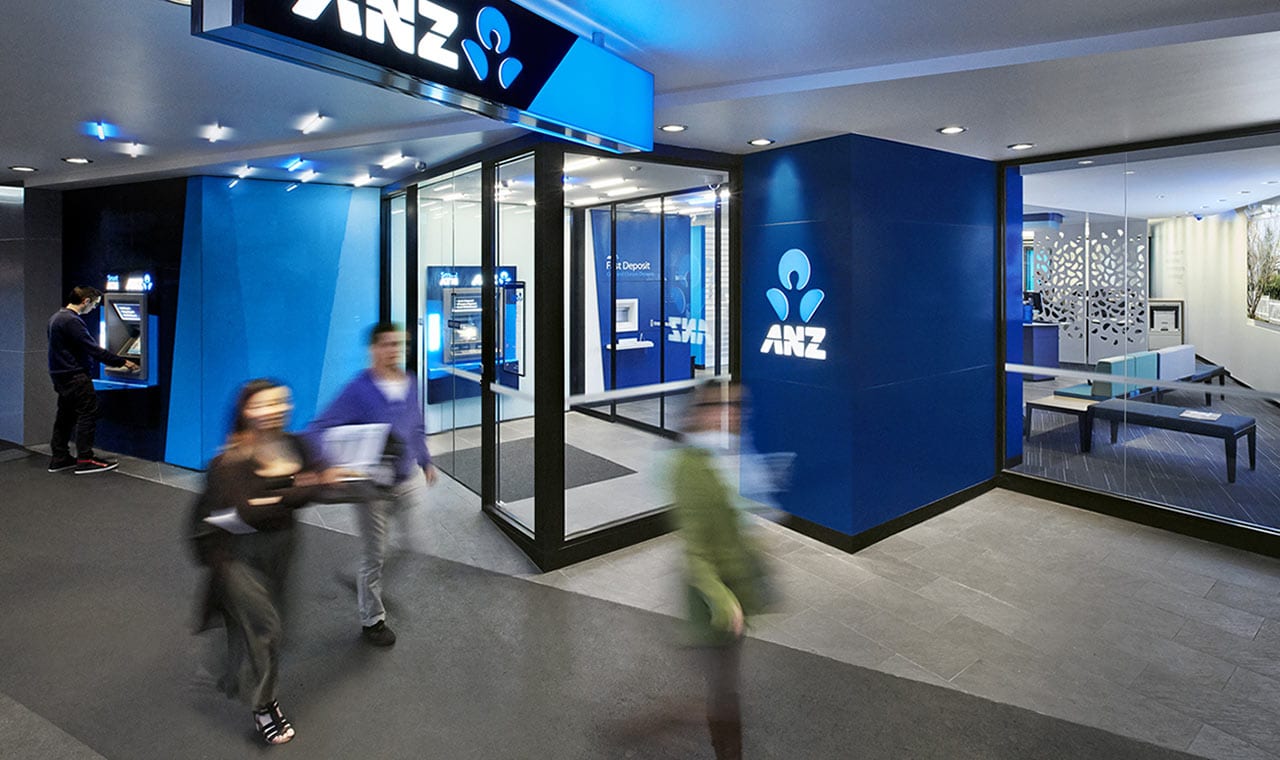
    The branch has been established to service multinational and joint venture companies with a presence in Myanmar, as well as international companies looking to enter the country from ANZ’s network countries.

    ANZ said the Myanmar branch provides comprehensive solutions covering a full range of banking products including payments and cash management, electronic banking, lending, foreign exchange, and fund-based and non-fund-based trade finance.

    The branch also offers specialist banking services for natural resources, utilities and infrastructure, telecommunication, consumer goods and other global diversified sectors that are expanding in Myanmar.

    Andrew Géczy, ANZ’s chief executive for international and institutional banking, said the licence approval is the final step in the bank’s plans to deepen its presence in the Greater Mekong, following its recent branch opening in Thailand.

    “As one of the only international banks with a presence in all five Greater Mekong countries, ANZ is uniquely placed to play a leading role for customers wanting to enter Myanmar,” he said.

  • Hamleys Hong Kong takeover

    Hamleys Hong Kong takeover

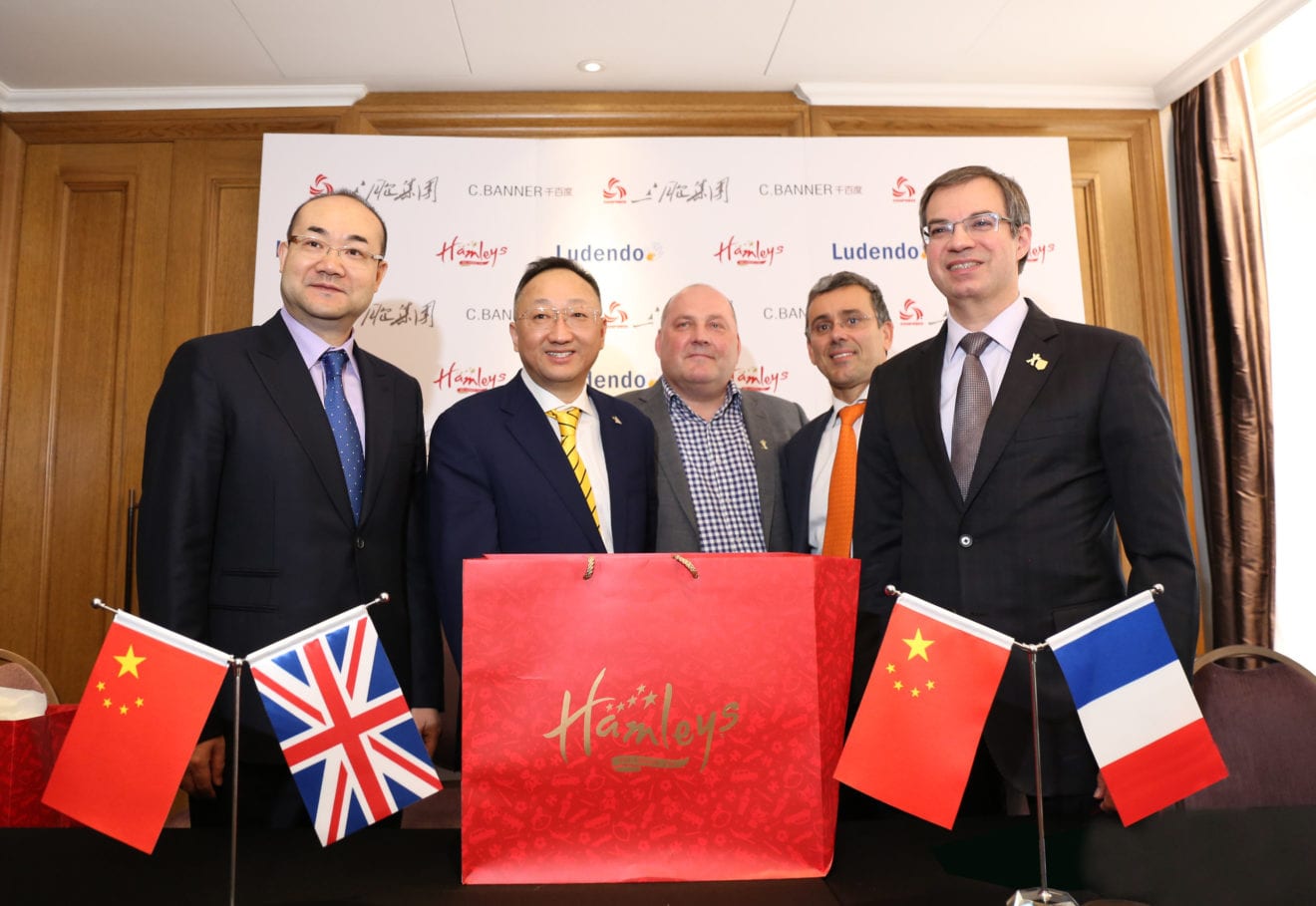
    Hamleys – the world’s oldest toy retailer – has been bought by a Hong Kong investor. As rumoured last week, the business has been sold to interests connected with the Sanpower Group in China’s mainland, which last year acquired UK department store House of Fraser.

    The buyer is C.banner International Holdings Limited, a Hong Kong-listed Chinese private enterprise, which describes itself as a strategic partner of Sanpower.

    The new owners plan to speed up the international rollout of the brand – and to pursue opportunities for concessions in department stores.

    In a statement, the new owners say they hope House of Fraser will “become C.banner’s priority business strategic partner”.

    “By virtue of the acquisition of Hamleys, C.banner will expand its retail businesses, and consider establishing deep relationships with department stores, so as to further promote the win-win development of its products and department stores through their brands and channels,” the company said in a statement.

    “C.banner hopes to implement its global brand strategy through introducing the products of House of Fraser and Hamleys, as well as capitalising on their channels to export its products overseas.

    “In the future C.banner will continue to actively explore business opportunities at home and abroad through mergers, acquisitions, strategic partnerships, as well as the establishment of other business relationships with leading retailer brands, to further implement its global brand strategy.”

    French owner Ludendo, which rescued Hamleys from a collapsed Icelandic bank three years ago for just £60 million, has already grown the business into an international toy brand, opening stores in Russia, Malaysia, Singapore – and last week in Vietnam. The company now has 53 stores owned or franchised. It turned over £62 million last year and posted a profit of £4.5 million.

    Founded in 1760 as Noah’s Ark, Hamleys opened its Regent St flagship store in London’s West End in 1881.

    *Photo: From left to right: Chen Yixi, chairman of the board of C.banner, Yuan Yafei, chairman of Sanpower Group, Gudjon Reynisson, CEO of Hamleys, Jean Micdhel Grunberg, president of Lundendo, Rudolph Hidalgo, chief executive director of Ludendo, at a press conference announcing the sale.

  • Coccinelle expands global shop network

    Coccinelle expands global shop network

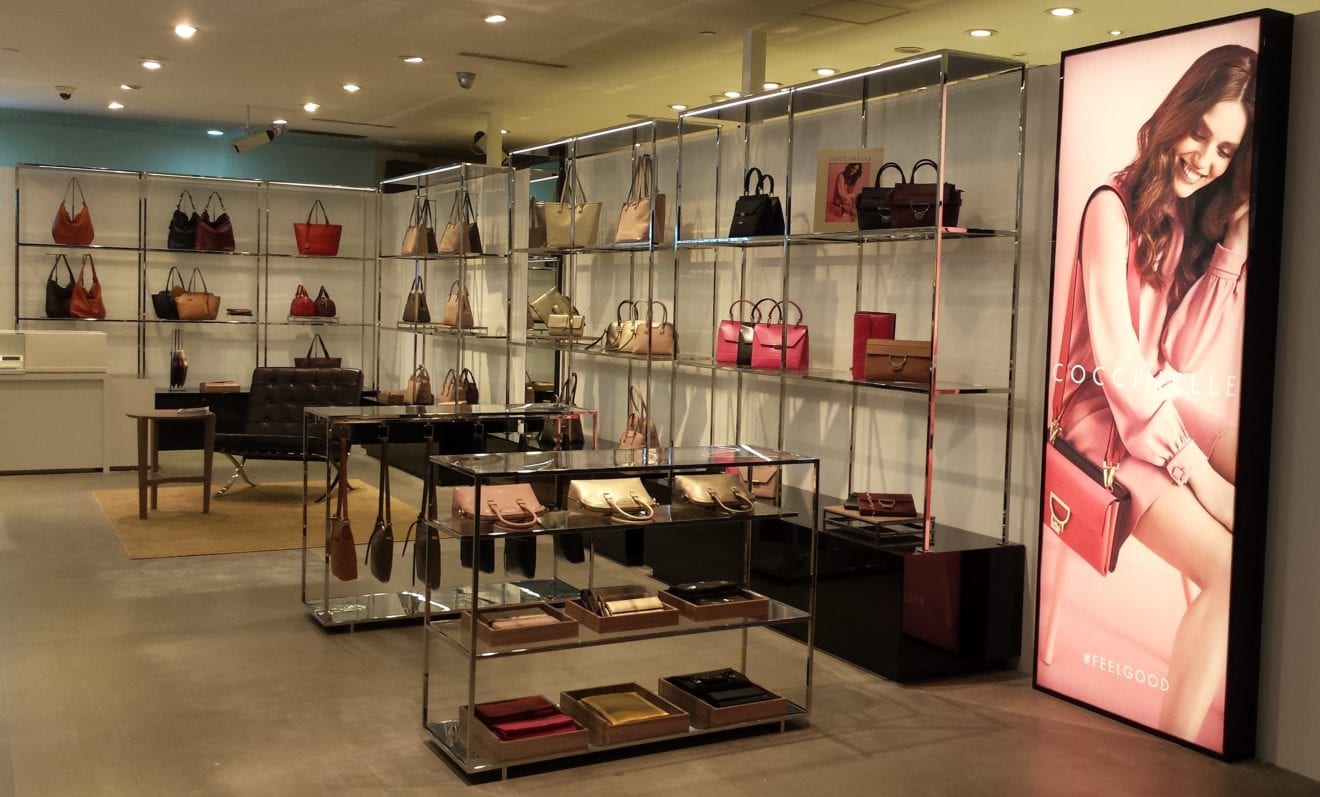
    Coccinelle has further extended its global network of shops with three new openings in China and Morocco and on board the St Peter Line cruise ship, which sails the Baltic Sea.

    The three locations opened in August and September and carry the Autumn/Winter 2015 collection, which channels ‘relaxed femininity, effortless glamour and spontaneity’ according to the Italian accessories brand.

    The collection is an expression of the #FeelGood concept that interprets the true spirit of the brand, “a positive attitude that Coccinelle transforms into a game of colours (chocolate, amber, ivy green and bicoloured fuchsia combined with wine red), of contrasts and details,” says Coccinelle.

    The Arlettis Bag is said to be the ‘key bag’ of the season featuring a stirrup-shape golden latch and a double variation of leather, calfskin and suede across different models.

    The personalised 30sq m shop-in-shop at Chengdu Shuangliu International Airport Terminal 2 opened in partnership with Dufry, and features the new store concept.

    “Bright steel for the wall display module and fumé mirrors give the interior a timeless elegance and make the best use of the available space and open displays that showcase bags and accessories,” adds the brand.

    Emanuele Mazziotta, Head of Travel Retail, says: “We are pleased to be present at Chengdu Shuangliu Airport. Chengdu is a key business city and represents an important milestone for our expansion plan into China domestic and travel retail channels. We want to thank Dufry for all the efforts and support for this opening.”

    Coccinelle has also opened a corner at Casablanca International Airport in partnership with International Duty Free Shops and an additional corner on board of the Baltic Sea’s St Peter Line cruise ship.

    Emanuele Mazziotta, added: “We want to thank International Duty Free Shops; Casablanca Airport is another important opening for Coccinelle in 2015 and the first one in the region.

    “In September we have also opened a corner on board of St Peter Line cruise ship, following the recent openings on Costa Crociere cruise ships with Starboard. This additional location on the Baltic Sea show our interest and trust in the cruise business”.

  • Samsonite Singapore plans more stores

    Samsonite Singapore plans more stores

    Samsonite Singapore plans at least two new stores in the city this year. Speaking in an interview with the Straits Times, Samsonite CEO Ramesh Tainwala acknowledged his business faces high operating costs and slower economic growth in Singapore, compared to other Asian markets. But he said the company’s strategy was dependent on more than economic growth.

    “Our market share in Singapore does not exceed 22 per cent… If I grow my business here… to 25 per cent of market share, without the market growing I can still deliver around 10 to 11 per cent growth in my business.”

    The travel goods retailer will end the year with more than 20 stores in Singapore with three new ones already trading and two more planned.

  • Asus ZenWatch 2 priced in Singapore, aims for mass market

    Asus ZenWatch 2 priced in Singapore, aims for mass market

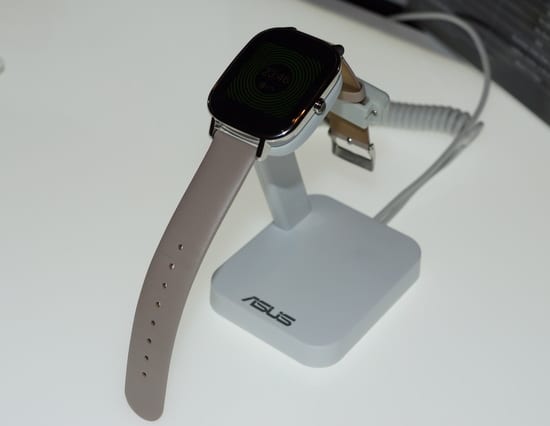
    Taiwanese PC giant Asustek Computer Inc is taking the price of smartwatches, specifically those running on Google’s Android Wear platform, to a new low.

    Launching the Asus ZenWatch 2 smartwatch in Singapore on Oct 29, the company announced the wearable will begin shipping in Singapore from Nov 14 and retail for S$229 (US$165).

    As the name implies, this product is the follow-up to the original ZenWatch launched back in 2014.  That wearable wasn’t officially sold in Singapore, but was (belatedly) made available in Malaysia.

    Asus’ country manager for Singapore, Leo Tseng, told Digital News Asia (DNA) at the sidelines of the launch event, the decision not to introduce the original ZenWatch to Singapore was due to timing.

    “At that time [early 2015], the price was high and consumers weren’t educated about smartwatches, so if we brought that product in, there would be trouble for us.

    “Now, Apple has since launched their smartwatch, so consumers have a better idea and feelings towards this type of product,” he said, alluding to improved consumer awareness about  smartwatches thanks to the buzz generated by the Apple Watch.

    Tseng also noted that there was a clear directive from Asustek’s chief executive officer Jerry Shen to the product team to improve on the wearable and make it more affordable for consumers without sacrificing on quality.

    Compared to the recently launched Huawei Watch which starts at S$549, or even the Tizen-powered Samsung Gear S2 which retails for S$448, the Asus ZenWatch 2 looks like a sweet deal.

    And unlike its rivals, Asus is sticking to one price for its watch, even though it comes in two different sizes “to cater to both female and male users”, according to its press materials.  When asked for the reason behind offering just a single price point, Tseng said it was to reduce consumer confusion.

    The 1.63 inch ‘Sparrow’ model is similar in size to the previous ZenWatch, while the 1.45-inch ‘Wren’ version will suit smaller wrists.  Those measurements refer to the size of the display.

    To provide some design variety, Asus is also making available a number of interchangeable straps for the watches, priced at S$39 (US$28) each.  The bands will come in both rubber and plastic options, and will be available at the end of November.

    The original model was critically well-received, partly due to its sleek design and leather band.  In this regard, Asus hasn’t strayed too far from that design philosophy.

    Rather than going for a circular face, the company is continuing with a rectangular-shaped stainless steel watch case design with rounded edges, leather bands and metal buckles.

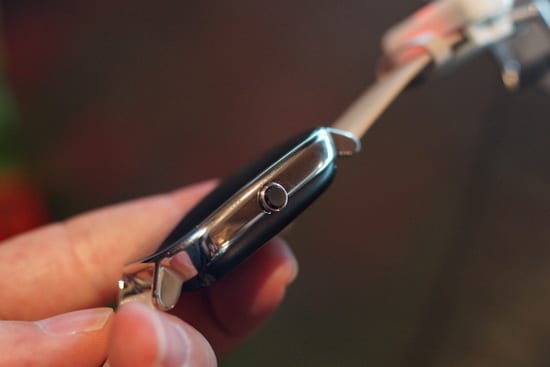
    A metal crown button is fitted on the right, similar to wristwatches and provides a way to access apps and turn the screen on or off.

    The watch display has a slightly curved surface which Asus claims improved usability and is protected against scratches with Corning’s Gorilla Glass 3.

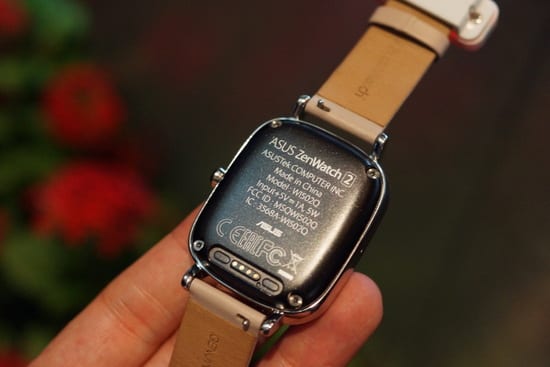
    One marked change over its predecessor is the design of the watch clasp. The original model utilised a large metal clasp that joined both sides of the band together. The new ZenWatch opts for a more traditional buckle and is less conspicuous and looks more refined by comparison.

    One area which Asus didn’t iterate on however, is the internal hardware specifications. This smartwatch continues to rely on the same Qualcomm Snapdragon 400 processor, with 512MB of memory and 4GB  of storage.

    The display resolution on the ‘Sparrow’ model is also similar at 320 x 320 resolution, while the smaller ‘Wren’ model comes with a lower 280 x 280 resolution.  Asus is also utilising the same high-contrast AMOLED screen found in the original watch.

    In terms of battery life, the company claims the new watch is fitted with an enhanced battery (400mAh for Sparrow, 300mAh for Wren) which will provide up to two days of use on a single charge.

    It said it made some improvements to the charging mechanism, utilising a magnetic charger which takes slightly more than half an hour to charge the unit from zero to 50 percent capacity.

    Like most smartwatches today, the ZenWatch 2 comes with a number of different sensors to track your activities and how long you’ve stayed sedentary, but unfortunately it dropped the heart-rate sensor from this model.

    Tseng said few people used the heart-rate sensor found on the original ZenWatch, so it decided to focus on other areas, like being able to track a larger variety of activities, including push-ups and sit-ups, aside from the usual walking and running motions, as part of its updated ‘Wellness Manager’ software.

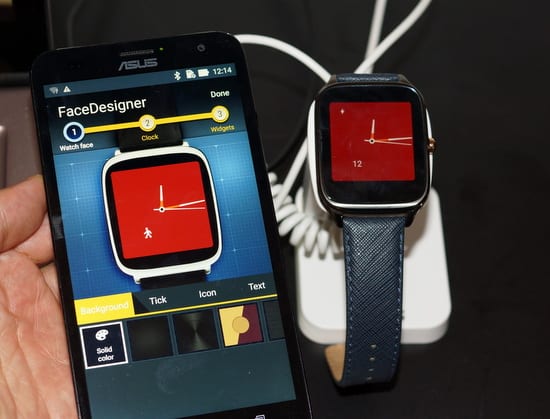
    Compatible with Android smartphones and iOS devices, this wearable also includes new apps like  ‘FaceDesigner’ (pic above)  which lets you create your own watch face from your smartphone, and ‘Business Helper’ which helps users keep track of their agendas, manage their emails and viewing call logs, without having to check their smartphone.

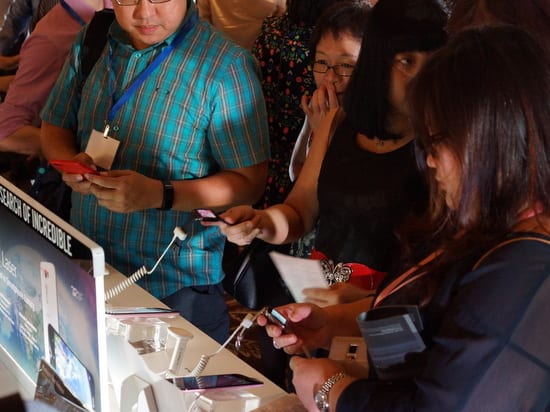
    Speaking with several of the trade partners and members of the media who were present at the launch, DNA found the reaction to be generally positive, especially when it came to the price of the watch.

    Some believed this would help to encourage users to try on the watch for size, and since the ZenWatch 2 is available in two sizes, it would hopefully meet the needs of the fashion conscious as well.

  • Emack & Bolio’s opens in Hong Kong

    Emack & Bolio’s opens in Hong Kong

    The Emack & Bolio’s Central ice cream parlour just opened in Hong Kong is described as “unlike any other” you’ll find in the city.

    Emack & Bolio’s, at 26 Cochrane St, serves up 31 flavours of ice cream, frozen yogurt and sorbets along with smoothies, confections and more.

    The brand has its origins in Boston, Massachusetts, where it was founded in 1975 by Robert Rook, a lawyer and self-declared hippie who worked closely with the homeless, Vietnam war protesters, civil and gay rights advocates, and numerous rock bands such as Aerosmith, U2, Boston, The Cars, and James Brown, according to Wikipedia.

    It’s sometimes likened to Ben & Jerry’s, another ‘hippie ice cream store’ concept, but was actually founded three years earlier.

    The first Hong Kong outlet follows the brand’s entry into Asia last year when it opened in Bangkok Thailand. There is also at least one store in the UAE.

    Emack & Bolio's Hong Kong

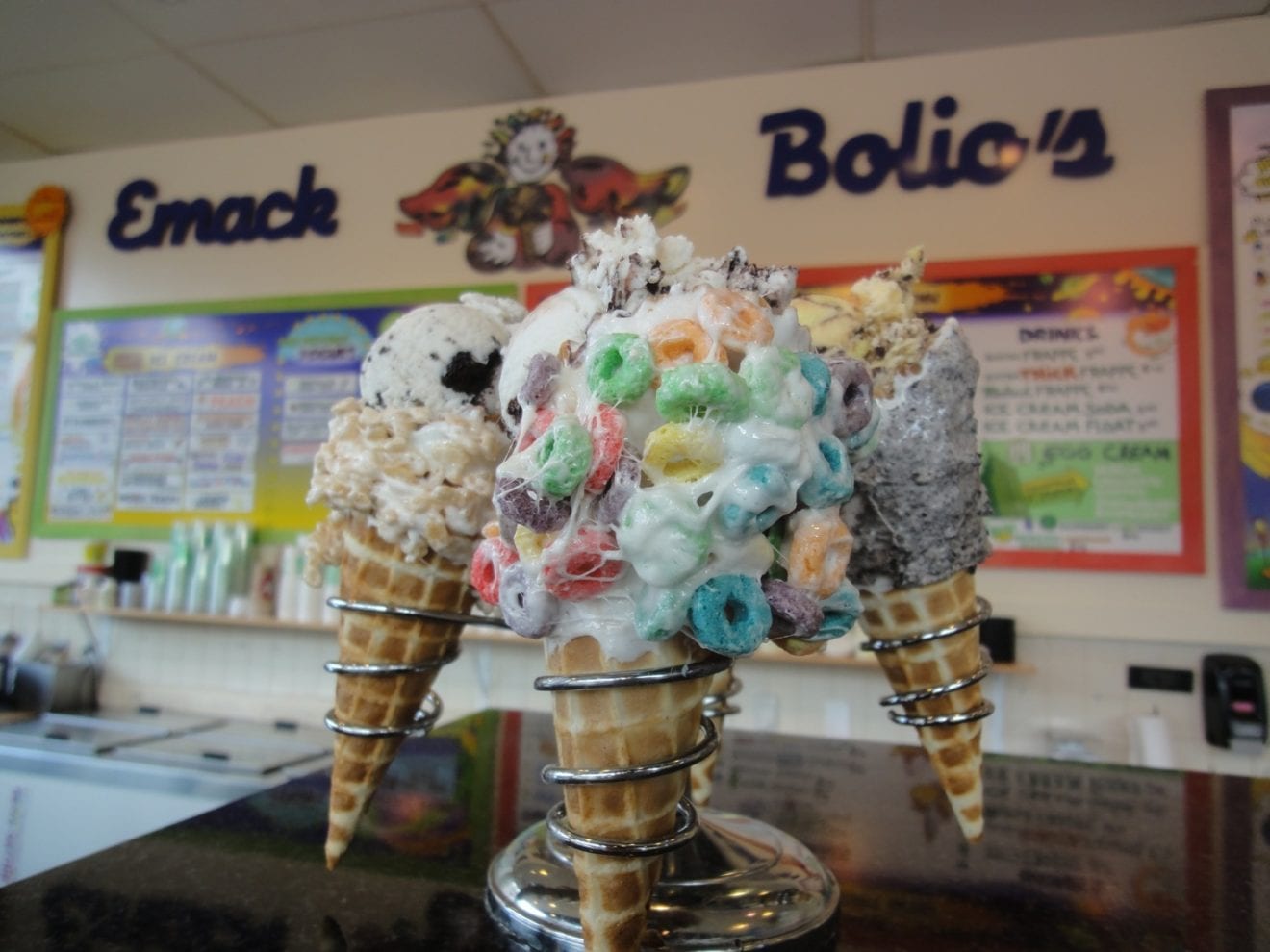
    Emack & Bolio’s invented the flavored cone in 1980 and has been improving on the concept ever since.

  • Japan interested in auto component factory in Indonesia

    Japan interested in auto component factory in Indonesia

    A company in Japans Okayama Prefecture is interested in the automotive component business in Indonesia, Okaya Prefecture Governor Ryuta Ibaragi said.

    During his visit to the Indonesian Capital Investment Coordinating Board (BKPM) here on Friday, Governor Ibaragi said the automotive component company, which has supplied components for Mitsubishi cars, was interested in developing an auto component factory in Indonesia.

    “There are 422 companies from Okoyama Prefecture that have made investments outside Japan. In Indonesia, we have a number of large companies which made investments,” he said, in a written statement made available in Jakarta on Saturday.

    Meanwhile, Okayama Prefecture’s governor said there is considerable interest among Japanese businessmen to conduct business in Indonesia. However, there are a number of concerns about the investment climate in Indonesia from investors from the Prefecture Okoyama, he said, including the problem of the country’s unpredictable wage system.

    Ibaragi said that during his visit in Indonesia he found Indonesians to be quite open to Japanese companies.

    “Regarding the MRT project, we thank the Indonesian government for its trust in a Japanese company. Of course, we will not ignore it and will maintain that trust,” he said.

    BKPM Chief Franky Sibarani said Japanese companies were given priorities regarding assistance from investment facilities.

    Japanese investment is the main component of the economic growth driver in Indonesia, he said.

    “We are ready to assist investment from Japan. The Marketing Office for the Japan area and the BKPM representative office in Tokyo could be used by investors and companies in Okoyama to plan business activities in Indonesia,” he said.

    He noted that his office was planning to conduct an investment promotion in Yokoyama early next year to win over interest by Japanese investors.

    “One of the major investors is Sumitomo. We will invite a number of companies which have made investments in Indonesia to share their successful experiences with their colleagues in Japan,” Sibarani said.

    In the first half of this year, Japan was ranked third in foreign investments, amounting to US$1.6 billion after Malaysia (US$2.6 billion) and Singapore (US$2.3 billion).

    Coming next were South Korea (US$0.8 billion) and the United States (US$0.6 billion).

  • Rice prices ease in Vietnam; Thai grain stable

    Rice prices ease in Vietnam; Thai grain stable

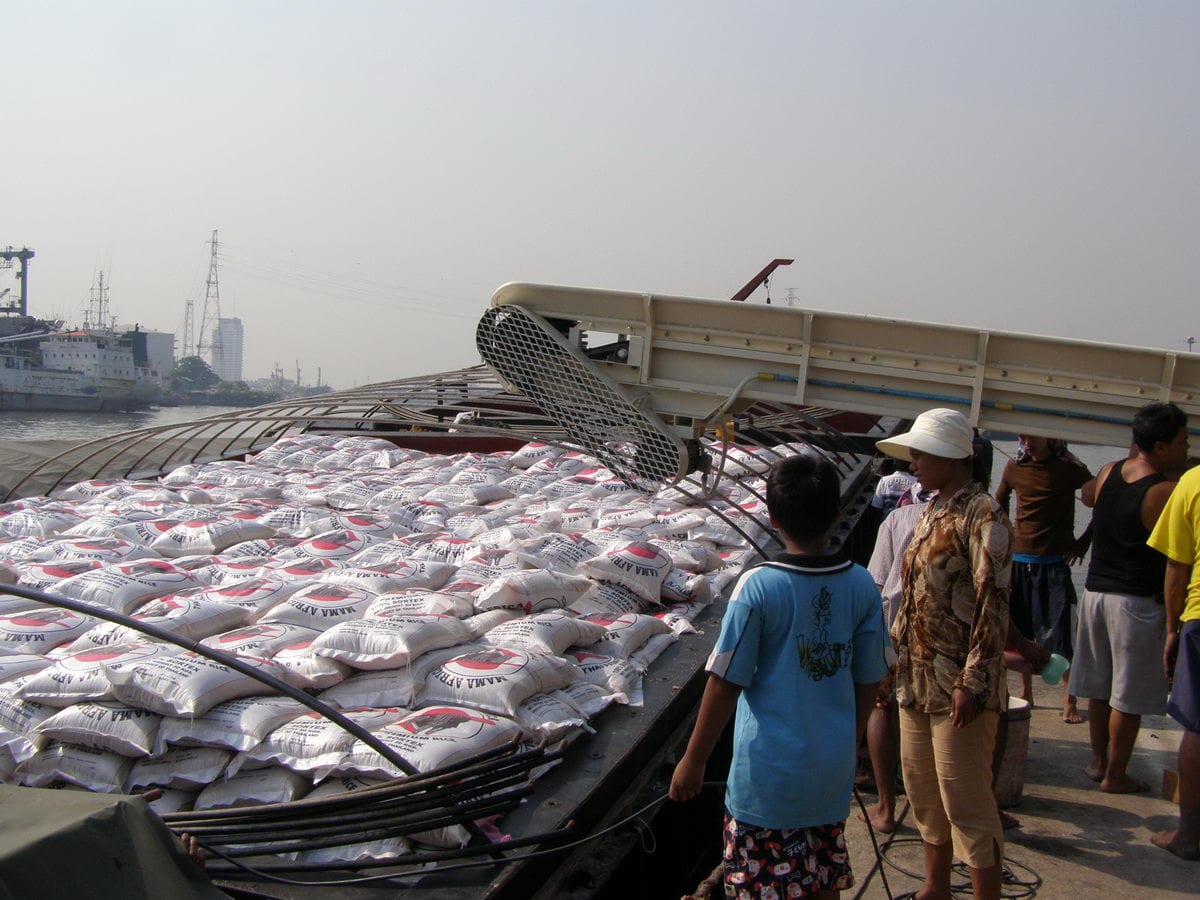
    “The price hike has stopped as nobody wants to buy at high prices,” a trader in Ho Chi Minh City said, noting that Thai rice was cheaper. Rice prices in Vietnam, the world’s third-largest exporter after India and Thailand, surged earlier this month on limited supply and news of demand from Indonesia and the Philippines.

    While loading of a combined 67,900 tonnes on five vessels for Indonesia is underway at Saigon Port, Indonesia has not confirmed the purchase. On Tuesday Indonesia’s state food procurement agency Bulog said the country would decide within two weeks whether to ship in rice from Vietnam and other Asian countries. Vietnam’s rice exports in the first 10 months of this year would fall 4.6 percent from a year earlier to an estimated 5.32 million tonnes, the Agriculture Ministry said on Monday. China, the top buyer of Vietnamese rice, has bought 1.39 million tonnes of the grain between January and September, up 37.5 percent from a year earlier, based on China’s customs data. Overall, China’s rice imports jumped 26.7 percent in the same period to 2.31 million tonnes.

    In Thailand, the 5-percent broken grain has been held stable at $360-$365 a tonne, FOB basis, while the Thai government plans to sell 2 million tonnes of rotten rice from huge stockpiles for industrial use in November. Thai traders said the market, which has been quiet due to the absence of Chinese and African buyers, could see prices rising if Thailand secures a deal with Indonesia as part of the latter country’s demand for 1.5 million tonnes.

  • Fine wines languishing in China warehouses as demand cools

    Fine wines languishing in China warehouses as demand cools

    Importers of fine wines are cutting the prices of their products by as much as three-quarters amid a drop in demand.

    The fire sales are prompted by a huge oversupply of wine that had built up after a swarm of importers jumped at seemingly stellar growth from 2010.

    China wine consumption, which had been rising in double digits, dropped last year and is set to inch up just over 1 percent annually until 2020, Reuters reported.

    The striking slowdown is a headache for a global wine industry pinning hopes on fast China growth, and a further sign that Chinese consumers are reining in spending even as Beijing hopes they will pick up the slack from falling exports.

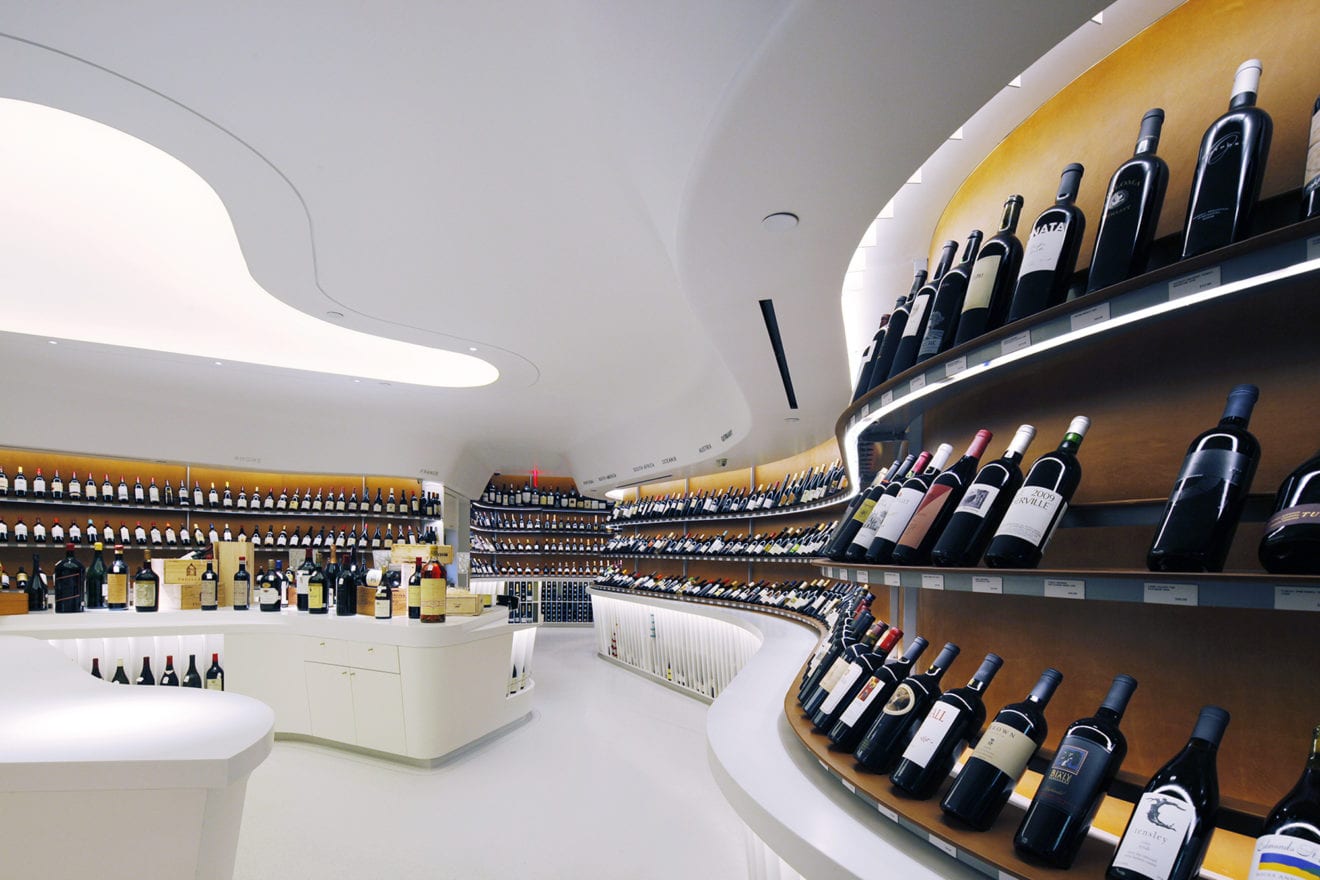
    “When we started there was huge demand so we could control prices, big margins no problem,” said Xavier Grangier, sales director at logistics firm Europasia, which runs a  4,000 square meter Shanghai warehouse storing 250,000 bottles of mostly European wine.

    Now, his firm has had to lower some prices and been stuck with some wine it is unlikely to sell.

    “In Shanghai alone, 2,000 firms in the wine business just vanished over the last couple of years,” he added.

    China’s retail wine market is worth around 78 billion yuan (US$12.36 billion), with imports making up around a third, according to a 2015 report from wine data analytics firm IWSR.

    While official retail sales figures have been a rare bright spot amid a stream of economic data showing China’s economy faltering, private sector surveys have shown consumer sentiment plumbing record lows in recent months.

    A crackdown on corruption now in its third year has also discouraged conspicuous consumption, hitting not just wine but also sellers of other luxury goods from LVMH and Burberry to global auto makers.

    “In 2010 everyone was screaming from the rooftops that China was the El Dorado for wine and you could become a millionaire by jumping into the business,” said Pierrick Fayoux, Shanghai-based marketing manager at French wine importer VGF China Ltd.

    “Now wine is being sold below cost, some is going bad sitting for long periods in poorly maintained warehouses and decent Bordeaux wines are going for 15 yuan a bottle.”

    To be sure, China’s wine industry has long-term potential: the market is already the world’s fifth largest, but with only 38 million wine drinkers — mostly in big cities such as Shanghai, Beijing and Tianjin — among a population of 1.4 billion, annual consumption per capita is only 5.8 liters, a fraction of the 50 liters consumed in France.

    For now though, the inventory overhang and the downward pressure on prices is making it hard to turn a profit.

    Even China’s biggest wine importer, ASC Fine Wines, has trimmed prices and taken a hit to its margins, a person with direct knowledge of the firm’s operations told Reuters.

    ASC, owned by Japan’s Suntory Beverage & Food Ltd., said the wine market was in a new slower stage of growth and that consumers were increasingly “price-conscious”.

    “We are expanding our entry-level wine selections to meet the changes in consumer demand,” said ASC’s chief executive officer Bruno Baudry in emailed comments to Reuters.

    The squeeze on prices could be better news for more affordable New World wines, with countries such as Chile and South Africa already taking more market share with wines under 100 yuan.

    “There is still demand for imported wine, but not the same wines,” said Guillaume Deglise, chief executive of Vinexpo, which organizes wine fairs to help introduce producers to China buyers.

    “Before it was mostly the luxury end of the business — up-market wines from Bordeaux. Now it’s the entry-level market.”

  • Ford Philippines hits all-time high retail sales in September

    Ford Philippines hits all-time high retail sales in September

    In a statement, Ford said its retail sales in the country rose 53 percent to 3,065 units in September, driven by the continued demand for the all-new Everest, new Ranger, EcoSport and Fiesta.

    The all-new Everest led the lineup in September, achieving an all-time monthly record total for any Ford nameplate in the Philippines with retail sales of 1,341 units.