Author: Mei Ling Tan

  • Restaurant delivery startup foodora launched in Hong Kong

    Restaurant delivery startup foodora launched in Hong Kong

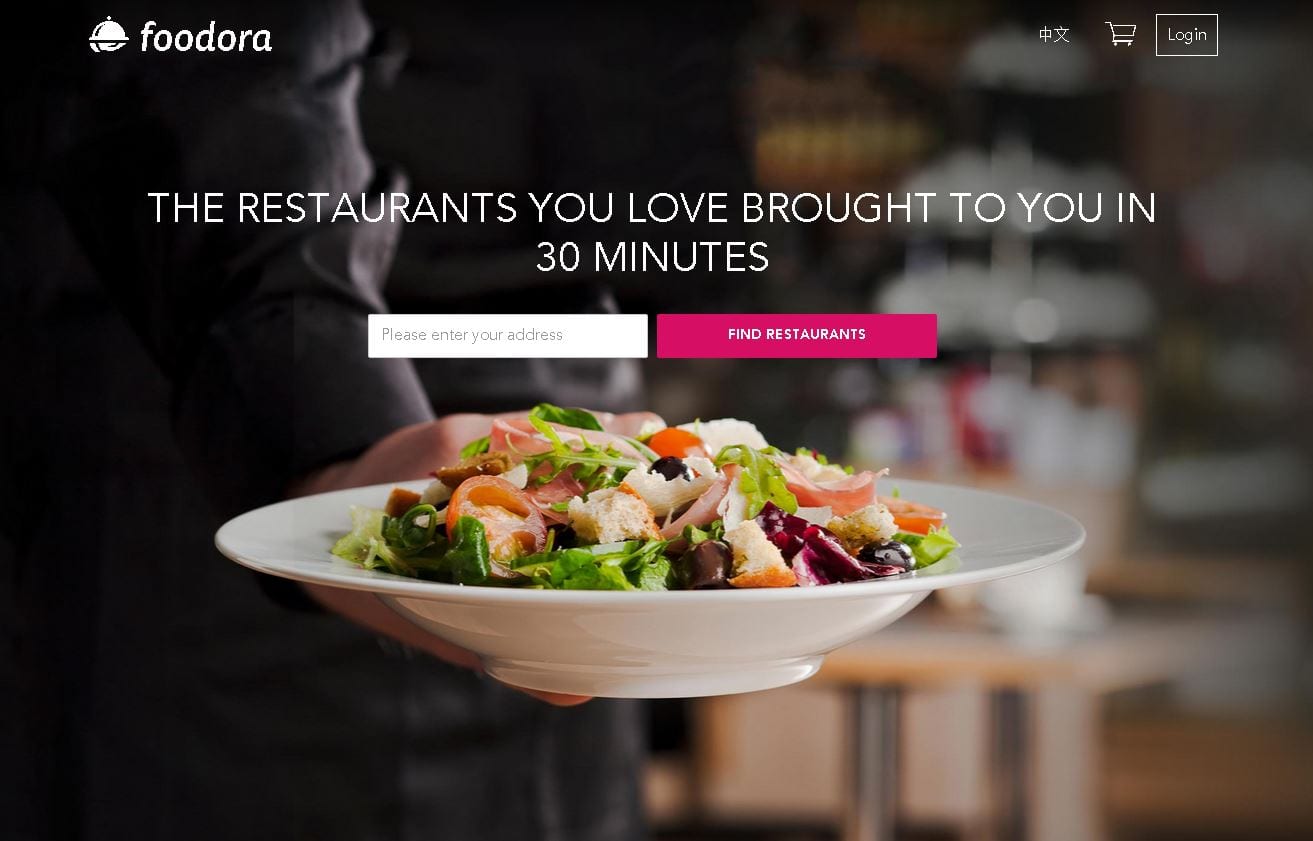
    Berlin-based premium-restaurant delivery service foodora is expanding to Hong Kong.

    The startup offers an alternative to traditional takeaway options and employs an advanced logistics algorithm to ensure that food maintains its high quality and arrives at the customer’s doorstep or office, on average, within 30-minutes.

    Founded less than one-year ago, foodora has set itself apart from traditional delivery services by working only with high-end and trendy restaurants such as Dragon-i, Iberico, Check-In Taipei, The Boss and Le Port Parfume. Exclusive delivery contracts with no-reservation restaurants such as Little Bao will offer Kongers an alternative to waiting in a queue for trendy eats. 

    Behind the scenes, foodora’s proprietary logistics system determines the optimal route between restaurants and customers to help drivers navigate the dense traffic of Hong Kong.

    “Hong Kong is one of the world’s great global cities and as such should have access to world-class food delivery services. foodora wants to introduce a new benchmark of reliability, speed, and quality, bringing Hong Kongers what other markets already enjoy,” said Mat Podesta, CEO of foodora Hong Kong, remarks: “Hong Kong is one of the world’s great global cities and as such should have access to world-class food delivery services. foodora wants to introduce a new benchmark of reliability, speed, and quality, bringing Hong Kongers what other markets already enjoy.”

    foodora Hong Kong currently delivers to Central and Sheung Wan and plans to expand their delivery area to TST, Wan Chai, and Causeway Bay with 400 restaurants by the end of 2015.

  • Estee Lauder buys into Korean skin care brands

    Estee Lauder buys into Korean skin care brands

    Estee Lauder has bought an interest in South Korea’s Have & Be, which owns the skin care brands Dr Jart+ and Do The Right Thing.

    The deal is further evidence of the growing market strength and popularity of South Korea’s cosmetics industry.

    Terms of the investment were not disclosed but the deal is expected to be settled in December.

    Launched online in 2005 by ChinWook Lee, Dr Jart+ is a Seoul-based, global high-growth skin care brand featuring quality and innovative products designed to address specific skin care needs. The brand’s unique fusion of dermatological science and art – as reflected in the brand name, which is inspired by the phrase “Doctor Joins Art” – appeals to a broad range of consumers, especially millennials. Dr Jart+ is sold in many countries around the world, primarily in Asia and the US, through various department stores, specialty-multi and eCommerce channels including Sephora.

    “We are thrilled to announce our partnership with Dr Jart+,” said Fabrizio Freda, president and CEO of The Estee Lauder Companies.
    “This investment gives our company a strategic opportunity to develop a partnership with one of Korea’s most promising high-growth skin care brands.

    “ChinWook Lee and his team have built a successful and exciting brand that is at the forefront of the rapidly expanding Korean beauty wave.”
    ChinWook Lee said as the Korean beauty wave “continues to flourish globally”, his company is excited about the additional opportunities, support and guidance The Estee Lauder Companies will bring to the brands.
    “This is a tremendous moment for the Dr Jart+ team and for the continued growth of Korean beauty.”

    The Estee Lauder investment also includes an interest in Do The Right Thing (DTRT), a men’s-focused skin care brand that fuses Korean innovation with a bold New York style. Founded by Lee in 2012, DTRT’s line of cleansers, lotions, moisturisers and serums are sold in Korea through various channels and in the US through Sephora and BirchboxMan.

    “Global consumers look to Korea as a trendsetting market in beauty, and the Dr Jart+ brand is part of the reason why,” said William P. Lauder, executive chairman of The Estee Lauder Companies.

    “Dr Jart+ and The Estee Lauder Companies share an entrepreneurial heritage as well as a commitment to innovation and creativity. We have great respect for this brand, and we appreciate the opportunity to support and advise Mr Lee and his team as they continue to grow Dr Jart+ globally.”

    Estee Lauder’s products are sold in over 150 countries and territories under brand names including: Estée Lauder, Aramis, Clinique, Prescriptives, Lab Series, Origins, Tommy Hilfiger, Mac, Kiton, La Mer, Bobbi Brown, Donna Karan New York, DKNY, Aveda, Jo Malone London, Bumble and bumble, Michael Kors, Darphin, GoodSkin Labs, Tom Ford, Ojon, Smashbox,Ermenegildo Zegna, Aerin, Osiao, Marni, Tory Burch, Rodin olio lusso, Le Labo, Editions de Parfums Frédéric Malle and Glamglow.

  • South Korea Online Retail Market Outlook to 2019

    South Korea Online Retail Market Outlook to 2019

    Ken Research announced its latest publication on “South Korea Online Retail Market Outlook to 2019” which provides a comprehensive analysis of the retail market in South Korea. The report covers various aspects such as market size of South Korea online retail market, segmentation on the basis of product type and modes of distribution. The report is useful for government, industry consultants, online retailers, offline retailers, food and grocery stores, online electronic chains, apparel and footwear manufacturers, other stakeholders and new players venturing in the market.

    The demand in online retail market of South Korea has inclined at a substantial growth rate even after the economic slowdown in 2008. This demand has enhanced due to the increased usage of high speed internet, rising smart phone penetration and high proportion of old aged people in the country. These factors are expected to lead the growth in online retail backed by the improvements in the payment gateways, better packaging and delivering options. During the period 2009-2014, online retail market in South Korea has expanded at a substantial CAGR of 17.7%, which has marked the gross merchandise value at USD ~ billion during 2014.

    According to the research report, the South Korea online retail market will grow at a considerable CAGR rate thus exceeding USD 66.2 billion by 2019 due to the rising income level and growing influence of social media with increasing demand for clothing, fashion products, electronics and beauty products by a large number of middle aged people in the country who wish to upkeep with the trends and stay up-to-date in line with developments in the country.

    “While, rising disposable income, hike in middle aged population and increasing number of internet and smartphone users in the country will result in increased revenue from online retail in South Korea, Cyber crimes and frauds, higher competition and customers’ reluctance to pay high amounts online are few of the major challenges which will affect the growth of this industry in the future”, according to the Research Analyst, Ken Research.

    Key Topics Covered in the Report:

    South Korea Online Retail Market

    Market Size by Gross Merchandise Value, Number of Orders by Product Type, Average Order Size by Product Type Market Segmentation by Product Type Mode of Distribution Trends and Development SWOT Competition and Market Share Important Mergers and Acquisitions Important Investments Growth Drivers Government Rules and Regulations Pre-Requisites to Enter the Market Analyst Recommendation Cause and Effect Relationship Future Outlook Macro Economic Parameters

    Key Products Mentioned in the Report

    Online Clothing, Footwear and Fashion Products

    Online Books and Stationery

    Online Electronics

    Online Beauty Products

    Online Sports, Music and Entertainment Products

    Online Food and Grocery

    Online Baby Products, Household Goods, Motor Parts & Accessories and Garden Products

    Companies Covered in the Report

    eBay, GMarket, eBay Auction, 11 Street, Interpark, Lotte, Emart, GS Home Shopping, CJ O Shopping, Hyundai Home, Shopping, Lotte Home Shopping, Home and Shopping, NS Home Shopping, Fashion Plus, Dahong, Yesstyle.Com, Bershka.Com, Musinsa.Com, Fashionstart.Net, Elf Fashion, Hiphoper.Com, Etude House, Pore Lab, Thefaceshop, Missha, Roseroseshop, Moonshot-Cosmetics.Com, Naturerepublic.Com, Theskinfood.Com, Sokoglam.Com, Kyobo, Yes24, Aladin, Ypbooks.Co.Kr, Bandinlunis.Com, Libro.Co.Kr, Heyeonni.Com, Compuzone, Himart, Icoda, LG Electronics, B-Store.Co.Kr, Lots Etland, Hello Nature, KGC shop, Highstreet, Expatmart.Co.Kr, Fatbag.Co.Kr, Ezshopkorea.Com

  • China Apus to invest Rs 100 crore in Indian startups

    China Apus to invest Rs 100 crore in Indian startups

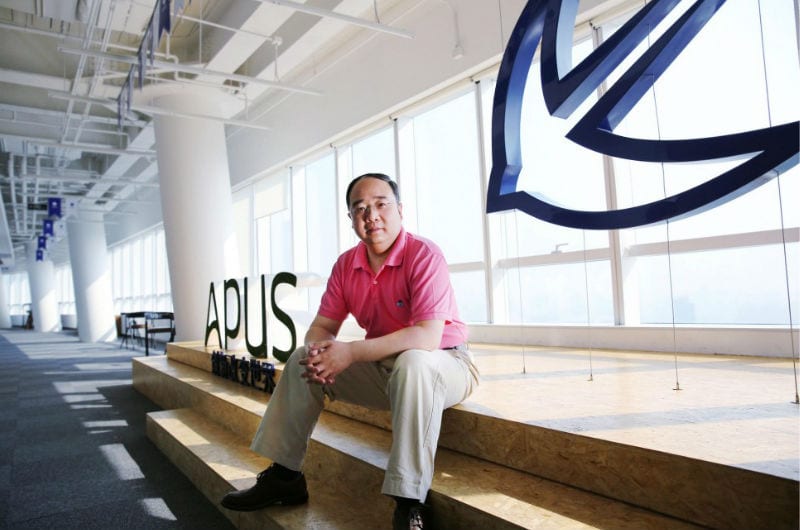
    China’s Apus group plans to invest an initial amount of Rs 100 crore in Indian startups as part of its aim to build a positive ecosystem for the ever growing startup community in the country.

    Apus group was founded in 2014 and is among the top 10 developers on Google Play. Apus Launcher is the group’s flagship app with more than 200 million downloads.

    “The group will offer support to these companies via programmes focussed on developing and building a positive ecosystem for their growth. These programmes will range from providing incubation to free Apus traffic,” the company said in a statement.

    The company will offer an open platform to all startups and will aim to deliver the right guidance and resources till the time they gain enough exposure in their targeted markets.

    “Startups shortlisted under this programme will also have access to tools and experts helping them to enhance decision making capabilities,” it said.

    The company said it has over 25 million users from India and targets 80 million users by 2016 by setting up a local operation centre and also by providing more localised service and experience to Indian users and augment India specific content.

    Founder and CEO of Apus Group Li Tao said as an emerging market, India’s market potential is great and it offers one of the greatest ecosystems for startups.

    “We had similar situation in China three to five years ago and India represents an important market for us. We are looking to further strengthen our presence as we evaluate more partnership opportunities with more firms as we look to strengthen our relationship with India,” Tao said.

  • 5 cutting-edge retail technology trends

    5 cutting-edge retail technology trends

    You may not think of your local department store as a hub of innovation. But technology drives almost every step of the retail experience. Here are five ways some companies are tapping emerging to provide ever more value to their customers.

    retail ecomm thinkstock

    As retailers rev up for their busiest shopping season, they know some things never change: Holiday deal-seekers will race like mad through store aisles for the best Black Friday deals. Last-minute shoppers will wait until December 24 to make their purchases. Crowds will swarm stores the day after Christmas in a whirlwind of gift returns.

    The shopping experience itself, however, has undergone massive changes over the past two decades, especially as ecommerce has won over consumers and smartphones have become the must-have accessory. These days, retailers work around the clock to navigate a digital world that continues to evolve at a dizzying pace, while tech-savvy consumers have increased their demands for seamless experiences and personalized touches, wherever and however they shop.

    “In today’s increasingly connected world, brands and retailers are struggling to find ways to appeal to omnichannel shoppers,” says Mike Paley, executive vice president of shopper marketing at agency The Marketing Arm. “Technology advances have created an environment in which the line between brick-and-mortar and e-commerce is blurred and fading fast.”

    Here are five cutting-edge technology trends taking retail to the next level:

    1. Beacons

    With millions of shoppers toting smartphones in their pocket or purse, it’s no surprise that proximity marketing, through the use of location-based technologies such as Bluetooth-connected beacons, is becoming more than a flash-in-the-pan – as retailers look for ways to provide more personalized, real-time messages, offers and promotions. Macy’s, for example, recently rolled out beacons to 4,000 stores using Shopkick’s offering, and Swirl’s platform and hardware is being used by clients including Lord & Taylor and Urban Outfitters. According to Business Insider, beacons will directly influence over $4 billion in U.S. retail sales this year and climb 10 times that next year.

    “Beacons were a novelty 15 months ago, but this year retailers are starting to take them more seriously,” says Scott Bauer, U.S. Retail & Consumer Partner at consulting firm PwC. “There’s more experimentation about how to treat users in their stores with mobile phones.” The question is how to use them, he cautions, “so it doesn’t seem creepy or annoy customers.”

    2. Biometrics

    Biometrics, which uses technologies like fingerprint systems, facial recognition, iris scanning and voice identification, seems like a natural fit for retailers. Brands and banks that want to improve targeted marketing efforts and boost security. Biometrics Research Group predicts the global biometrics market to soar to $15 billion this year, up from an estimated $7 just three years ago. And, technology consulting firm Frost & Sullivan forecast that nearly a half-billion people will be using a smartphone equipped with biometric technology by 2017.

  • DeClout to buy 75% stake in Play-E for for $19m

    DeClout to buy 75% stake in Play-E for for $19m

    DeClout to buy 75% stake in Play-E for $19m

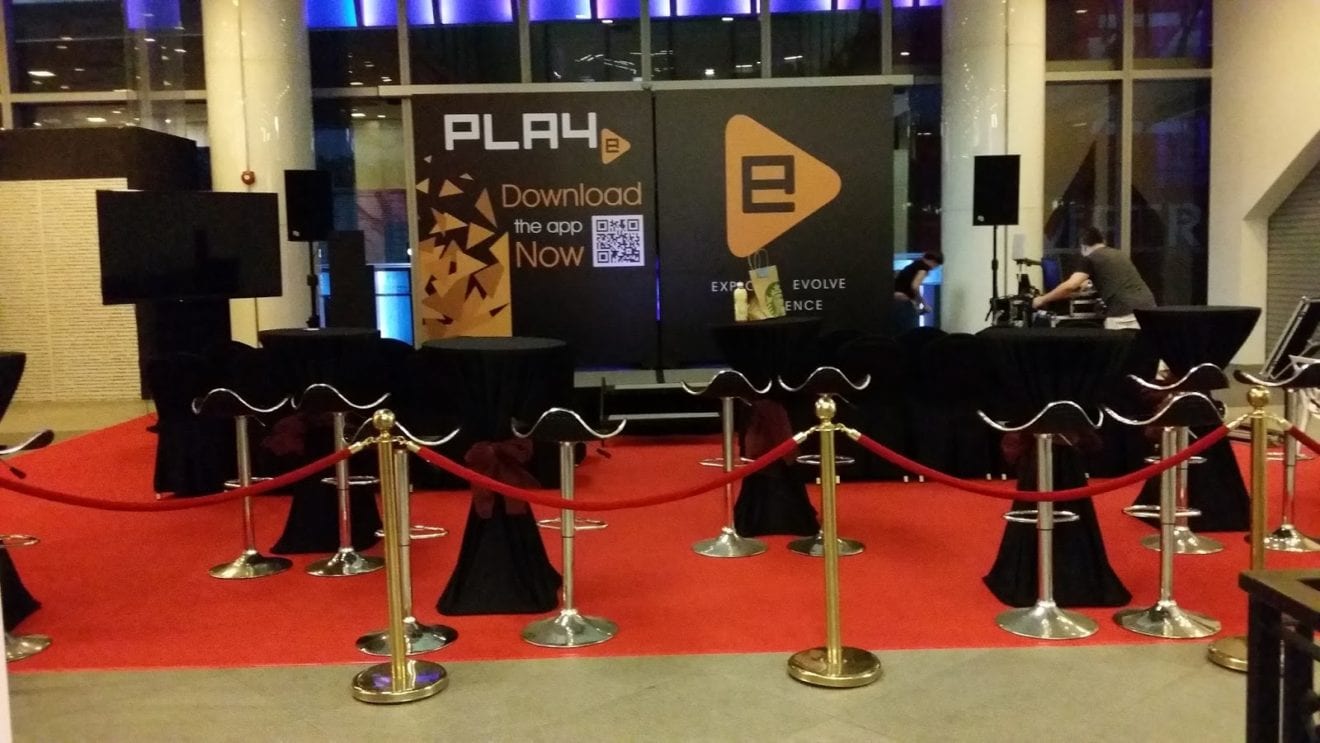
    Singapore-listed technology service provider DeClout Limited, along with its subsidiary Corous360 Pte Ltd, have reached a deal to buy Play-E Pte. Ltd for up to for up to S$18.9 million.

    In a regulatory filing Tuesday, DeClout said its 94.8 per cent subsidiary, Corous360 Pte Ltd had entered into a sale and purchase agreement with Jupiter-Soft Pte. Ltd. and Sng Kim Guan for the deal. The transaction involves Corous360 acquiring 150,750 ordinary shares in the capital of Play-E, equivalent to 75 per cent equity in the company.

    “Through Play-E’s retail alliance partnership, C360 will benefit from (Play-E’s) multiple potential revenue streams including sale of products through mobile applications and physical stores of the Play-E’s retail partners;  platform fees from (Play-E’s) retail partners; advertising fees from content providers; and membership fees from consumers,” the company’s regulatory filing added, justifying the rationale behind the deal.

    C360 group of companies has master distributorship rights to leading products in the region.

    “By combining such master distributorship rights with the retail alliance partnership of Play-E, C360 has the opportunity to control both the upstream and downstream of the vertical market by leveraging on its master distributorship status to secure leading products through a platform comprising a mobile application and a network of retail outlet partners in Singapore, Hong Kong, and Taiwan  which will attract premium users to join the Platform. The increase in the number of premium users in the Platform will in turn put C360 in a better position to secure distributorship rights to even more leading products for its businesses,” the regulatory filing added.

    Neo Group buys 90% in CT Vegetables & Fruits for S$5.4m

    Singapore-based food catering firm, Neo Group Limited, has bought 90 per cent-stake in CT Vegetables & Fruits Pte Ltd for S$5.4 million, as part of its vertical integration strategy to provide turnkey food and catering solutions, the company announced Tuesday.

    CT Vegetables trades more than 300 varieties of fruits and vegetables to its customer base consisting of local hospitals, foreign cruise ships and ship chandlers. The deal will include two entities set up primarily for the purpose of importing fruits and vegetables.

    Neo Group will pay S$4.8 million in cash, funded by bank borrowings, while the remaining S$0.6 million will be through the issuance of new ordinary shares at a 10 per cent discount to the volume-weighted average price of the Group’s shares on the completion date.

    The remaining 10 per cent-stake in CT Vegetables will be retained by its original owner who will be the acting chief executive and chairman of CT Group.

    The deal comes close to the heels of Neo Group’s first major acquisition, where it had bought bought Thong Siek Group, and also a 55 per cent stake in the parent company and manufacturer of  “DoDo” brand of fishballs for S$7.35 million in June 2015.

    That deal had allowed had allowed Neo Group to venture into food manufacturing that directly supplies surimi products to its food catering and food retail businesses.

    Founder, chairman and chief executive of Neo Group, Neo Kah Kiat said: “We are pleased to have further strengthened our integrated value chain further with the addition of CT Group, a strong market leader in its industry. Apart from the acquisition being immediately earnings accretive, we recognise synergies that can be reaped from this acquisition to grow our food and catering Supplies business that will allow us to lower food supply costs whilst ensuring quality and timeliness of delivery.”

    “At the same time, this strategic upstream move will reduce our reliance on third party suppliers, enhancing our self-sufficiency in our catering and manufacturing businesses and enable us to pursue business opportunities from external parties, thereby creating new income streams,” he added.

    Under its food catering business, the Neo operates four brands – Neo Garden, Orange Clove, Deli Hub and Best Catering.

  • Olympia Plaza mall planned for Phnom Penh

    Olympia Plaza mall planned for Phnom Penh

    A new US$60 million, seven-story shopping centre is to be built in downtown Phnom Penh, the capital city of Cambodia.

    Olympia Plaza will be built by Overseas Cambodia Investment Corporation (OCIC), to be located inside its mixed-use Olympia City project in central Phnom Penh.

    “We will invest $60 million in construction costs alone to build Olympia Plaza,” said Touch Samnang, deputy director-general of OCIC.

    “If there are no changes in the plans, [the mall] will be finished by the middle of 2017.”

    The centre will have 100,000 sqm of retail space for lease. Anchors and details of property management, have yet to be revealed.

    Construction has already commenced.

  • Olympic hero goes for gold with new retail technique to boost sales

    Olympic hero goes for gold with new retail technique to boost sales

    Chinese gymnast Li Ning wowed the world with one of the highest double pikes in Olympic history to clinch a third gold medal at the 1984 Los Angeles Games. Now a sporting goods retailer, he is counting on another tactic to win over shoppers.

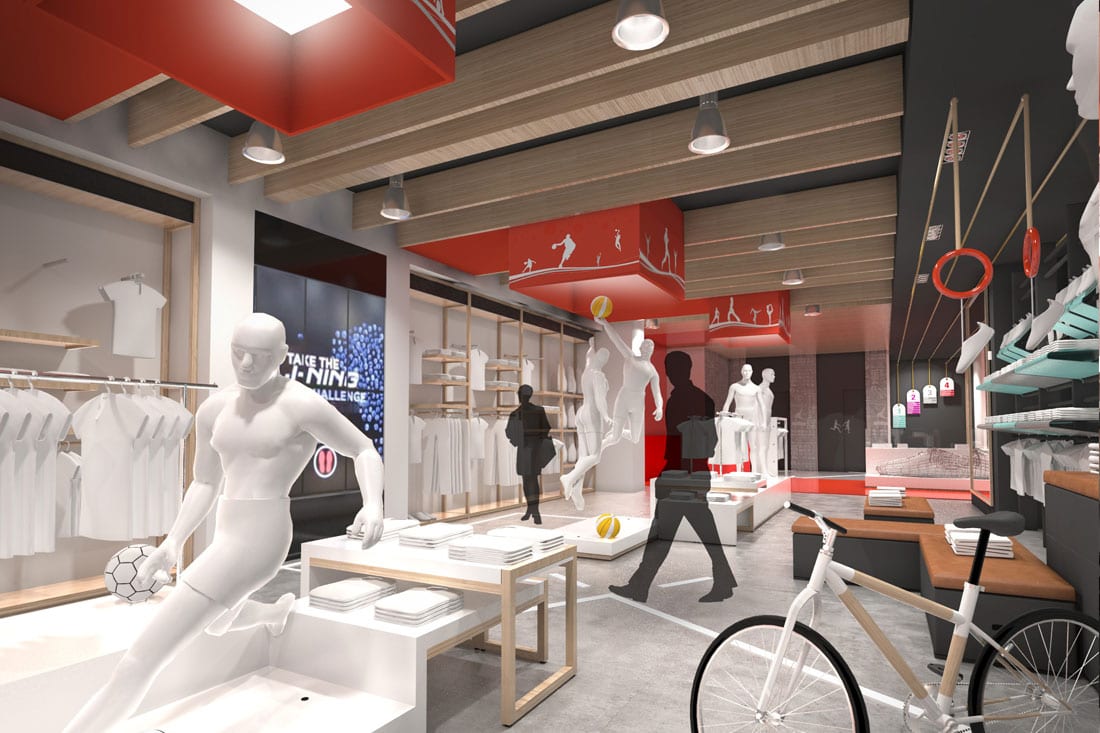
    Li is enticing customers to his namesake Li Ning Co stores, where they can look at and try on the latest range of Xiaoqiang basketball shoes, and Furious Rider and Rouge Rabbit runners-but not take them home. Instead, buyers are directed to the Internet to make purchases online.

    The Web-only strategy, which has generated 22 million yuan ($3.5 million) in sales during the first month, may help it reverse three straight years of losses.

    Companies from home appliance maker Haier Electronics Group Co to clothing purveyor Grana have also introduced the showroom model. Li sees it improving inventory management, a complex exercise in China, where there are about 140 cities with more than 1 million people.

    “In the past, we’d sell flagship products in physical stores,” Li, who founded his retail business in 1990, two years after retiring from gymnastics, said. “Even when we sell them online now, we have thousands of shops to promote the products, with only one warehouse behind us.”

    Distributing goods to online customers from a single warehouse cuts storage and handling costs, resulting in savings that can be passed to customers.

    It can also improve stock management, something the company has been working on to boost profitability.

    “The showroom approach might be a good way to boost sales in China in the face of rising rental and labor costs, ongoing logistics issues, and the boom in Internet retailing,” Sun Fangting, a senior analyst with market researcher Euromonitor International, said.

    The tactic may be especially helpful in penetrating smaller cities and urban areas. Online retail sales reached $165 billion in China last year, accounting for almost a fifth of the global total, according to Euromonitor.

    Haier Electronics plans to progressively strip inventory from 3,000 of its 38,000 stores across China, with 125 of these targeted to have display-only merchandise by the end of the year, the company said.

    The changes mean future shops will feature interactive, computer-simulated household models that enable customers to visualize how products will look and fit in their homes.

    In reformatted stores, sales staff assist customers to make purchases online and facilitate their interaction with designers. Goods such as refrigerators and washing machines can also be paid with cash, and delivered the same way as online-purchased products.

    Reformatted stores have recorded a 7 percent to 8 percent increase in sales, Chairman and CEO Zhou Yunjie said.

    In comparison, revenue from shops yet to be converted to online-only has declined as much as 20 percent, weighed down by an industry-wide slowdown in home appliance sales.

    Zhou said he expects the transformation of physical stores to lower inventory and staff costs by about 30 percent.

    “Integrating conventional shops with Haier’s online retail business will provide a better customer experience,” Zhou said. “Customers need to feel and see the products.”

    Showrooms make that integration possible.

    “The future is not a lot of stores,” Bruce Rockowitz, CEO of Global Brands Group Holding Ltd, said. “It’s going to be a future of showrooms in key places, and stores that showcase the brands and build the image.”

    Grana, a Hong Kong-based online clothing retailer, opened a permanent showroom in the special administrative region last month, enabling customers to try clothes on before buying them.

    The company, which ships its brand of garments to eight countries, plans to open showrooms in Singapore, Australia and the United States next year.

    “It’s really mixing the best of online and offline into one showroom concept,” CEO Luke Grana said. “Coming in, they can have fresh lemonade and we can talk to them. We can suggest styles and they can get their fits right. It’s what you can’t get from just pure online shopping.”

    The showroom approach may also suit other areas of retail, including home-wares, furniture and personal beauty care.

    “The whole nature of stores as we know it will change,” Tim Parker, chairman of Samsonite International SA, said. “(The showroom strategy) adds more value to businesses that have to keep very large inventories in the stores.”

  • Ascend expands its Asean reach

    Ascend expands its Asean reach

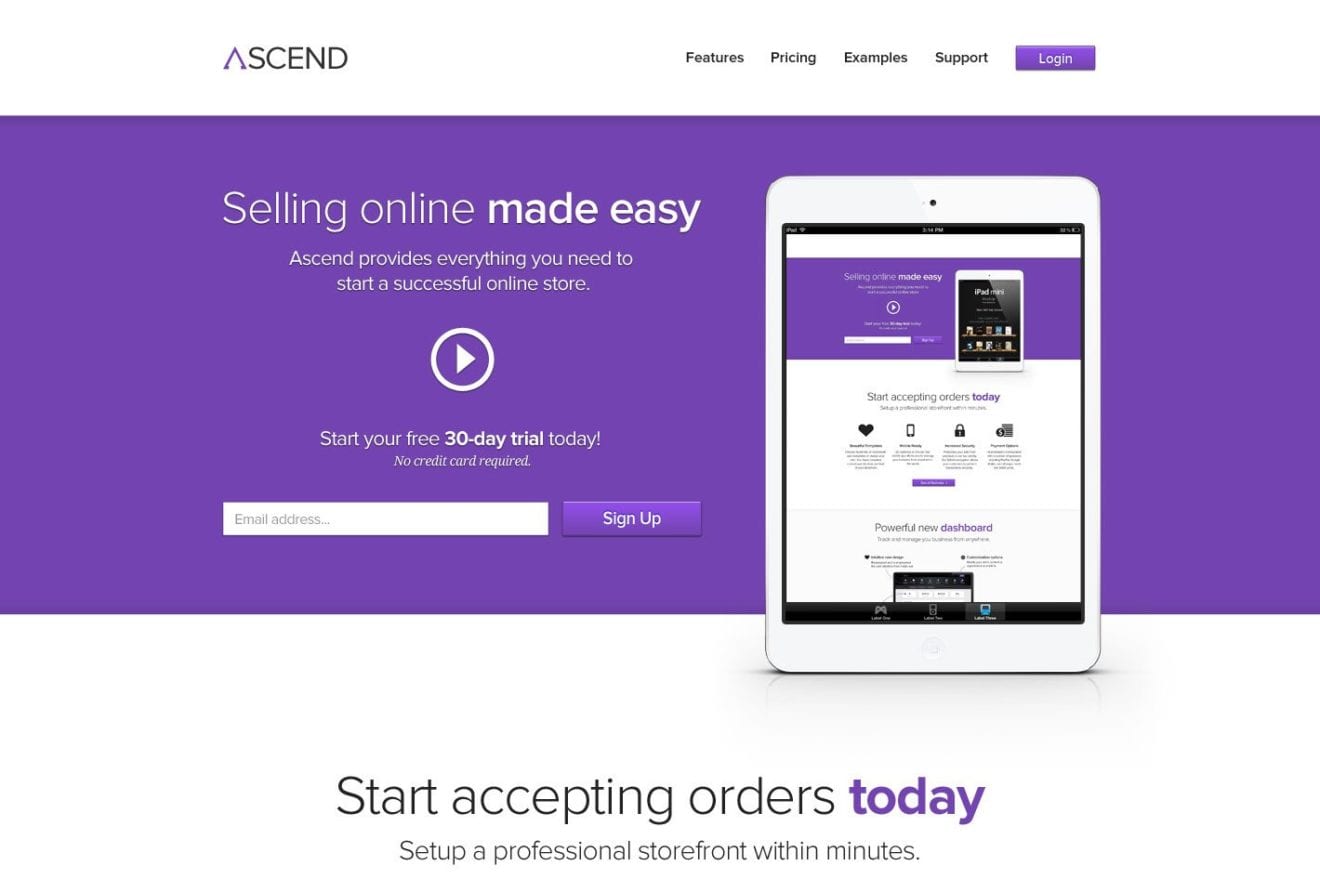
    “The move is to drive Ascend, both iTrueMart and Weloveshopping, to be the e-commerce market leader in the AEC by 2018,” Punnamas Vichikulwongsa, president of Ascend Group, said yesterday.

    According to Euromonitor 2015, the report of Euromonitor International, a business-intelligence research house, the business-to-consumer e-commerce market in the AEC will grow by 20 per cent per year to US$7 billion (Bt249 billion) in 2017 from nearly $5 billion this year.

    Thailand’s e-commerce market is worth about Bt42 billion with annual growth of 20 per cent.

    The company will engage in operating, fulfilment including warehousing and logistics, and marketing actives in seven countries in the AEC – the Philippines, Indonesia, Malaysia, Vietnam, Singapore, Myanmar and Cambodia.

    It will start with the Philippines by the end of this year and follow with the other six countries in 2016.

    The AEC market should help double its sales to Bt6 billion next year from Bt3 billion this year, which all comes from the Thai market.

    E-commerce in Thailand and the AEC has high potential since it now accounts for only 1 per cent of total retail shopping. In five years, it will be about 7-8 per cent of the retail industry in Thailand.

    E-commerce makes up 9 per cent in the United States and 13 per cent in the United Kingdom.

    “E-commerce is a market for the big boys, since it needs huge capital. In each market, there are only one or two e-commerce players dominating the market. We want to be ‘top of mind’ in the e-commerce business in the region,” he said.

    The business model of iTrueMart is different from Weloveshopping. iTrueMart acts as an online shopping department while Weloveshopping serves as a e-commerce marketplace.

    Ascend claims itself as the e-commerce leader in Thailand with 14,000 orders per day, split evenly between the two websites.

    Seubsakol Sakolsatayadorm, general manager of the iTrueMart division at Ascend Commerce, said iTrueMart’s conversion rate of 4.2 per cent of visits was higher than the market average of only 2 per cent.

    At iTrueMart, information-technology gadgets and accessories are still the largest contributor at 70 per cent. Orders have gone up fivefold this year since product categories were diversified from hard lines to soft lines, such as personal care and beauty products, and home lines such as household appliances.

    “The latest is a mum-and-kids category, since it is one of the largest in e-commerce in many countries,” he said. ITrueMart has invested heavily in fulfilment, warehouses and logistics. It has more than a million products, or more than 20,000 stock-keeping units, stored in its warehouse. The company delivers products through its own distribution system in Greater Bangkok with a 20-vehicle fleet and outsourcing to logistics partners.

  • Indonesia ICT sector assessment

    Indonesia ICT sector assessment

    Information and communications technology (ICT) connectivity in Indonesia as a growing economy faces huge challenges in preparing for the future.

    The world’s largest archipelago consisting of more than 17,500 islands with a population of nearly 250 million requires substantial investments in domestic ICT infrastructure and international connectivity to meet the strong growing demand from the private and public sectors.

    New technologies require an ICT infrastructure with sufficient capacity. Reliable interconnection with other ASEAN member countries to remain competitive in the interconnected world is another aspect of why ICT should be considered a priority sector.

    In October 2014 the Indonesian government unveiled a Rp 278 trillion broadband connectivity plan in order to boost economic growth. The plan defines broadband development in Indonesia and sets the strategy and major milestones for the coming five years.

    The main purposes of broadband development are to encourage economic growth and increase the competitiveness of the nation, to support the improvement of human development and to safeguard the sovereignty of the nation.

    The Networked Readiness Index (NRI) 2015, published by the World Economic Forum, includes 143 countries and measures the propensity for the countries to exploit the opportunities offered by information and communications technology.

    The NRI considers several indicators, such as the political and regulatory environment, the business and innovation environment, infrastructure and digital content, affordability, skills, individual usage, business usage, government usage, economic impacts and social impact.

    In the last assessment in 2014, in which 146 countries were covered, Indonesia dropped 15 places to 79th, while Singapore claimed first, Australia 16th, Malaysia 32nd, China 62nd, Thailand 67th, the Philippines 76th, Vietnam 85th, Lao PDR 97th, Cambodia, Timor-Leste 134th and Myanmar 139th.

    To attract local and foreign investments a more business friendly environment is required in Indonesia. The business society in particular is demanding a fight against corruption, the cutting of red tape, infrastructure development and the improvement of the tax system. The same applies, of course, for the Indonesian ICT sector.

    To meet the requirements and keep pace with international developments, including connectivity to other ASEAN member countries, the broadband connectivity plan, which describes the path to the right direction, should be implemented in the given timeframe. Further considerations, recommendations and implications related to ICT development in Indonesia are pointed out in the following:

    As addressed in the broadband connectivity plan, educational and training skills, including English language skills, should be enhanced by connecting schools to the Internet and implementing e-Education and e-Learning programs. Competence centers consisting of experts from academia and the private sector should be established to boost research and development (R&D) in Indonesia.

    World Bank data shows that Indonesia spent the equivalent of 0.07 percent of its gross domestic product (GDP) on R&D in 2010. Meanwhile, Malaysia spent 0.63 percent, Singapore 2.2 percent and Thailand 0.25 percent in the same period.

    For a modern technology infrastructure, state-of-the-art data centers for public use (e.g. national and international telecommunications operators and companies) are required in major cities and business centers, taking into consideration environmental risks (e.g. earthquakes, floods, landslides and volcanos), redundancy aspects (backups and disaster recovery), security (access, surveillance and stable power) and professional operations.

    Cross-sector infrastructure sharing reduces costs. Ducts, towers, masts, power grids, facilities, etc. can be shared between the telecommunications, the energy and the transportation sectors.

    For public-private partnership (PPP) opportunities identify and classify infrastructure development and new public service provisions that will improve ICT usage and convergence in Indonesia (e.g. increased Internet penetration, improved mobile services, improved opportunities for convergence, content development, etc.).

    Beside manufacturing of ICT products, promoting niche markets or new technologies and trends like mobile applications, IT outsourcing, hosting services, enterprise private clouds, 4G/5G, Internet of Things (IoT), Machine to Machine (M2M) communications, Green ICT, Call Centers, etc. shall be considered.

    International development and trends in the ICT sector should be observed to ensure harmonization of policies and regulations including cross-sector regulation.

    For international connectivity, Indonesia is depending on international submarine cables, most of them currently routed via Singaporean and Malaysian waters. New submarine cables with diverse routes are planned for the coming years. For example, the Southeast Asia-US submarine cable will connect Manado in Indonesia as the new eastern Indonesian gateway and Davao in the southern Philippines via Guam to the United States’ west coast.

    When completed in 2017 at an approximate cost of US$250 million, the approximately 15,000-kilometer cable system will provide an additional 20 terabits per second (tbps) capacity, connecting Indonesia and the Philippines to the US with state-of-the-art 100G technology.

    Redundancy and diverse routing of submarine cables is important to protect connectivity against terrorist attacks, sabotage and cable cuts by natural disasters such as seaquakes or by anchors.

    The announcement of the Indonesian government for the formation of the National Cyber Agency (NCA) is a step in the right direction. With regard to cyber-attacks, Indonesia is ranked as one of the world’s top three targets. The NCA should develop and implement strategies for the defense against rising cyber-attacks to protect Internet users, the government, financial services institutions and other businesses, including sensitive sectors like the transportation and the energy sectors.

    Strengthening the awareness of the public about privacy and cybercrime committed through e-mail scams, SMS or social media should be another focus area of the NCA.

    On behalf of consumers, the government of Indonesia shall ensure that the service quality of telecommunications operators improves and minimum international accepted quality of service (QoS) standards shall be enforced and regular monitored for all segments (fixed, mobile, Internet and broadcasting services). With currently more than 280 million SIM cards issued to users, mobile is the main access to the Internet.

    “Last mile” and campus/in-house cabling are very often bottlenecks for high speed landline data connections. Even if the fiber optic backbones of the telecommunications operators allow high speed data, cable connections between the exchanges of the operators and campuses or buildings (“the last mile”) of the consumers are often old and faulty copper cables that do not allow high speed data transfer. The telecommunications cabling on campuses and in buildings (“in-house cabling”) is mostly the sole responsibility of the landlords.

    With its young population, Indonesia has a market potential of about 250 million consumers. Taking the right measures, considering the actual international development and best practice experiences in the global ICT sector, Indonesia has a realistic chance to strengthen its national ICT sector in the coming years and so play an equal role in the very competitive Asian and global markets.

  • Li Ning sells stake in Double Happiness

    Li Ning sells stake in Double Happiness

    Sportswear maker and retailer Li Ning has sold a 10 per cent stake in the Double Happiness table tennis business to Viva China.

    The deal is worth RMB 125 million in cash and will increase Li Ning’s net cash position by 25 per cent relative to the reported interim net cash position.

    Li Ning says it expects an additional disposal gain in excess of RMB200 million, in part from the revaluation of the company’s remaining 47.5 per cent stake in Double Happiness.

    “The net proceeds will be mainly used for investment in product development of the five core sports categories under Li-Ning brand and further expansion of the company’s distribution channels, and general corporate purposes,” the company said in a statement.

    “The transaction increases transparency for investors with respect to Li Ning’s core business through the deconsolidation of Double Happiness. It will also allow the management of Li-Ning and Double Happiness brands to better focus on their respective businesses.”

    After the settlement, Li Ning will remain the largest shareholder in Double Happiness, but will no longer have control of the business.

    Terence Tsang, Li Ning’s CFO, said Double Happiness is one of the top performing brands for the company.

    “This transaction will help unlock its embedded value and provide it with flexibility to develop its strategy. At the same time, Li Ning’s improved cash position will boost our liquidity further so that we are better positioned to capture any upcoming business opportunities in terms of product development and distribution channel expansion.”

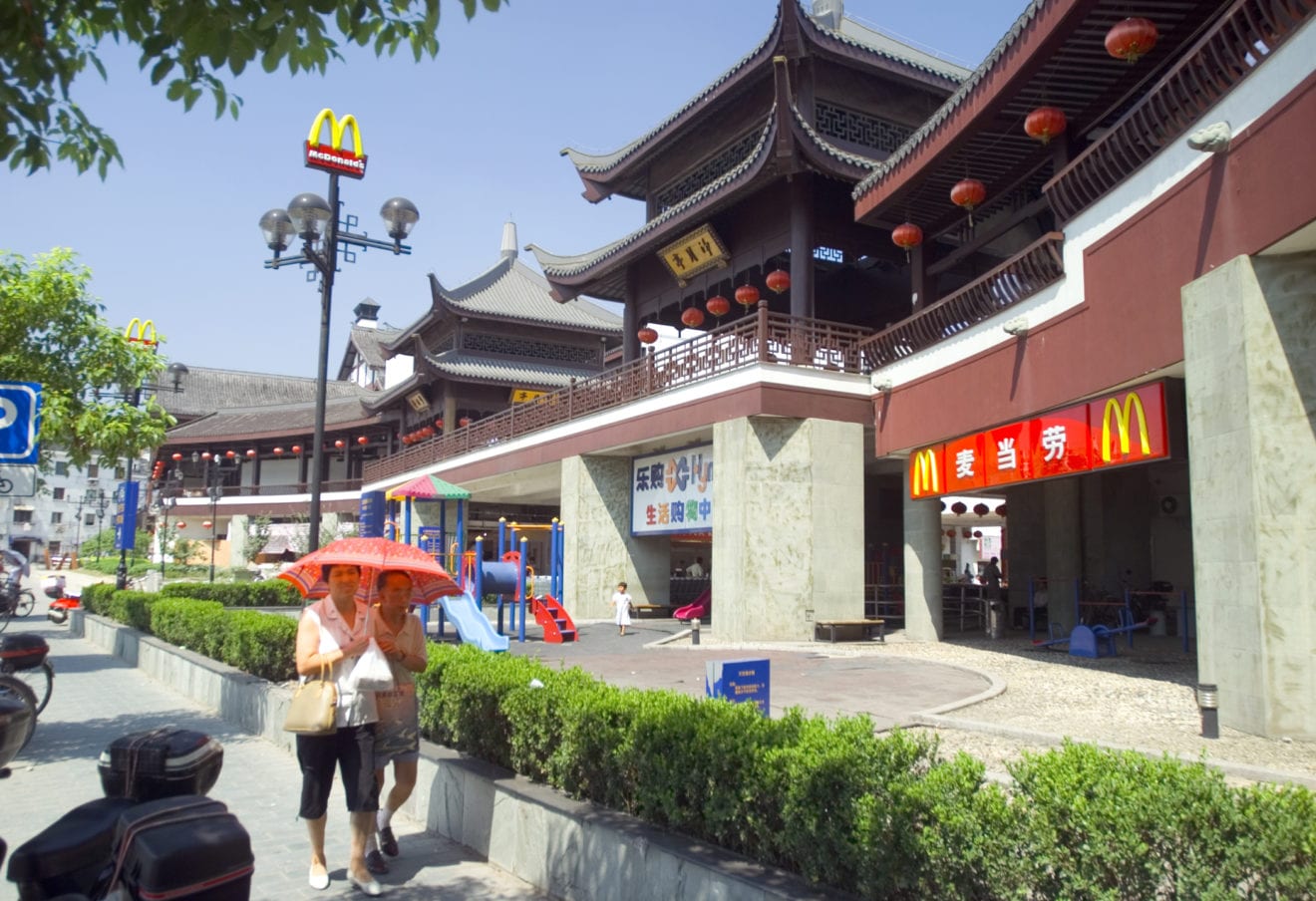
  • McDonald’s China rebounds

    McDonald’s China rebounds

    After a long running series of quarterly sales declines, McDonald’s says it global sales rose four per cent in the last three months.

    And McDonald’s China has played a key role in the recovery.

    President and CEO Steve Easterbrook said the company was encouraged by its operating performance for the quarter, with positive comparable sales across all segments, including the US, “as well as sales recovery in China following the prior year supplier issue”.

    “In the High Growth Markets segment, third quarter comparable sales increased 8.9 per cent, reflecting very strong comparable sales performance in China and positive performance in most other markets. Operating income increased 39 per cent (68 per cent in constant currencies). Emphasis on value and breakfast during the quarter contributed to China’s sales recovery.”

    The company suffered a major setback in China a year ago after some of its stores were found using expired products.

    Elsewhere in the world, McDonald’s has also seen recovery in the UK, Australia and German markets.

    Easterbrook said the latest figures underline the “fundamental strength of the McDonald’s System”, perhaps a reference to recent media commentary questioning the concept and estimating as many as 30 per cent of McDonald’s franchisees in the US are technically insolvent.

    Unfortunately, the company did not releases specific breakdowns on sales by country market within its ‘High Growth Markets’ business unit which comprises countries like China and Vietnam.

    In its home market, initiatives like extending the breakfast menu to all day and new product lines were helping lure customers back in store.

    In tandem with its results announcement, the fast food company made a commitment to phasing out chicken fed antibiotics.

  • C-star Retail Trade Fair Returns to Shanghai

    C-star Retail Trade Fair Returns to Shanghai

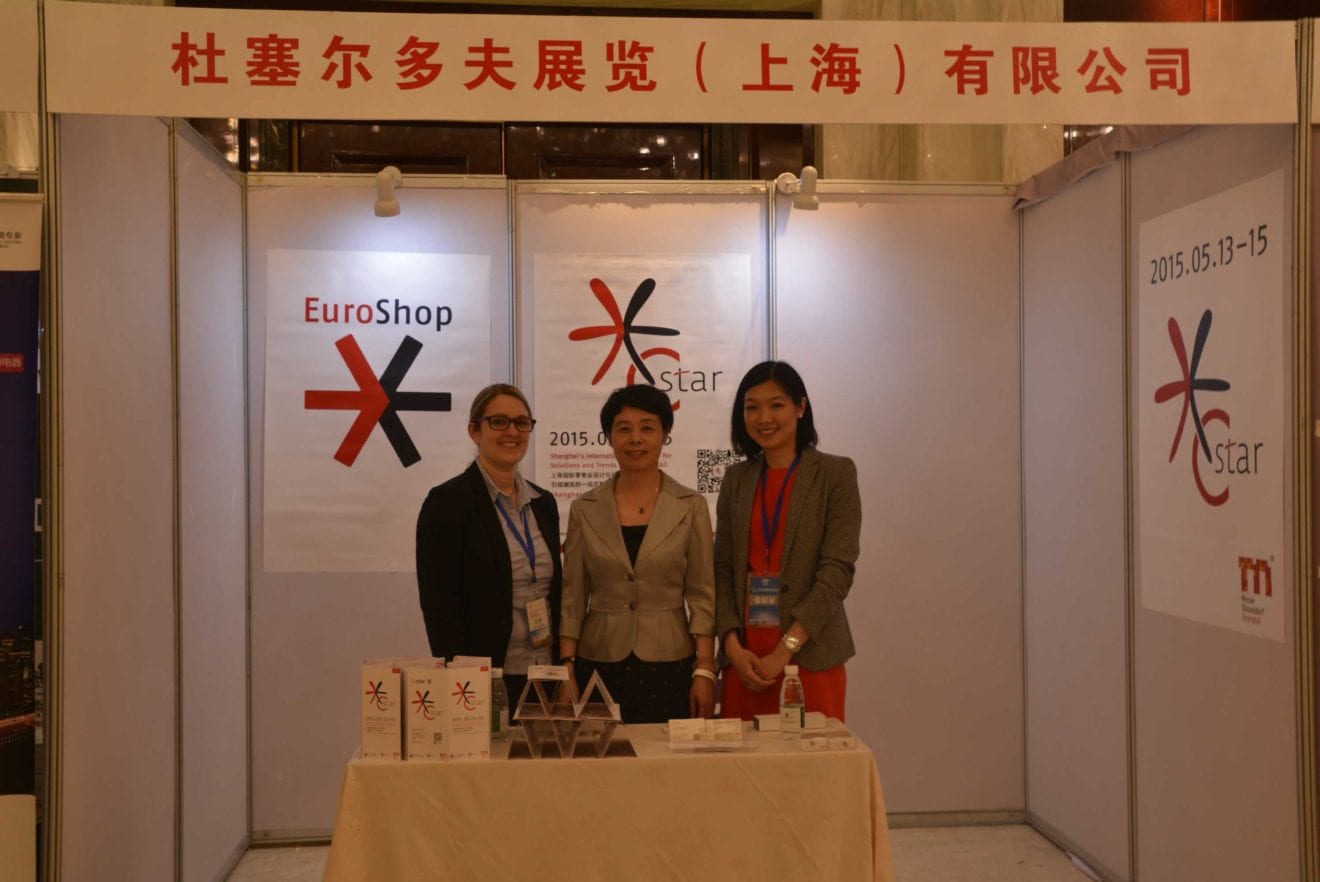
    After its successful premiere in 2015, C-star, Shanghai’s International Trade Fair for Solutions and Trends all about Retail, will return to the Shanghai New International Expo Centre from May 18 – 20, 2016. Next year, C-star will occupy two halls in order to give exhibitors more space to present their latest innovations and solutions for the retail sector.

    C-star will again be organized by Messe Düsseldorf Shanghai, a subsidiary of Messe Düsseldorf located in Germany. Messe Düsseldorf is renowned as the organizer of EuroShop (The World’s Leading Retail Trade Fair) held every three years in Düsseldorf, Germany,

    C-star 2016 will be clearly divided into four segments:

    • Store fitting and design, lighting, refrigeration
    • Retail technology
    • Visual merchandising and marketing
    • Stand design

    Hall N5 will be dedicated to POP marketing, expo and event marketing, store fitting and design with a strong focus on non-food retailing, while hall N4 will complete the exhibition range with food technology and equipment, energy management and retail technology.

    A new special area will be the Retail Technology Village. Modeled after the EuroCIS trade fair in Düsseldorf, the Village is a response to the fast-growing demand for state-of-the-art technology especially for the retail market, ranging from innovative payment systems and sophisticated security systems to complex IT solutions.

    Another highlight will be the Designer Village where leading design agencies will present their latest holistic solutions in visual merchandising and store design.

    An extensive supporting program will complement the C-star 2016 exhibits. One of the show’s highlights will be the C-star Retail Conference, a 2-day event with international retail experts sharing their exclusive industry insights. The conference topic will be “Local Heroes” and will focus on innovative retail concepts of both Chinese and international industry players. With conference chairman Prof. Dr. Helmut Merkel – former CEO of Karstadt, former President of the International Group of Department Stores and Chairman of Eurasia – as well as the strong support of associations such as the EHI Retail Institute and Mall China, the C-star Retail Conference will be an important meeting point of retail industry leaders.

    Another highlight will be the annual EuroShop Retail Design Award (ERDA) ceremony. At this renowned gala event, the best store concepts worldwide are rewarded by the EHI Retail Institute together with Messe Düsseldorf.

    The C-star experience will be rounded off by the in-hall C-star Forum and the C-star Retail Tour. At the Forum, leading international industry peers will talk about their experiences with the Chinese retail market. The 1-day C-star Retail Tour will visit Shanghai’s most innovative and sophisticated shopping malls.

    Despite a recent slowdown in the Chinese economy, China’s retail market is still of key importance to international retailers and has kept posting impressive year over year growth numbers of more than 10% throughout 2014 and 2015. Innovative retail solutions are in high demand on the Chinese market. With its clear structure and a unique show concept, C-star is geared to the needs of the Chinese retail sector. C-star’s international exhibitor structure will meet the demand of Chinese retailers for innovative solutions and products from international suppliers. With the extensive ancillary program, the trade fair will also cater to international retailers looking for information about the Chinese retail market.

    The first staging of C-star in 2015 attracted 162 exhibitors from 23 countries and more than 5,700 trade visitors.

    For further information on visiting or exhibiting at C-star 2016, contact Messe Düsseldorf North America, 150 North Michigan Avenue, Suite 2920, Chicago, IL 60601. Telephone: (312) 781-5180; Fax: (312) 781-5188; or visit our web site www.mdna.com.


  • King Power duty free sales +47% in Thailand

    King Power duty free sales +47% in Thailand

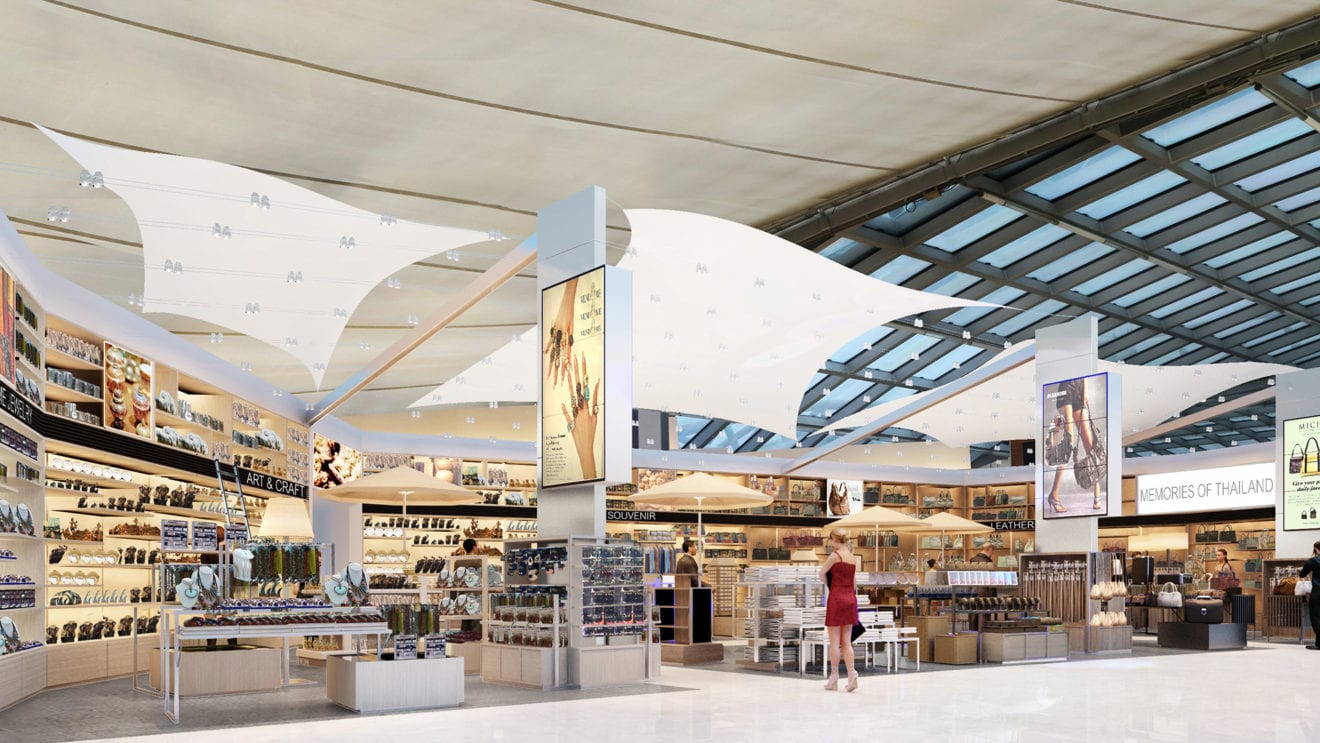
    Forward bookings from airlines and indicators from leading travel agents suggest that Chinese arrivals to Thailand will reach record levels in 2015, as the King Power International Group reports sales up by 47% this year.

    Speaking to TRBusiness in a detailed interview this month, she said: “With the exception of the tragic bombing in August, 2015 to date has been a very good year for the group. Traffic to Bangkok particularly has increased very significantly.

    “Overall traffic at Suvarnabhumi is up 19.16%, to the end of August, and traffic at Don Muang is up 65%. Within those overall traffic numbers there are specific nationality changes that have generally had a very positive impact on sales.

    “Total Chinese traffic at Suvarnabhumi is up 151% to 5,651,591 passengers. Indian passengers are another very important customer group for us and the traffic with them is up by 20% – and of the other key customer groups, Korean and Japanese traffic levels are up 38% and 13.3% respectively.”

    She added that these positive increases have offset the decrease in Russian passengers (-49.8%) and Thai nationals, who are down by 14.73%. more happily she said: “Overall group sales are up 47%, versus the same period last year.”

    Whelan pointed to an outstanding +72% sales performance by the cosmetics and skincare category, followed by watches (+76.68%), Jewellery (77.05%), tobacco (+ 30.08%) and leather goods(+ 30.94%).

    She says this impressive growth has been driven by a combination of factors, including organic passenger growth and aforementioned rises in high spending overseas visitors.

    An interview with Susan Whelan appears on page 30 of the October Cannes exhibition issue of TRBusiness and also on pages 81-85 in the bonus retail section of the Top 10 International Retailers 2015.

  • Starboard brings luxury pro on board in Asia

    Starboard brings luxury pro on board in Asia

    LVMH-owned Starboard Cruise Services has hired a seasoned luxury goods executive, Emily Wong, to the new role of Vice President/General Manager for Asia – signalling the possible direction its on-board cruise retail offer will take in the region.

    Wong joins from sister Moët Hennessy Louis Vuitton company, the fashion label Marc Jacobs, where she was the Managing Director for Asia Pacific for just over three years until August 2015.

    Before that she worked at Nike for almost five years, Timberland for two years, and Swiss leather goods house bally for 17 years.

    In her new role based in Hong Kong and also Shanghai, Wong will report to David Goubert, Senior Vice President, Luxury Cruise Retail & Asia Office.

    CRUISELINES PLACE FAITH IN CHINA

    Earlier this year at the TFWA show in Singapore, Goubert was very upbeat about cruise prospects in Asia.

    He said that large cruise lines were committing strongly to the region and that, for example, Royal Caribbean Cruise Line’s new ship Quantum of the Seas is based out of Shanghai. He said that sister newcomer Ovation was also set to be placed in the region from Q2 2016. RCCL is a partner of Starboard.

    “On board it’s about the brands,” says Goubert. “The ships are a global destination and our mission is to give our guests an unforgettable experience and create a memory of their vacation.”