Author: Mei Ling Tan

  • Luxury fashion brands diversify into food and beverages in Asia

    Luxury fashion brands diversify into food and beverages in Asia

    Luxury brands have begun to expand beyond their core but saturated fashion businesses into the food and beverage sector in Asia.

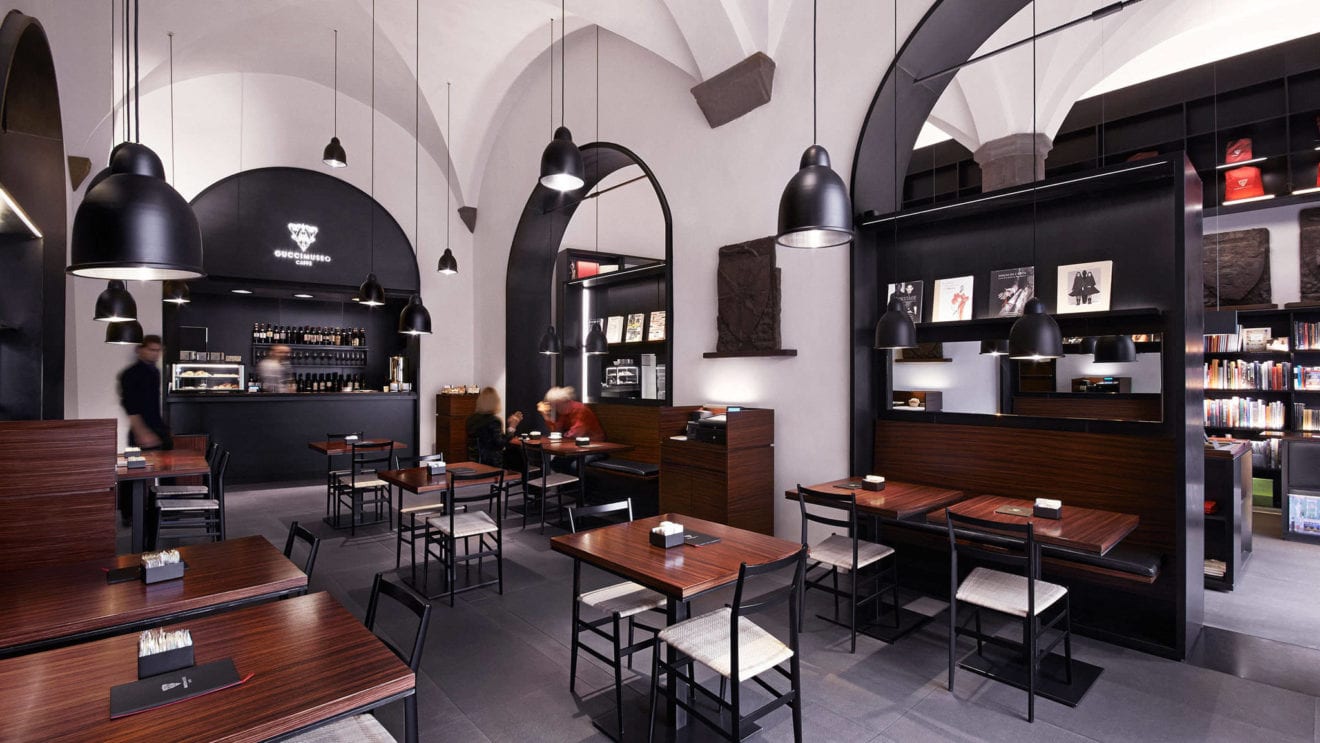
    Iconic fashion brand Gucci, for example, opened 1921 Gucci in Shanghai iAPM, which is owned by Sun Hung Kai Properties in the Pudong financial district of the city.

    “This is the luxury brand’s first fine dining restaurant in the world,” Maureen Fung Sau-yim, director of Sun Hung Kai Development (China), a unit of Sun Hung Kai Properties.

    The 360 square metres shop has received a good response since opening about three months ago, said Fung.

    The luxury restaurant is aimed to enhancing customers’ intrinsic aspirations which plays a role in luxury consumer behaviour. It would become part of a trend as mainland Chinese have been changing their shopping habits, she added.

    Adding an F&B component in stores enables luxury retailers to provide their consumers with a more complete experience in which they can shop, relax and socialise, said international property consultant CBRE.

    It cited another example in Cafe Dior by Pierre Hermé on the top floor of Christian Dior’s flagship store in Seoul. It helps transition the brand from being totally fashion-oriented to more lifestyle-driven.

    In its report known as The Future of Luxury Retail in Asia Pacific, CBRE said most major luxury retailers are now well established in the Asia Pacific region with mainland China and Hong Kong being two of the most penetrated markets at 89 per cent and 81 per cent, respectively.

    “However, the high growth period for luxury retailers in the region is gradually coming to an end,” said Henry Chin, Head of Research, CBRE Asia Pacific.

    Apart from food and beverage, CBRE has identified other emerging trends such as childrens’ wear and the growth of the affordable sector, anticipating that they will partially offset some of the negative effects caused by China’s slowdown and compensate for the loss of demand.

    As of 2014, Asia Pacific was home to 807 million people aged below 14, representing more than 20 per cent of the total population, offering an enormous opportunity for growth in this segment.

  • Restaurateurs see opportunities in Hong Kong as retail rents slip

    Restaurateurs see opportunities in Hong Kong as retail rents slip

    After waving goodbye to the boom in mainland Chinese arrivals, Hong Kong’s retail leasing market is refocusing on broad-based, local consumption, including food and drink.

    Hong Kong shopping streets are changing as luxury shops, including watch, handbag and jewellery retailers, close stores, and restaurateurs see opportunities.

    “New dining brands entering Hong Kong in the past year were pretty successful,” said Helen Mak, retail services group head at Colliers International. “Celebrity chefs like Gordon Ramsay and Jamie Oliver have just opened their second restaurants in Hong Kong recently.”

    Hong Kong retail sales fell for six straight months to the end of August as mainland tourists spent less. Luxury retailers have been scaling back their operations as a result. New dining brands entering Hong Kong in the past year were pretty successful.

    According to data from DTZ, in the first eight months of this year high street rents declined by 29 per cent year on year in Causeway Bay and by 34 per cent in Tsim Sha Tsui.

    In September, cosmetics retailer Colourmix paid 60 per cent less than the former tenant, luxury Swiss watch brand Jaeger-LeCoultre, to take its space in Causeway Bay’s Russell Street, one of the most expensive shopping strips in the world.

    High street rent in Hong Kong’s four top shopping districts, including Causeway Bay and Tsim Sha Tsui, surged as much as 213 per cent from 2003 to 2014.

    “Restaurant rents are much more stable than storefront luxury shop rents,” said Kevin Lam, DTZ’s head of business space. He said restaurant rents in the four top shopping districts had grown by an average of about 10 per cent a year since 2010.

    “Dining out is already an integral part of Hong Kong culture and Hong Kong people love to welcome food from different countries,” Mak said. “Even for mainland visitors, they may shop less but they won’t give up the food experience in Hong Kong. The future of dining business is promising here.”

    She said many dining brands outside Hong Kong, including some from Europe, the United States, South Korea and mainland China, wanted to expand here and were looking for places to rent. Popular mainland hotpot brand HaiDiLao is among them.

    “Shop owners used to be too reliant on luxury shops,” Mak said. “Now we finally have a supply of spaces for other business.”

  • Thai events organiser taps into Myanmar’s showbiz potential

    Thai events organiser taps into Myanmar’s showbiz potential

    Co-chief executive officer Kriangkrai Kanjanapokin said yesterday Myanmar was transforming into a new era of development that needed infrastructure, real-estate projects, accommodation and transport.

    This presented a huge opportunity for foreign investors, including Thai enterprises.

    Through its joint-venture company ICVeX based in Yangon, Index Creative Village will next year hold “Myanmar FoodBev” and “Myanmar Retail Expo” from August 18-20 and the third edition of “Myanmar Build and Decor”, from October 6-8 at Myanmar Event Park, which is owned and managed by business partner Forever Group.

    Kriangkrai said the construction industry in Myanmar was growing fast, with a compound average growth rate of 20 per cent. The residential and infrastructure sectors comprise almost 80 per cent of the industry, especially residential projects, which account for 49 per cent of investment value.

    According to the Myanmar Department of Human Settlement and Housing Development, only 7,000 houses are currently being constructed but annual demand appears to be around 20,000 units. The government has indicated its willingness to cooperate with the private sector in the construction industry in key cities such as Yangon and Mandalay while carrying out construction in other areas of the country using government loans.

    “We hope that ‘Myanmar Build and Decor’ will be a platform that enables Thai companies related to the construction industry to meet local developers for greater cooperation,” Kriangkrai said.

    He also said there were lots of opportunities for retail business, which was being transformed from traditional to modern trade.

    To cash in on this transformation, major retailer Siam Makro is reportedly keen on expanding its business in Myanmar.

    However, Kriangkrai believes that traditional shops will also look at improving their service with new equipment and management systems from Thai companies on display at Myanmar FoodBev and Myanmar Retail Expo.

    Apart from trade fairs, the company has also formed a joint venture with Suravath Pinsuwanbutr, the owner of Myanmar Alliance Travel and Tours, to offer marketing service for brands and products.

    This service includes organising direct marketing, product demonstrations at points of sale, on-the-ground event and lucky draws.

    Suravath said that after operating for two months, the JV had secured seven or eight projects. The tourism business is another area that Index Creative Village wants to focus on in the near future.

    After entering a partnership with Bagan Myanmar, a travel and hotel operator, the company invested Bt50 million on light and sound equipment for the “Dandaree” cultural show. Kriangkrai hopes the show will hit break-even point within four or five years. Next year, he plans to introduce this show to international tourism operators at the “Asia Tourism Forum” in the Philippines, “ITB Berlin” in Germany and “World Travel Market” in Britain.

    He said he was in talks with another company based in Yangon that is keen on a similar cultural show.

  • Japanese Comics Digital Bookstore “MangaMon” Launched in Indonesia

    Japanese Comics Digital Bookstore “MangaMon” Launched in Indonesia

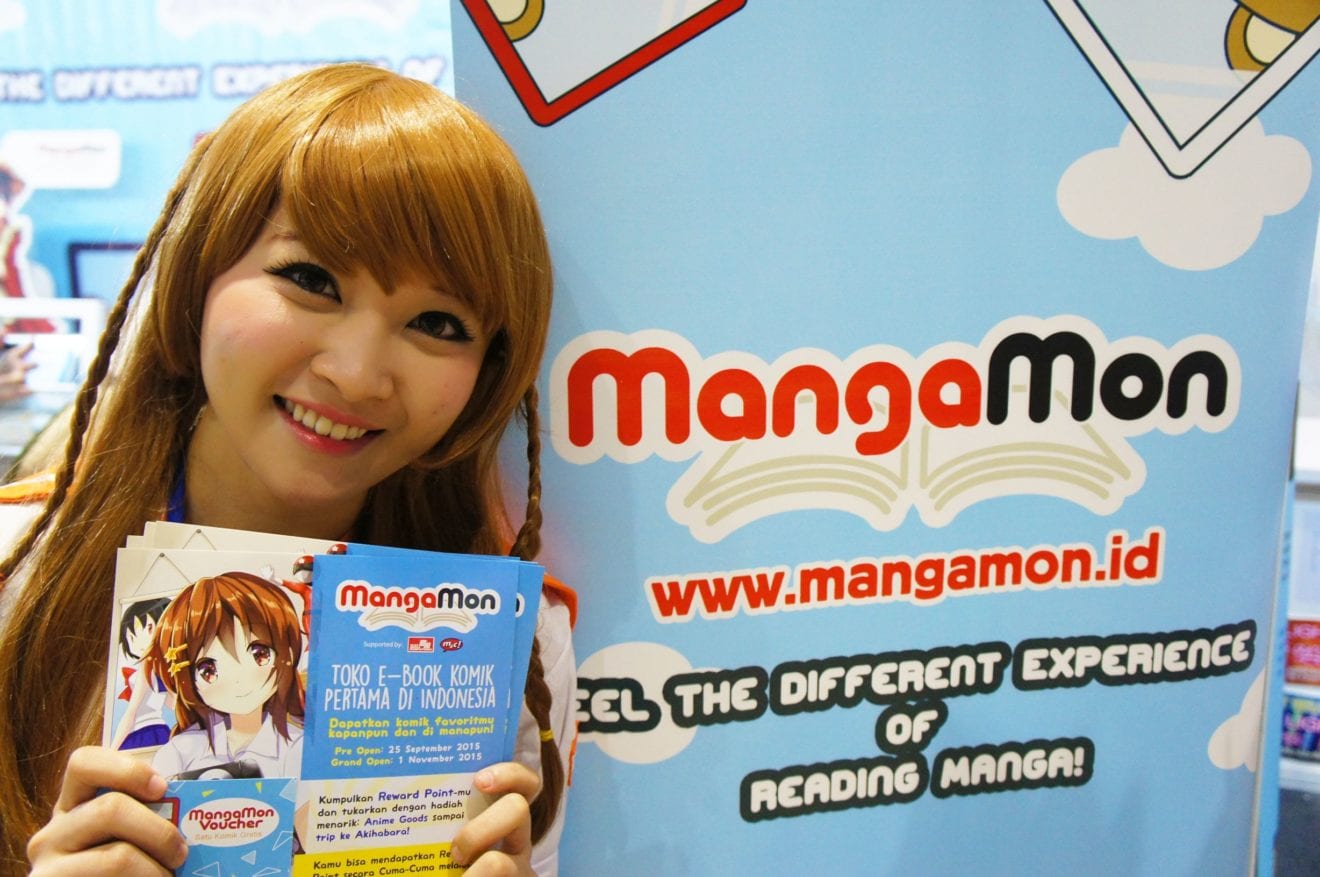
    eBOOK Initiative Japan Co., Ltd., who operates ebook-selling website, “eBookJapan,” which boasts the largest line-ups of the digital comics in Japan, has launched the Japanese comics digital bookstore, “MangaMon” on November 1st.

    “MangaMon” url: https://www.mangamon.id/

    “MangaMon” proudly introduces the properly-licensed Japanese comics in digital form (i.e. “ebook”) that are translated into Bahasa-Indonesia in collaboration with Kompas Gramedia group publishers: Elex Media Komputindo and m&c!.

    At the same time, “MangaMon” focuses on Japanese entertainment portal site by providing the cutting-edge news from Japan and by offering various events. The three main features of MangaMon are as follows:

    Japanese comics digital bookstore translated into Bahasa-Indonesia

    [Line-up]
    MangaMon has a vision to offer all of the major Japanese comics. The line-up includes “Angel Heart” which is a very hot topic now in Japan after being made into TV drama. We will soon increase the line-ups published by various major publishers in Japan.

    [Payment method]
    Users can pay by credit card, mobile carrier charge, and internet banking online, as well as through offline such as ATM and convenience stores, which are available on 100,000+ places.

    [Reading]
    Comics bought on MangaMon can be read in smartphones, tablets, and PCs. Apps (free of charge!), which are made available for Android, iOS and Windows, will make users read offline after downloading the ebooks. Furthermore, users don’t have to use the apps should they use browser and connect to internet.
    (Supports Android from ver. 4.0.0 and from iOS 6)

    Various alliances with all players related to entertainments

    “MangaMon” is committed to foster Japanese entertainment portal function in Indonesia by making alliance with all player related to entertainment field.

    “MangaMon” is launched in Indonesia by collaborating with Kompas Gramedia group publishers of Elex Media Komputindo and m&c!. It also features Japanese pop culture news by forming alliance with Jurnal Otaku INDONESIA and KAORI Nusantara.

    MangaMon shall further endeavor to form various alliances with Mass media such as TV, radio and magazines, Publishers, Game providers, Talent agencies, and chain of café, as well as Event organizers, Manga circles in universities, Famous cosplayers, and Influential bloggers in Indonesia.

    “MangaMon” has started to form alliances in Japan too with companies who introduce Japanese pop culture abroad such as; Tokyo Otaku Mode Inc. who runs “Tokyo Otaku Mode”, ALL BLUE inc. who runs “Tokyo Girls’ Update”, IID, Inc. who runs “Anime!Anime!”. We plan to run cooperative campaigns and contents provisions.

    A lot of delightful events and campaigns

    • Variety of contests aimed at offering the chance for creation
    “MangaMon” plans to host many kinds of contests; Comic contests, Cosplay contests, Character illustration contests, etc. to provide chances of creative activities for new talents. The judges in the first comic contest are editors from Elex Media Komputindo, m&c! and publishers in Japan.

    • Luxurious prizes for accumulated rewards points
    “MangaMon” offers a rewards points system which you can exchange to goods and vouchers. Users can earn points through four types of opportunities; buying ebooks, tapping the “likes” for books and reviews, answering the questionnaire, getting “likes” pressed for your reviews. For every point stage, we will offer more than 20 kinds of prizes, including a lottery for a 7 days tour to Japan.

    Enjoy the new service of “MangaMon,” which shall boost the entertainment market in Indonesia.

    Social Networks
    Facebook: https://www.facebook.com/mangamon.id
    Twitter: https://twitter.com/mangamon_id
    Instagram: https://instagram.com/MangaMon_id/

  • Lazada’s Marketplace offers merchants a wide one-stop retail gateway

    Lazada’s Marketplace offers merchants a wide one-stop retail gateway

    Lazada Marketplace in the region accounted for 80 per cent of the company’s Gross Merchandise Value (GMV) or overall sales as at the end of August 2015.

    Alessandro Piscini, CEO of Lazada Thailand, said Lazada Marketplace was the engine of the company’s growth, attracting local merchants who were reaping the rewards of partnering with Lazada.

    “We can fulfil all customer shopping needs effortlessly on their behalf, and added to our committed investments in logistics, tech development and payment solutions, no other eCommerce player can offer a similar one-stop retail gateway to Thai merchants,” said Piscini.

    As e-commerce continues to grow in Thailand, Lazada marketplace offers opportunities for both new and experienced sellers to reach new markets, benefit from Lazada’s support in advertising their goods and monitor critical data on how their store is performing. With more than 4.5 million daily visits to its sites and close to 100 per cent geographical distribution coverage, Lazada has become the clear choice for sellers throughout Southeast Asia, said Piscini.

    Since opening to local merchants, over 7,000 Thai businesses have chosen to sell their goods at Lazada Marketplace, supplementing products from established brand names such as Tesco Lotus, L’Oreal and Philips.

    Sellers are well-supported by Lazada’s end-to-end model that takes care of their needs from order to delivery, and they also benefit from having direct access to Lazada’s established customer base, infrastructure and analytics.

    The Seller Centre, for example, provides a one-stop online platform to manage inventory, pricing, promotions and orders, with a recently released Seller Centre Android app adding enhanced search, notifications of new orders and sales performance, helping marketplace sellers manage their business on-the-go.

    Small and medium business can also tap into Lazada University to equip themselves with marketing tools in order to increase their visibility online and maximise profits.

  • M1 launches M2M platform and solutions

    M1 launches M2M platform and solutions

    Strategic partnerships with multiple technology providers to deliver a wide range of smart M2M solutions for transport, retail, healthcare and security sectors.

    Singapore – M1 Limited (M1) today announced the launch of its advanced M2M (machine-to-machine) platform, M1 M2M Connect. Through M1 M2M Connect, corporate customers will be able to access, track and manage all their connected devices conveniently, from any authorised computer or mobile phone. They will also be able to set and change business rules, perform device troubleshooting and obtain detailed reporting of all M2M activities.

    Additionally, M1 has partnered multiple technology providers, including Aerolion Technologies, Napier Healthcare Solutions, Quantum Inventions, and Parametric Technology to introduce customised solutions to meet the needs of Singapore’s transport, retail, healthcare, and security industries, and enable more customers to enjoy the benefits of a M2M rollout on Singapore’s fastest 4G network¹.

    According to a recent Forbes² article, connected devices are expected to grow from 10 billion today to as many as 30 billion devices by 2020, deployed across homes, offices, and public spaces worldwide. At the M2M platform launch event today at the St. Regis Hotel for corporate customers, M1 and its partners demonstrated several innovative solutions, including smart healthcare monitoring solutions, and how security firms can deploy drones to stream real-time surveillance video over protected premises.

    Mr Willis Sim, Chief Product Development & Corporate Solutions Officer, M1, said:

    “Much has been made of the benefits of M2M and the Internet of Things. To make it even easier for our customers to leverage on M2M technology, we engaged them to understand their needs, and worked with our partners to develop and offer effective solutions that improve our customers’ productivity, lower their costs and help them tap on new market opportunities.”

    “M1 is a leader in communications infrastructure and we are excited to be their strategic partner. Our relationship has been proven to be successful during the lab trials for the Smart Nation program. Consequently M1’s leading edge connectivity solutions form the backbone of our Home Care solution making it really affordable for our elderly population. Taking preventive healthcare one step forward, this solution provides the chronically ill with on-demand access to healthcare service providers who can help monitor and maintain their health,” said Mr Tirupathi Karthik, Chief Executive Officer, Napier Healthcare Solutions.

    M1 is Singapore’s most vibrant and dynamic communications company, providing mobile and fixed services to over 2 million customers. Since the launch of commercial services in 1997, M1 has achieved many firsts, including the first operator to offer nationwide 4G service, as well as ultra high-speed fixed broadband, fixed voice and other services on the Next Generation Nationwide Broadband Network (NGNBN). With a continual focus on network quality, customer service, value and innovation, M1 links anyone and anything; anytime, anywhere. For more information, visit www.m1.com.sg.
  • Thailand’s Consumer Sentiment Sees First Improvement in 10 Months in October

    Thailand’s Consumer Sentiment Sees First Improvement in 10 Months in October

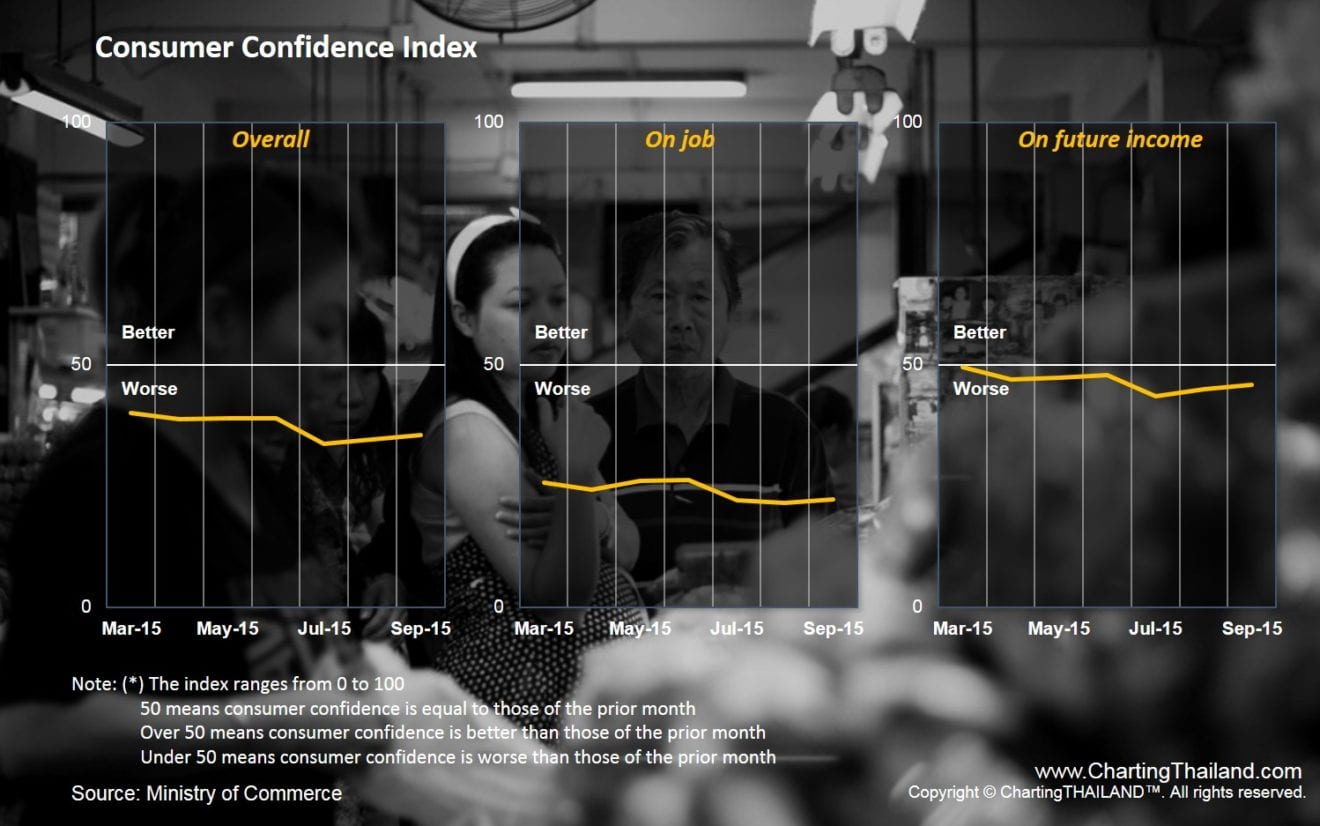
    Thailand’s consumer sentiment recovered for the first time in 10 months in October, thanks to the government’s continued introduction of economic stimulus measures.

    The University of Thai Chamber of Commerce said Thursday that the consumer confidence index rose to 73.4 in October from 72.1 in September, when the index hit its lowest level in 16 months. The monthly consumer confidence report is based on a survey of 2,244 respondents.

    Thanavath Phonvichai, director of the university’s Economic and Business Forecasting Center, told a news conference that the government’s continued introduction of a series of economic stimulus packages has helped boost consumer confidence.

    In the past few months, the Junta-installed government has unveiled a number of short-term economic stimulus measures, including a 136 billion baht ($3. 8 billion) package aimed at low-income households, a 10 billion baht ($282 million) budget to boost the property sector and new tax incentives for the private sector to speed up or increase investments.

    Deputy Prime Minister Somkid Jatusripitak, who is in charge of the economy, said this week that the government is confident that all measures will start yielding fruit from the fourth quarter of this year.

    Mr. Thanavath of the Thai Chamber of Commerce University said falling retail oil prices and a rebound on the Thai stock market have also helped improve sentiment.

    However, he noted that while the university believes the country’s economy might have bottomed out, its growth outlook remains fragile.

    The government has forecast the Thai economy will grow between 2.7% to 3.2% in 2015.

  • SingPost’s Q2 profit up 38.5% at S$53.4 million

    SingPost’s Q2 profit up 38.5% at S$53.4 million

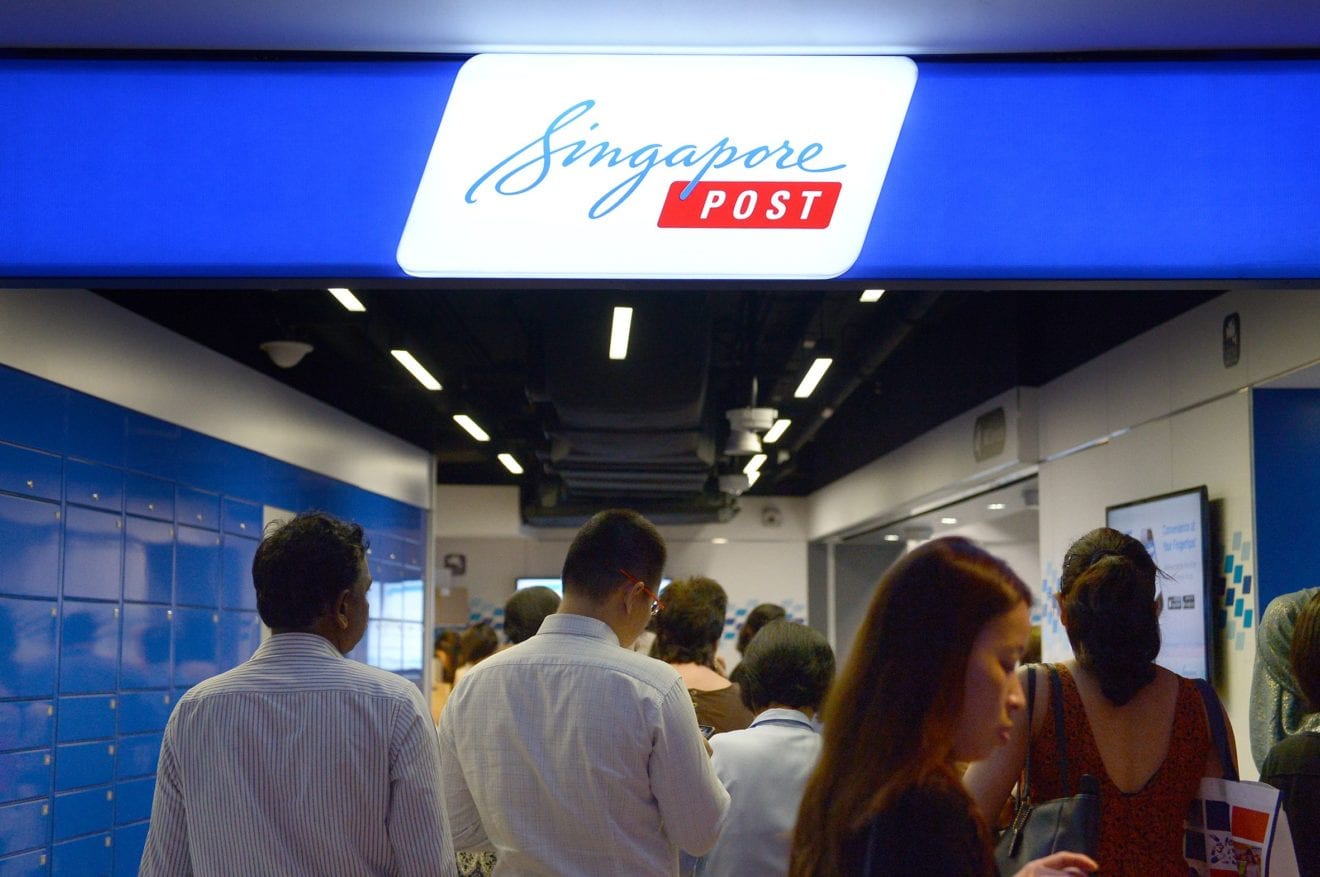
    Postal services firm Singapore Post (SingPost) yesterday reported a 38.5 per cent surge in net profit for its fiscal second quarter, boosted by divestment gains and continued growth in its logistics and e-commerce businesses.

    Net profit amounted to S$53.4 million for the three months ended Sept 30, up from S$38.6 million in the corresponding period a year earlier, SingPost said. Revenue increased 19.4 per cent year-on-year to S$263.2 million.

    The nation’s postman said revenue from its traditional mail business dropped by 5.6 per cent year-on-year to S$116.5 million, following the divestment of DataPost. Excluding the impact of the divestment, mail revenue remained stable, said SingPost.

    Logistics revenue rose by 43.3 per cent to S$156.1 million on the back of growing contributions from e-commerce activities and the inclusion of new subsidiaries. Revenue from the retail and e-commerce segment was 7.1 per cent higher at S$23.9 million.

    SingPost chief executive Wolfgang Baier said the company will continue its push into the two areas of logistics and e-commerce to drive growth. “Mail volumes are coming down domestically and regionally, and we look at other fronts to compensate,” he said.

    Last week, SingPost unveiled plans to develop, by mid-2017, a S$150 million e-commerce retail mall, a Singapore first that will combine bricks-and-mortar shops and online shopping.

    Other key developments in recent months included Alibaba buying an additional 5 per cent stake in SingPost for S$187.1 million to raise its shareholding to 14.5 per cent. The Chinese e-commerce giant also announced it would invest up to S$92 million for a 34 per cent stake in Quantium Solutions International, a SingPost subsidiary that provides e-commerce logistics in the Asia-Pacific region.

    In September, SingPost used a drone to deliver a packet containing a letter and a T-shirt from Lorong Halus to Pulau Ubin in about five minutes.

    It said the trial marked the first time a postal service in the world had successfully used an unmanned aerial vehicle for “point-to-point recipient-authenticated mail delivery”.

    In October, SingPost entered into conditional agreements to acquire majority stakes in logistics provider Jagged Peak and end-to-end e-commerce firm TradeGlobal Holdings for about S$22.5 million and S$236 million, respectively. “As SingPost continues its transformation to build a strong second wing in the e-commerce logistics space, the focus in the coming months will be on post-merger integration and extracting synergies from its new acquisitions,” the group said.

    SingPost shares fell 0.3 per cent to close at S$1.89 yesterday ahead of the results announcement. Angela Teng

  • Marie France Van Damme Announces The Opening Of Its Fifth Boutique In Singapore In November

    Marie France Van Damme Announces The Opening Of Its Fifth Boutique In Singapore In November

    Marie France Van Damme, the Hong Kong-based designer known for her globally influenced line of luxury resort, swim, and ready-to-wear, announced today the opening of a fifth boutique in Singapore’s Takashimaya Shopping Centre in November 2015. Since launching in 2011, Marie France Van Damme continues to expand her presence worldwide, focusing on cities that not only inspire the designer, but also appeal to her sophisticated, jet-set clientele.

    “From a global perspective, this is a milestone for the brand. We are excited to bring the Marie France Van Damme collection to life in this vibrant city,” said Marie France Van Damme. “I couldn’t imagine a better location for our first store in Singapore.”

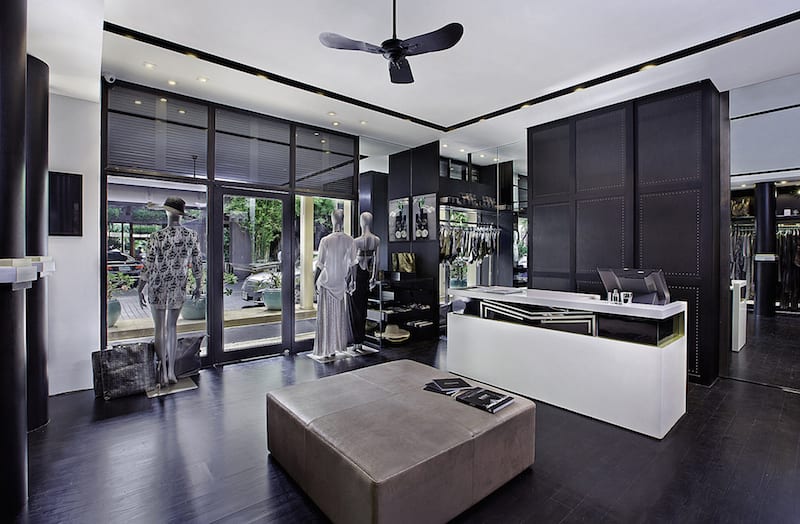
    Located on the third floor of the Takashimaya Shopping Centre on Orchard Road, the 1000 square foot boutique will evoke Marie France Van Damme’s signature style, which blends subtle Asian influences and elegant simplicity. Also available at the boutique will be the brand’s assortment of accessories, including candles, handbags and a special home collection created exclusively for this location.

    Marie France Van Damme will celebrate the flagship opening with several events in the Fall 2015.

    The company currently has 100 retail locations. The Singapore store will mark the company’s fifth branded boutique worldwide. Marie France Van Damme opened her first store in 2013 at the International Finance Center (IFC) in Hong Kong.

    About Marie France Van DammeMarie France Van Damme is a Canadian-born, Hong-Kong based fashion designer, celebrated hostess and author, whose luxury lifestyle resort wear brand is inspired by her travels and personal style. Marie France Van Damme introduced her eponymous label in the summer of 2011.  The Marie France Van Damme line is defined by an edited collection of elegant and seasonless staples with every piece designed to transition seamlessly from city to resort.

    Marie France Van Damme is available at her other retail locations in Hong Kong, Bangkok, Phuket and London, Bergdorf Goodman, Harrods, Selfridges, Saks Fifth Avenue, Neiman Marcus and exclusive resorts such as Amanresorts and the One & Only.  She is also the author of the coffee table book RSVP: Simple Sophistication, Effortless Entertaining (Thames & Hudson) featuring her effortless style and entertaining tips with photographs by Herbert Ypma of the Hip Hotels series. 

  • Estée Lauder Q1 2016 fiscal sales +8% to $2.83bn

    Estée Lauder Q1 2016 fiscal sales +8% to $2.83bn

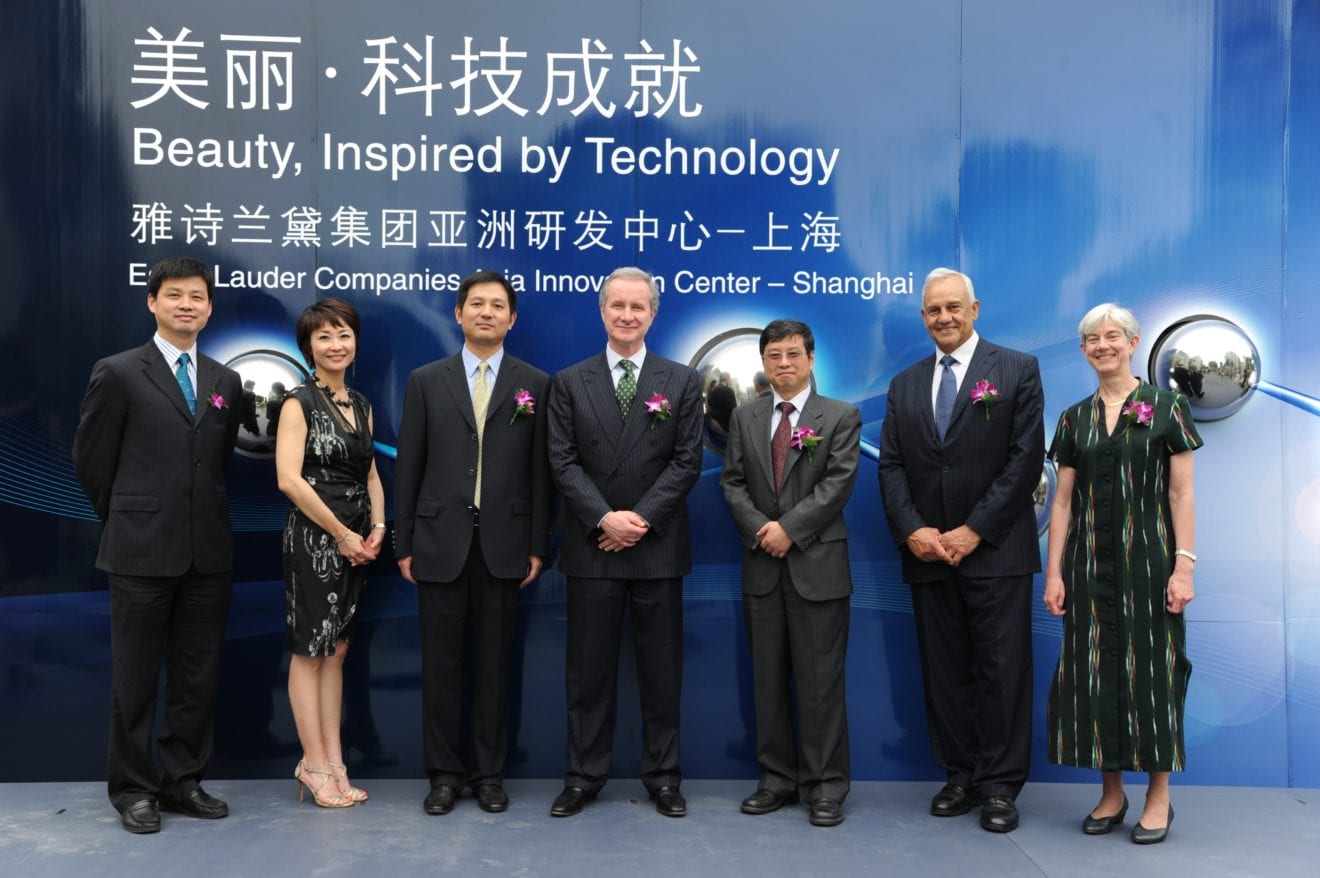
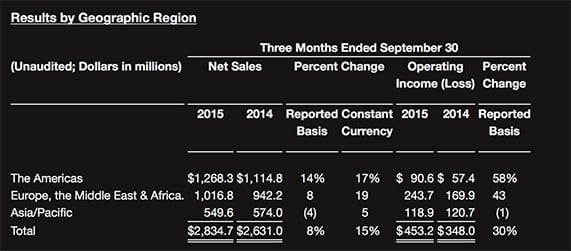
    The Estée Lauder Companies reported strong financial results today for Q1 ended September 30, 2015/16, achieving net sales of $2.83bn – up +8% against $2.63bn achieved in the prior-year quarter.

    Net earnings rose +36% to $309.3m compared with $228.1m in the comparative periods, while diluted net earnings per common share increased by +39% to $0.82, compared with the $0.59 reported in the prior year. For the quarter, the negative impact of foreign currency translation on diluted net earnings per common share was $0.11.

    Excluding the impact of foreign currency translation, net sales increased 15% and diluted net earnings per common share rose 58%.

    Within the huge beauty organisation, travel retail benefited from new launch initiatives, the rise in global airline passenger traffic and expanded distribution, as net sales rose due to favourable comparison of accelerated orders. Otherwise, travel retail net sales declined, reflecting weaknesses in some key foreign currencies, which in turn impacted upon the mix of travellers and their consumption patterns.

    Accelerated retailer order effects

    Back with the beauty company globally, Lauder’s fiscal first quarter 2015 included the effect of accelerated retailer orders, creating a favourable comparison with the fiscal 2016 first-quarter results. The company says that adjusting for the impact of the aforementioned accelerated orders, net sales and diluted earnings per common share in constant currency for the quarter ended September 30, 2015 would have increased by 8% and 16%, respectively.

    Fabrizio Freda, President and CEO, said: “We began the fiscal year delivering 8% adjusted constant currency sales growth. We achieved this strong performance by leveraging our multiple engines of growth, driven by our broad portfolio of prestige brands, which is diversified by category, geography and channel.

    “Our results this quarter were led by our luxury and makeup brands, Europe, where every country posted gains, emerging markets, and online, specialty-multi and freestanding store channels. Our strong earnings per share reflected the strong sales gains and our ability to leverage those sales through cost saving initiatives and continued financial discipline.

    “These results demonstrate the balance we have achieved, as well as our success in navigating significant currency headwinds and slower growth in certain markets, like Greater China, by focusing on opportunities within our control and strategically investing to further build our brands to drive future growth.

    “As we look toward the upcoming holiday shopping period, we are well-positioned with a strong array of new products and gift offerings across our brands and categories. We will continue to execute our long-term plan with strategic investments in high potential, high return areas of our business.

    “This focus on supporting those areas of proven growth is expected to drive sales momentum throughout the fiscal year to achieve strong bottom line results. With the strong start to the year and the opportunities we see ahead, we are raising our forecasted adjusted constant currency earnings per share growth to 10% to 12% for the full 2016 fiscal year.”

    Looking at the various product sectors, Skin Care net sales increased, due to the favourable comparison related to earlier accelerated orders. Contributing to the category’s sales were higher sales from La Mer and Origins, plus incremental sales from recent acquisitions.

    Unfavourable currency translation

    Lauder added that partially offsetting these increases were the unfavourable impact of foreign currency translation and lower sales from Estée Lauder reflecting softness in China and Hong Kong, due to difficult retail environments, as well as from Clinique, due to a difficult comparison with greater launch activity in the prior-year period.

    Sales declines from these two brands were partially offset by recent launches, such as New Dimension products from Estée Lauder and Clinique Smart moisturisers. Operating income also increased, driven by earlier accelerated orders. Excluding this impact, skin care operating income declined, primarily reflecting lower results from Estée Lauder, partially offset by higher results from La Mer.

    In the Makeup sector higher sales were recorded thanks to ‘excellent growth’ from the company’s makeup artist brands and strong double-digit growth from Smashbox and Tom Ford. Better sales resulted from new product offerings, as well as expanded distribution in a number of channels, including freestanding retail stores, travel retail and specialty multi-brand retailers.
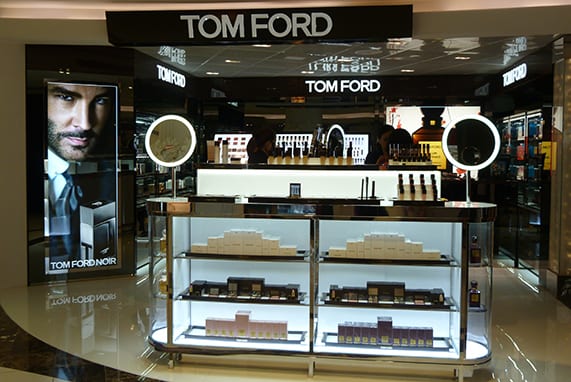
    Tom Ford DFS T Galleria Waikiki

    A Tom Ford store execution at DFS Group’s T Galleria Waikiki in Honolulu.

    Estée Lauder and Clinique posted higher makeup sales, with the Lauder increases primarily due to new launches such as Pure Color Envy liquid lip potion and Double Wear Makeup to Go liquid compact. New product offerings from Clinique – such as Beyond Perfecting foundation and concealer – contributed sales gains, with higher sales from Clinique driven by earlier accelerated orders. Excluding this impact, Clinique makeup sales fell due to unfavourable foreign currency translation.

    Lauder says that the beauty company’s overall makeup category is experiencing strong growth in product areas such as lipsticks and foundations, as well as increased prestige makeup usage in Asia, with increased makeup operating income due to the Estée Lauder and other brands.
    Lauder Q1 fiscal results

    Turning to Fragrance, ELC’s sales increase primarily reflected strong double-digit gains from its luxury brands, including Jo Malone London and Tom Ford, plus higher sales recorded from the Aramis and Designer Fragrances division, and incremental improvements from recent acquisitions. Sales growth was attributable to new product launches and expanded distribution.

    In the Hair Care sector, the category’s growth benefited from expanded global distribution, primarily in salons, freestanding stores and travel retail for Aveda and from specialty-multi brand retailers for Bumble and bumble. However, Hair care operating income decreased, due to higher investment spending to support new and existing products and expanded distribution.

    Turning to sales in The Americas, business in North America was very healthy reflecting sales growth from virtually every brand, led by double-digit growth from some of ELC’s makeup, luxury and designer fragrance brands, plus solid growth from hair care brands.

    Double-digit online business increase

    The beauty company adds that this was driven in part by new product introductions and expanded distribution, as well as the favourable impact of earlier accelerated orders. ELC’s online business also grew in double digits.

    Meanwhile, in constant currency, sales in Canada and Latin America rose in double-digits, with the strong growth in Latin America headed up by Brazil and Mexico, although both were significantly impacted by adverse foreign currency translation and reflected overall net sales growth primarily due to the expanded distribution of M•A•C.

    In addition, operating income in the Americas increased due to earlier accelerated orders. Operating results in the region reflected higher selling, advertising, merchandising, sampling and store operating costs. These were related to expanded distribution, product launches and in-store promotional activities, plus an increase in product development and research and development expenses. The operating results also reflect the negative impact of foreign currency translation.

    By contrast, countries in Europe, the Middle East & Africa all recorded constant currency sales growth, with most posting double-digit increases, led by the UK, France, Germany and Italy, and a number of emerging markets, including the Middle East, Russia and Turkey.
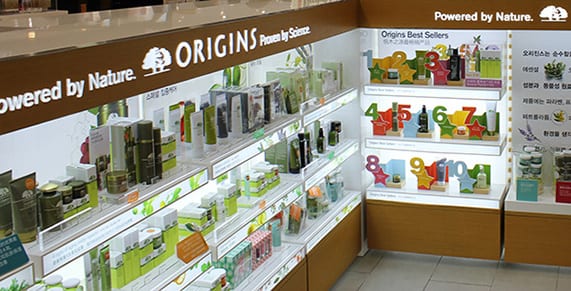
    001 aa origins lotte dwt seoul

    Origins seen here at the Lotte Duty Free flagship store in downtown Seoul, South Korea.

    As mentioned in the introduction, travel retail continues to benefit from new launch initiatives, an increase in global airline passenger traffic and expanded distribution. Net sales increased, due to the favourable comparison of the accelerated orders. Excluding this impact, travel retail net sales declined reflecting softness of some key foreign currencies affecting the mix of travellers and their consumption.

    In its analysis ELC estimates that it continued to outperform prestige beauty in most markets in the region, although foreign currency translation unfavourably impacted reported sales by 11%, due to the strength of the US dollar in relation to virtually all currencies in the region, with the largest impact affecting the UK, Russia, Germany and France.

    Operating income also increased, with higher operating results posted in travel retail, due to the accelerated orders, the Middle East, France, Benelux and Spain. Lower operating results were recorded primarily in South Africa and Central Europe.

    Meanwhile in the increasingly important Asia/Pacific region, sales increased in constant currency, with double-digit growth in Japan, Australia and the Philippines. The higher sales in Japan reflected, in part, the impact of earlier accelerated orders. Higher constant currency sales were also recorded in Korea and Taiwan.

    Growth stalled in Hong Kong, China and Singapore

    The beauty giant added that lower sales were reported in a few countries, including Hong Kong, China and Singapore, with previously reported social instability continuing to hit Hong Kong’s tourism and negatively impact business, particularly the Estée Lauder, Clinique and La Mer brands. As a result ELC says it remains ‘cautious of the near-term slower growth’ in this market.

    By contrast, lower sales in China were primarily seen in the Estée Lauder brand, as a result of a difficult retail environment, while most other brands posted solid sales growth in this market. Meanwhile, foreign currency translation unfavourably impacted upon reported sales by 9%, due to the strength of the US dollar in relation to most currencies in the region, with the largest impact affecting Japan, Australia and Korea.

    ELC said that in Asia/Pacific operating income fell slightly, led by lower results in China and Hong Kong, primarily due to the lower sales, and in China, also attributable to increased advertising, merchandising and sampling costs to support existing products. These results were partially offset by higher operating income in Japan and Taiwan.

    Looking forward, ELC is forecasting a net sales increase in the second fiscal quarter 2016 of between 6% and 7% in constant currency. Reflecting the strength of the US dollar, foreign currency translation is expected to negatively impact sales by approximately 5% to 6% versus the prior-year period.

    For the full fiscal year 2016 it is currently forecasting a ne sales rise of between 8% and 10% in constant currency and considering the strength of the US dollar, the foreign currency translation is expected to negatively impact sales by approximately 4% to 5% versus the prior-year period.
  • Mobile commerce on rise

    Mobile commerce on rise

    Mobile commerce in Thailand has continued to cement itself as a significant online marketplace thanks to the greater availability of high-speed wireless broadband internet and affordable smartphones, say global internet and online retail companies.

    Attractive mobile commerce campaigns by e-commerce operators is also attributed to the surge in mobile commerce.

    Compared with the US, Japan and South Korea, Thailand’s online retail industry remains tiny, accounting for less than 1% of the total retail market, Lazada Thailand chief executive Alessandro Piscini told a seminar yesterday entitled “E-Commerce: The Secret Success for the Online Generation”.

    However, he said imminent fourth-generation commercial wireless broadband service was expected to boost the number of mobile internet users and lower mobile tariff rates.

    “Half of Lazada Thailand’s total online sales came from mobile phones, a five-fold increase from last year,” Mr Piscini said, adding that health and beauty products, mobile devices and fashion items were the top-three sellers.

    To further boost sales, Lazada Southeast Asia and its partners will hold its biggest sale of the year, Online Festival, from Nov 11 to Dec 12, providing up to 10 million products in 13 categories.

    Ratthasart Korrasud, senior director of the Electronic Transactions Development Agency (ETDA), said it encouraged retailers and manufacturers to comply with the UN Standard Products and Services Code, a taxonomy of products and services for use in e-commerce, for more efficient and accurate classification of products and services.

    The ETDA is also promoting the use of its online complaint centre among e-commerce users to ensure consumers’ trust and confidence in e-commerce.

    Wanna Swuddigul, director of digital and online business at Ek-Chai Distribution System, said local retailers must quickly expand to the online channel to accommodate rapidly changing consumer lifestyles.

    Thailand’s e-commerce is among Southeast Asia’s top three for growth potential thanks to its population, greater development of wireless infrastructure and Thais being highly engaged online.

    Tesco Thailand’s online sales, expected to account for less than 1% of total sales this year, are forecast to rise to 5% of the total by 2020, said Ms Wanna.

    Deepesh Trivedi, Facebook’s head of retail and e-commerce for Southeast Asia, said Thailand’s e-commerce would continue growing, driven mainly by the increasing number of mobile internet users.

  • In Singapore, queue for Balmain x H&M launch starts 3 days early

    In Singapore, queue for Balmain x H&M launch starts 3 days early

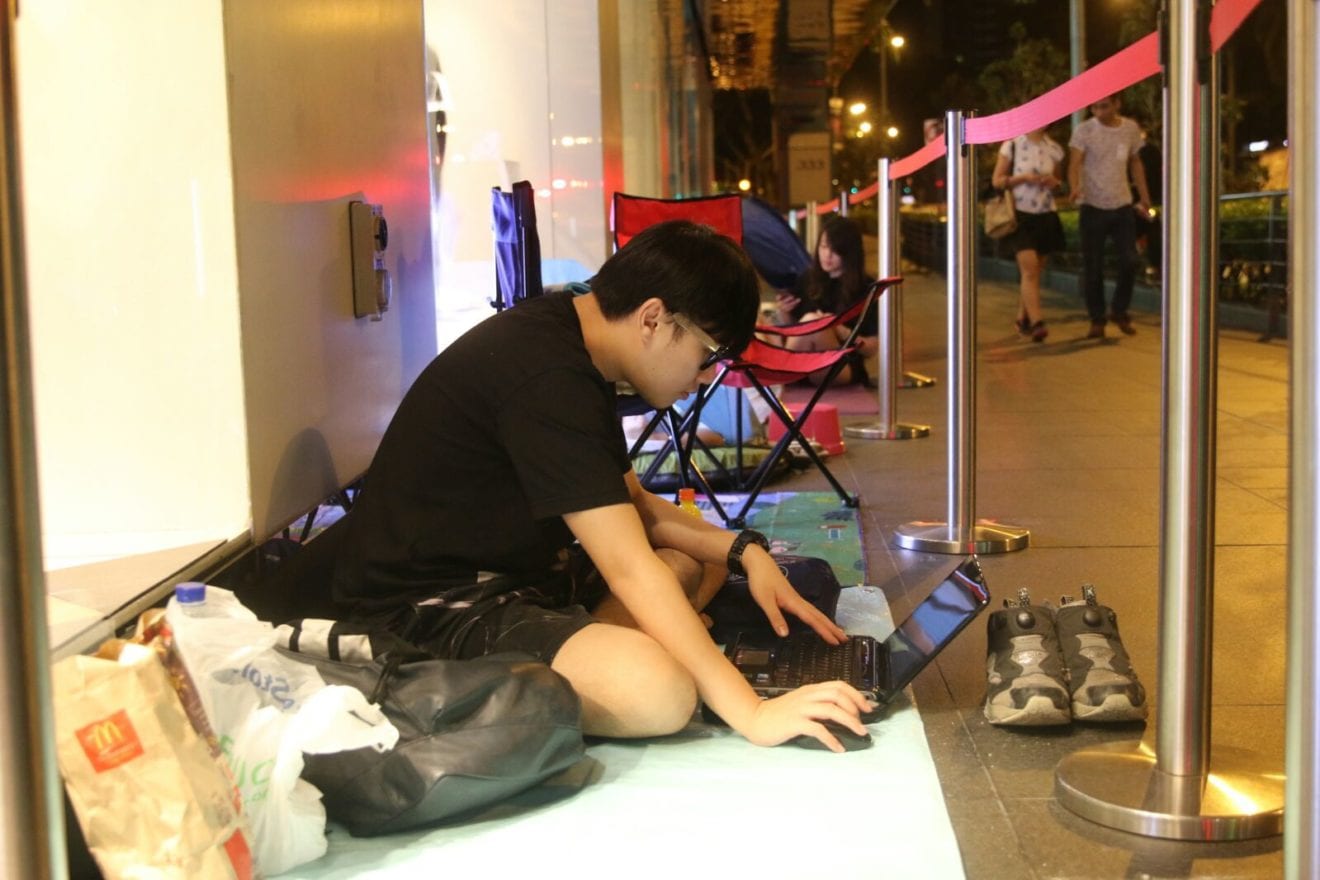
    The queue to get into H&M’s flagship outlet at Orchard Building for first dibs of the Balmain x H&M collection started on Monday (Nov 2), three days before the actual launch on Thursday.

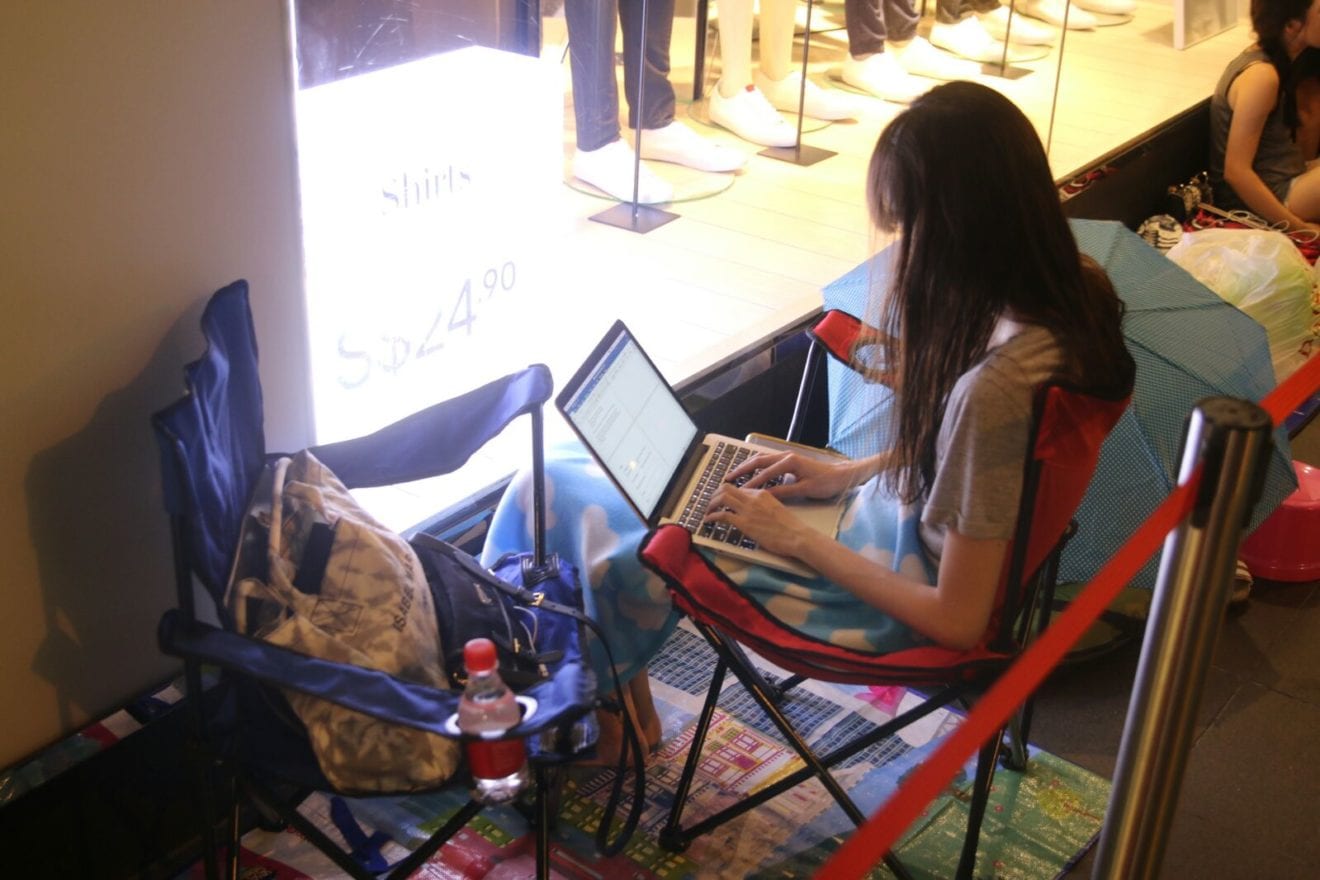
    There were nine people at the outlet just before midnight on Tuesday, many of whom were students holding their group’s place in the queue. First in line was 21-year-old Neo Jin Han, whose friend had started the queue at about 6.30pm on Monday evening.

    “(My friend) will take over at 8am tomorrow. After that we will wait out the night together until the launch,” said Mr Neo. He said that he was queueing as the collection was a way they could own something from the French label without having to part with large amounts of money.

    Another in line on Tuesday night was 25-year-old student Pei Wen, who was spending her time working on a school assignment.

    She told Channel NewsAsia she was aiming for an embellished dress and T-shirts, despite being let down by some of the T-shirt designs.

    “(The T-shirt collection) is quite disappointing,” she said. “The shirts have ‘Balmain Asia’ on them and Balmain is a French company. I think they were just trying to make it unique to this region.”

    Mr Neo begged to differ: “The T-shirts are what everybody wants.”

    The 109-piece collection, with tops starting from S$59.90 and dresses ranging from S$119 to S$899 a piece, will go on sale from 8am on Thursday. They will be available at the Swedish brand’s Singapore flagship store at Orchard Building, and its ION Orchard outlet.

    Despite it being understood that no queueing is allowed inside ION Orchard beyond the mall’s retail hours, a spokesperson for H&M said a queue has begun to form for the collection there as well.

    “During all our designer collaboration launches, we always have a systematic queue system with trained security guards and experienced store staff on standby to ensure the safety of all our customers,” said the spokesperson. “Queue poles will be set up once the first customer starts queueing.”

    The spokesperson added: “We worked closely with the management team of ION Orchard to ensure that the queue will be managed well and should customers choose to queue overnight, the same arrangements will be made.”

    According to the H&M app, purchases are limited to a maximum of one piece of each item per person to allow everyone to shop the new collection. It also stated that every group of 30 customers will be given a different coloured bracelet to determine when they will be allowed into the store. Each group only gets 10 minutes in the “shop-in-shop” area where the collection is displayed.

    “The allocated 10 minutes is implemented so that we can manage the crowd better, maintain fairness and shorten queue duration,” said the spokesperson. “The 10-minute window doesn’t include trying on of clothes and shoes as customers can do that at their own time when they exit the area.”

    According to H&M, more than 600 customers were in the line when the Alexander Wang x H&M collection opened last year.

  • ‘More choice, flexibility’ for all Singapore electricity users in 2018

    ‘More choice, flexibility’ for all Singapore electricity users in 2018

    The Energy Market Authority (EMA) is looking at ways to give all electricity users – including industries, small commercial consumers and households – greater flexibility and choice in their electricity consumption.

    To this end, the authority is working with industry stakeholders to “fully open the electricity retail market to competition” in the second half of 2018, said S Iswaran, Minister for Trade and Industry (Industry).

    He was speaking at the opening ceremony of the Singapore International Energy Week at Marina Bay Sands yesterday morning. More details on the plans for full retail competition will be announced soon, he added.

    A fully liberalised electricity market will give consumers the choice to buy electricity from electricity retailers under customised price plans, or from the wholesale electricity markets at prices that fluctuate every half-hour.

    Currently, only about 33,000 commercial and industrial consumers with an average monthly electricity consumption of at least 2MWh – which amounts to a monthly electricity bill of about $450 – benefit from this flexibility. This threshold was most recently lowered from 4MWh to 2MWh in July.

    The remaining 1.3 million consumers, mainly households, are on the regulated tariff with SP Services.


  • Airport Authority Hong Kong calls retail tenders at HKIA

    Airport Authority Hong Kong calls retail tenders at HKIA

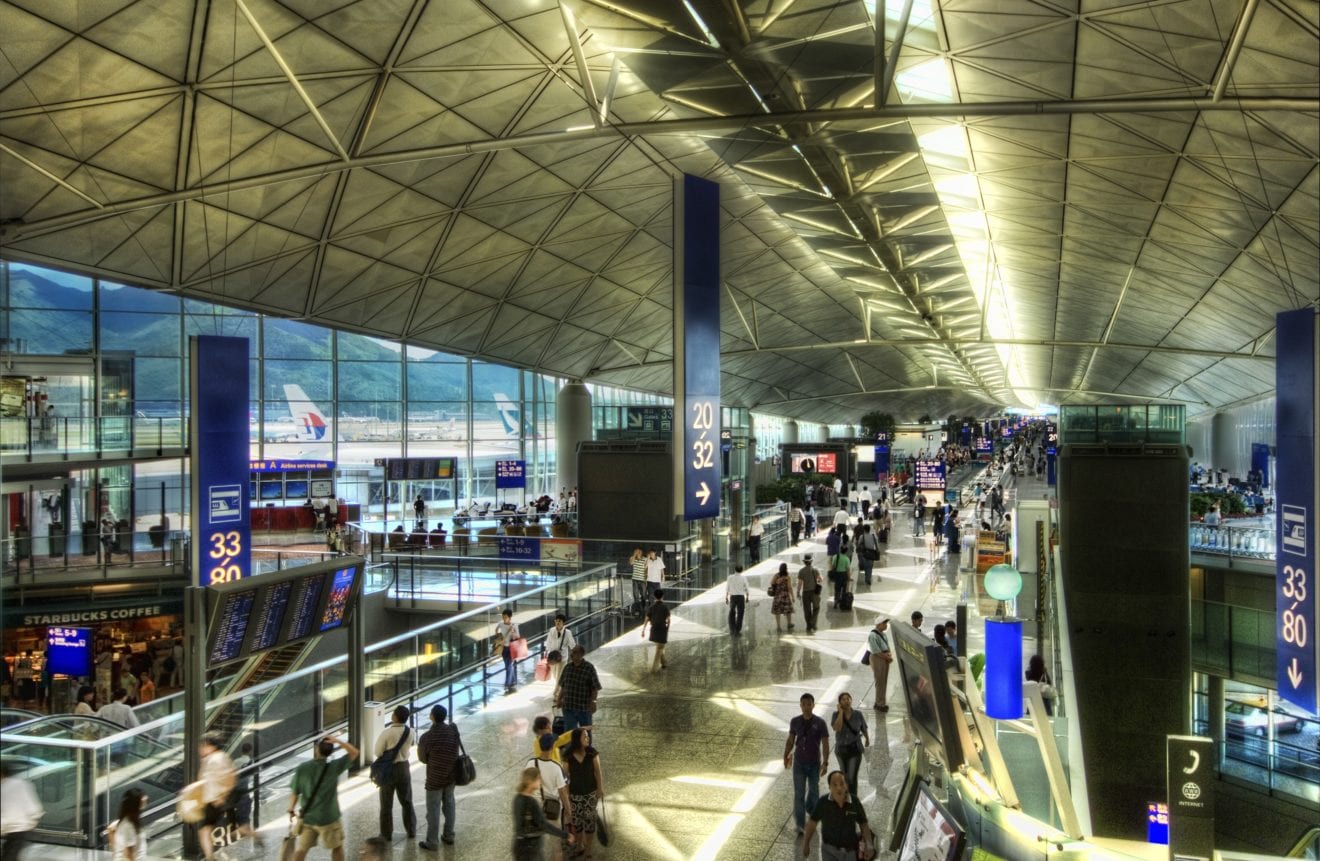
    Airport Authority Hong Kong has issued audio/visual/electronics, fashion and fashion accessories and gifts/souvenir/toys tenders at Hong Kong International airport.

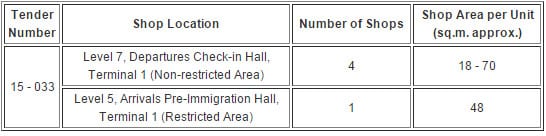
    Five consumer technology retail store concessions are available with a submission deadline of December 10. Four stores are located in terminal one departures check-in level seven and one in arrivals pre-immigration level five.

    The four T1 departure stores range from 18-70sq m with the arrivals store spanning 48sq m.

    Photo of Hong Kong airport gifts tender

    The airport, which serves over 100 airlines and handled 63.3 million passengers in 2014, an annual growth of 5.8%, said the stores represented an enticing opportunity to attract brands catering for  HKIA’s “affluent mix of passengers which come from all over the world, with over 45% being executives, professionals and proprietors.”

    Fashion and toys and gifts retailers have also been invited to bid for concessions. The deadline for submissions for the 50sq m fashion store in the north satellite concourse departures area is December 3, while interested parties have until November 5 to submit bids for a 48sqm toys and gifts store.

  • Aeropostale inks licensing deals in Thailand

    Aeropostale inks licensing deals in Thailand

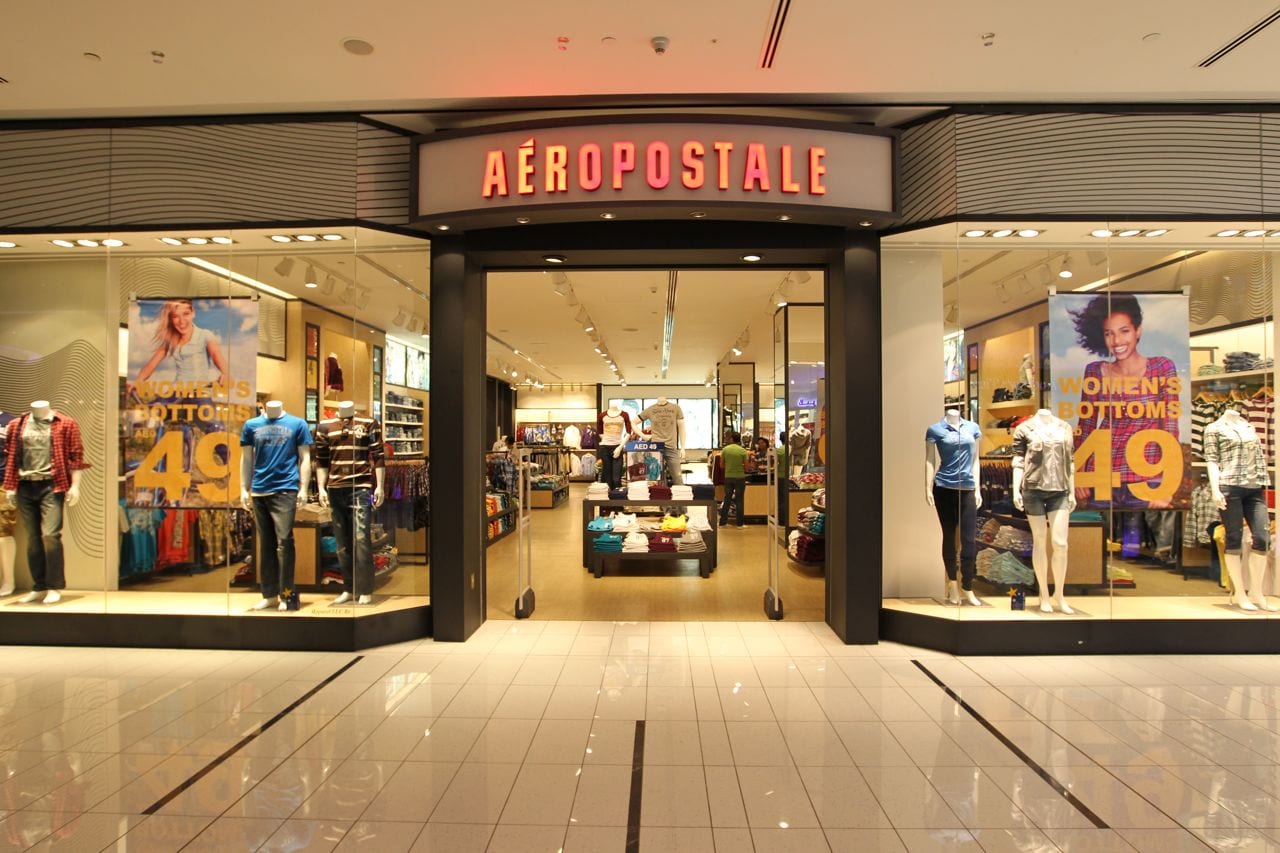
    US casual apparel retailer Aeropostale has signed two licensing deals that will see it expand in the Asia and the EMEA region, opening stores in Thailand and Egypt over the next five years.

    Through its deal with Robinson Department Store Public Company, Aeropostale plans to open 40 standalone and shop-in-shop locations in Thailand. The first will open in the Robinson Department Store in Sriracha.

    In Egypt, Aeropostale has signed a licensing agreement with Q and A Retail Company to open 40 standalone stores over the next five years.

    Aeropostale’s expansion plans in both locations are due to begin in early 2016.

    “Aeropostale’s international expansion began in Asia and the Middle East and it is with great pleasure that we announce further expansion across these key regions,” said CEO Julian Geiger. “Thailand and Egypt will be important markets as we continue to expand globally across Asia, the Middle East and Africa. We are confident that our partnerships with Robinson Department Store and Q and A Retail Company will ensure that the Aeropostale brand will continue to thrive and prosper internationally.”