Author: Mei Ling Tan

  • Study Shows Popular Fish Consumed in Hong Kong under Serious Threat

    Study Shows Popular Fish Consumed in Hong Kong under Serious Threat

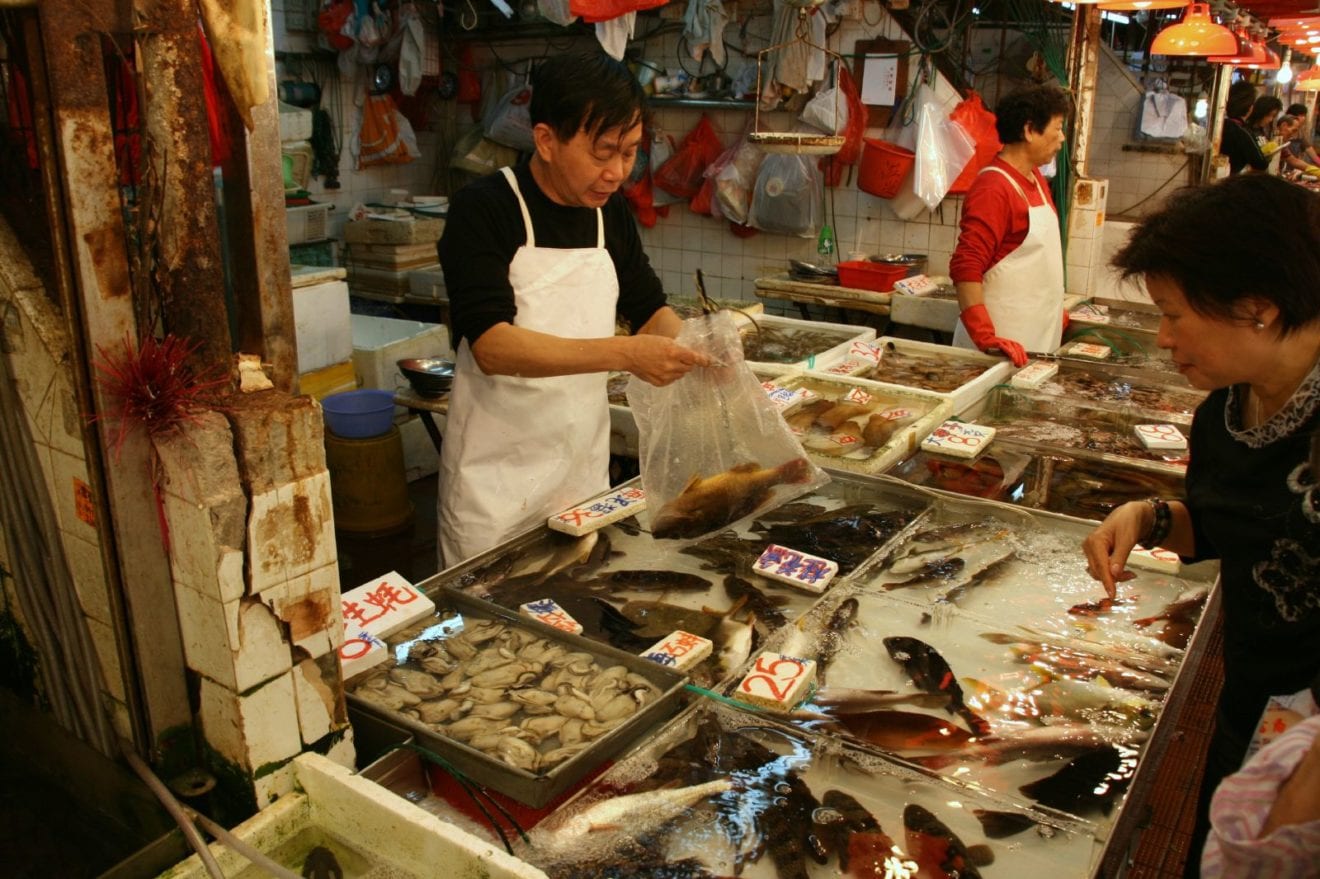
    A new study on the future of fish in the South China Sea reveals that key species consumed in Hong Kong are under serious threat from overfishing and habitat destruction, and unless immediate action is taken it will be too late.

    Some of the topline findings of the study, Boom or Bust, The Future of Fish in the South China Sea, show that some marine resources have been fished down to as low as 5 per cent compared to the 1950s, with others reduced to just 10 percent of their populations since the mid-1990s. Even in more remote fishing locations, catch rates have declined 3 to 4 times over the past two decades. Conducted by the University of British Columbia (UBC) Economic Research Unit and funded by Hong Kong-based ADM Capital Foundation and RS Group, the study offers a pathway to a more sustainable future.

    “The study shows that to rebuild biomass of key groups to a healthy level, fishing efforts of all fishing fleets have to be substantially reduced,” said UBC’s Rashid Sumaila, principal investigator for the project.

    Species under threat include the Napoleon Wrasse and the Coral Grouper, both highly prized in Hong Kong.  Relative abundance of these two reef fish has declined by 80 percent in the past eight years alone.

    While pollution and water quality is partly responsible, overfishing is the main culprit, and fishing methods play a key role in impacts on the environment.

    “One of the findings of the study demonstrates that the way fish are caught is no longer sustainable,” said Doug Woodring, Co-Founder of Hong Kong’s Ocean Recovery Alliance. “Not only are species being over-fished but the current fishing methods are destroying some coral reef habitats at a rate of 16 percent per decade. It is time to take action before it is too late.”

    The study also contains projections through to 2045, with dire consequences for our future if action is not taken.

    If nothing is done, by 2045, relative to 2015 fish stocks, all species studied will experience a decrease in biomass (quantity of fish in the ocean) ranging from 9 to 59 percent as a result of overfishing, ocean warming, ocean acidification and changes in primary productivity.  We must urgently improve fisheries management and consider our impact on the ocean via CO2 emissions.

    “The most vulnerable groups include grouper, large sharks, threadfin bream and large croaker, which are projected to drop by 50 percent or more during this period,” said UBC’s William Cheung, a co-author of the report.

    The good news is that it is not too late to take action. The UBC scientists also conducted a best case scenario analysis under a sustainable management fishing regime with lowered global CO2 emissions. This indicates that efforts to improve fisheries management and reduce carbon emissions would have a positive impact on the wild population biomass of all species except crabs (due to their predators).

    Either way, there are economic implications to these scenarios, both potentially with a loss of income and livelihood for fisherman, and an increase in the cost of fish to the consumer. If we engage in better resource management, however, there is a chance to modify practices and sustain stock levels, so that fisheries can still be productive for those who rely on them today.

    “This study should be of interest to anybody who likes to eat seafood and cares about society,” said Yvonne Sadovy, a professor at Hong Kong University’s School of Biological Sciences. “Major urban centres like Hong Kong depend heavily on importing seafood, while hundreds of thousands of people in developing countries need wild fish for food and to support their families.”

    The stress on regional fishing resources is a reason that November also marks the start of the Kin Hong “Healthy” Seafood Festival.

    Organised by Ocean Recovery Alliance and ADM Capital Foundation, the aim of the festival is to raise public awareness through education and increased variety from our restaurant and catering industries, giving people the option to consume sustainable seafood.

    It also aims to help restaurateurs access sustainable seafood, with the intention of increasing availability and visibility in the market place. A selection of prominent Hong Kong restaurants, hotels and organisations have already pledged their support, including Four Seasons Hotel Hong Kong, Grand Hyatt Hong Kong, Café Gray, Sohofama, Café Deco, Ocean Park, the University of Hong Kong and the Hong Kong Jockey Club.

    The full report, Boom or Bust, the Future of Fish in the South China Sea, can be downloaded here: https://oceancanada.org/wp-content/uploads/2015/03/FCWP_2015_99_Witter.pdf

    For more information on the Kin Hong “Healthy” Seafood Festival, visit: https://www.oceanrecov.org/activities/events/kin-hong-seafood-festival.html

    List of Restaurants, Hotels and Organizations Participating in Kin Hong Seafood Festival:

    1. Cafe Gray
    2. Cali-Mex
    3. Chinese University of Hong Kong
    4. City University of Hong Kong
    5. East Hotel Hong Kong
    6. Fishful Season
    7. Four Seasons Hotel Hong Kong
    8. Gitone
    9. Grand Central
    10. Grand Hyatt Hong Kong
    11. Holy Crab
    12. Hotel ICON
    13. Locofama
    14. Ocean Park Hong Kong
    15. Scirocco
    16. Sohofama
    17. Table Seafood
    18. The American Club Hong Kong
    19. The Continental
    20. The Foreign Correspondents’ Club, Hong Kong
    21. The Hong Kong Jockey Club
    22. The Landmark- Mandarin Oriental
    23. The University of Hong Kong
    24. Wilfred Catering Limited
    25. Yorkshire Pudding

    ADM Capital Foundation

    ADM Capital Foundation (www.ADMCF.org) was established in 2006 by the partners of Hong Kong-based investment advisor, ADM Capital www.admcap.com to fund innovative approaches to promoting equity and environmental conservation in Asia. The Foundation helps organisations in Asia achieve positive social and environmental impact and aims to foster sustainable growth in its local partners by providing not only funding but also specific and relevant organisational support.

    Ocean Recovery Alliance

    Registered in Hong Kong and California, Ocean Recovery Alliance forges new ways of thinking, technologies, creativity and collaborations to introduce innovative projects and initiatives that will help improving our ocean environment. This includes creating business opportunities for local communities when applicable, and addressing some of the pressing issues that our ocean faces today. It is one of the first the NGO’s to work with both the United Nations Environment Programme (UNEP) and the World Bank on their respective ocean programmes related to plastic pollution. It also runs the Ocean in Motion Film Festival each year, the only annual ocean film festival in Asia.
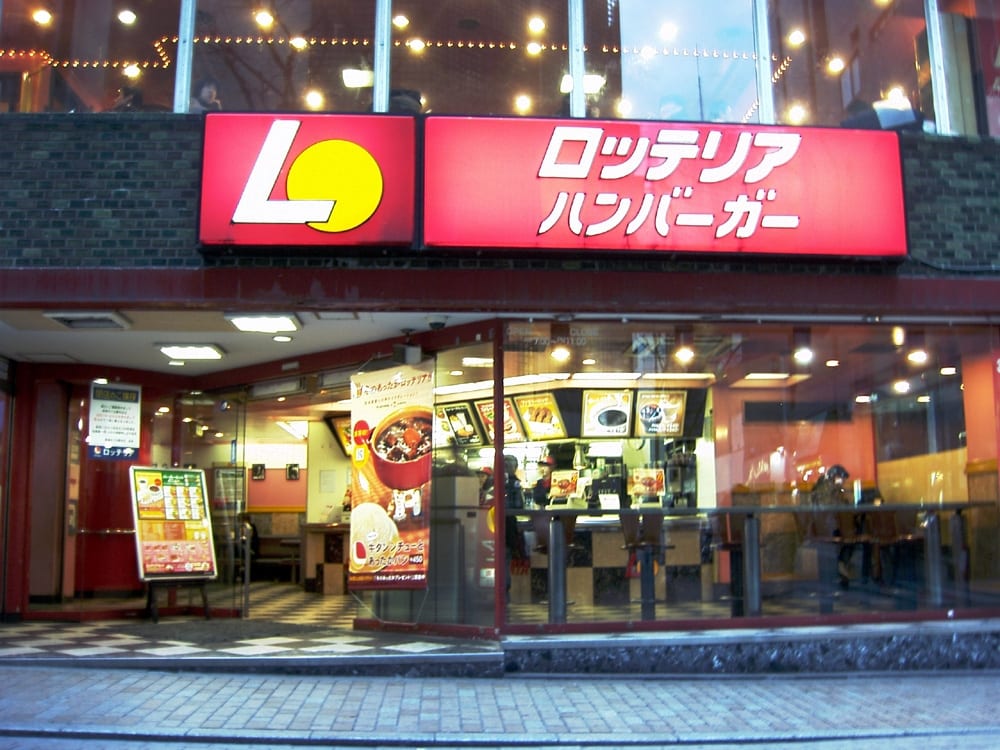
  • 20 Lotte affiliates meet IPO requirements

    20 Lotte affiliates meet IPO requirements

    The conglomerate has pledged to simplify its governance structure and boost its managerial transparency through a set of measures, including initial public offerings (IPOs), after a bitter family feud over control of the retail conglomerate. Currently, Lotte has eight publicly traded affiliates here, with the key units being linked through unlisted Japanese units.

    According to the data compiled by the Korea Exchange, a total of 20 out of 73 Lotte subsidiaries are eligible for IPOs in the country. The candidates include Hotel Lotte, Lotte Card Co., Lotteria and Lotte Capital.

    Under local regulations, a firm seeking to be listed is required to have a capital base of more than 30 billion won (US$26.5 million), average annual sales exceeding 70 billion won for the previous three consecutive years and a return on equity surpassing 5 percent.

    After the squabble over control of the sprawling business empire, which has a cobweb-like governance structure, Lotte chairman Shin Dong-bin in August expressed his desire to push for the listing of Hotel Lotte, a key affiliate, as part of its reform plan.

    The listing on the local stock market requires stricter regulatory filings while allowing it to seek capital increases, issue more non-voting stocks and reap other benefits that translate into greater business opportunities.

    “As a South Korean company, we will have more of our affiliates go public with a strong will to contribute to the Korean economy,” a Lotte official said.


  • Worldhotels Expands the Frontier of Luxury with Sokha Phnom Penh Hotel & Residence

    Worldhotels Expands the Frontier of Luxury with Sokha Phnom Penh Hotel & Residence

    Occupying a luscious spot on the confluence of the Mekong, the Bassac and TonléSap, Phnom Penh is a city that has witnessed extreme ups and downs. Discover an enigmatic kingdom of fabled pagodas, thriving local markets, sweeping French boulevards and eclectic natural beauty with Sokha Phnom Penh Hotel & Residence, the newest addition to Worldhotels’ exclusive collection of 450 independent hotels worldwide.

    Strategically located on Chroy Changvar peninsula opposite the Royal Palace and an estimated 13km from Phnom Penh International Airport, Sokha Phnom Penh Hotel & Residence is an antidote to the chaotic cacophony of the city. With a host of top-notch amenities and exemplary service standards that expand the frontier of luxury, the hotel represents a new standard for five-star hospitality in Cambodia’s capital city. 

    Doorway to a bygone era

    Opportunities for cultural and historical discovery await travellers on Phnom Penh’s centuries-old attraction sites where strains of history combine in a vivid montage of French and Cambodian influences.

    Nearby sites of interest include Wat Phnom, the main temple perched on a grassy hilltop that marks the legendary founding place of Phnom Penh, accessible via a six-minute drive from the hotel. A resplendent symbol of the Kingdom, Phnom Penh’s Royal Palace is a nine-minute drive away. Located just north of the Royal Palace is the National Museum which houses the world’s earliest and rarest archaeological, religious and artistic Khmer artefacts from the fourth to the 13th century.

    From traditional souvenirs to fresh produces, shoppers can purchase a diverse range of merchandise at Phsar Thmey, or Central Market, a unique colonial-style building just a stone’s throw from the hotel. Guests may also embark on historical sunset cruises along the riverfront and contemplate the footprints of different generations that shaped Phnom Penh’s colonial era.

    Commodious accommodations fit for royalty

    Contemporary and bright; airy and inviting, guests will feel perfectly at ease in one of 523 tastefully appointed guest rooms and suites offered across eight categories, including the largest Deluxe room in Phnom Penh. The luxury of space extends to an expansive bathroom with freestanding bathtub and a separate walk-in rain shower.

    Bedecked in a soothing palette of cream and warm tones, most guest rooms afford views of the spectacular Chaktomuk River, or verdant greens that invigorate the senses. Each of these spacious havens features hardwood floors and elegant period furnishings that evoke a timeless refinement, replete with contemporary conveniences including Wi-Fi access, Japanese high-tech washlet, and flat screen LCD TV with international satellite channels. 

    Top-class meeting venues and recreational amenities

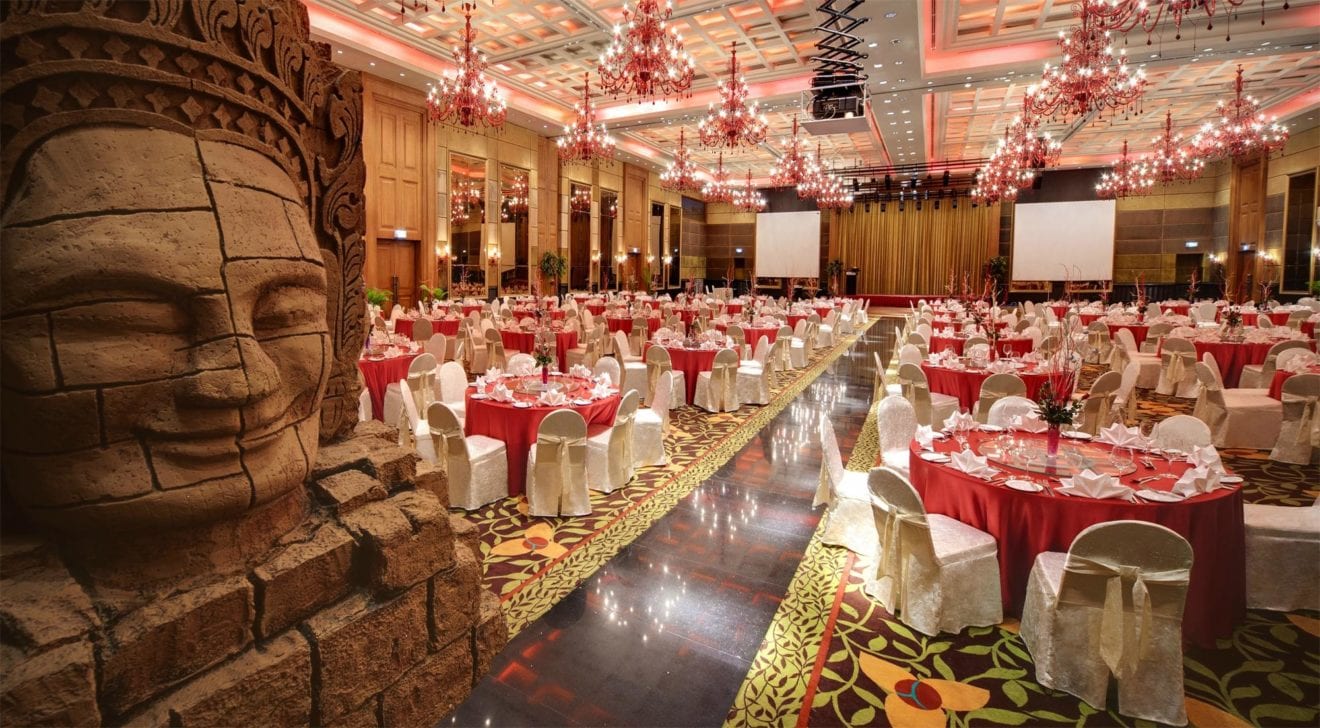
    An excellent venue for hosting a year-round calendar of conferences, meetings, private functions and dream weddings, Sokha Phnom Penh Hotel & Residence offers an extensive range of event spaces and meeting facilities including a 2,728 square-metre grand ballroom with a capacity of 3,100, arguably the kingdom’s largest ballroom.

    Eight highly-versatile function rooms – a combination of close to 900 square metres – can accommodate up to a total of 1,050 attendees. Coupled with leading edge audiovisual and modern translation equipment as well as high-speed internet access, the hotel prides itself on putting together events that engage and inspire.

    Sized at 1,650 square metres, the hotel also houses thelargest swimming pool in Phnom Penh that provides stunning views of the river. Among other offerings is a KTV Studio featuring 36 private karaoke rooms and an established night club on the 19th floor overlooking Tonlé Sap and Mekong River, perfect for a sundowner or after-dark entertainment.

    Guests may pick from a complete range of therapies and treatments at Jasmine’s Spawith 17 private treatment rooms for hours of uninterrupted escapism.

    An eclectic mix of international dining

    Sokha Phnom Penh Hotel & Residence invites guests to embark on a diverse gastronomic journey.

    Lotus is an all-day dining restaurant offering a selection of international buffet amidst scenic river views. The China House presents regional Chinese specialties from Guangdong, Sichuan, Hunan and Beijing; while The Bel Cibofeatures culinary presentations inspired by Tuscany and the northern regions in Italy. Also perched on the 19th floor is Takezono, the only “sky-high” Japanese restaurant in Phnom Penh that dishes up authentically prepared and immaculately presented signature Japanese favourites.

    “We are truly honoured to be represented by yet another outstanding property in Sokha Phnom Penh Hotel & Residence. This affiliation will reaffirm the positioning of Worldhotels at the forefront of curating some of the world’s finest hotels and underscore the commitment to growing our portfolio in the Indochina market with surging international interest,” remarks Roland Jegge, Worldhotels Executive Vice President Asia Pacific.

    “We look forward to harnessing our in-depth market knowledge and stellar reputation to win over more travellers with the quality accommodation and personalised service that our collection of hotels have become trusted to deliver – and Sokha Phnom Penh being the answer to the rising demand of today’s travellers’ desire for alluring luxury travel experience.”

  • Rimowa leads the charge of new luxury retailers

    Rimowa leads the charge of new luxury retailers

    5 Martin Place, Sydney, the new home of German luxury luggage brand Rimowa. Photo: Supplied

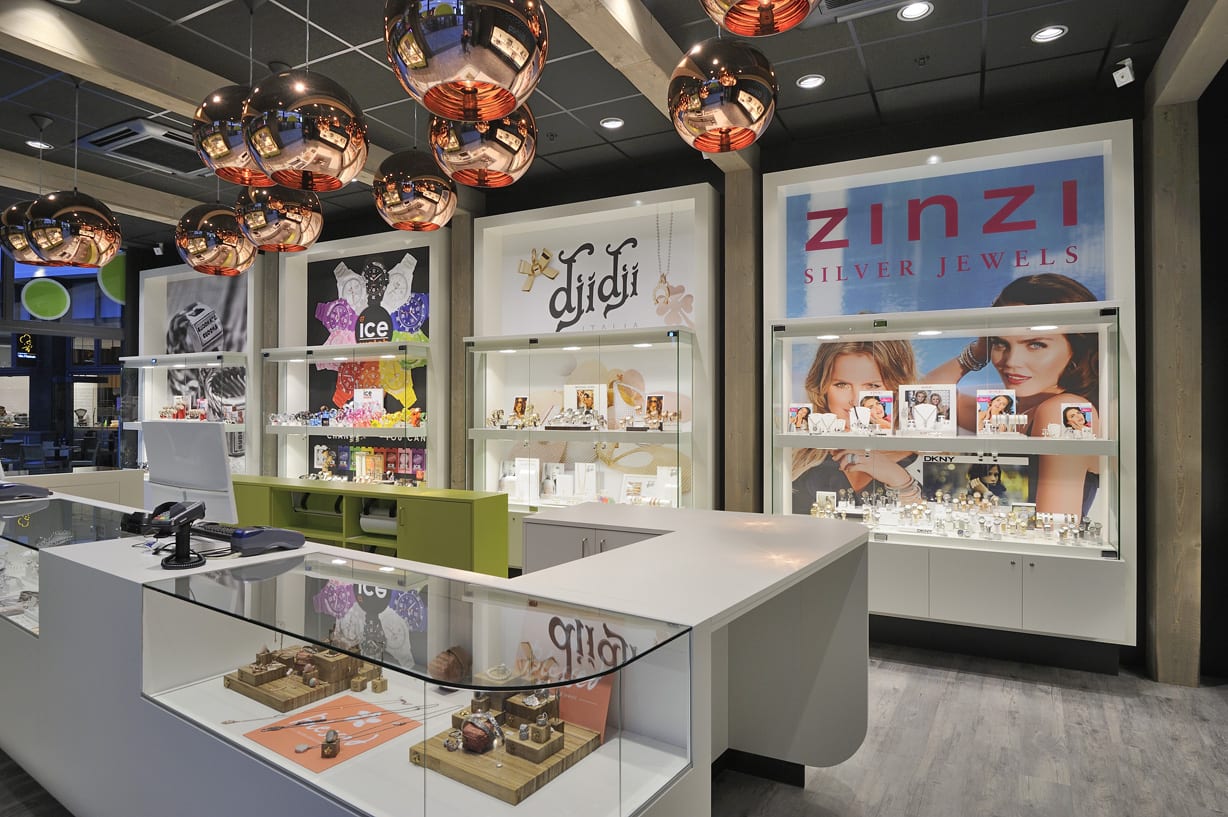
    Rimowa, the German luxury luggage group, is set to call 5 Martin Place home as the retail sector looks to the upmarket brands for revenue growth.

    The label is being distributed exclusively through Hunt Leather, which itself has a presence in the MLC Centre.

    Sophie Hunt, whose parents founded Hunt, said the group also runs the Longchamp​ Boutique, of which there are four stores nationally and Hunt’s own five sites throughout Australia.

    Ms Hunt said the group opens a newly branded store in Australia every year and, despite the massive growth of its online business, it still invests in bricks and mortar.

    “Demand is high for luxury brands and over the years that we have stocked Rimowa, we have been pleased with the high turnover of the items,” Ms Hunt said.

    “Finding the right location was imperative to launch the store as a stand-alone and certainly, 5 Martin Place is where we want to be.”

    Ms Hunt said Rimowa is considered a destination brand and the demographics of Martin Place, being in the heart of bankers and lawyers, was the perfect fit.

    “We will be looking to expand and while online sales are strong, having a store is still our preferred option,” Ms Hunt said.

    DEXUS Property is leasing out 5 Martin Place as part of the redevelopment and has also signed up the H&M associate Collection of Style, and the Canadian apparel group Kit & Ace, in what was the former Commonwealth Bank chamber.

    Rimowa’s opening in December – the date is still be decided – comes as luxury retail is making a comeback.

    CBRE  Australia head of retail tenant representation said the country offers significant opportunities for luxury retailers at a time when the Asian market is reaching saturation point.

    In a new CBRE report, The Future of Luxury Retail in Asia Pacific: New Demand Drivers and Shifting Occupier Requirements, it says most major luxury retailers are now well established in Asia-Pacific with China and Hong Kong being two of the most penetrated markets at 89 per cent and 81 per cent respectively.

    “However, following several years of rapid expansion, these markets are approaching saturation point and several luxury brands have halted expansion amid sluggish sales,” the report says.

    “Conversely, the penetration rate of luxury retail in Australia is just 50 per cent – primarily due to the dominance of department stores in this segment of the market.”

    However, the tide is shifting, as luxury brands launch stand-alone stores in Australia to exert stronger control over their business operations and brand.

    In 2014, a total of 16 luxury retailers entered Australia or opened their first stand-alone store in five cities – double the total in 2012 and 2013 combined.

    “Australia, unlike much of Asia, is far from saturation point in terms of luxury retailing,” Mr Starling said.

    “At present we are witnessing the largest influx of new luxury brands in the country’s history. This is coming from two distinct sectors, with fashion/ready-to-wear and jewellery retailers being the most inquisitive.”

    Mr Starling said the inquiry was being driven by larger groups such as LVMH, Kering Group and Richemont, but brands such as Valentino and Moncler also had Australia on the radar.

    “Another trend we are witnessing involves brands being more willing to seek space in shopping-centre environments,” Mr Staring said.

    CBRE national director retail services Alistair Palmer said a new luxury precinct was also poised to open Pacific Fair on the Gold Coast in 2016, and Chadstone was planning to double its luxury offer.

    An increase in Chinese tourist arrivals was helping to support the luxury retail sector in Australia, Mr Palmer said, particularly in light of the fall in the Australian dollar.

    “Sydney Airport is also establishing a new luxury precinct, with many of the tier 1 and affordable luxury brands opening in order to capture the Asian tourist market,” he noted.

  • BART drawing hip retail, service outlets into stations

    BART drawing hip retail, service outlets into stations

    A Blinq concierge desk at the Montgomery BART station in downtown San Francisco, Calif., is prepared Thursday afternoon, Nov. 5, 2015 for opening later this week. The company will be offering dry cleaning, groceries and “new products and cultural finds.”

    Friday heralds the appearance of a kinder, hipper outpost of commerce in BART’s fusty, decades-old stations as the transit agency welcomes kiosks purveying groceries, dry cleaning and a changeable array of offbeat, with-it products.

    Blinq, billing itself as an online-to-offline retail organizer, is opening the doors of what it calls “pods” in the concourses of the Embarcadero and Montgomery stations to entice BART’s thousands of daily commuters with “new products and cultural finds.”

    “For instance,” Blinq marketing chief Saf Elmansour said, the company “will provide farm-to-table food 20 to 50 percent cheaper than Whole Foods. We’ll bring the actual farmers in.” That would be Grubmarket, an online purveyor of locally sourced fresh foods and other products delivered to customers’ doors and now to BART stations.

    Saf Elmansour prepares a Blinq pop-up retail space in the Montgomery BART station in downtown San Francisco, Calif.,Thursday afternoon, Nov. 5, 2015. TheSaf Elmansour prepares a Blinq pop-up retail space in the Montgomery BART station in downtown San Francisco, Calif.,Thursday afternoon, Nov. 5, 2015. The shop, as well as one at the Embarcadero station, open later this week. The company will offer dry cleaning, sell groceries and “new products and cultural finds.”

    Also selling in the pods will be EO, a Marin County-based manufacturer of organic and natural personal care shampoos and soaps; Sol Republic, a maker of headphones and speakers; and Greener Cleaners, an eco-friendly dry cleaner.

    Blinq plans to feature other products in pop-up spaces for a few months each.

    Next in line for the pods and pop-ups are the Civic Center station in San Francisco, the 12th and 19th Street stations in Oakland, and downtown Berkeley. All are to open by the end of the year, he said.

    The new kiosks may offer delectable edibles, but BART’s policy of no food or drink on trains has not changed.

    Blinq will staff concierge services such as dry cleaning, grocery delivery and pickup in one part of the pod. On the other side will be the pop-up brands that Blinq and its leasing agent, SRS Real Estate Partners, will seek out and change out with three- to nine-month leases.

    “We want to change the experience,” Elmansour said.

    Another experience, he said, will be products and services matched to the neighborhoods and cultures around the stations. For example, Blinq’s Mission Street station pod will be different from Walnut Creek’s, he said. The pods also will feature video screens with BART train times, and a mobile app will note events in station neighborhoods.

    “People will be able to use Blinq to take care of errands, access exclusive deals and giveaways, and discover great brands and local community events,” according to a news release.

    Blinq CEO Alexis Wong is said to have sought to recreate the experience of urban transit in Hong Kong, where she grew up. Stations there were also hubs of local goods and services.

    “We think this combination of experiences, shopping and community is the future of the metro hub,” she said.

  • China’s Singles Are Big Spenders

    China’s Singles Are Big Spenders

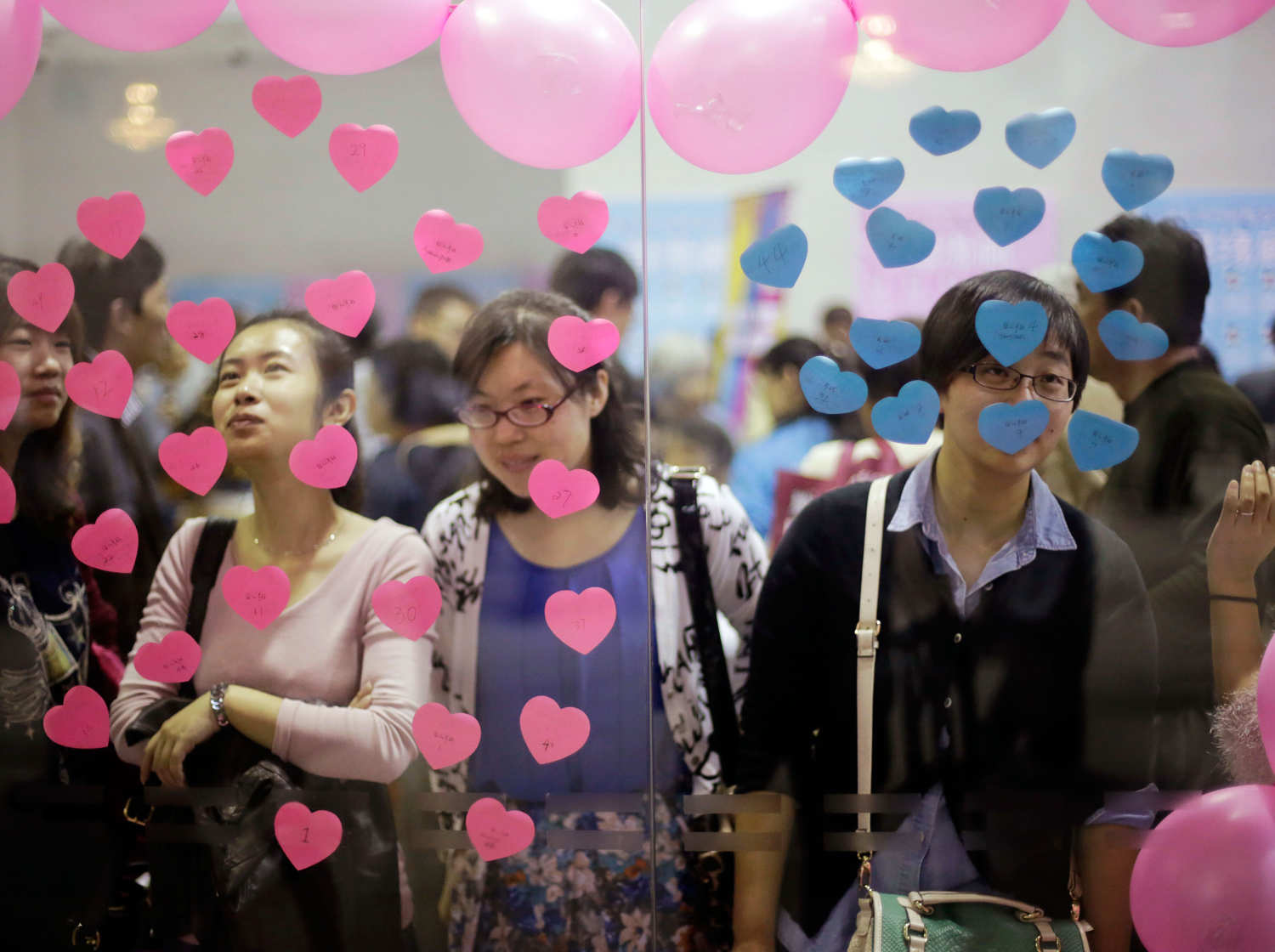
    The U.S. has holidays like Valentine’s Day and Christmas when couples are expected to exchange gifts, but China’s Singles’ Day proves even lonely hearts can get in on the retail action — and according to a recent Nielsen study, China’s lone wolves plan to do just that.

    In a study conducted by Nielsen and released to Reuters, 56 percent of 1,000 Internet users in China said that they planned on spending more on Singles’ Day than they had in 2014. Nearly 33 percent indicated they would purchase roughly the same amount, and only 6 percent said that they planned on pulling back on Singles’ Day spending.

    “It’s not a huge surprise that consumers are planning to spend more during this year’s [Singles’ Day],” Yan Xuan, president of Nielsen Greater China, told Reuters. “Income levels and Internet penetration continue to rise throughout China, so this is a natural progression.”

    Greater spending totals in 2015 could push Singles’ Day into unprecedented territory for retail holiday traffic. MarketWatch reported that Alibaba, China’s largest eCommerce marketplace, processed more than $2 billion in sales in the first hour, 11 seconds of Singles’ Day 2014 alone. By the time the day drew to a close, the site had surpassed $9 billion, 43 percent of which was due to mobile purchases.

    Since the first “official” Singles’ Day in 2009, Alibaba’s sales alone have skyrocketed by more than 5,740 percent, and it appears that trend will continue. According to Reuters, the average Singles’ Day shopper is projected to spend about $277.76 in 2015, 22 percent more than the average shopper spent in 2014.

    MarketWatch explained that Alibaba CEO Jack Ma has expressed a desire to turn China’s Singles’ Day into a global retail holiday on the same level as Black Friday and Cyber Monday, and if these sales numbers continue, retailers in other countries might have no choice but to follow China’s lead.

  • Why Apple Is Rumored To Launch First Store In Singapore

    Why Apple Is Rumored To Launch First Store In Singapore

    Recent online speculation suggests that Apple Inc. is all set to open its first-ever retail outlet in Singapore by 2016, leading to the shutdown of the Pure Fitness Knightsbridge branch by end of this year. The tech giant currently operates in Singapore through its online store and third-party retailers.

    The company’s next store is the reason why Pure Fitness has to evacuate from its location on Orchard Road. The fitness chain notified its customers and tenants about its decision in an email to “make way” for Apple’s new store opening. The Pure Fitness Knightsbridge is scheduled to shut on December 15, 2015.

    Apple has still not confirmed Pure Fitness’ statement; however, there is a great chance that the tech giant may be considering investing in its outlet on Orchard road, the shopping hub of Singapore, to further expand its customer-base and make use of its ideal store location.

    Since the tech giant’s products and services are accessible in Singapore through its online store and third-party outlets, Apple has already secure a position in competitive markets even before its first store opening. The company’s apparent decision to launch an Apple Store in the specific location will also help trigger increased activity for surrounding brands and businesses through its dedicated client-base.

    While Apple remains vague about its plans for Singapore, it has been busy launching new Apple Stores in various countries, with the latest opening in Dalian, China. The company is also set to launch its largest Apple Store in Dubai before the end of October, marking it as one of the many Apple outlets that the company launched solely this month. With Apple’s vast campaign to expand its platform to numerous countries in 2015, it will not come as a surprise if the tech giant launches a retail outlet for its Singaporean client-base to further promote its variants.

  • Sweden’s H&M opens doors in Sydney

    Sweden’s H&M opens doors in Sydney

    An artist’s impression of the H&M store in Pitt Street Mall’s Glasshouse building.

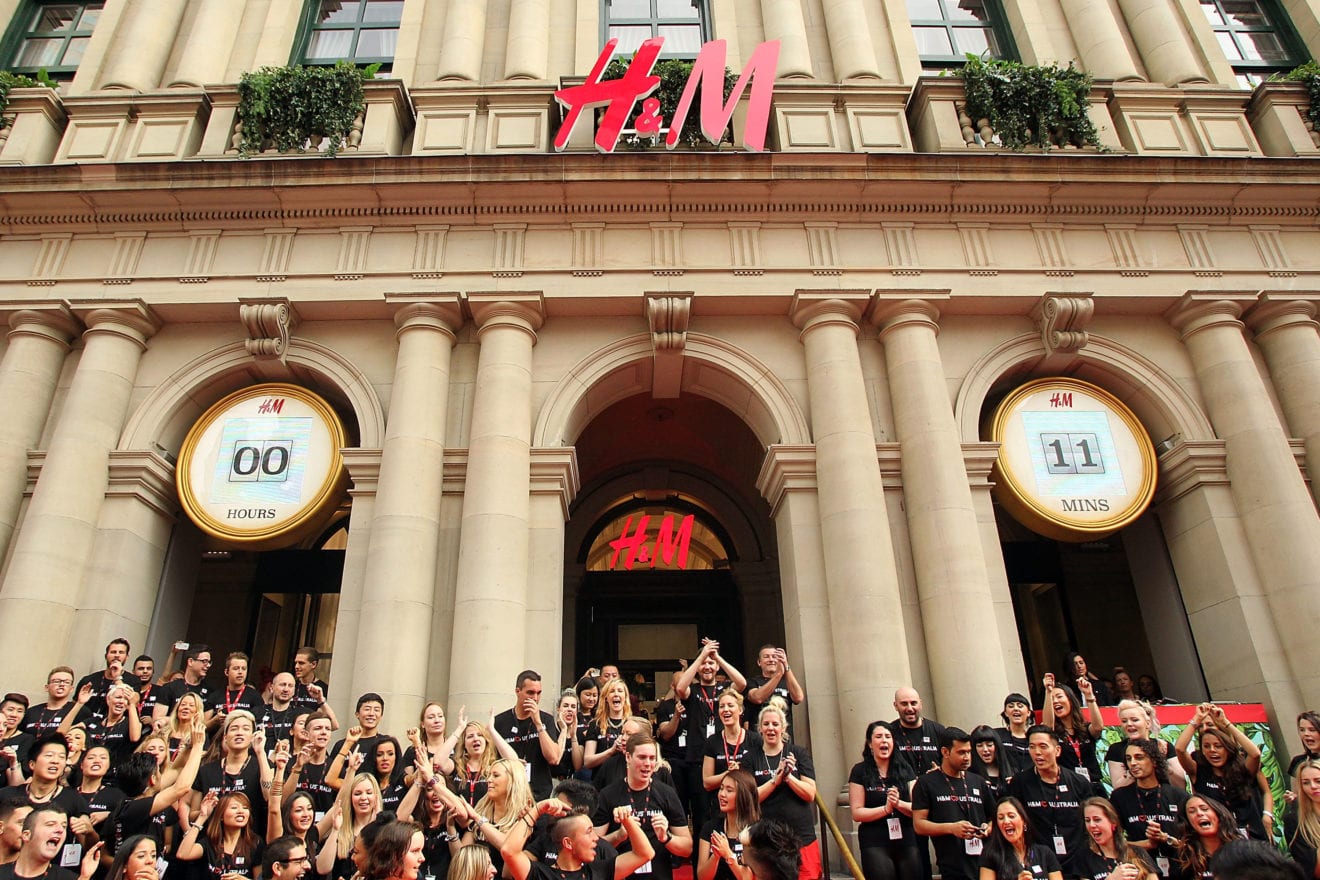
    The opening of Swedish fast fashion giant H&M Australia’s store this weekend in Sydney’s Pitt Street Mall will boost revenue for city retail landlords, agents says.

    It follows Forever 21, Zara and Uniqlo onto the strip. They were the first major international brands to put the area on the global map.

    CBRE said that with openings or leases secured on more than 30 new stores, the pace of first-time international brand entrants and expansion in Australia continued unabated.

    This compares with more than 35 new openings and lease deals for 2014, CBRE’s third-quarter 2015 Retail MarketView​ shows.

    CBRE’s senior research manager, Danny Lee, said Sydney and Melbourne had had the highest activity in 2015, followed by Brisbane and Perth.

    “Foreign brand penetration in Australia is fairly low in comparison to other countries at 28 per cent, which is a key attraction for these offshore retailers,” Mr Lee said.

    “It would take an additional 50 brands to enter the market to reach the same level as some Asian countries, such as Singapore and Hong Kong, with 90 more required to reach the UK’s level of 57 per cent.”

    CBRE’s head of retail tenant representation Australia, Tim Starling, said the low penetration rate in Australia served to minimise competition between foreign brands.

    “Other key attractions for foreign retailers include the fact that Australia is one of the highest-consuming developed nations, with consumption per capita growing at twice the rate of the US between 2008 and 2014,” Mr Starling said.

    CBRE’s head of retail brokerage leasing Australia, Leif Olson, said the impact on the market would also mean that super prime rents would grow by a forecast 4 per cent per annum over the next three years

  • Walkerhill emphasises importance of Chinese consumers

    Walkerhill emphasises importance of Chinese consumers

    Korean travel retailer Walkerhill Duty Free has outlined the importance of Chinese consumers to overall business while presenting an overview of the leading brands, which have driven growth in Korean Duty Free.

    Speaking as part of a morning workshop last week in Cannes, which focused on South Korea, the world’s largest single travel-retail and duty-free market, which registered sales growth of 22.8% last year giving it a global market share of 12.3%, SK Walkerhill Duty Free senior vice-president Mikyong Kwon said: “Eighty percent of our customers are Chinese. Our brand loyalty is very high built up over 50 years. There is a strong emphasis on Chinese customers.”

    She added: “Walkerhill Duty Free grew 46% in 2013 compared to the previous year and the majority of our customers were Chinese.”

    Pressed by the audience as to whether the retailer relies too much on Chinese customers, she commented: “It is our role to cater to Chinese consumers. There was a time when we dependant on Japanese customers.”

    In terms of brands, total cosmetics sales in Korean travel-retail grew 38% in 2014 versus the previous year. “We have seen outstanding growth of Korean brands in sales and market share. Sulwahsoo, Laneige and Etude House are enjoying accelerated growth.

    “For Walkerhill, number one is WHOO from LG then MCM, Sulwahsoo and Laneige.”

    She added: “I would like to draw your attention to these Korean brands which are leading the sales growth of Korean duty-free. There is still room for growth in the next five or 10 years.”

    Meanwhile, Kwon is remaining positive despite the Middle East Respiratory Syndrome (MERS) outbreak from May to July, which stunted growth. Kwon said: “Although growth has slowed because we hit by MERS we should still reach last year’s sales figure.”

    Regarding Walkerhill’s online and mobile strategy Kwon said online and mobile was definitely the direction to go. “Fifty percent of Koreans are shopping online before departure,” she commented.

    Kwon’s presentation followed a speech from Silla University Professor Yang Song-Hoon, who emphasised the importance of Chinese consumers. “In 2014 there were 6.1 million Chinese tourists in Korea. They are our biggest customer and comprise 40% of total visitors. Their expenditure is double compared to other tourists.”

    According to Song-Hoon, who said facial mask-packs were the hottest items purchased by inbound Chinese travellers in Korea, souvenirs are important purchases for Asian consumers. He explained: “Asian tourists have a duty to express their apologies to family and friends that did not accompany them on their trip. Tangible souvenirs are a means of expressing thanks.”

    Reflecting on this year’s MERS outbreak, Song-Hoon said: “Korea learnt an expensive lesson from MERS outbreak. To rebound from the adverse effect of MERS our government took measures to return to normal. It committed public money including a tourism fund.”

  • Gold retailer Degussa opens Singapore branch

    Gold retailer Degussa opens Singapore branch

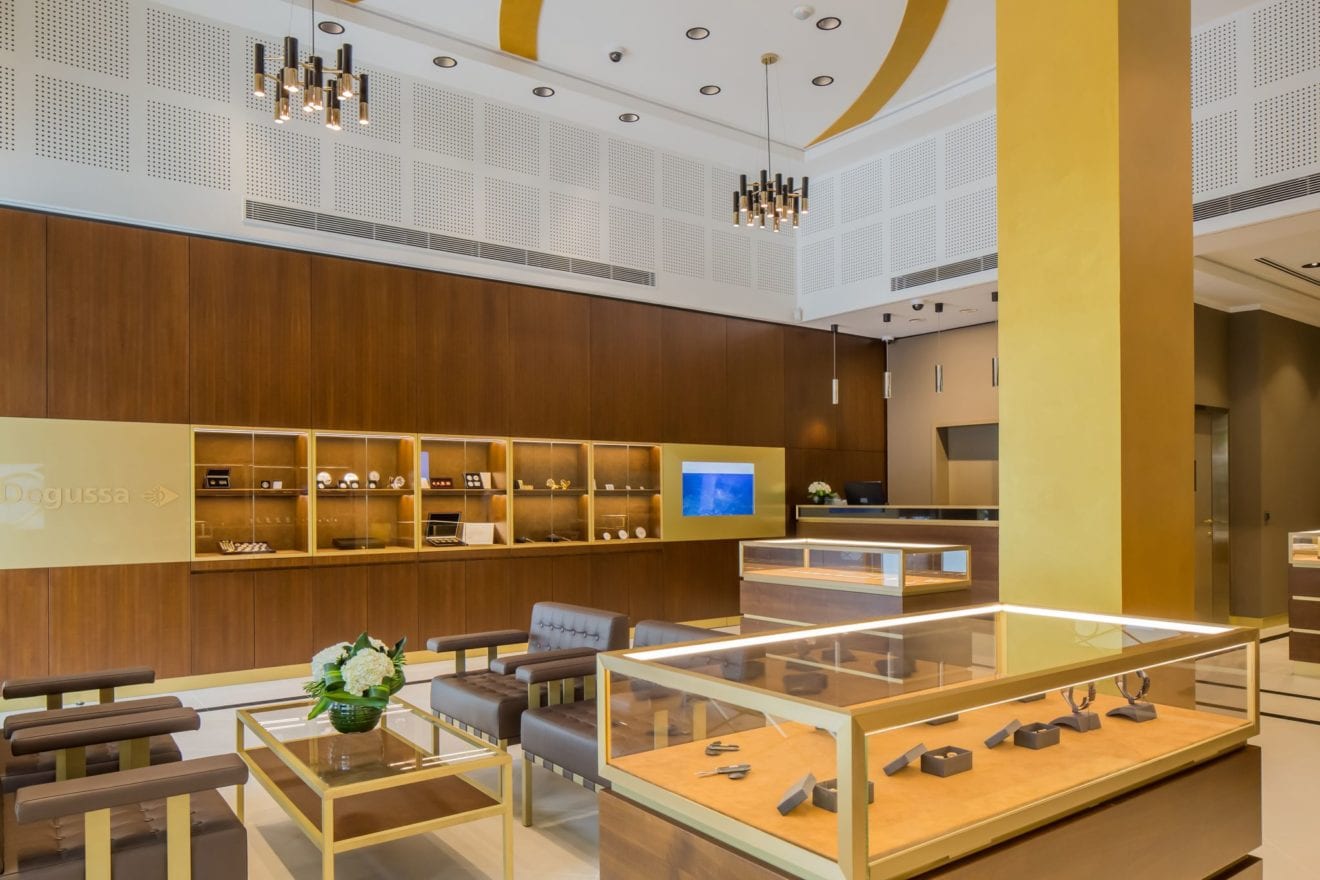
    Degussa, one of Europe’s largest gold and precious metals retailer, is opening a branch in Singapore, its first outside Europe.

    With the opening of the 3,000-square-foot branch near Dhoby Ghaut MRT Station on Wednesday evening, Degussa hopes to capture the growing retail market for gold and precious metals not only in Singapore but also in Asia.

    “Singapore is not yet a big wholesale market (for gold) like Hong Kong is, but we bank on retail clients and Singapore is an ideal market to start with,” said Wolfgang Wrzesniok-Rossbach, chief executive officer of Degussa, in an interview with The Business Times on Wednesday morning at its Singapore branch.

    The Singapore branch will offer a range of physical bullion products, including gold, silver and platinum coins of various weights, and investment bars.

    It will also retail gift collection items, including pure gold cufflinks and gold watches, in a specially designed showroom.

    In addition, the branch also offers safe deposit box rental services for customers who wish to safekeep their valuables with Degussa.

    Degussa aims to start its online store for the Singapore market in two weeks’ time. It also plans to allow customers to cash in their scrap gold in the near future.

    Mr Wrzesniok-Rossbach highlighted the strong and timeless appeal that gold has for Asian consumers, and said that sales of jewellery and accessories will be a key segment of the Singapore branch’s operations. For example, customers who hope to gift their children or grandchildren will find something to their liking at the branch.

    “Because this same gold has been recycled over millennia and its value remains,” he said, pointing to a Degussa 1kg gold bar. “When you touch this, you have one atom in it that came from Cleopatra’s crown.”

  • Asia Pacific Breweries Singapore to axe exclusivity practice after probe

    Asia Pacific Breweries Singapore to axe exclusivity practice after probe

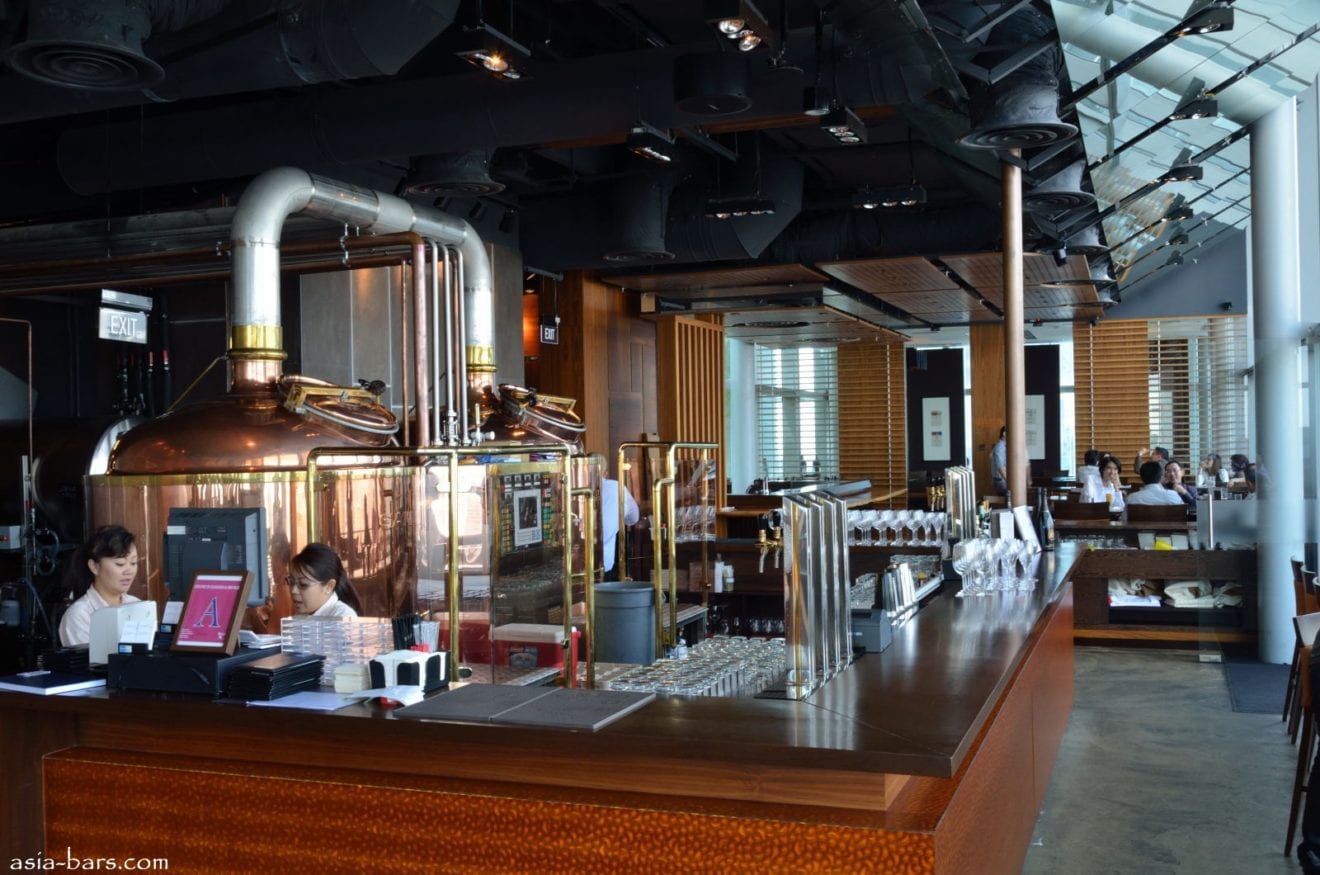
    Asia Pacific Breweries Singapore has agreed to stop supplying draught beer to retail outlets on an exclusive basis after it was investigated by the Competition Commission of Singapore (CCS).

    The CCS said in a statement on Wednesday that it had acted on complaints, adding: “The outlet-exclusivity practice had prevented retail outlets from selling draught beers from competing suppliers and restricted the choices of draught beers available to retailers and consumers.”

    Under competition laws here, a dominant firm is prohibited from preventing or impeding its competitors from competing effectively through exclusive business practices.

    In its investigation, the CCS obtained information on the beer market in Singapore from retailers and beer suppliers.

    Asia Pacific Breweries Singapore(APBS) has since provided the CCS with a voluntary commitment to cease its outlet exclusivity practice.

    The change in the company’s business practices will be applicable to all draught beer contracts entered into with retailers on and after Dec 28 2015, including new and renewal contracts. APBS will also be required to provide CCS with documents to show that these changes have taken effect.

    The CCS will continue to monitor market practices

    CCS chief executive Toh Han Li said: “The removal of these exclusive business practices will allow retailers to stock a greater variety of draught beers, leading to a more vibrant market with more choices for consumers, as well as opportunities for existing suppliers and new entrants including microbreweries and craft beer suppliers.”

    He added that in general, exclusive agreements made by a dominant firm that harm competition may be illegal under the Competition Act.


  • PAL, Air Asia cancel 300 flights for Apec

    PAL, Air Asia cancel 300 flights for Apec

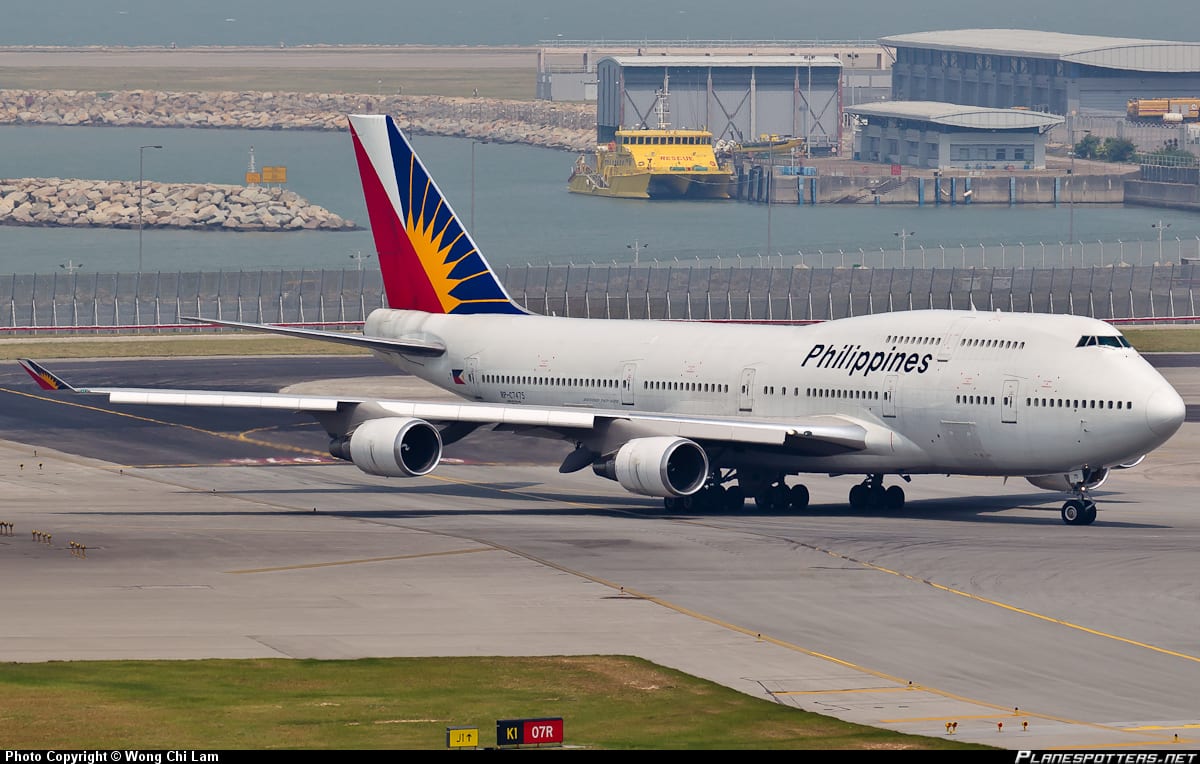
    The country’s flag carrier Philippine Airlines (PAL) and Air Asia Philippines cancelled nearly 300 domestic and international flights in anticipation of disruptions in runway operations on the week of the Asia-Pacific Economic Cooperation (Apec) Summit.

    In an advisory, PAL announced it was grounding 115 domestic and 96 international flights from Nov. 15 to 20 “to give way to the arrival and departure of Apec leaders.”

    The Manila International Airport Authority (MIAA) had announced periods of temporary runway closure at the Ninoy Aquino International Airport as part of the protocol for the arrival and departure of world leaders.

    Heads of state are expected to arrive on Nov. 16 and 17 for the summit which will be held on the 18th and 19th. They are expected to leave Manila on Nov. 19 and 20.

    “PAL assures affected passengers that the airline will reschedule their flights with rebooking and penalty charges waived,” the advisory said.

    Likewise, passengers with confirmed flights on Nov. 15, 16, 17, 18, 19 or 20 have the option to rebook within 30 days from their original schedule “for as long as the new schedule falls within the ticket validity period.”  They can also refund the full  ticket cost.

    PAL said that it may cancel more flights depending on the flight movements of the heads of state attending the summit.

    Meanwhile, Air Asia cancelled 74 domestic and 10 international flights from Nov. 17 to 20, also to give way to the arrival of heads of state.

    The airline gave passengers on the cancelled flights the option to rebook within 30 days of the date of their original flight schedule or get a refund.  Affected flyers may also avail of a credit shell within 90 days of the cancelled flight.

    A credit shell, according to Air Asia, is “a credit account where monies paid towards a booking  are stored.” The number issued, which is practically the booking number, in a credit shell account that may be used by passengers to transfer flights.

  • AirAsia India Rolls Out Promotional Fares Starting Rs 1,269

    AirAsia India Rolls Out Promotional Fares Starting Rs 1,269

    Budget carrier AirAsia India has yet again rolled out a promotional fare scheme, offering tickets as low as Rs 1,269 (all-inclusive). The offer ends on November 8, 2015 and is applicable on travel between January 15 and April 30, 2016.

    Under this AirAsia offer, tickets on Bengaluru to Kochi route are priced from Rs 1,269 (all-inclusive). Tickets on Bengaluru to Goa route is priced from Rs 1469 and Bengaluru to New Delhi at Rs 3,469.

    Its parent AirAsia is also offering fares starting from Rs 3,399 (all-inclusive) on overseas routes as part of a separate promotional scheme. This offer is open till November 8. For example, tickets from Kochi to Kuala Lumpur are priced from Rs 3,399.

    Many airlines have come up with promotional fares to tap the festive season demand.

    Air India’s offer christened ‘Diwali Dhamaka’ is valid till November 7 for travel between January 15 and April 15, 2016. Earlier, SpiceJet had also come up with ‘Diwali Sale’ with fares staring at Rs 749 (base fare-excluding taxes) for domestic sector and from Rs 3,999 (all-inclusive) on international sectors.

    Airlines have rolled out many promotional fares this year on the back of a sharp fall in oil prices. Domestic airlines in the first nine months of this year – January to September – have carried 590 lakh passengers, a growth of 20 per cent.

  • JC Decaux launches new digital signage network at Singapore mall ION Orchard

    JC Decaux launches new digital signage network at Singapore mall ION Orchard

    JCDecaux Singapore, the Best Out Of Home Media Company in the republic and subsidiary of the No.1 Outdoor Advertising Company in the world announces the launch of a brand new Digital Advertising Network at ION Orchard, Singapore’s prime retail and lifestyle destination.

    Following the successful launch of the “Digital Fashion Network” in July, JCDecaux unveils a new Network of 80-inch digital screens in the mall, packaged as the “Premium ION Link Digital Network”.

    ION Orchard

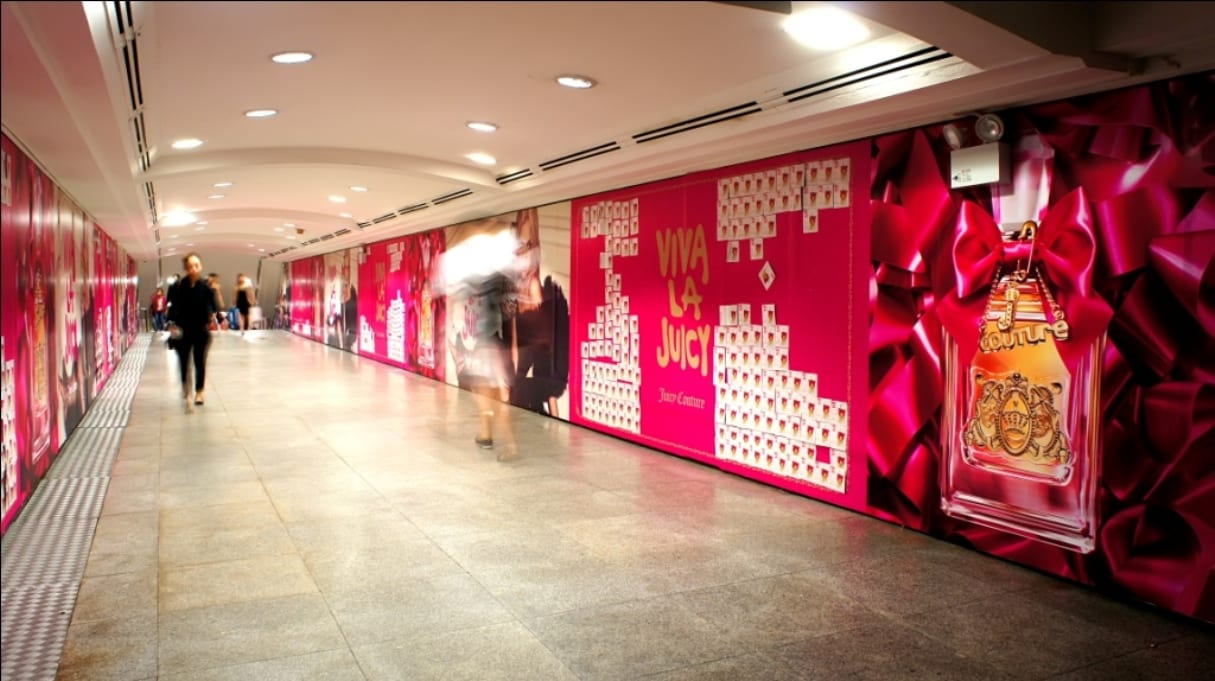
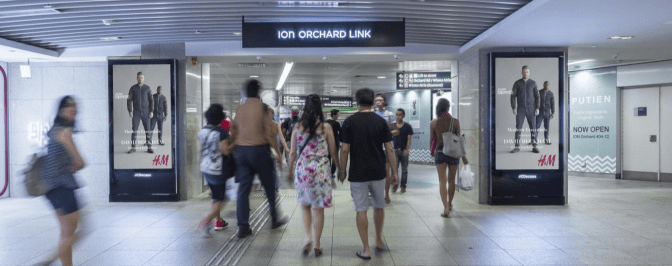
    Located at key touch points along the busiest linkways of Orchard Road, the brand new Network comprises of 9 screens unmissable to shoppers and train commuters passing by. As the exclusive media platform within the linkway, “ION Link Digital Network” is a unique opportunity for brands to effectively cover 100% of the audience. Maiden advertisers H&M, Juicy Couture and PuTien commenced advertising at this prime location.

    In addition, JCDecaux has completed its second phase of upgrading work, increasing the screen size of the “Digital Lift Lobby Network” from 19” to 24”. This network comprises 34 LCD screens installed across all Lift Lobbies and is the only media solution covering the eight levels of the award winning mall. Acuvue and Moncler are currently running their campaigns on the Digital Lift Lobby Network.

    “The new installations at ION Orchard Link delivers a high quality digital advertising footprint to the former Orchard Underpass through which more than half a million people pass every week” said Mr. Ashley Stewart, Managing Director, JCDecaux Singapore.

    “ION Orchard Link serves as a vibrant underground retail walkway that extends the mall’s current retail offerings. As our second underground link after ION Paterson Link, this high-traffic walkway provides shoppers and commuters with quick and easy way to access ION Orchard. We are certain that the new ION Link Digital Network will serve the latest trends and offerings, lending a lifestyle dimension to this fast-paced location and will enhance the overall shopper and commuter experience.” said Mr. Chris Chong, Chief Executive Officer, Orchard Turn Developments.

  • Singapore’s Wilmar invests $13mn to leverage Vietnam’s leading sauce brand

    Singapore’s Wilmar invests $13mn to leverage Vietnam’s leading sauce brand

    Wilmar International has teamed up with leading local retailer Saigon Co-op to form a joint venture for a multimillion-dollar sauce making plant in Vietnam, the Singaporean agribusiness group announced Tuesday.

    Wilmar International holds a 51 percent stake, worth around US$13 million, in the joint venture that will establish the Nam Duong International Foodstuff Corporation to overtake a project to build the $25.6 million sauce factory in Ho Chi Minh City.

    The new facility, to be located in the outlying district of Nha Be, will take over the current operations of an existing Saigon Co-op factory to manufacture sauces and condiments sold under the Nam Duong brand, according to Wilmar.

    The plant’s products will serve both domestic and export markets.

    Established in 1951, Nam Duong is amongst the leading brands for sauces and condiments in Vietnam, which include soy sauce, chilli sauce and tomato sauce.

    These products are also currently being sold in export markets such as the U.S., Canada and Europe and are favored by overseas and Vietnamese consumers.

    Nam Duong International Foodstuff Corporation will leverage Saigon Co-op’s strength in distribution and Wilmar’s experience in manufacturing operations as well as its research and development in food technology and also tap the agribusiness group’s global network for export sales, according to the Singaporean firm.

    “The combination of Saigon Co-op and Wilmar Group’s strengths in the Nam Duong International Foodstuff Corporation joint venture will be a milestone in the Vietnamese consumer market,” Saigon Co-op general director  Nguyen Thanh Nhan said.

    Saigon Co-op boasts the most extensive modern retailing network in Vietnam and has intimate knowledge of Vietnamese consumers’ taste and preferences, whereas Wilmar is experienced in the manufacture and distribution of food products globally, Nhan elaborated.

    The cooperation is also expected to “increase the reach of the Nam Duong brand and grow their sauces and condiments business significantly,” according to Ray Chew, country head of Wilmar’s business operations in Vietnam, Cambodia and Laos.

    Saigon Co-op is well known for its wide and varied distribution channels, including the Co.op Mart supermarket chain, Co.op Food convenience stores, Co.opXtra hypermarkets, Ben Thanh Store, the Co.op Store chain, and the SC VivoCity complex.

    In 2015, Saigon Co-op was conferred Vietnam’s Leading Retailer Award and was listed among the “Top 200 leading retailers in the Asia Pacific” by Retail Asia Publishing and market research group Euromonitor.

    Wilmar International, founded in 1991 and currently Asia’s leading agribusiness group, is ranked among the largest listed companies by market capitalization on the Singapore Exchange.

    Its business activities include palm oil cultivation, oilseed crushing, edible oils refinement, sugar milling and refining, specialty fats, oleochemical, biodiesel and fertilizer manufacturing, and grain processing.