Author: Mei Ling Tan

  • Smart mirror checks your bust size in-store

    Smart mirror checks your bust size in-store

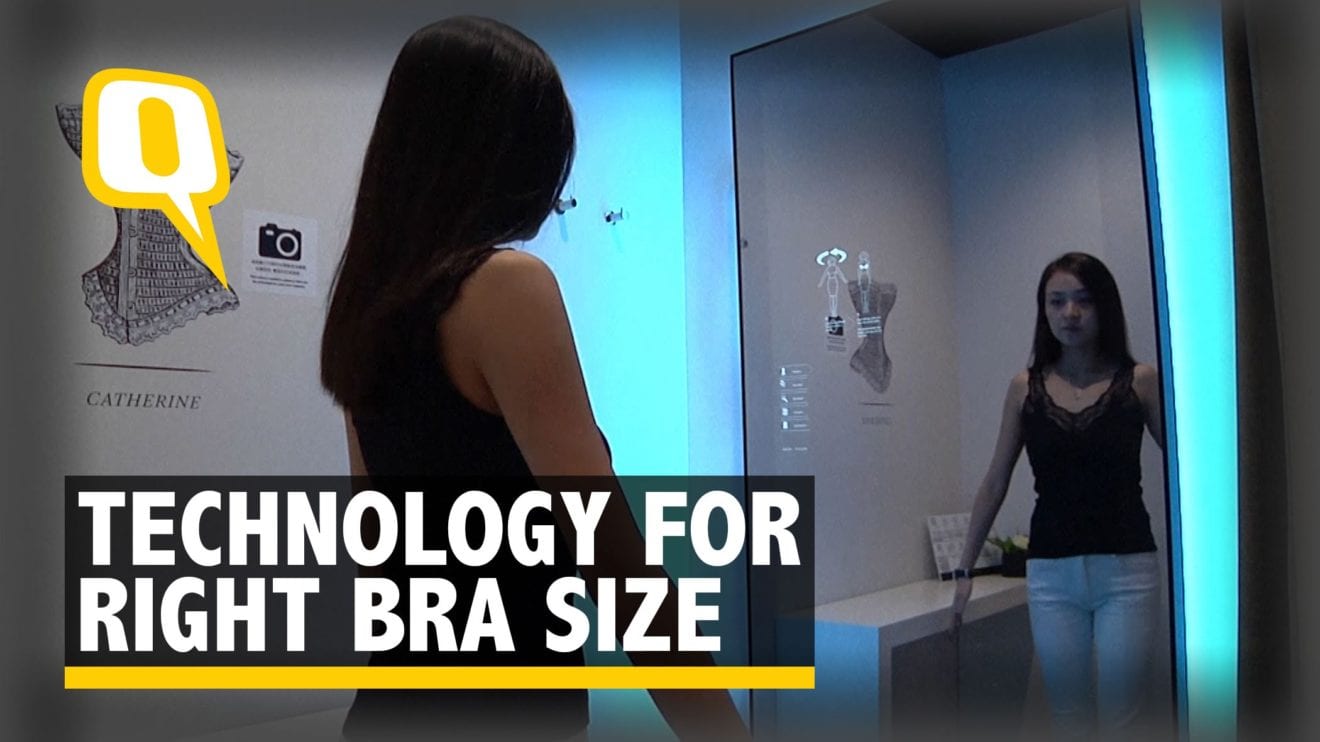
    The Hong Kong branch of Rigby and Peller is using a smart fitting room mirror to help customers work out their ideal bra size.

    For many women, especially young ones, being fitted for a bra is an embarrassing experience that they seek to avoid, often resolving to buying ill-fitted lingerie instead.

    Now, lingerie store Rigby and Peller is offering a high-tech alternative via a smart mirror, which scans the customer in the fitting room and calculates their ideal bra size.

    Rigby and Peller smart fitting room

    To begin, customers stand front of the changing room mirror and hold their arms out. Then, they rotate slowly, turning 360 degrees, while the inbuilt camera takes 140 body measurements.

    The technology then calculates the customer’s ideal bra size, giving them a unique shape ID.


  • Jeweller Malabar to expand in Asia, Gulf

    Jeweller Malabar to expand in Asia, Gulf

    Indian retailer Malabar Gold and Diamonds says it will open 22 new stores in India, the Gulf and ‘the Far East’ over the next six months.

    New showrooms will be opened in Hong Kong and Indonesia as part of the plan, but there are no details as yet on timing or exact location.

    To help stock the expanded store network – 155 after the openings – a new gold processing unit will be opened in Dubai and a diamond processing facility in Mumbai.

    “The new showrooms will be opened in major cities across India, the Gulf region and the Far East in next six months,” Malabar group chairman M P Ahammed said in a statement.

    The rollout is a further step towards Malabar’s goal of reaching 300 stores by 2020.

    “In response to the government’s ‘Make in India’ initiative, we are setting up new processing units at Kinfra industrial park in Kerala and at other industrial parks in Andhra Pradesh, Gujarat and West Bengal,” Ahammed said.

    “We are also building an advanced gold manufacturing unit on a five-acre land in Dubai with the support of the UAE government.

    “As more Indians are buying diamond jewellery due to changing lifestyle, higher disposable incomes and for being trendy, the diamond processing unit will be in Mumbai, which is a major centre for diamonds business,” Ahammad said.

    The group’s retail network is already spread across nine countries, including Bahrain, Kuwait, Oman, Malaysia and Singapore.

  • SM Center Sangandaan opens

    SM Center Sangandaan opens

    SM Center Sangandaan has opened its doors – owner SM Prime’s 55th mall in the Philippines.

    It is SM Prime’s first mall in the populous City of Caloocan, one of the 16 cities within Metro Manila. The new mall provides an additional 38,622 sqm in gross floor area (GFA), giving SM Prime a total retail space of 6.8 million sqm, the largest mall footprint in the country.

    SM Center Sangandaan, strategically located along the busy intersection of Samson Rd and A. Mabini St in Sangandaan, will give SM Prime access to the northern tip of Metro Manila, bringing a unique shopping experience closer to the highly dense cities of Malabon, Navotas and Caloocan.

    “SM Center Sangandaan reflects SM Prime’s commitment to be part of the growth across communities. We are very pleased to open our first mall in Caloocan City which is a testament to the fact that Metro Manila is far from being saturated by modern retail facilities,” SM Prime president Hans T. Sy said.

    The mall opens its doors to a catchment of more than 1.5 million with 90 per cent of its space leased. Anchor tenants include SM Supermarket, SM Appliance Center, SM Cinema, Ace Hardware, BDO and Watsons.

    There are three levels of prime space which includes four cinema theaters with a total seating capacity of 824, and 493 parking slots.

    The mall’s facade features different shades of blue, gray and white, giving the exterior a quirky geometric visual design. The main interior features a high glass ceiling, complemented by white walls which maximises daylight and adds further dimension to the mall.

    SM Center Sangandaan is the fifth SM mall to be opened this year, after Cherry SM in Shaw Boulevard with a GFA of 24,165 sqm and SM City Cabanatuan, both of which opened this month. SM Seaside City Cebu is next, scheduled to open on November 27.

    By the end of 2015, SM Prime will have 56 malls in the Philippines and six in China.

  • Matsumotokiyoshi Thailand to launch in Bangkok

    Matsumotokiyoshi Thailand to launch in Bangkok

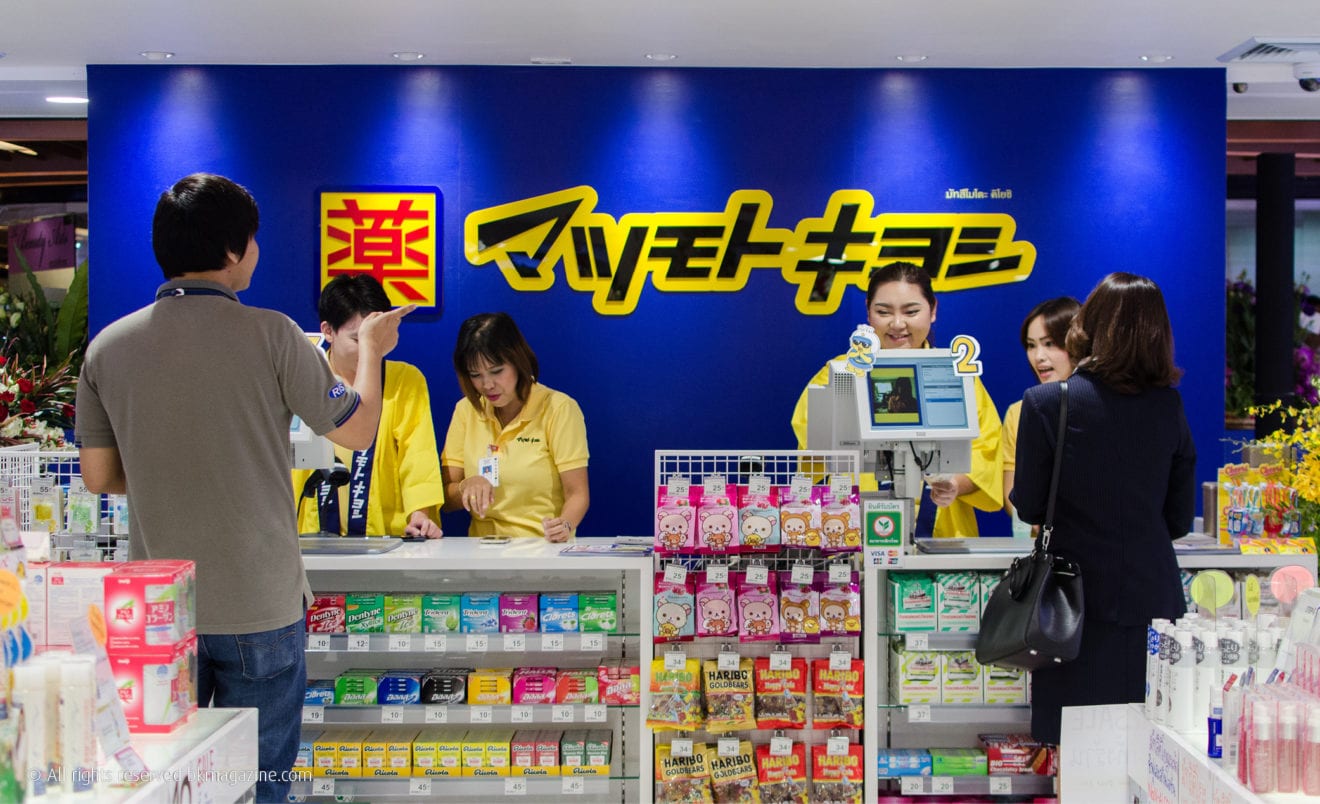
    Japan’s largest drugstore Matsumotokiyoshi has chosen Thailand for its first international foray.

    Matsumotokiyoshi Thailand is a joint venture between the Japanese company and Thai retail conglomerate Central Retail Food Corp who have formed Central & Matsumoto Kiyoshi Corp. Central owns 51 per cent.

    The first store will open in Bangkok at Central Plaza Ladprao this week and will be followed by a second before the end of the year.

    “We are confident to be successful here,” Junichi Tateno, CEO of the JV told a press briefing.

    Tateno says Thailand’s health and beauty market is worth 85 billion baht, or US$2.4 billion, annually and is continuing to grow. Thais, he says, have an interest in Japanese culture and products.

    Central has been test marketing some 200 Matsumotokiyoshi products in 23 Bangkok supermarkets for about a year to assess interest in Japanese beauty products. The results prompted the two companies to proceed with standalone stores, which will stock about 2000 SKUs from the Japanese company’s mainstream offer, together with products sourced from elsewhere.

    Matsumotokiyoshi, launched 85 years ago, has 1500 stores in Japan.

    The second Thai store will open at Central Plaza Pinklao and there are plans to open concessions in department stores from next year.

  • Courts Retail to open second  megastore by year-end

    Courts Retail to open second megastore by year-end

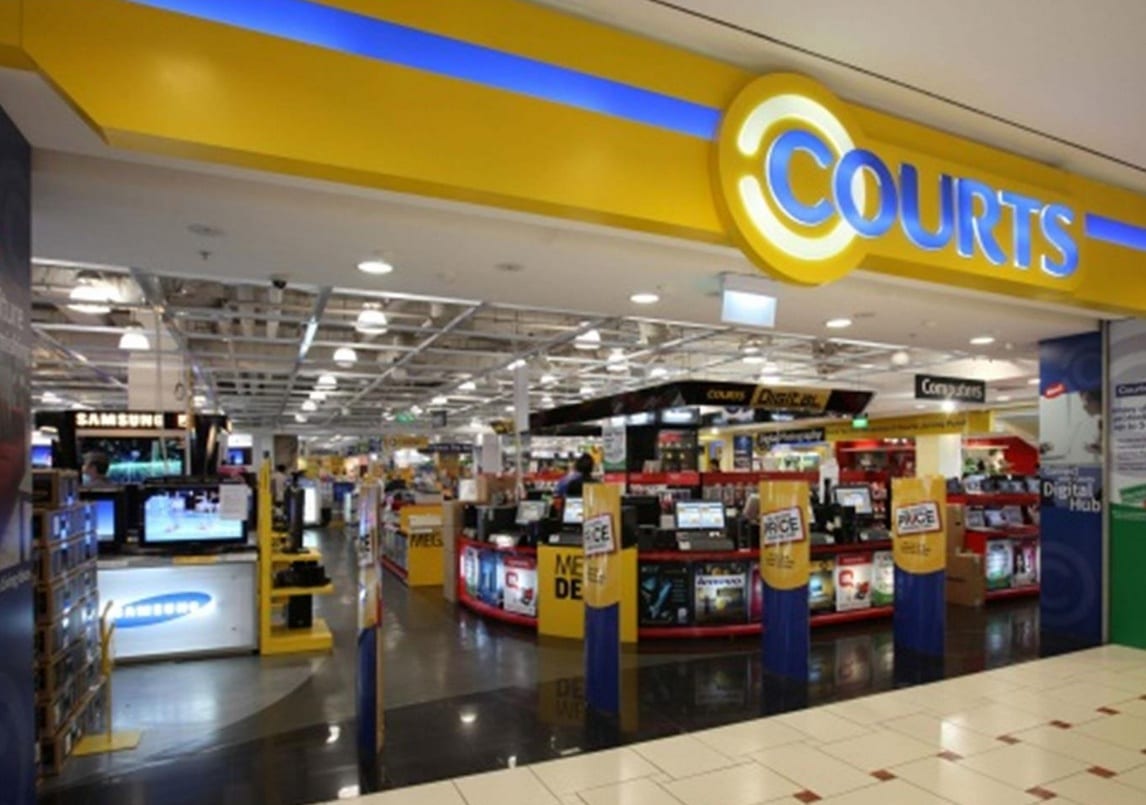
    PT Courts Retail Indonesia, a subsidiary of Singaporean retailer Courts Asia Ltd., will open a new megastore in Bumi Serpong Damai (BSD) City, South Tangerang, Banten, in December as part of the company’s Indonesian expansion.

    Courts Retail Indonesia CEO Roy Santoso said the 24,000-square-meter megastore was currently under construction on a 2.2-hectare plot of land in BSD, a growing township in the southwest of Jakarta with direct toll road access to South and West Jakarta.

    He said the construction of the retailer’s second megastore was 80 percent complete. The store would sell at least 12,000 items from 200 local and international brands. All the electronics and home appliances were local products, while the furniture would comprise 70 percent local and 30 percent imported brands, mostly from Malaysia and China, Roy added.

    “The store spaces will be grouped into four segments: ‘Play’ for electronics, ‘Live’ for home appliances and accessories, ‘Sleep’ for beds and ‘Relax’ for furniture,” he said in a press briefing last week.

    Currently the company has three operating stores: one megastore in Kota Harapan Indah, Bekasi, West Java, and two smaller ones in Bekasi and Bogor, both West Java. It only began active operations in Indonesia in 2014.

    Roy said that Courts Retail would open a maximum of seven stores in total within two years and 10 to 12 stores by 2019 in Greater Jakarta.

    “In these kind of economic conditions, we have to have a sustainable development plan. To reach breakeven, we plan to open two to three smaller-sized stores within two years,” Roy said.

    “Our initial plan had been to have one megastore in each western and eastern part of Greater Jakarta. The eastern part is Bekasi and the western part is BSD. We can still have vast area to build a megastore in BSD,” Roy said.

    “Courts also targets various classes of income groups. In our stores we segment our products into good, better and best so that people can choose. And BSD is easily accessible for people with different income who live in Bintaro and Pondok Indah in South Jakarta and Karawaci in Tangerang, other satellite cities with high numbers of population,” Roy added.

    The company has invested between US$3 million and $5 million for each megastore and $500,000 to $1 million for each smaller store of 2,000 sqm. In total, it has invested around $8 million so far, Roy said.

    The megastore to be launched in BSD will absorb some 300 employees, alongside overall management personnel placed there, too, as the company plans to move its headquarters from South Jakarta to the new outlet by December.

    Amid present competitors in the area, such as Kawan Lama Group’s Ace Hardware and Informa that serve similar product segments, Courts remains optimistic as it offers different product models and promotions.

    Courts Retail promotion strategy includes a flexible credit scheme and cooperation with major credit card issuers, including exclusively with BRI.

    “Other new things offered by Courts include a free delivery service, made-to-order furniture, installation, repair and cleansing services. Our e-shopping website will be ready by the end of this month,” Roy said.

  • XL Axiata targets Bandung, Jakarta for next 4G 1800MHz launch

    XL Axiata targets Bandung, Jakarta for next 4G 1800MHz launch

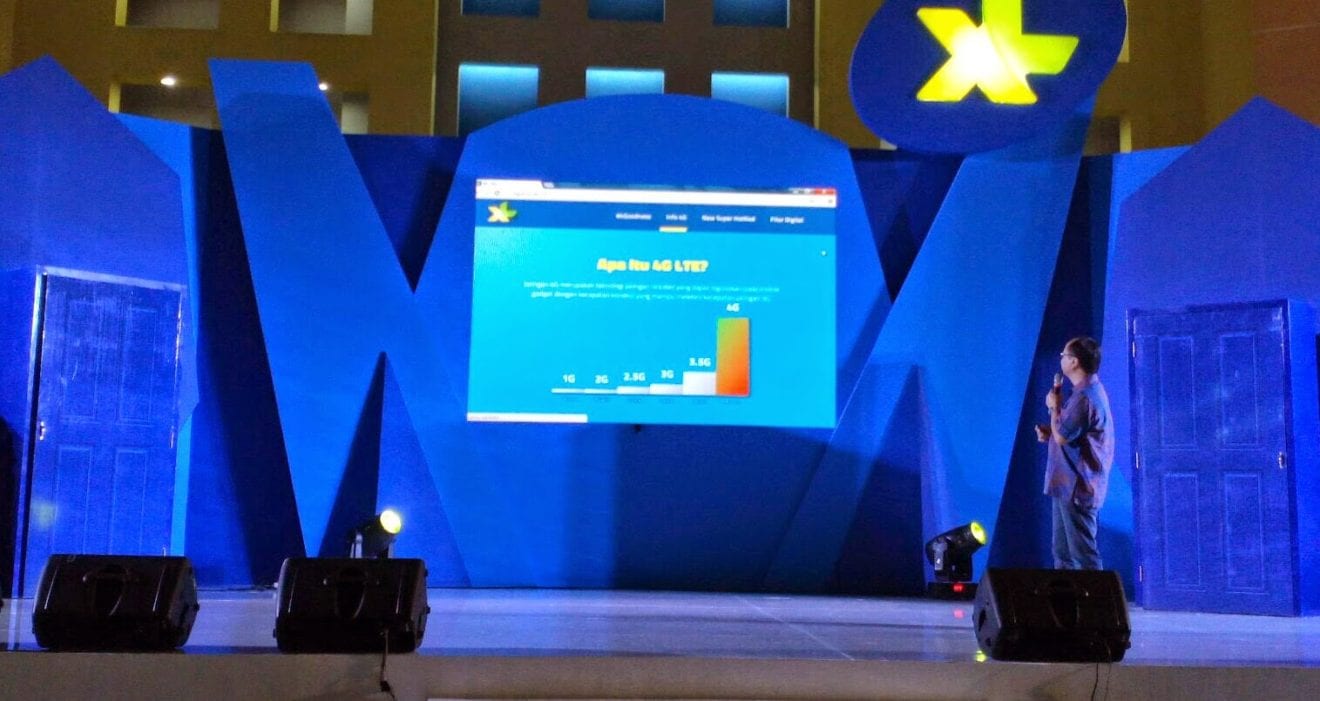
    The Indonesian mobile operator XL Axiata has revealed that the ongoing phased rollout of 1800MHz 4G LTEservices will target a commercial launch in Bandung, West Java by the end of the month, followed soon after by Jakarta in November, after the company concludes its nationwide spectrum refarming programme. Dian Siswarini, President Director and CEO of XL Axiata, notes that the process has already reached Central Java and will be completed next month to comply with the ministry’s 23 November deadline. ‘There have been minimal obstacles in the refarming process. That’s why we are confident to say that we are able to have 4G LTE services operating in Bandung by the end of October, and in Jakarta by November,’ she said.

    XL introduced its first 1800MHz 4G service in Lombok, West Nusa Tenggara in July 2015, followed soon after by Denpasar (Bali) and Surabaya (East Java). It currently has around 1.2 million 4G users to its 900MHz service, although Dian concedes that some customers have complained that LTE-900 is proving to be little faster than XL’s W-CDMA-based 3G network. Last month XL Axiata, which is 66.5%-owned by Axiata Group of Malaysia through Axiata Investments (Indonesia), selected Ericsson to act as its turnkey supplier for 4G LTE design and implementation in Jakarta and Central Java, as well as for 2G and 3G upgrades to meet an explosion in demand for data traffic. Under a three-year contract, the Swedish vendor will supply all necessary hardware, software and services to deliver 4G services for XL Axiata’s subscribers. The pair say the deployment will improve both network capacity and data transmission speeds.

    In another development regarding the government’s recent plan to tighten procedures on the purchase of mobileSIM cards, The Jakarta Post quotes Dian as saying that XL Axiata had prepared for the regulation in terms of its data systems and forging standard operating procedures (SOPs) with retail outlets to make them aware of the regulation. The telecoms ministry and the telecommunications regulatory authority (BRTI) issued a regulation in September, requiring customers to show an ID upon the purchase of pre-paid SIM cards starting 15 December.

  • Matta welcomes shifting of AirAsia’s operations to Terminal 1

    Matta welcomes shifting of AirAsia’s operations to Terminal 1

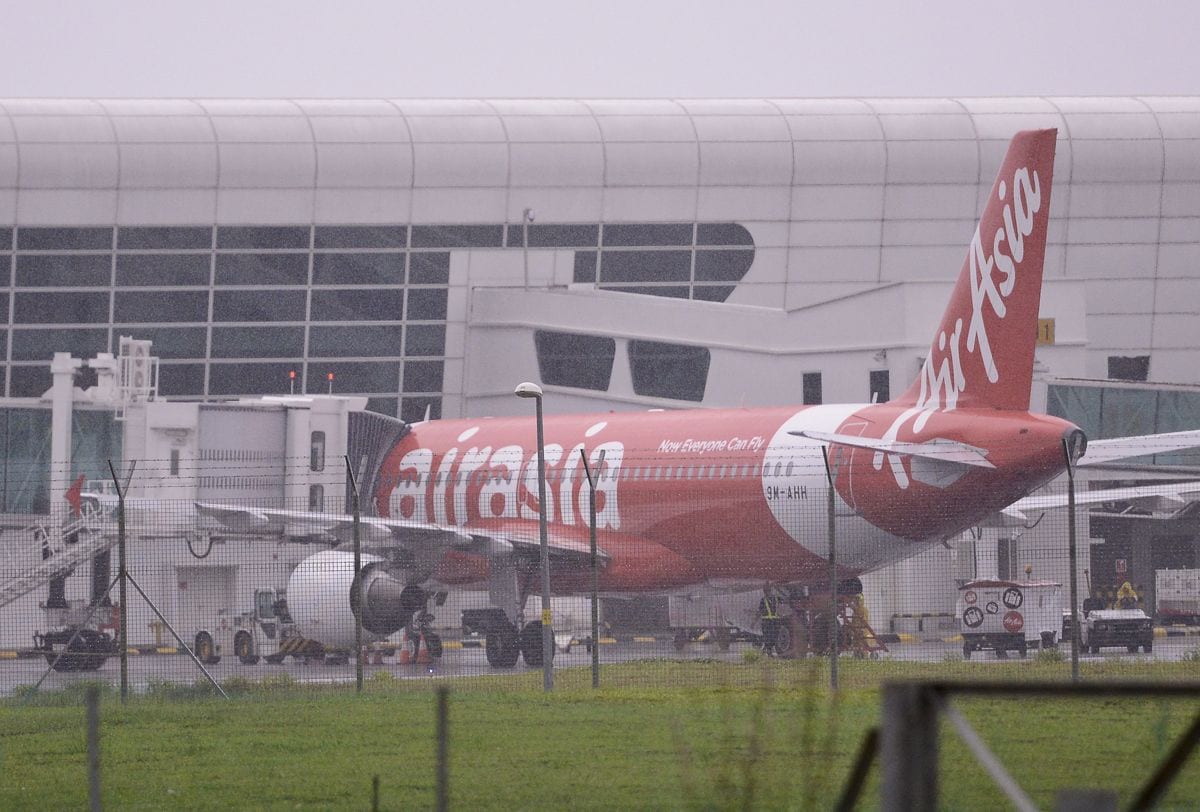
    The shifting of AirAsia’s operations to Terminal 1 next month will certainly be welcomed by passengers, said Malaysian Association of Tour and Travel Agents (Matta) vice president (inbound) Datuk KL Tan. He said the Terminal 2, which the low-budget-carrier is operating now, has poor ventilation, lack of check-in counters, immigration and goods and services tax refund counters, poor toilet facilities, among others.

    The terminal at the Kota Kinabalu International Airport (KKIA) has also exceeded its passenger capacity of two million passengers per annum (ppa), as last year its actual passenger volume was 3.6 million ppa. “This has been a long tussle for some years and we are glad AirAsia Group chief executive officer Tan Sri Tony Fernandes has realised we need to be law-abiding citizens. “Matta Malaysia wishes to thank Prime Minister Datuk Seri Najib Razak for giving the final directive to AirAsia to move to Terminal 1,” he said in a statement.

    The Prime Minister, who officiated the RM1.7 billion Terminal 1 on Sept 16, had delivered an ultimatum to AirAsia to move its operations from Terminal 2, stating the airline had exceeded its timeframe. AirAsia has been involved in disagreements with Malaysia Airports Holdings Bhd since the airline was asked to move its operations back in 2011, with the last deadline being on Aug 1 this year.

  • Thailand lauded for elephant conservation

    Thailand lauded for elephant conservation

    Thailand has been honoured for its Elephant conservation practices at Kuiburi National Park, with the World Wide Fund for Nature naming it one of two WWF project sites in Asia carrying out best practices for human-elephant conflict mitigation.

    Thais’ love for elephants has also been highlighted via an art project on display at several shopping centres in Bangkok and soon to be seen in Milan.

    Research data confirmed that in 2015 there has been zero elephants poached in Kuiburi, of Prachuap Khiri Khan province, and elephant deaths have declined dramatically in recent years. There have been only four deaths from 2006 until now, compared to 11 deaths from 1997 to 2005.

    Additionally, human-elephant conflict incidents have declined dramatically from 332 in 2005 to 274 in 2013 to 146 in 2014.

    The second project site highlighted by WWF for human-elephant conflict mitigation is Kaziranga National Park in Assam, India, which has had no elephant poaching from 2010 until the present.

    30272497-01_big.jpg

    The success at Kuiburi National Park has been achieved through the collaborative effort of the Department of National Parks, Wildlife and Plant Conservation, local communities, local partner organisations and WWF Thailand.

    Hundreds of joint patrols by national park staff and military and border patrol police, who are trained to use the SMART patrol system, are major reasons for this success. The WWF and park staff encouraged Karen villagers to stop forest encroachment and poaching in the core area of the park while encouraging sustainable land use planning. Habitat for elephants has been improved in key areas and local communities are now engaged as conservation partners.

    “Our goal is to reduce the likelihood of human-elephant conflict, end hunting of wild species and at the same time also work to eliminate the killing of elephants for ivory and the smuggling of baby elephants from the wild,” said Wayuphong Jitvijak, manager of the Kuiburi wildlife conservation project for WWF Thailand.

    Kuiburi National Park has an area of 969 square kilometres. The WWF, the Department of National Parks, local communities and partner organisations collaboratively work to restore natural resources and maintain a healthy ecosystem for elephants by creating salt licks and filling water holes during the dry season. This ensures that the elephants remain in the forest, thereby reducing the risk of human-elephant conflict incidents such as crop raids.

    Today, there are an estimated 20,000-25,000 Asian elephants in the world and Thailand has a population of 2,500-3,200 wild elephants. Their global numbers have shrunk by over 70 per cent in the last 30 years and they are now classified as endangered by the International Union for Conservation of Nature.

    This year is turning into a game-changing 12 months for elephants in Thailand because of the strong efforts to protect them by the government with the support of the private and public sector. This year over 1.3 million Thais showed their love for elephants by uniting against the illegal ivory trade through a social media campaign called “Chor Chang Can Save Elephants”.

    Thailand also passed the Elephant Ivory Act, the first ever piece of legislation to control the domestic ivory market while publicly destroying more than 2 tonnes of ivory to signal zero tolerance for poaching.

    “Considerable progress has been made by the government this year but there will be challenges ahead in implementing regulations, clamping down on illegal ivory traders and reducing demand,” said Janpai Ongsiriwittaya, Wildlife Trade Campaign manager for WWF Thailand.

    Additionally, Central Pattana Plc this month joined hands with Art Bridge Chiang Rai, a group of artists from northern Thailand led by the country’s leading visual artist Chalermchai Kositpipat, to create 999 papier mache elephants. The artworks were created by 999 individual artists to raise awareness of issues relating to elephant conservation in Thailand. The 999 elephants are on display at Central Bangkok, Central World, Central Chidlom and Central Embassy until next Sunday.

    “Now more than ever the public is aware of the fact that 30,000 elephants in Africa are slaughtered each year for ivory and they have called for the slaughter to end,” Janpai said. “Even Thailand’s largest retail developer and the art community have joined hands for elephants … using the power of art to communicate the importance of elephants and elephant conservation to the public.”

    The event will also showcases a 4.2-metre tall elephant painted by nine leading artists and set to be sent to Milan to link with the art community there and serve as a symbol of Thais love for elephants.

    “WWF’s goal is to reduce human-elephant conflict and wipe out the illegal ivory trade to ensure a future rich in biodiversity and a future with elephants for generations to come,” said Yowalak Thiarachow, WWF Thailand country director.

    “Every effort, however small, matters. Say no to ivory products and join us in this fight to save elephants with your support and donations. Together we will make Thailand a leader in elephant conservation.”
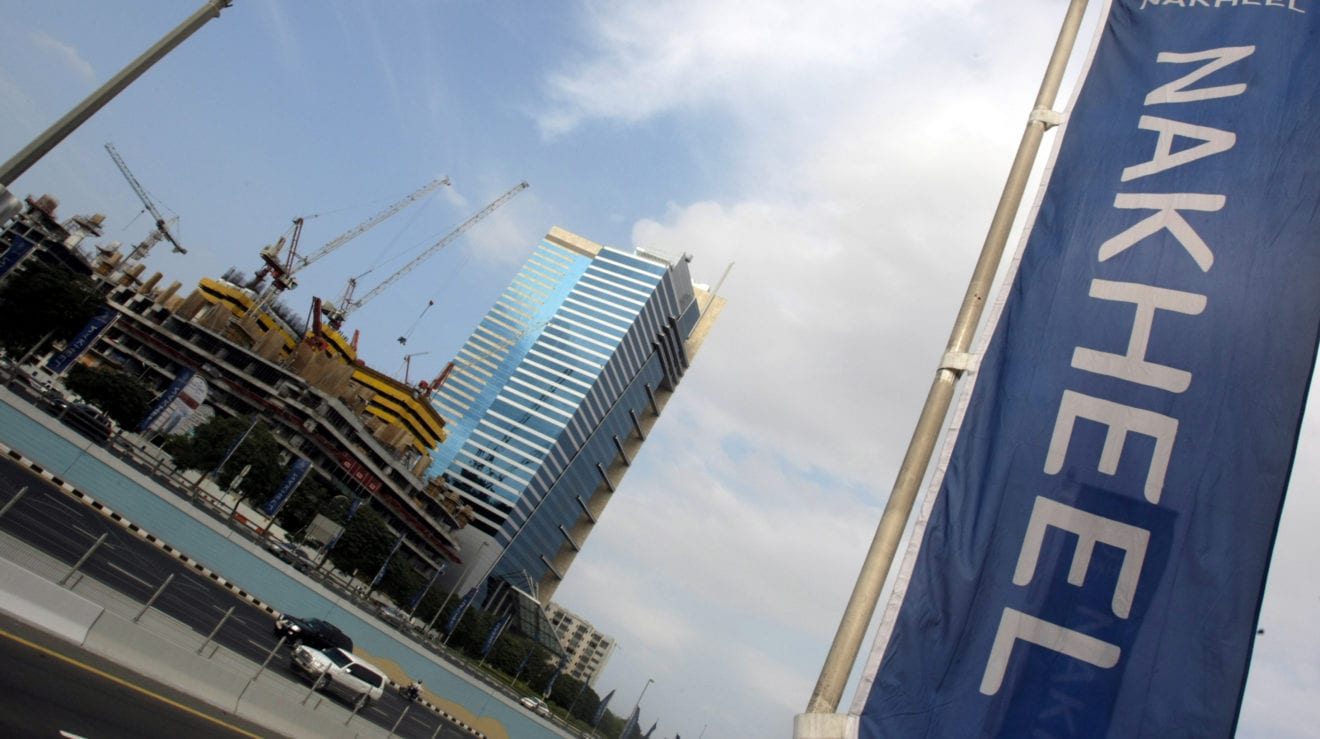
  • Nakheel looking to partner with Indian retail brands

    Nakheel looking to partner with Indian retail brands

    Ving in a strong way in retail and hospitality,” said Ali Rashid Lootah, the chairman of Nakheel, who was in Mumbai for the three-day Dubai Property Show that opened on Friday. “We don’t have many Indian retailers in Dubai but a lot of Indian brands are becoming more and more known regionally and internationally. We are trying to get them to come to Dubai. We have these old relations with India and we are trying to capitalise on that.”

    Mr Lootah said he would be keen for an Indian partner to invest in a joint venture in a three- to four-star hotel project. He added that the company had been talking to one potential partner, although nothing had as yet materialised.

    The Dubai developer already has three joint venture partnerships for projects. It has partnered with Spain’s RIU Hotels and Resorts for a 750-room, four-star beachfront resort and with Thailand’s Minor Hotel Group for a 500-room Avani resort. A few days ago it emerged that Nakheel would join forces with Thailand’s Centara for a 550-room resort on Deira Islands.

    Nakheel has 10 hotels in the pipeline, including a luxury hotel as part of its Palm Tower project.

    It is also aggressively developing new shopping centres, including Nakheel Mall, Deira Mall, and Al Khail Avenue.

    Nakheel showcased $4.6 billion worth of projects, in terms of construction costs, at the exhibition in Mumbai, including its Deira Islands development and various projects on the Palm Jumeirah. Indians make up about 11 per cent of Nakheel’s customers, having bought almost 4,400 villas, apartments, and land plots worth about $2.5bn in total, according to figures from the company.

    Mr Lootah said that Nakheel would consider investing in India if it found the right partner and project.

    The company is hoping to unveil a partnership on a project in Riyadh soon, Mr Lootah said, although with the deal yet to be signed he was unable to share details.

    “In Saudi Arabia we are talking to a big developer and we would like to be a development manager, passing on our know-how,” he said.

    The mixed-use project covered a “huge, huge area” and would “hopefully” be announced in a couple of weeks, he said.

  • DFASS Group to be official partner for ARC Singapore

    DFASS Group to be official partner for ARC Singapore

    Inflight concessionaire Duty Free Air and Ship Supply (DFASS) will be official partner for the 2016 Airline Retail Conference (ARC) Asia/Pacific showpiece, event organiser Memphis Media has confirmed.

    Memphis Media has made efforts to restructure all ARC events since its acquisition mid-March and last month announced it will reduce entry tickets for exhibitors and delegates to all ARC events.

    “We are delighted to be participating in the ARC Asia event again,” said DFASS Group deputy chairman John Garner.

    “The last Asia exhibition held in Hong Kong was very well attended and we see this as a great opportunity to build on our business in the region.  Singapore Airlines, SilkAir, and Scoot have all renewed their agreements with us, and we are pleased to be starting our new business on board Tianjin Airlines and Vietnam Airlines later this month. We look forward to meeting existing and new clients at the show in Singapore.”

    Memphis Media managing director Karim Halwagi added: “I couldn’t be happier to be working once again with DFASS. As a true leader in the market, I am delighted DFASS Group is supporting the upcoming ARC Asia-Pacific event.”

    DFASS manages 27 inflight retail concession airline partners globally covering duty-free shopping and buy-on-board programmes, with over 150 million international and domestic passengers per year.

  • Sequoia-backed marketplace wants to bring Thai retailers online

    Sequoia-backed marketplace wants to bring Thai retailers online

    When I first visited Thailand not too long ago, one of the first things that hit me were the numerous open-air markets – like the huge Chatuchak market in Bangkok. Shops and market stalls of all shapes and sizes peddled a huge variety of goods, from clothes to trinkets to household items.

    Thailand’s retail sector is expected to hit US$179.2 billion in 2016. Despite growing smartphone and credit card usage in the country, however, a lot of retailers haven’t jumped on the ecommerce bandwagon yet, leaving a lot of opportunity on the table.

    The founding duo of Thailand-based Zilingo, Ankiti Bose and Dhruv Kapoor, saw that opportunity for themselves when they visited the country on vacation. Ankiti is an ex-McKinsey consultant from Mumbai, India, who later worked for global venture capital firm Sequoia. Together with IIT (Indian Institute of Technology) graduate Dhruv, they decided to create a way for these retailers to find new customers online.

    Ankiti, the startup’s CEO, was always fascinated by the startup side of the VC business, she tells Tech in Asia. After that Thailand trip, she was convinced it was time to cross over to being an entrepreneur.

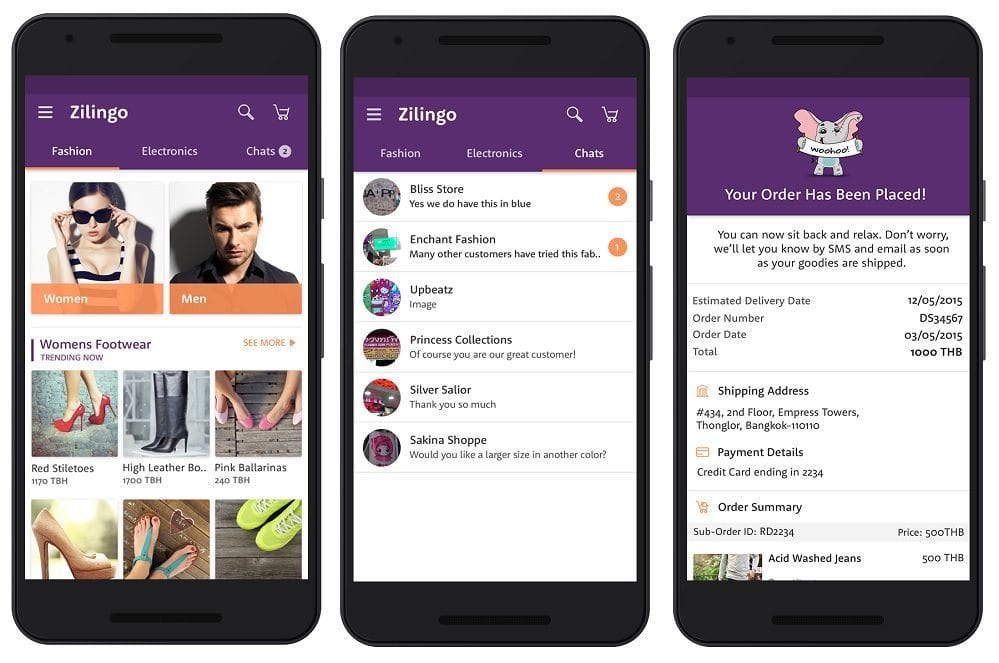
    Zilingo is a mobile-first online marketplace that allows merchants to list their inventory, set their prices, and fulfill online orders. Users can browse through available stores and products, then order and pay with their credit card.

    Zilingo screenshots

    Zilingo’s services include shipping, packaging, payment options, an analytics dashboard for mobile, order tracking, refund and cancellation options, and consultation on pricing strategy. The app also provides chat, through which a customer can get directly in touch with a merchant.

    The startup doesn’t charge merchants for listing, or any other fees, providing most of its services for free. It only takes a cut out of successful sales, wanting to encourage adoption and to “only charge for things that actually add value to the [merchants’] business.”

    Zilingo has only recently gone live, and is available to buyers and merchants across Thailand. Within November 2015, buyers from Singapore, Indonesia, and Hong Kong will also have access to the platform’s Thai sellers. Other Southeast Asian countries will follow, according to the startup. There are currently over 300 sellers on the site, Ankiti says.

    The company has already raised external funding, to the tune of US$1.88 million. The funding comes from Sequoia India, Teru Sato of Beenext, and Freecharge’s Kunal Shah and Sandeep Tandon.

    “We are delighted to back Ankiti and Dhruv, a highly talented and committed founding team, in their efforts to build a mobile-first marketplace for Thailand,” says Shailendra Singh, managing director at Sequoia India. “We liked the team and their mobile-first product so much, that we agreed to invest at the concept stage. It’s early days for the company, but we’re excited about the prospects for Zilingo.”

    Are you eager to shop from Thai retailers online? Do you think Zilingo has found a good way to digitize Thailand’s merchants?

  • Singapore Targeted By Cybercriminals with Banking Trojans

    Singapore Targeted By Cybercriminals with Banking Trojans

    IT Threat Evolution report of Kaspersky for the third quarter of 2015 reveals that Singapore suffered maximum attacks from banking Trojans during second quarter of 2015 with 496 individuals reporting attacks.

    It is not a coincidence that Singapore is one of the ASEAN countries with the highest rates of digital banking.

    According to an A.T.Kearney and EFMA global retail banking study, Singapore has the highest inclination for digital banking in the global arena.

    Computerweekly.com published news during the last week of October, 2015, quoting Jimmy Fong, Channel Sales Director Southeast Asia, at Kaspersky Lab, as saying “The nation was also placed among the top three in banking capabilities which included technological developments, a strong financial environment and digital infrastructure”.

    Computerweekly.com published news during last week of October 2015 quoting Michael Yeo, Senior Market Analyst at market research firm IDC, as saying “Singapore is a magnet for such banking Trojans because of combination of the country’s general wealth levels and growing use of associated services like e-commerce and mobile commerce”.

    Yeo added that Singapore is one of the nations which use maximum online banking services with 74% of the population using it.

    The statistics also reveal that patrons in Austria were targeted by banking Trojans excessively than in any other region: Around 5% of all Kaspersky Lab patrons in Austria faced this malware during the quarter. Turkey (3%) was placed at number three.

    Geographically most of countries in the top ten lists of information-stealing malware attacks during Q3 have a large number of users of online banking. Trojan-Downloader.Win32.Update was the most rampant malware used to target users of online banking, as it is being employed in 63.1% of attempted assaults to embezzle payment credentials of users.

    In third quarter, the Kaspersky Lab Global Research and Analysis Team (GReAT) identified a number of advanced cyber-espionage operations. Amongst others, comprising of the infamous Turla gang that employs satellite communications to administer traffic of its command-and-control server for subsequent operations known as Darkhotel APT, which penetrates Wi-Fi networks of hotel to put backdoors on target systems and fresh activity of the Blue Termite APT focusing on embezzling information from establishments in Japan.

  • Lazada launches online Christmas sale

    Lazada launches online Christmas sale

    The country’s biggest online retail firm, Lazada Philippines, has announced the launch of its month-long Christmas sale, bubbed as Lazada Online Revolution, from November 11 to December 12, slashing prices of over 200,000 goods  across 13 product categories up to 95 percent.

    November 11 or 11/11 is known in China as “Singles’ Day” celebrating bachelors and bachelorettes and e-commerce retailers have turned it into the world’s biggest online shopping event.

    Last year, they sold over $9 billion worth of products on “Singles’ Day”.

    Lazada introduced the 11/11 holiday in the country to mark the start of the Christmas shopping season and has hauled record sales since then.

    For 2015, Lazada Philippines expects to break new records, with over two million visitors to its website and mobile app on the date.

    Big brands and merchants in electronics, fashion, kids and toys as well as home goods are joining the sale.

    Online merchants will also come up exclusive items on flash sales and P99 deals on November 11.

    Participating brands include ASUS, Lenovo, Alcatel, Cherry Mobile, Bosch, Belo, Huggies, Mamy Poko, Timex and Giordano watches.

    As an early treat for Lazada shoppers, the retail firm will sell special items for P11 each.  Lazada bestsellers, such as Sandisk 8GB flash drives, 5600 mAH Powerbank and 4-layer shoe racks could be purchased for P11 starting today until 11/11/

    The P11 deals will be announced everyday at 11:11 a.m. on one of Lazada’s social media channels (Twitter: lazadaph, Facebook: lazadaph, Instagram: lazadaph).

    “We’ve been working hard with our merchants and suppliers to bring these deals to our customers,” according to Lazada Philippines CEO Inanc Balci. “We  believe that online shopping will provide a lot of convenience to shoppers especially during the holiday season.”

    “By shopping online, they can avoid heavy traffic, long lines and crowded areas,” he pointed out.

  • BNP Paribas Quits Hong Kong Private Trading Platform

    BNP Paribas Quits Hong Kong Private Trading Platform

    BNP Paribas is shutting down a private trading platform in Hong Kong, according to a note sent by the French bank to its clients. The platform was what’s called a dark pool – a place where institutional investors can engage in private securities trades.

    December Will See Tougher Legislation, Higher Costs

    The move by BNP is believed to be a result of tougher financial market regulation in Hong Kong, which should come into effect from December and will substantially increase the costs and risks associated with running dark pools, as the local regulator, like its counterparts across the world, strive for greater transparency in the industry.

    BNP is studying alternative solutions for its clients

    In the note to clients, obtained by Bloomberg, the French lender explained: “In view of the changing client needs and the evolving regulatory environment, BNP Paribas Securities (Asia) Ltd. in Hong Kong decided to stop running the internal dark liquidity pool trading services, BNP Internal Exchange (BIX), from December 2015.” It added that it is considering alternative solutions for its dark pool clients but all current orders will be transferred to the Hong Kong exchange, it said in the note.

    It seems that the new regulation is the final blow to BNP’s dark pool in Hong Kong, after the bank was fined almost $2 million by the local regulator, the Securities and Futures Commission, in August for failing to comply with dark pool operating rules. The violation consisted of BNP assigning equal priority to all orders processed in the pool over the three years between 2009 and 2011, when operations were suspended.

    Watchdog Wants Transparency

    The new Hong Kong regulation has stipulated a ban on retail orders in dark pools, a requirement that will see dark pool operators treat priority client trades over proprietary orders, plus a host administrative regulatory and administrative controls aimed to cast some light on these non-transparent platforms. As a result, such businesses are likely to become uneconomical.

    There are 16 dark pool operators in Hong Kong at the moment, accounting for 2 percent of the market, according to Reuters. In comparison, in Europe and the US, these platforms account for around 10 percent of trade turnover.

  • Amazon Building New Data Centers in South Korea for Cloud Unit

    Amazon Building New Data Centers in South Korea for Cloud Unit

    Amazon.com Inc. in 2016 will open a new cluster of data centers in South Korea, as the Web retailer pushes deeper into Asia to compete with other cloud-computing providers such as Microsoft Corp. and Google.

    The facilities are for the machines that power Amazon Web Services, the business that rents data storage and computing power to other companies, rather than its online retail operations. They are being built in response to requests from customers, including Samsung Electronics Co. and various gaming companies, Seattle-based Amazon announced Wednesday. The data centers will also let Amazon serve new clients, including government agencies and large enterprises that need to keep data exclusively in South Korea.

    Some nations mandate that certain data, such as health records, can’t leave their country of origin, prohibiting cloud providers without data centers located in those countries from certain kinds of business. Proximity to customers also decreases response times for those running Internet-based cloud applications.

    Amazon’s cloud-computing division serves customers such as Pinterest Inc. and Netflix Inc. South Korea will be the fifth AWS region in Asia, and Amazon has committed to building a second cluster of data centers in China and is also planning one in India. The company will have 12 data regions worldwide when South Korea is built in early 2016.

    Amazon didn’t disclose the size of its investment.