Author: Mei Ling Tan

  • 11.11.2015: Here’s what to expect on Wednesday

    11.11.2015: Here’s what to expect on Wednesday

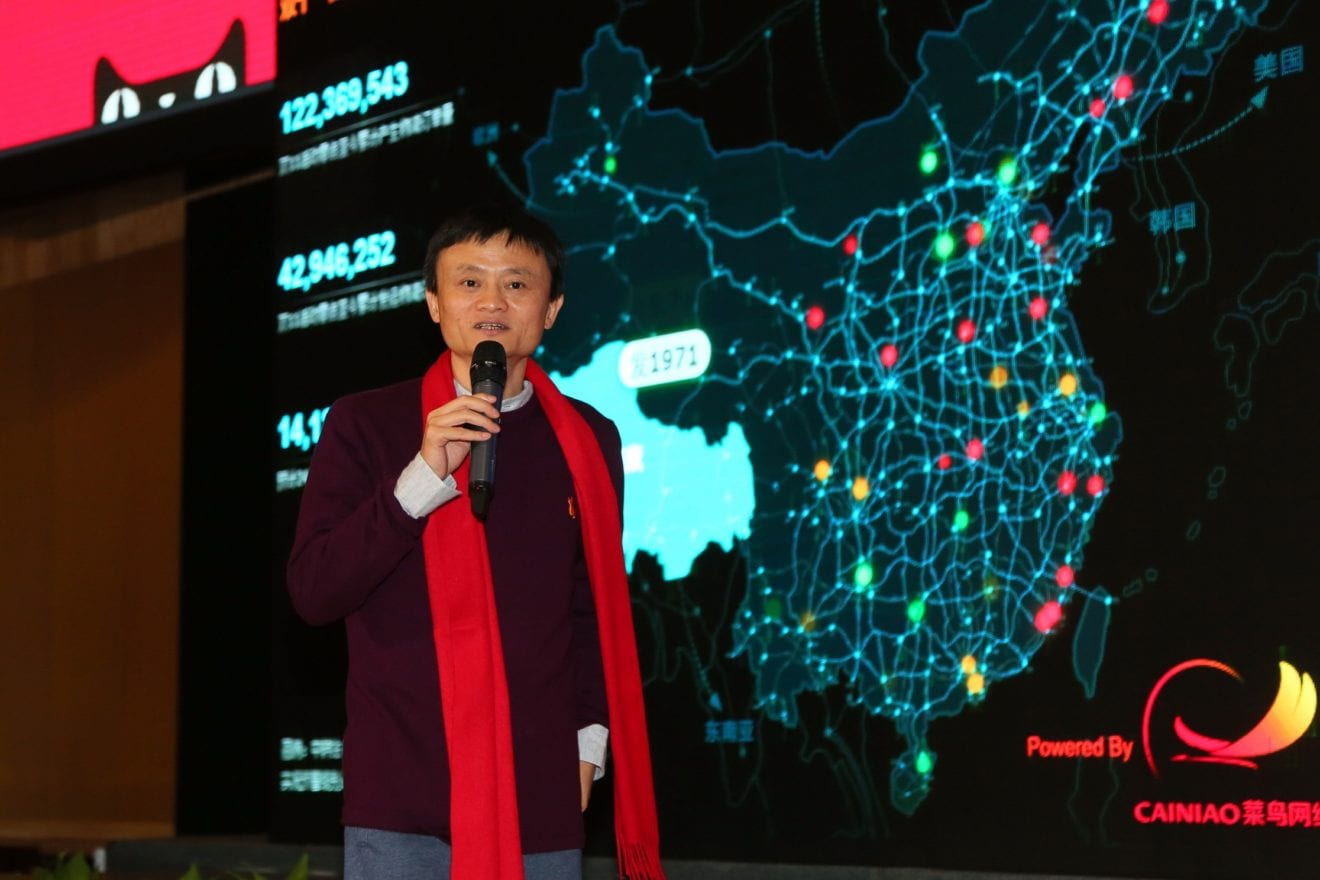
    There are just days to go before Alibaba Group holds its 11.11 Global Shopping Festival. Merchants are laying on stock and pre-packing popular products to ready them for shipment. Delivery companies are training hundreds of thousands of temporary workers hired to help deliver the massive volume of parcels generated during the November 11 online sale, held on China’s Singles Day holiday.

    Consumers are gathering digital discount coupons for use during the 24-hour shopping frenzy, locking in deals in pre-sales events, and limbering up their clicking fingers. For members of China’s young and tech-savvy spending class, the 11.11 sale is a race against time as they log on at midnight to vie to complete web purchases for limited stocks of coveted products while millions of others are jamming the Internet trying to do the same. Last year, the total value of purchases on Alibaba’s websites blew past RMB 1 billion (US$157 million) in GMV just three minutes after the sale began. Twenty-four hours later, the total was $9.3 billion – enough to set a Guinness World Record.

    Will this feat be surpassed this year? China Post, the PRC’s postal service, estimates that 760 million packages will be generated by Singles Day sales held by all Chinese online-shopping websites on Nov. 11. That’s up significantly from 540 million packages produced last year, according to the post office.

    For its part, Alibaba Group – which started the sale in 2009 are runs China’s largest online marketplaces – isn’t making predictions. If past is prologue, though, then last year’s results might be indicative. Check out the infographic at the end of this story to see the 2014 sale highlights.

    This year, Alibaba is pushing its 11.11 festival in new directions by involving more international merchants and shoppers. The event will feature more than 6 million products from over 40,000 merchants and more than 30,000 brands from 25 countries, including the US, China, Japan, South Korea and European nations. Participating international brands include P&G, Unilever, Burberry, Estee Lauder, Zara, Huggies, Macy’s, Costco, Apple, Nike, Friso, Topshop, and Uniqlo, to name a few.

    Through Alibaba’s China and international marketplaces including AliExpress, its global B2C website, merchants will be selling directly to consumers in more than 200 countries and regions, according to Alibaba. Still, the company expects the majority of transactions to occur In China, where key product categories for the sale include baby and maternity, fashion and apparel, cosmetics, electronics and home appliances, health and nutrition, grocery, and fresh foods.

    Alibaba is also pushing several other initiatives for 11.11.

    The company has lined up brick-and-mortar retailers to participate through mobile and omnichannel commerce. More than 1,000 retail brands, with 180,000 brick-and-mortar stores in 330 cities across China, have joined the event. They’ll be offering smartphone-enabled shoppers a more integrated and interactive shopping experience whether shopping online or in participating stores. Omnichannel will also give merchants greater insights into customer demographics and shopping habits, according to Alibaba.

    Underscoring the trend in China toward shopping by smartphone instead of PC, nearly 43 per cent of sales took place on mobile phones during the 11.11 sale last year. mCommerce is expected to play an even bigger part this year. The sale will feature marketing campaigns for mobile shoppers, such as rewards of discount e-coupons to consumers who shake their phones while using the Taobao or Tmall mobile applications during promotional periods.

    Ordering the goods is one thing. Delivering them quickly is another. Alibaba’s logistics affiliate, Cainiao Logistics, is bolstering domestic and international shipping capabilities for the sale to ensure faster deliveries to consumers.

    Cainiao, the backbone of a network of 3000 logistics companies linked by centralised information platform, estimates that its partners will deploy more than 1.7 million delivery personnel, 400,000 vehicles, 5000 warehouses and 200 airplanes to handle deliveries for the sale. Cainiao has also launched a “Hassle-Free Logistics Service” consisting of 49 international delivery partners and 74 warehouses that can support 4 million cross-border package deliveries per day, the company says.

    This formidable infrastructure will soon be tested. The countdown to 11.11 has begun.
  • Primark growth eroded by currency volatility

    Primark growth eroded by currency volatility

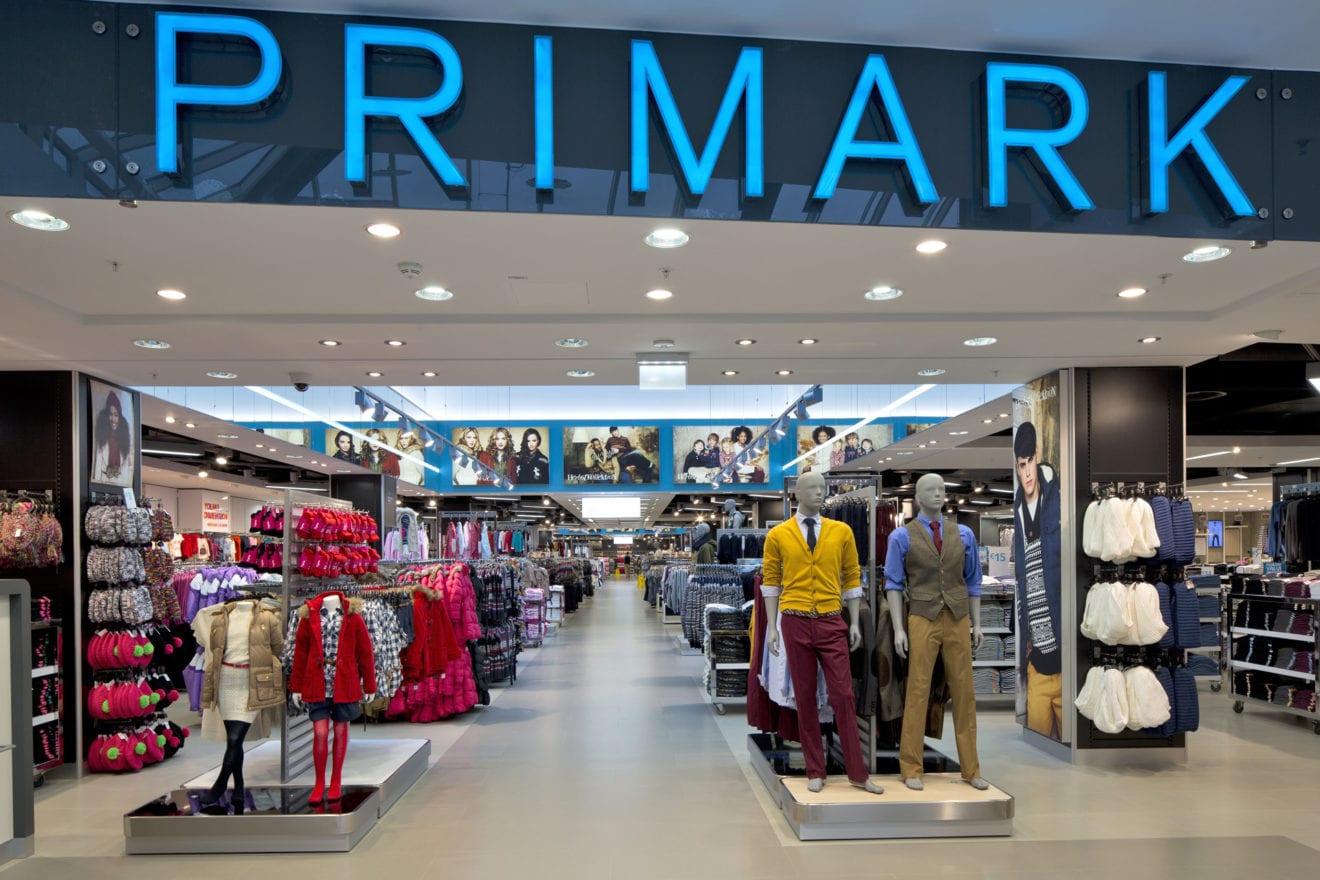
    Discount apparel retailer Primark has reported sales growth of 13 per cent to £5.3 billion at constant exchange rates for the year to September 12, demonstrating its continuing dominance in the value clothing market.

    However it was unable to escape the effects of currency volatility, reducing its total sales growth at actual exchange rates to eight per cent.

    While these results are in line with the expectations outlined in September this year, they are compounded by Primark’s two per cent increase in operating profit to £673 million at actual exchange rates – modest compared to growth of five per cent at constant exchange rates, observes Rebecca Marks, consultant at Conlumino.

    Sales growth was driven predominantly by a nine per cent increase in selling space – an additional 93,000 sqm that takes the total footprint to 1.04 million sqm. Considerable expansion in Germany, Belgium and the Netherlands resulted in marginal like for like growth at constant exchange rates of one per cent, as international customers chose to shop more locally, causing sales in existing stores to decline. Primark opened its first US store in Downtown Crossing in Boston in September 2015, with 7200 sqm of selling space.

    Further international expansion planned in the 2015/16 trading year will see a greater increase of 140,000 sqm across the year in northeastern US, Spain, Italy and France – its most successful market entry to date.

    “However, as the retailer continues to invest in international diversification, it endures the risk of substantial movement in currency markets, subjecting the retailer to negative transactional and translational currency exposures – a major challenge that Primark faced this financial year,” explains Marks

    “However, Primark believes a high proportion of this potential impact has been mitigated in-house by taking a shrewd approach to buying new season merchandise for next year.”

    Marks says Primark saw a return to a more normal level of markdown this year, following exceptional trading in 2013/14, resulting in a lower operating profit margin of 12.6 per cent, down from 13.4 per cent in its last financial year.

    “Inconsistent trading over the year resulted in moderated demand; while an unseasonably warm Autumn 2014 impacted sales in the early part of the trading year, Spring 2015 trading was also held back by cool weather. However, a strong Christmas in 2014 limited the impact of these challenging trading periods on its overall performance for the financial year,” observed Marks.

    “Although Primark actively resists plans to go down the online route that many of its fashion peers have chosen, the retailer shows no signs of slowing down. As parent ABF looks to maintain investment in Primark’s expansion opportunities, Primark will continue to see its budget-priced clothing ardently welcomed in all new territories, with its increased scale of distribution infrastructure helping to meet demand,” Marks concluded.

  • Osim struggles in ‘soft market’

    Osim struggles in ‘soft market’

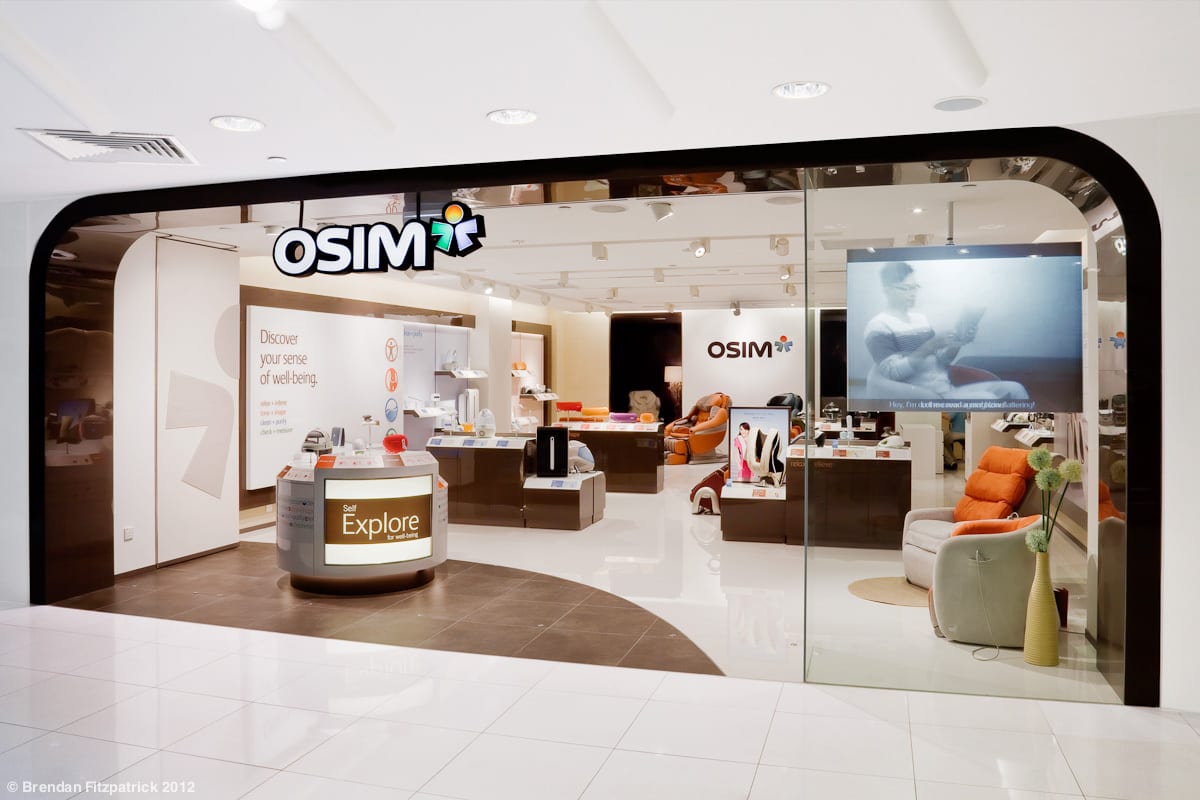
    Health appliance retailer Osim says its core business is helping it maintain stable gross margins in a retail market it described as “soft” throughout the region.

    Osim’s core is its 546-strong chain of Osim branded stores in 23 countries, which sell therapeutic devices including massage aids. Nearly half of those stores are in Mainland China.

    The company also operates 214 GNC/RichLife stores and 49 TWG Tea cafes with three more planned to open by the year’s end.

    Osim said last week its third quarter sales were S$142 million and profit before tax $10 million. But during the last nine months it has incurred legal fees of $7 million relating to its TWG Tea operation.

    “This has been another challenging quarter where retail sales across the core countries have been soft. This quarter has seen further challenges from gyrating markets and currency turmoil in the region,” the company said in last week’s filing.

    “Despite these challenges, our dominant brand has enabled us to maintain a stable gross margin and cash generative business with cash and cash equivalents growing again in the quarter. We are using our strong balance sheet to invest in new products and continuing our marketing activities.”

    The company expects trading conditions to remain challenging in the short term but says it is cautiously optimistic about its prospects for the remainder of the financial year following the launch of uMagic in key markets and other upcoming planned product launches.

  • Singapore residential development gets top architecture gong

    Singapore residential development gets top architecture gong

    Rather, the unique construction that won the top architecture gong at this year’s World Architecture Festival in Singapore is actually a cluster of 31 unit blocks named The Interlace — because the towers do just that.

    The creative minds behind The Interlace, architect Buro Ole Scheeren from Germany and Netherlands-based OMA, opted for a medium-density design that features apartment “towers” that are only six storeys high — small fry for Singapore where sky-high living has become the norm.

    The Interlace has got the top gong at the architecture “Oscars”. Picture: Picture: Iwan Baan

    The Interlace has got the top gong at the architecture “Oscars”. Picture: Picture: Iwan BaanSource:Supplied

    The creative minds behind The Interlace, architect Buro Ole Scheeren from Germany and Netherlands-based OMA, opted for a medium-density design that features apartment “towers” that are only six storeys high — small fry for Singapore where sky-high living has become the norm.

    The Interlace covers 170,000sq m and includes 1040 apartments. Picture: Iwan Baan

    The Interlace covers 170,000sq m and includes 1040 apartments. Picture: Iwan BaanSource:Supplied

    What makes the complex much more complex is how the apartment blocks are perched together in groups of four. And there’s a whopping 1040 apartments in it.

    Placed together in a unique formation, the residential blocks create a hexagonal shape which makes room for eight communal courtyards on the site.

    Described by Mr Scheeren as a “vertical village” the winning project also has a 50m pool on site, a clubhouse, reading rooms, gyms and games rooms and even a space for communal karaoke. For fitness junkies living on the densely populated island there is also a 1km running track.

    The unique complex was designed as a village rather than just a building. Picture: Iwan Baan

    The unique complex was designed as a village rather than just a building. Picture: Iwan BaanSource:Supplied

    Described by Mr Scheeren as a “vertical village” the winning project also has a 50m pool on site, a clubhouse, reading rooms, gyms and games rooms and even a space for communal karaoke. For fitness junkies living on the densely populated island there is also a 1km running track.

    Rather than sky-high towers, The Interlace is a cluster of 31 six-storey blocks. Picture: Iwan Baan

    Rather than sky-high towers, The Interlace is a cluster of 31 six-storey blocks. Picture: Iwan BaanSource:Supplied

    Finished in 2013, The Interlace, which covers a huge 170,000sq m surface area, won favour with the panel of judges thanks to its “radical and alternative approach” to contemporary living.

    The mixed-use structure is located within a green belt area of the city-state’s southern ridges.

    Professor Sir Peter Cook, founder of architectural group Archigram, and one of the design event’s jurors, told CNN: “It’s very difficult, with so many beautiful, quite worthy projects.”

    “I think you look for a power of impact. It’s something you know you’ll remember in two years’ time. It’s a game-changer.”

    “So much of architecture is predictable, particularly housing. Another block, another block, another block. But this isn’t ‘ho-hum here we go again’,” he said.

    And Australia also got a look in at the global event with a Sydney site earning a prestigious nod.

    SJB Architects won the Mixed-Use Development Award for its Casba project in Danks St, Waterloo which includes 65 residential units and 3000sq m of retail space.

    Retail and residential development Casba snagged the Mixed-Use Development Award.

    Retail and residential development Casba snagged the Mixed-Use Development Award.Source:Supplied

    SJB Architects won the Mixed-Use Development Award for its Casba project in Danks St, Waterloo which includes 65 residential units and 3000sq m of retail space.

    Casba also won the Urban Development Institute of Australia’s coveted NSW President’s Award this year.

    Casba also won the Urban Development Institute of Australia’s coveted NSW President’s Award this year.

  • Tmall.com fresh food offer expanded for 11.11

    Tmall.com fresh food offer expanded for 11.11

    As Chinese consumers continue to upgrade their diets with food ordered online directly from international outlets, Tmall.com is gearing up for this year’s 11.11 Global Shopping Festival by offering a wider assortment of international food and beverages for the giant 24-hour e-sale.

    On offer at the Tmall.com fresh foods subsite (miao.tmall.com) is beef from Australia, apples from the U.S., pineapples from the Philippines, lobsters from Canada, avocados from Mexico, kiwi fruit from New Zealand, and crabs from Russia, along with a host of other overseas delicacies.

    Tmall has added wine to the mix: Overseas wineries that have recently opened Tmall virtual stores include California’s Robert Mondavi and Penfolds from Australia. Currently Tmall’s fresh food vertical has listings for more than 100,000 products from more than 70 countries and regions.

    For food and beverage companies participating in the 11.11 festival this year, the sale is less about discounts and more about opening Chinese consumers’ eyes to the high-quality foreign products that, thanks to cross-border e-commerce, they can buy direct from overseas by shopping on Tmall. It’s also a chance to raise brand awareness and introduce new products and trends to millions of Chinese consumers.

    “Our goal for 11.11 is to get Chinese customers to be more discerning,” said Pete Yu, business development manager for Dole (Shanghai) Fruits and Vegetables Trading Co, the international fruit brand’s branch in China. “While good at discovering delicacies, we hope they can also tell the quality of fruit and understand the significance of quality.”

    Dole launched its Tmall shop in September, 2014, offering a variety of fresh-fruit imports such as pineapples and bananas from the Philippines, pears from Belgium, oranges from Australia and longans from Thailand. During the Nov. 11 sale last year, the company completed 17,000 orders.

    Yu said that this year, Dole aims to offer consumers quality fruits at affordable prices, rather than try to shift huge volume at deep discounts.

    “We believe Chinese customers will gradually accept idea of being healthy, and will be willing to pay a slightly higher price for fruits that meet international standards” such as Dole’s non-GMO papayas, he said. He added that the company is satisfied with the progress Dole’s eCommerce business has achieved so far.

    “Like many other international brands in the fresh food industry, our growth is strong and steady.”

    Yu’s insights were echoed by Li En, deputy director of eCommerce at Ocean Family, which has been selling high-end fresh seafood including shrimps from Argentina and king crabs from Chile on Tmall since 2011.

    Ocean Family has a strong offline wholesale network reaching tables of many luxury restaurants and supermarkets, Li said. Selling direct to online shoppers through Tmall provides direct exposure to potentially millions of new customers around the country.

    “By offering the best products and services at reasonable prices on Nov.11, we want to attract more customers to try new products, building a virtuous circle,” he said.

    Some food sellers join the 11.11 festival – the largest online sale in the world – to launch new products during a period of peak Tmall traffic. During a special 11.11 promotion last year, Tmall said it sold more than 90,000 live lobsters from Canada, which subsequently became a popular fresh food item sold on the site throughout the year.

    This year, crawfish from the US states of Washington and Louisiana are slated to make their China market debut.

    “Chinese people have the tradition of eating crawfish, but the water and habitat of crawfish have been polluted in China,” said Yu Zhongyan, CEO of Aichen (Shanghai) Trading Co, which runs a fresh food store on Tmall. Shoppers who order crawfish online during the 11.11 festival can expect to have the live crustaceans shipped by air and delivered directly to their homes within 48 hours.

    “We are confident that wild crawfish from the US will be welcomed by Chinese consumers,” Yu said.

    At this year’s 11.11 Global Shopping Festival kick-off ceremony, Tmall signed strategic collaboration agreements with fresh food associations and government bodies from 25 countries to facilitate fresh food imports. Cainiao, Alibaba’s logistics arm, and its partners can deliver fresh food to homes in more than 246 Chinese cities within 24 hours.

  • Foreign operators threaten Korea’s duty free shops

    Foreign operators threaten Korea’s duty free shops

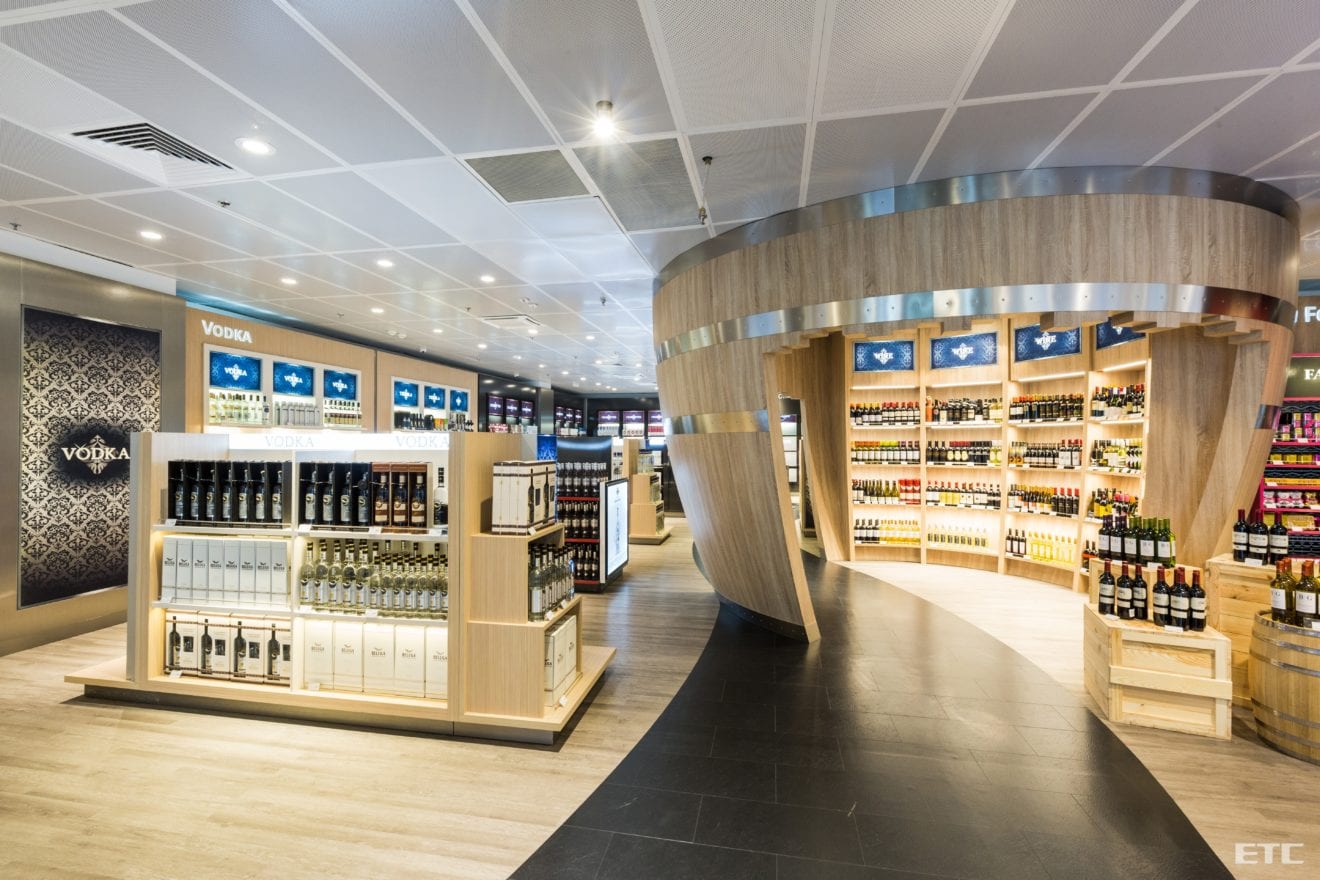
    Korea’s duty free stores are sensing a crisis because of increasingly tougher challenges from their competitors in China, Japan and Thailand, industry sources said Tuesday.

    According to the Korea Duty-Free Association (KDFA) and distribution industry sources, the nation’s duty free retail market grew to 8.3 trillion won ($7.24 billion) last year, up 21.6 percent from 2013. There were still wide gaps with the neighboring markets of China (5.6 trillion won), Thailand (2.1 trillion won) and Japan (1 trillion won).

    But these regional competitors are rapidly expanding their markets, going all out to draw Chinese tourists to erode Korea’s lead.

    And this year has provided good opportunities for foreign operators, as the number of Chinese visitors to Korea sharply declined to 4.36 million in the first nine months, compared with 6.13 million last year, affected by the breakout of Middle East Respiratory Syndrome in April. But the number of Chinese people who visited Japan and Thailand in the first nine months rose from 2.41 million and 4.62 million to 3.83 million and 6 million, respectively, from a year ago.

    Foreign analysts also saw it as serious. “The Korean duty free retail market may appear to be a golden goose because of the influx of Chinese tourists,” said Martin Moody, chairman of Moody Report, a British distribution magazine. “Those golden eggs could prove to be quite fragile, however, because of unpredictable factors as seen in the MERS crisis.”

    Industry experts stress the need for enhancing the global competitiveness of domestic operators by expanding their store sizes and developing specialized services. Amid the ever-toughening competition, running duty free stores is no longer a preferential business, they said, adding that the government and industry should cooperate to create more competitive operators.

  • Johnny Rockets Philippines expands

    Johnny Rockets Philippines expands

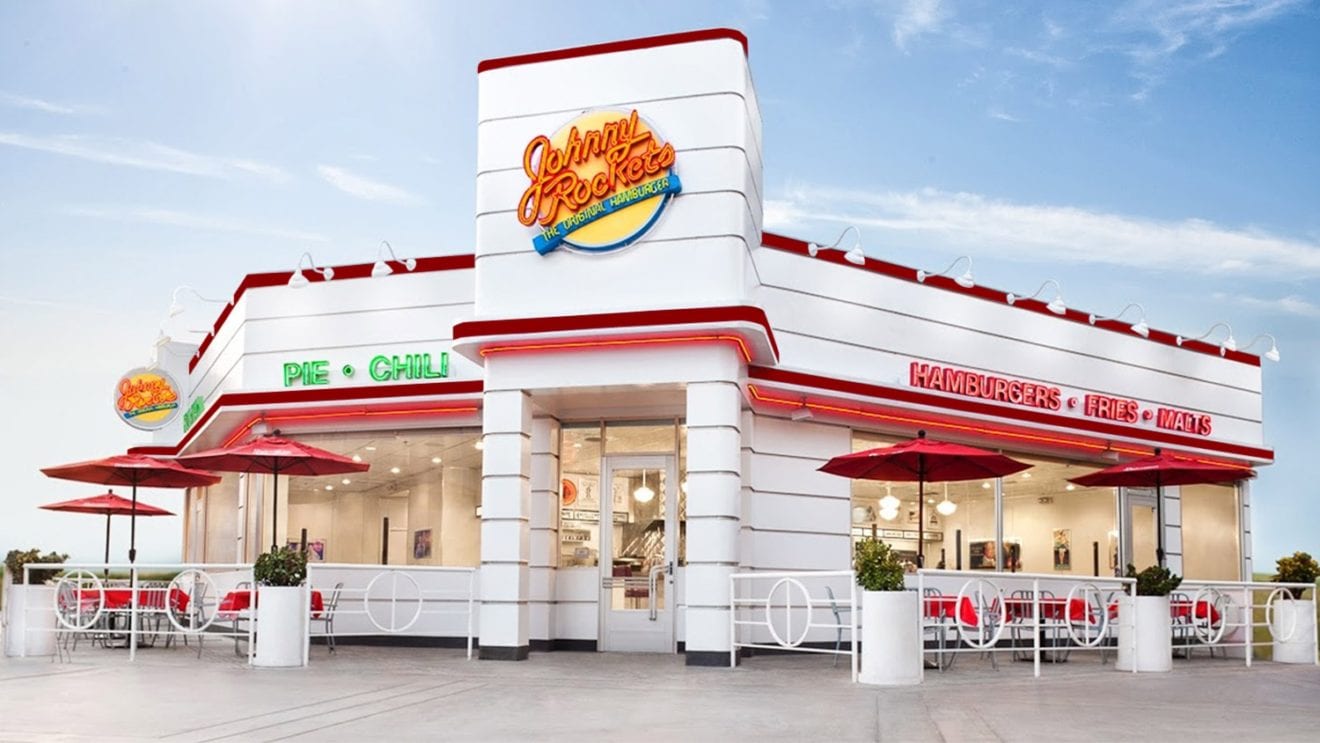
    Johnny Rockets Philippines has opened a new restaurant in the Ayala Fairview Terraces Mall, Quezon City.

    “With its all-American fare and friendly service, Johnny Rockets is unlike any other restaurant concept in the area,” said Dr Amable Aguiluz IX, franchise owner of the Quezon City Johnny Rockets.

    “We have seen great success with our current Johnny Rockets locations in Quezon City, which has provided us the opportunity to expand our presence further in the area.”

    Aguiluz now operates five Johnny Rockets in the Philippines, halfway to his goal of opening 10 of the franchises during 15 years. The Ayala Fairview Terraces Mall restaurant marks Dr. Aguiluz’s third Johnny Rockets in Quezon City, which is the Philippines’ most populated city. His others are in Mandaluyong, in the upscale lifestyle and shopping destination Shangri-La Plaza, and in Malay, on the popular resort island Boracay.

    The Ayala Fairview Terraces Mall Johnny Rockets is about 113 sqm and can seat 36 guests.

    Johnny Rockets Brought to the Philippines by Dr. Amable Aguiluz IX, Johnny Rockets Philippines is happily serving its customers at five different locations in Quezon City, Malay Aklan and Mandaluyong City.

  • Gloss coming off Starbucks Asia growth

    Gloss coming off Starbucks Asia growth

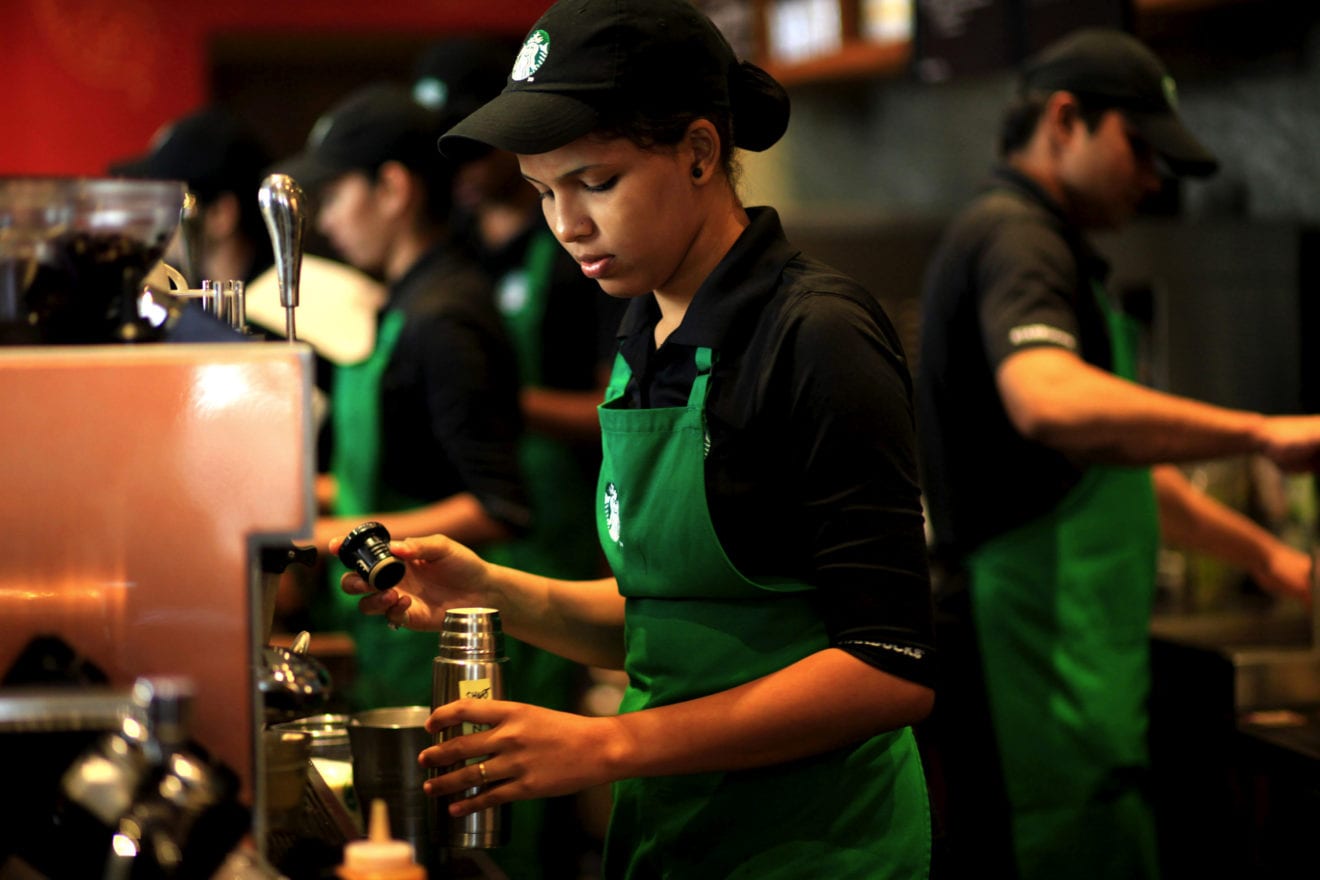
    Global coffee giant Starbucks has finished its financial year on a high, reporting a 17 per cent increase in annual revenue to a record US$19.2 billion.

    But is the Starbucks Asia Pacific business underperforming?

    Neil Saunders, CEO of Conlumino, believes so. He says the company’s last quarter figures were boosted by the acquisition of the balance of its Japan joint venture from partner Sazaby League. Globally it finished the quarter with 1666 more cafes than in the previous year, an impressive figure in itself.

    “For a company of Starbucks size and scale, such results are exceptional and a testament to the company’s innovative attitude, as well as the continued relevance of coffee across many geographies,” says Saunders.

    “While the overall numbers are strong, there is an interesting trend in the detail: namely that although Starbucks performed well across many geographies – including in the more mature core Americas territory – performance in Asia Pacific was surprisingly muted.”

    Saunders says while total revenue held up well, rising 110 over last year, this is mainly because of the Japanese acquisition.

    The opening of 767 new stores in Asia-Pacific (which is essentially Asia given Starbucks has only 25 cafes in Australia and 26 in New Zealand, both run by franchise partners) certainly helped.

    “However, on an underlying basis, same store sales only rose by six per cent – a slightly disappointing outcome, and one that is partly attributable to the general slowdown in China,” says Saunders.

    “If the emerging markets proved to be soft, the same cannot be said of the Americas where comparable sales rose by eight per cent. Here some of the menu changes, including the continued growth of the food offer, have helped to push up average ticket within existing stores. However, in our view the various digital initiatives Starbucks has been developing and pursuing have also paid dividends. Its popular digital app is already widely used for payment, and locks in loyalty both by saving customers time at the register and by making Starbucks a destination by virtue of the fact that the card is preloaded with cash. It is also notable that the average ticket from customers using the mobile app for payment tend to be higher. Naturally, some of this is because Starbucks enthusiasts and most loyal customers are more likely to have the app. However, we also believe that the rewards and advertising, which the app supports, help to stimulate add-on sales.”

    Saunders says Starbucks’ plan to drive evening sales through offering alcoholic beverages and an enhanced food menu in US and UK stores is also encouraging.

    “These improvements should be in a quarter of US stores by the end of 2019. In our view, they’re another example of why Starbucks outperforms: it evolves and innovates its in a way that’s relevant to customers.”

    Next year, Starbucks says it plans to open about 900 new stores in Asia-Pacific, two thirds of them licensed. And it says it expects it earnings in the region to be flat or even down.

  • Jenny Bakery Singapore opens doors

    Jenny Bakery Singapore opens doors

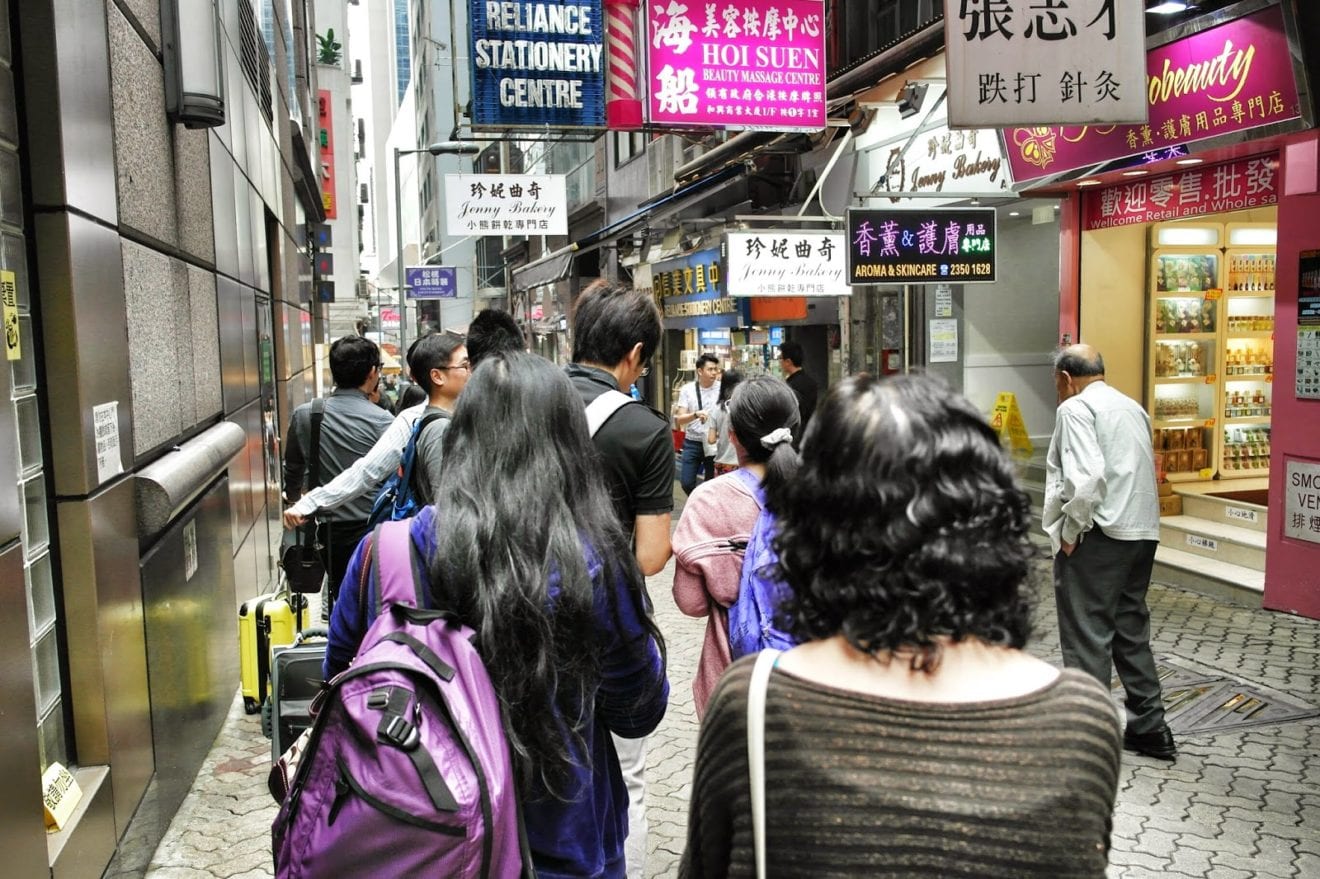
    Scam-struck Hong Kong biscuit maker Jenny Bakery has opened in Singapore.

    And unlike the Shanghai store which opened last week, it’s the real deal, not a copycat.

    The new Jenny Bakery Singapore store is located at Block 422 Ang Mo Kio Avenue 3. Like its real parent in Hong Kong, the store offers handmade butter cookies in tins adorned with teddy bear pictures.

    The store will be run by members of the same family which launched the original Hong Kong bakery, which is gaining a growing following around Asia for its unique taste and packaging. Which is perhaps why a copycat was launched under the same brand name in Shanghai, raising the ire of city officials, not to mention hundreds of customers who queued on opening day only to discover the shop was not genuine.

    Jenny Bakery Hong Kong has two stores – one in Tsim Sha Tsui and the other in Sheung Wan.

    Jenny Bakery Hong Kong

    Jenny Bakery Singapore MD Lawrence Lim says the cookies are flown in from Hong Kong weekly. The main reason for opening an official store was to protect the brand’s trademark and discourage copycats… like the Shanghai store, whose cookies are actually baked in a factory in Shenzhen.

  • Alibaba goes Dutch

    Alibaba goes Dutch

    Alibaba says new relationships sealed with Dutch organisations in recent days will help continue to lay the groundwork for European expansion of its eCommerce businesses.

    Alibaba Group says it has established several partnerships and collaboration agreements with Dutch organisations including airline KLM and the Dutch Consulate.

    Announced during a visit to Alibaba’s campus in Hangzhou, China, by a delegation of Dutch companies and government officials, the agreements included the launch of a Holland “pavillion” onTmall Global, an Alibaba online marketplace that provides a streamlined sales and logistics channel for overseas companies to sell directly to Chinese consumers.

    Alibaba, which is positioning its shopping websites as a cost-effective gateway to China for foreign brands and merchants, has in recent months established a number of online pavillions showcasing the products of countries such as the US, UK, France and South Korea. Built in partnership with the Dutch Consulate, the Holland pavilion on Tmall Global will feature popular Dutch brands such as Nutrilon, Hero Baby, Philips and Friso, Alibaba said in a statement.

    Meanwhile, Dutch supermarket chains Albert Heijn and Attent have launched new flagship stores on Tmall Global, while Alibaba’s travel website, Alitrip, has announced agreements with KLM and theNetherlands Board of Tourism & Conventions. The latter struck a deal with Alitrip to establish a destination page for Chinese travellers on the website and to “explore new ways of collaboration,” according to Alibaba.

    KLM agreed to launch an Alitrip.com flagship store selling airline tickets and other services to Chinese travellers.

    The visiting Dutch delegation included Dutch King Willem-Alexander, who is touring the PRC as part of an official state visit. Alibaba Group executive chairman Jack Ma, who hosted the delegation with other Alibaba executives, said in a speech that “Holland is a nation that can make impossible possible… Alibaba is also a company that loves to take challenges, loves to innovate, and loves to try new things”.

    “Many people said 16 years ago our dream was impossible, but we have made it a reality today,” Ma said. “Now we have over 120 million people shopping on our marketplaces each day, where they have access to products and fresh produce from far-away countries around the world such as Holland.”

    Alibaba, which dominates China’s eCommerce market, has said that increasing the size of its global e-commerce operations is a key long-term strategy. The company has been beefing up its European ties, this month announcing the expansion of its London office and the establishment of a new office in Milan, with locations in Germany and France to follow. Ma was recently appointed as a business advisor to UK Prime Minister David Cameron.

    Alibaba also plans to highlight international eCommerce and cross-border shopping during its upcoming 11.11 Global Shopping Festival, a massive 24-hour sale to be held Nov. 11. More than 80 Dutch brands currently offer products and services on Alibaba’s Tmall and Tmall Global marketplaces, and many will participate in Tmall’s 11.11 festival promotions, the company said.

  • Four trends to shape food retailing future

    Four trends to shape food retailing future

    “Genuine revolutions in food retailing are rare, but we’re living through one now.”

    That’s the view of Joanne Denney-Finch, CEO of the food and grocery researcher IGD, speaking who addressed last week’s Asia Pacific Retailers Convention and Exhibition (APRCE) conference in Manila.

    She believes the drivers of change are based on increasing population growth, especially in Asia and Africa, and urbanisation as well as rapid technological changes, and outlined four big trends that will shape the future of global food retailing:

    • The reinvention of stores.
    • The link between the online and offline world.
    • New ways of marketing.
    • Changing supply chains.

    “Change is sweeping through every part of international food retailing. The revolution is so big and powerful, that no-one knows exactly what the future will look like,” said Denney-Finch.

    “While this is creating the most challenging conditions for food retailers I’ve ever seen, there are many opportunities too. Retailers around the world are responding creatively and starting to build a new future.”

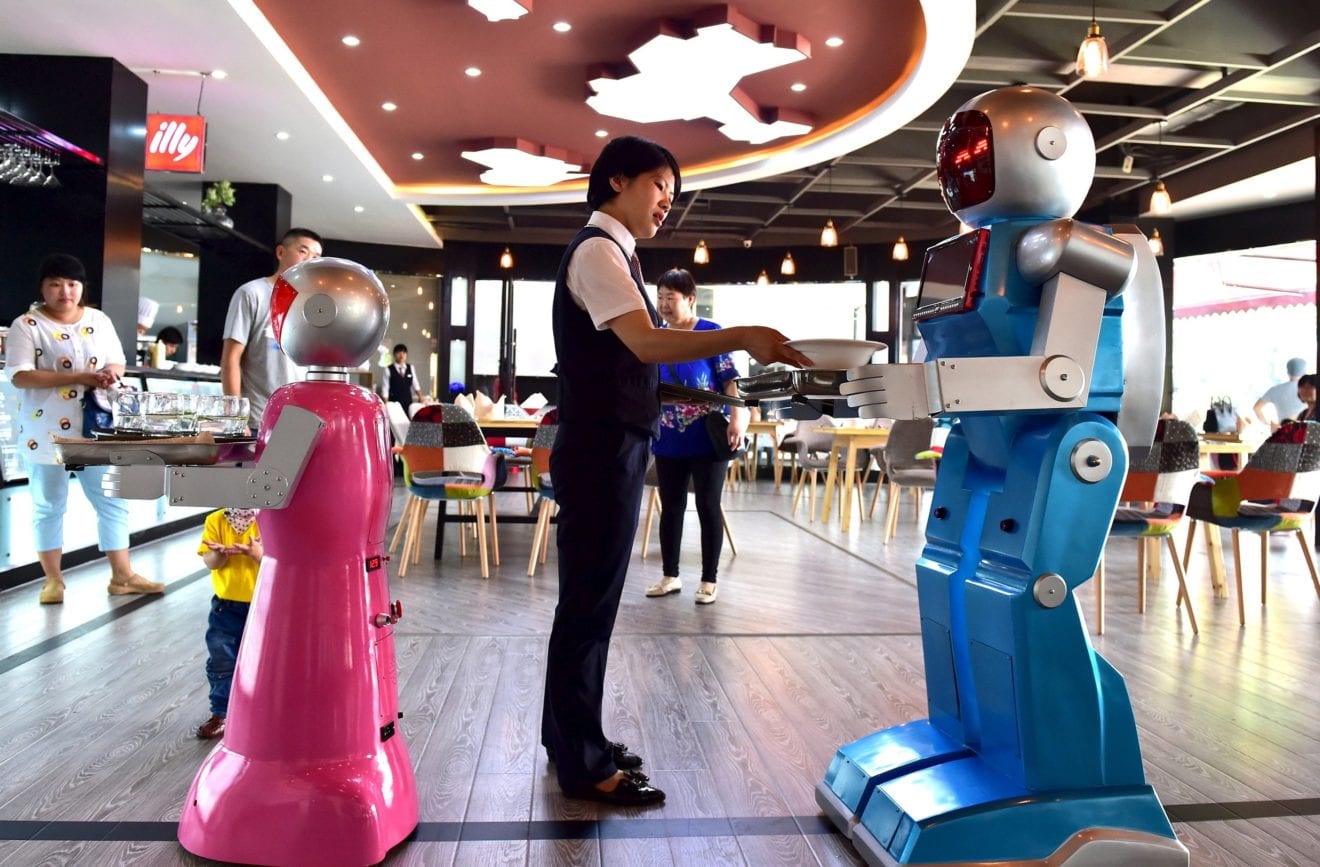
    On the reinvention of stores, Denney-Finch, said: “Technology is making a big difference to help improve the customer experience. Robots are starting to appear in stores around the world. In some Japanese shops, they meet and greet shoppers and give them advice on where to find products, while in Spain they are being used to give nutrition advice. They are a novelty at the moment, but robots will be a common sight in the future and we can expect them to patrol stores, looking for gaps on shelves and replenishing them.

    “Beyond technology, retailers are finding various ways to make shopping easier, more exciting and informative. Various British retailers have set up convenience sections within their largest stores where everyday items like bread and milk are grouped together to save time for top-up shoppers. Thailand’s Central Food Group has an expert Australian butcher to give shoppers advice on international product that they’re not familiar with.”

    On the merger of the online and offline worlds, Denney-Finch said: “Many retailers are viewing online and offline as two complementary ways to help shoppers buy whatever they want, anytime, anywhere and in the most convenient way to them. It’s what’s known as ‘omnichannel retailing’ and gives retailers the opportunity to regain loyalty. Phone apps are one way to link the online and offline worlds. People using the Walmart app, for example, shop there twice as often and buy 40 per cent more than other shoppers. Alliances are another way to utilise omnichannel shopping. The Chinese online platform Yihaodian, now owned by Walmart, has partnered with Family Mart stores to offer product collection.”

    On new ways of marketing, Denney-Finch, said: “In my view the most important role of marketing is to help build consumer trust and that requires a commitment to transparency and traceability. Stew Leonards stores have a live ‘web cam’ where you can watch their suppliers fishing. Some companies are also using computer game techniques to make promotions more exciting. In Singapore, McDonald’s provides an alarm clock phone app that wakes people up and delivers a new surprise each morning such as a discount or a game.”

    On changing supplying chains, Denney-Finch, said: “For many years, big food retailers were able to buy everything their customers wanted, at short notice and at a good price. However, with demand growing so quickly, as well as climate change and many other factors there’s more uncertainty about food supplies. So many retailers are thinking further ahead and building longer-term relationships with suppliers. For instance, Tesco has agreed to buy the whole banana crop every year from some regions of South America.”

    To conclude, Denney-Finch, said: shopper expectations will continue to rise in the future.

    “In response, retailing will become more flexible, personalised and exciting than ever before. New solutions are emerging every day from every part of the world. So the challenge for retailers is not just to reach the world class standards of today, but to set and deliver new standards for tomorrow.

    “Retailing in Asia is exceptionally dynamic, building on all the energy that comes naturally from such fast growing economies. So I confidentially predict that many Asian companies will be amongst the leaders of the retail revolution for the next 20 years and beyond.”

  • FedEx prepares for eCommerce boom

    FedEx prepares for eCommerce boom

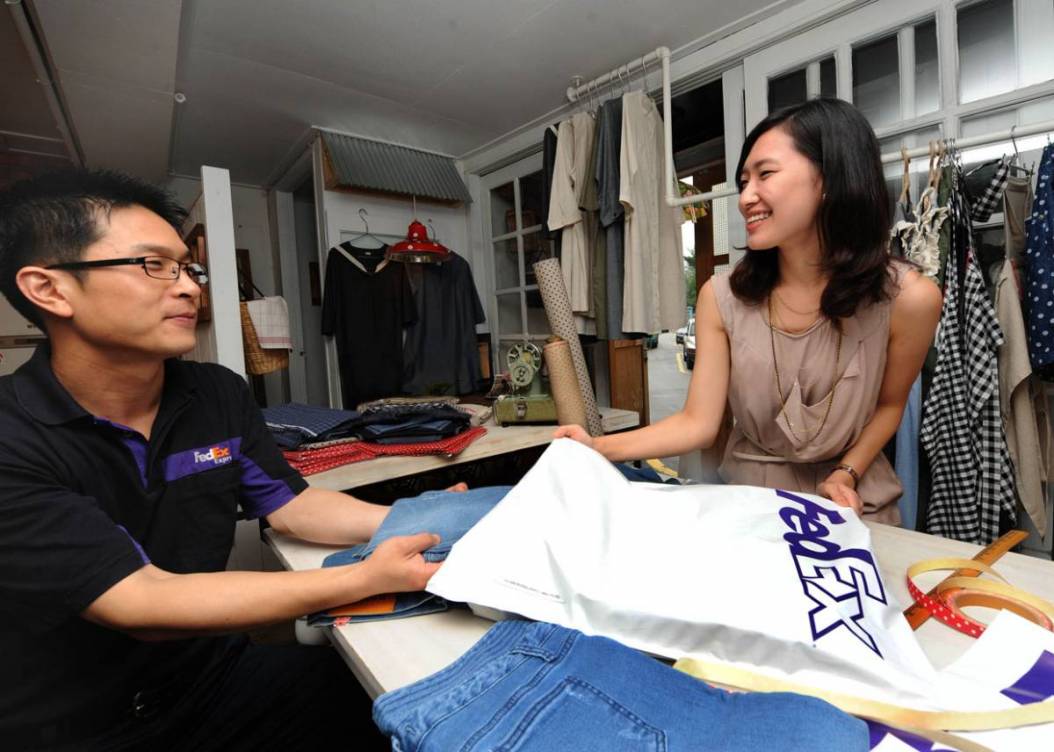
    FedEx Asia Pacific is predicting a record breaking Singles Day in Asia this November 11.

    “Due to the huge popularity of the occasion in recent years, China’s State Post Bureau anticipates that this year will see a maximum of 140 million packages being handled per day on the days immediately following Singles’ Day – an increase of 40 per cent compared to the same period last year,” said FedEx in a statement.

    “The rise of eCommerce is particularly pronounced in our region, and this translates into ever-increasing volumes of shipments at this time of year,” said Karen Reddington, president, FedEx Express Asia Pacific.

    “Our strategic investments, operational strength of our network, and more than 17,000 dedicated team members across the region – backed by more than 300,000 of their colleagues worldwide – are poised to deliver a holiday season to remember.”

    Globally, FedEx is also expecting record volumes on the US’ Cyber Monday (November 30) and the first two Mondays in December, when the company expects to move more than double its average daily volume.

    It expects a record-breaking 317 million shipments between Black Friday (November 27) and Christmas Eve – a 12.4 per cent increase over last year’s peak seasonal volume.

    FedEx says it has added 7000 delivery vehicles to its fleet and added 30 aircraft to its fleet over the last year. Across its network 55,000 package handlers, drivers and other support positions have been added to help meet the peak demand.

    FedEx Express is the world’s largest express transportation company, covering more than 220 countries and territories.a

  • Chinese tourists deliver record sales for McArthurGlen

    Chinese tourists deliver record sales for McArthurGlen

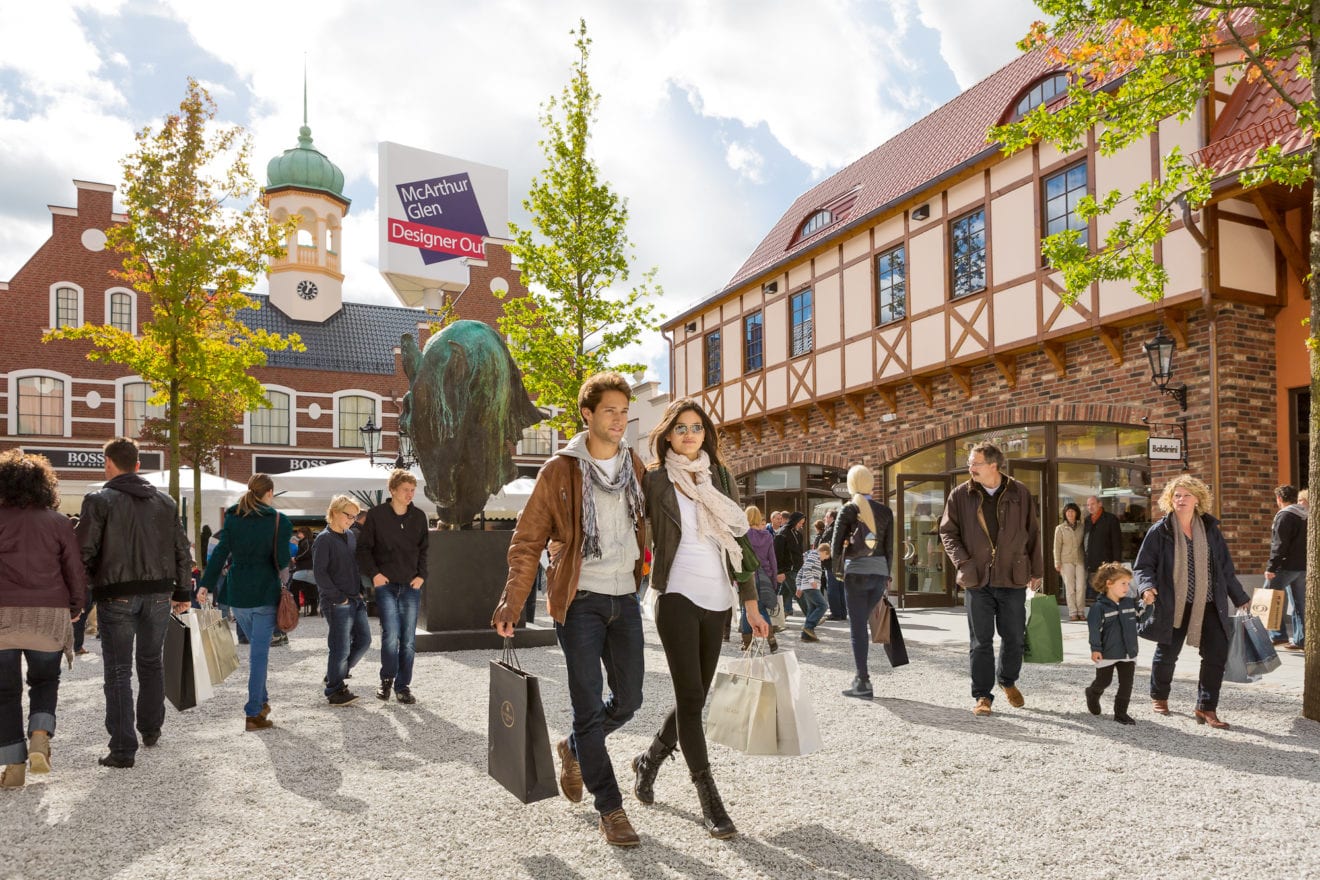
    Chinese travellers have delivered a record spend for European outlet mall operator McArthurGlen.

    The company operates 20 Designer Outlets in Europe specifically geared to serve Chinese tourists – and one in China.

    Spending by Chinese customers is growing faster than any other nationality visiting the Designer Outlets. Sales to Chinese travellers increased by 80 per cent in the first nine months of 2015, compared with the same period last year.

    And spending by Chinese shoppers grew more than seven-fold between 2010 and 2014. The centres offer tax free shopping alongside year-round savings of 30 to 70 per cent.

    McArthurGlen’s Designer Outlets offer the largest choice of luxury and premium lifestyle brands in the European outlet market. The centres are home to nearly 3000 stores and 900 brands. At the same time, the centres are part of the local tourism fabric, within easy reach of major European city centres by shuttle bus or public transport, including: Vienna and Salzburg in Austria; Luxembourg, near the centre in Belgium; Lille and Reims (the Champagne region) in France; Berlin and Hamburg in Germany; Athens in Greece; Düsseldorf, near Roermond, its centre in Holland; Florence, Milan, Naples, Rome and Venice in Italy; and Bath, Cardiff, London, Manchester, Nottingham and York in the UK.

    Anthony Rippingale, head of tourism with McArthurGlen, says the company is now heading for yet another record year, welcoming more Chinese shoppers than ever before.

    “As the biggest operator of designer outlets in Europe, our Chinese customers have always been extremely important to us, and even more so now given that they account for nearly one in four euros spent by our international shoppers, and rising. We have also just had our most successful Golden Week ever.”

    McArthurGlen engages with Chinese customers from when they start planning their European trip, whether through our office in Beijing, or through social media in China (including Weibo and WeChat) and its centre websites which are available in Chinese.

    Once Chinese shoppers arrive in Europe, the centres provide Chinese-language maps and guides and UnionPay is accepted in most stores. The most popular Designer Outlets offer special promotions, including limited-edition gifts and additional savings, during key Chinese holidays, namely Golden Week and Chinese New Year.

  • Celebrities grace ‘Visit Philippines Again’ 2016 London launch

    Celebrities grace ‘Visit Philippines Again’ 2016 London launch

    Even as the outrage over the tanim-bala (bullet-planting) scam has dominated Philippine social media, the trending tweets in the United Kingdom last Tuesday evening was #VisitPhilippinesAgain2016.

    About 200 UK-based travel media, bloggers, TV celebrities, “influencers,” travel trade partners and investors trooped to Searcy’s, a private club at the top of the iconic The Gherkin, for the launch of the global campaign for VPA2016 of the Department of Tourism and its marketing arm, the Tourism Promotions Board (TPB).

    Filipino-American rap artist apl.de.ap of The Black Eyed Peas sang a catchy new tune titled “It’s More Fun in the Philippines” especially composed for the campaign. In the song, he narrates “places to go, the things to see” when a tourist visits the Philippines. “You can walk along the beach, the sun shining on your feet, wine and dine, our food is unique, go dancing in the moonlight…” he rapped, as a music video played on the screen behind apl. de.ap showing the images  he was narrating.

    In a brief message, Tourism Secretary Ramon R. Jimenez Jr. expressed his appreciation for the guests at the event, and extolled everyone to “just visit the Philippines.”

    In a separate interview, he said, “Visit Philippines Again 2016 is going to be the most massive retail-focused effort the Philippines has ever made. We’re negotiating with tour operators and travel agents for incentives to give returning visitors to the Philippines.”

    He added, “We’re putting together packages and rewards, so that when a tourist returns to the Philippines for a second or fifth time, he will get discounts in several establishments.”

    Other musical performers at the event included Jessica Reynoso, a finalist in the first season of The Voice of the Philippines. Calling her “the next big star from the Philippines,” apl. de.ap served as her mentor during the widely watched first edition of the musical competition. They also sang a few numbers together.

    Another much-applauded performer was Princess Ybañez, a violinist in the mold of Vanessa Mae, who modernized classical violin pieces to reach a wider and younger audience.

    The VPA2016 global launch was part of the DOT’s activities during the World Travel Market  (WTM) 2015, held from November 2 to 5 at the ExCel in London. About 5,000 exhibitors participate in this leading travel event to showcase their destinations, products  and services. According to its web site, “the organizations use WTM as a platform to reach 50,000 travel professionals” who were expected to flock to the show.

    Exhibitors were organized in two massive halls by geographical region: Africa, Asia, Europe, the Middle East, the UK and Ireland, as well as “Global Village.” The Philippines has been attending the annual event since 1980, when the WTM was first conceived.

    In a related development, TPB COO Domingo Ramon Enerio III told the BusinessMirror that the Philippines will be hosting the Travel Bloggers Exchange (Tbex) from October 13 to 16 next year at the PICC in Pasay City. “We’re expecting 700 delegates. We believe that social media is an effective tool to send out more good news and stories about travelling in the Philippines.”

    After the main event, he said the bloggers will travel to different appealing destinations around the country, such as Boracay, Cebu, Palawan, to name a few. “We’re still finalizing the dates for the post-event trips, but definitely this will be all over the Philippines,” he added.

  • Koreans enter India with beauty products

    Koreans enter India with beauty products

    After automobile and consumer electronics, South Korean companies are venturing into the Rs 6,300-crore Indian cosmetics and wellness market.

    A group of Korean companies has signed agreements with Rajshree Empires, a New Delhi-based distribution company, to sell their products online and offline.  The joint venture company — formed by Korean firms such as PLK International, Coson Co., Esthetics House, OUTIN Futures, Kell and BCL Cosmetics with Rajshree Empires – will set up a manufacturing unit in Uttar Pradesh with an investment of Rs 100 crore. The joint venture aims to set up a Korean cosmetics retail chain with 70,000 sq ft floor space by FY19. Rajshree is set to launch the first store by November-end. “We will be opening a store in north India initially with a floor area of 35,000 sq ft. We plan to cover 21 cities with 70 outlets by end 2016,” said Abhishek Biswas, founder of Rajshree.

    “This is a major achievement of Korean companies to enter India after so many other big corporates from our country have already made an indelible mark,” said Dong, Un Lee, chief executive of PLK.  According to Biswas, in two years, Korean companies would not have to pay import duties on their products.

    “India and Korea are now bonded by CEPA (Comprehensive Economic Partnership Agreement) which lets import of Korean cosmetics duty free,” he said.

    PLK has picked up 50 per cent stake in Rajshree, investing $50 million. “For the past 10 years, Korean cosmetics industry has been growing rapidly. However, our presence in India has not been very significant,” said Lee. Indian cosmetics and wellness market is expected to grow to US$ 4.6 billion (Rs 30,000 crore) by 2020.