Author: Mei Ling Tan

  • Hunger Games theme park planned for Zhuhai

    Hunger Games theme park planned for Zhuhai

    Two Hong Kong companies have formed a joint venture to secure the rights from US cinema giant Lionsgate to create a Hunger Games theme park in Zhuhai.

    The companies are now planning a themed destination which would include amusement attractions, retailing and dining and ultimately cash in on Zhuhai’s upcoming connection by the new road bridge under construction linking Macau, Hong Kong and Zhuhai City on Macau’s border.

    Zhuhai Hengqin Laisun Creative Culture City Co Ltd is the developer, 80 per cent owned by Lai Fung Holdings Limited and 20 per cent by eSun Holdings Limited.

    The new company has entered into a License Agreement with Lionsgate LBE for the development and operation of an Immersive Experience Center (“IEC”) in Phase I of the Creative Culture City Project in Hengqin, Zhuhai.

    LG is a major Hollywood film and entertainment producer and owns a series of blockbuster hits such as The Hunger Games series, Divergent and Now You See Me.

    “These IPs will be developed and applied for use in the IEC,” the two Hong Kong companies said in a joint statement.

    “The size of the IEC will be approximately 22,000 sqm, containing multiple interactive experiences with at least 10 to 15 attractions developed from six Lionsgate IPs plus food and beverage facilities as well as retail concessions.”

    The licence will last 10 years with an option to renew for another 10 years.

    “Pursuant to the terms of the License, LG will license various intellectual property rights to ZH and provide various support services, in return for payments, largely in the form of royalties payable on a periodic basis.

  • JD.com seeks Alibaba probe

    JD.com seeks Alibaba probe

    China’s second largest online retailer, JD.com, has lodged a formal complaint with Chinese regulators, alleging its larger rival Alibaba is attempting to restrict competition.

    China’s competition regulator, the State Administration for Industry and Commerce (SAIC), imposed a new regulation on October 1 preventing eCommerce platforms from restricting their sellers from participating in promotions on rival platforms.

    According to a letter from JD.com, it has evidence of Alibaba “forcing” merchants to deal exclusively with one eCommerce site during promotional activities.

    JD.com claims merchants have been told if they participate in Alibaba’s 11.11 promotion, they must not participate in promotions on rival platforms – eg: JD.com. If they do, they face “punishment or sanctions”.

    But an Alibaba spokesman, Rico Ngai, told Reuters the company “strongly denies the accusations”.

    “Alibaba welcomes competition as it benefits consumers, merchants and service providers,” he said.

    But JD.com claims Alibaba’s behaviour has “harmed merchants’ interests” and “not only obstructed normal market competition, but also seriously harmed consumers’ interests”.

  • Adidas India gets nod to run its own stores

    Adidas India gets nod to run its own stores

    Adidas India has received government approval to own and run its own stores.

    The German headquartered sportswear brand, which also sells Reebok-branded products in India, had submitted an application for 100 per cent foreign owned stores under India’s tough local ownership regulations in July.

    In gaining approval, Adidas has beaten rival Nike, whose application last year was rejected, and so becomes the first sportswear brand to gain the right.

    Dave Thomas, MD of Adidas Group India, confirmed the approval this week.

    The company plans to open flagship stores in key cities, as it does in other international markets, but would continue to supply locally owned, franchised outlets as well.

    “Own retail channel plus eCommerce channel, complemented by our franchise network, will drive growth for our brands and our business in India,” Thomas said.

    Adidas entered India in 1995 and currently has a network of 760 franchised stores, two thirds of which sell only Adidas products.

    “We would like to take this number up to 1000 stores by 2020,” Thomas said.

    “We strongly believe own retail will enable us to take our market leadership position to an even higher level. It will give us additional flexibility to bring in global concepts across all categories in larger stores, thereby enabling us to further enhance the premium experience for our consumers,” he concluded.

    A condition of the approval is that the company must source at least 30 per cent of its products locally.

  • Calypso Technology Partners With China Bank in the Philippines

    Calypso Technology Partners With China Bank in the Philippines

    Calypso Technology, Inc., the standard for treasury and capital markets software, has signed its first client agreement in the Philippines, furthering its rapid 2015 expansion in Asia Pacific. The onboarding of China Banking Corporation (China Bank), one of the top banks in the country, follows similar successes in China, Hong Kong, and Korea during the last several months.

    By upgrading its treasury system with the Calypso front-to-back trade processing solution, China Bank has reduced its dependence on custom development and the operational risks associated with manual operations.

    “At the core of our decision was Calypso’s dedication to understanding our unique business needs,” said Antonio Espedido Jr., Executive Vice President & Head of the Financial Capital Markets & Investment Segment at China Bank. “Calypso’s modern technology is highly scalable and will support our business direction and allow us to achieve our aggressive growth targets in the future. Together with its local partner Kris FinSoftware, I am confident that Calypso can bring industry best practices to China Bank while retaining our local feel and expertise.”

    “Collaborating with one of the leading banks in the Philippines in addressing their current issues is such an honor. We look forward to partnering with more banks locally as Calypso and Kris FinSoft continue the efforts to help banks’ treasury businesses,” said Sherrizah Lubigan, Business Development Manager at Kris FinSoftware, Inc.

    “It’s always exciting for us to solve the local challenges of banks in a new country, and the core of this project is a software solution that can help the entire region,” said Mark Bell, Regional Manager at Calypso. “We are excited about more banks in the Philippines joining us, and bolstering our commitment to expand our services for the region.”

    Calypso Technology continues to make significant investments in the Calypso software product with over 50% of its staff dedicated to research and development. Calypso is a Leader in the Gartner Magic Quadrant for Trading Platforms, and the #1 selling Treasury and Capital Markets Solution for the sixth year running in the 2015 IBS Sales League Table.

    About Calypso Technology, Inc.Calypso Technology provides award-winning, enterprise-wide software solutions that empower capital markets, investment management and treasury professionals around the world. We have been setting the global standards for innovative, cost-effective financial markets software solutions since 1997. Now trusted by more than 34,000 financial market professionals in 60 countries, our integrated trading, risk and investment management solutions are leading the industry towards full systems consolidation.

    We address rapidly evolving capital and regulatory challenges with robust, nimble and scalable technology. It’s part of our commitment to facilitate operational and financial excellence throughout the workflow. From front to back office, our solutions are global, universal and future-proofed, and are relied on by more than 200 financial institutions, including over half of the top 25 banking institutions.

  • Hong Kong ‘centre of whipsaw’ says Crocodile Garments

    Hong Kong ‘centre of whipsaw’ says Crocodile Garments

    Crocodile Garments’ profit has plunged as the apparel retailer was caught in “the centre of whipsaw’’ in Hong Kong and a depressed Mainland China market.

    Revenue in the year to July 31 fell from HK$502 million in 2014 to $405 million this year; gross profit was $252 million, down from $303 million.

    Retail sales revenue slid by 22 per cent to $354 million, with a loss of $44 million.

    “Against the backdrop of poor market sentiment, deep sales discounts offered by competitors to grasp the already-underwhelming retail market and protracted sales network restructuring taken by the group, the Garment and Related Accessories Business segment plodded on through a nadir in the year ended July 31,” the company said in its stock exchange filing.

    With the property Investment and Letting Business figures added in, the total income attributable to the owners of the company was $49 million – less than half 2014’s figure of $106 million.

    Crocodile Garments has 87 shops in the Mainland (35 fewer than a year earlier), including 21 self-operated shops (down 27) and 66 franchisees (down four).

    “The Garment and Related Accessories Business segment was operating under an extremely intricate environment in the mainland. The economy was facing an accelerating downside risk as evidenced by the deteriorating data released. To balance the slump of growth in exports and productions, the mainland government planned to boost domestic spending through the wealth effect created by a prosperous stock market; however, it was derailed by the abrupt plunge. The consequential murky economic ambience battered the retail market sentiment and the consumption power of general public further, which materially curbed the sales and gross profit margins of the segment,” the company explained.

    “As a cushion against the above tailspin, the group had rationalised its sales channel to ratchet up the brand presence and, at the same time, constrain rental expenses. Stringent inventory discipline had been enforced to keep the stock on hand relevant and fresh.”

    Hong Kong, the group’s home base, is “at the centre of whipsaw” the company said.

    “On one side, Hong Kong economy is vulnerable to the stumbling investment and consumer spending whereas on the other side, at the heels of a strong US dollar, the appreciation of the Hong Kong dollar under the pegging mechanism could kindle savage corrections in asset markets. Needless to mention the persistent social disputes, the business environment for the group in Hong Kong is formidable. To mitigate the above negative impact, the group will hasten the restructuring of its shop portfolio to enhance the operating efficiency.”

    Crocodile Garments said the outlook of the global economy is bleak in the wake of loss in momentum of the mainland, the world’s major growth engine for the past decade.

    “Giving the beleaguered retail sector, the group has reined back sales channel inventory [in the mainland] and fortified supply chain management. Moreover, the group will reorganise its sales channels and merchandise mix.”

  • Asia luxury retail revival ahead

    Asia luxury retail revival ahead

    While Asia Pacific may be experiencing a slowdown in luxury retailing right now, three key trends will fuel a renaissance in coming years.

    That’s the core finding of a research report by property specialist CBRE, The Future of Luxury Retail in Asia Pacific: New Demand Drivers and Shifting Occupier Requirements, which promises property owners can expect “a solid new stimulus for demand” in the coming years.

    Most major luxury retailers are now well established in Asia Pacific – their with China and Hong Kong penetrations already at 89 per cent and 81 per cent, respectively. And after several years of rapid expansion, these markets are approaching saturation point.

    “Accounting for one-third of personal luxury goods sales globally in 2014, Asia Pacific is a key region for international luxury brands with key markets including China, Hong Kong, Japan, Singapore, South Korea and Taiwan. However, the high growth period for luxury retailers in the region is gradually coming to an end,” commented Dr Henry Chin, head of research, CBRE Asia Pacific.

    ”Over-saturation, surging operational costs and weaker retail sales – especially in Hong Kong due to the slowing mainland China economy – have prompted retailers to consolidate their existing store networks and slow their rate of entry into new markets focusing on operational efficiency,” said Chin.

    But here is where there is hope: CBRE has identified three emerging trends which will partially offset some of the negative effects arising from the slowdown and compensate for the loss of demand.

    • The Emergence of Affordable Luxury

    Often referred to as bridge brands, affordable luxury retailers – for example Michael Kors – provide high quality branded goods at a lower price tag than top-tier luxury retailers. Several top-tier luxury brands are already so well established in the region that they are at risk of overexposure, a trend which is prompting many consumers to look for differentiation.

    • Inclusion of F&B

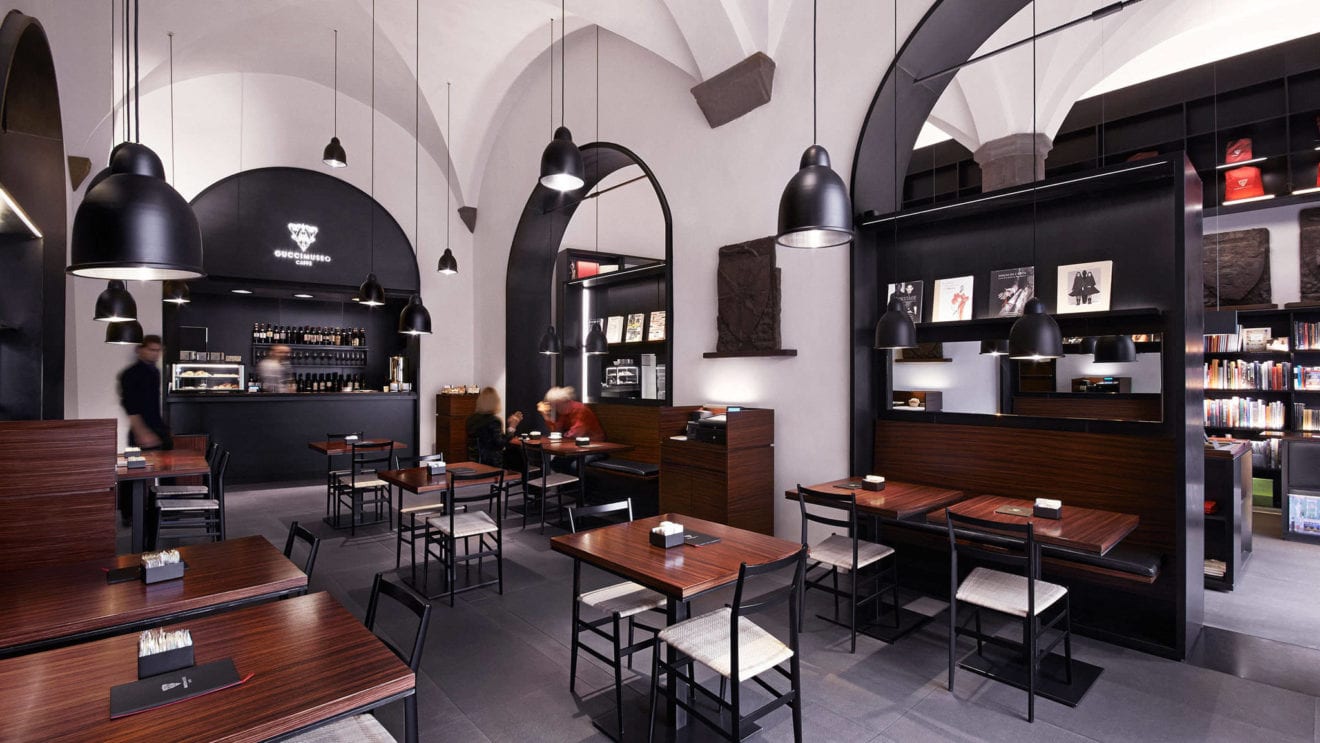
    Recent years have seen luxury brands begin to expand beyond their core fashion businesses into the F&B sector – examples include 1921 Gucci in Shanghai iAPM and Cafe Dior by Pierre Hermé on the top floor of Christian Dior’s flagship store in Seoul – transitioning their brand from being totally fashion-oriented to more lifestyle-driven. Including an F&B component in stores enables luxury retailers to provide their consumers with a more complete experience in which they can shop, relax and socialise.

    • Growth of Luxury Childrenswear

    As of 2014, Asia Pacific was home to 807 million people aged below 14, representing more than 20 per cent of the total population, offering an enormous opportunity for growth in this segment. The emergence of luxury childrenswear brands has been welcomed by landlords as many of them are looking to expand their offering into toys, bookstores and playrooms in order to attract and retain foot traffic amid competition from online retail.

    “With the momentum behind these trends, this will account for a bigger slice of leasing demand for prime retail space,” says Joel Stephen, senior director, head of retailer representation, CBRE Asia.

    “Retailers and landlords can benefit from the projected growth in these market segments.”

    Changes in Luxury Retailers’ Real Estate Requirements

    The emerging retail trends – combined with changing tourism patterns and the ongoing slowdown of the region’s luxury retail sector – are already impacting luxury retailers’ real estate requirements, resulting in new, and in some cases, weaker demand for different types of retail property.

    “The change in shopping behavior among mainland Chinese tourists – who are demonstrating a stronger preference for shopping in Europe and Japan – has prompted luxury brands to review their expansion and rationalise their real estate portfolios, strategies and requirements. Since most luxury retailers remain cautious towards expansion, especially in China, retailers are now focusing on consolidating their footprint into a solid network of stores in high quality locations, as opposed to expanding rapidly and opening many smaller stores, in order to extract the highest value from their sales network,” says Chin.

    Some of the key trends that CBRE have identified include:

    • Weaker interest in department stores despite continued interest in prime locations;
    • Stronger focus on flagship stores, displaying more product lines, thus making a stronger statement in the market;
    • Increased popularity in short-term opportunities for brands to set up exhibitions, pop-up and concept stores, and workshops, to generate greater consumer awareness;
    • Affordable luxury brands continuing to drive demand, encouraging more shopping center landlords to offer them anchor tenant space; and
    • More interest in upper floor retail space, but limited to top-tier malls and driven by F&B and childrenswear segments.

    Says Stephen: “Driven by the emergence of affluent consumers and the rise of the number of millionaires in the region, Asia Pacific will remain a hugely important market for international luxury brands with new names entering the region.

    “Even though leasing demand will slow to a more sustainable level, prime space in core areas will continue to be keenly sought after.”


    Penetration of luxury retailers into Asia-Pacific.

  • Jollibee eyes seven new nations

    Jollibee eyes seven new nations

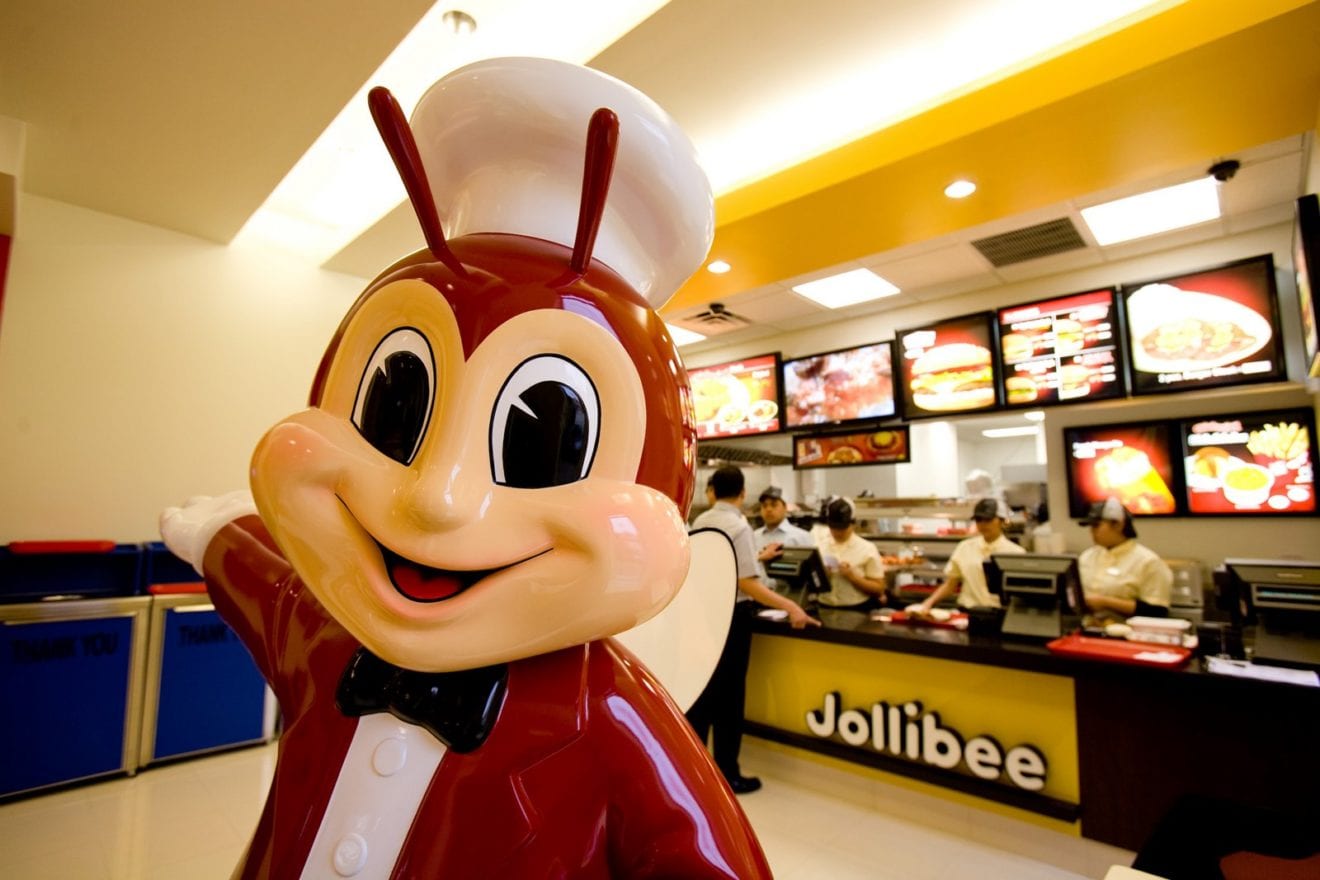
    Jollibee, Asia’s largest fast food restaurant operator, is planning to enter seven new markets over the next two years.

    According to a report in The Standard, Dennis Flores, VP for international operations of Jollibee, has revealed the company plans to take its mainstay Jollibee burger restaurant brand Jollibee into the UK, Italy, Canada, Malaysia and Oman in 2016. Forays into Australia and Japan will follow in 2017.

    The news follows last month’s investment of US$100 million for a 40 per cent stake in a fast-rising American burger chain, Smashburger.

    Jollibee, publicly listed in the Philippines, had been actively seeking an investment in a leading US growth brand to gain a foothold in the US, as p[art of its broader plan to become an international restaurant operator. It currently operates and franchises a network of more than 3000 restaurants worldwide under the trade names Jollibee, Chowking, Greenwich, Red Ribbon, Yonghe King, Hong Zhuang Yuan, Mang Inasal, Burger King Philippines, San Pin Wang, and Jinja Bar. Jollibee also has a 50 per cent interest in the Super Foods Group, which operates and franchises restaurants under the Pho 24 and Highlands Coffee brands throughout Vietnam.

    According to Flores, Jollibee’s first two stores in Europe will be located in London and Milan and its first Canadian store will open in Toronto.

    Jollibee’s network outlets have reached 3,023 worldwide, with 2,393 of them in the Philippines, and 630 outlets abroad.

    As well as expanding into new markets, Jollibee plans to open 20 additional outlets in Vietnam, and another 12 in Brunei in coming months.

  • Shopping drives Baidu growth

    Shopping drives Baidu growth

    Chinese search engine Baidu is experiencing rapid growth as more and more Chinese shop online.

    Releasing its September quarter sales results, the US Nasdaq-listed business says Online to Offline is driving a massive growth in mobile users, gross merchandise value and mobile map usage.

    “With mobile accounting for nearly two-thirds of Baidu’s search traffic and China squarely in a mobile age, Baidu is pioneering and redefining the mobile experience for users in China,” said Robin Li, chairman and CEO of Baidu.

    “We further extended the reach of our platform by deeply integrating and connecting search and maps with transaction services,” he said.

    Jennifer Li, Baidu’s CFO, said the momentum in transaction services gives the company confidence to continue investing.

    Mobile search monthly active users (MAUs) were 643 million for the month of September 2015, an increase of 26 per cent year on year. Mobile maps MAUs were 326 million for the month of September 2015, an increase of 34 per cent.

    And Gross merchandise value (GMV) for transaction services totalled RMB60.2 billion (US$9.5 billion) for the third quarter of 2015, an increase of 119 per cent year on year.

    The company’s payment service, Baidu Wallet reported a 520 per cent increase in activated accounts to reach 45 million at the end of September.

    Total revenues in the third quarter of 2015 were RMB 18.383 billion (US$2.892 billion), a 36 per cent increase from the corresponding period in 2014. Mobile revenue represented 54 per cent of total revenues for the third quarter of 2015, compared to 37 per cent for the corresponding period in 2014.

    Operating profit in the third quarter of 2015 was RMB2.512 billion ($395.2 million), a 35.9 per cent decrease from the corresponding period in 2014.

  • Siam Makro eyes Myanmar, Vietnam, Indonesia

    Siam Makro eyes Myanmar, Vietnam, Indonesia

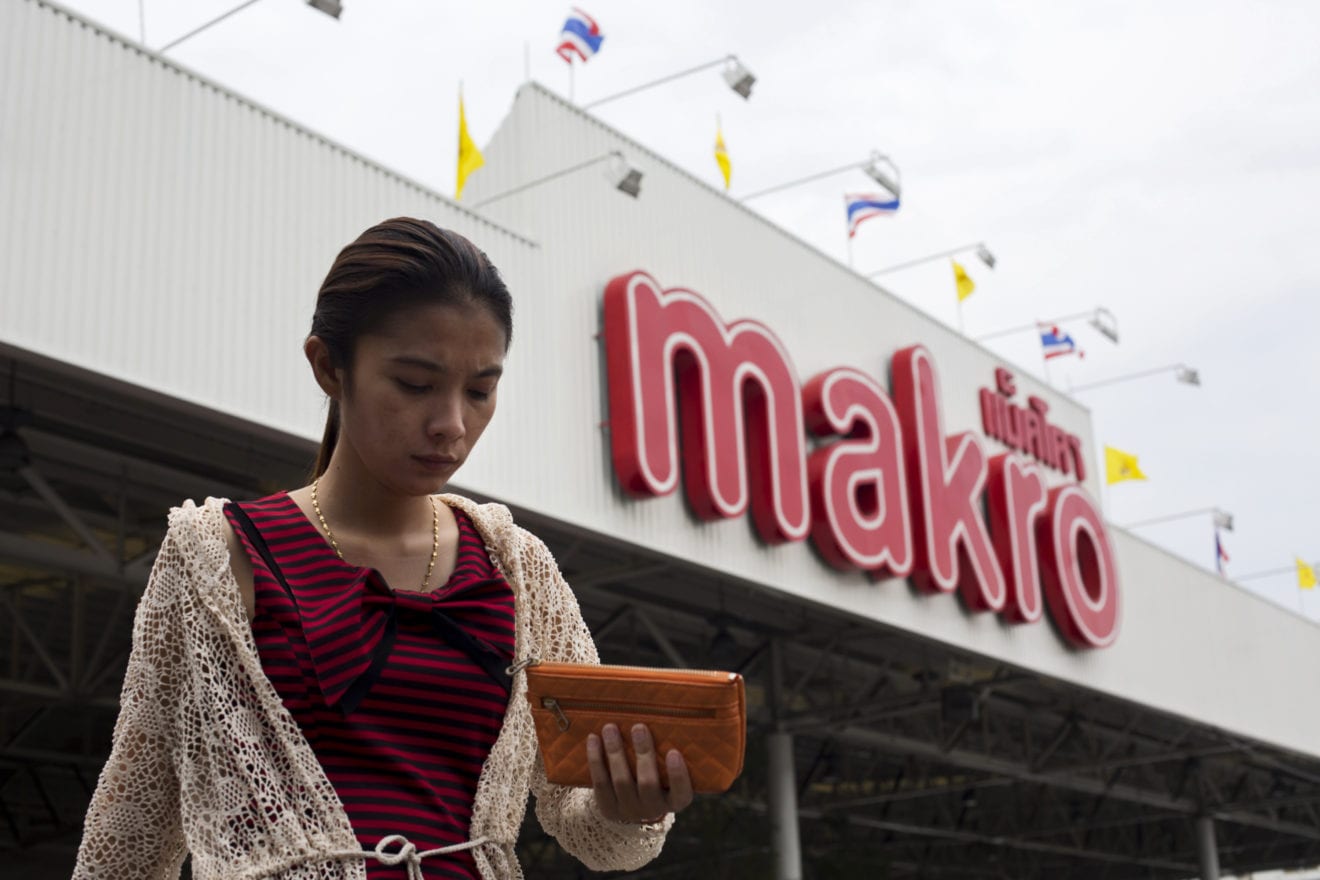
    Thai retailer Siam Makro says it is keen to enter Myanmar, one of three key Southeast Asian markets it considers a priority.

    Siam Makro, which operates the Makro-branded cash-and-carry stores, has confirmed to the Bangkok Post newspaper that it has completed a feasibility study on the fast-deregulating Myanmar market.

    CEO Suchada Ithijarukul said the company had met with the Thai ambassador in Yangon to explore procedures for entering the country.

    “We have conducted a feasibility study on Makro’s market opportunities in many Asean countries, with Myanmar, Vietnam and Indonesia being the priority destinations,” she said.

    “Siam Makro is studying Myanmar consumer behaviour and foreign investment laws. If the regulations are clear, it is ready to open its first store immediately.”

    Siam Makro is part of the powerful Thai conglomerate Charoen Pokphan Group.

  • Joy City wins mall accolade

    Joy City wins mall accolade

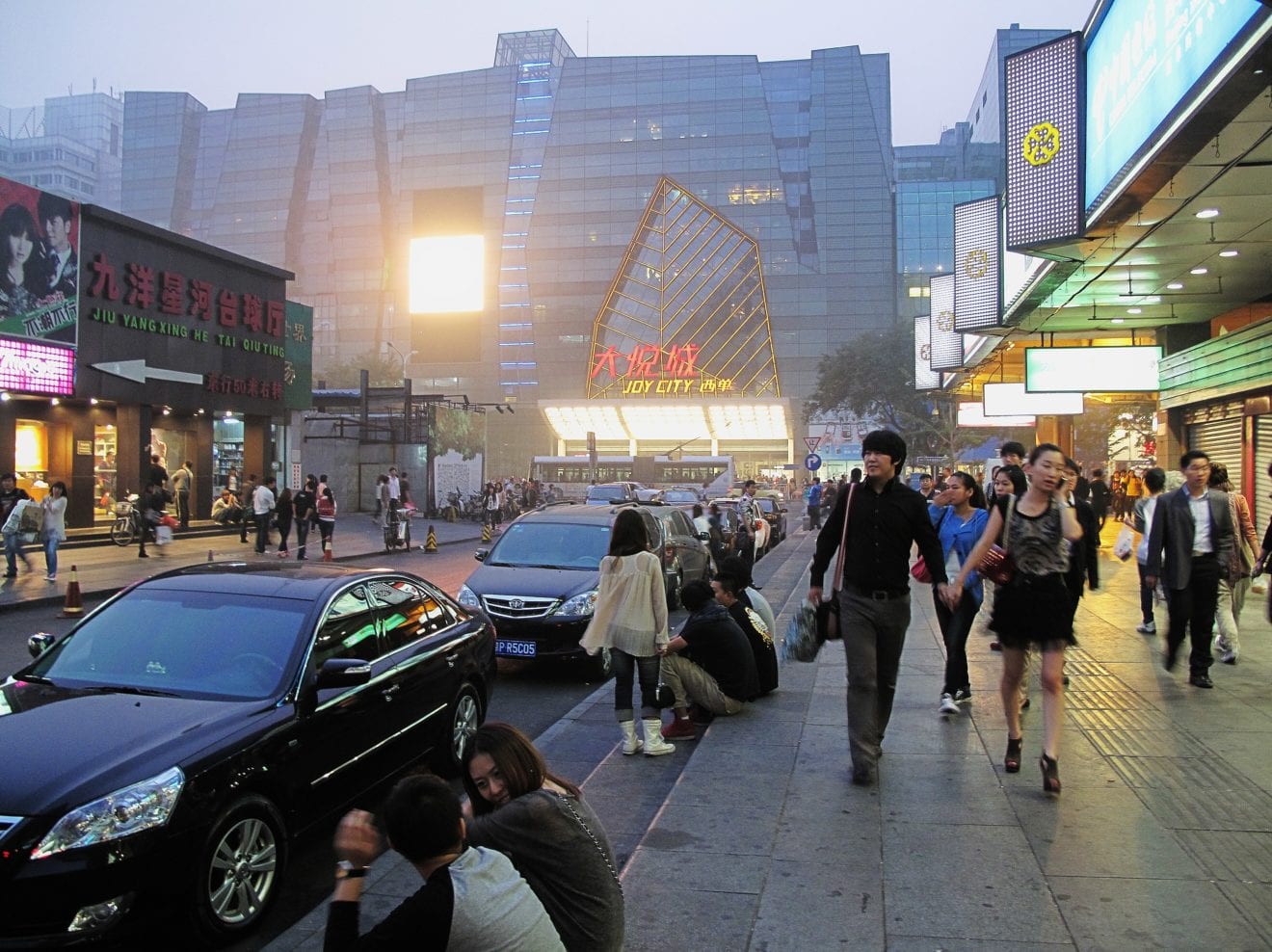
    Joy City Property has scooped two honours in the ICSC China Shopping Centre Awards at the 2015 Recon Asia-Pacific convention.

    Yantai Joy City’s new media marketing campaign, New Year Red Packets won a gold award in the Emerging Digital Technology category, and Tianjin Joy City’s O2O marketing initiative, Liangshiju took a silver award in the New Retail Concepts category.

    “It is noteworthy that Yantai Joy City not only pioneered the combination of WeChat Red Packets and payment methods through the New Year Red Packets, but also achieved mutual benefits for itself, its tenants and customers with the innovative marketing campaign,” said a Joy City spokesman.

    Meanwhile, Tianjin Joy City’s Liangshiju is China’s first O2O customer loyalty platform to adapt to the internet. Consisting of its online and offline stores, the O2O customer loyalty platform encourages purchases on mobile applications and effectively guides the customers to the company’s stores with gift redemption and induce them to become its members.

    The initiative has increased the membership significantly and at the same time boosted sales with accumulation and redemption of bonus points earned through purchases. The O2O initiative has enabled the company to surpass geographical limitations and revolutionise the conventional service of traditional customer membership centres.

  • Inside Starbucks Taiwan new concept

    Inside Starbucks Taiwan new concept

    The design team behind the new generation Starbucks Taiwan Longmen concept store set out to create a “theatre for coffee”.

    The new store features Starbucks Reserve coffees and is located in one of the busiest shopping and fashion districts in the city of Taipei.

    Starbucks Taiwan new concept 5
    “We wanted to elevate the Reserve coffee experience for customers and inspire them with our coffee passion,” said Wen Lin, project leader, Starbucks Taiwan.

    “A Reserve coffee bar is located in the center of the store or ‘center stage,’ so customers can watch partners handcrafting beverages from every vantage point.”

    Starbucks Taiwan new concept 2

    Behind the coffee bar is a central column with an abstract graphic, created from blackened metal with laser cutouts in a coffee bean pattern. Diffused lighting inside the column creates a lantern effect.

    “The column draws the eye to the bar to offer an extra layer of interest and evokes the romance of enjoying our coffee,” said Claudia Lee, director, Starbucks Store Design.

    Starbucks Taiwan new concept 6

    Visual representations of the coffee journey are featured in select areas throughout the store, highlighting the regions where coffee is harvested. This includes a 14-meter coffee belt map, created by Taiwanese wood veneer artist, Sandy Lee.

    “We want our customers to have a different visual experience every time they visit our store,” said Lin.

    The store’s design takes advantage of existing architectural elements such as an irregular-shaped floor plan and various ceiling heights to create a strong spatial look and feel. Elevated platforms were crafted into seating areas for customers, where they can look down at what’s taking place at the coffee bar. Taiwanese-designed wood tables and chairs round out inside seating and reflect local styles.

    Starbucks Taiwan new concept 3

    “We selected stools and cafe chairs that have a handcrafted quality to complement the store aesthetic,” said Percy Lee, senior design manager, Starbucks Store Design.

    “The terrazzo floor tile is the same that is traditionally found in residential buildings. This connects customers to local culture and provides a sense of familiarity and comfort when relaxing in the store.”

    Starbucks Taiwan new concept 7

    Featuring a variety of coffee brewing methods, the Longmen store is the first Starbucks in Taiwan to offer both Clover and the Black Eagle machines. Baristas will also offer coffee using the Pour Over method with a three-cup station designed and made by Iron Wang, a local Taiwanese artist who specialises in coffee brewing equipment.

    To pair with coffee, the store’s food menu includes creations by Sadaharu Aoki, a Japanese pastry chef, who owns boutiques in Paris, Taipei, Tokyo and additional cities in Japan. Along with sandwiches and desserts, customers will find Opera, a French sponge cake, created specifically for the store and made with Starbucks Colombia coffee.

  • South Korea retail sales surge

    South Korea retail sales surge

    South Korea retail sales rose to their highest level in four months in September, as Koreans put the Mers scare behind them and ventured back into stores.

    Data from Statistics Korea show retail sales totalled 31.13 trillion won (US$27.32 billion) during the month, a 4.1 per cent increase on September 2014.

    Department store and discount store sales started to slide in June when the Middle East Respiratory Syndrome (Mers) crisis peaked. From spending of 31.43 trillion won in May, sales fell to 29.35 trillion won in June and 29.45 trillion won in August.

    Rising sales of food, cosmetics and apparel led the rebound in September. Food and beverage sales rose 14.5 per cent, cosmetic sales rose 3.9 per cent and clothing by 0.6 per cent year on year.

    Furniture sales, too, rebounded – up 3.7 per cent.

    Spending at convenience stores soared 32.8 per cent, at discount department stores by 10.4 per cent and in department stores by 5.7 per cent.

    Online shopping spending rose by 18.3 per cent to 4.32 trillion won, accounting for 13.9 per cent of the nation’s total retail spend.

  • 11.11.2015: A new twist to Asian retailing’s biggest day

    11.11.2015: A new twist to Asian retailing’s biggest day

    China’s Singles Day – 11.11.2015 –  the biggest shopping festival in the world, will no doubt once again break international eCommerce records this Wednesday.

    But while watching numbers tick astronomically higher is exciting, retailers should be paying attention to what Alibaba is doing differently this year: omnichannel.

    For the first time, Alibaba is bringing part of Singles Day (also known as Double 11, or Guangun Jie) offline. It has promised that more than 1000 retail brands encompassing over 180,000 stores across 330 cities in China will join the 11.11 Festival.

    Customers will be able to price match in-store goods with TMall discounts. Some areas will be able to deliver products within two hours, essentially turning stores into distribution centres.

    Much like Alibaba’s 2014 mobile shopping push made mCommerce a “new normal,” you can expect 2015 to begin a boom in omnichannel. Retailers will do well to begin strategising through a smart integration of their physical stores and digital commerce now.

    Here are two guidelines to consider when reassessing how your physical and digital presences can complement each other in this new omnichannel world:

    Make the store a customer solution

    The consumer does not make a distinction between a brand offline and online – and neither should retailers. Physical stores create interesting opportunities to reduce customer friction points or quickly resolve customer problems. Extend in-store services to add incremental customer value or create a good atmosphere.

    We recently helped GrandVision, the world’s largest eyewear conglomerate, create a retail experience centered around eye care. They wanted to emphasize their medical-grade professionalism and commitment to demystifying eye care for consumers.

    Design points such as having an eye-testing facility placed in the middle of each store emphasises their dedication to this cause, and informational content placed across all digital channels means customers could empower and inform themselves across desktop, mobile or in-store digital panels.

    By consolidating all consumer interactions with GrandVision into one platform, everything from booking an eye exam to buying lenses have been made seamless both offline and on. The one view of consumers helps give store associates the tools they need to better understand customer motivations, provide support and make the store an integral part of customer interactions with the brand.

    Make your store experiential

    Retail used to be rooted in the transaction, but now that technology has decoupled transactions from physical spaces, retailers have tremendous freedom to build a memorable experience in stores.

    We helped Audi design an interactive experience for its flagship showroom in Beijing, using screens and responsive content to let customers cycle through endless customisations of their ideal Audi cars. The Audi City showroom cut down on costly retail rents while allowing Audi to showcase all inventory and imprint its brand message of “Vorsprung durch Technik (advancement through technology).”

    Physical store experiences properly integrated with digital are part of the equation for brand differentiation and continued relevance. Consumers go seamlessly from online to offline and back. Retailers need to learn to do the same.

  • Mobikon partners with BPI for Philippines foray

    Mobikon partners with BPI for Philippines foray

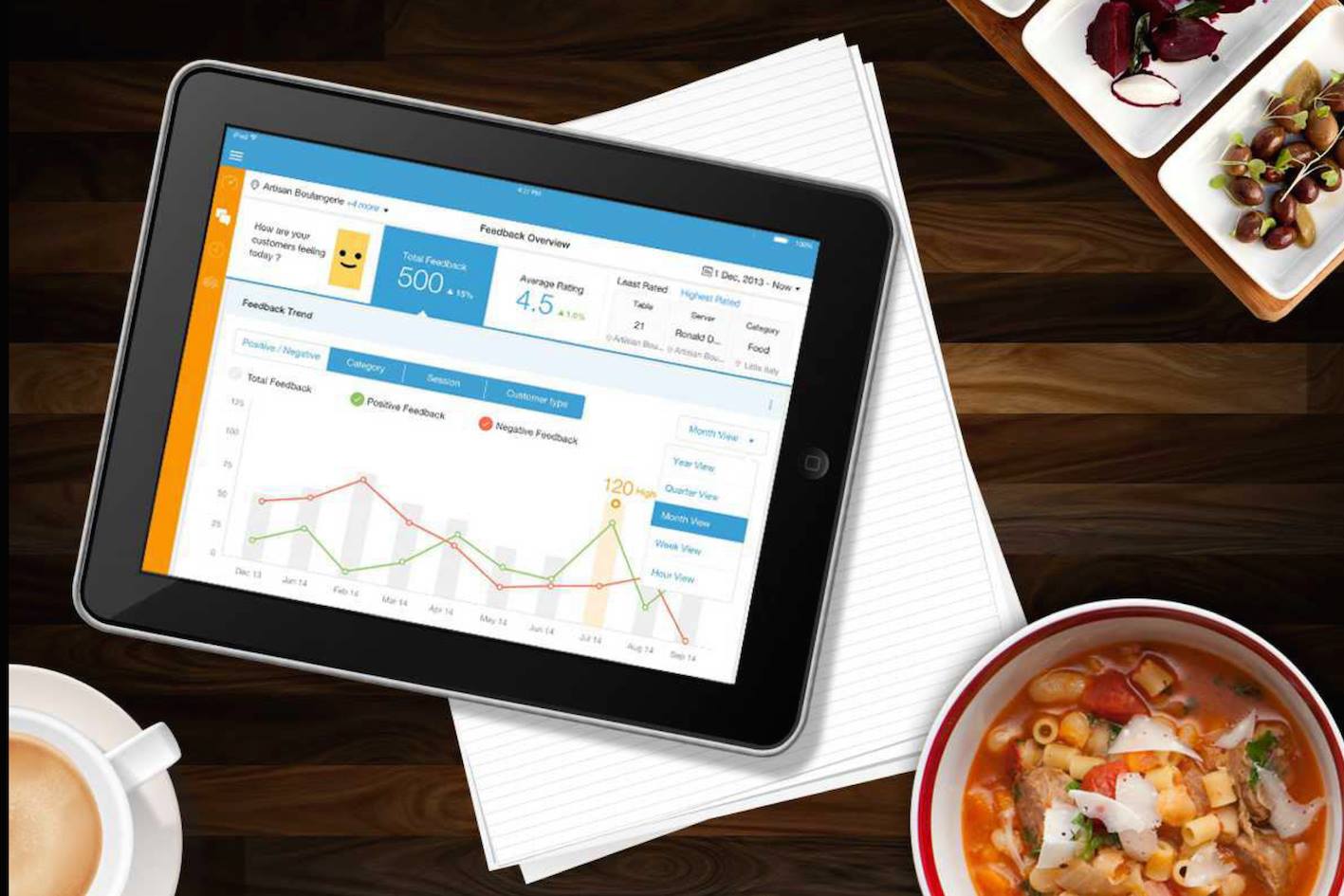
    Singapore-based Mobikon has tied up with Bank of the Philippines Islands (BPI) in Manila to offer its customer engagement platform to restaurants.

    The tie up will add a repertoire of over 300 restaurants in Mobikon’s network and strengthen its presence in South East Asia. Currently, the company has 1500 restaurants across India, Singapore, Malaysia, Macau, Philippines, and Dubai.

    “Apart from organic growth for the company, one of the key pivot in our strategy is where we target larger brand as a reference point for other brands to follow. The rewards program given out by banks is commoditised. We saw an opportunity for a win-win tripartite partnership with BPI,” said Anuj Jain, vice-president, Asia-Pacific, Mobikon. BPI confirmed the tie up but declined to discuss further details in response to an email query from ET.

    Through this contract-based partnership, BPI will provide Mobikon’s customer relationship management platform to restaurants on a tablet as a ready-to-use value-added solution. In turn, BPI will advertise its offering on Mobikon’s platform to restaurant brands as self-promotion and to strengthen relationships.

    Currently, Mobikon works with 100 restaurants in Manila. Mobikon is also in talks with other leading banks in India and other markets and also exploring strategic partnerships with mPOS & cloud POS companies.

    Within this year, Mobikon has raised close to $4 million from Jungle Ventures, Life-.Sreda and Qualgro. It strengthened its market reach in Singapore this August acquiring ‘Triibe’, a customer feedback platform in South East Asian markets.

  • Aeropostale unveils more expansion in Asia and EMEA region

    Aeropostale unveils more expansion in Asia and EMEA region

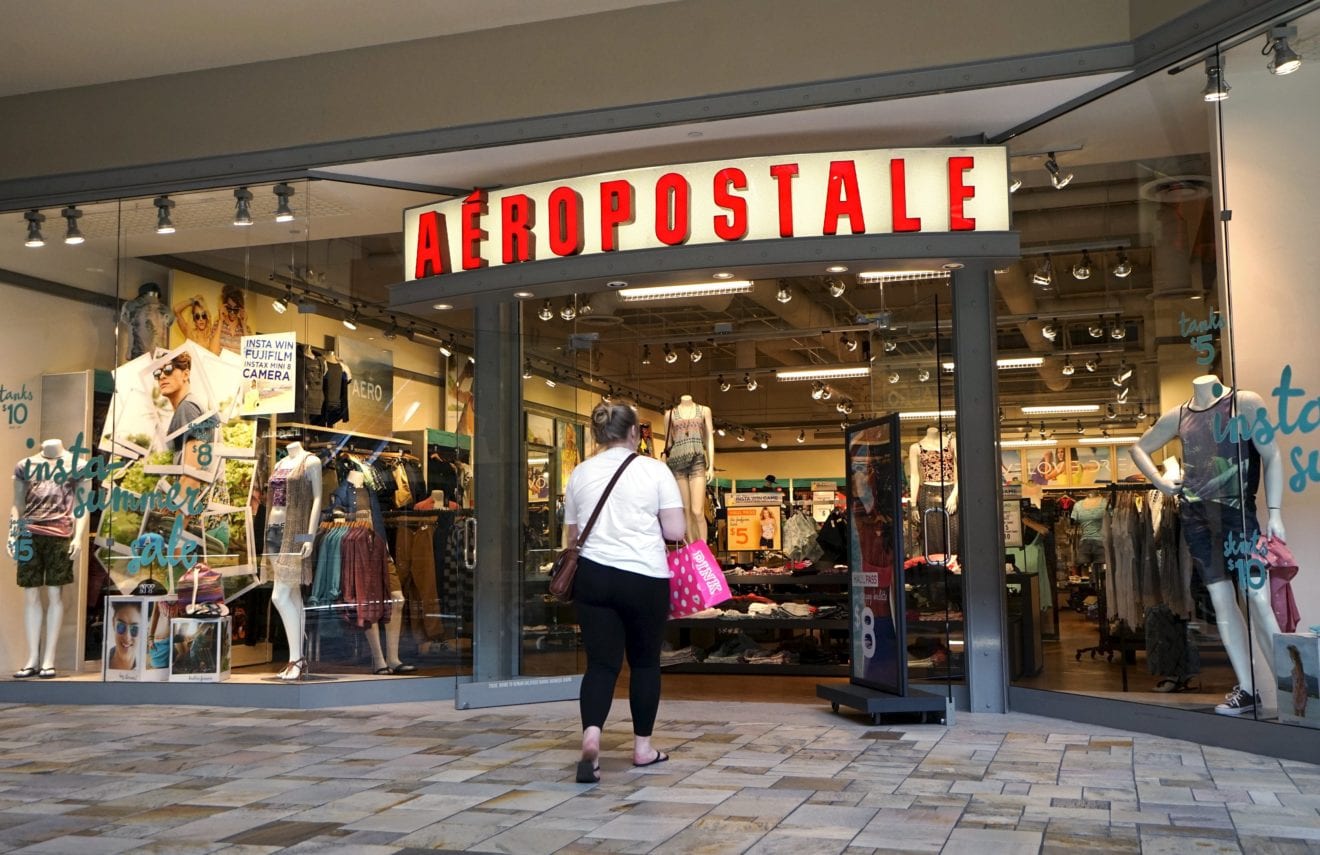
    Aeropostale, Inc., an American mall-based specialty retailer of casual apparel for young women and men, has announced additional expansion plans in Asia and the EMEA region. Through two new licensing agreements, Aeropostale will launch in Thailand and Egypt over the next five years, it said in a press release.

    Julian R. Geiger, CEO of Aeropostale, said, “Aeropostale’s international expansion began in Asia and the Middle East and it is with great pleasure that we announce further expansion across these key regions. Thailand and Egypt will be important markets as we continue to expand globally across Asia, the Middle East and Africa. We are confident that our partnerships with Robinson Department Store and Q and A Retail Company will ensure that the Aeropostale brand will continue to thrive and prosper internationally.”

    The company has signed a licensing agreement with Robinson Department Store Public Company Limited to open approximately 40 standalone and shop-in-shop locations over the next five years in Thailand. The first Aeropostale location in Thailand will open in the Robinson Department Store in Sriracha.

    Paresh Chauhan, Executive Vice President of International Brands at Robinson Department Store, said, “Robinson Department Store is very excited to bring Aeropostale to the Thailand market place, with the brand’s strong combination of trend-right merchandise at compelling prices. We hope to emulate Aeropostale’s success and be the leaders in teen fashion in our market.”

    Aeropostale has also signed a licensing agreement with Q and A Retail Company to open approximately 10 standalone stores over the next five years in Egypt.

    “We are eager to partner with Aeropostale to bring this iconic brand to North Africa for the first time. We are confident that the strength of the Aeropostale brand will resonate with the consumers of Egypt and we look forward to continuing our expansion throughout the region over the next several years,” said Ayman Seoudy, Director of Q&A Retail Company.

    Aeropostale’s expansion plans in Thailand and Egypt are planned to begin in early 2016, the release said. (SH)