Author: Mei Ling Tan

  • 360° Divers prepare to open up new underwater worlds in Asia Pacific

    360° Divers prepare to open up new underwater worlds in Asia Pacific

    360° Divers, the revolutionary virtual reality underwater video capturing service that is said to be the only app a diving enthusiast will ever need, has announced its upcoming release to be within next month (December 2015). 360° Divers is currently shooting amazing 360° underwater landscapes, shipwrecks and liveaboards around Asia Pacific. According to our interview, they are still looking for more dive locations and dive centers to collaborate with. The most outstanding dive centers and dive locations will be listed in the app complete with maps, dive spots and useful information regarding liveaboards.

    RadjaAmpat

    360° Divers have an innovative application that offers edutainment (education plus entertainment) by being an immersive application, taking its users in an immersive 360° underwater journey in all of Southeast Asia’s best dive spots so they may almost realistically view through the app and decide on their next adventure. Practicality wise, the application will also be offering access to the latest and updated information on every dive location in Asia and the Pacific. Beginning from dive lodgings to dive locations and liveaboards. It uses the latest Virtual Reality techniques and offers special headsets and wearables to be able to explorer the underwater world  by yourself at home and see where liveaboards go. Cardboard headsets can be ordered on the website and it seem they ship around the world for less then 10$.

    cardboard-final-640x640-640x640The said app is founded and built with the leadership and clever insights of the company’s founder. The app will be made available in the Apple App Store, Google Play, and the Windows Store. It will be working in both iOS and android-run devices. Whether there will be a desktop version or not is still unknown and much awaited. The app will be free to download while the dive content will be under a subscription fee says Imelda Samaria, part of the dive team and script writers.

  • Chile salmon JV benefiting from Norway, China trade troubles

    Chile salmon JV benefiting from Norway, China trade troubles

    Chile’s salmon joint venture New World Currents, comprised of Australis Seafoods, Blumar Seafoods, Pesquera Camanchaca and Cultivos Yadran, has met this year’s target to sell salmon to the Chinese market.

    In 2014, the venture already exceeded the expectations of its partner companies. The JV’s sales volume target for the year was originally 2,000 metric tons, but it had already hit 3,000t as of Nov. 6 last year.

    So far this year, the company has sold about 5,000t of salmon to China, of which 70% was frozen and 30% fresh, Eduardo Goycoolea, executive director of the New World Currents venture told Undercurrent News.

    “We have increased our sales 40% year-on-year already and we’ll keep growing in China. Chilean salmon has become an attractive alternative after the conflict between Norway and China,” Goycoolea said.

    Norway’s salmon exports to China have been fraught with difficulties since the 2010 Nobel peace prize. In March this year China delivered another blow to Norwegian producers: it announced it would ban all imports of whole head-on salmon from three Norwegian counties — Nordland, Troms and Trondelag.

    Although China and Norway agreed on a new certificate formula that meant exports of salmon to China could be maintained a month later, Chile has benefited from Norway’s difficulties for trade into the Asian country.

    “Fresh salmon account for 30% of our total sales volumes to China, and we want to send more fresh product as we are working to improve our logistics for air freight shipments,” Goycoolea said.

    New World Currents has done freight shipments from Chiloe once per week, but due to higher demand of fresh salmon from China, the JV has began to send salmon through additional flights out of Buenos Aires, Argentina, from October 1.

    The venture is also looking to export more value-added products in China’s retail segment, Goycoolea said.

    The commitment of the venture with China’s market is clear, as it has already two sales offices in the country, one in Shanghai and another Shenzhen. By the end of November, the JV plans to open a third sales office in Qingdao, Goycoolea said.

    “By the next three years we want to sell about 10,000t to China, as consumption in this country is growing,” he said.

    Despite salmon falling prices, China is a “very interesting market”, as it consumes the largest sizes, which are more profitable as they have higher prices.

    New World Currents represent about 25% of salmon production in Chile, and it is having requests from other Chilean companies to join the venture, although it wants first to consolidate its brand and ties with local distributors before expanding, Goycoolea said.

    China’s growth potential

    Chile’s salmon farmers aim to double sales to China within the next five years, taking advantage of its potential market growth.

    The Chinese market for salmon has significant prospects for growth not only because the country has more than 1.3 billion population, but also because salmon consumption is still low, leaving space for further market penetration.

    In 2014, Chilean salmon exports to China totaled $147 million, which was up by 4.18% year-on-year. China, however, represents just 3.37% of total salmon exports from Chile.

    Chilean salmon companies export to more than 65 markets, but just three countries — the US, Japan and Brazil — account for 68.2% of total exports.

  • DBS, POSB customers can withdraw more cash at more retail outlets

    DBS, POSB customers can withdraw more cash at more retail outlets

    DBS Bank and POSB customers will be able to withdraw up to S$200 with any purchase at all Cold Storage, Market Place, Jasons and Giant stores in Singapore, the local bank announced on Thursday (Nov 5).

    Customers can use the complimentary service with a DBS or POSB debit or credit card linked to a savings account. With the latest expansion, there are now around 800 Cash-Point locations islandwide, making it close to 2,000 places to withdraw money for DBS and POSB customers across the country.

    Thursday’s announcement follows last year’s expansion, where customers were able to withdraw S$100 with any purchase at all Guardian Health and Beauty and Sheng Siong stores. The S$100 limit remains for these stores.

    The service was introduced in partnership with 7-Eleven in July 2013, where there is also a S$100 withdrawal limit. The bank said that the average number of Cash-Point transactions every month has risen by 115 per cent since 2014, with the average customer withdrawing S$50 per transaction.

    “As we ramp up our digital banking capabilities, we also recognise that our customers value having a ready withdrawal touchpoint nearby when they need cash,” said Mr Jeremy Soo, Managing Director and Head of Consumer Banking Group Singapore.

    “We have chosen to partner with places frequently visited by our customers so the act of withdrawing cash is integrated with part of their daily journey.”

  • Jewelry.com Selects VoyageOne to Expand and Sell Products in China’s B2C Online Marketplaces

    Jewelry.com Selects VoyageOne to Expand and Sell Products in China’s B2C Online Marketplaces

    Jewelry.com announced that is has chosen VoyageOne, a pioneer in B2C “cross-border” ecommerce solutions and services, to help launch its direct-to-consumer online expansion plans for China.

    With over 14 years in the industry, Jewelry.com is one of the foremost online retailers in North America. VoyageOne provides localized branding, online marketing, merchandising campaigns, operational support, a local entity with inventory in China and local customer service support.

    “We are very proud to have reached a strategic partnership agreement for the online presence of our products leveraging VoyageOne’s turnkey solutions and services,” said Ofer Azrielant, President of Jewelry.com. “One of the great untapped opportunities for us is China’s online marketplaces including worldwide leader, Alibaba’s Tmall Global. Now we are able to provide our jewelry assortment to online shoppers in China while empowering them to express their individuality and taste in an entirely new way.”

    “We quickly learned that VoyageOne has the technology, domain expertise and proven track record of helping U.S.-based retailers to quickly and efficiently deploy an online presence in China, enabling brands to sell products directly to consumers while preserving brand values. We are also excited to be part of the largest Tmall Global Single’s Day aka 11/11 which is the one the largest online events in the world” said Jon Azrielant, Director of Marketing for Jewelry.com.

    “Jewelry.com recognized the importance of leveraging an integrated turnkey B2C cross-border ecommerce platform, localized business practices and operational methodologies right from the beginning to pave the way for success in China.” said Dennis Zhang, Founder and CEO of VoyageOne.

    VoyageOne’s Ecom360™ is a proprietary solution that provides U.S.-based retailers and brands with cost-effective and streamlined access to China’s Direct-to-Consumer “cross-border” ecommerce and online marketplaces, enabling them to ship directly from their U.S. warehouse to consumers in China.

    “We’re extremely excited to partner with Jewelry.com to deliver memorable online shopping and customer service experiences for their new customers in China.” said Patrick Hoss, Sr. Vice President of VoyageOne. “Today, online shoppers in China can easily purchase their favorite jewelry from https://Jewelry.tmall.hk and receive their packages shipped directly from the U.S. to their doorsteps in a matter of few days!” added Hoss.


  • GM China sales up 15% in October

    GM China sales up 15% in October

    The automaker said its sales were up 15 percent year-over-year in October and Buick sales jumped 42 percent from a year ago. Monthly sales for the brand hit more than 100,000 for the first time.

    “GM is well-positioned to capture the growth opportunities in the SUV, MPV (multi-purpose vehicles) and luxury segments, and our new products are gaining market share,” GM China President Matt Tsien said in a statement. “The recently announced government incentive for vehicle purchases helped boost buying sentiment starting in October.”

    Cadillac sold an October record 5,757 luxury vehicles, up 23 percent year-over-year, while Baojun brand sales soared 113 percent to 51,589 vehicles, also a record for October. Chevrolet sales fell 8.4 percent to 51,173 vehicles, which GM blamed mostly on vehicle model changeover. Wuling brand sales also decreased 6.8 percent to 116,786 vehicles because of a decline in the mini-commercial vehicle market, GM said.

    Through October, GM says its retail sales in China are up 2.9 percent year-over-year to a record nearly 2.82 million vehicles.


  • e27 returns to Bangkok, Thailand with Echelon Thailand 2015 on November 26-27

    e27 returns to Bangkok, Thailand with Echelon Thailand 2015 on November 26-27

    Connecting entrepreneurs to tomorrow’s Mekong, e27 presents Echelon Thailand 2015, a two-day intensive conference this November to bridge the best of the Mekong region’s burgeoning technology startup community with over 1,000 regional tech entrepreneurs, startup founding teams, investors and industry thought leaders.

    While the tech scene in the Mekong region has been synonymous with just Bangkok so far, at Echelon Thailand 2015, active startup communities from around the region will be featured as well. Community delegation groups representing Thailand, Vietnam, Cambodia, Myanmar and Laos ecosystem will be in attendance.

    With Echelon Thailand 2015, expect two full day of high-level keynotes, rigorous breakout fireside sessions, interactive workshops, structured networking opportunities and panel discussions on the key issues driving the Mekong region’s tech ecosystems.

    This year’s Echelon Thailand, the third of its kind, features the likes of Ariya Banomyong of LINE Thailand, Jeffrey Paine of Golden Gate Ventures, Guillaume Sachet of MediaCorp, Adrian Vanzyl of Ardent Capital, Vineet Tanwar of Google Play, Krating Poonpol of 500 Tuktuks, Jon Sugihara of RedMart, Pawoot Pongvitayapanu, Managing Director of founder of Rakuten TARAD Co,. Ltd. and many more.

    Speakers will headline a variety of keynotes, panels, firesides and workshops on a range of issues from EdTech to E-Commerce, Investing in Female-led Entrepreneurship to Investment Opportunities in the Mekong region and beyond.

    The highly-anticipated search for Asia’s top startups also returns with Echelon Thailand’s Startup Launchpad pitching segment and showcase arena. The e27 team will shortlist the top 10 startups to pitch their products and services in a closed-door session on the first day, before the judging panel shortlists a further top 5 to take to the main stage on the second day. The ultimate winner will clinch the title of Most Promising Startup and walk away with a prize from Microsoft worth over US$120,000.

    Tech Alley returns as a conference mainstay with a mix of startups and top technology firms showcasing their innovations to delegates – forming sustainable partnerships, generating leads, securing scaling opportunities and getting first hand insight into the latest technology trends.

    To top it off, e27 aims to bring people together through structured networking sessions in Echelon Thailand. Selected startups will be given opportunities to pitch and raise funds from attending investors, scout for new talent and form partnerships with other entrepreneurs in attendance. At the same time, investors can seek their next venture, get macro-level insights from our speakers and build their funding portfolios.

    “We take pride in building one of the highest quality tech startup conference series – and bringing it across Asia,” says Roy Ang, General Manager of e27, “After two years of conferences in Thailand and partnering with community groups across the region, we are excited to take the first step in formally connecting even more stakeholders across the Mekong region’s tech community with Echelon Thailand 2015.

    Echelon Thailand 2015 will take place on November 26 and 27, from 8:30 AM to 5.30 PM with an exclusive Afterparty that runs till late. The event will be hosted at Bangkok International Trade & Exhibition Centre (BITEC), located at 88 Bangna-Trad Road (Km. 1), Bangna, Bangkok 10260.

  • One-Day Global Sale Sees Online Shopping Soar in Thailand

    One-Day Global Sale Sees Online Shopping Soar in Thailand

    WearYouWant, Thailand’s leading online fashion & beauty marketplace has become part of the global success story of Singles Day 2015, the world’s biggest online shopping day held on November 11th each year.

    Figures just in overnight reveal a staggering +1000% increase in turnover for WearYouWant compared to the same Wednesday last month, while order volumes soared to a growth of over 700%. Proof that Thai consumers are not only eagle-eyed when it comes to spotting big fashion brand discount, but are fast-becoming a growing e-commerce market to be reckoned with within the ASEAN Economic Community.

    WearYouWant retails high-profile international and local-designer brands from its Bangkok base, and recently received Series B funding from Japanese digital fashion marketplace StartToday.  During the run-away success of Singles Day, Thai consumers took advantage of discounts on over 14,000 fashion and beauty products. With 65% of the one-day shoppers being female, shoes, beauty and women’s clothing topped their online shopping lists.

    Singles Day Sale has been embraced  by e-commerce market globally, especially within the fashion-related  industry.

    This is the first year WearYouWant held this online sale nationwide, offering discount on their products from 11 am until 11pm. This Chinese ‘bare sticks holiday’, so-named because of the date’s single digits, is a day for singletons to celebrate and in more recent times to look for love. The Singles Day sale has become a huge global e-commerce extravaganza, with Chinese consumers alone spending more than USD 4 billion in the first hour of 2015’s sale.

  • Filipinos Purchased Over 120,000 Items from Lazada on November 11

    Filipinos Purchased Over 120,000 Items from Lazada on November 11

    November 11 has become the largest online shopping day in the world. For Lazada Philippines (www.lazada.com.ph), the country’s leading one-stop shopping and selling destination, 11/11 marked the start of its highly anticipated Online Revolution Sale and the beginning of the Christmas shopping season.

    Lazada sent online shoppers into a frenzy starting midnight of November 11 with customers purchasing 120,000 items across different product categories. Over 5,000 units of smartphones were sold on that day alone. Discounted and exclusive cellphone models from top brands such as Alcatel, Lenovo, ASUS and Cherry Mobile were the day’s bestsellers. Lazada also sold over 4,500 packs of disposable diapers, a clear indication that Filipino parents are embracing the convenience of online shopping. Hundreds of early Christmas shoppers were able to snap up this season’s hottest toy, the hoverboard or 2-wheeled scooter for as low as P7,999.

    As projected, Lazada exceeded its online sales records with a 6x increase in sales over its October average – the best uptake among all the countries in Southeast Asia where Lazada operates. The site registered 2.4 million visits and orders came from all over the country. 70% of total orders came from areas outside of the National Capital Region.  

    This year’s Online Revolution Sale broke new ground for Lazada as 60% of its orders came from shoppers using mobile devices. The Lazada mobile app was downloaded over 3x more on November 11 compared its average downloads during October. The app was ranked as the overall #1 app on the Apple App Store, ahead of Facebook, Instagram and YouTube.  It continues to be the number one shopping app on both App Store and Google Play Store.

    The big sale on Lazada continues and will culminate in a Grand Christmas Sale on Dec. 10 – 12. On top of deals and discounts, Lazada is also raffling off Cebu Pacific airline tickets to international destinations weekly and a brand new Hyundai Eon in the grand draw. 


  • 8th Holiday Inn Express in Indonesia Opens in Central Jakarta

    8th Holiday Inn Express in Indonesia Opens in Central Jakarta

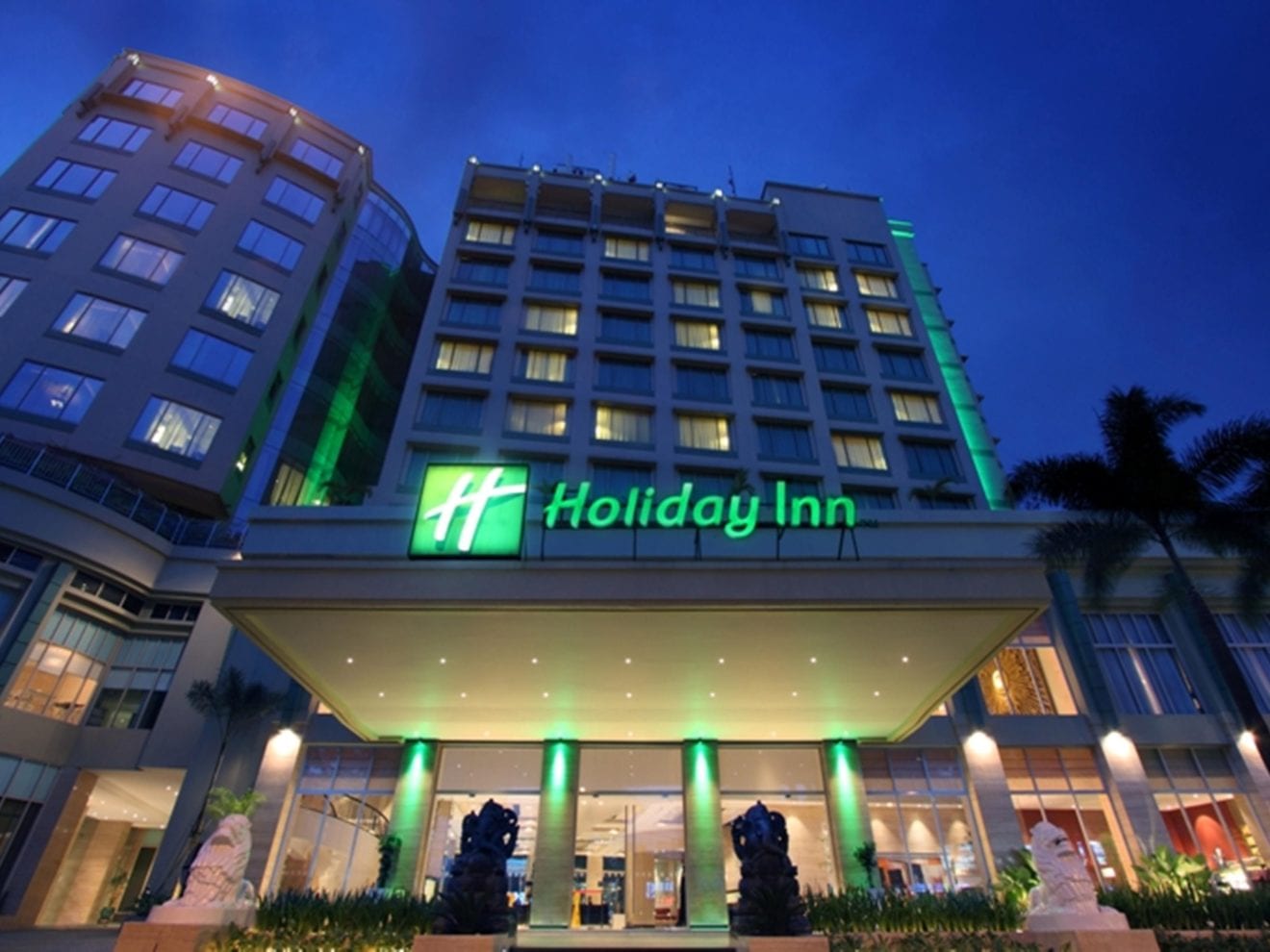
    InterContinental Hotels Group is celebrating the opening of Holiday Inn Express Jakarta Wahid Hasyim in the heart of the capital, making it the 8th Holiday Inn Express in Indonesia. The 160-room hotel’s city-centre location is within minutes of the city’s colourful markets and major shopping malls, the Central Business District (CBD) and other attractions.

    Leisure travellers will find themselves within walking distance of Jakarta’s shopping paradise featuring Grand Indonesia, the largest shopping mall in the country, along with Plaza Indonesia and Pasar Pagi Tanah Abang, the largest clothing wholesale market in Southeast Asia, to fulfil all their shopping needs while exploring the best of the city.

    Centrally located along the bustling Jalan K.H. Wahid Hasyim, the hotel is walking distance from the city’s main business district at Jalan M.H Thamrin and a short drive from other major commercial areas such as Jalan Jendral Sudirman and the vibrant Kuningan neighbourhood in Jakarta’s Golden Triangle. In addition to hassle-free access to major offices, banks, embassies and government buildings, the hotel offers free high-speed Wi-Fi access and in-room ergonomic work spaces, making it a smart choice for business travellers who want to optimise their time in Jakarta.

    Leanne Harwood, Vice President, Operations, South East Asia, IHG, said: “Holiday Inn Express is one of the fastest growing hotel brands in the world. In Indonesia, we have opened an average of one every three months since the brand debuted in the country two years ago. With more than 20 million travellers expected in Indonesia over the coming years, we are confident that Holiday Inn Express will cater to the needs of on-the-go travellers looking for a comfortable and affordable place to rest and relax after a long day out and about, whether for business or leisure.”

    When at the hotel, guests can look forward to a refreshing stay with a choice of queen or twin guest rooms, an efficient check-in and convenient amenities including:

    – Free and fast in-room Wi-Fi
    for guests to stay connected throughout their stay.

    – Comfortable and high quality bedding with a choice of firm or soft pillows for a restful sleep.
    – Free Express Start™ Breakfast with a Grab & Go option for a productive day ahead.

    – Revitalising power showers with a three-function massage showerhead and quality towels to stay refreshed.
    – A 24-hour fitness room for travellers to keep active and energised away from home.

    – Self-service business centre, internet and laundry stations

    Holiday Inn Express Wahid Hasyim is the 4th Holiday Inn Express hotel in Jakarta, joining Holiday Inn Express Jakarta International Expo, Holiday Inn Express Jakarta Thamrin and Holiday Inn Express Jakarta Pluit Citygate. There are four more Holiday Inn Express properties across Bali, Semarang and Surabaya with seven more due to open in Indonesia over the next three to five years. Globally, there are close to 2,400 Holiday Inn Express hotels with more than 540 in the pipeline.

  • Yum Brands boosted by China sales growth

    Yum Brands boosted by China sales growth

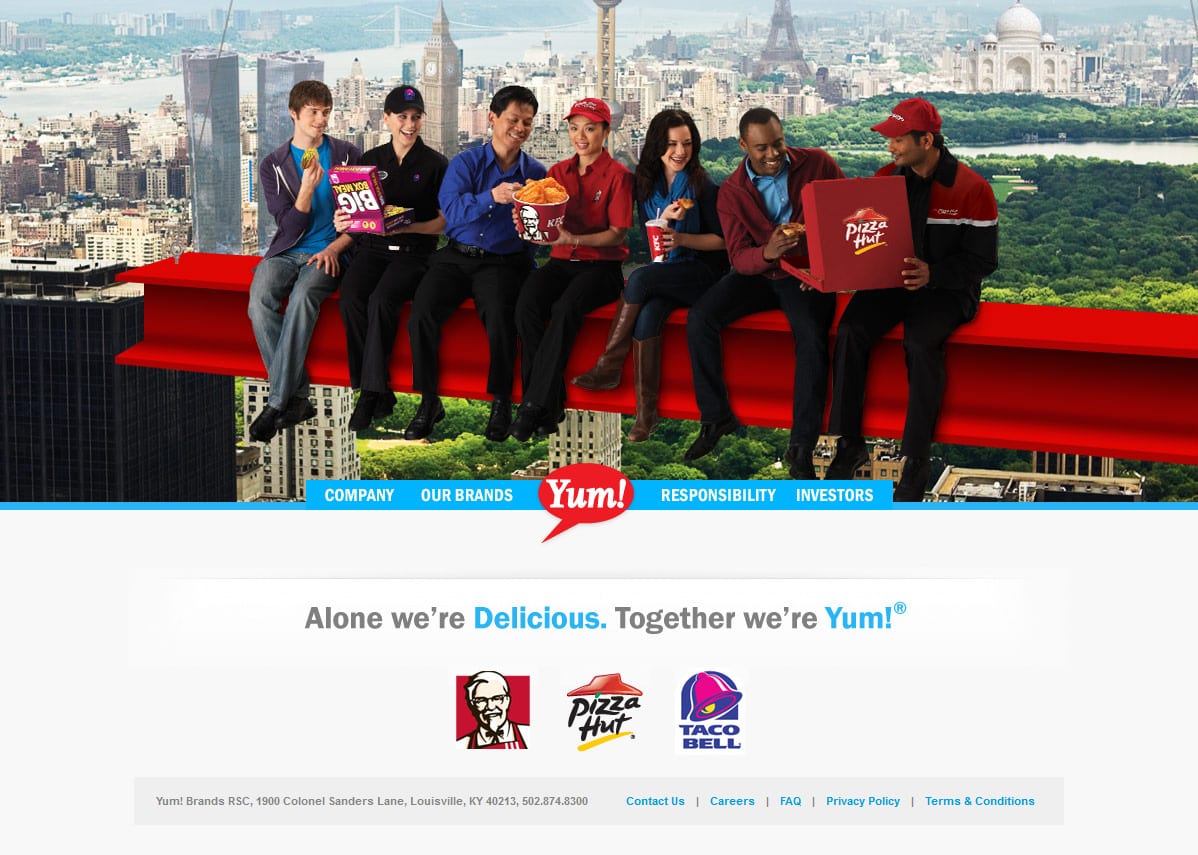
    Investors sweetened towards shares in Yum Brands, the owner of KFC, Pizza Hut and Taco Bell, after the company reported stronger-than-expected October same-store sales growth in China. The Louisville, Kentucky-based company said same-store sales, a key industry metric, grew 5 per cent last month.

    However, Yum reiterated its fourth-quarter guidance for comparable sales growth of zero to 4 per cent, noting that it remains “difficult to forecast in China”.

    “While an early sign of perhaps some stabilisation in the market, investors should avoid being overly buoyed by the magnitude of the beat, as China sales have been extremely volatile, and we were not provided with the year-ago monthly compares,” according to Jason West, an analyst at Credit Suisse.

    The news comes a month after Yum announced plans to spin off its Chinese operations, which accounted for about half the company’s overall revenue last year, into a separate company.

    Shares in Yum gained more than 2 per cent to $68.64, trimming its year-to-date decline to 5.8 per cent.

    Retail stocks continued to get punished ahead of the key US shopping season after Nordstrom cut its full-year profit forecast a day after Macy’s.

    The S&P 500 department stores index, which includes just Nordstrom, Kohl’s and Macy’s, fell 8 per cent on Friday and is down nearly 17 per cent for the week. The broader S&P 500 retail index declined more than 5 per cent over the week.

    Retailers have attributed weak results to warm weather and the strength of the US dollar, which has hurt tourist spending. Analysts said weak customer traffic has resulted in higher inventory and that could drive more promotional activity during the key shopping season

    Nordstrom shares tumbled more than 16 per cent to $53.05 after the upmarket retailer said it now sees earnings in the range of $3.40 to $3.50 a share, compared with its previous outlook for $3.70 to $3.80. This missed analysts’ estimates for $3.80.

    Meanwhile, the retailer expects to increase same-store sales for the year by 2.5 per cent to 3 per cent, below its previous forecast.

    Nordstrom said profits fell nearly 43 per cent to $81m or 42 cents a share, shy of analysts’ estimates for 72 cents a share. Adjusting for one-time items earnings of 57 cents a share also missed. Total revenues rose 6 per cent to $3.3bn.

    Despite reporting better than expected results, shares in JC Penney fell nearly 14 per cent to $7.59 amid the broader sell-off in the sector.

    Mylan shares jumped 13 per cent to $48.99 after the drugmaker’s attempt to buy rival Perrigo in a $26bn deal failed. Perrigo shares fell 7 per cent to $145.98.

    The S&P 500 declined for the third consecutive day led by a sell-off in the consumer discretionary sector.

    At midday, the S&P 500 was 0.8 per cent lower to 2,030.37, the Dow Jones Industrial Average had declined 0.9 per cent to 17,295.14. The Nasdaq Composite fell 1 per cent to 4,957.21.

  • Chinese account for 31% of global luxury sales

    Chinese account for 31% of global luxury sales

    Chinese shoppers now account for 31 per cent of the world’s annual luxury sales.

    According to Bain & Company’s 2015 Worldwide Luxury Report, the overall luxury industry will surpass €1 trillion in retail sales value in 2015.

    The market delivered healthy growth of five per cent year on year (at constant exchange rates), driven primarily by luxury cars (eight per cent), luxury hospitality (seven per cent) and fine arts (six per cent).  Aided by global currency fluctuations and continued jet-setting of “borderless consumers,” the personal luxury goods market ballooned to over a quarter trillion euros.

    That sector – including leather accessories, fashion, hard luxury and fragrance & cosmetics – reached €253 billion in 2015. This represents 13 per cent growth at current exchange rates, while real growth is significantly slowing to between one and two per cent.

    But the report warns that luxury brands will need the right pricing model to win against hard to predict currency volatility in the year ahead, which has impacted heavily on luxury retailers especially.

    While global tourists flocked to Europe and Japan to capitalise on a weak euro and yen, the Americas region, stagnant in real terms, was strongly inflated by the super dollar, thus capturing more than a third (34 per cent) of the global market spend in 2015.

    Meanwhile, Asia registered the worst historical performance (at constant exchange rates), driven by the lacklustre trend of Mainland China and the sharp drop in sales in Hong Kong and Macau.

    “For the last several years, we’ve referenced ‘luxury’s new normal’ with a deceleration of the personal luxury goods market. Now, we are starting to feel the impact of that slow-down,” said Claudia D’Arpizio, a Bain partner in Milan and lead author of the study.

    “The challenge for luxury brands in this environment is how to successfully navigate through hard-to-predict volatility.”

    According to Bain’s research, Chinese consumers continue to spend the largest share of luxury purchases (31 per cent) globally, followed by Americans (24 per cent) and Europeans (18 per cent).

    Chinese consumers are flocking to mature markets in droves, especially Europe, where an analysis of European tax-free shopping data, conducted in partnership with Global Blue, shows Chinese tax-free purchases increased by 64 per cent, particularly among the accessible and aspirational luxury segments, thanks to a weak euro.

    Americans also increased their tax-free spending in Europe by 67 per cent, aimed largely at the high end of the luxury spectrum.  Meanwhile, Russians cut their European spending by 37 per cent, and spending among the Japanese in Europe withered by 16 per cent.

    “Undoubtedly, Chinese consumers play a primary role in the growth of luxury spending worldwide,” said Federica Levato, principal at Bain and co-author of the study.

    “For years, we have known that they spend far more abroad than in Mainland China, but what’s changing is that they’re spending little money in historically popular destinations, such as Hong Kong and Macau, and are instead gravitating to new locales, such as Europe, South Korea or Japan, to benefit from currency fluctuations that drive favorable price gaps.”

    In terms of constant exchange rates, the US market did not deliver.  The “super dollar” was too expensive for many global tourists and though local consumption is growing, it was barely sufficient to offset the lost tourism revenue. Nevertheless, the US is the confirmed largest luxury market in terms of global luxury value, reaching €79 billion; New York City alone outweighed all of Japan.

    Another trend evident this year is the impact of eCommerce, which grew to seven per cent market share in 2015, nearly double its penetration since 2012. Luxury globetrotters have also fuelled the performance of airport retail, which posted 29 per cent growth in current exchange rates (18 per cent in constant exchange rates) and now accounts for six per cent of the global luxury market.

    With the growing middle class in economies such as China seeking good quality and good value, the off-price channel has more than doubled to nearly €26 billion.  Mark-downs are also increasing in prevalence across more than 35 per cent of the luxury market, with a strong relevance in department and specialty stores, as well as online.

    The Price of Luxury

    According to Bain, the number one challenge facing most luxury brands is establishing the right pricing model.

    The rise of eCommerce and global tourism growth create greater transparency around international price differentials. Additionally, price-conscious luxury shoppers are struggling to reconcile the price of luxury products with their real value. As a result, luxury brands must assess how to mitigate volatility and how best to deliver at local and global levels. This includes managing inventory to accommodate fluctuations in tourism and coordinating pricing and mark-downs across markets and channels.

    Luxury brands also face a host of tough issues such as rethinking their store footprint and the role of their stores in a world of growing digitalisation, as well as figuring out how to delight local customers even as masses of tourists flock to stores in mature markets.

    “Relentless price increases over the last decade, aimed at creating a more exclusive position in the market and maximising touristic flows are now starting to backfire on luxury brands,” said D’Arpizio.

    “They face the long-term challenge of rebuilding credibility and trust among consumers, rather than simply making shortsighted, tactical pricing adjustments to benefit from market fluctuations.”


  • Best Denki Singapore plans two more stores

    Best Denki Singapore plans two more stores

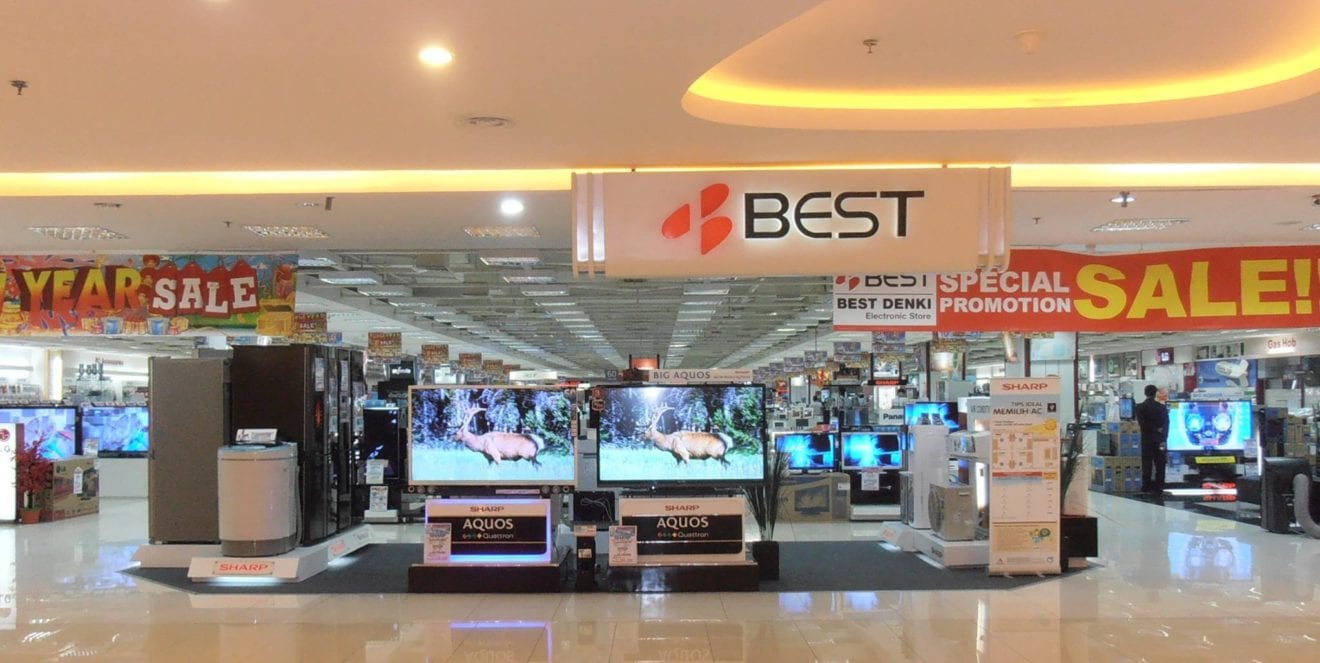
    Best Denki Singapore, the Japanese electronics retailer, plans to open two more stores in the city next year.

    Hanasaki Kenji, president and head of Asean region with Best Denki, told the Straits Times newspaper he is unfazed by the downturn in the local consumer electronics market.

    “I am not so worried. The downward trend does not hamper our business from growing,” he said.

    Best Denki entered Singapore in 1985 inside the Yaohan department store at Plaza Singapura. When that store closed in 1997 the concession was renamed Best Denki and since then the chain has grown to 11 stores.

    The company says its annual sales have grown nearly 20 per cent over the last 10 years, reaching S$293 million last year.

    Kenji attributes the brand’s success to its strategy of locating stores in shopping centres and sharp negotiating with suppliers.

  • Prada Macau opens men only store

    Prada Macau opens men only store

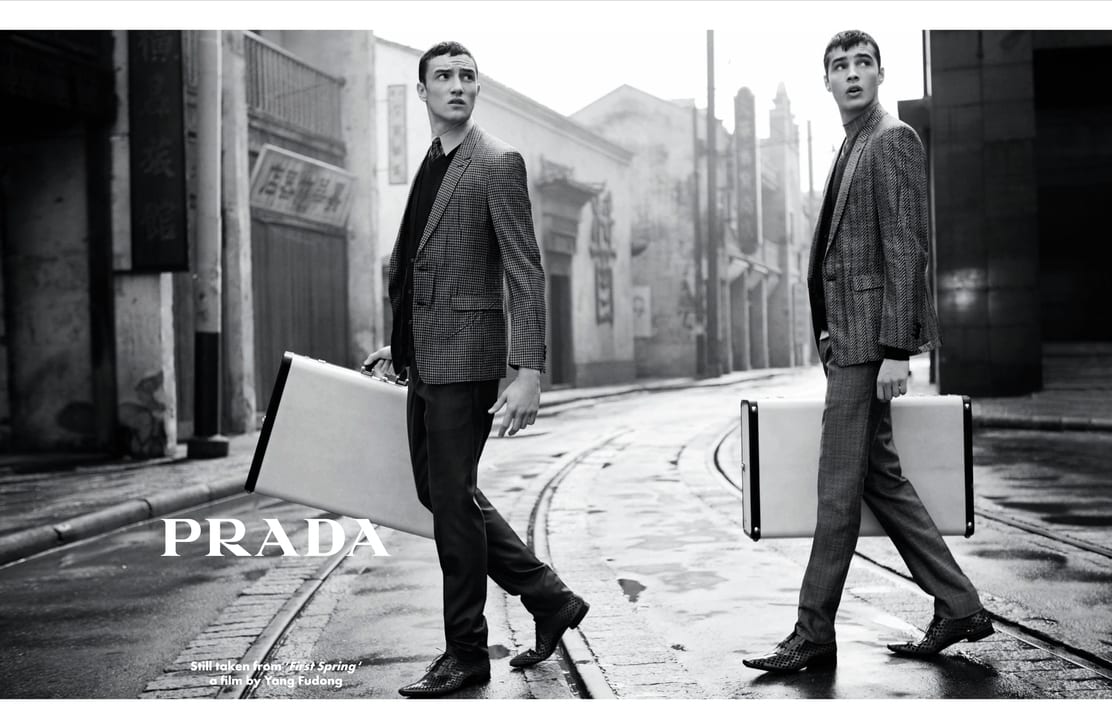
    Prada Macau has opened its fourth store – a menswear-only boutique at Studio City.

    The new space, designed by architect Roberto Baciocchi, covers about 500 sqm on a single level and houses the men’s ready-to-wear, leather goods, accessories and footwear collections.

    A succession of light-coloured stone pillars and light boxes inserted into black granite volumes sets the rhythm of the external facade.

    The internal facade is clad in black granite, while slim burnished steel profiles frame the entrances, windows and light boxes.

    The two entrances open on an area defined by a succession of spaces, each featuring a different atmosphere.

    The area dedicated to the leather goods and accessories collections is characterised by Saint Laurent marble floorboards, ebony-clad walls and polished steel display cases and counters.

    An elegant sitting area, defined by cotto-coloured leather sofas, leads to the space where the men’s footwear and ready-to-wear collections are showcased.

    The space housing the footwear collections is defined by ebony floorboards and polished steel and crystal cases and counters with drawers covered in coloured saffiano leather exalting the product display. Cotto-coloured leather sofas complete the furnishing.

    The Last Room, dedicated to the ready-to-wear collections, is characterised by walls featuring orange encaustic painting, creating an elegant atmosphere.

  • SM Retail posts solid sales growth

    SM Retail posts solid sales growth

    SM Retail of the Philippines has reported a 6.5 per cent increase in sales over the first nine months of the year to PHP145.3 billion (US$3.1 billion).

    Profit rose 21 per cent to PHP4.6 billion (US$98.2 million).

    Reviewing its operating divisions over the period, the company said its SM Food Retail Group (SM Markets) continued to expand in both urban and rural communities in various parts of Luzon, Visayas and Mindanao, adding 20 new stores, most of which are standalone Savemore stores.

    From historically operating anchor stores based in malls, SM Markets now follows a multi-format growth strategy to address the lack of organised retail in many parts of the country.

    SM Markets also recently invested in the minimart business with Alfamart, a successful minimart operator in Indonesia, and forged partnerships with WalterMart and Citymalls to further facilitate its provincial growth. Acquisition of existing chains of stores is another part of its growth strategy, the latest of which was the three stores of Cherry Foodarama.

    The SM Store will maintain its strategy of growing as an anchor store in SM Malls which are targeting expansion in the provincial areas. The SM Store continues to be the leading player in the country’s department store business, enjoying a wide-reaching and loyal customer base. It competes by providing the widest assortment of products and services, complemented by well-designed stores.

    As at the end of September, SM Retail had 294 stores, comprising 51 The SM Stores, 41 SM Supermarkets, 43 SM Hypermarkets, 130 Savemore stores and 29 WalterMart stores

  • Jamba Juice Taiwan marks debut

    Jamba Juice Taiwan marks debut

    The first Jamba Juice Taiwan store has opened its doors.

    The opening, in partnership with Taiwanese master franchisee Quan Hung Gourmet Company, marks the US juice cafe concept’s 71st store outside the US, and its 885th overall.

    The Taiwan store has opened at the Xinyi Vieshow complex in Xinyi.

    “We are very excited about launching the brand in Taiwan,” said Jack Hsu, special assistant to the chairman of Quan Hung Gourmet Company.

    “The Xinyi district is considered the most modern and cosmopolitan district in Taipei and comprises offices, government, shopping and entertainment venues. Jamba Juice will be a great addition for its consumers looking for a healthy alternative, day or night.”

    The Jamba store will operate from 11am to 11pm, seven days a week.

    Tom Madsen, senior VP & GM, global growth with Jamba Juice said the company is on track to close the year with about 90 international stores.

    Currently, Jamba operates international stores in South Korea, the Philippines, Canada, Mexico, the UAE and Taiwan, and has existing development agreements that include Saudi Arabia, Bahrain, Oman, Kuwait, Qatar, Thailand and Indonesia.