Author: Mei Ling Tan

  • Warehouse Managers Must Get Mobile

    Warehouse Managers Must Get Mobile

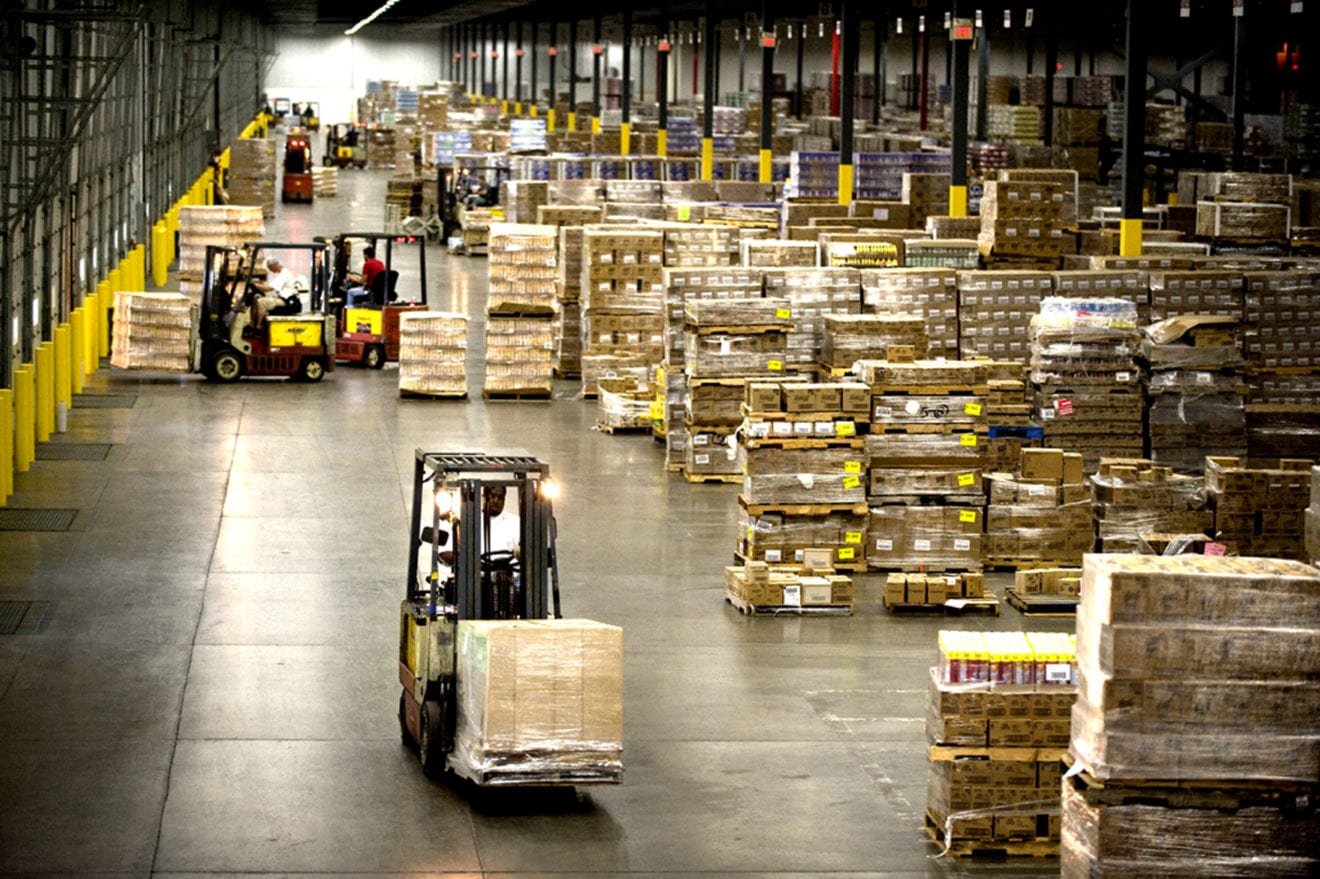
    Today’s warehouse managers face many challenges, not the least of which are meeting higher service levels and operational cost constraints. In this environment, it’s more important than ever that managers spend time on the floor, managing associates to drive optimal levels of productivity and monitoring work throughout the warehouse. This represents a difficult balancing act, however, as distribution centre managers and supervisors traditionally lack access to critical real-time data anywhere but the office.

    With this issue in mind, Manhattan Associates recently conducted a survey of supply chain executives and managers to better understand their struggle—and how mobile tools may be able to alleviate the challenges. The findings underscore that legacy, PC-based labour management systems (LMS) are effectively chaining managers to their desks, and preventing them from spending valuable time with associates. For example, 63 percent of respondents said lack of access to a computer keeps them from the warehouse floor, and 58 percent pointed to the need to review reports as another barrier against more associate engagement.

    Numerous studies have documented that employees are more productive when given frequent, real-time feedback on their performance, and how their work aligns with broader company goals. As such, it’s essential that distribution centre managers break out of the back-office for good, or risk poor morale and warehouse throughput.

    According to Manhattan Associates’ survey, increased mobility could address these challenges. Thirty-three percent of respondents said a mobile solution would increase their floor time by 50 percent or more, and an additional 28 percent indicated that mobile would free up at least 25 percent more time for on-site activities. In keeping with these findings, respondents reported that greater engagement is the chief benefit of providing managers with mobile tools. Additional advantages include:

    • Increased oversight (42 percent)
    • Real-time data (33 percent)
    • Supervisor productivity (21 percent)
    • Exception management (19 percent)

    In addition to recognising the benefits of mobility, our survey results indicate that warehouse managers are well on their way to implementing these solutions. Eighty-one percent of respondents said they either currently have mobile capabilities for managers, or have plans to deploy them in the near-term. Among the most desired functions in a mobile app were:

    • Employee productivity (85 percent)
    • Work management (85 percent)
    • Exception management (66 percent)
    • Labour requirements (49 percent)

    It’s evident that mobile solutions enable warehouse managers to spend much-needed time engaging with employees without sacrificing reporting requirements or other equally critical responsibilities.

    To help distribution managers and staff alike break away from their desktops and be more engaged and effective in the warehouse, Manhattan Associates launched its own Mobile Distribution Management solution earlier this year. The Manhattan solution provides everything warehouse managers need to interact and effect change among employees and execute tasks out on the warehouse floor. Combining data and functionality from Manhattan’s Warehouse Management and Labour Management solutions, Mobile Distribution Management allows warehouse and distribution managers to:

    • Systematically record active interactions with employees, including observations and performance measurements
    • Review work in the warehouse by wave, job function and task/activity
    • Put a task on hold, re-prioritise a task, assign a task to an employee or release a set of tasks to be completed
    • Monitor, plan and forecast work in real-time
    • Track the status for a particular customer, including order look-ups and wave progress

    While Labour Management and Warehouse Management Solutions have long been integrated, sharing performance data in person with employees was limited to static reports run at infrequent intervals. Mobile management, however, improves the manager/employee interaction by connecting both parties to performance reports in real time.

    Intelligent decision

    With mobile solutions, managers can also update information while an operational change is being made, and potentially reverse changes quickly to avoid work stoppages. Examples of active capabilities include task reprioritisation, release and reassignment. Outbound tasks in particular have the potential to benefit the most due to their high complexity and rapid pace.

    Supervisors can send real-time metrics (e.g., picking and packing rates by team or individual members; rankings; actual versus goal performance) via display screens and desktop dashboards to employees on the warehouse floor. This enables them to make better decisions in real time. The data also can be pushed to mobile devices, enabling management to monitor activity from any location or through pre-set, threshold alert notifications.

    What is the market’s understanding of mobile supply chain management?

    Engagement and communication techniques in the warehouse were traditionally centred around decidedly low-tech items, like bulletin boards and newsletters. With the increasing adoption of technology in the warehouse, big screen TVs for example, companies are introducing some great new ways to facilitate informational flow with minimal work. Large screens broadcast details like top performers on the floor and the most current KPIs, so that everyone is on the same page. This enables managers to make information available anywhere and anytime while integrating both quantitative and qualitative data.

    With mobile phones and tablets entering the scene also and showing up on the warehouse floor, mobility is having a huge impact on warehouse management. With a continuous drive for greater efficiency, improved productivity and enhanced service levels by companies in the Southeast Asia region, mobile is becoming a major focus for supply chain infrastructure upgrades and we expect this to remain the case for many years to come.
     

  • Asia curbs Richemont sales

    Asia curbs Richemont sales

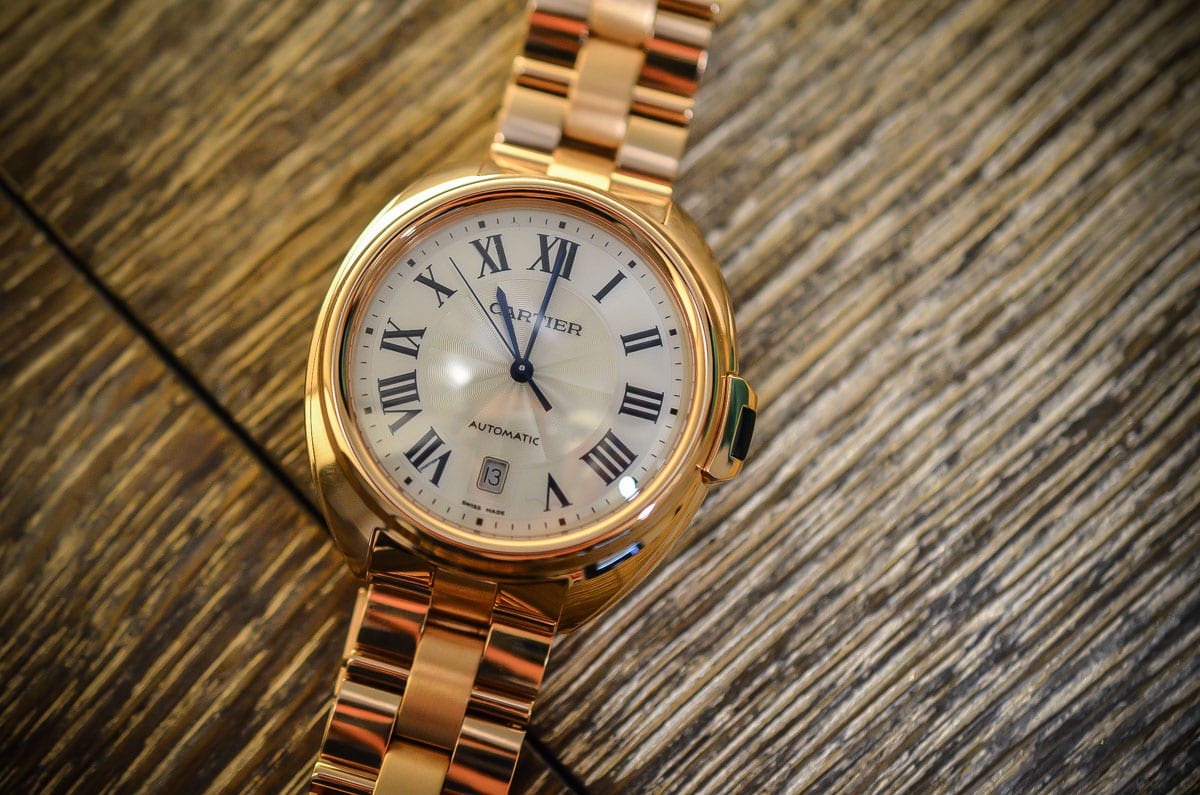
    Richemont – Swiss parent of luxury brands like Cartier, Dunhill and Montblanc – is blaming a Hong Kong sales slump for a tough half year ahead.

    Reporting its half year figures on Friday, the company said it expected a “challenging second half” which led to an immediate nine per cent fall in its share price.

    Hong Kong accounts for about 16 per cent of Richemont’s global sales and the Mainland a further eight per cent. Asia, excluding Japan, accounted for 34 per cent of the group’s total revenue.

    “The significant sales decline in Hong Kong and Macau during the period was partly offset by positive developments elsewhere. In particular, Mainland China resumed growth with strong retail sales, largely offsetting challenging wholesale sales,” the company said in its trading statement.

    Japan reported strong momentum, both from local and tourist demand, helped by the favourable exchange rate movements.

    Richemont said its global sales through its company-owned stores – which account for just over half its turnover – rose 13 per cent in the first half year at constant currencies. However, wholesale sales fell six per cent. Combined sales increased by 15 per cent at actual exchange rates or by just three per cent at constant exchange rates.

    Shipments of Swiss watches to Hong Kong fell 20.5 per cent in the first nine months of this year, due to falling demand. And Richemont, with such a large part of its global operations in the territory, is very exposed to such a drop.

    The company’s CGO Gary Saage said its margins had fallen in the first half to September – and in October demand had slowed even further. However there was a small upturn in the mainland last month

    “It’s been a long time coming. Mainland China in total grew one per cent and, clearly, within that our own retail grew significantly,” he told analysts in a briefing.

    “Wholesale is still extremely challenging and we don’t know when that will get better, but we take comfort in that our retail networks in both watches and jewellery are performing.

    “Headline numbers in watches will take time to recover,” Saage said.

    Gross profit increased by 13 per cent and accounted for 65 per cent of sales. The 100 basis points margin decrease versus the prior period largely reflected the impact of the Swiss franc’s appreciation and lower capacity utilisation, partly offset by the positive effects of other exchange rates and the growing proportion of retail sales, the company reported.

    Richemont also owns the Baume & Mercier, IWC International Watch, Jaeger-LeCoultre, Piaget, Roger Dubuis and Vacheron Constantin.

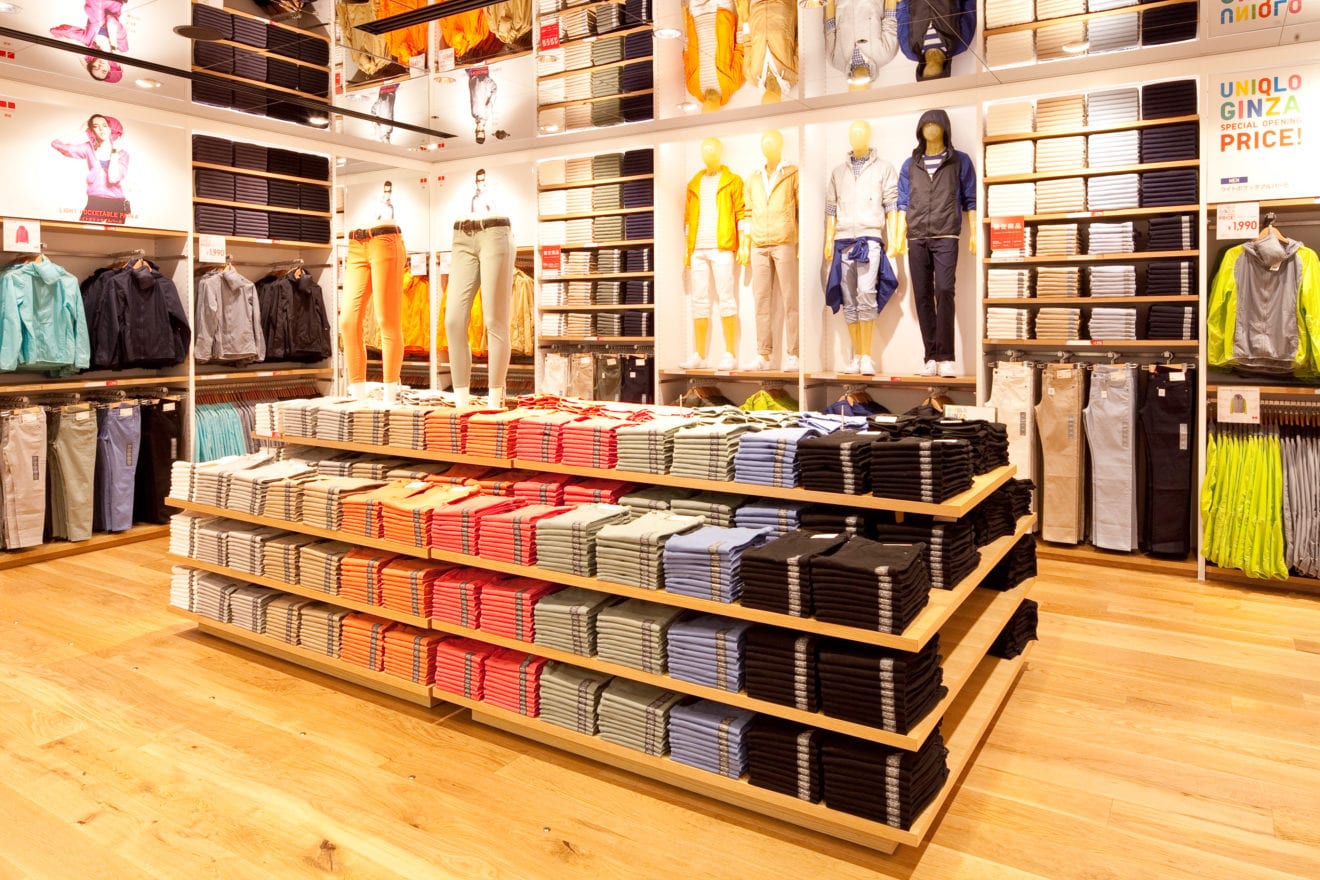
  • UNIQLO and Toray Announce Third Stage of Strategic Partnership

    UNIQLO and Toray Announce Third Stage of Strategic Partnership

    Uniqlo and Toray Industries, Inc. (company headquarters registered in Tokyo) today jointly announce the third stage of their strategic partnership for the next five years. First established ten years ago, the newest stage of the partnership between the two companies aims at strengthening collaborative efforts further and creating a new industry centered the future.

    Uniqlo, leading apparel retailer and originator of LifeWear clothing that is made for all, and available in 841 stores in Japan and 798 stores abroad (as of August 31, 2015), and the Toray Group, global top business group of advanced materials, with its 98 subsidiary companies in Japan and 155 companies abroad (as of March 31, 2015), are accelerating globalization and digitalization to achieve the initiatives listed below. From 2016 through 2020 the total number of transactions between the two companies is expected to reach 1 trillion yen.

    Acceleration of globalization and digitalization to create a new industry:

    – Realize an end-to-end business model by utilizing the Internet of Things (IoT)

    – Reduce production lead times further

    – Increase globalization of production sites and locations further

    – Optimize production in each location

    – Expand production sites to support business growth in Greater China (China, Hong Kong and Taiwan)

    Maximize LifeWear that is made for all:

    – Improve comfort and functionality of current products

    – Conduct research and development of products that offer completely new added value

    – Develop new sportswear to enhance people’s daily lives

  • Paris Baguette opens in Las Vegas

    Paris Baguette opens in Las Vegas

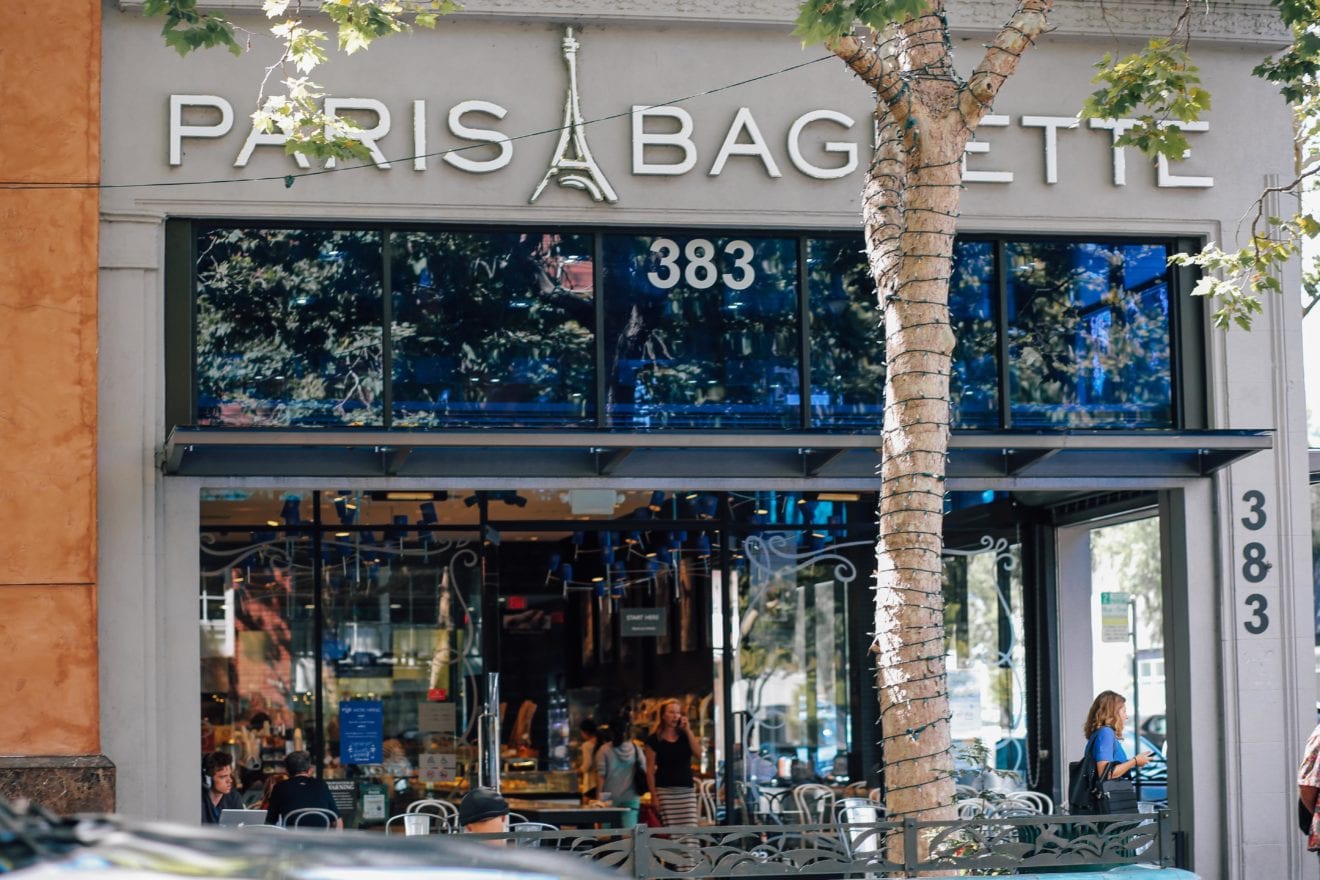
    SPC Group has opened a Paris Baguette store in Las Vegas, a first in the Korean confectionery and bakery industry.

    The Las Vegas store is the company’s 44th store in the US, and located in the Grand Canal Shoppes, a large shopping mall located between two of the major hotels in Las Vegas, the Venetian and the Palazzo.

    The Paris Baguette store occupies two stories within the tourist hot spot, famous for its recreation of Venice, Italy.

    SPC Group announced that it has opened a Paris Baguette store in Las Vegas, which is a first in the Korean confectionery and bakery industry. (Image : SPC group)

    The biggest difference with the Las Vegas store is that it will be selling items such as sandwiches, muffins, and croissants that are popular in the area, and considering that the location is a tourist spot, the store will also sell items suitable as souvenirs.

    Gift sets, tumblers and mugs that have images or quotes representing Las Vegas will be available exclusively at the Las Vegas store.

    Paris Baguette first set foot in America in 2005. Since then, the company has opened 43 stores in New York, Boston, San Francisco and Los Angeles.

  • Singapore government backs self-service technology

    Singapore government backs self-service technology

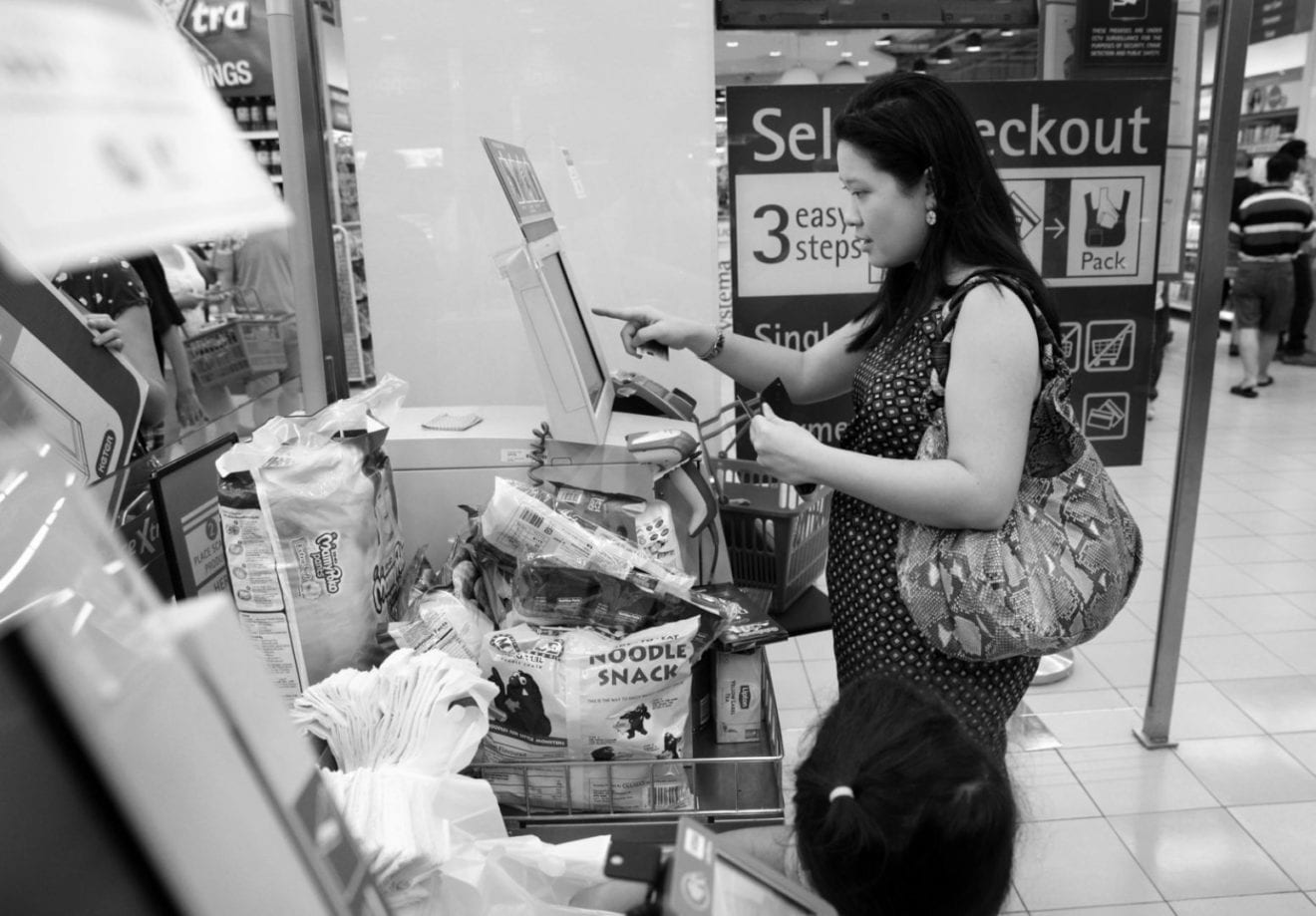
    The Singapore government is backing a push to urge shoppers to use self-service technology more in a campaign titled “We Are InDIYpendent”.

    Several supermarket chains, including the nation’s largest – NTUC FairPrice – have swung behind the initiative which was launched by the National Productivity Council (NPC).

    In a bid to galvanise more Singaporeans into using self-service counters, the supermarkets and other large retailers will be rolling out various promotions and discounts in coming weeks.

    A key driver of the initiative is to help ease the labour crunch by having consumers serve themselves.

    The NPC says the campaign “celebrates the advantages of using self-service facilities” and encourages businesses to adopt self-service models more aggressively.

    At the project’s official launch at an NTUC FairPrice store, Minister for Manpower, Lim Swee Say and Parliamentary Secretary for Trade and Industry, Low Yen Ling teamed up with celebrities Michelle Chong and Suhami Yusof in a self-service challenge which pitted them against each other to get as many shoppers as possible to use the self-checkouts.

    “Self-checkout (SCO) is a game-changing initiative for our local retailers,” explains the NPC.

    “With a tight manpower situation and increasingly competitive business environment, retail companies need to adopt technologies that require less manpower to improve their productivity.”

    The government is providing companies with grants and assistance schemes to help them implement self-service options.

    “Consumers can play their part by embracing such options to create an impetus for more businesses to adopt these models in their operations in a more aggressive manner.”

    The We Are InDIYpendent campaign seeks to encourage consumers to use self-service facilities. The campaign also aims to feature three key benefits of using self-service facilities – ease of use, speed and flexibility.

    Other highlights of the campaign include mystery spotting activities to incentivise consumers to use DIY options in more areas of their daily lives, videos offering interesting insights on DIY culture, as well as print and out-of-home (OOH) ads featuring different forms of self-service.

  • Dufry Asia aims to double business

    Dufry Asia aims to double business

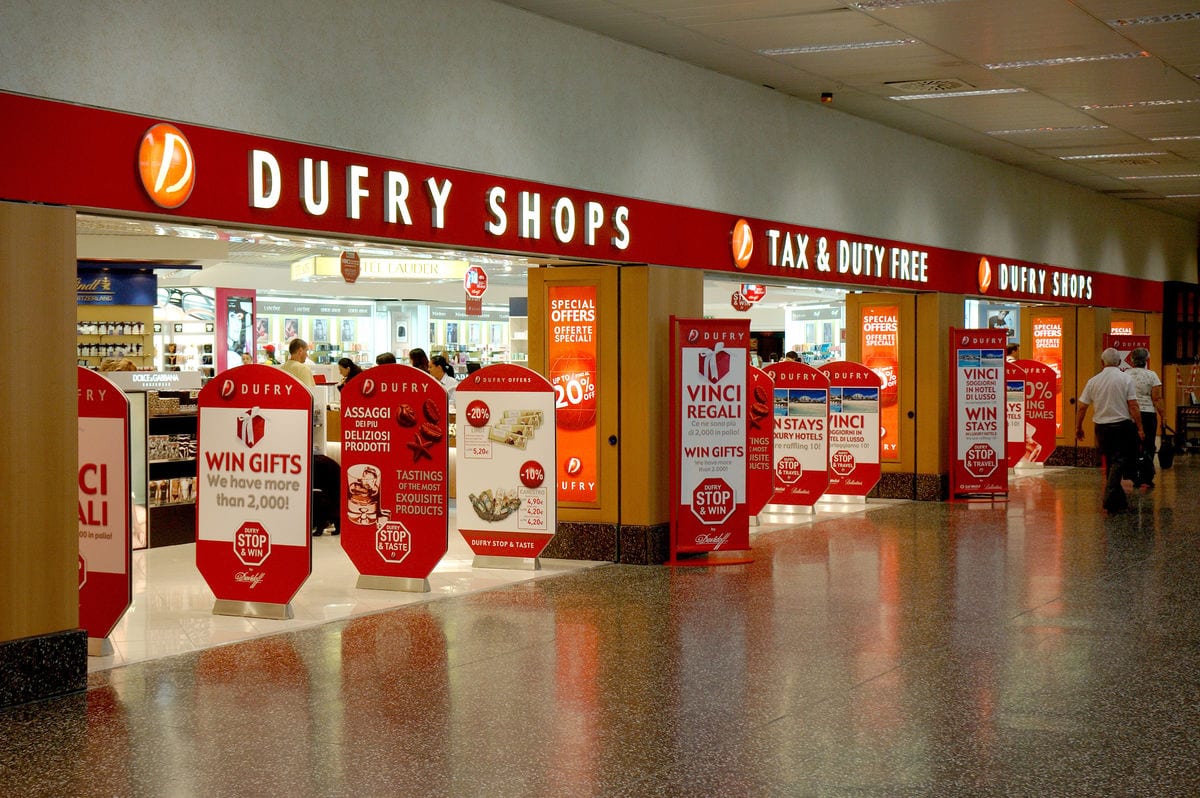
    Dufry Asia sees huge growth opportunities in the Asia region despite the current softness in the Hong Kong, Macau and Singapore markets.

    In an interview with TRBusiness the CEO of Dufry Group, Julian Diaz, said the company plans to double its sales in Asia Pacific within five years. Currently, the region accounts for just nine per cent of its total business.

    “The situation right now in Asia and in other parts of the world is not going to stop Dufry from going ahead with development,” he told TRBusiness.

    “The reality of the passenger growth over the next 10 years in Asia is that it is going to grow more than any other region in the world.”

    Díaz said Asia presented challenges given it comprises different markets, but Dufry has overcome that in other regions, and is confident it can break through in Asia.

    “I think this is a challenge, but this was also a challenge when we started in the Americas, when we started in Europe, when we started in North America.

    “All these businesses presented their own challenges. I know one thing, we are going to pool resources and the team in order to really develop the company in Asia,” he said.

  • Fashion chain M)phosis shutters stores

    Fashion chain M)phosis shutters stores

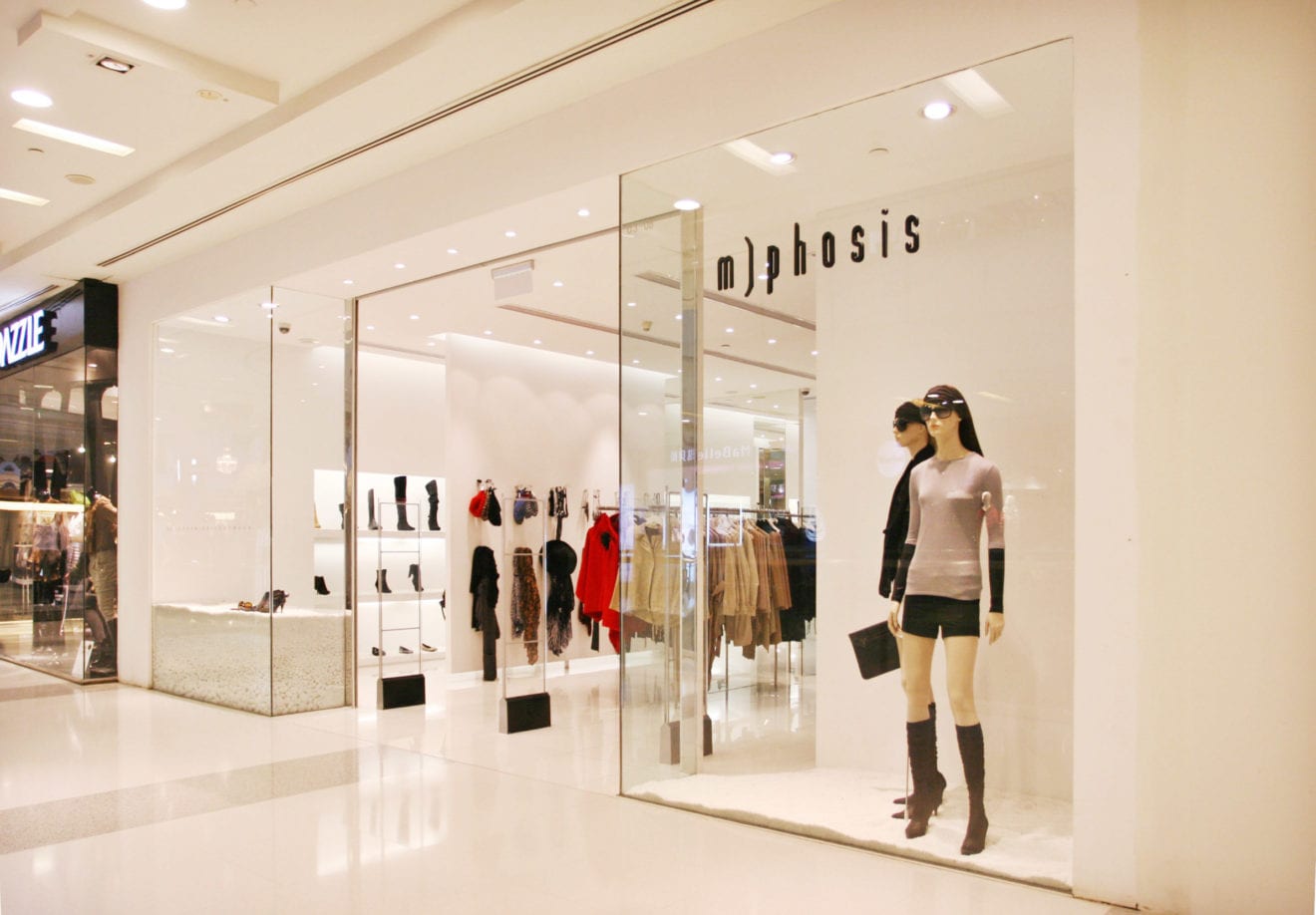
    Singapore-founded fashion retailer M)phosis is reportedly closing all its Southeast Asian stores due to financial challenges.

    The Straits Times has reported the chain is in the process of closing remaining stores in Vietnam, Malaysia, the Philippines and Indonesia – more than 10 in all. Its last Singapore store, in VivoCity, ceased trading at the end of August. Only its China stores will continue to operate.

    The company has not updated its Facebook page since August, but some disappointed fans of the brand have posted messages on the page, ranging from sadness at the retailer’s apparent demise to anger over being left with vouchers which can no longer be redeemed or cashed in.

    Director Hensley Teh confirmed to the Straits Times the brand remains in the China marketplace.

    “We were having a severe cash flow situation. We were not able to continue, despite wanting to. We did everything we could. We thank our customers, who have supported us all these years.”

    M)phosis made its debut in 1994, targeting women aged 18 to 35. At one stage it operated in Australia, Hong Kong, Dubai and Japan and had a network of 30 stores, but it has since retrenched from those markets.

  • Exporting the key to Asian SME growth

    Exporting the key to Asian SME growth

    If you’re an Asian SME and a retailer and you are not pursuing an export strategy – you’re missing out, according to a study completed by FedEx.

    Small- to medium-size enterprises throughout Asia Pacific that export to overseas markets are twice as likely to be experiencing growth of 11 per cent or more than SMEs who are focused solely on their home market.

    That’s the conclusion of a new global research study commissioned by FedEx Express, the world’s largest express transportation company.  In the survey that includes six key markets in the region –China, Hong Kong, Japan, Singapore, South Korea and Taiwan – 22 per cent of exporting SMEs reported that they were growing rapidly, compared to just 11 per cent of SMEs that sell only in their home market.

    The independent study, entitled Global opportunities: Examining Import and Export Trends Among Small Businesses, reveals the considerable revenue opportunities on offer to SMEs that export.  In Apac, SMEs reported that exports generate an average of US$1.8 million in revenue each year – the highest of the four global regions in the study.  In certain Apac markets, this figure was far higher: Taiwanese SMEs generate an average of US$2.8 million in revenue per year from exports, the highest level of export-driven revenue in the study, while Hong Kong SMEs came in second place, generating an average of almost US$2.6 million.

    “Small businesses are a critically important part of the Asia Pacific economy, and this study shows how they are able to thrive when they grasp the opportunity to sell to markets beyond their own borders,” said Karen Reddington, president, FedEx Express Asia Pacific.

    “However, while many Asia Pacific SMEs see the potential of exporting, they are not confident in their ability to translate that potential into business success as they feel they lack the necessary advice and support. This should serve as a wake-up call to all stakeholders. Helping SMEs to succeed in overseas markets can only be good for the entire region,” she said.

    Despite this significant opportunity, many SMEs are still hesitant about targeting overseas markets.  Currently, only 36 per cent of Apac SMEs are exporting, despite a much higher proportion (77 per cent) recognising that there is a whole world of customers out there.

    One of the reasons for this seems to be a lack of advice and support. Only 10 per cent of Apac SMEs believe they already have sufficient support to succeed in international markets – the lowest level among the four global regions in the study.

    Logistics plays a vital role in tackling this confidence gap. SMEs in Singapore and Taiwan ranked logistics providers as their top source of expertise on exporting, and SMEs in five out of six Apac markets rank logistics providers among their top sources. A reliable logistics service provider plays an important role in connecting SMEs with overseas opportunities and shaping the experience that SMEs provide to their customers.

    Despite the perceived barriers, SMEs are optimistic about the prospect of exporting in the future. Some 52 per cent of Apac SMEs anticipate they will be doing so by 2020, an increase of 16 per cent on the current level. They are even more positive when it comes to international business growth: 61 per cent anticipate greater revenue from overseas business in five years’ time, compared to just 45 per cent that predict this for their domestic business.

    The study was conducted by market research consultancy Harris Interactive on behalf of FedEx Express to provide insights into global import and export behavior among SMEs and the challenges they face. Completed in September, the results are based on interviews with 6891 senior executives from 13 markets across four regions, including 3315 from Apac.

  • Lotte dreams big with World Tower Duty Free store

    Lotte dreams big with World Tower Duty Free store

    Lotte Duty Free has announced a plan to make its World Tower Duty Free store into a landmark of North East Asia.

    Lotte will invest over 1 trillion won to make the location an international tourist spot that will exceed the popularity of its headquarters in Sogong-dong.

    Lotte Duty Free revealed at a press conference that it will be investing an additional 1.2 trillion won (US$874.97 million) over the next five years to expand the size of its duty free store, creating a one and only ‘Tourism and Shopping Complex Duty Free Store’ in the world.

    With the changes, Lotte has estimated that by 2020, it will have an accumulated 5 trillion won revenue in foreign currency, an added value of 4.8 trillion won, and direct and indirect employment of 27,000 people. The accumulated number of foreign visitors during this period is expected to be 28 million.

    Based on these numbers, Lotte plans to make its World Tower duty free shop the No.1 store in the world, as well as an international landmark.

    Lotte has suggested the creation of a ‘Gangnam Tourism Belt’ to reach its goals. By building a large-scale musical fountain, the company is hoping to make the site into a tourist hot spot like the Marina Bay Sands hotel in Singapore, or the Burj Khalifa in Dubai.

    Lotte Dury Free

    By promoting its duty-free store along with the highest observatory, a vineyard classic hall, an aquarium, a multiplex and Lotte World Adventure, Lotte is hoping to make World Tower the largest tourism hub south of the Han river.

    In order to attract more foreign visitors, Lotte plans to operate a city tour bus that connects Gangnam and other parts of the city, creating a Gangnam culture belt.

    Lotte Duty Free also announced that it has signed an agreement with municipal authorities in Songpa-gu, Gangnam-gu and Seocho-gu to cooperate in revitalising tourism in Gangnam.

  • Wenceslao to test investor appetite in Philippines

    Wenceslao to test investor appetite in Philippines

    DM Wenceslao and Associates, a construction and real estate company, has launched pre-marketing for a $150 million to $200 million initial public offering that could turn out to be the Philippines largest flotation of the year.

    The deal is coming at a time when the Philippines Stock Exchange PSEi Index appears to have resumed its losing streak. The market initially turned downwards in April after hitting a year-to-date peak of 8,127.48 and enjoyed only a very brief respite in October when all global equity markets picked up again.

    On Monday, it fell 1.8% to close at 6,772.92.

    Year-to-date it is down 6.33%, with foreign investors net sellers every month since April.

    DM Wenceslao will test their appetite to return to the market since it hopes to place 70% of its IPO with international accounts, according to its registration statement.

    The company is hoping its high growth profile will also persuade them to accept a premium valuation compared to both the exchange’s average 16 times forecast 2016 p/e ratio and the property sector’s 18 times average.

    Valuation

    According to its most recent filing, the company plans to sell up to 429 million shares at a maximum price of Ps44 per share, potentially generating total proceeds of as much as Ps17.47 billion ($370 million).

    However, sources close to the deal said the pre-marketed range equates to a market capitalisation of about $1 billion. This is towards the bottom end of a Ps45 billion to Ps62 billion ($950 million to $1.31 billion) fair value range assigned by Citic CLSA, one of the IPO’s joint bookrunners.

    This range represents a 30% to 50% discount to net asset value and equates to a p/e ratio of 32 to 43 times forecast 2016 earnings of Ps1.438 billion.

    In 2014, the company reported earnings of Ps339 million. In 2015, they are forecast to triple to Ps1.14 billion.

    Gaming proxy

    DM Wenceslao is said to be pushing forwards with the deal despite the weak market conditions because it needs to raise fresh capital to fund the development of four of its 10 construction projects.

    Capital expenditure is expected to grow 187% to Ps2.4 billion in 2016 from Ps842 million this year, and by a further 180% to Ps6.8 billion in 2017, Citic CLSA estimates.

    In addition, the company’s net cash position deteriorated by 44% on a year-on-year basis to Ps1.2 billion in 2014.

    The company was founded 50 years ago as a pure construction company. However, it has recently been transformed into a real estate leasing company after the Philippines Reclamation Authority transferred 829,000 square metres of land as part of the Manila Bay area reclamation project.

    As a result of the land transfer, DM Wenceslao currently owns roughly 80% of Aseana City, a mixed-use development area partially overlapping Entertainment City, the Philippine’s fast expanding gaming hub.

    Over the next five years the company plans to lease 5,000 square kilometres of land per annum.

    In 2012, DM Wenceslao generated 71% of its revenues from construction projects and 28% via rental income. This has now turned on its head with property leasing accounting for 75% and construction 19%, a far more stable revenue mix that may appeal to investors.

    The company is expecting to generate higher growth than other Philippines property developers because of its proximity to Entertainment City, which is being developed as Asia’s Las Vegas-like gaming and entertainment complex.

    Currently, two casinos under Bloomberg Resorts and Belle Corp have started operations while Traveller International Hotel Group and Tiger Resorts’ casinos are set to open in 2017 and 2018 respectively.

    On the flip side, it will suffer from any downturn in the country’s gaming business, which is currently the key attraction for tourists to visit the area.

    DM Wenceslao is expected to commence the retail offering for its IPO on December 4 and list on December 17, according to the company’s filings to the Philippines stock exchange.

    So far this year, the largest IPO has been the Ps3.621 billion offering for Metro Retail Stores completed earlier this month, one cent below its marketed range of Ps4 to Ps4.80.

    BPI Capital, Citic CLSA, Deutsche Bank and Maybank are joint global coordinators and bookrunners for the new deal.

  • China formula boom boosts a2 Milk

    China formula boom boosts a2 Milk

    China’s booming demand for baby formula had prompted dairy company a2 Milk Co to boost its earnings forecast for the 2016 financial year.

    The company, which operates in Australia and New Zealand, said the demand for its a2 Platinum infant formula was “growing exponentially”, with sales hitting $NZ38 million for the first for months of the new fiscal year, compared to a total take of $NZ42m for the entire 2015 financial year.

    Baby formula now accounts for around half of a2 Milk’s total group revenue, the company told shareholders at its annual general meeting today.

    The group expects total revenue of $NZ285m for the year, up from its previous forecast of $NZ267m, and raised earnings before interest, tax, depreciation and amortisation guidance to $NZ22, nearly double prior estimates.

    The bullish outlook comes amid headline grabbing reports of supermarket shelves being emptied of milk formula after customers — often Chinese tourists, migrants or students — remove stock by the pallet-load to sell online at home at inflated prices. The reports have caused an uproar among parents and consumer groups, who have called on the government to intervene.

    But a2 Milk said demand was growing amongst both Australian and Chinese customers. The group said the growing success of a2 Platinum products was based on the reputation of the a2 Milk brand in Australia, while positive perceptions around Australia and New Zealand’s “clean and green” sourcing, was also helping drive strong demand from China.

    The company said retail stock shortages were continuing despite production volumes increasing, while demand was continuing to exceed supply.

    The group said it was building branded flagship stores across selected e-commerce retailers to build and capitalise on the growing demand in China.

    “The a2 Milk Company is on the cusp of converting our recent investments into significant and meaningful business platforms, both in Australia and abroad, which will generate significant growing returns across the coming years.” chairman David Hearn said.

  • Paris attacks seen causing short-term global markets drop

    Paris attacks seen causing short-term global markets drop

    Stocks in major markets are set for a short-term sell-off on Monday after suspected Islamist militants launched coordinated attacks across Paris that killed more than 130 people, but few strategists expect a prolonged economic impact or change in prevailing market directions.

    If anything, any initial damage to economic confidence, tourism and trade within Europe will likely reinforce the European Central Banks resolve to ease monetary policy further next month, they reckon. That will keep pressure on the euro exchange rate and support other European asset markets.

    French financial markets will be open as usual on Monday, stock and derivatives exchange Euronext said on Saturday.

    With many Parisian restaurants and shops shut on Saturday and Sunday, some local analysts expected any French equity reaction to be more visible than after Januarys attacks against the Charlie Hebdo satirical magazine and a Kosher supermarket.

    “Stocks that are angled towards consumer goods or tourism, notably the luxury industry with the Christmas season, could be affected,” said IG France analyst Alexandre Baradez.

    “The January (attacks) were different, they were more targeted. Here they were aiming at an entire population,” he added. “There may also be a purely psychological effect that pushes investors to stay on the sidelines until more clarity emerges.”

    Equity futures moved lower at the open on Sunday night in New York time, adding to losses posted as the attacks unfolded after markets closed on Friday. They soon pared some of those Sunday losses.

    The Nikkei stock index fell 0.8 percent after having fallen as much as 1.8 percent earlier in the Monday session.

    Mohamed El-Erian, chief economic adviser at Allianz, said: “With the horrible tragedy leading to some short-term restraint to French GDP, equity markets are likely to open lower with both government yields and the euro falling.”

    Concern about similar attacks beyond France and tensions surrounding a stepped-up Western military response to the actions of Islamic State point to some ripple effect around world markets.

    “These Paris terrorist attacks and the larger scale of this attack could have a meaningful negative impact on the travel and tourism sector,” said Robert T. Lutts, chief investment officer at Cabot Wealth Management in Salem, Massachusetts.

    France has the largest number of tourists in the world and the sector accounts for almost 7.5 percent of GDP.

    If increased national security causes trade friction, longer-term commercial effects also “bode ill for the euro,” said Brian Battle, director of trading at Performance Trust Capital Partners in Chicago.

    “France closed the borders. For how long and what degree will determine the effects,” he said. “The question is will other countries follow this policy, maybe as a political cover to impede immigration.”

    Outside France, few expect a jolt as significant as the hiatus after 2001s attacks that destroyed the World Trade Centre in New York City.

    In foreign exchange markets trading in Asia, the euro was slightly lower against the dollar and yen. Markets in the Middle East, which trade on Sunday, were hit hard, although part of that decline was due to recent falls in oil prices.

    Analysts trying to put the event in some historical context say prior events like this in Europe over the past 15 years tended not to have any durable market or economic effects.

    “As horrific as these events are – and this is truly awful – economic activity does tend to be pretty resilient,” said Howard Archer, chief UK and European economist at IHS Global Insight.

    He noted that the UK, Spain and France have all seen their economies “little damaged by terrorist atrocities in the past.”

    One sector that could see a boost: defense. The sector is already doing better than U.S. equities as a whole, and “the prospect of more military action in Syria may help this group in the week ahead,” said Nicholas Colas, chief market strategist at the ConvergEx Group in New York.

    “While the attack was in Europe, stocks all around the world will see pressure on Monday,” he said. “The typical “risk off” trade is out of global stocks, and into global sovereign debt and the U.S. dollar.”

    Traditional safety plays into assets such as U.S. Treasury bonds would also go against the prevailing market trend of discounting an interest rate rise from the Federal Reserve next month. With few expecting the fallout from the attack to be big enough to affect Fed decision making, any Monday move will likely be short lived.

    The benchmark U.S. Treasury futures contract rose on Sunday to hit its highest since Nov. 6.

    U.S. 10-year Treasuries notes yielded 2.273 percent at Fridays close. The euro was 0.5 percent lower against the greenback at $1.0718.

    One reason for a possible volatile move into Treasuries is because the Fed rate hike anticipation has prompted heavy short positions in the 10-year Treasury. That could exacerbate any move into safe-have government debt.

    Analysts at Citi say just the initial shock of the attacks may challenge extremely leveraged plays – such as heavy short positions in the euro or oil futures. But there was little reason to view that unwind as anything other than temporary.

    “The market is heavily short euro and concerns are high any risk will trigger a short squeeze,” Citi analysts told clients.

    “We dont think it will – and would sell into one if it appears.

    The attacks do not undermine the initial reasons for being short euro – or reduce the possibility of (ECB) action.”

    While news of the attacks hit after markets closed on Friday, S&P 500 Index futures were still trading and shed about 1 percent in light volume.

    “If this had happened during market trading hours there could have been a panic but markets had a weekend to digest all the information,” said Eiji Kinouchi, chief technical analyst at Daiwa Securities in Tokyo.

  • Worldpay processes over 1000 payments per second during China Singles Day

    Worldpay processes over 1000 payments per second during China Singles Day

    Worldpay processed on average over 9,000 transactions per minute globally during China Singles Day 2015 with        transactions peaking at 1,111 transactions per second during the day’s busiest sales period.

    The number of transactions Worldpay processed on Singles Day more than doubled between 2014 and 2015, rising 146%. The total value of Singles Day transactions rose 320% between 2014 and 2015.

    In the UK the total value of China Singles Day transactions made on cards in the UK grew 251% and the volume of transactions was up 307%.

    Shane Happach, chief commercial officer, Global e-commerce at Worldpay, said: “We’ve been tracking the rise of China Singles Day for a few years now, and it’s incredible to see just how quickly the event has risen to prominence. Alibaba just revealed that Singles Day was the biggest ecommerce day in history, and our global transaction figures only reinforce just how relevant this event has become for online shoppers everywhere. It will be interesting to see how this year’s BlackFriday sales stack up, particularly with many major retailers announcing they’re opting out.”

  • Parkson to launch fashion brand LOL

    Parkson to launch fashion brand LOL

    Malaysian department store retailer Parkson Retail Asia is to launch a new fashion brand LOL, in partnership with a newly established company Super Apparel Supply, jointly owned by Chong Yan Kit and Lim Kin Ann.

    Together the two companies will establish a chain of retail stores branded LOL and selling fashion apparel and accessories, with Parkson owning 70 per cent of the business. Their venture will be established under an existing non-trading Parkson entity.

    Parkson says the JV will give it platform for selling men’s, women’s and children’s apparel, shoes and accessories ”to the mass market”.

    No other information has been released to date, including when and where the first stores will open or whether the brand will be launched outside Malaysia.

    Based on its name and the company’s wording, LOL appears to be a fast fashion or outlet concept, perhaps taking the fight back to Uniqlo which is expanding rapidly in Southeast Asia on a value offer.

  • Iconsiam joins hands with TAT to create a splendid Loi Krathong Celebration Festival

    Iconsiam joins hands with TAT to create a splendid Loi Krathong Celebration Festival

    Iconsiam, an iconic new national landmark in Thailand and a symbol of national pride for the country in collaboration with Tourism Authority of Thailand (TAT) cordially invite both local and international travelers to celebrate one of the kingdom’s most impressive and popular annual events organized on the Chao Phraya river in  “the Delightful Colors of the River, Loi Krathong Festival 2015”. On this charming festival, there will be a spectacular display of illuminated boat processions with a length of more than 250 meters being lit up and launched into the Chao Phraya river where the main highlight will be ICONSIAM’s illuminated vessel under the theme of “Mahajanaka’s boat, the symbol of remarkable perseverance”, from “The Story of Mahajanaka” written by His Majesty King Bhumibol Adulyadej.  In addition, you will be amazed by many other memorable activities dedicated to Loi Krathong festival on the Chao Phraya river and at Nakrapirom Park from 20 – 25 November.

    Mrs. Chadatip Chutrakul, Executive of ICONSIAM, said, “With a strong determination to create a new sensational mega-development of Thailand on the bank of the Chao Phraya river, the River of Kings on which has carried Thailand’s greatest legends and most resplendent civilizations, to become the most compelling and must-see destination of Thailand drawing visitors from around the world and from around Thailand.  We then proudly support one of the most prestige cultural heritages and traditions of Thailand by joining hands with Tourism Authority of Thailand in organizing “the Delightful Colors of the River, Loi Krathong Festival 2015” to revitalise Bangkok’s world-renown Chao Phraya river and let it illuminate for the world to admire. We aim at bringing happiness, impression and confidence for those who join the event and also to the world through the country’s most spectacular and unique time-honored culture and tradition portrayed along the glorious Chao Phraya river.”

    07 Ship-Parade-06

    Highlights of the event will be divided into 2 periods, the 1st period starting from 20 – 22 November between 6.30 – 10.30 pm at ICONSIAM pier on the bank of the Chao Phraya river, ICONSIAM’s illuminated vessel being decorated with beautiful arrays of splendid lights under the theme of “Mahajanaka’s boat, the symbol of remarkable perseverance” will be on display for those who commute via waterway to enjoy at the first time. “Mahajanaka’s boat, the symbol of remarkable perseverance” is contained in “The Story of Mahajanaka” written by His Majesty King Bhumibol Adulyadej. Dhamma in this royal book is an encouragement for everyone to face problems with courage and perseverance in all circumstances like His Majesty the King said on the preface of this royal book “May you be blessed with pure perseverance, sharp wisdom, and complete physical health.”  National artist Mr. Chalermchai Kositpipat  gives the great honor to ICONSIAM by providing his masterpiece of the gracious illustrations drawn for the royal book Mahajanaka to decorate on this illuminated vessel with a length of more than 30 meters.  The ICONSIAM’s illuminated vessel will be elaborately adorned with beautiful arrays of magnificent lights and sounds together with decorative effect of brilliant fountains for the whole vessel to make it the most magnificent.

    The 2nd period starting from 23 – 25 November between 5.00 – 9.00 pm at Nakrapirom Park in Bangkok, under the moonlight on the full moon night of the 12th lunar month visitors will be brought back into the charming old Thai atmosphere where they will take part in a lot of interesting and fun-filled cultural activities while the Chao Phraya river will be shined with colorful krathong floating on the rippling waters. Throughout three nights, there will be an illuminated boat procession to light up the River of Kings with 6 illuminated vessels and additional impressive ICONSIAM’s illuminated vessel with a length of more than 250 meters, set to run from Bangkok Bridge to Rama VIII Bridge.  Moreover, visitors will experience Loi Krathong ceremony in ancient Thai style by releasing beautifully decorated krathong down the Chao Phraya river to express gratitude to the river goddess. Meanwhile, there will be several cultural activities related to Loi Krathong festival. In addition, on the night of 25 November at 6.00 pm onwards, the extravaganza colorful fireworks display and the krathong floating ceremony of Rattanakosin period scheduled to take place to make it a memorable night.

    Those who are interested in joining “the Delightful Colors of the River, Loi Krathong Festival 2015” will be able to appreciate the beauty of ICONSIAM’s illuminated vessel at ICONSIAM pier on the bank of the Chao Phraya river and also along the Chao Phraya river while participating in Loi Krathong celebration festival organized at Nakrapirom Park in Bangkok between 20 – 25 November. For more information, please call Public Relations Department of ICONSIAM at 02-658-1000 ext. 8202, 8230.