Author: Mei Ling Tan

  • Malaysia’s Caring Pharmacy value soars

    Malaysia’s Caring Pharmacy value soars

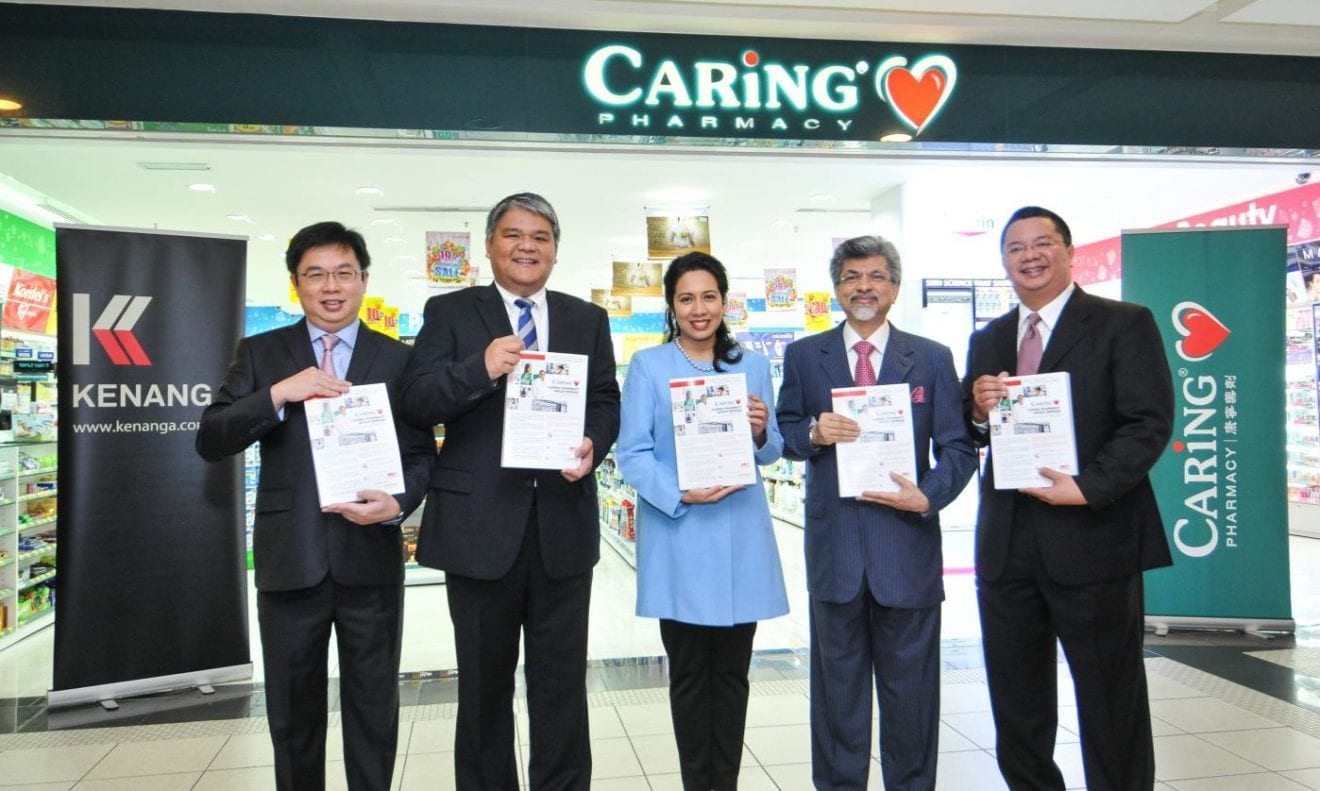
    Malaysian listed retailer Caring Pharmacy has seen its share value soar 85 per cent in just two months.

    And no one seems to know why…

    The company has 106 pharmacies across Malaysia, just two more than it had three months ago, and has projected expansion at a rate of 10 to 12 outlets next year – barely one a month.

    Even more remarkable, is that such a rise has occurred in a depressed retail climate and a decidedly sluggish business environment, at best.

    A survey released by Nielsen this week showed consumer confidence in the country has reached a 10 year low of 78 points – 11 points lower than three months ago. That seems driven by the unpopularity of the GST introduced on April 1 and a massive depreciation in the local currency – in part at least, linked to evidence of massive corruption in government leadership.

    The only theory behind Caring Pharmacy’s sudden popularity is that the chain may have been marked down unfairly in a generally bearish market, and its value is now being restored to reasonable levels.

    Year on year, the company has delivered a net profit in the latest first quarter jumping 83.94 per cent to RM1.02 million from RM 554,000 a year ago.

    One analyst urges caution” Hong Leong Investment Research (HLIR) said Caring Pharmacy could yet face further challenges ahead.

    “We feel there will be more downside risk on its expansion plans due to high competition and start-up costs,” HLIR said in a research note.

    “Also with inflationary cost pressure as well as weak consumer sentiment, we believe its profit margin will be under pressure with longer gestation period.”

  • Croesus Retail Trust posts flat quarter

    Croesus Retail Trust posts flat quarter

    Singapore-listed Croesus Retail Trust achieved a 17.2 per cent increase in quarterly earnings to $23 million from its Japanese shopping centre investments.

    But that was not enough to change its distribution per unit (DPU) for the quarter, which remained flat at 2.08 cents.

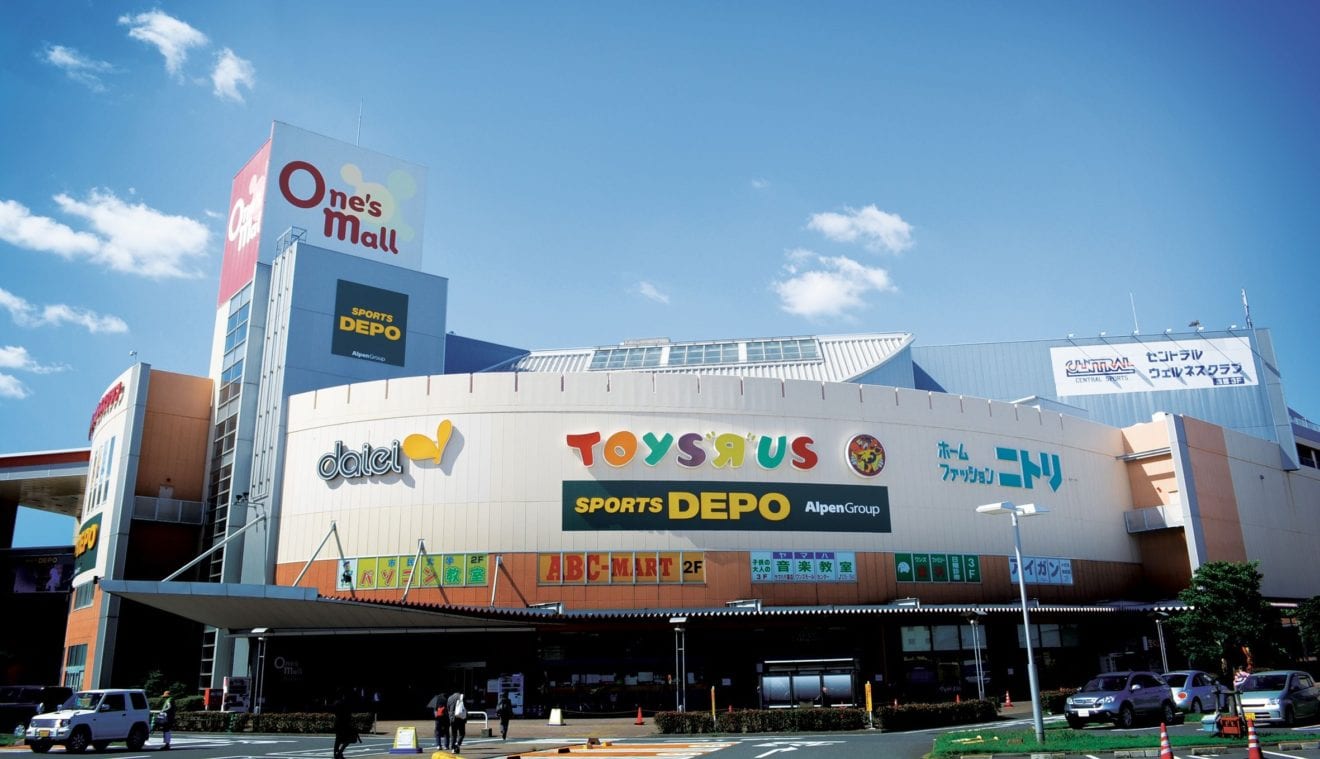
    The retail property investor says its earnings rose on the back of its acquisition of One’s Mall in Chiba and lease renewals at Mallage Shobu in the Saitama Prefecture.

    However, the increase was partially offset by the absence of a one-off income at Mallage Shobu recorded in the first quarter last year.

    Net property income rose 10.7 per cent accordingly.

    CRT has seven retail properties in Japan with a combined net lettable area of about 251,000 sqm.

    The company says competition for buying real estate assets in Japan has been keen over recent quarters, a trend expected to continue in the short term.

  • Blogmint to expand in Indonesia

    Blogmint to expand in Indonesia

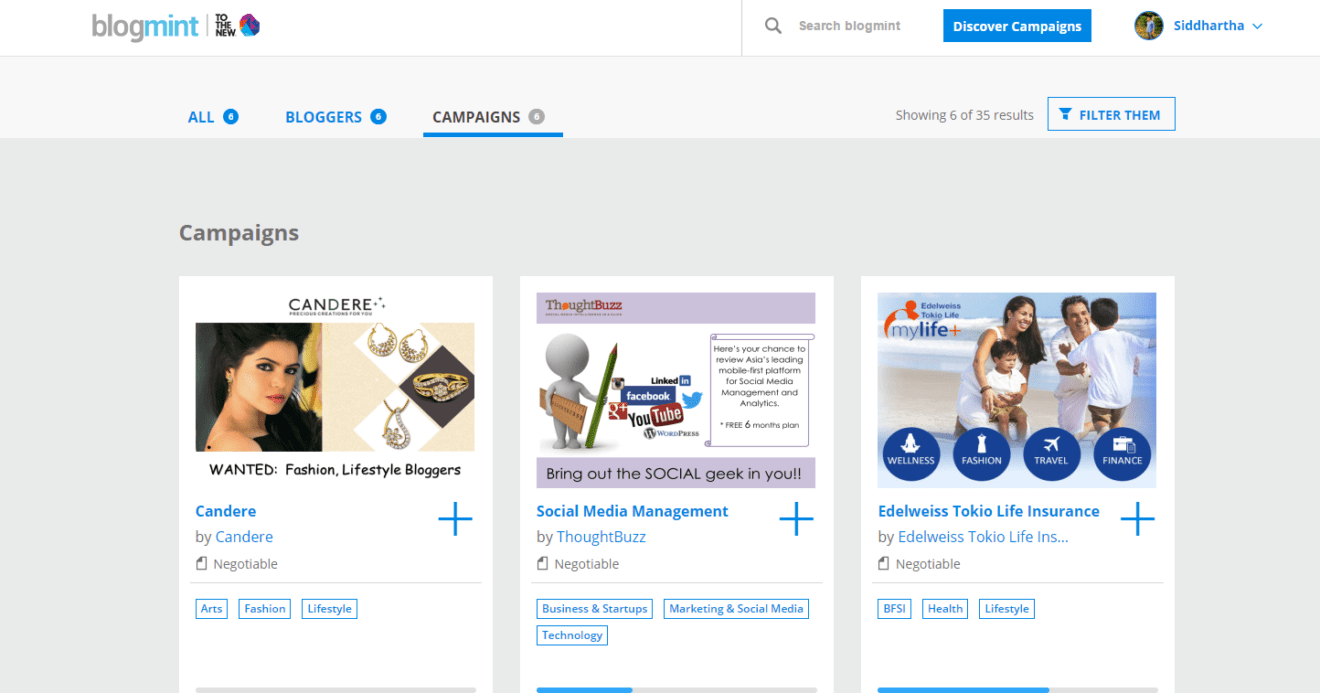
    Blogmint, a product-based influencer marketing platform, on Thursday announced its expansion into Indonesia. Part of The New Ventures, Blogmint helps brands connect and collaborate with 20,000 social media influencers, including bloggers, vloggers, Twitterati and Instagramers.

    According to a recent report from McKinsey, marketing-inspired word of mouth generates more than twice the sales of paid advertising, and these customers have a 37 per cent higher retention rate, says Blogmint. According to the company, social media influencers are a source of inspiration for thousands of loyal followers and are seen as authentic and trustworthy, so brands, both big and small, are increasingly engaging social influencers as part of their marketing mix to connect with social and mobile-first consumers.

    “Influencer Marketing is the next big thing in digital marketing, and Indonesia, like other Asian markets, is untapped. This, along with the fact that Indonesia has a vibrant influencer community, we have huge expectations from this market” said Irfan Khan, CEO of Blogmint.

    “Blogmint aims to have on board more than 20,000 influencers in Indonesia during the next 9-12 months. In the longer run, we see ourselves as the market leader in the influencer marketing segment in APAC, helping brands and agencies collaborate with influencers across the region in a few clicks”, he added.

  • Apple to open its first retail store in Singapore in 2016

    Apple is expanding its retail store globally pretty rapidly, as the company has now announced opening of its first retail store in Singapore. Apple’s this store is reportedly going to open sometime in 2016. We first got this news last month, when it was reported that the Cupertino based company is opening its first retail store in Singapore.

    Today, Apple has listed out several job vacancies like Specialists, Business Specialists, Creative, and some other Apple positions for its Singapore Retail Store. This store is going to open at Knightsbridge at a four storage luxury shopping center.

    As of Now, Apple doesn’t have any official retail store in this region. So people, who are interested in buying Apple product have to buy their devices from third party retailers or online store. But if anyone wants to buy product from Apple’s official retail store, then they have to go to company’s retail store in Hong Kong or Australia.

    As of now, we don’t have any specific date of opening of Apple retail store in Singapore, but it is going to open sometime next year.

  • Billionaire lifestyle of Hong Kong’s coloured diamonds collector

    Billionaire lifestyle of Hong Kong’s coloured diamonds collector

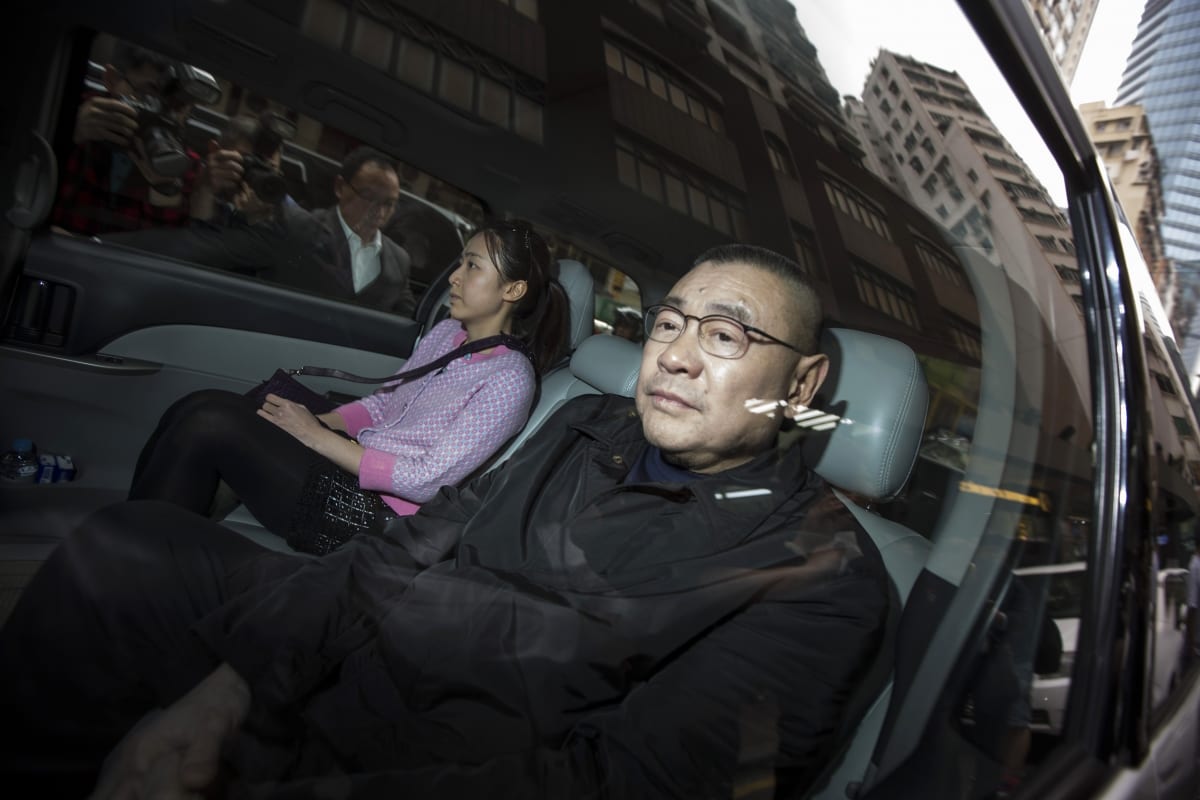
    Hong Kong property tycoon, Joseph Lau, has snapped up two rare diamonds this week for his seven year old daughter, Josephine.

    Joseph Lau is now the proud owner of the record breaking auction jewel, the Blue Moon sold at Sotheby’s Geneva, and the 16.08ct fancy vivid pink diamond auctioned at Christie’s.

    The billionaire made his fortune as the founder of the property firm Chinese Estate Holdings.

    Lau paid £19m for the rare, pink diamond on sale at Christie’s on November 10 and named the stone Sweet Josephine. It seems the pink gem wasn’t enough though and a day later he paid a record breaking £32m for the 12.03ct blue diamond which he has now christened the Blue Moon of Josephine. These stones will join a 7.03ct rectangular blue diamond named the Star of Josephine which was purchased for his daughter in 2009 when she was just a year old.

    Blue diamonds certainly seem to catch Lau’s eye as last November he bought a $33m (£21.6m) 9.75ct blue diamond for another daughter, Zoe, 13. This stone has been named Zoe Diamond and joins a $8.4m (£5.4m) ruby and diamond brooch weighing a total of 10.10cts called Zoe Red.

    For his eldest son, Lau Ming-wai, 34, his jewels come in the form of the family business. After studying at the London School of Economics at King’s College London, Lau Ming Wai took over as non-executive chairman of Chinese Estate after his father was convicted for crimes of money laundering and bribery in 2014. Although sentenced in Macau to five years, he was saved from jail time as Hong Kong does not have an extradition treaty with Macau.

    Lau is known as one of Asia’s richest men. In addition to a large diamond collection Lau is the proud owner of a Boeing 787 Dreamliner, over 10,000 bottle of fine wines, a wide range of fine art (including a £11.4m Andy Warhol portrait of Mao Zedong) and a £70m home in Belgravia, West London, complete with a gold-lined swimming pool. Lau also owns three quarters of Chinese Estates and is one of Hong Kong’s largest real estate investors.

    In Hong Kong Lau constantly makes the headlines, often referred to as Big Lau. He is known in the media for building Hong Kong’s tallest retail complex and charming several actresses and beauty queens following his divorce from his wife in 1992. Lau is the father of six children and is currently with his former assistant, Kimbie Chan.

    According to Forbes, Lau is the 114th richest person in the world with an estimated net worth of $9.8 billion.

  • New Apple Store Opens in Chengdu on November 21

    New Apple Store Opens in Chengdu on November 21

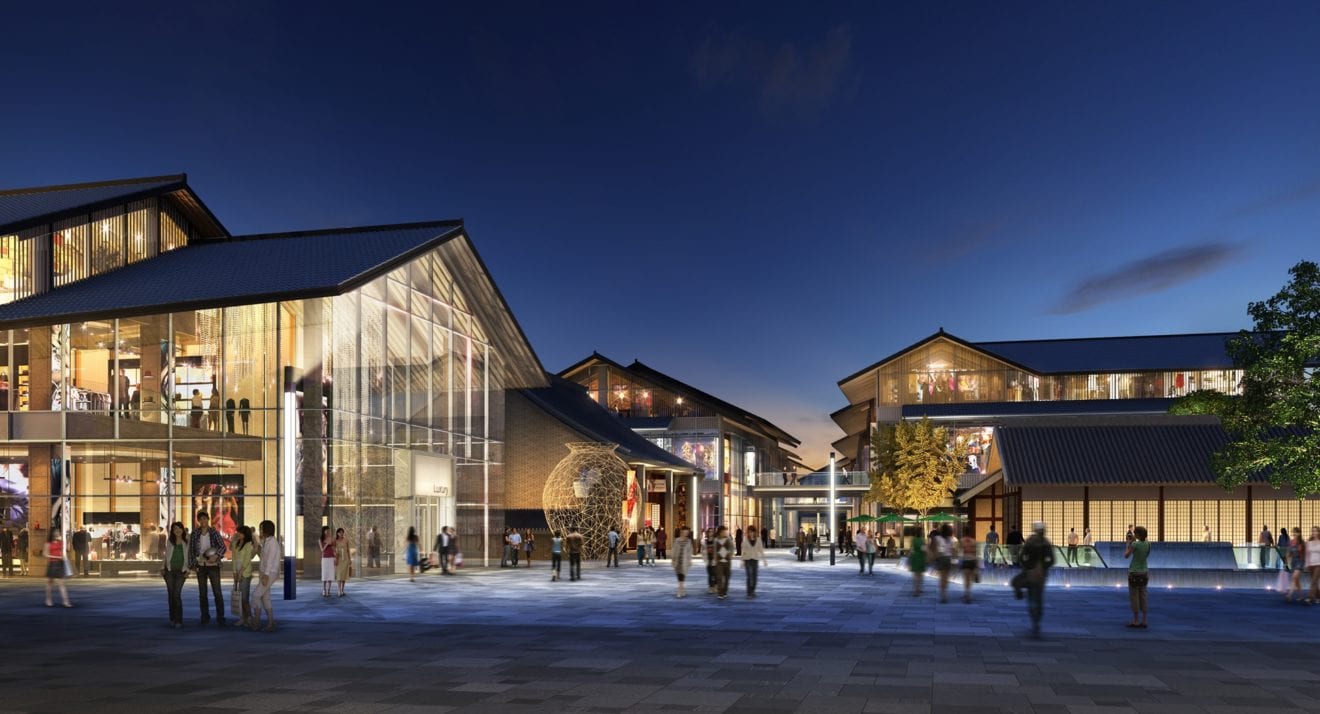
    Apple, continuing its aggressive retail expansion in China, has announced that it will be opening its 22nd retail store in the country in Chengdu, a major city in Sichuan Province, on Saturday, November 21 at 10:00 AM local time. The new store is slated to open less than a month after the grand opening of the 21st Apple Store in China in the major port city of Dalian on October 24.The new Chengdu store will be located in the upscale Taikoo Li shopping plaza at 8 Middle Shamao Street in the Jinjiang District, where several high-end retailers such as Gucci, Omega and Zara are located. The store will be open 10 AM-10 PM local time everyday and offer traditional Apple Store services, including the Genius Bar, Workshops, JointVenture, events and seminars.

    Apple has also posted new job listings for its first retail store in Singapore, which is rumored to open in late 2016 at the Knightsbridge four-story luxury shopping center. The company is looking for Specialists, Geniuses, Creatives, Business Specialists and other traditional Apple Store positions.

    Apple does not currently have an official retail presence in Singapore, a large city-state and country south of Malaysia in Southeast Asia, but the Apple Online Store and dozens of Apple Authorized Resellers operate in the region. The closest physical Apple Stores are located several hours away by plane in Australia and Hong Kong.

  • Xiaomi Brand Dominates Singles Day In China

    Xiaomi Brand Dominates Singles Day In China

    Celebrated every Nov. 11, Singles Day is a tradition that dates back to 1993 which initially involved bachelors from Nanjing University who would like to go out, meet, and party with others. The celebration soon included single women and became a huge holiday in China where single individuals go out in massive meet-and-greet events.

    Singles Day is China’s version of USA’s Black Friday, where Chinese businesses spur sales by offering attractive deals and huge price cuts on their products. Xiaomi, already a popular smartphone brand that offers cheap smartphones and other mobile devices, initiated its Singles Day strategy from Nov. 1, offering daily promos and sweet deals and ultimately culminated its run on the big day itself, according to Digital Trends.

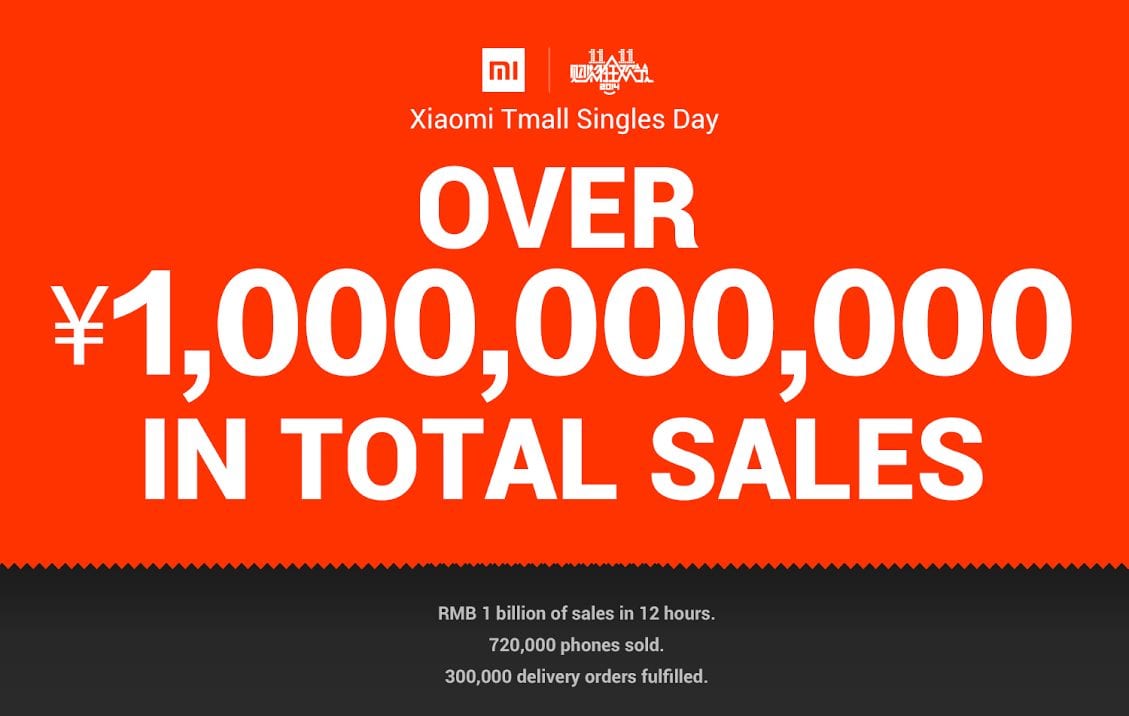
    During the build-up, Xiaomi even provided a teaser on a new smartphone. The strategy proved to be successful, as the smartphone maker immediately raked in $16 million by 12:12 am on Nov. 11. Thirteen minutes later, sales reached $31 million. Two minutes before 1:30 am, Xiaomi already has $63 million in the bank. By the end of Singles Day, Xiaomi’s sales reached a whopping $188 million.

    According to a statement by the China-based smartphone manufacturer, the $125 Redmi Note 2 was their bestselling smartphone. Xiaomi’s smartwatch, the Mi Band Pulse, was the company’s most popular device, which did not come as a surprise, given its $16 price tag.

    Xiaomi’s success is based on its strategy of providing cheap smartphones with high-end features, and China is its biggest market. Recently, top competitor Huawei has overtaken Xiaomi as China’s top smartphone vendor in the last quarter, CNBC reports.

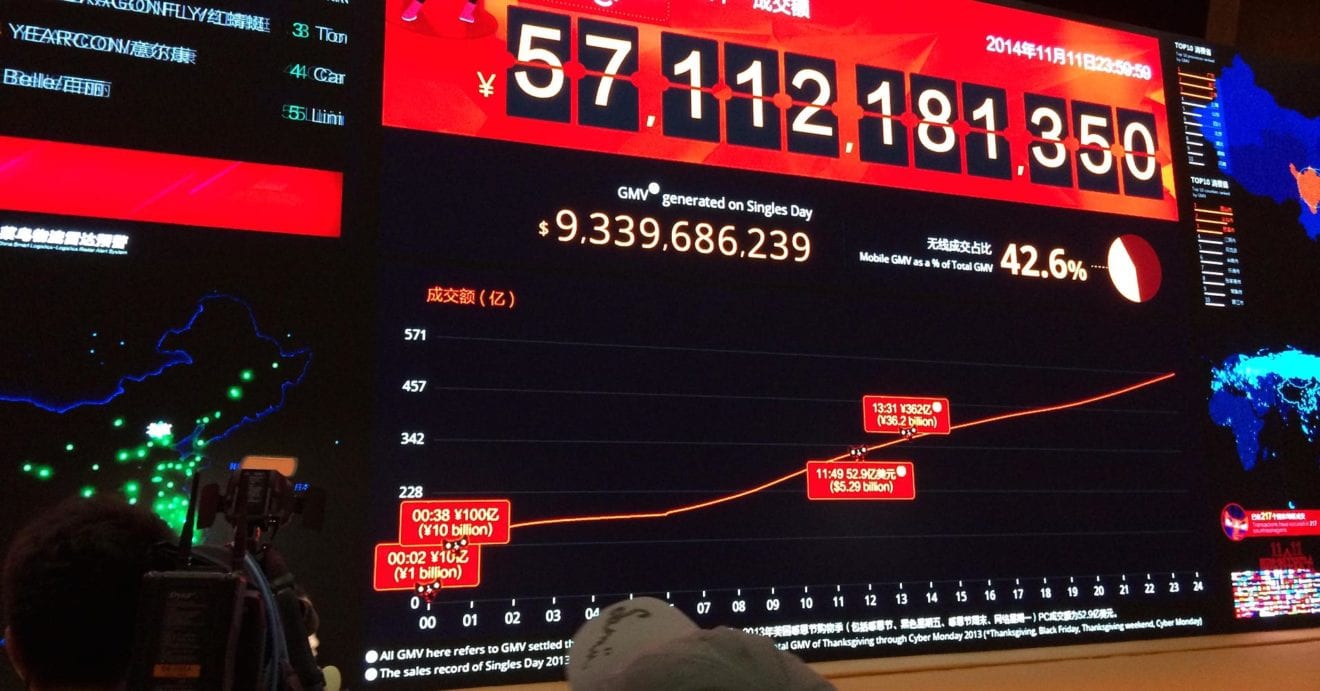
    Meanwhile, China-based online market company Alibaba also broke its own record on Singles Day. The e- ommerce giant clocked in $14.3 billion in sales via its online payment service. On last year’s Singles Day, Alibaba registered $9.3 billion in sales. This year’s figure represents a 60 percent jump from the previous year, indicating the company’s continued growth in a crowded Chinese market.


  • Kingsmen Q3 profit falls 84% on softer demand from high-end retailers

    Kingsmen Q3 profit falls 84% on softer demand from high-end retailers

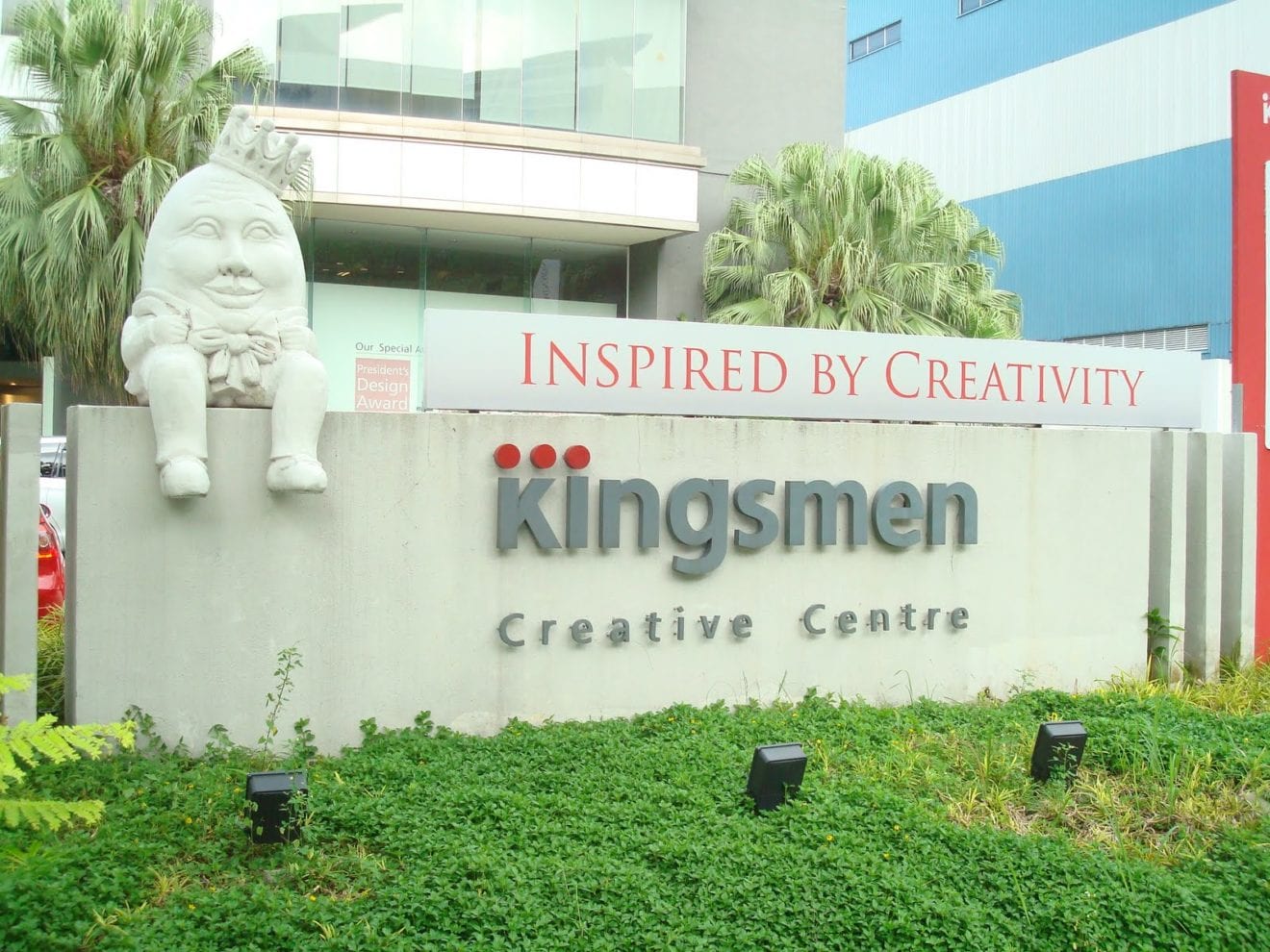
    Kingsmen Creatives’ net profit fell 83.6 per cent in third quarter as the retail and corporate interiors business slowed for the maker of physical displays.

    Kingsmen posted earnings of S$566,000, or 0.29 Singapore cent per share, for the three months ended September. Nine-month profit haved to S$4.4 million, or 2.26 Singapore cents per share. Kingsmen shares did not trade on Thursday, but were bid at 77.5 Singapore cents and offered at 78.5 Singapore cents at the close.

    Revenue fell 11.8 per cent to S$76 million during the quarter as sales from retail and corporate interiors dropped 10.2 per cent to S$37.9 million amid soft demand from the high-end luxury retail segment. The affordable-luxury and travel retail segment, however, continues to provide demand.

    The exhibitions and museums business also saw revenue decline by 7.8 per cent to S$30.7 million.

    Kingsmen guided for demand in the high-end luxury retail segment to remain soft. The company had contracts worth S$348 million as at Oct 31, 2015, of which about S$305 million was expected to be recognised in 2015.

  • Singapore banks must innovate

    Singapore banks must innovate

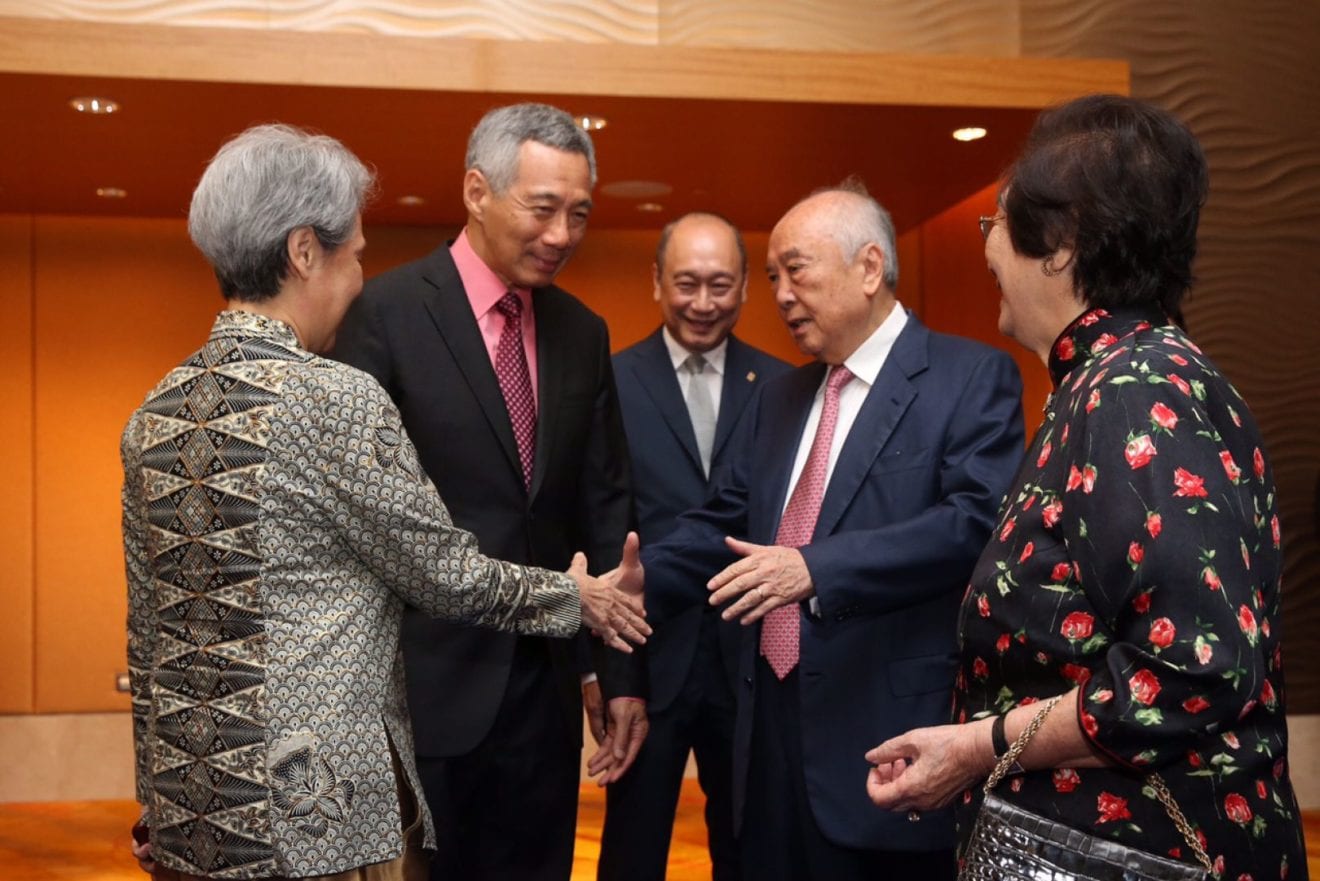
    Singapore banks must now innovate in this challenging environment where economic growth is uncertain, and disruptive forces are now at play, said Prime Minister Lee Hsien Loong on Thursday.

    “Our banks are in a strong position,” said PM Lee at UOB’s 80th anniversary dinner, noting that Singapore is at the heart of a rising Asia, and banks here have a strong balance sheet.

    “But at the same time, this is a very competitive business that continues to evolve rapidly. For while overall our banks are very good, in almost every specific area, we can find others who are better than us.”

    Looking at China’s success in mobile payments, PM Lee pointed to the Alibaba sales on Singles Day on Wednesday, where 70 per cent of the billions in sales were done through mobile purchases.

    Technologies such as blockchain, which can be used for real-time gross settlement or trade finance verification, are also emerging, he said.

    “We have to continually innovate and keep up with the latest technologies and services.”

    Singapore’s financial sector was liberalised from 1997, partly as the industry was not as efficient, innovative, and responsive to the market as it should be, said PM Lee. Foreign banks were allowed into Singapore to compete, including in domestic retail banking.

    “This more competitive environment forced our local banks to consolidate. But it also spurred them to upgrade, innovate and grow,” he said.

    “Our strategy has worked. Today, our three Singapore banks have gained a reputation for being amongst the strongest and safest financial institutions in the world. And we have a strong, vibrant financial sector that we can be proud of.”

  • BlackBerry’s Priv Arrives in Hong Kong

    BlackBerry’s Priv Arrives in Hong Kong

     BlackBerry Ltd’s first Android-based smartphone, Priv, is coming to Hong Kong, according to a company release. Priv is expected to be formally available in retail stores in Hong Kong starting mid this month. In Hong Kong, Priv will be available at a price starting from HK$6,488. The device costs $700 in the U.S.

    BlackBerry Ltd’s Priv is set to officially launch in Hong Kong in the coming days. Powered by Alphabet Inc’s Android, BlackBerry presents Priv as a productivity tool that also doesn’t compromise on security or privacy. BlackBerry will sell Priv at HK$6,488 in Hong Kong as it targets to reclaim lost share of the smartphone market in Asia. The device is sold in the U.S. at $700 and is initially supported by AT&T Inc.

    Priv is a dramatic departure from BlackBerry’s hardware tradition. The smartphone not only runs a foreign operating system (Android), but also features dual keyboard whereby one is virtual and the other is a traditional physical keyboard. According to BlackBerry, the physical keyboard is perfect for fast and accurate typing, which is why power professionals would love the device.

    As a productivity tool, Priv gives users access to more than a million apps on Alphabet’s Google Play.

    Hardware built encryption

    Physical keyboard for productivity is only one of the key distinguishing features of Priv. BlackBerry has also improved security in the device by building encryption into the hardware. Most mobile security features are software-based. However, with heightened risks of hacking, building security into the device chips is expected to become popular. Speculations recently swirled that Alphabet was considering making custom chips for Android phones and it is believed the strategy is aimed at bringing device security to the chip level.

    In the case of Priv, BlackBerry has not only build encryption keys into the hardware, but also guarantees secure boot to ensure that nothing catches you unawares.

    Specs
    BlackBerry Ltd’s Priv spots 5.4-inch AMOLED display that renders resolution of 2560×1440 pixels. The device is powered by Qualcomm, Inc.’s Snapdragon 808 processor. Priv ships with 32GB of internal storage that is expandable up to 2TB through microSD card. The smartphone comes with 18MP camera at the back.

    The productivity nature of BlackBerry’s Priv is reinforced by a 3410 mAh battery capable of delivery 22.5 hours of usage.

  • Genting adds premium cruise brand solely for Asia

    Genting adds premium cruise brand solely for Asia

    Malaysia-listed leisure and hospitality group, Genting, best known for its resorts and casinos, is setting up Asia’s first regionally-based premium cruise brand.

    Within its Genting Hong Kong operation [one of five public companies] which was formerly called Star Cruises, the company has announced the launch of Dream Cruises for Asia, which is one of the fastest growing markets in the world according to cruise association CLIA.

    The region also delivers strong duty free and travel retail spending says analyst CiR. According to its Asian Cruise Travellers report, 73% of Asian cruisers make DF&TR purchases, with almost half (46%) buying fashion/accessories.

    Genting – valued by market capitalisation at over MYR94bn ($22bn) at 31 August – is expected to take full advantage of the high-spending nature of Asian passengers – particularly the Chinese – with a large shopping offer on board Dream Cruises’ first vessel, Genting Dream when it sets sail in November 2016. It will carry 3,400 guests and 2,000 crew, a very high crew-to-guest ratio.

    A sister ship World Dream will follow in November 2017. Both were ordered by Genting Hong Kong and are under construction.

    THATCHER BROWN NAMED PRESIDENT

    The company has appointed cruise veteran, Thatcher Brown as President of Dream Cruises. Brown had been with Crystal Cruise Lines – which Genting bought in May 2015 – since its formation in 1988.

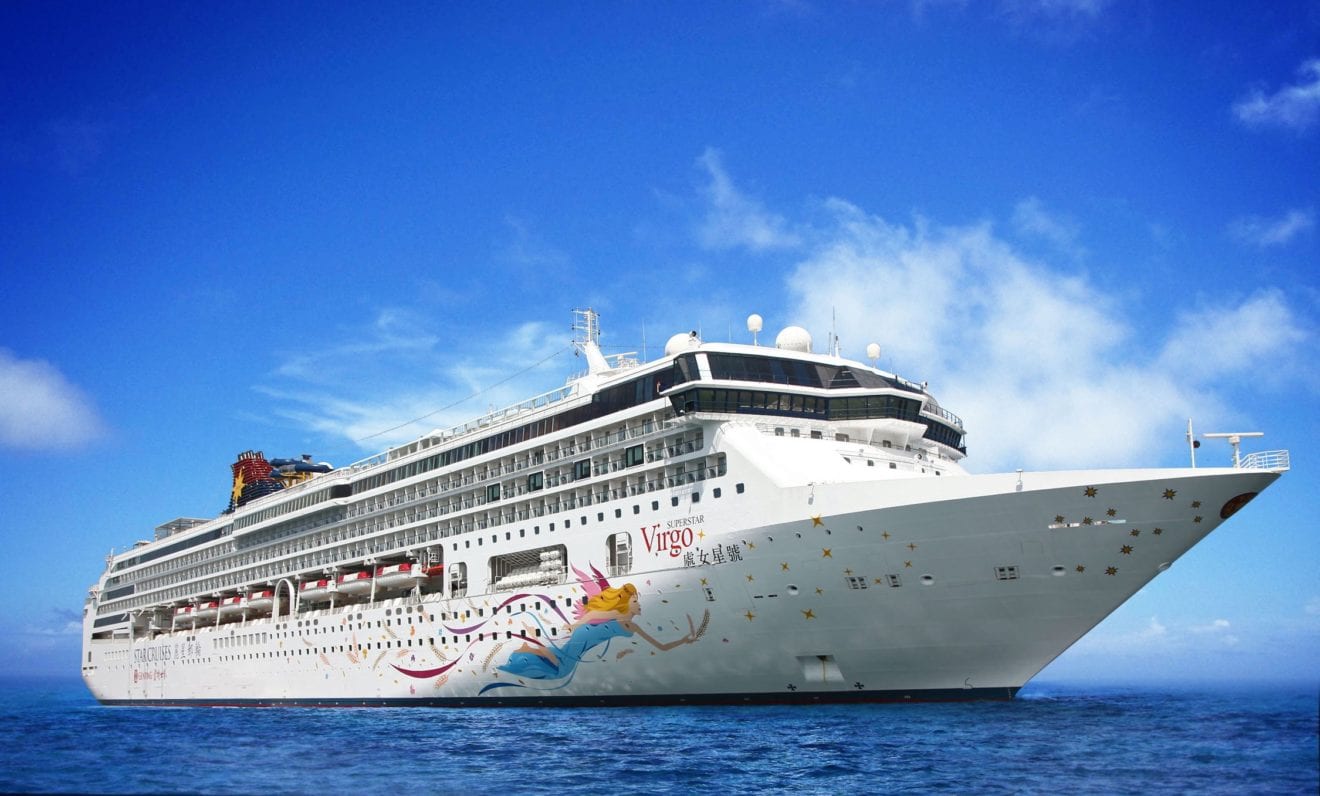
    “The launch of Dream Cruises completes the company’s mission of having a brand for each of the three major cruise market segments: Crystal Cruises for the luxury market, Dream Cruises for the premium market, and Star Cruises for the contemporary market.”At the launch event aboard SuperStar Virgo, a Star Cruises vessel, Genting Chairman and CEO, Tan Sri Lim Kok Thay, said: “Being the first company to offer cruises in China over 20 years ago with Star Cruises, we conceived Genting Dream three years ago to be the only purpose-built premium category new build for the Asian, and specifically Chinese, market.

    THREE CHINESE HOMEPORTS

    Genting Dream will have two exclusive floors of Dream Suites from 32sq m to 183sq m in size with butler services. Around 70% of Genting Dream’s staterooms will have private balconies.

    From next November, Genting Dream’s homeports will be in Guangzhou (Nansha Port), Hong Kong and Sanya and the ship will serve a bih catchment in the Pearl River Delta and Hainan. It will also cater to international guests flying into the airports of Guangzhou, Shenzhen, Zhuhai, Macau, Hong Kong and Sanya.

    Itineraries from Guangzhou will offer a year-round, two-night weekend cruise that calls at Hong Kong and a five-night weekday cruise calling at Halong Bay, Danang and Sanya.

    The Hong Kong homeport will feature a seven-night itinerary calling at Guangzhou, Halong Bay, Danang, Sanya and either Shenzhen or Zhuhai using Nansha Port. The Sanya homeport will also feature a seven-night itinerary calling at Guangzhou, Hong Kong, Shenzhen or Zhuhai using Nansha Port, Halong Bay and Danang.

  • Alibaba smashes Singles’ Day records, so why did shares dip?

    Alibaba smashes Singles’ Day records, so why did shares dip?

    November 11 is a day of sombre reflection across much of the West, with Commonwealth nations observing Remembrance Day while Veterans’ Day is an official public holiday in the US.

    It’s a world away in China, though, where it’s Singles’ Day – an idea begun in 1993 by four lonely Chinese students who reckoned the 11th day of the 11th month (note the four single ‘one’ digits) would make a great day to celebrate being unattached.

    It became a sort of anti-Valentine event, where those without partners bought themselves gifts and – as you do in China – enjoyed lots of karaoke.

    Enter e-commerce giant Alibaba – owned by Jack Ma, up until February China’s richest man – which swooped on the event to offer discounts on its goods.

    November 11 in China has since morphed into an orgy of online spending. More and more firms have jumped on the bandwagon to make it the world’s biggest day of internet shopping.

    On Wednesday, Singles’ Day smashed sales records by midday. Shoppers were out in droves, racking up $5 billion of sales in the first 90 minutes on Alibaba, roughly double last year’s haul in the same period, reports the Financial Times. Alibaba also netted nearly twice the entire take of last year’s Cyber Monday – the day the US, fresh from feasting on Thanksgiving turkey, feasts on shopping deals – itself a record.

    Alibaba’s sales on the day rose 60% from last year to $14.3 billion. Another online retailer, JD.com, reported record transactions of more than 20 million.

    But despite beating records, Alibaba shares dipped nearly 2%. Why weren’t investors impressed?

    It’s because those concerns about China’s slowing growth still won’t go away – a point that Jack Ma himself highlighted on Thursday. Although he believes the government’s 7% GDP target for this year is achievable, he told CNBC: “I believe the next five to 15 months will be a tough time for China for various reasons, of course, one, the anti-corruption will definitely have some effect.”

    Jasper Lawler, a market analyst at CMC Markets, adds that Alibaba continues to be used as a US proxy for Chinese economic health “so shares dropped alongside industrial production figures”.

    Another batch of mixed data from China on Wednesday did little to allay concerns that the world’s second largest economy is slowing.

    “Industrial production growth matches its weakest since 2008, although retail sales improved,” wrote Mike van Dulken and Augustin Eden at Accendo Markets. Coupled with Alibaba’s new Singles’ Day record “we have further evidence of the nation’s shift from export-led to consumer economy”.

    Michael Hewson, chief market analyst at CMC Markets UK, remains concerned about retail sales in China.

    “The latest October retail sales numbers did improve to 11%, from 10.9% in September, which is still below the levels we were seeing at the end of last year of 11.8%,” he writes.

    “Furthermore this modest improvement doesn’t really chime with the stories circulating out of China at the beginning of October during Golden Week about surging sales in the restaurant, cinema and travel sales sector.

    “According to some reports, turnover at restaurants and retailers totalled more than one trillion yuan during the seven days, which equates to over $156 billion, so for retail sales to only improve 0.1% does seem rather at odds with the early October optimism.”

    Alibaba shares closed on the New York Stock Exchange at $79.85 on Wednesday, down more than 20% in the year to date. However, they’ve recovered from a yearly low on September 28 of $57.39 to trade currently at $80.00.
  • Drone maker DJI plans retail outlet in Shenzhen

    Drone maker DJI plans retail outlet in Shenzhen

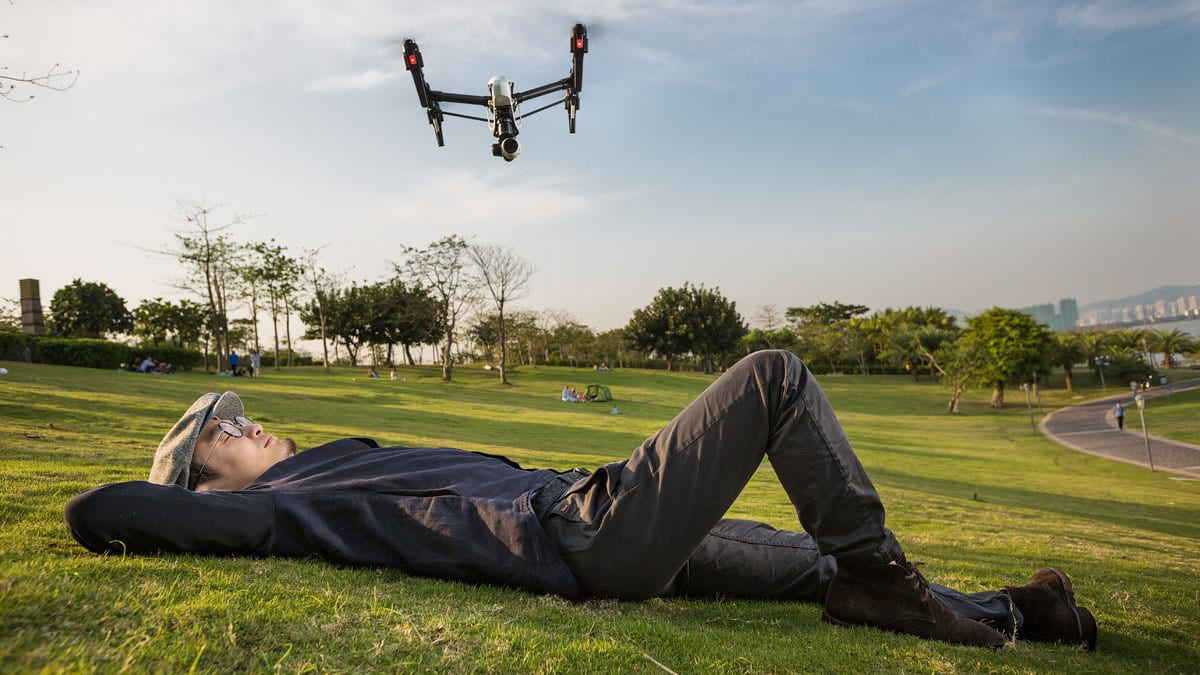
    Chinese drone maker DJI Technology Co is opening its largest retail store in Shenzhen, Guangdong province, later next month.

    The 800-square-meter store will give DJI, which claims to control about 70 percent of the global drone market, a boost in the retail sector and help ward off competition from overseas players.

    DJI said in a statement that the store has floor space larger than the passenger cabin of an A380 aircraft. It will be located in a busy shopping district named OCT Harbor, and will open for business later next month.

    She Shuanglin, a researcher who tracks the drone market at research firm Analysys International, expects the new store to spark demand for drones.

    “DJI plans to open similar stores in other cities like Beijing and Shanghai so that customers can see and experience their entire range of products,” She said. “But it will need big stores to display the entire range of products.”

    Drone maker DJI plans retail outlet in Shenzhen

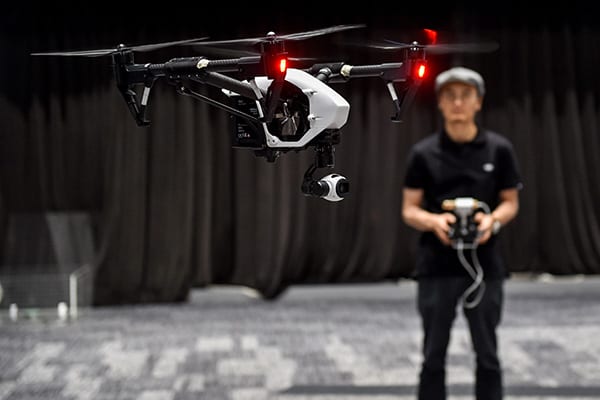
    Wang Tao, founder and CEO of DJI Innovation Technology Co, operates a drone in Shenzhen, Guangdong province. The turnover of China’s civil-use drone market is on track to soar to 2.3 billion yuan this year, according to an Analysys International estimate.

    Retail prices for the company’s drones start at around 4,000 yuan ($630), with high-end products priced above 20,000 yuan.

    The company has indicated it will not go in for a sizable expansion and will stick to just one or two outlets in each city, She said.

    DJI already has several authorized and small-sized stores in major cities.

    Turnover of the civil-use drone market in the country is set to reach 2.3 billion yuan this year, a 55 percent jump from a year earlier, according to an Analysys International estimate. Demand for drones in the country is likely to exceed 11 billion yuan by 2018, it said.

    Overseas drone makers are also eyeing the rapidly growing market in China.

    Nicolas Halftermeyer, chief marketing officer of France-based Parrot SA, told China Daily in an earlier interview that the company sees China as a key market for its inexpensive drones designed as kids’ toys.

    Parrot’s drone business generated 44.4 million euros ($47 million) in revenue in the third quarter of this year, a 60 percent surge over a year earlier.

    DJI, however, is planning a slew of measures, like ramping up hiring, to counter competition.

    It is also building a development center in Silicon Valley in the United States and has hired top engineers from companies like Apple Inc and Tesla Motors Inc.

    Darren Liccardo, former head of Tesla’s autopilot project, joined DJI in August to head its engineering, systems and application development.

    Rob Schlub, a former antenna expert from Apple, joined DJI’s research facility in Palo Alto, California, to oversee the entire development team.

    She from Analysys International said the cash-rich DJI is making aggressive investments in overseas recruitment to maintain a technology edge over its challengers.

    “DJI will remain focused on unmanned aviation and high-performance camera development in the coming years,” said She.

    DJI said it has a 1,500-member R&D team in Shenzhen. Its US facility will be responsible for advanced technology development.

  • Fashioning Singapore labels

    Fashioning Singapore labels

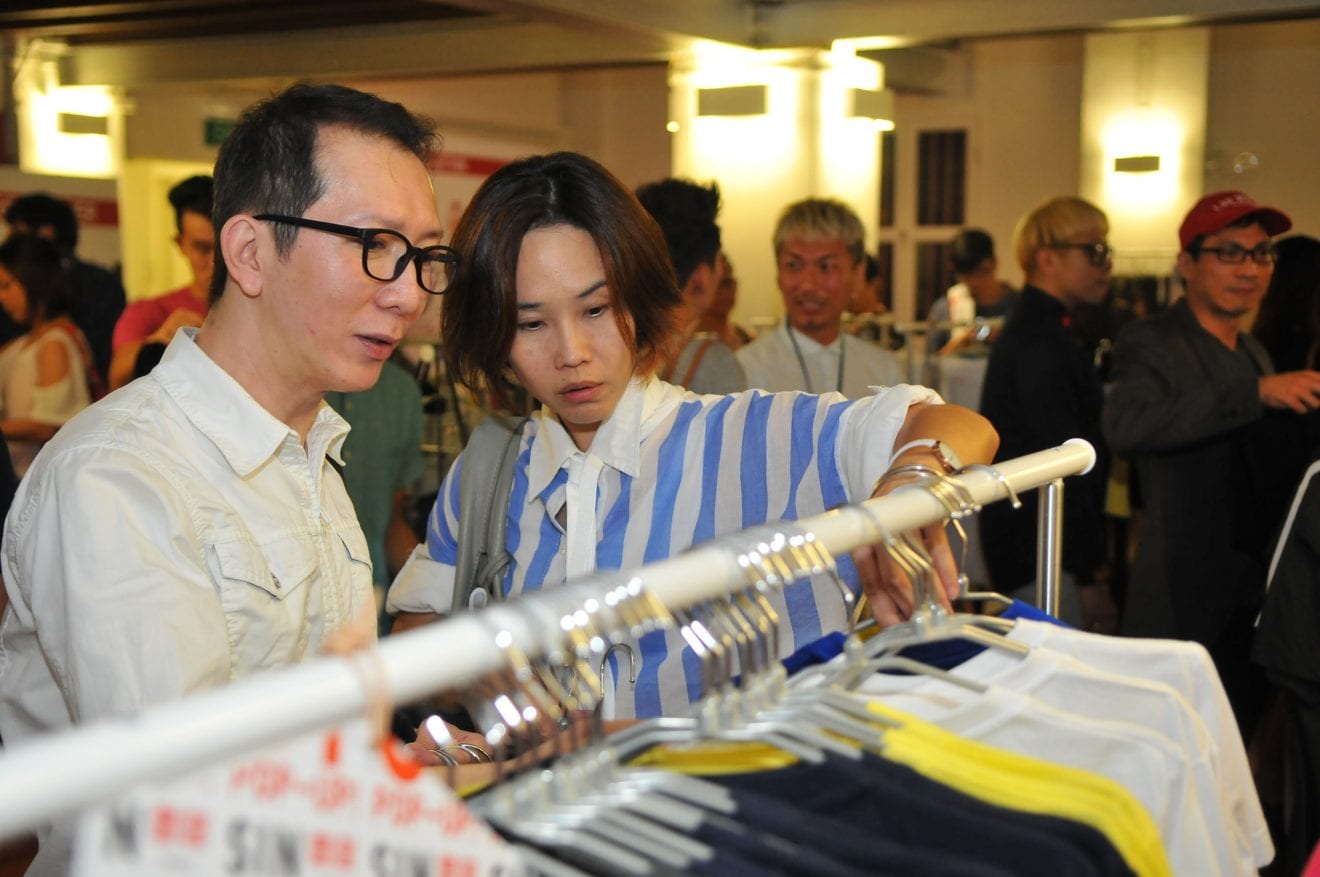
    Within a short span of two weeks, two well-known Singapore fashion labels made the news for calling it quits. One is doing so for greener pastures – Jo Soh of whimsical women’s-wear label Hansel is folding her 12-year-old brand for better opportunities and exposure as head of fashion for Laura Ashley Asia.

    M)phosis, founded in 1994 and known for its women’s basics, folded because of “severe cashflow problems”, according to director Hensley Teh.

    In a tough retail climate, casualties are inevitable. But what makes the loss of these two especially regrettable is that they had carved out a niche for themselves and had a following for over a decade at least, more so than many other local labels here.

    At the height of its success in the early 2000s, M)phosis was Singapore’s most widely exported fashion label, with distribution in nine Asia-Pacific countries. Hansel was named as one of two Singapore brands worth being proud of and championing by Singapore Tourism Board chief executive Lionel Yeo in 2013. The other was Ong Shunmugam.

    So what went wrong? A large part is a lack of support for local brands, which just do not figure highly on Singaporeans’ radar when there are so many recognisable high-street brands.

    While not all local labels work, there are a number deserving of support, such as In Good Company and Aijek, because they have a clear identity and produce good-quality, wearable designs. Sure, they may cost more than Zara and H&M, but that is inevitable as they lack the scale of these retail giants. Singaporeans need to do away with prejudices such as “If it’s local, it should be cheap” – something local designers say they often hear.

    Designers also need to cultivate a clear style so Singaporeans will be proud to wear them, just as the Thais and South Koreans are of their own talents.

    So before SG50 draws to a close, consider giving local fashion some support. You may be surprised at what you find and you could save some deserving labels from the same fate as M)phosis and Hansel.

  • Siam Paragon and Siam Center to welcome festival of happiness

    Siam Paragon and Siam Center to welcome festival of happiness

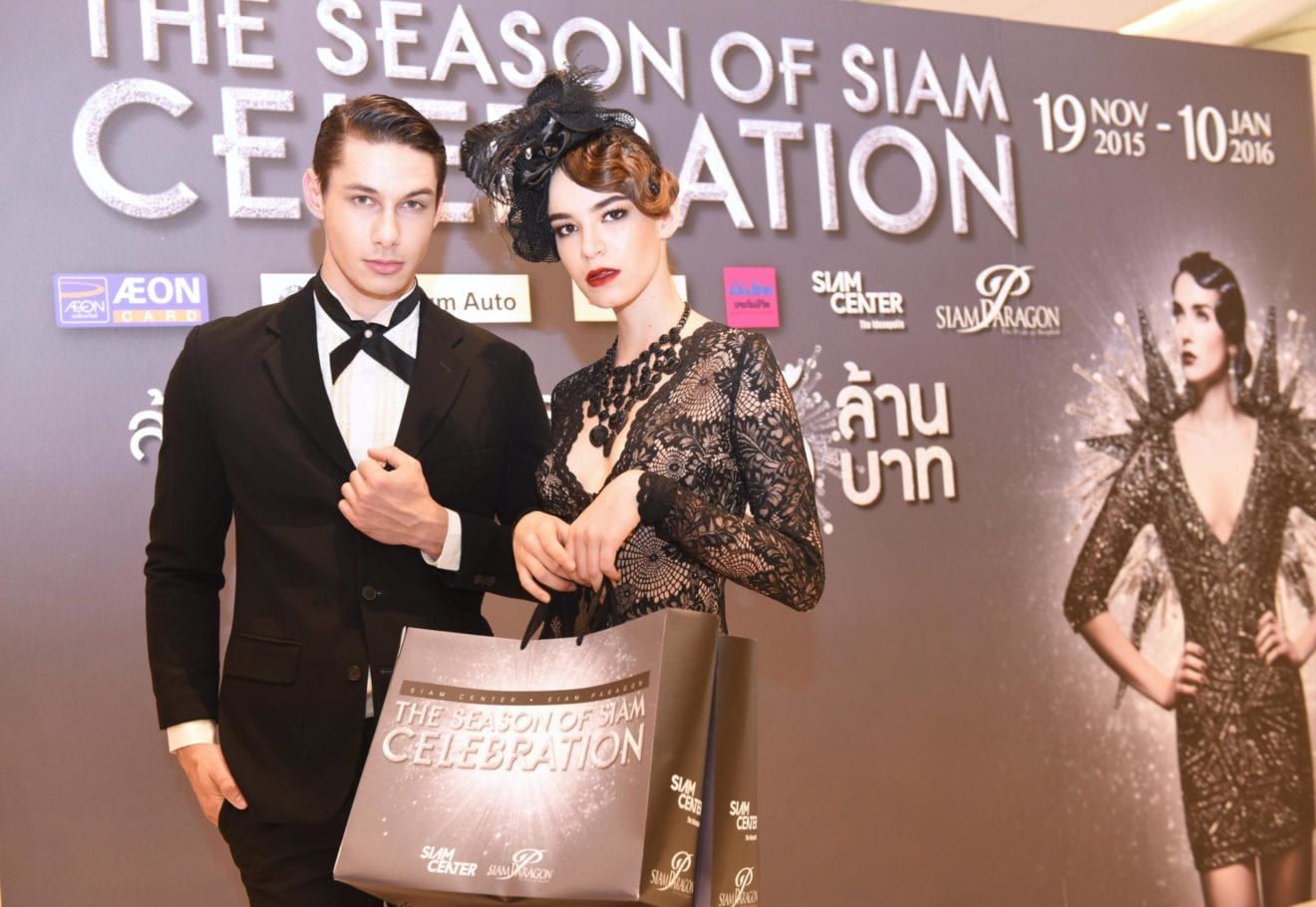
    World-class shopping center Siam Paragon and Siam Center, The Ideaopolis—shopping destinations in the heart of Bangkok forever beloved by Thais and tourists—is throwing a big year-end campaign “The Season of Siam Celebration”, offering unrivalled promotions to boost spending during the festival of happiness. The campaign allows shoppers to select the right gifts for their beloved ones and to have a chance to win a number of world-class prizes worth over 5 million baht, from 19 this November to 10 January 2016.

    Chanisa Kaewruen, executive vice president to Marketing and Business Relations of Siam Piwat Co., Ltd, says, “Each year marketing promotion campaigns during the yearend and the upcoming new year are one of the biggest promotional activities and every shopping center will launch its own smart strategies to attract local and international shoppers to spending during high season. This year Siam Paragon and Siam Center is launching “The Season of Siam Celebration” campaign, offering the most desirable year-end promotions. Aiming to bring happiness to shoppers, this campaign has great support of AEON credit card, Millennium Auto Company Limited, True Corporation Public Company Limited and Muang Thai Life Assurance Public Company Limited. The highlight of the campaign is a range of world-class prizes which will be easily given away to customers. Simply spend every 2,000 baht to have a chance to win a grand prize: a luxurious BMW 320i M Sport and many other prizes such as Siam Gift Card and Club 21 Gift Card. Members of Platinum M Card, VIZ Card, AEON credit card, True, and Muang Thai Smile Club will be granted a double coupon.”

    Furthermore, a series of prizes will be given away as part of a sales boost throughout December. Spending of 30,000 baht and more instantly gets an exclusive gift from renowned brands in Siam Paragon and Siam Center—a quota of 200 available. From 25 this December onward shoppers will have a chance to win a one-of-a-kind prize, first ever made in Thailand, a Limited-Edition Snow Globe. Those spending 50,000 baht and more at Siam Paragon instantly get a Limited-Edition Siam Paragon-Patterned Snow Globe. And those spending 30,000 baht and more at Siam Center also get a Limited-Edition Siam Center-Patterned Snow Globe. The exclusively made snow globes are limited and will attract a lot of interest from local and international shoppers.

    “Siam Paragon and Siam Center also give a sense of importance to customers who also join membership of ours. That is to say, the first fifteen members of Platinum M Card with top spending will be granted an exclusive trip to Japan with luxury accommodation and a Michelin-star dining experience. The first six members of VIZ Card with top spending will win an iPhone 6s as well.

    “The company is confident that shoppers will enjoy “The Season of Siam Celebration” campaign, which encourages them to spend during the year-end festival. It is expected to attract over 150,000 shoppers per day to spend at Siam Paragon and Siam Center. As a result, shops in the two shopping centers will get agreeable sales—as planned definitely,” says Siam Piwat’s executive vice president.