Author: Mei Ling Tan

  • Kering ratchets up legal fight with Alibaba

    French-headquartered luxury brand owner Kering has unsuccessfully sought to fast track its legal suit against Alibaba after what it considered “greatly troubling” comments by Jack Ma.

    Kering, which owns Gucci and Yves Saint Laurent among others, filed suit against the Chinese eCommerce giant in May after it considered more passive efforts to get Alibaba to stop selling counterfeit versions of its goods on its websites were not bearing fruit.

    Last week Kering has asked a US judge to waive the mandatory obligation of mediation between the two parties, citing a quote by Ma in a magazine article.

    Kering’s lawyers say the company was “greatly troubled” by Ma being quoted in Forbes saying there was no chance of settling.

    “I would [rather] lose the case, lose the money… But we would gain our dignity and respect,” Ma was quoted saying.

    Kering’s lawyers argued if this is indeed Ma’s position, mediation would be futile.

    But Judge Kevin Castel disagreed, on Monday urging the parties to continue with mediation.

    “Needless public comments can undermine talks. Yet public positions and positions in confidential talks have been known to vary… The Court strongly recommends that the parties proceed to mediation,” he wrote in an order.

    Kering maintains Alibaba is a giant conduit for counterfeiters and alleges the company has knowingly made it possible for traders to sell fake good on its sites.

    According to a letter to the judge, seen by Reuters, Kering’s counsel said of the interview: “It leaves the impression… that Alibaba‘s request for mediation was not made in good faith, but rather as a tactic to delay this case and to force Plaintiffs to expend resources spinning their wheels in an expensive and time-consuming mediation.”

    An Alibaba spokesman Bob Christie said Ma had made the comments prior to Kering agreeing to Alibaba‘s proposal to mediate.

    “If they want to return to the path of litigation, instead of mediation, we will vigorously defend our legal rights and reputation,” he said in an email to Reuters.

  • Fubon Bank Hong Kong first bank in Greater China to introduce NCR Interactive Teller

    Fubon Bank Hong Kong first bank in Greater China to introduce NCR Interactive Teller

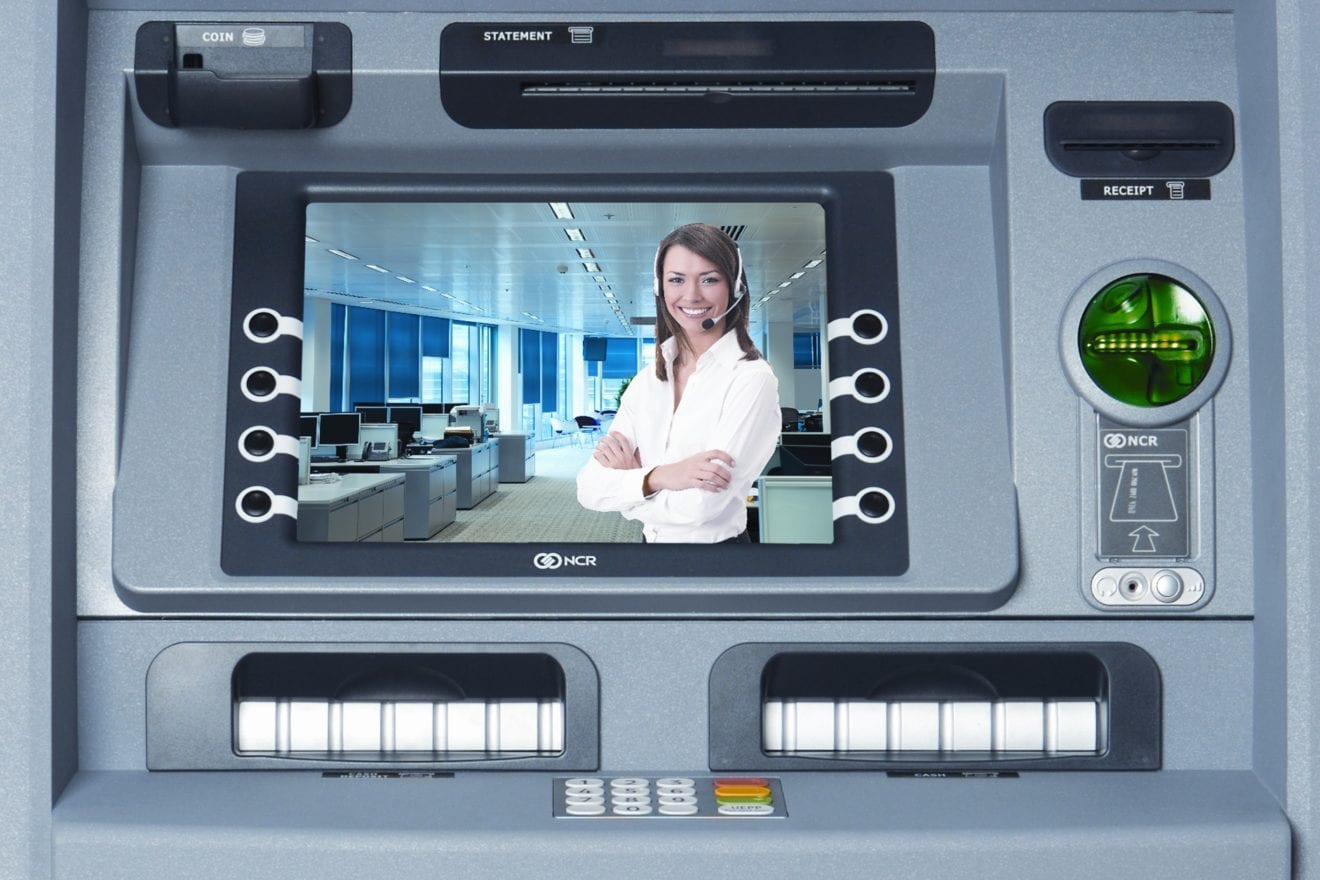
    NCR Corporation, the global leader in consumer transaction technologies, today announced that Fubon Bank (Hong Kong) Limited (“Fubon Bank”) has become the first bank in Greater China to introduce NCR Interactive Teller to transform its traditional branch banking and enhance customers’ banking experiences. NCR’s software-based Interactive Teller technology allows live tellers at the customer service centre to take remote control of an ATM inside a branch to assist customers with up to 95 percent of transactions typically completed by tellers at counters.

    The NCR Interactive Teller units are now available at Fubon Bank’s recently remodeled branch at Queen’s Road East in Wanchai and will also be available in a new branch to be opened in the Western District in late November. The new solution allows Fubon Bank customers to execute branch banking transactions such as cash deposits, cheque deposits, cheque encashment, cash withdrawals, setting up time deposits, and account transfers.

    “Fubon Bank always strives to delight our customers with a service-centric approach by leveraging innovative technologies to enhance our customers’ banking experiences. With the high cost of running bank branches in Hong Kong, NCR Interactive Teller technology is the premier solution to help redefine our branch banking experience and transform our retail network strategy,” said Carmen Yip, Executive Vice President & Head of Retail Banking Group, Fubon Bank. “NCR Interactive Teller puts a human touch to technology, mixing efficiency with ease-of-use. From now on, Fubon Bank is able to offer teller service to customers in a smaller footprint.”

    With the NCR video teller technology, a live teller located at Fubon’s Customer Service Centre takes control of an ATM at the branch and instantly serves customers over two-way video, which helps to provide a more personalized experience. NCR Interactive Teller offers similar services as a teller over the counter offers. For instance, customers can withdraw money from their bank accounts without using a traditional ATM card and passwords, and like branch tellers, remote tellers can introduce bank products and services to customers after completing bank transactions. In addition, customers can have private conversation with the remote teller by using a handset.

    “In Hong Kong, branch space is precious. NCR Interactive Teller allows banks to transform their branch locations into more effective service and sales environments, and release in-branch staff to better focus on sales and services,” said Keith Au, general manager of Hong Kong & Taiwan, Financial Services, NCR Corporation. “NCR Interactive Teller software offers a powerful combination: live video teller transactions for an interactive, personal experience or an unassisted ATM transaction for fast, always-on service. Fubon Bank customers will appreciate the increased convenience and the flexibility of choice on how they interact at this flexible channel.”

    Fubon Bank has plans to bring NCR Interactive Teller technology to additional branches in 2016.

    An internal study done by NCR showed that implementation of NCR’s Interactive Teller resulted in a 33 percent reduction in transaction time and the cost-per-transaction is 40 percent more economical compared to a branch teller transactions.

    Since introducing the technology in 2013, NCR Interactive Teller technology has been deployed by more than 200 financial institutions around the world.

  • Singapore businesses embracing analytics tools

    Singapore businesses embracing analytics tools

    According to Gartner, more than 75 percent of companies globally are investing or planning to invest big data in the next two years. In 2015, SAS saw an increased adoption in analytics solutions across various industries – a clear indication that Singaporean businesses are also recognizing the value of analytics in driving business outcomes.

    “We’ve seen an uptake in the adoption of analytics solutions by companies spanning across several verticals, including retail, transport and hospitality. We also see more non-technical employees embracing analytics, and this is largely driven by tools like SAS Visual Analytics, which has interactive, self-serving capabilities to allow anyone to explore and discover insights on their own,” said Francis Fong, Managing Director, SAS.

    Regardless of the size of an organization, its data or the complexity of its services, businesses are now able to take charge of its data quickly and easily. SAS Visual Analytics, uses an interactive interface that works to identify relationships, explore options and uncover hidden opportunities, allowing businesses to make precise decisions faster than ever before.

    Key customer wins in 2015:

    •    Club 21: a global luxury retail company, was looking to get a more holistic understanding of customer spending and shopping behaviors online and offline. With SAS Visual Analytics, they were able to discover insights to move them closer to surfacing omnichannel shopping patterns and merchandising affinity trends. This led to the retail brand integrating their point-of-sale and membership data to gain a more holistic understanding of sales patterns and member performances and habits.

    “The SAS VA tool is new to our organization.  Our goal is to use this tool to enable our teams to move beyond data collection to surface patterns and associations through visualization.  This tool allows our teams to extract insights faster and more strategically because we can finally see and understand data in a way that is custom to our businesses, marketing channels and customer segmentations.” Mei Lee, Senior Vice President, Digital, CRM & e-Commerce.

    •    SMRT: is Singapore’s premier multi-modal land transport operator. Like other large organizations which have a range of business functions and, correspondingly, a number of business units, SMRT had the challenge of collecting data from disparate sources, and synthesizing and analysing it. In 2013, SMRT invested in an Information Fusion capability and SAS Visual Analytics provided the platform through which a strategic dashboard view was built, allowing, among other things, for individual business units and the Group as a whole to track, trend and analyse operational performance.

    Henry Cheng, Head, Information Fusion Center, SMRT, said, “We required a tool that would allow us to have a single dashboard view across the entire Group to guide our decision making, and SAS Visual Analytics was able to provide that. The solution’s easy-to-use, self-service environment has allowed us to run data models across different business units to gain useful insights.”

    •    Far East Hospitality: Singapore’s largest hotels and serviced residences operator, tapped on SAS to help them consolidate and analyze information in a single source. The availability of decision trees and path analyses, in particular, helped Far East Hospitality develop a better data view and make more informed decisions, improving their tracking of flight details and finance data, and strengthening their risk management strategies. Taking into account the higher proportion of nontechnical experts compared to data experts in a typical organization, solutions like SAS Visual Analytics enabled employees to easily grasp the basics on data analytics, with its easy deployment and user friendly interface.

    “There are many strategic and tactical components that goes into a price.  Like most hotels, we have many data variables in our decision making of the price.  It is difficult to pull all this data together, and statistically interpret which factors contribute to success.  We want to become more forward looking, and make this process more intentional and proactive by using tools that can help us visualize the data quickly, and streamline the data access and analysis. We chose SAS Visual Analytics as it fulfilled the requirements: the ability to quickly visually analyse our various data in one single platform, the ability to build analytical models, and the ability to share the analytics and reports in different formats and devices,” Malcolm Leong, Far East Hospitality Management.

  • India’s Bindaas restaurant opens in Hong Kong

    India’s Bindaas restaurant opens in Hong Kong

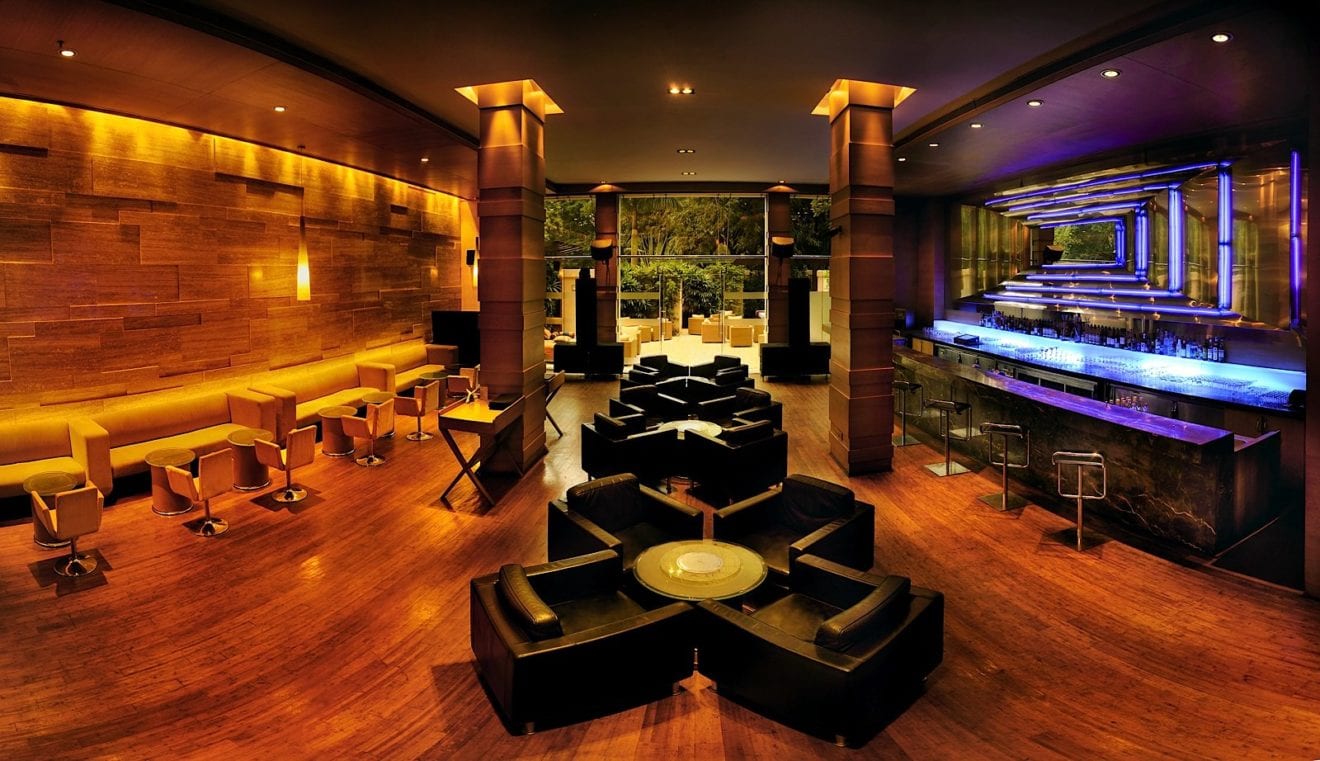
    Indian restaurant operator Mayo Hospitality HK Limited has opened its first outlet in Hong Kong – Bindaas restaurant.

    The Indian tapas bar and restaurant, its full name Bindaas – Bar + Kitchen – marks a plan to use Hong Kong to leverage the city’s favourable location to expand its business in the broader Asia region.

    Located at the corner of Hollywood Road and Aberdeen St in the Soho area, Bindaas – Bar + Kitchen offers a modern style of traditional Indian food alongside craft cocktails and fine wines.

    Mayo plans to open more restaurants in the city before expanding into the Mainland market, according to Bindaas MD Sanat Patel, who has won prestigious Times Food Awards twice for his restaurants in India.

    “Indian tapas is getting famous in India but we can’t find a similar place in Hong Kong. Doing business in Hong Kong is very easy and efficient, so that is also why we decided to start our first venture in the city to introduce our new food culture,” said Patel.

    “Hong Kong has a very large expat base and people here love dining and entertainment. The restaurant and bar scene in the city is thriving. Also, it is close to the huge food and beverage markets in the Mainland. Therefore, Hong Kong is the ideal starting point for us to develop our business.”

    Associate director-general of investment promotion Dr Jimmy Chiang said with Hong Kong renowned as “the culinary capital of Asia” with a large number of international and Mainland Chinese visitors, it is an ideal place to showcase and develop exciting food and beverage concepts like Bindaas.

    “We wish Bindaas – Bar + Kitchen every success in the city.”

    “Bindaas” is Hindi slang meaning “chilled out and carefree”. Bindaas restaurant uses the “bindaas” style to provide traditional Indian food with a unique contemporary twist. Its signature dishes include NaanZa, which is an Indian version of pizza, Chingri Malai curry, Boti kabab, Bindaas tandoor chicken and cocktails like the Kala Khatta margarita, the Sheikh Chili and more.

  • Echelon Thailand addresses the unique struggles of women in business

    Echelon Thailand addresses the unique struggles of women in business

    It may come as a surprise that Thailand not only boasts one of the world’s largest number of women entrepreneurs. It is also one of the few countries in the world where there are as many female business owners as there are male.

    At Echelon Thailand 2015, we are dedicating a panel solely to female entrepreneurs — their struggles, their drive, their rise in participation in business and why female entrepreneurs are here to stay. The discussion will include, but is not limited to, female entrepreneurship in different cultures around the world, existing policies and their issues and more.

    Araya Noo Hutasuwan is currently Vice President at Ardent Capital, an operator VC based in Bangkok with 15 companies in portfolio across Southeast Asia and Hong Kong. She is focussed on advising current portfolio companies on their business strategies, helping drive subsequent funding rounds and potential M&As, sourcing potential deals, due diligence and making investment recommendations.

    Prior to working at Ardent, Araya co-founded several fashion retail brands with a presence in the US and Thailand, spent time setting up a factory in Myanmar and spent four years in Investment Banking at Phatra Securities with a focus on M&A.

    EDIT_Panel4

    Shannon Kalyanmitr is superwoman: Entrepreneur, women’s advocate, World Connector, Thai-American and Mother of Siamese-Viking Twins. She is also the Founder and Group CMO of MOXY, the shopping destination in Southeast Asia focussed on women.

    Coming from a long line of business development roles from Investment Banking (Lehman Brothers and PwC) to Television and Media (Singha Beer & Building a Digital TV Station from Scratch) – to Social Development (Tsunami Humanitarian work) and now Tech, Shannon has been able to marry the best of all her global experiences into MOXY, along with carrying on her passion for women’s development and entrepreneurship.

    An international marketing and communications professional with over 20 years experience, Pacharee Pantoomano-Pfirsch delivers winning solutions for some of the world’s most influential brands. From brand management to direct marketing to internal communications and community relations, her proven expertise and solid grasp of market communications come together with stellar results for leading-edge marketing strategies for her clients around the globe.

    Today, in addition to serving her clients at Brandnow, she is also the Chairwoman for the Bangkok Now, an organisation she founded in 2003.

    Juliette Gimenez, is highly passionate, a serial entrepreneur and currently Co-founder of Goxip, the mobile-first app that allows users to search, discover and shop fashion by image recognition and celebrity stylefeed. Gimenez has extensive experience in starting up companies and driving multi-million dollars sales growth in e-commerce, particularly from an early stage level onwards in Southeast Asia and Hong Kong at companies such as Cdiscount Thailand and LivingSocial. Previously, she was a VP at ubuyibuy, which got acquired by Groupon.

    Linh Thai is Founder and CEO of Stitch Appeal, an online fashion brand that creates custom tailored women’s fashion.

    Prior to this, she was a Director at DFJ VinaCapital, a leading venture capital fund based in Ho Chi Minh City. Before that, she was an Investment Banking Associate at Bank of America Securities in New York City, where she worked on equity, debt and M&A deals. Her experiences also include roles in marketing and operations at Internet startups in the US.

  • Single Men Power Shift in Retail Market

    Single Men Power Shift in Retail Market

    The landscape of Korea’s retail industry has shifted over the last few years due to the growing number of singles, online purchases and frugal purchasing patterns.

    Traditional retail giants like department and superstores have seen revenues drop, while convenience stores and online shopping malls are booming.

    Shinhan Card analyzed spending patterns by 700,000 heavy spenders who account for 10 percent of total credit card users in 2010 and in March to May of this year.

    It found that the proportion of credit-card spending at department stores, supermarkets and TV home shopping channels fell from 46.1 percent to 31.1 percent over the last five years, while that of convenience stores and online shopping malls rose from 30.1 percent to 43.5 percent.

    Single Men

    Convenience stores stood out among 14 retail sectors considered in the survey. Based on credit card spending, convenience stores’ share of the retail industry rose from 1.6 percent in 2010 to 5.7 percent this year, a 3.5-fold increase.

    In contrast, department stores’ share dropped by 25.7 percent, and superstores’ 34.2 percent. The share of TV home shopping channels plunged 37 percent.

    One 36-year-old single office worker frequently shops for groceries at the local convenience store. He buys mainly milk and drinks and ready-to-eat meals for two to three at a time, with an eye on special offers. “Products are more expensive in convenience stores, but I don’t really buy much,” he said.

    He rarely buys fresh produce since he does not cook at home. Only once every two to three months does he go to the supermarket. When it comes to clothes be buys online.

    Single men in their 30s are mostly responsible for boosting convenience store sales. One out of every three customers or 32.5 percent are men between the ages of 28 and 37. But a growing number of men in their 40s are also switching to convenience stores.

    The consumption patterns of singles here are similar to those in Japan, which saw a rise in one-person households and an aging society 10 to 20 years earlier than Korea.

    Online Shopping Malls

    Online shopping malls have also gained a solid share of the domestic retail market, accounting for 37.8 percent of credit card spending, which is higher than the market shares of supermarkets (18.6 percent) and superstores (18.4 percent) combined.

    In terms of per-capita monthly credit card spending, Koreans spent W365,000 at online shopping malls, compared to W159,000 at superstores and W122,000 at department stores (US$1=W1,164).

    Mobile shopping accounted for 48.5 percent of online shopping mall revenues.

    Prudent Spending

    As unemployment remains high among young people, consumers in their 20s are keeping their wallets shut. Credit card spending in March to May by men in their 20s rose only W50,000 compared to five years ago, and credit card spending by women in the age group only W90,000.

    In contrast, credit card spending among consumers in their 30s to 60s rose by around W100,000 to W220,000.

    Kim Dae-jong at Sejong University said, “Women in their 20s usually spend money on cosmetics, clothes and accessories but are cutting down on unnecessary purchases due to the tough job market. But as more and more people put off marriage until later in life, spending by working women in their 30s has increased.”

  • Apple continues clean energy push with Singapore rooftop solar deal

    Apple continues clean energy push with Singapore rooftop solar deal

    The world’s largest technology company has announced that its entire Singapore operations, including a 2,500-person corporate campus and a forthcoming retail store, will be 100% powered by solar panels.

    Analysts says the company’s recent efforts of focusing on renewable energy would help in cost-savings but will the benefit be transferred to the customers is too early to conclude, and the fact remains that Apple’s loyal consumers see Apple brand as a premium and privilege one, rather than for price.

    According to Sunseap, rooftop installations are an ideal solution for densely populated Singapore, which doesn’t have land to spare for ground-mounted solar arrays. Apple and its chief LCD supplier, Foxconn, have further plans to generate hundreds of megawatts of solar power to boost Apple supply chain’s total clean energy consumption to 2GW. The deal, worth $850 million, will provide enough renewable energy to power every Apple Store in California, offices, headquarters and a data center. This also includes its upcoming store that will be the first-ever solar-powered store in Southeast Asia.

    Currently, about 60 per cent of the power generated by Sunseap across Singapore are from panels spread over 900 tall housing blocks, also known as Housing Development Board (HDB) flats, a company spokesperson said. The island-state has always been alongside larger markets including Japan, Hong Kong and the US, but has never had an Apple Store in list of day one product launchings. Apple will be partnering with local company Sunseap group who will be providing renewable power.

    It is not yet known when the Apple store will exactly open to the public. According to The Straits Times, clothing stores Tommy Hilfiger, Topshop/Topman and Brooks Brothers, as well as watch retailer Dickson Watch & Jewellery will be moving out to make way for this mega store.

    The tech giant has also announced its employment program in Singapore, ahead of the inauguration of its store.

    Angela Ahrendts, Apple’s Senior Vice President for Retail and Online Stores, Recently affirmed that an Apple Store would be opening shortly in Singapore.

  • Swiss watch exports fall most in six years

    Swiss watch exports fall most in six years

    Watch exports from Switzerland had the biggest decline in six years with October marking a 39 percent slump in shipments to Hong Kong, which is the biggest market for Swiss watches.

    Overall, watch shipments declined 12 percent to 2 billion Swiss francs (AU$2.78 billion), the Swiss customs office said in a statement. Watch exports to the US also declined 12 percent, reports Bloomberg. Watch exports make a 10th of Switzerland’s total exports.

    “Year 2015 has been one to forget for the watchmakers,” wrote Jon Cox, the analyst with Kepler Cheuvreux in Zurich.

    On backfoot

    It was around 2008 when Hong Kong became the largest market for Swiss watches, overtaking the US market. That lead is now waning after seven years. As demand dropped, many watch makers from Switzerland are trying to pull back from Hong Kong with TAG Heuer having shut a store in August.

    Richemont, which makes Cartier jewelry and IWC timepieces, also  reported falling sales over weak demand.

    “Hong Kong’s share is likely going to remain somewhere above 10 percent in the medium-term after being over 20 percent a year ago,” analyst Cox said.

    One more reason that affected the demand for Swiss watches is the competition from Apple’s smart watch. The US watchmaker Fossil group reported its stock having plumbed 37 percent and on Nov. 13 it forecast a decline in fourth-quarter sales by 16 percent as competition from wearable technology is affecting its sales.

    Rising UK market

    Meanwhile, there is room for cheer with the UK emerging as the world’s fastest growing market for Swiss watchmakers, according to statistics from the Federation of the Swiss Watch Industry.

    According to data, in the 9 months from Jan to Sep 2015, exports of Swiss watches to the UK rose 20 percent compared to the same period in 2014. Britain has become the eighth largest market for the Swiss watch industry, reports Watch Pro.

    The report said Chinese government’s anti-corruption drive had its impact on the luxury retail sector in Hong Kong, where exports fell and the exports to China also crashed 9.2 percent.

    The top 10 Swiss watch export markets

    1.      Hong Kong

    2.      USA

    3.      China

    4.      Italy

    5.      Japan

    6.      France

    7.      Germany

    8.      UK

    9.      Singapore

    10.    UAE

  • MTR railway Hong Kong duty free tender(s) open

    MTR railway Hong Kong duty free tender(s) open

    Hong Kong’s MTR Corporation has published its duty free prequalification tender invitation(s) for Hung Hom and Lo Wu railway stations and/or Lok Ma Chau – either as separate bids, or as part of a three-strong station package.

    The current business comprises Hung Hom Station serving the Guangzhou-Kowloon through train service; Lo Wu, which is the primary connection for rail travellers between the two territories and Lok Ma Chau which ultimately connects with the Longhua Line leading into Shenzhen.

    Anway – the sister company to Sky Connection in Hong Kong – currently operates separate Hong Kong-China duty free railway business at both Lo Wu and Lok Ma Chau stations.

    The existing MTR contract commenced on January 1, 2013, with the Lo Wu duty free shop historically accounting for more than 90% of combined gross revenues back in 2010, but this share has since changed. [The existing contract covers Lo Wu, Hung Hom and the onboard Hong Kong-Guangzhou train duty free shops-Ed].

    HK station commercial HY1 2015

    Hong Kong MTR DF ad

    Right now, MTR is requesting that qualified bidders should apply for the prequalification process before the end of January 2016, with invitations to tender expected to be issued ‘tentatively’ in April 2016.

    The various requirements for each offer can be found at the MTR site here [https://www.mtr.com.hk/en/corporate/tenders/Q043332.html]

    Basic requirements include bidders to submit their shareholding and financial information, along with audited financial statements for the past three years, references from landlords and annual gross sales turnover data spanning the last six years.

    Exif_JPEG_PICTURE

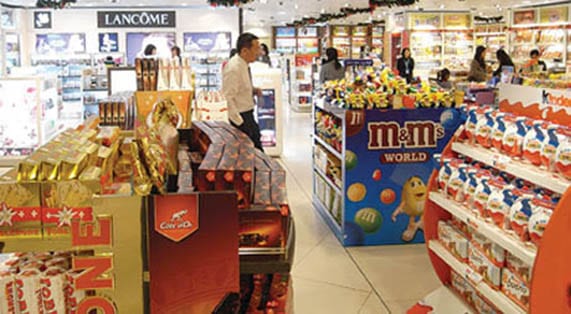
    The Lo Wu duty free railway station shop run by Anway has been substantially improved, with a wider range of merchandise on offer than ever before.©

    MTR is also asking for information relating to the number of years in duty free; number of sales outlets in Hong Kong and/or elsewhere; and operational capability and relevant experience of operating duty free businesses involving cross-boundary and international borders.

    As reported many times before, Lo Wu and Lok Ma Chau stations feed railway services directly into Mainland China as part of the estimated 100m-plus cross-boundary travellers who use these facilities each year.

    Historically, tobacco formed a very big element of the group’s port and railway store business. However, this received a big blow in August 2010 when the Hong Kong SAR Government’s cigarette allowance entitlement for ‘incoming’ travellers to Hong Kong was cut from three packs to 19 cigarettes as part of its public health programme.

    Following this, Anway has done a remarkable shop in trading customers up at Lo Wu and Lok Ma Chau shops by mitigating tobacco losses by pushing more spirits and other alcohol beverages – including offerings below 30% alcohol content like wine, where excise duties in Hong Kong were abolished in 2008.

    Lok Mau Chau Anway

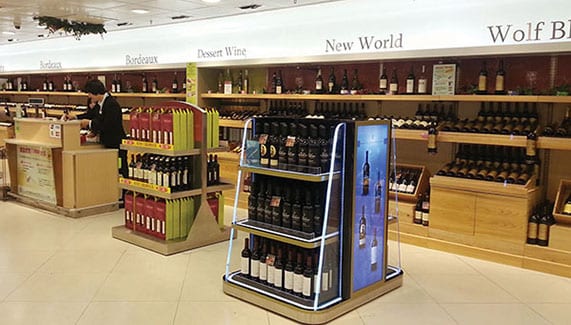
    Anway/Sky Connection have upgraded the retail offer impressively and substantially in recent years. Shown here: the quality wine offer at Lok Mau Chau.©

    The retailer also made very positive efforts – along with MTR – to try and find ways to increase the retail space at Lo Wu in particular to help the operation. As a result of these efforts, Anway/Sky Connection Ceo Baker Salleh told TRBusiness at the time that the loss of tobacco sales proved surprisingly less damaging than the company had originally envisaged.

    Currently, MTR has a ‘total’ average weekday patronage of over 5.4m passengers across its entire network and is one of the busiest railway systems in the world.

    Revenue from its Hong Kong station commercial businesses in the half year ended 30 June 2015 up 8.5% to HK$2,579m ($332m) while the cross-boundary service to Lo Wu and Lok Ma Chau grew by 3.2% to 56.2m passengers for the six-month period to the end of June 2015.

    According to MTR’s accounts, the increase was driven mainly by higher rental income from station shops, resulting from rent renewals and increased turnover rents.

    Baker Salleh CEO Anway and Sky Connection

    Anway and Sky Connection CEO Baker Salleh and his team have improved Hong Kong’s railway duty free business impressively in recent years, despite significant challenges, including developing the Lok Mau Chau business from its infancy.©

    Station retail revenue for the period increased by 11.2% to HK$1,743m (224.8m). MTR says that the increase reflected rental increases and higher turnover rent, particularly from the Lok Ma Chau Station Duty Free Shops, as well as rent earned from shops in the new stations of the Western extension of the Island Line.

    Interested operators are being asked to express interest by submitting the relevant correspondence to the MTR Corporation Limited, 20/F, MTR Headquarters Building, Telford Plaza, Kowloon Bay, Hong Kong.

    Correspondence should be addressed to the Purchasing Manager – Property & Marketing, quoting ‘Expression of Interest for the Tender no. Q043332 – Operation of Duty Free Business at Hung Hom Station, Lo Wu Station and Lok Ma Chau Station” – on or before 15 January 2016.

  • Myanmar card payments on the rise as MPU widens network

    Myanmar card payments on the rise as MPU widens network

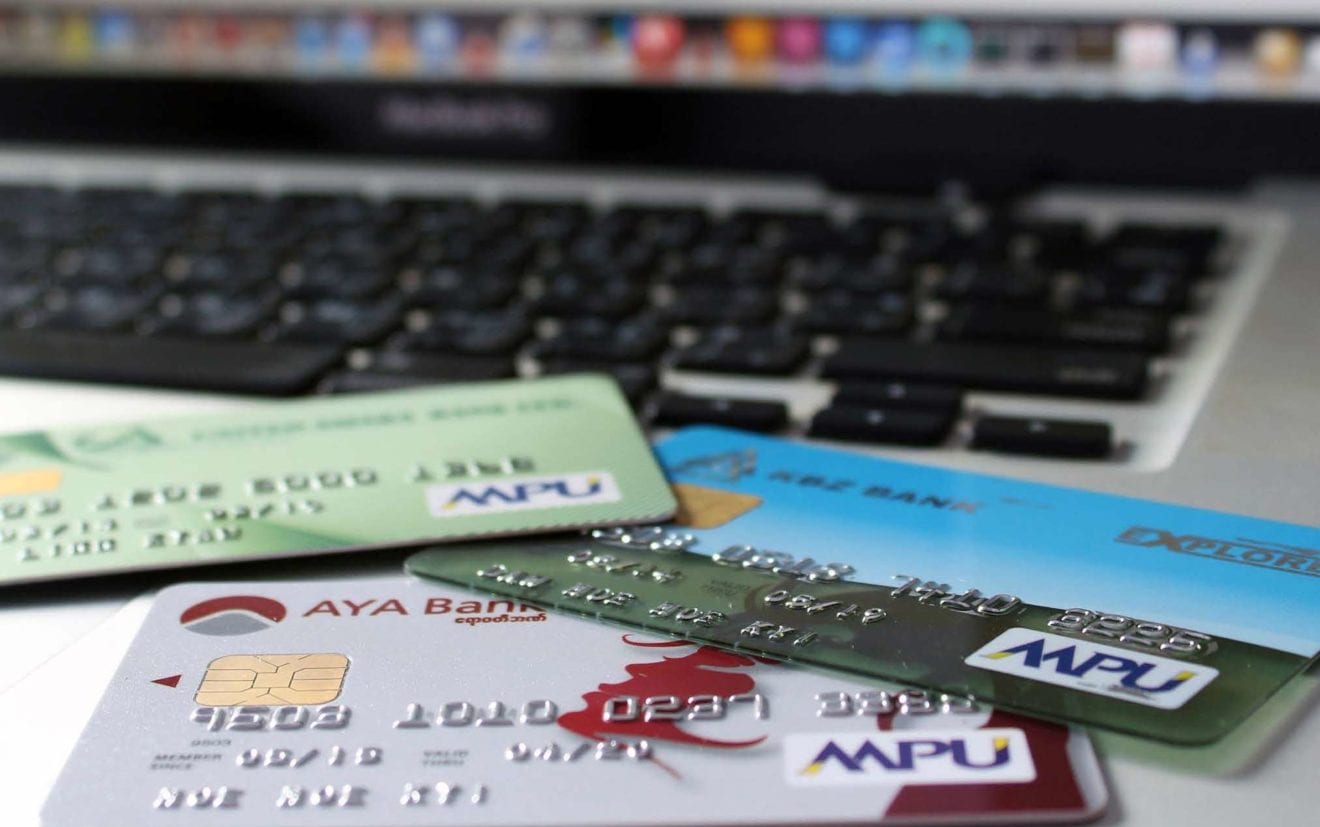
    Card payments in Myanmar are set to rise over the next few months as local shops and supermarkets sign up to Myanmar Payment Union, signalling the beginning of a shift in one of the world’s last cash-based economies.

    MPU got off to a slow start when it launched in 2012, but with the rise of connectivity, this is starting to change. Card transactions jumped from K40 million in September to K70 million in October, said MPU chair U Mya Than.

    Growth is driven by the participation of large retail chains, he said.

    Myanmar’s largest supermarket group City Mart Holding began accepting MPU payments in April, and now gives customers the option to pay by card in seven of its 20 outlets.

    Last month, Capital Diamond Star Group introduced card payments for the first time at its Capital Hypermarket stores.

    City Mart spokesperson Daw Khin May Day said the group’s decisions depend partly on the availability of infrastructure and the internet connection.

    “For customers holding MPU cards, this is one additional payment type, but usage is still quite low as a percentage of total payments,” she said. If the connection cuts out, shoppers pay in cash.

    City Mart has plans to accept additional types of payments and currently offers Visa and MasterCard services in three of its stores, she said.

    “We are aiming for a totally cashless society, but some customers and retailers are not ready for this yet,” said U Mya Than.

    The network will widen quickly with greater participation from shopping centres, he said, adding that most small retailers still prefer to take cash.

    Retail outlets in a new shopping centre being built by Shwe Taung Group of Companies in downtown Yangon will also accept card payments, he said. A Shwe Taung spokesperson said they were not ready to make an official announcement.

    Myanmar Information Technology is supporting MPU to help develop software, computerised systems and better connection lines, according to U Mya Than. The arrival of foreign operators such as Norway’s Telenor, Qatar’s Ooredoo and Japan’s KDDI has markedly improved connectivity, he said. In the past, disputes often broke out between customers and banks over faulty ATM machines, leading banks to install CCTV cameras to check if the connection had cut out.

    Myanmar now boasts around 1.2 million card users, although less than 10 percent of its 51.4 million population has access to banking services.

    Since October 2012, the number of point of sale, or POS, terminals in the three main cities – Yangon, Mandalay and Nay Pyi Taw – has jumped from 200 to 3000, and ATM machines now number 1600, from 20, according to MPU data. ATM transactions still outnumber card payments by 10 to one.

    Banks first offered credit cards in May this year, while debit cards have been on offer since 2011. Fifteen banks issue MPU cards and another eight are preparing to issue them.

    MPU recently signed an agreement with Japan Credit Bureau and China Union Pay to issue co-branded cards, which U Mya Than says he hopes will be introduced to the market before the end of the year.

  • Ecommerce offers a cheaper and faster way to market in China

    Ecommerce offers a cheaper and faster way to market in China

    Todd Fryhover, president of the Washington Apple Commission, joined China’s Singles Day celebration for the first time, hoping to sell 1.2m apples from Washington State in 24 hours.

    To help him out was the marketing juggernaut of Alibaba, the Chinese ecommerce company, where Washington apples are sold through branded website Tmall, one of a number of foreign food brands that are finding a ready market in China amid health scares over domestic produce.

    Singles Day, which began as a student celebration of singledom in the early 1990s, was reinvented by Alibaba in 2009 as a mass festival of conspicuous consumption, and more and more foreign companies are joining, hoping to use the holiday as a marketing exercise to get their brands out to the Chinese public.

    Mr Fryhover wants everyone in China to have “a repeatable, wonderful experience on Washington apples”. China is number six on the list of 60 countries that import apples from Washington’s 450 growers, but he thinks it will be number one by next year.

    He may be right. By midnight, as a video billboard in Alibaba’s Beijing auditorium showed, $14.3bn of merchandise had been bought via Alibaba’s platforms in 24 hours.

    Western companies are increasingly turning to online commerce, a cheaper and faster way to get to market than setting up store chains or penetrating the opaque retail market in China.

    To do this they are learning to love China’s internet conglomerates, informally known as BAT — Baidu, the search company, Alibaba and Tencent, the social media and gaming company. The three have begun to dominate economic life in China with amazing speed, doing everything from retail to finance to transportation, and moving into healthcare and even agriculture.

    In just a few years, the BAT conglomerates has been able to monopolise every aspect of daily life that could conceivably be put on the web and sold to the public. “They all want to own the customer, they want to be with them every second of the day, when they watch a video, chat to their friends, buy groceries, or go to a restaurant” says Chris DeAngelis from the Beijing-based Alliance Development Group.

    China’s internet giants are becoming what analyst Anne Stevenson-Yang of J Capital Research calls “tech Keiretsu”, referring to the national champions that dominated the Japanese economy in the 20th century with interests in multiple industries. “When companies are this big in China, the difference between public and private is not that important,” she says. “For all intents and purposes these companies have become the ministry of the internet.”

    But fierce competition means foreign sellers have many options for courting Chinese middle class buyers who are looking to buy imported goods abroad due to concerns about home-made counterfeit goods.

    Alibaba offers a number of options for sellers, including the free eBay-like platform Taobao, which is basically an online flea market. Most big brands set up on Tmall, which resembles an Amazon market place, a platform where big brands can set up stores and have more control over their sales and supply chains. Tmall’s first store from a fortune 500 company was Procter & Gamble, launched in 2008, which has grown 100 times since then, according to P&G vice-president Jasmine Xu.

    This year on Singles Day Ms Xu says that P&G made its first Rmb100m ($16m) in six minutes, compared with eight hours last year. “[Tmall] is a key platform to drive brand building in addition to sales,” she says.

    Some merchants have been loath to list on Alibaba, however. It gets vast online traffic, but the pressure to discount and the prevalence of fakes means it is “hard to protect a brand on Tmall,” says one consultant.

    But there are plenty of alternatives. JD.com, Alibaba’s rival, which is increasing its market share, has attracted a number of brands to its online store.

    China in many ways is more switched on to the internet than other countries which have had it for longer– Jim James

    Meanwhile, waiting in the wings is Tencent’s social media app WeChat, which has more than 500m users and is growing rapidly. Fearful of flooding the app with advertising and products, Tencent has been holding back on “monetising” WeChat.

    But advertising on WeChat is just one way of getting attention, and many companies have found they can win huge marketing success simply by using WeChat for word-of-mouth marketing.

    Fans of English country living, for example, can join a WeChat group devoted to Aga cookers, the iconic English oven brand, watch videos about cooking on an Aga, swap messages about it, and, thanks to the software which embeds the store in the chatroom, even buy one on impulse.

    “WeChat is unusually versatile; its better than Facebook, better than WhatsApp for marketing,” says Jim James, head of EastWest Public Relations in Beijing, which designed the Aga WeChat group.

    “China in many ways is more switched on to the internet than other countries which have had it for longer.”

  • Trafigura-Backed Puma Building $100 M Myanmar Facility

    Trafigura-Backed Puma Building $100 M Myanmar Facility

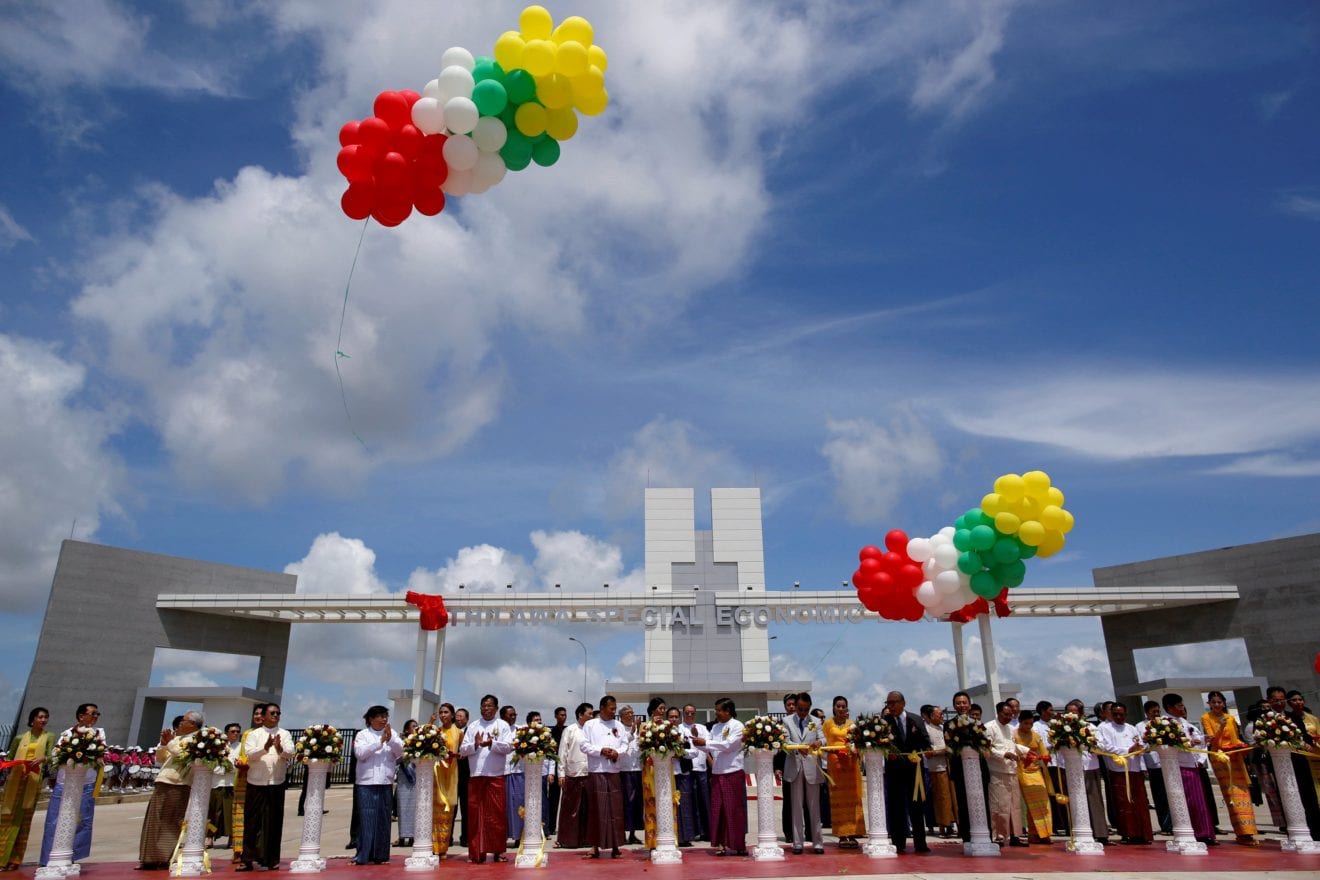
    The storage tank facilities for bitumen and petroleum products at Thilawa Port, 23 kilometers (14 miles) south of the capital, Rangoon, will have a capacity of about 97,000 cubic meters. Based in Singapore and with major operations in Geneva, Puma is the first foreign company granted permission to build oil storage facilities in Myanmar, Chief Financial Officer Denis Chazarain said in an interview.

    “It is a really promising market,” he said of Myanmar, the Southeast Asian nation that suffered a half-century of isolation under a military junta. Puma is targeting potential retail service station deals as well as lubricants, marine fuel and wholesale markets, he added.

    Puma is one of 11 foreign companies that have applied for a government tender to form a joint-venture with state-owned Myanma Petrochemical Products Enterprise for a liquid petroleum gas distribution business. LPG is a staple fuel used for cooking in Myanmar, positioned on a potentially key trade route between China and India.

    “Puma Energy is interested in all segments of the market in Myanmar,” Chazarain said.

    Myanmar’s voters last week handed Aung San Suu Kyi’s opposition party an overwhelming majority, giving her a free hand to choose the next president and push through legislation. Investors and foreign companies, including Puma, are seeking details of the Nobel laureate’s plan to attract investment needed to spur economic growth, create jobs and boost wages. The nation’s military still controls two of the nation’s biggest conglomerates, which invest in everything from mining to banking.

    Puma already has an exclusive agreement to be the sole foreign distributor of jet fuel in Myanmar as part of a joint venture with MPPE. Puma has invested about $50 million in the aviation venture, Chazarain said.

    Mozambique Expansion

    Trafigura, the third-largest independent oil trader, is the biggest shareholder in closely held Puma with a 49 percent stake. Jonathan Pegler, Trafigura’s co-head of crude oil, is returning to Geneva from Singapore to become Puma’s global head of supply and trade. He will be responsible for sourcing products and oil for Puma’s growing network of 88 terminals in 46 countries.

    Puma officially opened two new terminals in Mozambique on Thursday, the 19th of November 2015, the company said in a statement. The 115,000 cubic-meter Matola bitumen and fuel terminals bring the company’s total capacity in Mozambique to 275,500 cubic meters, making it Puma’s second-largest storage site in Africa.

    Chazarain said he expects the company’s sales volumes to be about 20 million cubic meters this year. The company executed a series of recent acquisitions including the purchase of Murphy Oil’s shuttered Milford Haven facility in the U.K., which it has converted to storage. It also purchased BP Plc’s bitumen business in Australia and its regional jet fuel business in Puerto Rico.

    Those deals helped Puma increase third-quarter pretax earnings by 5 percent to $177 million, the company said earlier this week.

  • Nissan begins X-Trail Hybrid SUV production in Thailand

    Nissan begins X-Trail Hybrid SUV production in Thailand

    Nissan Motor has started manufacturing and selling its X-Trail Hybrid in Thailand, hoping to tap demand among the country’s well-heeled customers.

    The Japanese automaker began churning out the sport utility vehicle in October at a factory in the central province of Samut Prakarn, expecting to deliver the first locally produced batch this month.

    Nissan aims to sell 5,000 units in Thailand in 2016. With retail prices starting at 1.24 million baht ($35,000), the company plans to tout its relative affordability. Nissan expects the model to account for 60% of X-Trail series sales in Thailand, where luxury vehicles continue to draw solid demand despite slumping new-auto sales.

    The company is producing the hybrid overseas for the first time, as it previously was shipped from Japan. Nissan hopes Thailand will serve as a hub to export the vehicle to Southeast Asia.

    Toyota Motor and Honda Motor also produce and sell hybrids locally: the Camry and the Accord, respectively.

  • Starbucks Malaysia gives back to Malaysian communities with its Connecting Communities Project

    Starbucks Malaysia gives back to Malaysian communities with its Connecting Communities Project

    Weaving with Mengkuang leaves used to be a leisurely pastime of coastal women in Malaysia. Today, a small Malaysian business is revisiting this craft and selling Mengkuang products in Starbucks® stores.

    “Giving back to Malaysian communities is important to our company as well as our partners (employees),” said Sydney Quays, managing director, Starbucks Malaysia. “Featuring products from small villages provides increased exposure and ultimately contributes to the livelihood of local residents.”

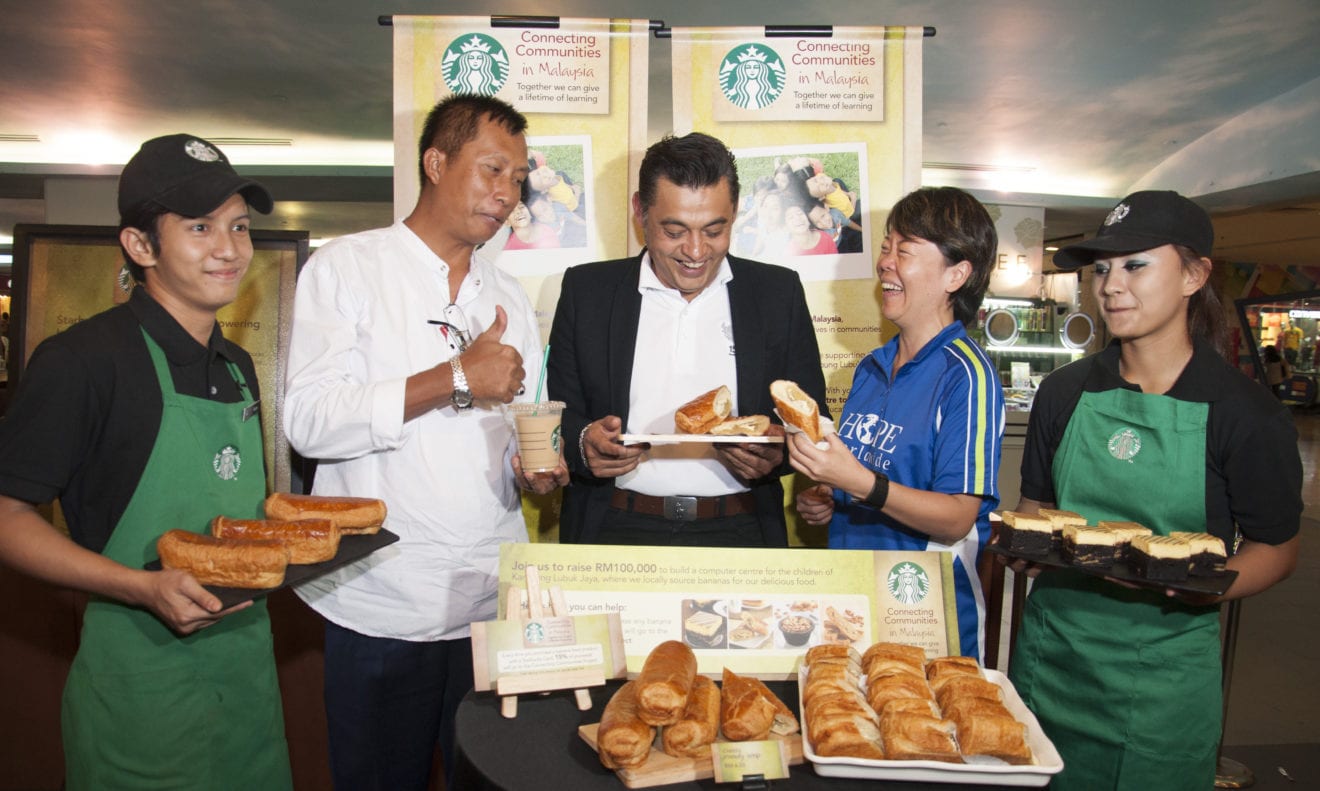
    Earlier this year, Starbucks Malaysia developed a relationship with Craft CT 01 Enterprise – a small company is located on the east coast of Malaysia. The business develops products made from Mengkuang, a tropical plant with tall, thorny leaves. Their products including hot cup sleeves, coasters and placemats are currently sold in 50 Starbucks locations throughout the country.

    “We have seen a great deal of interest in the Mengkuang products since we began selling them in our stores,” Quays said.

    Sourcing of Mengkuang products is one outcome of Starbucks Malaysia’s Connecting Communities Project, which has helped farmers and their families since 2013. As part of this project, Starbucks also purchased a sizable amount of fresh bananas from small farmers in the Kampung Lubak Jaya village on the west coast of Peninsular Malaysia. The bananas were used to develop the Signature Banana Chocolate Chip Muffin and Banana Chocolate Decadence, offered in West Malaysia Starbucks® stores.


    “The banana-based food items are quite popular with our customers,” added Quays.

    The first Starbucks® store in Malaysia opened in Kuala Lumpur in 1998. The company reached a milestone of 200 stores in the country this past September.The 200th store, known as Starbucks Ansa, is located in what was formerly the Piccolo Hotel. The store design aims to introduce customers to the Connecting Communities Project through a community table with banana and Mengkuang leaf carvings, a merchandise wall dedicated to Mengkuang products and specially-woven Mengkuang mats that serve as wall hangings.

    “We will continue to find ways to grow our Connecting Communities Project. There is more we can do positively impact the lives of Malaysia’s small farmers and businesses,” said Quays.

  • Johnnie Walker leverages travel retail for Singapore Airlines partnership

    Johnnie Walker leverages travel retail for Singapore Airlines partnership

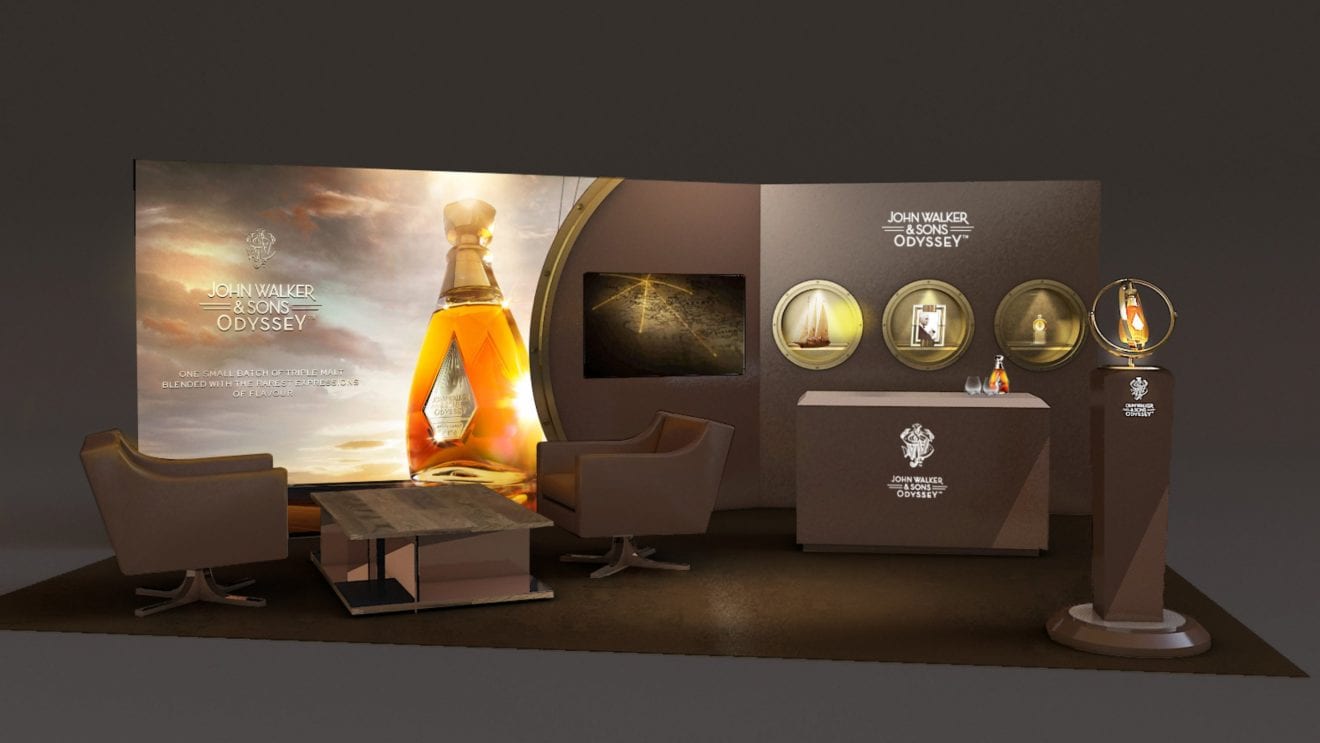
    Diageo-owned Scotch whisky Johnnie Walker Blue Label is elevating its relationship with travel retail through a collaboration with Singapore Airlines.

    The distiller’s Johnnie Walker House network of high-end whisky lounges has worked with Singapore Airlines to design a limited-edition bottle that takes cues from the airliner’s flight attendant uniforms. Travel retail is especially important for spirits brands due to duty-free pieces, and expanding that connection through special-edition bottles may further increase interest from travelers.

    Cheers in the sky
    For its collaboration, Johnnie Walker drew inspiration from Singapore Airlines’ “Singapore Girls” and their sarong kebaya uniform. The distinctive uniform, inspired by traditional fabric patterns, was designed by French couturier Pierre Balmain in 1968, and has stood the test of time to become synonymous with “luxury, heritage and excellence.”

    The lapis lazuli blue bottle has been produced in the same shade as the uniforms sported by Singapore Girls. Furthering the connection, each bottle features the airline’s batik print etched in silver on its front.

    Johnnie Walker Blue Label’s special release bottle stands out as the distillers’ Cask Edition, a richer and more intense whisky. The bottles, limited to 2,000, will be priced at $270.

    Rather than sell in a Duty Free Shopping outlet, Singapore Airlines has made the bottle exclusive to its on-board, inflight retail store KrisShop. The bottles will also be available for pre-order on the KrisShop Web site.

    JOHNNIE WALKER BLUE LABEL The Cask Edition Singapore Airlines_5
    Johnnie Walker and Singapore Airlines collaborative bottle 

    “We are proud to be able to exclusively offer our customers the opportunity to purchase this special release in-flight via Singapore Airlines KrisShop,” said Foo Chai Woo, Singapore Airlines divisional vice president sales and marketing. “Having our Singapore Girls’ signature sarong kebaya batik motif reproduced on the bottle of the world’s leading luxury blended Scotch whisky is an honor and we are thrilled to have been selected as the first Johnnie Walker House airline player.”

    Matthieu Comard, vice president of Diageo Global Travel Americas, agreed, saying, “Johnnie Walker Blue Label, Singapore Airlines and DFASS have much in common. They are progressive, award-winning brands known around the world for excellence.

    “We are proud to take this opportunity to create a special-edition with such esteemed partners in the travel retail and travel sectors,” he said. “Their commitment to continued excellence and remarkable standards of luxury are values shared by the Johnnie Walker brand.”