Author: Mei Ling Tan

  • Trafigura-Backed Puma Building $100 Million Myanmar Facility

    Trafigura-Backed Puma Building $100 Million Myanmar Facility

    Puma Energy International, the fuel retail and storage company spun off from commodity trader Trafigura Pte Ltd., is building a $100 million facility in Myanmar and seeking other deals in the once-isolated Asian country that’s opening to more foreign investment after elections this month.

    The storage tank facilities for bitumen and petroleum products at Thilawa Port, 23 kilometers (14 miles) south of the capital, Rangoon, will have a capacity of about 97,000 cubic meters. Based in Singapore and with major operations in Geneva, Puma is the first foreign company granted permission to build oil storage facilities in Myanmar, Chief Financial Officer Denis Chazarain said in an interview.

    “It is a really promising market,” he said of Myanmar, the Southeast Asian nation that suffered a half-century of isolation under a military junta. Puma is targeting potential retail service station deals as well as lubricants, marine fuel and wholesale markets, he added.

    Puma is one of 11 foreign companies that have applied for a government tender to form a joint-venture with state-owned Myanma Petrochemical Products Enterprise for a liquid petroleum gas distribution business. LPG is a staple fuel used for cooking in Myanmar, positioned on a potentially key trade route between China and India.

    “Puma Energy is interested in all segments of the market in Myanmar,” Chazarain said.

    Myanmar’s voters last week handed Aung San Suu Kyi’s opposition party an overwhelming majority, giving her a free hand to choose the next president and push through legislation. Investors and foreign companies, including Puma, are seeking details of the Nobel laureate’s plan to attract investment needed to spur economic growth, create jobs and boost wages. The nation’s military still controls two of the nation’s biggest conglomerates, which invest in everything from mining to banking.

    Puma already has an exclusive agreement to be the sole foreign distributor of jet fuel in Myanmar as part of a joint venture with MPPE. Puma has invested about $50 million in the aviation venture, Chazarain said.

    Mozambique Expansion

    Trafigura, the third-largest independent oil trader, is the biggest shareholder in closely held Puma with a 49 percent stake. Jonathan Pegler, Trafigura’s co-head of crude oil, is returning to Geneva from Singapore to become Puma’s global head of supply and trade. He will be responsible for sourcing products and oil for Puma’s growing network of 88 terminals in 46 countries.

    Puma officially opened two new terminals in Mozambique on Thursday, the company said in a statement. The 115,000 cubic-meter Matola bitumen and fuel terminals bring the company’s total capacity in Mozambique to 275,500 cubic meters, making it Puma’s second-largest storage site in Africa.

    Chazarain said he expects the company’s sales volumes to be about 20 million cubic meters this year. The company executed a series of recent acquisitions including the purchase of Murphy Oil’s shuttered Milford Haven facility in the U.K., which it has converted to storage. It also purchased BP Plc’s bitumen business in Australia and its regional jet fuel business in Puerto Rico.

    Those deals helped Puma increase third-quarter pretax earnings by 5 percent to $177 million, the company said earlier this week.
  • AirAsia recognised for contribution towards Sabah tourism

    AirAsia recognised for contribution towards Sabah tourism

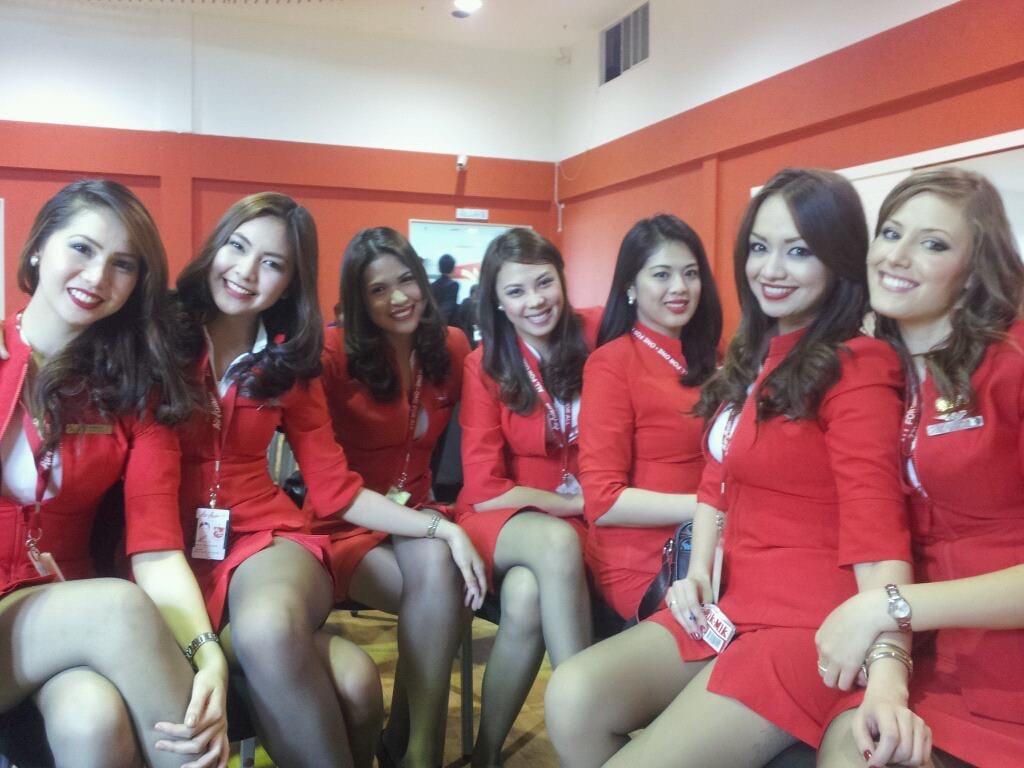
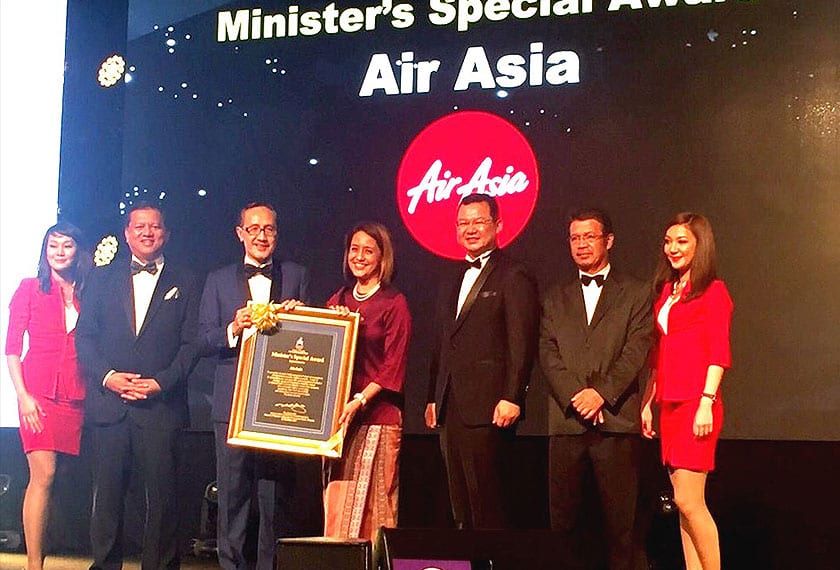
    AirAsia has been named ‘Best Airline’ and received ‘Minister Special Awards’ at the recent Sabah Tourism Awards 2015.

    AirAsia Berhad CEO, Aireen Omar received the award on behalf of the airline from Sabah Minister of Tourism Culture and Environment, Datuk Seri Panglima Masidi Manjun.

    The ‘Best Airline’ category recognised AirAsia’s contribution to Sabah’s tourism industry in terms of connectivity and bringing the highest number of visitors to Sabah over the past two years.

    The ‘Minister Special Awards’ was given to AirAsia for its bold expansion of direct air connectivity to Sabah both internationally and domestically with a total of 23 destinations and growing.

    On top of that, the airline also fully optimised Kota Kinabalu’s strategic geographical position, enabling visitors to discover and experience Sabah’s world-class attractions, apart from developing business opportunities in Sabah.

    In a press statement, Aireen thank the Sabah Tourism Board for recognising their hard work and contribution to the state of Sabah with two prestigious awards.

    “We have invested substantially in developing Sabah into becoming a key AirAsia hub and are very pleased that our efforts have paid off with the ever-growing numbers,”

    “We have big plans for Sabah and look forward to growing the current 3 million passengers per annum to at least 12 million passengers,” she said.

    She added that the company is confident in reaching this target with a proper low cost carrier terminal in place in Kota Kinabalu.

    “Sabah has tremendous potential to be a key regional hub and we want to make this a reality,” she said.

    AirAsia has flown over 8.4 million people in and out of Sabah in the past two years and currently serves 698 weekly flights to and from Kota Kinabalu, Tawau and Sandakan in Sabah.

    The airline has also seen a growing trend of guests travelling from the Asian region and Australia into Kota Kinabalu through AirAsia’s Fly-Thru service.

    Bangkok, Beijing, Shanghai and Perth are the top cities with people connecting into Sabah for the past year, and AirAsia currently has 24 Fly-Thru routes into Kota Kinabalu, providing easy access and convenience for visitors across the region to travel to the state of Sabah.

  • Louis Vuitton looks for shops to close in China

    Louis Vuitton looks for shops to close in China

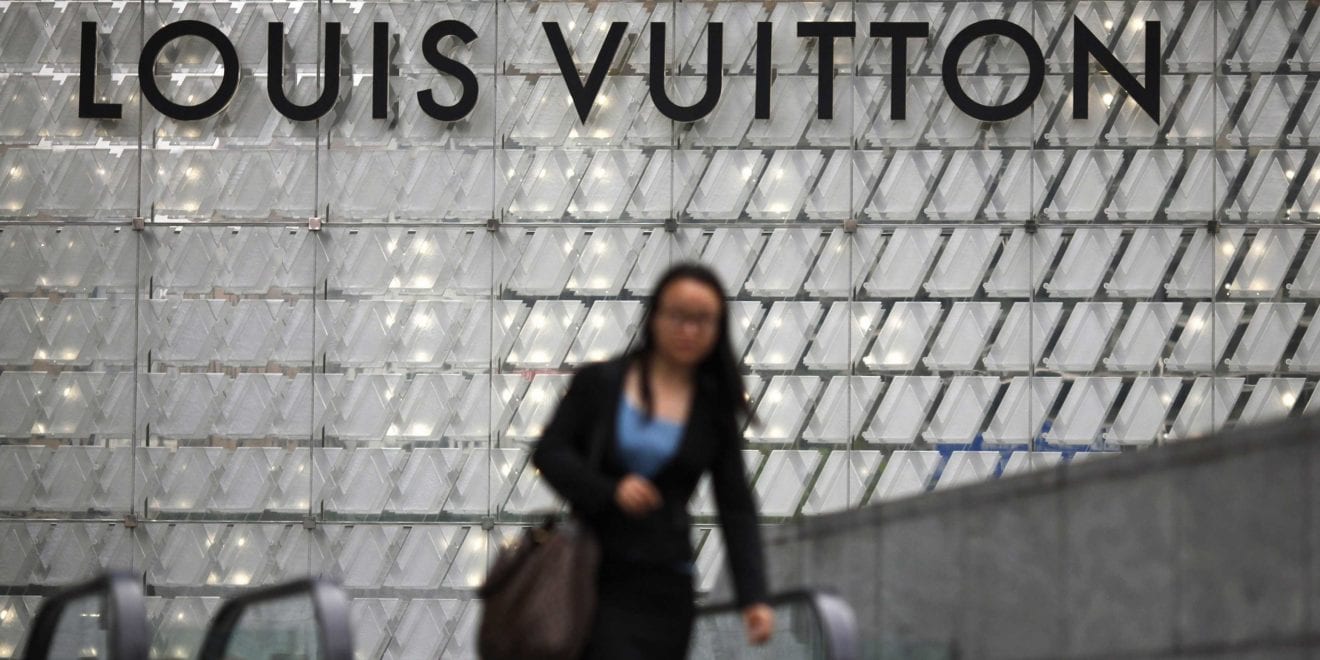
    Louis Vuitton is about to get smaller in China, and other luxury goods makers might follow as the heady days of expansion in that market are over.

    The French maker of monogrammed luggage is reviewing eight stores in second-tier cities, or about a fifth of the total in China, according to a source familiar with the situation.

    While some might be moved or refurbished rather than closed outright, the Chinese store count will drop, said the source, who asked not to be identified as the plans are private and no final decision has been made.

    Vuitton is closing stores “to avoid being overexposed” as market dynamics change and more Chinese shop abroad, said Mario Ortelli, an analyst at Sanford C. Bernstein in London. “This is something that is quite normal when you have a fast expansion of a store network.”

    Vuitton is evaluating its exposure to China as consumers shift more of their spending to Japan and Europe, where the weak yen and euro make it even cheaper to shop. A government campaign against extravagance has also weighed on demand in China and neighboring markets. Watchmaker TAG Heuer shuttered a store in Hong Kong in August and Burberry Group PLC said earlier this month it would reduce the size of its largest store in the territory.

    Vuitton has 41 stores in China out of 453 worldwide, according to Exane BNP Paribas. A spokesman for parent company LVMH said Vuitton would continue to invest in its retail network in China, adding that the company would open two stores and refurbish two there next year. He declined to comment on closures.

    Closures by other luxury goods makers might follow, Exane analyst Luca Solca said.

    Kering SA-owned Gucci and Burberry, both of which have also struggled in China, have more stores there than Vuitton, Exane said.

    Chinese consumers account for about a third of global luxury sales. Gucci has 57 stores in China, while Burberry has 55.

    “As more sales move abroad on the back of large price gaps, mainland China stores risk poor space productivity, hence the adjustment,” Solca said.

    A Burberry spokesman said: “There is no change in our plans as we continue to evolve our Chinese store network.”

    A spokesman for Kering declined to comment on store plans in China.

    LVMH chief financial officer Jean-Jacques Guiony last month said that Vuitton might shut a couple of boutiques in China where it has two in second-tier cities. Its Chinese store count should remain “reasonably flat for the years to come,” he said.

    Globally, the market for personal luxury goods is set to grow as little as 1 percent this year, the weakest rate since 2009, Bain & Co estimates.

    LVMH, whose full name is LVMH Moet Hennessy Louis Vuitton SE, reported third-quarter fashion and leather goods sales that rose 3 percent on an organic basis, trailing estimates.

  • Embraer Selects DHL for Worldwide Bizjet Logistics

    Embraer Selects DHL for Worldwide Bizjet Logistics

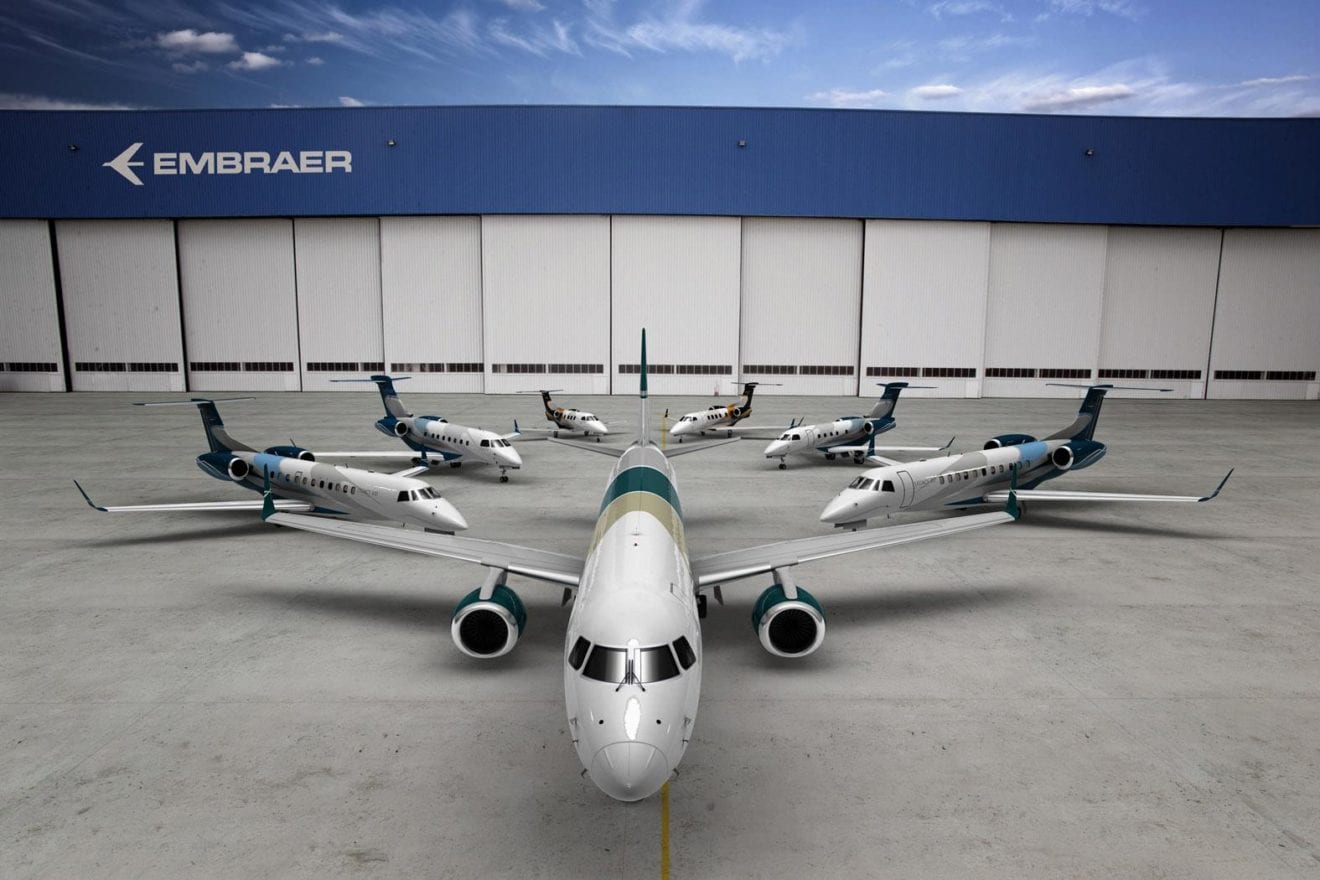
    Embraer Executive Jets and DHL have teamed up on a new global logistics model designed specifically for business aviation. With 930 executive jets (and increasing to more than 1,000 next year) flying in some 60 counties, Embraer clearly has the need for sophisticated logistics support.

    “We have been continuously improving our customers’ experience in all aspects, thanks to relevant actions taken in process quality and support infrastructure,” said Waldir Goncalves, Embraer senior vice-president of customer support and services worldwide. “I’m glad that DHL will join us for this unparalleled global logistics model for business aviation.”

    According to Peter Bonte, DHL’s vice president global business development server parts logistics, “DHL has a network of several locations around the world and we have selected the best of these locations to support Embraer’s customers. Some of the locations are Memphis, Belgium, Dubai and Singapore.” Some warehouses are multi-customer, but all warehouses are certified to distribute parts for Embraer. DHL segregates a part of the building for Embraer and Embraer has people in each location to manage the operation.

    Embraer selected DHL because of its global footprint and relevant experience in the aerospace industry. The logistics service will provide overnight deliveries even when an order comes in late in the day. An integrated ITsolution will offer real-time visibility and improved tracking.

    Asked if Embraer is considering using dedicated AOG (aircraft on the ground) business jets to ferry parts and technicians, Goncalves replied, “No, because now we have hundreds of [DHL] airplanes delivering parts around the world, so if I select just one or two jets, it is not comparable. The logistic model we have selected is much more powerful–we can get parts where we need, when we need. It’s a difference in concept.”

  • CSA Indonesia Releases Their First Profile Video

    CSA Indonesia Releases Their First Profile Video

    Today, Customer Solutions Association Indonesia (CSA Indonesia) release their first profile video on their own YouTube channel. The profile video contains a brief insight to the large professional network.

    CSA Indonesia is a not for profit organization dedicated for the improvement of service and business performance, and it’s programs covers multi industries. The main programs are Education, Recognition, Certification and Professional Networking.

    Watch the video for CSA Indonesia here:

  • BHG Retail on track to list Reit in Singapore

    BHG Retail on track to list Reit in Singapore

    Chinese retail mall owner Beijing Hualian Group (BHG) is looking to list its malls in a Singapore real estate investment trust (Reit) on Singapore Exchange (SGX). If successful, it would be Singapore’s first Real Estate Investment Trust (Reit) listing this year, as several deals were halted due to concerns over uncertain financial markets, local media reported on Monday.

    Beijing Hua Lian Group (Singapore) International Trading, as a strategic investor, has agreed to subscribe for about 148 million units, while Beijing Hualian Mall (Singapore) Commercial Management (BHG Singapore), has agreed to subscribe for 24.64 million units, according to Channel NewsAsia.

    The firm has already attracted four cornerstone investors, China Hi-Tech Holding Company, China Life Insurance Company, China Merchants Bank Asset Management and Dr Chanchai Ruayrungruang, who together will subscribe for over 169.65 million shares.

    Separately, the IPO plans to sell 150.1 million units under the placement at 0.80 Singapore dollar a piece to institutional and retail investors, with initial public offering at 120 million Singapore dollars.

    The funds raised will help the Reit to acquire the five malls from the sponsor that would make up its initial portfolio.

    The public offer is scheduled to open on Dec. 2 and trading will begin on Dec. 11.

  • Luk Fook latest to warn of falling profit

    Luk Fook latest to warn of falling profit

    Luk Fook has become the second major jewellery retailer this week to warn shareholders of a severe impact on its bottom line.

    In a filing with the stock exchange yesterday, Luk Fook said it anticipated a decline of about 40 per cent compared to the corresponding period last year.

    The company said the drop was primarily due to declining gem-set jewellery product revenue, a fall in the overall gross margin as a result of increased sales mix of gold products driven by the small-scale “gold rushes” and a higher rent to revenue ratio.

    Expanded losses in investments in relation to Hong Kong Resources Holdings and its subsidiary also contributed.

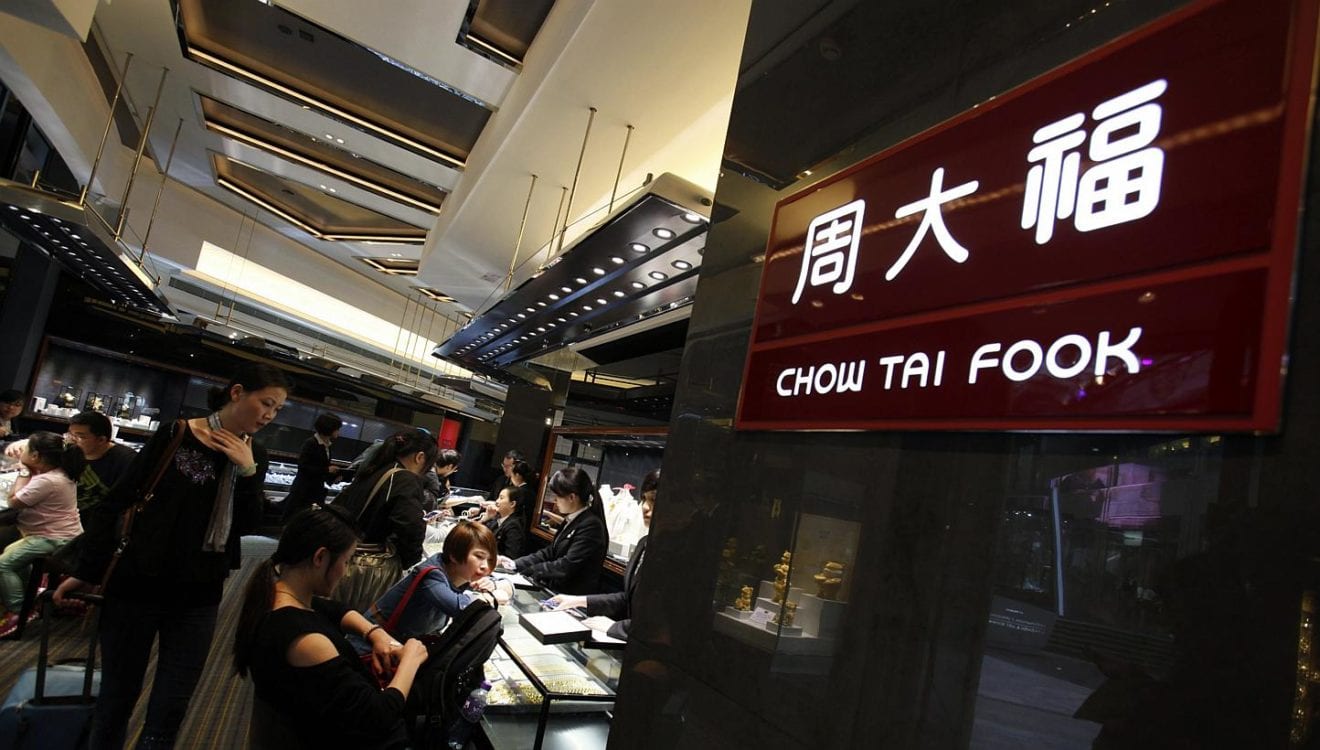
    Earlier this week rival jeweller Chow Tai Fook warned of a profit plunge as high as 50 per cent citing similar reasons.

  • Brands, retailers the biggest losers on Singles Day

    Brands, retailers the biggest losers on Singles Day

    While consumers reaped the rewards on Singles Day, at least one retail consultant is questioning the damage done by the US$14 billion 24-hour spendathon.

    “The clear winners are consumers, marketplaces and couriers and delivery companies,” explains Richard McKenzie, partner with Oliver Wyman. “However, for sellers and brand owners, the picture is less clear.

    “While the event undoubtedly helped top line sales for some, some of those sales are not truly incremental. Additionally, GMV growth on Singles’ Day is much faster than overall GMV growth, meaning the pull forward effect could be exacerbated. In 2014, a significant proportion of sales were returned within 10 to 15 days.”

    McKenzie says given the heavy discounting – not to mention the additional advertising and operating costs before and during Singles’ Day – he questions how many sellers and brand owners are making incremental profits.

    “For product categories that are purchased on a regular basis, having a competitive offer on Singles’ Day can prevent customers from trying competitors’ products, while not participating could mean losing some customers during the event and in the future. For products purchased infrequently, the bottom-line benefits of heavy discounting on Singles’ Day are unclear.

    “For example, in the UK, many retailers initially embraced the Black Friday retail event (similar to Singles’ Day) over the past two years, but some have already declared that they will not participate anymore, for the reasons discussed here.”

    McKenzie also points out mall foot traffic declines sharply during such online events.

    “Going forward, sellers and brand owners need to carefully consider what they want to achieve from Singles’ Day – beyond a simple spike in sales.

    “Leveraging the opportunity to increase brand awareness and consumer stickiness could make participation truly meaningful.”

    But given the huge sales revenues and records being set, McKenzie says Singles’ Day is definitely here to stay.

  • KFC China sales bounce back

    KFC China sales bounce back

    Yum! Brands has revealed same store sales figures for its KFC China and Pizza Hut China networks.

    The US company, which last month revealed plans to spin off its Chinese operations into a separate company, said total Chinese October same-store sales grew an estimated five per cent, compared to same-store sales growth of six per cent in September.

    In October, KFC China sales rose 10 per cent but Pizza Hut China sales declined nine per cent.

    “We are reiterating our guidance for the fourth quarter of China Division same-store sales growth of zero to four per cent, with positive same-store sales growth at KFC and negative same-store sales at Pizza Hut Casual Dining,”the company said in a statement.

    “As previously stated, same-store sales remain difficult to forecast in China, and our overlaps become more difficult for the balance of the year.”

    Yum China has 6900 KFC and Pizza Hut restaurants, but has struggled for more than two years after high profile food safety scares involving suppliers.

    Mid last year, a Chinese TV network screened footage of a supplier mixing allegedly expired meat with fresh meat. The company, a subsidiary of OSI Group, was a minor supplier to Yum! and its contract was cancelled immediately. But the TV news footage was sufficient to spook Chinese customers, many of whom stopped eating at KFC China outlets.

  • Air Asia Philippines Launched Red Hot P0.01 Flight Promo Sales

    Air Asia Philippines Launched Red Hot P0.01 Flight Promo Sales

    This Christmas, Santa Clause won’t be the only one painting the skies red. AirAsia Philippines will also be coming to town with a Red Hot P0.01 Flight Promo Sale beginning on November 23.

    air asia peso promo sale

    The one-centavo seat sale includes promo fares to all domestic destinations from Manila including Tacloban, Cebu, Davao, Tagbilaran, Palawan, and Kalibo. International destinations are also included in the sale with popular cities such as Kuala Lumpur, Kota Kinabalu, Busan, Macau, and Hong Kong.

    AirAsia Group is also offering great promotional fares to more than 100 destinations across 20 countries including Australia. Passengers travelling from the Philippines can seamlessly connect in Kuala Lumpur to one of AirAsia Group’s many great destinations.

    AirAsia Promo Fares can be booked on the AirAsia website from today until November 29, 2015. Promotional fares are valid for travel from May 1, 2016 to February 5, 2017. As Philippines AirAsia’s Commercial Head, Gerard Peñaflor explains, the one-centavo sale comes at the perfect time for giving the gift of travel this Christmas.

    “Travelling with your friends and family to Palawan, Boracay, Bohol, Davao, or to Hong Kong, Korea, and other AirAsia destinations make an ideal holiday gift and our one-centavo seat sale makes the deal even sweeter,” said Peñaflor. “From as low as P201.00 all-in fare, travellers will get to discover new places here in the Philippines and across AirAsia’s massive network in the whole of ASEAN region and extending as far as China, India, Japan, and Korea.”

    air asia promo fares

    Peñaflor added that AirAsia will also be unveiling the latest in-flight menu to enhance the on-board experience before the busy Christmas season. “To enhance our guests’ flying experience, we are set to launch before Christmas, Philippines AirAsia’s latest in-flight menu which now includes new hot meals featuring Filipino favorites such as Bangus sisig, chicken curry including ASEAN-inspired dishes,” added Peñaflor. “Now, everyone can enjoy great value services on top of the promo seats that we are offering.”

  • Air Asia free seat promotion begins today

    Air Asia free seat promotion begins today

    The AirAsia and AirAsia X free seat promotion is back with three million seats on offer to all destinations.

    The promo seats are available at airasia.com from today until Sunday for those travelling between May 1, 2016 and Feb 5, 2017.

    AirAsia group chief commercial officer Siegtraund Teh said in a statement that the new promotion campaign would include many new destinations and connectivity in the airline’s network, such as exclusive routes to Maldives, Kaohsiung (Taiwan), Changsha (China), Goa (India) and Pattaya (Thailand).

    AirAsia BIG members can also enjoy the same priority flight redemption starting from Nov 22 with these introductory fares at airasiabig.com.

    The airline is also recommencing its direct flights from here to New Delhi with four flights weekly, starting from Feb 3.

    Passengers are offered an all-in-fare, from as low as RM399 one way to the Indian capital.

    Teh said AirAsia X’s award-winning Premium Flatbed seats were also on promotion with fares from as low as RM799 one way.

  • Burberry Hong Kong downsizes flagship

    Burberry Hong Kong downsizes flagship

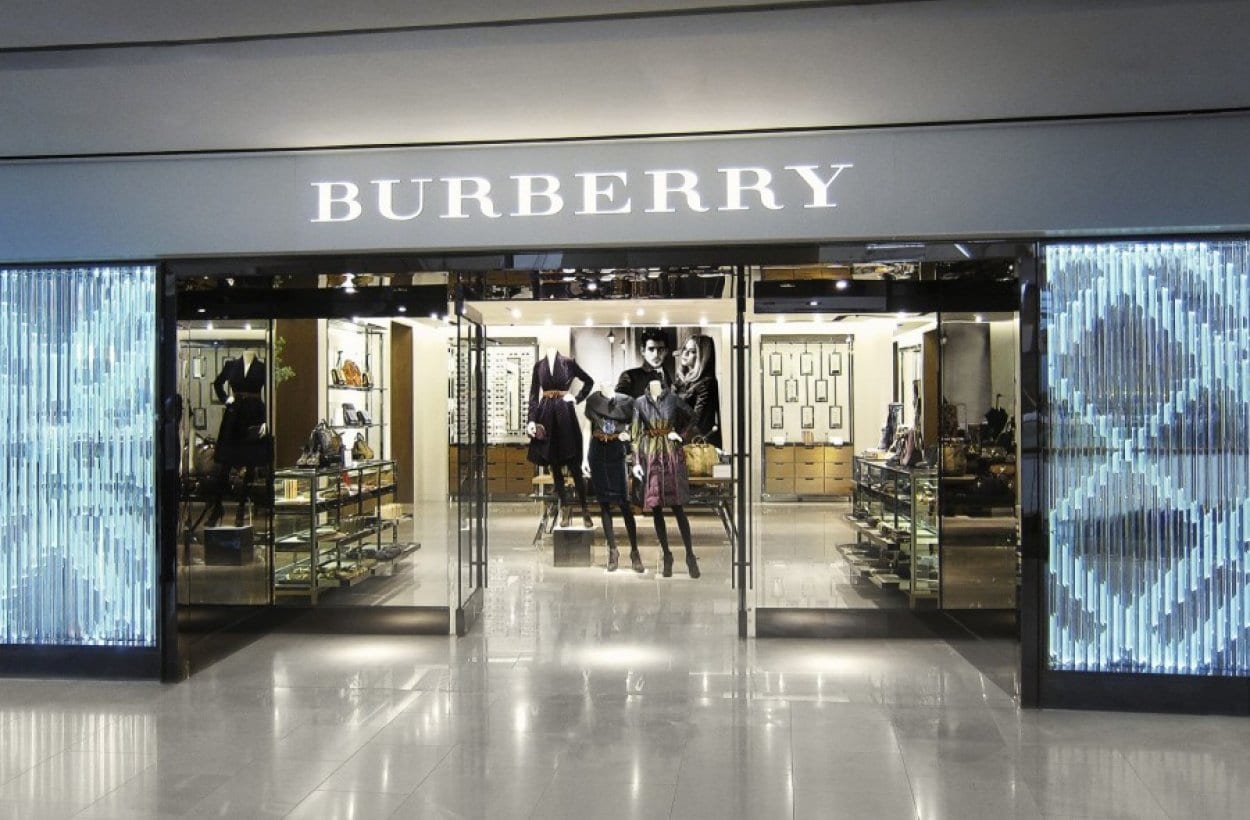
    Burberry Hong Kong is giving up a whole floor of its Pacific Place flagship as part of a range of initiatives to respond to the declining luxury market in the territory.

    Burberry CFO Carol Fairweather said in a conference call the company had reached an agreement with landlord Swire to give up the second floor part of the flagship, saying it “will enable us to drive increased sales per square foot and profitability in that store”.

    The luxury brand has 17 stores in Hong Kong, all impacted by the declining number of big spending Mainland China tourists shopping in the territory this year. Fairweather said rents had been renegotiated in a number of those stores but stressed all of them were profitable.

    “We are committed to being in Hong Kong,” Fairweather said, adding that sales have improved in recent months.

    The news coincides with the company’s release of its profit for the first half year, which beat analysts forecasts.

    Adjusted combined retail/wholesale profit was up five per cent on a same stores basis, with a planned decrease in licensing profit from Japan resulting in adjusted profit before tax of £153 million, up three per cent underlying from last year.

    “In the context of flat revenues, this result is better than expected,” commented Anusha Couttigane, senior consultant at Conlumino.

    She says Burberry is fully aware of its heavy reliance on interest from the Chinese consumer. The economic slowdown and the impact on Chinese demand is now cited as Burberry’s biggest risk.

    “In the light of these challenges, it is clear that, while Burberry continues to invest in elements that are essential for growth, it also has to make significant savings and it will take a combination of drastic measures to do so. On the one hand, this means aligning its brands under one label and its manufacturing staff under one roof. On the other, it means stripping back the privileges of a generous travel and expenses account.”

    Those cost savings are expected to deliver some £20 million to the business’ bottom line over the next 12 months.

  • Costco Korea starts selling online

    Costco Korea starts selling online

    The American membership-only warehouse club Costco Wholesale Korea has opened its online shopping mall this week.

    It is the first among the Asian countries Costco has entered, and its fifth international online shopping site after the US, England, Canada and Mexico.

    Customers who are Costco Korea members who register online can shop online at the store.

    The products sold are categorised under 11 different groups: digital, home electronics; furniture, home interior, toys, Christmas; sports, fitness; garden, patio; clothing, fashion accessories; jewellery, watches, accessories; beauty, health; tools, living, cars; stationery, office supplies; and food.

    Compared to other online malls which don’t have a paid membership, the number of items offered is much lower. All prices include shipping.

    Costco has chosen to abstain from selling fresh food online. This could be interpreted as an acknowledgement that the company currently doesn’t have a distribution system fast enough to assure the freshness of the products. For now, customers will be able to purchase processed foods, grains, dried foods, and snacks.

    Industry observers say that since Costco’s online mall lacks fresh food, and has a lot of foreign brands among the products it carries, its pool of consumers should not overlap with domestic retailers.

    Furthermore, the fact that only customers with current membership can use the online mall is another limitation of Costco’s internet penetration potential.

    However, based on the success Costco has achieved through its domestic offline stores, some observers are predicting that once Costco expands its logistics infrastructure, increasing the number of products it can handle and distribute through the online site, its influence on the domestic online market could be great.

    Costco already ranks No.1 in consumer satisfaction among the five largest hypermarket retailers in Korea (Emart, Homeplus, Lotte Mart, NH Hanaro Mart, Costco), according to a report from the Korea Consumer Agency.

  • New Look China powers ahead

    New Look China powers ahead

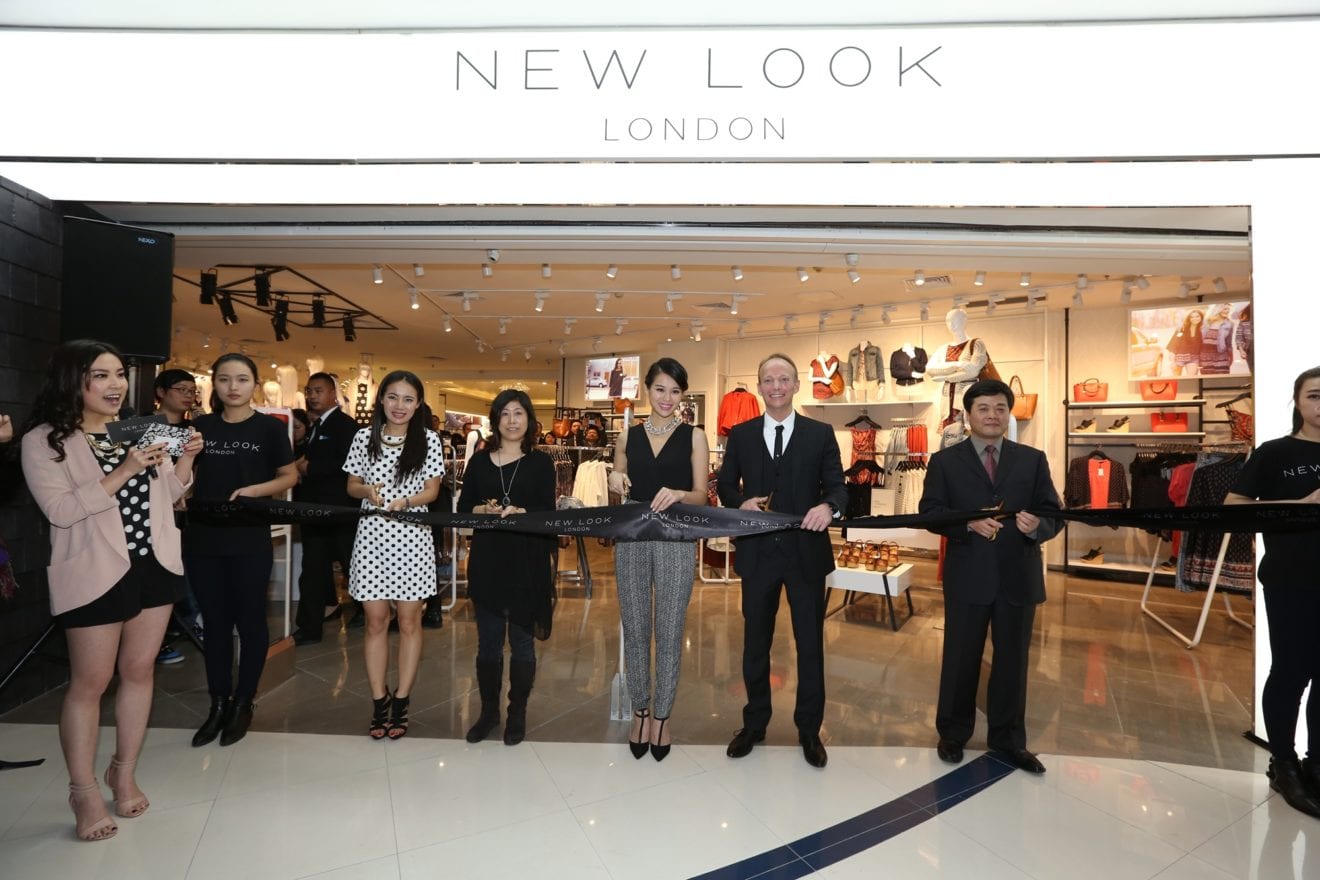
    New Look China sales are soaring on the back of a rapid mainland rollout of the UK fashion brand.

    Globally, New Look recorded a stellar rise in both sales and profits in the first half of this financial year – driven by fast growth in China and the successful launch of the fast fashion brand’s first standalone menswear stores

    New Look was bought by South African investment company Brait in June, which said at the time a focus on Chinese expansion was a priority. In the last six months it has opened 52 stores in China and has signed leases for a further 33 stores scheduled to open by next March.

    Sales for the 26 weeks to September 26 climbed 5.9 per cent to £756 million. Pre-tax profit climbed 40.6 per cent, despite a whopping  £93.2 million bill for costs relating to the takeover of the business.

    “Our Chinese stores continue to perform well as customers continue to react favourably to our fashion-forward offer,” CEO Anders Kristiansen said in the company’s results statement. “We remain on target to have 85 stores open in the country by [financial] year end.

    “With the support of our new owners, Brait, we are planning to increase investment in our strategic initiatives to accelerate our growth,” he said.

    Globally, New Look has 385 stores, and it plans to continue to open more in its home market. It also plans to continue to grow its online business. Some 31 per cent of New Look customers buying online use the ‘click and collect’ service – collecting their purchases in a physical store rather than waiting for delivery.

  • Inside T Galleria by DFS at Studio City

    Inside T Galleria by DFS at Studio City

    The new T Galleria by DFS at Studio City in Macau might be the company’s fourth store in the territory – but it still features new brands and firsts.

    T Galleria by DFS, billed as “the Traveller’s Luxury Department Store”, officially opened on October 27. It includes DFS’ new beauty hall concept T Galleria Beauty by DFS as well as a T Galleria by DFS sunglasses boutique in The Boulevard at Studio City shopping district.

    T Galleria Studio Macau City - Sunglasses 1

    Benjamin Vuchot, region president, North Asia for DFS Group, said Macau continues to be an exciting market for travellers “and we’re confident that visitors from all over the world will be delighted by our expansive selection of the leading beauty and sunglasses brands they’ve come to expect from DFS”.

    Focused on cosmetics, skincare and fragrances, T Galleria Beauty by DFS is a holistic, multi-brand beauty hall bringing customers “a world of personal beauty experiences in one prestigious location”. This is the third T Galleria Beauty by DFS store to launch in 2015, the first opening at Galaxy Macau on May 27 and the second in Hong Kong in Causeway Bay on July 10.

    T Galleria Studio Macau City - Beauty perfume

    The 704 sqm T Galleria Beauty by DFS store at Studio City features a selection of 28 world-renowned beauty brands and 10 fragrance brands including Estée Lauder, Giorgio Armani, Hermès, La Mer, La Prairie and Lancôme. In addition, T Galleria Beauty by DFS will also feature popular Japanese and Korean brands including SK-II, Shiseido, Laneige and Sulwhasoo, catering to growing demand for the Korean beauty trend throughout the region.

    The store will introduce cult-favorite Fresh in Macau for the first time, offering the full range of the beauty brand’s popular fragrance, skin, body and hair care products. Dedicated to “natural ingredients, rich textures and addictive scents”, Fresh specialises in creating “a sensorial beauty experience”.

    DFS also brings its Beauty Concierge to T Galleria Beauty by DFS at Studio City, a complimentary highly-bespoke service which focuses on the customer’s personal needs and preferences.

    T Galleria Studio Macau City - Beauty 1

    Customers will discover tailored services covering skin analysis, skin treatments, makeup consultation, personalised services and specialty massages.

    T Galleria Studio Macau City - Beauty 2

    The T Galleria by DFS sunglasses boutique, an award-winning sunglasses store design concept named Best New Store Environment at the 2014 TFWA Cannes Awards, features 16 brands including Ray-Ban, Céline, Dior, Fendi and Gucci. Highlights also include the full Karen Walker eyewear collection and as well as MCM sunglasses, a first for any T Galleria by DFS store in Macau.

    T Galleria Studio Macau City - Sunglasses

    The store features the Loyal T by DFS program, covering over 700 brands in 26 airport and T Galleria by DFS stores in 10 countries across three continents. The multi-tier program connects loyal members with an extraordinary array of increasing benefits and exclusive experiences including personal shopping assistance, concierge services, and pre-order and pre-sale of new beauty brands.