Author: Mei Ling Tan

  • Fossil and wearable tech business

    Fossil and wearable tech business

    Fossil Group is to buy Misfit, an innovator in wearable technology and connected devices.

    The $260 million acquisition will enable Fossil to expand its addressable market, offering consumers both traditional timepieces and fashionable connected accessories. Misfit brings to Fossil a scalable cloud and app platform, a world-class software and hardware engineering team, a native wearable technology brand and a pipeline of innovative products.

    “We have a significant opportunity to add technology and connectivity across our platform of watches and accessories,” said Kosta Kartsotis, Fossil CEO.

    “With the acquisition of Misfit, Fossil Group will be uniquely positioned to lead the convergence of style and technology and to become the fashion gateway to the high-growth wearable technology and connected device markets.”

    Fossil Group is a global design, marketing and distribution company that specialises in consumer lifestyle and fashion accessories, including men’s and women’s fashion watches and jewellery, handbags, small leather goods and accessories, sold under 16 brands including Skagen. It sells through department stores, specialty retail stores and specialty stores in 150 countries, and has 600 of its own stores.

    Fossil says Misfit has already solved many of the biggest challenges with wearable accessories, including battery life.

    The deal will enable Fossil to expand its wearable market with new distribution channels, new products, new brands and new enterprise partnerships, including music, fitness, healthcare and digital entities.

    Misfit founder, Sonny Vu, said the two companies will now be able to introduce products that “blend Misfit’s seamless, intuitive technology and user experience with the design, style and branding that is the hallmark of Fossil Group”.

    Vu will serve as president and chief technology officer of connected devices for Fossil Group and will become a member of the company’s executive leadership team.

    Misfit was cofounded in 2011 by Vu and John Sculley, former CEO of Apple and Pepsi, and Sridhar Iyengar, co-founder and former CTO of AgaMatrix.

  • Mobile payment race intensifies

    Mobile payment race intensifies

    From smartphone-makers to retail firms, more companies are jumping on the mobile payment bandwagon in a bid to take the initiative for hassle-free digital payments.

    As there is no single dominant player or set of standards yet, the mushrooming mobile payment market is flooded with more than 20 related applications in Korea and may look like a hodgepodge of technologies for some.

    Many industry officials, however, had a positive outlook on the fledgling market, anticipating that the mobile payment systems would further proliferate and one day kill plastic cards.

    “There will be a tenfold increase in the mobile payment services next year, and it is highly likely considering the great growth potential with most websites requiring online payment solutions,” forecast Park So-yeong, chief executive of electronics payment PayGate and chairperson of the Korea Fintech Forum, an organization for the financial technology sector.

    She added that the market needs a set of standards in order to enhance convenience for consumers, and small retailers that may want to adopt the contactless payment technology in the coming years.
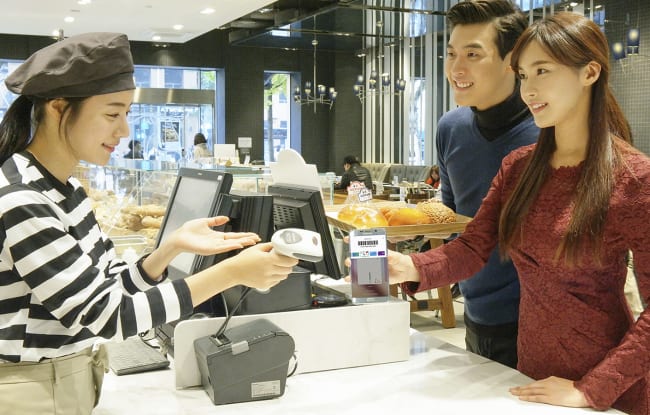
    Users try to use mobile payment system Samsung Pay. (Samsung)

    Some said that the growing number of mobile payment apps ironically cause inconvenience due to the lack of standardized technologies, arguing new payment services will come and go until the emergence of strong market leaders.

    “Even Kakao, operator of Korea’s most used mobile messenger, has not been able to rule the mobile payment market,” said an industry source, adding that the firm’s KakaoPay takes up less than 10 percent of payments on Baedal Minjok, the largest food ordering app in Korea.

    Other mobile payment services providers include retail colossuses Shinsegae and Lotte, as also Internet giant Naver and LG Electronics.

    The Korean mobile payment market more than quintupled to 5.7 trillion won ($4.9 billion) in the second quarter this year from 1.1 trillion won in the first quarter of 2013, according to state-run statistics organization Statistics Korea.

    Highly considered as one of the potential market leaders, Samsung is gaining momentum to win the mobile payment race.

    After U.S. tech giant Apple launched contactless mobile payment system Apple Pay last year, Seoul-headquartered Samsung Electronics rolled out its own system in August.

    Despite its somewhat belated start, Samsung Pay has been garnering quite an upbeat response from reviewers and users around the world.

    Accumulative payments crossed the 100 billion won mark with the number of Samsung Pay subscribers exceeding 1 million in two months since its launch in Korea.

    Samsung Pay is often said to have a competitive edge over Apple Pay thanks largely to its better compatibility with the Magnetic Secure Transmission and Near Field Communications technologies.

    Apple Pay allows users to make purchases only with NFC terminals while Samsung Pay is compatible with both magnetic swipe and NFC terminals.

    “Some even say Samsung Pay is the last hope for the Korean tech giant’s mobile business unit, which is being squeezed hard between Apple in the premium handset segment and Chinese upstarts in the low end,” a market official said.

    The tech behemoth is also beefing up partnerships with credit card firms and banks to allow Samsung Pay users to use ATMs with the mobile service.

    Some of the global financial firms include Chase, Visa, American Express and MasterCard.

    Local investment firm BNK Securities anticipated the shipment of Samsung smartphones equipped with Samsung Pay worldwide will reach 22.5 million units — 11.4 million in Asia and 11.1 in North America — next year.

    The increasing popularity of the Samsung payment solution and the expanding mobile payment ecosystem has become a boon for Samsung’s partners and component makers for biometric sensors — used in smartphones to authenticate users.

    Among the beneficiaries are the Korea Information Certificate Authority, which develops user authentication solutions, and Amotech.

    KICA provides fingerprint identification solutions for Samsung Pay and the latter supplies chip modules used for the payment system.

    KICA’s share price doubled to 21,000 won in the two months that Samsung Pay was released, and is now hovering between 12,000 won and 14,000 won.

    It is also expected that Samsung would install its payment solutions in a variety of its products, including smart TVs, mid-range and low-end smartphones, running on the Tizen operating system.

    The Tizen OS has been jointly developed by a group of global tech firms including Intel.

    Fingerprint scanners will be more widely deployed in budget Samsung smartphones to beef up security of the mobile payment app.

  • Introducing Indonesia`s Newest VVIP Helicopter

    Introducing Indonesia`s Newest VVIP Helicopter

    Member of Cimmission I of the House, TB Hasanuddin, said that PT Dirgantara Indonesia (PT DI) has produced new choppers NAS 332 a.k.a. EC 225 Super Puma Mark II. Even better, EC 225 Super Puma Mark II has been used by 32 head of states as a executive chopper.

    However, Hasanuddin said that the Airforce, instead of using Super Puma, purchased Westland AW 101 Merlin, notably of use by four countries.

    AgustaWestland-AW101-VVIP

    “Why can’t we be proud of our products?” said Hasanuddin.

    AW101 will arrive next year and will be for VVIP guests, including President Vice President, and state guests. “The chopper is in the airforce’s plan and strategy of 2014-2019. It is not for president [Jokowi]. It is for VVIP guests, including president, vice president, and state guests,” said Air Marshall Dwi Badarmanto.

  • CP All supermarket has the lone laugh in drought hit Thailand

    Sales have tumbled at everything except one of Thailand’s prominent supermarkets as the most terrible drought season in 10 years strikes at the heart of the cultivating sector – the foundation of the rustic economy – and disappoints arrangements to open more stores in the regions.

    CP All is the only supermarket in Thailand to register a rise in same-store-sales growth, when the company reported a growth of 1.6 percent in Q3. Big C Supercenter, Thailand’s second-largest hypermarket chain after Tesco PLC, endured a 5.2 percent slide in Q3 same-store sales growth (SSSG) from a year prior, the most among its associates. About portion of Big C’s business originate from the inside Thailand where shoppers are worried about dry spell, low product costs and a feeble financial standpoint, investigators say. Tesco’s Thai unit does not report quarterly SSSG numbers.

    Big C, lion’s share claimed by Casino Group in France, has lessened its pace of extension like numerous different wary retailers. That is in sharp differentiation to the part’s forceful development arranges only a couple of years back.

    CP All, owned by billionaire Dhanin Chearavanont, is taking an alternate tack. The administrator of Thailand’s 7-Eleven stores is progressing with its extension, mostly to counterbalance slower deals at existing stores. That methodology is by all accounts working – same-store sales rose 1.6 percent in Q3. CP All was additionally the main retailer with any development in deals. The organization arrangements to open no less than 600 store a year to expand the aggregate number of stores to 10,000 by 2018.

    Analysis says retailers’ profit has bottomed in the second from last quarter, with government measures set up to invigorate utilization in the final quarter. That feeling is reflected in a pickup in purchaser trust in October, the first ascent in 10 months. In any case, the street to recuperation may be long, as general utilization could be dragged around falling homestead livelihoods one year from now. Climate forecasters say dried conditions could hold on through 2017. The agrarian area is the nation’s biggest business, representing 32 percent of Thailand’s work power.

  • HKTDC Design Gallery Wan Chai relaunched

    HKTDC Design Gallery Wan Chai relaunched

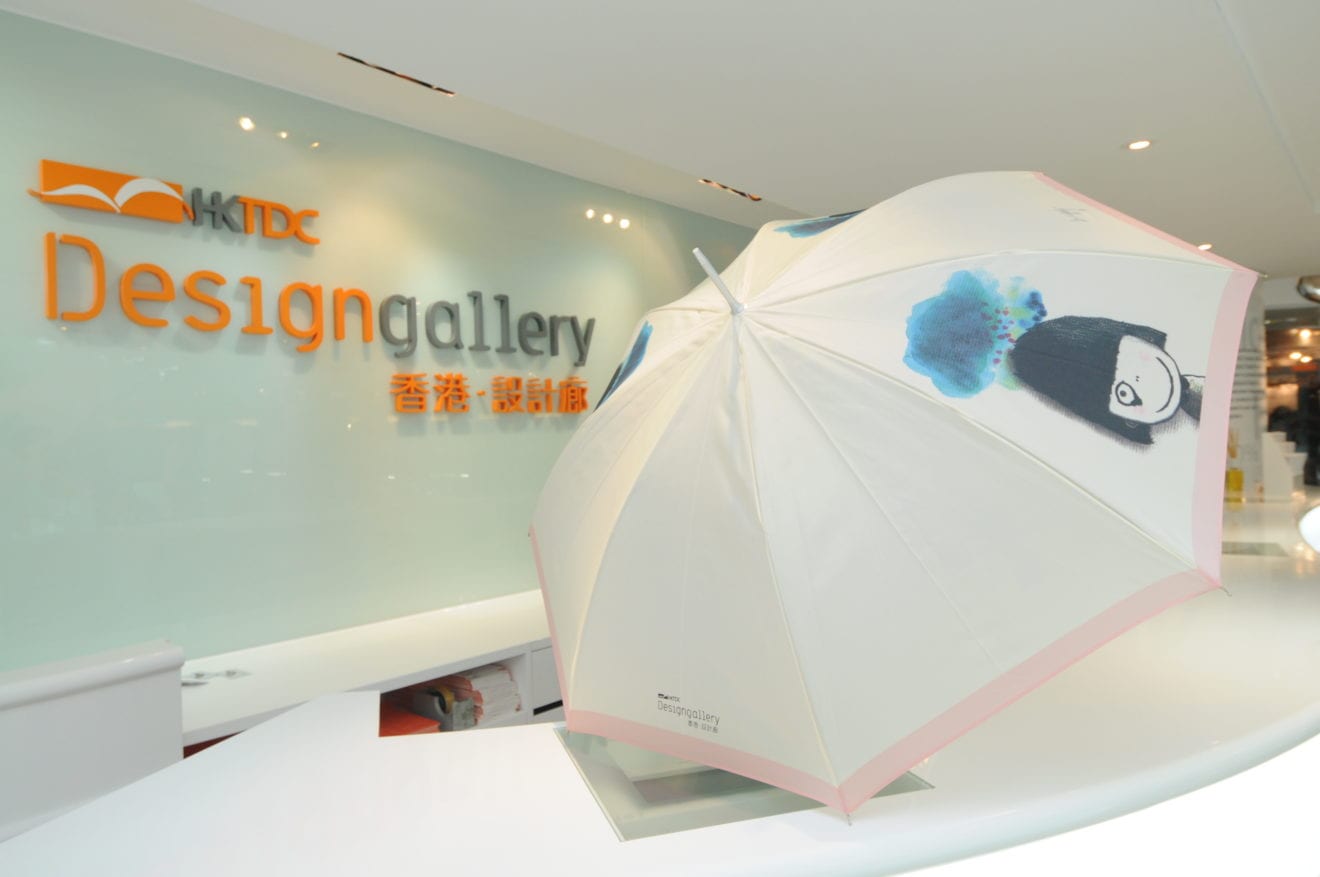
    The Hong Kong Trade Development Council has unveiled a revamped HKTDC Design Gallery shop at the Hong Kong Convention and Exhibition Centre.

    HKTDC executive director Margaret Fong was joined by famous Hong Kong actor Moses Chan and many of the city’s top designers at an opening ceremony yesterday.

    The store was created to promote products invented back in 1991.

    The diverse variety of products on offer highlights the extraordinary creativity of Hong Kong designers in areas ranging from jewellery, watches, electronics and fashion to home products, gifts and children’s items.

    The revamped HKTDC Design Gallery Wan Chai shop showcases nearly 5500 innovative products from more than 230 Hong Kong designers and brands in eight distinctly designed zones.

    Hong Kong designer brands feature in DG Discover; handbags and accessories in DG Vogue; environmentally friendly products in DG Green; baby and children’s products in DG Mini; home goods and gifts in DG Delights; electronic and digital goods in DG Smart; high-end luxury products such as jewellery, watches and leather and cashmere goods in DG Luxe; and collaborative creations by Hong Kong designers and international brands that combine the best of East and West in DG Plus.

    Featuring minimalist geometric shapes and a circular motif, the design of the revamped HKTDC Design Gallery shop creates a vibrant atmosphere to engage customers and elevate brand image. Light wood colours, grey gradients and black linear accents are used to create a comfortable, contemporary environment. The DG Luxe zone is distinguished from other areas of the shop by the use of dark wood colours and deep grey fabric lining.

    At the opening ceremony, Fong said that thanks to the support of local residents, visitors and traders, the shop has been attracting more than 1 million customers each year.

    Apart from new Design Gallery shops in Beijing, Shanghai, Chengdu, Wuhan and other mainland cities, Fong also spoke about the HKTDC’s strategy of collaborating with department stores and lifestyle shops to set up “shops in shops” in Hong Kong and on the Chinese mainland, to bring the best Hong Kong brands to more customers.

    Fong said the HKTDC is also establishing online shops on leading Hong Kong eCommerce platforms such as ShopThruPost, YesStyle and Zalora, as well as Taobao, Tmall and JD.com on the Chinese mainland, in an effort to develop eCommerce opportunities for Hong Kong businesses.

    Between now and December 2015, customers who make a one-time purchase of HK$300 or more at any HKTDC Design Gallery shop in Hong Kong will be entitled to lifetime membership with the DG Club. Members are entitled to a special shopping discount and can earn points to redeem for exclusive gifts or instant cash rebates. To celebrate the re-launch of the HKTDC Design Gallery Wan Chai shop, members will be awarded double points for purchases made between 16 and 18 November 2015.

    The HKTDC Design Gallery Wan Chai Shop is located on the ground floor of the Hong Kong Convention and Exhibition Centre, 1 Harbour Rd, Wan Chai.

  • CAPA names Dubai’s Griffiths top Asia CEO

    CAPA names Dubai’s Griffiths top Asia CEO

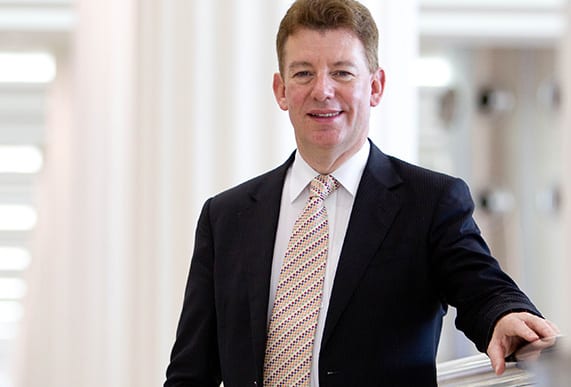
    The first CAPA Asia Pacific Airport CEO award has been given to Dubai Airports CEO Paul Griffiths for his ‘outstanding strategic thinking and innovative direction for the growth of their business and the industry.’

    The award was presented by CAPA Executive Director Peter Harbison in Singapore on 23 November, with Griffiths singled out for ‘successfully managing Dubai through a massive expansion programme and completing an unprecedented runway improvement project’.

    “In 2014 Mr. Griffiths oversaw one of the largest ever runway improvement projects, which required Dubai to operate with only one runway for three months,” said Harbison. “Despite the runway closures, Dubai was able to overtake Heathrow in 2014 as the world’s biggest international airport as passenger throughput increased by 6% to 70.5 million.”

    Paul Griffiths - Dubai Airports CEO

    Dubai Airports CEO Paul Griffiths.

    Now in its thirteenth year, CAPA’s Aviation Awards for Excellence are intended to reward airlines and airports that are not only successful, but have also provided industry leadership in ever-changing environments.

    In its tribute to Griffiths, CAPA noted that much of the UAE’s economic success comes from the performance and growth of Dubai International where he became CEO of Dubai Airports in 2007.

    He has since managed the airport’s successful launch of T3 (2008) and is now in the process of overseeing a $7.8bn expansion plan, including Concourse D which will open in 2016 providing 32 additional gates.

    This will increase Dubai’s passenger handling capacity from 75m to 90m. Griffiths is also heading up the ongoing operation and development of Dubai World Central (DWC), which will eventually become the world’s largest airport with an ultimate capacity of 240m passengers.

  • Ever-Glory in sales slump

    Ever-Glory in sales slump

    Nasdaq-listed, Chinese fashion retailer Ever-Glory International Group has reported a third quarter plunge in same store sales of 21 per cent.

    Wholesale sales fell 10.9 per cent with total company revenue down 15.3 per cent to US$118.6 million.

    Wholesale sales fell the most in Mainland China, Germany and Japan and in European markets in general.

    The company operated 1188 stores at the end of September, compared to 1137 a year earlier.

    Gross profit decreased 4.4 per cent to $32.3 million, compared to $33.8 million last year, with gross margin up 310 basis points to 27.3 per cent compared to 24.2 per cent last year.

    Gross profit for retail business increased 3.6 per cent to $22.4 million. Retail gross margin increased 1130 basis points to 47.5 per cent from 36.2 per cent.

  • BDO firms up tie-up with Japanese banks

    BDO firms up tie-up with Japanese banks

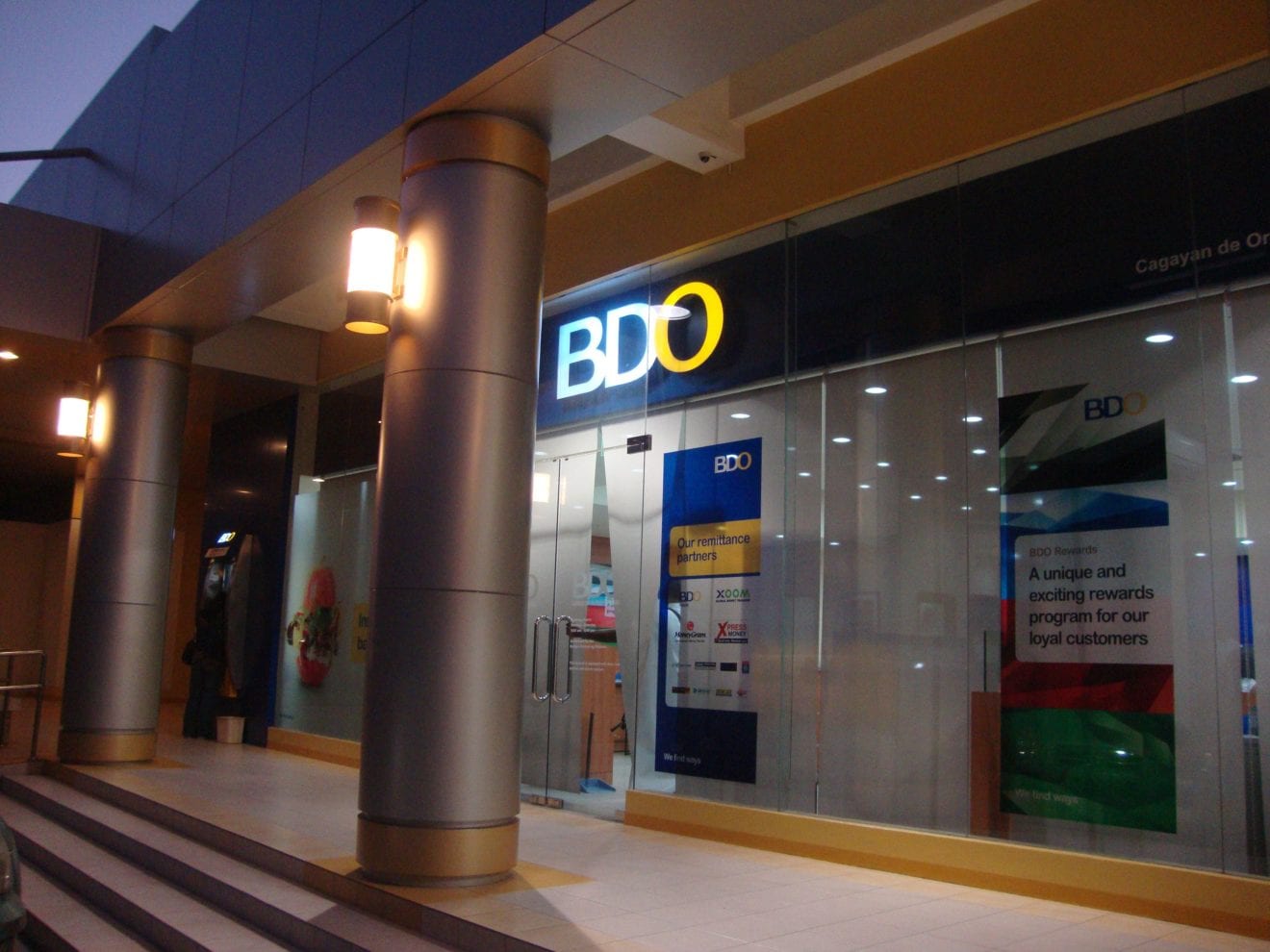
    BDO Unibank, Inc. (BDO) and FIDEA Holdings Co., Ltd. (FIDEA Group) further strengthened their business relationship through a memorandum of understanding (MoU) that will allow BDO to provide support to FIDEA’s clients who plan to invest in the Philippines.

    FIDEA is a joint holding company between major Japanese regional banks The Shonai Bank, Ltd. (Yamagata prefecture) and The Hokuto Bank, Ltd. (Akita prefecture).

    Both banks have partnered with BDO Unibank under the Japan Bank for International Cooperation (JBIC) framework in 2013. Said framework was developed to support the banking needs of Japanese enterprises eyeing the country as a business destination.

    The partnership with the FIDEA Group will provide BDO Unibank adequate coverage in Japan’s northern region (Tohoku), specifically in Akita, Yamagata, and Miyagi prefectures where majority of the primary industries (agriculture, fishing, forestry, mining) are located.

    As a leading player in the local banking sector, BDO Unibank can provide the Japanese clients financial and non-financial advisory services, and other products and services that would be helpful to them should they decide to set up shop in the Philippines.

    Since 2007, BDO has established a fully staffed Japan Desk, with Japanese-speaking personnel, dedicated to market and service Japanese companies operating in the Philippines, and service the retail needs of Japanese customers.

  • Isetan Singapore losses mount

    Isetan Singapore losses mount

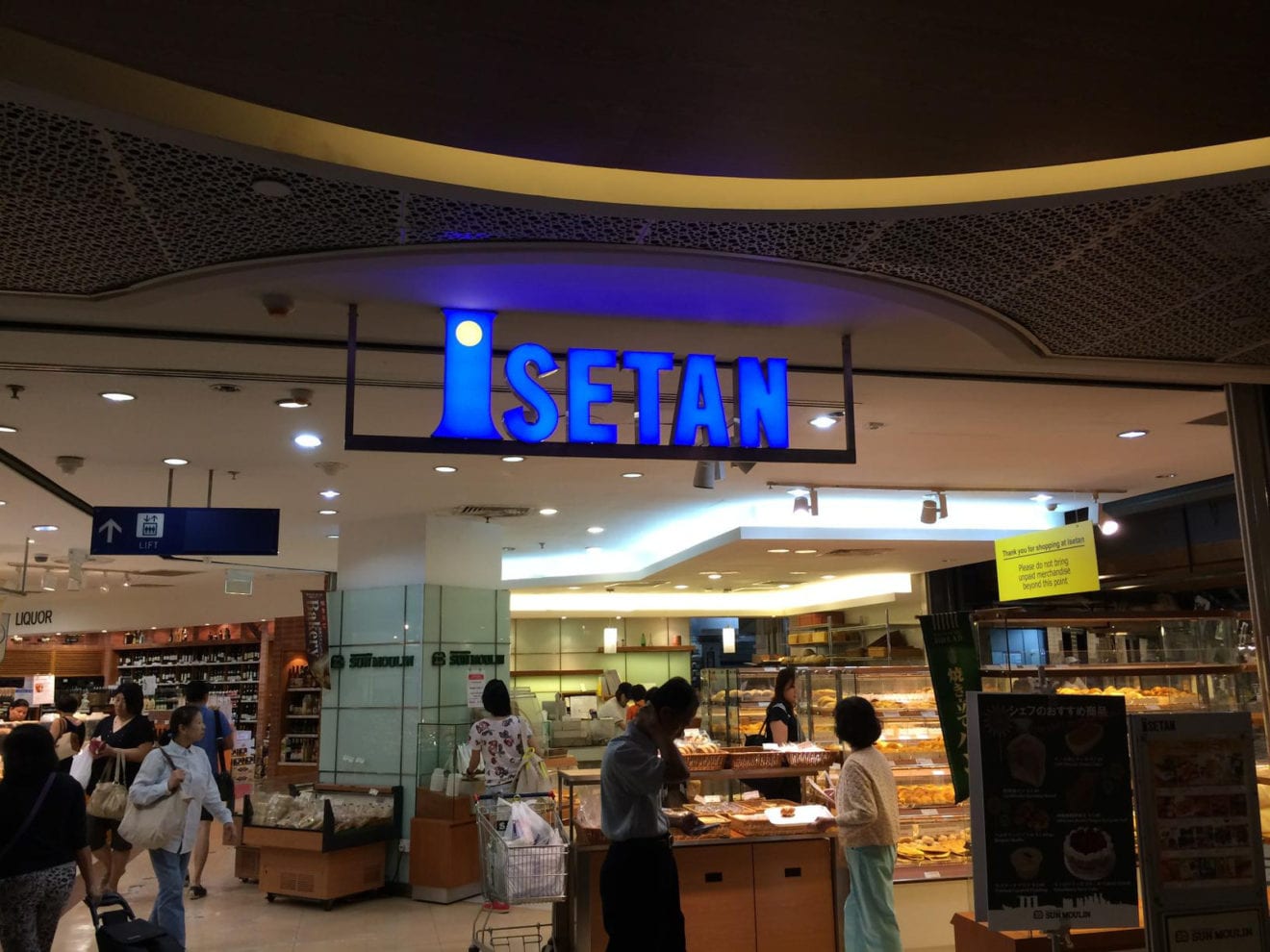
    Isetan Singapore has reported a third straight quarterly loss. The high profile, Japanese-owned four store strong department store chain has more than doubled its loss of the same quarter last year.

    The company says sales were down in all of its stores, a trend evident in the results of other locally listed retailers in recent weeks including Metro and FJ Benjamin, and even Courts whose Singapore sales were down despite a significantly increased profit.

    In the three months to September 30, Isetan Singapore lost S$6.15 million. That compares with a $2.93 million loss in the same quarter last year and a $5.85 million loss in the preceding quarter to June 30.

    Sales fell 14 per cent year on year to $68.71 million, partly due to the March closure of its Isetan Orchard store at Wisma Atria. (The company will now lease that space to various retailers.)

    “With the exception of Isetan Jurong East which is still experiencing growth in sales, the other stores had lower sales,” Isetan Singapore said in a statement.

    “Moving forward, the slower economic growth may impact sales and the trading environment is expected to remain very competitive among retailers.”

  • Sinarmas Land eyes Reit to unlock value of Indonesian investments

    Sinarmas Land eyes Reit to unlock value of Indonesian investments

    Sinarmas Land is looking to unlock the value of its investment properties in Indonesia by spinning them into a real estate investment trust (Reit) but has not decided on whether to list in Singapore or Jakarta, with tax benefits on offer likely to be a key determinant.

    “The unlocking of recurring income assets into a Reit is something which we will definitely look into in the next 12 to 18 months,” executive director Robin Ng told The Business Times.

    “Whether it is going to happen in Indonesia and Singapore, we do have the vision to make it happen. However, we are unable to commit to a certain timeframe as this will be largely driven by market conditions.”

    About S$70 million of Sinarmas Land’s annual revenue is derived from recurring income-generating properties in Indonesia. Some of these office and retail properties will be injected into the Reit while some others could be granted under an option for the Reit to acquire in the future, according to Mr Ng.

    “In the past, we’ve looked at a potential listing in Singapore. But now, Jakarta has a possibility of growing its Reit listing business, so we will definitely compare the pros and cons of the two markets,” he added. “It all depends on how efficient the Indonesian government rolls out its double-taxation relaxation rules.”

    All of Sinarmas Land’s properties and assets, including investment properties, are held at historical cost on its balance sheet. “Any restructuring of our portfolio to bring it into a Reit will definitely enhance share-holders’ value through the mark-to-market valuation of these assets that we own,” Mr Ng said.

    Like its peers in Indonesia, Sinarmas Land has been holding back from a Reit listing of its Indonesian assets in Jakarta given the hefty capital gains tax that it would have otherwise incurred for revaluing its assets. Many Indonesian firms have not revised the value of their assets for years to avoid paying a 10 per cent tax on the incremental value. Dividends paid to Reits’ investors by special purpose companies holding the underlying assets were also taxable.

    But this is changing with recent policy changes announced by the Indonesian government to spur the growth of a Reit market there. Indonesia had in October announced incentives aimed at encouraging firms to revalue their fixed assets and set up Reits by scrapping double taxation that may apply to such businesses.

    Mr Ng said that the group is still awaiting greater clarity on the implementation guidelines from the Indonesian government. If the new structure works out well, the group will soon be talking to tax advisers and bankers on how to restructure its assets.

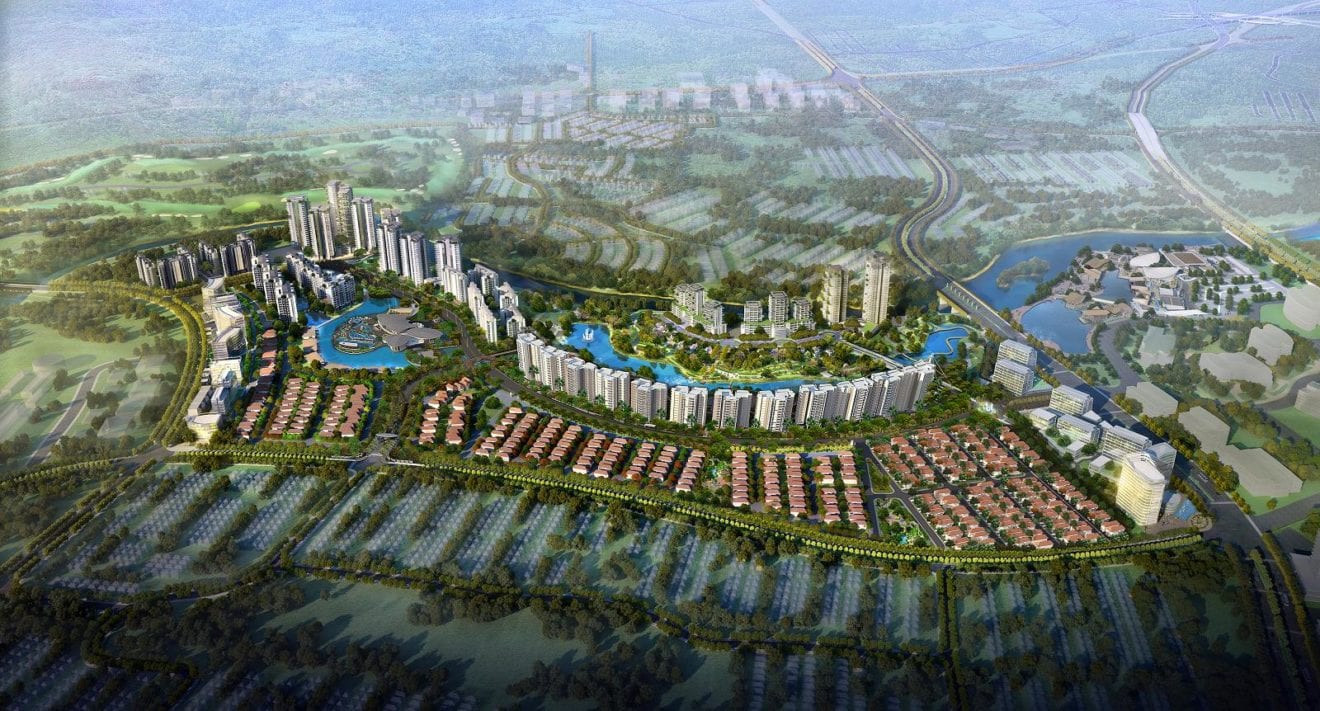
    Its Indonesian portfolio of recurring-income assets comprises six offices (Sinar Mas Land Plaza in Jakarta, Surabaya and Medan, Green Office Park in integrated development BSD City, Wisma BCA and Wisma Eka Jiwa), 14 ITC brand retail malls and The Breeze mall in BSD City, Le Grandeur hotels in Jakarta Balikpapan, golf resorts and resort parks.

    Even though commercial Reits in Singapore are mainly trading at a discount to revalued net asset value, Mr Ng said that the group has not ruled out listing the Reit in Singapore yet. But news of the new Indonesian tax incentives have already prompted some property developers to express interest in issuing Reits in Indonesia. Lippo Group CEO James Riady told the press last month that Lippo Group plans to transfer its two Reits – Lippo Malls Indonesia Retail Trust and First Reit – worth a combined 35 trillion rupiah (S$3.6 billion) from Singapore to Indonesia.

    Sinarmas Land, part of Indonesia’s Widjaja family-founded conglomerate Sinar Mas, still derives its revenue predominantly from Indonesia.

    In August, it turned away from becoming a strategic investor in the stalled listing of China’s Kailong Reit in Singapore, an investment that would have offered the group immediate exposure to mainly business space assets in Shanghai and provide further income diversification. Kailong Reit’s sponsor KaiLong Holdings, part of a Shanghai-based private equity firm, was reportedly not making much headway in finding interest from other investors in the Reit.

    “We have dropped out of that investment opportunity. As of now, there has not been a re-opening of discussions with Kailong Reit,” Mr Ng said. Other than some 10 per cent of units left to sell in its Shenyang residential project, the group has no landbank left in China but hopes to enhance its presence there by focusing on residential sites in first-tier cities.

    “We do not rule out M&A opportunities in China by acquiring a direct stake in a company or Reit because that gives us immediate ownership of a portfolio of properties,” he added.

  • Honeybunch Handmade opens in Hong Kong

    Honeybunch Handmade opens in Hong Kong

    New Zealand handmade soap company Honeybunch Handmade has opened its first own brand store in Hong Kong.

    Honeybunch Handmade is a brand owned by Soap Opera Productions, which has been supplying a Mainland China retailer with products for several years. Such is the popularity of the products, that retailer has grown from a single store to more than 20.

    Now the New Zealand company wants to trial marketing its products under its own brand and has chosen Hong Kong as the launchpad.

    The new retail store at Aberdeen St in Central sells handmade soaps, body care products and floral bouquets. The company claims its soap and bodycare products are 100 per cent handmade, using natural ingredients from New Zealand, and infused with pure Manuka honey and goat’s milk.

    Honeybunch Handmade

    MD Lisa Jolly says through the Mainland business partnership, her company gained the know-how and expertise in developing soap products that are suitable for the Chinese market.

    “Therefore we decided to launch our own brand in Hong Kong. Hong Kong is an international city famous for its breadth of retail choices. It gives new brands great exposure to residents, business traders and visitors. It is the best place from which to promote our New Zealand handmade gift and floral concepts to the world,” Jolly said.

    “I am impressed with Hong Kong’s fabulous logistic services. It offers exciting opportunities for us to extend our customer reach beyond Hong Kong through eCommerce. Our online store supports delivery to worldwide customers.”

    Associate director-general of investment promotion, Dr Jimmy Chiang, said Soap Opera Productions has extended its business model from a manufacturer to a retailer and InvestHK  is happy the company has chosen Hong Kong as its first overseas location.

  • 1,100 Japanese tourists visiting Indonesia

    1,100 Japanese tourists visiting Indonesia

    As many as 1,100 Japanese visitors, including businessmen, parliamentarians and government officials, have just arrived in Jakarta, as an evidence of cooperation on the visa-free policy between Indonesia and Japan.

    The Japanese tourists are being led by the chairman of the Indonesia-Japan Parliamentary League, Toshihiro Nikai, Foreign Affairs Minister Retno LP Marsudi told ANTARA News here.

    According to the minister, President Joko Widodo (Jokowi) was scheduled to have a get together with these 1,100 Japanese tourists at a reception in Jakarta on Monday evening. The visit is aimed at increasing the people exchange programs between the two countries.

    Indonesia has issued a policy which offers visa free facility to people in 75 countries for a short term visit to Indonesia.

    Under the new policy, Indonesia offers a visa free facility for short term visits to those from South Africa, Algeria, the United States, Angola, Argentina, Austria, Azerbaijan, Bahrain, the Netherlands, Belarus, Belgium, Bulgaria, Czech Republic, Denmark, Dominica, Estonia, Fiji, Finland, Ghana, Hungary, India, Britain, Ireland, Island, Italy, Japan, and Germany.

    Also, Canada, Kazakhstan, Kyrgyzstan Croatia, South Korea, Kuwait, Latvia, Lebanon, Liechtenstein, Lithuania, Luxembourg, the Maldives, Malta, Mexico, Egypt, Monaco, Norway, Oman, Panama, Papua New Guinea, France, Poland, Portugal, Qatar, China, Romania, Russia, San Marino, Saudi Arabia, New Zealand, Seychelles, Cyprus, Slovakia, Slovenia, Spain, Suriname, Sweden, Switzerland, Taiwan, Tanzania, Timor Leste, Tunisia, Turkey, United Arab Emirates, Vatican, Venezuela, Jordan, and Greece.

  • Hermes Asia sales rise despite downturn

    Hermes Asia sales rise despite downturn

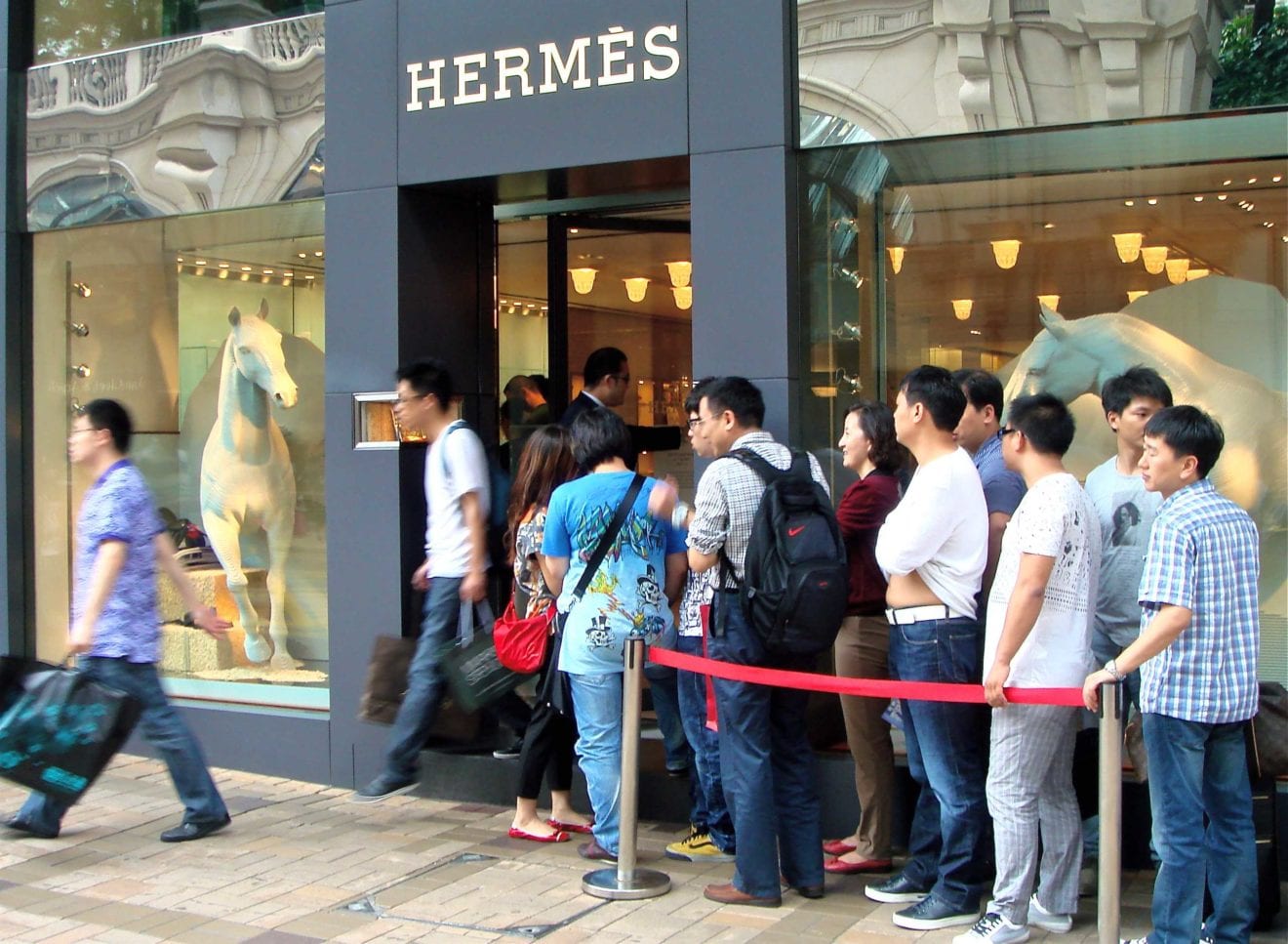
    French luxury label Hermes has managed to increase its sales in Asia despite the challenges in Hong Kong and the Mainland.

    The company says it achieved five per cent sales growth during the first nine months of this year in Asia excluding Japan – where sales rose a whopping 19 per cent.

    The Hermes Asia performance was due to the opening of the Maison Hermès in Shanghai in September 2014. Sales in the region improved “in spite of a difficult context in Hong Kong, Macao and to a lesser extent in continental China”.

    Globally, the brand posted sales growth of 19 per cent at current exchange rates and nine per cent at constant exchange rates, consolidated revenue reaching €3.443 billion.

    The brand’s leather goods and saddlery products grew the most – up 12 per cent – sustained by the increase in production capacities at two new sites in Isere and Charente.

    Dynamic sales in ready-to-wear and accessories –  up nine per cent – stem mainly from the success of fashion accessories and the latest ready-to-wear collections.

    The silk and textiles division grew by three per cent, despite challenges in China, and the perfume division rose six per cent.

    Watch sales fell two per cent, largely due to the category’s decline in Asia, excluding Japan.

    Gold jewellery sales helped its ‘other’ category to achieve 12 per cent growth.

    Hermes says despite the economic, geopolitical and monetary uncertainties around the world, the group is sticking with its medium-term goal for 2015: revenue growth at constant exchange rates of eight per cent.

  • Lenovo opens first flagship store in Indonesia

    Lenovo opens first flagship store in Indonesia

    PT Lenovo Indonesia has opened its first flagship store in Indonesia, located in Ratu Plaza Jakarta, providing customers with an integrated one-stop service for all products of the US-based gadget and computer manufacturer.

    Lenovo Indonesia’s general manager Rajesh Thadani said that the flagship store was different from Lenovo’s existing retail locations in Indonesia in which all of Lenovo’s products, from smartphones to PCs were rarely sold in one convenient location.

    “With this flagship store concept, we can provide our customers with all Lenovo products from servers, PCs, smartphones and tablets through end-to-end [sales],” he said as quoted by Kontan.co.id on Monday in Jakarta.

    Lenovo would open flagship stores in 12 large cities in Indonesia within the next three years, he added.

    “Three flagship stores will be opened in the next six months,” Rajesh said.

    He did not provide details on the investment that the company needed to open the three new flagship stores. However, he estimated that the amount would not be excessive as the company was cooperating with Intel and IT Gallery in opening the flagship stores.

  • Real Singapore retail sales slump 4.5 per cent

    Real Singapore retail sales slump 4.5 per cent

    Real Singapore retail sales – the data which excludes motor vehicles – slumped 4.5 per cent from August to September according to government data.

    Year on year sales fell 1.4 per cent, recorded Statistics Singapore.

    The total retail sales value in September 2015 was estimated at $3.4 billion, higher than the $3.2 billion in September 2014 (including motor vehicles).

    Singapore retail sales September 2015

    Sales of food & beverage services (seasonally adjusted) decreased 1.6 per cent in September over August and by 2.7 per cent year on year.

    The total sales value of food & beverage services in September 2015 was estimated at $629 million, lower than the $647 million in September 2014.

    Adding to the concern is that September was the month the city hosted the annual Formula One Grand Prix, traditionally a high driver of inbound tourists.

    The greatest impact on retail sales was a 12.3 per cent decline in sales of watches and jewellery and a 10.2 per cent fall in sales of recreational goods, month on month.

    Sales of clothing, footwear, medical goods, toiletries, optical goods, books, furniture, household equipment; and sales at mini-marts, convenience stores and department stores declined between 2.3 per cent and 8.8 per cent.

    On the upside, retail food and beverage sales, phones, computers and sales at supermarkets rose between 0.8 per cent and 1.7 per cent.

    Singapore F&B September sales 2015

    Year on year, sales at supermarkets, department stores and of medical goods and toiletries grew between 2.8 per cent and 3.9 per cent.

    Sales of optical goods, books, recreational goods, clothing, footwear, phones, computers, watches, jewellery, food, furniture and household equipment; and at mini-marts and convenience stores, declined between 0.4 per cent and 9.9 per cent year on year.

    In the restaurant and hospitality data, fast food sales rose 6.3 per cent year on year, while restaurants declined 7.2 per cent.