Author: Mei Ling Tan

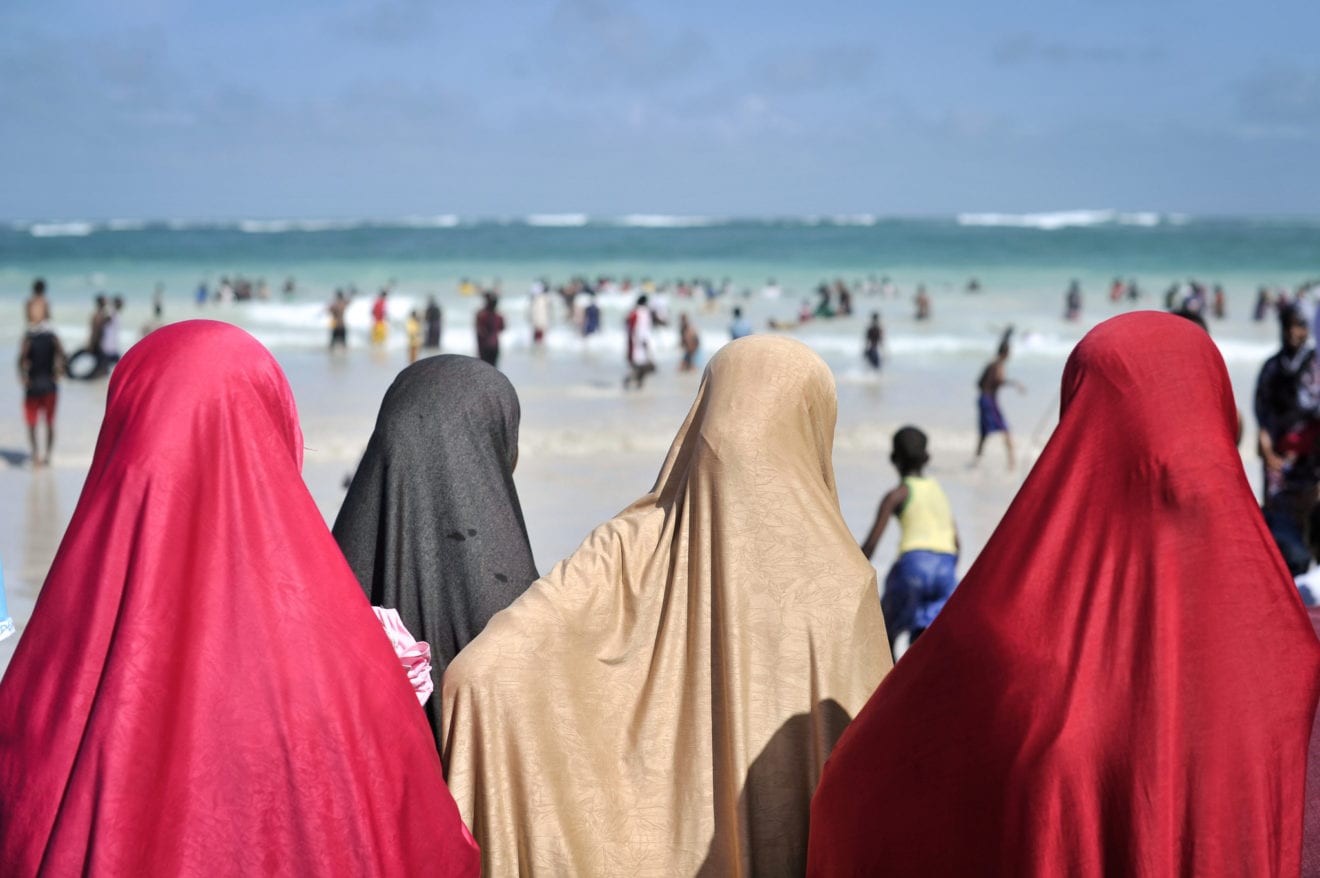
  • Bali governor opposes shariah tourism idea

    Bali governor opposes shariah tourism idea

    Bali Governor Made Mangku Pastika expressed disagreement to the idea of developing Shariah tourism on the island, citing fears that it could create potential problems.

    “I did not agree with it. It will only create problems. Just leave it as it is for now. It has all been going well so far,” he stated after attending a plenary meeting of the regional legislative assembly here on Tuesday.

    He pointed out that tourism in Bali has flourished so far.

    “Let us not think of strange ideas. It will only create problems. The people have lived peacefully under current conditions so far,” he emphasized.

    Chairman of the Shariah Economic Community (MES) Muliaman D. Hadad stated recently after inducting the MES Bali chapter that Bali is the right destination for developing Shariah tourism.

    “Bali is fit (for Shariah tourism). So, why not (develop it here). Seven million domestic tourists come to Bali in addition to three million foreign tourists. So, perhaps, there are businessmen here who wish to introduce it in cooperation with the regional government,” he affirmed.

    He said that Islam-based tourism has not only been developed in Arab countries but has also been promoted in Asian countries, such as Singapore, Malaysia, and Thailand.

    He pointed out that Thailand had recently won the title of the worlds best Islamic health service tourist destination at an event held in Dubai, United Arab Emirates.

    “This is indeed a business opportunity that needs to be tapped. In several cities, Islamic hotels and health service centers have already mushroomed. We have no other intention than to tap the business opportunity. We are talking about religion but also to boost the economy,” he remarked.

    Hadad, who is also chairman of the countrys Financial Service Authority (OJK), said the Shariah economy adopts approaches based on the concept of common welfare, so that it could be used by anyone, regardless of their religious background.

  • Indonesia Invests in KFX Project

    Indonesia Invests in KFX Project

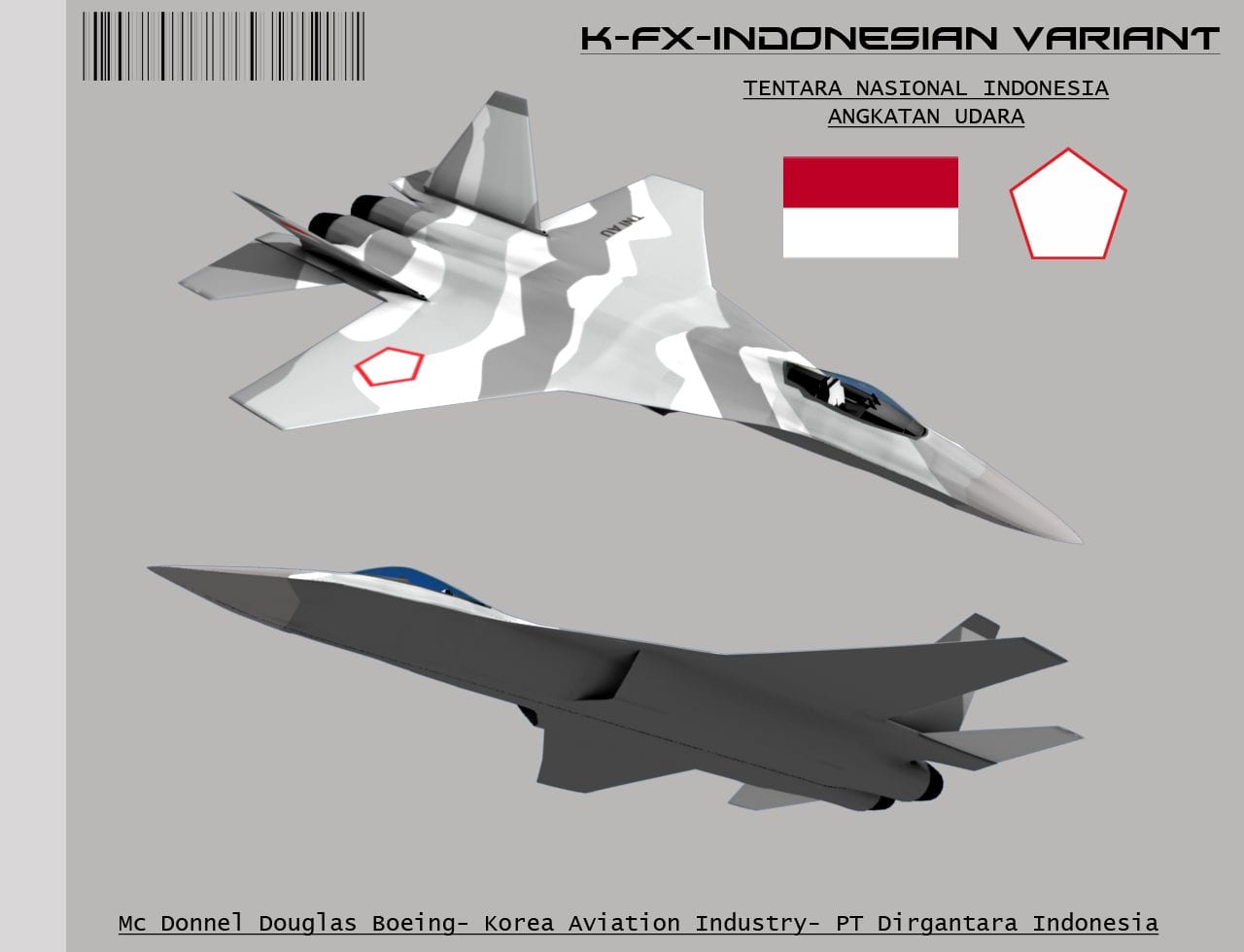
    Korea Aerospace Industries (KAI) signed a provisional contract with Indonesia for the country’s investment in the Korean Fighter Experimental (KF-X) project.

    According to the contract, Indonesia is to bear 20% of the system development cost associated with the KF-X project, which totals 8.67 trillion won, while obtaining a prototype and technical data in return for its participation in aircraft design and component production. The cost is to be shared by KAI and the Indonesian government and KAI and PTDI, Indonesia’ state-run defense company, are to be involved in work sharing.

    KAI is planning to start the development of the system within this year in contract with the Defense Acquisition Program Administration of Korea. At present, Indonesia is working on a similar program under the project name of IFX and is planning to import at least 50 fighter jets from Korea. A total of 18 trillion won is scheduled to be invested in the KF-X project and KAI is looking to sell more than 1,000 fighter jets through the project.

    In the meantime, KAI announced on November 22 that it is working on an autopilot system required for the fighter jets’ low-altitude infiltration and terrain crash prevention based on automatic topographical recognition. It added that it designed a flight control law so that the fighter jets can maintain a level flight under any circumstances.

    According to the KF-X project plan, air-to-air fighter jets are slated to be produced between 2025 and 2028 and air-to-sea and air-to-ground ones are added from 2028. The autopilot system is to be tested from the same year, too.

  • Asos Mobile Apps in China Go Live

    Asos Mobile Apps in China Go Live

    In a first for the UK’s largest independent online fashion and beauty retailer, ASOS has launched mobile apps for iPhone, iPad and Android to the Chinese market.

    Developed using retail technology specialist Red Ant’s award-winning RetailOS mobile commerce accelerator, the apps are:

    • Fully transactional mobile app designed specifically for the 700 million-strong Chinese smartphone user market
    • Feature rich and fully shoppable with hybris commerce platform and Alipay
    • Features include Catwalk for all products, access to personal profiles, wish lists and Chinese social sharing

    Red Ant’s CEO Dan Mortimer said: ‘As the UK continues to forge stronger and more profitable business relationships with China, we are delighted to be the mobile partner of choice in the Far East for one of the world’s most successful and reputable online retailers. The local knowledge and expertise of our team on the ground in Asia has been invaluable in developing an app which makes the most of the commercial opportunities presented by the world’s biggest mobile market.’

    ASOS’ General Manager – China, Daniel Jenks, said: ‘ASOS is dedicated to delivering the best possible experience to our customers in China, and the launch of our apps, backed by Red Ant’s expertise, is a significant step towards ensuring they receive a high-quality, mobile-first service which meets all of their needs in an increasingly sophisticated marketplace. We’re delighted with the results so far and in the space of a few weeks, app downloads and sales have exceeded our expectations to form a substantial mix of our sales.’

  • A London Vending machine launched accepts out-of-circulation bills and a range of coins

    A London Vending machine launched accepts out-of-circulation bills and a range of coins

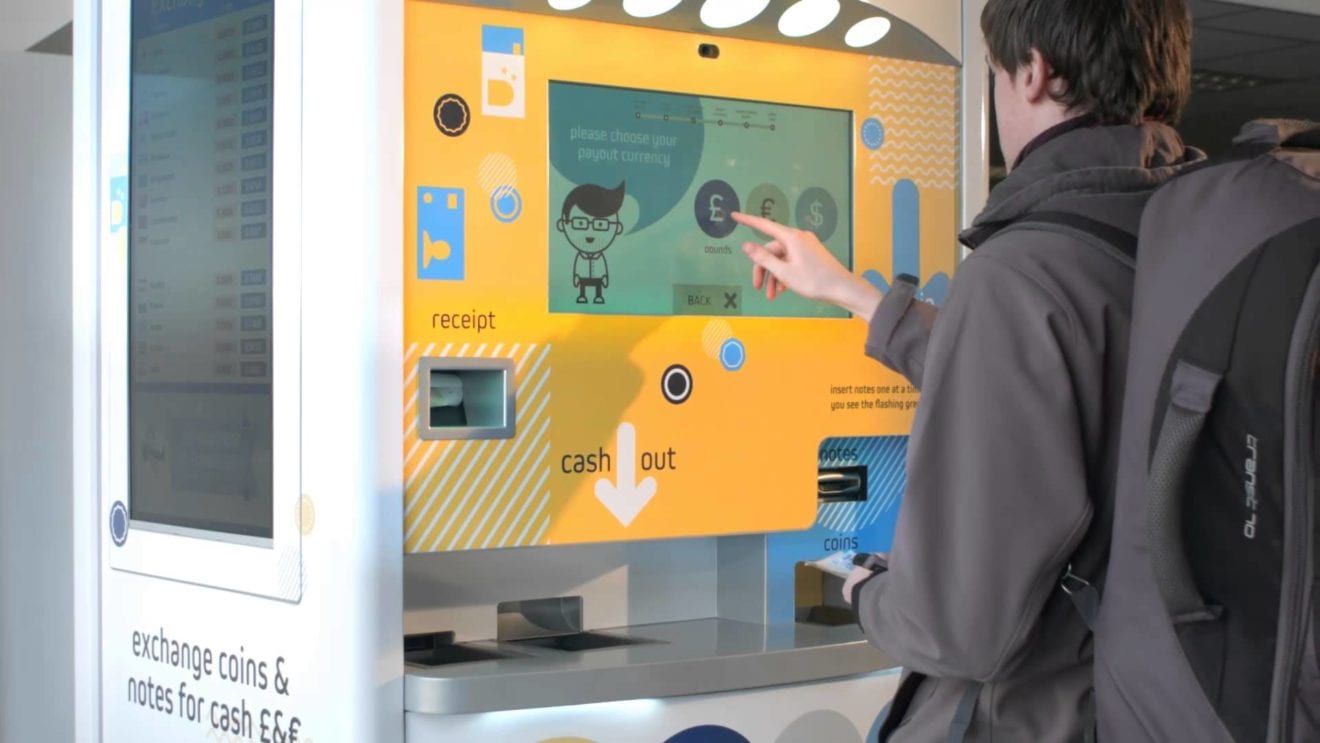
    A self-service vending machine developed by two British-based, South African entrepreneurs converts currencies from as many as 150 countries into dollars pounds, or euros. The company, Fourex, led by the entrepreneurs has planned to introduce the machines next month at busy locations such as shopping centers and transport hubs across London which shall include Canary Wharf tube station. The vending machine is uniquely different from existing automated teller machines since it accepts out-of-circulation bills from the past 30 years, including old European currencies. The developers are looking to create an impact on the retail foreign exchange business which includes majors such as Thomas Cook & Travelex.

    The machine which is planned by the company to expansible to up to around 400 high-traffic locations across Britain in the next couple of year, offers promising prospects to travelers across the world. They may be able to get themselves clear of collection of coins which are rendered useless over time and bills in various foreign currencies including old Deutsche marks.

    According to Oliver Du Toit, who is a co-founder of the money exchange technology firm stressing on the versatile applications of the machine said “Everyone has a drawer of money that is essentially worthless. We have a machine that recognizes almost any coin or banknote in the world.”

    The vending machines could accept even the smallest denominations, covering a vast range of currencies with no implicit fees or any sort of commissions. Technologically, it functions by capturing high-resolution of so called “digital fingerprints” of as many as 200 currencies, which includes as many as the variants of 4,000 coins.

    Self-services technology which majorly covers ATMs, vending machine & kiosk serve a range of functions and the market would get traction owing the rising adoption of these machines by consumer goods & services sector industries such as healthcare, banking, retail, and F&B. There are many reports in the market which offer an insight into the current market dynamics & future growth opportunities of the self-services technology. Recently, Big Market Research has added a report titled “Global Self Services Technologies Market (ATM Machines, Kiosk Machines, Vending Machines, Geography)”. The report offers in-depth insight into key drivers and restraints, market profile of key market players along with the strategies adopted by them to consolidate their presence in the market. As per the report North America is the major market for self–service technology, followed European and APAC region.

  • Drought holds back Thailand’s retail store expansion

    Drought holds back Thailand’s retail store expansion

    Sales have fallen at all but one of Thailand’s major supermarket retailers as the worst drought in a decade strikes at the heart of the farming sector – the backbone of the rural economy – and frustrates plans to open more stores in the provinces.

    Big C Supercenter, Thailand’s second-biggest hyper mart chain after Tesco PLC, suffered a 5.2 percent slide in third-quarter same-store sales growth (SSSG) from a year earlier, the most among its peers. About half of Big C’s sales come from the country’s interior where consumers are concerned about drought, low crop prices and a weak economic outlook, analysts say. Tesco’s Thai unit does not report quarterly SSSG numbers.

    Big C, majority-owned by Casino Group in France, has reduced its pace of expansion like many other cautious retailers. That’s in sharp contrast to the sector’s aggressive expansion plans just a few years ago.

    CP All, controlled by billionaire Dhanin Chearavanont, is taking a different tack. The operator of Thailand’s 7-Eleven stores is forging ahead with its expansion, partly to help offset slower sales at existing stores. That strategy seems to be working – same-store sales rose 1.6 percent in the third quarter. CP All was also the only retailer with any growth in sales. The company plans to open at least 600 stores a year to increase the total number of stores to 10,000 by 2018.

    Analysts say retailers’ earnings have bottomed in the third quarter, with government measures in place to stimulate consumption in the fourth quarter. That sentiment is reflected in a pickup in consumer confidence in October, the first rise in 10 months. But the road to recovery may be long, as overall consumption could be dragged down by falling farm incomes next year. Weather forecasters say parched conditions could persist through 2017. The agricultural sector is the country’s largest employer, accounting for 32 percent of Thailand’s labor force.

    “The impact of the drought will last for a long time, and that will drag down upcountry incomes and the sector’s SSSG,” said Worrapong Tuntiwutthipong, analyst at Krungsri Securities in Bangkok. “CP All will outperform others in terms of SSSG and earnings growth. Overall, consumption should remain weak, and SSSG will be at low single digits of 1-3 percent in 2016 from 0-1 percent this year.”

  • China retail giant Beijing Hualian plans Singapore REIT listing

    China retail giant Beijing Hualian plans Singapore REIT listing

    Chinese retail giant Beijing Hualian looks set to be the first mainland company to list a real estate investment trust (REIT) in Singapore, following the filing of a draft prospectus by one of its units.

    BHG Retail Trust Management said on Monday (Nov 23) that it has lodged a preliminary prospectus for BHG Retail REIT with the Monetary Authority of Singapore for an offering on the main board of the Singapore Exchange.

    BHG Retail REIT plans to sell a total of 150.13 million units through placement and to institutional and retail investors at S$0.80 each to raise around S$120 million.

    In addition, Beijing Hua Lian Group (Singapore) International Trading has come on board as a strategic investor, agreeing to subscribe for 148,310,300 units, while Beijing Hualian Mall (Singapore) Commercial Management (BHG Singapore), has agreed to subscribe to 24,636,300 units.

    BHG Retail REIT has also found four cornerstone investors, China Hi-Tech Holding Company, China Life Insurance Company, China Merchants Bank Asset Management and Dr Chanchai Ruayrungruang.

    These cornerstone investors will subscribe for a combined 169,651,000 units.

    Altogether, BHG Retail REIT plans to raise gross proceeds of S$394.2 million.

    Based on the offer price, the REIT will have a market capitalisation of around S$597.2 million after its listing.

    BHG Retail REIT’s initial portfolio will comprise five retail properties in China with an aggregate GFA of approximately 263,688 square metres. DBS is the financial adviser, issue manager, bookrunner and underwriter for the proposed listing, while China International Capital Corporation is lead manager.

    Beijing Hualian is one of the largest operator of department stores and supermarkets in China. It also runs several department stores in Singapore under the BHG brand name.

  • Retail space in new Yangon theme park in hot demand

    Retail space in new Yangon theme park in hot demand

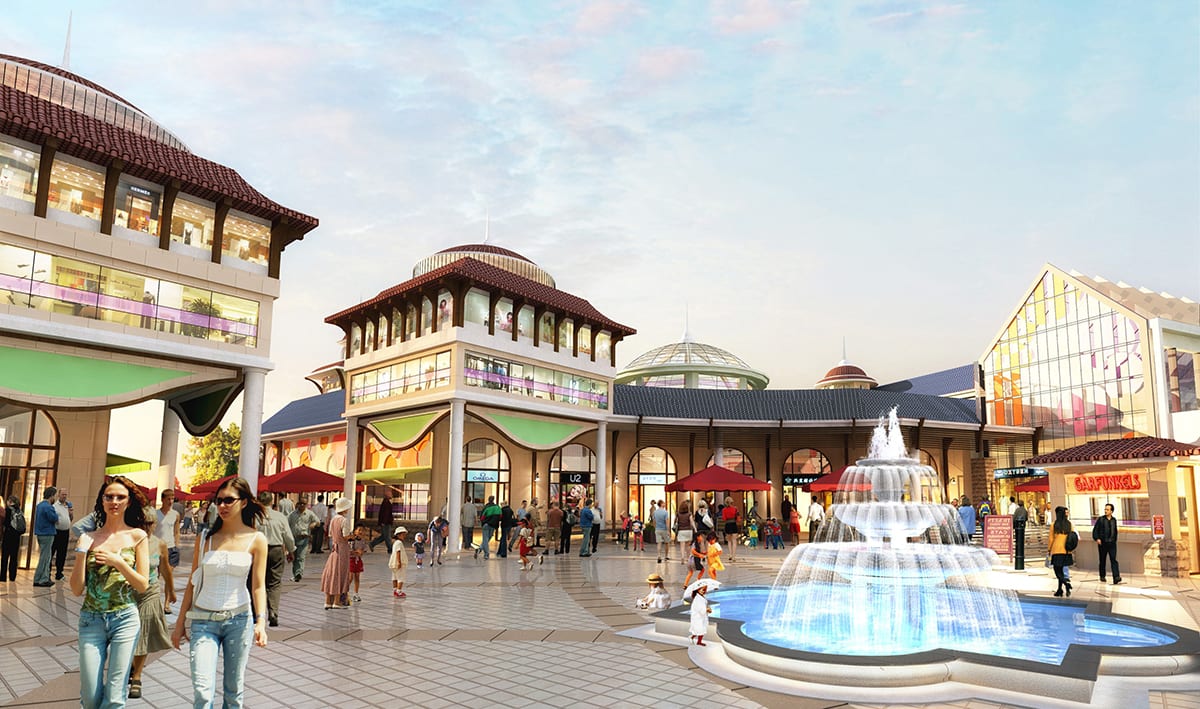
    A shopping centre due to open later this month in Yangon’s new Fun Valley Theme Park has been booked out by businesspeople hoping to capitalise on the amusement park’s popularity.

    The Kantharyar Shopping Centre will open on November 27 to include retail space, a supermarket, three cinemas, beauty salons and family KTV, said sales and marketing manager U Thet Htun Zaw.

    Of the 49 shops in the theme park, only two small spaces remain available for rent, he said, adding that retail space in the shopping centre is now fully booked.

    Phoo Pwint San Company opened the theme park in Yangon’s North Okkalapa township at the start of last month.

    Other than the outdated Happy World Amusement beside the People’s Park, this is the first theme park to open in Yangon and businesspeople are optimistic about its success.

    “I am very interested in opening a shop at Fun Valley,” said Ma Thae Su Win of War Sar Bi hot dog shop. “Children and adults alike love fast food.” However, she is unable to afford the rent, which must be paid a year in advance.

    Retail space costs K2000 to K4000 per square foot, depending on the location. Shops must hand over a year’s rent upfront, in addition to a deposit worth three months of rent.

    For now, entrance to the park is free, though fees of K500 to K1000 may be introduced later, said U Thet Htun Zaw. Rides cost between K1000 and K2000 and a water park will open soon.

    Since the park opened, it has had between 7000 and 8000 visitors, he said, adding that the company also has plans to open similar amusement parks in Mandalay and Taunggyi.

    “In North Okkalapa there are no good recreation options and some of the parks are not enjoyable to spend time in, so we decided to open the park here,” he said.

    “It’s aimed at both children and adults, and all of our games and rides are the latest editions.”

  • Virtual wardrobe tech comes to Singapore

    Virtual wardrobe tech comes to Singapore

    Technology from Metail, a United Kingdom fashion technology company is set to arrive in Singapore tomorrow as part of the company’s first Asian collaboration with new Indian fashion retailer abof.com. The new launch is understood to be in partnership with Singapore Press Holding’s e-commerce portal Shop.SheShops.

    According to Metail, 25% are put off online shopping because they are confused with sizing, with 44% returning clothes due to sizing issues. As it is, a majority of customers (62%) wish that images online would be more reflective of their own body shape.

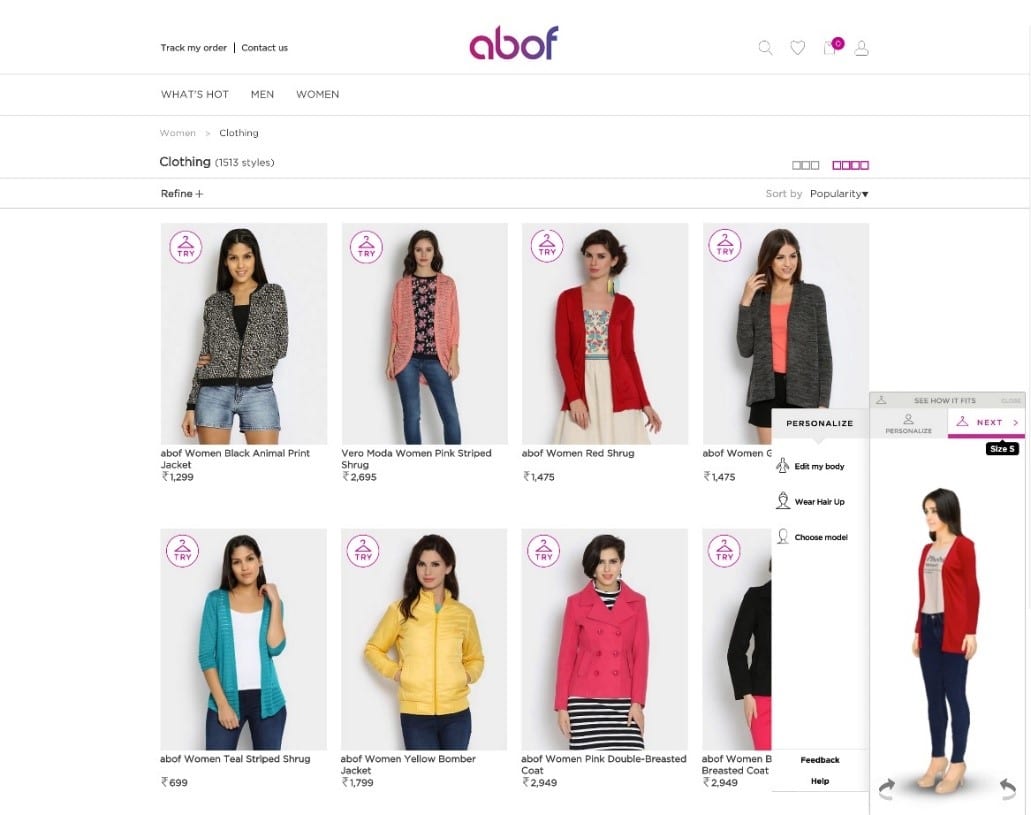
    The technology from Metail is an attempt to solve – or at least alleviate – these issues by allowing users to try out their clothes virtually. This is done by generating customized body avatars dubbed as “MeModels” sporting users’ vital statistics. According to Metail, the MeModel avatar is up to 92% accurate of the customer’s own body shape.

    The objective is to allow customers to better visualize an outfit prior to making the purchase. When browsing through clothing options, shoppers can see the avatar donning selected clothes in a small docked window at the side. This only works with clothing items tagged with a “Try it on” sign though.

    CMO Innovation gave the Metail demo a spin, and the site asks shoppers for vital statistics pertaining to their weight, height and bust. This is used to estimate waist and hips measurements, which can be tweaked if desired. A handful of models can be used as the base template for the avatar, while the hair type can also be tweaked slightly. Male MeModels are not available at the moment.

    It will be interesting to see how well the technology fares with fashion brands in the region, especially in costly retail locations such as Singapore and Hong Kong. Is the technology too nascent or too hard to implement on a wide scale for brands here? Or is it arriving at just the right time to address the growing propensity for online shopping by Millennials, or Gen Y customers.

    Inline image: Metail avatar donning a Halloween-themed Poison Ivy Dress

  • China pledges to boost retail, health and travel sectors to lift consumption

    China pledges to boost retail, health and travel sectors to lift consumption

    China will promote the development of the retail, health, travel and sports sectors in a bid to boost domestic consumption, the cabinet said on Sunday.

    In a statement on its website, the State Council said it will encourage financial institutions to accept a broader range of collateral for extending loans to “lifestyle-related businesses”.

    Other sectors that the government highlighted are service ones related to families and the elderly, culture, law, accommodation and catering as well as education and training.

    The State Council said the government will also expand consumer credit, improve the system of Internet payments and study the management of credit card fees “to further reduce overall expenses” related to their use. No details were given.

    The government will crack down on price-gouging as well the sale of counterfeit goods, and prosecute monopolies and businesses engaged in unfair competition, according to the statement.

    Top leaders have flagged a “new normal” of slower growth as it tries to shift the world’s second-largest economy to sustainable, consumption-led development.

    China’s economy is on track this year to grow at its slowest pace in more than two decades. Chinese growth dipped to 6.9 percent in the third quarter, the weakest since the global financial crisis, hurt partly by cooling investment.

    Earlier this month, the government said it will increase financial, fiscal and tax policy support to drive consumption.

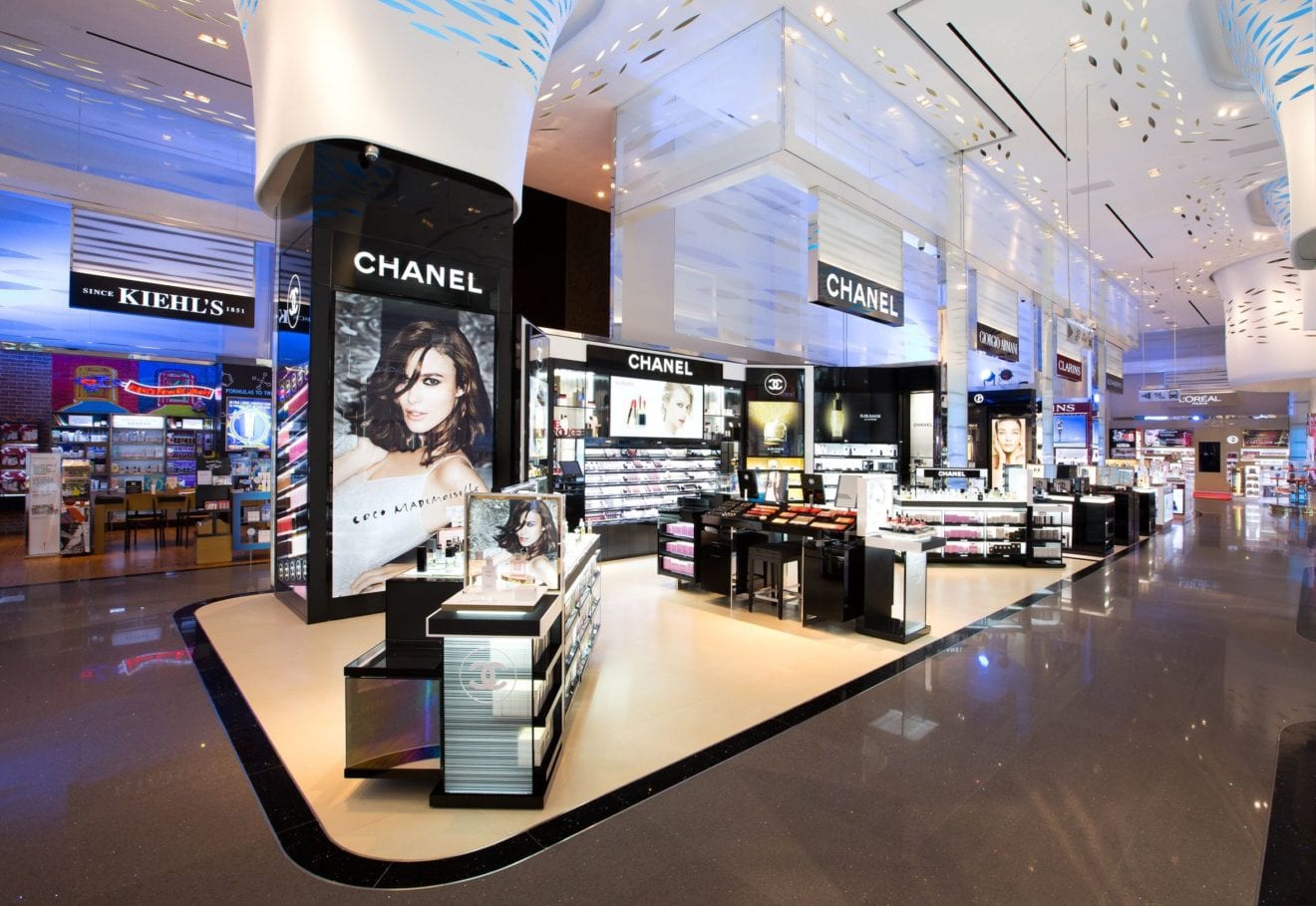
  • Duty-free industry in crisis of stagnation

    Duty-free industry in crisis of stagnation

    Thousands of jobs are under threat in the wake of the Korea Customs Service’s shock decisions last Saturday in awarding duty-free licenses in Seoul.

    Two major players had their licenses revoked. Lotte Group plans to close its World Tower branch in Jamsil, southern Seoul, that posted 500 billion won ($430 million) revenue last year, and SK Networks’ Walkerhill duty-free shop is being forced to cease operations after 23 years.

    The selection process for duty-free outlets has been criticized as it mandates renewal every five years. Some observers feel this goes against the Park Geun-hye administration’s creative economy drive, which has a key premise of creating jobs by letting companies freely enter promising industries.A total of 2,200 workers are on the verge of losing their jobs at the two operators.

    Regardless of the commitments, a sense of insecurity lingers among new and old duty-free store operators because of the uncertainty over duty-free license renewals in five years.Other affiliates under the Lotte Group umbrella have guaranteed that they will hire workers from the duty-free stores, and new operators – Doosan, Shinsegae and Hanwha (selected in the summer) – have promised to absorb those from SK.

    Han Gyeong-ran, 49, has worked at Lotte’s World Tower branch for 17 years. She is a sales manager at a small-size jewelry brand inside the outlet, but now that the entire store is shutting down in six months, she will lose her job because the jewelry brand is housed at the Jamsil outlet and not the Sogong branch, which will remain intact.

    “I am just at a loss, not knowing what to do to provide for my old age,” she said.

    “I don’t know how you could say getting rid of a company that has invested 300 billion won for a single duty-free outlet and depriving those employees of jobs is what the government describes as job creation.”

    Last year, when Lotte lost its duty-free license at Gimhae International Airport in Busan to Shinsegae and shut down the store, only half of the 390 Lotte employees were transferred to Shinsegae.

    “There are many lawmakers who have remained silent over the verdict this time on the duty-free shop licenses for fear of being mistaken as defending those companies that failed,” said Lee Hahn-koo, a lawmaker with the ruling Saenuri Party. “After proclaiming it would produce more jobs, the government is actually doing the opposite, which is preposterous.”

    Before the Park government introduced a new system in 2013 that put each license up for open competition every five years prior to expiry, renewal for downtown duty-free shops was a semi-automatic, rubber-stamping process for 10 years at a time.

    Martin Moodie, chairman of the Moodie Report, a U.K.-based online publication devoted to the global travel retail and duty-free sector, told some Korean media outlets in 2013 that weakening duty-free shops in their home market “seems a misguided and short-sighted step.”

    “The five-year deal is a disaster and will kill what little quality there is. The margin pressure on brands will get far worse, too,” a senior executive for one of the world’s leading luxury brands was quoted as saying by the Moodie Report on Sunday.

    He added that some leading brands may opt in the future to position themselves in Korean domestic stores with permanent high-quality environments rather than facing a potential change in duty-free retail partners every five years, given there is “no difference between Korean duty-free and tax-refund pricing [depending on foreign exchange rates].”

    Companies that had their license renewed or newly issued may not have time to celebrate as stumbling blocks lie ahead.

    A group of lawmakers led by Rep. Hong Jong-haak from the main opposition New Politics Alliance for Democracy has proposed a revision of a bill that will force duty-free store operators to pay 100 times the licensing commission they are paying now – from 0.05 percent of annual revenue to 5 percent.

    That means the Sogong branch of Lotte Duty Free will have to pay 10 billion won in commission to the Korea Customs Service each year after the revision, when it currently pays 1 billion, or 0.05 percent of the 2 trillion won annual revenue.

    If approved, the move will inevitably force duty-free shops to hike the prices of goods, which will lead to Korea becoming less attractive to tourists, particularly big-spending Chinese, and shrinking tourism to Korea.

    The Korean government’s process goes against systems in Europe and neighboring countries such as China, Japan and Taiwan, which have been ramping up their duty-free industry as its golden goose that draws huge foreign currencies.

    The Korean duty-free business has grown exceptionally in the last five years. Earnings from duty-free have exceeded that of China and the United States and held the No.1 spot since 2012. According to a survey by the Korea Tourism Organization, the biggest reason foreigners visit Korea was to shop. In fact, 72 percent of the poll picked shopping. As a result, the Korean duty-free business raised $7.78 billion last year.

    But a change in duty-free licensing regulations will force companies to become very cautious in their investment strategies and wary of business expansion.

    Lotte was not alone in heavily investing in expanding its duty-free business. Walkerhill recently invested 100 billion won in doubling the size of its duty-free stores. It was scheduled to open up next month.

    The licensing regulation is also likely to affect future plans, even for newcomers such as Doosan.

    “It takes a huge amount of investment when starting a duty-free business, and it takes a minimum of 10 years before it settles,” said Choi Young-soo, former chairman of the Korea Duty Free Association and former vice president of Lotte Hotel in charge of the duty-free business. “If you have to get government approval every five years, who would invest a large amount and even hire regular employees?

    “When doing business whose main customers are foreigners, whether a company monopolizes is meaningless. If we continue with such a policy, we will loose the Chinese tourists to the Japanese.”

    Han Enny, CEO of Enny Trading Corporation, which supplies cosmetics to duty-free stores including Lotte and Walkerhill, was frustrated at the recent licensing decision.

    “We have products shipping in that we plan on supplying to the duty-free stores next spring, but it seems we would have to cancel those orders,” Han said. “We have built our credibility for years just to get a contract with foreign companies, but it seems it’s all going to crumble.

    “Luxury companies’ products that have high demand from Chinese consumers make trade relations based on long-term trust, but if this continues, they wouldn’t be interested in opening up stores in Korean duty-free stores.”

    Other countries have been taking the opposite direction in their strategies as they have realized how lucrative duty-free businesses can be.

    Swiss duty-free retailer Dufry was ranked No. 2 in the world in 2013. But it recently became the biggest in the industry, bumping off previous No. 1 DFS, after buying another Swiss duty-free retailer that was ranked the world’s No. 7, Nuance Group, last year and adding Italy’s World Duty Free in August. LS Travel Retail, the French duty-free retailer and world’s No. 4, expanded further when it bought North American duty-free business Paradises in August.

    As of last year, the world’s top four duty-free companies accounted for 25 percent of the duty-free market, a sharp increase from the 16 percent in 2010.

    “The duty-free business in a core pillar in a country’s tourism industry development,” said Kim Seung-wook, a economics professor at Chung-Ang University. “The customs service agency needs to focus on lowering the entry level of duty-free stores and think more on ways to help foreign tourists open up their wallets, rather than focusing on regulations.”
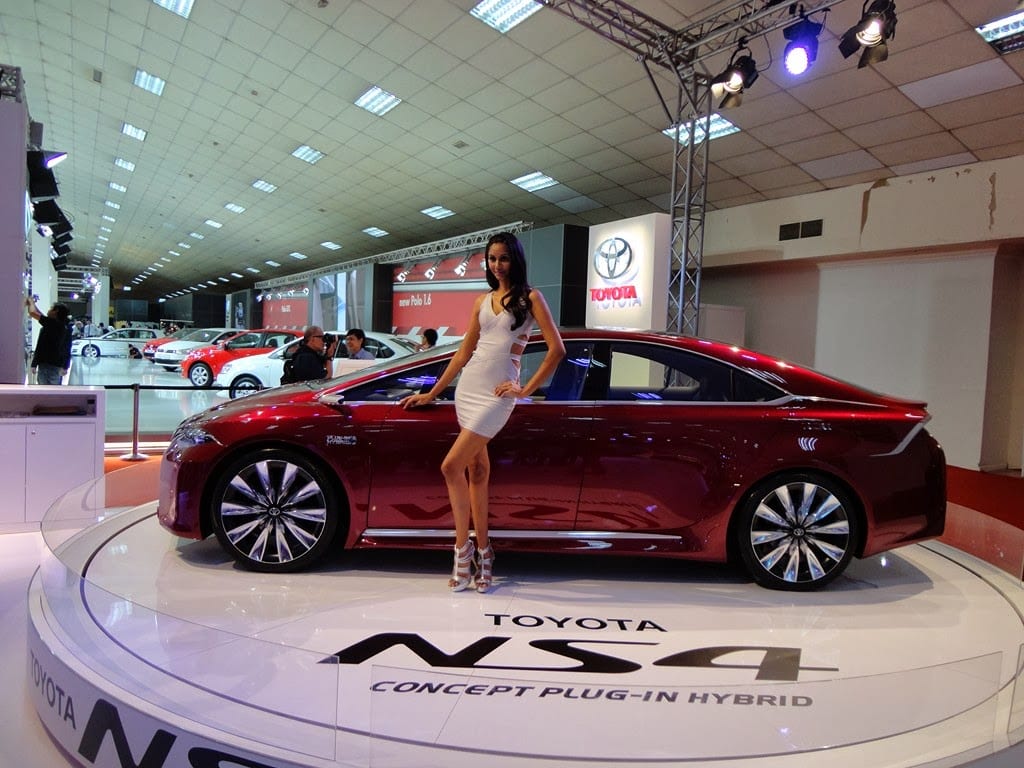
  • 2016 Toyota Innova launched at Guangzhou Auto Show

    2016 Toyota Innova launched at Guangzhou Auto Show

    Toyota Indonesia have launched the second generation Toyota Innova at the ongoing Guangzhou Auto Show in Indonesia for IDR 282 million. The new generation Toyota Innova is the third car from Toyota this year, after Toyota Hilux and the all new Toyota Fortuner.

    Moreover, the new generation Toyota Innova completes the company’s Innovative International Multipurpose Vehicles (IIMV) model changeovers.

    Toyota will launch the upcoming MPV in India next year and will be unveiled in the country at the 2016 Auto Expo in New Delhi.

    The Indonesia Toyota Innova is available in three trim levels- G, V and Q.

    Engine:

    The new-generation Toyota Innova 2016 is built on Toyota New Global Architecture (TNGA) platform.

    The new Toyota Innova will come with a 2.4L diesel engine producing maximum power output of 147bhp and maximum torque of 360Nm, mated to a five-speed manual transmission and a six-speed automatic transmission.

    Dimensions:

    The 2016 Toyota Innova will come with a wheelbase of 2800mm, and will be 4745mm in length, 1820mm in width and 1800mm in height.

    Design:

    The new Toyota Innova will come with a completely new design making it more appealing to the customers than the previous models.

    Toyota Innova

    The rear end of the 2016 Toyota Innova will get inverted L-shaped tail lamps with LED lights.

    The front portion of the new car will consist of projector headlights with integrated LED DRLs and will come with a large front hexagonal grille. The rear end of the 2016 Toyota Innova will get inverted L-shaped tail lamps with LED lights.

    Toyota Innova

    The front portion of the new car will consist of projector headlights with integrated LED DRLs and will come with a large front hexagonal grille.

    Moreover, the new Toyota Innova will consist of 17-inch alloy wheels.

    Features:

    The India bound Toyota Innova will come with  a cabin which is well-equipped with an 8-inch touchscreen infotainment system with voice control and Bluetooth connectivity, a multi-function steering wheel, a Smart Entry Key, and dual-zone climate control function.

    Toyota Innova

    The new Toyota Innova will come with a multi-function steering wheel, a Smart Entry Key, and dual-zone climate control function.

    Moreover, the new Toyota Innova 2016 also comes with Anti-lock Braking System (ABS), Electronic Brakeforce Distribution (EBD), with the top variant gets 7 airbags and Hill Start Assist.

    Toyota Innova

    The India bound Toyota Innova will come with a cabin which is well-equipped with an 8-inch touchscreen infotainment system with voice control and Bluetooth connectivity.

    Competition:

    The 2016 Toyota Innova will rival the Renault Lodgy and Maruti Suzuki Ertiga in India.

    Price:

    We estimate the 2016 Toyota Innova to come with a price tag of Rs 13 lakh- Rs 20 lakh (ex showroom Delhi).


  • E-commerce market on path of growth

    E-commerce market on path of growth

    Computer and electronics, beauty and cosmetics as well as fashion are potential categories for e-commerce in Thailand. The Thai e-commerce market in 2014 was valued at Bt2.03 trillion, with business-to-business (B2B) deals worth Bt1.23 trillion, business-to-consumer (B2C) valued at Bt0.41 trillion and business-to-government (B2G) valued 0.31 trillion.

    Surangkana Wayuparb, the chief executive officer of Electronic Transactions Development Agency (ETDA), said that the agency has spent seven months conducting the e-commerce survey, covering all industries in Thailand, representing 502,676 people from eight sectors: manufacturing, retail and wholesale, transport, accommodation, information and communication, insurance, art, entertainment and recreation as well as other services.

    B2B e-commerce was valued at Bt1.230 trillion, a contraction of 0.33 per cent over 2014, while B2C was valued at Bt474,648.91 million, a growth of 15.29 per cent over 2014 and B2G was valued at Bt402,883.74 million, growing 3.96 per cent year on year.

    “It is a huge opportunity for e-commerce business in Thailand since the new Thai generation believes in shopping via online channels. The 4G will also be a factor in driving the growth of the e-commerce market in Thailand,” said the CEO.

    The e-commerce market in Thailand was worth Bt2.03 trillion in 2014 of which B2B was worth Bt1.234 trillion or 60.69 per cent, followed by B2C Bt411,715 million or 20.25 per cent and B2G valued Bt387,552 million.

    In 2015, the top three industries expected to generate the most e-commerce are accommodation services, worth Bt658,909.76 million or 38.4 per cent, followed by manufacturing, valued at Bt350,286.83 million or 20.4 per cent, as well as retail and wholesale industry, valued at Bt325,077.48 million or 19 per cent.

    She also said that the top three industries that |gained the highest e-commerce value in 2014 were accommodation services valued at Bt530,159.13 million or 38.1 per cent, followed by manufacturing valued at Bt440,614.78 million, gaining 26.6 per cent, and information and communications valued at Bt264,863.74 million, growing 19.11 per cent.

    Computer and accessories, cosmetics and beauty as well as fashion are the three top categories for online retail and wholesale business.

    Art and entertainment business, games online, music and e-movies are the main categories in the online entertainment business.

    Surangkana said that the global and domestic economies are factors in driving the e-commerce market in Thailand and the government incentives or tax privileges will play a part in driving the e-commerce market of the country as a whole.

    She said that the top four online transactions for e-commerce business in 2014 were e-banking at 54.25 per cent, followed by credit and debit card 22.39 per cent, mobile payment at 14.53 per cent, and others at 8.83 per cent.

    However, mobile payment has high potential for growth because the modern lifestyle will mean using mobiles to pay transaction fees in the near future.

    She said that the total US B2C e-commerce market was valued at US$359.3 billion in 2014. Meanwhile, China’s B2C market was worth $322.1 billion. Japan and Korean were valued at $118.59 billion and $25.4 billion, respectively.

    Thailand and Malaysia had B2C market valued at $11.7 billion and $9.6 billion respectively.


  • AirAsia X to resume Delhi flights

    AirAsia X to resume Delhi flights

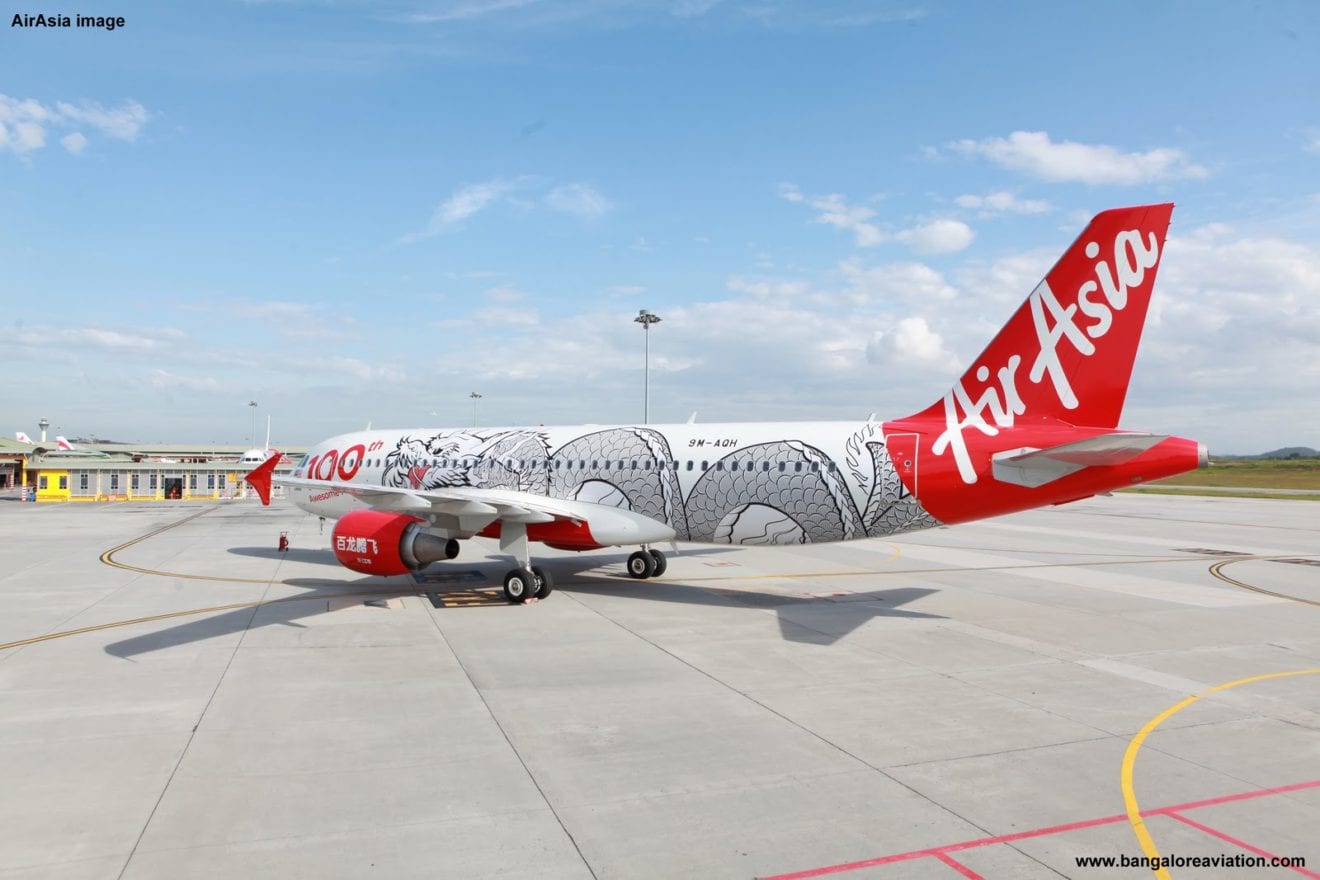
    AirAsia X will relaunch flights to Delhi in February 2016, four years after it suspended the service. The Malaysian low-cost carrier has confirmed that it will start operating four weekly direct flights between Kuala Lumpur and India’s capital on 3 February.

    Flights will depart KLIA every Monday, Wednesday, Friday and Sunday at 1900, arriving in Delhi at 2200. The return services will then leave the Indian capital at 2315, arriving back in KL at 0730 the next morning. The flight time is approximately five and a half hours.

    Like all other AirAsia X flights, the Delhi service will be operated using a 377-seat Airbus A330-300 aircraft, offering flat-bed seats in business class.

    AirAsia X pulled out of India in 2012, suspending its Delhi and Mumbai routes due to high operating costs. It will now compete with Malaysia Airlines and Malindo Air on the KL-Delhi route.

  • Hong Kong Retail Rents Remain Sky-High Despite Slowdown

    Hong Kong Retail Rents Remain Sky-High Despite Slowdown

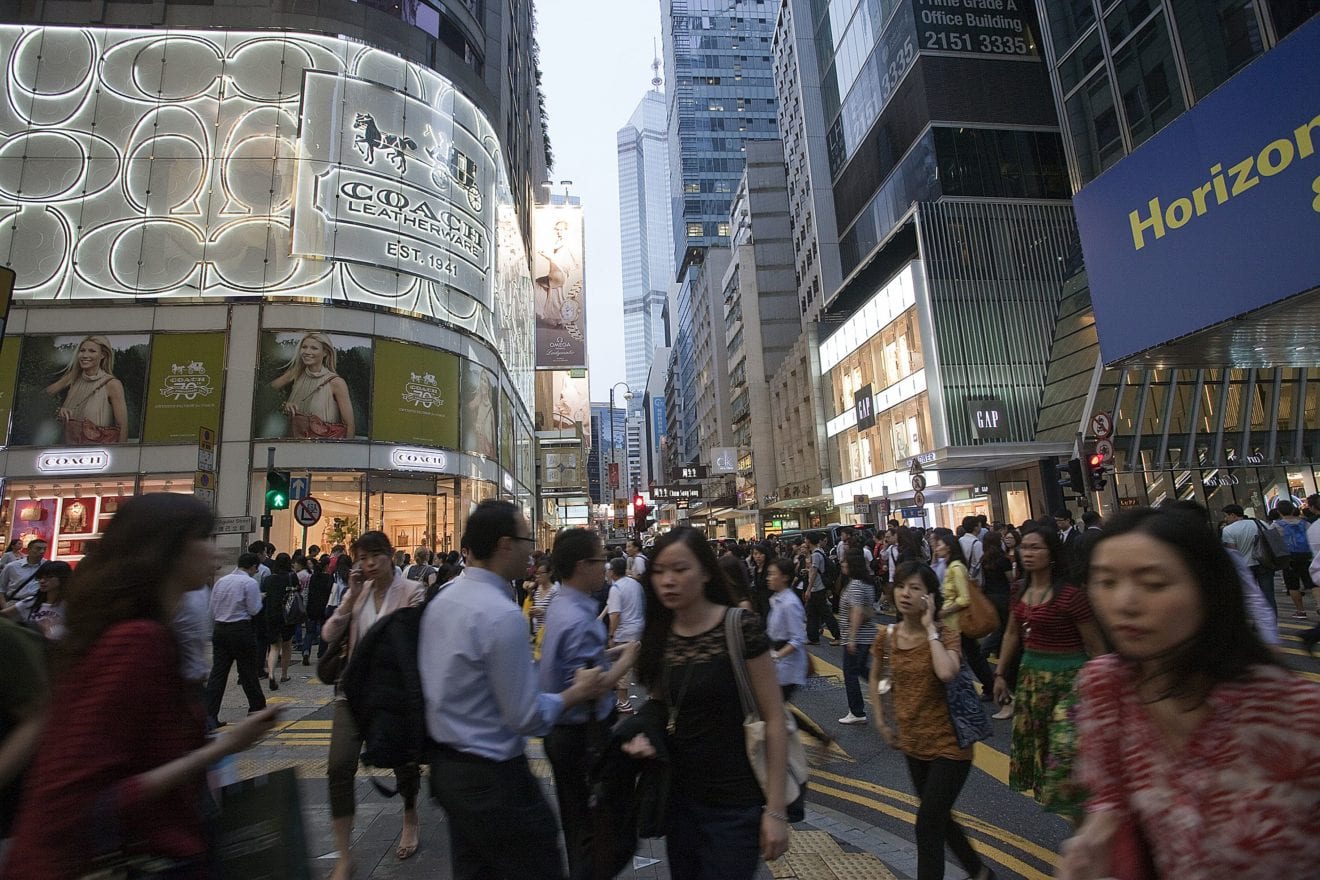
    Even as slumping sales force luxury brands renegotiate retail rent prices and close stores in Hong Kong, a new report finds that it’s still the second-priciest place in the world to open up shop.

    According to Cushman & Wakefield’s newly published “Main Streets Across the World” report, Hong Kong’s Causeway Bay area retained its second-place rank after New York’s 5th Avenue as the most expensive retail location globally this year. Causeway Bay retail rent cost an average of US$2,399 per square foot a year, an amount far above the next-highest cost on Paris’ Avenue des Champs Élysées, which came in at US$1,372 per square foot. However, a continued retail sales slump driven by fewer mainland tourists could drop its ranking next year as top luxury brands rethink their Hong Kong strategies.

    The listing comes in spite of several Hong Kong store closings by luxury retailers over the past year that include Coach’s Queens Road Central flagship and TAG Heuer’s Causeway Bay store. Many companies such as Burberry—which is reducing the size of its largest store in Hong Kong—have said they are attempting to renegotiate their rent prices. These include Kering, Prada, and Chow Tai Fook, and more store closings may follow depending on negotiations.

    The report notes that “downward pressure on rents is becoming increasingly evident on the back of weaker retail sales and the slowing in tourist arrivals.” As a result, rents in Causeway Bay fell by 12 percent year-on-year for the period ending in June 2015, while Central, Tsim Sha Tsui, and Mongkok fell by between 11.9 and 13.9 percent.

    Shanghai was the only other location in Greater China to make the list of 65 locations, with West Nanjing Road moving up to 11th place from 12th place last year. Tokyo’s Ginza district and Seoul’s Myeongdong area—both top destinations for Chinese tourists—also ranked high on the list at 7th and 8th, respectively.

    Mainland China is on course to become the world’s largest retail market by 2018, although brick-and-mortar growth is slowing as e-commerce becomes more popular. The report notes that retailers in both Shanghai and Beijing are testing out ways to become “lifestyle destinations” through strategies such as the introduction of food and beverage options. They’re also embracing O2O marketing with special mobile shopping apps and free in-store WiFi. Retail growth is expected to be especially strong for retailers geared toward the middle class as the luxury market remains in slowdown mode, according to the report.

    Because of Tokyo’s success from the influx of Chinese tourists, the report predicts that rents are likely to go up for luxury retailers in the coming year as brands like Burberry, Moncler, and Brunello Cucinelli have pursued store expansion in key shopping districts. In addition to the posh Ginza district, retail rent went up by 20 percent in the Omotesando area over the past year.

    There is a silver lining to the Hong Kong slump, according to the report. It states that Hong Kong’s retail scene is now becoming a “more tenant-friendly environment,” and lower rent levels “will create opportunities for luxury brands and high street retailers to enter the market such as Monica Vinader, Sotheby’s Wine, Claudie Pierlot, Rebecca Minkoff, Perrin Paris, and Filson.”

  • Enhanced Air Connectivity Will Make Mauritius a Gateway to Asia

    Enhanced Air Connectivity Will Make Mauritius a Gateway to Asia

    Mauritius will become a gateway to Asia through Singapore for the islands of the Indian Ocean and countries of eastern and southern Africa as a result of the agreement signed on 14 October 2015 between Mauritius and Singapore Changi Airport.

    In reply to a Parliamentary Question the Prime Minister, Sir Anerood Jugnauth, said that this ‘Air Corridor’ offers an exceptional opportunity for growth for Air Mauritius as it taps into the tremendous potential of traffic between Asia/South East Asia and Africa. The increase of frequencies into Singapore will dovetail with the Regional Airline project.

    Given that Singapore’s Changi Airport is the seventh largest international airport in terms of passenger and air cargo traffic, this agreement will allow the development of both passenger and cargo traffic between Singapore and Mauritius as well as between Africa/Indian Ocean countries and Asia/South East Asia, using Mauritius and Singapore as hubs, he said.

    The Prime Minister outlined that on the west side of the corridor, Mauritius has already signed Memoranda of Understanding/Bilateral Air Services Agreements with the following African countries: Botswana, Comoros, republic of Congo, Egypt, Ethiopia, Kenya, Madagascar, Malawi, Mozambique, Nigeria, Rwanda, Seychelles, South Africa, Swaziland, Tanzania, Uganda, Zambia and Zimbabwe.

    On the east side Memoranda of Understanding and Bilateral Air Services Agreements have been signed with China, Hong Kong, Indonesia, Malaysia, Thailand and Viet Nam. Mauritius is in the process of finalising a Memoranda of Understanding with Japan with a view to allowing its national carrier to extend its network coverage in Asia by code sharing with its partner airlines to market points in Japan.

    This forceful move will have an enormous impact on the other sectors of the country and will promote trade, business and economic development, thereby catapulting Mauritius to the next stage of growth. Through promotion on international trade and business in the region Mauritius is poised to become a robust regional hub, he said.