Author: Mei Ling Tan

  • Pandora extends alliance with Disney

    Pandora extends alliance with Disney

    Beginning in November 2015, Pandora will launch its Disney jewellery collection in 13 markets including Australia, China and Japan.

    Pandora chief executive Anders Colding Friis said: “The reception of the Pandora Disney collection in North America has been amazing, and following discussions with Disney, we have together decided to expand the collaboration to include the Asia Pacific.

    “We believe that the collection will fit well with the population in Asia and Australia, and look forward to offer our Disney inspired products to our customers in the region.”

    As part of the alliance, Pandora will be the designated official charm bracelet of Hong Kong Disneyland Resort and the upcoming Shanghai Disney Resort.

    In August 2014 Pandora and Disney entered into a strategic alliance to create an original Pandora collection of Disney-themed jewellery.

    The collection is currently sold in Walt Disney World Resort and Disneyland Resort and Pandora stores throughout the US, Canada, Mexico, Puerto Rico, Central America and the Caribbean.

    The news is reported by the company to have no impact on its outlook for 2015, as latest communicated to the market in connection with its Q2 2015 report on August 11.

  • SingPost to build $150 mil mall offering e-commerce logistics solutions

    SingPost to build $150 mil mall offering e-commerce logistics solutions

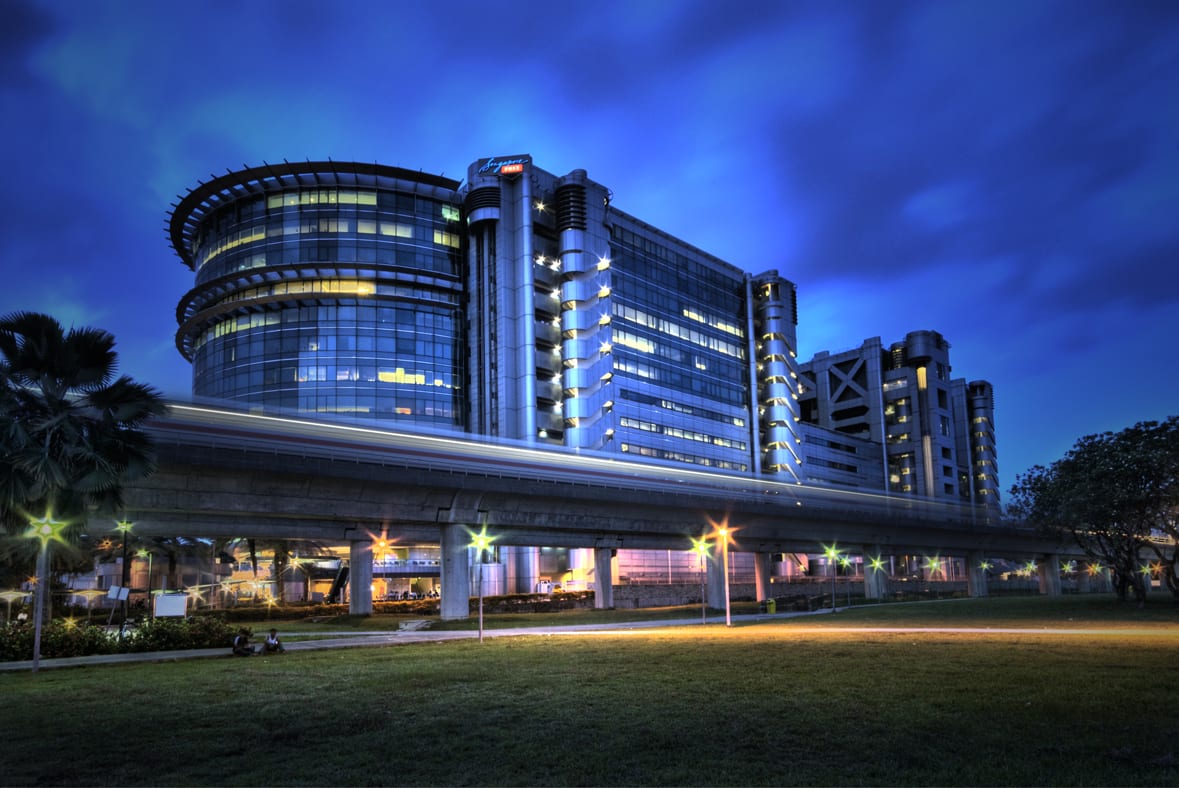
    Singapore Post will build a $150 million shopping mall that offers a “complete suite” of e-commerce logistics solutions, the first of its kind in Singapore.

    The new retail mall at Singapore Post Centre (SPC) will boast 269,097.8 sf of retail space and it will be located next to the Paya Lebar MRT station.

    Construction works have commenced today with a target completion in around mid-2017. It includes upgrading amenities and facade for the adjoining office building.

    The postal and e-commerce logistics provider says this development is aimed at creating opportunities for businesses in the changing retail landscape and catering to the evolving needs of consumers.

    It will offer greater convenience, choices and experiences to consumers by providing online e-merchants and offline brick-and-mortar shops all under one roof, SingPost says.

    It adds that online shopping through e-merchants will include in-shop online ordering and flexibility in delivery and pickup timings.

    SingPost ended lower at $1.90 on Tuesday.

  • Philippine firms on billion dollar global shopping spree

    Philippine firms on billion dollar global shopping spree

    Philippine firms are on an unprecedented global shopping spree spending billions on everything from vineyards to food manufacturers and casinos reflecting the nation’s recent economic rise.

    A combination of strong domestic growth bargain prices in retreating economies abroad and rock-bottom borrowing rates have fuelled the acquisitions analysts said.

    The Southeast Asian nation has for years exported shopping malls and junk food to the region but cashed-up Filipino firms have diversified in recent years with acquisitions around the world and in many sectors.

    “It has not happened in this rapid succession. It’s like a colonial mentality in reverse” said Luis Limlingan research head at Manila stock brokerage Regina Capital.

    The pace of the acquisitions has startled both local and foreign investors according to BDO Unibank chief market strategist Jonathan Ravelas.

    “Filipino companies are moving into the global space and it’s not limited to just one sector. The opportunities abound” he said.

    In one of the most-recent big-ticket acquisitions local instant noodle firm Monde Nissin said last month it was buying British meat substitute manufacturer Quorn for 550 million pounds (833 million).

    In the last two years the private company also snapped up popular fruit juice brand Nudie and chilled dips manufacturer Black Swan both from Australia for undisclosed amounts.

    Monde Nissin is owned by Betty Ang who started her company 30 years ago and is now the nation’s 19th richest person with a net worth of 900 million according to Forbes.

    Meanwhile Emperador a company controlled by the Philippines’ fourth richest man Andrew Tan and which specialises in cheap brandy at home is looking to spend more than one billion dollars on diversifying in Europe.

    In May the company said it would bid to acquire French cognac maker Louis Royer SAS.

    There has been no resolution in that attempt yet but last year it paid 430 million pounds (726 million) for Scottish whisky maker Whyte and Mackay.

    Emperador also spent 60 million euros (82 million) last year for half of Spanish brandy producer Bodega Las Copas.

    The Philippines’ third-richest man Enrique Razon has made headlines by expanding on the port operator business that has made him his fortune by setting his sights on the Asian gaming market.

    He opened a billion-dollar casino in Manila in 2013 and then in March this year his Bloombery Resorts firm announced it was buying AN island and part of another one in South Korea for his first overseas gaming foray.

    Analysts said these were some of the highest-profile acquisitions overseas but there were many others in a wide range of sectors including telecommunications power fast food and oil.

    Awash with cash

    Filipino firms are leveraging their earnings from a robust local economy to snap up bargains in countries where growth has slowed analysts said.

    “These companies have huge stashes of cash and they are maximising it to compliment their existing businesses” said Astro del Castillo managing director at Manila stock brokerage First Grade Holdings.

    The Philippines had for decades endured low economic growth compared with other Asian tiger economies partly due to crippling corruption and red tape.

    But in recent years the economy has been one of the strongest in Asia averaging growth of 6.3 percent between 2010 and 2014.

    President Benigno Aquino whose six-year term ends in 2016 has been widely credited overseas for the economic gains due to his efforts to tackle graft and stifling government bureaucracy.

    This year the economy has slowed but still expanded by 5.3 percent in the first half.

    But many of the enduring problems remain at home and these are forcing the local firms to look elsewhere according to Victor Abola an economist at the University of Asia and the Pacific.

    “It’s not so much a lack of growth opportunities (locally)” Abola said explaining why Filipino companies were investing abroad.

    “It’s about the government changing the rules of the game midstream… and slow action on proposals.”

    The Philippines ranks 95th out of 189 economies based on ease of doing business according to The World Bank’s International Finance Group.

    But that is a huge improvement: under Aquino’s reign the Philippines has moved up 53 spots in the last four years.

  • Singapore operations still play key role in StanChart’s future

    Singapore operations still play key role in StanChart’s future

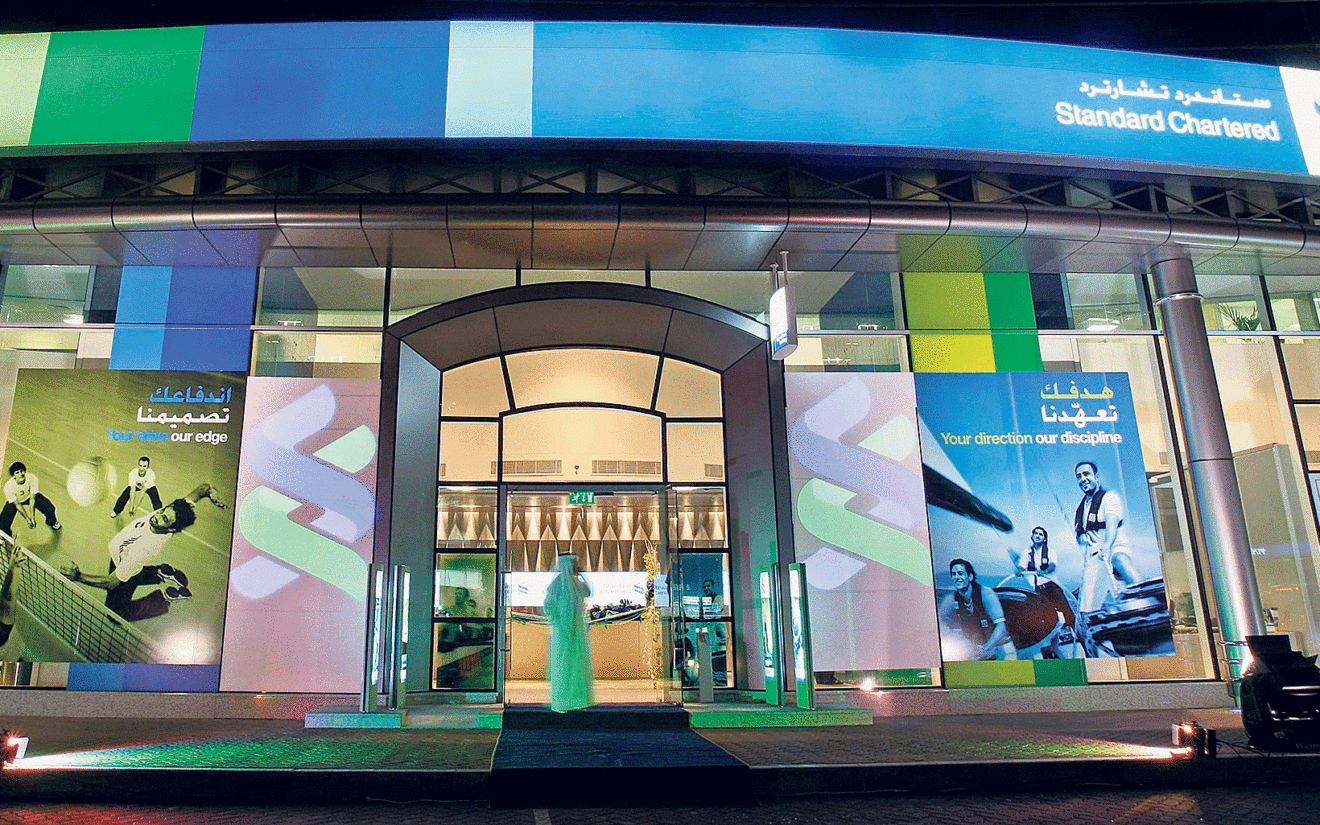
    The woes besetting British lender Standard Chartered over the past three years have left their mark on Singapore.

    As one of the bank’s regional hubs with operations spanning commercial, retail and private banking and wealth management, Singapore has had to bear some job cuts and the restructuring of some business units.

    Nonetheless, a strategy update unveiled yesterday by chief executive Bill Winters provides some hopeful indications that the operations here will continue to play an important role in StanChart’s future. With indications that more power will be given to regional bases like Singapore, it is undoubtedly the case that Singapore remains one of the strongest franchises in the group.

    And even amid cost-cutting and restructuring across the bank, StanChart has made large investments here in the past couple of years. In fact, Singapore will be a key recipient of the increased investments in key growth areas that StanChart plans to make over the next few years.

    Two of the areas that StanChart plans to invest significantly in over the next few years are private banking and wealth management, and yuan internationalisation – both businesses for which Singapore is a key hub.

    In fact, the bank said its yuan deposits in Singapore have tripled since June last year.

    Its yuan assets, such as trade loans and working capital loans, have doubled in the same period.

    Singapore is also the hub to be in for banks that want to manage Asean’s rapidly growing wealth.

    The latest earnings figures for the Singapore business are not available, but Singapore chief executive officer Judy Hsu, said the operation here is still the second-largest contributor to the group, while also providing a strong base for StanChart to grow its regional businesses.

    To be sure, things have not been all rosy here. One sign of trouble could have been the sudden departure of former long-time Singapore chief executive Ray Ferguson to a Bahrain bank early last year with little explanation.

    His exit came as a surprise not least because he had become a Singapore citizen in 2010, a move he said reflected his commitment to a country that had been home to him and his family for a long time.

    His replacement, Mr Neeraj Swaroop, lasted only about a year before wealth management head Judy Hsu took over on Oct 1.

    A former senior executive told The Straits Times that there has been a series of departures of senior managers, from private and consumer banking and retail banking, since 2013.

    That was the year the bank first reported a drop in earnings after 10 straight years of delivering record profits. In the first six months of this year, net profit plunged 36.7 per cent compared with the same period a year ago.

    The stock has fallen more than 30 per cent this year.

    StanChart Singapore employees told The Straits Times that there have been some senior departures in the past few months and that some staff are thinking about leaving now in order to avoid a sudden loss of their jobs.

    But it is understood that the impact of the bank’s latest restructuring exercise will be minimal in Singapore.

    Even as Singapore’s position remains strong, analysts say the biggest challenge remains: What will StanChart’s future income stream look like?

    “It’s not just China slowing down, but that the overall bank’s income-generating power that’s under huge pressure,” added the former StanChart executive.

    And neither is it a simple decision to just move the headquarters out of London, as there are various complex issues such as regulation.

    The consensus seems to be that StanChart Singapore will have to sit tight to see how it rides out the turmoil, but there is a reasonable chance that it will emerge in a stronger position than before.

  • Retail tech solutions showcased at Biopolis

    Retail tech solutions showcased at Biopolis

    Customers eyeing a piece of furniture often hesitate to buy it because they do not know how it would look in their homes.

    But now, an application by a team of researchers from Dimension 5, a spin-off from the Agency for Science, Technology and Research (A*Star), lets users see how an item would look in a specific room. The 3D visualisations are modelled to scale, and users would be able to drag and drop a design from a furniture company’s online catalogue onto their mobile screens for a look before they buy it.

    The team has already secured a contract with a furniture company and is planning to launch the iOS version of the app at the end of the month, with an Android version to come in two to three months.

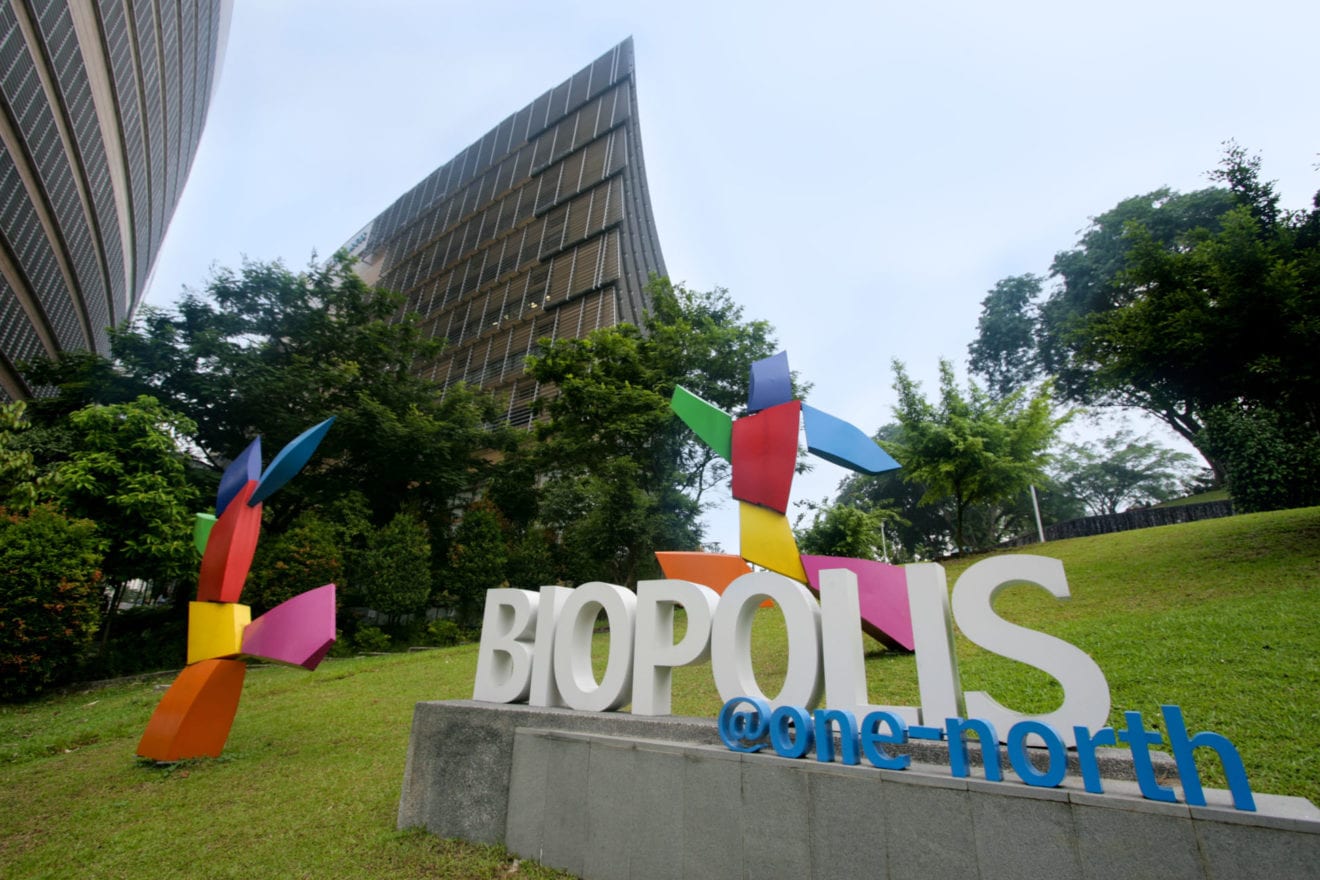
    More than 60 of such infocomm technology-based solutions for the retail industry are on show at the two-day Media Exploits event, organised by A*Star, which ends today. While targeted at industry professionals, the event at the Bio-polis is also open to the public from 9am to 5.30pm.

    Other projects showcased are in varying stages of development. These include SoundEye, a monitoring device that detects screams or shouts so that caregivers can be alerted when elderly residents fall.

    Mr Philip Lim, chief executive officer of Exploit Technologies, A*Star’s commercialisation arm, said a major objective of the event is to bring together people from different communities, particularly those who understand markets and consumer demand.

    “You need to take teams of people and talent forward to where the technology has been groomed, maybe even to the point where they can influence the technology.

    “They can suggest better ways of doing things to researchers, based on what people need out there,” he added.

  • Home-grown label M)phosis shuts stores

    Home-grown label M)phosis shuts stores

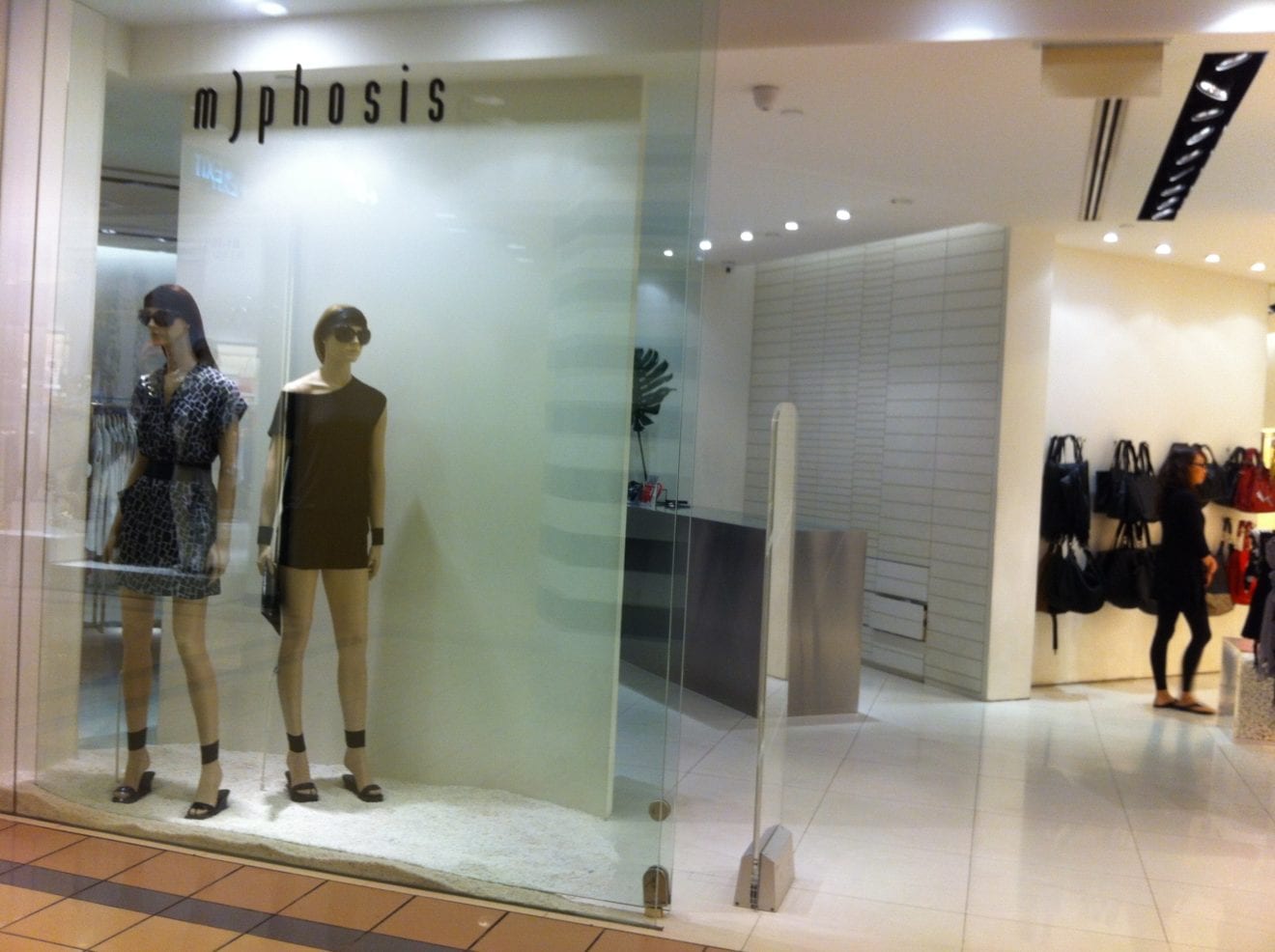
    Fashion brand M)phosis, once cited as among the more successful home-grown labels, has shut all its stores in Singapore.

    The Straits Times understands that all its outlets in Vietnam, Malaysia, the Philippines and Indonesia – more than 10 of them – are in the process of folding. Only its stores in China are still open.

    “In China, we are still in the marketplace,” the brand’s director, Mr Hensley Teh, told The Straits Times yesterday.

    “We were having a severe cash flow situation. We were not able to continue, despite wanting to. We did everything we could,” he said, adding that all staff at the affected outlets have been retrenched. “We thank our customers, who have supported us all these years.”

    The last M)phosis (pronounced “emphasis”) outlet to shut here was the one in VivoCity on Aug 25, but many former customers are now angry about being unable to redeem the vouchers they bought.

    STUCK WITH VOUCHERS

    They may have already known that they were going to shut down and they still sold the vouchers.

    MS CECILIA YEO, an upset customer who has $60 worth of unused vouchers

    Ms Cecilia Yeo, 37, said she was sold vouchers in April and was a “lifetime member” of the chain.

    “I am supposed to get 10 per cent discount for a lifetime,” she said, adding that she has $60 worth of unused vouchers.

    “When I bought them, staff told me not to worry about the expiry date. They may have already known that they were going to shut down and they still sold the vouchers. That is not right,” said Ms Yeo, a sales executive.

    Mr Teh said he is “deeply sorry” that not all vouchers had been redeemed.

    The chain had tried to reach out to as many customers as they could, to ask them to make redemptions before the last outlet shut, he said, adding: “We don’t take the matter lightly. But we are not in a position now to make any promises.”

    M)phosis first opened in 1994 at Change Alley.

    Catering to women aged 18 to 35, and selling clean-cut designs in solid colours, it soon expanded to more than 10 outlets.

    By 1998, it had four stores in Jakarta and two in Kuala Lumpur. In 2009, it opened its first boutique in China. It then expanded into Dubai, Japan, Thailand, Vietnam, Australia, Hong Kong and the Philippines. The Dubai, Japan, Australia and Hong Kong stores shut several years back.

    At its peak, the brand had more than 30 outlets in total.

    Ms Sarah Lim, a senior retail lecturer at Singapore Polytechnic, said that stiff competition in the retail market was likely to blame for M)phosis’ downfall.

    “The brand sells many clothes in classic cuts and colours. But there are so many brands out there that sell the same thing.

    “Large international names, like Zara, have similar items at lower prices with better designs,” she said, adding that the firm may have spread itself too thin during the expansion phase.

    Mr Seah Seng Choon, executive director of the Consumers Association of Singapore, said that it would be difficult for customers to get refunds for unused vouchers.

    “If the shop has already shut down here, and there are no other places to redeem the vouchers, there is not much customers can do,” he said, adding that they can choose to hire a lawyer to sue the firm. “But doing this is costly and does not make sense. Also, even if they do that and win, the company may not have assets available for claiming and cannot honour the vouchers anyway.”

  • Singapore Pinacotheque de Paris gets early recognition

    Singapore Pinacotheque de Paris gets early recognition

    The Singapore Pinacotheque de Paris has been nominated Best Emerging Culture Destination in Asia at the 2015 edition of the Leading Culture Destinations Awards, a platform that celebrates the success of cultural institutions worldwide, while its 2015 edition also seeks to recognise emerging institutions across varied regions. “London, Paris and New York might be world leaders in museums and cultural institutions, but a growing number of cities in Asia, the Middle East and Latin America are starting to provide serious competition,” explained Florian Wupperfeld, co-founder of Leading Culture Destinations.

    Singapore Pinacotheque de Paris was nominated alongside the Sifang Art Museum in Nanjing (China), Asia Museum of Modern Art in Taichung (Taiwan), Museum SAN in Wonju (South Korea) and Oita Prefectural Art Museum in Kyushu (Japan). Oita Prefectural Art Museum eventually bagged the award.

    The shortlist and winners were carefully selected by an international jury panel, comprised of influential creative leaders committed to supporting the arts and innovation. Other categories featured impressive new and established institutions such as the Mathaf Arab Museum of Modern Art in Doha, Fondation Louis Vuitton in Paris, New York’s Museum of Modern Art and London’s Tate Modern.

    This nomination, though, has reaffirmed Singapore Pinacotheque de Paris’ commitment to providing exceptional art experiences through engaging offerings and education programmes via an arts academy. Opened in May this year, Singapore Pinacotheque de Paris marks the first international expansion of Pinacotheque de Paris, one of the key private museums in Paris. Housed in a restored colonial building on Fort Canning Hill (within the Fort Canning Arts Centre), the museum brings together heritage and art with its juxtaposition of international masterpieces and South-east Asian tribal art.

    With an expanding range of retail and dining options, the Singapore Pinacotheque de Paris seeks to offer a variety of art and lifestyle experiences with the aim of becoming a thriving social hub in Singapore’s rapidly expanding arts scene.

  • Trade between Thailand and Chile to double as FTA starts

    Trade between Thailand and Chile to double as FTA starts

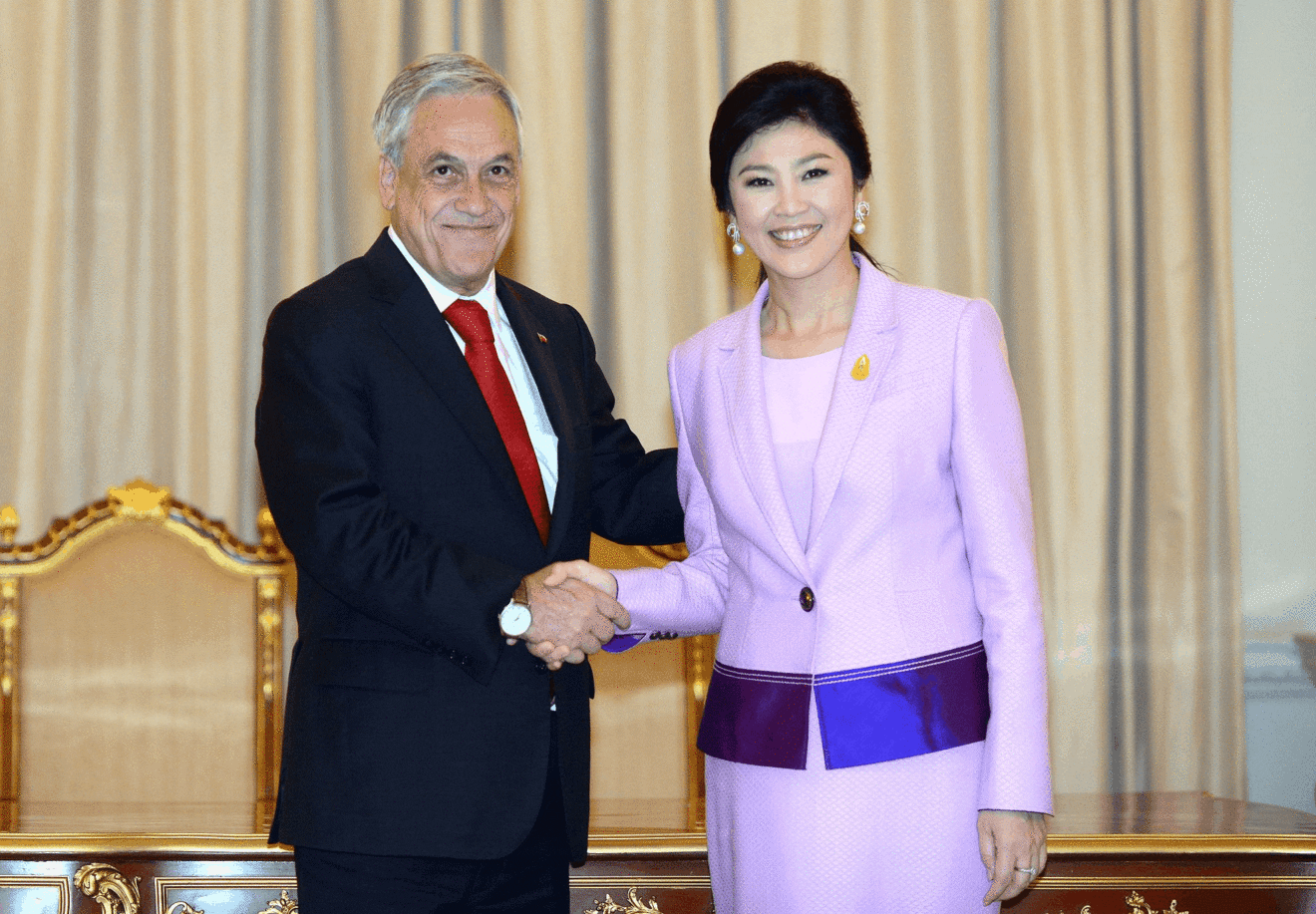
    ANNUAL trade between Thailand and Chile should double to US$2 billion (Bt71 billion) in the next three to five years, thanks to the free-trade agreement (FTA) between the countries, which comes into force today.

    “Bilateral trade and investment should grow after the liberalisation of both markets, since Chile can be a gateway for Thailand to penetrate Latin American countries.

    “While it will help Thailand open opportunity to be part of the Trans-Pacific Partnership in the future, as Chile is already part of this, the world’s largest trade bloc,” Commerce Minister |Apiradi Tantraporn said yesterday.

    The free-trade pact with Chile is Thailand’s second bilateral FTA with a Latin American country – the other being with Peru – and the seventh overall, after the agreements with China, India, Japan, Australia and New Zealand.

    The pact should also help increase the Kingdom’s trading competitiveness with key rivals, including China and Vietnam, as Thailand has negotiated better benefits than those contained in Chile’s FTAs with those two countries, she said.

    Thai rice should also gain greater market access to Chile, as import tariffs for the produce will be reduced to zero within five years, she added.

    Besides the trade in goods, the FTA will also cover service-sector liberalisation, while negotiations between Thailand and Chile on investment liberalisation will be held within the next two years.

    Under the pact, tariffs for 90 per cent of trade in goods – 7,129 out of a total of 7,855 items – are being cut to zero immediately. For another 296 items, tariffs will gradually be reduced to zero over a three-year period, while those on a further 283 items will fall to zero in five |years.

    For the remaining 147 items, which are regarded as sensitive goods, import duties will be brought down to zero in eight years’ |time.

    Under service-sector liberalisation, Thai enterprises will be able to hold 100-per-cent ownership in service businesses in Chile, in sectors such as legal services, consultancy, engineering, computer services, retail and wholesale, and services related to the production sector.

    Apiradi said that Thai massage, Thai kick-boxing and other recreational services in which Thais have high expertise, should be able to open up more to businesses in Chile, thanks to the pact.

    She also suggested that Thai businesses and investors urgently explore the Chilean market, as the country is rich in natural resources and is a trading centre in South America.

    High potential goods

    Thai goods with the highest export potential to Chile are pickup trucks, cement, electrical appliances, plastic pellets, rubber products, as well as canned and processed foods.

    Service businesses with opportunities to grow in Chile are engineering, logistics, energy, mining and retail, hotels and hospitality, sports and recreation.

    Chile is Thailand’s third-largest trading partner in Latin America, after Brazil and Argentina, while the Kingdom is Chile’s largest trading partner among Asean countries.

    Bilateral trade was worth about $960 million last year, with Thailand enjoying a surplus of about $300 million.

  • ING researches online banking venture in China

    ING researches online banking venture in China

    ING reported third-quarter underlying pretax profit of 1.50 billion euros ($1.64 billion), compared with 1.49 billion euros in the same period last year, beating analysts’ mean forecast.

    The figures, and an upbeat outlook, came as many leading European-based banks, including Deutsche Bank, Credit Suisse and Standard Chartered are shedding thousands of jobs and reorienting their businesses to meet stricter capital requirements.

    Morgan Stanley analysts, who have an “overweight” rating on ING shares, said the numbers were better than expected thanks to falling provisions on bad loans. They dipped to 261 million euros from 322 million euros.

    ING stock was the best performer on the Amsterdam stock exchange, rising more than 4 percent. They are up 26 percent year to date.

    CEO Ralph Hamers said the bank was considering entering the Chinese online banking market with local partner Bank of Beijing, and was in the preliminary stages of researching the option.

    Hamers said he believed the Chinese stock market had stabilized and measures taken by the government would “help economic recovery by the end of this year.”

    Chief risk officer Wilfred Nagel said Chinese loan default rates, though they had risen, were still lower than in Europe. He said the Chinese retail banking sector was an attractive opportunity.

    “China adds the size of the GDP of the Netherlands to its economy every year. This is still in absolute terms an economy that grows quite strongly,” he said.

    ING’s online banking platform is helping it add 1,000 retail customers per week in Germany.

    Nagel said the Chinese discussions were at an early stage and no decisions had yet been taken on timing or ownership.

    In the earnings report, ING said it grew its lending portfolio by 1.6 billion euros.

    Net interest margin improved slightly quarter-on-quarter to 1.46 percent from 1.45 percent.

    “In Europe, sentiment is holding up,” Hamers said. “We see a recovery in bank lending in countries like Belgium and Germany.”

  • Robinson Thailand plans more border stores

    Robinson Thailand plans more border stores

    Thai department store chain Robinson says it will open outlets in planned special economic zones to encourage cross-border trading.

    The Central Retail Corporation subsidiary says it will open a new Lifestyle Centre at Mae Sot in the Tak province, on the border with Myanmar. It follows a similar store which opened in Mukdahan, on the border with Laos, last year.

    “These stores are being built to take greater advantage of cross-border trade,” CRC international business director, and Robinson president Alan Thomson said in an interview published in The Nation.

    “SEZ projects are good initiatives but will take time to develop and for us to realise any opportunities,” he said.

    CRC operates 42 department stores in Thailand; and two more in Vietnam – one in each of Ho Chi Minh City and Hanoi – which trade under the Robins brand name. Its 15 Lifestyle Centres are additional to those.

    In the interview, Thomson talks about the company’s performance in Vietnam to date, its plan to add a well known US apparel brand to its store-in-store brand portfolio next year and how the company is coping with the stagnant Thai economy.

  • CapitaLand Retail China reports bumper quarter

    CapitaLand Retail China reports bumper quarter

    CapitaLand Retail China Trust has had a bumper quarter to September, its distributable income rising 14.2 per cent year on year.

    CRCT is the only China shopping mall Real Estate Investment Trust (REIT) based in Singapore, with a portfolio of 10 shopping malls located in Mainland China.

    CapitaLand Retail China Trust Management, which manages CRCT, says it achieved a distributable income of S$22.3 million for the period. Distribution per unit (DPU) was 2.64 cents, an increase of 12.3 per cent over a year ago.

    Chairman Victor Liew said China’s economy expanded 6.9 per cent year on year in both the third quarter and the first nine months of 2015, while retail sales in the first nine months of 2015 increased 10.5 per cent to RMB21.6 trillion.

    “With the Chinese government reiterating its commitment to rebalance its economy by driving domestic consumption, CRCT remains upbeat about China’s retail growth prospects.”

    CEO Tony Tan, CEO of CRCTML, said that during the quarter, the trust’s portfolio of malls registered 9.1 per cent growth in net property income as it benefitted from a favourable exchange rate.

    “Rental reversion for the quarter continued to be strong at 10.9 per cent, with the majority of our malls registering double digit growth. Portfolio occupancy as at 30 September 2015 was 94.8 per cent, while tenants’ sales and shopper traffic for the quarter increased 12.7 per cent and 2.4 per cent respectively year-on year.”

    The trust’s malls are CapitaMall Xizhimen, CapitaMall Wangjing, CapitaMall Grand Canyon, CapitaMall Shuangjing and CapitaMall Anzhen in Beijing; CapitaMall Qibao in Shanghai; CapitaMall Erqi in Zhengzhou, Henan Province; CapitaMall Saihan in Huhhot, Inner Mongolia; CapitaMall Wuhu in Wuhu, Anhui Province; and CapitaMall Minzhongleyuan in Wuhan, Hubei Province.

    “We continue to refresh and improve the trade mix within our multi-tenanted malls,” said Tan.

    “CapitaMall Xizhimen is adding more children-related products and services to cater to growing demand from young families with children. A section of the mall’s Level 3 will be reconfigured into a vibrant kids’ zone and new tenants catering to the varied needs of children, such as apparel stores and enrichment schools, will be added.

    “On the asset enhancement front, CapitaMall Wangjing will be commencing upgrading works to its façade in the coming months, and CapitaMall Grand Canyon is currently undertaking renovation works to improve its common amenities. All these initiatives will further enhance the overall appeal and shopping experience at our malls.”

  • Hip & Bone China plans 50 stores

    Hip & Bone China plans 50 stores

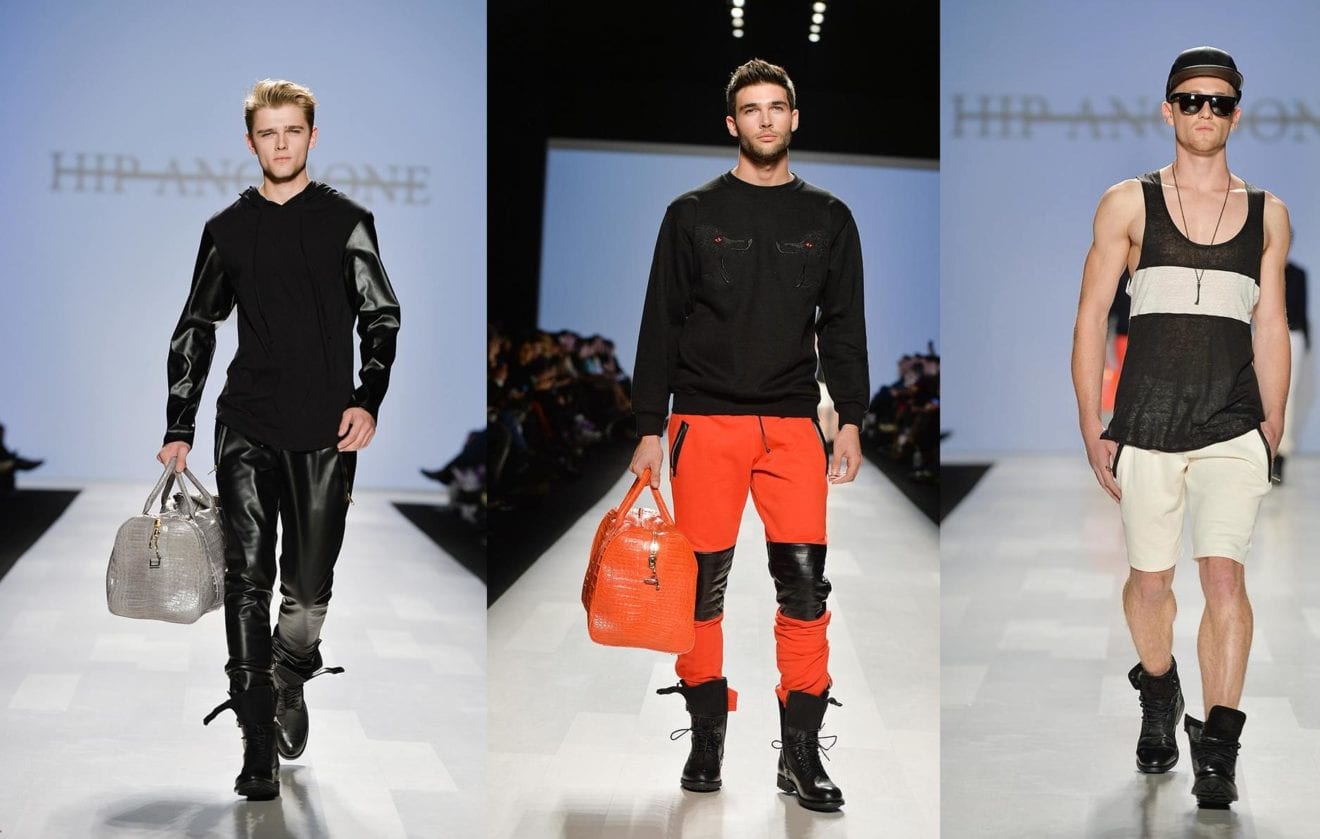
    Fast-rising Canadian street sportswear fashion label Hip & Bone has formed a joint venture with MRH SpaRotica Groupe to roll out 50 stores in China over the next five years.

    Hip & Bone China will leverage the existing MRH vertical and franchise networks providing a unique platform for collaboration and a dedicated Hip & Bone design studio in Shanghai. More than 50 Hip & Bone retail stores will be developed within five years, the first five due to open during Spring/Summer 2016.

    “Hip & Bone epitomises our dedication to evocative premium fashion brands that forge emotional connections with consumers, with design that’s ever relevant to millennial generations globally” said Richard Kisembo, MRH CEO.

    “We are dedicated to developing design language in product and marketing that crosses the cultural bar through a more engaging product array that’s ‘market right’. The Hip & Bone design center in Shanghai was opened in August as a base dedicated to deciphering local design trends and customising style for the ardent Hip & Bone Chinese consumer.”

    Carlos Fogelman, CEO of Hip & Bone, says participation in fashion weeks in Shanghai, Berlin, Mila, Toronto and New York has helped the brand “transcend borders and cultures with outstanding reviews across major publications”.

    “We are excited about this partnership.  MRH SpaRotica Groupe is comprised of an outstanding group of people who are tremendously experienced in the Chinese market. Their passion and  keen business sense are fundamental to the growth of Hip & Bone in this exhilarating market,” said Fogelman.

    Established just three years ago, Hip and Bone has quickly built a strong profile in the street sportswear clothing and accessories market, with a wide range of products and lines ranging from clothing, leather accessories, footwear and jewellery.

    “Hip & Bone revives the modern man’s wardrobe with an array of redefined basics. Designed to endure changing tastes and fashions, Hip & Bone fuses luxurious materials with relaxed silhouettes to be enjoyed in an everyday setting,” the company says in a self-description.

    MRH owns and operates retail stores, distributes merchandise through franchisees, and operates eCommerce websites in the fashion & leather goods; lingerie & intimate goods; perfume, body & cosmetics; and selective retailing sectors.

  • Indonesian fashion site Paraplou closes

    Indonesian fashion site Paraplou closes

    Indonesia’s fashion eCommerce site Paraplou has shut down. The firm has posted a farewell message on its homepage, citing reasons of market immaturity, uncertain financial conditions, and a difficult funding environment as the primary reasons for its closure.

    Paraplou was headed by Bede Moore and Susie Sugden, two former Rocket Internet managing directors who worked at Lazada Indonesia in 2011 and 2012 before starting Paraplou Group, an eCommerce services provider for premium fashion brands in Indonesia. Many of the companies Paraplou Group served were foreign brands looking to enter the Indonesian market.

    Paraplou Group’s eCommerce services page is still live. However, most of its clients like Lee Cooper Indonesia, Jack Nicklaus Indonesia and G2000 Indonesia display messages on their own sites indicating they are temporarily closed. While it’s unclear whether Paraplou Group’s eCommerce services arm is also now defunct, these messages may very well indicate the entire group has closed its doors in Jakarta.

    Originally, Paraplou Group offered services under the name Vela Asia. The startup raised a US$1.5 million series A funding round from Singapore-based VC firm Majuven last February. Majuven is run by several prominent business figures in Southeast Asia, including SingPost chairman Ho Kee Lim and former SingTel CEO Lee Hsien Yang.

    At the time of funding, Vela was a two-year-old company, and claimed to have captured an “appealing section of Indonesia’s online fashion market”. The following April, after the inception of Vela Asia’s own eCommerce site Paraplou, Moore and Sugden rebranded Vela Asia as Paraplou Group. The switch, they said, was an effort to keep all of their eCommerce activities under the same company umbrella.

    “We will continue coverage on this story if more details come to light. Further, we’d like to tip our hats to Moore and Sugden for helping propel Indonesia’s fashion ecommerce awareness.”


  • Macau Shopping Break to lure tourists

    Macau Shopping Break to lure tourists

    Sands Resorts has launched the Macau Shopping Break promotion in a bid to lure tourists to the Cotai Strip and boost retail spending.

    Timed to coincide with the upcoming festive season, Sands Resorts Cotai Strip Macau has launched a special hotel package – the Macao Shopping Break – allowing guests to maximise their experience at four hotels across the integrated resort, including savings of up to 40 per cent on room rates.

    Guests also have the chance to win some of HK$195,000 in prizes.

    The promotion runs from this week until February 7, with guests able to book rooms for stays during the same period at The Venetian Macao; Conrad Macao, Cotai Central; Holiday Inn Macao Cotai Central and Sheraton Macao Hotel, Cotai Central with packages available from as low as MOP/ HK$1198.

    Guests can also enjoy discounts with our “Shop & Dine Specials” discount booklet redeemable at over 125 specially selected international designer shops and outlets within Sands Resorts Cotai Strip Macao.

    And guests who book rooms via the Macao Shopping Break will automatically be entered into the Macao Shopping Break Lucky Draw Campaign for a chance to win luxurious prizes totalling $195,000. One winner will be drawn every two weeks in bi-weekly draws from Nov. 12, 2015 to Feb. 11, 2016, offering seven prizes including suite accommodation and tempting surprises. Three winners will be drawn in a Grand Draw on February 15, with prizes including suite stays and luxury travel amenities from DFS T-Galleria.

  • 4G auctions set to generate B1.3tn

    4G auctions set to generate B1.3tn

    A woman walks past telecom and cable lines along Phahon Yothin road. The 4G auction is expected to spur huge investment in telecom lines. PATTARAPONG CHATPATTARASILL

    The imminent fourth generation (4G) spectrum auctions could stimulate direct and indirect investment valued at 1.3 trillion baht over the next five years.

    The development will also transform Thailand into an internet-empowered economy and add impetus to the country becoming an Asean digital infrastructure hub by 2020, said Takorn Tantasith, secretary-general of the National Broadcasting and Telecommunications Commission (NBTC).

    The private sector, meanwhile, believes that having faster high-speed mobile network technology will promote the country’s e-commerce.

    The NBTC expects to receive at least 73 billion baht from the 4G spectrum auctions of four licences in November. The revenue will pass directly to state coffers, Mr Takorn said at a seminar entitled ‘4G: the turning point of the country’.

    The winning bidders of the 4G auctions must roll out networks worth a combined 160 billion baht in 2016.

    An additional 260 billion baht will come from telecom-related businesses and employment in 2017, plus another 300 billion baht in 2018.

    Based on an internal estimate, Mr Takorn said all direct and indirect investment stemming from the 4G auctions would reach 1.3 trillion bay by 2020, in line with a study by the economics faculty of Chiang Mai University.

    “Thailand can no longer afford to lose this opportunity for the sake of our country and our people,” he said.

    There are 104 million mobile subscribers in Thailand, only 4 million of whom are 2G users.

    Worawoot Aunjai, chief executive of Central Online Plc, said having a 4G infrastructure would directly benefit the local e-commerce and online trading industry. It will also encourage small and medium-sized enterprises to grab a bigger slice of the e-commerce market.

    “Companies without technology will find it nearly impossible to flourish in the current business environment,” he said.

    Mr Worawoot said development of the 4G infrastructure was essential to accommodate the rapidly changing needs and growth of businesses.

    He said Thailand’s retail trade via online transactions accounted for only 1% of total retail trading value, compared with 5.8% of the average global retail market and 12% in China.

    Global online trading is expected to account for some 20% of total retail trade by 2020.

    Mr Worawoot said online trading was expected to reach 8% of the total retail trade in Thailand by 2020.

    “The growth of online trading will be in line with the quality of wireless connection and affordable mobile devices,” he said, adding that 4G service will play a crucial role in driving the local e-commerce industry.

    Mr Worawoot said Central Group’s annual retail sales were expected to reach 260 billion baht this year, half of which will be conducted via mobile devices.

    Ariya Banomyong, managing director of Line Thailand, said the quality of wireless connections and telecom infrastructure could attract foreign investment from global tech companies such as Google, Facebook, Amazon and Apple.

    “This will promote Thailand as a regional digital infrastructure hub,” he added.

    Vichai Bencharongkul, honorary president of the Telecommunications Association of Thailand, said developing an internet-based economy would essentially need a high-speed telecom infrastructure, developing knowledge workers and building organisational confidence with digital practices.

    4G service is expected to ensure wireless service continuity and provide business recovery experience, thanks to the greater speed of wireless data services, said Mr Vichai.