Author: Mei Ling Tan

  • Smash hit Australian kids’ stationary store Smiggle is going global

    Smash hit Australian kids’ stationary store Smiggle is going global

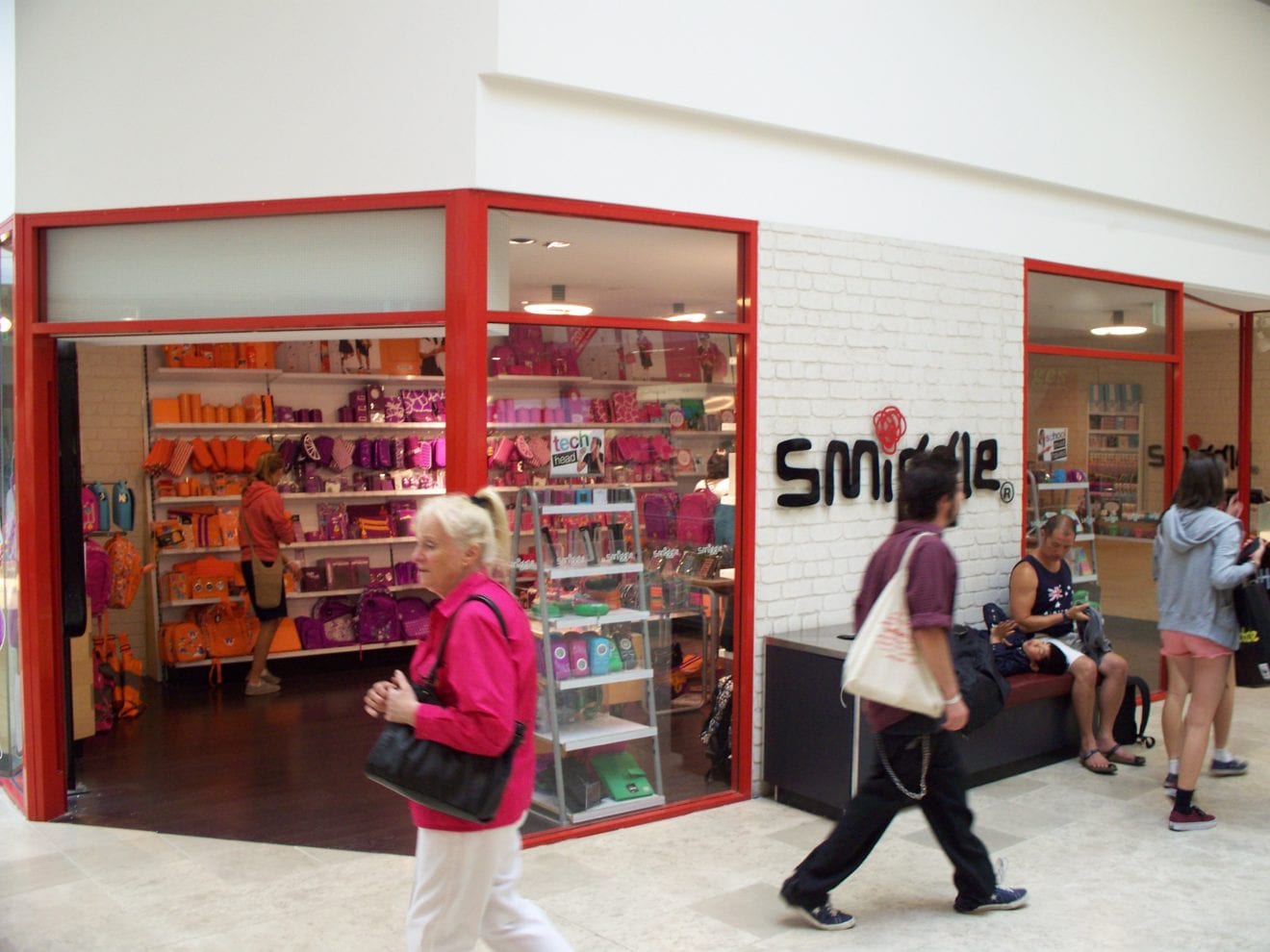
    Billionaire retail veteran Solomon Lew is boosting the global presence of his iconic kids’ stationary store, Smiggle, after announcing plans to open up 50 new stores across Hong Kong and Malaysia over the next five years.

    Managing director of Premier Investments’ Smiggle, John Cheston, has singled out the growing appetite for fashion-based stationary in Hong Kong’s shopping centres which he describes as being a “fertile ground” with “limited competition”.

    “In Hong Kong if you are hot they want you and if you are cold they don’t. We are in demand from the landlords over here. We need to leverage that business with the agents who represent us and get good locations and get good deals. The biggest challenge is getting the space and the rents,” Cheston told the AFR.

    So far, the retail chain store has opened more than 100 stores in Australia with shop fronts in New Zealand, Singapore including another 16 stores to open up before Christmas in UK this year, bringing the total to 200 stores in the UK.

    The decision to go global rides off the success of the stationary empire with last month’s figures reporting a sales jump of 26% to $132.6 million, making it the fastest-growing business within the Premier Investments apparel group.

    The retail is holding optimistic expectations about its first foray into the Hong Kong and Malaysian marketplace after testing the waters in Singapore earlier last year with plans to generate $55 million in revenue.

    “The international business in a very short period of time will be much larger than the Australian business and there are not too many Australian retailers who have been successful offshore,” said Lew.

    “This is going to be world-class operation and there is no reason it shouldn’t work in any country in the world where there is moderate income.”

    The decision for the retail giant to take things global has been on the cards for some time now.

    “The retail environment in Australia remains challenging, however we continue to adapt by rejuvenating our core brands, growing uniquely positioned brands like Peter Alexander and seeking opportunities for further offshore expansion of Smiggle,” said Solomon Lew more than two years ago.

    These comments were followed up by Lew who said that there would be continued investment to support the growth of Smiggle in local and overseas markets earlier this year despite volatile consumer confidence.
  • L&L Hawaiian Barbecue opens in Manila

    L&L Hawaiian Barbecue opens in Manila

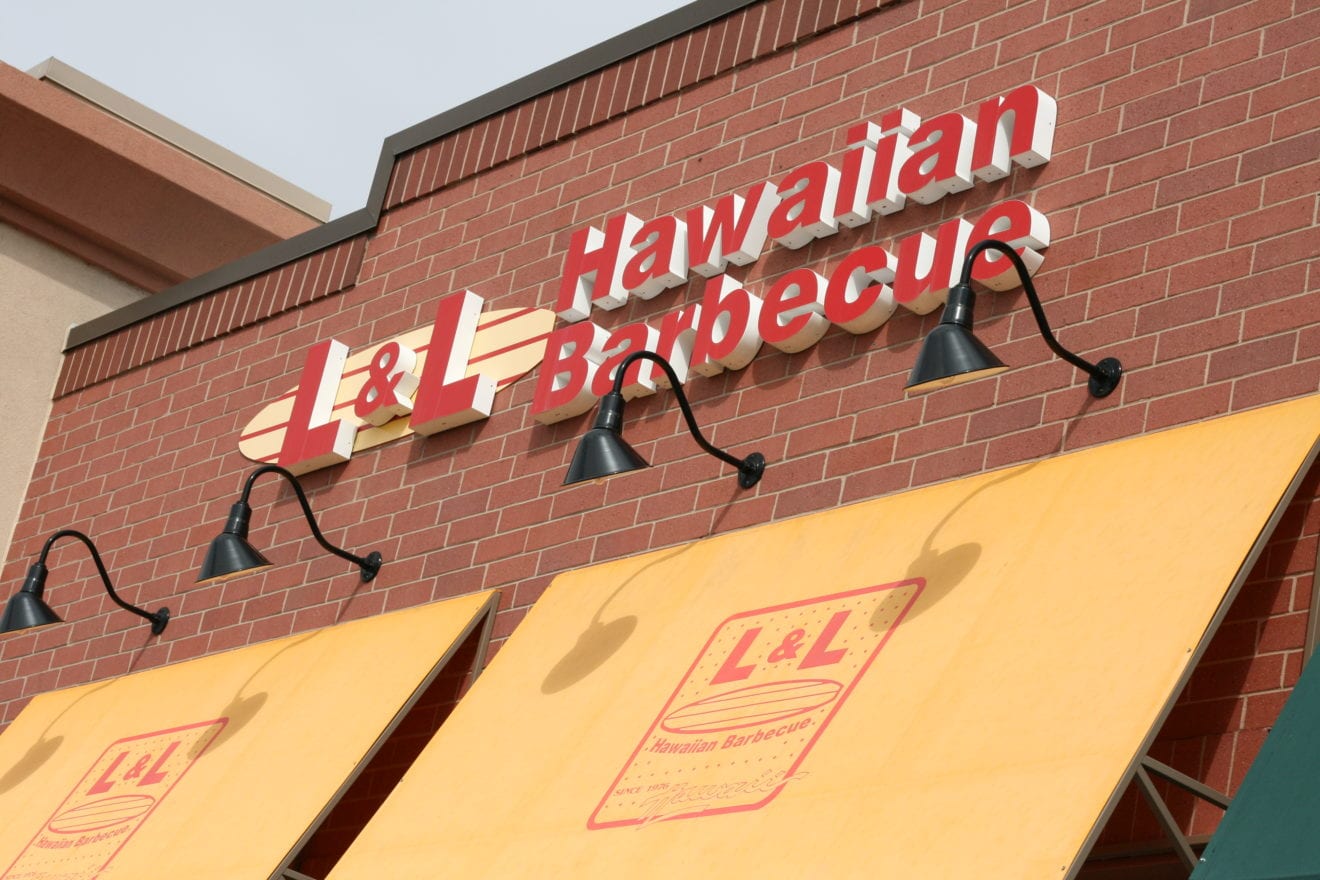
    L&L Hawaiian Barbecue has opened its first store in the Philippines, with a second one planned by November.

    The ‘plate lunch’ QSR brand made its debut quietly last month in a shopping mall at Edsa which will be followed by a second outlet in SM Megamall in Manila.

    “I think that the people there really enjoy our taste in food,” L&L Hawaiian Barbecue VP and COO Bryan Andaya told Pacific Business News. “Here, in the US, our third biggest demographic is Filipinos.”

    L&L Hawaiian Barbecue, also known as L&L or as L&L Drive-Inn in Hawaii, is a franchised restaurant chain based in Honolulu, Hawaii, centered on the traditional Hawaiian ‘plate lunch’.

    The concept expanded onto the US mainland in 1999 and there are now more than 200 locations across the US, Tokyo and Auckland, New Zealand.

    The brand has been credited with popularising the plate lunch in Hawaii, primarily through its drive-throughs.

  • Asia luxury goods market still growing

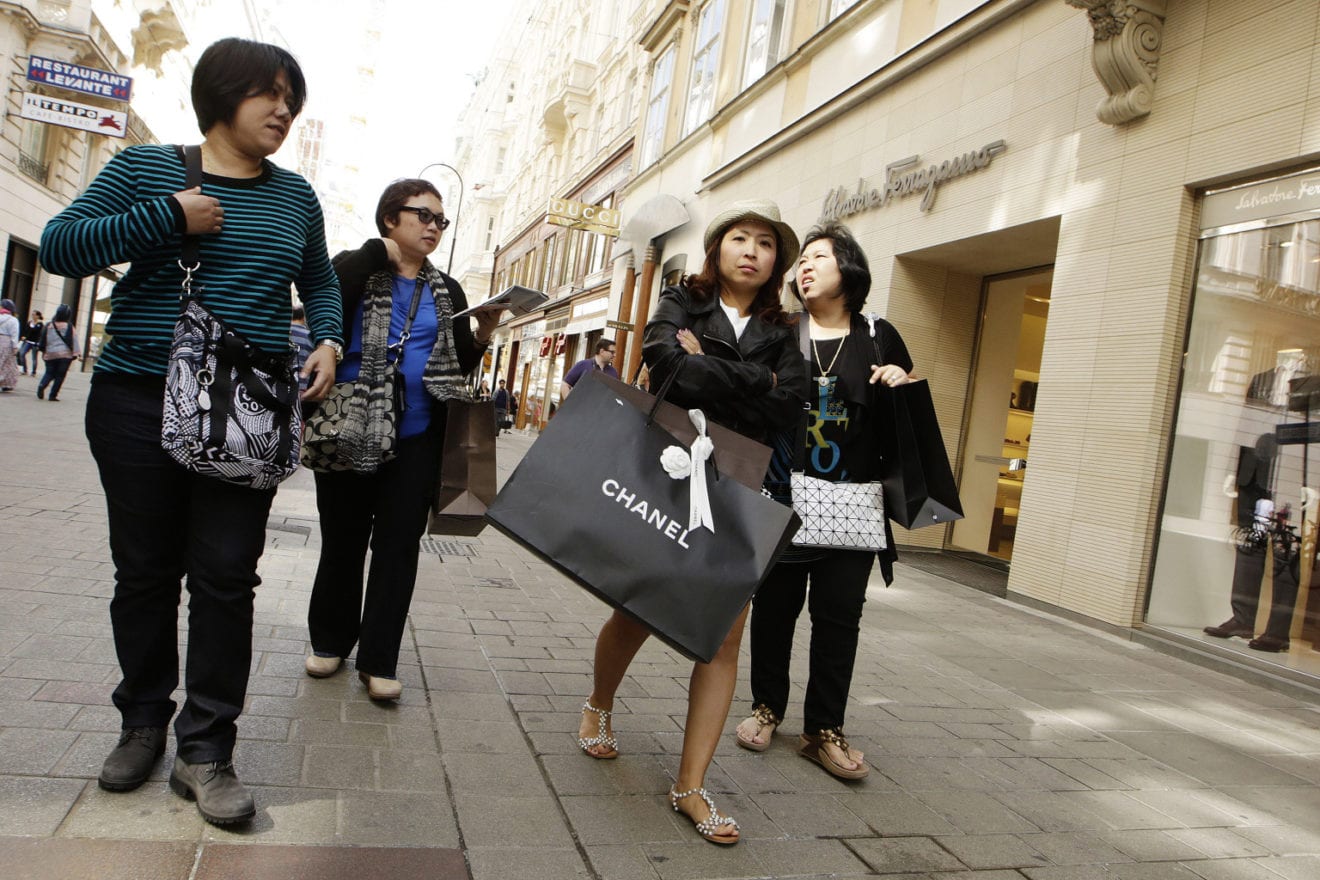
    The Asia luxury goods market is still growing rapidly despite negative press about Hong Kong, Macau and deteriorating China spending.

    Luxury goods retail sales in Asia-Pacific are expected to reach US$134.9 billion by 2019, growing at a CAGR of seven per cent during 2014-2019, according to the report Luxury Goods Retailing Market in Asia-Pacific, 2014-2019 Market and Category Expenditure and Forecasts, Trends, and Competitive Landscape.

    Japan will remain the largest Asia Pacific luxury goods market amid a slowdown in China and India’s luxury goods market is the fastest growing in Asia-Pacific, driven by rising disposable income, growing fascination towards luxury brands, and the desire of high earners to differentiate themselves from others.

    The report says jewellery, watches and accessories is the largest and fastest growing category in the region, driven by higher spending on jewellery and watches by Chinese, Japanese, and Korean consumers.

    The Hong Kong luxury goods market is struggling due to political unrest and reduced Chinese spending. A luxury tax exemption is expected to boost luxury goods consumption in Indonesia.

    Social messaging apps is a trending marketing channel for luxury brands, as the digital channel is influencing the purchasing decisions and pattern of consumers.

  • Aeon Living Plaza opens at HKIA

    Aeon Living Plaza opens at HKIA

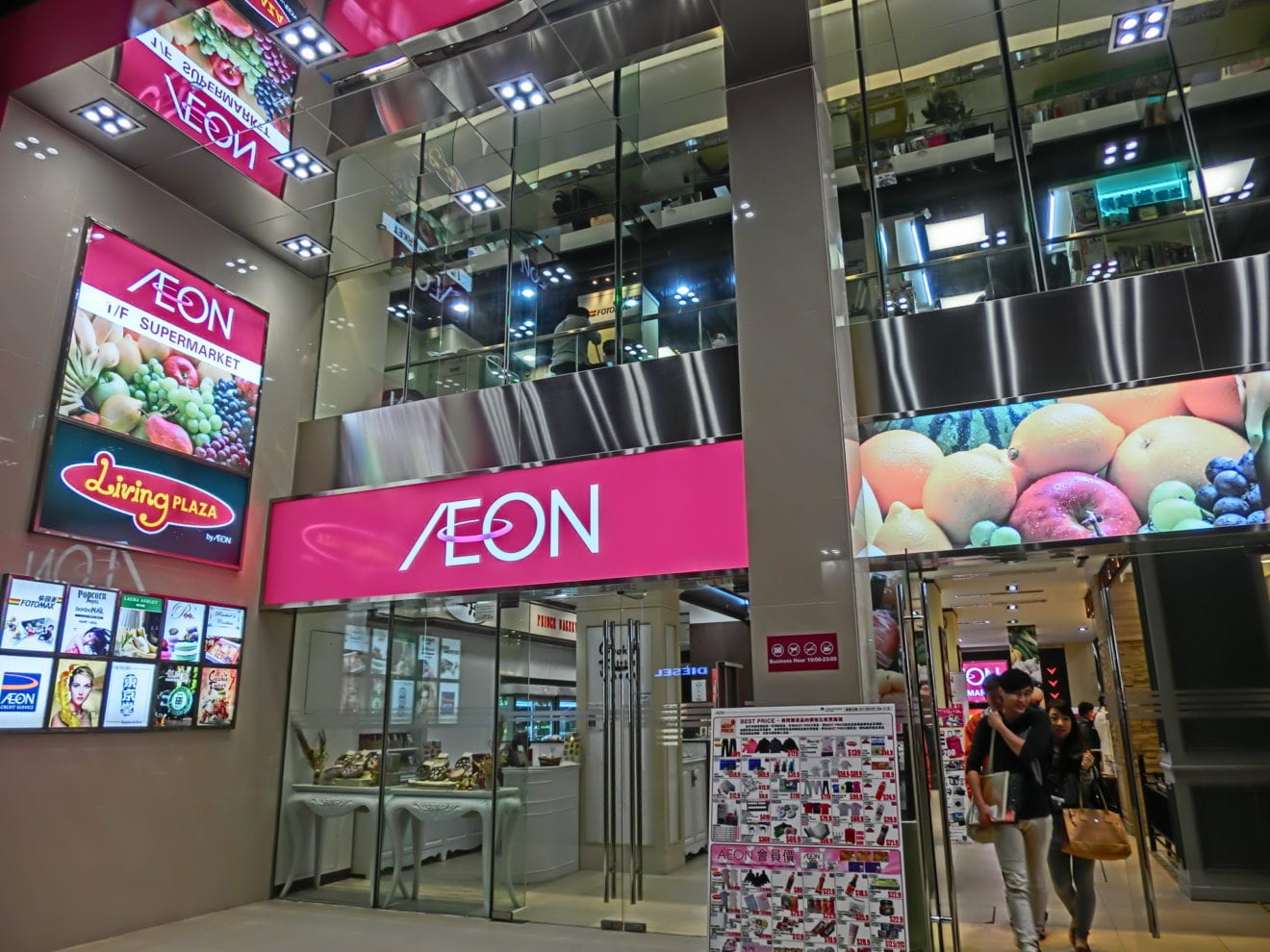
    Aeon Living Plaza has opened at Hong Kong International Airport.

    The new 4200 sqft store offers 8000 items ranging from snacks and convenience items through to home furnishings, fine stationery and other giftwares.

    Aeon Living Plaza at HKIA 1

    The shop takes up three retail spaces on the second floor of Terminal 2 and trades from 9am to 9pm daily.

    Aeon Stores (Hong Kong) Department Store was founded in 1987 and listed on the Hong Kong Stock Exchange in 1994. It operates eight integrated general merchandise department stores (GMS) in Hong Kong, five supermarkets, 27 Living Plaza by Aeon stores, six Bento Express by Aeon and two independent La Bohéme Bakery outlets. In Guangdong Province it has opened 20 GMS stores, six independent supermarkets and two shopping centres.

    Aeon Living Plaza at HKIA 2

  • O’Ringo shoe shop steps into Hong Kong

    O’Ringo shoe shop steps into Hong Kong

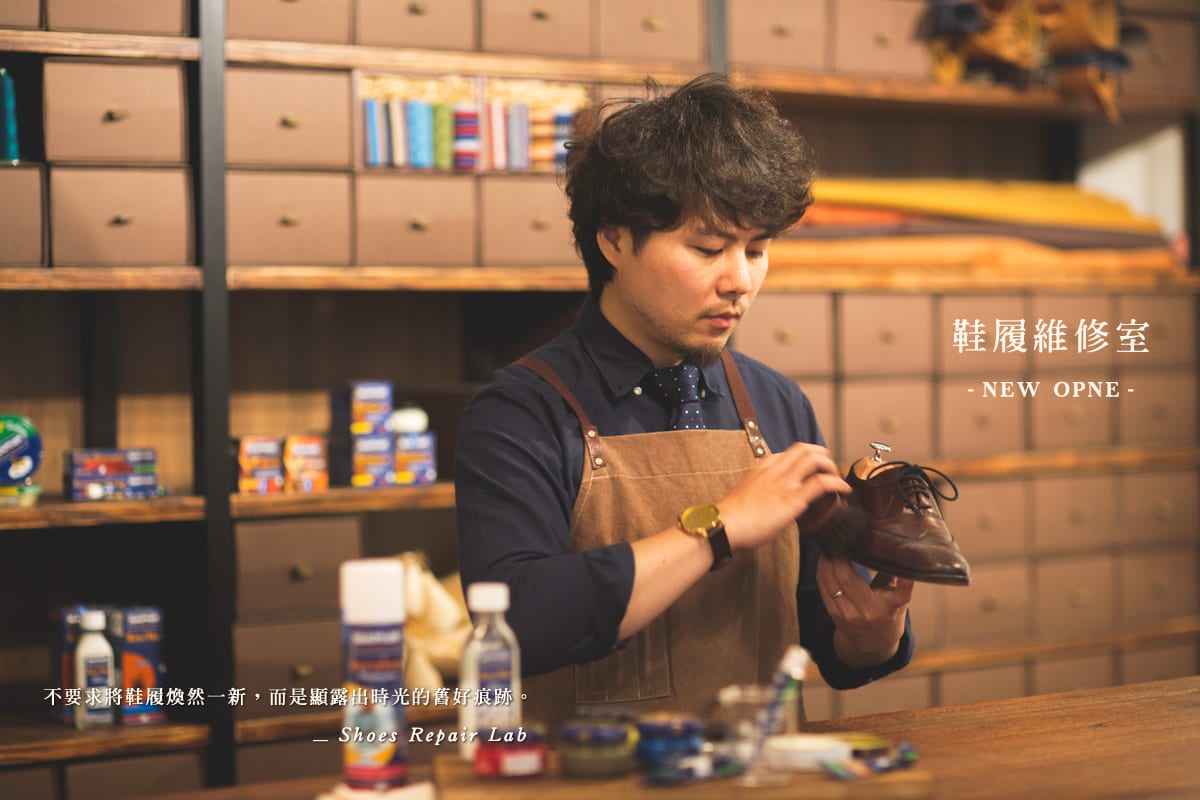
    Taiwanese handmade leather shoe brand O’Ringo has opened its first store outside Taiwan – in Hong Kong.

    It is just the fourth store operated by the nine year old brand, which has three in Taiwan.

    O’Ringo sells handmade leather shoes for men. It started online before opening its first physical stores

    Committed to keeping Taiwanese traditional art of shoemaking alive, the company ensures that all its shoes are handmade by Taiwanese shoemaking masters as part of the bid to promote their skills.

    The company sources everything from Taiwan, including its leather and other shoe materials.

    Founder Tseng Hsin-Ju said he hoped the Hong Kong shop can showcase the international status of Taiwanese shoemaking craftsmanship.

    “Hong Kong is one of the most international cities in Asia. It is also the perfect springboard from which to get access into the mainland market. With this unique role as a dual platform, the city offers a foothold for our company to test our brand acceptance and expand our business in both the international and mainland markets.

    “Taiwanese culture and products, from TV drama to movies, food and beverages, are very popular among Hong Kong people,” he added.

    “We hope to make use of Hong Kong’s international status to promote our handmade shoemaking craftsmanship.”

    Associate director-general of investment promotion, Dr Jimmy Chiang, said Hong Kong is a place where East meets West.

    “Together with its international business environment and huge number of international and mainland visitors, it is the ideal place for overseas companies to go global and enter into the mainland markets. We wish O’Ringo every success in Hong Kong and that it will expand its global and Mainland business from our city.”

  • Grofers shifts base to Singapore

    Grofers shifts base to Singapore

    PM Narendra Modi may have been the flag-bearer of `Make in India’, with his recent trip to the US being a highlight for `Digital India’. But another Indian startup has joined the growing list of new companies moving base out of India. Gurgaon-based Grofers decided to shift headquarters to Singapore from India.

    A hyperlocal grocery delivery firm, Grofers’ moving out is primarily due to a friendlier corporate regime in foreign countries.

    The shift has again highlighted a `brain drain’ of sorts with regards to Indian companies. Earlier, companies like Mobikon and AdNear had also moved out of India. In fact, Indian e-commerce’s poster boy Flipkart too shifted its base to Singapore, while some of the others like Fresh Desk and Druva chose USA.

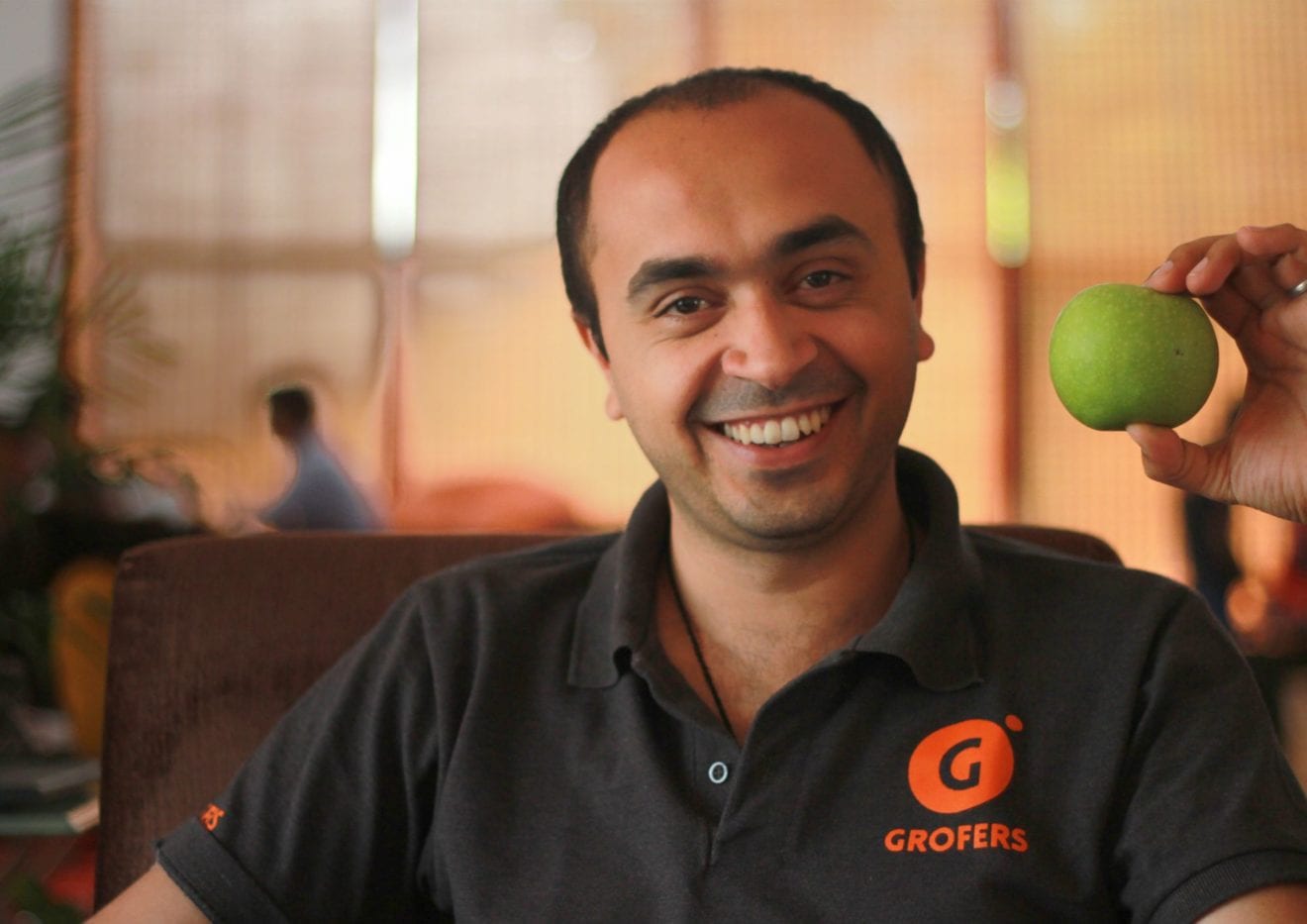
    Grofers co-founder Albinder Dhindsa said, “Our main reason for a Singapore holding company is owing to listing potential in the future. Our assets are still on the books of the Indian entity, so tax equation remains same for us.”

    India’s high corporate tax rates and compliance issues are the key reasons for companies to join the exodus, industry experts pointed out.

    In fact, investors too are more confident putting money into a startup when the company headquarters operates out of a tech-friendly foreign country .Corporate tax rate is 30% in India, while the same in Singapore is 17%. “India is a hot spot for startups now. But it is yet to catch up in terms of regulations and tax structures. In a tech-friendly market, which is mature enough to house them, getting relatively higher fundings and more valuation becomes easier,” said a domestic investor.

    Key stakeholders pointed out what also makes it even tougher for early stage or emerging companies in the new economy space is the fact that a fairly modestvalued company has to exercise same sort of compliances which an established conglomerate is expected to meet in India. “It is a strenuous task for even a middlesized company to match the corporate compliance standards of, say , a behemoth like ITC,” a corporate lawyer said.

    For Grofers’ next round of funding too, the Singapore entity might come in handy as its competitors like BigBasket and PepperTap have recently raised funds for expansion and acquired consumers in a sector which is the hottest in the ecommerce arena in India.What remains to be seen is whether the government can arrest the rising exodus and `Make In India’ becomes a reality.

  • Despite Slowdown, China’s Outbound Tourists Reach 242 Million

    Despite Slowdown, China’s Outbound Tourists Reach 242 Million

    As Chinese tourists head across the globe for Golden Week this week, luxury retailers are worried that an ailing stock market and devalued yuan will lead to muted growth compared to holiday seasons of the past. But according to newly released figures, long-term growth prospects remain strong for Chinese travelers, who are expected to double in number over the next decade.

    Some destinations may be in for a Chinese spending slump when it comes to luxury shopping over the holiday. According to recent figures released by Global Blue, UK luxury retailers are especially expected to feel the pain of China’s current economic woes during Golden Week.

    The retail tourism firm reported that the devaluation of the yuan in June led to a 2 percent year-on-year decline in Chinese tourist spending in August for the UK, down from 8 percent growth in spending between January and July.

    According to an official statement, “Global Blue is anticipating the Golden Week rush will be significantly weaker this year, and the decline could continue throughout the fourth quarter as Chinese are left disinclined to book trips abroad.”

    But retailers shouldn’t fret too much about long-term prospects, as a recent study published by HSBC found that outbound Chinese traveler numbers are expected to hit 242 million by 2024—a number more than double last year’s amount, which was estimated by HSBC to be 116 million. In addition, a recent report by the Fung Business Intelligence Center and China Luxury Advisors found that outbound Chinese traveler spending will hit $422 billion by 2020, up from an estimated $200 billion this year.

    Even as retailers fret about their sales prospects for this Golden Week, not everyone is expected to lose out. A weak euro still makes Europe a popular destination despite the devalued Chinese currency, and Global Blue found that Chinese shopper numbers in Europe rose by 74 percent in the first half of this year.

    Online travel agency Ctrip still expects outbound tour bookings to double for the period, and has reported that Hong Kong, Tokyo, and Bangkok are the top three holiday destinations for Chinese tourists. While luxury retailers in some destinations may be noticing the slowdown much more than others, those that keep their eye on the prize when it comes to Chinese travelers are more likely to have a fruitful decade to come.

  • Gold at Discount for Fourth Week in India, China Goes on Holiday

    Gold at Discount for Fourth Week in India, China Goes on Holiday

    Gold prices in India continued to trade at a discount for a fourth straight week, while premiums in China fell before it went on a week-long national holiday, in signs of sluggish demand in top consuming region Asia.

    Persistent weakness in India and China, which together account for about half of global demand, could add more pressure on gold prices, already reeling from a looming US interest rate hike.

    In India, retail demand dwindled due to the start of Shradh, a two-week period considered an inauspicious time to buy gold, property or any big purchases.

    Demand was also reduced by a weak monsoon that has eroded farmers’ income. Two-thirds of Indian gold demand comes from rural areas, where jewellery is a traditional store of wealth.

    “Prices are attractive, but retail demand has moderated due to the start of Shradh,” said Kumar Jain, vice-president of the Mumbai Jewellers Association.

    Discounts remained steady from last week at $6-$8 an ounce to the global benchmark.

    “Local refiners are aggressively selling due to duty advantage they are getting on dore import,” said a Mumbai-based bullion dealer with a private bank.

    A lower import duty of 8.24 per cent on dore, versus the 10.30 per cent on refined gold, is helping refiners offer a bigger discount than banks, he said.

    In top consumer China, premiums slipped to $1-$2 an ounce this week, from around $5 early last week, before markets closed on Thursday for a week-long holiday.

    Robust imports across the region since July, when gold price dropped to a 5-1/2-year low, was also adding to woes in the physical market.

    “There is an oversupply in the precious space,” said a dealer with a bullion bank in Hong Kong. “There was a lot of enthusiasm earlier with the price drop but now not so much.”

    “Physical demand is subdued so we are in a situation where we are stuck with the metal,” he said.

    However, things could pick up as the fourth quarter is a seasonally strong period for gold demand in both the countries.

    Chinese demand is expected to pick up from the ongoing Golden Week holiday, when millions of people travel and spend more than usual, boosting retail sales, and lasts until Lunar New Year early next year.

    In India too, an auspicious period kicks off around mid-October.

    “After Shradh, demand will improve significantly as festivals and wedding season are lined up,” said Mumbai Jewellers Association’s Jain.


  • Sri Lanka to revive Sathosa with help from Singapore

    Sri Lanka to revive Sathosa with help from Singapore

    Sri Lanka’s state owned retail chain Lanka Sathosa, plans to get support to revive from Singapore as the retail chain is making continues losses, ministry of industry and commerce said in a release.

    Lanka Sathosa owned more than 310 outlets around the Island.

    “We are restructuring LAKSATHOSA and are still experiencing monthly losses,” Rishad Bathiudeen, minister of industry and commerce was quoted saying in the release.

    In 2014, Singapore became the fourth in importing products and services to Sri Lanka representing 6.6 percent of Sri Lanka’s total import.

    Sri Lanka import petroleum oils, milk & creams, fertilizers, iron, steel and plastics from Singapore at around 1.2 billion dollars.

    “I recommend you to follow Singapore’s NTUC Fairprice Co-operative model for LAKSATHOSA. NTUC Fairprice is Singapore’s largest retailer with multiple retail formats,” Chandra Das, High Commissioner of Singapore and the former Member of Parliament of Singapore from Chong Boon was quoted saying in the release.

    “I see that SATHOSA too is basically a cooperative model. I was NTUC Chairman for 33 years therefore I can see that it’s a good model you can adopt. We have made NTUC Fairprice shops world-class. NTUC Fairprice competes on a “patronage rebate and a 10 percent lower price than comparable popular brands” model of retail, which brought it a revenue of 2.2 billion dollars in 2014,”

    “NTUC Fairprice belongs to workers and trade unions and NTUC profits are given back to Singaporeans who buy its shares,”

    “I notice that there is no central warehouse for LAKSATHOSA! You need to establish central logistics,”

    Das had asked to send a study team from sathosa to Singapore for a NTUC Fairprice training.

    “We’ll do this for Sri Lanka. Singapore is pleased to support LAKSATHOSA.” He added.

    Since it was founded by the labour movement in 1973, NTUC Fairprice today sells more than 2000 house-brand products across 120 outlets in Singapore serving more than 400,000 shoppers daily.

    However in June the industry and commerce ministry said the Lanka Sathosa, will be given a 7.5 billion rupee bail out from the treasury and audit firm  KPMG has been appointed to look into ways of re-structuring it.

    “The Finance Minister Ravi Karunanayake had agreed to give 7.5 billion rupees from the treasury to keep the firm out of trouble,” Rishard Bathiudeen, Minister of Trade and Commerce said in June.

    “Lanka Sathosa owes 10 billion rupees to two state banks and three billion rupees to suppliers and we are facing problems to keep it profitable,”

    “KPMG is expected to find ways to sustain Lanka Sathosa in a profitable manner.”

  • Hong Kong retail sales slump by widest margin since January

    Hong Kong retail sales slump by widest margin since January

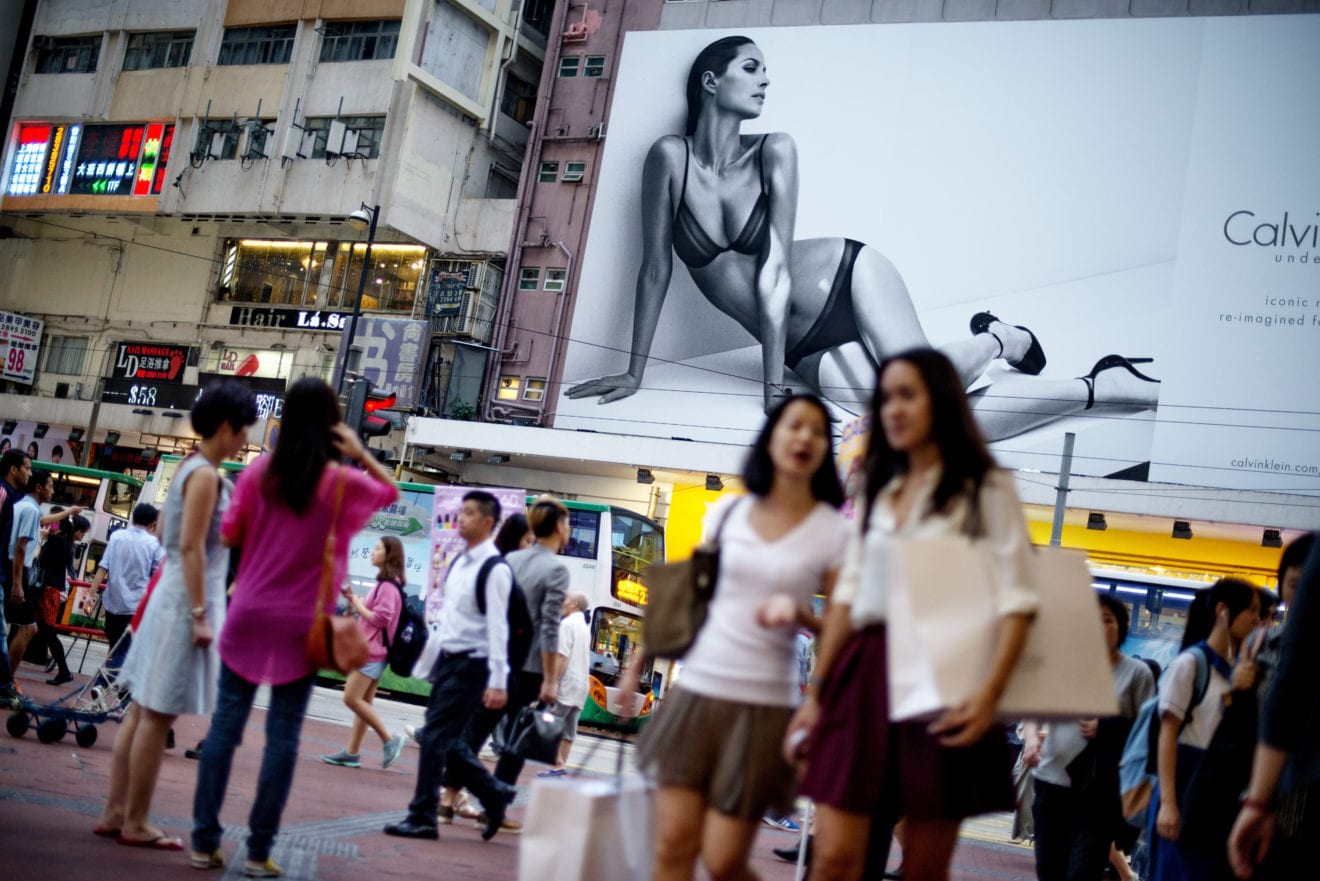
    Retail sales in Hong Kong declined for a sixth straight month in August due to a slowdown in inbound tourism and sluggish economic conditions.

    The value of total retail sales in August declined 5.4 per cent year on year to HK$37.9 billion, following a 2.8 per cent drop in July, according to the latest figures from the Census and Statistics Department.

    The fall was the biggest since January’s year-on-year decline of 14.5 per cent.

    The government said on Friday that the tourism downturn and recent stock market gyrations might have dented consumer sentiment.

    The total number of visitors dropped 6.6 per cent to 5.6 million in August, while the largest source of visitors -from the mainland – declined by 7.1 per cent.

    The spokesman also said the different timing of the MidAutumn Festival, which fell in late September this year but early September last year, pushed back some sales and added weakness to the performance in August.

    Sales of Chinese drugs and herbs recorded the biggest drop of 17.4 per cent among the various sectors.

    Apparel and department store sales suffered further retreats of 13.5 per cent and 8.6 per cent respectively, after dropping 13.1 per cent and 7.3 per cent in July. The value of jewellery, watches and clocks and valuable gifts dropped for an eleventh month, with a decline of 8.8 per cent in August.

    Bank of Communications economist and strategist Kelvin Lau Gin-yip said the continued fall in retail sales was expected, and warned that the worst was yet to come.

    “It is just the beginning,” Lau said.

    “The tourism downturn results in downsizing for the retail sector, which further dents local consumer sentiment. This is reflected in the decline in apparel and department store sales.”

    Lau also said the near-term outlook for retail sales remained subject to uncertainties, and he could not see any prospect for recovery in the short run because of the strong US dollar to which the local currency is pegged.

    However, there was some positive news. Sales of miscellaneous consumer durable goods surged 50.2 per cent in August. No explanation was given.

    Commerce minister Greg So Kam-leung said yesterday that the spending pattern of tourists, especially mainlanders, had changed.

    He added that the government noted weakening Asian currencies had prompted tourists to visit alternative destinations, and economic uncertainties had dented tourist sentiment, which had led to slumping retail sales. He said the government would closely monitor the situation and consider possible strategies to help tourism.

  • Davidoff & Sparkle Roll seal huge China deal

    Davidoff & Sparkle Roll seal huge China deal

    Oettinger Davidoff AG and the Hong Kong listed Sparkle Roll Group have rubber stamped their earlier agreed multi-million dollar Davidoff cigar and cigar accessories joint venture for China, with Davidoff taking 49.9 % and Sparkle Roll 50.1%.

    While the framework agreement was announced several months ago, the development is nevertheless a huge commitment for both companies with Oettinger Davidoff agreeing to subscribe for 499 Shares in the New Joint Venture Company, representing 49.9% of the total number of the issued shares at a total purchase price of US$1.497m (equivalent to approximately HK11.677m).

    For its part, Sparkle Roll/CGL is subscribing for 501 Shares representing the 50.1% balance at a total purchase price of US$1.503m (equivalent to approximately HK$11.723m).

    Commenting on the landmark arrangement, Hans-Kristian Hoejsgaard (left), CEO and Board member of Oettinger Davidoff AG, said: “The signing of this Joint Venture agreement heralds a new era in our relationship with Sparkle Roll and in our commitment to building the Davidoff business in China.

    “This market represents the single largest business opportunity for Davidoff in our time and I am convinced that with this new Joint Venture we will be able to exploit that opportunity to its fullest.”

    Mr. Tong Kai Lap, Chairman of Sparkle Roll, said: “Since the individual customers of Sparkle Roll’s existing principal business in top-tier automobiles are predominantly people with high spending power, the Joint Venture will create synergies for both companies. The end products in both businesses are perceived to have the same target customer group and market positioning in the premium segment.”

    The Sparkle Roll Group’s business reads like the Who’s Who of the luxury goods industry, with its main business principally engaged in the trading of top-tier automobiles, high-end watches and jewellery, fine wines and other branded consumer goods in the PRC, Hong Kong, Macau and Malaysia. It also operates dealerships for top-tier automobiles such as Bentley in Beijing and Tianjin, Lamborghini and Rolls-Royce in Beijing.

    The original announcement relating to this deal was made earlier this year and referred to in Davidoff’s results statement earlier this year.

    The first part of a comprehensive interview with Hans-Kristian Hoejsgaard also appeared in the September issue of TRBusiness, with the second due to appear in the October TFWA show issue in a few week’s time.

  • On Pedder’s largest store yet

    On Pedder’s largest store yet

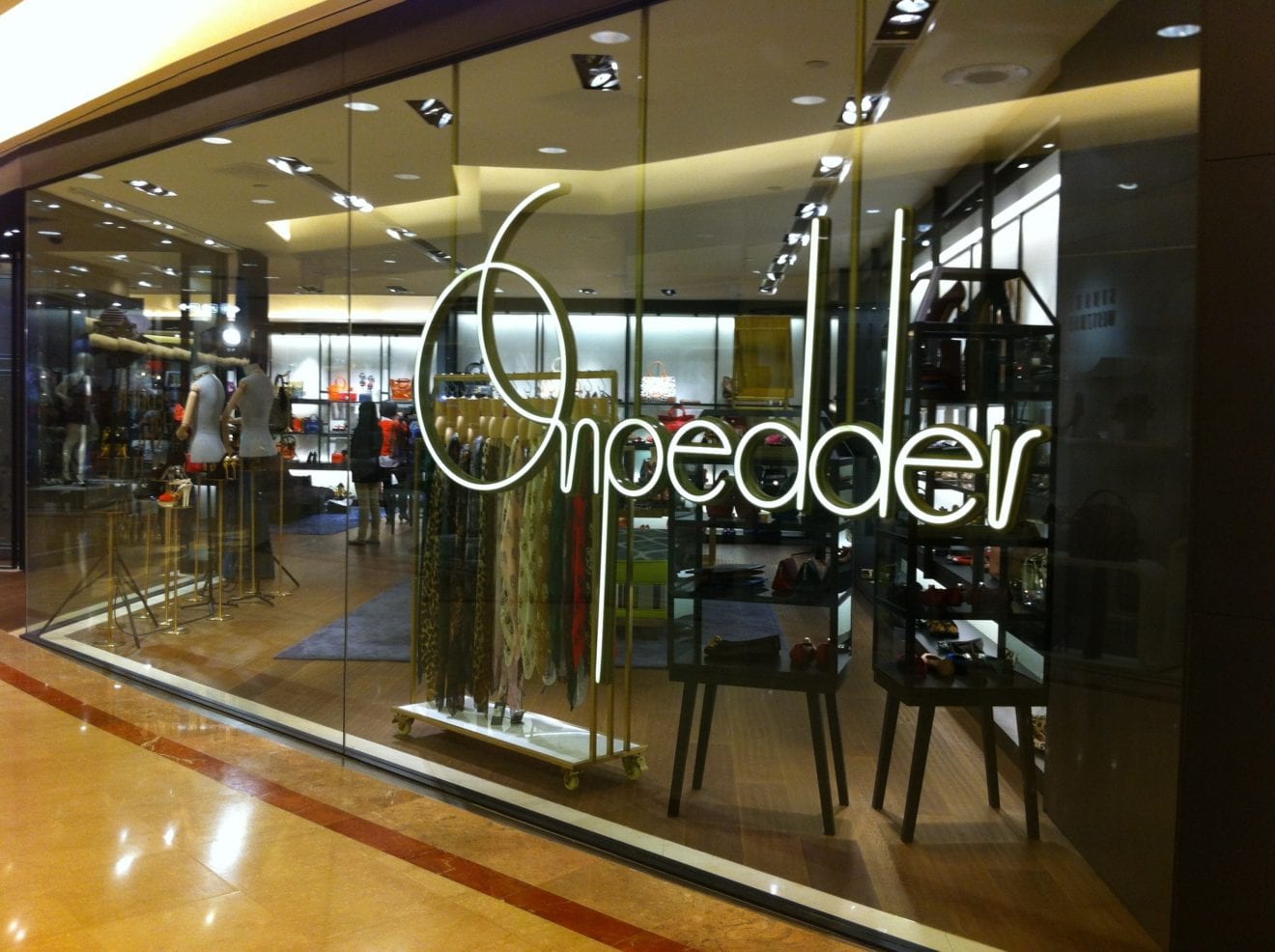
    Pedder Group has opened a 20,000 sqft flagship on Scotts Rd – its largest store in Asia.

    The new store dwarves the Hong Kong-headquartered brand’s stores in China and Hong Kong, which are 3000 to 3500 sqft. And it’s four times the size of the On Pedder store it replaces, which closed in June for refurbishment after four years. On Pedder also has a 2000 sqft store at nearby Ngee Ann City.

    On Pedder Scotts Rd Singapore

    The Lane Crawford Joyce Group subsidiary has curated a mixture of brands into a high end fashion department store. About 40 brands are exclusive to Pedders, the rest selected from the growing stable of brands Lane Crawford Joyce Group works with in Greater China. The exclusive ranks include American label Sam Edelman, British shoemakers George Cleverley and Foster & Sons, and milliners Lock & Co Hatters from England.

    A key highlight of the new shop is the first dedicated menswear store for the brand outside Hong Kong, featuring 35 designer labels, six exclusive, including Giuseppe Zanotti, Lorenzo Villoresi and Japanese cult brand Tomorrowland.

    A kidswear section features 20 designer labels along with streetwear brands including Vans, Onitsuka Tiger, Stuart Weitzman and Charlotte Olympia.

    And a sportswear department features limited-edition collections from Adidas, Nike, Vans and Converse.

    On Pedder plans a regularly roster of pop up stores from a variety of brands to showcase one-off designer collaborations, new brands or special promotions.

    On Pedder Singapore Scotts rd


    And anchoring the whole store from the end of this month will be the first Singapore outlet of successful Hong Kong cafe chain The Coffee Academics, serving breakfast, lunch and dinner. The Coffee Academy has built a strong reputation in Hong Kong for quality espresso-style coffees and holds courses on coffee roasting and blending.

    Pedder Group president Peter Harris told the Straits Times in an interview its customers are now shopping vertically across price points and products that suit their lifestyle needs.

    “When you talk about luxury now, it applies to a broad section of fashion. The designer footwear that they’re looking for could be the perfect sandals to take on holiday or a pair of sports shoes.

    “We want to offer a broader range of footwear and accessories, which cannot be done well with the retail space and format we had at Scotts Square previously.”

    Pedder on Scotts officially opens on October 16.

  • Asia mCommerce shopping soars

    Asia mCommerce shopping soars

    Asia Pacific consumers are increasingly likely to make their online purchases and bill payments through mobile devices (mobile phone or tablet), rather than via desktops, according to Visa’s 2015 Regional eCommerce Monitor Survey.

    The survey, which polled 11,760 respondents from 13 markets in Asia Pacific, found respondents reported an average 22 per cent increase from 2014 in Asia mCommerce shopping.

    Respondents from Indonesia (36 per cent), Mainland China (34 per cent) and Taiwan (28 per cent) reported the greatest growth in mCommerce during the year.

    The rising popularity of mCommerce among Asia Pacific consumers is narrowing the gap with traditional eCommerce channels such as laptops or desktop computers across the region. In Thailand, consumers are as likely to purchase using their mobile devices as through desktops, while the mCommerce-eCommerce gap in markets such as Mainland China (eight per cent), Korea (nine per cent) and Indonesia (nine per cent) is decreasing.

    Visa’s regional director for eCommerce, Conor Lynch said the results show that making purchases on the go through mobile devices is becoming the norm in Asia Pacific.

    “As consumers get more comfortable using their smart devices to research, browse and purchase, mCommerce should soon overtake traditional eCommerce habits, strengthening this channel of engagement between consumers and retailers.”

    The survey also found travel, bill payments and movies were the top spending categories for eCommerce in general across Asia.

    For mCommerce, the top three categories are also fashion, bills and movies at 27 per cent each.

    “Across Asia Pacific, we are seeing that ticket-size, as well as the nature of the purchase, impacts how consumers purchase goods and services online. Consumers in this part of the world, are already comfortable purchasing smaller ticket-sized, everyday items by clicking the purchase button on an app or checkout button on a mobile device,” Lynch said.

    Another continuing trend revealed by the survey is the tendency for consumers to engage in cross-border online shopping. In particular, consumers from Singapore (77 per cent), Australia and Hong Kong (75 per cent) and New Zealand (74 per cent), are the most likely to make online purchases from retailers abroad, well above the regional average of 55 per cent. On the other hand, consumers from Japan (81 per cent), Taiwan (61 per cent) and Vietnam (57 per cent) are more likely to shop at domestic online stores.

    When shopping online with an overseas retailer, price (68 per cent), access to products (60 per cent), paying and delivery processes (40 per cent) and reputation of products (29 per cent) are key motivations for Asia Pacific consumers.

    The Visa eCommerce Monitor Survey 2015 was conducted by ORC International Singapore with 11,760 consumers, aged 15 to 55 years and across 13 countries and markets – Australia, Mainland China, Hong Kong, India, Indonesia, Japan, Malaysia, New Zealand, Singapore, South Korea, Taiwan, Thailand and Vietnam in May and June 2015.

  • AirAsia makes Tune Money its wholly owned unit

    AirAsia makes Tune Money its wholly owned unit

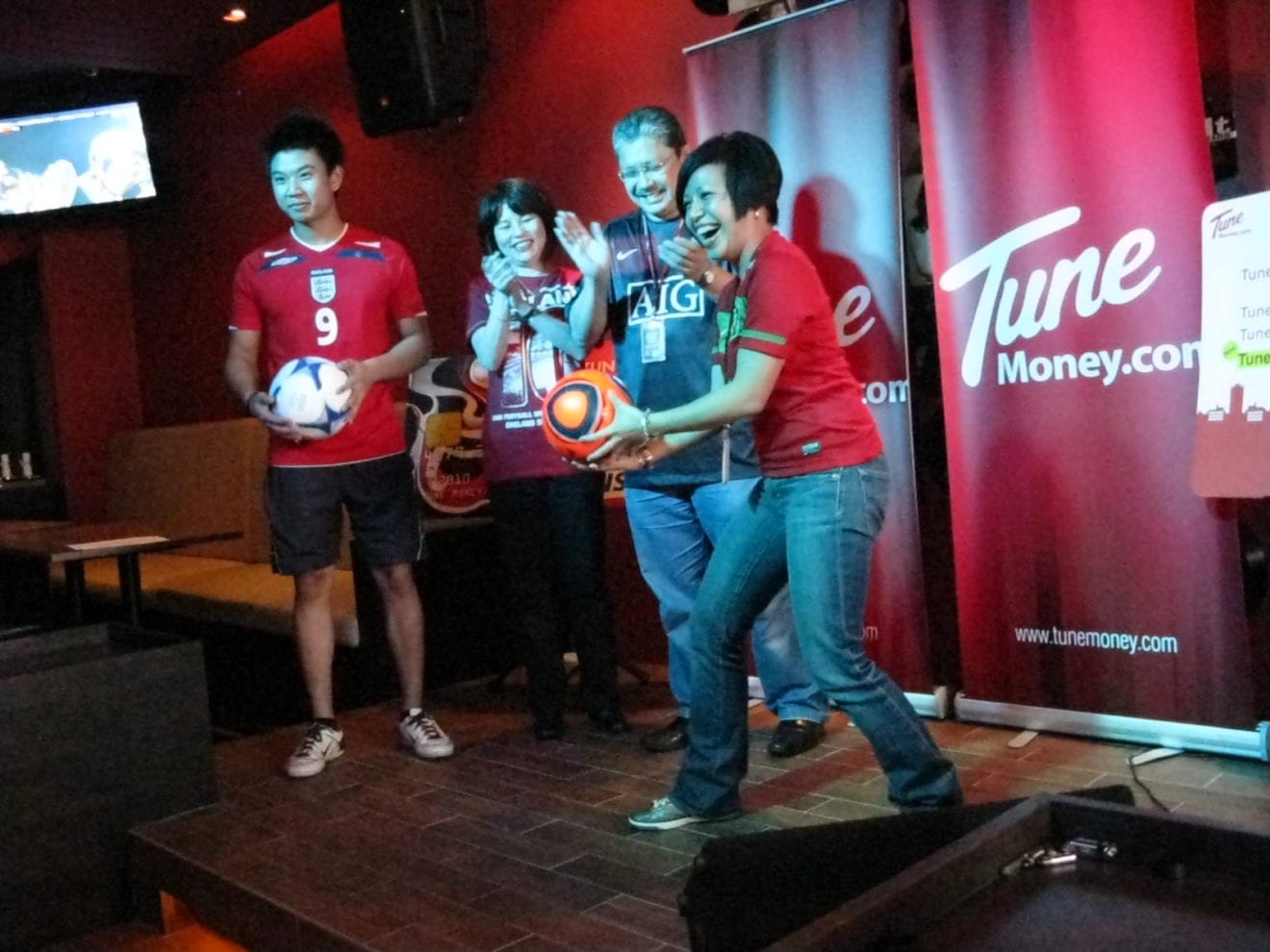
    AirAsia Bhd is acquiring the remaining 60% interest in financial services provider Tune Money Sdn Bhd as well as its entire issued redeemable preference shares (RPS) for RM6.36mil in cash.

    In a filing with Bursa Malaysia, AirAsia said the payment of about RM0.038 per ordinary 10 sen share and RM150,000 per RPS to vendor Tune Money International Sdn Bhd (TMI) would be financed by the company’s internally generated funds.
    TMI and AirAsia share two common shareholders and directors, namely Tan Sri Tony Fernandes and Datuk Kamarudin Meranun.
    AirAsia said Bank Negara had stated on Sept 30 that it had no objections to the transaction.
    On the rationale for the acquisition, it said this would give additional benefits that could only be realised through full ownership and control of Tune Money.
    “Full ownership would allow greater control and facilitate accelerated decision-making with regards to AirAsia priority items that would help support the company’s business plan and commercial objectives.
    “Additionally, once AirAsia increases its stake in Tune Money to above 50%, Tune Money will no longer be classified as an associate and AirAsia will be able to incorporate Tune Money’s contributions to company revenue, which would improve AirAsia’s top line as well as ancillary revenue,” the low-cost carrier said.
    These, it added, were on top of the existing benefits that AirAsia enjoyed through its ownership of a stake in Tune Money, such as lower merchant discount rate, increasing ancillary spend by incentivising guests with meal and baggage discounts, and accelerating deployment of the BIG Loyalty programme by allowing points accrual from purchases outside the AirAsia ecosystem.
  • CRMNEXT Launches Indonesian Digital Operations in Alliance with Dimension Data

    CRMNEXT Launches Indonesian Digital Operations in Alliance with Dimension Data

    CRMNEXT, Global Leader in commutable cloud, Digital-Customer Relationship Management (CRM) solutions, today announced, launch of its full-fledged Indonesian operations in alliance with Dimension Data, a leader in cloud architecture solutions. The 2-day (7th & 8th October) launch event kicked-off today at Hotel Sultan in Jakarta, Indonesia.

    Indonesia is the fastest growing economy in south-east Asia. In order to cope with a growing economy amidst a wave of global Digital disruption, businesses such as Banking, Financial Services & Insurance in particular, need smarter tools to manage and nurture their customers.

    Elaborating on the inaugural event, Sushil Tyagi, Director – Global Sales for CRMNEXT, said “We are truly excited with the launch, as Indonesia not only has an impressive economic growth, but is also coupled with well-functioning financial systems. It’s imperative that technology solutions would advance organization’s efficiency and overall progress.  CRMNEXT is the world’s only true auto-upgrade, scalable and agile CRM Solution for the digital age. Dimension Data brings the right synergies to deliver cloud CRM solution on private or public cloud. Together, we would be able to offer the right solutions to the Indonesian customer to implement a true cloud solution for today’s digital Age.”

    Delivering a seamless delightful customer experience that propels companies to accelerate growth is the need of the hour. Acknowledging this need, CRMNEXT’s partnership with Dimension Data will provide Digital-CRM solutions that are custom made and designed for Indonesian business.

    Manish Pratap, General Manager, IT as a Service, Dimension Data Asia Pacific said, “In the digital economy, organizations need to innovate faster than ever before. They must think big, start small and scale fast. We at Dimension Data are committed to making industry leading solutions available to enterprises on our Managed Cloud Platform™. It is our pleasure to partner with CRMNext, a leader in the Digital CRM market, to jointly deliver their solution on cloud.”

    Speaking on the occasion, said Hitesh K. Arora, Director of Strategy and Customer Advocacy for CRMNEXT, “Businesses can start small, do a thorough pilot and then scale up as per need on a reliable true-cloud infrastructure. We’ve proven this for Asia’s largest enterprises including the largest Digital-Native Bank. This kind of convenience driven by agile, cost-effective technology has repeatedly given significant savings on running costs and is primarily offered only by CRMNext. Hence, we believe we’re here to stay and serve the Indonesian business community.”

    Insurance Companies, Banks & Financial Services Enterprises of Indonesia would especially be impacted by this new partnership that offers smarter tools to manage and nurture their expanding customer-base.