Author: Mei Ling Tan

  • Guangfuhao Hong Kong store opens

    Guangfuhao Hong Kong store opens

    Taiwanese handmade canvas bag store, Guangfuhao, has opened its first Hong Kong store.

    Guangfuhao was established in 2009, not only to nurture Taiwanese traditional industry and promote the craftsmanship of Taiwanese masters, but also cultivate a new generation to join the industry.

    Founder Po Lee said the Guangfuhao Hong Kong store will range a series of canvas bags designed to cater to the lifestyle needs and work purposes of Hong Kong people.

    “Hong Kong is an open and international city and people here are multilingual with global vision. International brands have already built their presence in the city. That’s why we decided to open our first store in Hong Kong which is a very important step for us to go global.

    “The Taiwan market is small and competitive. If we want to expand our business, we need to enter into the global markets. Hong Kong as the world city offers a perfect foothold for us to market our products and promote our brand.”

    Associate director-general of investment promotion Dr Jimmy Chiang said “Hong Kong has a “very dynamic retail industry” with a variety of international brands as well as boutique stores using the city to expand their business.

    “The large number of international and Mainland Chinese visitors every year provides huge business opportunities and a global branding leverage, making the city  the best window for overseas retailers to expand their global business.”

    Guangfuhao uses pure cotton canvas to produce its bags. All components, from zipper to buckle, from strap to thread, are made in Taiwan.

  • TWG Teas plays down pesticide scare

    TWG Teas plays down pesticide scare

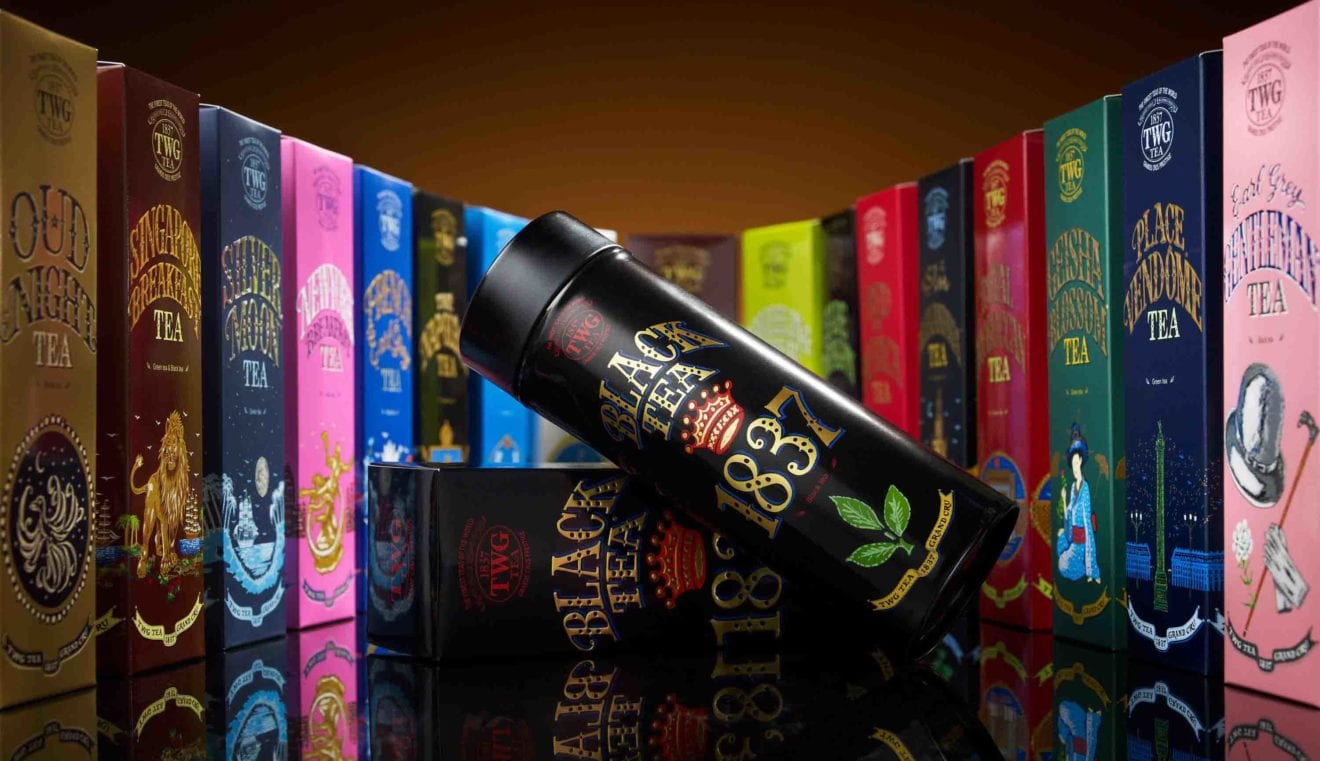
    Osim International subsidiary, upmarket tea chain TWG, is playing down a pesticide report in Taiwan.

    Taiwan’s Food and Drug Administration says it found excessive levels of pesticide residues in TWG’s Chamomile Green Tea sourced from India.

    TWG has retail stores in Singapore, Malaysia, Japan Cambodia, Taiwan, Hong Kong, Korea and the Philippines, China, Indonesia and Thailand as well as in Europe, and sells packaged teas online. It positions itself as a high end, gourmet tea brand.

    But a TWG Tea spokeswoman Maranda Barnes told The Business Times the issue has been “overblown” by Hong Kong media, and consumers in Singapore, Hong Kong, China and Taiwan had nothing to be concerned about.

    She said the Chamomile Green Tea had passed tests by Singapore authorities, but been rejected by the Taiwan FDA.

    Barnes said tea leaves in Taiwan are tested in the same way as fresh fruit and vegetables designed to be chewed and swallowed – yet if a residue was present in a tea leaf it would be infinitely diluted when infused as tea is designed to be drunk.

    She said it was impossible to test every tea for every one of 300 pesticides in existence.

    “We put our teas through a battery of tests. Unfortunately, we cannot test for every single chemical in the world in every batch. In Taiwan, even if a product was rejected and sent back, the government will promote the rejection through the media.”

    TWG is in ongoing discussions with Taiwan’s FDA regarding the test results.

  • Caffe Bene Vietnam starts franchising

    Caffe Bene Vietnam starts franchising

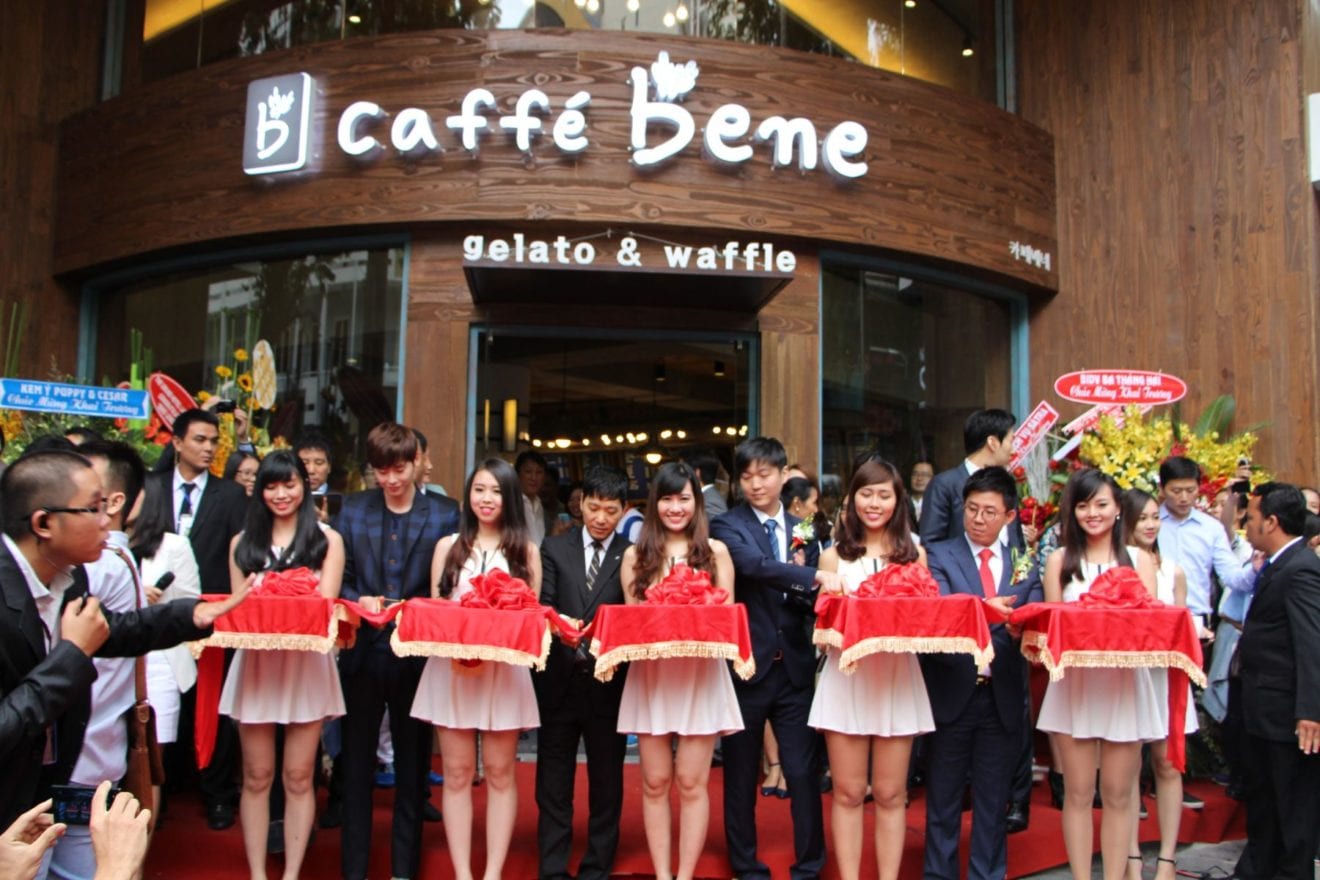
    Korean coffee chain Caffe Bene has opened its first franchised store in Vietnam.

    Caffe Bene Vietnam’s third store – its first franchised outlet – is located in the recently opened SSC VivoCity shopping centre in Ho Chi Minh City’s District 7, a popular expat residential area.

    While coffee is at its core, Caffe Bene has attracted a large customer base of Vietnamese due to its shaved ice desserts, bagels and ice cream.

    The first Caffe Bene store opened in Ho Chi Minh City last year in a prime two-storey corner site on the city’s main shopping street Dung Khoi, in premises vacated by apparel chain Esprit. Queues formed from day one.

    Now that it has refined its offer and gained market experience through its two company-owned stores, the company is launching its franchise program. It plans to have 50 stores trading in Vietnam by the end of next year.

    Caffe Bene Korea is focusing on international expansion after reaching saturation point in its own market with a network of 810 stores. It has more than 500 stores in China and two in the US. It will also take its brand to the Middle East after signing a franchise agreement with Saudi Arabia-based Keden Group.

  • Can American Apparel be saved?

    Can American Apparel be saved?

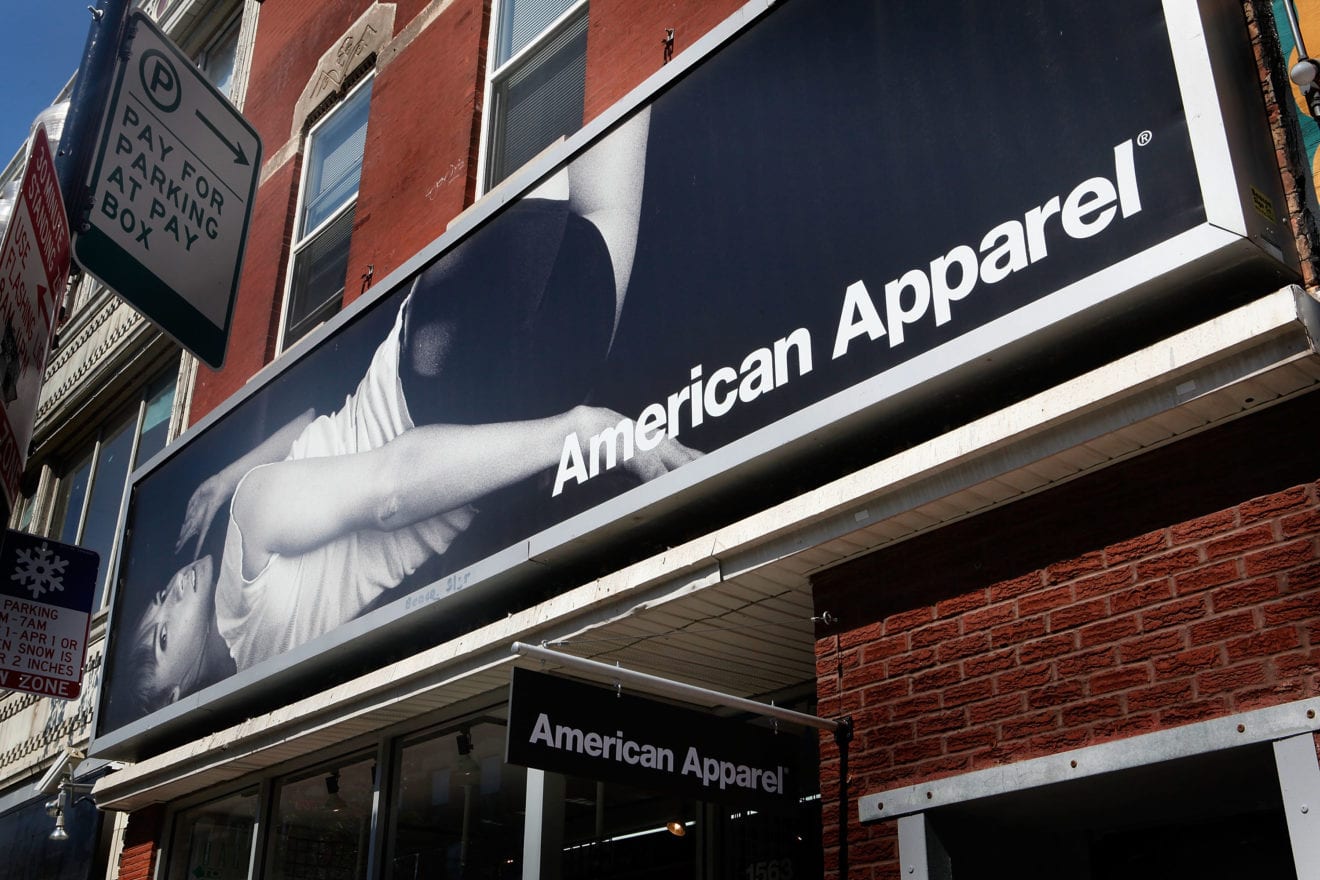
    American Apparel, the controversial teenage-oriented fashion brand founded in 1989, has been placed in Chapter 11 bankruptcy protection.

    The company says it intends to pay its suppliers in full under normal terms for goods and services provided.

    The move comes a year after the company ejected its founder Dov Chaney, currently embroiled in a legal battle with the business. Chaney has a string of sexual harassment charges and controversies surrounding his leadership of the business, which was also criticised in the past for its sexualisation of models and risque clothing.

    Neil Saunders, CEO of Conlumino, said a “triumvirate of rapidly falling sales, a balance sheet laden with debt, and several ongoing management crises has finally proven too much” for the iconic retailer.

    “Bankruptcy protection is, in our view, the only viable option for American Apparel which is crippled by $311 million of debt and subject to a number of corporate lawsuits, including those brought by Charney.”

    If granted by the federal court, Chapter 11 will allow the company to reduce its debt to $120 million under a debt-for-equity conversion; consequent interest payments would be reduced by some $24 million a year, giving the company much needed breathing space. However, most importantly, protection would temporarily forestall any pending lawsuits, which will allow management to focus on its turnaround program rather than fighting legal battles.

    “Arguably, the big loser will be founder Dov Charney, who will not only see his legal proceedings delayed but will also find, along with other shareholders, his holding in the company (currently worth some $8.2 million) wiped out,” says Saunders.

    In our view, while Chapter 11 gives American Apparel some space to sort out its various issues it is not, in and of itself, a solution to the retailer’s woes. Paula Schneider, the current CEO, and her team – many of whom look likely to stay on through the process – must proactively use the opportunity of Chapter 11 to reinvent and reestablish the company,” he said.

    “While the turnaround will be tough, we do have confidence that Ms Schneider understands the issues and has a plan of action. Indeed, at the last set of quarterly results she clearly outlined a number of initiatives – including streamlining costs, new fall collections, and the strengthening of the leadership team – in order to help revive sales and profits. We are also encouraged by the more favorable trading numbers coming from a number of American Apparel’s teen competitors: the trading backdrop is now more favorable than it once was.”

    But Saunders cautioned that “ big questions remain” around both brand and product.

    “On the former, it is still not clear what American Apparel is trying to change to. We know that the company is looking to be more ethical in its marketing, relying far less on the sexual overtones it has used in the past. However, as welcome as this may be, it does mean that a fresh viewpoint is needed in order to give the company a clear and cohesive brand image.

    “The search for a point of view and a handwriting for its ranges is also a crucial one, and is something that American Apparel needs to sort out as quickly as possible. This is especially so with competition intensifying, with the expansion of players like Forever 21, H&M and now, albeit on a smaller scale, Primark.

    “Without a distinct identity, we fear American Apparel will simply remain lost in the murkiness of the teen apparel market,” said Saunders

    “Chapter 11 buys only time. Whether the company and its management use that time to solve the deep seated issues remain to be seen.”

  • Metro Retail Stores Philippines IPO approved

    Metro Retail Stores Philippines IPO approved

    The Philippines Securities and Exchange Commission has approved Metro Retail Stores Philippines’ initial public offering, with the retail chain expected to raise P6.17bn (US$135m) next month.

    Run by the Gaisano family, Metro Retail Stores operates hypermarkets and supermarkets across the country, and plans to use the proceeds from the float to expand its network of stores, and construct a new distribution centre.

    Metro Retail Stores plans to sell up to 1.01bn shares at P6.1 (US$0.13) each, with the price to be finalised on 28 October head of an expected 12 November listing.

  • Qantas and Singapore named the best airlines in the world by AirlineRatings.com

    Qantas and Singapore named the best airlines in the world by AirlineRatings.com

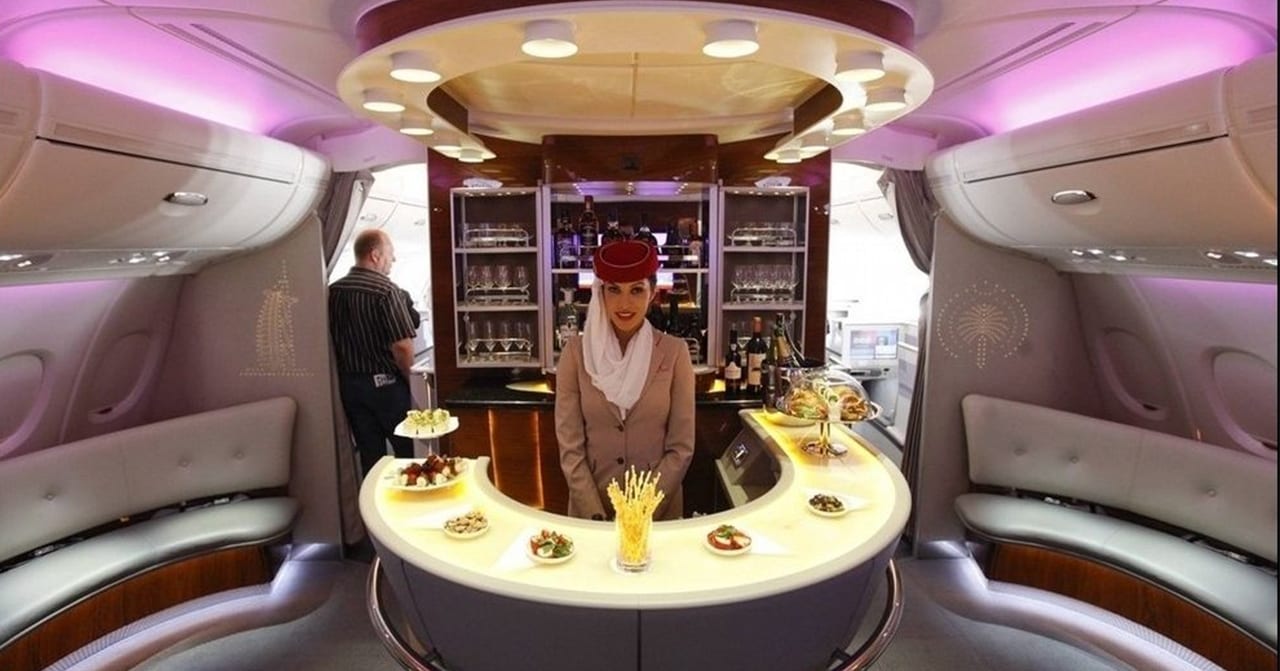
    Qantas has been named as one of the best airlines in the world if you want to travel in style.

    Popular travel rating website Airlineratings.com has announced the winners for their third annual Best of the Best in luxury air travel, and Qantas, along with Singapore Airlines were clearly ahead of the competition.

    Editors of the site examined the offerings and in-flight service of more than 450 airlines.

    Qantas and Singapore made it into the Top Ten in each of the four categories, while Air New Zealand, Cathay Pacific Airways and Etihad made the Top Ten in three of the categories.

    This lucky guy has plenty of room to stretch out in his first class seat on a Singapore Airlines A380 airliner.

    This lucky guy has plenty of room to stretch out in his first class seat on a Singapore Airlines A380 airliner.

    AirlineRatings.com Editor-In-Chief Geoffrey Thomas said that it was “not surprising that Qantas, Singapore Airlines, Air New Zealand, Cathay Pacific Airways, Etihad Airways and the Virgin Group featured so significantly in the Top Ten selections. These airlines are consistently a byword for in-flight excellence and service. They are the trendsetters and the industry looks to what they are doing next.”

    AirlineRatings launched in June 2013 and rates the safety and in-flight product of 450 airlines using a proprietary system.

    The winners — in alphabetical order:

    FIRST CLASS: All Nippon Airways, Emirates, Etihad Airways, Japan Airlines, Korean Air, Lufthansa, Qantas, Singapore Airlines, Swiss and Thai International

    BUSINESS CLASS: Air France, Air New Zealand, All Nippon Airways, Cathay Pacific Airways, Etihad Airways, Japan Airlines, Qatar, Qantas, Singapore Airlines and Virgin Australia/Atlantic

    You can watch the clouds go by or pop on the tele in first class on board Singapore Airlines' Boeing 777-300ER aircraft. Supplied.

    You can watch the clouds go by or pop on the tele in first class on board Singapore Airlines’ Boeing 777-300ER aircraft. 

    PREMIUM ECONOMY: Air France, Air New Zealand, All Nippon Airways, British Airways, Cathay Pacific Airways, EVA Air, Japan Airlines, Qantas, Singapore Airlines and Virgin Atlantic/Virgin Australia

    LONG HAUL ECONOMY CLASS: Air New Zealand, Cathay Pacific Airways, Etihad, EVA Air, Japan Airlines, Korean Air, Qantas, Qatar Airways, Singapore Airlines and Thai Airways

    In June, Qatar Airways was voted the best airline for 2015 in the annual Skytrax awards for the world’s best airline.

    Time for a dinner date on board a Qantas A380. Supplied.

    Time for a dinner date on board a Qantas A380.

    Meanwhile, in June the presitigous Skytrax awards were revealed, with Qantas coming in at number 10 on the list. The awards are judged by 18.9 million passengers in 110 countries around the world who vote on factors such as comfort, friendliness of cabin crew and in-flight food.

    The top ten airlines included Singapore Airlines, Cathay Pacific, Turkish and Emirates.

    In the low-cost airline category AirAsia was voted the world’s best for the seventh year in a row, despite the tragic accident in the Java Sea last year that killed all 162 people on-board flight QZ8501.

    Other awards included Garuda Indonesia for best cabin crew, Air France for most improved airline, EVA Air for cleanest aircraft cabins and Cathay Pacific for best transpacific airline.

    The best airlines for 2015, according to Skytrax:

    1. Qatar Airways

    2. Singapore Airlines

    3. Cathay Pacific Airways

    4. Turkish Airlines

    5. Emirates

    6. Etihad Airways

    7. ANA All Nippon Airways

    8. Garuda Indonesia

    9. EVA Air

    10. Qantas Airways

    The fancy Qantas Chairman's Lounge at Sydney Airport serves up some first class food. Supplied.
  • Snapdeal integrates offline, online retail in new platform

    Snapdeal integrates offline, online retail in new platform

    Indian online marketplace Snapdeal has launched an omnichannel platform that integrates its offline and online retail channels. It offers customers the convenience of online discovery and ordering along with faster hyper-local fulfilment and is expected to power an ecosystem of leading brands, large format retailers (LFRs), small businesses and technology start-ups. 

    The first categories to go live on the Janus omnichannel platform will be mobile phones in partnership with The Mobile Store (TMS), automobile tyres with Michelin, inverters and batteries in partnership with Luminous and fashion products with Shoppers Stop.

    “This platform will blur the lines between offline and online retail, demonstrating that both channels can act as gateways to each other,” said  Kunal Bahl, Co-founder and CEO, Snapdeal.

    Snapdeal said various studies have shown that consumers switch between online and offline before making purchase decisions. For one, 77 percent of consumers browse in stores before making a purchase online and 55 percent consumers conduct on-the-go mobile research before making a purchase in-store.

    In certain categories of products like mobile phones, majority customers follow up their online purchase with a visit to the store for accessing related services like data transfer, screen protection etc.

    These trends clearly indicate a need to create channels for customers to seamlessly access the benefits of both online and offline to create a delightful buying experience.

    Customers buying their phones on Snapdeal will have the option to pick up or get their phone delivered from the nearest TMS store within two hours of ordering. TMS trained agents will also help set up and demonstrate phone features in addition to offering services like sim resizing, data transfer, screen guard installation, all in the comfort of the buyer’s home.  Customers will also be able to access these services at the nearest store if they chose the pickup option. These services will be available across 70 cities in India. 

    “We look forward to scaling up this ecosystem by leaps and bounds in the coming months with more like-minded partners,” said Tony Navin, Senior Vice President, Partnerships and strategic initiatives.

  • Golden Week loses its glitter in Hong Kong

    Golden Week loses its glitter in Hong Kong

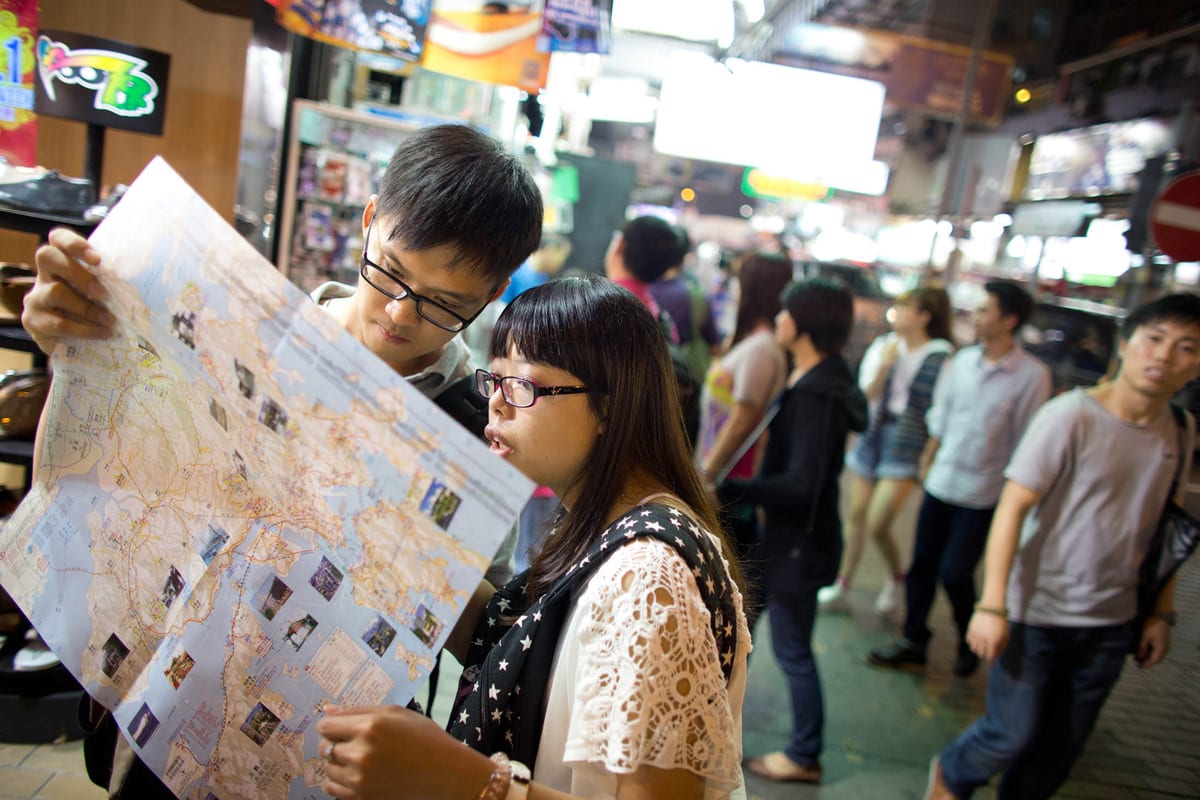
    It was a lukewarm Golden Week for the Hong Kong Special Administrative Region as the number of visitors to the city remained stagnant at levels seen during the same period a year earlier.

    Confounding the SAR’s woes were reports from several leading retailers about sluggish sales.

    The Hong Kong SAR Immigration Department said on Wednesday that during the first six days of the National Day holiday starting Oct 1, the city received more than 1 million visitors from the mainland, or 3.26 percent more than last year.

    The holiday, also known as the Golden Week, is one of the longest nationwide holidays and an important peak season for Hong Kong’s tourism industry.

    Six days into the Golden Week, Hong Kong recorded 2.45 million visitors arriving in the city, 5.82 percent less than the same period in 2014. The busiest day was Oct 2, when 443,640 visitors passed border check points. Among them, 202,703, or 45.69 percent, came from the mainland.

    Yet on the street level, this Golden Week was less glaring than the previous ones. Few mainland shoppers were seen queuing up outside the luxury stores along Canton Road in Tsim Tsa Tsui, one of the city’s prime shopping hot spots.

    “This year Hong Kong received a lot of transit passengers and many other visitors are single-day returns. That is why this Golden Week appears to be quieter,” Joseph Tung Yao-chung, executive director at the Travel Industry Council of Hong Kong, told China Daily.

    According to Tung, the fact that many destinations in the region relaxed visa application thresholds to mainland tourists has changed the game. “It’s now much easier to visit countries such as Japan, South Korea and even the United States. Competition is fierce for Hong Kong,” he said.

    However, Macao, the peer city of Hong Kong, recorded 799,717 mainland tourists from Oct 1 to 6, 6.3 percent more compared with 2014. Total visitors arriving at Macao also increased 1.8 percent year-on-year to 938,197 during the same period.

    Gregory So Kam-leung, secretary for commerce and economic development of Hong Kong, said on Tuesday that the city needs to develop more attractions to stay competitive. He added bad weather also has affected the holiday atmosphere.

    Tung said protests against mainland tourists earlier this year did not drive visitors away, as such activities involved “only very few people” and “Hong Kong in general welcomes tourists”.

    He said that with discounts offered, hotels in the SAR still managed to fill 80 to 90 percent of their rooms. “The key is to do more promotions and attract more overnight visitors. We have confidence in local catering and shopping offers. Hong Kong is still one of the top choices for mainland tourists.”

    Other sectors are not so optimistic. Ahead of the weeklong holiday, the Hong Kong Retail Management Association forecasted “a single-digit to a low double-digit drop in sales value” for most of the member companies during the Golden Week compared with the same period last year.

  • Apple iPhone 6s Sales in China Below Expectations, Says Boutique Researcher J.L. Warren

    Apple iPhone 6s Sales in China Below Expectations, Says Boutique Researcher J.L. Warren

    Junheng Li with boutique research shop J.L. Warren Capital this morning opines that Apple‘s (AAPL) rollout of its iPhone 6s is failing to meet expectations, citing as the main reason a failure of the Chinese market to deliver.
    “According to information and/or data readily available from AAPL suppliers, we consider that the iPhone 6s initial launch in the 12 markets globally, is not meeting market expectations,” writes Li.

    Oddly enough, although Apple announced on September 28th that its first-weekend sales of the 6s beat last year’s 10 million for the iPhone 6, selling more than 13 million units, Li argues the result was underwhelming.

    “During the first week (including weekend) or 3 days post launch, we estimate ~13million units were sold. This number is lower than original expectations, largely due to an overestimated demand from mainland China.”

    Li cites some China market data from something called Gray Market Marker, which apparently collects the price of iPhones trading on the black market:

    AAPL launched the iPhone 6s simultaneously in Hong Kong and mainland China which cannibalized sales in HK. According to the largest grey market make [sic] a consumer electronics trading platform, the current spot prices for many models even on the launch data (9/30/2015) were below the official retail prices, unprecedented in the iPhone launch history. In total, we estimate that ~2.5-3 million of units of the 6s were sold in the mainland and ~1.5 units sold in HK. In comparison with previous years iPhone launches, when the mainland was not included in the initial launch, only 30% of the 6s purchases were from mainland, vs. 50% in previous years.

    (One point not addressed by Li is whether the premium can be expected to be lower, or even absent, precisely because the iPhone 6 was only available on the black market last year, having been left out of rhr first round of retail sales.)

    Li offers one explanation for why she thinks sales to China are below plan: “Since ZTE and Huawei already launched smart phones with 3D force touch, the new screen is not novel to Chinese consumers.”

    Li also offers some other tidbits, such as that the iPhone that comes in rose gold finish was the best seller, making 45% of sales.

    As for the outlook, she opines,

    We believe that China is the biggest moving piece for AAPL’s global sales in 2015, given it is about 20+% of the company’s global market and the demand for the iPhone is growing at ~20% according to our research. We currently project 200 million units of sell-in for iPhone 6/6+ and iPhone 6s/6s+ combined in 2015, which is 10million sell-through units lower than, the current street consensus.

    Apple shares today are down 81 cents, or 0.7%, at $110.50.

  • Asian startups got more than $10 billion in April-June quarter

    Asian venture capital-backed companies enjoyed 45% year-on-year growth in capital received during the second quarter of 2015, bringing in more than $10 billion in investments, according to a recent report by KPMG, an audit, tax and advisory company.

    The report notes that venture capital growth is driven by corporations on the hunt for companies with creative innovations. The buyers hope to integrate these innovations with their own businesses. Their activities are expected to continue as it is “cheaper for companies to invest in technologies rather than develop [them] internally,” the report says.

    Eight of every 10 deals in the quarter were made by Asian Internet and mobile companies, according to KPMG.

    Singapore was the top country for Southeast Asia’s venture capital activities, followed by Indonesia and Malaysia. In the second quarter, the republic had deals worth $160.7 million, while Indonesia had deals worth $3.5 million and Malaysia made $2.4 million worth of deals. For 2014, the amount of venture funds attracted by Singapore was around $1.07 billion.

    Terence Lee, managing editor of TechinAsia, an online news organization, said, “Singapore’s business-friendly environment and sound infrastructure is key.” He added that the Singapore government’s initiative to expand its Technology Incubation Scheme in 2012 “most likely led to the spike in investments in Singapore startups.”

    The government program helps to fund incubators that in turn seed startups. Under it, the government co-invests up to 500,000 Singapore dollars (around $350,000) in Singapore-based startups. An incubator can buy out the government’s stake in a startup within three years by repaying the initial capital plus interest.

    Investors have been investing in e-commerce-related companies, which are soaring in popularity in Asia. The online retail market in Singapore, Malaysia, Indonesia and three other Southeast Asian countries is worth around $7 billion. Globally, venture capital-backed companies raised $88.3 billion in 2014.

  • Hong Kong Suffers for Its Devotion to the Peg

    Hong Kong Suffers for Its Devotion to the Peg

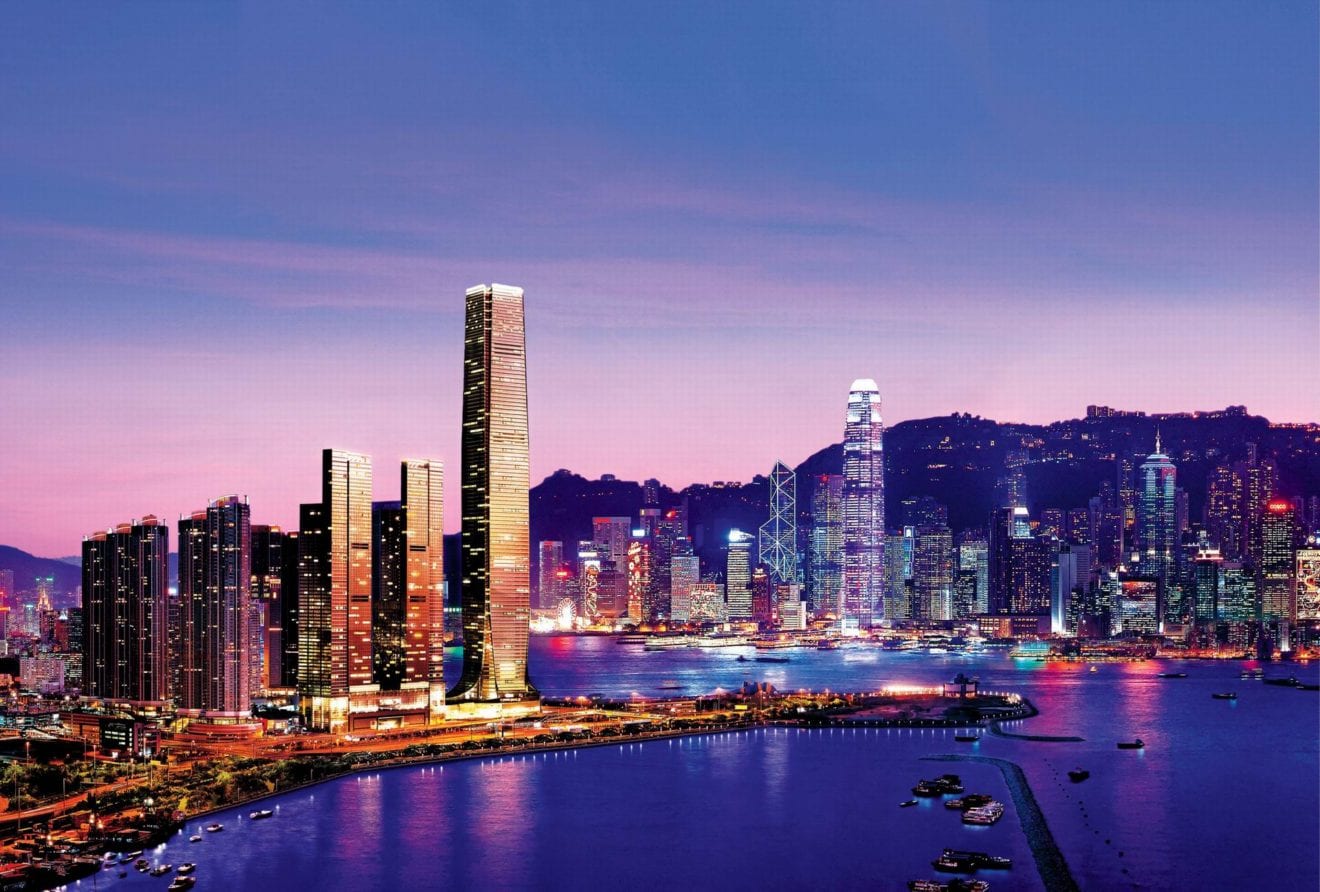
    Hong Kong has pegged the value of its dollar to the greenback since 1983. The peg was meant to ensure financial stability as the city embarked on the long process of re-integrating with China. Since then its currency has been one of the most stable in the region. To lock the HK ­dollar’s trading range against the greenback into a narrow band, about 7.75 to the US dollar, the Hong Kong Monetary Authority (HKMA) buys and sells the two currencies. Whenever the Federal Reserve raises or lowers interest rates, Hong Kong follows suit.

    That means Hong Kong is caught between tightening monetary policy in the US and the economic slump of its main trading partner, China. If the Fed moves on the rate soon, Hong Kong will have to raise interest rates even as the mainland’s slowdown puts pressure on the city’s wages and property prices. “It’s a double whammy,” says BNP Paribas economist Mole Hau.

    “Nobody was in the mood to buy an apartment”

    China’s surprise devaluation of the yuan last month helped trigger currency declines worldwide and increased speculation about Hong Kong’s willingness to keep putting up with such pain. In the options market, bets on an end to the peg jumped to their highest in more than a decade. On his blog in late August, Hong Kong Financial Secretary John Tsang warned that the economy may slow from the 2.6 per cent growth rate it managed in the first half of the year. “Hong Kong still needs to face the challenges brought by the fluctuating financial markets, weak foreign trade, and slower tourism,” he wrote.

    Hurt by the Chinese devaluation as well as low prices for oil and other commodities, regional currencies have declined an average 6.4 per cent against the US dollar in the past six months. That’s making the prices at the city’s stores more expensive for visitors, including the Chinese.

    As tourist arrivals from China fell 9.8 per cent in July compared with a year earlier, the Hong Kong retail industry’s sales for the month fell 2.8 per cent to HK$37.6 billion ($4.85 billion). That was the fifth consecutive month of declines, and much worse than the 1.2 per cent contraction economists surveyed by Bloomberg had predicted.

    Home prices in Hong Kong have increased 60 per cent since 2010, fuelled by strong demand from the mainland and low interest rates. But Hong Kong in August had the weakest home sales in 17 months. With the stock market plummeting, “nobody was in the mood to buy an apartment,” says Louis Chan, chief executive officer of the residential unit of Centaline Property Agency, one of the city’s two largest brokers. Home prices may start falling as much as 10 per cent a year starting in 2016, says Cusson Leung, an analyst with JPMorgan Chase.

    Investors and economists have been talking about the peg’s demise since China regained control of the city in 1997. There’s always the possibility of the HKMA pegging the HK dollar to the yuan instead of the greenback. Zhang Yichen, chairman and CEO of Citic Capital, the Chinese investment bank, says that won’t occur soon. Speaking at the World Economic Forum in the Chinese city of Dalian on 9 September, Zhang said the Hong Kong government will be hard-pressed to end the peg until the yuan becomes a truly convertible currency, meaning that it must be exchangeable for foreign currencies in unlimited amounts.

  • Startupbootcamp FinTech partners CIMB to expand regional reach

    Startupbootcamp FinTech partners CIMB to expand regional reach

    Financial services technology accelerator Startupbootcamp FinTech and Malaysia’s CIMB Group have announced a partnership that would give startups in the programme access to the region’s markets.

    In a statement announcing that applications for next year’s accelerator programme are now open, CIMB said the partnership would increase support in offering the 2016 startups additional expertise, exposure channels, and access into the high potential markets in Asean, particularly Thailand and Indonesia.

    “Both countries have high smartphone penetration and high numbers of unbanked, with Indonesia, for example, being home to 6% of the world’s unbanked, which makes these markets well-timed for FinTech innovation,” the banking group said.

    The Startupbootcamp FinTech Singapore 2016 accelerator programme will provide funding, mentorship, office space and access to a network of industry partners, investors and venture capital firms for 10 selected Singapore-based FinTech startups. Each successful team will also receive 15,000 euros (RM70,469) living expenses and office space for at least three months at accelerator hub, BASH, in Singapore’s startup cluster, One-North.

    Launched late last year, the Fintech programme has to date accelerated 11 teams, who graduated from the accelerator on July 29, having received mentorship and practical guidance from over 200 entrepreneurs, investors, industry participants and partners as well as access to international markets.

    Commenting on the partnership, CIMB Group CEO Tengku Datuk Zafrul Aziz said that as a leading Asean universal banking group, CIMB is strategically placed to assist businesses including startups, in the region to realise their potential.

    “We are certainly excited to partner Startupbootcamp FinTech to not only advance financial innovation in the region, but also create in-roads for these FinTech businesses in growing markets such as Thailand and Indonesia.

    Furthermore, as CIMB continues to spur our own innovation space, this partnership also opens up further avenues for collaboration and cross-pollination of ideas with these startups to grow FinTech in Asia. I am confident that CIMB would be able to adopt some of the innovative solutions that are brought to fruition through our investment into this partnership,” said Tengku Zafrul.

    CIMB, a firm advocate of banking technology, counts products and services such as CIMB Clicks, Plug N’ Pay, Rekening Ponsel and Speedsend under its belt.

    Startupbootcamp FinTech co-founder Markus Gnirck, meanwhile, said that the partnership with CIMB was a huge value-add for our startups, offering them great accessibility to the region’s growing markets.

    Along with the opening of applications, plans for a new FastTrack tour, which will take place in 14 different cities across the Asia Pacific region were also unveiled.

    The FastTrack tour will provide startups with the opportunity to pitch before an audience of financial industry experts and angel investors and receive one-on-one advice on their business model and go-to-market strategy.

  • 40% of Indian food retailers to grow by 10% or more this year

    40% of Indian food retailers to grow by 10% or more this year

    Almost four in 10 Indian food retailers are expected to grow by 10 per cent or more this year, according to research commissioned by DHL Supply Chain, the global market leader for contract logistics solutions.

    Based on interviews with more than 300 industry decision-makers in India, Indonesia, Thailand and Vietnam, the study titled, Hungry for Growth: Logistics Trends in Asia’s High-Growth Food Retail Markets, found that more than one in four food retailers in some of Asia’s fastest-growing economies expect to grow by 10 per cent or more this year, as a result of expanding populations and rising income levels.

    However, the report also found that while 86 per cent of Indian food retailers understand their supply chain costs, six in 10 are struggling to maintain adequate levels of shipment accuracy in fulfilling growing demand – potentially impacting their ability to keep shelves stocked and orders filled as demand and competitive factors grow increasingly complex.

    “Rapid increases in purchasing power, coupled with surges in demand driven by population growth, will yield obvious expansionary benefits to food retailers,” said Dean Eichorn, Vice-President – Retail, DHL Supply Chain Asia Pacific. “However, any food retailer’s success is ultimately dependent on the agility of their supply chains when faced with demand volatility, seasonal fluctuations, and other complex market factors. Asia’s food retail industry looks set to undergo significant growth in the next year, and only with greater understanding and control of their logistics processes will companies be able to take advantage of new opportunities.”


  • Asia Pacific Travel Retail Association launches member survey

    Asia Pacific Travel Retail Association launches member survey

    The Asia Pacific Travel Retail Association (APTRA) has launched a survey among its members to ascertain priorities for the 2016/2017 APTRA research programme.

    According to APTRA, it is a fundamental mission to further the knowledge of members through studies conducted in partnership with accredited research agencies into past performance of the duty-free and travel-retail industry in the Asia/Pacific and current trends in consumer behaviour to facilitate future development.

    APTRA president Jaya Singh commented: “The business environment of today and indeed the future, is getting increasingly sophisticated and demanding. We live in dynamic times and the greater the level of insights we can achieve through our research platform the greater the relevance that all our stakeholders and members can deliver.”

    Recent reports have covered a range of topics including Chinese, Indian and Korean consumer behaviour, Cambodian travelling consumer trends, impact of security regulations and product category reports into fashion and accessories, confectionery, gifting and eyewear. Although the full research reports are available exclusively to APTRA members through www.aptra.asia, key findings are shared with members and other interested parties at APTRA Insights Seminars staged around the Asia/Pacific.

    In September, a total of over 250 participants attended the latest APTRA Insights Seminars which took place in Hong Kong, New Delhi and Seoul.

    Topics included key results of the APTRA m1nd-set study into Chinese, Korean and Indian travellers, analysis of e-commerce behaviour from KPMG, Chinese social-media landscape and potential of WeChat marketing from China International Duty Free and potential of technology to reach travellers on the move from geo-location marketing company NEAR.

    Singh added: “Through its research programme, APTRA provides actionable insights which enable members to understand their customers better and identify future opportunities. We want to target our research where it is most needed so we have asked members to nominate future subjects for research.”

    Commenting on the seminars, he said the “the response from delegates to the recent APTRA Insights Seminars was extremely favourable and we intend to schedule similar seminars into the programme next year.


  • Garuda Indonesia expands maintenance facility

    Garuda Indonesia expands maintenance facility

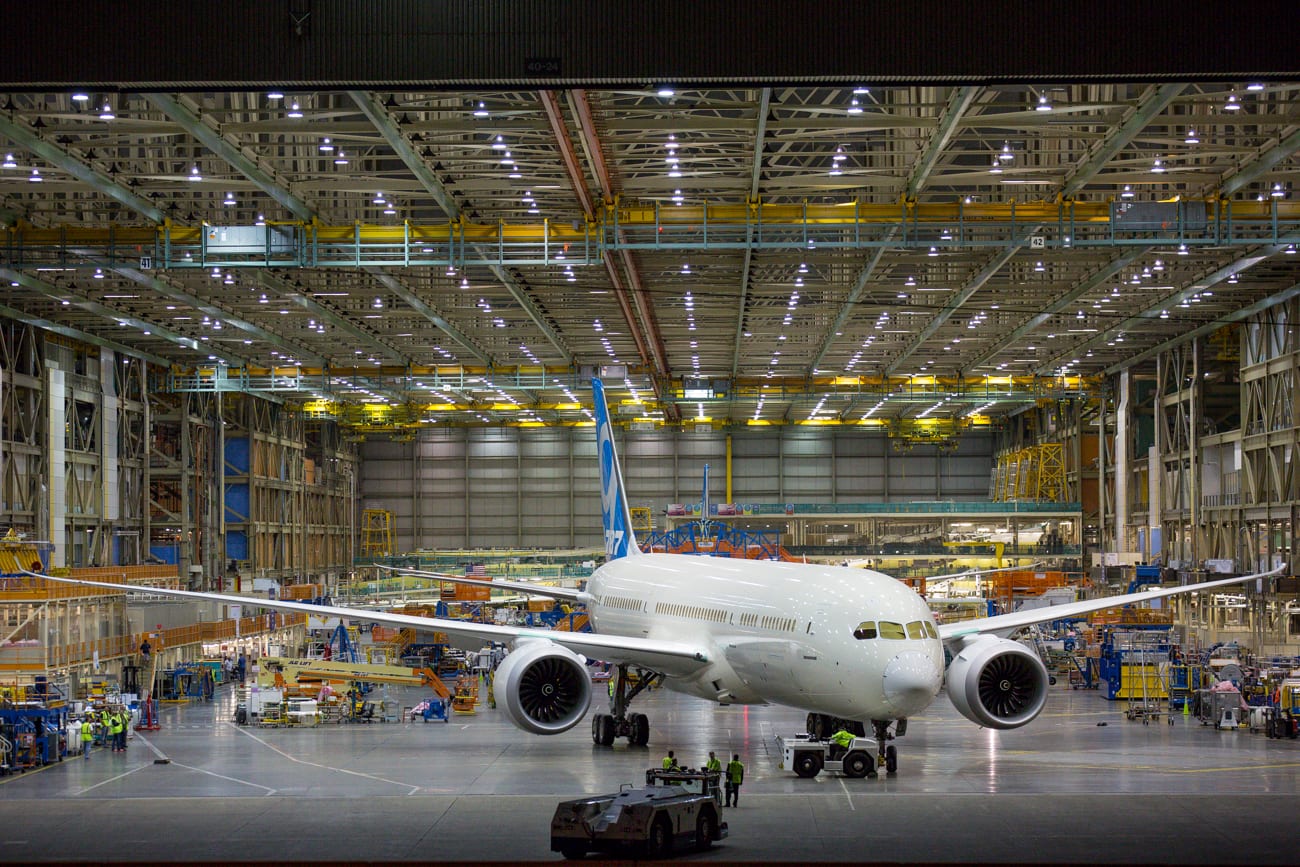
    Garuda Indonesia opened its biggest aircraft maintenance facility at Soekarno-Hatta International Airport on Monday, which will support the state-owned airline’s fleet as well as regional carriers tapping into Indonesia’s growing aviation market.

    The maintenance facility is the fourth for group subsidiary, Garuda Maintenance Facility (GMF) AeroAsia. With an area of about 67,000 sq. meters, it will nearly double GMF’s current capacity. The facility can store 16 narrow body aircraft, although due to limited personnel and technical capabilities, it can only handle 12 aircraft at the moment. GMF will invest a total of about 500 billion rupiah ($35 million) until it reaches full capacity in 2018.

    The facility’s main purpose is to serve Garuda’s growing number of aircraft. The airline plans to add 21 aircraft this year to reach a total of 190. At the Paris Air Show in June, it inked a deal to purchase 60 aircraft from Boeing and 30 from Airbus, together worth nearly $20 billion at catalogue prices.

    GMF posted revenue of $264 million in 2014, a 15% increase from the previous year. About 70% of its revenue comes from servicing Garuda aircraft, including those of budget carrier spin-off Citilink.

    GMF’s President and Chief Executive Officer Richard Budihadianto said it also aims to increase revenue from foreign carriers. The company has plans to build a maintenance facility in Bintang Island, which is close to Singapore. Airlines in Asian countries such as Singapore and Australia can save time by stopping in Bintang instead of at Soekarno-Hatta. “We want at least 40-45% of revenue coming from third party carriers,” Budihadianto said.