Author: Mei Ling Tan

  • Solomon Lew’s plan to take Hong Kong’s shopping centres with Smiggle

    Solomon Lew’s plan to take Hong Kong’s shopping centres with Smiggle

    Solomon Lew is renowned for driving a hard bargain and that’s exactly what he has been doing in Hong Kong this week.

    Australia’s most strategic billionaire and the man running his fast-growing stationery empire – John Cheston – spent Friday in a van visiting dozens of shopping malls in the former British colony. They will do the same again on Saturday.

    It is not Hong Kong’s glitzy designer stores that interest Lew. He and Cheston are personally inspecting the sites identified by Premier Investments’ property team as locations for a chain of Smiggle stores due to open in the territory early next year.

    “We walk every centre. We walk every store. We are there in the morning, in the afternoon, in the evening and we go back in the evening. We want to see different times of the day. We go early in the morning and then it revs up. The kids finish school and then … bingo!” Lew says in an interview with AFR Weekend.

    “This is a business that caters to six to 14 years of age, 75 per cent female. You are getting a new crop growing every year. As they fall out at the older end, the younger ones are coming in. When you see them walking in and they bring their piggy bank and turn it upside down and say what can I get for this, it’s just amazing. ”

    We are sitting in Lew’s hotel room in the Mandarin Oriental Hotel overlooking Hong Kong’s busy harbour. It is a sight Lew is familiar with.

    He has been travelling to Hong Kong since the 1960s, up to 11 times a year. But instead of importing goods made in China to Australia, he now plans to sell stationery to the Chinese – and a lot of it.

    After a reconnaissance trip to Hong Kong in June, Lew and his team are getting serious this week. Premier chief Mark McInnes is joining them in the van before flying to Kuala Lumpur on Saturday for the next leg of the tour.

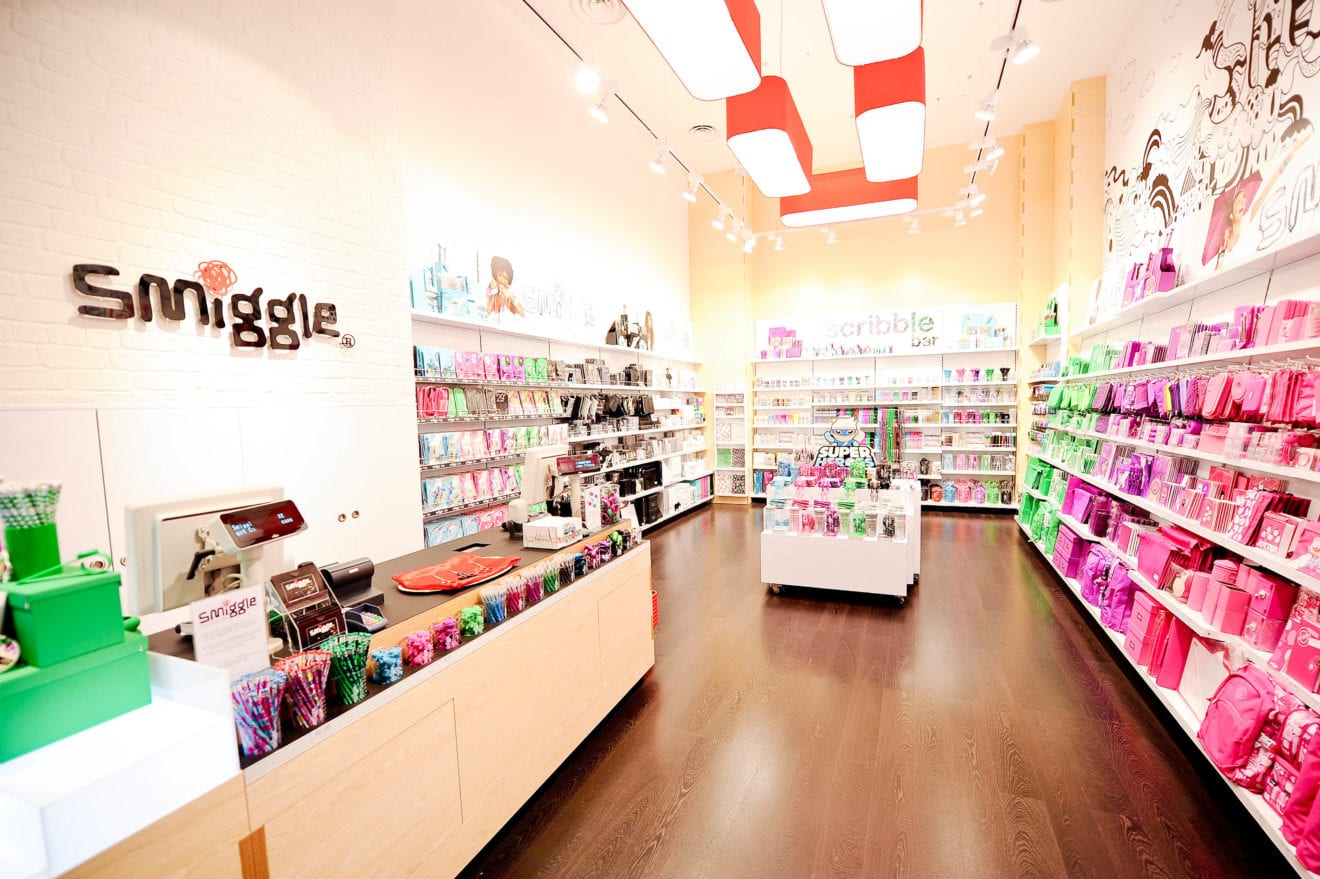
    Smiggle, the stationery chain which has become the fastest-growing business in Lew’s Premier Investments apparel empire, is planning to open 50 stores in Hong Kong and Malaysia over the next five years. It is the next phase in his plans to take the brand global after breaking into the United Kingdom, where 200 stores are planned.

    Lew wants Cheston to do most of the talking. He is the Asia expert after all after running Marks & Spencer’s Hong Kong operations and listed Singapore retailer Robinson & Co before moving to Australia to run Smiggle.

    The perfect market

    Cheston says densely-populated Hong Kong is perfect for Smiggle, which is making millions selling brightly-coloured lunch boxes, backpacks, water bottles, and pencil cases to six to 14-year olds in Australia, New Zealand and Singapore.

    “There is a predominance of shopping centres here and that is our fertile ground, limited competition. From what we do there is not a lot of competition. We have well established contacts through Sol,” he says.

    “In Hong Kong if you are hot they want you and if you are cold they don’t. We are in demand from the landlords over here. We need to leverage that business with the agents who represent us and get good locations and get good deals. The biggest challenge is getting the space and the rents,” Cheston says.

    That is something Lew has plenty of experience at. Rather than being deterred by China’s slowing economy, which is hitting high-end luxury retail sales in places like Hong Kong, Lew says it is an opportunity to negotiate better deals from landlords. He also sees it as a gateway to China, a country he has had plenty of experience with over the decades building his apparel empire, because 41 million mainland tourists visit Hong Kong each year.

    The plan now is to take Smiggle global. Cheston says he has had inquiries from literally every country on the planet to franchise the brand but, for now, Premier plans to keep the stores wholly-owned. Lew says it’s better than the McDonald’s model.

    “The international business in a very short period of time will be much larger than the Australian business and there are not too many Australian retailers who have been successful offshore,” Lew says.

    “This is going to be world-class operation and there is no reason it shouldn’t work in any country in the world where there is moderate income.”

    Lew’s focus on overseas expansion stands in stark contrast to some of the other big names in Australian retail.

    Myer, for example, is embarking on a $600 million revival plan under new chief executive Richard Umbers. The company has been described as a possible takeover target for Premier Investments, but Lew would not comment on the seemingly perennial speculation about such a tilt.

    Nor would he comment on the progress of David Jones. Last year, Lew grabbed a windfall of about $400 million when South African retailer Woolworths Holdings bought David Jones and Country Road; Lew had stakes in both. David Jones looked to be riding high until recent weeks when chief executive Ian Nairn stepped down suddenly.

    Singapore experience being applied

    Cheston says the success of Smiggle’s Orchid Road operations in Singapore are now being used as leverage to negotiate good deals with landlords in Hong Kong because it drives traffic to shopping malls.

    Like the UK operations, he expects Hong Kong to be profitable in the first year.  The plan is to open 50 stores across Hong Kong and Malaysia which will make $55 million in revenue. In Hong Kong, Lew would like to firm up 10 stores initially but says he will probably start with five or six.

    Australia has almost peaked with around 10 additional stores on top of the existing 124 planned. The Hong Kong target is around 25 to 35 stores and 20 in Malaysia, mainly in Kuala Lumpur.

    As well as lower taxes, Cheston says Asia is attractive for the “kidult” market, where older people who live in small apartments with their families like to adorn their office workstations with stationery.

    Premier Investments posted record full-year results last month and is expected to hit sales of more than $1 billion this year. Double-digit growth at Smiggle and its designer pyjama business, Peter Alexander, are outstripping the company’s core apparel brands such as Just Jeans and Dotti.
  • A Singapore Post drone delivers a test package

    A Singapore Post drone delivers a test package

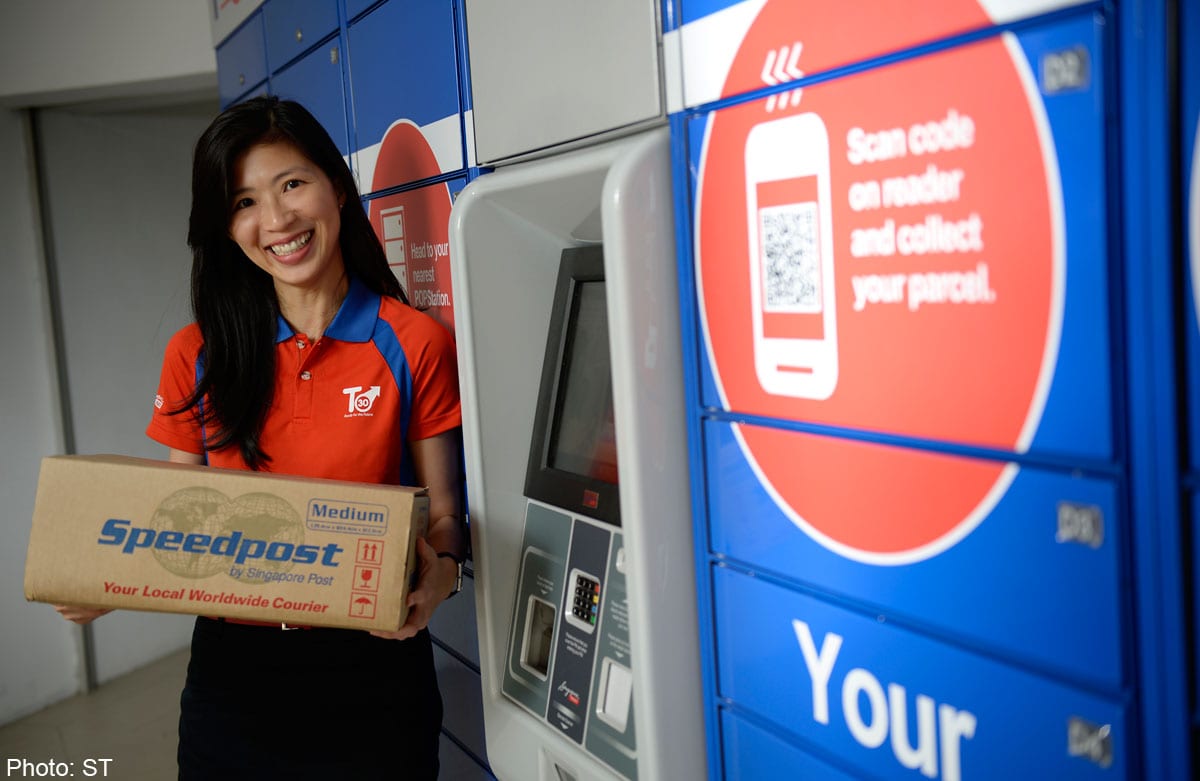
    Singapore Post Ltd. is testing package delivery by drone, echoing attempts by Amazon.com Inc. to extend the commercial capabilities of unmanned aerial vehicles.

    The company known as SingPost said a drone it developed with the Infocomm Development Authority of Singapore carried a packet containing a letter and T-shirt on a five-minute, two-kilometer (1.2 miles) flight. This marks the first time any postal service has successfully used a drone for “point-to-point recipient-authenticated mail delivery,” it said in a statement Thursday.

    SingPost is looking to such unmanned aircraft as online transactions increase in the Asia-Pacific region and as Singapore plans to develop itself into a so-called Smart Nation through technology usage. There is “immense potential” in drone technology for last-mile mail and e-commerce delivery, Bernard Leong, SingPost’s head of digital services, said in the statement.

    E-commerce companies such as Amazon, No. 1 in the Internet Retailer 2015 Top 500 Guide, have been pressing for permission to deliver packages by drone in the U.S., but have run up against proposed regulations that would require operators to remain within sight of their vehicles at all times. In April, Amazon received a waiver from the Federal Aviation Administration allowing it to run tests in the U.S.

    Singapore passed a law regulating the use of drones earlier this year. The drone used by SingPost is equipped with safety features, and is complemented by a prototype application with security and verification features to make sure the mail reaches its intended recipient, according to the release.

  • PLAYe is revolutionizing how people play games with 3-in-1 online-mobile-offline platform

    PLAYe is revolutionizing how people play games with 3-in-1 online-mobile-offline platform

    It partners with retailers to offer interactive experiential centres. Hobbyists usually have to go to a store to buy their favourite games and collectibles. Depending on where they are based, they may have a limited range of merchandise to choose from and have to wait sometime to lay their hands on the items. “Is there a better way of delivering value to the end-user?” This is a question that a team of 20 people from tech firm Corous360 tried to solve in developing PLAYe, a 3-in-1 online-mobile-offline integrated platform. Launched in July 28, 2015, it aims to redefine the Asian consumer experience and to bring together all consumer profile channels into one.

    PLAYe claims to be the next wave of evolution for games and entertainment. It offers consumers an enhanced user experience wherein they can browse through a wide range of latest games and merchandises and make them accessible, convenient and secure purchase transactions via an app and online platform. The app is now available for download for free from Apple App Store and Google Play store.

    Consumers can also pre-order upcoming merchandises through PLAYe app and have them delivered to their doorstep.

    PLAYe also provides an up-close visual experience at retail outlets, also known as interactive experiential centres. These outlets double as convenient collection points for online purchases. Through its curated contents, PLAYe engages the gamers and hobbyist community by delivering timely and customised news at their fingertips. According to the Corous360, the most unique selling point is an in-built push-to talk function that further enhances the users’ experience.

    “Our goal is to bring the store front “face-to face/human interaction” experience to you through ASK PLAYe, which serves as a concierge service to consumers, where consumers can engage in a conversation on the latest range of collectibles and gadgets and offers updated information on the newest games and products at the push of a button,” said Kelvin Tay, CEO of Corous360.

    The PLAYe experiential centres are expected to be rolled out in the next six to twelve months.

    Kelvin added that they are ‘reinventing’ the shopping experience for the end-user by combining the satisfaction and reliability of the physical retail experience with the convenience and speed of a mobile platform.

    “The online and mobile platform becomes an extension of the physical store, and the physical store becomes an experiential centre that guides the consumer through the catalog and product descriptions,” he explained.

    The benefits for retailers

    Not only is PLAYe useful to consumers. According to Kelvin, PLAYe is also trying to solve the age-old problem of finite resources.

    “Anybody can point out that m-commerce/e-commerce represents the next opportunity for growth for retailers. The question, of course, is how would any given retailer accomplish a credible platform to tap into this growth without diverting their current limited resources?,” he said.

    By tapping into the PLAYe platform, Kelvin explained that retailers will be provided with a “plug and play” cost-effective e-commerce to integrate with their physical stores. They can then concentrate on their core strength which is to provide a superior brick-and-mortar experience. PLAYe will then work hand-in-hand with the retailer to realise their unique retail experience online.

    “For retailers, PLAYe app is able to reach out to a wider audience beyond the geographical location of a physical retail shop. Our PLAYe platform tracks both offline and online transactions. This consumer profiling allows the retailers to make more accurate forecasts on consumer demands, which helps improves their business efficiencies,” he said.

  • SM opens 53rd mall in Philippines

    SM opens 53rd mall in Philippines

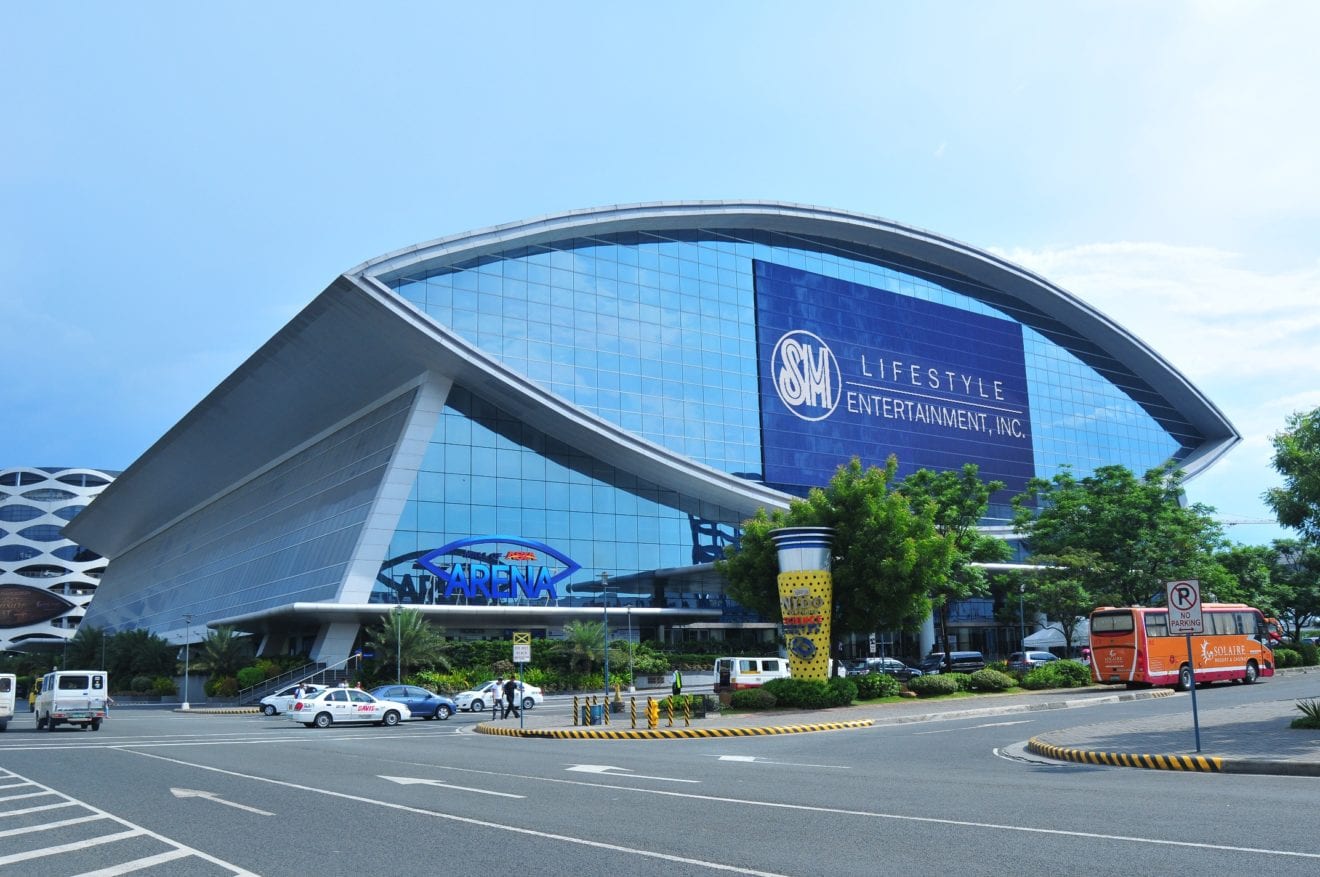
    SM Prime Holdings, Inc. on Friday is opening its second shopping center in Cabanatuan, as part of the property holding firm of the Sy family’s drive to capitalize on the growth prospects in the provinces.

    Its 53rd mall in the country, SM City Cabanatuan expands SM Prime’s footprint in Nueva Ecija after SM Megacenter Cabanatuan, the integrated property developer said in a disclosure yesterday.The four-level mall, which has 154,020 square meters (sqm) of gross floor area (GFA), increased SM Prime’s total retail space to 6.76 million sqm in the Philippines.

    “The opening of SM City Cabanatuan is SM Prime’s commitment to be part of the growth of the province. The opening of new malls is timely given the expected higher growth in overall consumption in the fourth quarter,” the disclosure quoted SM Prime President Hans T. Sy as saying.

    “The economy’s sustained gross domestic product growth in the past five years is now spreading to the provinces and we at SM Prime will continue to expand in these provinces that are enjoying high growth, like in Cabanatuan City, where we see significant development and huge unserved demand for shopping experiences,” Mr. Sy said.

    Cabanatuan, the largest city in Nueva Ecija, is located between the provinces of Pampanga, Bulacan, Tarlac and Aurora.

    SM City Cabanatuan is 90% occupied by various tenants, including SM Store, SM Supermarket, Ace Hardware, SM Appliance Center, Watson’s, The Body Shop, Surplus Shop and Uniqlo.

    The mall will have six cinemas, consisting five cinemas with a 275-seating capacity and one large-format cinema with a 525-seating capacity. It has 2,500 parking slots for cars and motorcycles.

    For the rest of the year, SM Prime is scheduled to open SM Center Sangandaan in Caloocan and SM Seaside City Cebu. The company is also set to expand SM City Lipa in Batangas and SM City Iloilo this year.

    By the end of 2015, SM Prime will have 55 malls in the Philippines and six in China with an estimated combined GFA of 8,269,486 million sqm.

    Next year, SM Prime is spending P65 billion in 2016 with plans to open six malls with an aggregate GFA of 430,669 sqm. They are located in San Jose Del Monte in Bulacan, Commonwealth in Quezon City, Trece Martires City in Cavite, Tuguegarao, Puerto Princesa in Palawan, and Urdaneta in Pangasinan.

    SM Prime is part of SM Investments Corp., which has core businesses in retail, banking and real estate. The family also has interests in gaming, geothermal energy and infrastructure.

    Shares in SM Prime slid 10 centavos or 0.47% to P21.40 apiece yesterday.

  • A Chinese online retail giant has Australia in its sights

    A Chinese online retail giant has Australia in its sights

    The possibility that China’s second-largest online retail giant will enter the Australian market poses a huge potential threat not just to bricks-and-mortar shops but to the slow-growing domestic online retail sector as well.

    That is the conclusion of Invast’s chief market analyst Peter Esho, who has just returned from a trip to China and was gobsmacked by the pace and scale of the digital revolution taking place there.

    He says the slowdown in overall Chinese GDP doesn’t capture the explosive growth in the tech space and widespread acceptance of online shopping, especially on mobiles.

    Nasdaq-listed JD.com is the Chinese equivalent of Amazon, second in size only to Alibaba. It started out selling electronics and has since moved into fashion, cosmetics, food and virtually every other consumer category (25 million SKUs in 2013 and it seems to have stopped counting since then.)

    With its own logistics infrastructure, its promise of same-day delivery has whacked physical shopping in parts of China.

    Esho believes that JD.com is eyeing the Australian market as part of its expansion plans in a push that could disrupt global competitors.

    “JD.com is considering an expansion into Australia which will see the Chinese online retailer potentially pipping Amazon.com to become the first truly global online retailer with an Australian operation,” he says.

    This could not only disrupt traditional stores, but many online retailers whose business model has been based on importing from Chinese manufacturers and selling to Australian consumers.

    “JD.com removes that middle-market opportunity,” Esho says, because it would link Chinese manufacturers directly with Australian consumers with same-day delivery.

    Despite years of speculation, Amazon has yet to set up a local operation in Australia, with rumours about warehouse space amounting to nothing. Its prices and shipping have also steadily risen in recent years, making it less attractive to local consumers.

    JD.com however has already established relationships in Australia including a logistics agreement with Australia Post after it set up its own Australian online mall earlier this year, which sells goods from Australian producers directly to Chinese consumers.

    It has signed up firms including Treasury Wine Estates, Blackmores and meat business Sanger to tap swelling demand from middle-class Chinese for well-regulated Australian food and health products. The company also bought a small stake in Murray Goulburn, and now sells its milk powder at about a 100 per cent mark-up.

    The Australian mall joined similar stores from the United States, Japan, France and South Korea selling authentic international brands on JD.com into a country flooded with cheap knock-offs.

    JD.com is one of the world’s largest e-commerce firms, with a market capitalisation on the Nasdaq of $US38 billion. It has 118 million active customer accounts and filled 689 million orders last year, according to its most recent results. Annual revenue growth is 61 per cent and the shares gained 4 per cent in 12 months, while Alibaba slumped 25 per cent.

    Within China, JD.com has 166 warehouses in 44 cities and delivers many products within one hour of the order being placed. Compare that with some online Australian retailers where one or two days can go by before even a confirmation email is sent to the shopper.

    Online shopping has slowed in Australia in recent months, growing at an annual rate of 7 per cent in August, according to NAB’s monthly online retail sales index. That is slightly faster than the comparable growth at retailers (excluding cafes and restaurants) of 4.7 per cent.

    Overall, online retail makes up about 7.1 per cent of retail spending, a similar proportion to the e-commerce market in the United States although annual growth in the US is a much faster at 14.1 per cent, according to the Commerce Department. In China, online retail grew 50 per cent last year.

    If a new global entrant with an established logistics model and massive buying power takes aim at the Australian market, it will not only undercut existing players but could also expand the market for an efficient, reliable everything store.

    “We are a large, unserviced market,” says Esho. “A lot of the problem with online is the delay in delivery, and that’s JD’s competitive advantage.”

  • Siam Paragon announces Bt100m sales campaign

    Siam Paragon announces Bt100m sales campaign

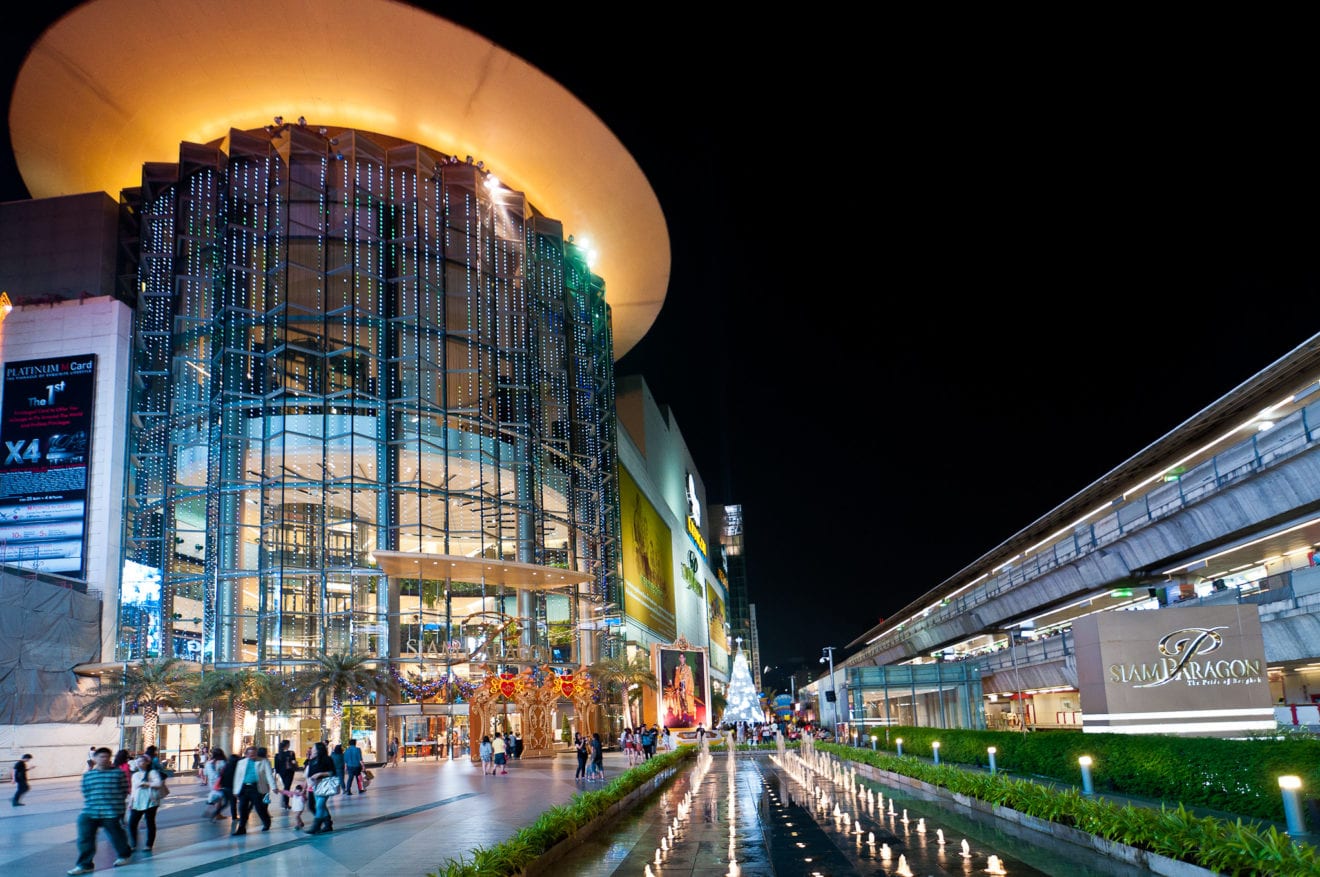
    Siam Paragon yesterday announced it would invest about Bt100 million in its biggest campaign of the year, “Siam Paragon 10th Anniversary: The Prismatic Phenomenon”.

    There will be two thank-you campaigns: a 10-week promotion with 100 prizes running from tomorrow to December 18 and a 10-day celebration including a series of “world-class” events and gifts.

    Siam Paragon is one of the major shopping centres on Bangkok’s Rama I Road, jointly developed by Siam Piwat Co and The Mall Group, Thailand’s two giant retail developers. The 10th-anniversary campaign is aimed at increasing customer traffic at Siam Paragon by 5 per cent and to increase spending per transaction by 10 per cent.

    Mayuree Chaipromprasith, senior executive vice president for marketing at Siam Paragon Development, said the strong partnership between Siam Piwat and The Mall Group had made Siam Paragon a retail phenomenon and a true “world-class shopping destination” that attracts more than 200,000 local and international shoppers a day.

    “Our loyal customers who have high purchasing power and are members of our Platinum and Scarlet cards have not been significantly affected by the prolonged economic difficulty. We have seen their purchasing value and earning of points on their cards increase a significant 24 per cent year on year in the first three quarters of this year.”

    Chamnarn Maytaprechakul, executive vice president of Siam Paragon Retail, who is also chief marketing executive of The Mall Group, said the explosion that hit Ratchaprasong Intersection in the middle of August had little impact on the number of foreign tourists coming to downtown Bangkok. Foreign visitors disappeared from the Ratchaprasong and Rama I areas for only few weeks and traffic is now back to normal.

    “However, with Thailand’s GDP anticipated to increase by only 2.5 per cent this year, we believe that the overall retail sector in Thailand will increase by no more than 5 per cent in total sales this year,” Chamnarn said.

    He added that people’s shopping behaviour had changed along with the economic difficulty, as they come to the shopping malls to eat and buy only necessary goods. The launch of attractive value-for-money campaigns will allow shoppers to decide more quickly what they plan to buy in the future.

  • Tie-up between Alibaba and Tencent a wake-up call for ‘bricks and mortar’ retailers

    Tie-up between Alibaba and Tencent a wake-up call for ‘bricks and mortar’ retailers

    Last week’s proposed merger between two of China’s leading consumer lifestyle sites was a wake-up call for firms that have yet to start an e-commerce platform in an economy where online transactions are tipped to total half of all consumer sales within seven years , experts say.

    Consolidation is raising barriers to entry in China’s highly competitive and rapidly growing online-to-offline (O2O) sector, where cab-hailing mobile application Uber and other firms try to draw customers to physical services via the internet. That means new entrants better have deep pockets and a smart business plan.

    Unless you have something special to offer, “a bricks and mortar strategy is basically dead in China”, said Shaun Rein, the Shanghai-based founder of China Market Research Group. And even then, O2O companies were still in cash-burning mode, “building market share but not generating revenues”, by subsidising services like a restaurant meal or cinema ticket to attract hits, Rein said.

    Last Thursday’s deal was a case in point. Valued at US$15 billion or more, the tie-up unites Alibaba-backed Meituan.com with Tencent-funded Dianping.com to create a dominant O2O player in services such as finding online deals, as well as in the group buying of coupons and accessing of ratings.

    The combined firm will now overshadow the sector’s third major player, the Baidu-owned Nuomi, which itself only recently unveiled plans to invest US$3.2 billion over the next three years, as it bids for a slice of an e-commerce market expected to grow from US$672 billion this year to US$1.97 trillion by 2019, according to eMarketer.

    Unfavourable demographics and competition from e-commerce create worse than expected headwinds to conventional consumer bands/products and distribution channels

    Jefferies analysts

    The speed at which China’s e-commerce market has grown has not surprised onlookers who say consumers savour the convenience of online shopping and home delivery rather than having to deal with gridlocked streets and polluted air.

    Chinese consumers bought 12.4 per cent of their retail products online last year. That number should rise to 33.6 per cent in 2019, forecasts eMarketer, and Rein predicts it may hit 50 per cent by 2022. By comparison, online retails sales in the United States, where retail space per capita is four times higher than in China, are expected to total just 9.8 per cent of total sales by 2019, barely budging from 6.5 per cent last year, eMarketer data shows.

    Those numbers are translating into a lot of deal making. There have been US$58.4 billion of internet deals involving Chinese companies this year, already almost double the amount for the whole of last year, Bloomberg data shows.

    China’s offline retailers have “to embrace e-commerce or fade away”, said Duncan Clark, chairman of BDA, a Beijing-based tech sector consultancy, while adding that managers must be mindful of the costs involved.

    Referencing the recent tie-up, Clark said: “Alibaba and Tencent are pragmatic when it comes to combining their proxies if it means ending ‘subsidy wars’ which get out of control. Its okay to toss in a few tens of millions of dollars into supporting a proxy, perhaps even a few hundred million, but beyond that logic kicks in and the temptation of combining forces to create a dominant player is too hard to resist.”

    The competition would only increase, Clark said, given improvement in logistics allowing same-day delivery of even refrigerated items.

    The lack of an e-commerce strategy is already weighing on investor sentiment, with a recent Chinese consumer report by investment bank Jefferies ranking a swathe of retailer and department store stocks “neutral” in part because of competition from online platforms.

    “Unfavourable demographics and competition from e-commerce create worse than expected headwinds to conventional consumer bands/products and distribution channels,” Jefferies analysts wrote.

    Challenges still exist for established retailers wanting to make the switch.

    “A lot of executives used to bricks and mortar can’t make the transition,” Rein said.

    Understanding the product range and service level expected by digital consumers was tough for people used to doing business in a different way, he said.

    “The competition is fierce and a lot will go out of business,” Rein said.

  • Datem, Metro Retail Stores IPO plans okayed by SEC

    Datem, Metro Retail Stores IPO plans okayed by SEC

    The Securities and Exchange Commission (SEC) on Friday approved two initial public offering (IPO) plans worth a combined P10.82 billion.

    In a special meeting, the corporate regulator greenlighted construction firm Datem, Inc. and Gaisano’s Metro Retail Stores Group, Inc.’s bids to raise P4.65 billion and P6.17 billion, respectively, by going public.

    The IPO plans still have to be approved by the Philippine Stock Exchange (PSE). If accepted, the market debuts would be the third and fourth for this year.

    The bourse has said that it was targeting nine to 10 IPOs for this year but PSE President Hans Sicat has revised this to five given market volatility.

    Metro Retail
    Gaisano family’s Metro Retail Stores Group Inc. is looking to raise up to P6.17 billion from the IPO, offering a total of 1.012 billion shares (920 million for the base offer and 92 million for oversubscription) at P6.10 each.

    Final pricing has been scheduled for October 29 and the offer period will run from November 2 to 6. Listing at the PSE Main Board is expected on November 12.

    Expected net proceeds of P5.285 billion — without the overallotment option — after offer and listing expenses and taxes will be used for expansion of the firm’s store network (P3.752 billion), construction of a logistics and distribution center (P1.215 billion) and working capital requirements (P317.2 million), mostly for 2016 up to 2017.

    BPI Capital Corp. and Deutsche Bank AG have been appointed joint global coordinators.

    Metro Retail is the operator of Gaisano stores, including Market! Market! in Bonifacio Global City. As of end-June, the company had 45 stores nationwide, including nine in Metro Manila, with a total net selling space of about 197,873 square meters.

    Datem
    Datem, Inc., meanwhile, wants to raise P4.65 billion to expand its activities in construction, housing and bulk water.

    It wants to sell up to 329.046 million shares (286.127 million for the base offer and 42.919 million for oversubscription) at P14.15 per.

    The offer period is scheduled to run from November 16 to 24, while listing at the PSE Main
    Board is targeted by the end of November.

    BPI Capital Corp. and First Metro Investment Corp. have been appointed joint issue coordinators, lead underwriters and bookrunners.

    Datem has ongoing projects with big developers, including eight residential developments for Megaworld Corp., One Shangri-La Place for Shang Properties Inc., Twin Oaks Place for Greenfields Development Corp., Arya Residences for Arthaland Corp., Grand Hyatt Residences for Federal Land Inc., Axis Residences for Robinsons Land Corp., The Makati Place for Alphaland Corp. and Parksuites for Anchor Land Holdings Inc.

    Other IPO hopefuls for this year, and the amounts they want to raise, include D.M. Wenceslao & Associates Inc. (P21.7 billion), restaurant chain operator Gweilo Corp. (P75 million), Green Power Panay Philippines Inc. (P290 million), property developer Italpinas Development Corp. (P242 million), brokerage firm Philstocks Financial Inc. (P185.89 million), Philippine Primark Properties Inc. (P1.2 billion) and BPO firm Pointwest Technologies Corp. (P2.09 billion).

    Only two firms have listed so far this year: Crown Asia Chemicals and SBS Philippines Corp.

    Arman Pan, SEC acting corporate secretary, said the final decision on whether or not to go public lay with the firms themselves.

    “Approval [of IPO plans] is easy. It is just a question of whether firms will push their listings this year given the market volatility,” Pan said.

  • Changi announces new T3 luxury retail tender

    Changi announces new T3 luxury retail tender

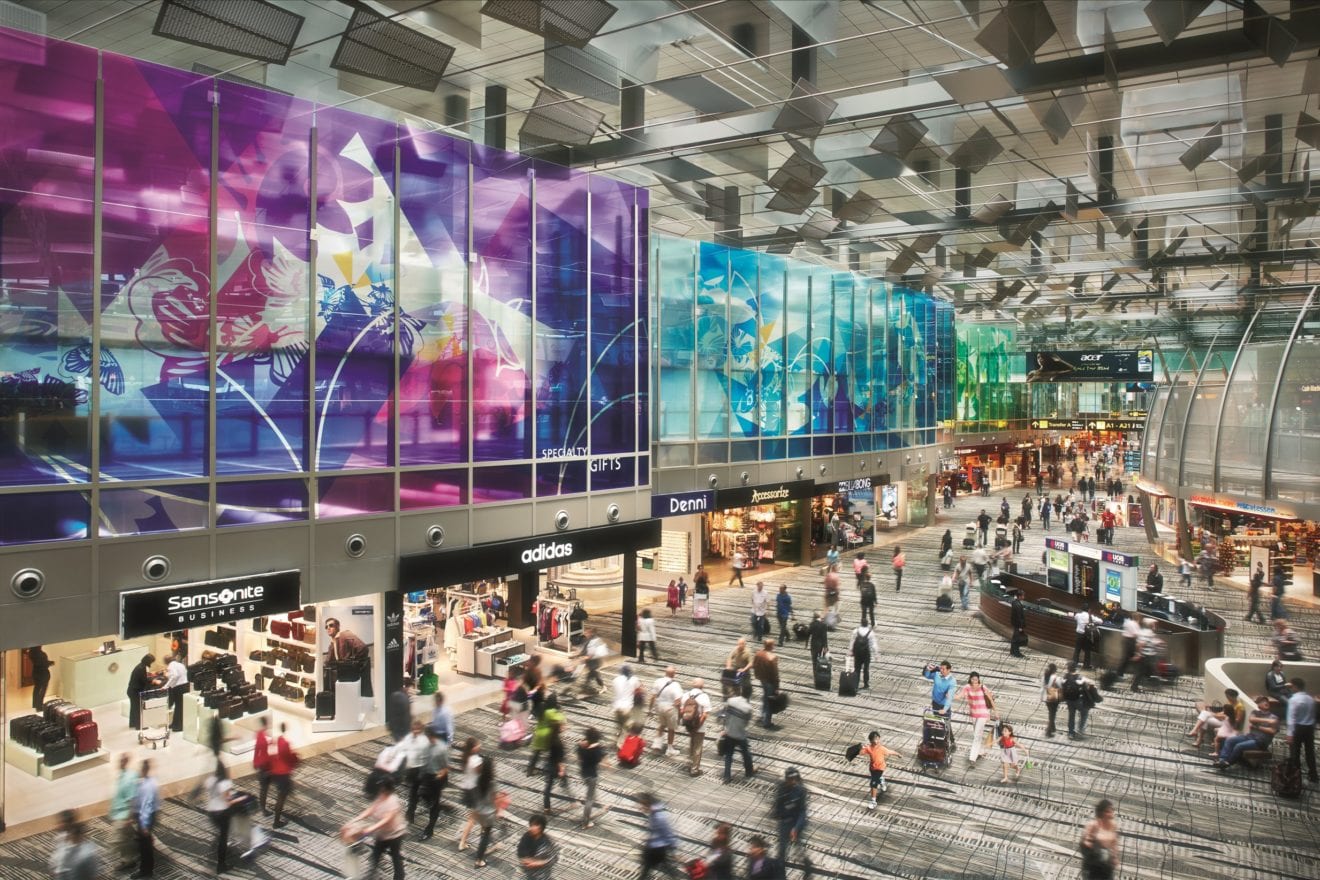
    Changi Airport Group (CAG) is inviting companies to participate in a luxury retail tender in four locations within the departure/transit lounge South of Terminal 3.

    “We are looking for unique and exciting luxury brands and concepts that are currently not represented at Terminal 3 of Singapore Changi Airport and will inject buzz to and differentiate the retail offerings at Singapore Changi Airport,” says the airport group.

    All product categories, apart from liquor & tobacco and perfumes & cosmetics are being considered.

    Concession A will be 112sq m in size; Concession B, 103sq , Concession C 86sq m and finally Concession D covers 100sq m.

    Concession A, B and C will carry contract terms of 3 years each from 1 July 2016 to 30 June 2019. Concession D’s term will also be for three years, but will being on 9 January 2017 or when the incumbent retailer hands over operations to the new retailer moving in.

    There is no option to renew any of the contract terms. The tender opened yesterday and closes on 29 October at 4pm.

  • Newcastle student flats sold for £40m sale to Singapore developers

    Newcastle student flats sold for £40m sale to Singapore developers

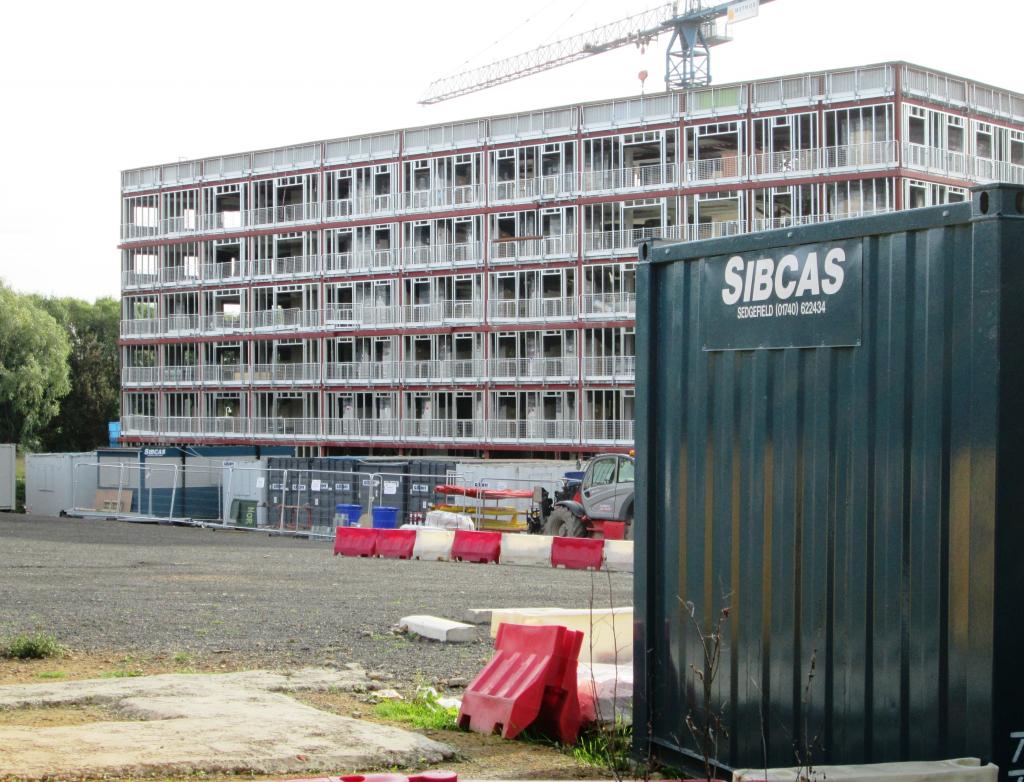
    Developers Metnor Group has built and sold a portfolio of student accommodation properties in Newcastle to one of Singapore’s largest private property developers for £40.6m.

    The Killingworth-headquartered firm acquired the brownfield site in Shieldfield, Newcastle, nine years ago and has transformed it into quality student apartments and retail units using a predominantly local workforce.

    Metnor has now been appointed to build the next phase of student accommodation on Portland Road, Newcastle, which will be ready for the 2017 academic year.

    The group’s building division, Metnor Construction, completed the first of the four-phase build with a 274-bedroom luxury student accommodation building and two retail units in August 2013.

    Known as Turner Court, the development was fully let to students from both of the city’s universities, as well as students studying at Newcastle College, within days of opening.

    Tesco and Subway occupy the two retail units on the ground floor.

    The second phase, known as Rosedale Court, was completed in August 2015 and is a 338-bedroom accommodation building developed, along with 4,500sqft of retail or commercial space.

    The building is being managed and operated by specialist student operator South Street Asset Management under its DIGS brand.

    Metnor was advised on the substantial deal by the real estate team at Newcastle law firm Muckle LLP, who advised and negotiated on the preparation of all legal documents with Far East Orchard Plc.

    Legal advice was led by Muckle partner, Will McKay, and supported by Kevin Maloney, a partner in the banking team who negotiated the financing of investment and development facilities with the Israeli owned Bank Leumi.

    The properties are located in Shieldfield, Newcastle and within walking distance of Northumbria and Newcastle Universities and Newcastle College.

    Keith Atkinson, chief executive of the Metnor Group, said: “We have worked closely with Muckle LLP since we acquired the site in 2006 and we are proud to have helped to regenerate this area of the city by transforming a once derelict brownfield site into a vibrant student hub.

    “The financial crisis which occurred in the middle of the development was an additional challenge but with the help of the team at Muckle we were able to secure funding through Bank Leumi and we are pleased to continue our work with Far East Orchard as the regeneration is a significant investment into the region.”

    Will McKay said: “We’re delighted to have worked with Metnor Group once again. This was a challenging and complex project.

    “We had to overcome many environmental factors during the development phase involving mineshafts and land contamination.”

    Metnor Construction has worked on some of the most high-profile buildings within Newcastle over the last few years including the Sleeperz Hotel development on Westgate Road, the Hotel du Vin development on Byker Road and the Hampton by Hilton hotel opposite the Central Station.

    Metnor Construction’s managing director, Chris Cant, added: “Student accommodation projects have critical deadlines as they must be ready for the start of an academic year, otherwise the owner is unable to let them out to students and risks sitting with an empty building for a year if the deadline is missed.

    “We completed our first project, the 396 bed Winn Studios, for Northumbria University in 2011 after a 21-month construction period.

    “Since then we have built Turner Court and now Rosedale Court.

    “We currently have a strong order book, a dedicated workforce and are actively looking to expand our presence in our native North East.

    “We have seen a steady increase in turnover over the last two years and we have taken on 13 new staff since the start of the year at all levels including a number of apprentices.”

  • Capital Group, Samsung Asset Management form strategic partnership in Korea

    Capital Group, Samsung Asset Management form strategic partnership in Korea

    Capital Group and Seoul-based Samsung Asset Management on Wednesday announced a strategic partnership to cooperate on developing active investment strategies for institutional and retail investors in Korea.

    Capital Group, with $1.4 trillion in assets under management, and Samsung Asset Management, Korea’s top manager with $166 billion in AUM, “will work together to co-develop retirement solutions and asset allocation products and enhance SAM’s active investment capability,” a news release said.

    Under the agreement, Capital Group will help its Korean partner become familiar with “Capital-style active management,” and work to provide management know-how in areas such as business management and client management.

    A Seoul-based spokesman for Samsung Asset Management said the partnership with Capital Group would be a cornerstone of the firm’s goal of becoming one of Asia’s top three home-grown asset management companies by 2020.

    Sung-hoon Koo, SAM’s CEO, said in the release that the partnership will pave the way for his firm to “upgrade its active equity investment capability and implement life cycle asset allocation product strategies.”

    The news release also quoted Tim Armour, chairman of the Capital Group, saying the “broader plan is to co-design investment solutions to fulfill the savings, retirement and insurance-linked needs of Korean investors.”

    The Samsung spokesman, in a telephone interview, and Tom Joyce, Capital’s head of global media relations, in an e-mail, said details of the economics of the relationship — specifically how co-developed products would be distributed and revenues shared — had yet to be worked out. “It is too early to say what the pricing and structures will be,” noted Mr. Joyce, adding “the economics will be worked through.”

    Separately, the news release said the partnership will include selecting and using “appropriate Capital Group products and services across multiple Samsung distribution channels.”

    Mr. Joyce didn’t respond directly to a question about whether this was the first time Capital Group had entered into such a partnership. Instead, he cited Samsung’s interest in learning more about Capital’s system and “way of investing,” while noting Capital’s interest in learning “how Samsung markets and distributes products to Korean investors.”

    According to data provider eVestment, Capital Group listed roughly $275 million in AUM managed on behalf of Korean investors.

  • Columbia Korea in aggressive expansion

    Columbia Korea in aggressive expansion

    US sportswear brand Columbia says it will expand its retail network in South Korea, part of a strategy to become one of the top three retailers in its category there by 2020.

    Columbia Korea will expand its existing 250-strong retail network and broaden its range of apparel to achieve its goal, moving into the fishing, yoga and casual outdoor categories.

    “It’s true that the outdoor clothing market has become saturated. But that won’t hamper our continued growth,” Shim Han-bo, CEO of Columbia Korea, told a press conference in Seoul.

    “I’m confident that Columbia is superior to rivals in terms of technology. We have nearly 200 patented technologies, which lie at the core of our competitiveness and pride.”

    He said the company is targeting 500 billion won (US$430 million) in annual sales by 2020.

    Last year it ranked seventh with 320 billion won in sales, or US$274.6 million.

    “A major portion of profits are generated at department stores and other offline outlets. We will keep trying to boost competitiveness of these conventional outlets. At the same time, we will try hard to increase sales at online retailers,” he said.

    “Many companies are wrestling with declining sales. Against all odds, however, I believe that brands with a long history and that have their own time-tested philosophy will never die out, one of which is Columbia.”

  • China Xiniya Fashion sales plummet

    China Xiniya Fashion sales plummet

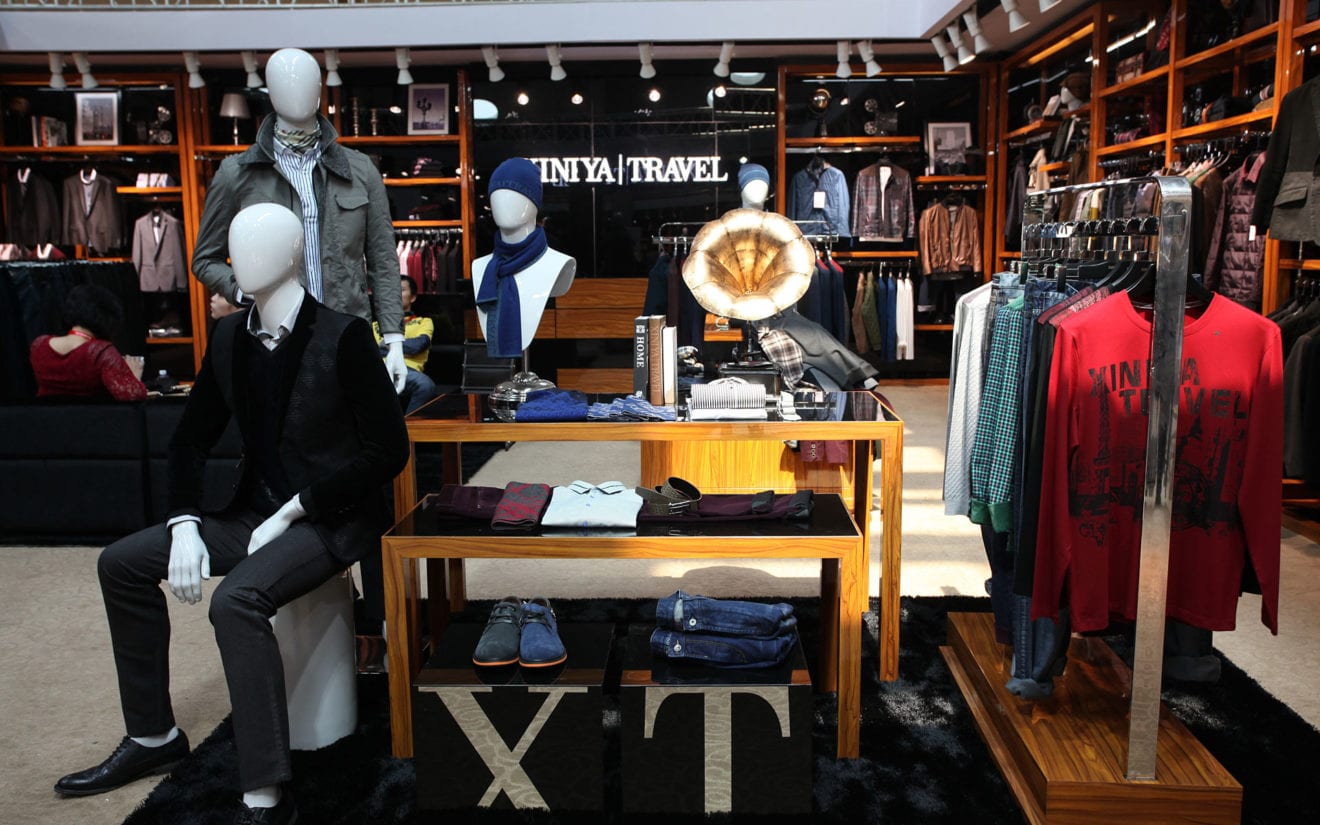
    Menswear retailer China Xiniya Fashion says its second quarter sales nearly halved this year.

    Revenue during the second quarter of 2015 decreased by 47.2 per cent to RMB106.4 million, compared to RMB201.7 million in the second quarter of 2014.

    Gross margin fell from 27 per cent to 20.8 per cent and the company turned a pre-tax profit of RMB18.4 million into a loss of RMB8.7 million.

    That despite the net addition of 31 authorised retail outlets ( 64 opened, 33 closed) taking the network to 635 as at June 30/

    Despite the appalling firgures, chairman and CEO Qiming Xu managed a positive spin on the company’s situation.

    “To further support and stabilise our retail network during this transition period, we implemented the second phase of our inventory buyback. We are beginning to see a definite positive impact on our business from the buyback initiatives and expect this progress to continue for the rest of the year,” he said.

    “Confidence from our distributors and existing and prospective authorised retailers has improved, evidenced by the increase in orders from our sales fair and the net increase in number of authorised retail outlets.

    “While we expect the economic environment to remain challenging, we are confident that our strategy to adjust our business will ensure the long-term sustainability of our business and brand.”

    The company said its 2015 Winter Collection Sales Fair in June in Xiamen City, showcased more than 500 new products. Orders increased 15 per cent over last year’s figures.

    Of the reduced margin, the company observed: “The decrease in gross margin was primarily due to an increase in research and development expenses as a percentage of total sales in the second quarter of 2015 and a decrease in retail prices to improve the price competitiveness and attractiveness of the company’s products to consumers.”

    Xiniya specialises in men’s business and casual apparel in China. It targets male working professionals in China aged 25 to 45 , seeking fashionable clothing to suit their working and lifestyle needs.

  • Atelier Cologne Hong Kong opens

    Atelier Cologne Hong Kong opens

    Parisian perfumery Atelier Cologne has opened a new store at IFC Mall.

    The Atelier Cologne Hong Kong store is the first for the brand in the city. The brand was founded in 2009 by Sylvie Ganter and Christopher Cervasel, who decided to pursue their passion for cologne and opened a boutique.

    Atelier Cologne HK

    Later, they created Colognes Absolues, a perfume line with 25 types of fragrances where each fragrance is blended with citrus base to create a longer lasting effect. The store also sells soaps, shower gels, body lotions and candles.

    The bold blue storefront really stands out among IFC Mall tenants, while inside the store features a more minimalist design using simple wooden furniture and furnishings and a sort of ‘modern laboratory’ feel.

    Perfumes are displayed in bottles with distinctive leather caps. After making a purchase, customers can have the bottles personally engraved.

  • H&M Hong Kong flagship to be Asia’s largest

    H&M Hong Kong flagship to be Asia’s largest

    The new H&M Hong Kong flagship store set to open on October 30 will be the Swedish fashion brand’s largest yet in Asia.

    Hennes & Mauritz will open at the end of the month in Hong Kong, marking the fast fashion brand’s return to what is one of the city’s premiere downtown shopping district.

    The 47,000 sqm store will open at Fashion Walk in Causeway Bay.

    It will include an H&M Home section, marking the homewares spin-off’s first presence in Hong Kong. A highlight will be a global exclusive collection by Ximon Lee, winner of H&M’s Design Award 2015.

    H&M is steadily expanding its store network in Asia. On October 1 it opened a new store in Singapore’s Tampines shopping centre, a two storey shop with a floorspace of about 19,500 sqft.