Author: Mei Ling Tan

  • Mainland China helps Chow Tai Fook figures

    Mainland China helps Chow Tai Fook figures

    Chow Tai Fook Jewellery Group has reported a four per cent year-on-year increase in retail sales in the three months to September 30.

    The welcome increase was attributed to surge in demand for gold as a result of falling gold commodity price since mid July.

    The Hong Kong listed company says same store sales fell three per cent in value terms and rose one per cent in volume terms.

    Mainland China stores led the growth, with Hong Kong and Macau shops showing a same store decline of 13 per cent and an overall decline of five per cent. Volume fell 18 per cent.

    But in China, same store sales rose six per cent in value and 13 per cent in volume.

    Chow Tai Fook described the Hong Kong and Macau retail market as “continuing lacklustre”.

    Sales of gem-set jewellery there fell 24 per cent on a same store basis, but just four per cent in the mainland.

  • Uniqlo Denver displaces famous bookstore

    Uniqlo Denver displaces famous bookstore

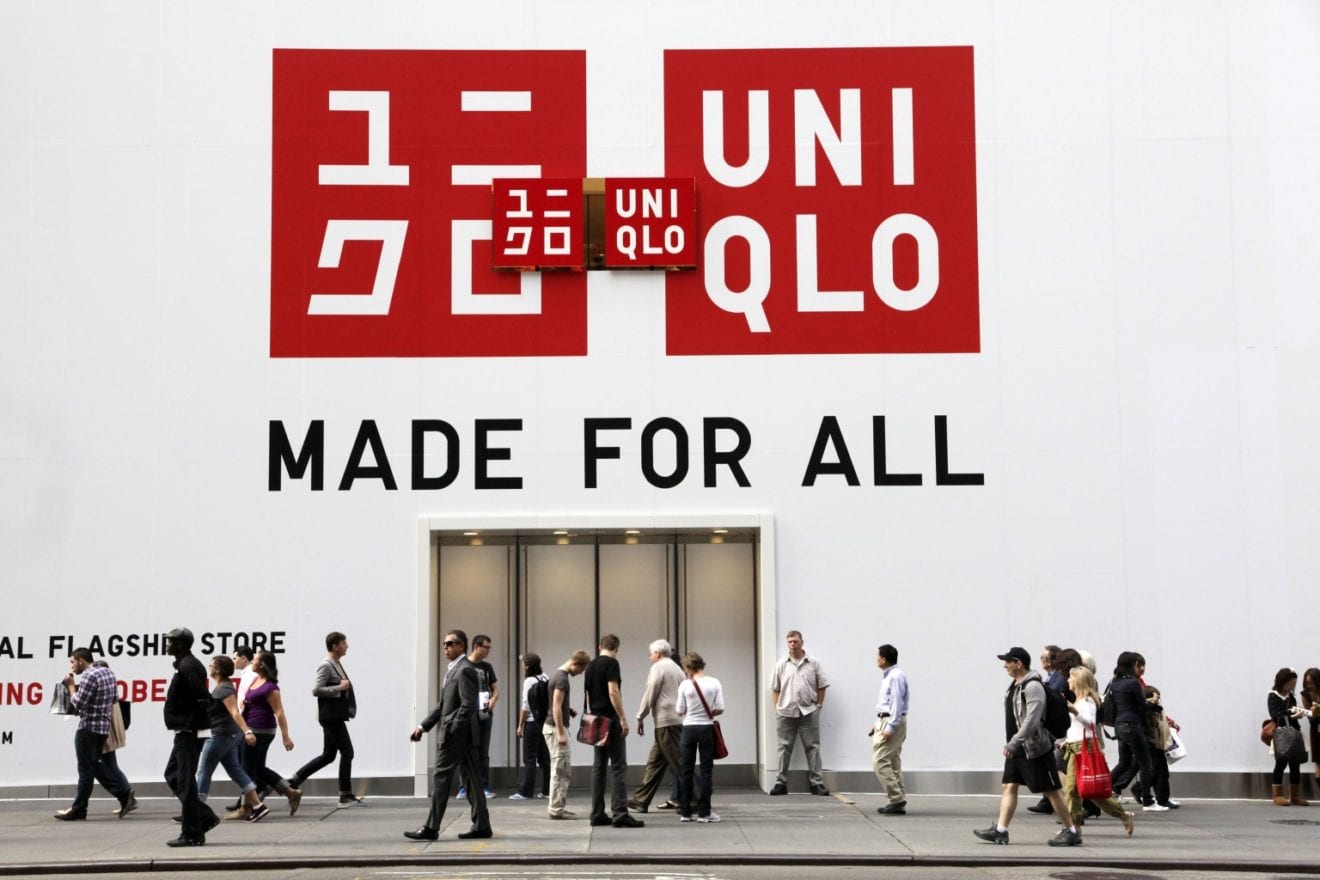
    Japanese apparel retailer Uniqlo is continuing its expansion in the US, signing up for a strategically significant flagship in Denver.

    Uniqlo Denver will open in the Pavilions shopping centre, downtown in the Colorado state capital, displacing the former anchor, bookstore Barnes & Noble.

    Pavilions is also home to Colorado’s largest H&M store, along with fashion brands Forever 21 and Banana Republic.

    Uniqlo’s first Rocky Mountain region store will open in autumn 2016 once Barnes & Noble moves out.

    The Uniqlo Denver flagship will featuring the brand’s full assortment of mens’, women’s and children’s lines. Pavilions management say it is the only store planned in Colorado by Uniqlo.

    “Introducing new global brands to Denver is a key component of Gart Properties’ strategy for Denver Pavilions,” said Mark Sidell, president of Gart Properties, which owns the Denver Pavilions with another Denver family. “Opening the flagship Uniqlo store in the Rocky Mountain Region is a big win for downtown Denver. It’s sure to be a tourist attraction in addition to serving shoppers from all across the city and the state.”

    Uniqlo currently has 42 stores in the US, selling comfortable, affordable and stylish casual apparel for men, women and children in natural and synthetic fabrics engineered to perform in varying climates and weather conditions.

    Pavilions says it expects Uniqlo will strengthen the retail environment in downtown Denver and positively impact the downtown economy.

    “In addition to creating local jobs, Uniqlo seeks to partner with local organisations and municipalities to give back to the communities where their customers live and work through a CSR program.

  • Asian banks failing customers

    Asian banks failing customers

    Affluent Asians expect more from their banks according to new research.

    In an increasingly competitive retail banking market, affluent middle class consumers in Asia expect greater recognition and reward for their loyalty according to a report by the Collinson Group. This expectation is particularly high in China (82 per cent), India (79 per cent) and Singapore (66 per cent) showing Asian banks score poorly.

    “These consumers seek more personalised communications with less than half of consumers in Singapore feeling they receive a high level of personal service and only 35 per cent of consumers feeling that their bank knows and understands them,” said the research house.

    Collinson Group interviewed 4400 affluent middle class consumers (within the top 10-15 per cent income bracket) in Singapore, China, India, Brazil, Italy, the UAE, the UK and the US. It reveals the changing attitudes and expectations of this group towards banks.

    The research shows that while Singaporean consumers are the least satisfied with the service they receive from their banks of all the countries surveyed, they are also the least likely to switch providers, because they feel there is little to differentiate banks. This presents an opportunity for those retail banks which invest in recognising and rewarding customer loyalty.

    Chris Rogers, director of market development with Collinson Group says banks are losing their position as a ‘one-stop shop’ for financial services, with savvy consumers choosing a range of financial service providers.

    “Customers are increasingly looking elsewhere for additional services.”

    Collinson Group research has previously highlighted how today’s affluent consumers place a higher priority on family, altruism and enriching experiences ahead of short-term satisfaction and this is reflected in their expectations of banks. Some 81 per cent of Chinese expect their banks to be ethical.

  • InBev-SABMiller tie-up would include China’s biggest beer

    InBev-SABMiller tie-up would include China’s biggest beer

    A potential prize for AB InBev in its bid for SABMiller is a Chinese beer that is the world’s biggest seller. But any deal will face Chinese regulators who have barred the two brewing giants in the past from cooperating.

    China already drinks one-quarter of the world’s beer and is the focus of intense foreign interest because even with its economy cooling, demand is growing while Western markets are flat or declining.

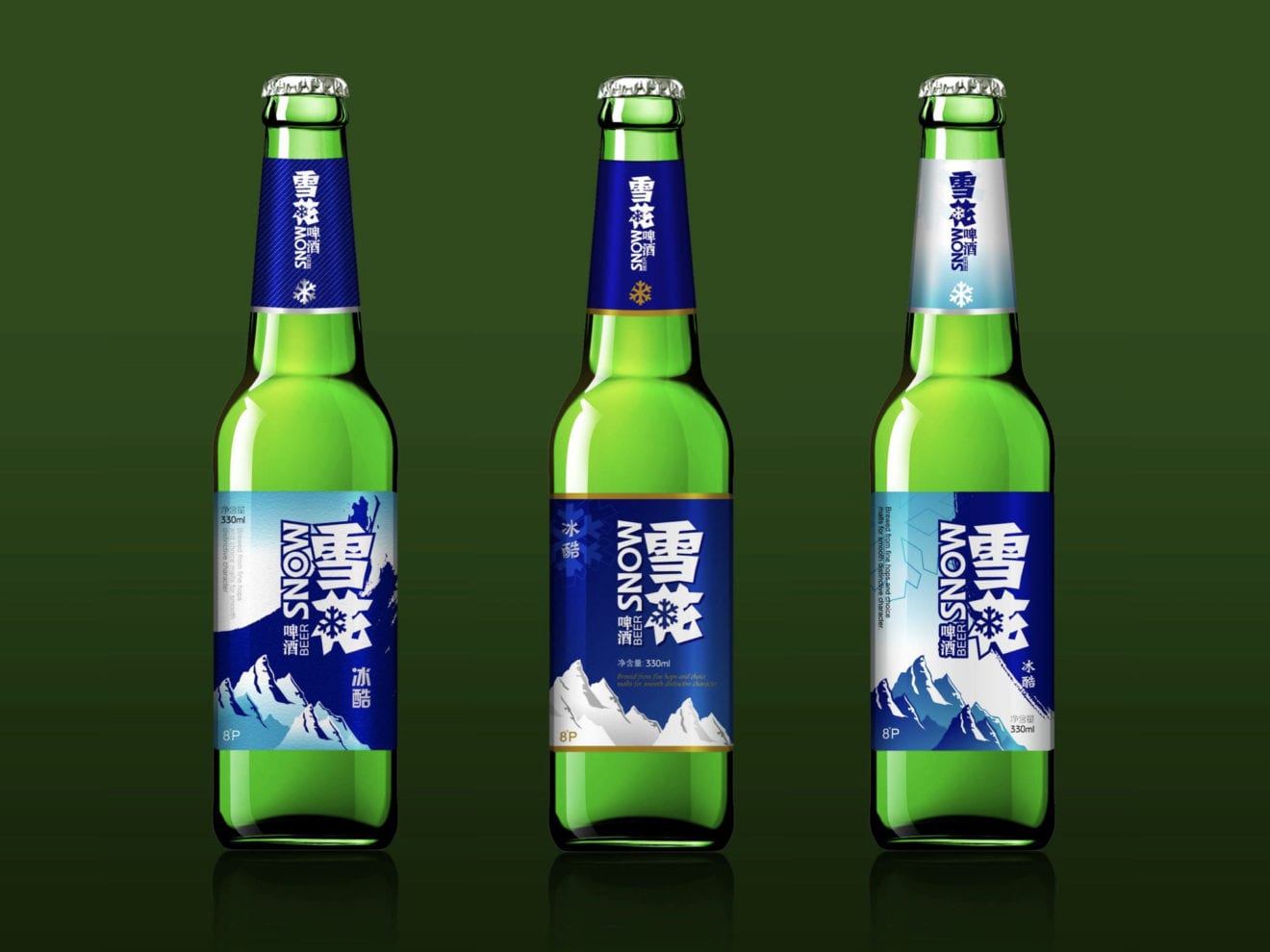
    SABMiller has a leading position with a 49 percent stake in Snow, a joint venture with a state-owned partner that sold 11.8 billion liters (3 billion gallons) of suds last year, or more than one out of every 20 glasses drunk worldwide. That could dramatically expand InBev’s Chinese footprint, which already includes Budweiser, Beck’s and Stella Artois.

    “No one outside China knows what Snow is, but it is the biggest brand in the world,” said industry analyst Spiros Malandrakis of Euromonitor.

    Total Chinese beer sales are expected to rise 2.6 per cent this year to 52.2 billion liters (13.6 billion gallons), or more than double the global forecast of 1 per cent growth, according to Euromonitor.

    Competition in China’s crowded beer market is intense, which keeps prices low and profits slim.

    Despite that, global brewers are buying or launching mass-market brands. Some hope to attract Chinese drinkers who might trade up to more expensive versions as incomes rise.

    In China since 1984, InBev’s Anheuser-Busch unit, brewer of Budweiser, has 39 beverage plants and 26,000 employees.

    SABMiller launched Snow with China Resources Enterprise, Ltd. in 1994. Today, it has 98 breweries and says it accounts for more than one in every five cans or bottles of beer sold in China.

    Other competitors include Heineken and Carlsberg, Japan’s Kirin and Asahi and Chinese brands Tsingtao and Yanjing.

    In a reflection of competitive pressure, it was only last year that SABMiller said it collected its first half-year dividend of $228 million from the Snow partnership.

    If Belgian-based AB InBev wants to keep that business, it needs to win over Chinese anti-monopoly regulators who have singled out both companies for curbs on their activities to preserve competition.

    As a condition of Chinese approval for its 2008 purchase of Anheuser-Busch, InBev was barred from linking its brands with SABMiller. Those also include domestic beers Harbin, Sedrin and Double Deer.

    Both also are prohibited from buying any more Chinese breweries.

    A merged company would control more than 40 per cent of China’s beer market, according to Song Tao, an analyst for Guotai Jun’an International, a Chinese brokerage.

    “That may trigger an anti-monopoly investigation,” said Song. “If the deal fails to get passed, InBev has to sell its holdings in CRE. Then CRE will face competition from InBev, and their future will become unclear.”

    Mergers between rivals in China run counter to the ruling Communist Party’s desire to make the economy more productive by promoting competition.

    China didn’t enact its first anti-monopoly law until 2007 but regulators have enforced it aggressively.

    In 2009, they blocked Coca-Cola Co. from buying a Chinese fruit juice maker, Huiyuan. Regulators said even though Coke had no fruit juice brand, adding Huiyuan to its popular carbonated drinks might hurt competition in beverages overall.

    Companies that want to merge are required to notify regulators if their combined annual revenue would exceed 2 billion yuan ($310 million) and each did more than 400 million yuan ($64 million) in business the previous year, according to Song Ying, an anti-monopoly specialist for the Anjie Law Firm in Beijing.

    “The Ministry of Commerce will consult with some of the main stakeholders in this industry and maybe the relevant industrial associations to ensure that the potential merger deal will not put restrictions on market competition or raise the barriers to entry,” said Song.

    At the same time, brewers are scrambling to adapt as Chinese drinkers join their Western counterparts in migrating to craft beers.

    Already, specialty brews including Stella, Hoegaarden and Belgium’s Chimay and Duvel priced at up to 37 yuan ($6) a bottle are sold in supermarkets in major Chinese cities.

    “This highlights the speed of the sophistication of the Chinese palate,” said Malandrakis of Euromonitor.

    For a global brewer, he said, that means taking over a popular but low-profit brand such as Snow would be part of a strategy to guide Chinese drinkers to more expensive varieties.

    “Essentially the consumers would drink Snow for a couple of years,” he said. “And then when they move into the middle class, they would switch, the company hopes, to imported beers from its brands.”
  • Cash boost for Amazon India

    Cash boost for Amazon India

    Amazon India has received a massive $189 million cash injection from its US parent.

    It marks the biggest capital inflow into Amazon Seller Services in India since the brand made its debut in the nation in 2013.

    Five months ago the parent invested a $177 million taking the total to $460 million.

    “We are very excited by our growth and continue to invest in technology, especially mobile, infrastructure and logistics to support seller capability in order to deliver value to our customers,” an Amazon spokesman said.

    Amazon founder Jeff Bezos is on record saying he was prepared to invest up to $2 billion into Amazon India because he is confident about the eCommerce giant’s future prospects in the fast-developing market.

    The company now has 21 fulfilment centres, the newest near Pune City boasting 55,000 sqft.

    Rival Flipkart plans to raise $1 billion from investors, following a $700 million funding round in July. And Snapdeal reportedly raised $500 million in collaboration with Alibaba.

  • MasterCard online identity checks enhanced

    MasterCard online identity checks enhanced

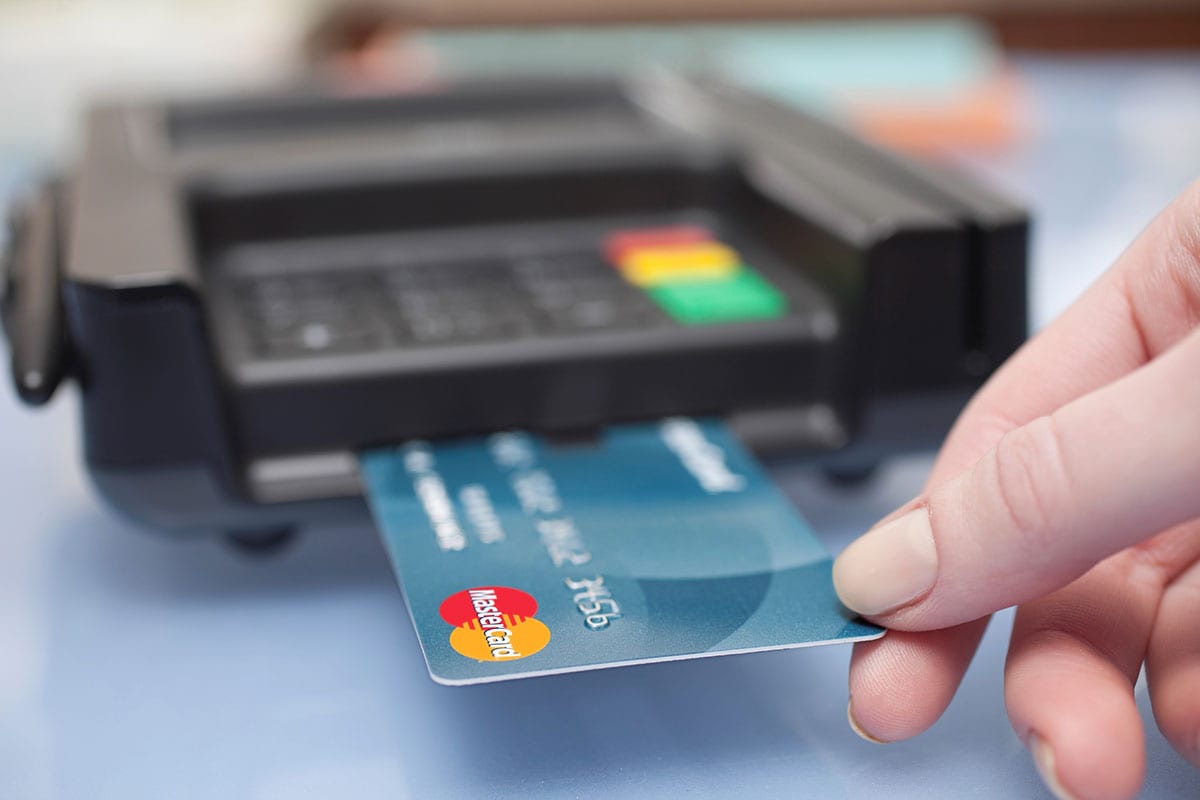
    MasterCard has introduced a new online Identity Check, a suite of technology solutions that use advanced technologies to prove a consumer’s identity and simplifies the online shopping experience.

    The credit card system provider says existing methods to prove the identity of online shoppers often take consumers away from a retailer’s website, adding to the time it takes to shop online, too often leading to payments being declined or cart abandonment.

    MasterCard says Identity Check “will put identity verification at the cardholder’s fingertips” using technologies such as biometrics and SMS-delivered one-time passwords.

    “Today, people shop on all sorts of devices, and they expect technology to simplify and secure the transaction,” said Ajay Bhalla, president of Enterprise Security Solutions, MasterCard. “This is exactly what Identity Check delivers.”

    MasterCard Identity Check represents a shift in strategy from a reliance on what the consumer knows (passwords), to what they have (mobile phone or other smart device) and who they are (biometrics). Hundreds of cardholders in the Netherlands began using biometric-enabled payments last month, while a similar trial is also underway in the US.

    US financial institutions can choose to participate in MasterCard Identity Check beginning in the middle of 2016, with a global expansion in 2017.

    MasterCard research shows 53 per cent of shoppers forget crucial passwords more than once a week, losing more than 10 minutes when they reset their accounts. People in Singapore estimate that they lose more 15 minutes every time they have to reset a forgotten password.

    “As a result, more than a third of people abandon an online purchase, while six in 10 said it led to missing a time-sensitive transaction like buying concert tickets, and more than one in two in Australia and Singapore have been locked out of a website because of this,” MasterCard reports.

    On average, people have to enter passwords eight times per day for the 10 different online accounts or applications they regularly use every week. People in Japan and India enter passwords 11 and nine times a day, respectively, above the global average.

    More than one in five people use the same password for everything, while a further 58 per cent rely on only a few different variations – despite warnings it puts them at greater risk from fraud. In Singapore, nearly one in three people use the same password for all their accounts.

    Globally, more than half of people want to see passwords replaced by something more convenient, while continuing to deliver the same levels of protection and peace of mind.

  • Thai Commerce Min happy with retail price slash by manufacturers

    Thai Commerce Min happy with retail price slash by manufacturers

    Commerce minister Apiradi Tantaraporn expressed his satisfaction after going on an inspection of prices of goods at several markets. After the inspection, she said the prices of vegetarian food have not been raised up too high this year, and the public could still afford to make purchases.

    She disclosed that 23 product manufacturers have notified the ministry that they have lowered the prices of 244 items, following the decrease of oil prices.

    Out of the listed items, 108 are in the food and beverages category, 35 items are construction materials, and 101 items in the lubricants category.

    The retail price cut for food and drinks will be between 1-56 baht, she said.

  • Fast Retailing US to slow rollout

    Fast Retailing US to slow rollout

    Fast Retailing US, the North American business unit of Japan’s largest apparel retailer is to slow its Uniqlo store roll out program after heavy losses.

    The Japanese company missed its earnings target in the latest quarter and posted losses due to a US$134 million  impairment charge relating to its 42-strong US Uniqlo store network and the poor performance of other brands there, including the J Brand denim label.

    Last year, Uniqlo opened 15 new stores in the US market – this year it will open just five.

    But the company remains committed to the US market – last week it was announced it had signed a lease to take an anchor tenancy in a downtown Denver shopping mall.

    The Financial Times quoted CEO Tadashi Yanai: “The brand penetration in big cities such as New York, San Francisco and Chicago – where we will open a new store – is good, but not in the suburbs.

    “We need to overhaul our policy for opening new stores.”

    CFO Takeshi Okazaki admitted in an earnings briefing: “The brand also still doesn’t have a lot of recognition in the United States.”

    Yanai will relocate a management team to the US to review operations there and try to revive sales growth, with a fresh strategy to be developed. In the year to the end of August, Fast Retailing reported a 48 per cent growth in net profit to JPY110 billion, (US$914,685,200) 10 billion lower than its earnings guidance three months earlier. It also incurred losses on the refurbishment of its Oxford St, London, and Shanghai flagships.

    Annual sales rose 22 per cent to JPY1.68 trillion (US$13.9 billion) largely due to growing demand for its products in China and South Korea.

  • European cosmetics chain heads to Asia

    European cosmetics chain heads to Asia

    European cosmetics brand Stenders is about to open its first store in Singapore as part of a concerted push into new international markets.

    Stenders Singapore will open in Plaza Singapura shopping centre on Orchard Rd this month.

    Stenders Singapore 1

    The opening will be followed in November by debuts in Vietnam and Portugal and London is also on its radar..

    Stenders Singapore 2

    Stenders “a cosmetics brand inspired by northern nature” sells a range of about 350 products from more than 230 shops in 22 countries. In Asia it has so far only reached China and Japan.

    The Latvian-founded company’s market positioning is “high quality products and special packaging” sold from attractively designed stores where the staff have a strong service culture. “We pay special attention to feelings and shopping experience, including design, fragrance, the way of presenting products and customer care culture,” the company says.

    The brand’s product range includes bath, body, face and hair care products.

  • Line Thailand to launch mobile payments

    Line Thailand to launch mobile payments

    Visa subsidiary CyberSource has sealed a partnership with mobile messaging app Line Thailand, to allow Thai users to make mobile payments using its Line Pay service.

    CyberSource, one of the world’s largest providers of eCommerce payment management services,  will offer its full suite of payment, fraud management and tokenisation services for Line Thailand, which will work with acquirer Krungsri (Bank of Ayudhya), Thailand’s fifth largest bank.

    Line and Cybersource will be able to process a wider spectrum of mobile payments from multiple card brands and issuers, as well as “certain alternative payment methods”.

    “The solution is designed to provide their customers with secure mobile payment options at affiliated online and brick-and-mortar stores without requiring an additional app,” explains CyberSource.

    Line has grown globally across 230 countries and regions since 2011, with its mobile messaging service app registering 205 million monthly active users as of April 2015. Some 33 million Thais use Line Thailand.

    Prapakorn Lipikorn, Head of Line Pay business development, with Line Thailand, said:. “This partnership is a key component in our strategy to cater to an ever-growing user base in Southeast Asia. We are able to streamline payment acceptance and create new growth opportunities for our merchants, while providing our users with a fuss-free mobile payment option.”

  • Snoopy promo wins gold for Shanghai IFC Mall

    Snoopy promo wins gold for Shanghai IFC Mall

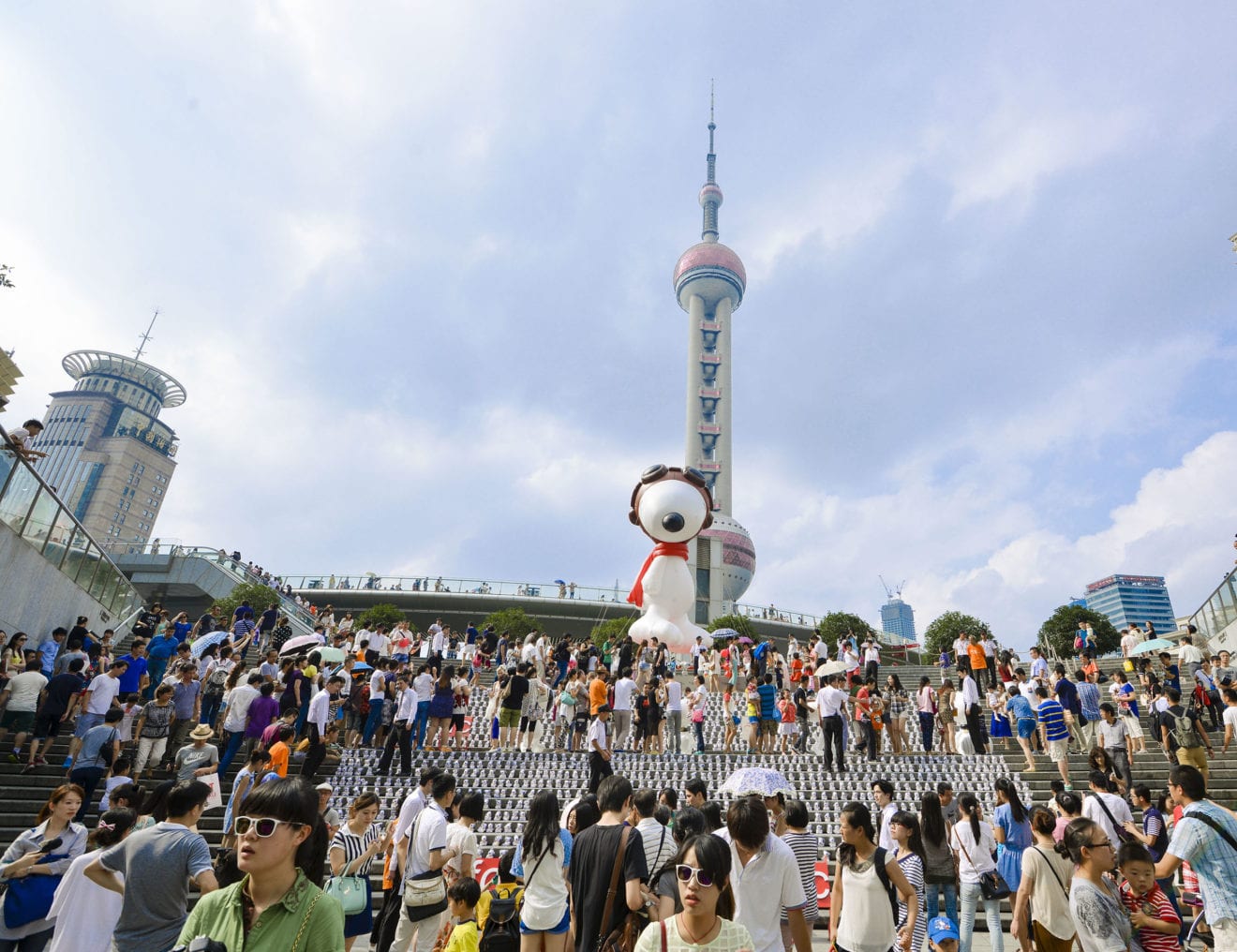
    A Snoopy Premium Art Exhibition has won gold for Shanghai IFC Mall.

    The exhibition won for Best Use of Venue in the Marketing Events Awards 2015, recently announced.

    Shanghai IFC Mall was developed by Hong Kong-based Sun Hung Kai Properties (SHKP) and is home to top international brands and chic names in an upscale upscale market.

    “The honour was an encouraging show of recognition from both the industry and consumers for the mall as a standout in the Asia-Pacific region,” said SHKP.

    The annual Marketing Events Awards are organised by Marketing magazine to recognise the most creative and effective marketing in countries and regions over Asia spanning multiple fields of business. They are decided by experts in the different sectors.

    The judges said Shanghai IFC Mall stood out for its avant-garde event planning, targeted positioning and diverse content of its Snoopy Premium Art Exhibition that drew wide acclaim in the industry.

    Sun Hung Kai Development (China) director Maureen Fung said Shanghai IFC Mall strives for perfection “in every detail from tenant mix to marketing events”, to create a welcoming environment for shoppers that follows SHKP’s spirit of ‘building homes with heart’.

    “The mall has had frequent collaborations with artists from around the world in recent years; many of which were internationally acclaimed exhibitions appearing in China for the first time. These events and multiple promotions produce a new experience combining leisure, shopping and multi-faceted art and culture,” she said.

    “The mall will build on its solid foothold as a proven award-winning upmarket retail trendsetter and keep refreshing its special presentation of shopping to achieve new highs.”

    Shanghai IFC Mall in the Pudong Lujiazui international financial district is the city’s premier destination for leisure and business. It has approximately 1.2 million sqft of gross floor area and more than 240 international retailers and restaurants.

  • Watch retailer Stelux expects to slip into red

    Watch retailer Stelux expects to slip into red

    Hong Kong-listed watch and eyewear retailer Stelux Holdings International Ltd. said the company is expected to record a net loss for the six months ended September 30 this year, mainly hurt by the increase in borrowing costs of convertible bonds and less gross profit earned in Hong Kong, Macau and Southeast Asia.

    The company is known for its City Chain watch retail operation in both Hong Kong and Macau.
    The anticipated net loss is primarily attributable to a decrease in turnover and gross profit caused by weak retail sentiment, especially in Hong Kong, Macau and Southeast Asia, Stelux explained in its latest filing.

    An exchange loss of about HK$15 million (US$1.94 million) due to depreciation of currencies in Southeast Asia has also contributed to the expected net loss, the company said. ‘Despite the anticipated loss, the group is expected to report a positive operating profit; an improved gearing ratio (with a reduction in bank borrowings of approximately HK$130 million) and stable liquidity in the reporting period,’ Stelux said in the filing.
    Regarding the corresponding period in 2014, Stelux earned a net profit of over HK$105 million.

  • Banks exploring plan for money transfers using mobile numbers

    Banks exploring plan for money transfers using mobile numbers

    Monetary Authority of Singapore (MAS) managing director Ravi Menon revealed the initiative yesterday as he underlined the progress that Singapore has made towards becoming a smart financial centre.

    Speaking at the closing of the Sibos banking industry event yesterday evening, he said banks involved in Fast and Secure Transfers (Fast) are studying a “mobile addressing system” for the service, which was launched in March last year to allow near-instant interbank fund transfers and payments.

    “This means you will be able to make payments through Fast as long as you know the payee’s mobile number,” Mr Menon said.

    Also, the Association of Banks in Singapore (ABS) aims to standardise retail point-of-sale (POS) terminals, he added.

    “Our vision is a unified POS – a single terminal, preferably mobile, that can read all kinds of cards.”

    If implemented, the new Fast mobile system would greatly streamline digital transfer services.

    Several apps – including DBS Bank’s PayLah, OCBC’s Pay Anyone and United Overseas Bank’s Mobile Cash – have been rolled out by banks here to allow a user to transfer money to another using a mobile number, but these apps typically still require set-up and account information.

    ABS director Ong-Ang Ai Boon confirmed that five banks, including the three local ones, started initial discussions on the concept last month. “The whole thing is still in a very nascent state,” she said.

    “We are constantly looking for ways to improve productivity and efficiency for both the industry and consumers, but it will take time for us to make sure it is affordable and does not compromise on security.”

    A local bank source told The Straits Times the new service is likely to involve a central registry pegging phone numbers to accounts.

    This would mark a great step forward for Singapore banks, which are already active in digital and mobile initiatives.

    Mr Menon also suggested that the industry go one step further and develop an all-in-one addressing system – which would mean “being able to pay someone through Fast using also the payee’s e-mail address, social network or other proxies”.

    OCBC Singapore e-business head Aditya Gupta noted that Pay Anyone already allows that, although account information is also required of recipients.

    He said: “If the new addressing system can help make payments more seamless, this would be a good way forward.”

    The central bank has committed $225 million over the next five years to boost financial sector technologies, Mr Menon said.

    Another common standard in the works is the unified POS – ABS has made more progress in this area than with the mobile addressing system, Mrs Ong said.

    Meanwhile, achieving seamless data sharing is also a key thrust for ensuring greater cost efficiency for banks and regulators.

    Mr Menon said MAS is considering using application programming interfaces to streamline regulatory data submissions by the industry.

    “Our vision is for data to flow seamlessly in both directions between systems in the financial institutions and MAS,” he stressed.

  • Waterfront township in Mandaue

    Waterfront township in Mandaue

    HONGKONG Land and Taft Properties formally unveiled yesterday the 20-hectare Mandani Bay, the first waterfront township project along Zuellig Ave. in Mandaue City.

    Under HT Land, the company formed out of the joint venture between Hongkong Land and Taft Properties, an initial investment of P4.5 billion will kick off the first phase development of the new project.

    The first phase will cover the construction of two condominium towers that will have a total of 1,200 units in a 1.1-hectare area starting next year.

    10-year period

    In a press interview yesterday, Theodore Gilbert Ang, project director of Mandani Bay, said the project will be constructed in eight phases and expected to be completed in 10 years’ time starting 2016.

    At present, HT Land is developing its sales gallery, which is slated for completion in January next year.

    The integrated development, according to Ang, will be primarily residential.

    It will have 25 towers with a total of 18,000 condominium units intended for the middle to high-end market. On top of the residential component, the project, which is located in a waterfront site, will also have retail, office, recreational and marina components.

    Integrated

    Ang said the vision of the company is to shift Mandaue City’s perception as an industrial and manufacturing hub into a desirable mixed-use and a premier lifestyle hub.

    “We will integrate culture, commerce and community in one area,” said Ang. “There is plenty of potential in Cebu because this is a place where people from Luzon and Mindanao converge.”

    “The key attractions of this master-planned project are its unique design features, the site’s strategic location and its extensive water frontage. The project will also be built around several distinctive characteristics aimed at creating an attractive community, in line with international standards,”said Jack Gaisano, chairman of Taft Properties in a statement.

    ‘Benchmark’

    In June this year, Hongkong Land and Taft Properties announced they have teamed up to create a new landmark that will change the landscape of Metro Cebu. Mandani Bay is expected to leverage the combination of Taft’s intimate knowledge of the Cebu market with Hongkong Land’s international experience to provide a new benchmark for residential communities in Cebu.

    Experience

    Taft Properties is part of the Vicsal Development Corp., known for its Metro Retail Stores (Metro Gaisano).

    Hongkong Land is one of Asia’s property investment, management and development groups.

    The group owns and manages almost 800,000 square meters of prime office and luxury retail property in key Asian cities, principally in Hong Kong and Singapore.

  • Burberry second-quarter sales hit by China slowdown

    Burberry second-quarter sales hit by China slowdown

    Burberry has reported a slowdown in sales as it felt the impact of a challenging global luxury market, particularly in China and Hong Kong.

    • Retail sales growth slows to 2% in first half
    • Luxury retailer points to “weakening consumer sentiment” in China
    • Share price slips 12% to lowest point since April 2013
    • Analyst brands full-year profit forecast “ominous”

    Retail sales on an underlying basis rose 2% to £774m in the six months to the end of September after 8% growth in the first quarter, the fashion retailer and brand said. Group sales were flat at £1.1bn.

    “In the second quarter, demand from luxury consumers, particularly Chinese customers was affected by a more challenging external environment,” Burberry said.

    Across the Asia-Pacific region Burberry recorded a “mid-single-digit” drop in sales because of “deceleration” in Hong Kong, while in China sales fell “slightly” due to “weakening consumer sentiment” in the second quarter.

    Burberry’s chief executive and chief creative officer Christopher Bailey said: “The external environment became more challenging during the half, affecting luxury consumer demand in some of our key markets.

    “In response, we have intensified our focus on driving sales and productivity, while taking swift action on discretionary costs.”

    Looking ahead, Burberry, which owns 218 stores worldwide, said full-year pre-tax profits will be “broadly in line with the average of those analysts who have recently updated forecasts”.

    It added: “Our assumptions include a return to mid-single-digit percentage growth in comparable sales in the second half, ongoing cost efficiencies, a reduction in performance-related pay and a benefit of about £10m to reported profit if exchange rates remain at current levels.”

    However, independent analyst Nick Bubb branded the profit forecast provoked alarm bells. “The worry beforehand was that group performance would be hit by the slowdown in China and the comment that ‘for FY 2016, we expect that adjusted PBT will be broadly in line with the average of those analysts who have recently downgraded forecasts’ is ominous,” he said.