Author: Mei Ling Tan

  • Jakarta Fashion Week: a quick guide

    Jakarta Fashion Week: a quick guide

    Jakarta Fashion Week, the main fashion week in Indonesia will open on October 24 at Senayan City, Jakarta.

    The Fashion Week will bring together hundreds of Indonesian designers, and their compatriots from countries including Japan, Thailand, and South Korea, to celebrate local creativity and showcase their best work before an international audience, both at the event and on television.

    Now in its eighth year, Jakarta Fashion Week is supported by high-end Jakarta shopping centre Senayan City.

    Svida Alisjahbana, CEO of Femina Group and chairman of Jakarta Fashion Week 2016, says support from Senayan City is meaningful to Jakarta Fashion Week given the mall’s reputation as a premium shopping destination with high-end boutiques from Italy and France, as well as various other fashion brands from around the world.

    “With the convening of JFW 2016 in Senayan City, Jakarta Fashion Week will have a value comparable to the fashion brands stationed there, and this is something that is very encouraging. It is time to introduce Indonesian fashion labels to the public so that they can understand and love the creativity apparent in our local products that is no less great than those in the products of international brands.”

    Along with the celebration of Senayan City 9 Infinite Years, Senayan City will present an exclusive collaboration entitled Capsule Collection F/W 2015 which will feature designers Danjyo Hiyoji, KLE, and Hunting Fields, with creations made specifically for JFW 2016. The Capsule Collection F/W 2015 and TIKprive X Stella Rissa fashion show will present at the Fashion Tent in JFW 2016 on October 29.

    Senayan City will also present fashion shows featuring the latest collections from tenant brands, such as Bebe, Promod, and Debenhams.

  • Beijing retail sales rise

    Beijing has reported a rise in retail sales during the week-long National Day holiday that began last Thursday.

    Chinese government news agency Xinhua reports both locals and tourists have “spent heavily” on consumer goods.

    During the first six days of October, Beijing’s 100 leading retailers reported a total sales revenue of 5.3 billion yuan (about US$833.7 million), up 6.2 per cent on the same period of last year, according to figures released by Beijing Municipal Commission of Commerce.

    The figures were collected from Beijing’s major retail outlets including shops, supermarkets and restaurants, it said in a press release.

    Many avid shoppers took advantage of the National Day promotions offered by most retailers to buy winter clothing and the latest models of smartphones and other digital products.

    While housewives flooded supermarkets to buy food for their family feasts, many others chose to dine at some of the city’s most famous restaurants.

    A surge of customers from locals and sightseers has brought an average 10 percent increase in revenue at these restaurants, according to the municipal commission of commerce.

    It said the Golden Week has witnessed a 20 per cent surge in gold and jewellery sales, as the holiday week is also a prime time for weddings.

  • FairPrice delists Asia Pulp & Paper products

    FairPrice delists Asia Pulp & Paper products

    Singapore’s largest grocery retailer NTUC FairPrice has removed all products supplied by Asia Pulp & Paper from its stores due to the paper giant’s role in contributing to the toxic haze.

    The Singapore Environment Council (SEC) has instituted a temporary restriction on the use of the “Singapore Green Label” certification for APP products after becoming aware the company sourced paper from companies responsible for the fires across Indonesia which have left Singapore and parts of Malaysia shrouded in a toxic haze.

    FairPrice carries 14 housebrand paper products that are certified with the Singapore Green Label. Two of these are housebrand tissue products sourced from APP through Universal Sovereign, a licensed distributor, while the rest of the products are not affected. In addition, all 16 APP related products from the various brands FairPrice carries have also attained the Singapore Green Label certification.

    FairPrice CEO Seah Kian Peng said the company has taken the opportunity to reiterate its firm stance on the issue.

    “We have been proactively monitoring the situation over the past week. We initiated meetings with the various parties concerned when the list of firms including APP, was named by the authorities as suspects for contributing to the haze. As a fair business partner, we reserved taking action pending further information and investigation by the authorities.

    “Our decision to withdraw all APP products is a result of the temporary restriction of their Green Label certification. This reflects our conviction and commitment towards promoting and adopting sustainable practices, as we have done all these years.”

    FairPrice has been championing various initiatives that promote sustainability. One of these initiatives is certifying housebrand products with the Singapore Green Label Scheme administered by SEC. Last week, SEC requested companies with paper products certified under the Singapore Green Label Scheme to declare compliance with using sustainable materials. FairPrice was unable to sign the declaration for the two housebrand products earlier as it was pending APP’s confirmation of their compliance to SEC’s requirements.

    Following the temporary restriction of the Green Label notification, FairPrice has withdrawn both housebrand products, which include FairPrice Softpack Tissue 200s and the FairPrice Gold 3 Ply Facial Tissue 140s supplied by APP. Beyond this, FairPrice will also withdraw all APP related products including Paseo, Nice and Jolly.

    “We assure customers that FairPrice has alternative brands of paper products, including products with the Green Label, available to meet consumers’ needs.”

    All APP products will be withdrawn from all FairPrice stores by 5pm today.

  • Foodora Hong Kong launches with 100 restaurants

    Foodora Hong Kong launches with 100 restaurants

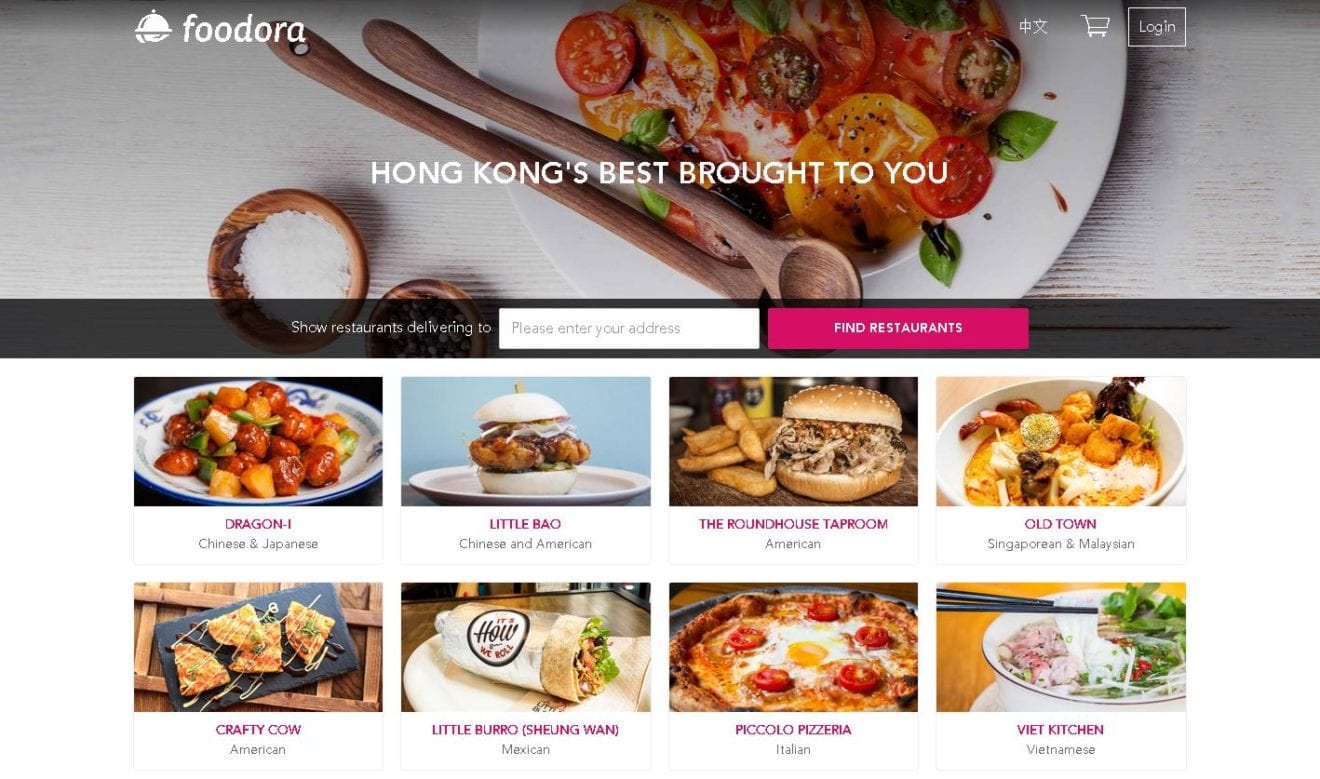
    Foodora Hong Kong – the expensive little sister of Foodpanda – claims it already has 100 restaurants and cafes on its books as it formally launches its service.

    Foodora – whose imminent launch was reported by Inside Retail Hong Kong on September 29 – has today formally announced its creation after a trial in two suburbs: Central and Sheung Wan.

    A key plank of its marketing message is “Hong Kong’s first 30-minute food delivery service” which Hong Kong locals may well greet with a degree of skepticism.

    But Foodora, which was founded in Germany last October, says its proprietary logistics system “determines the optimal route between restaurants and customers to help drivers navigate the dense traffic of Hong Kong”.

    “The company’s dedicated, uniformed and friendly delivery team ensures maximum food quality and transportation standards by not stacking orders and knowing their terrain extremely well,” it says in a statement.

    The Foodora app sends updates along the order process, allowing customers to monitor progress of their food’s preparation and despatch.

    Meanwhile, Foodora says it has more than 100 local restaurants on board for its Hong Kong launch.

    “The company has set itself apart from traditional delivery services by working with big names in the restaurant scene, including the likes of Dragon-i, Iberico, Check-In Taipei,The Boss and Social Place. Restaurants such as Little Bao will for the first time offer hungry Hong Kongers an alternative to waiting in a queue for superior eats.”

    “Few realise Dragon-I has very talented chefs serving some of Hong Kong’s best Chinese and Japanese food,” said Raymond Young, GM of Dragon-I.

    “With Foodora we can now extend the Dragon-I experience into homes and offices.”

    Foodora Hong Kong CEO Mat Podesta says Hong Kong is one of the world’s great global cities and as such should have access to world-class food delivery services.

    “Foodora wants to introduce a new benchmark of reliability, speed, and quality, bringing Hong Kongers what other markets already enjoy.”

    While the brand is still restricting delivery to just Central and Sheung Wan, Podesta says Tsim Sha Tsui, Wan Chai and Causeway Bay will be added, along with an expanded list of 400 restaurants, by the end of the year.

    New customers can receive HK$50 off their first order with code: HELLOHONGKONG.

  • Playboy drops full monty for bigger piece of China

    Playboy drops full monty for bigger piece of China

    Playboy will no longer publish images of fully nude women in its magazine from next spring. You can blame China for that.

    The porn pioneer, which gave generations of pubescent boys around the globe their first glimpse of breasts, earns a surprisingly rock solid 40 percent of its revenues in China.

    Not from its magazine, which is banned in the country, but from the happy returns on licensed merchandise.

    From Heilongjiang to Guangdong, Tibet to Shandong, it’s not uncommon to see men and women wearing t-shirts or carrying handbags donning the ubiquitous bunny logo—a rabbit head wearing a tuxedo bow tie.

    Or upon closer inspection at high-end department stores, dress shirts and suits, women’s apparel, bags and shoes, belts and wallets, and luggage, not to mention bath products and fragrances, liquor and jewelry and a lot of other things Playboy has slapped a logo on.

    “China is one of our most important markets,” Playboy CEO Scott Flanders said in a statement earlier this year. “To achieve this leadership position without ever having a media entity in China is a testament to the tremendous power of our brand.”

    And that brand translates into hard cash.

    Last year, roughly one-third of Playboy’s US$1.5 billion global retail sales came from China, said CNN. Over the past decade, the company has made US$5 billion in retail sales in the country.

    “In China and other Asian markets, Playboy has positioned itself as a lifestyle brand for sophisticated, suave, fashion-conscious consumers by working with strong licensees in premium mass-market apparel, sportswear, eyewear, et cetera,” said Torsten Stocker, greater China retail partner at AT Kearney, in an interview with the Financial Times.

    In recent years, Playboy has partnered with top tier retailers and brands in Asia, such as Lane Crawford (Hong Kong, Beijing and Shanghai), Isetan (Tokyo) and Marc Jacobs (global).

    In May, Playboy announced plans to build flagship stores in major Chinese cities, and expand its retail presence from 3,000 to 3,500 outlets, in partnership with Handong United, a recently formed group.

    While Playboy will continue to feature loads of perfectly airbrushed models in various stages of undress, explicit nudity in the magazine risks complaints from shoppers and tarnishing a brand built over the company’s 20-year history in China.

    Is distributing pictures of naked women really a business liability?

    “You could argue that nudity is a distraction for us and actually shrinks our audience rather than expand it,” Playboy’s Flanders argued last year.

    Besides, despite China’s anti-porn measures, Chinese consumers—and pervs everywhere—can get as much smut as they want on the internet.

    “You’re now one click away from every sex act imaginable for free. And so it’s just passé at this juncture,” said Flanders.

    Playboy will also continue its tradition of investigative journalism, in-depth interviews and fiction, notes the New York Times, a move that will be appreciated by those who buy the magazine “for the articles”.

    The company cleaned up its website last year (stopped showing pictures of naked women) and saw traffic quadruple and the median age of its readers move from 47 years of age to 30, “an attractive demographic for advertisers,” the Washington Post quoted a statement from Playboy as saying.

    Playboy is a household name in China, with 97 percent brand awareness among Chinese consumers, according to research firm Penn Schoen Berland.

    “As one of the most famous and treasured brands in China, Playboy is considered the ‘must-have’ fashion choice by men and women across the Mainland,” said Xiaojian Hong of Handong United.

    Through licensing agreements, Playboy-branded consumer products are now in 180 countries.

  • Ricoh India opens first flagship

    Ricoh India opens first flagship

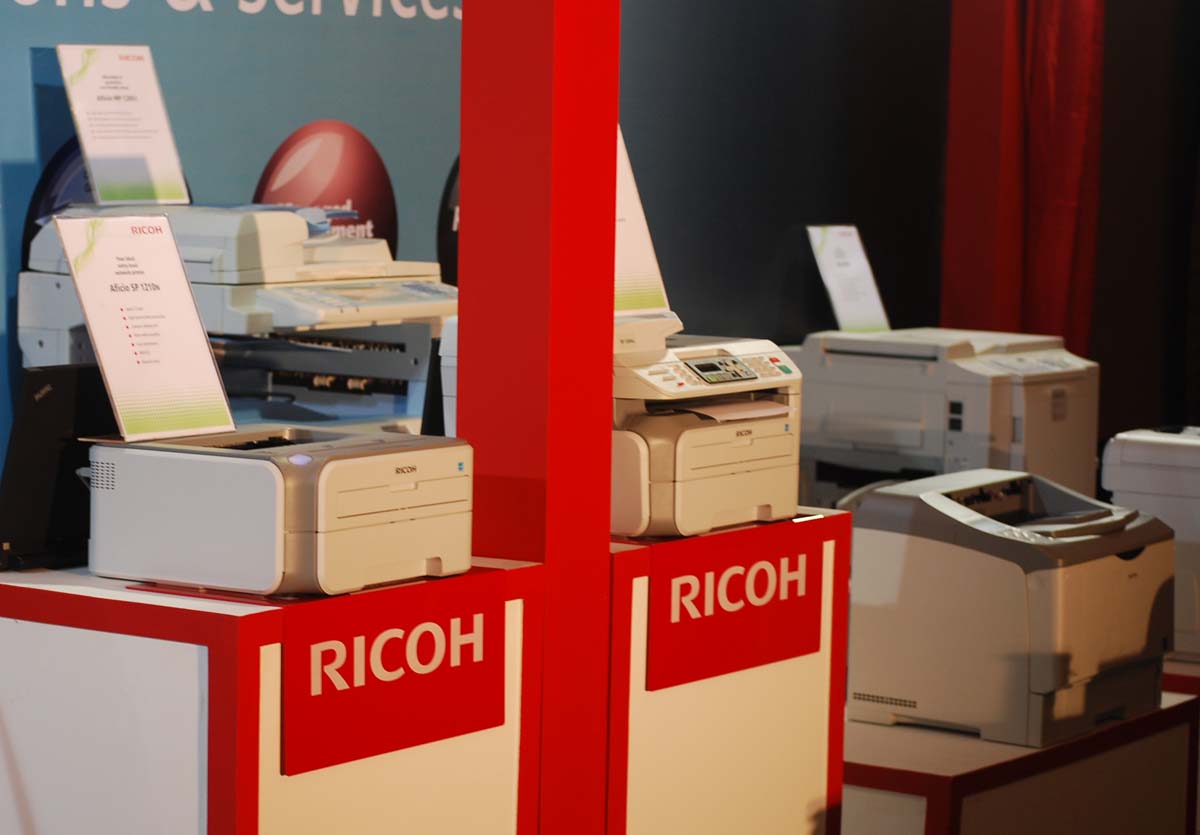
    Printing and document solutions specialist Ricoh India has opened its first Indian flagship store at Lucknow.

    The Japanese brand says the new retail facility is an effort to “strengthen consumer experience and engagement”.

    Ricoh Brand Stores are conceptualised as “the ultimate retailing experience that synchronises with innovation, quality and excellence”.

    The company says the flagship will give the company, better insight into customer needs and help it to come up with customised products and solutions. The Lucknow Store will display the copiers, projectors, cameras, binoculars, and visual communication products, laser printers as well as toner and genuine refills.

    At the Ricoh India store, customers can experience the recently launched, Ricoh Theta m15, a spherical camera that captures the space around you with just one touch. The camera range also includes the Pentax K-500, an entry-level DSLR, all weather and all-purpose underwater camera WG4 among many other products.

    Ricoh India says it has ventured into this brand store to have greater visibility and offer customers an easy access to products and technologies.

    “Through its retail stores, Ricoh wants to enhance customer experience of the technology products and also to cater to the B2C Segment. The brand shop will complement the Ricoh eStore, so that the consumers can make the most of the Ricoh one-stop printing and imaging solutions.

    Manoj Kumar, CEO and MD of Ricoh India said more brand stores are planned for key markets along with a strategy to expand its channel partner base.

    “We are also working with various large format retail stores to expand our presence across the country. Our expansion strategy has fetched us tremendous growth and added to company’s bottom line.”

    The brand’s turnover has doubled in the first quarter of this year compared to the same period last year.

  • Aeon opens B300m mall in Si Racha

    Aeon opens B300m mall in Si Racha

    Aeon (Thailand), the local operator of MaxValu supermarkets and Tanjai minimarts, has resumed its investment with a big retail project after suspending its expansion since 1997.

    The company will today have the soft opening of Aeon Sriracha shopping centre in Chon Buri’s Si Racha district to serve growing demand from Japanese expats working nearby.

    The move is part of Japanese parent Aeon Group’s efforts to expand its retail business in Asean with an expectation to drive sales to reach US$16 billion by 2020, a company source said.

    Before Thailand, Aeon Group opened various retail formats in the Asean market including Indonesia, Vietnam and Cambodia.

    The company spent about 300 million baht to develop Aeon Sriracha near Assumption College Sriracha.

    The three-storey shopping centre has saleable space of 11,000 square metres and will serve Thai and Japanese customers who work and live nearby.

    “Major frequent customers will be Japanese housewives who have free time to shop and dine at our shopping centre. They like shopping in a Japanese ambience,” the source said.

    Aeon Sriracha is surrounded by 1,300 households of Thai and Japanese people with high spending power. It has parking space for 220 cars.

    The shopping centre houses 21 tenants providing services related to Japanese lifestyle. MaxValu supermarket provides service around the clock, while other anchors are Ringer Hut Nagasaki Champon, a Japanese fast food restaurant chain with more than 600 branches worldwide, and Tackle Berry, Japan’s largest used fishing gear chain.

    Si Racha district also has Japanese community mall J-Park Sriracha.

    The artist impression of the Aeon Sriracha shopping centre.
    This is the first time in 18 years that Aeon (Thailand) has invested in a big retail project in Thailand after suspending its expansion plan due mainly to the 1997 financial crisis.

    Aeon Group has had a presence in Thailand for more than 30 years.

    Aeon (Thailand) now operates 78 retail outlets here, with 48 Tanjai minimarts and 30 MaxValu supermarkets.

    Apart from developing its new complex in Si Racha, the company will strengthen its food and information technology facilities to support its aggressive expansion in Thailand from now until 2020.

    It has plans to expand its retail business outside Bangkok, particularly in Northeastern provinces such as Ubon Ratchathani and Udon Thani, in a bid to tap opportunities from booming border trade after the launch of the Asean Economic Community by year-end.

    Aeon (Thailand) had earlier announced plans to open 40 MaxValu stores next year.

    After that, it will add 100 outlets each year for four years until 2020 for a total of 500 branches.

    Of the 500 stores, 400 will be Tanjai minimarts and the remaining 100 will be under the MaxValu supermarket brand.

    Sales at MaxValu supermarkets are estimated to reach 6.6 billion baht this year.

  • Priority Pass members now have access across Asia To 850 airport lounges

    Priority Pass members now have access across Asia To 850 airport lounges

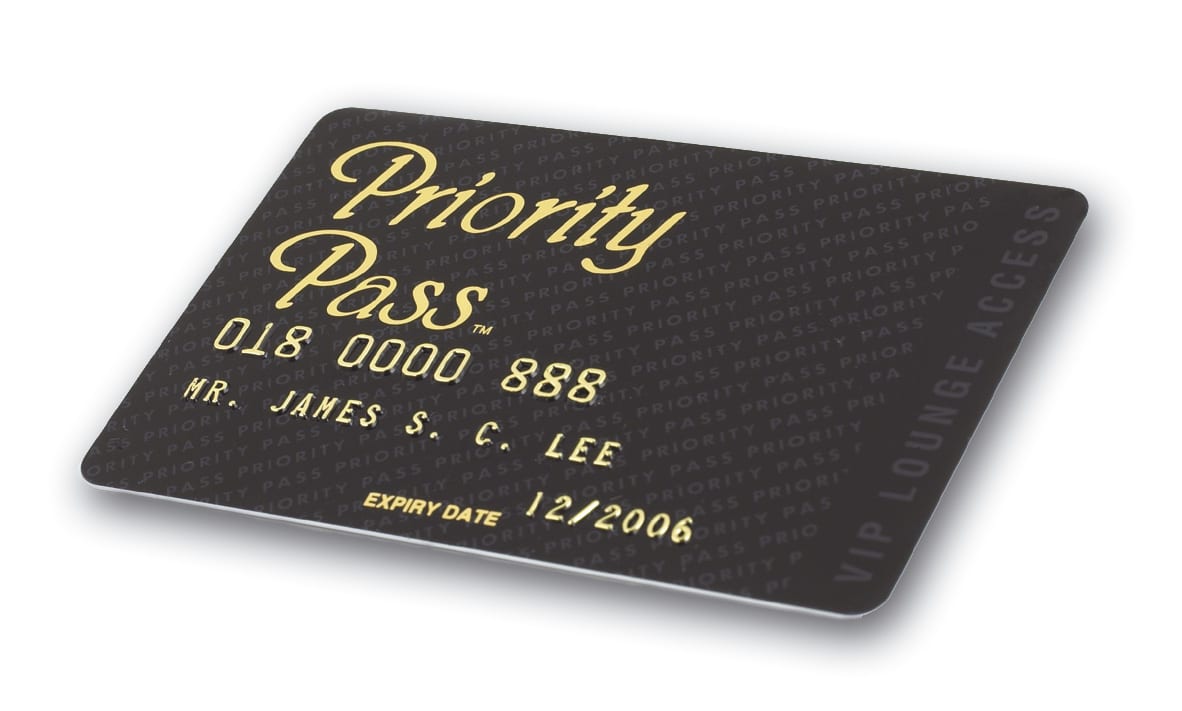
    Priority Pass, the world’s largest independent airport lounge access program, today announces that over 850 premium airport lounges are now available to cater for the rapidly expanding Asian travel market.  Priority Pass is also announcing a brand refresh and a range of new services, which reflect the changing needs and expectations of the region’s travelers. This includes a responsive website prioritypass.com, innovative smartphone apps, new Digital Membership Cards, Member Offers and a contemporary brand identity for the original and world’s largest, independent airport lounge access program.

    Part of Collinson Group, Priority Pass access is offered as a valuable benefit in many companies’ reward programs, including banks, credit card providers, telecoms operators and consumer brands.  The digital membership and access services, new marketing resources and new member offers will enable clients to tailor the rewards they offer end customers.

    Priority Pass ran a series of focus groups with Asian travelers and analysed data on member visits to develop these new services. The Asian affluent middle class is set to rise from 1.8 billion in 2009 to 4.9 billion in 2030 and Priority Pass research has revealed that Chinese and Singaporean consumers within the top 10-15% of income are some of the most frequent travelers globally, taking an average of over nine business and leisure flights a year compared to a global average of seven.

    These discerning travelers look to enhance their experience, with nearly a quarter (23%) of Chinese and Singaporean consumers viewing airport lounge access as essential.  This group also value services such as fast track security, travel concierge and airport taxi and limo services.  Reflecting this demand, Priority Pass has expanded its airport lounge access to over 850 premium venues in more than 120 cities around the globe, including 55 new lounges in Asia since the start of 2015 as well as in key international hub airports such as the recently launched ‘Aspire, the Lounge and Spa at LHR T5’ at London Heathrow Terminal 5.

    The expectations of frequent Asian travelers are changing.Rather than spending money on flying first class, they choose to enhance their trips with experience-based benefits, such as access to spas, top restaurants and cultural events.  To support this trend, Priority Pass is introducing new Member Offers to help Priority Pass Members make the most of their time when they reach their destination, including discounted golf packages, car rental and airport transfers.

    The research also reveals a group of Affluent Middle Class ‘Technophiles’ in Asia who spend over 20 hours a week of their leisure time on the Internet and are avid users of apps, social media, online shopping and streaming digital content. The new Priority Pass Digital Membership Card, the responsive website and refreshed smartphone apps resonate well with the Affluent Middle Class in Asia who use an average of 16 different apps and expect information to be immediately available and digital.

    Ian Lee, Business Director, Asia Pacific, Priority Pass says, “We were the first company to offer a premium global lounge access program and these new enhancements ensure that we retain the largest choice of quality airport lounges in more locations and continue to offer the best possible customer experience. These new services mark a refresh of our 23 year old brand and our new digital services provide greater convenience for Asian travelers, while giving our Clients more flexibility in the way they provide Priority Pass to their consumers. The addition of new Member Offers, ensures travelers can tailor their experience and realise the value of Priority Pass membership beyond the lounge.”

  • Burberry launches on Kakao

    Burberry launches on Kakao

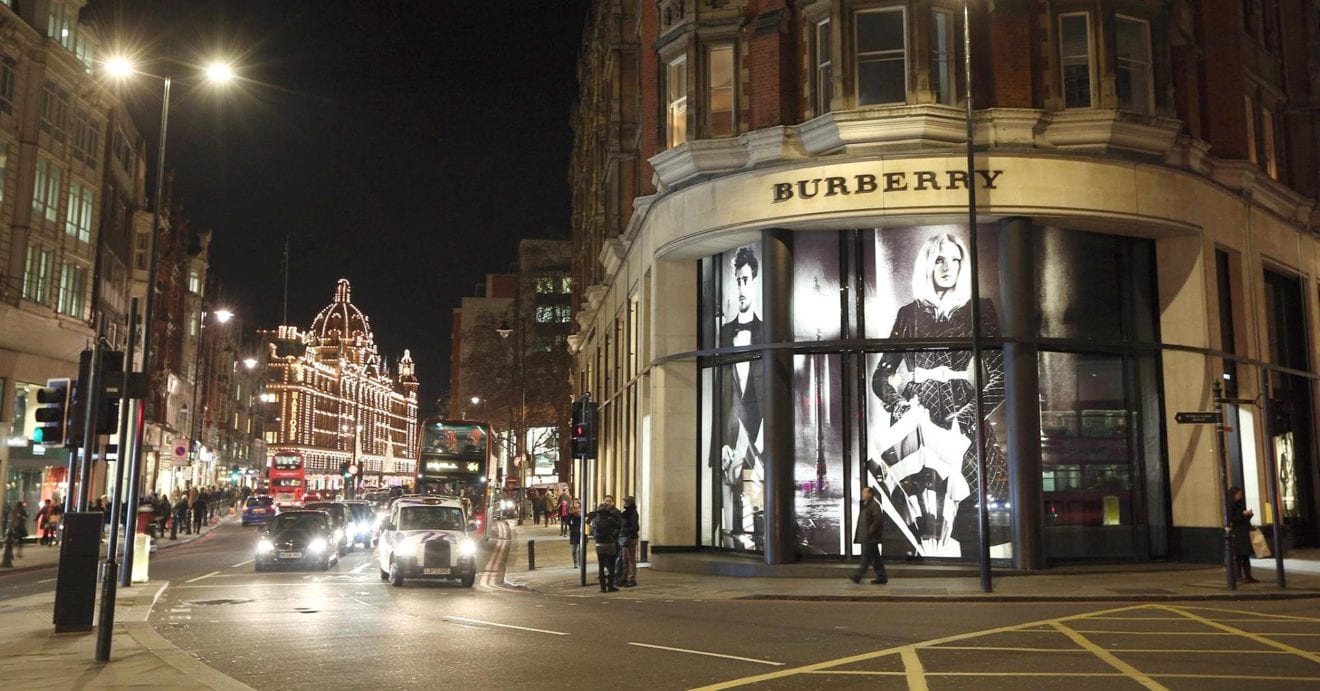
    Burberry is the first British luxury brand to launch on Korea’s largest social platform, Kakao.

    Burberry and Kakao have formed a global partnership, which was inaugurated with the showcase of Burberry’s Womenswear Spring/Summer 2016 show last month.

    Burberry will be active across Kakao Talk, Kakao TV and Kakao Giftshop, offering Korean audiences direct access to its runway shows, campaigns and events bringing Kakao’s 190 million followers even closer to the British luxury brand.

    To celebrate the launch, Burberry will offer a selection of products to buy direct from the runway, through Kakao Giftshop.

    Burberry has also recently formalised partnerships with Apple Music, Snapchat and Line.

    Burberry CEO and chief creative officer Christopher Bailey described Kakao as “an incredibly creative and innovative company”.

    “So it is very exciting to be collaborating with them. The creative and commercial aspects of the partnership have been carefully designed to allow us showcase our culture and design heritage whilst also giving users the chance to shop at the same time.”

  • Burberry Seoul flagship opens

    Burberry Seoul flagship opens

    British luxury fashion brand Burberry has opened its first Korean flagship store in Cheongdam-dong, Seoul where the flagship stores of foreign brands are gathered in one place.

    The 13 story Burberry Seoul flagship store comprises 13 storeys, two underground and 11 above. The exterior of the store is inspired by gabardine, the plaid textile used to make the brand’s iconic trench coats.

    The construction of the Seoul flagship store was overseen by Christopher Bailey, the CEO and chief creative officer of Burberry.

    Burberry Seoul inside

    With Burberry opening its first flagship store in Korea, interest is building over foreign brands and their flagship stores located in the Cheongdam area. In the early 2000s, flagship stores were simply thought of as ‘large scale stores’. However, flagship stores have since become more important, as they are currently thought of as symbols that represent the influence and image of a brand.

    In addition, the elevated status of Korea in the Asian market is another reason foreign brands are devoting themselves to building flagship stores in the Cheongdam area.

    Dior opened the largest flagship store in Cheongdam in June, and other brands including Chanel and Cartier will also open new stores or move to the Cheongdam area.

    “Not only the Korean market, but also the Korean consumers who buy products from a brand are considered important [to these brands],” explained an industry spokesman in Seoul.

    “Flagship stores will play a large role in the Korean market, letting the heritage of a brand be known.”

  • Apple Stores set to enter India; teams up with Croma Retail

    Apple Stores set to enter India; teams up with Croma Retail

    Apple Stores will now officially enter Indian shores in partnership with Tata-owned consumer electronics chain Croma which will host Apple at six locations – five in Croma stores, Mumbai and one in Bangalore – to begin with. The locations are Juhu, Oberoi Mall, Malad, Ghatkopar, and Phoenix Mall in Mumbai. In Bangalore, it will be opened in Jayanagar. These stores will be opened by Diwali this year.

    Avijit Mitra, chief executive officer of Infiniti Retail, which owns Croma said, “We are proud to partner Apple to launch the Apple Store in India and extremely bullish about it. These stores will be modelled on the global design and will offer the best experience to consumers, showcasing the entire range of Apple products.”

    It should be pointed out that these stores will be different from Apple exclusive stores in India. Apple will not own these stores, but has franchisees who are premium re-sellers. Apple products are sold online via e-commerce portals as well.

    The Apple space will be 400-500 square feet in area and the store design, furniture, fixtures and lighting will the same as that used in Apple stores globally and the sales staff will also be trained by the company, the report added.

    Croma has stated that it has 97 stores across the country with 3.8 million customers where as Apple owns more than 460 stores in 17 countries. The company has significantly increased its retail presence in the country in the past year with five distributors in India.

  • Hong Kong retail sales reflect tourism downturn

    Hong Kong retail sales reflect tourism downturn

    The devil is in the detail in the August Hong Kong retail sales data.

    Census and Statistics Department (C&SD) figures show a 5.4 per cent drop year on year in the total value of retail sales in August, provisionally estimated at $37.9 billion.

    After netting out the effect of price changes over the same period, the volume of total retail sales in August 2015 decreased by 0.2 per cent.

    The root cause of Hong Kong retail industry’s challenge is very clear from the breakdown of the data by category. It’s the reduced volume of inbound tourists from the mainland – and their reduced spending. And, to a degree, a shift in the timing of the Mid-Autumn festival, although early indications from retailers say this year’s trade is one of the worst on record.

    A government spokesman observed the fall “was in part due to the slowdown in inbound tourism, while the stock market gyrations of late might also have dented consumer sentiment”.

    Here’s where the detail comes in:

    • Sales of Chinese drugs and herbs fell 17.4 per cent.
    • Apparel fell 13.5 per cent.
    • Jewellery, watches and clocks and valuable gifts by 8.8 per cent.
    • Department store sales by 8.6 per cent.

    These are all categories which in the past were supported heavily by inbound tourists. Those tourists – lured by the prospect of their cash stretching further, are now heading to Japan, South Korea (now the Mers crisis is over) and Europe. Especially those who can afford the higher air fares to such destinations.

    In other categories, medicines and cosmetics fell 5.1 per cent, food, alcoholic drinks and tobacco by 10.2 per cent, books, newspapers, stationery and gifts by 4.4 per cent; footwear and accessories by 4.4 per cent; furniture and fixtures by 5.9 per cent and optical shops by 8.1 per cent.

    The only bright spots for the month were “miscellaneous consumer durable goods” up 50.2 per cent (it’s a small category) and photographic equipment up 3.9 per cent. Supermarket sales rose a meagre 0.4 per cent.

    Seasonally adjusted, the value of total retail sales decreased by 0.2 per cent in the three months to August compared with the preceding three months, while the volume of total retail sales remained virtually unchanged.

    The government spokesman concluded: “The near-term outlook for retail sales is still subject to uncertainties, depending on the performance of inbound tourism and on whether there would be further negative impact from the recent heightened stock market volatility.”

  • Blooming Sweet nail art concept goes global

    Blooming Sweet nail art concept goes global

    Blooming Sweet, the online shopping mall specialising in DIY nail art materials is rapidly gaining popularity in Hong Kong, Japan, Singapore and the US.

    CEO Kim Sun-Hee has been a famous nail artist in Korea for over 10 years, and launched Blooming Sweet in 2011 to promote the nail art market in Korea.

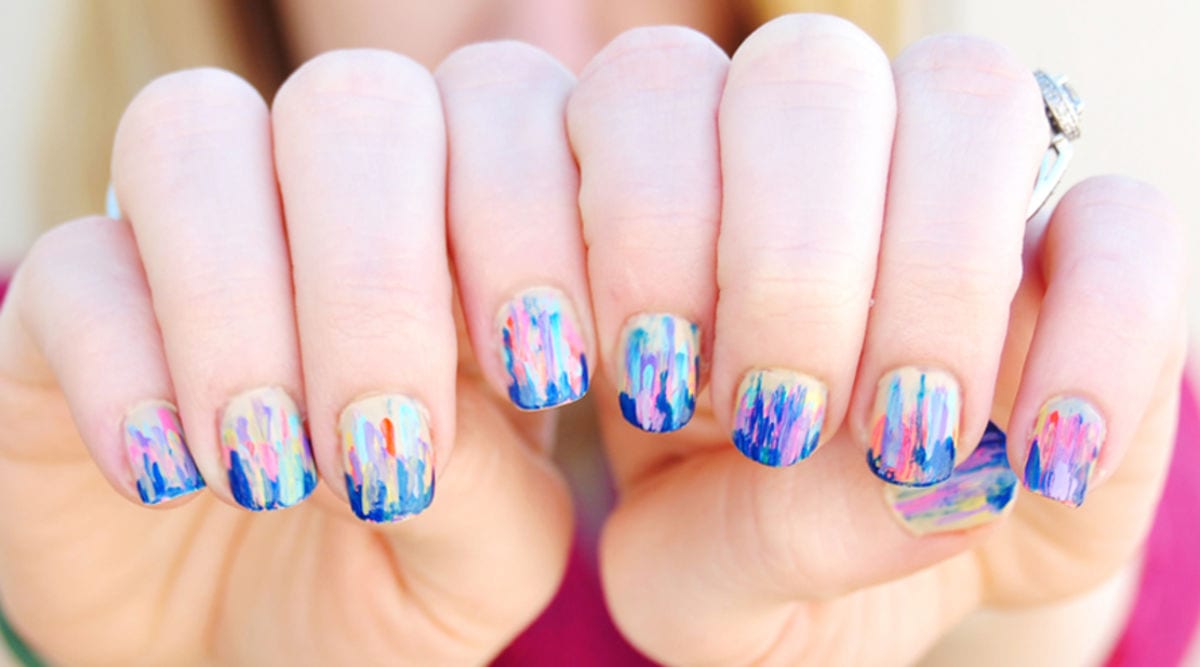
    Currently, Blooming Sweet carries gel nail products and accessories essential for creating nail art. Unlike existing nail polish products, gel is applied to nails and cured under an LED or UV lamp. Gel nails have gained great popularity for their excellent colors and long-lasting effects.

    Blooming Sweet has been selling its products worldwide since 2012 after participating in an international expo held in Japan, a pivotal moment which led to an influx of orders from buyers globally. Blooming Sweet also sells customised accessories especially designed based on suggestions by buyers keeping in mind the local circumstances and trends.

    The products of Blooming Sweet can be purchased through both Korean and English pages of theonline shopping mall developed by Korea’s largest eCommerce solution brand, cafe24.

    “It would be great if products related with K-Beauty can gain more international recognition,” said Kim, later adding: “Blooming Sweet will continuously make efforts to learn about the beauty trends around the world to grow into the world’s best nail art brand.”

  • China’s JD.com expands operations to Silicon Valley

    China’s JD.com expands operations to Silicon Valley

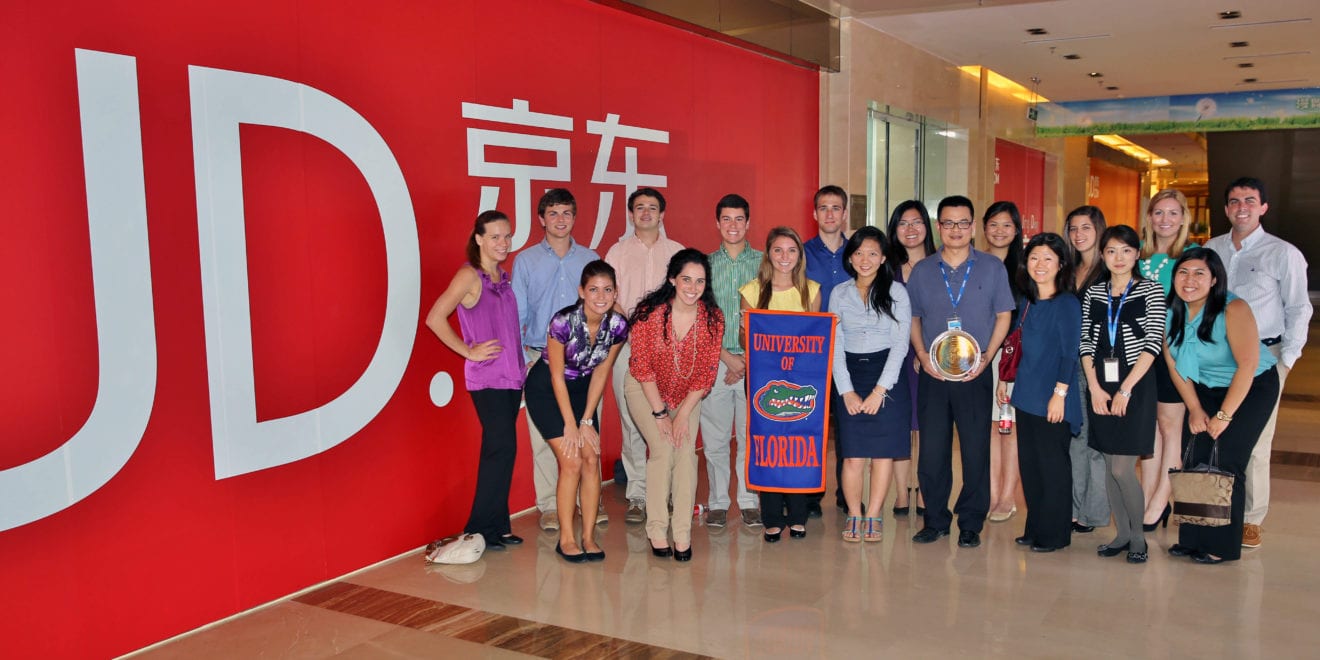
    JD.com, China’s second-largest e-commerce services provider by sales, has expanded its operations in the United States, with the opening on Monday of a research and development facility in Santa Clara, California — right in the centre of Silicon Valley.

    “Given the scope and strength of American brands, products and capabilities, the US was the obvious choice as we sought a location for our first office outside of Asia,” said Richard Liu Qiangdong, the founder and chief executive of JD.

    The move followed JD’s unveiling last month of a new office in Hong Kong that was set up to help the Beijing-based company better engage with major brands and retailers across Asia.

    Dennis Weng, the chief technical advisor for JD Mall, has been tasked to initially oversee the new US facility, which will focus on areas such as cloud computing, mobile applications and big-data infrastructure to improve the online retail experience for its customers in mainland China and boost the company’s US-sourced offerings.

    JD’s research and development operation is also expected to provide both rotational job possibilities for engineers in China and opportunities for certain skilled technical workers in Silicon Valley.

    “Our nearly 120 million active customers stay loyal because they know we work continuously to improve their shopping and fulfillment experience by implementing the most advanced technologies and processes,” said Rain Long, JD’s chief human resources officer and general counsel.

    Nasdaq-listed JD launched a “US Mall” marketplace on its website, dedicated exclusively to meeting the demand on the mainland for authentic imported American products.

    “As we build out and staff our new facility in the coming months we look forward to forging new partnerships and attracting new talent that will help JD.com achieve its goals of delivering an unparalleled level of service and quality,” Long said.

    JD, which posted second-quarter revenue of 45.9 billion yuan (US$7.2 billion), claims it has the largest fulfilment infrastructure of any e-commerce company in mainland China.

    It operates seven so-called fulfilment centres and a total of 166 warehouses in 44 cities. In addition, its own staff runs 4,142 delivery stations and pick-up stations in 2,043 counties and districts across the country.

    Efforts to widen JD’s international sourcing capabilities are in line with the company’s announcement in August of expanding into 100,000 villages across mainland China by the end of this year. This marks the company’s most aggressive domestic market expansion since 2013, when it started its foray into lower-tier cities..

    “Management expects to see more than 50 per cent order contribution from lower-tier cities in the near term,” Jefferies equity analyst Cynthia Meng said in a report.

    Meng said the fastest-growing product categories on business-to-consumer e-commerce platform JD Mall included apparel and shoes, home furnishing, watches, food and beverage, cosmetics and baby products.

    JD’s rural expansion would heat up competition with domestic market leader Tmall.com, e-commerce giant Alibaba Group’s business-to-consumer operation, in that fast-growing market segment.

    The number of online shoppers in rural mainland China increased 40.6 per cent year-on-year to 77.14 million at the end of December, according to data from the China Internet Network Information Centre.

  • Matahari speeds up G7 rollout

    Matahari speeds up G7 rollout

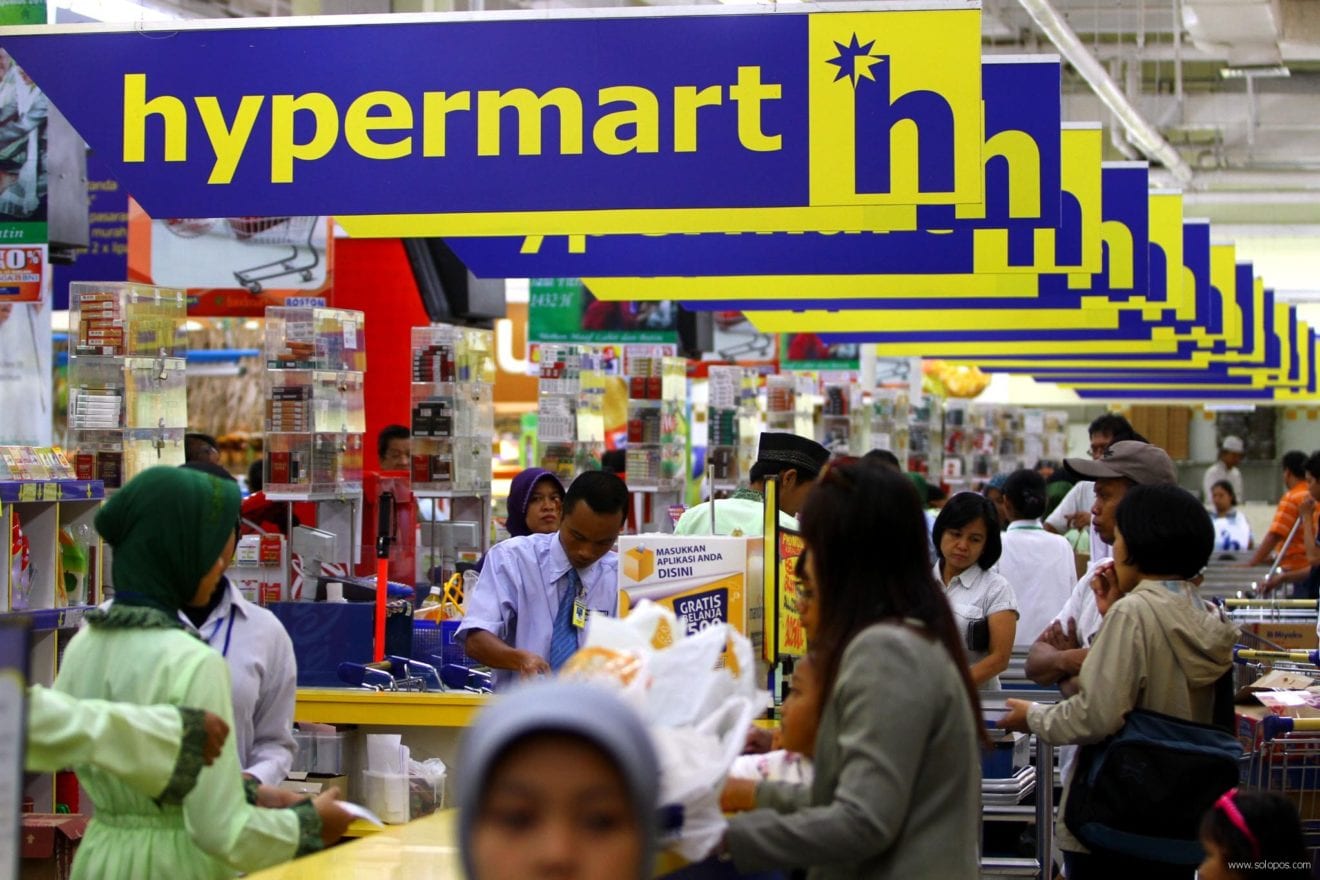
    PT Matahari Putra Prima has relaunched its Hypermart G7 concept at Metro Indah Mall Bandung in West Java.

    Another Hypermart store within the same province reopened on September 26, at Depok Town Square as the multi-format Indonesian retailer speeds up its hypermarket modernisation program.

    The Hypermart G7 generation features a new type of gondola shelving with wider hallways to provide better navigation for customers, as well as a larger fresh foods area. Fashion and Beauty centres were upgraded and expanded and there is more emphasis on bakery, ready to eat meals, fresh food, bulk food and home & living.

    Director of public relations and communications, Danny Kojongian. said the openings not only represent stronger Hypermart’s presence within the regions, but also Matahari’s commitment to delivering its outstanding G7 Hypermarts to Indonesian consumers despite the current challenging macro-economic condition.

    “We are proud and honoured with our participation to strengthen the nation’s economy through Hypermart expansion, reinventing Foodmart supermarkets and starting to cater to the B2B segment throughout the regions,” he said.

    “MPPA is poised further to become the No. 1 Multi-Format FMCG Modern Retailer in Indonesia.

    Hypermart MIM Bandung is the seventh outlet to be renovated to the new G7 format. Two new ones have also been opened.