Author: Mei Ling Tan

  • Luxury shoppers in China spending 28 per cent more per online purchase than in 2014, study shows

    Luxury shoppers in China spending 28 per cent more per online purchase than in 2014, study shows

    Unfazed by the country’s economic slowdown, luxury shoppers on the Chinese mainland have increased their purchases online as a range of e-commerce options provide attractive deals – from cosmetics and clothes to cars and property.

    That trend was uncovered from a joint survey of 10,150 luxury consumers in China by global professional services giant KPMG, online luxury retailer Mei.com and Chinese media firm Sina’s Nasdaq-listed micro-blogging service Weibo. The survey was called China’s Connected Consumers 2015.

    “The pace of change in today’s marketplace in China is taking retailers and brands by surprise,” Egidio Zarrella, the clients and innovation partner for China at global professional services giant KPMG, said on Tuesday.

    The new KPMG-led study found that the average spending by mainland luxury shoppers has increased 28 per cent to 2,300 yuan (US$362) for each single e-commerce purchase, up from 1,800 yuan average in last year’s survey.

    It also found that 45 per cent of respondents in the latest survey said they have bought many luxury items online.

    While only 1 per cent said they have bought domestic and overseas properties and cars online, about 50 per cent of those surveyed said they have not ruled out making those purchases online in the future.

    “China’s luxury consumers are looking for something beyond the physical shopping experience,” Zarrella said.
    “They are moving from just owning a luxury product to experiencing luxury, including gourmet dining, fine wines, private flights, bespoke safaris, luxurious travel tours, spa treatments, art auctions and an ever increasing range of investment services.”
    In a report early this year, management consulting firm Bain & Company estimated that China’s luxury market reached 115 billion yuan last year, down 1 per cent from the previous year, as Beijing cracked down on lavish spending by government officials.

    The country’s luxury market was largely expected to remain under pressure because of the slowing economy. Mainland China’s gross domestic product growth was exactly 7 per cent in the first and second quarters of this year, compared with close to 8 per cent last year.

    Zarrella, however, pointed out that e-commerce spending in the world’s second-largest economy shows a completely different picture.

    The survey, which had respondents from 90 Chinese cities, found an increase in the average amount spent on luxury purchases in most product categories.

    It showed that a higher amount was being spent on average for popular categories such as bags at 109 per cent, women’s apparel at 58 per cent and cosmetics at 18 per cent. There was also a significant increase in spending on categories such as watches at 126 per cent and jewellery at 65 per cent.

    The top-selling product categories in China’s e-commerce market are cosmetics, women’s shoes, bags and leather goods, women’s apparel and accessories.

    “Price is becoming less of a driver [for online sales],” said Thibault Villet, the chief executive at Mei.com. “But value remains important as customers are well informed about global prices since most of them travel.”

    The study found that Chinese luxury online shoppers prefer to buy on so-called online-shopping platforms, such as e-commerce giant Alibaba Group’s Tmall.com.

    “Tmall controls over 50 per cent of the total business-to-consumer e-commerce market in China,” Villet said.

    That preference was attributed to the multiple online merchants in such platforms, the extensive information on products and pricing, peer ratings of sellers, regular promotional activities and payment gateways like Alipay and Tencent Holdings’ Tenpay.

    Villet said Mei.com plans to open its own e-commerce platform dedicated to luxury goods by next year to better compete on the mainland.

    He said the exponential growth of smartphone adoption on the mainland has also helped boost mobile e-commerce purchases. “We expect Mei.com to be fully mobile by the end of 2016,” he added.

    Mobile e-commerce sales will account for more than half of online retail shopping in mainland China by next year, according to New York-based research firm eMarketer.

    It forecast mobile e-commerce would make up 10.9 per cent of all retail sales in the country next year and 55.5 per cent of online retail shopping as the sector grew to a record US$505.74 billion, up from an estimated US$333.99 billion this year.

    The government-backed China Internet Network Information Centre has reported the number of users who accessed the internet through mobile devices reached 594 million in June, up from 557 million in December last year, while the overall number of internet users rose to 668 million from 649 million.

    Andrew Taylor, a co-founder of Juwai.com, which connects Chinese buyers to overseas property, said mobile browsing by consumers in China was a major driver of brand awareness for his company.

    “We see that many of the more affluent customers who look for luxury properties use [Tencent’s instant messaging service] QQ and call us,” Taylor said.

    “The younger consumers contact us through [Tencent social mobile messaging platform] WeChat and Sina Weibo.”

    So-called online-to-offline activities is a trend that will continue. Zarrella said that physical stores have a role to play in triggering e-commerce purchases of luxury goods.

    “We see a growing number of online platforms launching pop-up shops in malls, or have tie-ups with physical stores to give buyers an opportunity to inspect these products,” Zarrella said.

    Thomas Crampton, the global managing director at Social@Ogilvy, the worldwide practice of marketing group Ogilvy & Mather involved in social media, said an online-only approach in China is not sustainable for brands.

    “At some point, each brand will need a face-to-face touchpoint,” Crampton said.

    “We helped an automotive brand, analyse, interpret and optimise the shopper journey,” he said as an example. “From a traditional purchase cycle of over 200 days, the brand managed to sell over 300 cars in a matter of three minutes through WeChat.”
  • Retailers offer bigger deals for Korean Black Friday

    Retailers offer bigger deals for Korean Black Friday

    Retailers have marked down prices further for a government-led nationwide sales event dubbed Korean Black Friday after it faced ridicule for the lack of preparation.

    On Tuesday, the sixth day since the grand sale event launched, major department store chains said they will offer additional bargain deals on the trot only a day after the government said it would put spurs to the grand sale.

    The event aimed at fueling domestic consumption will run through Oct. 14 with some 70 businesses and 33,000 stores taking part.

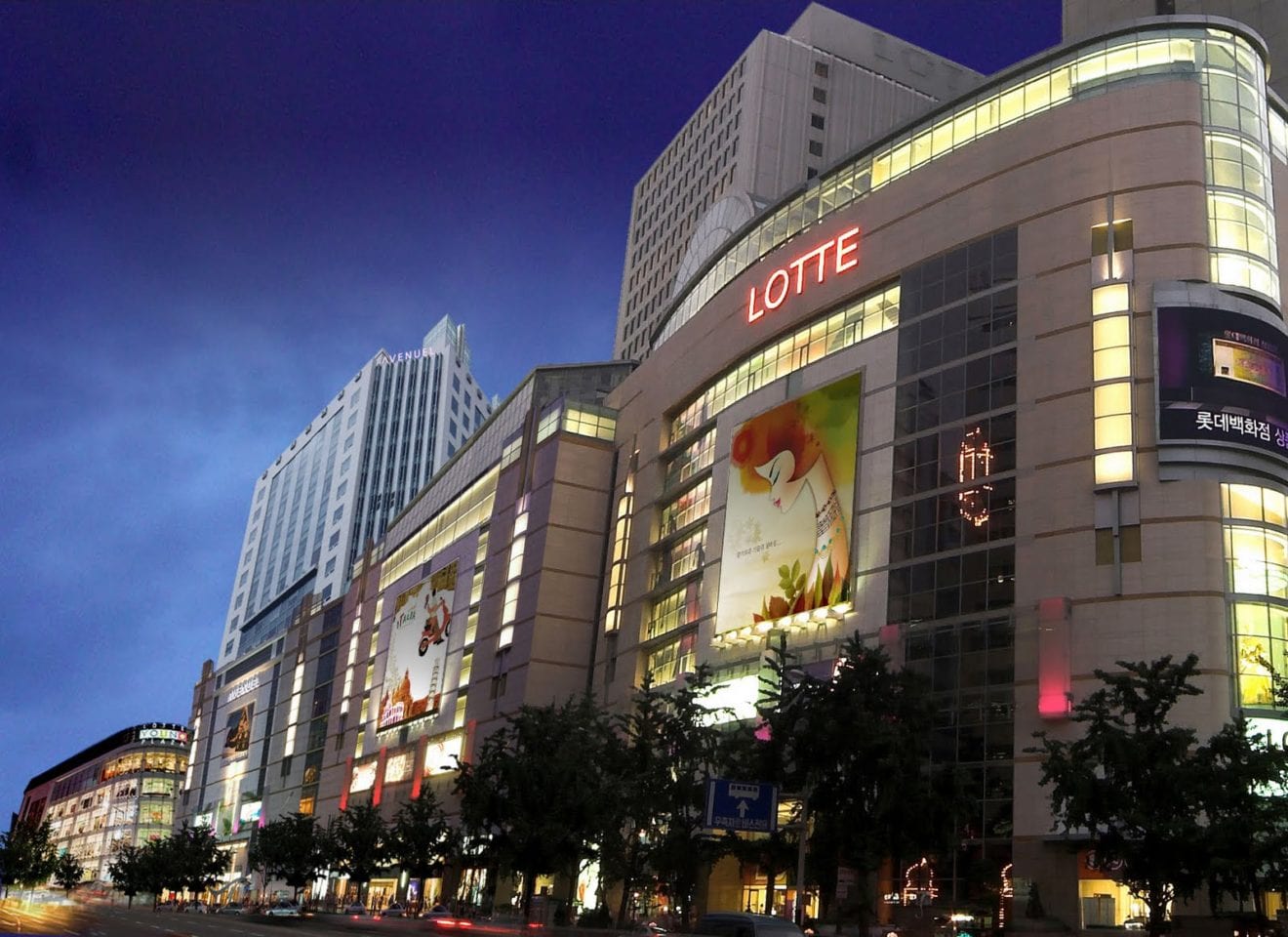
    Lotte Department Store said that 40 more brands will participate and some 70 stores will increase their discount rates by 10 to 20 percentage points.

    “To live up to customers’ expectations and help revitalization of the domestic market, we beefed up various additional events with partners,” said Lee Wan-shin, marketing director of Lotte Department Store.

    Other retail giants including Shinsegae and Hyundai Department stores also offered up to 10-20 percent additional discounts on certain brands.

    On Monday, the government announced that it will encouraging more firms to take part and review to hold the event annually in a more organized system.

    “There has been criticism that the sales fell short of expectation because it was arranged in relative haste,” said Hwang Kyu-yearn, deputy minister for industrial creativity and innovation at the Industry Ministry.

    “Through discussions with companies participating in the event, we plan to expand the number of items and discount rates. And they are expected to respond positively (to the government’s call) as sales of most major outlets have grown over the past few days,” he said.

    Over the past five days since the event was launched, sales at major department store chains jumped 10.9 percent and major discount outlet chains surged 13.8 percent from the same period last year.

    Some market insiders, however, note that many loopholes still need to be filled to regularize the shopping promotion campaign such as schedules, promotion method and participants.

    They said such a nationwide bargain event needs to be held during the end of the year season when companies are more keen to clear up inventories.

    Unlike this year’s event that only retailers take part in, the active involvement of manufacturers is needed as some suppliers took the burden of slashing prices, they said.

  • AirAsia to revive Davao-Clark

    AirAsia to revive Davao-Clark

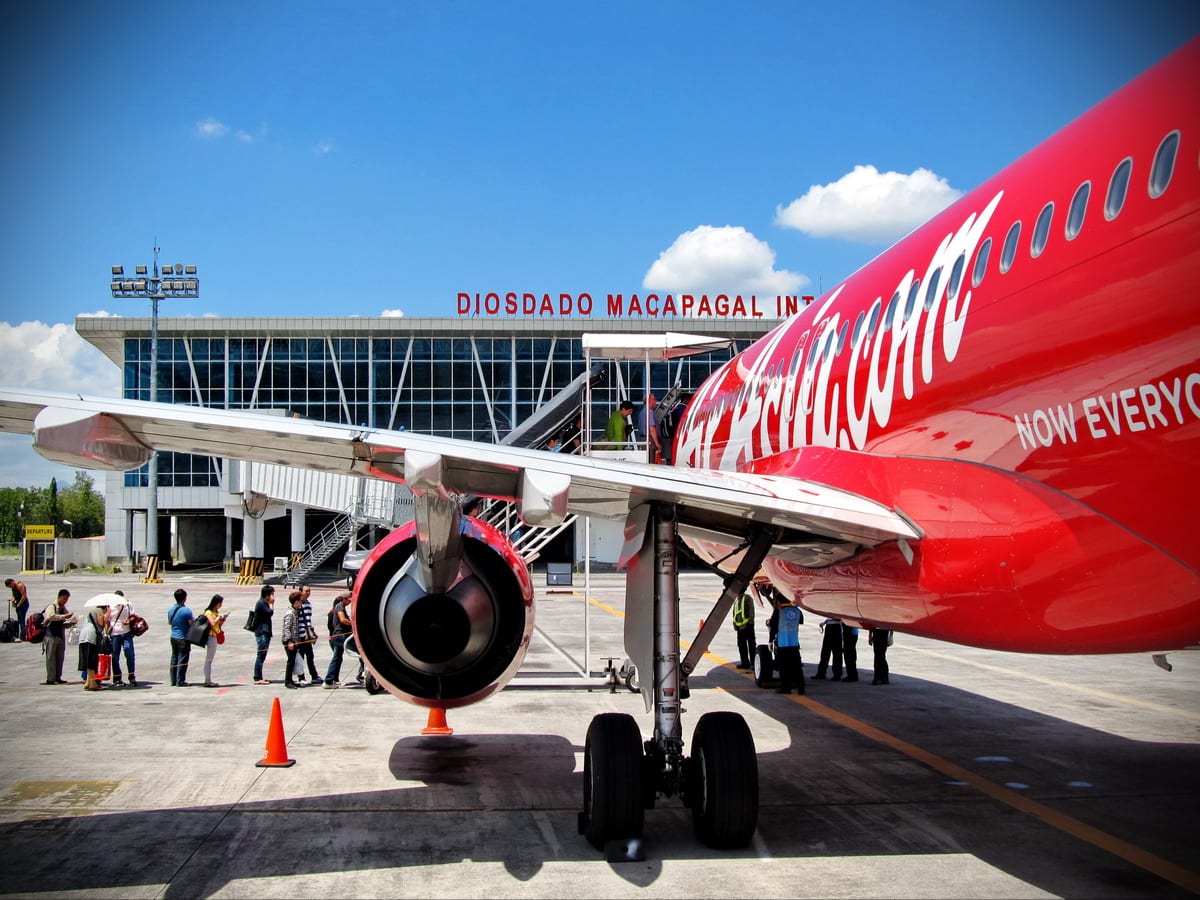
    Around two years since Davao-Clark flights were suspended, the budget airline Philippine’s AirAsia is gearing up to revive the route, a tourism officer said.

    Arwin Lingat, provincial tourism officer of Pampanga, said that AirAsia is working out to offer again the Davao-Clark, Pampanga flights.

    “Though it is still up for confirmation, there are plans to revive the flight from Davao-Clark and vice versa,” he said.

    He also pointed out that Davao-Clark Pampanga route has a big chance to be revived especially now that AirAsia inked an agreement with Davao tourism industry sector last September 30, 2015 during the recently-concluded 16th National Convention of the Association of Tourism Officers of the Philippines (Atop) in SMX Convention Center, Lanang, Davao City.

    Davao City Tourism Operations Officer Lisette Marquez, for her part, said that the signing of agreement with Air Asia for a special arrangement for Meetings, Incentives, Conventions and Events or Exhibitions (Mice) participants would mean an easier arrangement with no fee if the ticket holder wants the fare be upgraded or rebooked.

    The partnership between the city and Air Asia was signed during the formal launching of Mice Davao Program. The program is aimed to signify the city as a potential Mice destination in the country.

    In a report last 2013, budget airline Philippine’s AirAsia announced it will temporarily stop servicing the route starting October 9. The airline said the suspension was made to cushion the impact of losses made by its affiliate Zest Airways following the suspension order imposed by Civil Aviation Authority of the Philippines (Caap) last August 16, for safety violations.

    “The temporary suspension is primarily to manage costs following the recent grounding of Zest Air by Caap. This has affected many factors and allocating necessary resources such as aircraft and crew critical to ensure its recovery,” the airline said.

    Among the violations committed by Zest Air, as cited by Caap, were the series of occurrences like fuel overflow that affected several flight operations, refueling with passengers on board, excessive flight duty time of pilots, and failure to present an airman license during ramp inspection.

    Air Asia holds around 49 percent share in Zest Air.

    Flights from F. Bangoy International Airport, Davao City to Clark International Airport in Clark, Pampanga, is at four times a week.

    The airline route was suspended only after over a year of operations.

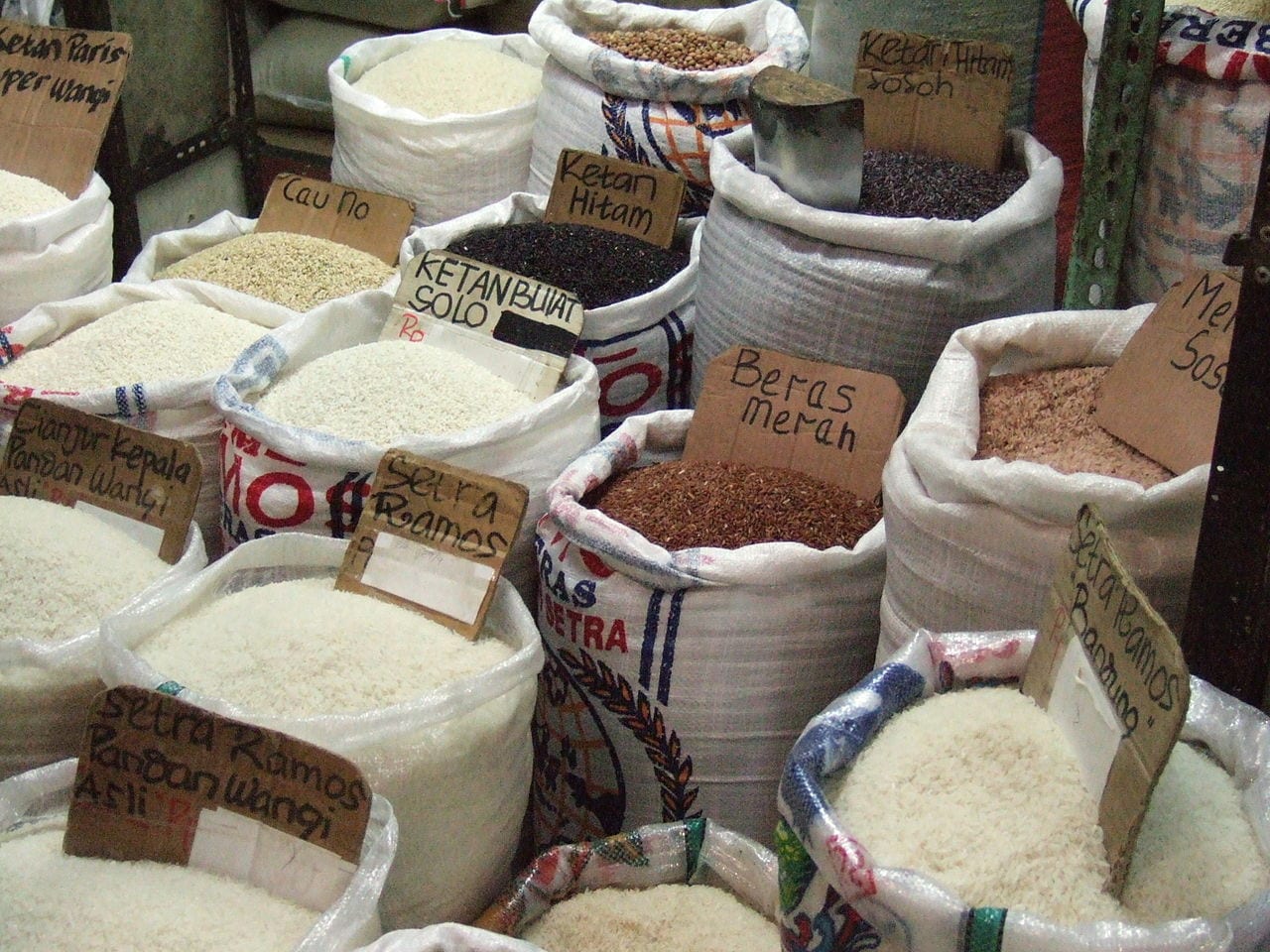
  • Rice prices up in Vietnam, Thailand on Indonesian demand

    Rice prices up in Vietnam, Thailand on Indonesian demand

    On Wednesday, Vietnam’s 5-percent broken rice advanced about 3 percent to $350-$355 a tonne, free-on-board (FOB) Saigon Port, from $340-$345 a week ago, and 15-percent broken rice stood at $345 a tonne, or about $10 above last week. At $355, the price is the highest since July 22, Reuters data show.

    The 25-percent broken variety narrowed to $330-$335 a tonne, FOB basis, from a range of $325-$340 a tonne a week ago. “As prices rise, some buyers have turned to Thailand,” a trader in Ho Chi Minh City said. Pakistani rice has also become very competitive, with the 5-percent broken grain standing at $310 a tonne, FOB basis, said a dealer at a regional trading firm.

    “Given the price rise, African buyers are not in the market while (Vietnamese) sellers don’t want to sell now,” he said. Traders said they expected more purchases, including from Vietnam’s biggest rice buyer China, given the price rise. Rice imports in 2015 by China, the world’s largest producer of the grain, could rise 6.7 percent from 2014 to 3.2 million tonnes, the UN Food and Agriculture Organization has said.

    China has bought 1.5 million tonnes of Vietnamese rice in January-August, or a third of Vietnam’s total shipments in the period, based on Hanoi’s agriculture ministry data. China has set the rice import quota for 2016 at 5.32 million tonnes. In Thailand, prices edged up in anticipation of a contract with Indonesia, traders said.

    “We already increased our prices last week to anticipate it,” a Thai trader said. “If it ends up not happening, prices will absolutely weaken.” Thai 5-percent broken grain rose to $360 a tonne, FOB Bangkok, from $350-$357 on Tuesday, but is still below the $350-$362 level a week ago. Prices have recovered from an eight-year low hit last month. Indonesia said late last month it planned to import up to 1.5 million tonnes of rice from Thailand and Vietnam in October to avert a price spike.

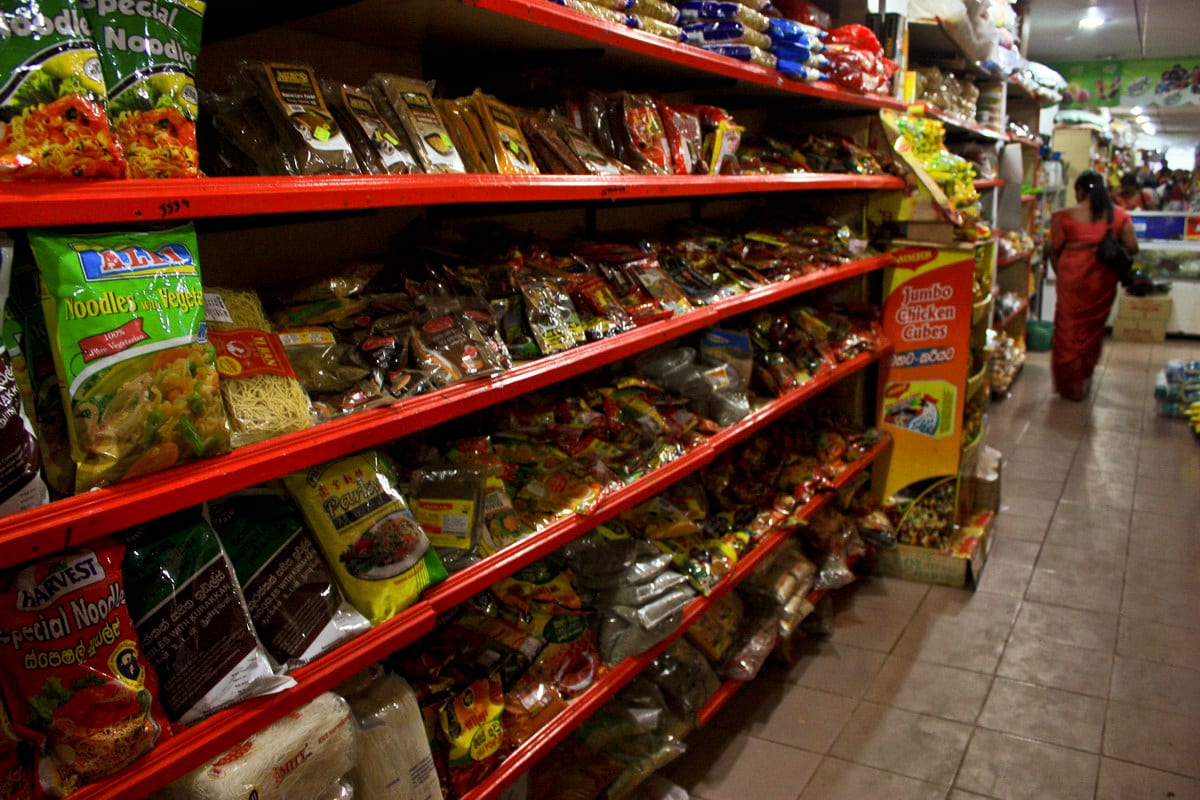
  • Singapore to help revive Lak Sathosa

    Singapore to help revive Lak Sathosa

    Singapore has extended its support to revive Lak Sathosa, Sri Lanka’s sole State-owned retail chain In a significant development affecting Sri Lanka’s retail market segments. The immediate offer of support comes in the wake of a Ministerial level call made recently in Colombo, High Commissioner Chandra Das, the former Member of Parliament of Singapore from Chong Boon said.

    In 2014, Singapore was in fourth place in the list of Sri Lanka’s main importing countries representing 6.6% of Sri Lanka’s total imports.

    The LakSathosa retail chain has over 310 outlets.

  • IMAX China Listing Underperforming

    IMAX China Listing Underperforming

    The demand for IMAX China shares has not met expectations, according to a filing on Wednesday.

    The $248-million initial public offering (IPO) of IMAX China Holding Inc. in Hong Kong saw a relatively weak demand from retail investors, according to a filing on Wednesday.

    The demand for new listings in Asia Pacific stock markets has been hurt by the weakening of the Chinese stock markets earlier this year, as well as the rather sporadic performance of other equity markets around the world.

    IMAX China Holding Inc., majority-owned by the giant screen movie theater equipment maker of the same name, is most likely a casualty of this market slowdown.

    There have been some signs of improving confidence in the market, with China Huarong Asset Management Co. and China Reinsurance Group interested to make their Hong Kong IPOs this week, worth a combined $5 billion. However, market players and analysts have said that it is still too early to predict a recovery.

    “Sentiment has not recovered, it’s not that strong yet because the market remains volatile recently,” according to Jasper Chan, a Corporate Finance Officer at brokerage Phillip Securities in Hong Kong.

    The IMAX China IPO was priced last week at HK$31 ($4) per share, near the bottom of its marketed range. Demand for shares from retail investors accounted for a mere 70 percent of the shares that were offered, according to the filing.

    In comparison, the listing of Yunnan Water Investment Co. Ltd. in May was demanded by retail investors 354 times the number of shares offered.

    In April, the listing of Shanghai Haohai Biological Technology Co. Ltd. was oversubscribed around 180 times the shares offered.

    However, the institutional tranche of the deal was oversubscribed, according to IMAX China.

    The IMAX Corp. China unit debuted on the Hong Kong stock exchange on Thursday, marking the first listing by a major global brand there since 2011.

  • Changi Airport Group injects buzz with luxury tender

    Changi Airport Group injects buzz with luxury tender

    Changi Airport Group (CAG) has issued a tender for luxury brand concessions in the terminal three departure/transit lounge south at Singapore Changi airport.

    Concession A spans 112sq m, concession B 103sq m, concession C 86sq m and concession D 100sq m. The contract for concessions A, B and C is for three years from July 1 2016 to June 30 2019. For concession D, the contract is for three years from January 9 2017 or on the physical handover of the premises to the winner, whichever is later. The deadline for submissions is October 29.

    A CAG statement said: “We are looking for unique and exciting luxury brands and concepts that are currently not represented at Singapore Changi airport terminal three and will inject buzz and differentiate the retail offerings at Singapore Changi airport. All product categories may be considered, except for liquor and tobacco and perfumes and cosmetics.”

  • The Starbucks Community Store in Daehakro neighborhood in Seoul, Korea celebrates one-year …

    The Starbucks Community Store in Daehakro neighborhood in Seoul, Korea celebrates one-year …

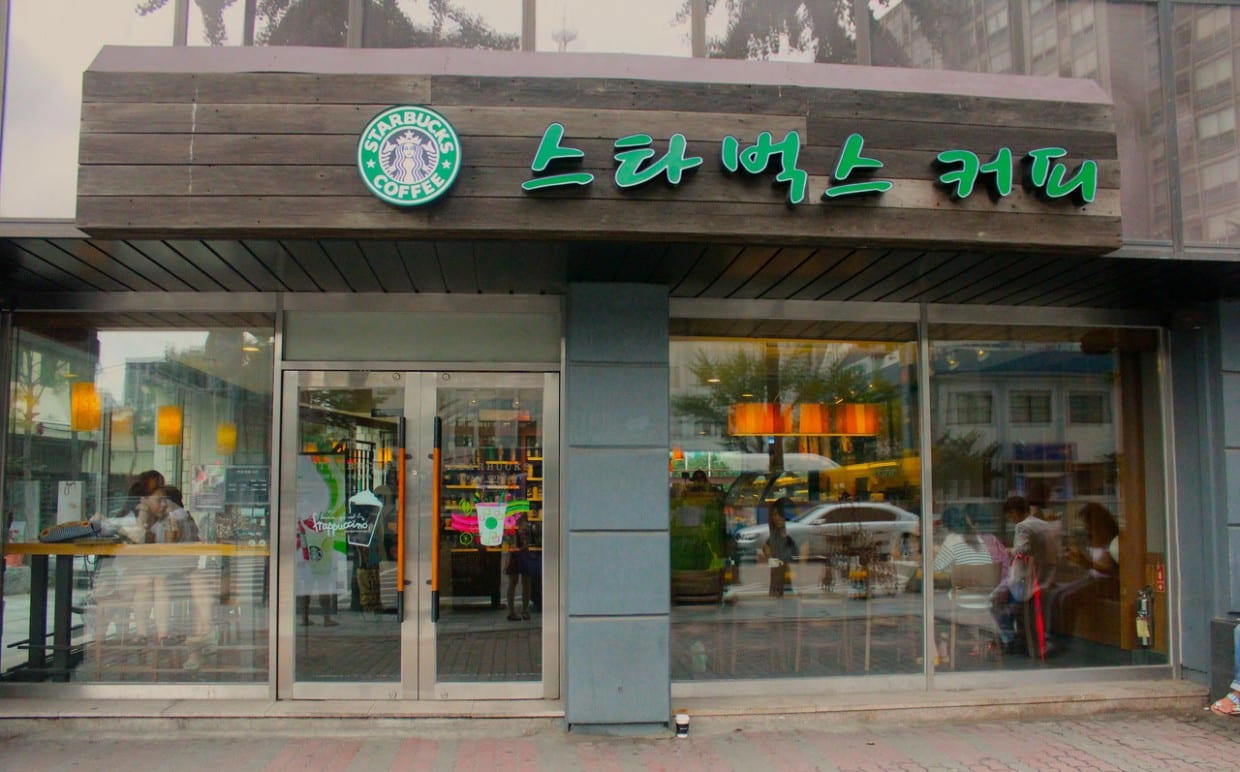
    The Starbucks Community Store in the Daehakro neighborhood in Seoul, Korea, commemorated its one-year anniversary (October 7, 2015) with a community service project, a donation and free brewed coffee and rice cakes for 365 customers as a token of gratitude.
    [embedded content]

    The Starbucks Community Store in Daehakro, like the Langsuan Neighborhood Starbucks in Bangkok, plays a role in supporting education, job training and apprenticeship initiatives by working directly with non-profit organizations to offer local services. In the United States, Starbucks will soon open similar stores that partner with local nonprofit organizations to provide skills training for opportunity youth in underserved, low-income communities in Ferguson, Chicago, Queens, Phoenix and Milwaukee.

    A social hub in the education and arts district of Seoul, the Daehakro coffeehouse hosts workshops and seminars and monthly volunteer activities called “green care” dedicated to improving the environment. The store’s design reflects its vibrant neighborhood. “Community Store messaging can be found throughout the location and it’s a conversation piece that engages customers with store partners,” said Yena Cho, who has been focused on the operation since she joined Starbucks two years ago.

    An art-wall collage, created by university students, and a digital community board that showcases corporate social responsibility efforts are among the distinctive touches that align the store with its surroundings. Also on display is a 3D coffee mug wall that represents students from the Starbucks Comprehensive Youth Leadership Program.

    Yena, who is a global communications manager at Starbucks Korea, said the first year of operation for the Daehakro Starbucks passed by quickly, aided by a flurry of activity around the store, a positive reception by the community and significant media interest.

    Since its opening last October, the equivalent of 30 cents U.S. from each item purchased in Korea’s Community Store has benefited the Green Umbrella ChildFund Korea to support lifelong skills development for youth through the Starbucks Comprehensive Youth Leadership Program. A donation of $100,000 U.S. accumulated from a portion of sales over the past year was presented to Green Umbrella ChildFund Korea at the anniversary celebration. The program offers academic scholarships through graduation for a curriculum that focuses on business skills, collaborative communications and social consciousness.

    Starbucks Korea, which is the company’s fourth largest market outside the U.S., and the Green Umbrella ChildFund Korea maintain an ongoing alliance to address the nation’s social and community needs with an emphasis on assisting young people seeking work. Korean tuition costs are among the world’s highest, creating roadblocks to higher education for the nation’s disadvantaged.

    “Being a relevant part of the community we serve in is an important part of who we are,” said S.K. Lee, ceo and president of Starbucks Coffee Korea. “Our Community Store is a telling example of our commitment to building a different kind of company in Korea that is performance driven through the lens of humanity.”

    The focus on finding jobs for youth is an extension of Starbucks global commitment to hiring Opportunity Youth — those between the ages of 16 and 24 who aren’t in school and aren’t working.  The 100,000 Opportunities Initiative, a coalition of 33 leading U.S. companies including Starbucks, is America’s largest employer-led private sector coalition committed to creating pathways to employment for young people. The businesses will host the next Opportunity Hiring Fair in Phoenix on Oct. 30.

  • UnionBank bets on retail boost

    UnionBank bets on retail boost

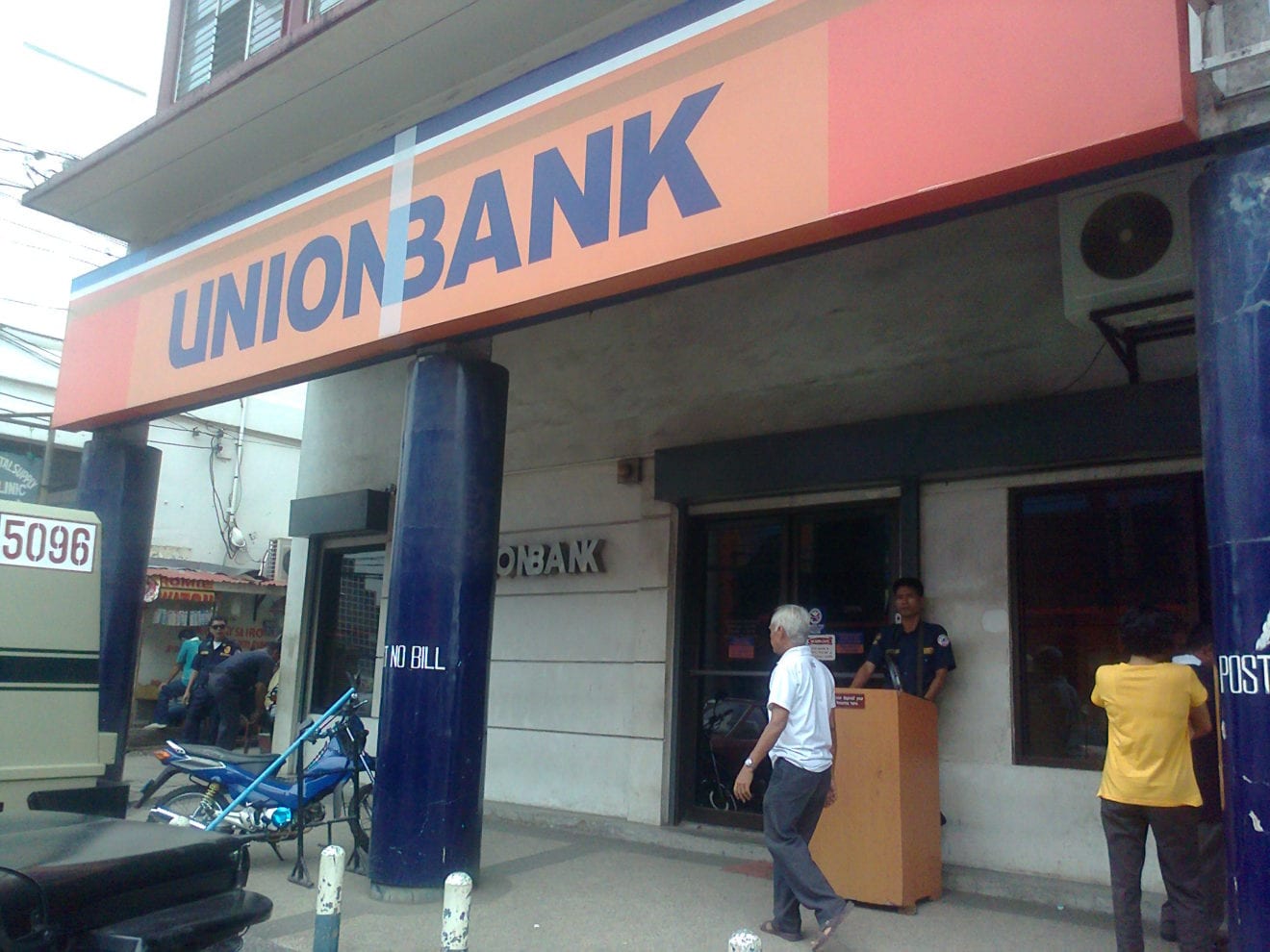
    UNION BANK of the Philippines, Inc. (UnionBank) expects its retail business to boost its growth this year as an industry-wide slump in trading gains is seen continuing on the back of persisting market volatilities.
    The Aboitiz-led bank’s total loan portfolio is already bigger “in general” compared to its income from securities, UnionBank Senior Executive Vice-President Edwin R. Bautista said.“There’s a big growth in our loan book. It’s something that in the past we’ve said that we’ll do but the growth has always been just modest… but since last year, most of our growth is coming from retail,” Mr. Bautista told reporters in the sidelines of an Aboitiz party last Thursday.

    Currently, consumer lending — auto loan, mortgage, salary loans — makes up “more than half” of UnionBank’s P150-billion lending portfolio, while the rest are commercial loans, he added.

    “I think most of the banks know that the trading income would not be as much this year. We’re all trying to recover it through net interest income, fees, so growth, it will have to come from expansion of loan book because your source of income would be loans, fees, trading income. Since the opportunity to gain from trading income is not there, you have to make up through the other lines,” Mr. Bautista said.

    The bank official, who is set to take over the post of current UnionBank President and Chief Operating Officer Victor B. Valdepeñas by yearend, noted that there is a push to foray into retail banking since the “margin is very good.”

    Aboitiz Equity Ventures, Inc. (AEV) President and Chief Executive Officer (CEO) Erramon I. Aboitiz said in his speech during the same event that for UnionBank, AEV — the listed holding firm of the Aboitiz family’s businesses — “remains focused on its 2020 strategic objectives: double market share to 9%, 15% CAGR (compounded annual growth rate) volumes, balance revenues and becoming a great retail bank.”

    Last May, Mr. Valdepeñas told reporters that the Aboitiz-led bank targets up to 30% growth in its loan portfolio in 2015 compared to its P139-billion loan book as of end-2014.

    Moving forward, UnionBank sees its loan portfolio rising a little over its current level by yearend.

    This, however, will not be enough to lift the lender’s growth this year over its 2014 record.

    “Right now, we are I think more than 50%. In this market, once you hit 50% that’s already a big thing since the consumer market is small compared to the corporate loan market. So if you want to be big in terms of balance sheet, you have to be big in the corporate lending… [but] everyone wants to go into retail since the margin is very good,” Mr. Bautista said.

    “I think we will end the year near where we are right now or pretty much a little bit more, 5-10% from where we are today. Before, if you look at our balance sheet, securities made up bulk of that, but now loans in general take up bigger share compared to securities,” he further said referring to the bank’s loan portfolio growth.

    A STRETCH
    Mr. Bautista added: “It will be difficult to surpass last year’s growth.

    I think for all the banks, it will be a stretch. I think it will already be a big achievement if we match our level last year.”

    The bank earlier targeted a 5% growth in net income this year to P8.7 billion on the back of the continued expansion of its lending business, with at least a quarter of the earnings guidance to come from City Savings Bank, Inc. (CSB), a Cebu-based thrift lender it took over in 2013. The move consolidated the Aboitizes’ banking ventures under one company. UnionBank, a universal bank, is majority-owned by Aboitiz Equity Ventures, Inc., while CSB is also majority-owned by AEV and its food unit, Pilmico Foods.

    Meanwhile, UnionBank is open to possible acquisitions, Mr. Bautista said, “if the right opportunity presents itself” although the listed lender’s main focus “to strengthen” its current base.

    The bank is also currently maximizing its growth “to the extent that our capital allows without raising more capital right now” but UnionBank may tap the debt market should there be a need to do so.

    “We don’t see a need yet to raise the capital. We are in a sustainable growth trajectory that our income is enough to provide capital for the growth. But if we see an opportunity … then I think we will consider raising more capital. But we also don’t want to raise capital prematurely because it will reduce our RoE (return on equity),” he said.

    UnionBank saw its net income for the first six months of 2015 plunge to P3 billion compared to the P4.467 billion it posted in the same period a year ago.

    UnionBank shares closed at P53.80 apiece last Friday, gaining P1.80 or 3.46% from its previous close of P52 each.

  • SCB plans to double its retail banking

    SCB plans to double its retail banking

    Standard Chartered Bank (SCB) has planned to double its business size of retail banking in Bangladesh within next five years, a top executive of the bank said.

    “We’re working to double our retail banking business size in Bangladesh by 2020,”  Sebastian Arcuri, regional head for retail banking in ASEAN and South Asia of SCB, said in an exclusive interview with the FE Thursday.

    Currently, Mr Arcuri is overseeing the bank’s retail business in 11 countries such as Singapore, India, Malaysia, Bangladesh, Indonesia, Thailand, Vietnam, Brunei, Nepal, Sri Lanka and the Philippines.

    He arrived in Dhaka Wednesday night on a brief visit to Bangladesh.

    During his stay, Mr Arcuri met senior officials of Standard Chartered Bank. It was his maiden visit to Bangladesh.

    As part of the plan, SCB will put emphasis on small and medium enterprises (SME) sector to help achieve maximum economic growth in Bangladesh.

    “We’ll also extend financing in the SME sector that would help create employment opportunity across the country,” the SCB executive said while replying to a query.

    SCB is celebrating 110 years in Bangladesh this year.

    “We are proud to have the largest high-value segment customer base in the country, and several generations in the same family are banking with us. With continuous innovation in products and solutions, our bank has been the pioneer in retail banking of Bangladesh,” Mr Arcuri noted.

    SCB also plans to keep on bringing new products and services to the existing and potential valued customers to be their bank of choice.

    He said SCB has planned to introduce a new online solution in Bangladesh for opening new account within five minutes by 2016.

    At present, SCB is providing such solution in South Korea for opening accounts.

    “We’re now working to introduce such solution in Bangladesh within the stipulated time,” Aditya Mandloi, head of retail clients of the bank’s Bangladesh operation, told the FE while elaborating preparations in this regard.

    Regarding the latest market activities, the regional retail banking head said emerging markets are moving faster in terms of digital and smartphone adoption, leapfrogging compared to more mature markets.

    “We’re revamping digital platform so that clients can do on mobile phones and online everything previously done in a branch where possible,” he explained.

    Mr Sebastian Arcuri joined the UK-based foreign commercial bank in 2014. Earlier, he worked with HSBC Brazil as an executive director and head of retail banking and wealth management, and president of HSBC Insurance in the country.

    Banking is a cyclical business. Currently facing challenges, but SCB has resilience and diversification to respond, according to the senior banker.

    “Focus on the key clients, the emerging affluent and investment in products, new branches, better technology. Here for good – here for our clients for the long run – this will keep the bank going through the short-term cycles,” he noted.

    SCB is now focused on the fastest-growing cities in the world, which are in footprint of Asia, Africa and the Middle East.

    “We are client-segment focused so we can address clients’ needs from a life-cycle approach. We are investing heavily in technology to be digital by design so we can deliver easy, convenient banking through whatever channel the client prefers, whenever the client wants it. The future can only be better,” Mr Arcuri observed.

    Standard Chartered has already made a series of key hires to step up the growth of its retail client business across the world.

  • Poland’s Jatomi Fitness moves into Thailand

    Poland’s Jatomi Fitness moves into Thailand

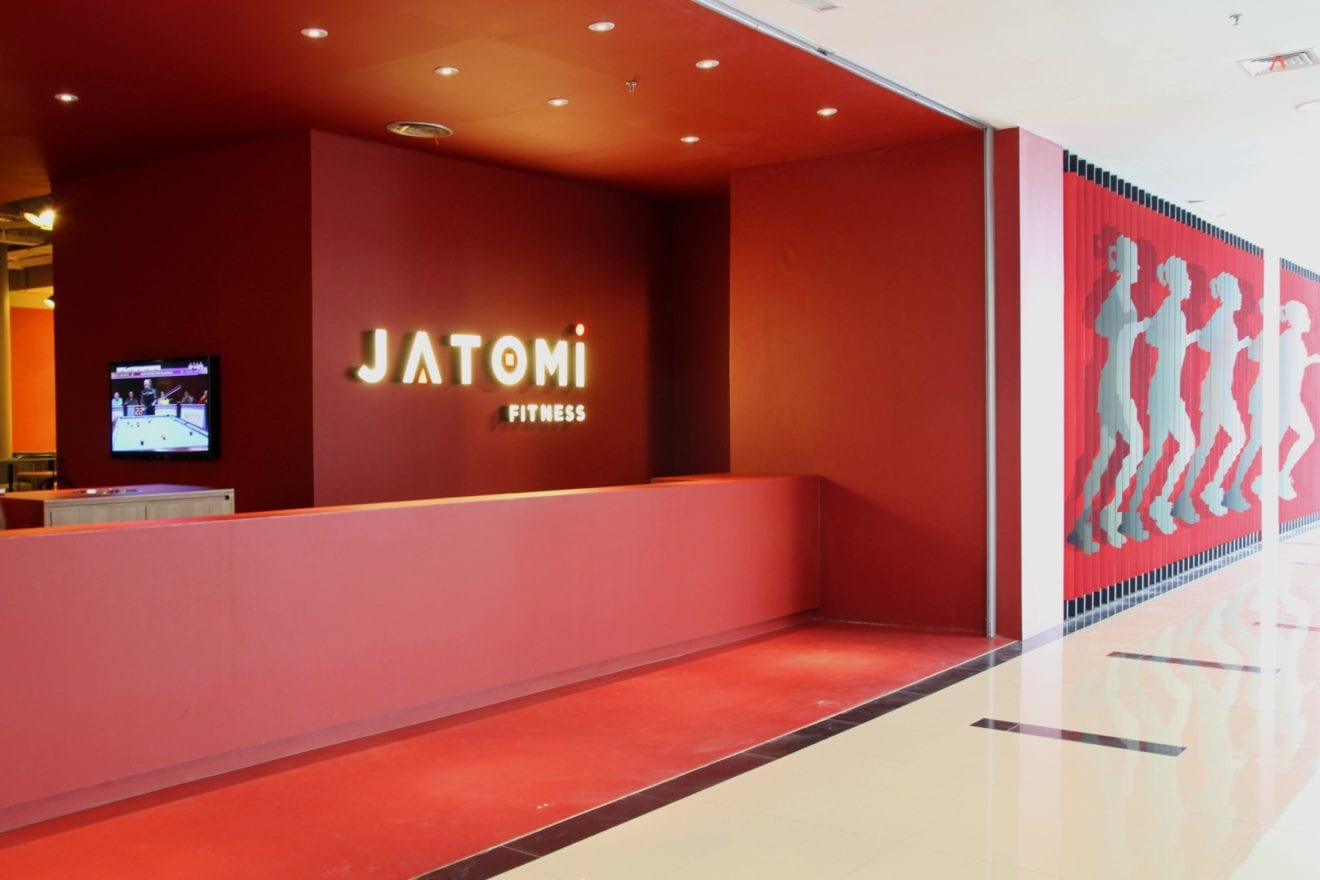
    Thailand is Jatomi’s third country in Asean after the company opened branches in Malaysia and Indonesia, group chief executive officer Tracy Gehlan said.

    Currently, the company has more than 150,000 members across its 70 clubs in seven countries. Originating in 2008 from Poland, it has locations in the Czech Republic, Romania and Turkey as well as expanding into Southeast Asia, where it has locations in Malaysia, Indonesia and now Thailand.

    It plans to expand to 250 clubs worldwide over the next five years, she said.

    Gehlan said the company was expanding into Thailand because of the country’s strong market potential. Currently, only 0.3 per cent of the Thai population regularly uses a fitness club, with many finding the expense of joining such a club too high, and many quit working out as they fail to achieve their desired results.

    Jatomi Fitness is focused on being one of the world’s most innovative fitness-club operators. It says it aims to deliver a truly accessible and vibrant fitness experience to its members at good value, using state-of-the-art equipment and professional personal trainers who have expertise in nutrition and health.

    Its first club in Bangkok opened at Big C Rajdamri with 1,300 square metres of club space. The second is at Tesco Lotus Rama 4, with 1,450sqm of club space. Both locations are easily accessible via public transport and located to ensure that going to the gym fits in with their daily routine, Jatomi says.

    The club offers membership fees starting at Bt1,300 per month.

    The company aims to have 48,000 members in Thailand by 2018.

  • Meyer Sound LEOPARD & D-Mitri At Ocean Park Hong Kong Halloween Fest

    Meyer Sound LEOPARD & D-Mitri At Ocean Park Hong Kong Halloween Fest

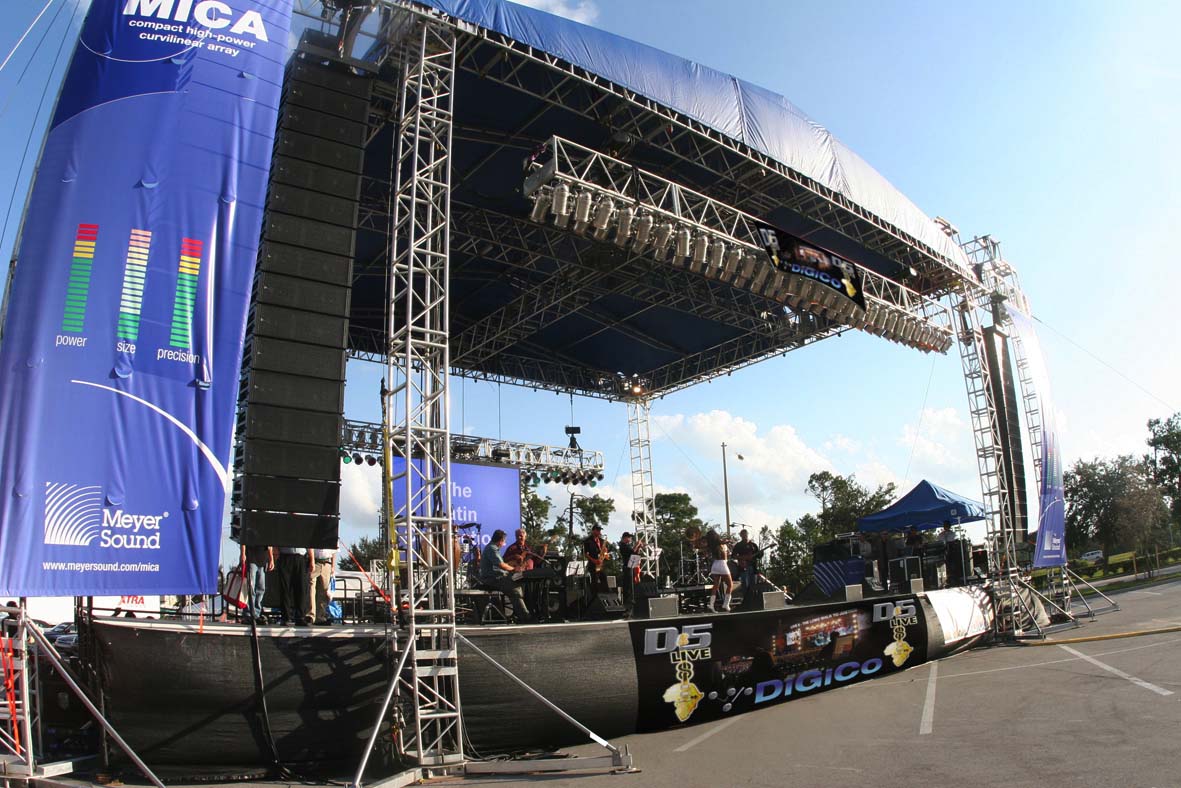
    Ocean Park Hong Kong is partnering with Meyer Sound to stage the 15th edition of Asia’s largest Halloween-themed event. A LEOPARD™ linear sound reinforcement system and D-Mitri® digital audio platform lead a lineup of Meyer Sound systems to bring utmost sonic immersion and push the scare factor for the Park’s fear-loving guests.

    “To bolster our iconic Halloween celebration on its 15th anniversary, we decided to elevate the scary experience to new heights for our guests by exploring different sound effect treatments,” says Jacky Chan, technical manager of Ocean Park Hong Kong. “The project is challenging because we want to use sound to inspire an intense fear in our guests, independent of scary visuals. Meyer Sound’s sophisticated D-Mitri platform, coupled with the company’s experience with international performances in Broadway and Las Vegas, allow us to achieve our desired outcome.”

    One of the festival’s most popular attractions, the Hellympics live show features an immersive 5.1 surround sound system. The system is anchored by LEOPARD line array loudspeakers and 900-LFC and 1100-LFC low-frequency control elements, with signal distribution provided by a D-Mitri digital audio platform. In addition, D-Mitri drives the sound effects in the haunted house H15 presented by Yahoo! Hong Kong. H15 follows the visitors’ afterlife journey as a “corpse bearer” leads them from room to room while the guests are strapped to a mortuary bed on wheels.

    The LEOPARD line array system is the newest and smallest member of the Meyer Sound LEO® Family. LEOPARD boasts tremendous power-to-size ratio with ultra-low distortion. With LEOPARD, visitors to Ocean Park Halloween Fest will experience a level of sonic impact and detail like never before.

    Audio Dynamic, Meyer Sound’s Hong Kong dealer, provides audio equipment and design support for the attractions.

    Ocean Park Halloween Fest 2015 will run through November 1.

  • ADS Securities Hong Kong Launches Retail Offering

    ADS Securities Hong Kong Launches Retail Offering

    Representatives from the financial services industry, media and VIPs gathered at The Peninsula Hotel in Hong Kong today to mark the launch of ADS Securities Hong Kong Limited’s retail offering. Investors in Hong Kong will now have access to over 60 currency pairs on ADS Securities’ proprietary, multi-asset online OREX trading platform.

    Francis Lee, Managing Director of ADS Securities Hong Kong Limited, welcomed guests and introduced the cutting edge offering, setting out the vision and ambition of the company. “Retail customers in Hong Kong are looking for a trading partner that is highly capitalized, offers access to tier one bank and non-bank liquidity, and uses cutting edge institutional-level platforms. This is precisely the gap in the market ADS Securities’ retail offering will fill.”

    Philippe Ghanem, CEO & Vice Chairman of ADS Securities, said: “Our physical presence in Hong Kong and strong retail offering are critical to our broader corporate strategy of bridging trade flows between Europe, the Middle East and Asia. ADS Securities has earned its reputation in the Middle East and Europe by providing excellent client service and competitive pricing, using the latest online trading technology. Our retail clients in Hong Kong today will now have the opportunity to experience a key driver of our global success: our tier 1 multi-asset trading platform, OREX.”

    OREX represents a multi-million dollar investment in technology which is accessed by investors around the world. This award-winning institutional-level platform was developed with the consumer in mind, providing access to ultra-low latency pricing infrastructure, fast execution, and flexible trading size.

    From the launch (September 14), ADS Securities Hong Kong will offer highly competitive pricing across a full range of over 60 currency pairs, with no minimum deposit requirement. Tutorials and educational tools are also available for novices, intermediaries and professionals, along with dedicated multilingual customer support teams on hand 24/5 via phone, email and Whatsapp.

    ADS Securities Hong Kong Limited provides leveraged FX trading services to Hong Kong clients, giving them market leading technology, excellent prices and spreads, and best in-class client service. ADS Securities Hong Kong Limited is a fully owned subsidiary of ADS Securities LLC based in Abu Dhabi and regulated by the Central Bank of the UAE.

    Hong Kong’s team of highly experienced FX specialists is led by Francis Lee, the widely respected academic, finance expert and executive, who runs the group’s strategic development and business operations in the Asia Pacific Region. ADS Securities Hong Kong Limited is regulated by the Hong Kong Securities and Futures Commission (CE No AXC847), and holds a type three license allowing it to trade leveraged FX.

  • Mercedes restaurant opens in Hong Kong

    Mercedes restaurant opens in Hong Kong

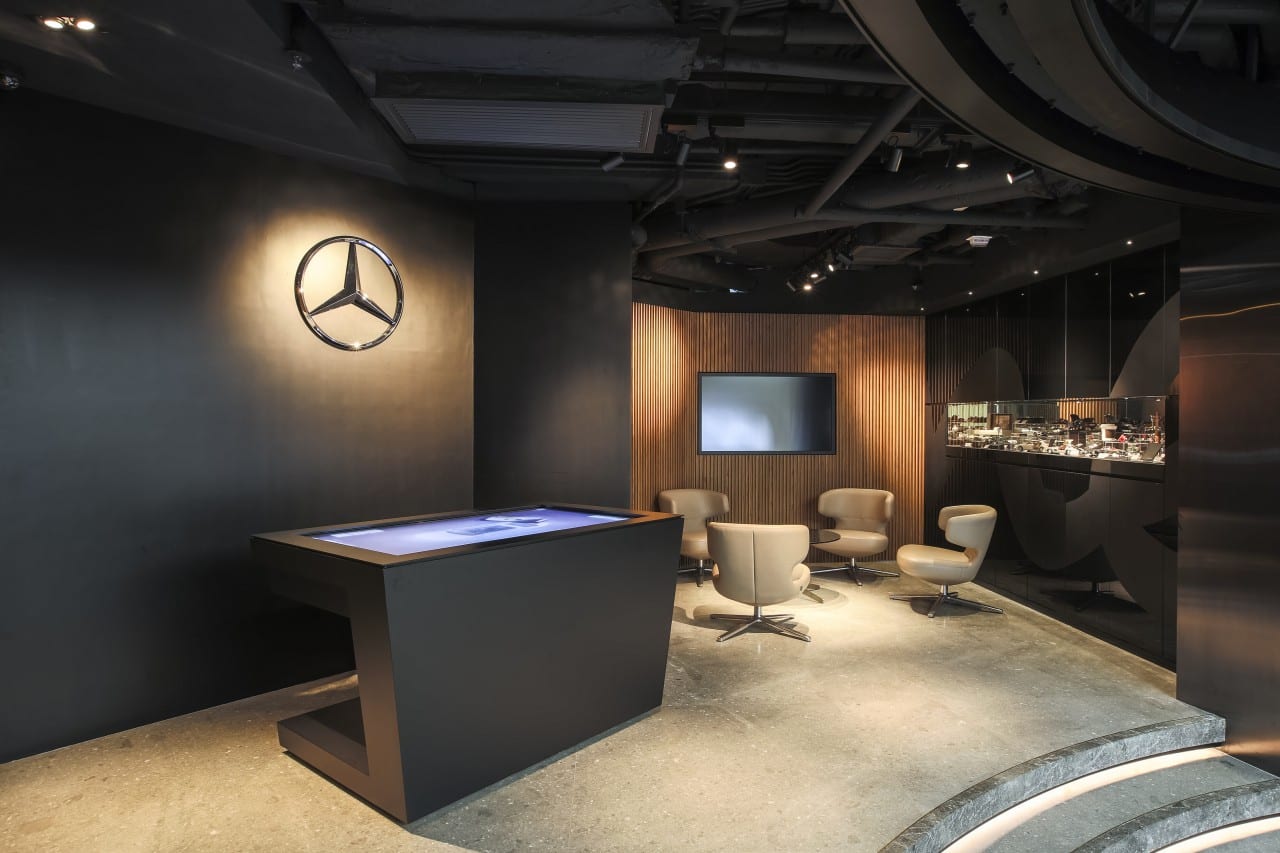
    German car maker Mercedes-Benz has opened a new retail and dining concept in the heart of Central.

    The Mercedes restaurant, called Mercedes Me, “is about creating the ultimate personalised experience, developed organically around you and the products that you love,” the company explains.

    “Here, you can keep up to date with the latest news and events not only from the Mercedes-Benz world, but also the worlds you want to know about, such as fashion shows and Formula 1 live broadcasts. Share with us the things you love, and we will share in your passions.”

    The 480 sqm store opened last weekend in the Entertainment Building, 30 Queen’s Rd, with a glitzy cocktail function to which special guests were chauffeured in a fleet of classic and new model Mercedes-Benz cars. There was a fashion show featuring the latest range of Hugo Boss apparel and a presentation on Formula 1, currently dominated by the marque.

    Mercedes restaurant, Central Hong Kong

    Mercedes has created a destination lifestyle concept, a place to chill, a place to enjoy gourmet food, wines and cocktails, and somewhere to engage in cars, motor racing, design, art and fashion.

    It was created in partnership with Hong Kong restaurant group Maximal Concepts.

    The decor invites comparison with the interior of some of the brand’s cars: dark blue upholstered seats, polished timber and a collection of black and white photos of some of Mercedes-Benz’s greatest models from through the ages, all housed in a polished concrete shell.

    Oh, and you can take a look at the latest model cars from the brand as well.

    Mercedes Me is open for dinner from 5:30pm until 10:30pm daily. Breakfast and lunch will follow.

  • Marina Bay Sands Shoppes expands children’s collection

    Marina Bay Sands Shoppes expands children’s collection

    The Shoppes at Marina Bay Sands has added luxury label Dolce & Gabbana Junior to its growing line-up of luxury childrenswear retailers.

    The high end Singapore shopping centre which relaunched with a luxury focus in April, had already attracted Fendi Kids and Baby Dior to its retail store portfolio, part of a plan to build on its Children’s Collection to present more stylish options for “little adults”.

    Dolce & Gabbana Junior is the Italian designer label’s first Junior store in Southeast Asia.  Spanning more than 1400 sqft, the new boutique is painted with a pearl finish and furnished with lacquered wood furniture frames to create a shopping ambience that is soothing and refined. The Dolce & Gabbana Junior collection includes ready-to-wear for girls, boys, and newborn from ages up to 8.

    And more brands are yet to arrive.

    Come December, Armani Junior and Bonpoint will also be joining the The Shoppes’ Children’s Collection. Set to be its largest store in Singapore, the Armani Junior store will be showcased as a sleek and modernised concept for stylish juniors. It completes the family of Armani collections at The Shoppes – namely Armani/Marina Bay, the first and only duplex in Southeast Asia to house both Giorgio Armani and Emporio Armani, as well as Armani Collezioni.

    Armani Junior will open with its soon-to-launch Spring Summer 2016 collection featuring colorful and fun prints, while Bonpoint will unveil a selection of Shoppes-exclusive pieces from its Christmas 2015 collection and Cruise 2016 collection. Unique to the store is a special corner dedicated to its YAM collection which caters for young ladies and mothers, allowing for perfect mini-me looks that could be worn with their sisters or daughters. Bonpoint will also carry its full hypoallergenic skincare and signature perfume range in-store.

    The launch of Armani Junior and Bonpoint brings along a plethora of trendy ready-to-wear for newborns and children up to the ages of 16.

    Aside from the Children’s Collection, other boutiques that are opening at The Shoppes in the fourth quarter of 2015 include Ted Baker, the only Loro Piana store in Singapore, as well as the largest Michael Kors and Valentino stores in Singapore to date, spanning 3200 sqft and 3500 sqft respectively. More recently, the mall celebrated the opening of Furla’s Singapore flagship store and the biggest in Southeast Asia at 1600 sqft.