Author: Mei Ling Tan

  • Walmart China partner sells out

    Walmart China partner sells out

    Walmart China’s local business partner wants out of its joint venture.

    State-backed China Resources Group has put the minority interests it has in 21 Walmart China stores on the market, seeking US$525 million. Most of the interests equate to about 35 per cent of the respective stores.

    China-based spokesman for Wal-Mart David Fu confirmed the sale in an email to Reuters. He said the firm respected the “investment decision” of its partner.

    “Wal-Mart believes that the transfer of minority interest will not influence Wal-Mart’s operation and development in China,” he said.

    The affected stores are located in various parts of China, including the western Sichuan province and the capital city Beijing.

  • Roger Dubuis Hong Kong plans more Macau stores

    Roger Dubuis Hong Kong plans more Macau stores

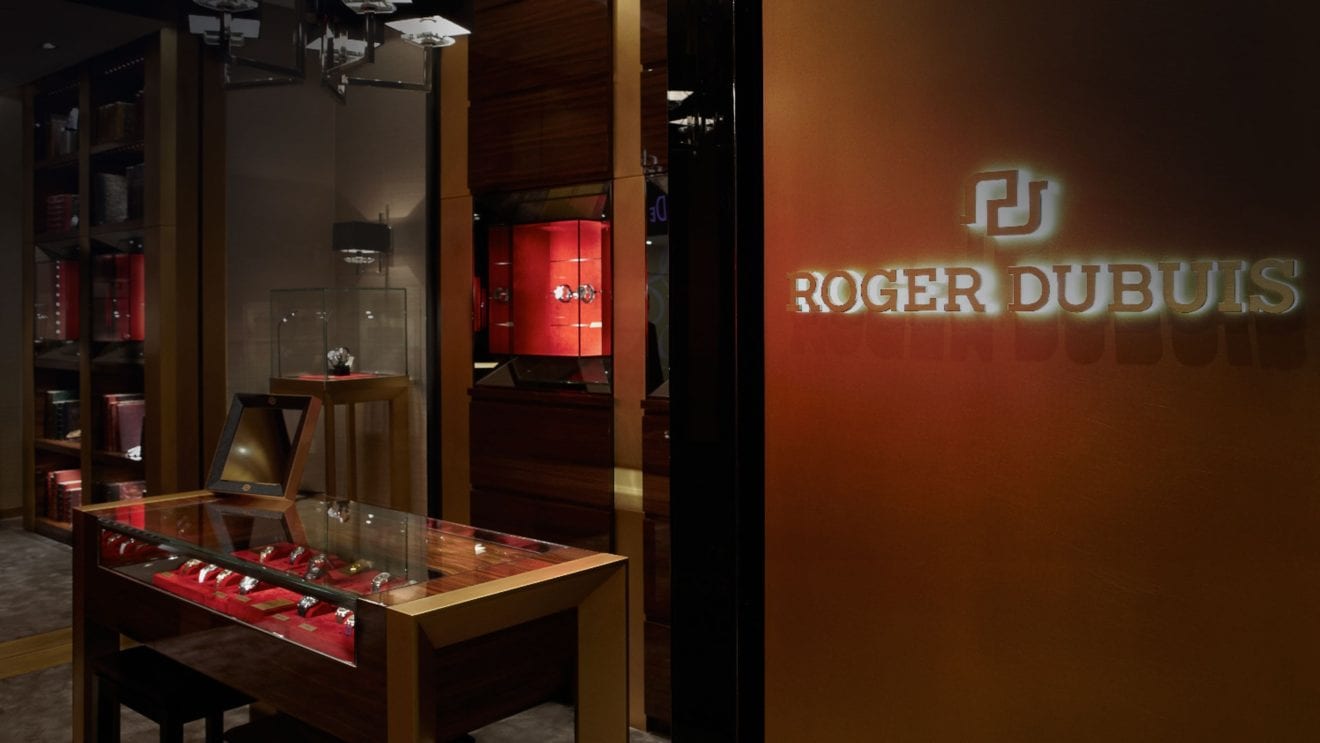
    Luxury watch brand Roger Dubuis says it will open more stores in Macau and Hong Kong despite the recent contraction of the market.

    Roger Dubuis Hong Kong has four stores and there are a further three in Macau. The Swiss brand debuted here in 2000 and is aiming to be one of the world’s top five luxury watch retailers by 2020.

    Despite price tags ranging from HK$150,000 to HK$10 million, Roger Dubuis is unconcerned by the broader trend and is eyeing the longer term growth opportunity in the SARs and the mainland as the number of Chinese with high disposable income grows.

    Two new stores will open in Macau next year and potentially another in Hong Kong.

    CEO Jean-Marc Pontroué told the Hong Kong Economic Journal a new store will open in Nanjing in the mainland next year as well. That follows the opening of its first mainland store in Beijing last July.

  • Pepsi smartphone planned for China

    Pepsi smartphone planned for China

    PepsiCo will market a range of mobile phones and accessories in China later this year.

    The US beverage giant will licence its brand to a manufacturing partner with the Pepsi smartphone just one of a range of planned licensed products which will also include apparel.

    “Available in China only, this effort is similar to recent globally licensed Pepsi products which include apparel and accessories,” a Pepsi spokeswoman told Reuters by email.

    No further details were released about the phone’s specifications – or the manufacturing partner.

    It won’t be the first technology product born of a partnership between Pepsi and an electronics brand. Last year it teamed up with Danish avant garde audiovisual manufacturer Bang & Olufsen to create Pepsi-branded products to support the soft drink brand’s soccer campaign.

  • Parkson Retail restructure knocked back

    Parkson Retail restructure knocked back

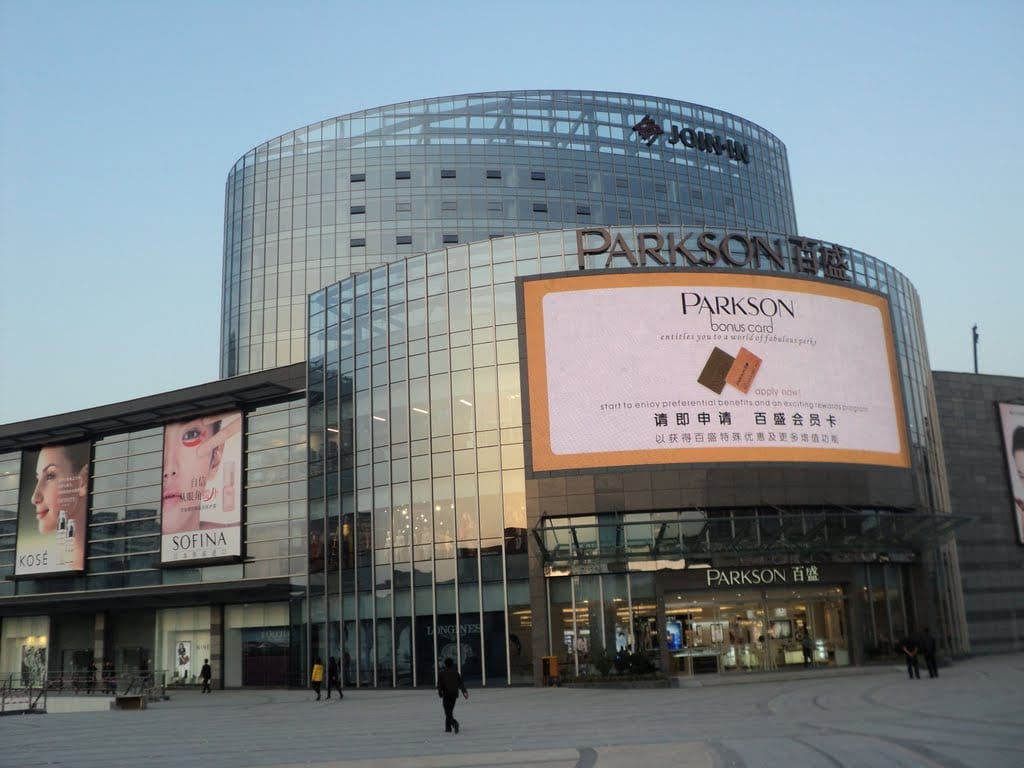
    A plan to simplify the complex ownership structure of Parkson Retail Asia operations has been rejected by independent shareholders.

    The proposal, defeated by a 63.44 per cent vote against at a shareholders meeting on Monday, would have seen the Singapore-listed Parkson Retail Asia parked under Hong Kong listed Parkson Retail Group, which in turn is a subsidiary of Malaysian-listed Parkson Holdings.

    The side effect of the vote is that Malaysian shareholders have missed a proposed cash distribution arising from the internal reorganisation.

    Parkson Retail Asia has 67 stores in Southeast Asia which were to be merged with the Parkson Retail Group network of stores in Greater China.

    Parkson Holdings says the companies will now continue to operate under the status quo.

  • Marrybrown expands to Singapore

    Marrybrown expands to Singapore

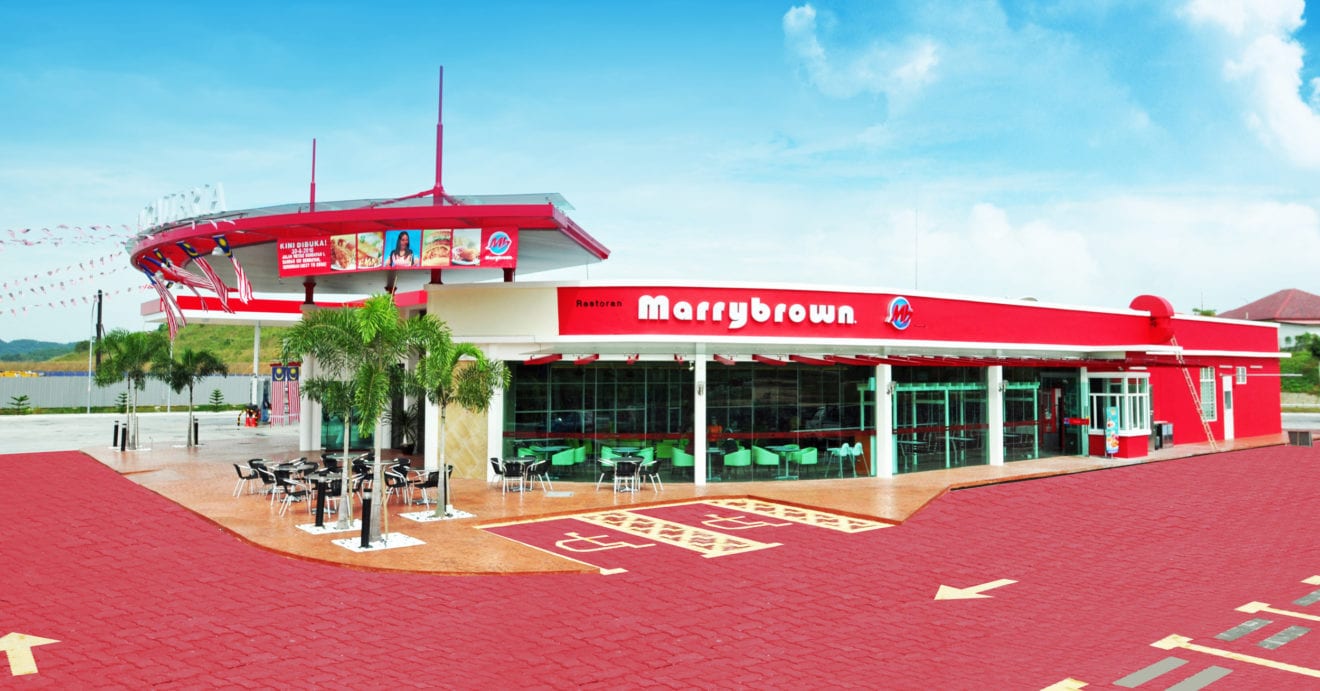
    Malaysia’s Marrybrown has opened its first restaurant in Singapore.

    Marrybrown Singapore has made its debut at the iFly in Sentosa and is the first of a network of 20 stores planned for the city lover the next five years.

    Founded in 1981 and the first Malaysian fast food chain to franchise its business system, the company now boasts 350 outlets. It began serving fried chicken, burgers, finger food, desserts and drinks – all halal – and has now expanded its offer to include local food such as seafood and rice based meals, noodles and the famous Malay dish nasi lemak (sold as Nasi Marrybrown).

    Marrybrown has more than 130 restaurants in Malaysia with the balance overseas, including in China and India. It is expected to open its first outlet in Yangon, Myanmar soon.

    Marrybrown CEO Dato Joshua Liew said many Singaporeans love delicious food, especially Malaysian food.

    “We are proud to open in Singapore and we attribute this success to our unique food culture that tempts the tastebuds of many consumers.”

  • SingPost takes control of US eCommerce co

    SingPost takes control of US eCommerce co

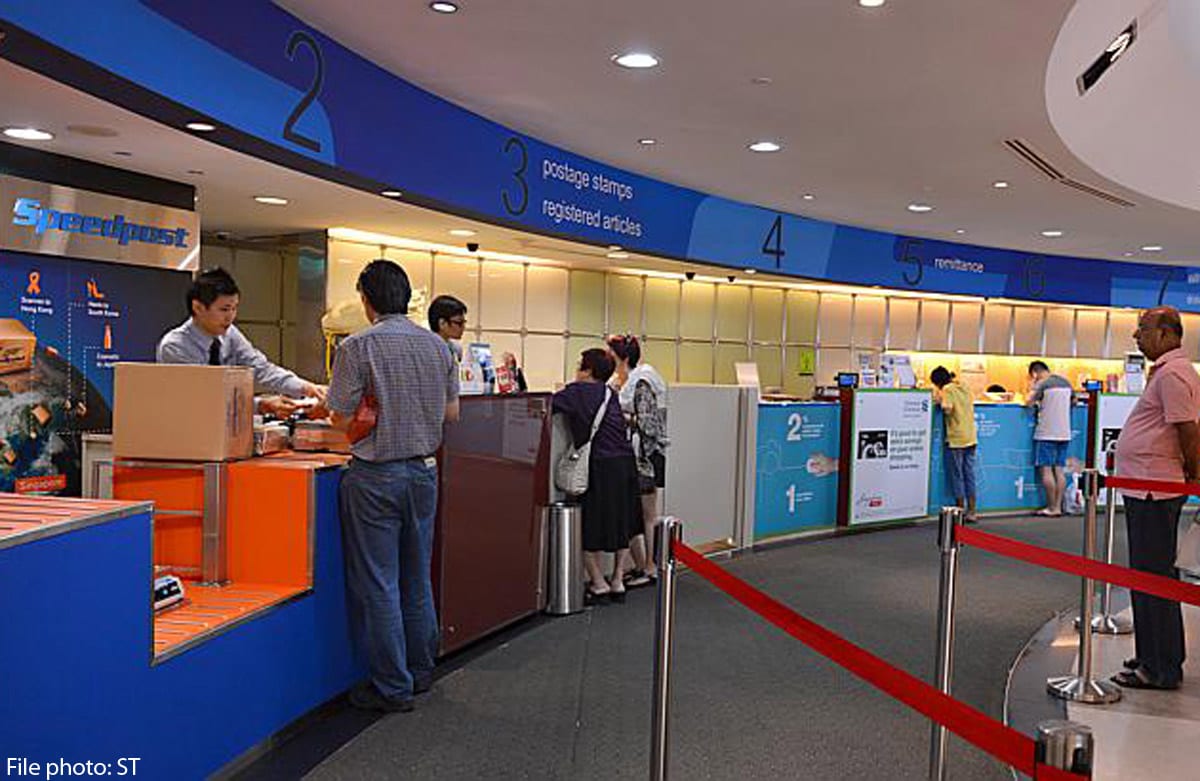
    SingPost, Singapore’s national postal service, is continuing to build its international portfolio of eCommerce businesses, now adding US-based Jagged Peak to the lineup.

    The company says the purchase continues its “aspirations of building an end-to-end eCommerce logistics network and technology platform”.

    Wholly owned subsidiary, SP Jagged Peak LLC, has entered into an agreement to acquire a 71.1 per cent equity stake in Jagged Peak, a US eCommerce logistics enabler for high-velocity consumer products for US$15.8 million (or approximately S$22.5 million).

    SingPost says it intends to invest in Jagged Peak’s eCommerce logistics infrastructure, processes and technology to help customers maximise their business potential globally. The company says the investment will open the way for its customers to grow not only across Asia Pacific but into the US and beyond seamlessly with one eCommerce logistics solution provider.

    Lim Ho Kee, SingPost chairman, said: “As SingPost pioneers and leads eCommerce logistics in Asia Pacific, we are casting our eyes beyond the region. Jagged Peak can enable end-to-end fulfilment of eCommerce orders across the US.

    “SingPost is excited about this capability. This transaction is also part of our strategy to focus our resources on strengthening our geographical reach and the technology we employ as an eCommerce logistics company.”

    Dr Wolfgang Baier, group CEO, added:  “This acquisition will ‘connect the dots’ and make our eCommerce logistics network global. The acquisition of Jagged Peak allows us to use their state-of-the-art eCommerce omni-channel technology to enable brands and retailers not only to leverage their warehouse facilities in over 20 locations in the US but expand these services into our Asia Pacific warehouse network.

    “It’s a win-win for existing and future customers. We have planted the seeds with this investment of what will be SingPost’s global multi-channel B2B4C eCommerce logistics platform.”

    Jagged Peak reported revenues of approximately US$61.7 million (or approximately S$83.5 million) for the fiscal year ended December 2014.

  • Iconic Bangkok market faces bulldozers

    Iconic Bangkok market faces bulldozers

    Famous Bangkok market Saphan Lek is to be destroyed by order of the city’s Metropolitan Administration.

    According to reports, stallholders have just 15 days to pack up and vacate before authorities force their removal. It alleges the market has caused “water management issues” for the whole city.

    Popular with students, locals and tourists alike for products as diverse as computer games, imported toys and fresh foods, the market is one of a string closed down in recent years as city officials try to “clean up” the town’s waterways and streets.

    Authorities have told traders from Saphan Lek and another recently closed market Khlong Thom – that they can relocate to other locations at SC Plaza Mall near the Southern Bus Station and Chulalongkorn University. But traders are unenthused – and shoppers, especially students – say other locations are too far away to travel to.

    “The canal is part of Bangkok’s water system. It is 20 metres wide and two kilometres long. It connects to all the other canals on the system,” Pol Maj-Gen Wichai Sangprapai, an adviser to the Bangkok Governor said, defending the decision. “These people have built into the canal with metal and concrete, which obstructs the flow of water.”

    Described in some media as “an Aladdin’s Cave’” of electronics and games well know among regional tourists, the 50 year old market is located in the heart of ‘old city’ Bangkok.

    It’s name, which translates to “metal bridge” refers to its construction over a canal.

  • Judges ready and excited for Thailand’s first Entrepreneur Now Awards 2015

    Judges ready and excited for Thailand’s first Entrepreneur Now Awards 2015

    The winners of Thailand’s very first Entrepreneur Now Awards (ENA) 2015 are soon to be announced and the judges are now faced with the daunting task of selecting the winners from over 100 nominations.

    The winners will be announced on November 17th at the ENA Awards Night at Four Points By Sheraton Bangkok.

    The ENA is the brainchild of Pacharee Pantoomano Pfirsch, founder of Bangkok Now (BNOW), one of Bangkok’s networking communities. Pacharee is also an entrepreneur and co-founder of Brand Now, a boutique marketing and PR company based in Thailand.

    “I am honored to have such a prominent panel of judges from the local and international business community, many of who are entrepreneurs with years of experience,” said Pacharee.

    “We have such a wide spectrum of both Thai and foreign nominees from various industries, making the selection of winners a challenging feat,” pointed out Pacharee, adding that the entry deadline for ENA had to be extended by two weeks due to overwhelming response and the high level of interest.

    Through ENA, Pacharee wants to recognize Thai and foreign entrepreneurs operating in the Kingdom of Thailand, as Thailand opens its doors to ASEAN Economic Community (AEC).  The award’s objective is to promote entrepreneurism, attract investors to Thailand and the ASEAN region, and revitalize the Thai economy and the SME sector.

    Judges include Pawoot Pongvitayapanu, Managing Director of founder of Thailand’s largest e-commerce service Rakuten TARAD Co., Ltd serial entrepreneur Fred Mouawad of Synergia One group of companies, Paul Robere, Managing Director of quality management consulting firm Robere & Associates, Lay Cheng Tan, Programme Officer at UNESCO, Michael I. Waitze, Managing Partner, Asia at ventureLab Growth Partners, Juthasree Kuvinichkul of GrabTaxi Thailand and   Conor Bracken, Founder and CEO of localization company Andovar.

    The ENA also hopes to champion the entrepreneurial spirit, cultivate the entrepreneur culture and support the eco-system to sustain it.

    The ENA is a great opportunity for entrepreneurs to highlight their creations and gain recognition for their achievements, said Pawoot, who also serves as ENA’s honorary advisor.

    “Innofficiency is the key to entrepreneurism. This term is derived from the words Innovation and Efficiency. Entrepreneurs are not only creative, but also possess great management skill that leads to efficient management. Entrepreneurs should also think beyond profits and create something that can make a difference in the world while at the same time, pursing their passion,” explained Pawoot.

    The judges applaud the ENA project for its recognition program and for focusing on the achievements of specific individuals and their contributions to the world of business and their society.

    Paul Robere and Fred Mouawad added that the ENA was a wonderful opportunity to recognize, encourage, and promote entrepreneurs in Thailand.  “There is no better way to build the start-up ecosystem than by encouraging budding entrepreneurs to interact, learn, and get inspired by their peers.  Success breeds success, and ENA is a boost to the entire ecosystem of entrepreneurs,” said Fred.

    This was echoed by venture capitalist Michael I Waitze, who added that the entrepreneurial and start up ecosystem is moving from a disjointed collection of participants to a connected group of professionals.  UNESCO’s Lay Cheng observed that globally, entrepreneurship is attracting a lot of attention from policy makers, educators and particularly among the young people, who are drivers of economic growth and innovations.

    Speaking from personal experience, Conor Bracken pointed out that a successful entrepreneurial ecosystem requires more than good ideas and talent. Access to capital and credit, infrastructure, and mentors are equally important.

    “The ENA is a great initiative to promote the ecosystem, providing entrepreneurs with opportunities to learn, fine-tune their business models and open more doors toward their goals,” added GrabTaxi Thailand’s Juthasree Kuvinichkul.

    The nominees will be judged on the following criteria: uniqueness, vision and potential growth, value in Thailand & ASEAN, eco-sustainability, striking achievements and how they overcame challenges.

    A total of 11 awards will be handed out to the following categories: Most Outstanding Male / Female Entrepreneur, The Eco Entrepreneur, The Creative Entrepreneur, The Social Enterprise Entrepreneur, Student Plan,  The Exceptional ASEAN/Foreign Owned Company, The Exceptional Thai Owned Company, The Most Entrepreneurial Team, SME (30 to 100 employees) and Micro Enterprise (less than 30).

    Sponsors for ENA include Thai AirAsia X, Acer, YouGov, Big Picture, Avon and Brand Now.  Partners include the American Chamber of Commerce in Thailand (AMCHAM), Bangkok Entrepreneurs, Bangkok University, Irish Thai Chamber of Commerce, Thai-Italian Chamber of Commerce and UNESCO. Class Act Media is the media partner and Friends include Busy Bees @115, Kliquedesk, ONEDAY, 63 Bangkok and The Hive Bangkok.

  • Victoria Beckham Hong Kong confirmed

    Victoria Beckham Hong Kong confirmed

    Former Spice Girl Victoria Beckham has confirmed her second fashion store will open in Hong Kong early next year.

    Beckham, wife of the famous footballer and fashion celebrity David Beckham, is now a fashion designer. She opened her first flagship store in London and is so pleased with its trading has committed to a second in Hong Kong.

    “Our next store will be in Hong Kong in the first half of next year, which I am incredibly excited about,” she said in an interview published in the UK over the weekend.

    Beckham, 41,  says her store will cater for every level of shopper – it will not be an exclusive designer boutique.

    “I’ve always wanted people to be able to come to the store, whether it was just to browse, look at the architecture, buy a key ring or a full runway look. I have the most phenomenal shop staff.”

    Beckham has two ranges: The original Victoria Beckham collection and VVB, a a newer sister range she is now expanding.

    “The VVB collection actually merged with denim this season for the first time as a result of really listening to my customer and understanding that the two categories belong together.”

  • On Pedder Opens Concept Store In Singapore

    On Pedder Opens Concept Store In Singapore

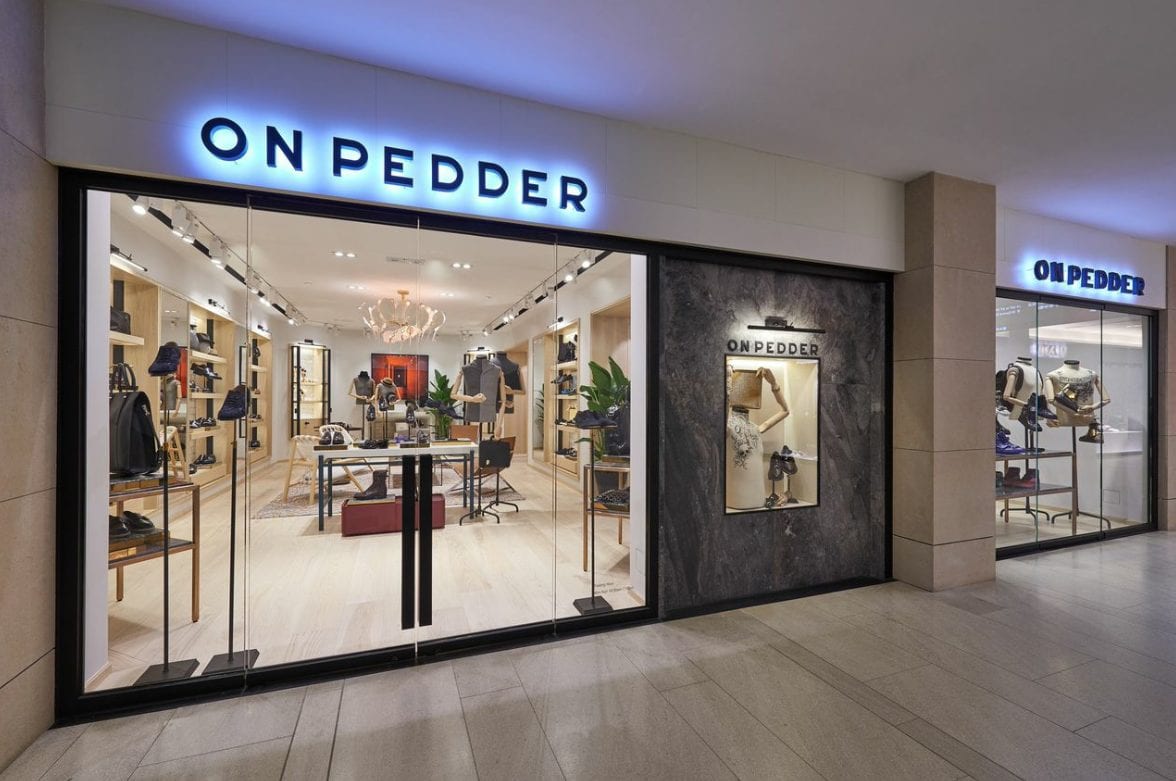
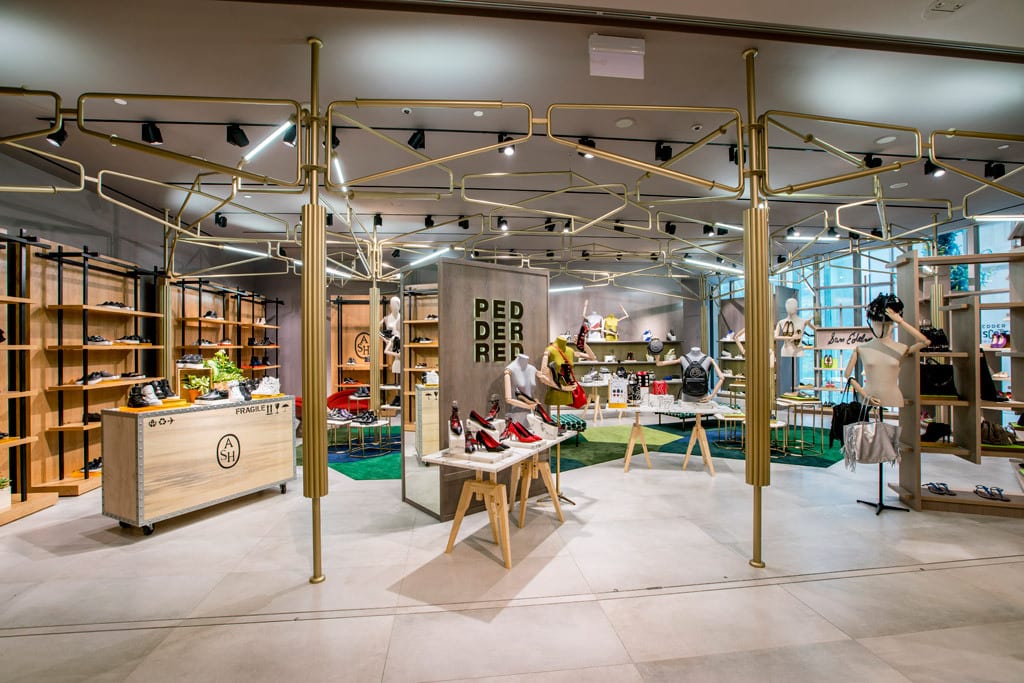
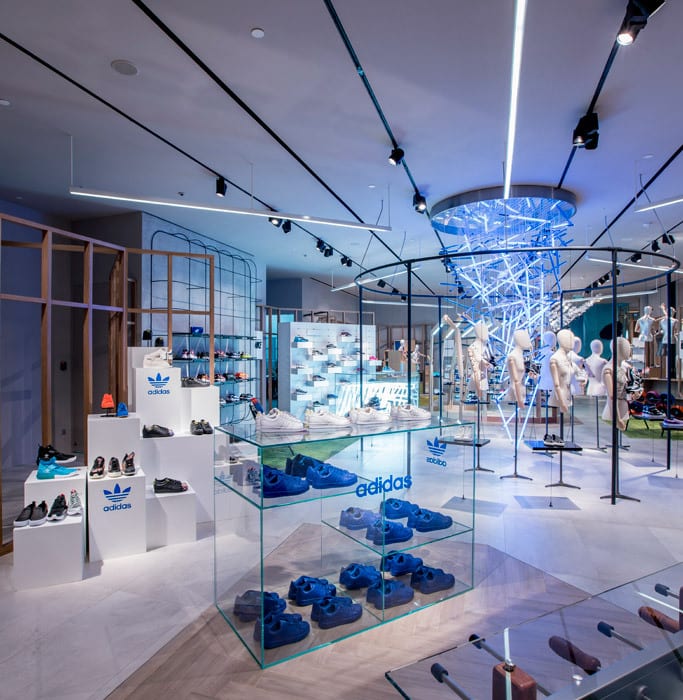
    The company launched a fresh concept there this month, called Pedder on Scotts. At 20,000 square feet, it’s the retailer’s largest store to date. Peter Harris, Pedder Group’s president, said the company’s vast knowledge of the region, coupled with consumer demand for more shoe options, spurred the retailer to make a significant statement.

    Pedder on Scotts Singapore

    The store was designed by North America- based architect Abraham Chan and Raymond Chan of Hong-Kong based PLY Union.

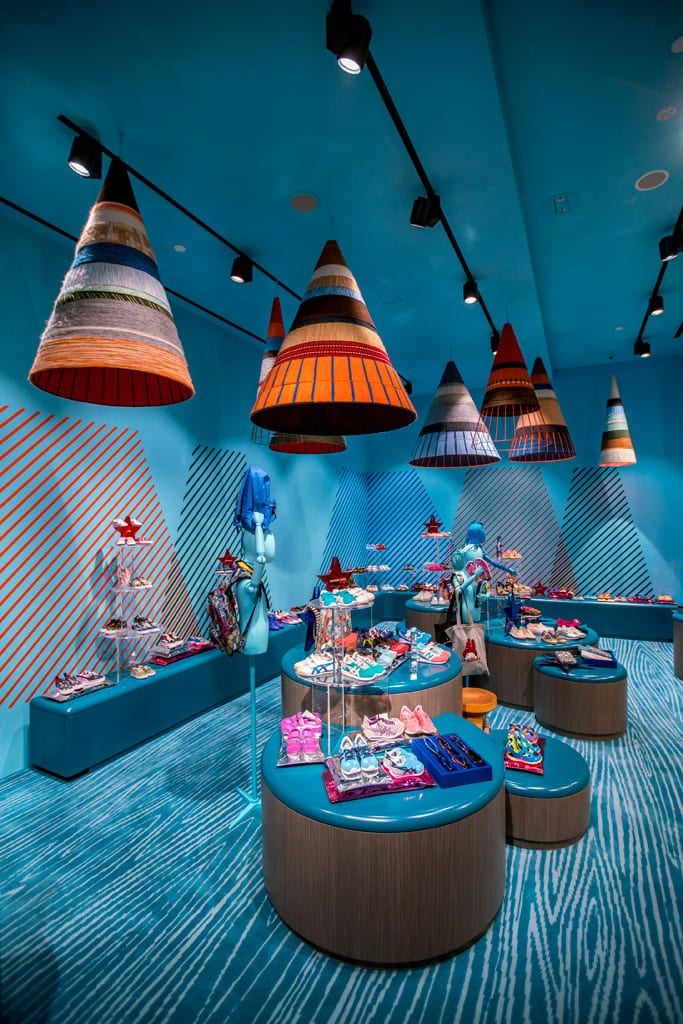
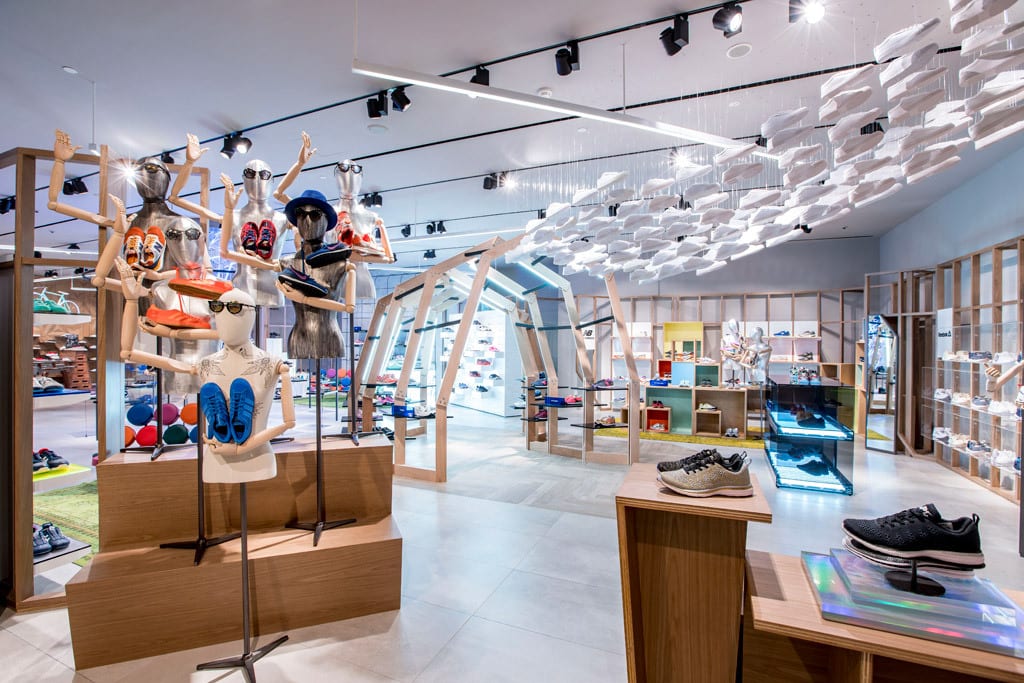
    Its five curated sections are On Pedder (designers such as Aquazzura, Nicholas Kirkwood, Charlotte Olympia, René Caovilla and Sophia Webster, all of whom will have exclusive styles at the store); On Pedder Men (Alexander Wang, Common Proj- ects, Lanvin and Giuseppe Zanotti); New Generation (contemporary brands such as Ash and Sam Edelman); Weekend & Sports (Havaianas, Birkenstock, Adidas, Superga) and Cool Kids (children’s brands such as Stuart Weitzman and Akid).

    “As a brand, we stand for whimsy, creativity and excitement. … What a perfect marriage with the new environment at Pedder on Scotts,” said Sam Edelman, designer, founder and division president of the Sam Edelman division at Caleres. “We applaud Peter for his forward thinking and courage in the retail environment.”

    Pedder On Scotts Singapore

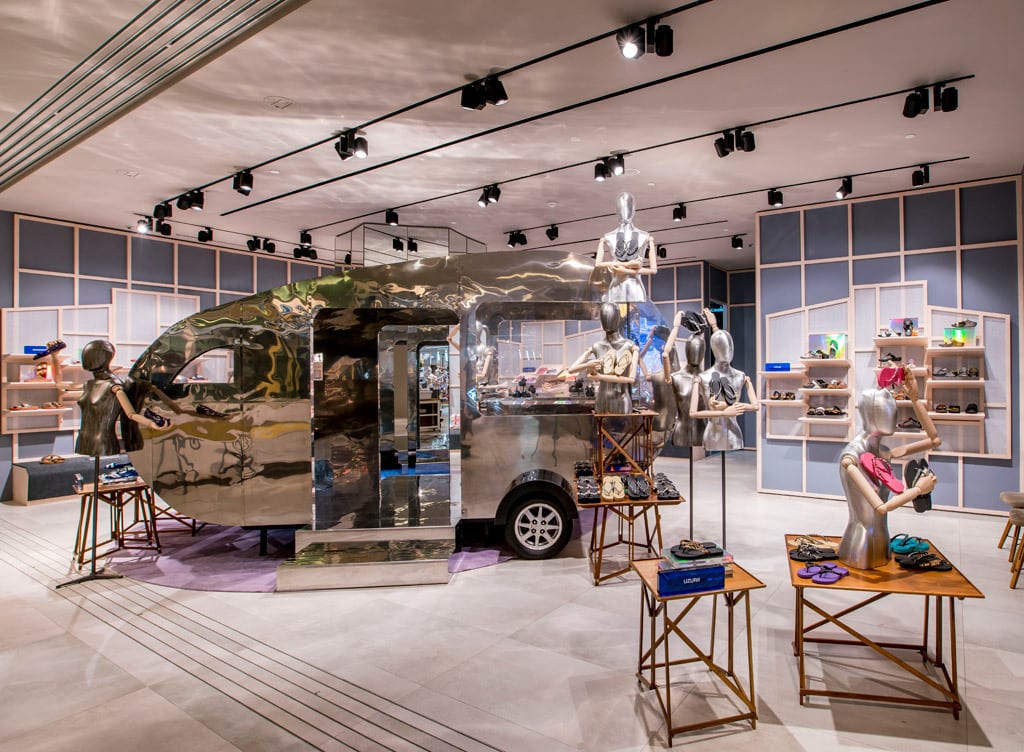
    In addition to its core brand mix, the store will offer a rotating selection of pop-up kiosks that change every few months to showcase new labels and collaborations. “Presenting each category in a zone, with dedicated square footage, appropriate visual merchandising and skilled team coverage, allows us
    to develop a sense of specialty, amplify- ing each category,” said Harris.

    To celebrate the launch, Nicholas Kirkwood joined the team in Singapore for a big opening event last week to present his 10-year anniversary capsule collection. Singapore-based artist Theseus Chan contributed visual graphics for the soirée.

    “Pedder Group has partnered with Nicholas since the beginning of his career, hosting him several times in Greater China and Southeast Asia, so he was an obvious choice to celebrate with,” said Harris. “He has a strong customer following here, and we were eager to represent him in the market.”

    Pedder on Scotts will continue to generate buzz via additional designer appearances over the next few months, including Athletic Propulsion Labs co-founders Adam and Ryan Goldston, René Caovilla and Paul Andrew.

    Pedder On Scotts Singapore

    While Pedder Group is forging ahead with growth initiatives, the overall market in Asia has experienced financial struggles and turmoil.

    “The last 12 months have been quite challenging in Asia with regard to the China economy, political uncertainty, currency devaluation, property-value adjustment and stock-market repositioning,” said Harris. “That has been amplified by the decrease in value of the euro and the yen, which has made purchasing in those markets attractive.”

    Pedder on Scotts SingaporePedder on Scotts.
    Courtesy of company

    In fact, those issues could give the store an even better opportunity to stand out.

    “The Singapore retail landscape is dominated by shopping malls, all concentrated on Orchard Road, with duplicate brand offerings,” said Harris. “The department-store model [delivers] brand adjacencies that tend to be quite non-aligned — there is no single service offer, as the individual concessions are responsible for [their own] staffing, with marketing focused on price promotion.”

    Plus, Pedder on Scotts is banking on the opportunity to highlight an important market: the athletic category.

    “For the last five years, in line with global trends, we have taken a strong position in developing the sports-and-lifestyle component. Dedicated space, as well as a collaborative process with major brands, have been key to delivering customers a new product choice,” said Harris.

    Pedder on Scotts Singapore

    Looking ahead, the Pedder Group will roll out similar concepts at some of its Lane Crawford stores in Hong Kong and China, where footwear square footage ranges from 25,000 square feet to 35,000 square feet. “We will be using some of the formats we have developed for Pedder on Scotts in Singapore at our existing locations. We have also been approached by a number of Chinese developers [about] presenting this format in China, which will be reviewed following our first year of operation [in Singapore],” said Harris.

  • Stradivarius launches the chain’s new website in China – stradivarius.cn

    Stradivarius launches the chain’s new website in China – stradivarius.cn

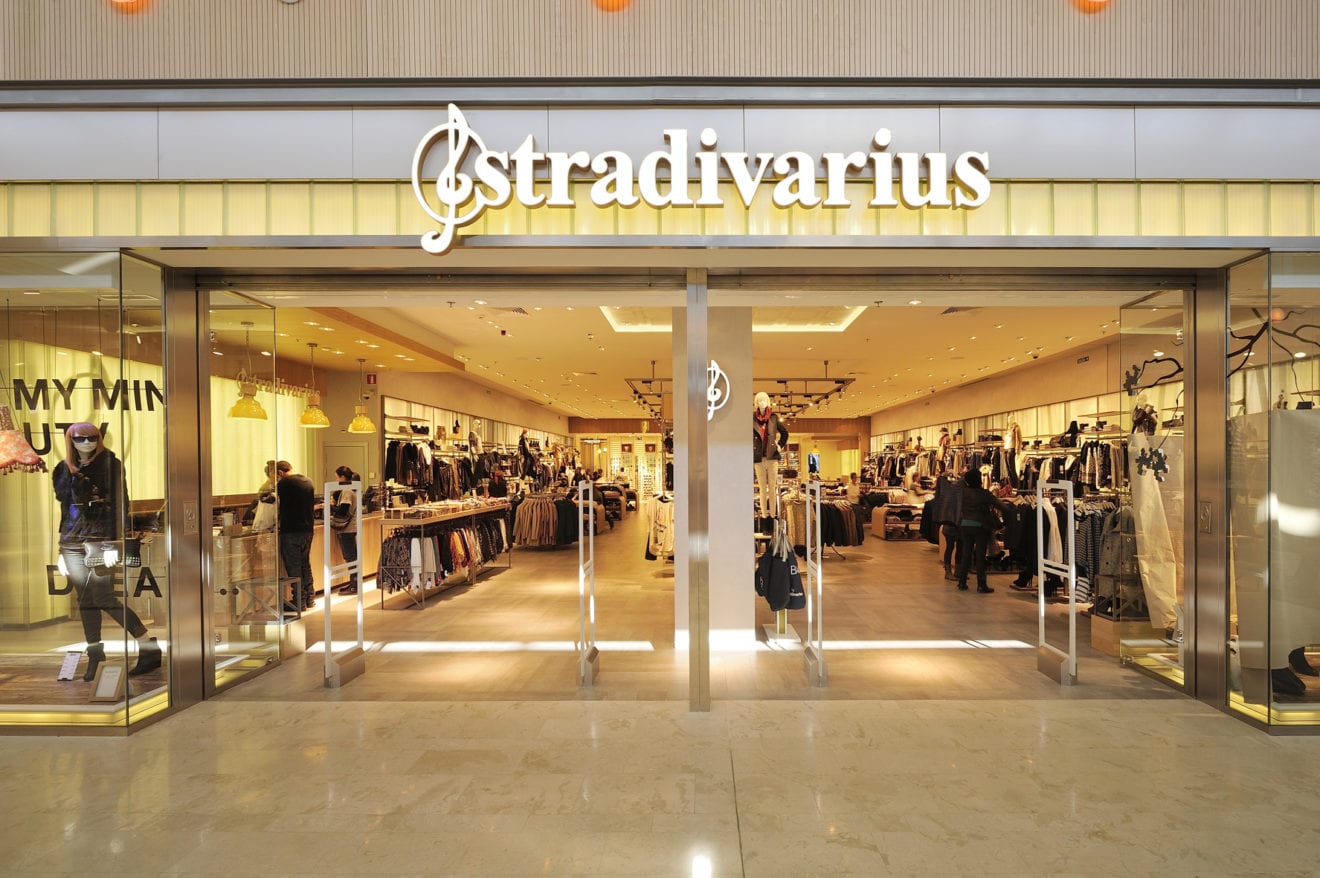
    The chain has 65 bricks & mortar stores in China and also sells its products online via both its own website (www.stradivarius.cn) and the T-Mall platform

    An event celebrated in Shanghai’s Union Building provided the backdrop for presentation of Stradivarius’s new website in China, which reinforces the brand’s e-commerce presence in this market. Stradivarius gained an initial foothold in the Chinese e-commerce market last April when it launched online sales via the T-Mall platform, on which the rest of the Inditex Group’s brands are also represented.  Just eight months later, on 8 September, Stradivarius direct online sales platform, www.stradivarius.cn, went live, adding to the chain’s network of 65 stores in China.

    The Shanghai event, dubbed “The Event Paper: Asia edition”, took place on the top floor of the Union Building, a neo-renaissance building dating to 1916. From its rooftop terrace, the guests were able to enjoy stunning views of the Bund, the Chinese financial capital’s most cosmopolitan district.

    The party was attended by international top model Liu Wen, the leading lights from the Asian press and it girls from all over the world. Moreover, Cate Underwood, the star of the brand’s FW15 collection campaign and DJ, took care of the music. A dedicated event report can be downloaded from the Stradivarius website.

  • Smashburger sells 40% of the company to Jollibee Foods Corporation

    Smashburger sells 40% of the company to Jollibee Foods Corporation

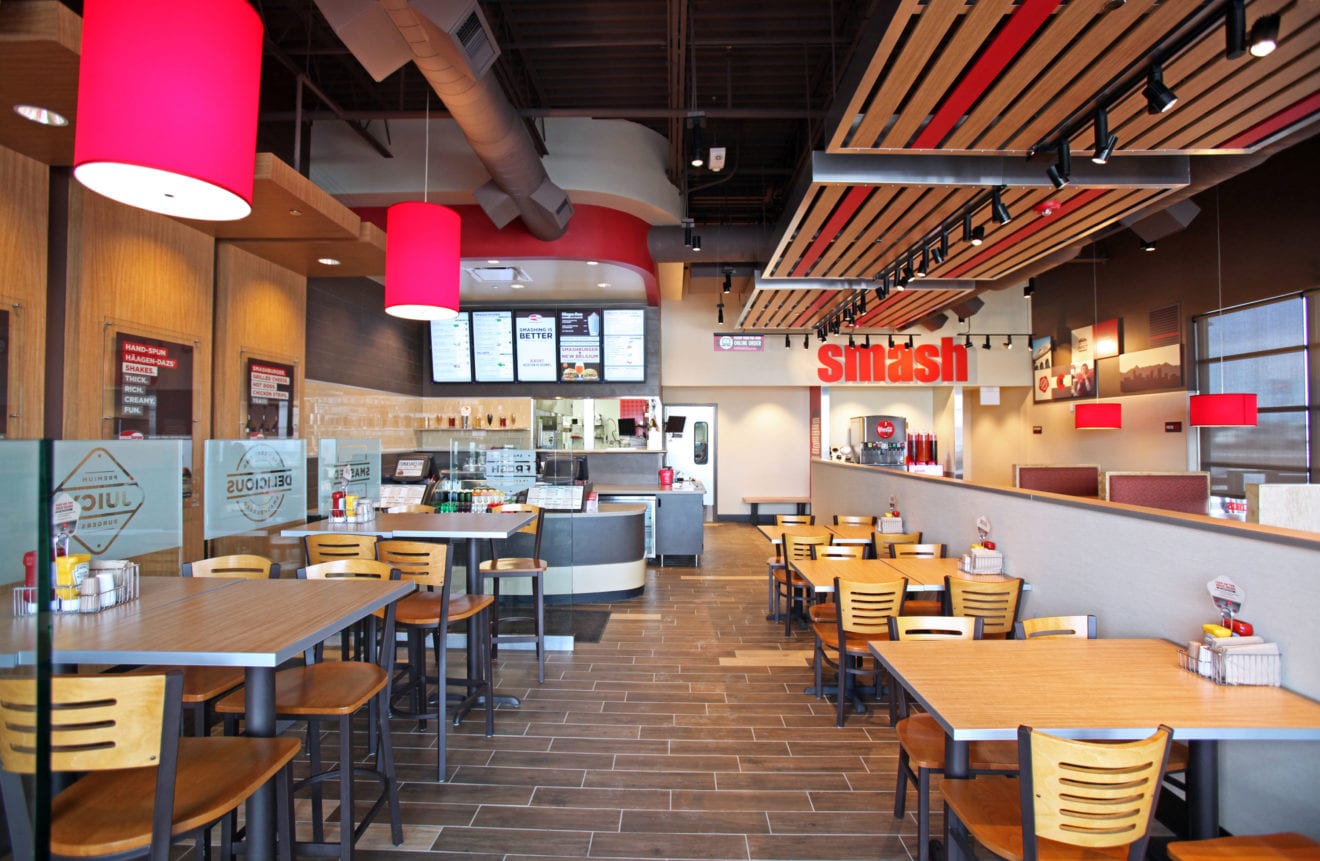
    Smashburger, the Denver-based Fast Casual restaurant concept, today announced that it has entered into a definitive agreement to sell 40% of the company to Jollibee Foods Corporation (PSE: JFC), Asia’s largest restaurant company. The purchase price values Smashburger at a $335 million enterprise value.

    Launched in 2007, Smashburger has over 335 corporate and franchised restaurants operating in 35 states and seven countries. Approximately 60% of Smashburger is company owned and operated. Smashburger continues to grow at a rate of 20% annually.

    Jollibee Foods Corporation, a publicly-traded market leader in the Philippines, has been actively seeking an investment in a leading U.S. growth brand. Jollibee Foods Corporation currently operates and franchises a network of over 3,000 restaurants worldwide under the trade names Jollibee, Chowking, Greenwich, Red Ribbon, Yonghe King, Hong Zhuang Yuan, Mang Inasal, Burger King Philippines, San Pin Wang, Jinja Bar. Jollibee also has a 50% interest in the Super Foods Group, which operates and franchises restaurants under the Pho 24 and Highlands Coffee brands throughout Vietnam.

    “We at Smashburger are excited about our new strategic partnership with Jollibee,” commented Rick Schaden, Chairman and Co-Founder of Smashburger. “As founders and entrepreneurs we both have built teams that focus on bringing the highest quality and best tasting food to our restaurant categories. Founder and Chairman, Tony Tan Caktiong and I share a true passion for the restaurant business having opened and operated our very first restaurants, we believe our companies still cultivate that spirit today as we initiate this partnership.”

    JFC Chairman Mr. Tony Tan Caktiong gave the following statement: “Smashburger is one of the fastest growing restaurant brands in the US and we are very excited to work side by side with the owners and management of Smashburger as we continue its growth. This acquisition will make JFC’s presence in the US more significant, going beyond the Filipino market and serving mainstream consumers in the $100 billion US burger market, a food segment which is estimated to be almost three times larger than the pizza, sandwich or coffee segment in terms of sales. This acquisition will make the US one of JFC’s most important markets and drivers of long term growth along with the Philippines, China and other Asian markets abroad.”

    “This partnership will provide additional energy and resources to Smashburger as we expand,” said Scott Crane, President and CEO, of Smashburger. “The team at Jollibee is focused on the same values as our company, which are to serve the highest quality food and provide a great dining experience for our guests.”

    Smashburger was counselled by North Point Advisors as financial advisor and Paul, Weiss, Rifkind, Wharton & Garrison as legal and JFC was advised by J.P. Morgan as financial advisor, Pillsbury Winthrop Shaw Pittman LLP as legal advisor, and Isla Lipana & Co./PwC as accounting and tax advisor in this transaction.

  • AirAsia Japan granted Air Operator’s Certificate

    AirAsia Japan granted Air Operator’s Certificate

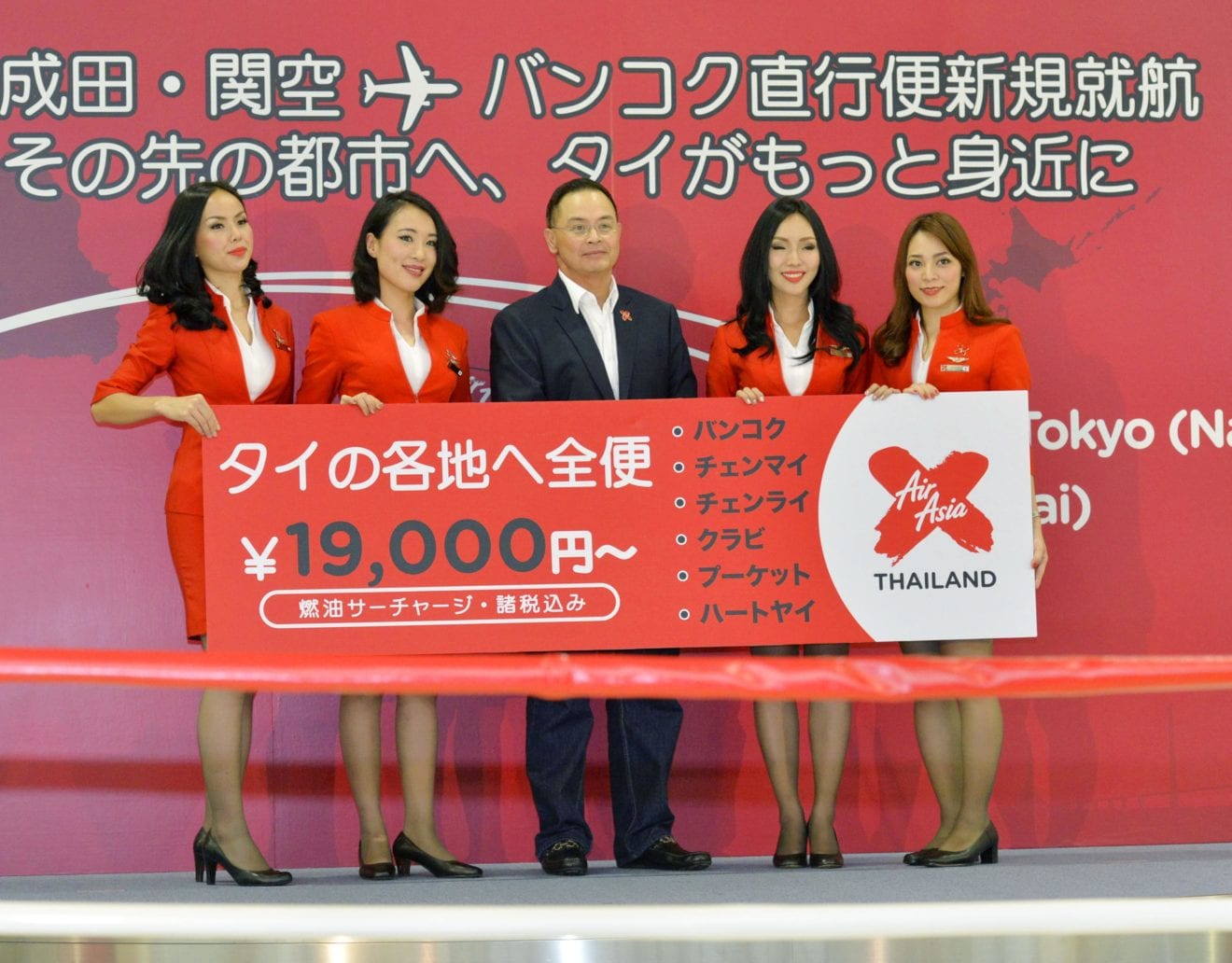
    AirAsia Japan Co., Ltd. (CEO: Yoshinori Odagiri) recently announced that the airline has been granted the Air Operator’s Certificate by the Civil Aeronautics Act by Ministry of Land, Infrastructure, Transport and Tourism, under the air transport business, Japanese Aviation Law Article 100.

    AirAsia Japan is scheduled to commence operations from their base at Chubu Centrair International Airport in Aichi prefecture to Shin-Chitose Airport in Sapporo, Sendai Airport in Sendai and Taiwan Taoyuan International Airport in Taipei in Spring 2016.

    AirAsia Group CEO Tony Fernandes said, “We are very excited to be back in Japan. We have fantastic partners here and we are united in the vision to change the way people travel in Japan. Centrair Airport is a fantastic base and with our new routes, we look forward not only to enable the Japanese to enjoy our direct destinations but to connect them to the rest of Asia and beyond on our extensive network.”

  • Low credit card penetration, lack of trust constrain Philippines e-commerce

    Low credit card penetration, lack of trust constrain Philippines e-commerce

    ONLINE retail sales in the Philippines account for only one percent of total retail sales in the country, a key e-commerce executive said.

    Inanc Balci, Lazada Philippines co-founder and chief executive officer said this is much lower than in Western countries, which record online retail sales from five to 10 percent of the total retail sales.

    One major constraint to the growth of e-commerce in the Philippines is the low credit card penetration. According to Balci, only three to seven million Filipinos are credit card holders and 30 million have bank accounts.

    The lack of trust, customer knowledge, and market size are also challenges confronting e-commerce in the Philippines.

    Because of this, Lazada led the “no risk” cash-on-delivery (COD) payment scheme, where buyers would only have to pay for the item they bought from Lazada when the item is delivered.

    “Credit card penetration is low, but even those with credit cards prefer cash-on-delivery on their first few purchases,” Balci said.

    Most of the transactions in Lazada are through COD.

    In Lazada, top selling categories include electronics, fashion, and home products. These are delivered to the customers within one to 10 days upon purchase.

    The geography of the Philippines is also affecting e-commerce.

    “(There are) hard to reach, low-density areas with low retail presence and an expensive delivery infrastructure,” Balci said.

    To address this, Lazada has been putting up warehouses in some parts of the Philippines.

    Last Thursday, it opened a warehouse in Mandaue City to serve some areas in the Visayas. It will also open one in Davao in the next 12 months.

    While online shopping is a relatively new concept in the Philippines, Balci is optimistic that the country will exceed Western countries’ five to 10 percent share.

    “I believe the Philippines is going to be bigger than the Western markets,” the official said, saying the increasing smartphone use among Filipinos will drive e-commerce growth.

    Balci said there were 10 million additional mobile Internet users in 2015.

    “The mobile ecosystem is the big driver of Internet penetration. (There is a) $21 smart phone on Lazada,” he added.

    Presently, Lazada holds 80 percent market share in the online retail segment. The company sees the Philippines as one of its fastest growing markets. The online shopping mall is also present in Indonesia, Malaysia, Thailand, Singapore, and Vietnam.

    “I’m very optimistic with the Philippines, since we have experienced growth at a crazy rate,” Balci said.

    Lazada was launched in the Philippines in March 2012.

    More than half of Lazada buyers, or 54 percent of them, are males. People aged 18 to 34 years old account for 71 percent of the company’s customers.

  • Nestlé warns against China’s dreary economy

    Nestlé warns against China’s dreary economy

    Nestlé just became the fourth major Western brand in the past two weeks to report dreary Chinese sales during the year so far.

    According to the Swiss food and drink colossus, sales in the Asia, Oceania, and sub-Saharan Africa regions fell by 3.1%. A “slower sales recovery in China” took part of the blame.

    Overall sales dropped 2.1%, and the company’s stock opened Friday down by about 3%.

    But it’s not the first company to report dreary sales in China in October — and that says something worrying about the country’s economy.

    The Indian-owned UK carmaker Jaguar Land Rover described “continued accelerated slowing of economic conditions in China,” paired with damage to 5,800 cars stored at Tianjin during the colossal chemical explosion at the port. Sales of Jaguar Land Rover models slumped by 32% in China.

    Yum Brands also struggled to market KFC and Pizza Hut in China. KFC sales rose by only 3% year-on-year, and Pizza Hut sales actually fell by 1%. In a country where economic growth is apparently close to 7%, that’s a pretty miserable performance.

    On Thursday, Burberry also reported on discouraging Chinese sales, with overall revenue from the country falling and the share price of the luxury-clothes brand falling 16% at Thursday’s open.

    Nothing much connects KFC, Pizza Hut, instant coffee, Burberry scarves, and Land Rover cars — some products are pitching themselves at China’s growing middle class, while others are focused very much on the most elite sliver of society. Consumption fell or was weaker than expected across the board.

    It’s not all doom and gloom; there have been some positive indicators. Retail spending during China’s Golden Week holiday still surged, rising 11% on the previous year.

    A note from Goldman Sachs also said that while industrial commodities like iron ore and copper had seen their prices plunge, consumer-focused commodities like gasoline (and coffee) had seen rising demand in China over the past year.

    Analysts at the investment bank Jefferies referred to China’s “parallel economies” in a note on Thursday — on the one hand, there’s the “old economy” — industrial- and commodity-focused, reflecting China’s extremely rapid growth during the late-20th century and first 10 years of the 21st.

    On the other hand, there’s the new economy — consumer and services-focused, with higher incomes and less of an overwhelming emphasis on exports. The extent to which the country is able to transition from the old to the new will have a major impact, both for China and the Western firms operating there.