Author: Mei Ling Tan

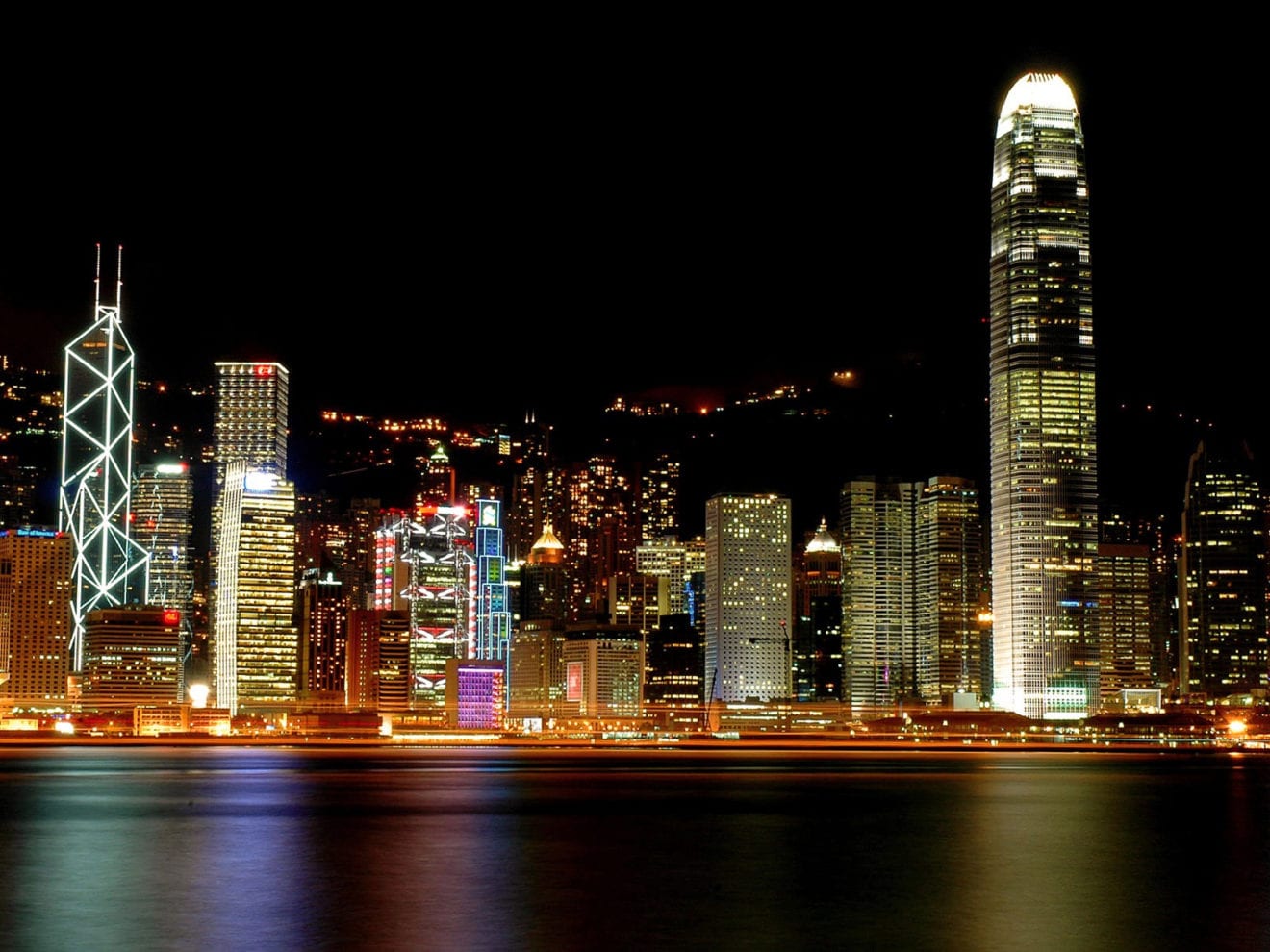
  • Hong Kong retail rents weaken further

    Hong Kong retail rents weaken further

    Hong Kong retail rents weakened further in the third quarter – and worse is to come, according to CBRE’s quarterly review.

    Against a backdrop of a seven per cent fall in watch and jewellery sales in July and August combined, there was an increase in lease surrenders by luxury brands and high-value retailers on tier one streets, the review said.

    “Overall rents in core locations slumped 9.1 per cent quarter on quarter, the largest quarterly decline recorded since 1998.”

    Among the four core submarkets, rents in Causeway Bay fell the most severely – by 11 per cent quarter on quarter – taking the total year to date decline to 22 per cent.

    “Rents in Central, Tsim Sha Tsui and Mong Kok declined by 9.2 per cent, 7.0 per cent and 7.6 per cent quarter on quarter, respectively.

    “Mid-range retailers are attempting to regain their foothold in prime locations. Cosmetics retailers, sportswear brands and fitness centers were the most active sectors in Q3.”

    Joe Lin, executive director, retail services, CBRE Hong Kong​ said the top tier retail market led the deterioration.

    “The shift in mainland Chinese tourist spending patterns coupled with slower tourist arrivals continued to erode confidence among luxury retailers. This resulted in more cases of lease surrender and rental cuts for tier one street shops by jewellery and luxury retailers. We expect the rental downcycle to continue in Q4.”

    Lin predicts average rents for space in core retail locations will continue to decline in Q4, with the full year rental downward adjustment for 2015 projected at between 20 and 25 per cent.

    “Non-luxury retailers are set to be the main driver of retail leasing demand in Hong Kong.

    “Leasing transactions signed over the past two quarters at lower rents in tier one streets will set new benchmarks for lease negotiations in the coming months.”

  • Courts Indonesia to open second megastore

    Courts Indonesia to open second megastore

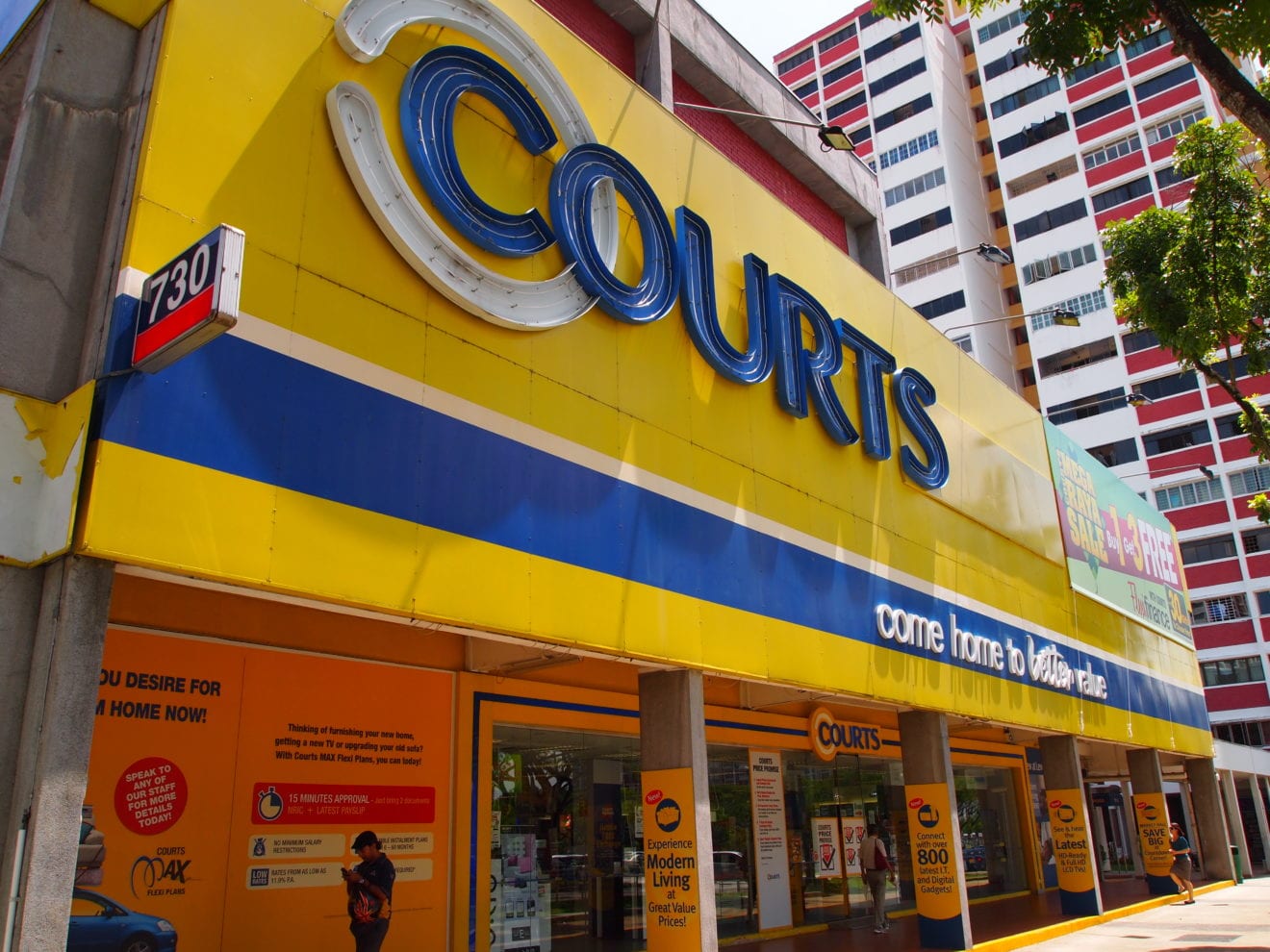
    Singapore-headquartered Courts says it will open a second megastore in Indonesia.

    The new 24,000 sqm store is already under construction on a 2.2 hectare site in Bumi Serpong Damai, southwest of the capital city Jakarta.

    Courts Indonesia CEO Roy Santoso told a media briefing the store will sell at least 12,000 items from 200 local and international brands. All the electronics and home appliances are local products.

    “The store spaces will be grouped into four segments: ‘Play’ for electronics, ‘Live’ for home appliances and accessories, ‘Sleep’ for beds and ‘Relax’ for furniture,” he said.

    Courts Indonesia will open the new store in December. It will be the retailer’s fourth store, little more than a year after it first opened in the market, and the company plans up to 12 by 2019, along with an eCommerce site which should be operational by the end of this year. Its investment in the market to date is now US$8 million.

    “In these kind of economic conditions, we have to have a sustainable development plan. To reach breakeven, we plan to open two to three smaller-sized stores within two years,” Roy said.

    “Our initial plan had been to have one megastore in each western and eastern part of Greater Jakarta. The eastern part is Bekasi and the western part is BSD. We can still have vast area to build a megastore in BSD,” Roy said.

    “Courts also targets various classes of income groups. In our stores we segment our products into good, better and best so that people can choose. And BSD is easily accessible for people with different income who live in Bintaro and Pondok Indah in South Jakarta and Karawaci in Tangerang, other satellite cities with high numbers of population.”

  • JD.com opens US office

    JD.com opens US office

    JD.com, China’s largest online direct sales company, has opened its first US facility, a new research and development center located in Silicon Valley.

    Situated in Santa Clara, the new office will focus on developing and enhancing new and existing technologies that will improve the user experience for its customers in China and boost the company’s offerings.

    The facility will also allow easier interactions between the company and US retailers, partners and brands seeking to establish or expand their presence in China on JD’s shopping platforms.

    “Given the scope and strength of American brands, products and capabilities, the US was the obvious choice as we sought a location for our first office outside of Asia,” said Richard Liu, founder and CEO of JD.com.

    Chen Zhang, senior vice president of JD.com and head of R&D for JD Mall will initially oversee the new office, which will focus on areas such as cloud computing, mobile applications and big-data infrastructure, and will provide both rotational job possibilities for engineers in China and opportunities for certain skilled technical workers in the area.

    Last July JD.com launched US Mall on its website, dedicated exclusively to meeting the demand in the Chinese market for authentic imported American products.

  • Aeon takes more of Japan to Hong Kong

    Aeon takes more of Japan to Hong Kong

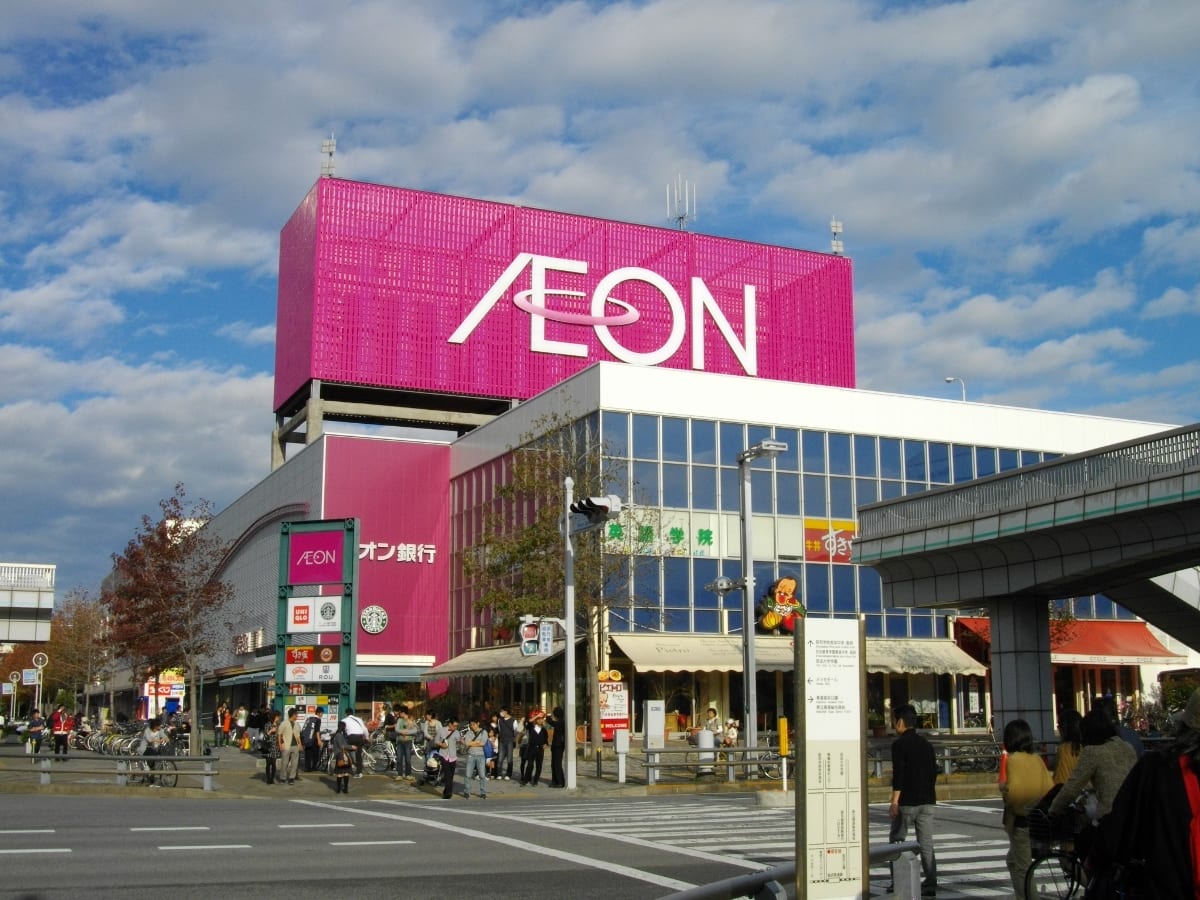
    The newly refurbished Aeon Tsuen Wan store has made the most of its Japanese parent’s design and range influence as it aims to capture more of the suburb’s rising affluence.

    Aeon Stores invested $30 million renovating the store which formally reopened last week.

    MD Christine Chan says the store has adopted more Japanese elements to satisfy the rising demand of local residents in the district.

    “In recent years, the increasing consumption power of residents in Tsuen Wan has raised their demand on the standard of the type and quality of commodities being offered. In order to cater to the taste of consumers in the district, the brand new Aeon Tsuen Wan Store has introduced more Japanese elements as its highlight, while providing a more diverse range of merchandise and dining choices,” she said.

    The new store occupies an area of around 170,000 sqft (1594 sqm) and Aeon says it will provide “more quality commodities and a cozy shopping environment” post renovation.

    It has introduced a number of new elements, including Aeon Body (revealed on Inside Retail Hong Kong on Friday), a beauty and healthcare store, and ROU, a new popular lifestyle variety shop in Japan, both concepts introduced to Hong Kong for the first time.

    The Tsuen Wan Store has also introduced some Japanese fashion brands to satisfy customers’ pursuit of a quality lifestyle. These brands include urban fashion brand Persodea, Japanese countryside style brand Self+Service, Japanese trendy fashion brand Ozoc and the leisure brand for men Caribbean Joe.

    The Aeon Tsuen Wan Store has also expanded its supermarket by adding a cooking demonstration area, the Cooking Station and a fine wine collection zone Liquor Corner, which offers wines selected from around the world.

    Aeon has also revamped the Kids & Babies floor which targets children. New features include product demonstration, toy experience zones and customer service station.

    Situated at the Skyline Plaza, the Tsuen Wan Store enjoys a geographical advantage as it is surrounded by plenty of residential blocks, hotels and commercial buildings in the district, in addition to large residential projects planned for the future.

    “With the renovation, we are confident that the store can capture the immense opportunities lying in the district,” said Chan.

    To coincide with the opening, Aeon launched the Hearty Flower Donation campaign which raised $43,600 for the Green Builder – Environmental Walk 2016 event organised by the Conservancy Association as a joint effort to promote environmental protection and sustainable development.

  • Grana Hong Kong, a store with no stock

    Grana Hong Kong, a store with no stock

    In this world of the digitally empowered consumer, is inventory a threatened species?

    Are classic retailer metrics such as stock hold, stock turn, stock intensity per square metre and working capital ratios yesterday’s news?

    After all what is a classic retailer’s largest cost of business? Well one could argue it’s inventory, certainly such that range, width of range, and its management is a strong determinant of both cash flow and profitability.

    Now a growing number of retailers are enhancing their offer by investing far less in inventory and far more in their digital interface, customer databases and social communities.

    Their advocates and fans are being increasingly conditioned and motivated to the customised offer that brings all channels to the fore. Not seeking to purchase on the spot, far more motivated by the various caches that a true digital-inspired omnichannel retail business offers. Aware that a physical store is crucial to the overall offer yet doing so in a way that maximises both the customer experience and resultant experience.

    Is this the store template of the future?

    Disrupting the standard retail format certainly seems to be on the agenda for many of today’s innovative fashion start-ups. Online retailer Kent & Lime have created a successful retail model out of providing online style advisors to hand select items in the right size and sent directly to your door. Your home becomes your personal fitting room where you have three days to try on your items, show your friends and then return those you don’t wish to keep, only paying for what you keep.

    Another success story in this area and a personal favourite of ours is Australian innovator Sneakerboy, as mentioned in previous posts. This week we visited another disrupter in this field, Grana.

    Aiming to combine the world’s best fabrics at disruptive prices, Grana is all about high quality garments at a lower price point. Founded in 2013, Australian-born Luke Grana, realised that achieving this goal meant re-thinking the traditional fashion business model, and focusing on ‘outstanding logistics’ rather than design, to give the fashion retailer an edge on the competition.

    Being based out of Hong Kong, the world’s largest logistics hub, allows the brand to ship internationally at almost the same cost of shipping locally in Australia with Australia Post. Working directly with fabric mills, all products are shipped direct to the warehouse and then straight onto the customer, cutting out the middle man, once again saving costs to provide ultimate savings to customers.

    Last year the core team members of the company, including founders Luke Grana and Pieter Paul Wittgen set up a shipping container pop up shop in and around Sydney, which reportedly was well received due to the quality of the products. They have now returned to Sydney’s Queen Victoria Building with a ‘zero-stock’ concept pop up store set to last until January 2016. When speaking of their first concept store in their channel in Hong Kong which followed a similar concept allowing customers to try on apparel and have their orders shipped to their door, founder Luke Grana said, “our customers can receive the tailored customer service and interaction that only a brick and mortar location can provide, but with the ease of online purchasing.”

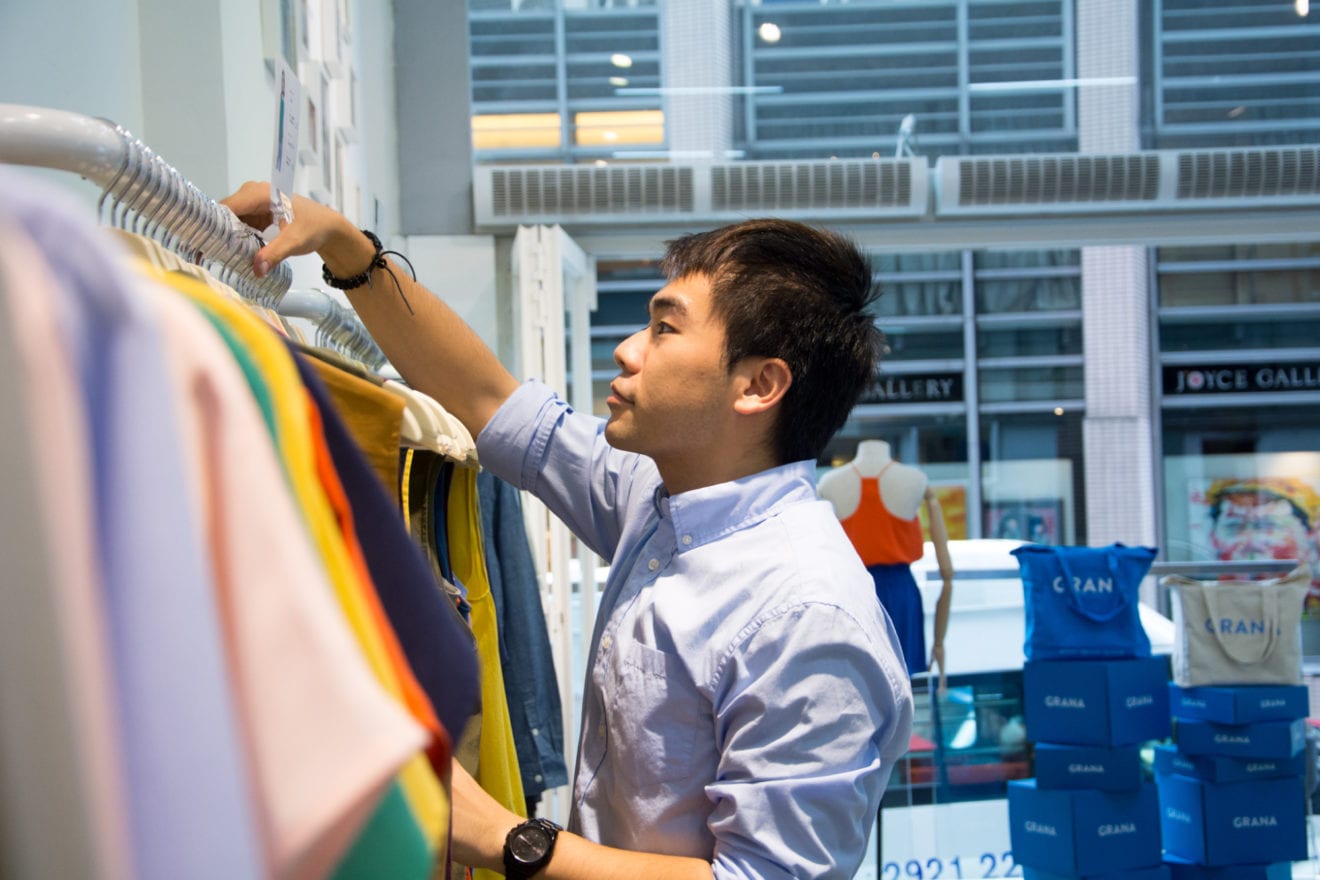
    The Sydney store this weekend was buzzing, with consumers naturally adopting the new way of shopping. While some were a little confused at first, while we were in the store, once the concept was explained by an approachable and enthusiastic team member, all customers were taking items to the fitting rooms, and exploring the full range on the instore computers. The garments were attractively displayed within their styles, with place cards detailing where the fabrics had been sourced. From Peruvian Pima t-shirts priced at $22, to Chinese Silk Dresses from $99, it is refreshing to have such a transparent view of the supply chain communicated through the store experience.

    We are interested to see what the future holds for Grana, and whether we may begin to see more Australian retailers start to adopt this model of retailing in the future.

  • LuLu Group to open first Indonesian outlet by end-2015

    LuLu Group to open first Indonesian outlet by end-2015

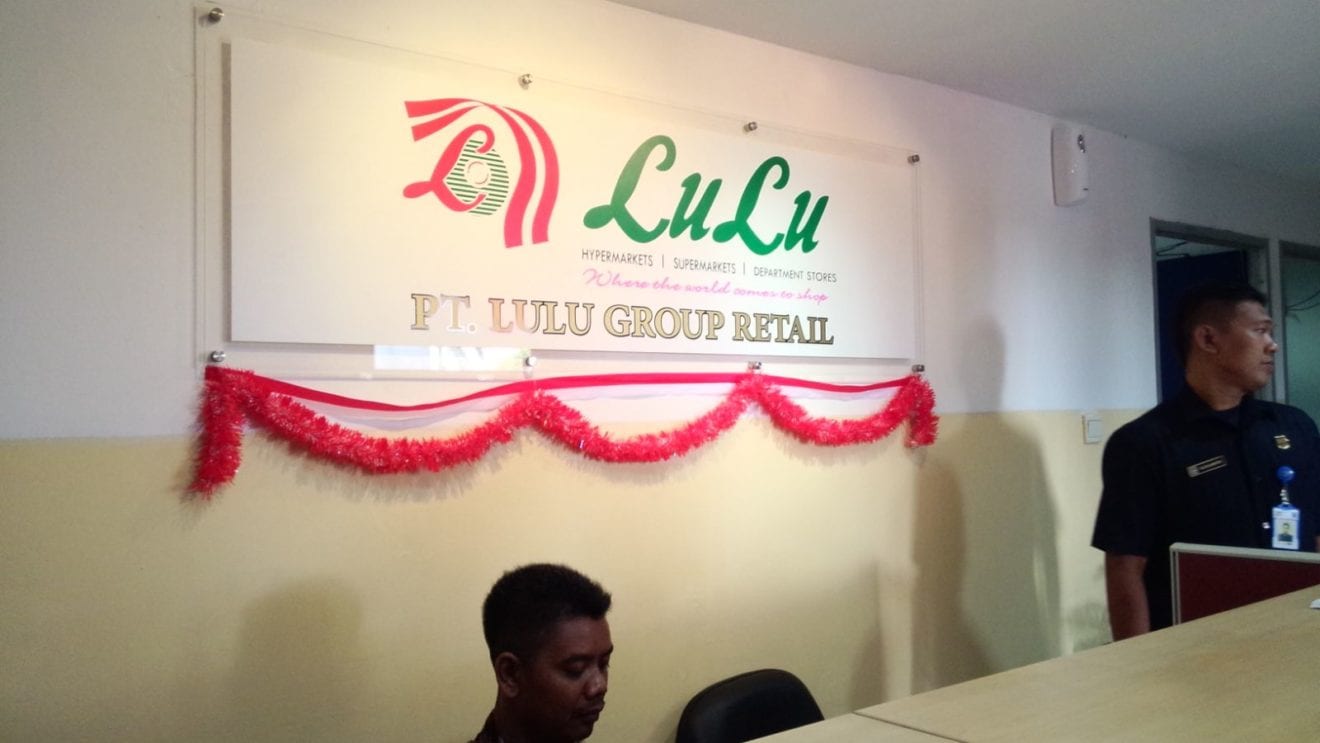
    The first LuLu Hypermarket in Indonesia will be opened in Jakarta by the year-end as the group has announced plans to invest $500mn in the country over the next five years. The announcement came during the visit of Indonesian President, Joko Widodo to Abu Dhabi. He visited LuLu Hypermarket along with a high-level delegation at Khalidiyah Mall in Abu Dhabi.

    “With an initial investment of $300mn in the first phase, we plan to open some 15 hypermarkets by the end of 2017 and a central logistics and warehousing facility in Jakarta. These projects are likely to generate more than 5,000 job opportunities for Indonesians and help train them at all levels” said MA Yusuffali, LuLu Group managing director. The fact that we are going to Indonesia with our Halal Hypermarket concept, is giving us the encouragement to look for a wider market segment there” Yusuffali said.

    Apart from Jakarta, LuLu intends to open hypermarkets in Bandung, Solo, Semarang, Surabaya and Yogyakarta.
    “We also plan to set up contract farming to ensure continuous supply of high-quality products and support the Indonesian agriculture sector,” Yusuffali added.

    The Indonesian president is on a five-day state visit to Saudi Arabia, the United Arab Emirates and Qatar, to boost the country’s ties with the three countries, particularly on investment, trade and Indonesian migrant worker protection.
    Coordinating Minister of Economy Darmin Nasution, Trade Minister Thomas Lembong, Minister of National Development Plans Sofyan Djalil, State Secretariat Minister Pratikno, head of the Investment Coordinating Board Franky Sibarani and Cabinet Secretary Pramono Anung were also part of Widodo’s delegation.

    The Indonesian president was given a rousing welcome at the LuLu Hypermarket by Yusuffali; Saifee Rupawala, CEO; Salim MA, director; Rajmohan Nair, director – LuLu (Far East Operations); and a large number of Indonesian expatriates.
    President Widodo and the accompanying delegation were taken to a guided tour of the hypermarket by Yusuffali who briefed him about specialties of the retail store.

    The president later said his visit to LuLu Hypermarket was to see Indonesian products mainly agricultural products and asked Yusuffali to import more products from villages and towns in Indonesia. A LuLu release said Widodo inquired about the prices as well of the various Indonesian products imported to Abu Dhabi.  The LuLu chain currently operates some 117 stores across the UAE, Oman, Bahrain, Kuwait, Qatar, Saudi Arabia, Yemen, Egypt, and India.

  • KAfe Group wins funding for Vietnam store rollout

    KAfe Group wins funding for Vietnam store rollout

    KAfe Group, which describes itself as Vietnam’s “first urban fusion cafe chain” has secured US$5.5 million financing from institutional investors in London and Hong Kong.

    The Series A financing, led by Cassia Investments, will be used to fund rapid expansion of KAfe Group’s network beyond Hanoi to Ho Chi Minh City and other cities throughout the Vietnam. KAfe Group is eyeing an overseas public listing at a later stage for further expansion in the country.

    Founded in 2013 by Chi Anh Dao, a Vietnamese home chef, cookbook author and TV cooking personality, KAfe Group is the first urban fusion cafe chain in Vietnam. Targeting young, affluent and trendy customers, it offers “a fresh, affordable and quality casual dining experience”, with culinary inspirations from Vietnam and across the globe.

    KAfe Group offers a healthy and balanced, fresh and seasonal menu featuring quality ingredients served at modern, stylish outlets for “a delightful all-day dining experience”.

    The group has developed and operates four brands – The KAfe, KAfe Village, KAfe Box, and The Burger Box – and is currently developing its own branded coffee and tea range (The KAfe Cup), as well as a pressed juice range (The KAfe Pressed). Dao leads a young, international management team with the skills and experience to manage the expansion.

    the KAfe

    In just two years, the group has built a chain of 12 outlets in Hanoi and four in Ho Chi Minh City. It plans to have 26 by the end of the year.

    Dao said KAfe Group has undergone phenomenal growth in a very short period, which validates its unique positioning and the associated first-mover advantages gained as a result.

    “Our highly-focused vision is to utilise KAfe Group’s multi-national background, multi-brand, uniquely positioned strategy with a ‘quality-first’ principle as the primary vehicle for bringing a safe and healthy local farm-to-table food revolution countrywide.

    “In the future, we plan to expand our network aggressively, roll out multi-channel online and offline marketing promotions and delivery service, and expand our chef team. It is also our main goal to improve our operational efficiency. One of our key strategies to achieve that is to enhance our logistics and supply chain, building a KAfe Group ecosystem by acquiring local organic farms in Vietnam to build our own stable and quality supply chain of fresh, clean produce from farm to table,” she said.

    “All these initiatives will help us carry out our mission to make KAfe Group the country’s leading cafe-restaurant chain within five years, to deliver our value in high quality food and service to more and more customers nationwide and beyond.”

    the KAfe menu


    “We are very impressed by the vision and energy of Chi Anh Dao, her success in introducing a new dining experience to Vietnam, the unique positioning of KAfe Group, and the quality of the management and operations team,” said Faris Ayoub, managing partner of Cassia Investments, a consumer-focused private equity firm investing in companies across Greater China and Southeast Asia.

    “We see strong potential in the company and are looking forward to working closely with Chi Anh and Dennis (Nguyen, KAfe’s chairman) to help ensure the continued success of KAfe Group.”

    Vietnam is one of the fastest-growing economies in Asia, with average GDP growth of 6.15 per cent from 2000 to 2015Q3. Its annual per capita income is tipped to grow at an estimated CAGR of 7.6 per cent between 2009 and 2019. Growing disposable income has resulted in a huge demand for a higher quality of living. This translates to demand for a higher quality of dining, in terms of novelty, taste and diversity of food, environment and service, and an emphasis on health.

    the KAfe inside

  • Indra Philippines mulls tie up with Indonesia’s Salim Group

    Indra Philippines mulls tie up with Indonesia’s Salim Group

    Tech company Indra Philippines Inc is mulling business expansion in Southeast Asia with a possible tie-up with the Indonesia-based conglomerate Salim Group, reports said.

    Avionics and air defense radar systems are some of the main business targets of Indra in the region, according to Manuel Pangilinan, chairman of the Metro Pacific Investments Corp (MPIC).

    Headquartered in Jakarta, Salim Group has subsidiaries operating in agribusiness, food, distribution and retail, telecommunications, automobile, building materials, infrastructure, real estate, hotels and resorts, banking and financial services, international trade, including chemical manufacturing.

    Only last week, MPIC bought a 26 per cent stake in Indra from its unit the Manila Electric Company (Meralco) for $7.1 million, reducing the latter’s ownership to 24.95 per cent.

    Indra has worked on a number of large systems projects for various MPIC portfolio companies. MPIC is now seeking to further commercialize the expertise developed as part of these projects.

    Indra is a joint venture between Meralco and Indra Sistemas SA of Spain. It has been operating in the Philippines for the past 18 years as provider of information technology solutions to various businesses and industries with engagements in utilities and telecommunications, financial services and public administration.

    The company offers its customers management solutions – consultancy, project development, integration and implementation to IT outsourcing, and business process outsourcing (BPO).

    MPIC and Meralco’s last trading prices remained at P5.07 and P308 since Friday.

  • China Jo-Jo online sales soar 438 per cent

    China Jo-Jo online sales soar 438 per cent

    China Jo-Jo online sales soared 438 per cent in the last half year as more shoppers chose to buy direct rather than on the company’s Alibaba shop front.

    Sales on Alibaba rose 130 per cent year on year.

    China Jo-Jo Drugstores, listed on the US Nasdaq exchange, says sales on its site www.dada360.com, set a record consolidated gross profit margin of 25 per cent.

    China Jo-Jo’s online sales are principally driven by four categories of products including: medical devices, OTC drugs, toiletries and nutritional supplements through the presence of six ePharmacy platforms online, including the company’s official branded website and marketplaces in Alibaba andJD.com.

    The company’s online pharmacy sales for the last four years has been led by Jo-Jo’s flagship store through Alibaba’s marketplace, however for the month of September, 2015, sales from China Jo-Jo’s own B2C website surpassed sales from the flagship store, “which is indicative of the great demand for online pharmacy services in China,” the company said in a statement.

    Sales from China Jo-Jo’s eCommerce platforms represent 30 per cent of the overall sales from its physical retail stores, which increased by 10 per cent year on year.

    Primary reasons for the rapid growth in China Jo-Jo’s ePharmacy business are the unmet demand for competitively priced shopping alternatives for which the Company carries roughly 8000 products across its retail and online businesses.

    “For the half year period, a major contributing factor to adoption of online sales is the web traffic driven to our B2C sites from “private insurance card” member holders. Private insurance cards are a fast growing segment of the company’s business whereby member incentives for card holders include discounts, promotions and prescription reimbursements from large private insurance carriers in China. The number of qualified customers using commercially available private insurance cards in this period was up 20 per cent to roughly 220,000 participants, while the variety of products available online increased 50 per cent year over year,” the company said.

    Qi Li, president of China Jo-Jo commented:, “2015 has ushered in a new era in China and the launch of nascent but rapidly growing online pharmacy industry. We expect continued success as the industry matures, creating an evolved ecosystem to service the needs of our customers for many years to come.”

  • The Macallan pop up tours Asian cities

    The Macallan pop up tours Asian cities

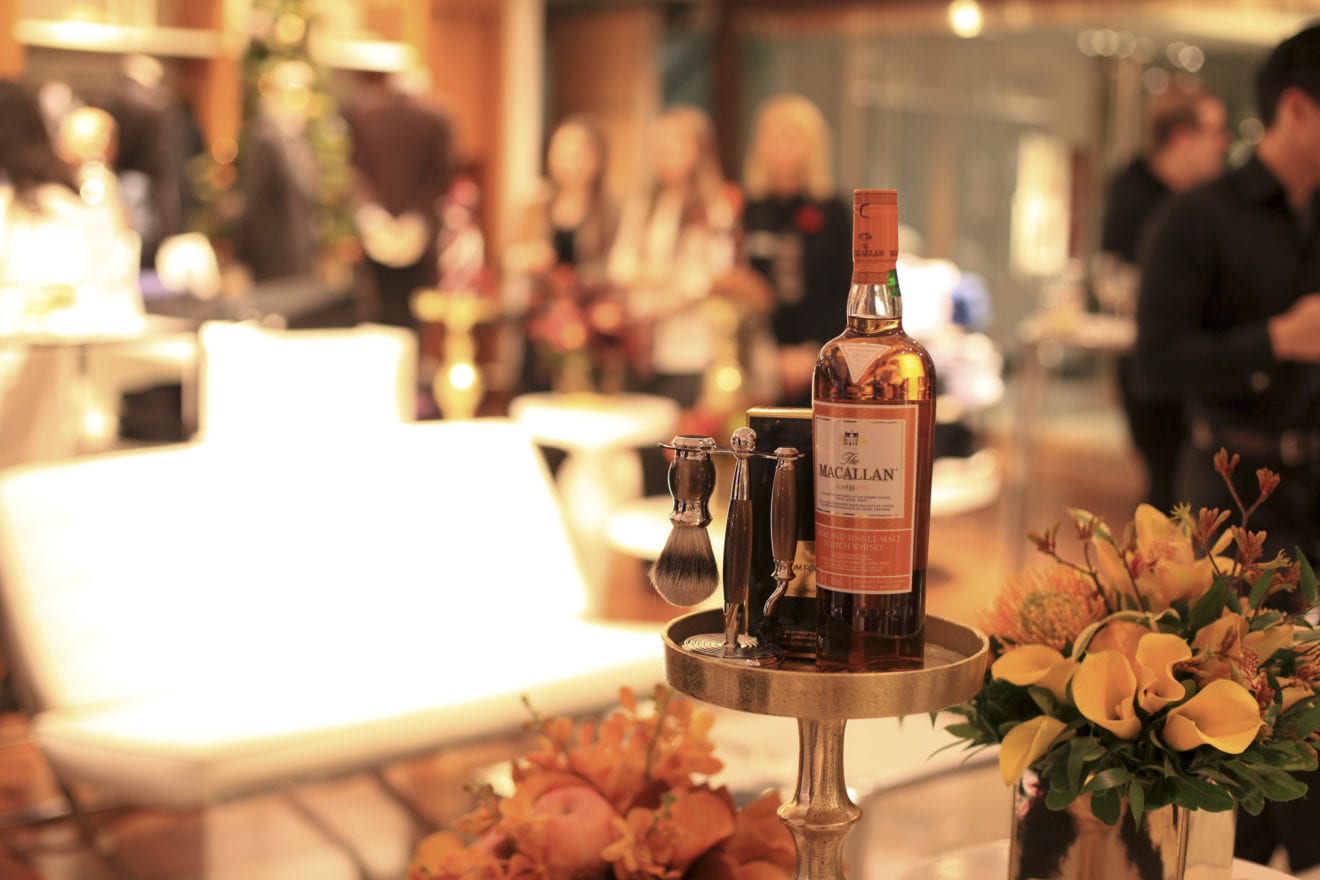
    A 465 sqm pop up store promoting Macallan single malt whisky is touring major Asian cities.

    Designed by agency Fitch, the unique pop up is by day a shopping and exhibition area, open to any walk-in customers. In the evening, the space is transformed into a bar offering reserved tasting sessions. Guests have the opportunity to enjoy The Macallan, talk with whisky experts, and connect with like-minded connoisseurs.

    After a month inside Shanghai’s Jing An Kerry Centre, the pop up moves to Taipei’s Dunhua South Rd on October 21 for a month, and then on to Seoul and Singapore.

    Fitch says the pop up is designed to take guests “on a journey of discovery with The Macallan, through a highly interactive and sensorial experience”.

    Macallan’s regional brand director, Coral Gill, says the Toast The Macallan pop up is a regional consumer engagement program that serves as a distinctive platform for The Macallan to reach and connect with more consumers.

    “Toast the Macallan is into its second year in the region and this event in Shanghai was the first time this exclusive event was run for 30 days, allowing even more consumers to engage and share the experience with the brand.”

  • Dollar drops against yen as risk-off mood persists

    Dollar drops against yen as risk-off mood persists

    The dollar weakened against its main rivals Wednesday after a spate of weak economic data and the Federal Reserve’s Beige Book painted a troubling picture of the U.S. economy.

    The ICE U.S. Dollar Index DXY, +0.12% a measure of the dollar’s strength against a basket of six rival currencies, was down 0.5% to 94.2800.

    U.S. producer prices fell 0.5% in September, outpacing an expected decline of 0.2% from a survey of economists conducted by MarketWatch, while retail-sales increased by just 0.1% in September. A measure of retail sales in August was revised lower to show no change.

    The Fed’s Beige Book, a collection of anecdotes from business leaders in each of the Fed’s 12 regions, indicated some slowing in the economy.

    Emerging-markets currencies also put in a strong performance Wednesday, with several — including the Brazilian real USDBRL, -0.0525% South African rand USDZAR, -0.2130%  and the Turkish lira USDTRY, -0.0686% — rising nearly 2% against the dollar.

    “The combination of [the retail sales and PPI] and the pretty awful data we’ve seen thus far in September is pushing back when the Fed will hike, lowering the odds of December and raising the odds of 2016,” said Mark McCormick, a global FX strategist based in New York.

    The U.S. currency was slightly weaker against the euro EURUSD, -0.0349% which rose to $1.1473, up 0.8% from $1.1378 late Tuesday in New York — its highest level since Sept. 18, according to FactSet data.

    The greenback USDJPY, +0.25%  was at ¥118.75, down 0.8% from ¥119.74 Tuesday, its weakest level since Oct. 2.

    Concerns about stubbornly low inflation and deteriorating jobs growth caused two voting members of the Fed’s rate-setting committee — Fed Governors Lael Brainard and Daniel Tarullo — to warn against a premature rate increase during speeches earlier this week. While Brainard refused to speculate about timing, Tarullo said outright that he doesn’t expect the Fed to hike in 2015.


  • Western retail giants restrict travel to Bangladesh after attacks

    Western retail giants restrict travel to Bangladesh after attacks

    Business executives from global clothing giants H&M Inditex and Gap have canceled trips to Dhaka this month after the killings of two foreigners, industry sources said, causing anxiety for Bangladesh’s $25 billion garment export sector.

    Bangladeshi suppliers to the world’s top brands said they didn’t expect the disruptions to hurt their orders for the year-end Christmas season.

    But the attacks, claimed by the Islamic State, increase the pressure on an industry which faces competition from other low-wage countries and is trying to repair its safety image after several fatal accidents.

    The United States and Canada have asked their diplomats to restrict their movements, and Britain warned of more attacks after an Italian aid worker and a Japanese man were shot dead a few days apart. Australia canceled a cricket tour.

    Bangladesh’s government, however, rejected the claim by the Islamic State and blamed the growing violence in the country on its domestic political opponents trying to show it in poor light. The attacks on foreigners, while rare, follow the killings of four Bangladeshi bloggers this year by machete-wielding assailants, and have spawned fear among the foreign community.

    Shahidullah Azim, a garment exporter who supplies to Sears, Loblaws and Perry Ellis among others said one of his buyers asked him to come to Dubai instead, along with the clothing samples.

    Other foreign business executives asked for video conferences with their Bangladeshi counterparts, saying they couldn’t travel to Dhaka because of the warnings issued by their governments.

    “We are monitoring the situation in Bangladesh closely and we are taking the appropriate security measures. We are also in close dialogue with other brands regarding the situation,” H&M spokeswoman Anna Eriksson said.

    Marks & Spencer said the firm stopped travel to Bangladesh for seven days a few weeks ago. Travel has since resumed, a spokeswoman said, and added there was no impact on business orders.

    MASKED MEN ON BIKES

    Bangladesh has deployed paramilitary soldiers on nighttime patrols in the diplomatic quarter of Dhaka and issued a nationwide ban on people riding pillion after the two attacks were carried out by masked men riding bikes.

    Home Minister Asaduzzaman Khan, who has dismissed claims that the Islamic State was operating in the Muslim majority country of 160 million, said on Wednesday that police were close to a breakthrough on the killings.

    “We have taken these attacks very seriously. We won’t spare the killers,” he said.

    Prime Minister Sheikh Hasina has blamed the rising tide of violence on the opposition Bangladesh Nationalist Party and its key ally, Jamaat-e-Islami, many of whose leaders are being prosecuted for war crimes during the 1971 war of independence.

    The opposition denies any involvement.

    A Dhaka-based garment manufacturer said the government had increased security in the area where foreigners lived, police had spoken to them and confidence was returning. Business was strong, but if there is another attack on a foreigner, it could hurt the sector.

    Azim warned of an even broader impact. “If this Islamic State issue persists for long it will not only hurt our businesses, it will destroy the country’s image,” he said. “The government should act promptly to bring the perpetrators to justice and let the world know that Bangladesh is safe.”

    The readymade garments industry is the economic lifeblood of the country, employing around 4 million people, most of them women. It is in the midst of a massive safety overhaul after the collapse of the Rana Plaza in 2013 in which more than 1,100 workers were killed and exposed the unsafe working conditions.

    In recent years, Bangladesh has also faced competition from Vietnam, Cambodia and Myanmar, although its wages remain low.
     

  • Manny Villar eyes expansions in retail, real estate

    Manny Villar eyes expansions in retail, real estate

    Former Senator Manny Villar is all about business these days.

    Villar said his company will continue to expand into the retail industry, seeing it as an integral part of the firm’s business model.

    As chairman of MBV Retail, Villar has launched a convenience store, department store, and housing goods store under the “All” brand.

    “We have entered in a big way into retail because we feel that retail and malls, they go together. We are very happy with the results, and we are encouraged by the results,” Villar told ANC’s Cathy Yang in an exclusive interview at the sidelines of the Forbes Global CEO Conference in Solaire.

    MBV Retail was formed in 2013 to carry the brands All Shoppe, All Home, and All Day, which is the only local player in a very competitive convenience store business.

    “Family Mart, 7-Eleven and Mini Stop are Japanese brands, but the only Filipino brand is All Day. And I’m very proud of that,” said Villar.

    Villar is also chairman of property firm Vista Land, which he also expects to continue expanding its reach.

    He said that from the current 92 cities and municipalities nationwide, Vista Land is looking to expand its presence to 120 cities and municipalities.

    “There’s no limit as to how far we can go,” he said.

    Villar believes that 2015 will continue to be a banner year for the property industry in the country.

    “I don’t see any change in 2015, there are challenges though. The world market is not as stable now, with what’s happening to China, and capital markets. But the Philippines is doing OK, since we’re in the Philippines, we’ll be OK,” the former senator said.

    Villar is the 13th richest man in the Philippines with a net worth of $1.5 billion. His wife, Cynthia, took his place in politics, something the former Senate president said will not be part of his plans in the near future.

    “I’m happy where I am now, I’m enjoying business. You can still do public service while in business, that’s what I discovered. That makes me happy,” he said.

  • APAC airports rank top for international traffic

    APAC airports rank top for international traffic

    For the first time in 2014, Asia Pacific’s airports collectively qualified as the world’s number one region for commercial passenger air traffic, handling 2.3bn passengers in 2014 and leaving second-ranked Europe trailing with ‘just 1.8bn’, according to Airports Council International (ACI).

    However, DF&TR industry executives know only too well that dynamic spending patterns at airports are not always ‘guaranteed’ by sheer passenger numbers, especially considering the multiple factors that can adversely influence customer spending.

    As Asia’s leading airport with a 6.1% rise to 62.9m international passengers last year, Hong Kong International Airport (HKIA) appears to be doing reasonably well however.

    It has continued to see healthy HY1 traffic growth to 33.6m to the end of June 2015, but there is certainly concern, as downtown retail sales of luxury goods to previously high-spending Chinese visitors fall dramatically.

    While Hong Kong Airport is also expanding with its Midfield Concourse, due to open at the end of this year, so is Asia’s second biggest airport at Changi in Singapore.

    Last year, Changi’s traffic grew by just 1% to 53.2m, but its shops generated retail sales of more than S$2bn ($1.50bn) in 2014 from an average of over 120,000 transactions a day, according to Lim Peck Hoon, Executive Vice President Commercial, Changi Airport Group (CAG).

    This was achieved from a total of 54.1m passengers, corresponding to a marginal 0.7% rise on the 2013 number, reflecting CAG’s cautionary comments last year that it was expecting slower traffic growth this year.

  • Lotte chief unseated from group’s virtual holding firm

    Lotte chief unseated from group’s virtual holding firm

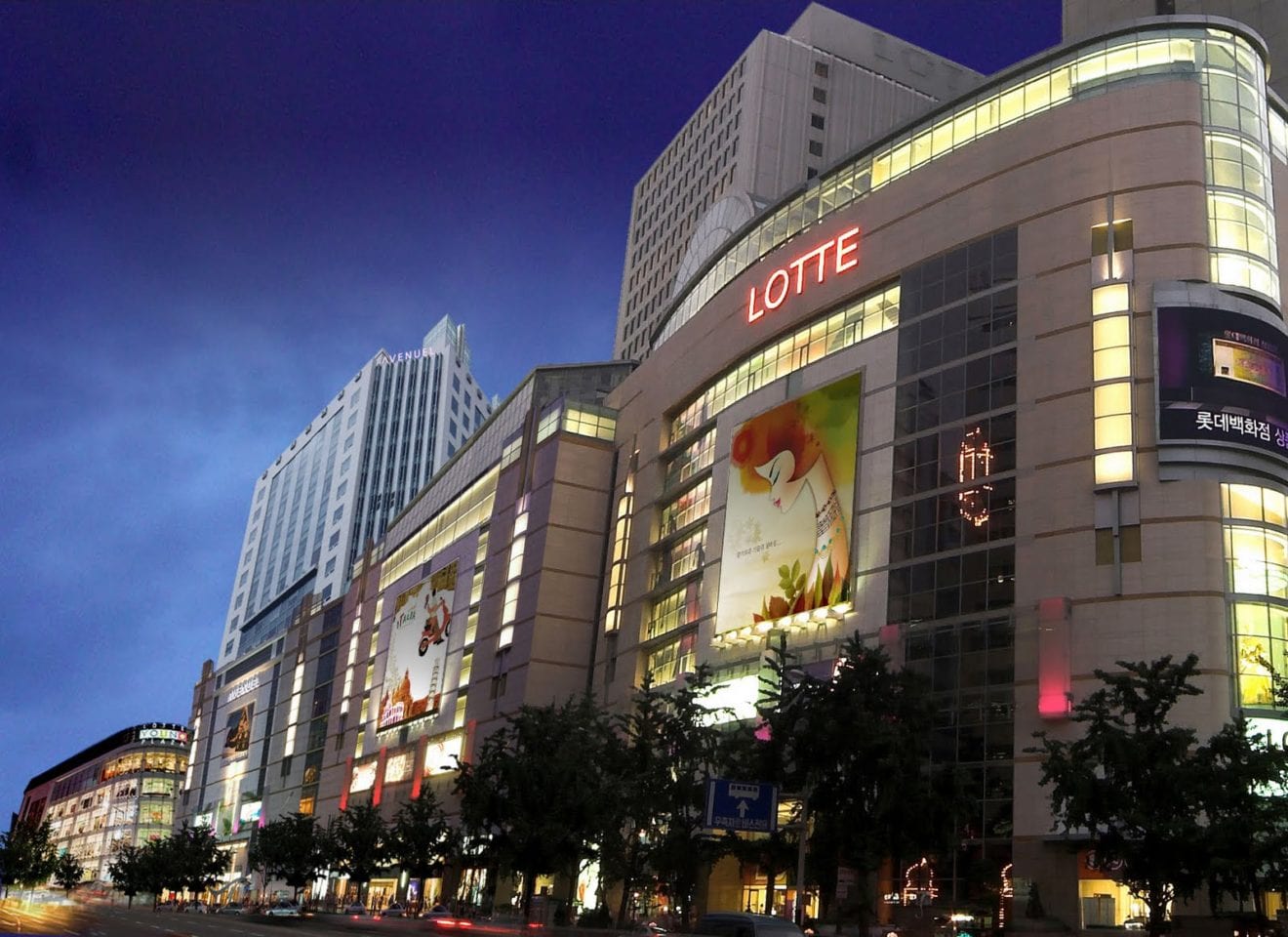
    In a hastily arranged shareholder meeting in Japan, Lotte Group Chairman Shin Dong-bin lost his seat on the board of Kojunsha, which is at the apex of the group’s entire governance structure, with a 28 percent stake in Lotte Holdings, the group’s holding firm, according to his elder brother Shin Dong-joo, who owns a 50 percent stake in the Japanese package manufacturing firm.

    The group’s business spans from luxury hotels to amusement parks, mostly located in South Korea and Japan.

    Dong-bin has a 38.8 percent stake in Kojunsha, and their father and group founder Shin Kyuck-ho owns 0.8 percent.

    But Lotte Group said earlier even if its chairman were to be removed from Kojunsha’s board, it would have little impact on the group management.

    Lotte Holdings is 28 percent owned by employees, 20 percent by affiliates and 11 percent by special investment vehicles.

    Lotte, a retail giant, has been mired in the family squabble involving the founder and his two sons, who are sparring to bolster their grip on the group.

    In August, Dong-bin bagged a landslide win at a shareholders meeting for Lotte Holdings, in what was thought to be the end of the family squabble.

    Last week, Dong-joo said he will lodge suits against his younger brother to regain the helm of the group.