Author: Mei Ling Tan

  • Alibaba announces 11.11 global shopping festival

    Alibaba announces 11.11 global shopping festival

    Alibaba has officially launched its 11.11 Global Shopping Festival this year in a ceremony at its headquarters Hangzhou, China.

    The e-commerce giant said its push for this year’s festival is for Alibaba to serve as  the “gateway to China” for brands worldwide. Representatives from 39 countries, more than 40 partnering international brands, and nearly 30 fresh food associations from around the world attended the launch.

    “There are currently 300 million middle class in China, and that number will rise to 500 million in 10 to 15 years. This will be an opportunity for every nation,” he said. “China’s consumption power will rise quickly and that will not only drive China’s economy but also the world’s economy.”

    Alibaba CEO Daniel Zhang, who was instrumental in creating the first 11.11 sales event in 2009 when he led Tmall.com, said that the sales event has evolved from a marketing event for online shopping into a global phenomenon that involves consumers in China and around the world.

    “This year’s 11.11 will focus on four key themes: omni-channel, mobile, logistics, and globalization. It showcases the scalability and power of Alibaba’s entire ecosystem,” he said.

    This year’s 11.11 is also expected to bring to life Alibaba’s overall globalization strategy outlined by Michael Evans in his first public appearance as president of Alibaba.

    More than 40,000 participating merchants, 5,000 participating international brands from 25 countries, and more than 6 million products available for purchase in this year’s one-day shopping frenzy.

    Last year, the 24-hour festival generated $9.3 billion in gross merchandise volume, dwarfing Cyber Monday in the US.

  • Here’s a new tissue that could help wipe out deforestation

    Here’s a new tissue that could help wipe out deforestation

    Experts say bamboo offers enormous potential to protect the natural environment and biodiversity as well as mitigate climate change, given its strong root systems to combat soil erosion and capacity to lock up carbon dioxide from the atmosphere.

    There is a growing array of products made of bamboo in the market today – from bicycles to sunglasses – offering sustainable alternatives to timber and other forest products.

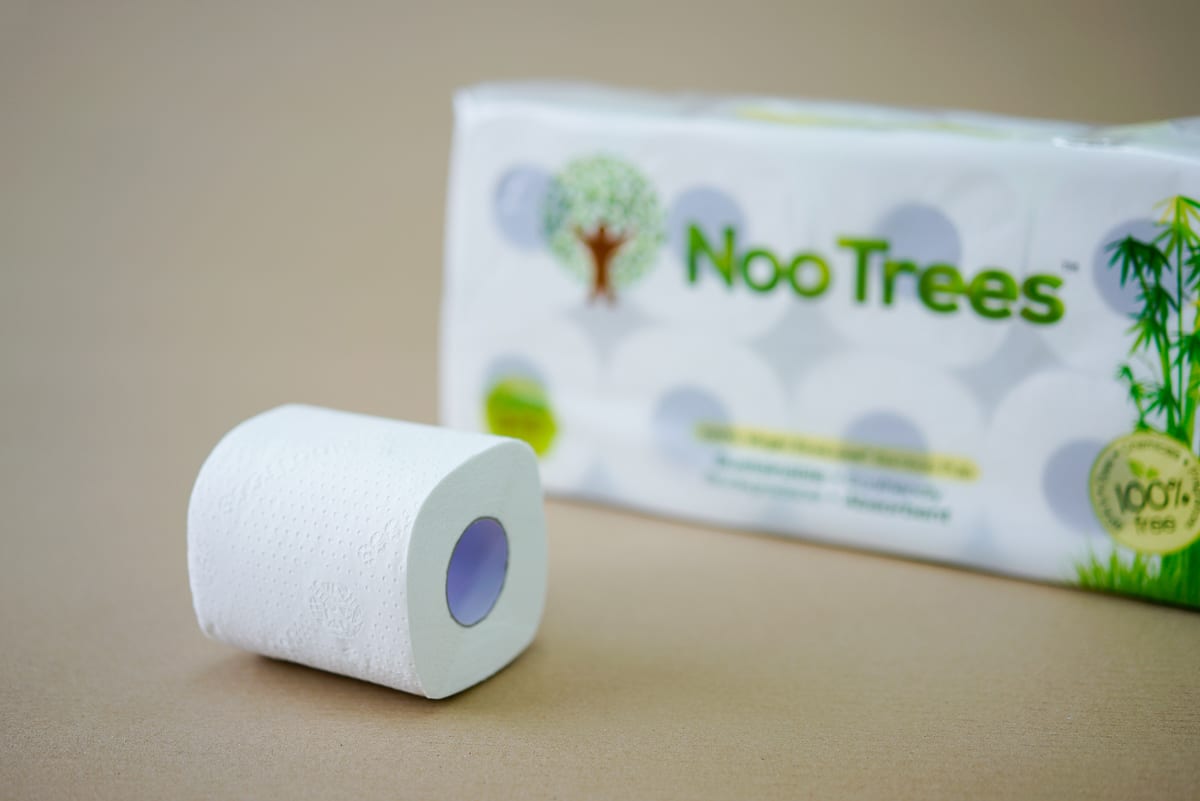
    Early this month, NooTrees, a new brand of sustainable consumer products wholly owned by Singapore-based luxury retail group FJ Benjamin, joined the movement and launched a series of biodegradable bamboo-based wet wipes and tissue paper products to supermarkets.

    The new line targets environmentally-conscious consumers looking for products that do not destroy natural resources while costing the same as traditional options. Tissue paper products are often produced from the virgin pulp of trees grown in timber plantations.

    The problem is that much of the land cleared for these plantations were once forest areas, which are rich in carbon stock and natural habitats for wildlife such as orangutans and tigers.

    NooTrees’s range of bamboo-fibre tissue paper and wet wipes presents a viable solution to the environmental problem of deforestation and also offers a skincare product that is hypo-allergenic, the firm said in a statement.

    The recent haze pollution caused by the burning of peatland and forested areas in Indonesia has increased awareness among Singaporean consumers of the implications of deforestation.   

    However, despite zero-deforestation pledges by pulp and paper companies, some pulpwood suppliers are still linked to illegal burning of plantations. These plantations are putting companies’s supply chain at risk of violating their own commitments – and thus, ending up selling products that could be linked with forest destruction and air pollution.

    Companies’s transparency is also called to question as the traceability of the raw materials is hampered by insufficient data. For example, sometimes nobody knows who or which company owns a patch of land that is burning.

    David Ward, who founded the brand in November last year and is general manager of NooTrees, said that he is confident that the brand will find a following in Singapore who are supportive of companies that truly make a positive impact on people’s lives.

    Experts advocating bamboo as an alternative source to timber and other forest products say the plants have enormous potential to protect the natural environment because of their strong root systems to combat soil erosion. The plant also grows fast and therefore, can lock up carbon dioxide from the atmosphere, helping mitigate climate change.

    Ward noted that scientists have been searching for alternative fibres for the tissue paper sector. “Bamboo consistently comes out as the best long-term alternative and best possible future material to match the growing future demands for toilet and tissue paper as the world population increases,” he explained.

    He told Eco-Business that NooTrees only works with bamboo pulp manufacturers that are certified by the Forest Stewardship Council and International Standards Organisation.

    There is continued interest in bamboo, which has now become a booming US$6 billion industry in China, Ward stressed. He added that the plant has a high regeneration rate and the ability to produce five to six times the amount of paper pulp per hectare compared to regular trees.

    NooTrees said its products’s biodegradability compared with conventional polyester-based wet wipes also addresses the issue of waste management. Because they biodegrade within 45 days in a landfill, they do not end up as waste that clogs wastewater pipes and recycling plants.

    “We are starting in Singapore as we want to make a positive impact to the people living here and then elsewhere across the region and the world,” said Ward.

    And yes, NooTrees confirmed that no critically-endangered wildlife, especially pandas, were deprived of their food sources in the making of these tissue products.

  • Aeon Thailand opens first mall in 18 years

    Aeon Thailand opens first mall in 18 years

    Aeon Thailand has resumed its property development program – suspended in 1997 – opening a new shopping centre in Sriracha, Chonburi.

    The Japanese property developer and retailer has extensive interests across Thailand and has continued to expand its MaxValu hybrid supermarket-convenience store concept. But this is its first mall property in 18 years.

    The 7000 sqm, three-storey Aeon Sriracha shopping centre opened its doors on Wednesday, with a formal grand opening ceremony planned for October 21. It is anchored by a 24-hour MaxValu and features about 20 restaurants and specialty stores as well.

    The Sriracha complex has a catchment area of about 78,000 people, including a growing number of Japanese expats managing manufacturing facilities in the region, located on the coast about 90 minutes’ drive from Bangkok.

    “Major frequent customers will be Japanese housewives who have free time to shop and dine at our shopping centre,” an Aeon spokesman told the Bangkok Post. “They like shopping in a Japanese ambience.”

    Aeon is opening new shopping malls in Vietnam, Cambodia and Indonesia as part of a concerted focus on Asean as it looks to ways to maintain growth no longer possible in the mature Japan home market.

  • Apple Inc. To Open The Largest Store In China Tomorrow

    Apple Inc. To Open The Largest Store In China Tomorrow

    Apple Inc. confirmed the upcoming launch of its 21st Apple Store in China, scheduled to open in Dalian on October 24, 2015. The latest retail outlet is situated in Parkland Shopping Mall on 19 Jiefang Road. Earlier in 2012, the iPhone maker claimed that the store in Dalian may potentially be the Apple’s “largest” retail outlet ever.

    The company’s new outlet is located in Dalian’s Zhongshan District, a populated area usually flooded with tourists from Japan, Korea and China. And it also serves as a popular port and financial center. Apple confirmed that the store was set to open its doors on Saturday at 9:30 AM.

    As Apple pursues its aim to open the “largest flagship store” in Parkland Mall, the company may also decide to transfer that title to its other upcoming retail outlet for Dubai, scheduled to open on October 29. The tech giant’s store in the Mall of Emirates also marks it as its first expansion plan in the Middle East.

    Apple is aware of its strong influence in Chine, and has been working on the Dalian project for past three years. Through this, it is clear that the tech giant takes China as one of its main consumer markets for Apple products. Even though Apple might not make its Dalian outlet the “largest” one, its former plans do so indicate that it may have other exclusive plans for its store in China.

    The company has also invited US locals to apply for potential jobs at the upcoming store, with recruitment beginning earlier this year. By introducing a new store in China, Apple may help create increasing job opportunities for local citizens as well. By providing customers with basic Apple Store services such as a Genius Bar, workshops, tutorials and more at the upcoming Apple Store, it is evident Apple is attempting to integrate its standard store elements into the upcoming branch to ensure it can authentically deliver according to its original standards and help boost its reputation even further in Chinese markets.

    By launching an Apple outlet in one of the most visited locations in Dalian, Apple’s plan may help it increase its user base even further. The company’s efforts to attract a larger target market is expected to be successful due to its easy access to numerous strangers and tourists who visit Parkland for shopping. The tech giant will be able to benefit from its store location and may attract foreigners to its variants, further promoting its services to a larger audience through its China retail outlet.

    Moreover, it is highly possible that Apple’s new store will help boost business for surrounding retailers as well, enabling the company to secure a relationship with Dalian businesses for future ventures. As far as its store in Dubai is concerned, the iPhone maker is deliberately choosing shopping plazas and malls to introduce its outlets, so that it can target wider audiences.

    It isn’t confirmed that the tech giant still plans to make its Dalian branch the “largest” outlet. However, the store’s launch this Saturday is expected to attract many customers from China, Korea and Japan.

  • Yi Hua signs cross-border eCommerce pact

    Yi Hua signs cross-border eCommerce pact

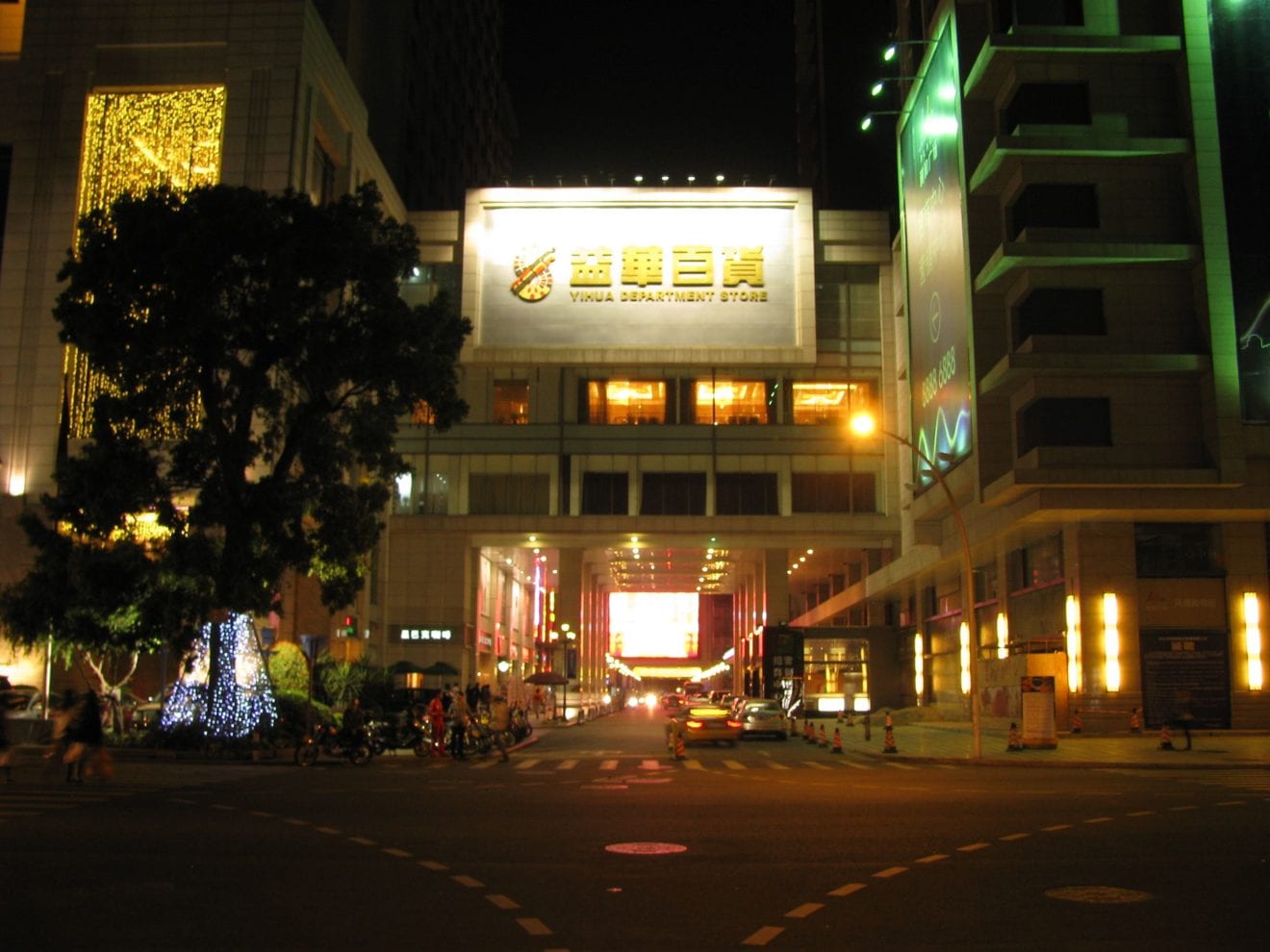
    Yi Hua Department Store Holdings has entered into a strategic purchasing pact with China Merchants Food to jointly develop cross-border eCommerce and bonded merchandise business.

    Yi Hua operates a group of retail businesses in Mainland China, including supermarkets, department stores, electrical appliance retailers and furniture stores, and provides consulting and planning services. Since August this year, the company has started importing merchandise and developed a cross-border eCommerce business.

    Integrating with its bricks and-mortar imported merchandise direct sales stores, this online-to-offline (O2O) business model uses its fully-fledged sales channels and comprehensive online network for the sale of imported goods, the company says.

    Under this week’s pact, Yi Hua will entrust the purchase of imported merchandise to Hong Kong-based China Merchants Food, which will provide logistics, storage, and distribution as well as customs clearance and inspection services.

    Most of the cooperation will centre around two imported merchandise direct sales stores opened in Zhongshan City and Jiangmen City since August. The Yi Hua board believes combining its retail and distribution network with the overseas purchasing network and superior financial strength of China Merchants Food, will lower purchasing costs, ultimately resulting in a win-win situation for both companies.

    Furthermore, Yi Hua will be able to widen its merchandise purchasing channels.

    “These will build a firm foundation for the group to quickly develop cross-border eCommerce and imported merchandise direct sales experience stores in the next step,” the company said in a statement.

  • Hong Kong’s PopScout wants to reverse the O2O model

    Hong Kong’s PopScout wants to reverse the O2O model

    Given the burden of rent in Hong Kong, most local retailers take their business online to skirt the financial and logistical hassle.

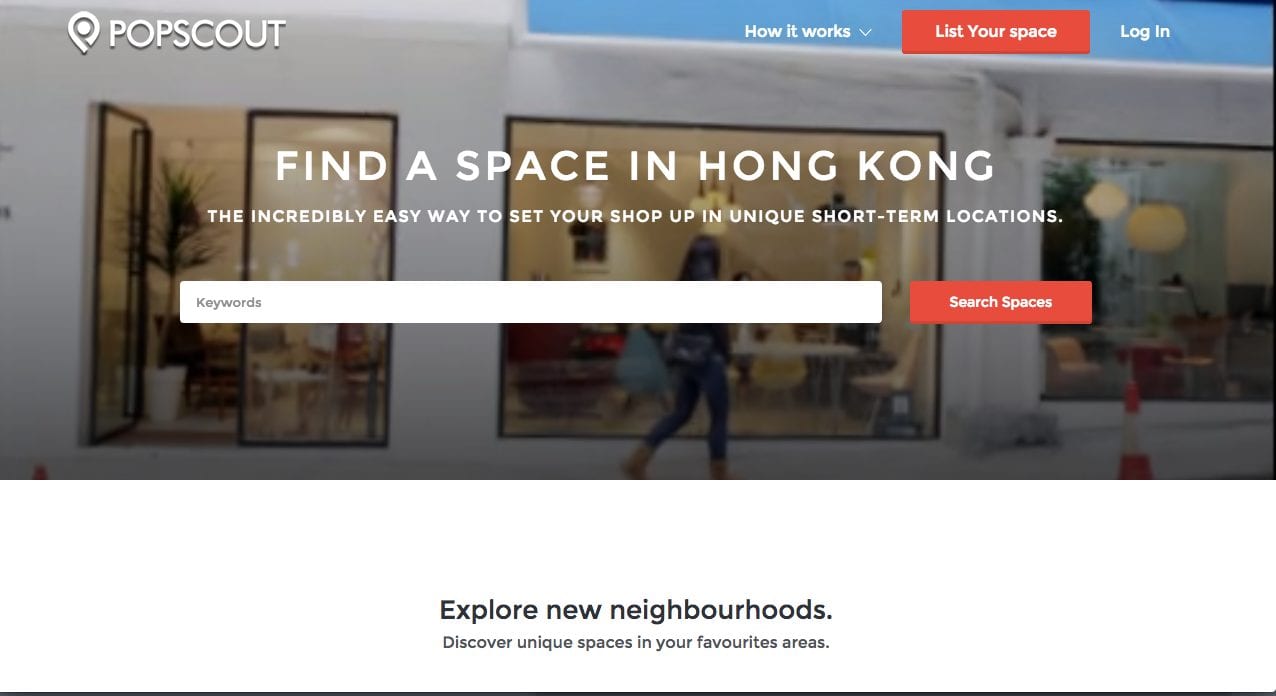
    But Hong Kong startup PopScout is taking away the headache that comes with brick-and-mortar locations.

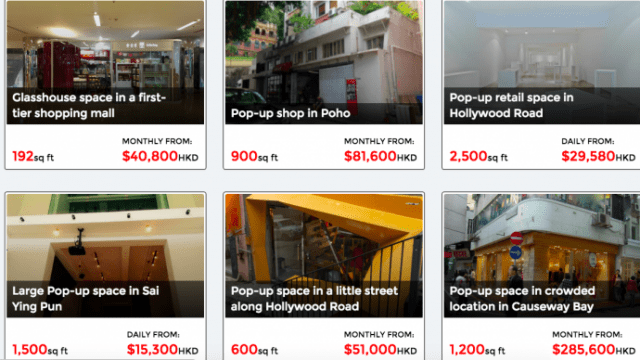
    This online marketplace lets users book a pop-up shop online, choosing options for space, length of time and prices. The perks to having a temporary storefront are obvious: Foot traffic to generate brand awareness and customers physically interacting with products.

    CEO and Founder Romain Aubert got the idea to start this model in Hong Kong while working as a research analyst in the UK.

    “The short-term retail economy in the UK is a GBP2 billion [US$3.09 billion] industry and is much more developed. I did research into Asia and realized that it is a fairly new concept, there’s not that much information out. So I decided to come to Hong Kong and do more research [from the ground],” says Aubert.

    Despite never having set foot in the city, French native Aubert moved to Hong Kong early this year. Aubert then applied and was accepted into Hong Kong’s blueprint, an accelerator and co-working space backed by Swire Properties.

    This allowed him to fast-track his idea into a marketplace and build up the PopScout team to three.

    “Hong Kong made sense because I knew could set up my business easily. It’s a big city for retail and real estate,” said Aubert, when asked about moving to a city he had never visited.

    His goal now is to make looking for an offline store location as easy as booking a hotel room, or to “become the Airbnb of retail in Hong Kong.”
    popscout

    popscout

    The pop-up model in Hong Kong

    A few stores in Hong Kong have already used the pop-up shop model to gain traction.

    Perhaps most notable is Hong Kong-based apparel brand Grana, which started out as an online-only concept store. The e-commerce startup raised an additional US$1.5 million from investors in July of this year and talked to e27 about running a strictly e-commerce business in Hong Kong.

    After successfully testing out a few pop-up shop locations including PMQ, an area in Central that caters to local retail shops, Grana opened its permanent ‘fitting room’ in Sheung Wan district. The fitting room does not stock actual merchandise but instead allows shoppers to try on clothing before placing the order online.

    Rocket Internet-backed Zalora, also an e-commerce site, opened a pop-up store in Hong Kong’s Windsor Place in June, where customers could download the Zalora app and try items on, prior to ordering online.

    Unused space and foot traffic, a win-win combo

    Aubert initially scouted for locations in Hong Kong by walking around buildings, visiting shops that had previously done a pop-up model and had the chance of signing on a few.

    “The landlords win as they can increase foot traffic through the pop-up stores and can max out occupancy levels, while pop-up shops can revive a space,” says Aubert.

    Though PopScout is focussing its endeavours on just retail, Aubert says that there could be potential to expand into other industries such as F&B.

    “Some people like the word disrupt. I don’t think we are disrupting anything because short-term retail spaces is not a new market. Our business model is very simple, just in Hong Kong there are less statistics in this industry,” says Aubert.

    In the US, startups like Storefront and Liquidspace rent out work and retail space.

    Within Asia, there are existing players around the corner, launching similar marketplaces with the same concept.

    SpacesGenie, founded by Pushpendra Sharma is a Hong Kong startup that connects retail landlords with companies that want to set up temporary pop-up events. SpacesGenie lists event spaces available, including coffee shops and coworking spaces, in both Hong Kong and Singapore.

    Other startups are also toying with the short lease idea, albeit in different sectors. FlySpaces focusses on short-term office space rentals and services cities Cebu and Manila and will start expanding internationally in December to all the ASEAN countries.

    It is currently free to list on PopScout. The business runs on a transaction model, meaning that PopScout will charge a percentage for each deal.
  • Competition cramps Country Style

    Competition cramps Country Style

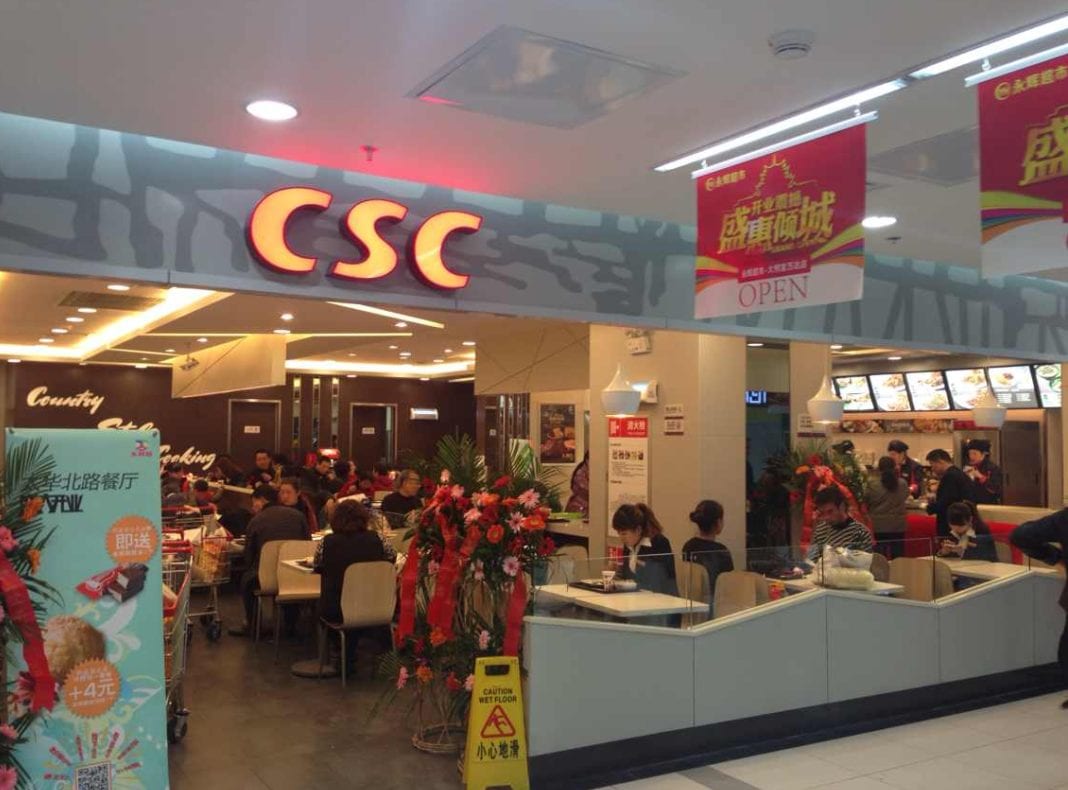
    Country Style Cooking Restaurant Chain, a quick service restaurant operator in China, says sales fell in the third quarter, despite the opening of 10 new outlets.

    In the three months to September 30, the company expanded its network to 355 restaurants,a net 23 more than a year ago. The new openings included six under the brand name Mr Rice.

    Country Style Cooking said it currently anticipates its revenue for the third quarter of 2015 to be about RMB388 million (US$61 million), compared to RMB409.1 million (US$64 million) in the same quarter of 2014.

    “The lower-than-expected revenue was mainly due to the intensified competition, which also negatively impacted the company’s quarterly same store sales,” it said in a statement.

    It plans to report its third quarter 2015 results in mid-November.

    Country Style directly operates all of its restaurants under brands of CSC and Mr. Rice and is the largest quick service restaurant chain in Chongqing municipality, the home of Sichuan cuisine.

  • ViewQwest exports Singapore fibre broadband network design to Oman

    ViewQwest exports Singapore fibre broadband network design to Oman

    Singapore’s fibre broadband service provider ViewQwest has exported its local network know-how to Oman, which plans to bring fibre links to some 90 per cent of homes in its capital city of Muscat and 35 per cent of other governorates.

    This translates to some 225,000 homes in Muscat, which is expected to start trialing Internet surfing at speeds of up to 1Gbps – or 100 times faster than current technologies – on November 18.Commercial launch is scheduled for an unspecified date next year.

    Oman has 500,000 households in total.

    The architecture of Oman’s fibre broadband network is similar to that of the Singapore government-backed Next Generation Nationwide Broadband Network (NGNBN), from which ViewQwest leased wholesale fibre capacity to provide a retail service.

    In Singapore, fibre links are brought all the way to homes with a termination point installed within the home. Similarly, Oman’s government-owned Oman Broadband Company is bringing fibre links to just outside homes. When a customer places an order for broadband service, the fibre optic cable is then pulled into the home with the installation of a termination point.

    “We are inspired by Singapore’s strategic approach to the implementation of NGNBN and we hope to emulate that success in Oman as we connect homes and offices nationwide,” said Ghaith Al Darmaki, programme director of Oman’s sole fibre broadband service provider, Awasr.

    “Our network has been built using the same equipment and methods as ViewQwest,” he added.

    Said Vignesa Moorthy, chief executive officer of ViewQwest: “We are proud of our role in Singapore’s successful transition to a smart nation and look forward to creating a similar experience in Oman.”

    ViewQwest is not the only local fibre broadband provider which ventured overseas. Late last year, MyRepublic started its fibre broadband services for business users in New Zealand.

    The Infocomm Development Authority (IDA), which spearheaded Singapore’s NGNBN, said it is delighted that local companies are making waves overseas.

    “The learnings that these companies have picked up through their successes here will be instrumental in helping them address the global market opportunities to propel their international growth,” said IDA assistant chief executive Khoong Hock Yun.

  • Japanese beauty e-tailer takes slice of Vanitee

    Japanese beauty e-tailer takes slice of Vanitee

    The Japanese online beauty retailer @Cosme has bought a stake in Singapore website Vanitee, described as a “digital marketplace for beauty artists”.

    Neither the value of the investment, or the size of the stake acquired was disclosed by either party.

    Vanitee was founded just 12 months ago by Douglas Gan, Kuik Xiaoshi and Choy Peng Kong. It has already secured investment funding from Luxasia Group, amongst others, amounting to several million Singapore dollars.

    With a database of about 3000 customers already, Vanitee is now looking to expand further into Asia, especially in the north.

    @Cosme, a subsidiary of Japan’s istyle inc, has physical retail stores in Tokyo and Osaka and runs eCommerce websites and and an online spa guide. Besides its focus on the Japanese market, istyle is increasingly targeting customers in Greater China.

    CFO Kei Sugawara says the Vanitee investment marks the company’s first expansion into Southeast Asia

    “We are thrilled to work with Vanitee to stretch the @Cosme footprint beyond Japan. We will focus our efforts to revolutionise how consumers in Singapore and Southeast Asia purchase and experience cosmetics and beauty products and services.”

    Gan, who is Vanitee’s CEO, said the company has been successful in securing investment because of its ability to communicate its vision, and business goals.

    “[Investors] love entrepreneurs with big ideas who have the humility to get their hands dirty and get things done.”

  • How Chinese shop in Korea

    How Chinese shop in Korea

    Japanese and South Korean retailers are smiling… but these scenes are enough to make a Hong Kong retailer weep: Watch how Chinese shop over Golden Week… in Tokyo, Seoul or Boston… Not in Hong Kong, their traditional destination.

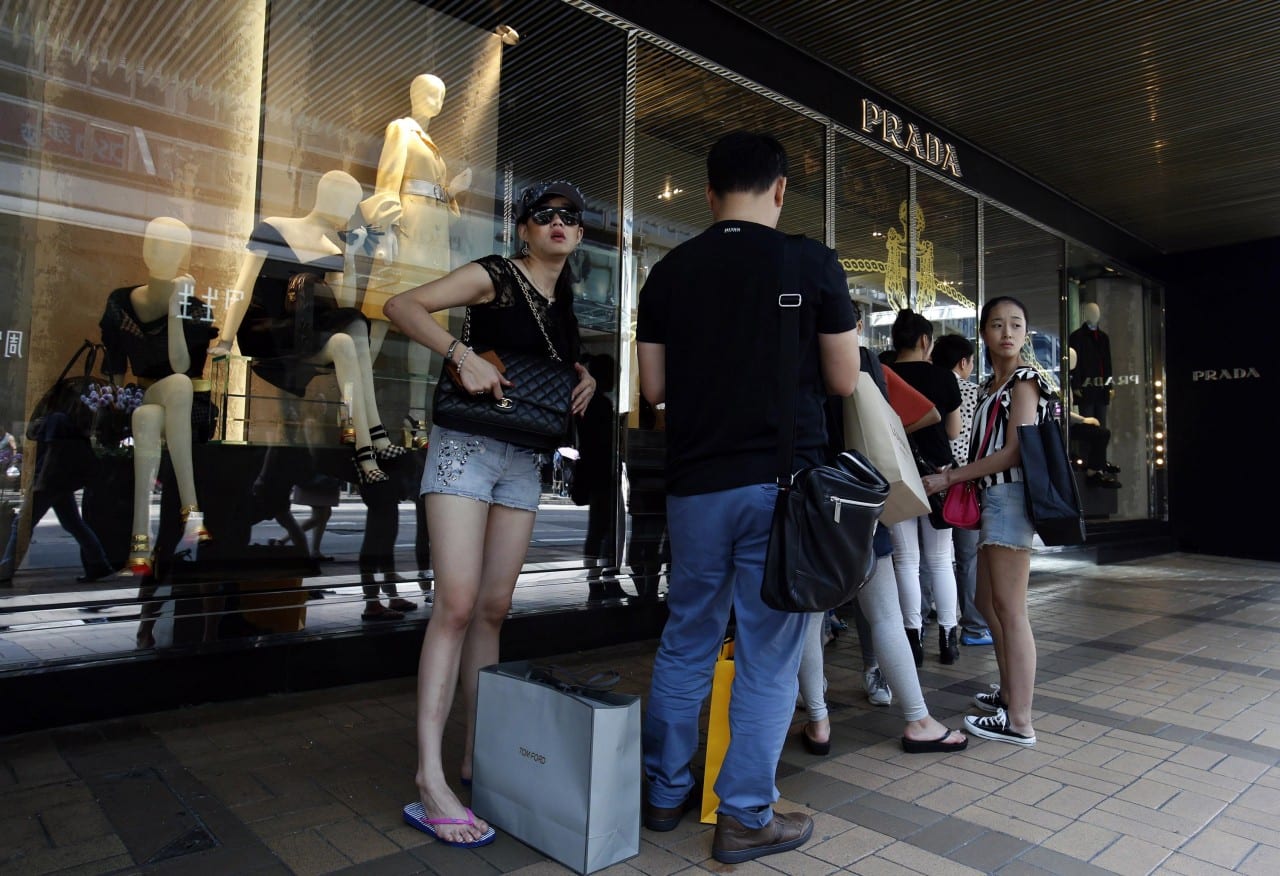
    Chinese tourists, famous for leaving shelves bare when they shop abroad, went on a shopping spree in Korea, Japan and the US during last week’s National Holiday of the People’s Republic of China, better known in Asia as Golden Week.

    Tour guides say that the average Chinese tourist that visits Japan spends approximately 20,000 to 30,000 Yuan, which is around US$3140 to $4720, on shopping.

    Shopping is actually the main reason for travel during Golden Week.

    This year, Chinese tourists flocked to duty free stores in Seoul, Busan and Jeju, as shown in the photographs, as well as large discount stores and markets, clearing shelves of stock, according toKoreabizwire and Yonhap news service.

    The Korean press reported instances of Chinese tourists buying “hundreds of thousands of won worth of cosmetics” in just two to three hours at duty free stores.


    In Japan, Chinese tourists were bought over the counter drugs in bulk: cough medicine, painkillers, glasses, sleep shades and stationary are popular Japanese products among Chinese tourists. Baby products, also.

    Earlier this year, during the Chinese New Year Holiday, Japanese electronic rice cookers and bidets were cleaned off the shelves by Chinese tourists.

    In the US there were similar stories, Koreabizwire reported.

    According to a local tour operator in Boston, Chinese tourists stopped by a Gucci Outlet to buy bags, and most of them bought three or four bags at once, with some purchasing as many as seven at once.

    “They were shopping as if they were just grabbing free stuff,” said a local guide.

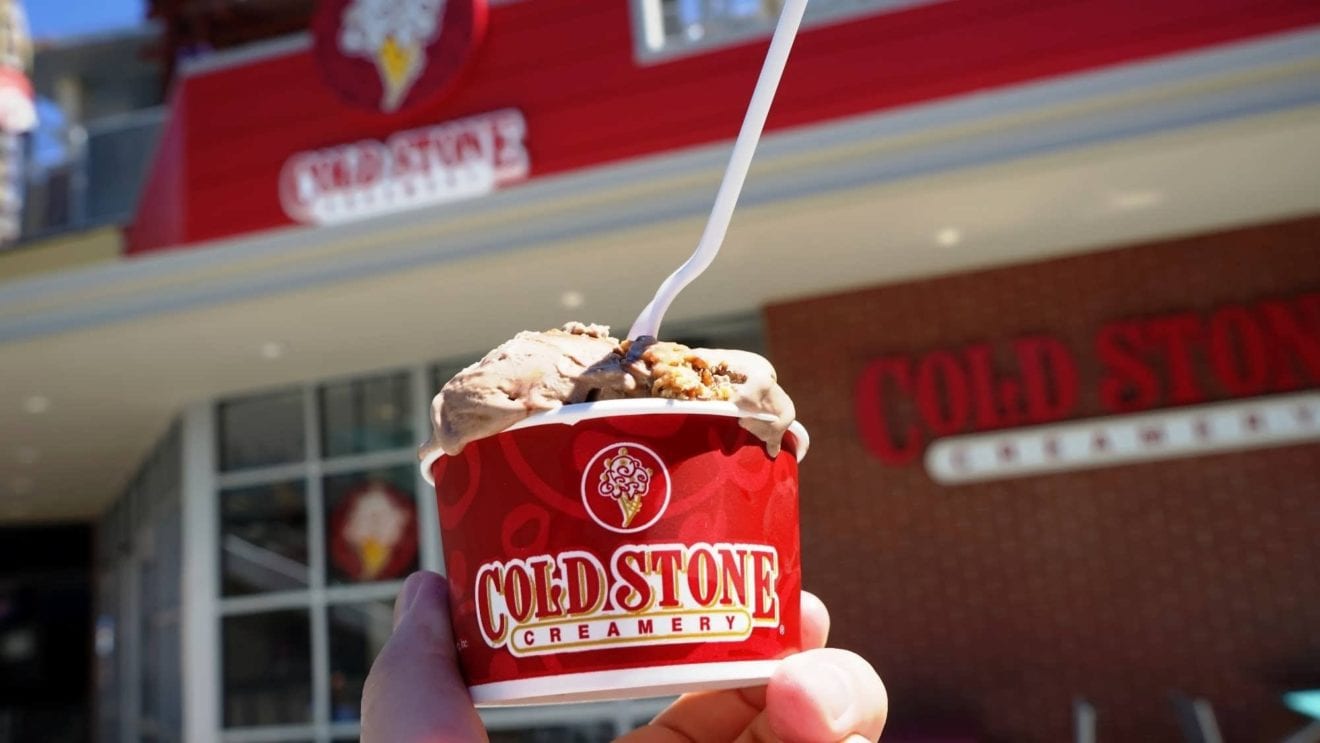
  • Cold Stone Creamery Cambodia plans 13 stores

    Cold Stone Creamery Cambodia plans 13 stores

    Kahala Brands has appointed a master franchisee for Cold Stone Creamery Cambodia, with the first store set to open in six months.

    Over the next five years, 13 Cold Stone Creamery locations will open in Cambodia, the first scheduled for the capital city Phnom Penh sometime during the next six months.

    TH Group has won the master franchise rights to open locations throughout Cambodia.

    TH Group is a leader in the automotive market, with over 20 years of experience in Cambodia. It holds 35 per cent of the auto market share in the country, making it the largest importer/wholesaler of US automobiles in Cambodia, selling new and used luxury cars.

    “Our economic growth here in Cambodia has risen and to us, that implies that the standard of living is improving here,” said Hav Norm, MD of TH F&B Co.

    “Therefore, the people of Cambodia are looking for premium, high-quality brands that they can indulge in and trust. Cold Stone Creamery is a super-premium brand that will be a perfect fit in our market.”

    “We are extremely confident in TH Group as they have more than 20 years of experience in Cambodia and have great in-depth and comprehensive knowledge of the marketplace,” said Eddy Jimenez, senior VP of international operations and development at Kahala.

    “TH Group understands consumer demands, preferences and perceptions, making it a business leader in its country.”

    Cold Stone Creamery has continued to make strong key moves into the international market over the last decade. Today, Cold Stone Creamery stores are operating in over 300 international locations and in 26 countries abroad, including Japan, the Philippines, Kuwait, Qatar, Trinidad, Nigeria, Egypt and Indonesia. Kahala signed up a master franchisee in Vietnam in June.

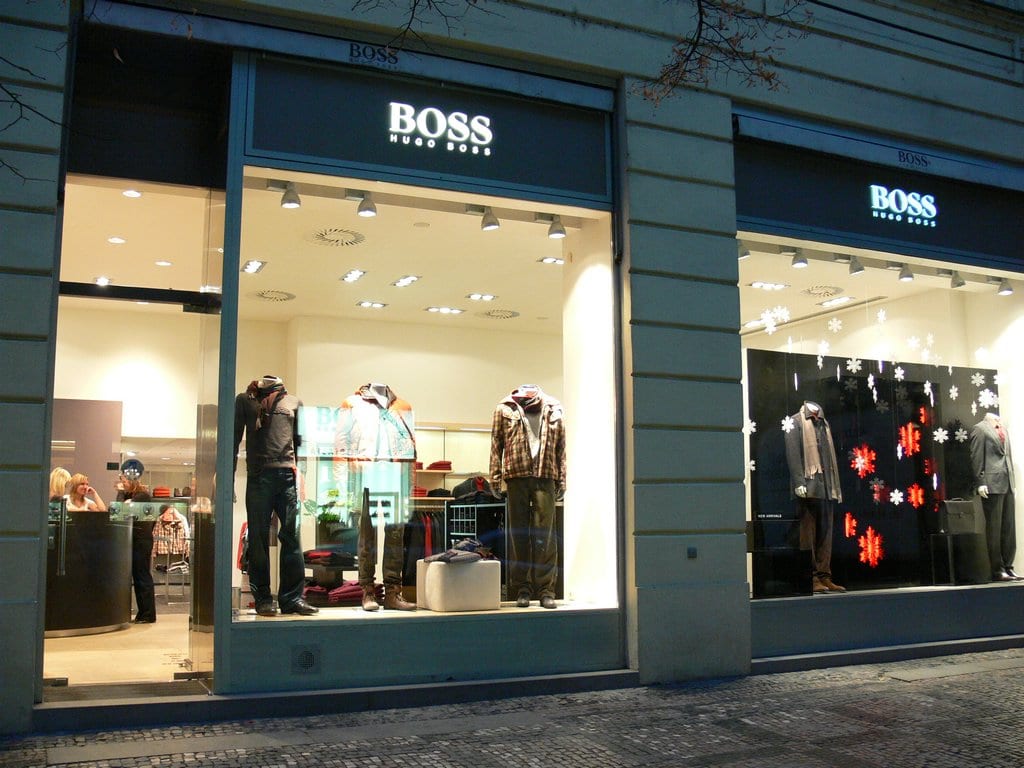
  • US, Asia weigh down Hugo Boss

    US, Asia weigh down Hugo Boss

    Deterioration of the market environment in Asia and a slowdown in the Americas weighed on sales and earnings performance of German fashion brand Hugo Boss in the third quarter of 2015

    The company said its sales were marked by “high levels of volatility” in the third quarter to September 30. The group’s own retail business in particular developed unevenly over the period.

    “While performance in Europe remained strong and in line with original expectations, momentum in Asia and the Americas deteriorated considerably towards the end of the period. This was due to sales declines in China as well as a negative development in the Group’s US own retail and wholesale businesses,” the company said in a statement.

    “Weaker demand from tourists contributed to the slowdown in the US.”

    Third quarter group sales declined one per cent, excluding currency effects. Expressed in euros, they increased by four per cent to euro 744 million. Own retail same store sales remained stable year on year in local currencies.

    “Due to particularly challenging sales trends in the group’s directly operated stores as well as continued investments in the medium- and long-term growth potential of Hugo Boss, EBITDA before special items declined by eight per cent to euro 168 million in the third quarter, on a preliminary basis,” the company reported.

    “In addition, the group’s financial result was impacted by a negative charge of around euro 16 million related to adverse exchange rate movements of the Brazilian Real and the Swiss Franc in particular.”

    In light of weaker than expected trading in the third quarter, the group now forecasts sales and EBITDA to both increase between three and five per cent on a currency-adjusted basis in the full year.

    “This outlook is based on the assumption that fourth quarter retail comp store sales will remain stable or develop positively compared to the prior year quarter.”

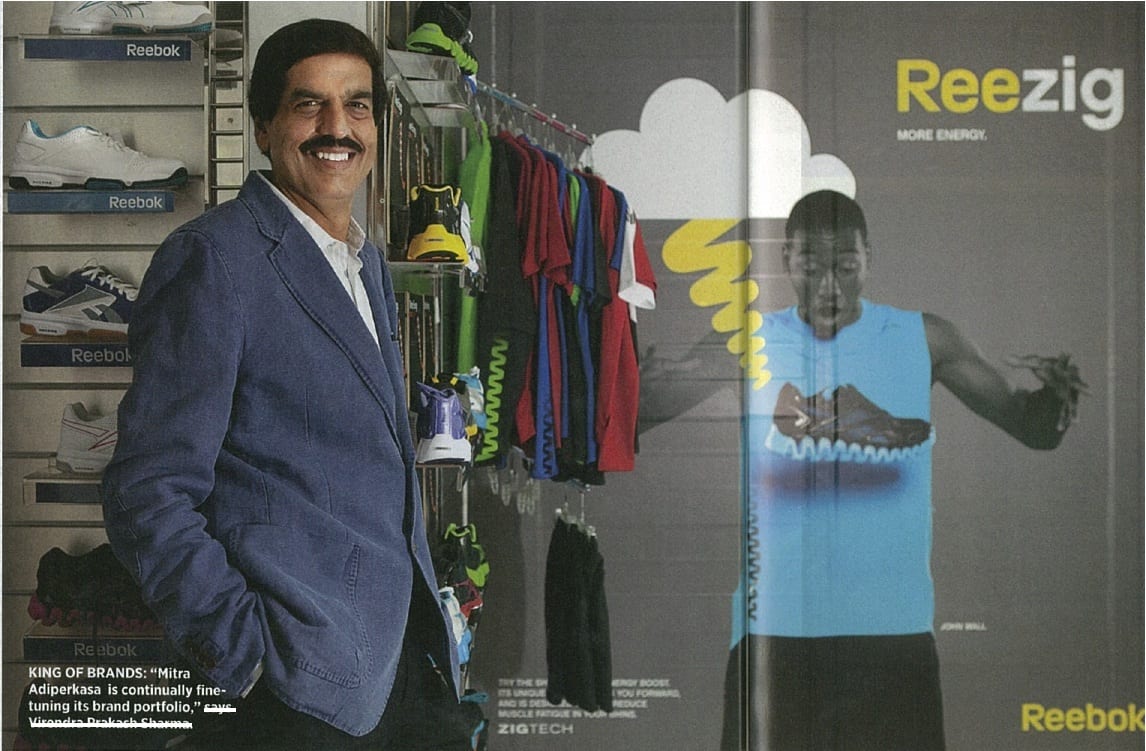
  • Mitra Adiperkasa to launch in Sri Lanka

    Mitra Adiperkasa to launch in Sri Lanka

    Indonesian multi-brand retailer Mitra Adiperkasa is planning a foray into Sri Lanka, attracted by the opening economy and a growing middle class.
    Mitra Adiperkasa (MAPI) describes itself as a lifestyle retailer in its home market with retail businesses in the clothing, sportsgoods and toy categories as well as operating department stores, cafés and restaurants. It boasts 1900 stores, selling more than 150 brands and employs more than 23,000 people in 65 cities.

    MAPI operates Starbucks cafes across Indonesia and has the national Zara rights, among others.

    The Sri Lankan move was not announced by the company, instead revealed by Jatinder Biala, outgoing president of the Sri Lanka and Indonesia Business Council who identified MAPI as one of a group of Indonesian businesses interested in making the most of the opportunities opening up in the island nation.

    “They have already taken steps to promote their products in Sri Lanka,” Biala told a local newspaper. “Very soon they are opening a subsidiary in Sri Lanka.”

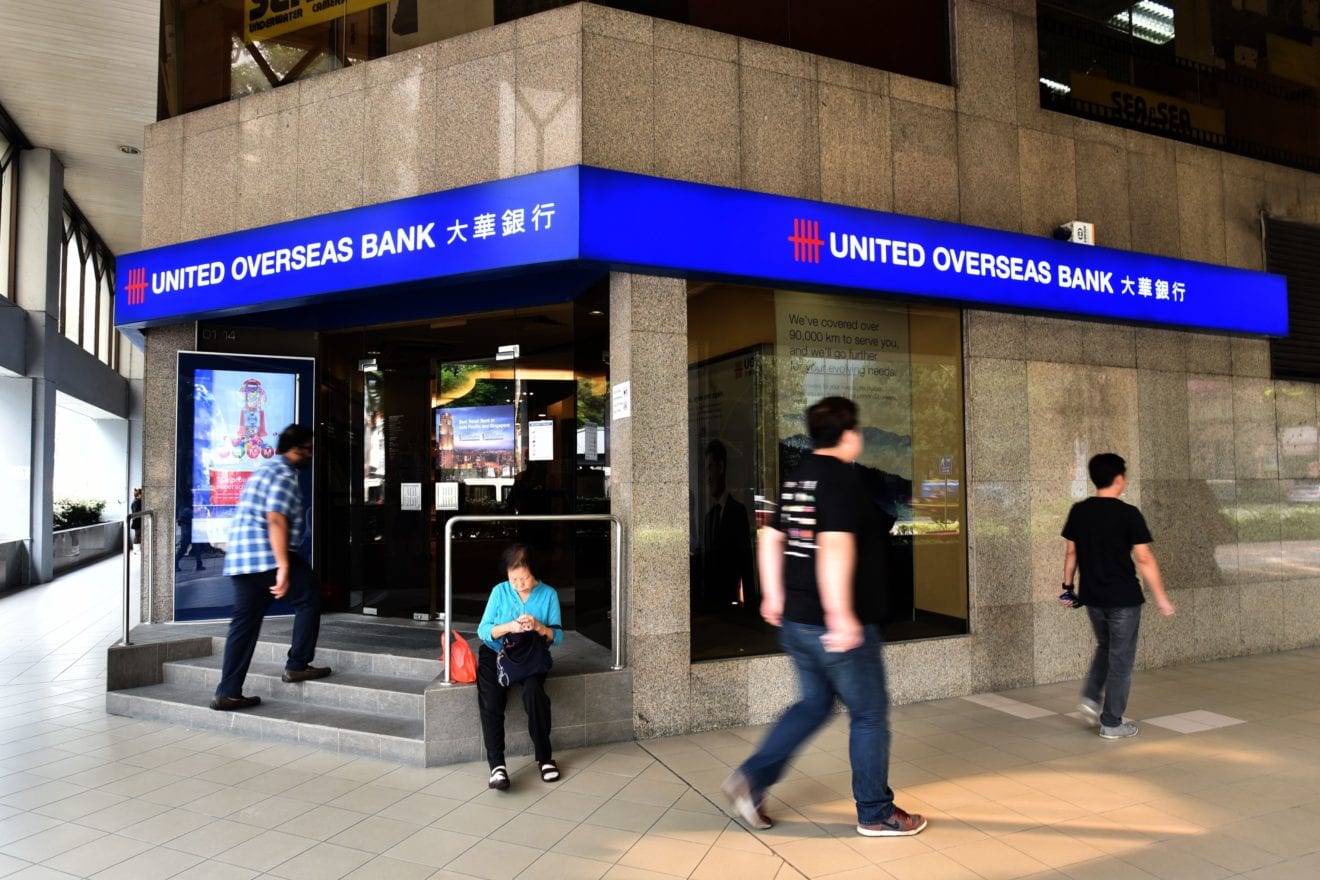
  • UOB sells Brunei retail banking business to Baiduri Bank for $46.6m

    UOB sells Brunei retail banking business to Baiduri Bank for $46.6m

    With the approval of a court declaration, banking and credit facilities made to customers of UOB Brunei and the current, saving and fixed deposit accounts maintained by the clients of UOB Brunei will be transferred to Baiduri.

    According to UOB, the sale consideration of $46.6 million, less the deposits in transferred accounts, will be settled as a cash payment. Arrived at on a willing-buyer-willing-seller basis, it took into consideration account income potential and estimated loan defaults of the retail banking business.

    The sale is part of a move to “rationalise its businesses and operations to achieve cost efficiencies and to focus on building a business platform that is consistent with the business prospects in the country”.

    According to official statements, the sale of its Brunei retail banking unit is also not expected to have any impact on UOB Group for FY2015.

    UOB Brunei will continue to offer wholesale banking services to Brunei clients, as well as continuing its asset management presence there through UOB Asset Management.

    This latest move gels with UOB’s aim of developing itself as a super-regional bank and growing its presence in the Asia Pacific (APAC) region, given the opportunities presented by the growth narrative defining the current economic climate of the region – notwithstanding China’s market turbulence – and the growing middle class of the region.

    In August 2014, Wee Ee Cheong, the CEO of UOB, explained to The Straits Times that due to the acquisition of Overseas Union Bank (OUB) in 2001 and its integration into the UOB Group, the large market concentration in Singapore forced them to take a regional growth approach. Wee had told the Straits Times: “How would the group grow from there? And so we said it would be timely for us to expand regionally to have an effective presence in South-east Asia.”

    Wee explained: “…growing our intra-regional businesses would make our earnings more sustainable and deepen existing relationships. If I have a regional banking relationship with my customer and the banks with me in Indonesia and Thailand because of my footprint, it will be easier for us to grow the banking relationship.”

    Since 2013, its profit growth has become skewed to foreign markets beyond its base and global headquarters in Singapore. The divestment reflects a move to consolidate its holdings in the region, as Brunei is the smallest market in the Southeast Asian region. This move is aligned with its decision to pursue organic growth and M&A opportunities as part of expanding its business operations.

    In June 2015, it disclosed that it was in the process of pursuing a digital revamp, given the recent growth of the worldwide financial technology space. As of 21 October 2015, a Bloomberg quote placed its market capitalisation at S$32.03 billion (US$23 billion).

  • Artway sales surge

    Chinese electrical retail giant Gome says sales by its takeover target Artway during the first half year rose 7.85 per cent year on year, to RMB10.858 billion.

    Same store sales rose 3.66 per cent overall, while in second tier cities same store sales rose 5.93 per cent, demonstrating the success of Artway’s focus on smaller centres.

    Gross profit margin rose by 0.85 percentage points to 20.28 per cent.

    Profit for the period was RMB256 million, up 75.34 per cent compared to the same period last year.

    Gome Electrical Appliances, the Hong Kong-listed Chinese electrical appliances retailer – is planning to spend US$11.268 billion acquiring rival Artway, allow it to expand its presence from 269 cities to 436 cities across Mainland China.

    As at June 30, Artway operated 590 stores, including eight self-owned stores, covering 17 provinces in China (including Jiangsu, Zhejiang, Shanghai, Fujian, Jiangxi, Hunan, Hebei, Henan, Liaoning, Jilin, Heilongjiang, Inner Mongolia, Shanxi, Guizhou, Guangxi, Shaanxi and Xinjiang). It opened 56 stores and closed 22 in the six month period, representing a net increase of 34 stores.