Author: Mei Ling Tan

  • Garuda Indonesia Reports US$51.4 Million Third Quarter Earnings

    Garuda Indonesia Reports US$51.4 Million Third Quarter Earnings

    Garuda Indonesia booked a net income of $51.4 million through the third quarter 2015, an increase of 123.4% compared to the same period last year when it incurred a loss of $220.1 million.

    Garuda Indonesia President and CEO M. Arif Wibowo said that the Company also increased total revenue from $2.83 billion through the third quarter 2014 to $2.84 billion during the same period in 2015. Meanwhile, total expenses dropped from $3.08 billion to $2.72 million.

    “Improvements in the Company’s performance are the result of strategic business development measures being carried out through the ‘Quick Wins’ program, as well as a tight cost efficiency policy that was put into effect at the beginning of the year,” he said.

    Arif, who is also the Chairman of INACA (Indonesia National Air Carriers Association), further explained that this achievement came when the airline industry is facing huge challenges, from a sluggish economy to a number of “force majeures” or natural disasters, such as volcanic eruptions and haze.

    Speaking of Garuda Indonesia’s ongoing flight network development, Citilink Indonesia’s former president said that the Garuda Indonesia Group (including Citilink) together carried a total of 24.55 million passengers during Jan-Sept 2015, or an increase of 17.5% compared to 20.89 million passengers carried during the same period in the previous year.

    Garuda Indonesia carried 17.69 million, comprising 14.51 million domestic passengers and 3.18 million international passengers, through the third quarter 2015, whereas it carried 15.56 million passengers during the same period in 2014. Its subsidiary, Citilink Indonesia, transported 6.87 million passengers between Jan-Sept 2015, an increase of 28.8% from the 5.33 million passengers carried in the same period in 2014.

    Garuda Indonesia and Citilink flight frequency in the domestic and international sectors rose from 165,642 fights in the third quarter of 2014 to 186,105 flights in the same period of 2015. In addition, Availability Seat Kilometer/ASK increased from 36.9 billion in 2014 to 38.75 billion in 2015.

    Garuda Indonesia also succeeded in increasing Seat Load Factor/SLF to 77.3% in 2015 from 70.7% in 2014. In terms of on time performance (OTP), Garuda Indonesia achieved an OTP of 88.2% in 2015, with an aircraft utilization of 09:11 hours.

    Through the third quarter 2015, Garuda Indonesia was also able to increase its market share in both the domestic and international markets. In that time, Garuda Indonesia’s domestic market share increased to 44% from the previous 37% in 2014. Meanwhile, Garuda’s international market share from Jan-Sept 2015 reached 28%, an improvement from the previous year’s 22%.

    The Garuda Indonesia Group operates a total of 181 airplanes to date, consisting of eight (8) Boeing 777-300ER, twenty-two (22) Airbus A330-200/300, two (2) Boeing 747-400, ten (10) ATR72-600, fifteen (15) Bombardier CRJ1000 NextGen, eighty-eight (88) Boeing 737-300/500/800NG, and thirty-six (36) Airbus A320, with an average age of 4.7 years. By the end of 2015, the Group will operate a total of 187 airplanes, of which 143 are Garuda Indonesia’s and 44 are part of the Citilink fleet, with an average age of 4.3 years.

    To anticipate the impact of the Rupiah’s weakening exchange rate against the US Dollar, since the first quarter 2015 Garuda Indonesia has signed hedging contracts using “Cross Currency Swaps” with several banks, on Rupiah loans into US Dollars amounting to a total of Rp2 trillion.

    By carrying out the Cross Currency Swap, the company will be able to avoid or minimize the risk of a rise in operational costs if paid in Rupiah due to the weakening of the Rupiah exchange rate against the US dollar. This is due to the fact that an airline’s operational costs that include the purchase of spare parts, aircraft maintenance, and aircraft leasing are mostly conducted in US dollar AS.

    The company is still watching market developments and at the right moment will again hedge and use Cross Currency Swap to leverage the Rupiah. This is part of the company’s ongoing Risk Management measures based on the prudence principle. Routine hedging transactions against IDR earnings and USD fuel costs have added to the risk management’s work load in the midst of an adverse economic condition at global, regional and national levels.

    Moreover, Garuda Indonesia was able to obtain new sources of funding through more competitive cost financing, and in May 2015 issued a 5-year Global Sukuk Bond worth USD 500 million with a coupon of 5.95%.

    In line with the airline’s continuous service development program, Garuda Indonesia’s cabin crew was once again presented with the “The World’s Best Cabin Crew 2015” award from Skytrax – the London-based independent airline and airport review specialist, for the second consecutive year, after beating other big players in the airline industry. During the “Skytrax Award 2015” event, Garuda Indonesia also came in eighth place in the “World’s Best Airline” list.

  • Vietnam e-commerce market growth to be led by online retail market

    Vietnam e-commerce market growth to be led by online retail market

    According to the Research’s recently issued report “Vietnam E-Commerce Market Outlook to 2019 – Driven by Internet Penetration and Smartphone Usage”, e-commerce managed to gain some attention in Vietnam only after 2011. The retail market in Vietnam is considered one of the most dynamic markets in the South East Asia with such a high growth rate. Hanoi and Ho Chi Minh City are ranked in the top 10 cities in the entire Asia for retail expansion. Hanoi ranked third after Beijing and Shanghai as the city with liveliest retail market.

    Vietnam is one of the top three countries with the highest rate of growth of internet and mobile phone subscribers in Vietnam, with more than four million people using the internet a day, offering great potential for online shopping development.

    In 2014, Vietnam had a total population of 90.7 million out of which 35.4 million people have access to internet, making the internet penetration rate of 39%, amongst the highest in the region. Though the E-commerce market is not very old, the country has many big players such as Lazada, Hotdeals, Vatgia and others which are driving E-commerce in Vietnam.

    Vietnam E-Commerce is one of the fastest-growing E-commerce markets in South East Asia. Cash on Delivery in Vietnam is the most preferred mode of making payments online.

    Vietnam has great potential to grow its E-commerce, especially after investors shifted attention from China towards Vietnam for the next manufacturing hub in the east. Vietnamese are digitally attuned, especially in urban parts of the country which is the main target audience for  E-commerce players, at least in their initial and growing phase.

    The online retail market of Vietnam is driven by major players such as Lazada and Amazon along with local players such as tiki, Vatiga, Zalora and others due to their focus on localized content.

    In 2014, the online retailing market contributed more than 65% in the overall B2C market of Vietnam. Constant innovation, launch of newer brands online, proliferation of affordable smartphones coupled with rise in broadband access have largely propelled market growth.

    The online retail market has been segmented into clothes, shoes & cosmetics, technology Kitchen and home appliances, books and stationery, CD’s & DVD’s, mother & baby products and others.

    The Vietnam gaming industry is the biggest in the entire South East Asia which gives its online gaming market an edge. Vietnam Online Entertainment & Services booking market has attained small but significant growth in overall e-commerce market.

    The concept of online entertainment has become prevalent since the rise in internet penetration in Vietnam, owing to the emergence of websites offering online booking of movie and event tickets as well as professional services.

    The rising share of online entertainment and services booking is supported by the fact that more players are entering the market with different business models to tap the customer base.

    Ken Research is a research and information service company operating with a network of partner firms across the US, Asia and Europe.

  • New Burberry collection premieres on Snapchat

    New Burberry collection premieres on Snapchat

    Burberry first launched its Womenswear Spring/Summer 2016 collection on Snapchat.

    As finishing touches were being made in Burberry’s headquarters in London, looks from the collection were shared live on the mobile platform.

    The colletion include classic coats and functional pieces mixed with elements of regalia including metallic cording, crested buttons and hand-embroidered military motifs. English lace and floor length satin dresses were paired with leather biker jackets, and regimental tailoring with tie-dye tulle. There’s also the Burberry Rucksack in gabardine-constructed nylon and the Belt Bag in black English suede.

    Burberry followers were offered a glimpse into the brand’s design studios, and a special appearance by Anna Wintour receiving her invitation to the show.

    The live show took place the following day in its custom-built show venue in London’s Kensington with British singer Alison Moyet performing with a 32-piece orchestra conducted by Joe Duddell. But it also featured a Snapchat-curated montage of crowd-sourced Burberry show related video and imagery, giving followers a complete view of the event – from the red carpet to the backstage

    British singer Alison Moyet performed the live soundtrack to the show, accompanied by a 32-piece orchestra conducted by Joe Duddell from an orchestra pit in the centre of the runway. The performance was filmed for Burberry’s channel on Apple Music. The full show soundtrack, “Alison Moyet Live for Burberry”, will be available to purchase through the iTunes Store and for streaming through Apple Music.

    Meanwhile, the company announced it will be also offering a selection of its make-up collection, through Kakao Giftshop and LINE in Japan.

  • Japan’s value fashion brand basks in Disney tie-up

    Japan’s value fashion brand basks in Disney tie-up

    Fast Retailing Company Chairman Tadashi Yanai said Walt Disney’s new park in Shanghai will help his Uniqlo casual wear brand expand in China, shrugging off concerns over an economic slowdown in the Japanese retailer’s largest overseas market.

    “The opening of the Shanghai Disneyland gives both of us, Uniqlo and Disney, a business opportunity,” Chairman Tadashi Yanai said in Shanghai, where Uniqlo will open a new Disney-inspired concept store. “Our business is getting absolutely no impact” from China’s slowdown, he said.

    Uniqlo will devote an entire floor at its six-storey China flagship store in central Shanghai to products co-designed with Disney. A human-sized Mickey Mouse statue greets visitors to the store, where T-shirts and toys depicting characters such as Tinker Bell, Woody of Disney Pixar’s ‘Toy Story’ animated films, and Darth Vader from the ‘Star Wars’ movies are on display.

    Japan’s richest person, Yanai plans to open 100 stores a year in China as Uniqlo competes with Hennes & Mauritz AB’s H & M and Inditex Sa’s Zara to win over consumers in the world’s most-populous country. The Japanese retailer’s design tie-up comes as Disney prepares to open its $5.5 billion Shanghai theme park next year, its biggest foreign investment and a bet on the country’s booming middle-class.

    The Disney collaboration should help Uniqlo boost sales in China “as buzz builds around the opening of Shanghai Disneyland,” said Bloomberg Intelligence retail analyst Thomas Jastrzab. “Expanding store-specific limited edition merchandise offerings should help Uniqlo increase regular foot traffic and improve customer loyalty.”

    Fast Retailing shares are up by 6.3 per cent so far this year, compared with the 3.3 per cent gain in the benchmark Topix index.

    Uniqlo has about 360 stores in mainland China, the most by country outside Japan, where it has almost 850 shops. The company plans to expand its Greater China network, including mainland China, Hong Kong and Taiwan, to 1,000 outlets.

    China is a key market for Fast Retailing as Yanai targets to build Asia’s biggest clothing retailer into the world leader, with a target of 5 trillion yen in sales by 2020 from its forecast of 1.65 trillion yen for the fiscal year ended August 31.

    Yanai said demand for Uniqlo products will increase amid an economic slowdown in China. Everyday clothes with basic designs and advanced materials that Uniqlo sells at affordable prices fit well as China shifts its focus to consumer purchasing from manufacturing, he said.

    “An economic slowdown in China could boost Uniqlo’s sales, particularly as shoppers increasingly look for value-for-money when purchasing clothing essentials such as T-shirts and pants,” Bloomberg’s Jastrzab said.

    China’s apparel and footwear market is highly fragmented, with market leader Bestseller AS, owner of brands such as Jack & Jones and Vera Moda, holding a 1.7 per cent market share by value in 2014, according to Euromonitor International. Uniqlo ranks eighth with 0.6 per cent, while Inditex is ninth with 0.5 per cent and H & M is out of the top 10 with 0.4 per cent.

    “Our concept of manufacturing is fundamentally different and unique,” said Yanai. “We don’t chase trends, but we would rather want to incorporate fashion into our basic clothes.”

  • Largest 3D printing factory in SEA opens in Singapore

    Largest 3D printing factory in SEA opens in Singapore

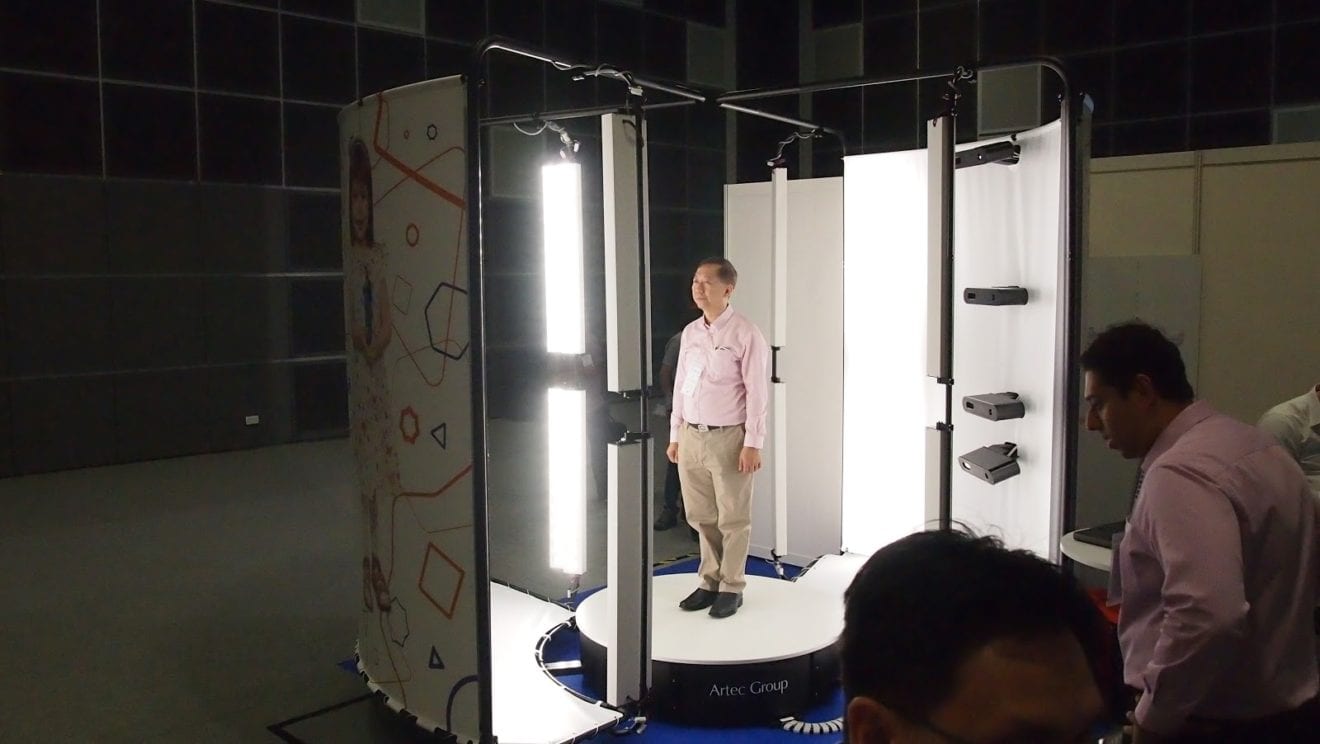
    The largest commercial 3D printing facility in South-east Asia opened in Singapore today (Sept 28), capitalising on the rising demand for such services.

    Launched by NASDAQ-listed ­Ultra Clean Asia Pacific (UCT), which develops and supplies systems for the semiconductor industry, the UCT Additive Manufacturing Centre will target business sectors such as the aerospace, dental and medical industries. It will also offer consumer services.

    The centre, which cost more than S$5 million to establish, has 15 sets of 3D printers. There are ­12 ­employees at the facility at present, with plans for that number to double by next year, UCT said.

    “The establishment of UCT’s ­additive manufacturing facility ­reflects Singapore’s progression ­towards advanced manufacturing and engineering,” said Mr Lim Kok Kiang, Assistant Managing Director of the Singapore Economic Development Board, which supports the facility.

    “Companies can tap on Singapore’s base of skilled engineering talent, ­industry-focused public research and development ecosystem … to ­develop better products and services to serve their growing Asian customer base.”

    The Singapore Government in 2013 announced plans to set aside S$500 million over five years to support a “future of manufacturing” programme, which includes 3D printing.

    Such 3D printing functions much like conventional 2D printing. But instead of printing a flat image, a 3D printer extrudes material through a nozzle, layer by layer, to create a physical ­object.

    Although it has been around since the late 1980s, technological improvements have made the service more affordable, driving up demand.

    In Singapore, ­retail shops have reported ­increased requests from consumers seeking to print products, from figurines to jewellery.

    Mr Lavi Lev, senior vice-president of the Asia Division at UCT, added that 3D printing allows individuals and companies to manufacture parts with no capital equipment investment.

    “It allows large corporations to ­increase their R&D pace through rapid prototyping. In particular, the medical and aerospace sectors are ­using 3D printing extensively,” he said.

    For instance, he explained, if someone breaks a bone, they can take an X-ray or CT scan of it, and 3D print a bone implant.

  • Philippines’ BDO sets up first GCC branch

    Philippines’ BDO sets up first GCC branch

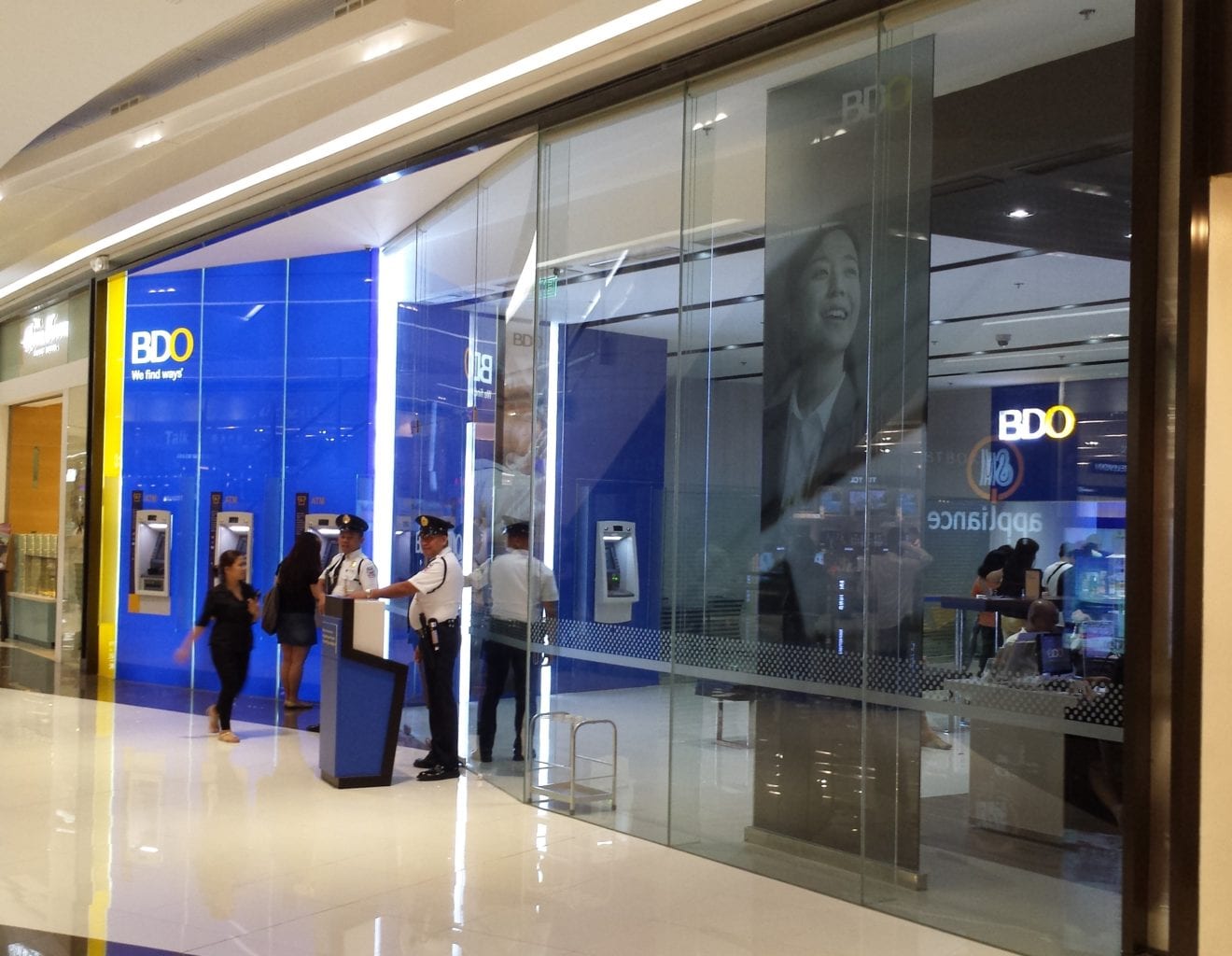
    Manila-headquartered BDO Unibank, the largest bank in the Philippines, has become the first Filipino bank to set up an office in the Gulf Cooperation Council (GCC) where it will operate within the premises of the UAE’s Dubai International Financial Center, a financial free zone and one of the largest financial hubs in the Middle East.

    The establishment of a GCC office is a reaction to the growing number of Philippine expats in the region and their banking needs, Nestor Tan, president and CEO of BDO Unibank, explained. Filipinos form one of the largest expat communities in the GCC, with an estimated 700,000 of them living and working in the UAE. More than 1.2mn are said to stay in Saudi Arabia and over 200,000 in Qatar, and all are the source of significant money flows back to the Philippines.

    “Setting up a representative office in the Dubai International Financial Center was driven by our objective to further widen our overseas network to provide support to Overseas Filipino Workers (OFWs) and residents,” Tan said, adding that “the expansion into Dubai will boost our capability to service the needs of our countrymen in the entire Middle East and, hopefully, make the bank a catalyst for the progress of financial inclusion of the expatriates in the Philippines.”
    The new branch comes on top of several partnerships BDO Unibank already has in the Gulf. It struck a deal with Emirates NBD in January this year to provide quick money transfer services to the Philippines. It also cooperates with UAE Exchange, Al Ansari Exchange and Al Ghurair Exchange for remittance services, as well as with Gulf Exchange in Qatar and other banks and financial service providers in Saudi Arabia, Oman, Kuwait, Bahrain and Jordan.

    OFWs are the third largest source for remittances globally, with $28bn sent back home in 2014, only being topped by Indians and Chinese who sent home the biggest chunk at $70bn and $64bn, respectively. With regards to Filipino remittances, estimates are that more than half of total remittances to the Philippines are originating from the GCC, making it a huge business for regional money remittance services.

    The new branch in Dubai, however, aims at widening the scope of banking services on offer for Filipinos, Tan indicated, as well as at extending the reach of BDO Unibank’s portfolio within GCC countries as the bank also wants to address possible Philippine expat and Middle East investors and provide more sophisticated financial services than just remittances. The bank offers a variety of corporate, commercial and retail banking services, including traditional loan and deposit products. This is in addition to treasury, trust banking, private banking, wealth and cash management, leasing and finance, insurance, retail cash cards and credit card services.

    BDO Unibank – its full name is Banco de Oro Universal Bank – was founded in 1968 as a small savings bank in Manila and became a universal bank only in 1996. Today, it has over 870 branches in the Philippines and one other foreign branch in Hong Kong. It is one of the many banks owned by Chinese-Filipino businessmen in the Philippines, namely tycoon Henry Sy – listed by Forbes Magazine as the richest man in the Philippines – through his conglomerate SM Group of Companies, one of the country’s largest business groups with activities spanning from retail, mall operations and property development to financial services.

    Since 2001, the bank grew through remarkable mergers and acquisitions, among them the Philippine operations of Banco Santander, Citibank, UOB, Deutsche Bank and GE Money. In March 2008, it was listed on the Philippine Stock Exchange. Its main competitors on the home soil are Metrobank, owned by Chinese-Filipino business tycoon George Ty, and Bank of the Philippine Islands (BPI), the oldest bank in the Philippines and a subsidiary of Ayala Corp, the country’s largest business conglomerate majority-owned by the influential Ayala family, which is of Spanish descent.

  • Hong Kong Investor Snaps Up Glenferrie Road Property

    Hong Kong Investor Snaps Up Glenferrie Road Property

    A Hong Kong based private investor has paid $4.8 million on a 4.35 per cent yield for a retail and office investment at Hawthorn in Melbourne’s inner-east.

    According to selling agents, Teska Carson’s Michael Taylor and Anthony Choi, the property at 669-671 Glenferrie Road offered a prime retail precinct with main street frontage and a secure and diverse tenancy profile.

    The property was sold subject to three separate leases on a seven year term, Glenferrie Optical (three years) and an office tenant (five years) for a total annual income of $210,000.

    The property comprises an older style, two storey, double-fronted, 293 square metre building, with two retail tenants on the ground floor and offices upstairs, on a 325 square metre site with a generous frontage and exposure to busy Glenferrie Road.

    Glenferrie Road is a retail precinct home to many national tenants including Coles, Chemist Warehouse, David Jones and Woolworths.

  • China’s Taobao villages show e-commerce can transform rural India

    China’s Taobao villages show e-commerce can transform rural India

    Narendra Modi’s Digital India is a scheme that includes connecting all Indian villages with broadband. He says this will empower rural Indians, without spelling out all the details. He should learn from China’s Taobao villages, which have been transformed by e-commerce.

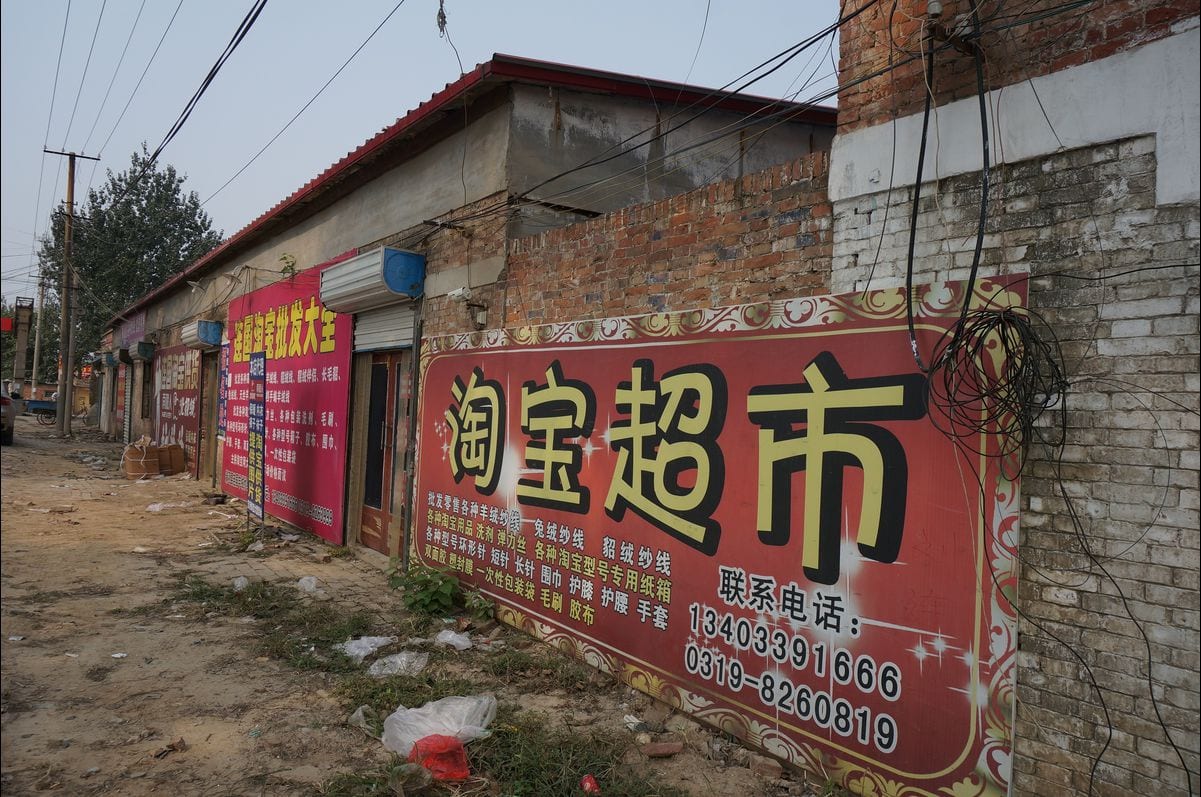
    China’s e-commerce giant, Alibaba, has pioneered rural e-commerce through its rural arm, Taobao, claiming this has created 280,000 rural jobs in 2014 alone. The Chinese government has picked 55 poor counties for grants to develop industries using e-commerce. Taobao villages have risen from 20 in 2013 to 211 in 2014, and the trend continues. These villages now cover 70,000 rural producers.

    Some of the output of rural industries and farms is destined for big cities. But a lot is also consumed in other villages. E-commerce provides Chinese villagers the huge choice of goods enjoyed by urban folk. India’s rural market is booming, but e-commerce India is associated almost exclusively with urban distribution. We need rural e-commerce for Indian Taobaos.

    Indian villages desperately need low-end manufacturing to create jobs for youngsters who have no interest in farming. Large industries cannot do the job. What’s needed is infrastructure plus marketing and financial linkages that enable rural entrepreneurs to start small-scale industries.

    Alibaba defines a Taobao village as a cluster of rural e-tailers where at least 10 per cent of village households engage in e-commerce or at least 100 online shops have been opened by villagers, and transaction volume is at least RMB 10 million ($1.6 million). Indian Taobao equivalents will have to start with more modest targets: they have limited purchasing power and limited production capacity . But, as in China, they have access to the cheapest rural labour, giving them the potential to compete, provided they overcome logistical disadvantages.

    City manufacturers have the best infrastructure and marketing networks, and so dominate in most countries. Alibaba has shown that Taobao villages can use the e-commerce route to overcome their logistical disadvantages. Encouraging the clustering of rural units has helped create the minimum trade volume needed to attract trucking and financing services. Alibaba itself has a financing arm. None of this requires government subsidies. But government investment in rural roads, electrification and broadband is necessary .

    In effect, Taobao villages transform villages into towns. The first Taobao village, Dongfeng, became a centre for low-cost furniture production by over 1,000 households. With access to cheap local timber and labour, they were able to quote competitive e-prices.They immediately got orders, which in turn stimulated supporting services. By 2014, the Dongfeng region had 40 logistics companies providing transport.

    CNBC reported last year on Beishan, another Taobao village, that once specialized just in breadmaking. It now has a company with annual sales of $8 million worth of camping gear, such as sleeping bags, beating big brands.
    India has long tried to promote rural industries through its Khadi and Village Industries Commission, which operates through state khadi departments. KVIC runs a wide network of “Khadi Gram Udyog” shops. The results are unsatisfactory despite substantial subsidies and reservation of various products (like saris) for handlooms. The ethos of KVIC is Gandhian, not commercial. A women’s group like Lijjat Papad has been far more successful, because it is commercially oriented, and not run by bureaucracies.

    The curse of every rural area is the huge gulf between what the farmer or rural artisan gets, and he much higher price paid by urban consumers. To some extent this is justified: the cost of quality con rol, grading, transport, wholesaling and retailing is substantial. Nevertheless, e-commerce holds the promise of slashing the logistical costs and linking he producer directly to consumers, helping the rural producer get a better price even as the consumer gets a lower price.

    This indeed was the original aim of ITC’s echoupal, which got much publicity but achieved only limited success. Eliminating the middleman was again the theme of “farm-to-fork” giant retailers like Reliance. Here too, the results have been modest, even in states that abolished compulsory sales through government mandis.

    E-commerce has the potential to beat e-choupals and retail chains. It can go far beyond agriculture to rural manufacturing. But it will require supporting investment in rural roads, electrification and broadband. This cannot be done by state KVIC departments. Rather, chief ministers will have to push for good rural infrastructure, plus a climate where doing business becomes easy. Once that is done, small industries and transport companies will quickly come up on their own. E-commerce companies will rush in, just as Alibaba has in China.

    Modi won the general election promising millions of jobs for villagers. Critics say this is a pipe dream. But China has shown that the Taobao route can indeed create millions of rural jobs. So can India.

  • 7-Eleven store at Cineleisure no longer allowed to sell tobacco products

    7-Eleven store at Cineleisure no longer allowed to sell tobacco products

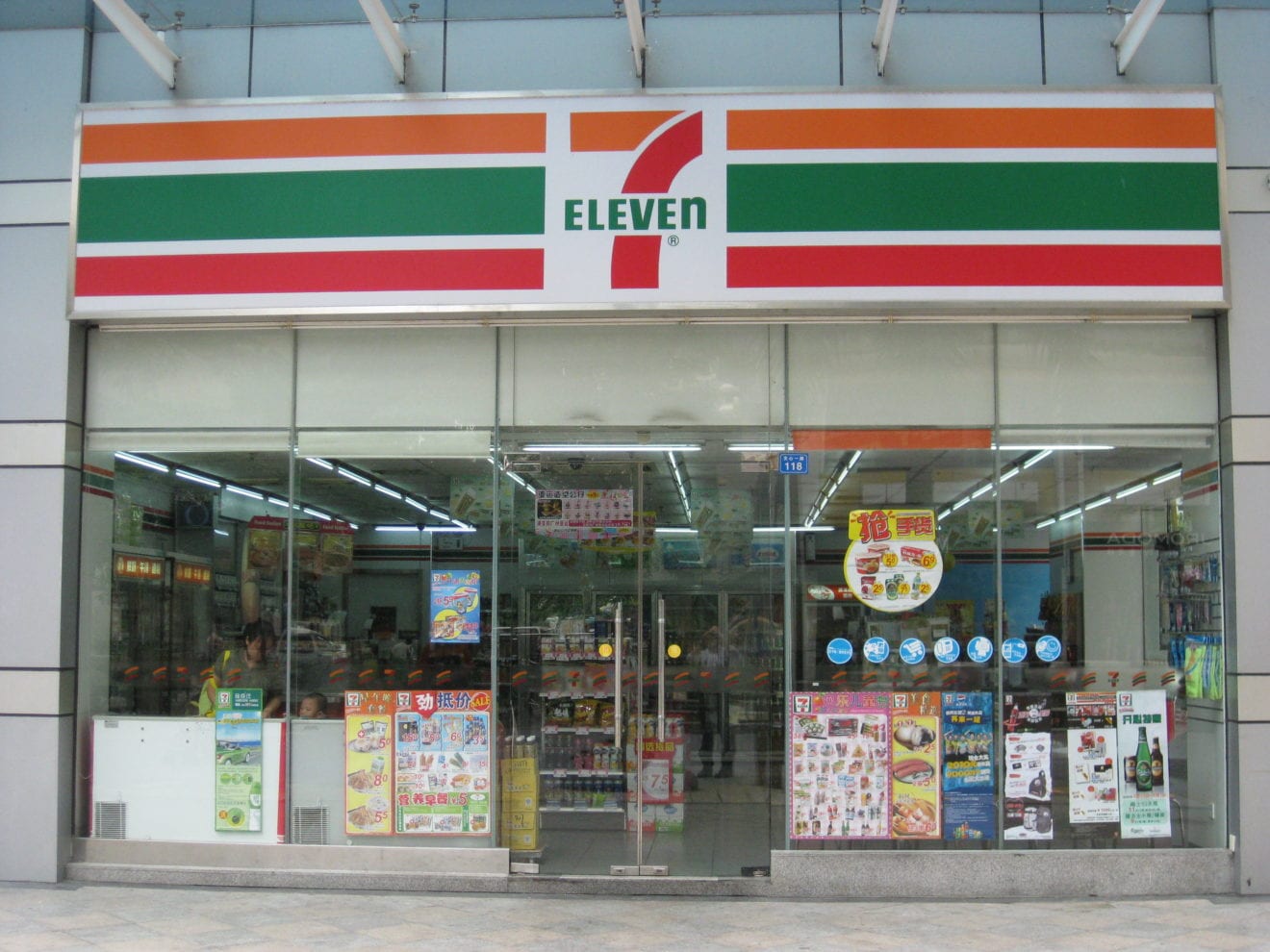
    The 7-Eleven retail store at Cineleisure Orchard is no longer allowed to sell tobacco products, after its employees were caught, for the second time, selling tobacco products to minors under the age of 18. The revocation of its tobacco retail licence took effect on July 31.

    Four other errant retail outlets have also had their tobacco retail licence suspended for six months after they were caught selling tobacco products to under-18 minors for the first time.

    The suspension for Nice Minimart at Tampines Street 32 takes effect today (Sept 28) until March 27 next year, while the suspension for Tastebud Foodcourt at Queen Street and J Plus Ten Mini Mart at Bukit Batok West Ave 6 started on July 31 and will last until Jan 30 next year. The suspension for Hwa Soon Heng Mini-Supermarket at Yishun Ring Road ended on Sept 15.

    The Health Sciences Authority (HSA) listed errant retailers and actions taken against them in a press release issued today. The HSA said they were caught via its ground surveillance and enforcement activities.

    In the last three years, 39 tobacco retail licences were suspended and 18 were revoked.

    The HSA reminded licensees that they are responsible for all transactions of tobacco products taking place at their outlets, as well as for the actions of their employees.

    Under the Tobacco (Control of Advertisements and Sale) Act, anyone caught selling tobacco products to persons below the age of 18 is liable, on conviction in Court, to a fine of up to S$5,000 for the first offence and up to S$10,000 for the second or subsequent offence. In addition, the tobacco retail licence will be suspended for 6 months for the first offence and revoked for the second offence.

    If any outlet is found selling tobacco products to under-18 minors in school uniform or those below 12 years of age, the tobacco retail licence will be revoked, even at the first offence.

    The HSA also reminded members of the public that anyone caught buying or acquiring any tobacco product for a person below the age of 18 years, is liable on conviction in Court, to a fine of up to S$2,500 for the first offence and up to S$5,000 for the second or subsequent offence.

    Anyone caught giving or furnishing a tobacco product to a person below the age of 18, is liable on conviction in Court, to a fine of up to S$500 for the first offence and up to S$1,000 for the second or subsequent offence.

    Between 2011 and August this year, 70 people have been caught for such offences.

  • Jysk’s first store in Singapore opened

    Jysk’s first store in Singapore opened

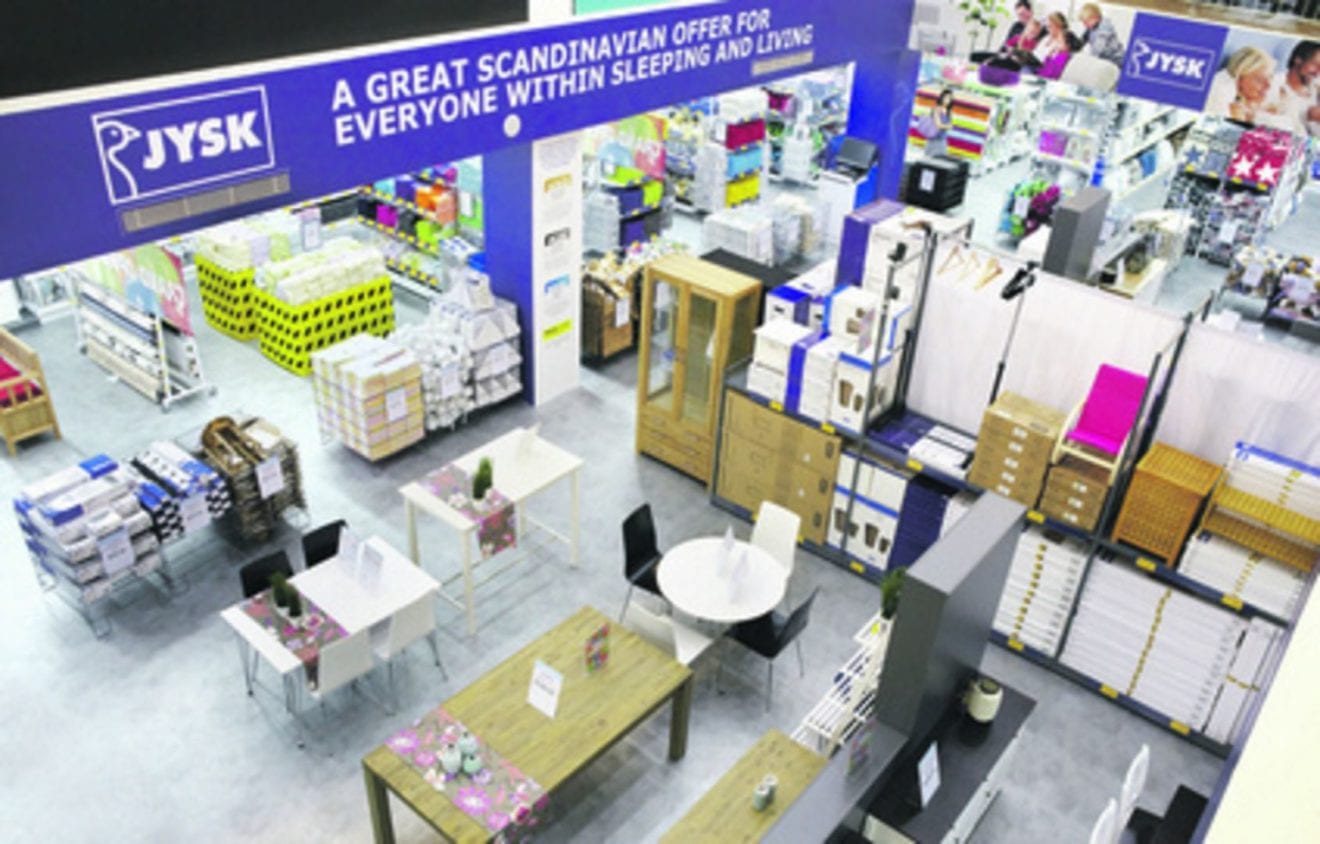
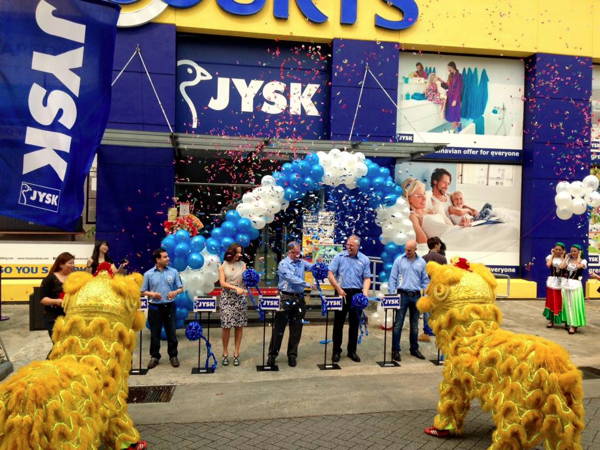
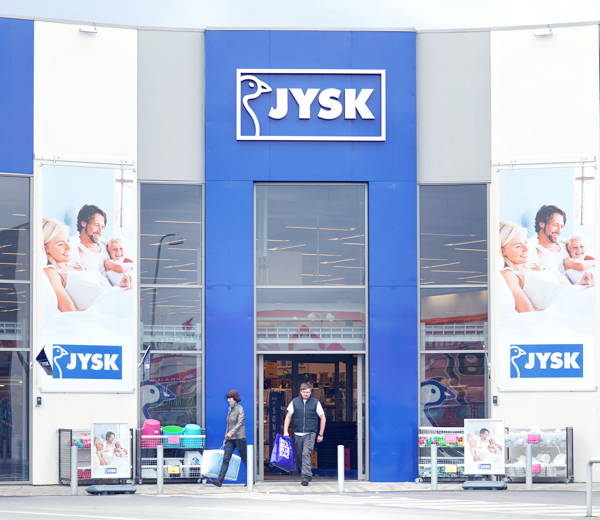
    On 26 September the very first JYSK store in Singapore (occupying 9,000 sq.ft. at the new Courts Bukit Timah store) opened its doors, with plans to open another 20 in the country within the next five years!

    Jysk-Singapore2

    JYSK, is an international retail chain from Denmark (with more than 2,200 stores across the world) that sells home necessities within the sleeping and living categories.

    JYSK in Singapore is operated through a franchise deal between JYSK and the furniture and electrical goods retailer Courts. Offering JYSK products means that Courts can expand its offers to its customers within interior design from now on.

    Singapore became JYSK’s 39th country to open a store in where the first outlet stocks about 1000 furniture and home wares items, designed in the popular minimalist Scandinavian style.

    Despite being Denmark’s largest international retailer, its Asian presence had been limited to China and Indonesia, where it trades under the JYSK Nordic brand.

    The Nordic brand is excited to be working with Courts.

    »Courts has 40 years of experience in Singapore and is already a very well-known brand in the country. JYSK can contribute with great offers and Scandinavian products, which are in high demand in Asia. There is no doubt that JYSK and Courts are a good match,« says Frederik Kroun, Franchise Director in JYSK.

    Courts executives first saw the home wares brand while in Indonesia scouting for locations for Courts stores and approached the brand’s head office to discuss a partnership in Singapore.

    Steve Church, Courts’ Group Furniture Firector, believes there is high synergy between the two brands.

    “We wanted to expand our portfolio by adding other brands into the mix, which would give consumers access to a more diverse and comprehensive range.”

    JYSK’s range is considered a massmarket offer, like Ikea, with a strong value proposition. JYSK stores in stores will be opened across the Courts Singapore network progressively over the next five years.

    Group CEO of Courts Asia, Mr Terry O’Connor, commented: “Homeowners’ tastes and needs are constantly evolving. Due to globalisation, there is now greater accessibility and therefore appreciation for global brands and their offerings. Joining hands with Ace Hardware and also with JYSK has allowed us to provide a more comprehensive suite of home solutions offerings to our customers and reach out to new customers, from DIY project enthusiasts to purveyors of design.”

    “In Singapore, where the cost of operations is high for a retailer, it is essential to find ways to innovate our offerings and improve overall productivity for our store bases,” he continued.

    Mr Jonas Schrøder, Communications Director, from JYSK, said: “Having a 40-year legacy in Singapore means that Courts has the industry know-how, network and rigor to shape the industry together with us. We are confident that combining our strengths with Singapore’s largest retailer will allow us to expand our business further while delivering a great Scandinavian offer for everyone within sleeping and living to customers.”

    JYSK Group has its origins in Scandinavia: the first store opened in Denmark in 1979. JYSK Group aims to establish a presence throughout the world, providing great offers to everyone.

  • Fung Group launches omnichannel retail lab

    Fung Group launches omnichannel retail lab

    Virtual-reality fitting rooms, magic mirrors and 3D printing are among innovations being trialled at a large-scale laboratory in Shanghai where businesses can experiment with omnichannel techniques and trends shaping the future of retail.

    The initiative is led by the Fung Group, the Hong Kong-based multinational with international brands and retail operations across China, and parent of sourcing giant Li & Fung.

    Named ‘Explorium’, the laboratory is being operated in partnership with data and analytics technology leader IBM, and brand activation company Pico. It is located within more than 23,000 sq m (nearly 250,000 sq ft) of trade exhibition space at LiFung Plaza, where it provides a controlled setting for businesses to observe and explore in real time how consumers interact with new technologies, products and environments.

    Brands are also using Explorium to understand opportunities in China for their products and services, based on consumer feedback collected and analysed at the laboratory. Retailers are using it to test different store concepts.

    Fung Group chairman Dr Victor Fung says the initiative is sparked by challenges occurring in retail across the world, especially in China.

    “Everything we thought we knew about how consumers decide upon what they buy, where they buy, when they buy, how they buy and how they pay is changing,” he explains.

    “Technology is the catalyst empowering consumers. The internet and mobile communications are disrupting the way consumers behave and, in so doing, providing unique opportunities for retailing to come up with new business models. Nowhere is this more evident than in China, one of the world’s most exciting, challenging retail markets.”

    Dr Fung adds that he believes the future for retail in China and globally is omnichannel – either online-to-offline (O2O) or a combination of bricks and clicks.

    “Chinese consumers are setting shopping trends globally, especially with their avid use of social media. And Shanghai is home, arguably, to China’s most vibrant, tech-savvy consumers. That is why we chose Shanghai as the launch pad for this major Fung Group initiative.”

    Participating brands and retailers are encouraged to experiment, incubate and iterate at high speed “while minimising their cost and risk,” with no preconceived ideas about which omnichannel business models would emerge from Explorium.

    IBM is gathering data in the Explorium and analysing it to help retailers “deliver personalised, relevant marketing interactions to consumers in real-time, delighting them and differentiating the retailer from the competition,” according to IBM global retail industry leader Stephen Laughlin.

    Consumers will be able to opt-in to receive offers and rewards from their favourite brands via social media and their mobile device – all tailored to their location and unique preferences.

    While children’s products such as toys are a special focus during Explorium’s first phase, it will go on to feature women’s and men’s apparel.

    “Explorium’s priority in coming months is to design, build, run and measure a greater number and variety of experiments to produce a pool of data that will enable participating brands and retailers to obtain unique insights for their individual businesses,” explains the project’s Shanghai-based director Simeon Piasecki.

  • Hilary Tsui of Liger boutiques on her passion for fitness and fashion

    Hilary Tsui of Liger boutiques on her passion for fitness and fashion

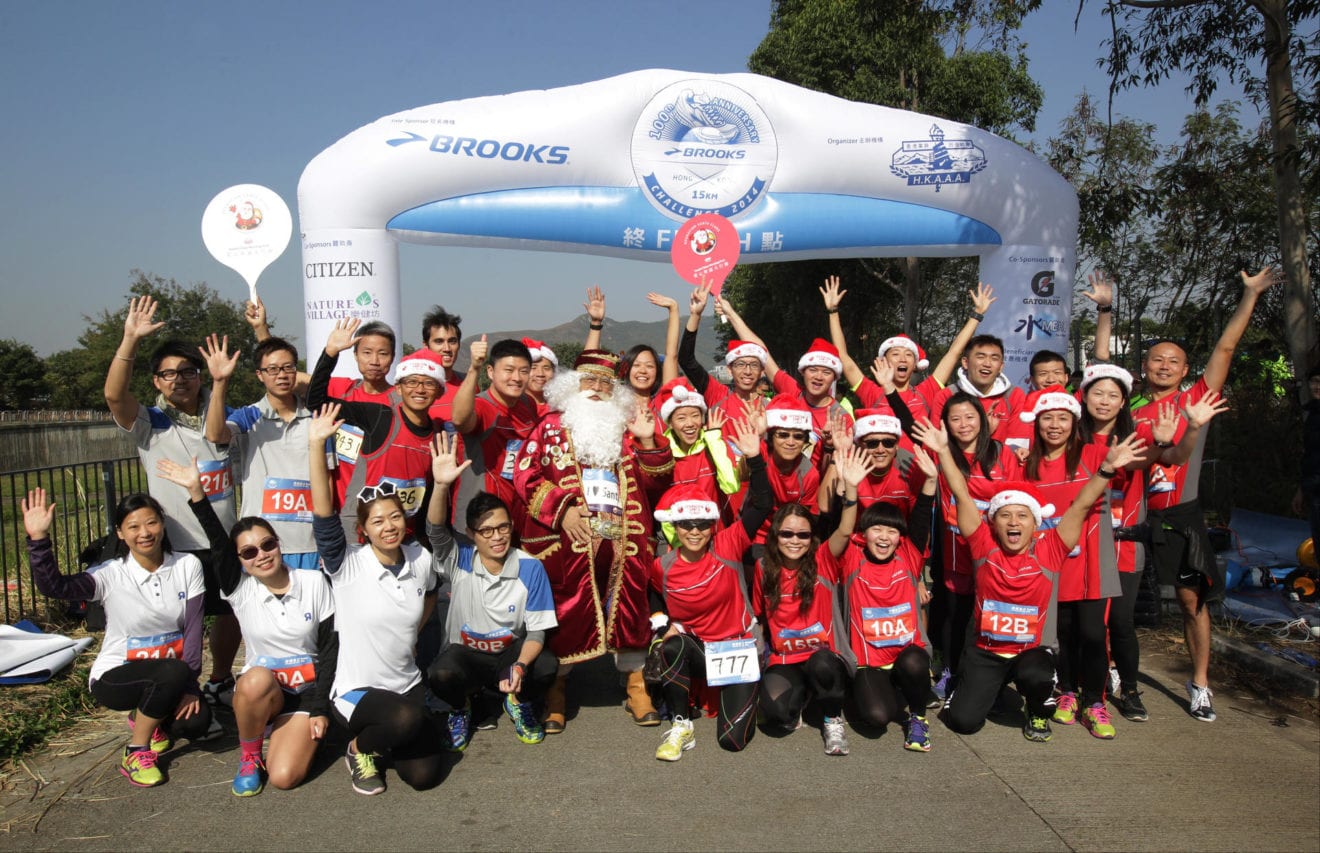
    Marathon runner, designer and co-founder of Hong Kong’s Liger boutiques, Hilary Tsui Ho-ying talks about her two passions – fashion and fitness.

    You’ve just got back from Paris Fashion Week. What was that like? “This was the busiest fashion week I have ever had! I was in Paris to run a race as well as for showroom appointments, buying and attending fashion shows. I also took my Oh My God collection there for a trade show.”

    How would you describe Hong Kong style? “We have different kinds of style influences here. Korean is very trendy at the moment and there are lots of people still loyal to Japanese fashion. For me and my store, we still tend to be more European.”

    How have falling retail sales in Hong Kong affected plans for your Liger boutiques? “We have to be more careful in choosing brands. Actually, everyone is going through a hard time in retail, especially in the fashion industry. I hope landlords can be more considerate of their tenants when deciding on rents. If that happens, the road will be easier for everyone.”

    How can Hong Kong fashion become more competitive globally? “Quality is important. For example, a friend who founded local label Jourden now has many clients all over the world, including influential stockists like Colette and Barney’s. One of the reasons she can attract these international buyers is that she chooses high-quality fabrics.”

    How do you juggle your passions for fitness and fashion? “Our store now has a sports corner where I can display my favourite brands, trainers and sportswear. Running is not only a sport, it helps release stress – one of my favourite moments is when I can be alone and clear my mind. People always say that marathon running is a kind of meditation. And people want to be stylish when they are doing yoga, running or other exercise.”

    What is the one thing you can’t live without? “My family!”

  • Sports fashion demand drives Stella sales

    Sports fashion demand drives Stella sales

    Shoe marketer Stella International has reported increased sales in the second quarter on the back of growing demand for sports fashion footwear.

    In the three months to September 30, consolidated revenue from its China retail business and its manufacturing operations amounted to US$569 million, up 4.3 per cent year on year. For the nine months to September 30, revenues totalled US$1.366 billion, an increase of 7.9 per cent.

    “Looking forward, the group expects orders for the group’s footwear products will pick up further towards the end of this year and the beginning of 2016, as its customers continue to expand their global presence and as demand for sports fashion footwear continues to grow,” the company said in a stock exchange filing.

    “Order levels will also be supported by greater efficiency and improved utilisation at the group’s production facilities in inland China and Southeast Asia.

    “The group cautiously expects shipment volumes to reach 58 million pairs by the end of 2015.”

    Stella produces shoes for brands including Clarks, Deckers, Ecco, Rockport, Timberland, Wolverine, Cole Haan, Guess, Jones Group, Kenneth Cole and Michael Kors. It also designs, develops and manufactures footwear for high-fashion brands including Alejandro Ingelmo, Alexander Wang, Armani, Bally, Balmain, Brian Atwood, Givenchy, Kenzo, Marc by Marc Jacobs, Marciano, Miu Miu, Paul Smith, Prada, Sigerson Morrison, Via Spiga and Y3.

    And taking advantage of its manufacturing expertise, the wide acceptance of Stella’s products by brand customers, the company has successfully expanded into the Chinese and global footwear retail market through its own brands Stella Luna, What For, JKJY by Stella and joint-venture brand, Pierre Balmain.

    Stella says it will continue to implement strict cost controls and efficiency improvement measures to preserve its profitability. This includes placing a renewed focus on leveraging its competitive strengths to pursue new promising product segments, such as sports fashion footwear.

    “The group also remains committed to building the long-term competitiveness of its retail business with the opening of new standalone stores and shops-in-shops in quality locations. It will also continue to boost its branding efforts in Europe to further grow the value of its brands among Chinese consumers.”

  • Li-Ning growth strengthens

    Li-Ning growth strengthens

    Hong Kong-listed Chinese sportswear brand Li-Ning has released the vaguest operational update of the year – but nevertheless, it’s clear the brand is still growing.

    A year after seemingly being down for the count, Li-Ning revealed a first half year profit in August, proving its massive transformational program was have a positive effect.

    Now the company has released information on orders from its franchised distributors at its September trade fair, where it unveiled its range for distribution in the second quarter of 2016. For the eighth consecutive quarter, orders increased.

    “The orders from the latest trade fair… registered high-teens growth on a year-on-year basis. This growth is driven by mid-teens increase in footwear as well as low-twenties increase in apparel.”

    Meanwhile, same-store sales for Li-Ning-branded stores in the quarter to September 30

    increased by “mid-single-digits” year on year.

    “In terms of channels, growth rates of retail (direct operation) and wholesale (franchised distributors) were mid-single-digit and low-single-digit on a year-on-year basis respectively. Comparable growth on our eCommerce virtual stores more than doubled on a year-on-year basis. We have started reporting the eCommerce revenue growth as it is an increasingly important channel.”

    At the end of last month there were 5953 Li-Ning branded points of sale in China, a net increase of 327 since January 1, and 208 more than at the end of the previous quarter.

  • Sim Lim Square scammers jailed

    Sim Lim Square scammers jailed

    Crooked retailers have been served a warning after a judge jailed four Sim Lim Square scammers.

    The freelance salesmen worked for the collapsed Mobile Air mobile phone shop for notorious conman Jover Chew Chiew Loon have been sent to jail for between four and 14 months for their part in duping customers of a proven $16,147 between April and October last year.

    Chew goes to trial next week.

    According to a Straits Times court report, the four convicted are Koh Guan Seng, 38, (14 months); Kam Kok Keong, 31, (11 months); Lim Hong Ching, 34, (six months); and Kelvin Lim Zhi Wei, 32 (four months).

    The newspaper reports they would lure unsuspecting customers with attractive pricing for new phones, then add hidden charges to extort additional cash from the customers. Such charges included bogus extended warranties

    Mobile Air is the store featured in footage which went viral on social media last November showing a Vietnamese tourist who used his life savings to buy his girlfriend a new phone begging for a refund after he could not pay an extra $1000 demanded for a ‘warranty’ before he could take the phone away.

    District Judge Toh Yung Cheong said that while they had been trained in how to dupe customers, the four convicted had made conscious decisions to offend.

    “In committing the offences, they behaved like thugs rather than sales assistants and they must bear personal responsibility for their conduct,” he said.

    Prosecutors said the victims were mostly foreigners on low wages and with limited English skills – thus easy targets for the conmen.

    The judge noted their actions had caused wider harm by damaging the reputation of Singapore as a tourist and shopping destination, apart from the impact on Singapore’s retail industry.