Author: Mei Ling Tan

  • Trade Expo Indonesia (TEI) 2015 Opens with 118 Countries Ready to Make Transactions

    Trade Expo Indonesia (TEI) 2015 Opens with 118 Countries Ready to Make Transactions

    Indonesia is once again holding its largest international scale trade promotions exhibition, the Trade Expo Indonesia (TEI) 2015. The 30th TEI event will be attended by more than 14 thousand buyers from 118 countries. TEI this year will be carrying the theme “Sourcing at Remarkable Indonesia” and is being held at the Jakarta International Expo (JIExpo) from the 21-25 October, showcasing export oriented products and services.

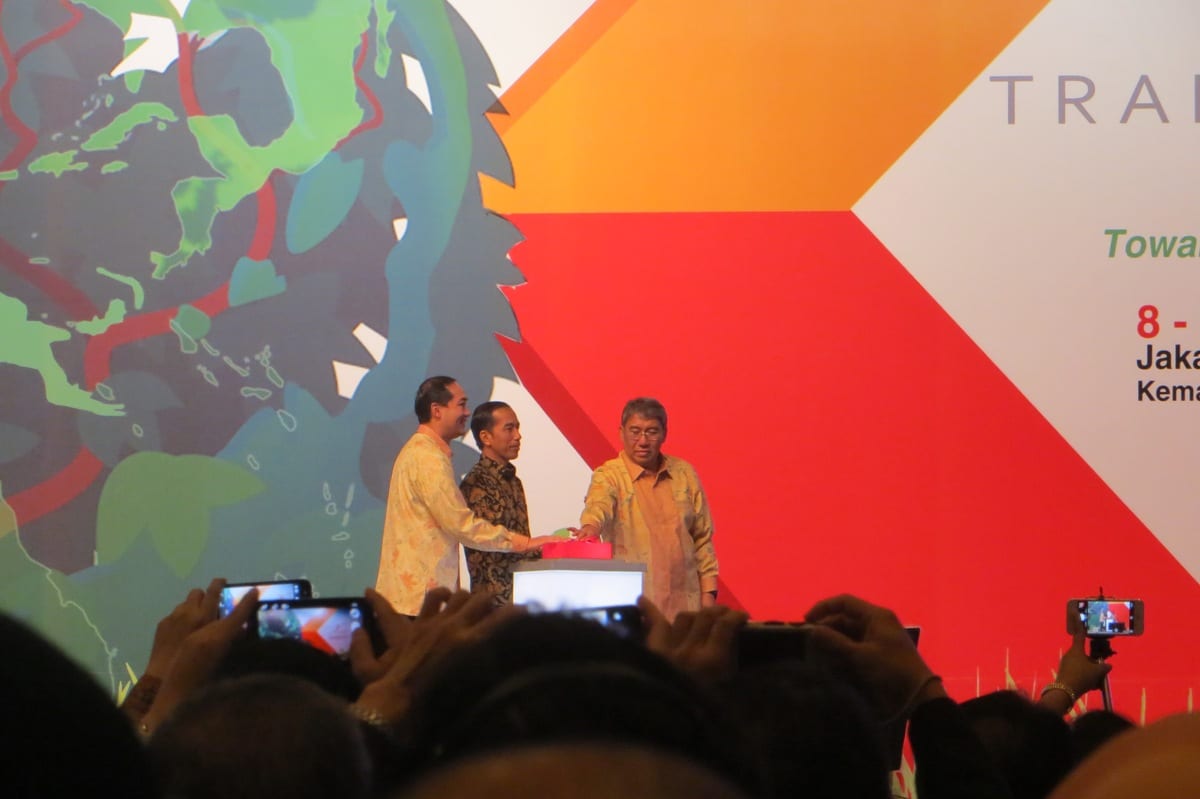
    The Indonesian Minister of Trade, Thomas Trikasih Lembong, said that TEI was an important instrument for promoting Indonesian exports. “TEI is one of the tools to increase market access and export target market diversification, particularly to nontraditional and emerging markets. The same as last year, TEI this year will focus on Business to Business transactions (B2B),” said Trade Minister Tom at the opening of TEI on Wednesday.

    In order to make TEI become an effective promotional event, the Ministry of Trade is focused on ways to bring in buyers from all over the world. This was done by way of cooperation with the Ministry of Foreign Affairs; through Indonesian representative offices abroad such as Indonesian Embassies, Trade Attaches, Indonesian Trade Promotion Centers (ITPCs); and also through cooperation with the Chambers of Commerce and Industry of friendly countries to spread information abroad about the holding of TEI.

    “Efforts to diversify markets has continuously been carried out by the Ministry of Trade and it seems that now the buyers delegation list comprises mostly of countries from nontraditional markets, including Nigeria, India, Saudi Arabia, Bangladesh, and Malaysia,” said Tom.

    TEI this year will occupy a 50.000 m2 of exhibition space, larger than last year, which only occupied 40,000 m2 with occupancy reaching 99% of the target. The products that will be showcased include manufactured products (automotive products, footwear, textile products, household appliances, building materials, housewares, consumer goods, paper products, health equipment, rubber products, etc.), professional services, furniture, home decorations, processed food, fishery products, agriculture products, and other creative products.

    The “Pride of Indonesia” Pavilion has also returned with local products that are the pride of Indonesia and has been accepted in the global market. There will also be an ASEAN Pavilion set up with an information stand by ASEAN representative countries as well as an ASEAN Economic Community Center (AEC Center) to welcome the implementation of the ASEAN Economic Community (AEC), which will go into effect in December 2015.

    Events at TEI 2015 

    On the first day of TEI 2015, several trade contracts worth more than USD 8 million were already recorded. The signing of trade contracts were conducted between seven Indonesian exporters with five buyers, namely PT. Cipta Panel Buana with Kohnan Shoji Co., Ltd. from Japan, PT. Anggana Catur Prima with JANS Enterprises from the United States, PT. Perkebunan Nusantara VIII with Kong Wooi Fong Tea Merchant Sdn. Bhd from Malaysia, Sinar Sosro with Eastern Cross Trading Pty. Ltd. from Australia, and PT. Inti Bintang Mas Perkasa with Canejava Pty Ltd from Australia.

    TEI 2015 also continuously strives to inform about the latest in developments and regulations of the international export market by holding various activities such as the Trade, Tourism, and Investment (TTI) Seminar to inform exporters, buyers, and investors about taking advantage of international trade and investment opportunities. Regional Discussions will also be held to inform about potential products and foreign market access as well as discuss issues related to international trade.

    Besides that, there will also be a Business Counseling, which is a consultation event facilitated by the Trade Attache and the Head of the Indonesian Trade Promotion Center (ITPC) in order to provide information access and information on penetrating foreign markets for exporters. There will also be a Business Matching to introduce buyers to suitable Indonesian exporters that matches the products the buyers are looking for.

    Moreover, TEI 2015 have also awarded the Primaniyarta Award to 30 Indonesian exporters for various categories, namely 7 companies in the Domestic Capital Investment High-performance Exporter Category, 7 companies in the Foreign Capital Investment High-performance Exporter Category, 6 companies in the Global Brand developers Category, 7 companies in the Superior Potential Exporters Category, and 3 companies in the Exporters of New Market Pioneers Category.

    Afterwards, the presentation of the Primaduta Award to 60 loyal buyers that have been importing Indonesian products. This is a form of appreciation presented by the Government to those who have contributed to increasing Indonesian exports. “We hope that TEI this year will be able to result in even more trade cooperation between Indonesian exporters with buyers so that it could directly contribute to the growth of the national export performance,” said Trade Minister Tom.


  • Dyn Evolves Internet Performance Space with Launch of Internet Intelligence

    Dyn Evolves Internet Performance Space with Launch of Internet Intelligence

    As Singapore gears up to become the world’s first Smart Nation, keeping communities and businesses connected to the Internet is crucial to support better living and working. Likewise, companies are beginning to realise that the performance of the Internet has an impact on their website, app or service and eventually, customer experience, reputation, and revenue. Dyn, the worldwide leader in Internet Performance, announced today availability of Internet Intelligence (II), a SaaS-based product that provides companies with a new and unique view of the Internet by looking at performance between a company’s customers and its Internet assets.

    “The variabilty of the Internet is both good and bad. Every path will eventually have problems, but there are many paths to choose from. Companies need to monitor their options constantly and play the optimisation game. The belief that Internet performance is uncontrollable is a myth. Although the Internet is an unpredictable and complex space, Internet Intelligence allows companies for the first time to monitor, alert and plan for their complex Internet Infrastructure from a single platform,” said Martin Ryan, Vice President and Managing Director Asia Pacific at Dyn.

    As an increasing number of companies migrate to the cloud, the ability to mitigate risk and control cloud becoming a business imperative.

    Almost 40% of organisations in Singapore are using cloud computing; while more than 35% are planning or implementing cloud strategies.

    II enhances availability, reachability, and performance

    Internet Intelligence is a vendor-agnostic SaaS offering that shows a company’s full global cloud provider, Content Delivery Network (CDN) and data centres on one dashboard, allowing IT executives to see how real-time availability, reachability, and performance issues impact their own customers. By alerting issues directly in the dashboard or via email, companies of all sizes and IT sophistication can quickly isolate and fix small issues before they become costly problems.

    “Distil Networks blocks malicious bots from disrupting many of the world’s top websites. To keep companies safe, we need visibility and continuous monitoring of key peering relationships and providers that our customers use,” said Engin Akyol, CTO of Distil Networks. “Dyn’s Internet Intelligence goes beyond anything else on the market because it pinpoints the exact location of an external network issue and allows us to mitigate the situations before they become larger problems.”

    For example:

    • Availability — An hour of downtime costs the average business US$163,000. For a large enterprise, like a consumer streaming movie service, it’s estimated that a recent 42-minute outage cost in excess of US$500,000. Internet Intelligence detects outages and performance problems and directs how to reroute traffic so the effect is minimised or unnoticed for customers.

    Through a consolidated single view across all Internet assets, II allows companies to accurately manage and deploy to their cloud providers, identify issues in real-time while performing root cause analysis of problems and effects and create plans for how to improve and expand their Internet infrastructure – all of which benefit the end-user experience with Managed DNS is increasing focus on cloud computing in Asia Pacific, with 58.6% of organisation decision-makers

    A study conducted by Frost & Sullivan has found identifying it as their #1 priority in the next 12 months.

    • Reachability — Just because a company’s infrastructure is reporting that it is available, this doesn’t mean that customers can reach it. Reachability – whether customers can actually reach your Internet assets – needs to be monitored. In cases where a business is using a single cloud instance, an outage or failure will have a detrimental impact on reachability – and unless businesses are monitoring their reachability and mitigating for failures, they have little choices for rerouting if a disruptive event occurs.
    • Performance — Many businesses use CDNs to accelerate web page load. Amazon calculated that a slowdown of just one second can cost US$1.6 billion in sales per year, 7 percent of annual revenue. Businesses need to quickly recognise Internet inefficiencies and outages to avoid accumulating latencies. II’s real-time dashboard alerts companies when routes rise above expected traffic thresholds for cloud providers, CDNs and data centres to find the root cause of the issue. For CDNs, II also ranks a company’s selected CDN against others so they can choose a better option if available.

    “The recent outages at AWS East and Skype remind us that all Internet assets are vulnerable to variability, and downtime and poor performance can be very costly,” said Robert Mahowald, IDC VP Cloud and SaaS. “Dyn’s Internet Intelligence offerings allow companies to have constant vigilance and employ self-healing Internet Performance strategies that can mitigate the risk of the dynamic Internet.”

    When Internet Intelligence is combined with Dyn’s Traffic Management product for load balancing and geographic routing, companies can make changes to the routes of their traffic, allowing them to provide their customers with the best experience possible.

    II is the newest product within Dyn’s Internet Intelligence product suite, which has been heavily adopted by service providers and some of the largest enterprises, like Visa, TripAdvisor and Ancestry.com.

  • In Asia mom-and-pop stores continue to beat supermarkets

    In Asia mom-and-pop stores continue to beat supermarkets

    In Asia, the traditional ‘mom-and-pop’ stores draws about half of retail sales. This research firm Nielsen reveals the oversight by marketers and brand managers, who may have dismissed the transactional potential of the more traditional trade stores.

    Fast-moving consumer goods vying for market share and customer loyalty ought to look to these traditional stores when it comes to engaging the Asian shopper.

    A better understanding of this fragmented yet ubiquitous traditional trade channel – which comprises more than five million outlets in Southeast Asia alone – has the potential to drive sales by putting brands in front of more consumers.

    Traditional trade channels account for almost half of all grocery sales in Asia. In 2014, 47.9% of all retail sales were made through traditional trade channels, compared to 17.2% for supermarkets which accounts for the second-largest proportion of sales. 

    nielsen-traditional-trade-chart1

    Connie Cheng, executive director of shopper solutions for Southeast Asia, North Asia and Pacific, says traditional trade accounts for up to 70% of all retail sales in key markets such as Jakarta and Ho Chi Minh City.

    “While there’s been a headlong rush into the hypermarket and supermarket retail formats throughout most of Southeast Asia, there are untapped loyalties between brands and consumers shopping at traditional trade stores on every street corner, in every town, village and city,” said Cheng. 

    The who, what and where of traditions

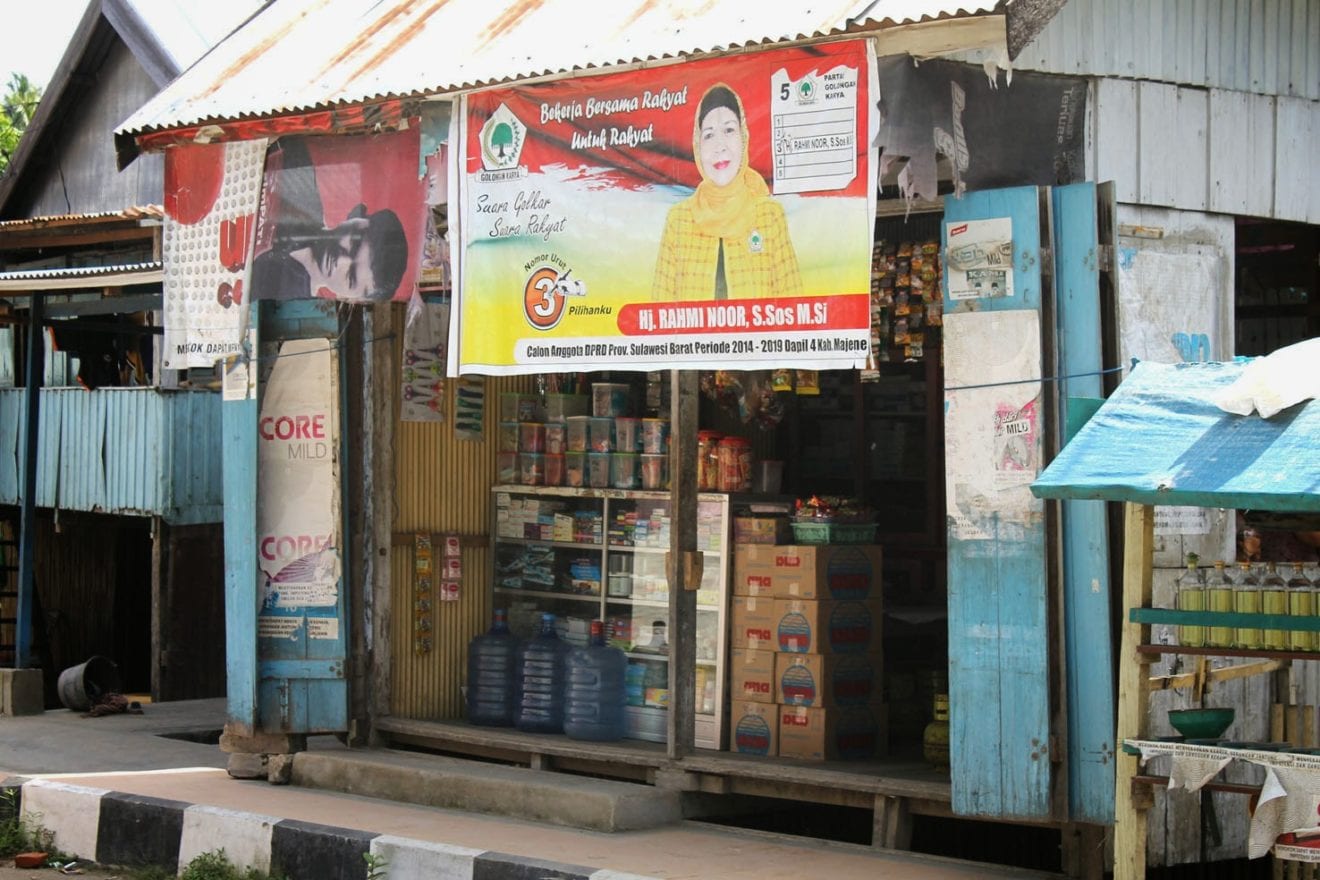
    The research founds that the humble warung in Indonesia, the Philippine sari-sari, Malaysia’s kedai runcit and Vietnam’s cử a hàng tạp hóa are used by consumers in similar ways. The majority of consumers shop at traditional trade stores for daily meals, snack foods and beverages for immediate consumption, while they are less important for top-up or main shopping trips. 

    nielsen-traditional-trade-chart2a

    Majority of consumers plan their trips to the most conveniently located store in advance, and have a specific brand in mind.

    Such behaviour highlights opportunities for brands to vary pack formats or leverage loyalty for premium lines to increase basket size.

    Who are your shoppers?

    When it comes to commonly purchased products, powdered coffee blends, coffee and carbonated drinks top the list in Indonesia, the Philippines and Vietnam, respectively.

    While shoppers clearly tend to view the traditional trade store as an extension of their kitchen pantry, sales of homecare and personal care lines are also common purchases. Laundry items, shampoos, makeup, vitamins, baby-care lines and general household products are the most frequently purchased items at grocery stores in Indonesia, the Philippines and Vietnam.

    Studying segmentation

    Marketers need to undertake a more thorough segmentation analysis to maximise market share. Although traditional trade grocery outlets are plentiful in Indonesia, Malaysia, the Philippines, Thailand and Vietnam, the market is fragmented.

    Cheng suggests extending segmentation and tapping shopkeepers for their intimate understanding of hyper-local consumer behaviour. “Information on demographics, psychographics and shopper behaviour can help provide actionable information for sales teams,” she added.

    A better understanding of grocery shoppers can also assist in brand strategy and modelling, potentially unlocking value for brands in regions with a higher average GDP. This may help overcome issues in a fragmented market.

    There’s a disconnect between the desires of brand managers, who may think that bigger is better, and the demands of shoppers utilising Southeast Asia’s most popular channel for purchasing groceries – the traditional store format.

    “Traditional format stores are as relevant now as they have ever been. By better tapping into consumer behaviour, brands can discover what most Southeast Asians already know; that bigger doesn’t always equate to better,” Cheng added.

  • Hong Kong wine vendors look to beat the retail slump at festival

    Hong Kong wine vendors look to beat the retail slump at festival

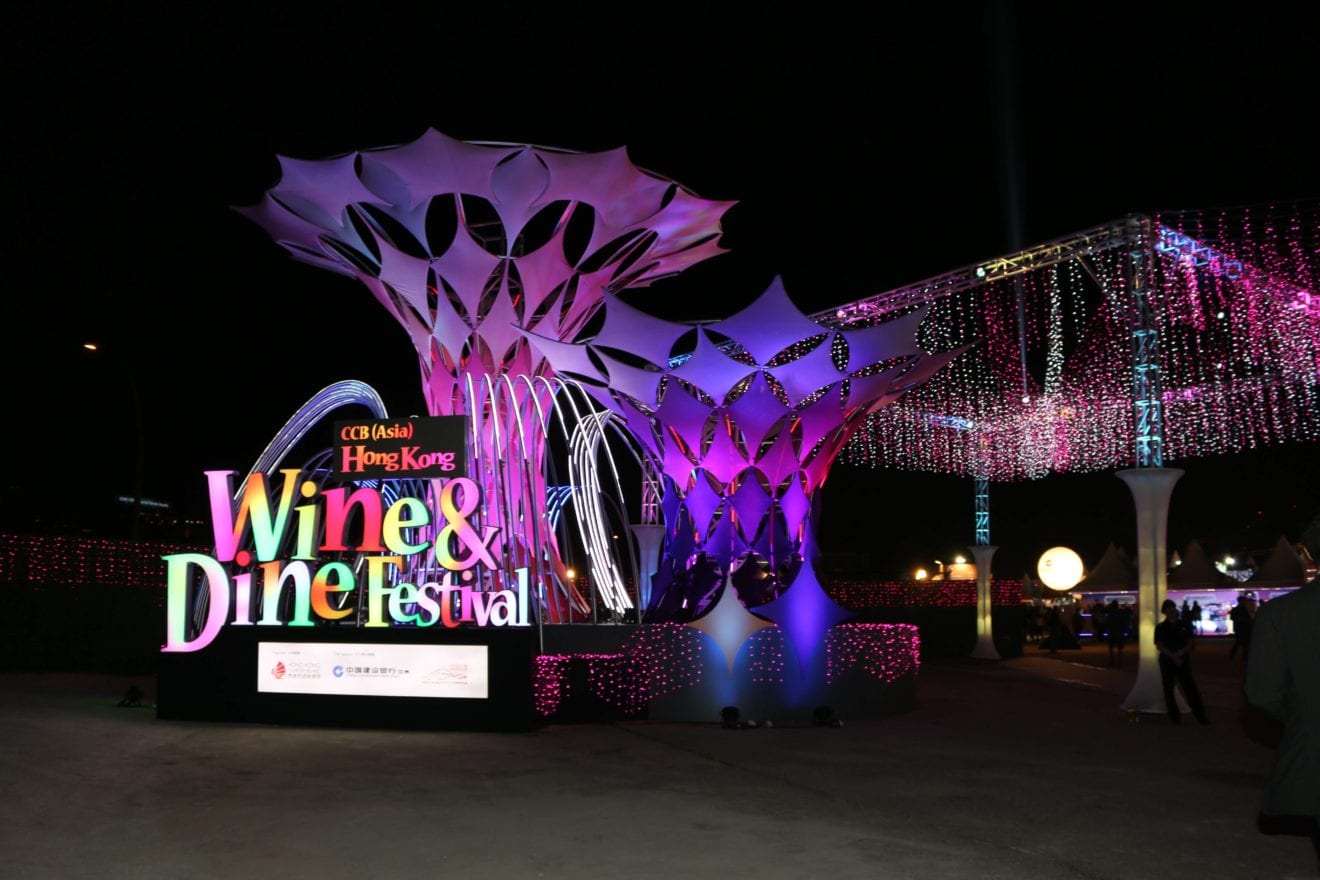
    Vendors of wines and liquors appeared to be undaunted by a retail and tourism slump in Hong Kong as they welcomed the annual Wine and Dine Festival in the Central harbourfront.

    One of the biggest in recent years, the festival this year features 340 stalls and offers a free flow of samples in return for the HK$30 cost of an admission ticket for the event.

    Henry Lum Kai-cheung, 41, general manager of Cheers, a boutique wine and cocktail store that operates both in Hong Kong and on the mainland, said the lacklustre retail performance and slowdown of tourism in the city had not deterred him from setting up a stall this year.

    “Actually 90 per cent of my business in the festival in the past years has been from local residents,” Lum said.

    “Tourists don’t usually buy many bottles here because they would have to carry them back home.”

    Jamie Lo Ching-man, marketing manager of Kiwa, a company that imports spirits from Japan, had similar views.

    “Most of our customers are Hong Kong locals. In fact, this year, we doubled the number of booths in the festival from five to 10 because I think there is huge demand for our wine in the community,” said Lo.

    He was expecting an 80 per cent increase in sales from last year.

    According to Lo, the impact of the economic slowdown is not easily evident from the festival itself because many wine companies in Hong Kong thrive by supplying their products to restaurants in the city.

    “We now have fewer orders from restaurants and business has dropped 20 per cent in that area starting from the middle of this year,” Lo said.

    The festival, which runs for four days till 10pm on Sunday, attracted over 140,000 visitors last year when it was relocated to Kai Tak due to the Occupy protests in nearby Admiralty.

    Despite the withdrawal of 40 exhibitors last year, Lum still had fond memories of his stall’s performance, which greatly surprised him.

    “There was an initial worry, but it ended up becoming a huge success because the organiser waived the admission fee and this attracted many people,” Lum said.

    “If I can reach the same sales volume this year, I’ll be happy.”

    This article appeared in the South China Morning Post print edition as Wine vendors look to beat the retail slump at festival

  • Hamleys to be sold to Chinese footwear retailer

    Hamleys to be sold to Chinese footwear retailer

    Hamleys, the 255-year-old toy retailer, is poised to be sold to a Chinese footwear company for an estimated £100m.

    C.banner International Holdings has confirmed that discussions to buy Hamleys from its French owner are at an “advanced stage”.

    The company released a statement on the Hong Kong Stock Exchange on Thursday afternoon saying it was: “in the process of negotiating and finalising the definitive documentation with a view to entering into a legally binding agreement in the near future.” But it added that no definitive agreement had been entered into.

    The expected sale comes during the state visit to Britain by the Chinese president, Xi Jinping, that sealed £40bn worth of trade deals, including an £18bn investment in the Hinkley Point nuclear plant, controlled by EDF of France.

    Hamleys is best known for its seven-storey flagship store on Regent Street in London, where Father Christmas will soon greet youngsters. The expected move to Chinese ownership is the latest episode in the store’s turbulent recent ownership history, which has seen it pass into Icelandic and then French hands.

    The store has become part of the London tourist trail and is seen as quintessentially British, despite its foreign ownership – a trait it shares with several other local landmarks. Harrods, one of the capital’s other big historic retail brands, is owned by Qatar Holdings; Hong Kong-based Dickson Concepts owns Harvey Nichols; while Royal tailor Gieves & Hawkes is part of Hong Kong-listed Trinity Ltd.

    C.banner International, which specialises in women’s footwear under brands including MIO and Sundance, said it was interested in Hamleys’ strong brand as part of a plan to diversify its business. It also wants to develop a “strategic partnership” to distribute toys and children’s products via British department store House of Fraser – which was bought by Chinese conglomerate Sanpower last year.

    Yuan Yafei, the billionaire chairman of Sanpower, is thought to have family links to C.banner International, which is led by chairman Chen Yixi.

    Hamleys was launched as Noah’s Ark in 1760 by William Hamley, a Cornishman from Bodmin, who stocked tin soldiers, wooden horses and rag dolls.In 1881, a new branch of the shop opened in Regent Street, although at a different location from its current spot.

    The company was once listed on the London Stock Exchange, but was snapped up by Icelandic retail investor Baugur for £59m in 2003. Since then it has passed through a string of foreign owners.

    Icelandic bank Landsbanki took control of the store in 2009 after Baugur got into financial difficulties during the global financial crash. Four years later it was sold on to French retailer Groupe Ludendo, which operates hundreds of toy shops across France, Belgium, Switzerland and Spain.

    Under its series of owners, Hamleys has expanded across the UK – adding stores in cities including Cardiff, Glasgow and Manchester. In recent years it has also expanded overseas, including opening Europe’s largest toystore in Moscow in March. It is said to be considering expansion into the US.

    The revolving door for owners in recent times reflects an uneasy history for the spectacular toy store. In 1931 Hamleys was forced to close. It reopened later that year after being bought out by Walter Lines, co-owner of Tri-ang Toys. Lines was rewarded with a royal warrant from Queen Mary in 1938.

    The Regent Street store was bombed five times during the second world war and staff are said to have served at the shop entrance wearing tin hats during the blitz.

    Hamleys was issued with a second royal warrant by Queen Elizabeth II, who bought toys there for her children in 1955.

  • Hong Kong retail rents will continue to fall in next year

    Hong Kong retail rents will continue to fall in next year

    In more than three decades in Hong Kong’s real estate industry, Sheraton Valuers’ Michael Chik Pa-fai has seen a number of up and down cycles. With retail sales falling, the managing director of the retail property-focused brokerage expects the slump in retail rents to last for at least a year before the market finds its bottom.

    Q: We saw street shop rents falling sharply in Causeway Bay and Central in the last quarter. Will the falls stop?

    A: I do not think so. The falling trend began when luxury brand Coach terminated the leasing contract of its Central shop due to slow sales of luxury goods. Adidas will now move into the three-storey shop for lower rent. The fall led to a domino effect and extended the pressure to Causeway Bay in the third quarter, and it will spread to Tsim Sha Tsui soon.

    There are still a number of shops vacant in Causeway Bay, such as those in the second-tier street Percival Street. One landlord of a Percival Street shop wanted to rent out his shop with a monthly asking rent of HK$450,000 in May this year, but no one showed interested. The shop was recently sold and the new owner cut the asking rent to HK$300,000 a month but so far it has not found a tenant.

    In Central’s China Building at 29 Queen’s Road Central, landlord Cheung Kong Property Holdings is still looking for a tenant to fill the vacant space after Italian brand Baldinini left by the end of July. Baldinini rented shops three to five on the ground floor as its Hong Kong flagship store at the beginning of this year. It moved in after Asia Commercial Holdings’ shop that traded Rolex luxury watches moved out.

    Q: Are there any tenants still planning to leave before leases expire?

    A: There are quite a lot. When retail sales were good and mainland tourists rushed to visit Hong Kong, retailers opened more than one shop on one street. Now they are considering closing the worst-performing ones. The lease of Puyi Optical’s shop at 116-120 Canton Road will expire next month. It is understood that it won’t renew the lease because it has another shop on the same street.

    Q: When will the market stabilise?

    A: The pace of rent correction in Causeway Bay is slowing after the recent decline. Rents will start to fall on Canton Road when a number of leases expire at the end of this year and next year. One example is that Asia Commercial Holdings moved into three shops in Manley House at 86-89 Canton Road in 2013 for a monthly rent of about HK$6.3 million. The retailer has been planning to sublet one shop with an asking rent of HK$1.3 million with the aim of reducing rental pressure. But it has yet to find a taker.

    When there is vacant shop, landlords of shops on the street will feel the pressure. New leases for some shops on Canton Road will be 30 per cent below old leases.

    It will take a year to let the market finds its bottom. It will go back to the rental level in 2011. Rents have jumped too fast over the years. Before Asia Commercial moved into the three shops in Manley House, Sa Sa International occupied the shops at a monthly rent of HK$1.59 million. Rents jumped more than fourfold.

    The recent downturn will pull rents down. Rents for this kind of shop will be less than HK$1 million.

    Q: Is it the worst time you have seen?

    A: Definitely not. The worst times were the years between October 1997, when Asia suffered a financial crisis, and 2003, when Hong Kong was hit by the severe acute respiratory syndrome (Sars) outbreak. The whole market picked up in 2004, bolstered by the introduction of the Individual Visit Scheme, announced in 2003, and rents kept rising since then.

    The good news is mid-range brands , which had been forced to move to secondary or tertiary locations to make way for luxury-market retailers, are taking advantage of the current market slowdown for opportunities to return to prime shopping districts. For example, Hong Kong-based cosmetics retailer Bonjour has returned to Russell Street, one of the world’s most expensive shopping streets.

    Q: What is Sheraton Valuers’ background?

    A: Chairman Yam Wing-Yin found the company in 1985. We specialise in the sale and leasing of shops and commercial premises. Our retailer clients include well-known brand names such as Emperor Watch & Jewellery, Chow Tai Fook Jewellery, Prince Jewellery & Watch, Sa Sa and Bonjour.

  • Xiu.com Signs Online Retail MOU With UK Trade & Investment

    Xiu.com Signs Online Retail MOU With UK Trade & Investment

    As a leading Chinese e-commerce company’s representatives and invited by UK Trade & Investment and British Embassy Beijing, Xiu.com’s CEO Ji Wenhong and Director of Overseas Division Summer Lu attended business meeting of the state visit on Oct. 21 and gave a speech at the Sino-UK Retail Summit on Oct. 22.

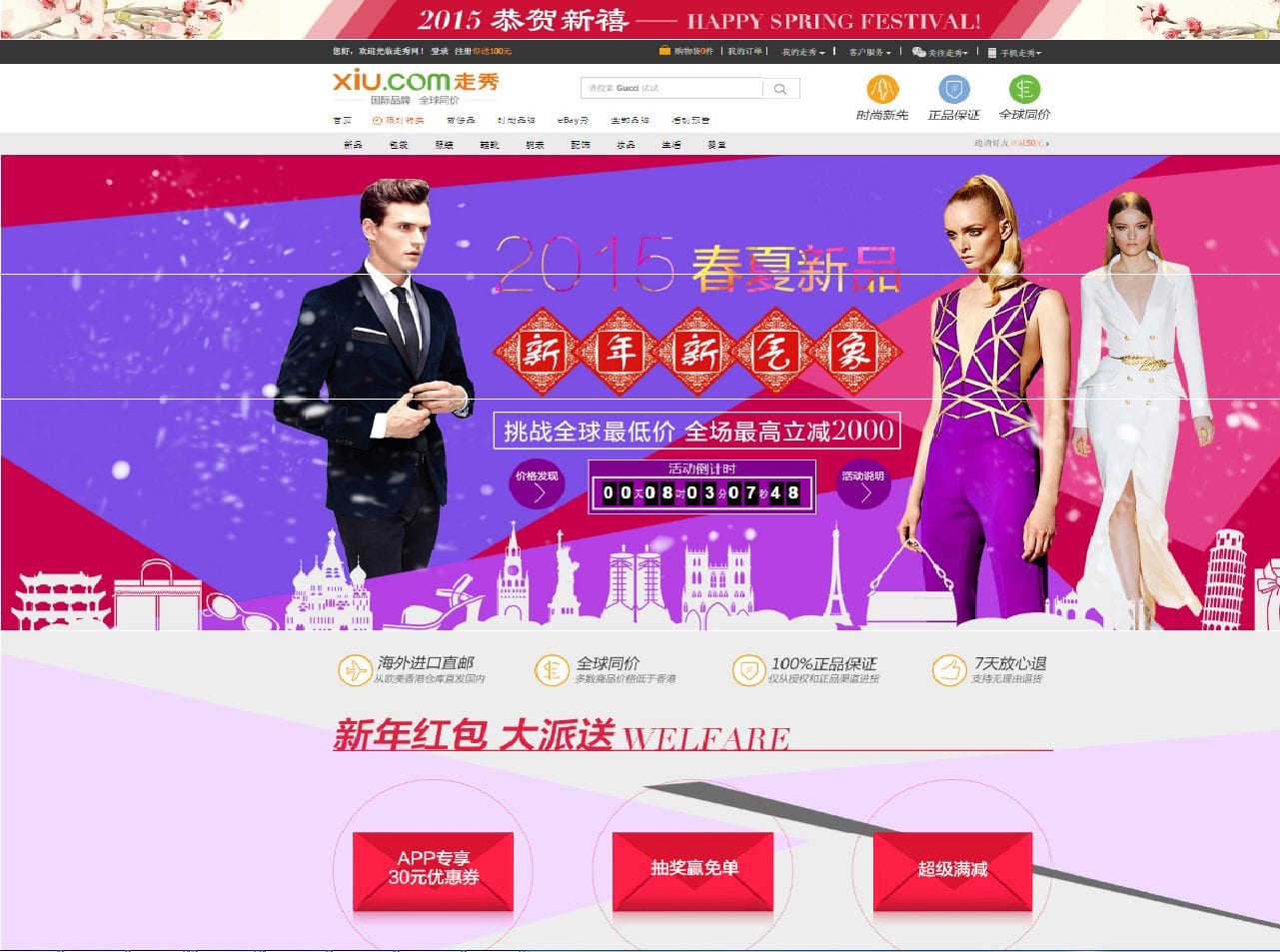
    Xiu.com has signed a MOU with UK Trade & Investment and provides an e-commerce platform for brands of U.K reaching Chinese consumers.

    Under the agreement, Xiu.com and UKTI work together to help U.K. companies seize the rising opportunity of online shopping in China and globally. Xiu.com also promises to provide U.K. brands a precise online selling solution, which based on numerous operational data collected in the past seven years.

    Several U.K. brands have begun to sell on Xiu.com. Henri Lloyd, an apparel brand specializing in sailing and a sponsor of Formula 1 sailing tour, is among them and it sells products on Xiu.com at the same price in Europe.

    Another example is historic Scottish cashmere brand Johnstons of Elgin, which produces cashmere products for Hermes and Burberry. In China, high end cashmere products cost as much as 10,000 RMB in Chinese stores, on Xiu.com consumers only need to pay about 1,000 RMB for the products of same quality.

    Also, Xiu.com and U.K. government have jointly introduced Cheany, a U.K. shoe brand never sold into China before, to Chinese online shoppers.

    Xiu.com, a partner of UKTI in e-commerce, opened its U.K. office in London in 2014 to connect more U.K. brands.

    Xiu.com also joins “Shopping is Great”, which is part of GREAT Britain Campaign, an initiative that promotes creative ideas from Britain in business innovations. Xiu.com will mark all U.K. products on xiu.com with its LOGO.

    This March, Prince William’s visit to China is one of many activities of GREAT Britain Campaign and Xiu.com delivered a speech at an event organized by U.K. government during Prince William’s visit as well.

    Singles’ Day, the world largest online shopping festival is approaching and Xiu.com is working hard to get the most of it. Maureen Mou, Xiu.com’s Senior Vice president says, more than 600 overseas brands plan to join the promotion on Xiu.com at this year Singles’ Day and promises to sell their products at 20% to 40% discount.

  • FedEx sees record holiday shipments on rising retail

    FedEx sees record holiday shipments on rising retail

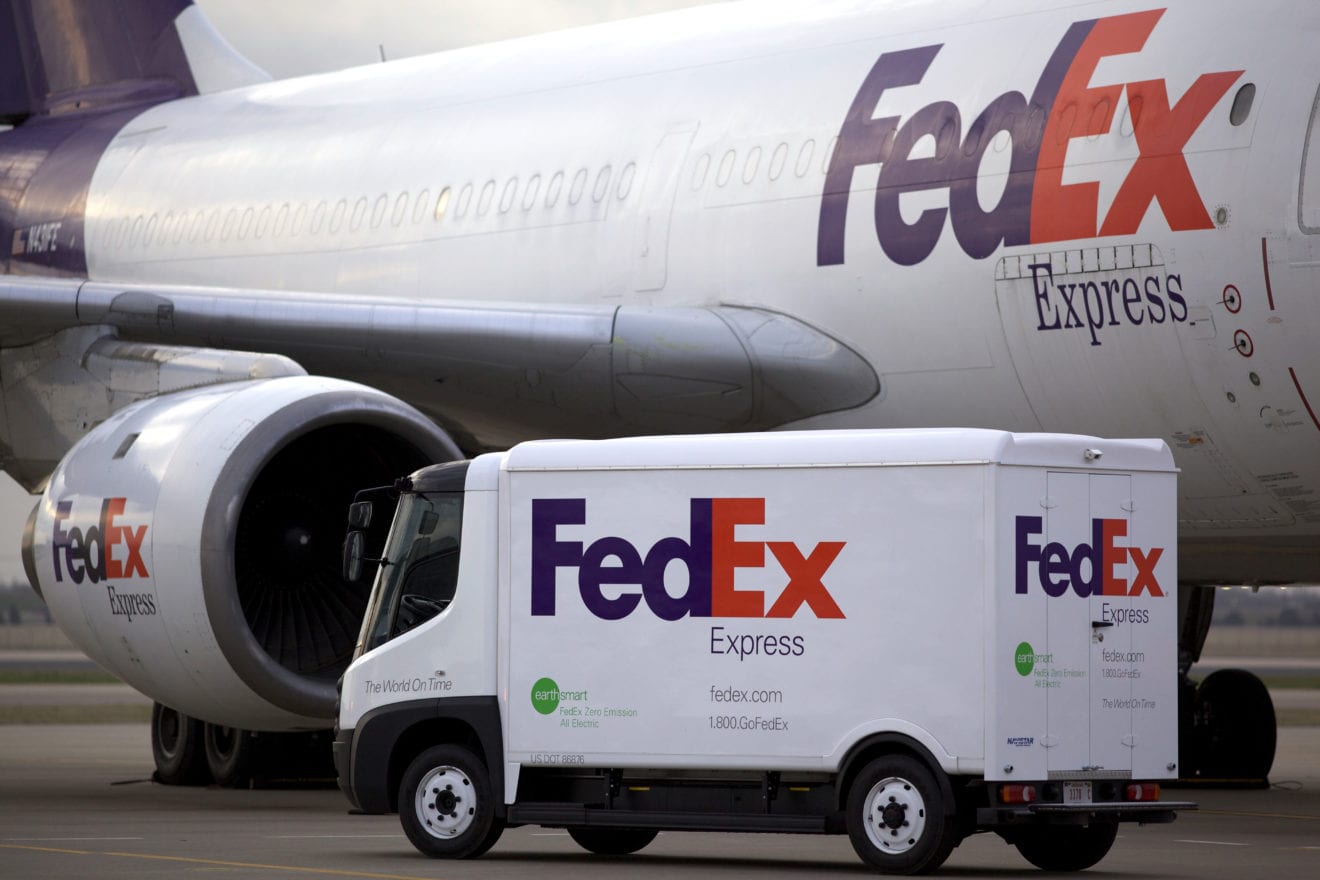
    Package delivery company FedEx Corp said on Monday that it expects to see a record number of shipments during this year’s busy holiday season, driven by rising retail sales and a jump in ecommerce.

    The Memphis-based company said it expects to handle 317 million shipments between Black Friday, traditionally the busiest U.S. shopping day of the year, and Christmas Eve, an increase of 12.4 percent over the previous year.

    “Each year we face a challenge that’s greater and that’s driven by ecommerce,” Patrick Fitzgerald, FedEx senior vice president for integrated marketing and communications told Reuters. “We’ve learned that planning and preparation is key.”

    The National Retail Federation has predicted retail sales in November and December – excluding automobiles, fuel and restaurant sales – will increase 3.7 percent to US$630.5 billion after a 4.1 percent increase last year. The NRF said online retail sales could increase up to 8 percent, to as much as US$105 billion.

    FedEx said that it expects to see three spikes in package volumes during peak season, on Cyber Monday and the first two Mondays in December. The company said its holiday projections are included in its full-year fiscal 2016 earnings guidance of between US$10.40 and US$10.90 per share.

    The rapid rise of ecommerce poses challenges for retailers and package delivery companies alike. In 2013 bad weather and a late surge in online retail packages caught FedEx and main rival United Parcel Service Inc off guard, leaving an estimated 2 million packages undelivered on Christmas Eve, the majority in UPS’ network.

    Last year both companies touted investments in their networks and close collaboration with major retailers to manage package flows during the holidays. UPS ended up over-spending to prepare for package volume spikes that did not materialize, hurting its fourth-quarter earnings. FedEx did not report any problems.

    This year FedEx has invested US$1.6 billion in capacity and automation projects at FedEx Ground to help with peak season.

    FedEx’s Fitzgerald said that if retailers come in way above forecast with a sudden surge in packages, the company may “need to cap volumes” in order to protect its network.

  • Apple’s location for its official Singapore store confirmed?

    Apple’s location for its official Singapore store confirmed?

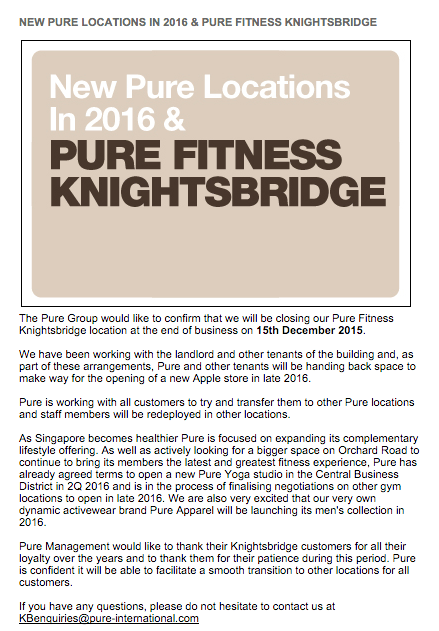
    Apple’s location for its first official store in Singapore might be confirmed in a press release… that was not released by Apple.

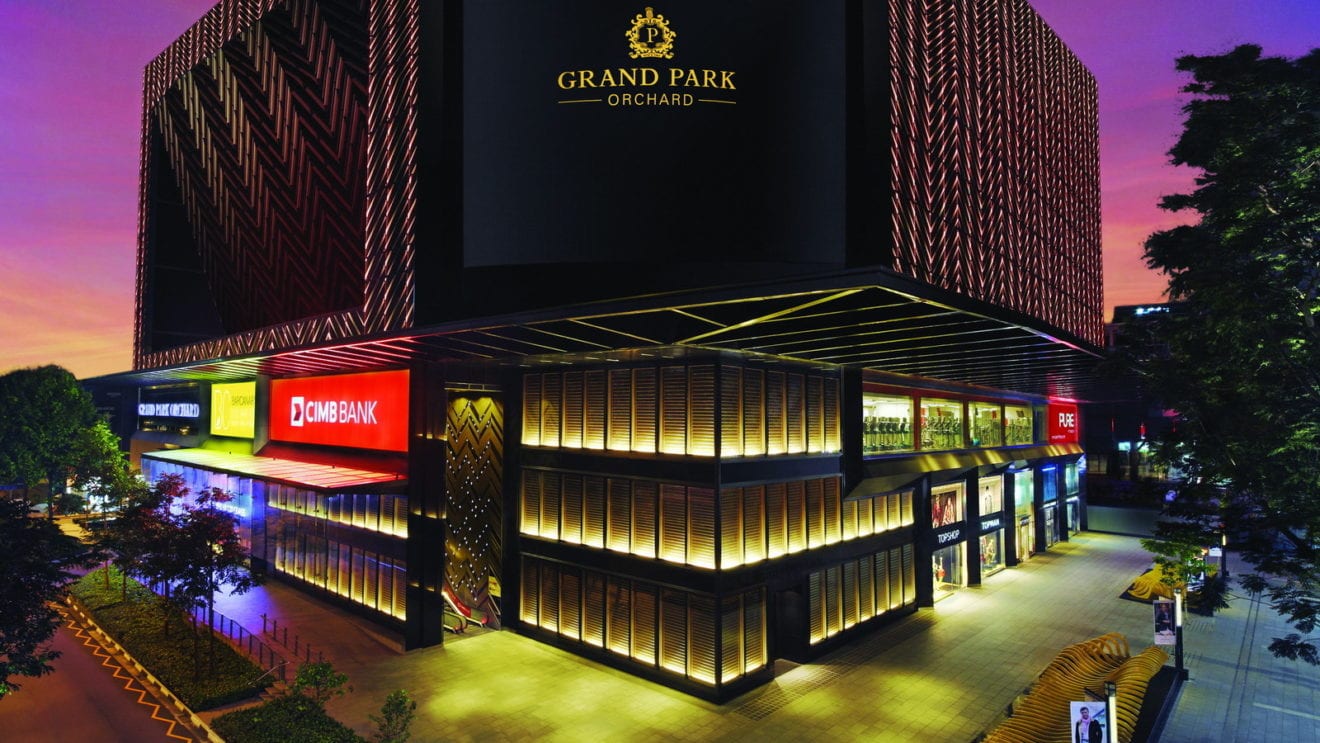
    The announcement started innocently enough: fitness chain Pure Fitness issued a statement saying it will be closing its branch in Knightsbridge, a distinctive retail building in Singapore. Oddly, it mentions in passing that “Pure and other tenants will be handing back space to make way for the opening of a new Apple store in late 2016.”

    We can only guess why Pure Fitness talked about Apple in the press release.knightsbridge

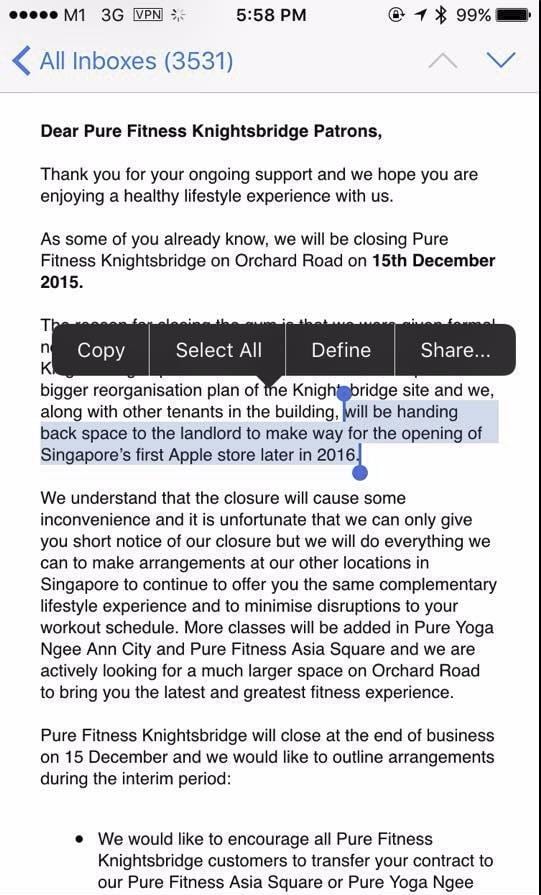
    Earlier, an email was apparently sent out to Pure Fitness customers stating the same news:

    apple pure fitness

    Apple has been seeking a retail space in Singapore for some time. We are reaching out to the company for comment.


  • Lauder starts its own Korean Wave with Dr. Jart+

    Lauder starts its own Korean Wave with Dr. Jart+

    Estée Lauder Companies has tied up a deal to buy an interest in Have & Be Co, the South Korean company behind skincare brands Dr. Jart+ and men’s-focused Do The Right Thing for an undisclosed amount. The deal is expected to close in December.

    Dr. Jart+ is a Seoul-based, skincare brand first launched online by ChinWook Lee in 2005 which has a particular appeal for millennials, a target for ELC. It has pioneered the proliferation of BB creams across the globe and, today, its BB line is a consumer favourite.

    The brand claims to fuse dermatological science and art – hence its name which is derived from ‘Doctor Joins Art’. It is sold in many countries, but primarily in Asia and the US via department stores, speciality stores as well as e-commerce channels including LVMH’s Sephora.

    Korean beauty brands have been performing extremely well in the domestic and duty free and travel retail channels in the country for a number of years – in many cases much better than products from international houses. Just recently Chanel pulled out of the DF&TR market at Incheon Airport, signalling a likely market shift.

    STRATEGIC PARTNERSHIP

    Fabrizio Freda, President and CEO of ELC says: “This investment gives our company a strategic opportunity to develop a partnership with one of Korea’s most promising high-growth skincare brands.

    “ChinWook Lee and his team have built a successful and exciting brand that is at the forefront of the rapidly-expanding Korean beauty wave. We are pleased to partner with Mr Lee and we look forward to building long-term, strategic relationship with the entire Dr. Jart+ team.”

    ChinWook Lee, Founder and CEO of Have & Be Co, adds: “As the Korean beauty wave continues to flourish globally, we are excited about the additional opportunities, support and guidance that The Estée Lauder Companies will bring to our brands. This is a tremendous moment for the Dr. Jart+ team and for the continued growth of Korean beauty.”

    ELC’s investment also includes an interest in Do The Right Thing (DTRT), a men’s-focused brand fusing Korean cosmetics with a New York style. Founded in 2012, DTRT’s line of cleansers, lotions, moisturisers and serums are sold in Korea through various channels and in the US through Sephora and BirchboxMan.

    “Global consumers look to Korea as a trendsetting market in beauty, and the Dr. Jart+ brand is part of the reason why,” says William P. Lauder, ELC’s Executive Chairman.

  • Indonesia’s Trikomsel says it will likely default on Singapore-issued bonds

    Indonesia’s Trikomsel says it will likely default on Singapore-issued bonds

    Indonesian mobile phone retailer PT Trikomsel Oke Tbk warned on Monday that it will likely default on its S$215 million (US$155 million) bonds, in what would be the first in the Singapore bond market since the global financial crisis.

    The announcement by Trikomsel, which is 19.9 per cent-owned by Japan’s SoftBank Group Corp, could decrease investor appetite for debt issued by Indonesian companies.

    Some Indonesian firms already are under pressure due to the rupiah’s depreciation, sagging domestic economic growth and concern about outflows whenever United States interest rates are hiked. “It will highlight the risks that a number of other Indonesian businesses face and should put pressure on the bonds and equities of other companies with high foreign exchange debt,” said Vaninder Singh, an economist at RBS.

    Indonesia’s sovereign credit default swaps (CDS) underperformed their regional peers on Monday, reflecting some of these concerns. Its five-year contract rose by one basis point versus a general decline in other Asian sovereign CDS.

    Jakarta-based Trikomselhad issued a S$115 million bond due 2016 bearing a 5.25 per cent coupon rate, and a S$100 million bond due 2017 paying 7.875 per cent.

    In a filing to Singapore’s stock exchange on Monday, Trikomsel said that more than 80 per cent of its total debt of around US$460 million, which includes the two Singapore dollar bonds, will fall due in the next two years. “With the depleting and volatile cash flow, the company anticipates that it is unlikely to be in a position to service interest and repay debts as they fall due,” Trikomsel said, adding that it will come up with restructuring proposals in the next 2-3 weeks.

    Trikomsel said its mobile phone sales have been hit by a reduction of the number of its retail shops and increased competition in the market, while the weak rupiah has dampened the purchasing power of consumers.

    Cash flow from operations was negative 53.5 billion rupiah (US$3.9 million) for the six months ended June, Trikomsel said.

    The rupiah has fallen more than 9 per cent against the dollar this year, making it the second-worst performing Asian emerging market currency after Malaysia’s ringgit. markets.

  • Everything you need to know about Indonesian telecoms and ecommerce

    Everything you need to know about Indonesian telecoms and ecommerce

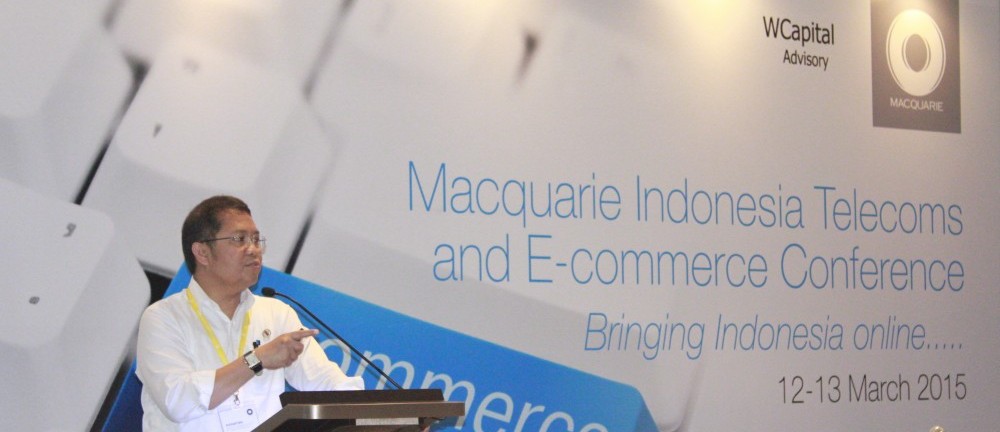
    Macquarie Indonesia, the local branch of the global investment banking and financial services giant, held an invite-only conference for high-profile professionals in the telecoms and ecommerce spaces. No other press were allowed inside the venue at the Ritz Carlton, and the list of speakers included some interesting names, including Indonesia’s tech minister Rudiantara, CEOs from the top three telcos, and a slew of investors, VCs, and startup founders, among others.

    The speakers shared the industry’s latest data and insights about the future of the telco business in Indonesia, as well as the most up-to-date information about the archipelago’s internet users and online shoppers. Based on their findings, here are some insights to keep in mind going forward (Hat tip to Macquarie for providing a post-conference overview).

    A digital explosion is on the horizon in Indonesia

    Mobile data traffic has been growing at around 100 percent year-on-year in recent years, according to the telcos, and looks set to continue in the medium term as we reach an inflection point in the quantity of online content.

    This is helped by rising smartphone adoption in Indonesia, young demographics, and a growing middle income populace. Indonesia’s affinity for social media (it is number four in terms of Facebook usage) is well-acknowledged. However, what is less well-known is the development boom for localized content that helps accelerate web traffic in Indonesia.

    line-vietnam-telcos

    The government looks to give more support

    The Indonesian government claims to be highly supportive in developing the ecommerce industry. It plans to announce an “ecommerce roadmap” this year, which will involve input from nine government ministries. From a telecoms perspective, the government highlights the importance of “industry efficiency,” which in part means allowing mergers and acquisitions to run more smoothly in Indonesia. This, in turn, should improve the sustainability of Indonesia’s ecommerce industry and promote further investment.

    In addition, the tech minister wants to raise US$1 billion for local tech startups to be controlled by a non-state-owned or privately-owned venture capital firm. “I’ve approached the top 20 conglomerates in Indonesia about this issue,” explains minister Rudiantara. “We must have a roadmap for this three to six months from now and the conglomerates would be the ones to choose the VC.”

    The tech minister corrects the media

    Regarding recent media coverage about an imminent rule for locally made 4G smartphones, the minister claims he never said that 40 percent of the 4G mobile handset components will need to be produced locally. According to him, the government has not yet mandated a fixed percentage for the regulation, although Rudiantara says he has been in talks with several local mobile manufacturers regarding their production capacities. He says:

    The decree will go into effect later this year. We welcome input from all stakeholders at this time. Importing these products contributes to our trade deficit. This is a macroeconomic issue that I must address.

    Rudiantara

    The digital ecosystem is still in its early days, but that’s changing quickly

    A clear theme to emerge from the conference was the number of bottlenecks preventing Indonesian ecommerce from rapid acceleration. The key challenges currently include online payments (with credit card penetration still around three percent), weak logistics and infrastructure, shallow human capital, and regulatory uncertainty.

    According to Macquarie, telecom operators and banks are leading the charge in growing the ecosystem by allocating resources. However, the firm asserts that the demand for ecommerce will outpace supply over the next 12 months in Indonesia.

    Eruption of online traffic

    Data now accounts for 25 percent of revenues for the local telecom industry. With online traffic accelerating as demand expands beyond social media and into online retailing, we can see an upside to data-led revenues, especially if operators can execute on content strategies centered around mobile advertising, ecommerce, and mobile money.

    XL Axiata and Indosat appear more advanced in their digital sevices strategy, while Telkomsel will continue to benefit from its competitors’ early findings.

    Indonesia is definitely seeing an ecommerce surge

    Online retail has seen exponential growth the last 12 months with Lazada Indonesia, Tokopedia, BukaLapak, and Zalora currently leading the way in the archipelago.

    Lippo Group’s recent US$500 million investment in MatahariMall potentially places the firm in an advantageous position in the medium-term to capture market share in online retailing. It’s supported largely by Lippo’s strong nationwide footprint and competitive advantage stemming from a sophisticated local supply chain.

  • Doosan, Shinsegae lock horns over urban duty-free license

    Doosan, Shinsegae lock horns over urban duty-free license

    Retail giant Shinsegae and industrial behemoth Doosan Group on Monday locked horns over the special license to run three urban duty-free stores in Seoul.

    With the urban duty-free stores regarded as a lucrative business for the sluggish retail industry, the chiefs of both companies vowed to win the license that could guarantee trillions of won in revenue over the next 10 years.

    Doosan Group chairman Park Yong-maan (Yonhap)

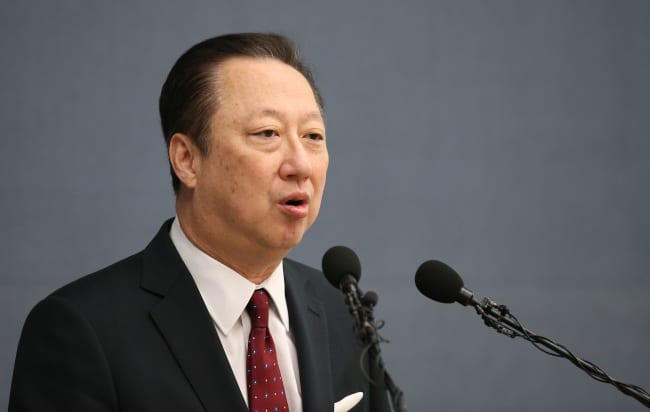
    Doonsan Group chairman Park Yong-maan said he would fully leverage his 20-year experience in publishing high-end fashion magazines. “From 1995, I have been deeply engaged in the publication of the Vogue magazine, with my name on the masthead every month,” Park told reporters on Monday.

    “The luxury goods makers know that Doosan has all its takes to create luxury contents, and trust us,” he said, referring to the endorsement of about 400 luxury goods makers — including Louis Vuitton and Ferragamo — for Doosan’s duty-free shop, which was clearly influenced by the Vogue-connection

    Park on Monday also declared the establishment of the Dongdaemun Future Foundation with investment of 10 billion won ($8.8 million) from Doosan Group and an equal amount from his own pocket. He explained that the duty-free store would revitalize the Dongdaemun fashion district with 13 large malls.

    “About 30 percent of the stores are currently empty. But if we get the license to operate a duty-free store we will be able to fill them up, create jobs and attract more foreigners to shop in Seoul’s oldest commercial district,” said Park, who also chairs the Korea Chamber of Commerce and Industry.

    Doosan joined the bidding war in September, citing its 16 years of experience in running Doota shopping mall in central Seoul.

    Its bid comes at a time when the company has been struggling in other businesses — in the first six months, Doosan Corp. marked a loss of 66.9 billion won, while Doosan Heavy Industries, Doosan Infracore and Doosan E&C saw 114 billion won, 34.4 billion won and 86.5 billion won losses, respectively. The retail industry with abundant cash flow is expected to ease the strain, business insiders said.

    Shinsegae, which joined the duty-free industry in 2012 by acquiring Paradise Group based in Busan, also started gearing up for a duty-free store in Seoul.

    Shinsegae DF — which currently operates stores inside Incheon International Airport and Paradise Hotel Busan, and will soon run another on Hainan Island in China — said it will nurture Korean products. The company is planning to create 14-story duty-free store in Mesa shopping mall and Shinsegae Department Store in Myeong-dong, Seoul. The country’s second-largest retailer led by group vice chairman Chung Yong-jin hopes the duty-free store will generate 10 trillion won in sales between 2015 and 2020.

    “With our ample know-how in the high-end retail business we will nurture Korean products as global luxury goods, just as AmorePacific’s Sulwhasoo and fashion accessory maker MCM did,” said Shinsegae DF CEO Sung Young-mok at a press conference which coincided with Doosan’s media briefing.

    Sung also pledged to attract 17 million foreign tourists to downtown Seoul by 2020, up from 9.27 million in 2014. It also vowed to invest 270 billion won into boosting the local economy.

    “We will provide more opportunity to the local producers,” Sung said.

    The customs authorities are expected to begin their field examination around next week, and the announcement of the license winners  is expected around early November.

  • Corner stores still dominate Asia retail

    Corner stores still dominate Asia retail

    In Asia retail, the humble corner store is an essential ally to fast-moving consumer goods in the battle for market share and customer loyalty, according to a new report from global performance management company, Nielsen.

    The whitepaper, Maximising Traditions – The Shop. Shopper. Shopkeeper, argues that a better understanding of this fragmented yet ubiquitous traditional trade channel – which comprises more than 5 million outlets in Southeast Asia alone – has the potential to drive sales by putting brands in front of more consumers.

    Nielsen’s research suggests that to better maximise sales, brands should consider a more thorough analysis of their market segmentation, and tap into the understanding of the shopkeeper and shopper.

    Traditional trade channels account for almost half of all grocery sales in Asia and India. In 2014, 47.9 per cent of all retail sales were made through traditional trade channels, compared to 17.2 per cent for supermarkets which account for the second-largest proportion of sales.

    The paper’s author, Connie Cheng, Nielsen’s executive director of shopper solutions for Southeast Asia, North Asia and Pacific, says traditional trade accounts for up to 70 per cent of all retail sales in key markets such as Jakarta, Indonesia, and Ho Chi Minh City, Vietnam.

    “While there’s been a headlong rush into the hypermarket and supermarket retail formats throughout most of Southeast Asia, there are untapped loyalties between brands and consumers shopping at traditional trade stores on every street corner, in every town, village and city,” said Cheng.

    “With almost 50 per cent of retail sales in Asia made at a small, independent grocery store, the research suggests that FMCG brands are leaving money on the table. The key to maximising sales through traditional trade channels is to focus on the relationships between the shopkeeper and the shopper,” she said.

    Maximising Traditions finds that the humble warung in Indonesia, the Philippines’ sari-sari, Malaysia’skedai runcit and Vietnam’s cử a hàng tạp hóa are used by consumers in similar ways. The majority of consumers shop at traditional trade stores for daily meals, snack foods and beverages for immediate consumption, while they are less important for top-up or main shopping trips.

    The whitepaper reveals that the majority of consumers plan their trips to the most conveniently located store in advance, and have a specific brand in mind. Such behaviour highlights opportunities for brands to vary pack formats or leverage loyalty for premium lines to increase basket size.

    When it comes to commonly purchased products, powdered coffee blends, coffee and carbonated drinks top the list in Indonesia, the Philippines and Vietnam, respectively.

    While shoppers clearly tend to view the traditional trade store as an extension of their kitchen pantry, sales of homecare and personal care lines are also common purchases. Laundry items, shampoos, makeup, vitamins, baby-care lines and general household products are the most frequently purchased items at grocery stores in Indonesia, the Philippines and Vietnam.

    The report suggests that marketers need to undertake a more thorough segmentation analysis to maximise market share. Although traditional trade grocery outlets are plentiful in Indonesia, Malaysia, the Philippines, Thailand and Vietnam, the market is fragmented.

    Cheng suggests extending segmentation and tapping shopkeepers for their intimate understanding of hyper-local consumer behaviour.

    “Information on demographics, psychographics and shopper behaviour can help provide actionable information for sales teams,” she adds.

    A better understanding of grocery shoppers can also assist in brand strategy and modelling, potentially unlocking value for brands in regions with a higher average GDP. This may help overcome issues in a fragmented market.

    “There’s an unfortunate and unnecessary disconnect between the desires of brand managers, who may think that bigger is better, and the demands of shoppers utilising Southeast Asia’s most popular channel for purchasing groceries,” continues Cheng.

    “Traditional format stores are as relevant now as they have ever been. By better tapping into consumer behaviour, brands can discover what most Southeast Asians already know; that bigger doesn’t always equate to better.”

  • Ballantine’s teams up with wood sculptor

    Ballantine’s teams up with wood sculptor

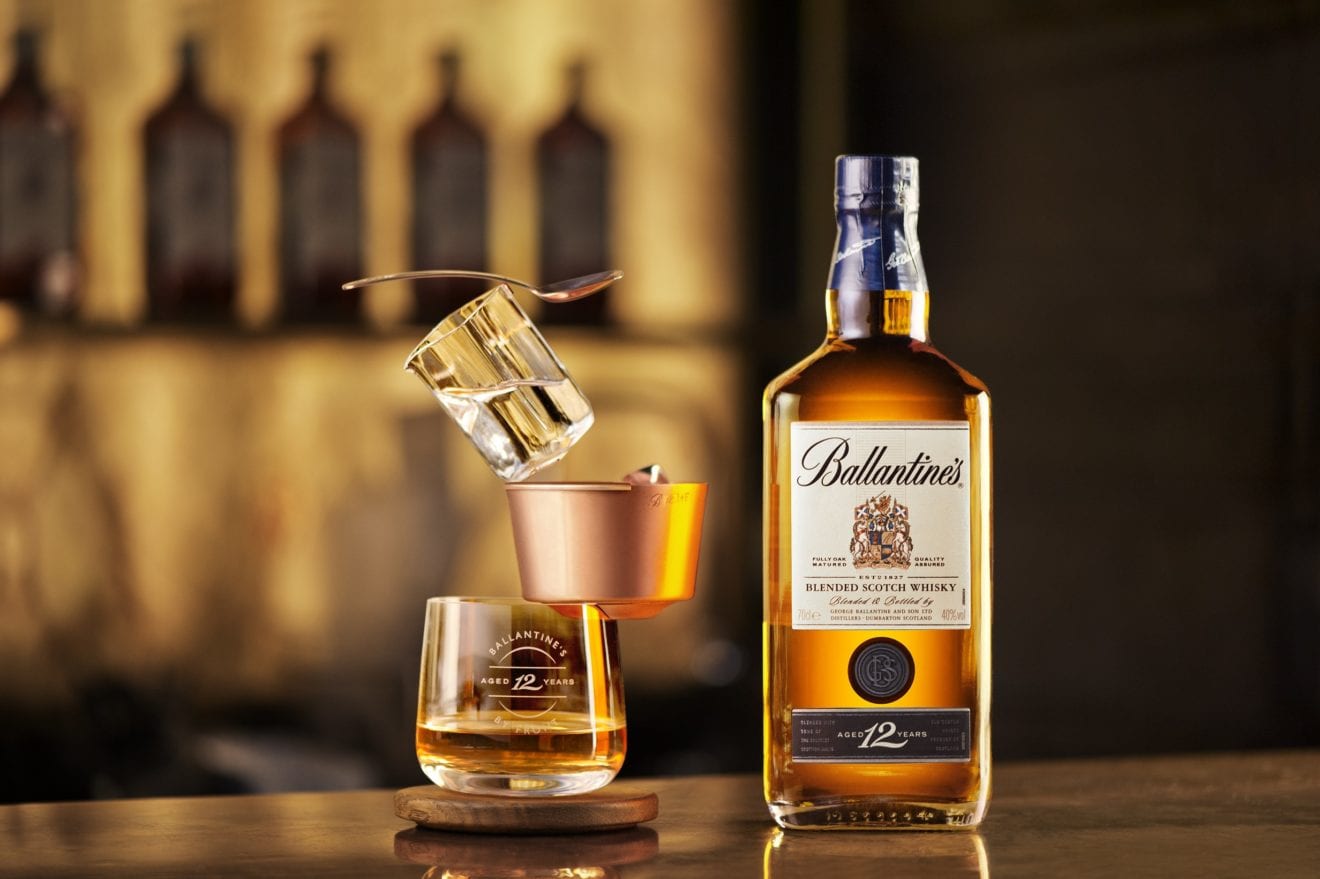
    Pernod Ricard Asia Travel Retail is collaborating with Korean wood artist Lee Sam Woong to launch Ballantine’s 21 Signature Oak Edition, with messaging at every stage of the “Travel Trail”. A full activation strategy will support the launch of the travel retail exclusive blended whisky throughout October and November 2015.

    Korean artist, Lee Sam Woong, who specialises in working with wood, has been commissioned to produce a unique sculpture. Ballantines 21 Signature Oak Edition “pays homage” to the influence of wood during the whiskymaking process.

    The sculpture will be showcased in Korea’s Incheon Airport to drive consumer engagement. Once the activation finishes, it will be used as a prize in a lucky draw for Ballantine’s consumers.

    Pernod Ricard Travel Retail’s “Travel Trail” approach starts with pre-trip awareness through an extensive digital marketing campaign using EDM, Facebook, a dedicated microsite, and advertisements within airport transfers, in-flight media and hotels.

    The journey continues in Hong Kong, Korea JDC, Korea ICN, Japan Haneda Center Stage and Beijing T3 with in-airport visibility and pop-up activity where travellers will be taken through a five stage “multi-sensory” journey.

    At this stage, travellers can “experience the influence of wood maturation” through the original Ballantine’s 21YO blend.

    Finally, volume driving tactics including gifts with purchase, vouchers and a loyalty points programme will create incentive to buy and encourage loyalty and repeat purchase.

    The artist-focused partnership comes the month after Ballantine’s announced a new Artist Series of limited edition bottle designs.

    Ballantine’s 21 Signature Oak is available in travel retail now with an RRP of US$140.