Author: Mei Ling Tan

  • “A-very-wear” the first exclusive multi-label fashion pop-up store of Asian designers launched at Siam Center

    “A-very-wear” the first exclusive multi-label fashion pop-up store of Asian designers launched at Siam Center

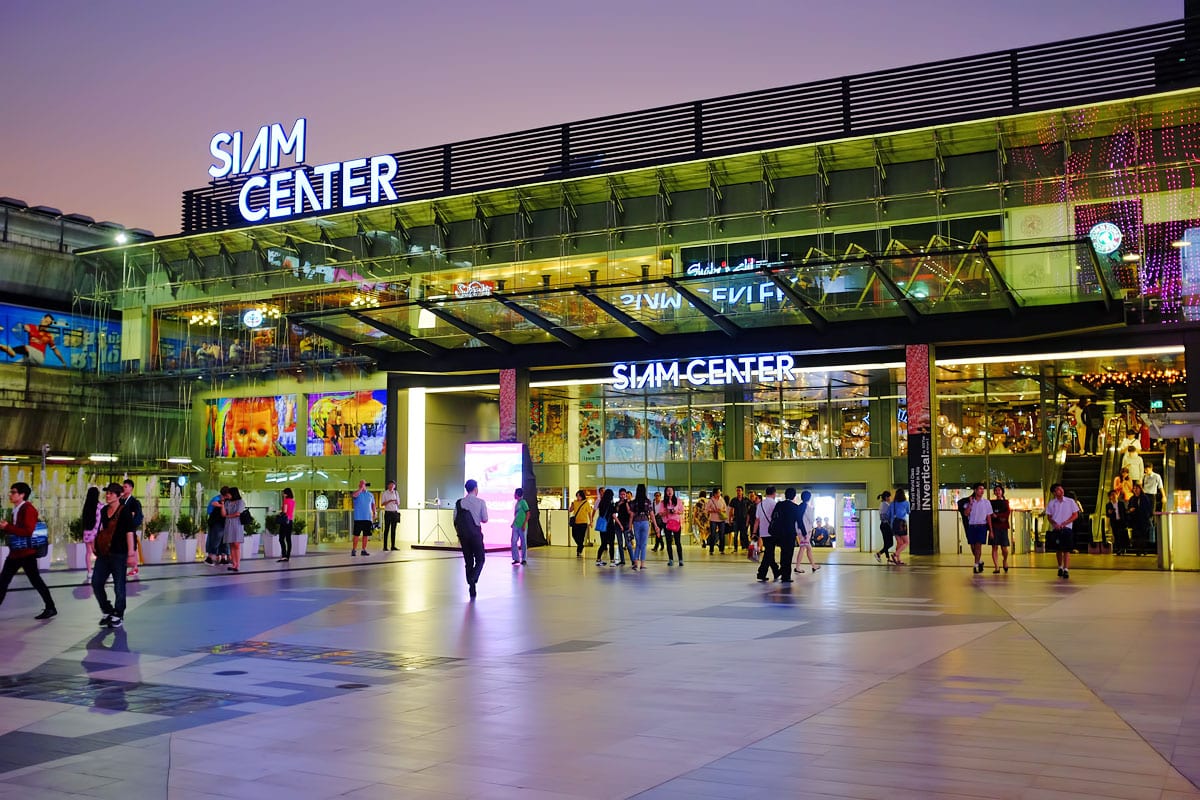
    Siam Center, as the center of endless imagination and creativity in arts, fashion, technology and lifestyle, always captures the latest fashion trends and Influences to bring Thai fashion industry to the next level. The Ideapolis is now debuting “A-very-wear”, the first exclusive multi-label fashion pop-up store of Asian designers launched in Thailand under the motto of “A piece that is very YOU to wear” on the 1st floor of Siam Center.

    Ms.Parisa Chatnilbandhu, Group Senior Vice President – Retail Business Development of Siam Piwat Co., Ltd., said that the fashion industry has grown rapidly in U.S.A., Europe or even Asia. Currently, fashion plays a major role in youngsters’ lifestyle, especially in Asia. As we can see, the Fashion Week in each season in Korea, Japan and Singapore attracted the hipster from around the world, including Thai celebrities who flew to these countries just to buy the fashion items back. Siam Center, in response to this up-and-coming movement and the needs of fashion-forward people, debuts “A-very-wear”, the first exclusive multi-label fashion pop-up store of Asian designers, to bring the ultimate Asian fashion experience to Thailand. Siam Center carefully selects a wide variety of well-designed products and introduces Absolute Siam items, which are exclusively available at Siam Center, to help the fashionistas make the style statement of their own under the motto of “ A piece that is very YOU to wear”.

    Ms. Parisa continued that, to bring a hip spirit to Thai fashionistas, “A-very-wear” carries apparel, accessories, including eyeglasses, watches and many more, of 15 renowned Asian fashion brands from six countries, namely Korea, Japan, Singapore, Hong Kong, Indonesia and Taiwan. Each designer is very popular on social media, with many followers on facebook and Instagram. During the first six months, the hipsters can update the trend from four countries, namely Korea, Japan, Singapore and Taiwan, while the other two, Hong Kong and Indonesia, will join in the next six months.

    During the opening, “A-very-wear” introduces six well-known Korean brands. Fleamadonna, launched in 2007, has bold style and unique characteristic. It was therefore very well received from numerous fashionistas and celebrity fans including Pink, Paris Hilton, Miranda Kerr and Girl’s Generation girl band. Low Classic by Lee Myoung Shin presents the simple and classic ready-to-wear that is perfect for all occasions. Drink Beer Save Water is originated from the fun idea of the designer Jim Park, who thought “Why don’t we drink beer to save the water?” From this extreme idea, he presents the unisex collection under the same name as his brand, which has been growing both male and female fan base.  The clothes reflect their true personality, having fun dressing. That is why the wearers of DBSW always capture attention and stand out of the crowd. Rocket x Lunch is woman’s fashion brand designed by the talented Jin Won Woo. The brand is popular among hipsters for its minimalist style that can be worn on any occasions. It also showcased its creation in “Who’s Next in Paris 2015 Spring Summer” in France.

    A.Bell Korean accessory brand was established in 2010 under the claim of “Made It Korea” to guarantee that every single item is made in Korea. The brand decorates crystal on the bags, necklaces and bangles to create the glamorous and trendy look.  Minuit Moins Sept, another chic Korean accessory brand, has the French name means ‘seven minutes to midnight.’ It indicates the beginning of a new day when good things are about to happen. Adhering to this concept, Minuit Moins Sept creates the accessories that are perfect for both daytime and nighttime. Popular among male and female wearers, the simple yet elegant geometric design are made of silver 925 as the key material, with the key shade of gold, silver, dark blue, red and white.

    Besides Korean brands, the shop carries Singaporean fashion labels. Mash – up, very popular among fashion-forward people in Singapore, is the brainchild of three talented designers. This street fashion brand incorporates the endless inspiration from music, movies and the designers’ travelling experience. With its strong characteristic, the brand had a chance to produce the collaboration with UNIQLO, TOPSHOP, Lomography and Pioneer. Yesah is established by Linda Hao Chinese Singaporean-born designer, who combines her experience in modeling and educational background in fashion. After her education in 2013, she launched this brand, with distinctive characteristic, to serve the lifestyle of confident ladies who enjoy life. It is no wonder why Linda Hao has become the leading figure in Singapore in no time.

    Moreover, “A-Very-Wear” presents hand-made accessory brand from Taiwan like Momo’s march by Christina Lu, Taiwanese American-born designer. The brand puts together a range of materials, such as Russian diamond, brass, seashell, pearl and gemstones, into exquisite accessories under the concept of “Wearable thought”, which are practical for any time of day. YU Square by Ringo Yu is famous for its sewing technique, which integrates the embroidery into the design. Furthermore, the fashionistas can mix and match its colorful blouses, skirts and socks to suit each occasion.

    Normal Timepieces, minimallist-style Japanese watch brand, was brought to life by American designer Ross McBride. Having spent years in Japan, he was influenced by Japanese culture and incorporates it into his creation, which projects simplicity with a great sense of style.

    Unleash your style with chic items, along with Absolute Siam collection, from “A-very-wear” the first exclusive multi-label fashion pop-up store of Asian designers launched in Thailand on the 1st floor of Siam Center.
  • Honestbee secures $15m for Asian expansion

    Honestbee secures $15m for Asian expansion

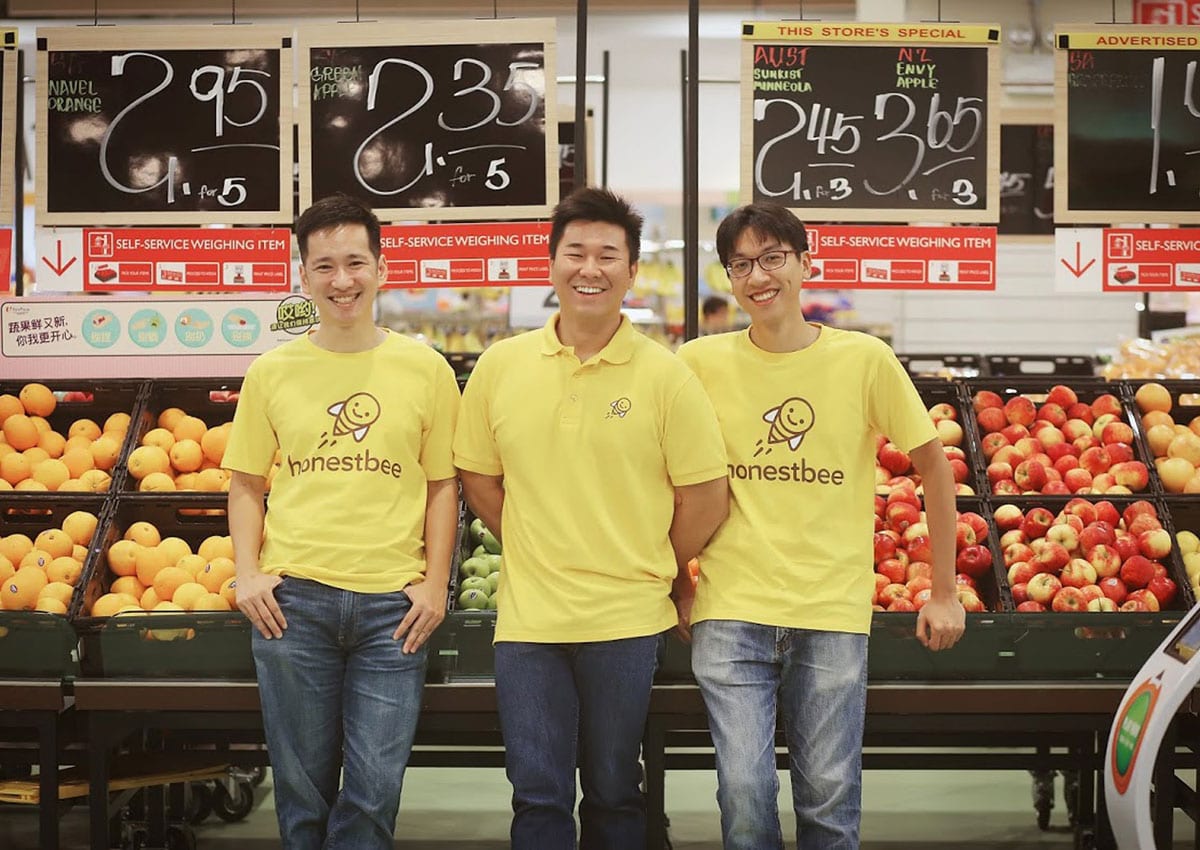
    Honestbee, Singapore’s fast-growing, on-demand grocery concierge and delivery service has raised first round funding of US$15 million.

    And behind the cash are some seriously experienced eCommerce and online business experts, including:

    • Pejman Mar Ventures, early investors in Dropbox, Lending Club and DoorDash.
    • Gideon Yu, former CFO of Facebook and YouTube; co-owner of the San Francisco 49ers.
    • Owen T Van Natta, founding team of Amazon search company A9.com and former COO of Facebook.
    • Steve Chen, Google Ventures advisor, as well as co-founder and former CTO of YouTube.

    Honestbee partners with supermarkets and specialty stores such as NTUC FairPrice, the Pet Lovers Center, and gourmet boutiques and specialty stores, Gastronomia Da Paolo, Mmmm!, The Butcher’s Dog, Crystal Wines, GNC and Four Seasons Organic, in Singapore. This enables these traditional grocery companies to significantly increase their revenue through Honestbee’s on-demand eCommerce platform where they fulfil customers’ orders in as little time as within the next hour.

    “We are very excited and blessed to have been able to attract support from some of the most successful entrepreneurs and investors with unparalleled track records in the world,” said Honestbee co-founder, Isaac Tay.

    “Honestbee will benefit tremendously, as we now have immediate access to the top minds who have built the most valuable technology companies in the world today, such as Amazon, YouTube, Google, Square, Dropbox, DoorDash and Palantir.

    “We started with a mission to create a highly elastic and trained workforce that would bring invaluable convenience to our customers through our concierge and delivery services. Most people in Asia are time-starved due to the demands of their job and a large proportion of the population do not possess their own vehicles. With our on-demand delivery service, time-crunched customers can enjoy the widest choices from their favourite stores, even at the last minute, when they shop through Honestbee,” he said.

    Formation 8, which led the funding round, believes the ‘hyper-local on-demand market’ plays a significant role in the way commerce will evolve.

    “Given the increasing population density across all the key cities in Asia due to job and wealth creation, this is right time and opportunity,” said Formation 8 founder, Brian Koo.

    “Consumers now demand higher levels of access to convenience. With Honestbee’s superior partnership network and its strong focus on building a world class technology company, they will be well-positioned to quickly own this market.”

    Honestbee has expanded its team to almost 100 people in just eight months, and continues to scout the best talent from around the world. With aggressive plans to expand across Asia, Honestbee expects to be in at least six other Tier 1 cities by June 2016.

    Last week, Honestbee launched in Hong Kong, offering a one-stop shop for a range of products to meet the needs of busy customers.

    According to a Goldman Sachs report, the online grocery shopping market in Asia is currently estimated at US$18 billion with online carts typically being 1.8 times larger than store-based retail at checkout.

    The willingness to use digital retailing options in the future is highest in the developing markets, with Asia Pacific at 60 per cent in a recent Nielsen report, signaling the great potential for growth in online grocery delivery services in the region.

    “In light of the potential, however, this space is under-penetrated, with intended providers facing challengers in both services and delivery,” said Tay.

    Honestbee’s solution to these challenges – a model that has proven successful in this sharing economy – is to use someone else’s spare time to shop and deliver groceries, thus freeing up customers to spend their time doing more of what they enjoy.

    “With a crowdsourced workforce, orders are fulfilled by concierge shoppers who shop at top supermarkets and boutiques stores, and a delivery team which brings the orders to customers’ homes, all within-the-next-hour golden time slots of choice. This eliminates the cost of infrastructure building, such as the need for warehousing, additional manpower and equipment. In return, honestbee brings increased efficiency and convenience to customers, as well as improved margins for partners.”

  • Pancake House heads for Dubai

    Pancake House heads for Dubai

    Philippines-based Max’s Group has signed a contract to launch Pancake House in Dubai.

    The QSR and cafe operator will open at least eight Pancake House restaurants in the UAE in partnership with master franchisee Lulu Group.

    Max’s Group is the Philippines’ largest operator of fast food and QSR restaurants, and this week’s deal is one of several to expand into the fast growing Middle East market. Max’s other brands include Max’s Restaurant, Yellow Cab, Krispy Kreme, Jamba Juice, Max’s Corner Bakery, Teriyaki Boy, Dencio’s, Meranti, Le Coeur De France, Maple, Kabisera, Singkit and Sizzlin’ Steak.

    The first eight Pancake House stores will open progressively over the next five years.

    “We are pleased with the opportunity to further broaden our reach in the UAE this time around for Pancake House. We are excited with our partnership with Lulu Group, an established retailer with a storied and rich history of success, to serve our products to the Emiratis,” said Max’s Group president and CEO Robert Trota.

    Lulu Group will operate the Pancake House restaurants under its Tablez Food subsidiary, which already has a strong portfolio of restaurants, cafes and ice cream stores in the UAE and India.

    “At Tablez we have always believed in bringing in unique brands from around the world in the evolving and highly competitive food and beverage sector in the gulf region,” said CEO Shafeena Yusuff Ali.

    “I am excited that UAE and the gulf region is home to a large Filipino community and a brand like Pancake House will be a big hit and also gives us a chance to present this brand to other diverse nationalities residing here.”

    Max’s Group has previously said it wants to open at least 200 stores outside the Philippines by 2020.

  • King Baby Studio Announces Five New Stores in China

    King Baby Studio Announces Five New Stores in China

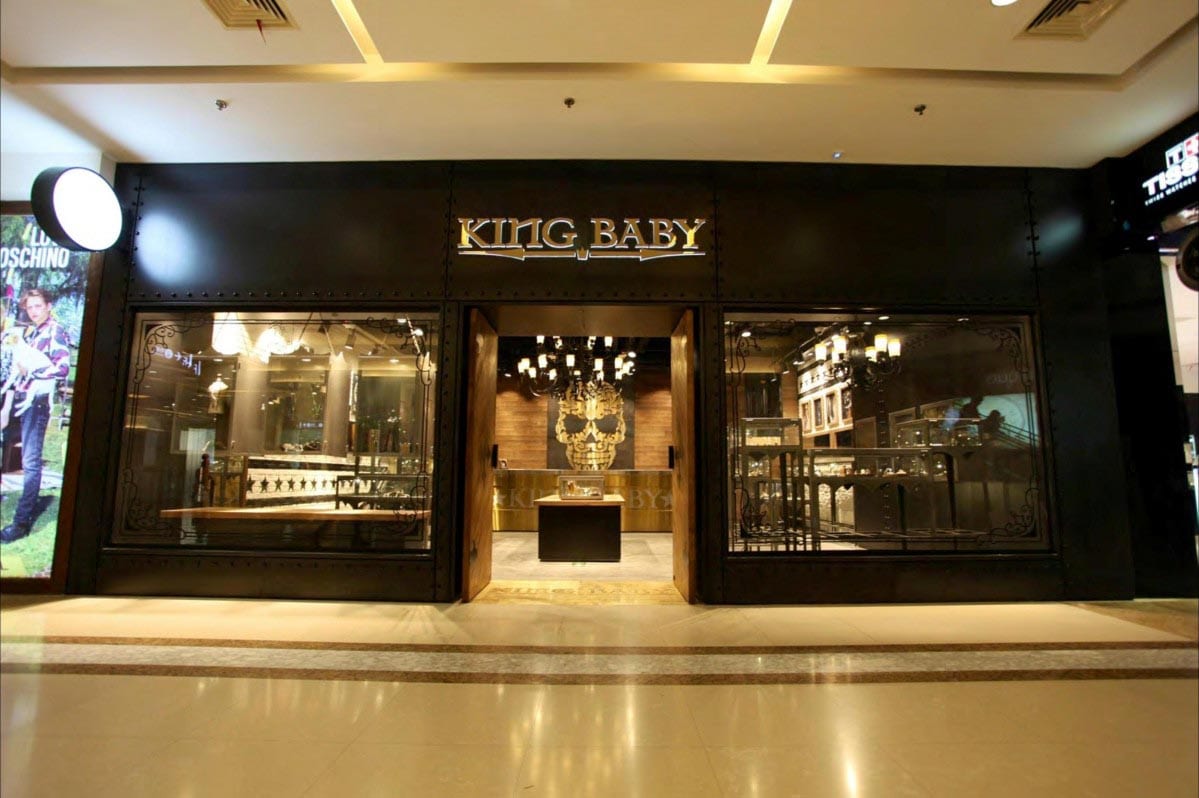
    King Baby strengthens its presence in China by opening five brand new stores – for a total of seven – in China. King Baby is one of a handful of brands exporting “hand-made in the USA” products to China.

    About the new King Baby Locations:

    The Grand Gateway 66 (Shanghai) is in the heart of the Shanghai Xujiahui business and shopping district and contains 1.1 million square feet of retail and entertainment space. The mall adds a Western-style experience to the dynamic Xujiahui commercial district and is located above the subway making it a convenient location for customer traffic.

    The Wanda Plaza (Wuhan) is one of the most unique landmarks in the region, the Han street Wanda Plaza is located in the central part of Wuhan’s central culture area, known as the “Pearl of the crown”. Han Street houses shopping malls, restaurants, and cultural and recreational sites. Hanjie Wanda Square is a luxury-shopping plaza which houses international brand stores, world-class boutiques, catering outlets and cinemas. The shopping mall belongs to Wanda Group, which is the biggest shopping mall group in China.

    The Mixc (Hangzhou) is a luxury mall which has been built in a new Hangzhou Central Business District area along the Qianjiang river, which is surrounded by high-end apartment building, office building, service apartment and Hyatt Regency hotel.

    Joy City (Tianjin) opened for business in 2011. Measuring 530,000 m2, this Joy City in Tianjin is located at the convergence of three traditional commercial circles in Tianjin and is a one-stop urban shopping complex covering experiential shopping malls, international A-1 office buildings, hotel-style service apartments and high-grade residences. You can experience high-end services provided by the super five-star IMAX cinema, the all-star theatre skating rink, the role playing center for children (Babyboss) or the exquisite supermarket Ole.

    Hisense Plaza (Changsha) is the joint project of Hisense Plaza and China’s most well-known property developer Huayuan Property. It’s the podium building of “Huayuan-Hua center”’s city complex The project locates in central Changsha and occupies one-kilometer core river view. Hisense Plaza is devoted to becoming the top shopping center in Central China — the total planned area is over 130,000 square meters (the whole building is nearly 200,000 square meters).

    “King Baby is thrilled and excited to have the opportunity to share American handmade jewelry and accessories along with our passion and lifestyle to China. We believe that quality, tradition, and ‘Made in the U.S.A.,’ are worth their weight in gold,” says founder Mitchell Binder.

    King Baby’s collections capture the spirit of Americana with rock n’ roll sex appeal and includes sterling silver pendants, beaded bracelets, earrings, and accessories detailed with fossilized mammoth ivory, locally mined jet and turquoise.

    “Management is confident with the development of King Baby business in China and very happy to see the progress on this market. More stores will open in a near future,” says Mr. Ching, The Retail Group LTD.

    Los Angeles-based King Baby designs, markets and sells premium artisan jewelry. The collection consists of men’s and women’s sterling silver and gold pendants, bracelets, earrings, and accessories. The company has retail stores in Santa Monica, CA, Los Angeles, CA, Nashville, TN, and Las Vegas, NV. In the United States, the company also distributes merchandise to better department stores and boutiques, including, Saks Fifth Avenue, Harvey Nichols, and Kitson. The brand also sells directly and through distributors to better department stores and boutiques worldwide.

  • Hello Kitty, Farewell Rolex as Hong Kong Shoppers Go Downmarket

    Hello Kitty, Farewell Rolex as Hong Kong Shoppers Go Downmarket

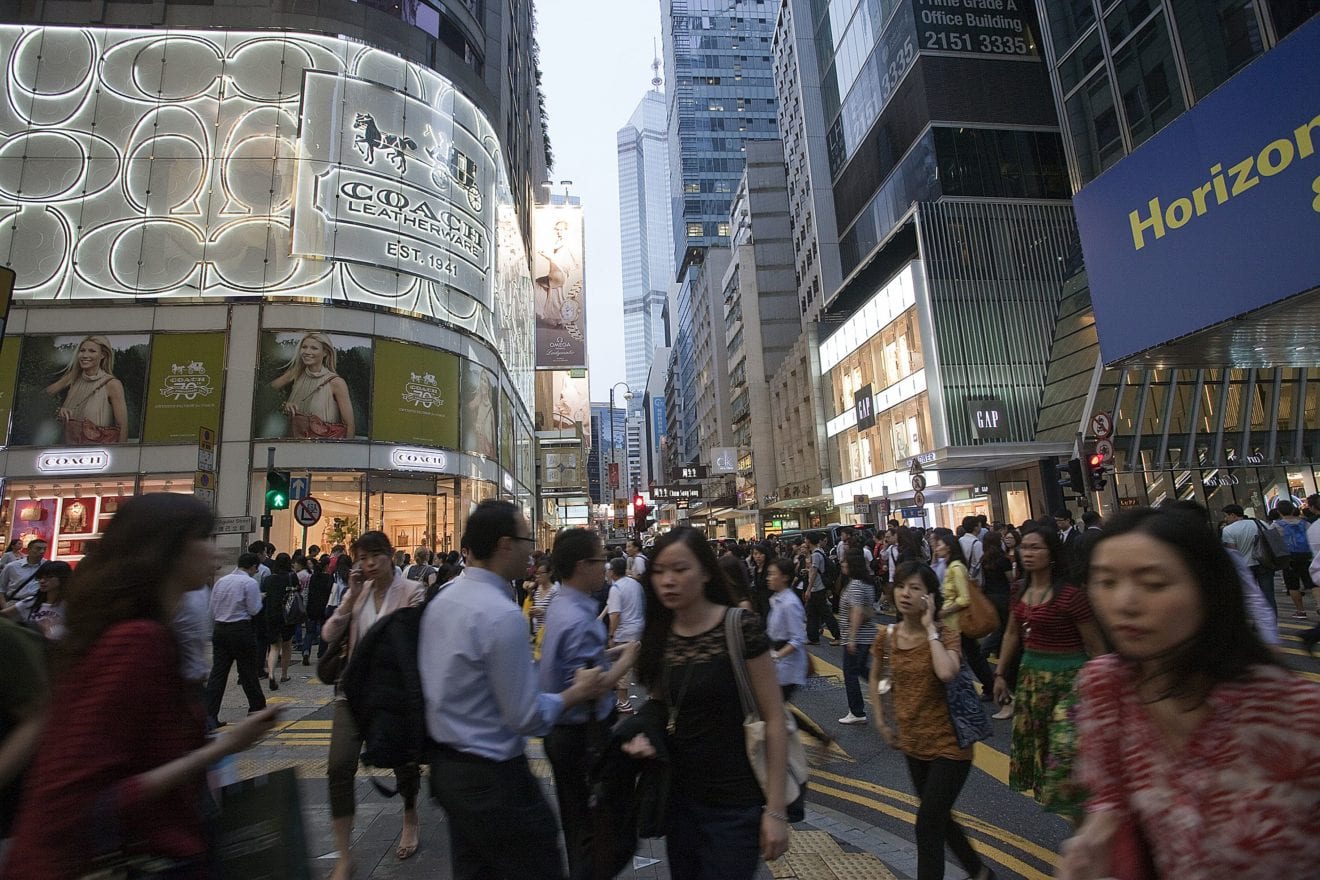
    U.S. luxury handbag maker Coach Inc. opened its four-story flagship store in the heart of Hong Kong’s Central district to much fanfare in June 2008, with a celebrity-studded, champagne-fueled party. In August, the company quietly terminated its HK$5.6 million ($723,000) per month lease and Adidas is moving in — paying 23 percent less in rent, according to Colliers International Group Inc.

    This is not an isolated case. Russell Street in Causeway Bay, which boasted the most expensive shop rents in the world until New York’s Fifth Avenue overtook it a year ago, is undergoing a major transformation. A location formerly rented by Emperor Watch & Jewelry Ltd. that sold diamond-studded Cartier watches is now home to discount cosmetics retailer company Bonjour Holdings Ltd. that sells HK$58 packets of Hello Kitty false eyelashes and HK$18 jars of Tiger Balm ointments. Next door, rival Colourmix Cosmetics Co. has moved into a space vacated by Swiss watchmaker Jaeger-LeCoultre.

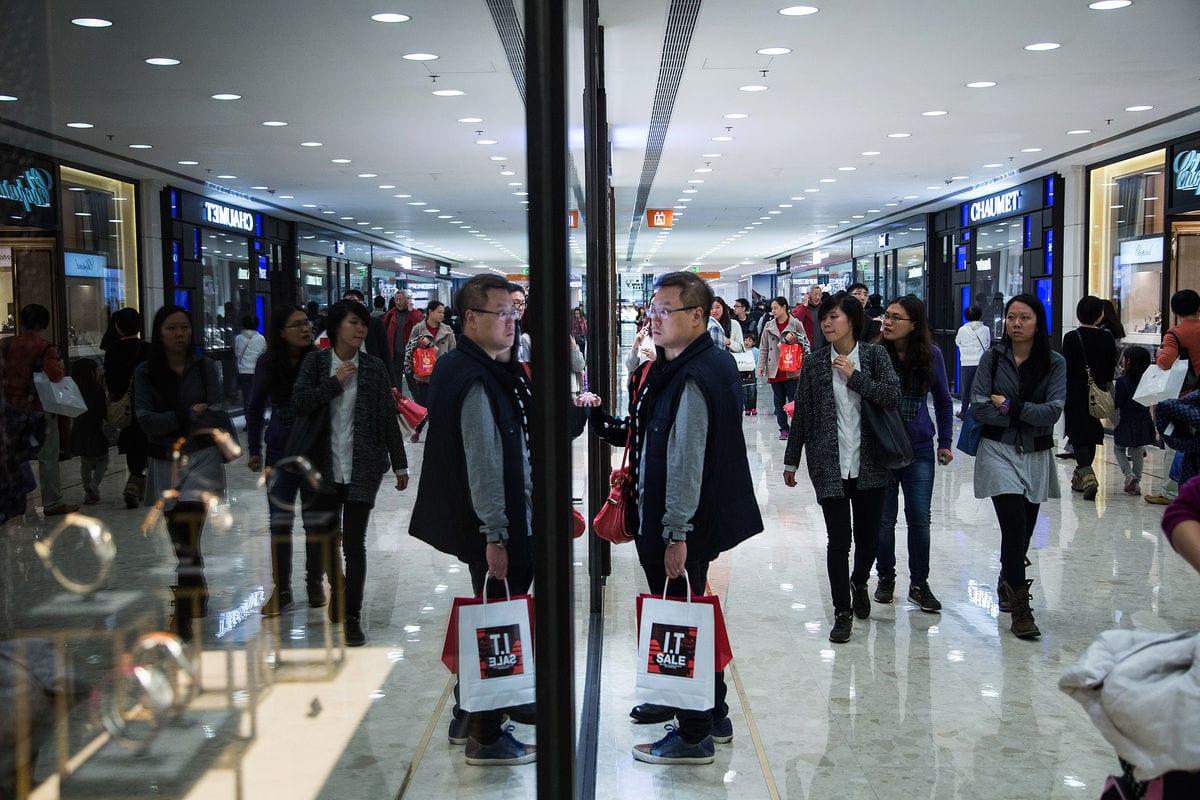
    As Kering SA’s Gucci, LVMH’s Louis Vuitton, and jewelry chain Chow Tai Fook Jewelry Group Ltd. bargain for lower rents or close stores amid a decline in mainland tourists who had underpinned their sales, mid-tier retailers are filling the gaps. Brands that appeal to the broader market are taking advantage of declining leases to move into some of Hong Kong’s most coveted retail locations.

    “The fallout in the watch and jewelry as well as luxury sector is paving the way for fast fashion brands to expand,” Tom Gaffney, head of retail at Jones Lang LaSalle Inc. in Hong Kong, said in a phone interview.

    Rents Decline

    Retail rents started falling after the city’s appeal as a shopping paradise for mainland tourists was hurt by anti-China protests last year, a slowing mainland economy and Beijing’s austerity and anti-graft campaigns, which have made the Chinese wary of splurging on luxury goods. Hardest hit have been sales of watches and jewelry, where sales have fallen year on year for the past 11 months.

    “Shopping habits are changing; a couple of years ago it was not uncommon to see mainlanders go into watch stores and ask for 10 Rolexes,” said Marcos Chan, head of research for Hong Kong, Taiwan and Macau at CBRE Group Inc. “Now we hardly see people even buying one.”

    While luxury brands are abandoning street-front locations, they are maintaining their presence in high-end malls where monthly rents are lower in part because landlords also receive a portion of sales receipts as part of a tenant’s payment.

    Another source of the slowdown is that Chinese shoppers, who represent 10 percent of global tourism and more than 25 percent of luxury spending, are forsaking Hong Kong in favor of Europe, South Korea and Japan, attracted by weaker currencies and relaxed visa procedures, according to Bloomberg Intelligence. A rising backlash against mainland tourists has also hurt Hong Kong’s appeal, said CBRE’s Chan.

    Jones Lang expects street rents in Central to drop a further 10 percent in 2016 after falling about 20 percent to 30 percent this year, while leases on more than 200,000 square feet of space on Queen’s Road in Central, one of the city’s premier shopping destinations, will become available between now and 2018.

    Just steps from one of Hong Kong’s busiest subway stations in Central, Athens-based affordable fashion brand Folli Follie opened a store in mid-October after luxury watch retailer Carlson moved out.

    Hennes & Mauritz AB is also taking advantage of falling rents to expand. On Oct. 30, it will open a four-story flagship, its largest store in Asia, in Causeway Bay.

    “One part of our expansion strategy is about getting a good and competitive deal,” said Magnus Olsson, the Swedish retailer’s country manager for Greater China, declining to provide rental details. “If we were not happy, we wouldn’t have opened.”

    Helen Mak, senior director of retail services at Colliers, said that while Hong Kong’s superior level of service will continue to attract tourists, they are looking for a different shopping experience on the city’s high streets.

    “In the past, four out of five shops were selling Rolexes,” she said. “In the future, a tourist will expect to see more varieties of retail shops in Hong Kong.”

  • Estee Lauder wants more South Korean web sales

    Estee Lauder wants more South Korean web sales

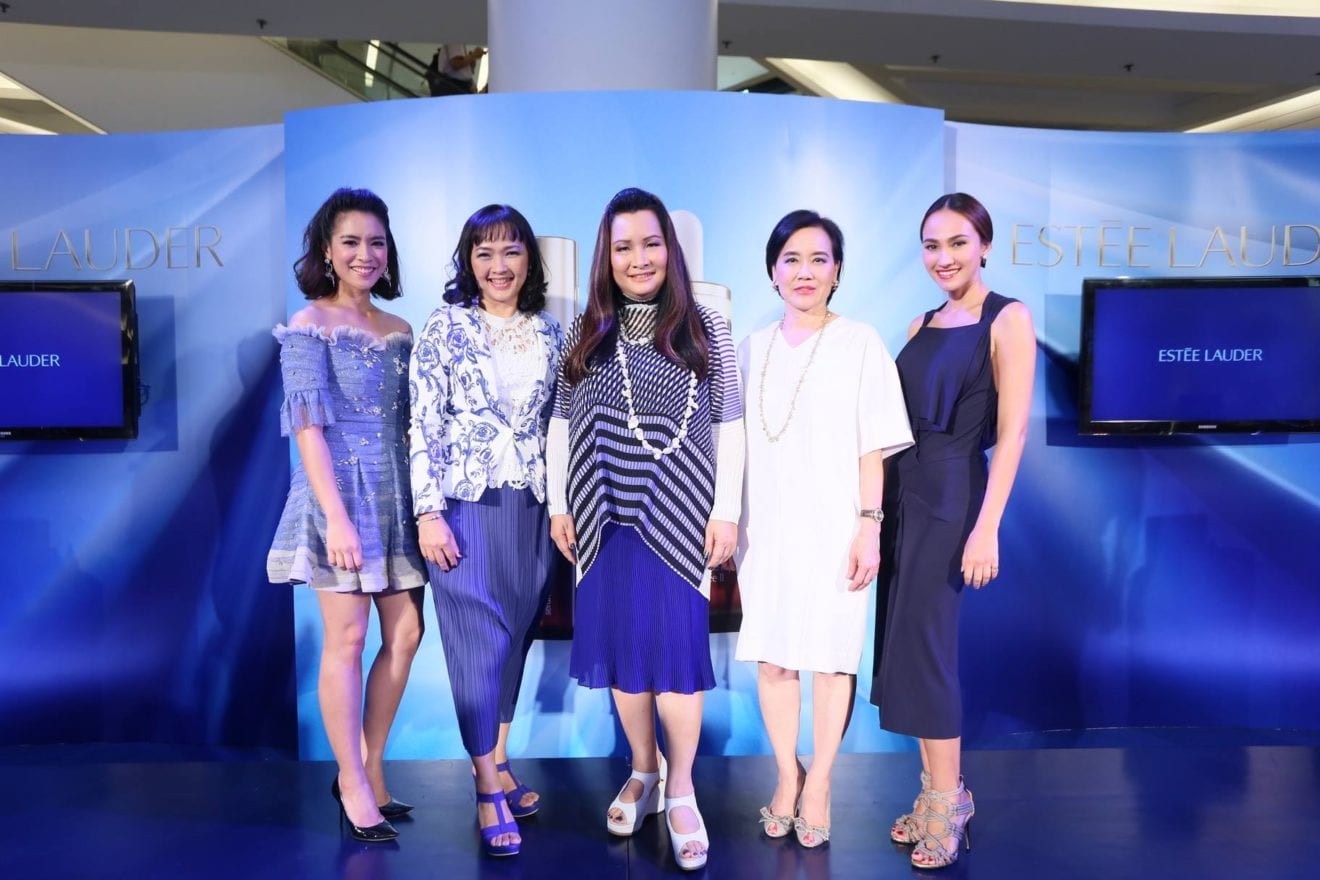
    Estee Lauder has acquired a stake in Korean skincare products maker Have & Be Co. to grow in South Korea’s nearly $600 million online beauty products market. Skincare and fragrance maker Estee Lauder Cos. is making a concerted move to acquire market share in South Korea’s beauty products e-commerce market.

    Estee Lauder, No. 73 in the Internet Retailer 2015 Top 500 Guide, purchased an undisclosed stake in Have & Be Co., a Seoul-based cosmetics and beauty products maker that develops the Dr. Jart+ and Do the Right Thing brands of moisturizers and skin renewal products.

    Have & Be was started online in 2005 by Chinwook Lee, a South Korean dermatologist. Today the company sells online and in stores in 15 countries, including the U.S. In its core market of South Korea, Have & Be has  e-commerce sites for Dr. Jart+ and Do the Right Thing. In the U.S. Have & Be sells through other retail e-commerce sites including Sephora.com.

    Estee Lauder isn’t saying much about how it intends to grow Have & Be Co and Dr. Jart+ online, but Dr. Jart+ will remain a stand-alone e-commerce site. “Dr. Jart+ will remain an independent company and it will not be integrated into any ELC operations, including e-commerce,” says an Estee spokeswoman.

    But growing online in general and in Asia e-commerce markets such as China and South Korea specifically is a top priority for Estee Lauder. For the 2015 fiscal year ended June 30, Estee Lauder disclosed that e-commerce accounted for 8% of all sales of about $10.78 billion and that e-commerce sales increased year over year by 28%. Based on those metrics, Internet Retailer estimates  web sales for Estee Lauder totaled $862.4 million compared with $673.8 million in fiscal 2014.

    In China the overall e-commerce market for skincare product sales is projected to grow 41.7% to an $8.36 billion in 2015 from $5.90 billion in 2014, according to research firm Frost and Sullivan. In comparison, in the more mature and concentrated South Korea e-commerce market, web sales for skin care products will grow more slowly, according to research firm Euromonitor International. This year e-commerce sales for skincare and related products in South Korea will reach $594.8 million, up 8% from $550.0 million in 2014, says Euromonitor.

    In China in fiscal 2015, web sales for Estee Lauder doubled, the company reports. In South Korea Estee Lauder will use its investment in Have & Be to build market share with an established brand, CEO Fabrizio Freda says. “This investment gives our company a strategic opportunity to develop a partnership with one of Korea’s most promising high-growth skin care brands,” he says.

  • Matsumotokiyoshi set to open first drugstore abroad in Bangkok

    Matsumotokiyoshi set to open first drugstore abroad in Bangkok

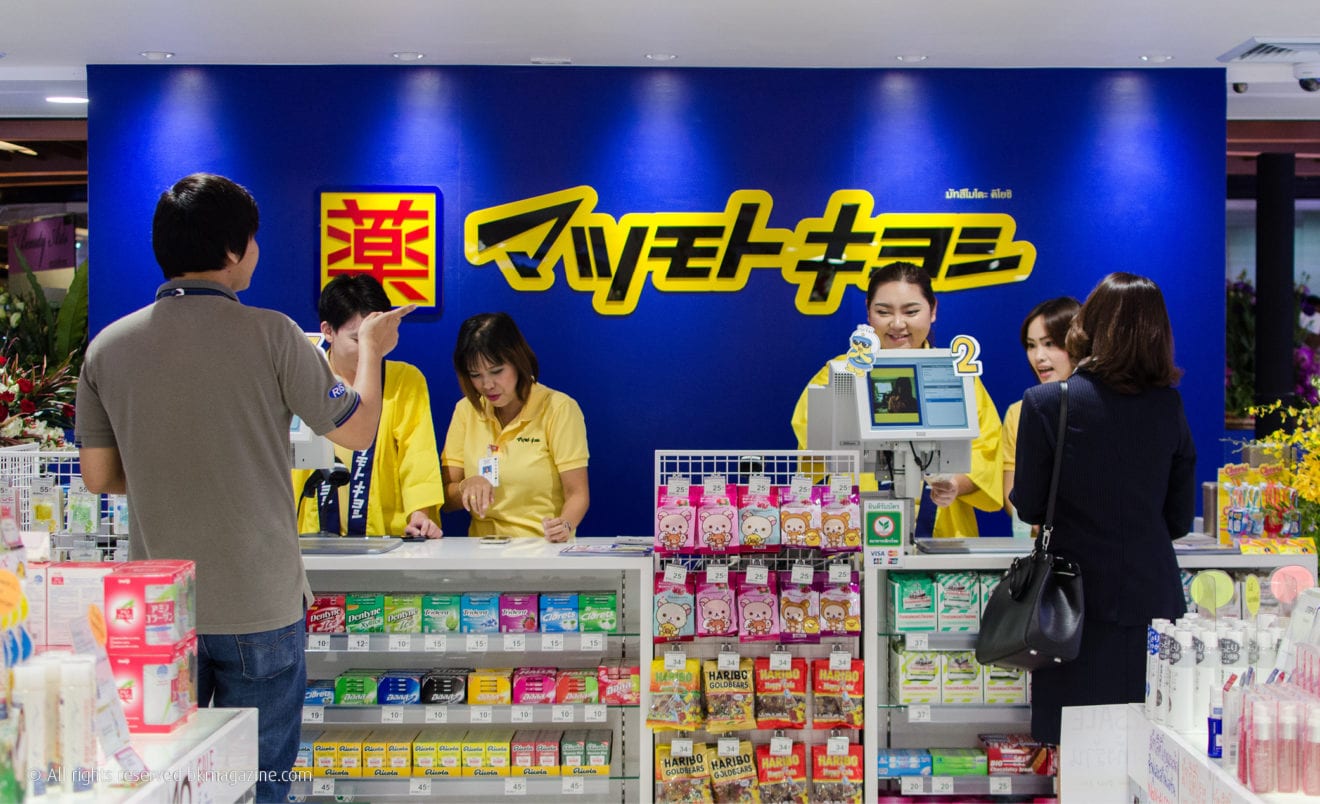
    Japan’s largest drugstore operator, Matsumotokiyoshi, will open a store in Bangkok this week, its first abroad, and a second one by the end of the year, the head of the company’s new joint venture here said Tuesday.

    “We are confident to be successful here,” Junichi Tateno, chief executive officer of Central & Matsumoto Kiyoshi Corp., a joint venture between Matsumotokiyoshi Holdings Co. and Thailand’s Central Food Retail Corp., told a press conference.

    He cited Thailand’s status as Southeast Asia’s leading health-and-beauty market, worth 85 billion baht ($2.4 billion), and one that has been growing steadily despite periods of political instability.

    Noting the Thai people’s fondness for Japanese culture and products, Tateno said the store will initially introduce around 2,000 Japanese health-and-beauty products to Thai customers.

    The new store will be the first to be opened abroad by Matsumotokiyoshi, which has more than 1,500 branches in Japan, since the company was founded 85 years ago.

    Since 2014, the company has done market testing in Central’s 23 supermarkets in Bangkok and other major cities and some 200 daily-use products and cosmetics being sold were received well by customers, according to Tateno.

    He said the marketing data helped the company to cater suitable products for Thai customers.

    Central Food Retail Co., the largest supermarket chain in Thailand with around 150 branches, has a 51 percent stake in the joint venture, with Matsumotokiyoshi holding the remainder of shares.

    The first branch will be opened at Central Plaza Ladprao, offering commodities and beauty products from Japan and other countries. Another will be opened at Central Plaza Pinklao by year-end, with plans to expand to other department stores in the future.

  • Alibaba confounds China slowdown with 32% revenue rise

    Alibaba confounds China slowdown with 32% revenue rise

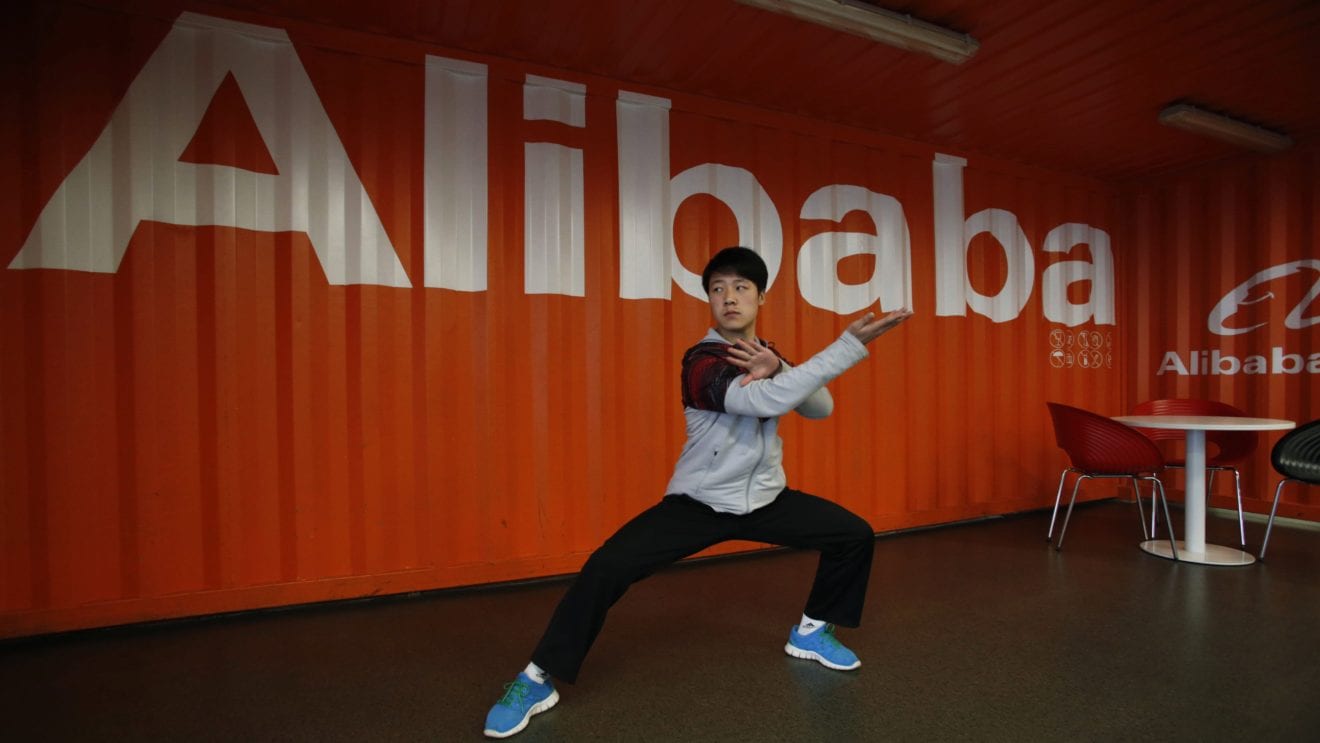
    The Chinese e-commerce giant Alibaba has reported a stronger than expected 32% rise in second-quarter revenue, even as the value of transactions on its platforms grew at a slower pace.

    Revenue from mobile platforms, an increasingly important area for the company, nearly tripled to $1.66bn (£1.1bn), with mobile gross merchandise volume (GMV) accounting for 62% of total transactions on Alibaba’s China retail marketplaces.

    “Mobile is the trend and Alibaba is capturing that trend,” said Tian Hou, an analyst at TH Capital Research.

    Alibaba’s New York-listed shares were up 10% in premarket trading. Shares of Yahoo, which owns 15% of Alibaba, were up 7%. The total value of transactions on Alibaba’s retail marketplaces in China rose 28% to $112bn, but this was the slowest growth in more than three years.

    The lower GMV growth was not unexpected. In early September, Jane Penner, Alibaba’s head of investor relations, said the total value of transactions during the quarter would be smaller than originally expected due to lower order values. Revenue rose to $3.49bn in the three months to the end of September.

    The jump in revenue added weight to recent comments from Jack Ma, Alibaba’s founder and chairman, that concerns about slowing consumption in China were overdone.

    The earnings report comes about two weeks before Alibaba’s singles day shopping festival on 11 November, which last year netted sales of more than $9bn .

    The company reported net income attributable to shareholders of $3.58bn, or $1.40 per share. Alibaba earned 57 cents per share, beating the average estimate of 54 cents.

    Alibaba, facing increasing competition from its rival JD.com, has been branching out from its core online shopping platforms in an attempt to stem a slowdown in revenue growth. During the quarter, the company invested $4.6bn in Suning Commerce Group in a move to bolster its ability to compete in logistics and electronics – two areas of strength for JD.com.

    The company has also poured more money into ventures outside China, for example by investing in One97 Communications, the parent of the Indian online retailer Paytm, and taking part in a funding round for the Indian e-commerce company Snapdeal.com.

    Alibaba shares closed at $76.35 on Monday, down about 36% from their record high of $120 in November 2014. Yahoo closed at $33.40.

  • Thailand’s first Decathlon store opens in Bangkok

    Thailand’s first Decathlon store opens in Bangkok

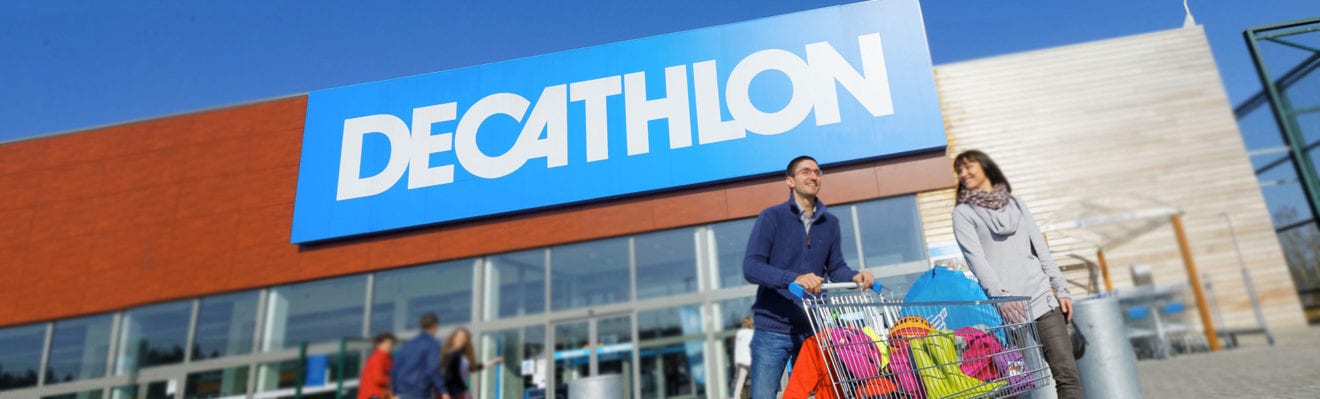
    People in Thailand are particularly passionate about football, water sports, trekking, running, road biking and golf. As of 22 October, they’ll have access to a wide range of technically sophisticated products available in Decathlon stores designed to help them enjoy these sports. Operational in Thailand for around twenty years with its production activities, the company has now swung its distribution arm into action!

    “We’re opening five stores in Bangkok, whose surface areas range from 1,700m2 to 2,700m2. They’re nicely spread out across the capital, including one right in the centre,” explains Decathlon Thailand boss Frédéric Bichet. These stores will be exclusive retailers of Decathlon’s Passion brands.

    Team recruitment based on sporting values
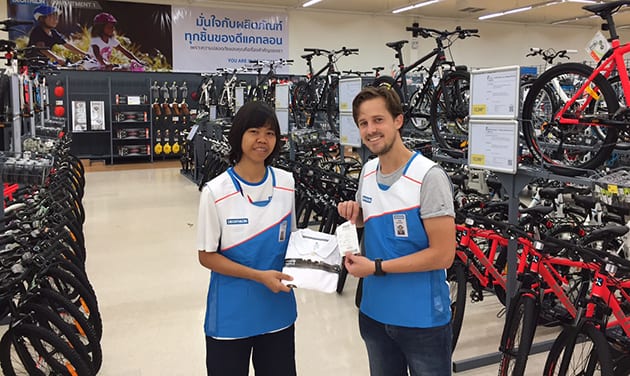
    In order to provide the best possible service for Thai customers, we had to attract new employees who weren’t yet familiar with the company. In total, 120 new team members will be joining the latest stores to serve our customers. So we could share our company values with them, they were recruited locally at sports events, at sales and retail workshops and at interviews with directors appointed to run the new stores.

    Just like the business itself, these teams have a strong international flavour. Decathlon’s new employees have come from Belgium, China, Romania and even Russia, looking to be part of the company’s next growth phase. One of the new store directors is even a former employee of the Thai production office, where he worked for twenty years. “It’s a great asset being able to benefit from all of these viewpoints and experiences brought to us by such international profiles,” insists Frédéric, “and it’s also important for the countries where these employees hail from. It’s proof that it is possible to successfully run this type of international project at Decathlon.”

    Thailand’s first Decathlon store opens in Bangkok

  • How big is Apple’s green initiative in China?

    How big is Apple’s green initiative in China?

    It’s not easy to convey the scale of the two initiatives Apple announced today to reduce its carbon footprint in China—Building 200 megawatts of solar projects in the provinces on its own and partnering with its Asian suppliers to install another 2 gigawatts of new clean energy.

    Apple’s press release offered some helpful analogies.

    —The 40 megawatts of solar projects already completed in the Sichuan Province produce more than the total amount of electricity used by all of Apple’s offices and retail stores in China.

    —The 200 megawatts of solar projects planned for the northern, eastern and southern regions of China will produce enough energy to power 265,000 Chinese homes in a year

    The combined programs will avoid over 20 million metric tons of greenhouse gas pollution in China between now and 2020, the equivalent of taking nearly 4 million passenger vehicles off the road for a year.

    “Climate change is one of the great challenges of our time, and the time for action is now,” said Tim Cook, Apple’s CEO. “The transition to a new green economy requires innovation, ambition and purpose.”

    It also takes a lot of money. Apple achieved 100% carbon neutrality in its U.S. operations in part by generating its own clean energy and in part by buying credits from other clean energy providers. Now it’s doing the same in China.

    Not every company can afford that. Still, Apple is getting plaudits for leading by example.

    “We need governments and companies to transition us to renewable energy as rapidly as possible,” said Gary Cook of Greenpeace, an organization that played Apple’s scold not that many years ago. “Apple’s announcement today is a major step forward in building a renewably powered supply chain for its products.”

  • iPhone 6s hits store shelves in South Korea

    iPhone 6s hits store shelves in South Korea

    By Kim Seung-yeon

    SEOUL, Oct. 23 (Yonhap) — Apple Inc.’s two latest smartphones went on sale in South Korea on Friday, with the industry poised to keep close tabs on the market for possible overheating on the retail front.

    The country’s three major mobile carriers — SK Telecom Co., KT Corp. and LG Uplus Inc. — released the iPhone 6s and iPhone 6s Plus for sale via their respective retail stores nationwide.

    The iPhone 6s is available for 720,000 won (US$635) for the 16GB model and 1.14 million won for the 128GB, given the subsidy of about 130,000 won, according to the telecom companies.

    The price of the iPhone 6s Plus starts from 999,000 won and runs to 1.26 million won depending on the phone’s storage capacity.

    The mobile carriers each held a launching event for the new iPhone series earlier in the day, offering various promotions and free gifts to woo consumers.

    The release of a new iPhone series usually draws heated interest here among consumers, including Apple loyalists, and the entire industry.

    Huge demand for the new iPhones has been a trigger for the mobile carriers to risk giving large sums of rebates that passed the legal limit in order to steal customers away from rivals.

    In October last year, the government came up with a new handset subsidy law to curb the excessive paybacks. Yet it proved to be less than effective when the iPhone 6 series went on sales later in that month and retail vendors began to splurge subsidies.

    Industry watchers are paying close attention again this time as to how the market will response to the two upgraded iPhones, although many bet that there won’t be as much of a fuss as the previous releases due to tougher market conditions.

    The online presales of the iPhone 6s series, which ran through this week, ended in early closures as they sold out in the first few minutes of the start.

    Of the early purchases, 30.4 percent booked the new rose gold model, while preorders for the silver iPhone 6s Plus came in at mere 0.1 percent, according to one of the mobile carriers.

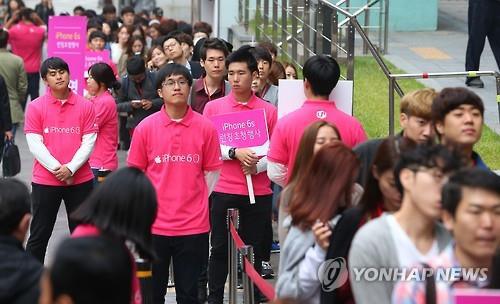
    Customers form a long queue to buy the new iPhone S6 series on the first day of its release in front of a direct retail store run by South Korean mobile carrier LG Uplus Inc. in Seoul, on Oct. 23, 2015. (Yonhap)

    Customers form a long queue to buy the new iPhone S6 series on the first day of its release in front of a direct retail store run by South Korean mobile carrier LG Uplus Inc. in Seoul, on Oct. 23, 2015.

  • Why a tourist’s death should serve as a wake-up call for HK

    Why a tourist’s death should serve as a wake-up call for HK

    Hong Kong’s retail and tourism sectors have suffered another setback as mainland media have, with good reason, reportedly widely the tragic death of a Chinese tourist in the city this week.

    Already reeling from slowing sales, the latest negative publicity about a “forced shopping” trip that went horribly wrong for a visitor was something that local tourism-related businesses could ill afford.

    Now, as the damage has already been done, what can Hong Kong do to redress the situation and prevent such incidents from happening again?

    And what are the broader lessons for local tourism authorities?

    On Monday, a mainland visitor was beaten up by a gang of men after he intervened in a brawl between a fellow tour group member and the tour guide.

    In the incident that took place at a jewelry store in Hung Hom, the 53-year-old man stood up in support of a female fellow tourist who was being berated for not making any purchases at the store. 

    Following a loud argument and some scuffles, the man was dragged out of the shop and beaten up by a gang of four men.

    The beating was so severe that the victim, a person named Miao Chunqi, later died in hospital. 

    China’s state media, not surprisingly, has covered the news in detail, portraying it as a reflection of the chaotic Hong Kong tourism market and lack of protection for mainland shoppers.

    The Global Times, for instance, wondered if there is enough rule of law in Hong Kong’s tourism industry.

    Following the earlier scathing criticism over anti-parallel trading protests in Hong Kong, the latest commentary on cross-border shopping issues is bound to put off more mainlanders. 

    While some reports say that the assailants of Maio were from the mainland, Hong Kong’s tourism authorities still cannot avoid facing difficult questions.

    The tragic incident could, in fact, serve a purpose if the government wakes up to the uncomfortable truth regarding many tour groups from China.

    The root of the problem is that some low-quality tour service operators in China have been offering “zero” price tours to Hong Kong to force tour members to spend in specific shops in Hong Kong.

    The tour operators hope to more than make up for the cheap tours by reaping commissions from the retail outlets with which they have prior arrangements.

    While some Chinese tour members know such norms and are willing to spend in the shops they are taken to, some of them resent being put under pressure and refuse to make purchases.

    It is then that conflicts arise with the tour guides and trip organizers, leading to violence in some cases.

    The distorted service chain has been in existence for many years, but authorities in both Hong Kong and China have shown little inclination or courage to tackle the issue.

    One reason why they have been reluctant to shake up things is this: officials fear that disrupting the trade will go against the process of deepening the commercial ties between China and Hong Kong.

    Even after several reports of mainland shoppers being taken for a ride, the Leung Chun-ying administration has failed to act over the issue of errant tour service providers.

    Now, with the shocking case of a tourist’s death following a “forced shopping” trip, one only hopes that it will finally be a wake-up call for the government. 

    The time has come for our chief executive to address the industry problems, fixing things at home as well as putting pressure on Chinese authorities to clamp down on shady tour services firms. 

    The task is not too difficult if Leung musters the will and determination and the political courage to take on some vested interests.

    Is he up to the challenge?


  • Suntec City officially reopens after S$410m revamp

    Suntec City officially reopens after S$410m revamp

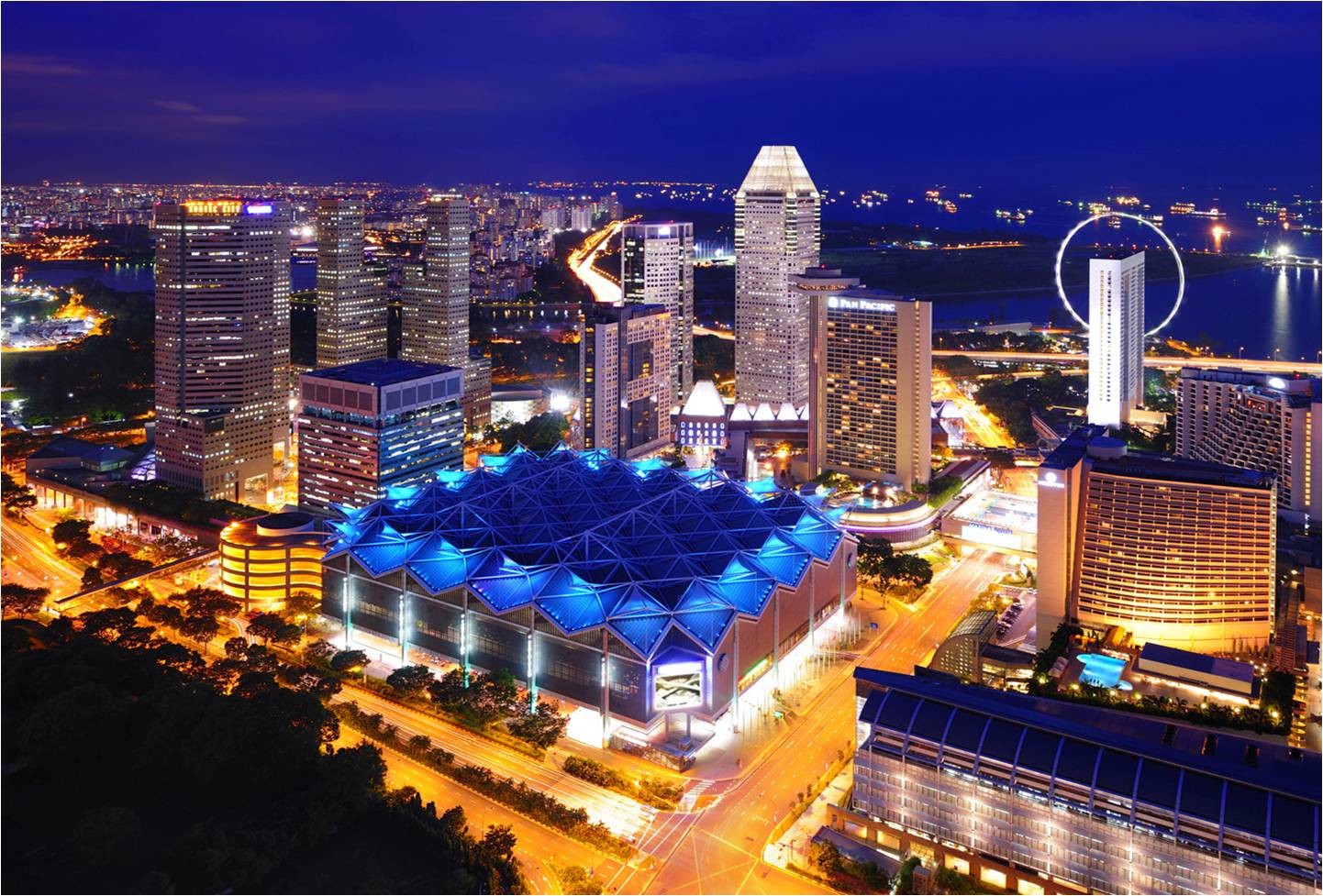
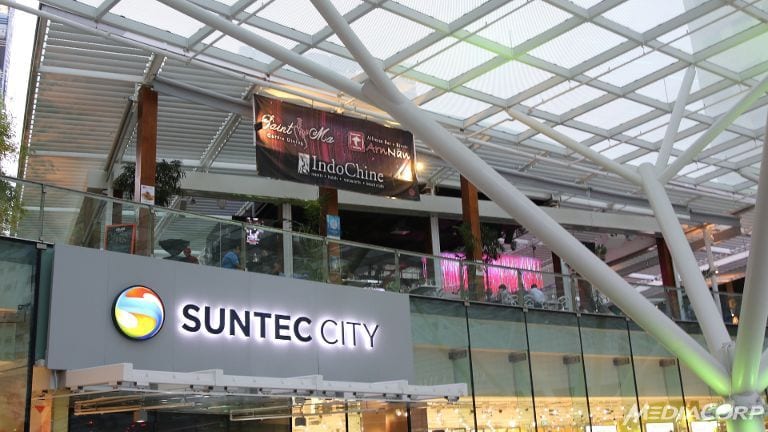
    Suntec City officially reopened on Thursday (Oct 22) following a S$410 million enhancement.

    In a press release, ARA Trust Management (Suntec) Limited, the manager of Suntec REIT, said enhancement works began in June 2012 and were completed in June this year.

    The works involved decanting low-yielding spaces and converting levels one and two of the Suntec Singapore Convention & Exhibition Centre for retail use. The retail footprint now covers close to a million square feet.

    “Today marks an important milestone for Suntec City as we celebrate its official opening,” said Mr Yeo See Kiat, chief executive officer of ARA. “Through this transformation, Suntec City is now a more vibrant and exciting destination with new retail offerings and experiences for everyone.”

    The event was attended by Minister for Social and Family Development Tan Chuan-Jin. To mark the occasion, Suntec REIT chairman Chew Gek Khim presented a cheque donation of S$200,000 towards President’s Challenge 2015 beneficiaries.

  • Has Singapore Finally Become Too Expensive?

    Has Singapore Finally Become Too Expensive?

    Singapore has long been seen as a mecca for high-end shopping. Locals and tourists alike have miles and miles of malls and boutique-lined streets to wander through. Retail refugees from China, the Philippines, Indonesia and Malaysia come to the small city state because they can buy authentic Louis Vuitton, smell real Chanel and eat their fill of those famed Laduree macaroons.

    Something unexpected has been happening more and more over the past couple of years. Foreign visitors have been coming to Singapore’s shopping streets, but they have been keeping their wallets in their pockets.

    A haven for luxury

    Singapore has the world’s third highest per capita GDP, and locals do buy the pricey brands, but luxury boutiques still rely on tourist sales to make their profits and to justify the high cost of leasing or buying retail space in the heart of Singapore.

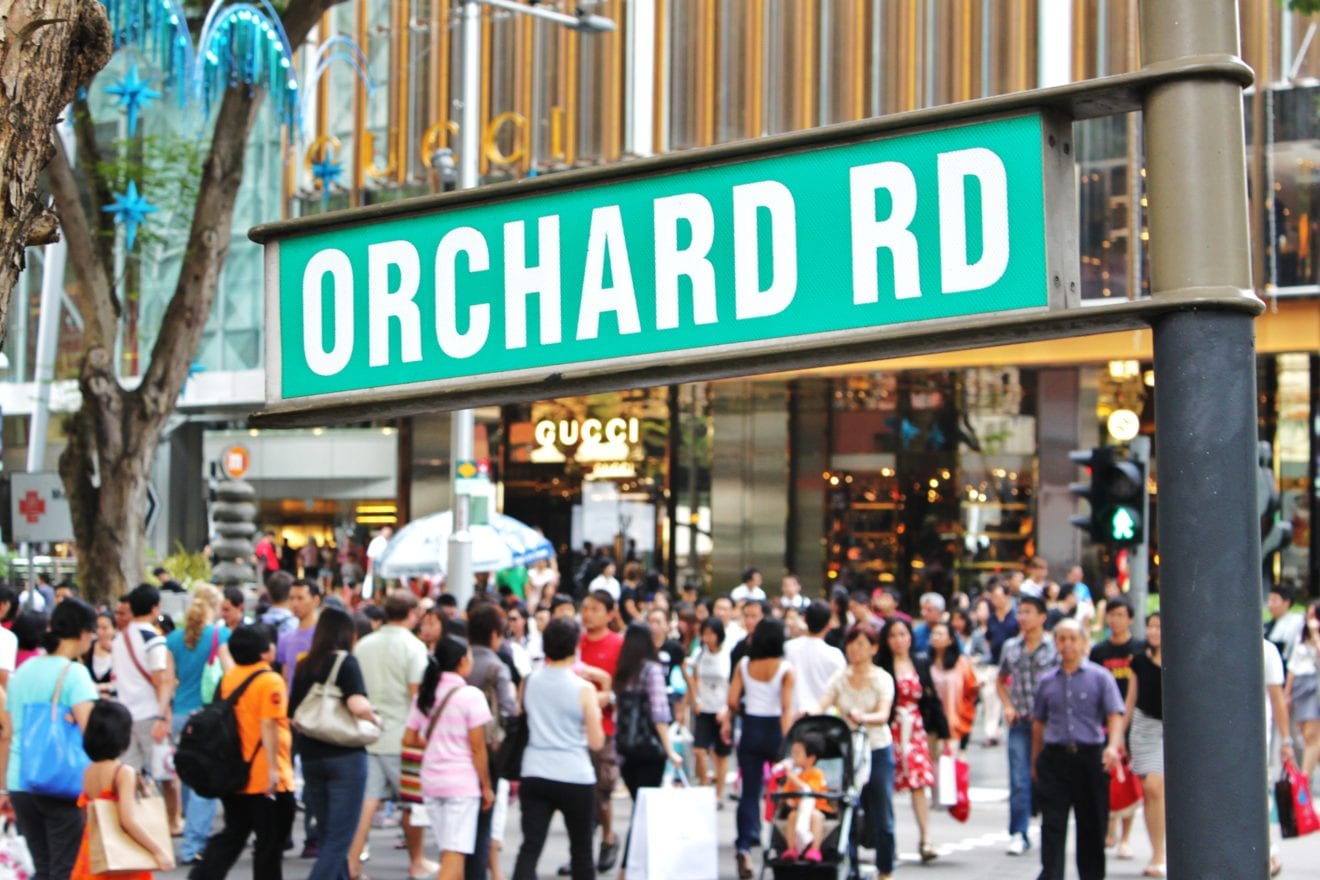
    These boutiques want to be in the heart of the city. That means spending big bucks to get space along Orchard Road, which is the epicenter of Singapore’s tourism scene. According to the Singapore Business Review, up to 80 percent of all luxury items sold in the country are bought in the Orchard Road area.

    Tourists are everywhere on Orchard, but most of them are opting to window shop instead of actually buying.

    Indonesian travelers are usually in the country for other reasons: business, medical tourism or to visit relatives. Some may spend time at boutiques, but this is not the main reason that they are in Singapore. Australians, meanwhile, are stuck with a weakened currency, so shopping with Singapore Dollars is not financially feasible.

    What about discounts?

    Downtown shops have been experimenting with sales and promotions. Some of these are specifically aimed at getting tourists to make purchases. Coach is offering a 10 percent discount at its Orchard Road locations, but Singaporeans don’t qualify for the price break. To get the deal, shoppers have to show their passport to prove that they are foreign visitors.

    Even this hasn’t worked. Tourist shopping statistics have held steady. Visiting buyers currently represent about 35 percent of the total sales for luxury items in Singapore.

    Has Singapore simply become too expensive?

    Yes, Singapore is expensive even if you don’t go there to add to your Vuitton bag collection. But it isn’t really fair to say that the luxury marketplace is struggling because country has become too expensive.

    The biggest expense for most tourists in Singapore is their hotel. Rooms are expensive, and if you are staying in a central location, they can be extremely pricey. At the same time, you can always eat cheaply at hawker centers and get around easily via the awesomely useful public transportation system. Also, if you can escape from Orchard Road, you will find some reasonable (if not cheap) places to shop.

    So while Singapore’s luxury brands are struggling, it is not quite right to say that the city is killing its tourism scene with high prices.

  • China’s 500m middle class consumers

    China’s 500m middle class consumers

    Within the next ten to twenty years there will be 500m middle class consumers in China, according to Jack Ma, and there will be huge opportunities for smaller Western brands to gain a foothold in this market.

    “In the last 20 years China was focused on exporting, in the next 10-20 years China will focus on importing,” the founder of ecommerce giant Alibaba told a business gathering in London. “We’re coming here to help small businesses in the UK, in Europe, to sell to China.”

    To this end the company has made its London office a regional hub and opened offices in Italy, France and Germany.

    Some 5,000 overseas brands from 25 countries are expected to take part in Singles Day, Alibaba’s annual online shopping extravaganza on November 11, which this year will feature 6m products from more than 40,000 merchants and 30,000 brands.

    Last year shoppers from 175 countries placed orders on Alibaba’s platforms during the first 40 minutes, as the company upgraded the event into a global online shopping carnival by helping Chinese shoppers purchase overseas products and overseas buyers acquire goods from China.

    The ecommerce business has announced it will this year be “merging bricks with clicks”. Jeff Zhang, president/China retail marketplaces, explained this was a theme of the 2015 event and “marks the first step in achieving the full integration of the digital economy and physical commerce”.

    Some 180,000 stores in 330 cities across China are using a variety of omnichannel strategies to make shopping more convenient and rewarding.

    So, for example, customers entering one of these stores will get text notifications from their Taobao mobile app and can then scan an event barcode to win discounted e-coupons to redeem on the 11.11 shopping day.

    Leading retail brands – including Suning, Intime and Haier – will have special in-store experience zones where consumers can try out displayed products before scanning the barcodes and purchasing them at the discounted prices reserved for sales on 11 November.