Author: Mei Ling Tan

  • Bright spots on the retail property horizon

    Bright spots on the retail property horizon

    Singapore’s retail market has been experiencing a drop in sales values. Tourism arrivals and the ongoing labour shortage against the backdrop of an additional reduction in the foreign dependency ratio effective July 2013 are considered some of the key drivers behind this, along with weaker economic sentiment.

    However, the outlook is not all doom and gloom.

    One bright spot is mixed-use developments within the Central Business District that are proving to be very popular among retailers. Offering offices, residences, hotels and retail podiums within landmark new developments in prime CBD locations such as South Beach, Tanjong Pagar Centre and Downtown Gallery (part of a mixed-use property) has been extremely popular with retailers, given the enormous current catchment and the forecast catchment growth in line with the “Live, Work, Play” guidelines.

    Changing consumer attitudes and preferences are other positive aspects of the retail scene and one that is very popular is the healthy lifestyle theme. Taking the CBD as an example, we have seen a huge influx of gym operators – from large-format mega gyms to more bespoke fitness boutiques. This is being followed by growth in the sports apparel market and healthy food options as people take note of their lifestyle choices.

    BACK TO BASICS

    For the retail market to bounce back we need to not only look forward, but also look back at the underlying principles of retailing. While the global retail environment is moving at a frantic pace, the adage of “location, location, location” is still salient today. The key in all retail markets is ensuring that the retail offer is suitable for the catchment profile of its location: Are the customers looking for ease- of-convenience retail or the experience of a retail destination and does the tenant mix reflect this?

    Given the number of retail malls in Singapore and the difficulties highlighted, retail locations that do not meet these parameters or are secondary in doing so are likely to face further difficulties with increased voids (empty shops) and downward pressure on rentals given the large amount of retail space available and economic headwinds.

    During difficult retail cycles, new trends often arise as landlords seek to address occupancy levels and adapt their retail offerings. Over the past few years, we have seen an increase in pop-up stores, where retailers are able to occupy space on short-term agreements. These pop-ups allow existing retailers to experiment and new retailers to test products without the financial commitment that a standard lease requires. Trends like this are beneficial to the marketplace as they create differentiation and attract consumers to retail locations. Voids breed voids so temporary stores are an important option for landlords, and this is something that JLL envisages growing as traditional lease occupancy rates fall in certain locations.

    TENANT MIX IS KEY

    Ultimately, a key aspect in creating successful retail locations is a strong, differentiated and relevant tenant mix. Singapore has seen numerous new-to-market brands and this trend looks set to continue, with JLL working with many such operators.

    Alongside sourcing the correct real estate, one key factor for any new-to- market brand is the rent and lease terms. JLL is seeing a correction in rents in response to market conditions but in some cases lease terms remain prohibitively rigid.

    Creating flagship stores requires high capital expenditure, which must be depreciated and as such longer lease terms are required; redevelopment, relocation and performance clauses make this depreciation difficult in some cases and impossible in others. While this is not reflective of the entire marketplace, increased flexibility in lease terms is equally important for short-term temporary leases as it is to attract the world’s leading retailers – which is key for a vibrant and differentiated retail market.

    With the exception of true convenience locations, malls can no longer just be places to purchase goods. A successful retail tenant mix must also allow social interaction and enrichment to encourage repeat visits, increased dwell time and subsequent increased retail spending.

    Flexibility to attract leading international retailers, temporary stores, new start-ups and more social interaction often comes at the expense of immediate rental values. For such exercises, a long-term view is required as the upfront cost of repositioning/amending the tenant mix must be balanced against sustaining a long-term income and the overall increased appeal of retail locations.

    Tourism arrivals and economic conditions are undoubtedly affecting retailers’ sales but from a real estate perspective, retailers and their business models are also adapting to changing consumer behaviour and market sentiment.

    One outcome of ever-changing technology is that many retailers are reducing their footprint as a result of e-commerce. Historically, increasing the number of stores was one of the key weapons of a retailer in raising market share by presenting its brand to consumers in numerous locations. A strong online presence now allows retailers to ensure that their brand is never out of consumers’ minds and consumers can research, browse and purchase on the go, which ultimately means certain retailers require fewer stores than before.

    Physical stores do continue, however, to play a very important role in brand building, service, loyalty and, of course, point of sale, but their nature is adapting. JLL is seeing an increase in “brand pavilions/flagship stores” that are used by retailers to showcase the very best of the brand and are located in the prime retail locations. These stores are used alongside an online presence to build brand positioning and awareness and they allow customers to feel and try products. In many cases, the newest technology – think virtual fitting, 3D printing, etc – is utilised to maximise consumer experiences. As a result, JLL foresees demand for prime retail space growing to meet these requirements, although this is complicated by the small size of the Singapore prime market.

    To summarise, the Singapore market has been experiencing difficult times with a drop in sales volumes and the impact upon real estate is being exaggerated by the frenetic pace of change in retail itself. The most successful landlords and retailers will be those able to embrace these changes and JLL expects to see some exciting changes in the future. We do, however, foresee further downward pressure on rentals and an increase in vacancy levels in certain locations as retailers downsize their store numbers.
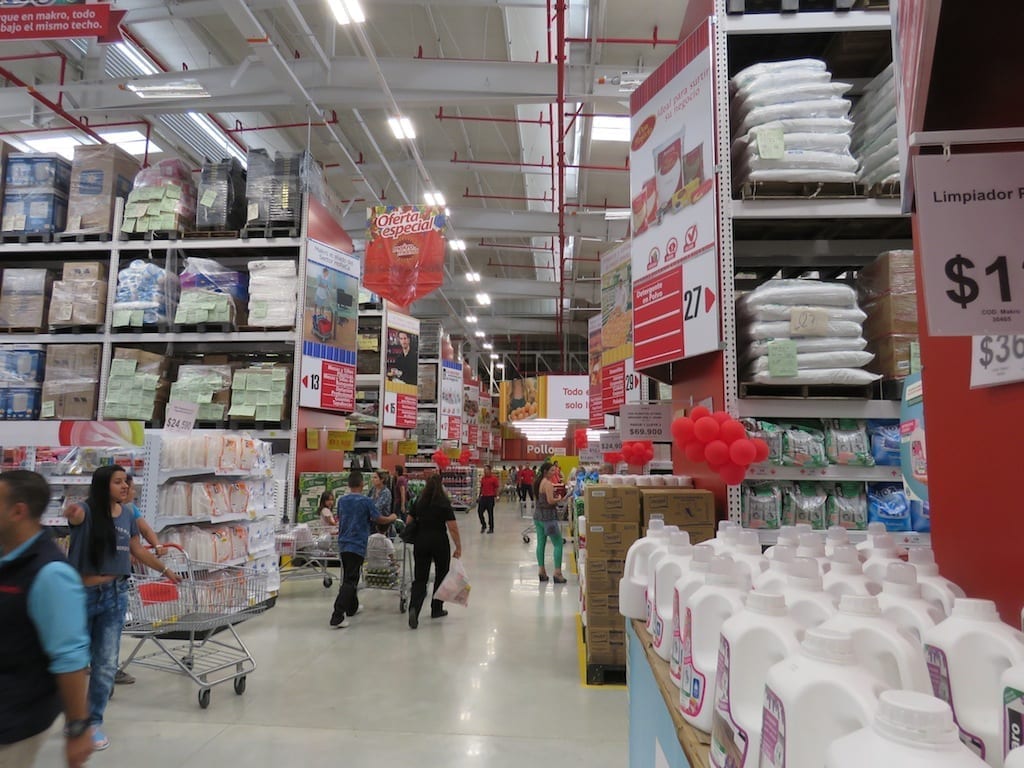

  • Siam Makro eager to open first store in Myanmar

    Siam Makro eager to open first store in Myanmar

    Siam Makro Plc, the operator of Makro cash-and-carry stores under Charoen Pokphan Group, is keen to expand its retail business in Myanmar in the near future.

    Chief executive Suchada Ithijarukul yesterday said the company had met the Thai ambassador in Yangon to explore market opportunities in Myanmar.

    “We have conducted a feasibility study on Makro’s market opportunities in many Asean countries, with Myanmar, Vietnam and Indonesia being the priority destinations,” she said.

    Siam Makro is studying Myanmar consumer behaviour and foreign investment laws. If the regulations are clear, it is ready to open its first store immediately.

    According to an executive of ABC Group, operator of Myanmar’s second-largest convenience store chain, so far the Myanmar government has not allowed foreign retailers to invest in the country by themselves.

    Foreigners will be allowed to invest in supermarkets and hypermarkets next year but will have to form joint ventures with Myanmar companies.

    “The retail landscape in Myanmar will drastically change and new retail plazas will be gradually opened in the near future,” said Wichai Kanrahong, a counsellor at the Thai embassy in Yangon.

    About 80% of products are imported from countries including Thailand.

    “With the connected border and many Myanmar workers in Thailand, Myanmar people are quite familiar with Thai brands,” Mr Wichai said.

    Mrs Suchada said Makro’s business format allowed it to open anywhere because it has various store types.

    “The boom of tourism in Myanmar is also an opportunity for Makro,” she said.

    Makro has already opened branches in border towns near Myanmar.

    It has also conducted a feasibility study to expand into Indonesia and Vietnam, which have big populations. Laos and Cambodia are seen as second-tier countries.

    Mrs Suchada said the company would keep investing in Thailand by opening two stores in Phrae and Trat by year-end. Each will need an investment of 300 million baht.

    “Though the economy is not good, we are satisfied with our performance in the first nine months,” she said.

  • Shopping mall with e-commerce logistics services to rise in Singapore

    Shopping mall with e-commerce logistics services to rise in Singapore

    Construction is now underway for Singapore’s first shopping mall that offers e-commerce logistics solutions as well.

    Scheduled to be completed in mid-2017, the new retail mall will be located at the prent open concourse in front of the SPC, located next to Paya Lebar MRT station.

    The project’s developer, Singapore Post Limited (SingPost), said it will have 25,000 square meters of retail space and will be built at a cost of S$150 million ($107 million), which includes upgrading amenities and façade for the adjoining office building.

    “The redevelopment of the retail mall at SPC is part of our efforts to extract maximum value from our property portfolio and support our accelerated transformation from Singapore mail to global eCommerce logistics,” said Lim Ho Kee, Chairman of SingPost, in a news release.

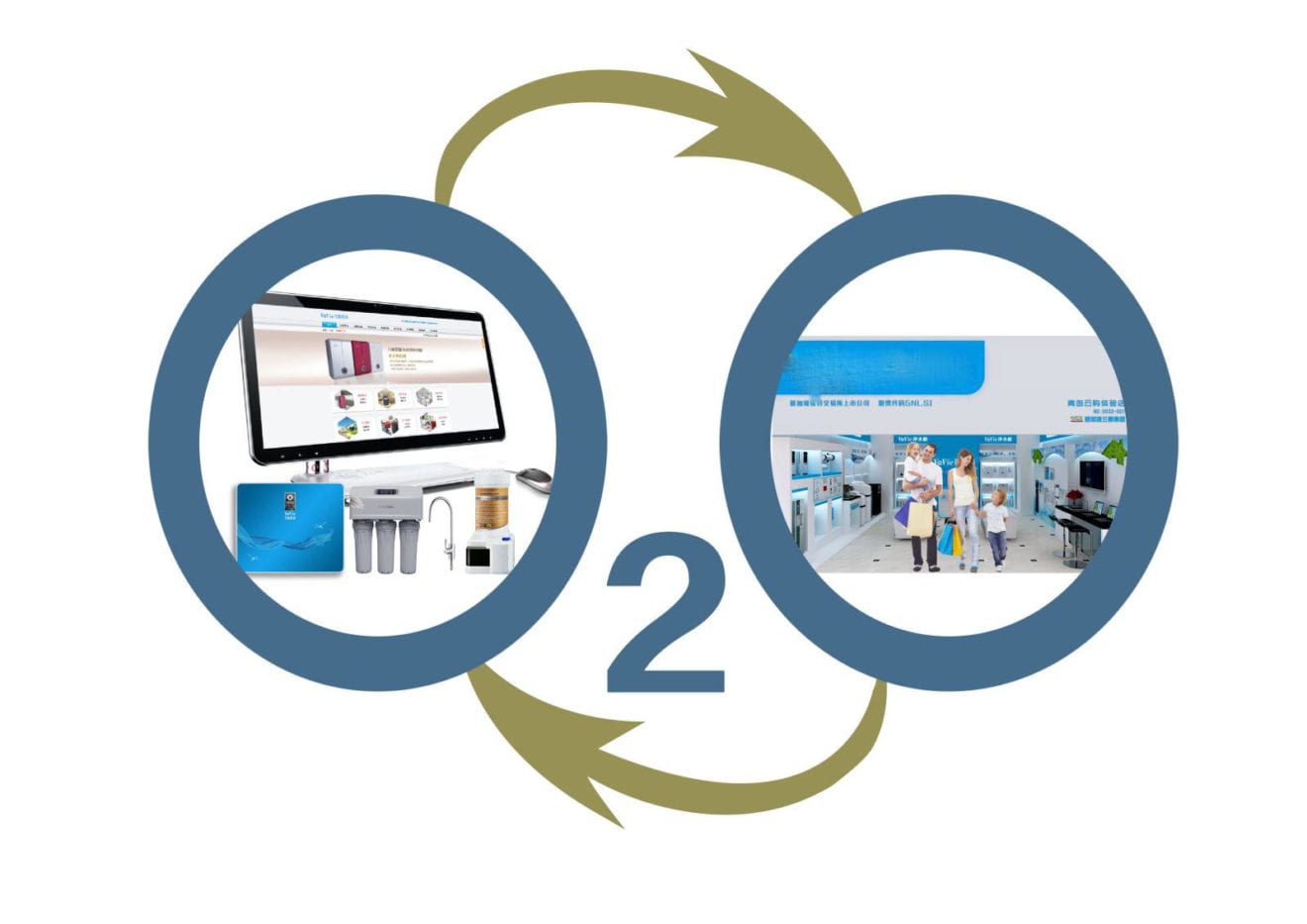
    As a mall that combines both online and offline shopping, SingPost said shoppers could browse in-store, purchase the product and arrange for delivery of the product directly to the home. They could then continue shopping, watch a movie or have a meal at the mall without having to carry bulky shopping bags. The retailer, on the other hand, could save on storage space in the store as fulfilment would be done at the backend of the warehouse.

    Dr. Wolfgang Baier, Group Chief Executive Officer of SingPost, said the unique and disruptive concept – converging online and offline – was thought of to allow customers to experience both worlds.

    “This is an important shift in mindsets as well as the retail and e-commerce landscapes. The convergence of online and offline will bring exponential benefits to consumers and businesses – therefore we view this as ‘O²’ (O-squared) instead of O2O (Online-to-Offline). The SPC’s O² retail concept puts consumers at the heart of this evolution, allowing them to have greater retail options and more convenience,” he said.

    The new retail mall at SPC will consist of four above-ground levels and one basement, an eight-hall cineplex, SingPost’s flagship post office, retail shops, as well as food and beverage outlets. The mall will also come equipped with three levels of underground car park.

    Under the Urban Redevelopment Authority masterplan 2008, the area around the Paya Lebar MRT station will be developed into a suburban commercial node, while retaining its cultural identity. The new retail mall at SPC will reinforce the plan and add more buzz into the area by introducing the new O² retail experience. It will also  be a smart mall in a Smart Nation, using technology and innovation to support smart living environments while helping businesses to grow.

  • Forrester sees rise in m-payments adoption in Southeast Asia

    Forrester sees rise in m-payments adoption in Southeast Asia

    Revenue prospects for mobile operators, banks, credit card networks, and financial technology startups in Southeast Asia are looking up as mobile payments adoption is expected to rise in the region over the next five years.

    Driving this growth, according to research firm Forrester, is the surge of smartphone penetration in the region, which it forecasts to grow to 230 million units by 2017 from 175 million this year.

    A report released by Forrester recently showed that remittances will continue to spur peer-to-peer (P2P) payment growth in emerging markets, which is setting the stage for digital wallets.  Migrant workers are also increasingly turning to telcos and fintech startups such as Xoom, Remitly, TransferTo, TransferWise, and MatchMove to remit money via their mobile phones.

    Meanwhile, cross-border m-commerce is also driving growth in remote payments as many online consumers are shopping on their mobile devices in countries like Singapore and Malaysia. Cross-border orders using credit cards and PayPal are significant.

    Forrester observed that more players are incorporating features such as coupons and loyalty rewards into their mobile payment systems, which somewhat resemble digital wallets but do not qualify as such — yet.

    “Banks looking to get in on the mobile payment opportunity must decide if they want to build their own mobile payment systems or partner with business/technology vendors. Having a clearly defined mobile payment strategy will protect and deepen the bank’s relationships with both retail and business customers,” the report noted said.

  • Marriott International Asia Pacific Believes its Women Associates “Shape Our Future”

    Marriott International Asia Pacific Believes its Women Associates “Shape Our Future”

    Marriott International Asia Pacific announces its second Women in Leadership Asia Pacific Conference closes today after a resounding past three days of success. The event took place at Marriott International’s recently-opened The Ritz-Carlton Macau and JW Marriott Macau Hotels, and was hosted by Peggy Fang Roe, Chief Sales & Marketing Officer Asia Pacific; and Yibing Mao, General Counsel and Senior Vice President of Asset Management & Financial Analysis Asia Pacific. The conference convened 73 Marriott women executives from across the Asia-Pacific region to bolster their working knowledge and give them an opportunity to network, share insights, and be inspired by each other.

    “Women have always played a pivotal role at Marriott. Even in 1927, our co-founder, Alice S. Marriott, was imperative to Marriott’s success. Marriott International Asia Pacific has a high percentage of women in leadership roles, and a third of our senior executives are women. That makes me very proud and I know that the company is better for it,” said Craig S. Smith, President and Managing Director for Asia Pacific.

    Mr. Smith continued, “However, we are far from being done. Marriott International is committed to encouraging more women to take on leadership roles and we will support our women associates and help them grow personally and professionally. They are vital to Marriott’s future.”

    A series of diverse topics covered over the three days included “The Competitive Advantage of Female Talent,” presented by Mr. Smith; “Pursuing Excellence” by Rajeev Menon, Chief Operations Officer, Asia Pacific (excluding Greater China); and “Building Your Innovation Brand,” presented by Jenny Hsieh, Vice President, Insight, Strategy & Innovation.

    “The company is determined to think forward on how it can continue to mentor and grow women in leadership roles, and I have seen it firsthand since I started at Marriott International over 10 years ago. It is an honor to co-host this year’s conference, continue Alice’s legacy, and do my part in opening doors of opportunity to the women in the company within this region,” said Ms. Roe.

    The annual conference is part of Women’s Leadership Development Initiative, which was founded in 1999 with the aim to increase the presence of women in management or decision-making positions by engaging senior leaders to ensure career development, as well as encouraging current female leaders to drive organizational success.

    Globally, women represent 52% of Marriott International’s staff and nearly 60% of its management roles, with nine women leading divisions worth more than US$100 million annually. Women executives on the rise are offered a wide variety of development programs, including formal mentoring, coaching, leadership training and succession planning.

    In Asia Pacific, close to 40% of the company’s managers are women, with a substantial increase in women General Managers over the past few years.

    Marriott International Asia Pacific has leveraged several programs to identify and develop future women leaders, such as Human Capital Planning, GM Elevate and Asia One-Week Leadership Development Program. In addition to these, Marriott International Asia Pacific launched last year a series called “Evenings of Engagement,” which comprises events across the continent providing networking opportunities for women leaders where they can share stories, discuss experiences and issues, form deeper relationships, and inspire future women leaders.

    In September 2015, Marriott International was named one of the 100 Best Workplaces for Women 2015 by Fortune.com and the Great Place to Work® Institute. Companies were selected based on responses from over 135,000 women in the US on issues such as fairness of promotions, access to information and leadership, and support for personal lives as well as for the level of representation of women in leadership positions.

  • L’Oreal expands Dermacenter concept in Asia

    L’Oreal expands Dermacenter concept in Asia

    With growing concerns of the effects of pollution on the skin in Asia, personalized routines are in demand now more than ever.

    International players like L’Oréal are looking to cater to this trend by developing even more specialized formulations that preserve, heal and improve the health of skin as well as offering services that allow consumers to interact with dermatologists on the go.

    The global cosmetics player’s first Asia based Dermacenter opened in Hong Kong in 2014 which has led to the launch of several others including; Haitang Bay, Iguazu downtown with London Supply, Bangkok (two stores), Hong Kong-Hysan and Seoul with Lotte Duty Free.

    According to L’Oréal, these stores provide a good opportunity for travelling consumers to gain access to brands like Vichy, Aqualia Thermal and LiftActiv, and La Roche-Posay, Tolériane and Effaclar.

    The Travel Retail Division was expanded in 2013 with company CEO Jean-Paul Agon commenting: “Travel retail is a key channel for winning over one billion new consumers. This market, present around the world, could be considered a ‘sixth continent.’”

    Travel Retail

    L’Oréal has been present in the travel retail market since the 1960s with L’Oréal Luxe, positioning L’Oréal Paris in the space in the last decade, and The Body Shop in the last few few years.

    Travel Retail, which represents all products sold in the travel distribution channel caters to over 2.4 billion international travellers every year, with Beauty occupying the one category in the market, where L’Oreal is seen as a leader in the field, holding a 21.3% market share in 2013.

    “By meeting consumers’ beauty aspirations, whatever their nationalities, beauty rituals or purchasing power, L’Oréal Travel Retail plays a strategic role in conquering new consumers who will pursue their experience with our brands in their home countries,”  Nicolas Hieronimus, president Selective Divisions said in 2014.

    “The launch of Vichy, La Roche-Posay and Kérastase in Travel Retail demonstrates our confidence in the huge potential of this channel. From now on, all of the Group’s major brands will have the opportunity to develop on this ‘sixth continent’.”

  • Fastacash to launch payments via social network in Myanmar

    Fastacash to launch payments via social network in Myanmar

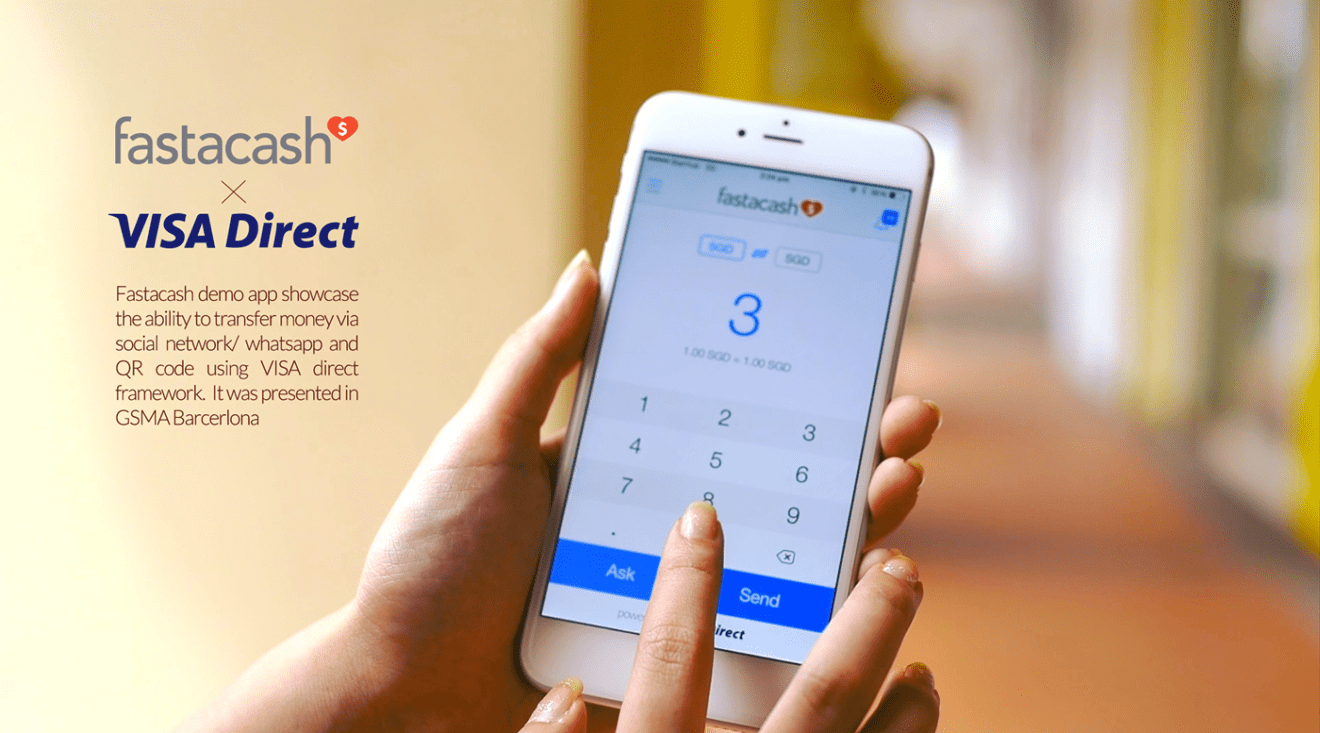
    Fastacash, a global platform enabling payments across social networks, has made a strategic investment in Myanmar focused company, MyPAY.

    MyPAY, which is developing a mobile payment system, also has a strategic partnership with MySQUAR,  a social network in Myanmar with approximately 1.5 million user accounts.

    Along with the investment, fastacash will also provide the technology platform to MyPAY to enable payments through the social network. fastacash will also support MyPAY’s go-to-market activities, including market insights and global partnership management.

    Through the fastacash platform, anyone using MyPAY will be able to transfer money, and airtime to their social connections, and make payments at retail points. MyPAY is expected to leverage MySQUAR’s user base of approximately 1.5 million user accounts.

    “In MyPAY we have found a strong local partner. Together we will make social payments a reality – for the very first time – in one of the last large untapped markets. Building a presence in Myanmar is aligned with our strategy to be a global leader in social payments, given Myanmar’s prominence as a large domestic market and receive market for global remittances,” said Vince Tallent, Chairman and CEO of fastacash.

    We see tremendous opportunity for both peer-to-peer and person-to-merchant payments in Myanmar. Together with fastacash, MyPAY is going to introduce a mobile money app, compliant with Myanmar law, to make payments easier for consumers and merchants in Myanmar. With fastacash’s technology, we are able to leverage social networks such as MySQUAR. Together, we are empowering a connected market where ninety percent of people are unbanked and underserved by traditional financial institutions,” said Nicolas Nguyen, CEO of MyPAY.

    Myanmar is one of Asia’s fastest emerging economies, with its gross domestic product (GDP) rising 8.5 percent in FY2014 (IMF), and forecast to rise 7.7 percent in FY2015. McKinsey estimates the country’s economy will quadruple from US$45 billion in 2014 to US$200 billion by 2030. Economic growth in the country is expected to be tied to demographic trends and mobile and social penetration.

    The country’s young population, with 47% under the age of 24, are expected to drive the consumption of mobile and social networks.

    Myanmar’s mobile penetration is estimated to rise from 10.5% in 2014 to 57% in 2016, boosted by the entry of foreign telecom companies. Mobile is expected to present a huge opportunity for Myanmar; by 2016 nearly 15 million people will be able to access the internet, mainly via their mobile devices. As only 4.8% of citizens have a bank account, a large opportunity exists for mobile money services.

    fastacash has live services in India, Indonesia, Russia, Singapore and Vietnam. Through partnerships with banks, money transfer operators, mobile network operators and social networks, it builds social payment capabilities within their services and mobile applications. Its partners include financial institutions such as DBS Bank (Singapore), Axis Bank (India), Oxigen Wallet (India), Techcombank (Vietnam), Doku (Indonesia), MOBI.Dengi (Russia), as well as VISA Europe.

  • Sunseap Group launches SAVE Campaign

    Sunseap Group launches SAVE Campaign

    Sunseap unveiled its first marketing campaign simply titled, “SAVE” in line with the company’s launch of their clean energy retail offering. Sunseap conducted extensive surveys, and “SAVE” reflects the insights of many individuals’ and corporations’ desire to help protect the environment and fight climate change and save in the process of doing so – a mind-set that is aligned at the very core with the company’s ethos.

    The heavy reliance on the burning of fossil fuels has led to the rise in carbon dioxide levels and global warming. While many businesses wish do their part to save the environment for future generations and at the same time, save on electrical bills or upfront cost, many do not find ready solutions.

    More, recently, listed corporations have also been mandated by Singapore Exchange (SGX) to publish sustainability reports by 2017/2018.

    Frank Phuan, Managing Director of Sunseap Group, explained, “Sunseap’s SAVE campaign will make clean energy more accessible to everyone. Regardless of which industry the business lies in or whichever energy retailer the business is buying power from, anyone can utilize clean energy readily at competitive prices without any upfront costs. Building owners can save electricity bills via an on-site power purchase agreement (PPA) with Sunseap and the solar systems can be installed on the rooftop to provide competitively priced clean energy in the day.”

    Kicking off as one of the early adopters of the SAVE Campaign is Panasonic Appliances Refrigeration Devices Singapore (Panasonic), where Sunseap has installed a 2.4 MW system, spanning more than 20,000 square meters of rooftop area.

    In order to put the size of this project into perspective, the 2.4 MWp system is able to power close to 7,000 HDB households with its annual energy generation capacity of more than 3 Gigawatt hours (GWh). As a huge power consumer with operations running 24 hours all year round, Panasonic is able to offset close to 10 per cent of its peak energy needs. At the same time, this project will further demonstrate Panasonic’s commitment towards environmental sustainability. Sunseap hopes this project to be the first of many other collaborations with Panasonic to come.

    Atsunao Terasaki, Managing Director, Panasonic Appliances Refrigeration Devices Singapore, said, “This is the first time Panasonic is participating in a solar leasing agreement with a clean energy provider. Our partnership with Sunseap reflects the company’s commitment in integrating environmental sustainability with business growth. With the government’s vision to utilise solar energy to power 5% of Singapore’s peak electricity demand by 2020, we hope this will encourage more businesses and industries to adopt solar.”

    Other than Panasonic, Housing Development Board (HDB), Singapore American School, ABB, Sakae Holdings and Jurong Port are just some names that have taken that step to save the environment with Sunseap.

    Through the SAVE campaign, Sunseap hopes to create awareness of the cost efficiencies of solar energy in Singapore and invoke action to revolutionize the local energy supply to help SAVE the environment, reduce carbon footprint and electrical bills at the same time

    Lawrence Wu, Director of Sunseap Group, “Sunseap’s unique proposition of providing clean energy accumulated from rooftop farms scattered across the island will continue allow clients to enjoy the benefits of renewable energy even without installing solar energy systems on limited roof spaces and in a country where land is extremely scarce and precious. Sunseap can now potentially offset 100% of anyone’s electricity carbon footprint – something deemed impossible in the past. This is made possible with Sunseap clean energy retail offering.”

    The journey of Solarizing Singapore is being catalyzed by Sunseap as it has installed solar systems on building rooftops and this is fast reaching the thousandth mark, and in doing so the power grid is being “greenified” as there is a large amount of clean energy being fed into the grid. As a Market Participant Retailer (MPR) authorised by Energy Market Authority (EMA) and registered with the Energy Market Company (EMC), Sunseap is able to resell the clean energy generated via their off-site generation solar plants to contestable consumers who are interested procuring electricity from a clean energy producer.

    Deploying a 1 MW solar system (estimated one football field area) is equivalent to reducing 500 tons of carbon emission or planting 20,000 trees in Singapore each year. As such, Sunseap’s 80MW of contracted capacity translates to helping SAVE Singapore 400,000 tons of carbon emission annually, savings for it’s clients and is equivalent to planting 1.6 million trees each year.

    The SAVE campaign by Sunseap is timely as a key meeting dubbed COP21, held in Paris in early December 2015, will see the world’s leaders congregate for “a new international agreement on the climate, applicable to all countries, with the aim of keeping global warming below 2 degrees Celsius.”

  • What should British retailers consider before expanding into China?

    What should British retailers consider before expanding into China?

    A Chinese delegation headed by president Xi Jinping is nearing the end of its four-day state visit to the UK, in a bid to improve business ties between the two countries. Despite the headlines of a slowdown in China, the country’s retail market remains one of the world’s largest – and as recent ventures into the country by Sainsbury’s and Mountain Warehouse suggest, it is too significant to ignore.

    Tapping into the Chinese market remains merely on the wish list for many retailers, but there are a number of important factors they should consider in order to realise their dreams of making it in China.

    Know your customer

    A recent report from Goldman Sachs declared that there is no such thing as the “average Chinese consumer”, and identified four key tiers.

    First, the crème de la crème. There are around 1.4 million movers and shakers with an annual income per capita of around $500,000 (£323,535).

    Second, the urban, ‘narrow’ class, with a population of 146 million people with an annual income of around $11,000 (£7,118).

    Next, the urban mass, which consists of 236 million people with an annual income per capita of just over $5,500 (£3,559), followed by the 387 million rural workers who earn just over $2,000 (£1,294).

    Retailers should also be aware of the differences and sensitivities between age groups. Those in their fifties and forties are likely to have experienced poverty and austerity. Those in their thirties and the millennials may not have experienced hardship and could be ‘second-generation rich’.

    Social media

    There is no Google, Facebook, YouTube, Twitter or WhatsApp in China. Instead, it has Baidu, Renren, Youku, Weibo and WeChat.

    Tommy Hilfiger and Burberry are just some of the retailers that have used Chinese social media channels to secure hundreds of thousands of followers and fans – and ultimately boost sales.

    Physical vs online

    To take advantage of China’s online grocery market, which IGD estimates will be worth more than $180bn by 2020, Sainsbury’s recently launched on Alibaba’s Tmall site.

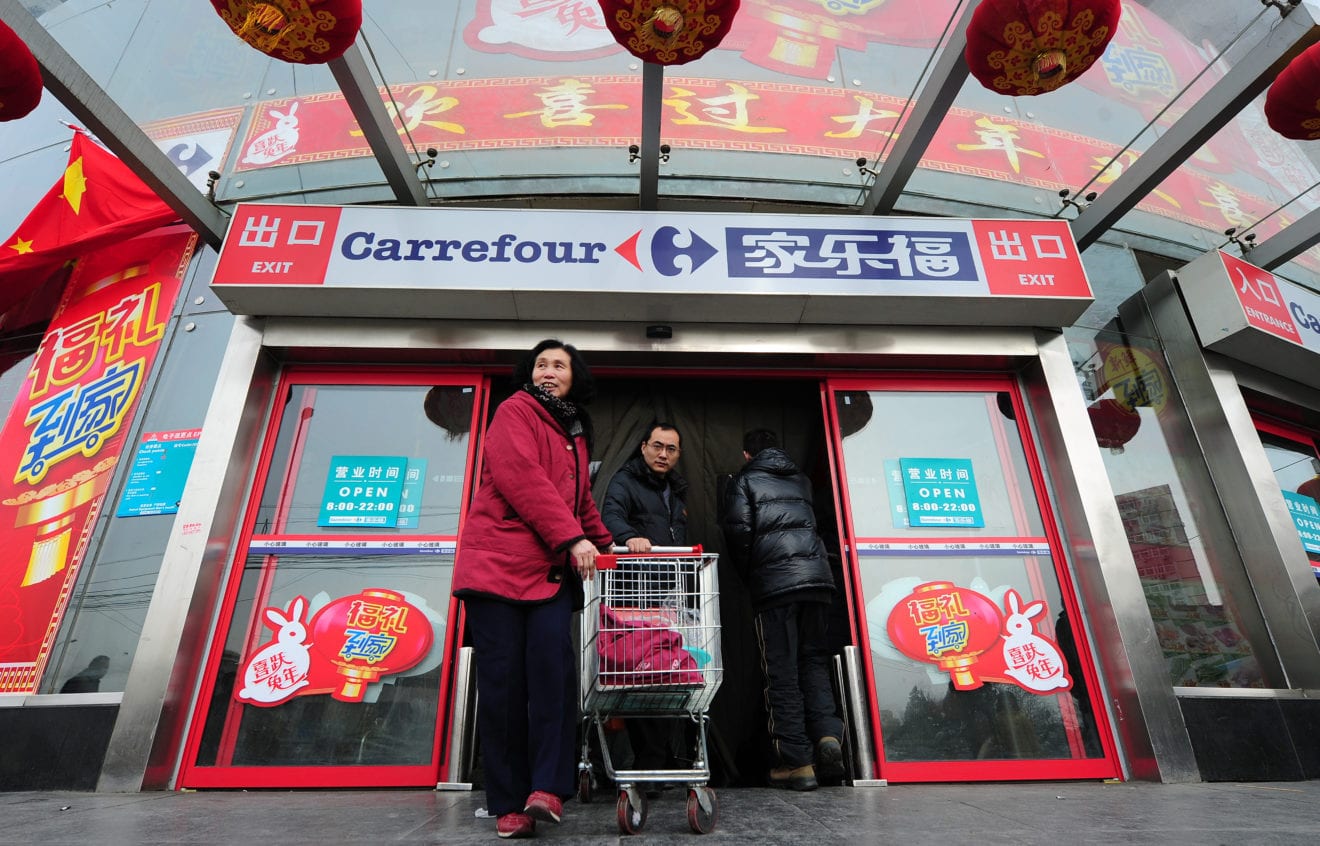
    Grocery chains with physical stores such as Walmart and Carrefour have observed a change in tastes and trends, along with an increase in online competition.

    Following a spate of high-profile food scandals, Chinese consumers are placing greater emphasis on food provenance. These are all key considerations for retailers looking to expand to China.

    Retail technology

    Slowly, but surely, an increasing number of retailers in China have started to introduce free in-store wifi.

    With the consent of the shopper, wifi can provide retailers with valuable insight to identify popular offers, trends and deliver advertising or even exclusive “wifi only” promotions and discounts.

    Chinese shoppers love showrooming. Research from McKinsey found that only 16% of consumers who did their research on a mobile actually bought the product at the store. Yes, that is a threat. But forward-looking retailers need to see this as an opportunity to provide Chinese shoppers with an immersive retail experience.

    New retail technologies such as beacons can provide an engaging shopping experience – and are delivering results. Chinese jewellery retail outfit Chow Tai Fook used beacon-supported location and proximity marketing with WeChat to generate sales of more than $15m (£9.7m). Other technologies that could bring the retail experience to life include augmented reality, self-service apps, in-store navigation and automated kiosks.

    Information silk road

    Turn back the clock two millennia and the ancient world of commerce depended on a thriving Silk Road. Then – just like now – traders built strategic alliances to gain a competitive edge.

    Fast-forward to today and it is an Information Silk Road. Chinese consumers – like their Western counterparts – are discerning and have little patience for downtime. New retail technologies can be dazzling and futuristic – but, ultimately, they are only as good as the networks they run on.

  • Miu Miu moves in after Marc Jacobs quits space

    Miu Miu moves in after Marc Jacobs quits space

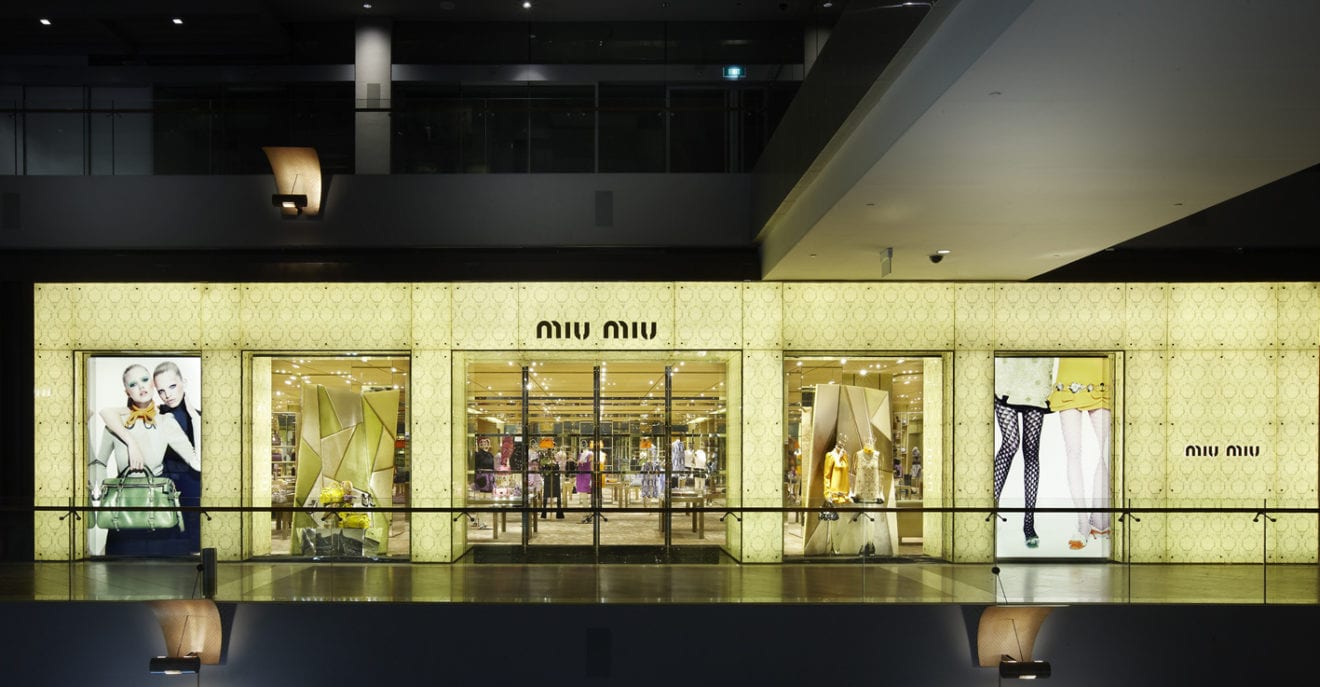
    Fashion brand Miu Miu is taking up a shop formerly occupied by Marc Jacobs on Canton Road in Tsim Sha Tsui, in the musical chairs of Hong Kong’s retail real estate as thinning crowds of shoppers force brands to look for cheaper alternatives.

    But experts are not convinced that there are enough brands willing to fill the space vacated by their peers given the dull outlook for the industry.

    Miu Miu, controlled by Prada, will take up the space formerly occupied by LMVH’s Marc Jacobs at Harbour City, according to sources.

    The new shop is expected to open next month.

    It is not clear if Miu Miu will continue to keep its shop at Peking Road, also in Tsim Sha Tsui.

    Landlord Wharf (Holdings) declined to comment. Miu Miu was unavailable for comment on Tuesday.

    The news of the relocation comes a month after sports brand Adidas leased the shop in Central that used to be occupied by US luxury brand Coach. Coach closed the shop in August in the wake of a drop in the number of mainland Chinese visitors to the city.

    Adidas has rented the 13,000 sq ft shop for HK$4.34 million a month, according to the Land Registry – 22.5 per cent less than the HK$5.6 million Coach was paying.

    “For prime areas like Canton Road, landlords do not worry about finding tenants,” said Michael Chik, the managing director of agency Sheraton Valuers, which focuses on retail shops transactions.

    But there are some landlords – especially those who do not own first-tier street shops – who are failing to attract tenants. “The fact is that some companies are consolidating their network in Hong Kong,” he said.

    Hit hard by slower growth in tourist arrivals and a drop in luxury sales, retailers are facing a challenging environment. Some have asked landlords to cut rents while others are opting to relocate.

    Since last year, luxury retailers have been struggling in the wake of Beijing’s anti-corruption measures, economic slowdown on the mainland, a weakening of Asian currencies and changing travel patterns of mainland Chinese.

    The city’s retail sales by value fell 5.4 per cent in August from a year earlier, after a decline of 2.9 per cent in the previous month as tourist arrivals slowed.

    “Despite several movements in the market, this is a fantastic opportunity for fast-fashion and sports-fashion-related sectors to capture some prime opportunities that have not been available in the market for many lease cycles,” said Tom Gaffney, the head of retail at consultancy JLL.

    Gaffney said he believed such “movements” would lead to a more sustainable retail landscape in Hong Kong.

    Chik said he expected landlords at Canton Road to come under pressure to cut rents when a number of leases expire at the end of the year and early next year.

    Leases of at least 10 shops on Canton Road will expire between next month and next year.

    Lease of the Puyi shop at 116-120 Canton Road will expire next month. Chik said the retailer, which has another shop on the same street, would give up the shop when the lease expired. Puyi leased the 1,000 sq ft shop three years ago for a monthly rent of about HK$1.7 million.

    Asia Commercial Holdings rented three shops at Manley House on 86-89 Canton Road in 2011 for a monthly rent of about HK$6.3 million. The retailer has been planning to sublet one shop with an asking rent of HK$1.3 million aimed at reducing rental pressure. But it had yet to find a replacement, said Chik.

    “When there is vacant shop, landlords of shops on that street will feel the pressure,” said Chik, who said he believed rents for new leases on Canton Road would be 30 per cent below the old leases.

    Retail high street rents in Causeway Bay, Tsim Sha Tsui, Central and Mong Kok went down by 26 to 43 per cent in the third quarter from their peak levels in the fourth quarter of 2013 and during lease renewals compared to the last rent a few years ago, according to a report by DTZ/Cushman & Wakefield.

    This article appeared in the South China Morning Post print edition as Miu Miu moves in as Marc Jacobs quits space

  • Online Sales Boosted Chinese Retail in September

    Online Sales Boosted Chinese Retail in September

    According to the National Bureau of Statistics of China, retail sales reached 2,527.1 billion yuan, up by 10.9% in September as against 10.8% in August 2015. The iShares China Large-Cap ETF was up 2.6% from a year ago as of October 19. China Xiniya Fashion Limited lost 43.1%, whereas China Mobile Limited gained 4.5% over the same period.

    Retail sales jumped in rural areas more than in urban areas

    Retail sales in rural areas rose 380.3 billion yuan, up by 12.1% year-over-year. In contrast, retail sales in rural areas rose by 2,146.8 billion yuan in September, up 10.7% year-over-year. In terms of different consumption patterns, catering services saw a 12.1% jump in September, increasing 272.1 billion yuan from a year ago. Retail sales of goods rose 2,254.9 billion yuan, up by 10.7%.

    Online retail sales are picking up in China

    Online retail sales of goods and services were up 2,591.4 billion yuan, increasing 36.2% year-over-year. Of that, the online retail sales of physical goods totaled 2,151.0 billion yuan. Online retail sales jumped 34.7%, accounting for 10.0% of the total retail sales of consumer goods. The online retail sales of non-physical goods were 440.4 billion yuan, a rise 43.6%. Of the total online retail sales of physical goods, food, clothing, and other commodities went up by 42.7%, 26.3%, and 37.7%, respectively.

    Internet retailers Alibaba, 500.com, and China Dangdang have lost 20.1%, 32.7%, and 42.2%, respectively, over the past year as of October 19. An uptick in Chinese retail sales is a positive sign, as it implies that domestic demand is rising with better consumer sentiment and may boost growth in the struggling economy.

    For more information, read China’s Growth Rate Fell below 7% in September. For the latest updates on the economic front, refer to our Global ETF Analysis page.

  • 5 unique challenges all ecommerce firms face in Indonesia

    5 unique challenges all ecommerce firms face in Indonesia

    People talk a lot about Indonesia’s burgeoning ecommerce market, and how Jakarta may very well be on the cusp of an online retail revolution. Over the past 12 months, we’ve seen more activity in the sector than ever before, with new firms emerging and big-league investment coming in simultaneously.

    Naturally, these are all positive signs that point toward a maturing market in the region; hopefully one that can push Indonesian ecommerce into the mainstream conversation in Asia. It would be great to see online shopping reach five percent or more of the nation’s overall retail sector, but for now we can only speculate on the future.

    indonesia-streets-1

    Like any market, Indonesia has its own set of challenges, caveats, and peccadillos that all ecommerce founders are forced to cope with. In the past, we’ve cited the archipelago’s hellish logistics landscape, weak payments infrastructure, and a fragmented market as some of those limitations. However, there is a second layer of challenges that all estores will face in the gauntlet that is Indonesia.

    This is a set of generally accepted idiosyncrasies that newbie e-tailers — and especially foreigner founders — will run into on a daily basis in Jakarta, so take notes. In no particular order, here are five cultural challenges all ecommerce firms, new or seasoned, will face in Indonesia.

    Price-sensitive shoppers

    Indonesia-ecommerce

    It’s true, Indonesia has one of the most attractive emerging middle-classes in the world. By 2030, an estimated 90 million people will have joined the consuming class. That said, Indonesians are, to put it mildly, true suckers for sales and discounts. Locals have a strong proclivity toward finding the best prices at all costs.

    This is no secret to anyone who lives in Jakarta, as it’s extremely common to see hundreds (sometimes thousands) of locals waiting in line at the mall just for a 50 percent off sale to happen at Bershka or the Samsung store. Nevermind the time, energy, and fuel spent to get to the store across town or the fact that folks may not have felt compelled to buy anything in the first place, had there not been a sale.

    Boston Consulting Group says Indonesian shoppers actively seek out promotions and hunt for deals. At the lower half of the income pyramid, this is a function of family dynamics. Men typically give their wives a monthly budget for the family. The more money these women can save on groceries, the more they have to splurge on small indulgences for themselves. However, the bargain-hunting drive spans the wealth spectrum — more than 60 percent of the overall population says they enjoy searching for discounts and promotions, and more than 70 percent of the country’s affluent population says they enjoy doing so.

    This might seem like more of a blessing than a curse at first glance, as demand can be easily created so long as merchants temporarily lower their prices. But in the end, competition often becomes a race to the bottom and profit margins suffer if you don’t plan your discounts as if you were going into brain surgery. Anyone thinking about opening an estore in Indonesia needs to firmly understand the lowest price they can offer while still being able to turn a profit. If it’s not in the same ballpark as the nation’s big competitors, both online and offline, new web firms will need to rethink their strategies.

    Risk aversion

    New ecommerce names in Indonesia, even ones as big as JD for example, are going to have to work twice as hard as their more established counterparts when it comes to acquiring and retaining users. According to a recent McKinsey study, Indonesian consumers have some specific shopping behaviors. They are risk-averse and brand-loyal. 63 percent of Indonesian consumers only buy products from brands they already know. This positions them as late adopters because they need to be encouraged by friends and family before they choose to adopt new products.

    Bank Mandiri cites this challenge as a short-term hurdle in the grand scheme of things, however, as purchasing behavior will likely change when Indonesia’s internet infrastructure improves, and more people come online for the first time. However, for smaller ecommerce sites without a bankroll and several years of runway, they’ll need to find new and creative ways to get local shoppers to trust their brand, and do so fast.

    Deep-pocketed competitors

    Lazada-indonesia-home

    Rocket Internet’s Lazada Indonesia, Lippo Group’s MatahariMall, SoftBank and Sequoia-backed marketplace Tokopedia, and now JD.id — the Indonesian arm of the Chinese ecommerce giant — are all firms with copious spending power. All are up and running in Indonesia, and those who are intimate with Indonesia’s ecommerce landscape understand how unwise it is to challenge these guys head-on.

    Lazada Indonesia is perhaps the biggest force to be reckoned with, as overall spending on Lazada Group’s Southeast Asia portals jumped from US$89 million in 2013 to US$350 million in 2014. Indonesia’s shoppers made up over 30 percent of that, says CEO Max Bittner. To date, the firm has pulled in US$686 million in funding on public record. Tokopedia grabbed US$100 million last year, and MatahariMall also claims to be earning hundreds of millions. JD is a publicly traded company that’s raised around US$2.6 billion to date.

    If you want your fledgling ecommerce venture to work out, you’re going to need to find multiple ways to differentiate yourself from these firms or face certain death. Homework and competitive analysis is a must.

    An increasingly frothy market

    There are many figures that paint a positive picture of Indonesia’s ecommerce scene. The most referenced one is a 250 million population with a recent annual GDP increase between 5 and 6 percent, primarily driven by people buying things. In reality, Indonesia’s ecommerce market is still in its infancy, yet an increased level of attention and hype is drawing entrepreneurs who think the market and investment scene are already primed.

    Zalora Indonesia was able to succeed in its early days because of Rocket Internet’s vast resources and a long period of trial and error. Today, seemingly strong competitors like Paraplou Group are closing their doors in Jakarta, citing reasons of market immaturity, uncertain financial conditions, and a hard time getting funded as the primary reasons for closure.

    With firms like MatahariMall making bombastic funding claims and many early-stage VCs adopting the spray-and-pray investment method (without disclosing round sizes), all the news coming from Indonesia makes the archipelago seem like a perfect lilly pad for incoming ecommerce companies.

    Lyall Taylor, associate director at global financial services firm Macquarie Group in Jakarta believes there is a lot of hype about future ecommerce growth in Indonesia. He recently broke down typical causes of market hype for Tech in Asia.

    “Usually what happens is that rapid growth in an industry […] results in profits to early investors,” said Taylor. “These profits get increased media attention and eventually attract more and more people to enter the fray, driving prices higher still […] investors are extrapolating growth well into the future and assuming a high likelihood of success for many tech ventures, even when high levels of future growth and profitability may not be assured.”

    A preference toward brick-and-mortar

    Plaza_indonesia

    Shopping is undisputedly a religion in the archipelago. When friends get together on a Friday night, the question is not “Should we go to the mall?” Instead, it’s “Which mall should we go to?” Local business portal Indonesia-Investments says it’s astonishing how many new malls have opened during the last decade or are currently being developed in Jakarta. Most new malls are part of large real estate projects that also include apartment complexes, office towers, hotels, and sometimes even hospitals.

    The mall is usually the epicenter of everything on a Jakarta superblock, connecting all other buildings. For Indonesians, from the middle-class up to the elite, these malls are places to hang out, relax, and eat because the environment is enjoyable: pleasant temperatures, no pollution, and clean spaces. Most Jakarta malls contain one or more floors with several restaurants, which are inevitably popular among young adults. Malls are also common places to have business meetings. Live music is a regular occurrence.

    Jakarta alone has nearly 200 shopping malls and counting, despite the government trying to curb mall growth in recent years.

    The reason this is important for incoming foreign ecommerce founders, or anyone considering starting an estore in Indonesia for that matter, is that ecommerce is not going to replace brick-and-mortar shopping in the archipelago anytime soon. In fact, startups will need to work much harder to provide incentives for shoppers to transact online rather than simply taking the elevator downstairs and buying offline.

  • How some retailers are using O2O strategies to boost sales

    How some retailers are using O2O strategies to boost sales

    A slowdown in mainland tourist inflow has prompted Hong Kong’s retailers to step up efforts to attract those who are still making their way to the city.

    To grab the attention of the visitors, shops and other tourism-dependent entities are launching new online-to-offline marketing campaigns.

    One key way of reaching the customers has been to gather information on people visiting Ocean Park, the marine-life theme park that is popular with Chinese tourists.

    Mainlanders seeking to visit Ocean Park normally book their tickets through agents and have to leave some sort of contact information, usually their phone numbers.

    Now some marketing firms are gathering those telephone numbers and using them to craft O2O campaigns for their retail sector clients.

    Hooking up with the ticket agents, the marketing firms gain access to those phone numbers. Then they approach the ticket buyers by asking if they are willing to receive some Hong Kong-related information and promotions.

    Once the consent is secured, they will send discount e-coupons to the visitors on behalf of retailers, as Kevin Ng, a consultant with the Hong Kong Productivity Council, told a seminar recently.

    Since people who have bought Ocean Park tickets will definitely come to Hong Kong, such marketing activities will be very specific and targeted, leading to a greater chance of doing business.

    Sheung Wan is known for its cluster of shops selling Chinese herbs and dried seafood. Even those traditional businesses have begun using the innovative O2O route to win more business, according to Ng.


  • Michelin to Open Rubber Plant in Indonesia

    Michelin to Open Rubber Plant in Indonesia

    Michelin will work with Barito Pacific and invest up to US$400 million (Rp5.1 trillion). The plant’s construction is scheduled to start in 2016, with the goal to have it begin operations by 2019.

    Both Michelin and Barito Pacific had also expressed their desire to develop rubber plantations in Jambi and West Kalimantan.

    Michelin plans to establish a joint venture with Barito Pacific’s subsidiary, PT Chandra Asri Petrochemical Tbk.

    Michelin’s plan is expected to help increase the absorption rate of rubber by Indonesian industries.

    Right now, about 20 percent of the national rubber production is consumed by the tire industry; far below Malaysia, China and India’s; each absorbing more than 40 percent of their production.

  • Google Parent to Launch Internet-Beaming Balloons in Indonesia

    Google Parent to Launch Internet-Beaming Balloons in Indonesia

    Google parent Alphabet Inc. signed a deal to work with three Indonesian telecommunications firms to test its Internet-beaming balloons across the country, part of an effort to get more of the world online to broaden the audience for Google’s services.

    “It’s going to take a number of companies and governments and organizations coming together to provide communications to everyone, but we are super-excited to play a role,” Sergey Brin, co-founder of the Mountain View, California-based company, said Wednesday.

    Alphabet’s X unit, formerly called Google X, is working with Indonesian telecommunication companies PT Indosat, PT Telekomunikasi Selular, and PT XL Axiata on the project, said Mike Cassidy, who leads the initiative known as Project Loon. They will spend the next year using hundreds of balloons to perform tests of the technology, such as communication between balloons and ground-to-balloon and synchronizing the movements of balloon swarms, he said.

    “This testing is going to be very revealing to us in terms of how close we are to launch,” Cassidy said. “If all these tests go well it should be soon after that that we’re ready for a commercial launch.”

    Test Market

    Indonesia is a good test market for Project Loon as it is the fourth-most populous country in the world and is composed of numerous islands that are difficult to link to the Internet via traditional cables, Cassidy said. He also noted there are more than 150 million Indonesians today who lack Internet access.

    Alphabet will work with the Indonesian companies to come up with a business model that works with the country’s law, he said. The balloons will use wireless spectrum already secured by the firms for their communications, he said.

    Indonesia’s President, Joko Widodo, was scheduled to visit Google Wednesday as part of a U.S. tour, but had to cancel his trip because of haze in his country caused by forest fires.

    Sky Towers

    Alphabet has been working on Project Loon for several years and began testing the technology in earnest in 2013. It has flown tests of the helium-filled balloons, each about 40 feet tall and shaped like an upside-down raindrop, in such countries as Australia, Chile and Brazil, and worked with local telecommunications firms to integrate the balloons with the Internet.

    “In effect, Loon is building cell towers for the telcos,” Cassidy said. “But the towers we’re building are 20,000 meters in the sky.”

    It should be easier for Project Loon to develop its technology and products faster under the new Alphabet corporate structure, Brin suggested.

    “I think having very clear missions for each piece where they don’t feel entangled in a complex way has been working really well for us,” Brin said. “You shouldn’t be worried about, whatever, what operating systems those phones are on, what other business relationships Google has with this telco or that other telco — just go forth and do your jobs.”

    Alphabet also is creating large, solar-powered, unmanned aerial vehicles — drones — for Internet access, putting it into a technological race with advertising rival Facebook Inc. The social network is seeking to expand its global user base by using drones and satellites to give people in rural regions or other unconnected areas access to the Internet.

    None of this is cheap. Google’s capital spending is likely to rise next year, Chief Financial officer Ruth Porat said on an earnings call last week.

    “We do see accelerated investment given the nature of the businesses that we’re building up here,” she said.