Author: Mei Ling Tan

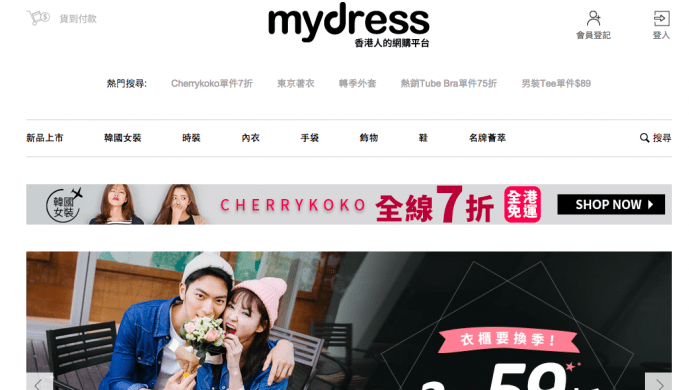
  • SCMP Group tries on retail e-commerce with Hong Kong’s My Dress

    SCMP Group tries on retail e-commerce with Hong Kong’s My Dress

    SCMP Group Ltd announced today that it is acquiring a majority stake in MyDress Holdings Ltd, operator of MyDress.com.

    SCMP Group acquired a 56.65 per cent share of MyDress Holdings Limited with its investment of HK$39.7 million (US$5.12 million), according to a company disclosure.

    E-commerce platform MyDress was launched in 2013 and sells an affordable selection of fast fashion apparel and accessories for men and women, from undergarments to bags, sourced from over 50 brands.

    Google has ranked MyDress as the most searched fashion e-commerce website on mobile devices in Hong Kong.

    Co-founders and key executives of MyDress, Edmund Wong and Leon Lai, will continue to runMyDress and manage its daily operations while working with SCMP on further development.

    “I initially started MyDress as a fashion and content portal, where people could post pictures of outfits. After two years, I met Leon, who is experienced in the e-commerce industry [in] Hong Kong,” Wong, Co-founder and Director of MyDress told e27. 

    “We thought that there should be an e-commerce platform for Hong Kong people, which is why we started selling clothing. Initially, we were only selling women’s. We only started selling men’s wear about four months ago,” he added.

    At the moment, MyDress website content is only in Chinese, but the English version will be launching later this week.

    Wong said talks with SCMP were made about 18 months prior to the official acquisition.

    Through a joint venture partnership with Hearst, SCMP Hearst publishes the Chinese editions of Cosmopolitan, CosmoBride, Harper’s BAZAAR, Esquire, ELLE, ELLE and operates Cosmopolitan.com.hk,amongst others, in Hong Kong.


  • Wearable power supplies: the next new retail category

    Wearable power supplies: the next new retail category

    What’s the next new retail category in electronics? Wearable power supplies, judging by product innovations just revealed in Korea.

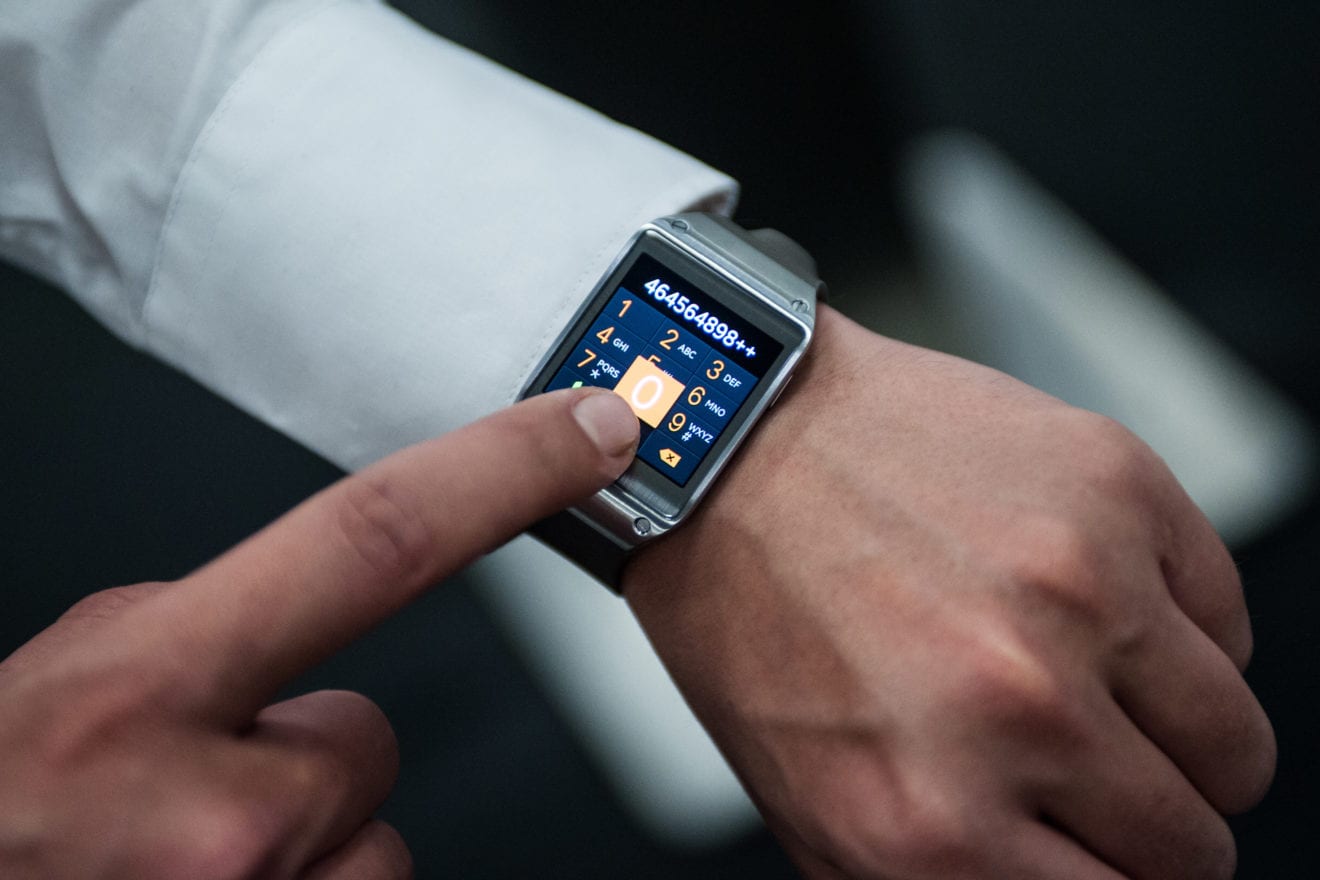
    Samsung SDI Co and LG Chem Co, South Korea’s two major battery makers, are expanding their product portfolios into flexible cells for wearable devices, a move seen to meet increasing global demand for bendable gadgets such as smartwatches.

    The two battery-making units of Samsung Group and LG Group showcased their latest flexible battery lineups at an exhibition in Seoul.

    Samsung SDI unveiled two types of flexible batteries – a stripe and band-type — that are designed to be applied for use in various wearable devices as necklaces and hair bands, the company said.

    The ultra-slim, 0.3mm-thin stripe battery, showcased for the first time, is a next-generation battery made with fibre which enables far greater flexibility than existing bendable cells, the company said.

    The band-type battery is designed to be used in smartwatches and is proven to resist over 50,000 bendings and enhance a gadget’s capacity by up to 50 per cent, it added.

    The Samsung unit supplies the bulk of its batteries to its bigger affiliate Samsung Electronics Co, the world’s top smartphone maker. Recently there have been market speculations that Samsung’s next flagship smartphone, the Galaxy S7, will come in a bendable form. The smartphone is forecast to be released early next year.

    LG Chem also put on display a wristband-type battery called “wire battery” that can be folded into half. The company developed a wire-type battery in 2013 for the first time in the world, before it came up with the world’s first hexagonal-shape battery in June.

    LG Chem said the band-type and hexagonal batteries will likely double the battery capacity for smartwatches.

    According to global market tracker Gartner, smartwatches are forecast to account for 40 per cent of wrist-wearing devices in the world by 2016, with its global shipments to surpass 100 million in 2020.

  • Starbucks Cards with Swarovski crystals will be available in limited quantities in China, Hong Kong …

    Starbucks Cards with Swarovski crystals will be available in limited quantities in China, Hong Kong …

     Since the first Starbucks Card launched in 2001, designers have created hundreds of varieties of these collectible cards.

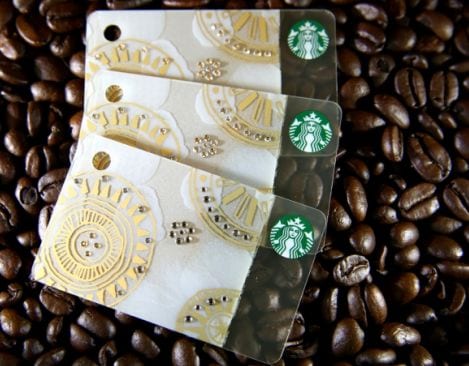
    One of this year’s new designs, available at participating Starbucks stores in Asia, is a Starbucks Card adorned with Swarovski crystals. The premium mini Starbucks Card – small enough to fit on your keyring – will be available in select markets across the region.

    The limited-edition mini Starbucks Card creates the feeling of a snowscape for holiday gift-giving. The design, awash in champagne and silver hues, is studded with 29 dazzling Swarovski crystals applied in Austria. This international exclusive will be available starting in November in limited quantities in China, Hong Kong, Indonesia, Philippines and Thailand.

    “We continually innovate to find convenient and expressive ways to pay,” said Brady Brewer, senior vice president of Category Brand Management for Starbucks China and Asia Pacific Region. “We’ve featured premium materials like sterling silver, and of course we introduced mobile payment in several Asia markets.”

    Production of the one-of-a-kind Starbucks Card with Swarovski crystals was a collaboration between the Austria-based company for crystal application and a U.S. supplier that printed the cards. The Starbucks Card features a barcode, rather than a magnetized stripe, to enable crystals to be placed across the entire face of the card. The Starbucks Card has a minimum load amount that varies by market.

    “This Starbucks Card is a premium option for customers looking to give a gift to themselves or their favorite Starbucks fan with something special,” Brewer said. “This is just the beginning of what we’re going to see for the holidays at Starbucks.”

    Starbucks Cards with Swarovski crystals will be available in limited quantities in China, Hong Kong, Indonesia, Philippines and Thailand this Holiday

    Starbucks Cards with Swarovski crystals will be available in limited quantities in China, Hong Kong, Indonesia, Philippines and Thailand this Holiday

  • Google Nexus 6P pre-order in Singapore starts Nov 2

    Google Nexus 6P pre-order in Singapore starts Nov 2

    Fans of Google Nexus smartphones in Singapore will soon be able to get their hands on the search giant’s latest large-screen flagship, the Nexus 6P.

    In a joint statement, Huawei Consumer Business Group (which manufactures the Nexus 6P and distributes the device in markets where Google’s official online stores aren’t available) and online retailer Lazada announced the smartphone will be available for pre-order exclusively on Lazada.sg from Nov 2-11.

    This is the first time a Google Nexus smartphone is being sold in Singapore through official channels.

    The last time a Nexus device made it to Southeast Asian shores was in 2013 when Taiwan’s Asus offered the Nexus 7 tablets through its retail outlets.  Last year’s Motorola-made Nexus 6 smartphone by comparison, was only sold through third-party importers.

    Huawei’s head of Consumer Device Singapore, Low Han Thong, said in the statement, “Huawei is excited to collaborate with Lazada to offer consumers in Singapore, for the first time, an alternative channel to own the premium Nexus experience.”

    The device will be available in silver and black colour options at a pre-order price of S$899 for the 64GB storage version and S$999 for the 128GB model.  After the pre-order period, the pricing will revert to S$949 (64GB) and S$1049 (128GB).

    At the Oct 28 media briefing organised by Huawei Singapore, a company spokesman said Huawei is planning to sell the highly-rated smartphone through traditional retail and carrier channels as well, although there’s no confirmation on which operator will carry the product eventually.

    Additionally, the company expects inventory for the 128GB model to be highly limited, due to a global supply shortage.

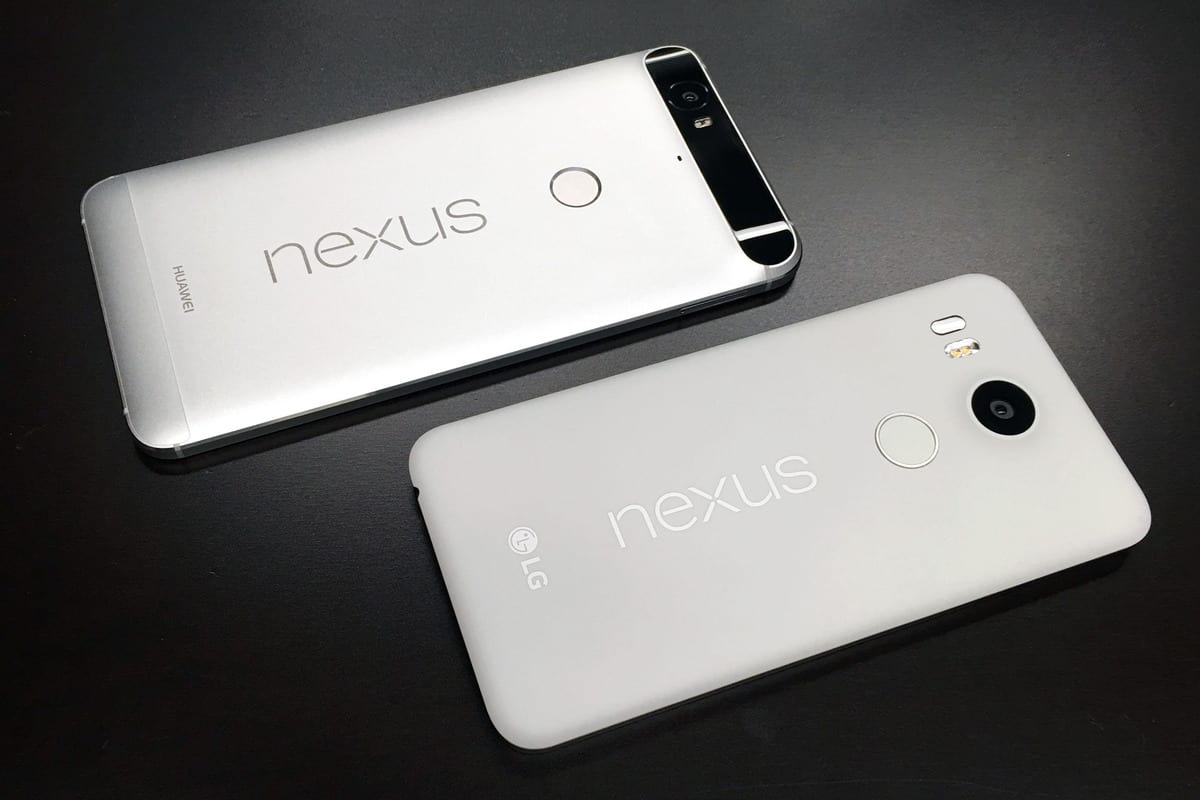
    The 5.7-inch Nexus 6P is designed with a full metal unibody and sports a high-resolution QHD AMOLED display with 518 ppi (pixels per inch).  That screen is flanked by two front-facing speakers that help improve the experience when watching videos or taking a conference call.

    The phone is powered by Qualcomm’s 2.1 version of its flagship Snapdragon 810 processor, has a fingerprint sensor and fitted with a reversible USB Type-C port with support for fast charging.  The device features 3GB of RAM and storage options of 64GB or 128GB.

    On the downside, there is no expandable storage support and the battery is non-removable, but at 3450mAh, it seems beefy enough that you won’t really need a second battery.

    The highlight of the device though, is that it runs on a pure, stock version of Google’s brand new Android 6.0 Marshmallow operating system, without the typical skins or bloatware offered by phone manufacturers.  For many, this is the primary reason to purchase a Nexus branded smartphone or tablet, as these devices are the first to receive the latest Android software upgrades from Google.

    The Nexus 6P is one of the two smartphones Google introduced during its recent Nexus event, the other being the smaller (but hardly small) 5.2-inch Nexus 5X, which is manufactured by South Korean giant LG Electronics.

    During the hands-on session at the media event, the Nexus 6P still felt a little large but did exude a premium feel. The Marshmallow interface isn’t that different from Lollipop (Android 5.0) but there are some changes under the hood, including better support for the biometric sensors like the fingerprint reader.  Autofocus on the camera was fast and the pictures turned out sharp and well-exposed.

    Overall, this smartphone looks like a credible contender against Apple’s iPhone 6S Plus and Samsung’s new Galaxy Note 5 in terms of large screen devices, although there is no shortage of impressive Android flagships this year, including Huawei’s very own Mate S.
  • HSBC Global AM names Puneet Chaddha Singapore CEO

    HSBC Global AM names Puneet Chaddha Singapore CEO

    HSBC Global Asset Management (HSBC Global AM) has appointed Puneet Chaddha as chief executive officer (CEO) of HSBC Global Asset Management (Singapore) Limited, with effect from November 1 this year – he succeeds Kalen Lim, who will move to another senior role within HSBC. Mr. Chaddha will also take up the position of head of Southeast Asia of HSBC Global Asset Management.
    Mr. Chaddha was previously CEO of HSBC Asset Management (India) Private Limited – the firm says his successor in India will be announced in due course.

    Operating out of Singapore, Mr. Chaddha will report to Pedro Bastos, CEO, Asia-Pacific of HSBC Global AM and Matthew Colebrook, HSBC’s head of retail banking and wealth management in Singapore.

    Mr. Chaddha’s new roles will have him drive the growth of HSBC’s asset management business in ASEAN, supporting the wealth management and investment needs of HSBC’s key clients across retail, commercial, corporate, institutional and private banking primarily in Indonesia, Singapore, Malaysia, Thailand and the Philippines.

    “The emerging middle class in ASEAN is expected to double by 2025 and wealth creation will continue to accelerate. The increasingly affluent domestic population will have greater need for investment products presenting significant growth opportunities to our business. As Asia faces the challenge of ageing segments, pension management and the shift to long-term, diversified investment strategies are needs that HSBC Global Asset Management is strongly positioned to support,” said Mr. Chaddha.

    Mr. Bastos remarked: “Puneet has been with the HSBC Group for over two decades and has worked in several of our global businesses. He has successfully transformed the business in India in line with HSBC’s commercial and governance strategy. We are determined to expand our presence in Asia-Pacific and capitalise on our leading expertise and capabilities as a global asset manager to provide innovative products and bespoke solutions to meet our clients’ long-term investment goals.”

    And Mr. Colebrook added: “HSBC’s retail strategy is to use our international network to capture the wealth flows and people-to-people links between the faster-growing markets. Singapore’s sophisticated and world-class wealth and asset management sector makes it the nexus for wealth flows within Southeast Asia. Singapore’s status as the regional centre for asset management also reinforces why it is a top-seven priority market for HSBC globally. I am pleased to welcome Puneet to lead our asset management team as we continue to support our clients achieve their wealth goals.”

  • Asia Pacific Breweries ends exclusive beer sales practice in Singapore

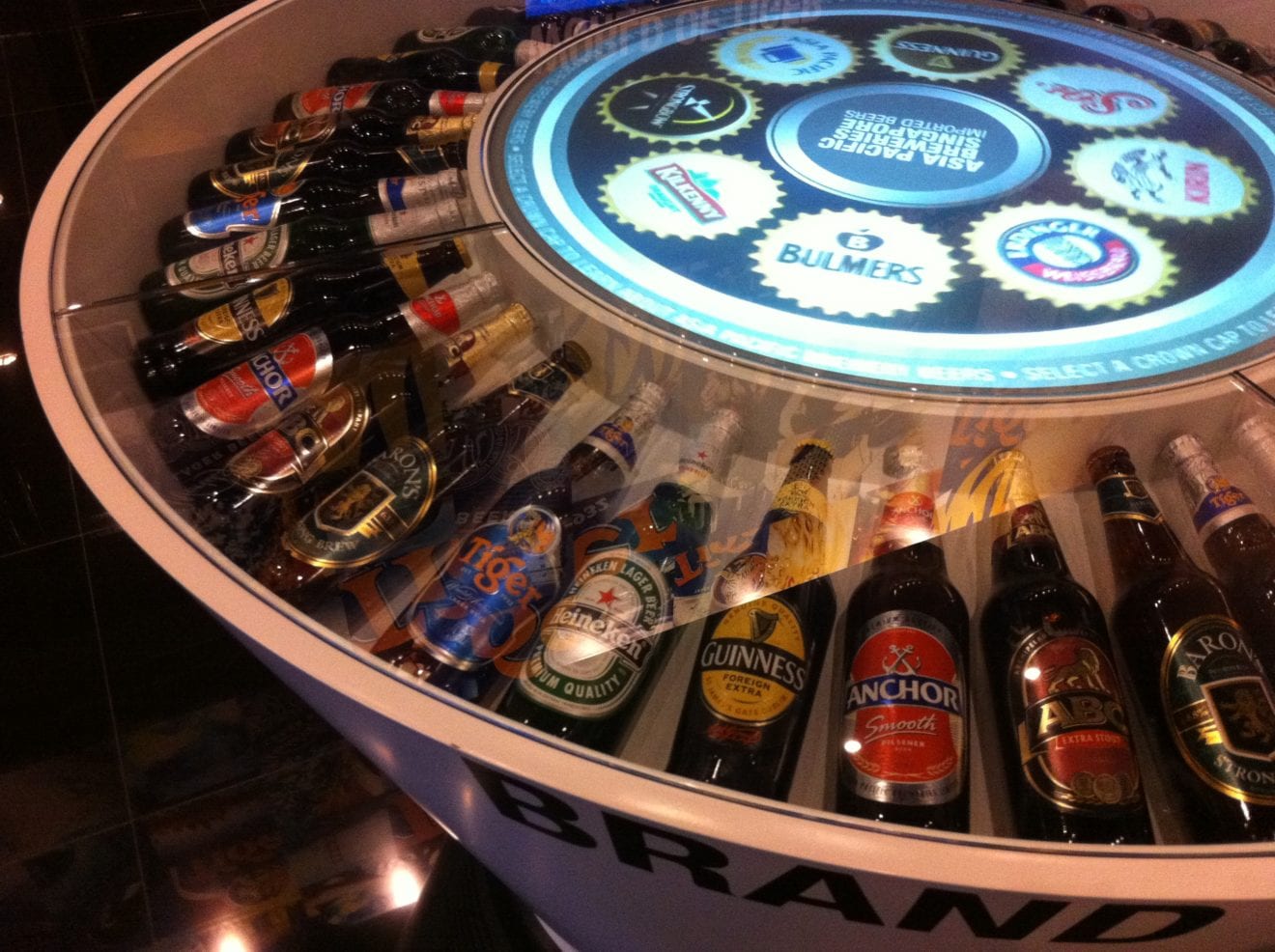
    Asia Pacific Breweries ends exclusive beer sales practice in Singapore

    The company has given CCS a voluntary commitment to cease its outlet exclusivity practice.

    Going forward, APBS will not impose outlet-exclusivity conditions in its supply of draught beer contracts to retailers.

    The change in APBS’s business practices will be applicable to all draught beer contracts entered into with retailers on and after December 28, including new and renewal contracts. APBS will also be required to provide CCS with documents to show that these changes have taken effect.

    “The removal of these exclusive business practices will allow beer suppliers to compete on merit in offering their draught beers to retail outlets,” CCA chief executive Toh Han Li said.

    “This will allow retailers to stock a greater variety of draught beers, leading to a more vibrant market with more choices for consumers, as well as opportunities for existing suppliers and new entrants including microbreweries and craft beer suppliers.”

    Acting on complaints, CCS had investigated APBS in relation to its practice of supplying draught beer to retail outlets solely on an exclusive basis.

    Under the competition law in Singapore, a dominant firm is prohibited from preventing or impeding its competitors from competing effectively through exclusive business practices.

    CCS says APBS’s outlet-exclusivity practice had prevented retail outlets from selling draught beers from competing suppliers and restricted the choices of draught beers available to retailers and consumers.

    Under the probe, CCS obtained information on the beer market in Singapore from retailers and beer suppliers. CCS also commissioned a market survey to gather information on market practices.

    CCS has ceased its investigation but will continue to monitor market practices.

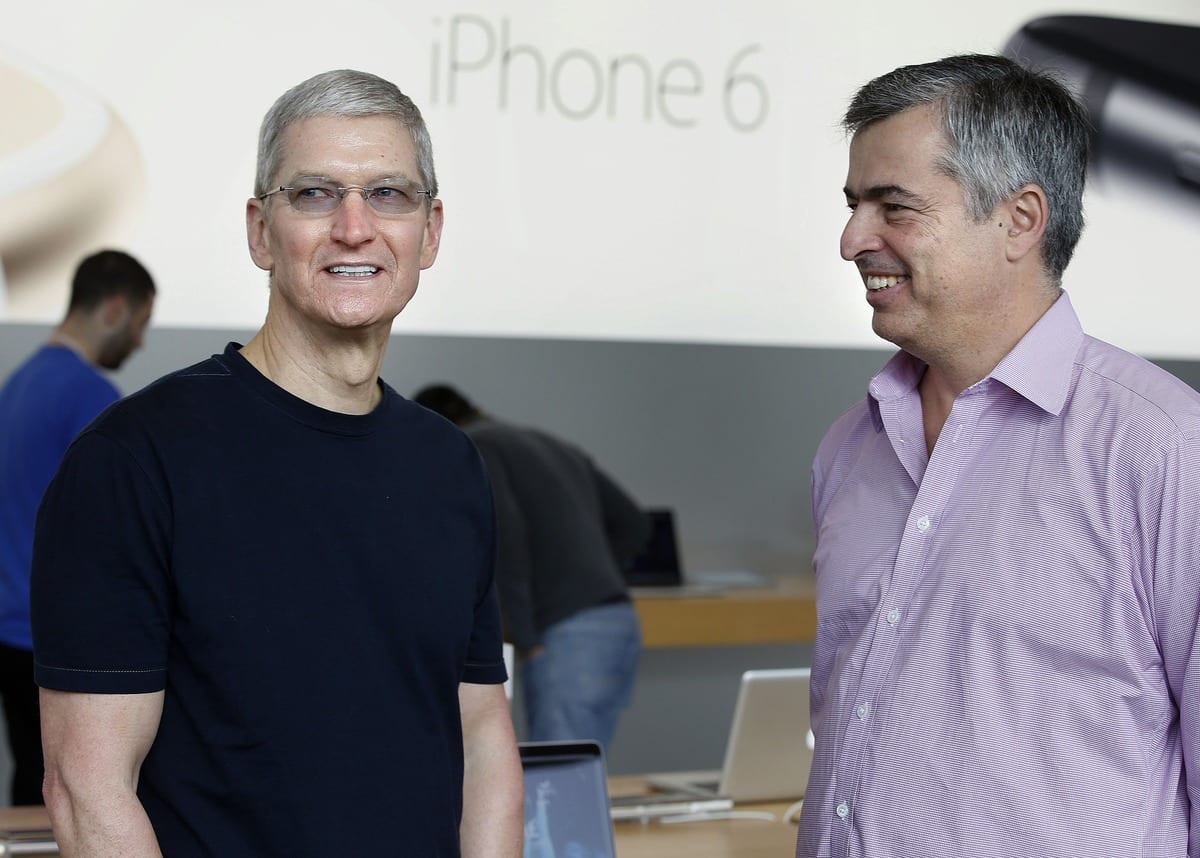
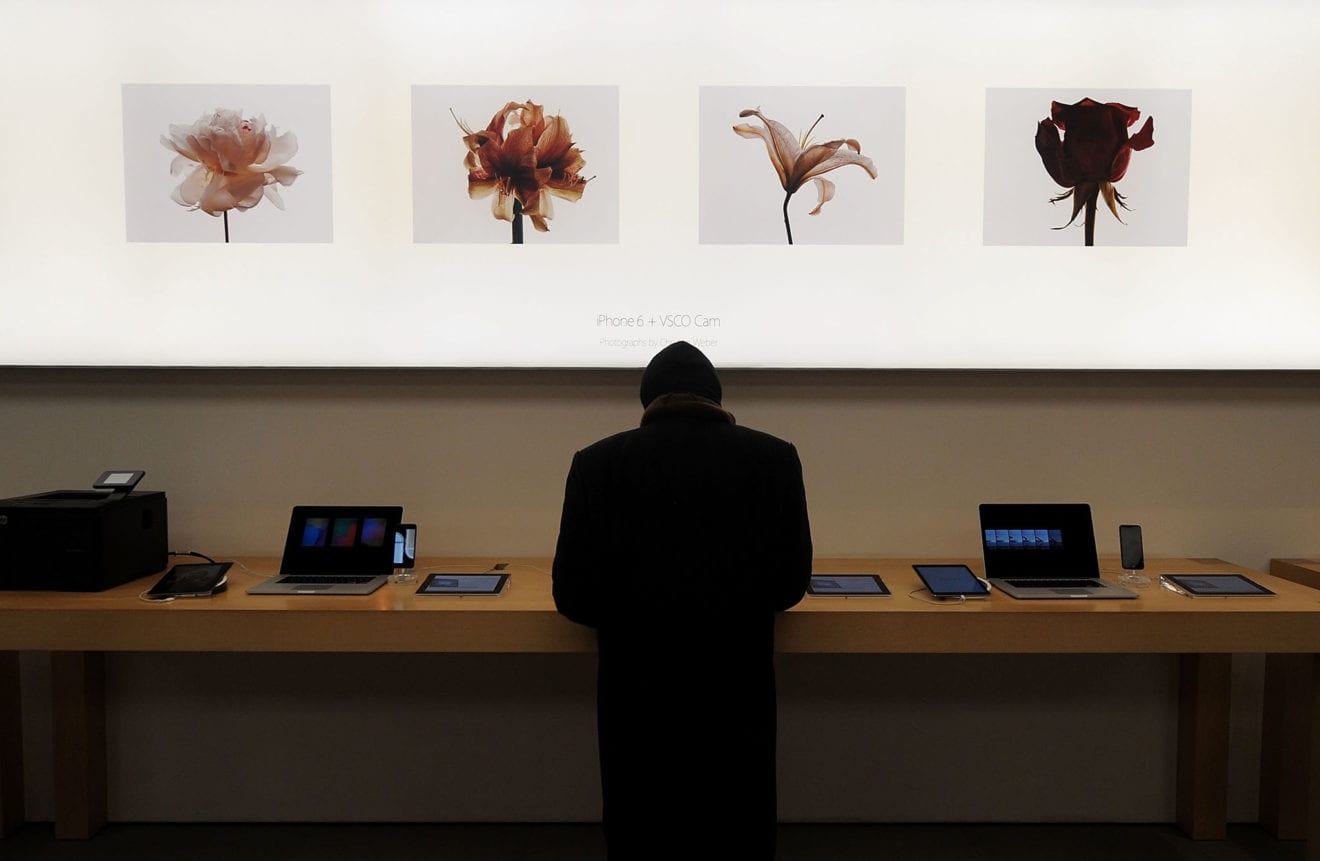
  • Apple’s Tim Cook hearts China

    Apple’s Tim Cook hearts China

    Tim Cook, soft-spoken Southerner that he is, often can be a man of few words. During a conference call with analysts Tuesday afternoon to announce Apple’s strong fourth-quarter results, he dismissed a question from a Goldman Sachs analyst with a terse “I don’t know the answer to that,” followed by silence.

    Asked about China, however, the Apple CEO turned positively rhapsodic. In fact he soliloquized a stem-winder so passionate, its content speaks volumes to the country’s place in Apple’s future.

    “We’ve been able to grow without the market growing,” Cook said, after the company announced that sales in what it calls “Greater China” (including Hong Kong and Taiwan) doubled to $12.5 billion in the quarter. “iPhone 6 was the largest-selling phone in mainland China,” he said.

    Then, Cook countered the oodles of commentary calling into question China’s economic growth. “Frankly, if I were to shut off my Web and shut off the TV and just look at how many customers are coming into our stores and coming online, I wouldn’t know there was any economic issue at all in China. I think there’s a misunderstanding, particularly in the Western world, which contributes to the confusion.”

    In fact, Apple recently opened its 25th retail store in China, on the way to 40 soon. Cook said that no matter the near-term gyrations, Apple is in China for good. “We’re investing in China for the decades ahead,” he said. “China will be Apple’s top market in the world. That’s not just for sales. The developer community is growing faster than any country in the world.” Cook was there last week and said he was impressed with the software developers he met. As for the retail customers he encountered? Their enthusiasm was “infectiously contagious.”

    Cook didn’t stop there. “Nobody’s asking me about iPad on the call,” he said, referring to Apple’s tablet computer, whose sales declined 20% from the previous year. “In China, for 68% of the people who bought an iPad, it was the first tablet they had owned, and 40% of those had never owned any Apple product.”

    Apple remains a global juggernaut. It’s easy to see why its CEO, who spent years of his life flying back and forth from California to Apple’s partner factories in China, is bullish on the world’s second biggest economy, short-term issues be damned.

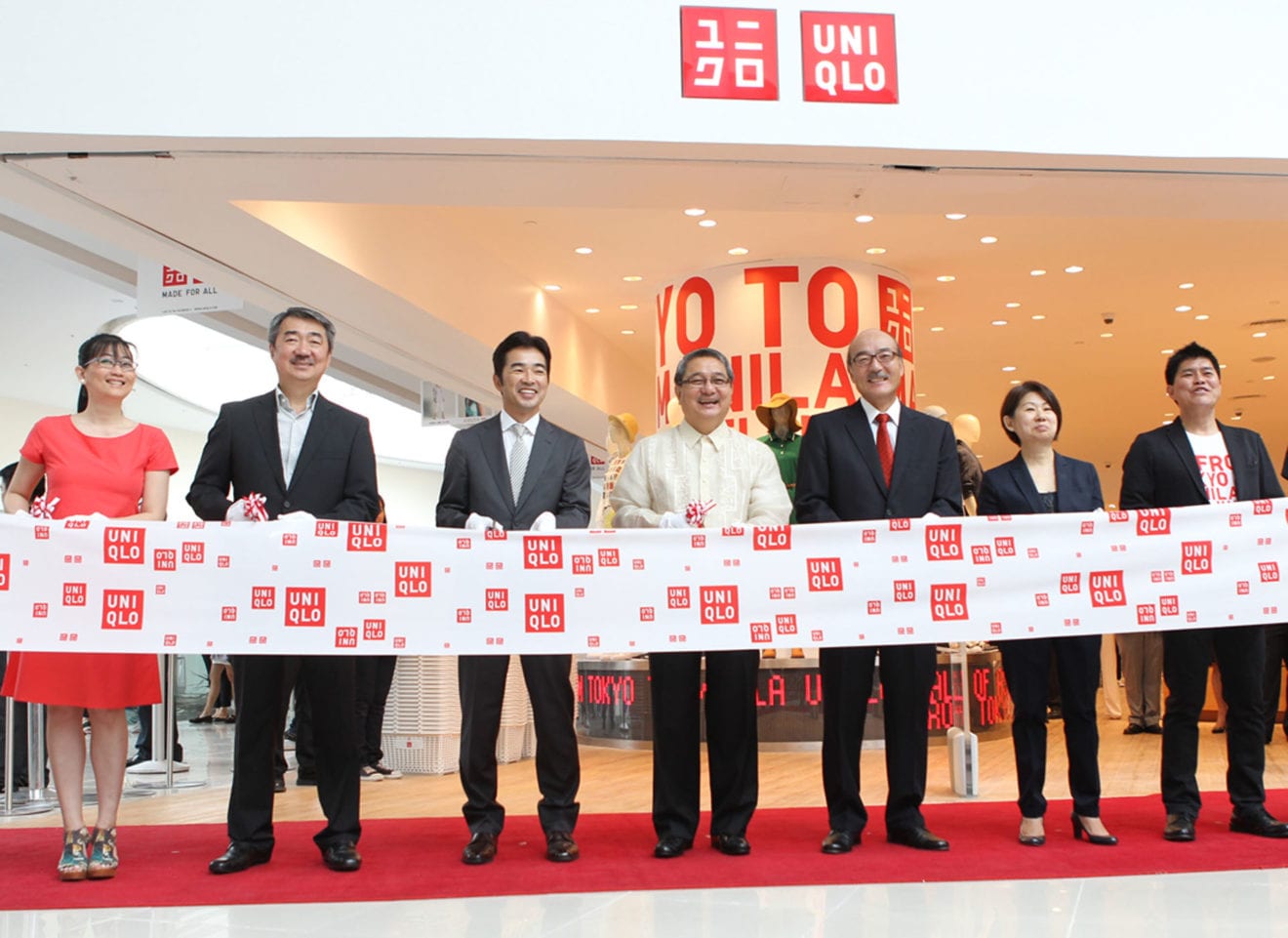
  • Uniqlo Philippines opens in Cebu

    Uniqlo Philippines opens in Cebu

    Uniqlo Philippines will open its first store in Cebu on Friday (October 23).

    The new 1000 sqm store is located in SM City Cebu shopping mall, on the first level of the north wing.

    It will be Uniqlo Philippines’ 25th shop and its first in the Visayas region.

    “We have opened 24 stores in Metro Manila and Luzon, entering the Visayas market is a milestone in our growth strategy,” said Katsumi Kubota, COO of Uniqlo Philippines.

    A second Cebu store will open in November in SM Seaside City Cebu.

    Uniqlo’s Lifewear concept, Simple Made Better, advocates apparel that comes from the Japanese values of simplicity, quality and longevity made with elegance.

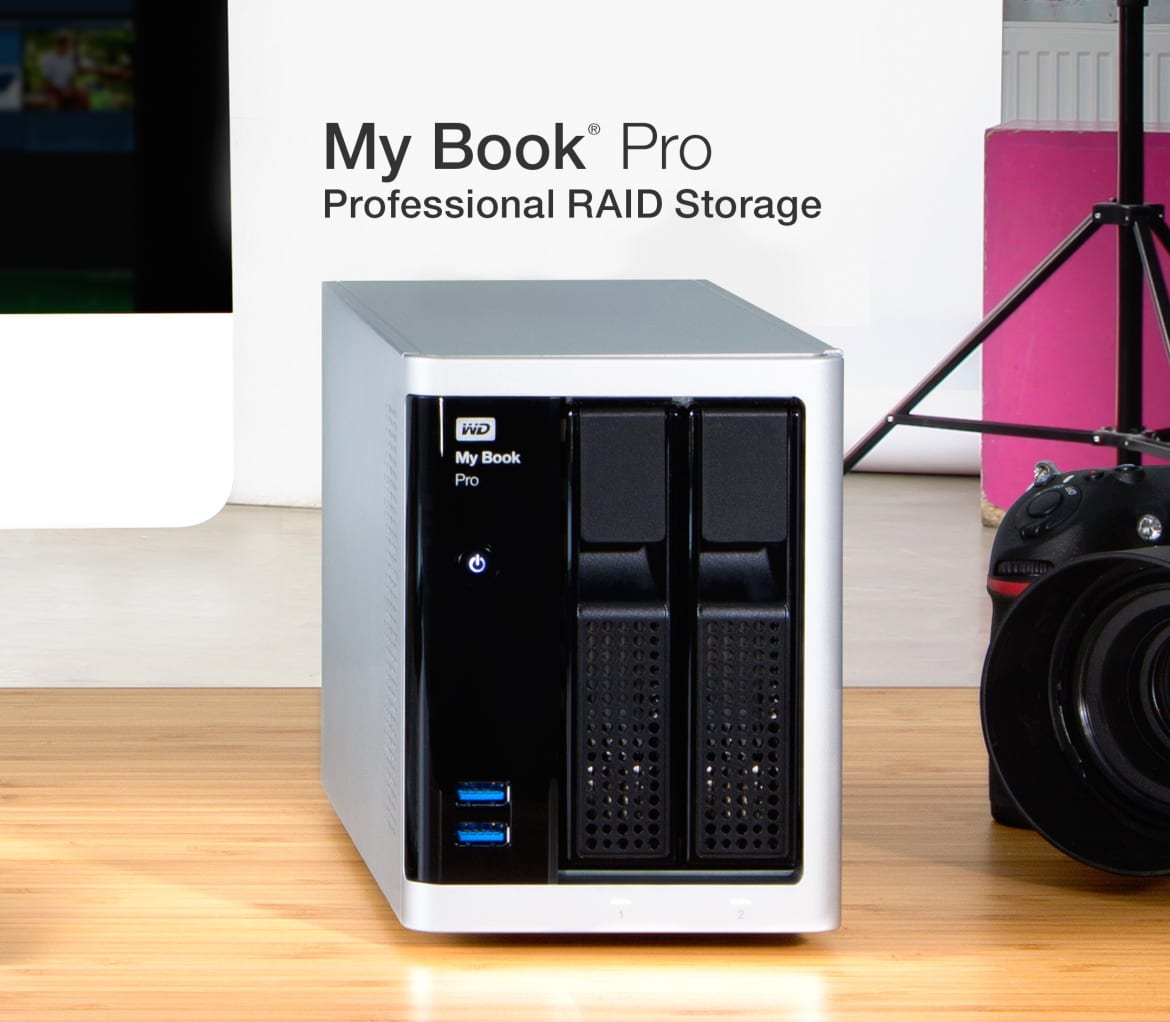
  • Western Digital unveils New My Book Pro

    Western Digital unveils New My Book Pro

    Designed for professional content creators who need performance and capacity, My Book Pro storage combines the power of dual 20 Gb/s Thunderbolt 2 ports, USB 3.0 compatibility, the peace-of-mind of hardware RAID and the speed of two 7200 RPM WD drives to accelerate creative workflows. With the convenience of two front-access USB ports and the ability to daisy chain up to six Thunderbolt devices, users are able to charge and sync smartphones, tablets or cameras while simultaneously connecting 4K monitors or additional storage devices.

    At any point in time, one’s data could be at risk if not protected. Whether it’s a lost notebook or destructive virus, it’s critical to keep data safe and maintain a backup of important documents and valued content. With three customizable configuration options [RAID 0 (default), RAID 1 and JBOD] offered by the My Book Pro device for keeping content protected, data bottlenecks are reduced and throughput is improved with no impact to your computer’s CPU performance.

    The My Book Pro storage device is protected by a 3-year limited warranty and is available at select retailers and distributed by EA Global Supply Chains Solutions Inc. and Iontech Inc. in the Philippines. Manufacturer’s suggested retail price is P31,490 for the 6TB; P40,490 for the 8TB; P47,990 for the 10TB; and P53,990 for the 12TB variant.

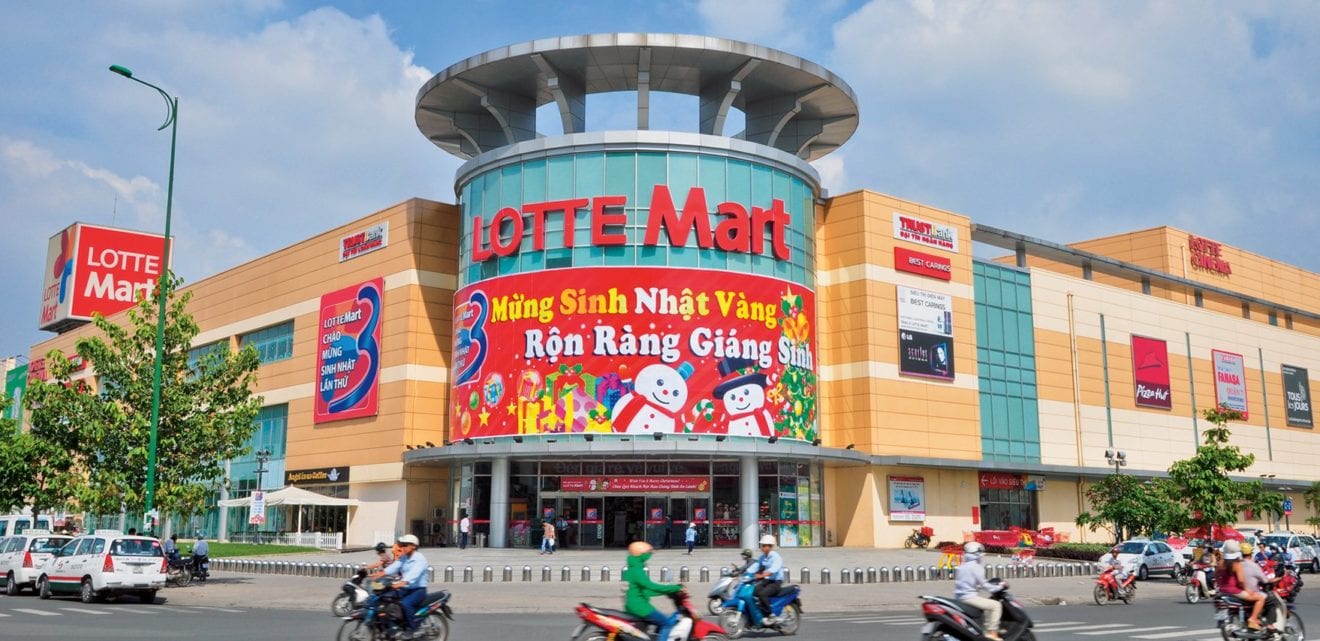
  • Lotte Mart Vietnam in supermarket rollout

    Lotte Mart Vietnam in supermarket rollout

    Lotte Mart Vietnam plans to open 50 new supermarkets by 2020.

    The South Korean company’s Vietnam subsidiary operates just 11 supermarkets currently. Besides opening its own hypermarkets, the company has taken a strategic investment in local grocery retailers Citimart in Ho Chi Minh City and Fivimart in Hanoi which are now being co-branded and essentially operate as large convenience stores.

    Lotte Mart’s plans were revealed by the ViceConsul of the Republic of Korea, Hoong Soon Chang at a scholarship ceremony.

    Lotte also operates hotels in Vietnam, has a growing network of Lotteria fast food restaurants, is making property investments, including a half stake in shopping centre and office tower Diamond Plaza, and runs cinemas there.

    Lotte Mart Vietnam director general Hong Won Sik said the group is planning to boost its investment in the country because of its high growth rate.

    Vietnam’s GDP rose 6.81 per cent during the third quarter of this year, one of the fastest rates in Asia.

    According to Vietnamese news media, Korea is the largest source of foreign investment in Vietnam, with more than 4000 businesses now based there and a capital inflow of US$32.8 billion in the six months to July.

  • Asia Pacific Breweries Singapore ends exclusive business practices after investigation

    Asia Pacific Breweries Singapore ends exclusive business practices after investigation

    Asia Pacific Breweries Singapore (APBS) has been found to have prevented retail outlets from selling draught beers from competing suppliers and restricted the choices of these beers available to retailers and consumers, the Competition Commission Singapore (CCS) said in a press statement.

    According to CCS, a dominant firm is prohibited from preventing or impeding its competitors from competing effectively through exclusive business practices.

    APBS has since provided CCS with with a voluntary commitment to cease its outlet-exclusivity practice.

    The change in APBS’s business practices will be applicable to all draught beer contracts entered into with retailers on and after Dec 28, including new and renewal contracts.

    APBS will also be required to provide CCS with documents to show that these changes have taken effect.

    CCS said that it will continue to monitor market practices and reserves the right to investigate any breach of the commitment or any other anti-competitive practices by APBS.

    Mr Toh Han Li, Chief Executive of CCS, said: “The removal of these exclusive business practices will allow beer suppliers to compete on merit in offering their draught beers to retail outlets.

    “This will allow retailers to stock a greater variety of draught beers, leading to a more vibrant market with more choices for consumers , as well as opportunities for existing suppliers and new entrants including microbreweries and craft beer suppliers.”

    APBS responded in a statement today, saying that it notes the CCS announcement on the closure of its investigation, with no finding of liability.

    It added that there is a a wide range of over 300 beer brands available in various forms in Singapore.

    “Draught exclusivity arrangements are not uncommon in the beer industry and competition among suppliers is intense. Retailers always have and continue to have a choice of beer supplier in Singapore,” said Mitchell Leow, head of corporate relations for APBS.

  • Story-i launches into Vietnam

    Story-i launches into Vietnam

    Apple reseller Story-i has launched in Vietnam hoping to replicate its Indonesian market success.

    The Singapore-headquartered electronic authorised reseller has opened its first Apple Premium Reseller (APR) store in the new SC VivoCity Mall in Ho Chi Minh City in Vietnam.

    The opening of the first store in Vietnam marks Story-i’s 17th outlet. The company owns and operates 16 stores throughout Indonesia, selling Apple, Samsung and Lenovo products.

    Story-i chose Vietnam as its next new market because of its “similar demographic and lifestyle consumer trajectory to Indonesia”.

    Management has identified Vietnam with 92 million population as the next high growth market and aims to open eight more outlets during the next three years.

    Said executive director Michael Chan: “This new store in Vietnam marks the beginning of our growth strategy to penetrate the expanding middle class of Southeast Asia’s population of 600 million. As we have done in Indonesia, we will anchor growth from prominent store locations and drive market penetration with our eCommerce offering.”

    He said the team was focused on rolling out a unique mix of electronic lifestyle products such as Apple and Lenovo as well as its enterprise solution and education services into Vietnam.

    “Our first Vietnam store continues to exceed our expectations for visitation and sales. This bodes well for extending the network through the smaller cities up to the northern capital, Hanoi.”

  • Smoothie King Vietnam expansion plan

    Smoothie King Vietnam expansion plan

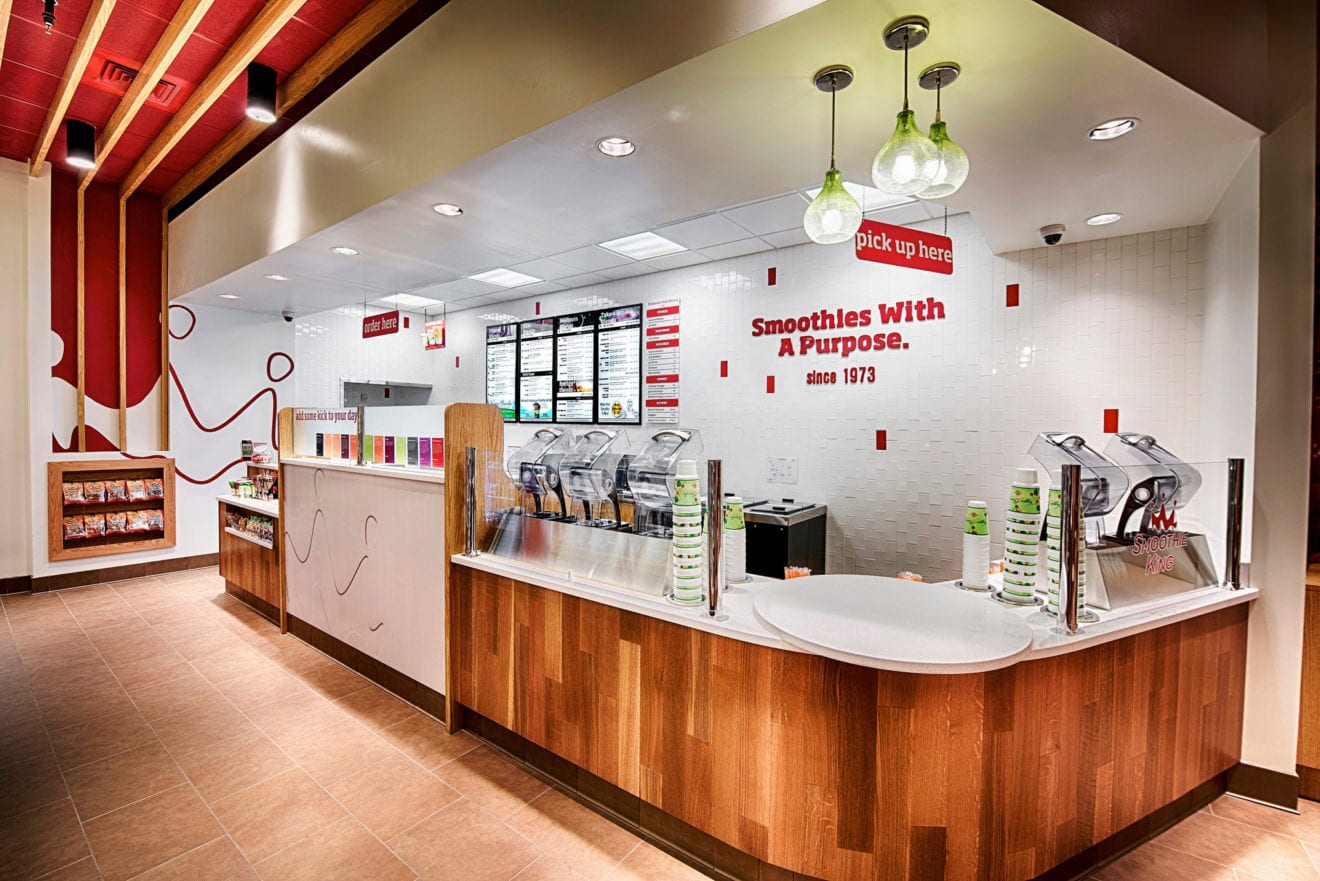
    South Korea’s Shinsegae Group is to buy the Korean network of 105 Smoothie King stores and launch the brand into Vietnam.

    Smoothie King Vietnam will initially be focused on the Ho Chi Minh City and Hanoi markets.

    Based in the southern US city of New Orleans, Smoothie King produces and markets smoothies, juices, sports drinks, energy bars, vitamins and health supplements. It currently boasts more than 700 locations worldwide and is targeting 1000 by the end of 2017.

    The Vietnam news follows an announced expansion into the Middle East earlier this year, commencing in Dubai.

    “This deal is monumental for Smoothie King – and one that we thought long and hard about. I was the master franchisee in Korea and bought the brand in 2012, making growth a primary goal for the company,” said Smoothie King CEO Wan Kim.

    Smoothie King 1

  • Morton’s sky bar officially opens at the IFC Mall

    Morton’s sky bar officially opens at the IFC Mall

    Sip on a mortini and dance the night away to the Sound of Shanghai DJs, bottle service and cocktail promotions from 6:00 – 11:00 p.m. on Thursdays, Fridays and Saturdays at the outdoor rooftop Morton’s Sky Bar in Lujiazui.

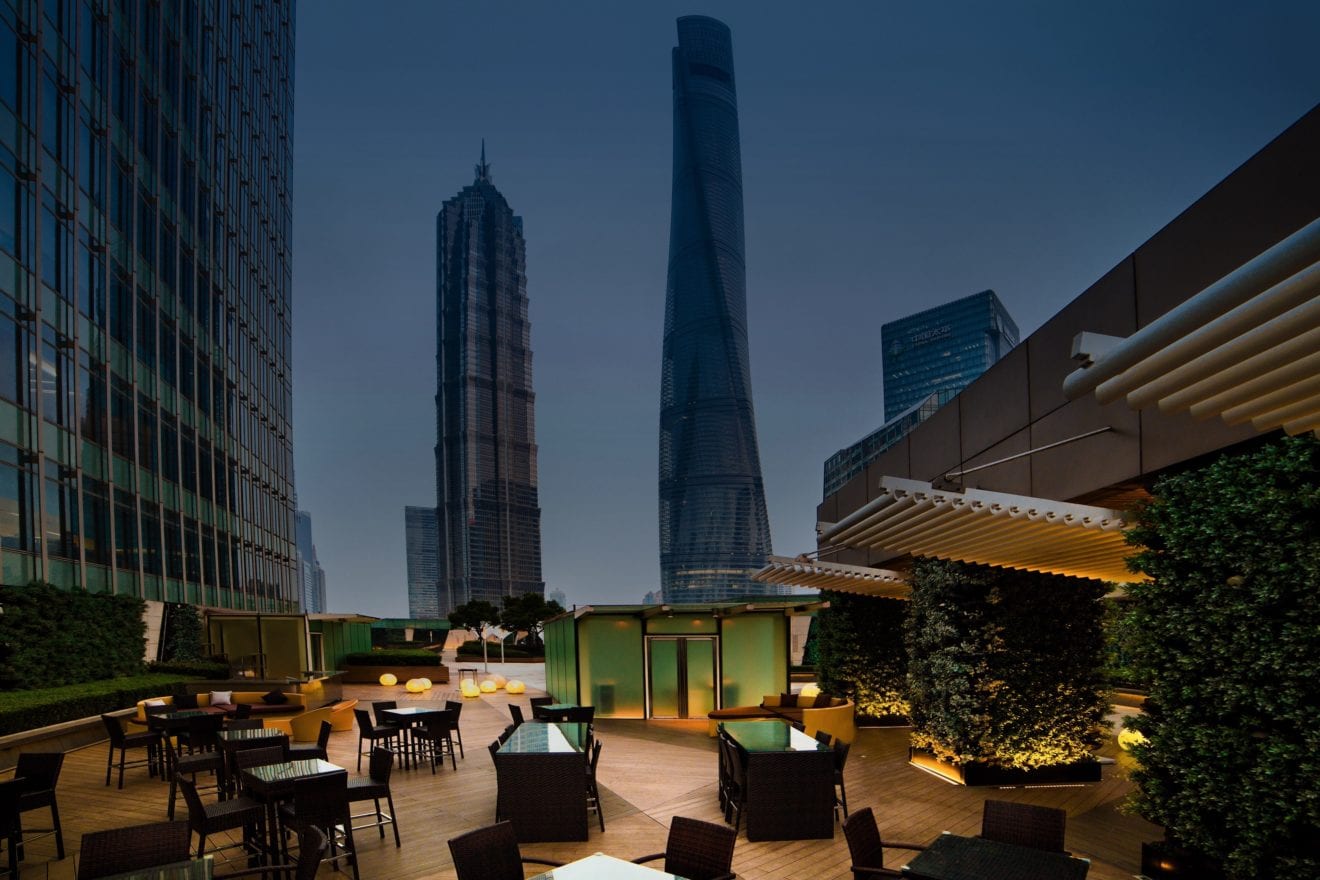
    Located on the 5th floor atop the Shanghai ifc mall, the rooftop terrace of the prestigious Shanghai ifc mall, Morton’s Sky Bar – the only bar atop the ifc mall rooftop, is the newest addition to the biggest Morton’s in the world.

    After stepping inside the Morton’s The Steakhouse, guests are transported to a rich and inviting environment which captures the quintessential American steakhouse experience. With the addition of the Sky Bar, a visit to Morton’s creates a unique opportunity to experience luxury nightlife in Shanghai like never before. With a spectacular view of both the iconic Oriental Pearl and Shanghai Tower – one of the latest additions to the Lujiazui skyline – after-work drinks just got a lot more interesting.

    Morton’s Sky Bar will offer a special drink menu only available on the 5th floor rooftop. For just 68 + 10% rmb per glass, guests can choose from Morton’s premium selection of 10 cocktails. Morton’s featured cocktails highlight a selection of classics cocktails; the sophisticated Cosmopolitan and straight Gin and Tonic are sure to be crowd pleasers.

    In addition, guests can also enjoy premium bottles service on Morton’s Sky Bar rooftop terrace. Purchase a bottle of Grey Goose Vodka, Bombay Sapphire Gin, Glenfiddich 12 Year Scotch Whisky or Moet & Chandon Champagne (prices vary) and Morton’s will sweeten the deal with complimentary mixers and two of Morton’s signature Bar Bites menu items. As an added bonus with bottle service, a bartender will pour and mix the cocktails tableside. For wine enthusiasts, Morton’s Shanghai glass-encased cellar also stocks more than 250 labels available from the world’s finest wineries.

    Legendary Sound of Shanghai DJs Azz and Kadwell will hold it down on the outdoor bar every upcoming Thursday, Friday and Saturday with some mixed-style house music played between 6:30 and 9:30 p.m.

    “After five years of operating in Shanghai, we’re very excited to open the outdoor rooftop terrace with the introduction of Morton’s Sky Bar,” says Frederic Fusseau, General Manager of Morton’s Shanghai Steakhouse. “We expect the popularity of our MORTini nights to spill into the rooftop where partygoers can start the night with drinks and music in our laidback rooftop bar.”

    With a name that has been synonymous with premium dining and cocktails for decades, an evening at the Morton’s Sky Bar atop ifc mall – accompanied by DJ’s and a spectacular view of the city – is sure to be a shanghai hotspot. 

  • Asian retailers called into haze campaign

    Asian retailers called into haze campaign

    As the toxic haze caused by Indonesian forest fires continues to enshroud Singapore and parts of Indonesia and Malaysia, the campaign to boycott brands linked to the fires is widening across Southeast Asia.

    Last week, the Singapore Environment Council (SEC) and Consumers Association of Singapore (Case)reached out to more than 3000 companies to get their commitment and declaration that they procure their wood, paper and/or pulp materials from sustainable sources. These include book stores, supermarkets, other retailers and manufacturers of paper and tissue products.

    Today, Consumers International (CI) has stepped in to ramp up the campaign, encouraging retailers and consumers in Indonesia, Malaysia, Singapore and Thailand to boycott brands and suppliers who have not committed to sourcing from companies who reject supplies from irresponsible forest burning.

    Singapore’s largest supermarket operator, NTUC FairPrice has already recalled stock supplied by Asia Pulp & Paper products due to the paper giant’s role in contributing to the toxic haze.

    Today, CI called on all consumers to stop buying products produced by companies involved in the purchase or sourcing of wood, paper and/or pulp products that cause the haze.

    “The global body is concerned that unlike Singapore, companies in Indonesia, Malaysia and Thailand are not declaring their source of procurement of sustainable wood, paper and/or pulp.

    “Every year people in Indonesia, Singapore and Malaysia are suffering under a thick haze of smog which is caused by the burning of forests for production of pulp, paper and palm oil primarily on the island of Sumatra, in western Indonesia and Borneo. The haze is leaving millions of people at risk of respiratory and other disorders. In addition countries in the region are also suffering economic losses and environmental damage including acid rain formation and other effects.”

    CI says that with a lack of information about which companies’ activities are contributing to the haze, consumers should buy products that carry internationally recognised green labels such as Forest Stewardship Certification (FSC) or other independently verified labels that support sustainable production that does not cause harm to the wellbeing of consumers.

    “CI believes that consumers should send a strong signal to the errant companies through their purchasing power and refuse to support companies which are contributing to this environmental disaster by their irresponsible practices.”

    CI has also requested all governments in the region to take a tough stance against companies responsible for haze.

    CI  is the world federation of consumer groups that, working together with its members, serves as the only independent and authoritative global voice for consumers. It has more than 240 member organisations in 120 countries.