Author: Mei Ling Tan

  • Stradivarius China goes online

    Stradivarius China goes online

    Inditex brand Stradivarius has opened its own online store in China to complement its existing online store on T-Mall.

    Stradivarius, a sister brand to Zara, has 65 bricks & mortar stores in China. The direct site went live last month, less than six months after the brand made its T-mall eCommerce debut in the world’s most populous country.

    A formal launch event took place at Shanghai’s Union Building, dubbed “The Event Paper: Asia edition”. From its rooftop terrace, the guests were able to enjoy stunning views of the Bund, the Chinese financial capital’s most cosmopolitan district.

    The party was attended by international top model Liu Wen and Cate Underwood, the star of the brand’s FW15 collection campaign.

  • Dermozone eyes $42mn revenue from herbal skincare products

    Dermozone eyes $42mn revenue from herbal skincare products

    Indo-Dermozone Herbal, makers of Indonesia-based herbal skin care products Dermozone, today said its target would be to reach 3-4 million households in India for its soon to be launched herbal skincare products with revenue target of $42 million over the next three years.

    “We are launching our herbal skin care products Dermozone in India soon and targets revenue of $42 million over the next three years,” a company’s statement issued here said.

    The company would also be looking at establishing India as a hub for managing all the technology, sales and customer support to other countries as well, it said.

    Dermozone had recently announced its entry into the Indian market by setting up an office in Bengaluru in the name of Indo-Dermozone Herbal Pvt Ltd.

    The company also announced the appointment of Manjunatha K G as the Chief Operation Officer of Indo-Dermozone Herbal, who would lead and oversee the Indian operations.

    Dermozone is globally recognised for its wide range of herbal skin care products especially its flagship brand- MedCare Ozonated olive oil, primarily used for the treatment of acne, fungal infections, dry skin, insect bites, athlete’s foot, eczema, blisters, carbuncles, diabetic wounds, burns.

    “We plan to enter the Indian market and will be soon formally launching our flagship product MedCare Ozonated olive oil,” Dermozone Chairman and CEO K S Dharshan said.

    “We have invested over $4 million over a period of six years in developing MedCare Ozonated olive oil. We have done ample research that suggests a huge market for MedCare in India. Our anticipated revenues from this product alone would be in the region of $22 million in 3 years,” Dharshan added.

    “We are also looking at the option of setting up a manufacturing base in India in the near future based on the ‘Make In India’ policy of the government. A final decision on this will be taken in the first quarter of 2016,” he further added.

    Headquartered in Indonesia, Dermozone has its operations in UK, USA, Japan, Russia, Seoul and China.

  • China wounds Burberry bottom line

    British luxury brand Burberry says Chinese luxury spending patterns have impacted on its sales in the six months to September 30.

    While the brand’s global retail sales rose two per cent to £1.105 billion in the half year, CEO Christopher Bailey described the market as “increasingly challenging” for luxury customers, especially in China.

    “The external environment became more challenging during the half, affecting luxury consumer demand in some of our key markets. In response, we have intensified our focus on driving sales and productivity, while taking swift action on discretionary costs.

    “While mindful of this external volatility, our plans for the festive season position us well to return to a more positive sales trend in the all-important second half. Looking further ahead, we maintain our focus on – and confidence in – the long-term growth opportunities for our business across channels, regions and product categories.”
    Retail revenue was £774 million, up one per cent on a same stores basis.

    But it was a different story in Asia.

    “Asia Pacific delivered a mid single-digit percentage comparable sales decline in the half, impacted by a further year-on-year deceleration in Hong Kong in the second quarter compared to the first, as footfall continued to drop,” the company said in a statement. “Mainland China comparable sales decreased slightly in the half, in the context of weakening consumer sentiment in the market in the second quarter. Excluding Hong Kong and Macau, comparable sales were broadly unchanged year-on-year in the first half.”

    Japan, however, was a standout.

    “Japan saw comparable sales growth well in excess of 50 per cent, albeit off a small base (with total sales now accounting for around two per cent of global retail/wholesale revenue).

    “Good progress was made during the half in expanding our retail presence, with the addition of our sixth free-standing store, in Shinjuku, Tokyo and the opening of a further six department store concessions, bringing the total to 19. We also assumed operation of 10 childrenswear concessions.”

    The company also expanded its beauty distribution, through Sephora globally and with Shiseido in Japan.

  • Ishtara Jewellery plans expansion into Europe

    Ishtara Jewellery plans expansion into Europe

    Ishtara Jewellery, a Singapore business with origins in India, plans to expand within Asia and into Europe and the Middle East.

    MD and owner Parthiban Murugaiyan says Ishtara is marketing Indian-made gold jewellery in Singapore and its sister company Luvenus Jewellery is retailing international brands overseas.

    The company has been importing Indian gold and diamond jewellery into Singapore for 20 years under its previous name India Jewellery Pte Ltd. It has just completed a rebranding.

    Now Ishtara is planning to open retail stores and showrooms in Hong Kong, India – and further afield in Europe and the Middle East. It will also focus on airports, with a Mumbai airport contract already reportedly signed..

    “We are catering to the younger generation of South Asian diaspora with fashionable jewelleries by setting up showrooms and retail outlets globally, especially starting with airports,” Murugaiyan said in an interview.

  • Alibaba seeks Youku Tudou buyout

    Alibaba seeks Youku Tudou buyout

    Alibaba is bidding to buy the remaining shares in Youku Tudou, dubbed ‘China’s Youtube’ in a deal which values the company at US$5.2 billion.

    The eCommerce already owns 18.3 per cent of the online video on demand service and says it will pay cash for the balance from its cash assets.

    Youku Tudou is publicly listed and Alibaba has offered a premium of 30.2 per cent over the pre-offer share price. The bid already has the support of the site’s founder Viktor Koo.

    Alibaba CEO Daniel Zhang said digital products, especially video, “are just as important as physical goods in eCommerce”.

    “Youku’s high-quality video content will be a core component of Alibaba’s digital product offering in the future,” he said.

  • Biggest Ikea in Malaysia to open in Cheras in November

    Biggest Ikea in Malaysia to open in Cheras in November

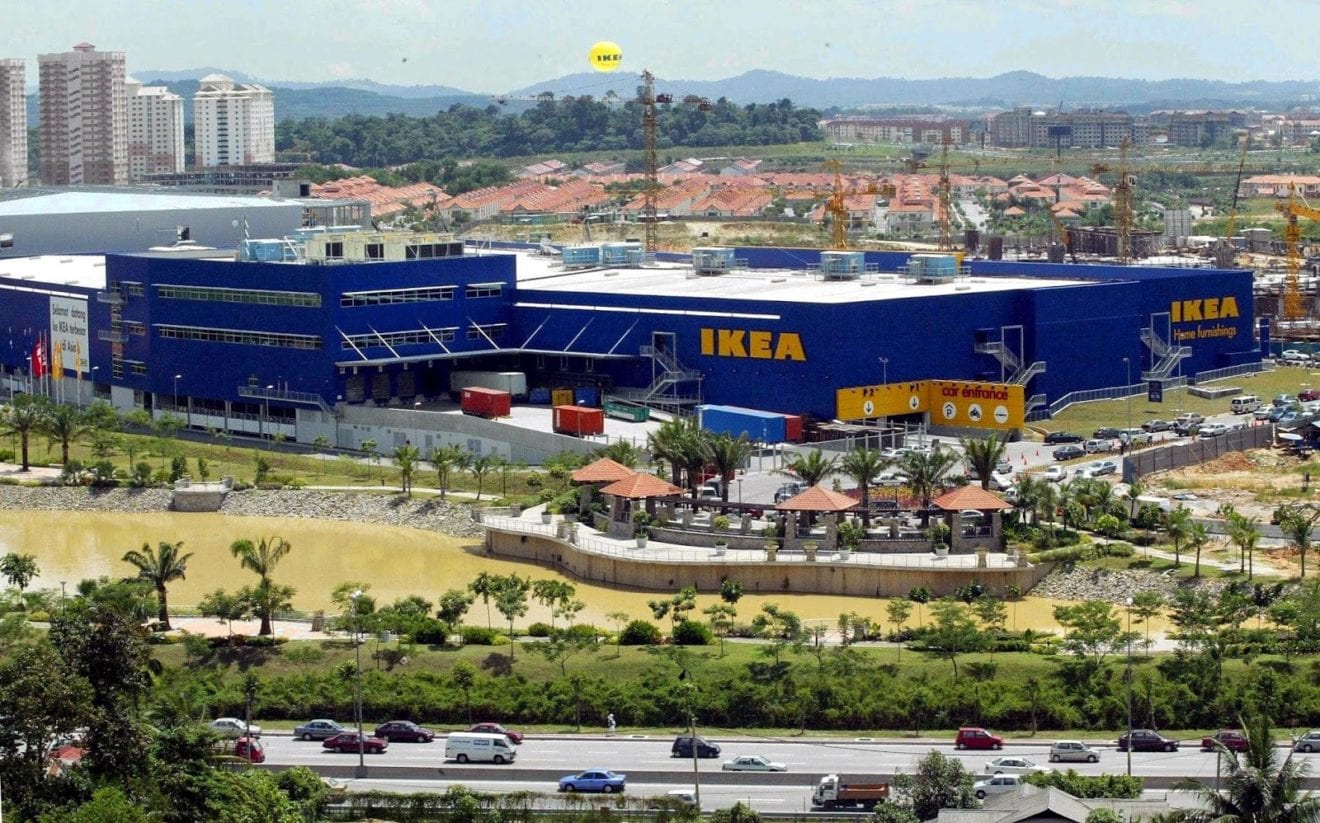
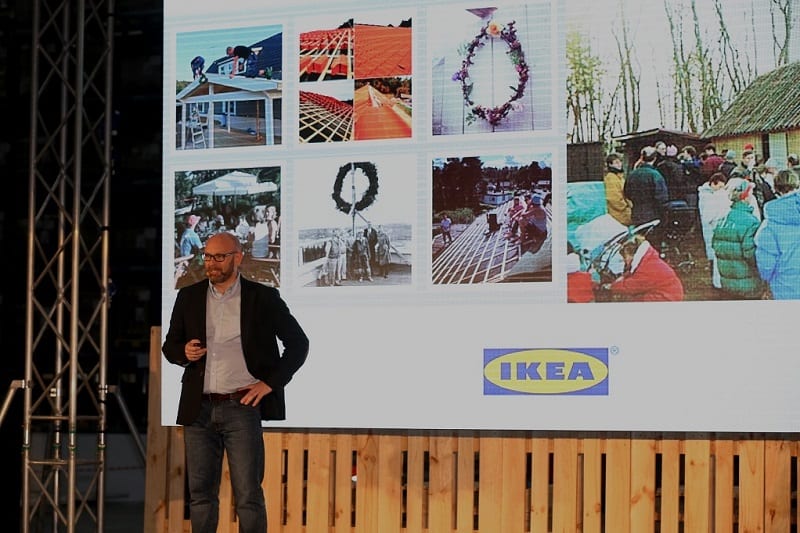
    An artist’s impression of the Ikea store in Cheras. – Pic supplied, September 29, 2015.Ikea Cheras is one step closer to opening its doors as they celebrated the completion of the building with a traditional Swedish thanksgiving event, Roof Capping, yesterday.

    Located in Jalan Cochrane, customers will be able to enjoy Ikea’s distinctive brand of Scandinavian design in a much larger space. Spanning 42,000 square metres, Ikea Cheras is 20% bigger than its Mutiara Damansara store.

    Its location near the city centre as well as major highways and the future Cochrane MRT station also makes it very accessible.

    “Come end November 2015, Ikea Cheras will provide more Malaysians with Swedish home furnishings that are well-designed, functional, affordable and good quality,” said Ikea Malaysia, Singapore and Thailand retail director Mike King at the Roof Capping event.

    The Ikea team is currently in the process of fitting interiors, operational setup and staff training in preparation for its opening.

    To support the project, a recent nationwide recruitment exercise was carried out and met with overwhelming response.

    “With the passionate and committed co-workers we have on-board, this new store ensures more Malaysians will get a chance to enjoy the unique Ikea store experience many have come to know and love,” King said.

    Meanwhile, Bernama reported that the Swedish homefurnishing giant plans to expand further and set up operations in Johor and Penang.

    Ikea Malaysia, Singapore and Thailand retail director Mike King says there are plans to open Ikea stores in Penang and Johor. – Pic supplied, September 29, 2015.Ikea Malaysia, Singapore and Thailand retail director Mike King says there are plans to open Ikea stores in Penang and Johor. – Pic supplied, September 29, 2015.King said the company was currently searching for locations to set up the stores in Johor and Penang.

    “We are working on possible sites for the stores in both states. It is likely to be Johor first and then Penang. I would say that the stores will be opened within this decade,” he said.

    Asked if Ikea also planned to open stores in Sabah and Sarawak, King said the company was always looking at expanding its business but has not made any decisions yet.

    With the opening of Ikea Cheras, Ikea would have five stores in Southeast Asia, with two in Malaysia, two in Singapore and one in Thailand. – September 29, 2015.

  • Jollibee takes big bite of Smashburger

    Jollibee takes big bite of Smashburger

    Asia’s largest fast food company, Jollibee, has taken a 40 per cent stake in a fast-rising American burger chain, Smashburger for US$335 million.

    Launched in 2007, Smashburger has over 335 corporate and franchised restaurants operating in 35 states and seven countries. Approximately 60 per cent of Smashburger’s outlets are company owned and operated. The company is growing at a rate of  20 per cent annually.

    Jollibee, publicly listed in the Philippines, has been actively seeking an investment in a leading US growth brand. It currently operates and franchises a network of more than 3000 restaurants worldwide under the trade names Jollibee, Chowking, Greenwich, Red Ribbon, Yonghe King, Hong Zhuang Yuan, Mang Inasal, Burger King Philippines, San Pin Wang, and Jinja Bar. Jollibee also has a 50 per cent interest in the Super Foods Group, which operates and franchises restaurants under the Pho 24 and Highlands Coffee brands throughout Vietnam.

    “We at Smashburger are excited about our new strategic partnership with Jollibee,” said Rick Schaden, chairman and co-founder.

    “As founders and entrepreneurs we both have built teams that focus on bringing the highest quality and best tasting food to our restaurant categories. [Jollibee] founder and chairman, Tony Tan Caktiongand I share a true passion for the restaurant business having opened and operated our very first restaurants, we believe our companies still cultivate that spirit today as we initiate this partnership.”

    Caktiong  described Smashburger as one of the fastest growing restaurant brands in the US.

    ”We are very excited to work side by side with the owners and management of Smashburger as we continue its growth. This acquisition will make JFC’s presence in the US more significant, going beyond the Filipino market and serving mainstream consumers in the $100 billion US burger market, a food segment which is estimated to be almost three times larger than the pizza, sandwich or coffee segment in terms of sales.

    “This acquisition will make the US one of JFC’s most important markets and drivers of long term growth along with the Philippines, China and other Asian markets abroad.”

  • Singapore’s electricity market to be fully liberalised in Q2 of 2018

    Singapore’s electricity market to be fully liberalised in Q2 of 2018

    Singapore’s electricity market will be fully liberalised in the second half of 2018, allowing households to have more choice in their power consumption, Minister of Trade and Industry (Industry) Mr S Iswaran said today (Oct 26).

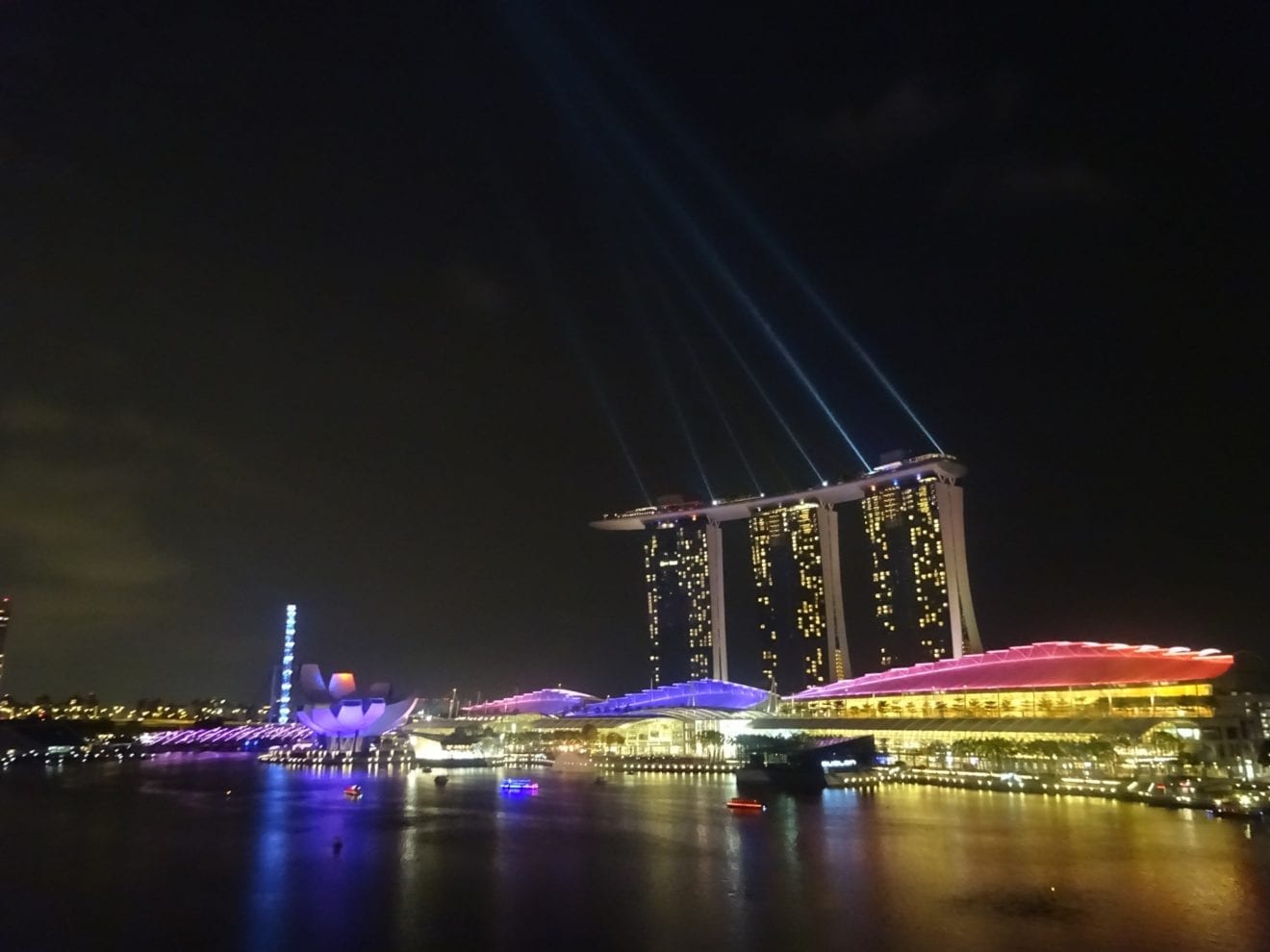
    The announcement came during Mr Iswaran’s opening address at the Singapore International Energy Week 2015 held at the Sands Expo and Convention Centre at Marina Bay Sands earlier today.

    Energy Market Authority (EMA) hopes to achieve “full retail competition” which will enable 1.3 million consumers – mostly households – to “have flexibility and choice in their electricity consumption”.

    Earlier this year on July 1, lowering the contestability threshold from 4MWh to 2 MWh allowed commercial and industrial (C&I) consumers – from large users such as petrochemical companies to smaller users like coffee shops and kindergartens – to participate in the contestable market and better manage their energy costs by purchasing from a retailer instead of remaining on the regulated tariff with SP services.

    EMA will release more details on the plans for full retail competition soon.

    The government also plans to establish a Secondary Gas Trading Market (SGTM) to allow gas buyers and sellers to trade gas on a short-term basis domestically.

    With an SGTM, EMA hopes to “enhance Singapore’s position as a hub for LNG and gas trading activities.”

    EMA will issue a consultation paper later today to seek industry feedback on the design for a domestic SGTM.

    Furthermore, EMA intends to “put out more information on the projected growth on the longer term energy market outlook in Singapore”.

    This would include information on the projected growth of electricity system demand, as well as a mix of sources coming from gas plants, solar and electricity imports by 2030.

  • Stelux warns of looming loss

    Stelux warns of looming loss

    Hong Kong headquartered watch retailer Stelux has warned shareholders it expects to post a loss in the first half year.

    Stelux owns the City Chain network of watch stores along with eyewear brands eGG and Optical 88.

    In the first quarter of this year the company reported a 7.1 per cent decline in sales. But despite a decrease in turnover due to a decline in tourist spending in Hong Kong and Macau, the company achieved an 85.8 per cent increase in sales of its fashion eyewear chain eGG in the China Mainland, a 23.4 per cent increase in City Chain sales there, and a more modest 0.2 per cent gain in its Optical 88 chain.

    Fast forward to last Friday, however, and it warned interest charges, exchange rate losses and weakening Hong Kong and Macau sales will see it record a loss for the full six months.

    It reported “a decrease in turnover and gross profit caused by weak retail sentiment… particularly in Hong Kong, Macau and Southeast Asia (with moderate turnover growth recorded in Mainland China).”

    In the six months to September 30 last year it posted a profit of more than HK$105 million (about US$13.5 million).

    “Despite the anticipated loss, the group is expected to report a positive operating profit, an improved gearing ratio (with a reduction in bank borrowings of approximately HK$130 million) and stable liquidity in the reporting period,” the statement concluded.

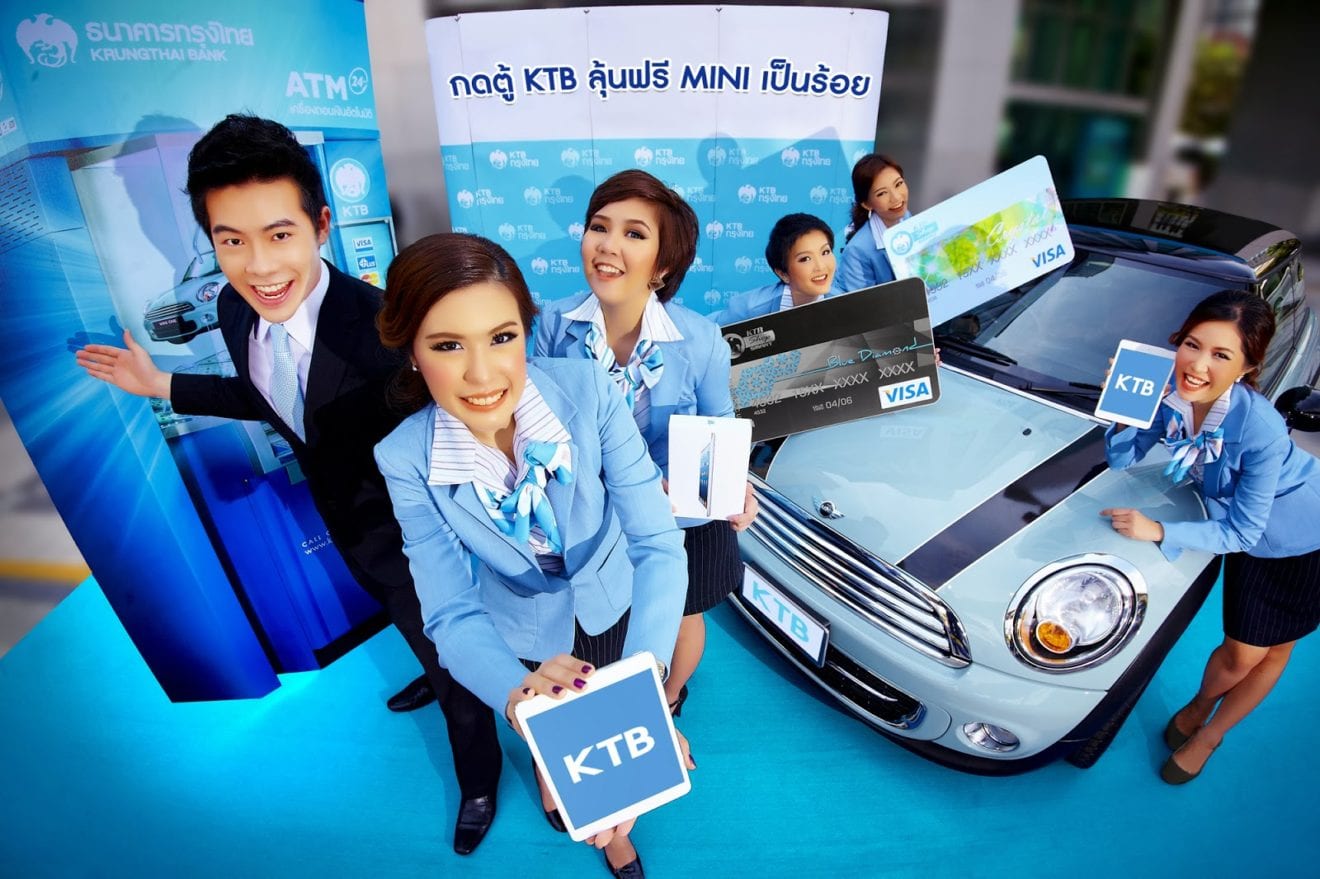
  • Krung Thai Bank makes profit

    Krung Thai Bank makes profit

    KTB posted 3Q15 earnings of Bt5.3bn, plunging 42% YoY and 37% QoQ. The result was 11% below our forecast but 4% below the Bloomberg consensus. This was attributable to bigger loan-loss provisioning (LLP) than was modeled. KTB set its 3Q15 LLP of Bt10.5bn against our numbers of Bt8.5bn. Pre-provision operating profit was Bt17bn, up 21% YoY but down 1% QoQ. The 9M15 earnings represent 90% of our FY15 earnings projection.

    Results highlights

    Lending was up 0.2% QoQ and 1.6% YTD—in line with our forecast. NIM for the quarter came in at 3.04%, up 3bps QoQ and 19bps, boosted by greater emphasis on the corporate and retail sectors and well managed funding cost from the previous quarter. LLP soared 270% YoY and 39% QoQ to Bt10.5bn (equaling credit cost of 2.1%). Note that the bank received a tax benefit of about Bt300m from troubled debt restructuring and extra LLP for Sahaviriya Steel Industry (SSI) in the quarter. Therefore, its corporate tax rate was down to 15% in 3Q15 from 18% in the same period last year.

    KTB’s NPL/loan ratio rose to 4.03% at end-September from 2.96% three months earlier (from SSI, and the small SME and retail sectors). Likewise, its loan-loss-coverage ratio dipped to 103% in 3Q15 from 125% last quarter. Fee income inched up 41% YoY and 12% QoQ to Bt7.3bn in 3Q15. OPEX was Bt12.2bn, an increase of 19% YoY but down 1% QoQ. KTB’s 3Q15 cost/income ratio was 44.2%, close to last quarter and down from the 45.6% reached in the same period last year.

  • Singapore’s Land Transport Authority pilots wearable technology

    Singapore’s Land Transport Authority pilots wearable technology

    Singapore commuters may soon be able to enjoy greater convenience through wearable and mobile wallet technology.

    The country’s Land Transport Authority (LTA) – in collaboration with Singtel, Sony, EZ-Link, Nets and TransitLink – has launched a trial using mobile payments and the Sony SG50 SmartBand, which features near-field communication (NFC) technology, to pay fares.

    “Insights provided by the trial will help LTA assess the performance of fare transactions using the smartband and gather feedback in assessing the potential use of wearable technology in public transit,” said LTA CEO Chew Men Leong.

    Some 200 commuters are taking part in the trial which started in August 2015 and will end in February 2016.

    Participants wear the Sony SG50 SmartBand, which is encoded with a digital contactless e-purse application (CEPAS) card designed for contactless payments on public transit. They can establish a Bluetooth connection with the Singtel mWallet app to check their band’s stored value balance and transactions while on the move.

    In addition to public transit, commuters partaking in the trial are able to use their SG50 SmartBand to make retail payments at thousands of points across Singapore. They can also track their daily activities and sleep quality, and synchronise the measurements into their smartphones via Bluetooth for visual tracking and display.

    “Like any new e-payment applications for public transport fare transactions, [the trial] needs to demonstrate that [the technology] works, is convenient and provides added value to commuters. In this light, the payment application will be assessed based on its compliance to CEPAS, public demand and results of performance tests,” said an LTA spokesperson.

    Enhancing user experience

    According to IDC Asia-Pacific government insights programme manager Gerald Wang, wearable technology can be used as an extension to existing smart government initiatives and employed to enhance the mobile experience of users.

    But for wearable technology deployment success, he said, Association of Southeast Asian Nations (Asean) governments must clearly differentiate between experience enhancements and deployment of technology for the sake of deployment.

    “Ensure line-of-business officials are convinced; leverage on their improved productivity gains as well as enhanced service experiences to help government IT departments drive the adoption of these technologies organisation-wide,” said Wang.

    He also warned that the manageability of wearables must not be underestimated.

    “Continuously monitor wearables on the network,” Wang said. “Government enterprises need to ensure the collection of information from wearables is accurately collected, securely stored, effectively analysed and deliberately shared with relevant approved authorities in government operations.”

    Corporate data should have different levels of confidentiality, he added, with only selected or approved users allowed access to the data.

    Emerging trends

    According to Wang, mobile and wearable devices, and the sensors that power them, enhance operational manageability and can provide different electronic government services.

    “Though government agencies have not yet reached a tipping point for the mass adoption of enterprise mobility solutions coupled with the growing prevalence of wearables, there is definitely a growing hype toward being ready for the emerging era of internet of things,” he said.

    According to IDC’s government insights team, several Asean governments have begun conversations, while others are participating in pilot projects aimed at testing out the viability of wearable technologies.

  • Brooks Brothers, Walton Brown seal China JV

    Brooks Brothers, Walton Brown seal China JV

    Brooks Brothers Group, America’s oldest retailer, and Walton Brown Group, have signed a 10 year joint venture to market the brand in Greater China.

    A 50/50 joint venture company has been established which will launch in January 2016 for an initial period of 10 years. It will take over the management of Brooks Brothers’ existing retail network of 90 stores in the market territory and plans to open more than 10 points of sale in the first two years across key cities in China, Hong Kong, Macau, and Taiwan.

    In addition to freestanding stores, the JV will invest deeply in a multi-channel distribution platform providing wholesale, outlets, travel retail and eCommerce channels to bolster brand presence and fuel business growth in the region.

    The move comes several months after the announcement by Hong Kong’s Dickson Concepts it would not be renewing its partnership with Brooks Brothers when it expires on December 31.

    The two companies in the new JV believe the arrangement will leverage the strengths and capabilities of Walton Brown, a subsidiary of The Lane Crawford Joyce Group, with experience in strategic retail brand management in Greater China with the global appeal of Brooks Brothers, “one of America’s most iconic clothing brands,” augmenting its dynamic growth across the Greater China region.

    The partners say that building on the success of Brooks Brothers’ ready-to-wear menswear and accessories collections, the product offerings within its women’s collection and accessories lines will be enhanced with the appointment of influential US designer Zac Posen as the creative director for women’s wear. His first women’s collection will debut in Spring/Summer 2016 and will be available worldwide.

    Claudio Del Vecchio, chairman and CEO of Brooks Brothers, said the JV will enable Brooks Brothers to develop long-term growth strategies across multiple online and offline distribution channels especially in China, one of its most important growth markets for the global business.

    “We are confident in China’s growth prospects in the premium sector for the coming years and this is the optimal time for us to position Brooks Brothers for long term sustainable growth,” said Del Vecchio.

    “With Walton Brown’s in-depth local market insights and extensive distribution capabilities and network in retail, we believe we can capture new opportunities to further deepen our relationship with Chinese consumers.”

    Walton Brown president Thomson Cheng said that in the 12 years since Brooks Brothers entered China, the brand has built a strong following of customers.

    “With the foundation in place, we believe the brand has enormous potential with the new generation of sophisticated and prosperous consumers in China and with the launch of the online business in 2016 we will be able to significantly increase reach with this consumer segment.”

    Following the formation of the joint venture, Brooks Brothers and Walton Brown will establish a corporate office and showroom in Hong Kong in early 2016.

    Brooks Brothers today operates more than 460 stores worldwide including over 130 retail stores in the Asia Pacific region, 90 of which are in Greater China.

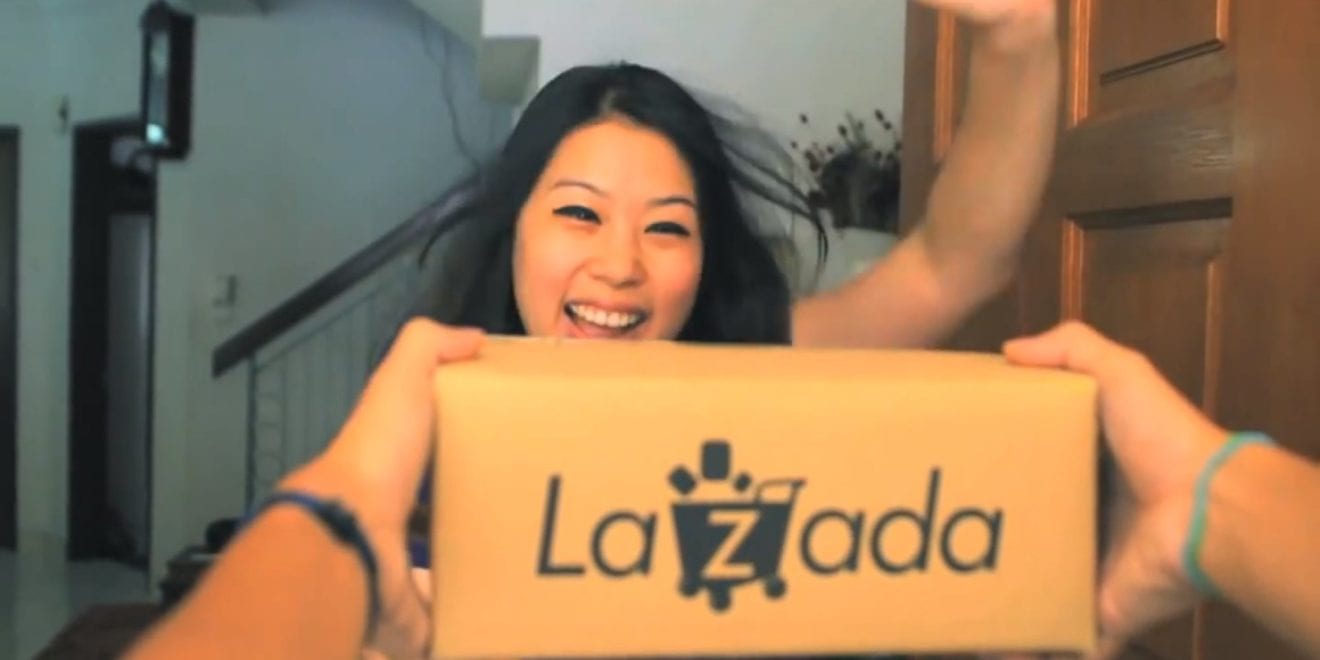
  • Lazada promises ‘biggest ever’ online sale

    Lazada promises ‘biggest ever’ online sale

    eCommerce giant Lazada plans a month-long mega sale in six Southeast Asian countries under its now annual promotion ‘Online Revolution’.

    Lazada, part of Germany’s Rocket Internet group, says more than 10 million products will be offered to 550 million consumers in six countries, in partnership with a raft of international and local brands.

    The Online Revolution will launch in full scale in Singapore, Indonesia, Malaysia, the Philippines,Thailand and Vietnam on November 11 and culminate in a three-day finale ending on December 12.

    Brands and merchants in Southeast Asia and other international markets such as China, Hong Kong, the US and the UK will join the sale to offer goods across 13 categories. These categories include new additions such as groceries, liquor and automotive in some markets as well as current favorites such as electronics, home & living, health & beauty, fashion, kids & toys, and travel. Brands that have signed up include Microsoft, Xiaomi, Philips, Tefal, Pierre Balmain, Desigual, Spektre Sunglasses, Date Sneakers and Gas Jeans.

    “We are going to bring the most exciting selling month of 2015 to Southeast Asia. With flash sales, best deals, exclusive promotions and app-only incentives, Online Revolution will give plenty of reasons for consumers to tune in and stay engaged,” said Maximilian Bittner, CEO of Lazada Group.

    “It is a unique opportunity for brands and merchants to reach a large audience and accelerate their growth. We are thrilled to have the strong endorsement from thousands of partners – from sellers and service partners, to banks, and telecoms companies. And, we welcome more to join us in spreading the benefits of online shopping to consumers through Online Revolution,”  said Bittner.

    During the month-long Online Revolution campaign, Lazada will feature weekly product category highlights, a curated brands’ showcase and exclusive promotions with partner banks, on top of daily deals. Beyond online, it will run a TV advertising campaign to keep the Online Revolution branding on top of consumers’ minds.

    To help sellers maximise revenue, Lazada says it has been introducing new and improved services. Its ‘Fulfillment by Lazada’ (FBL) is a network of fulfillment centers, hubs, delivery fleet and service specialists that takes care of the fulfillment of a customer’s order through to delivery, efficiently. This lowers cost for the sellers and allows them to focus on marketing and boosting their business. Lazada, recently, also rolled out a Seller Center Android app. The app comes with enhanced search, notifications and language support, on top of all the Seller Center features to help marketplace sellers manage their business on-the-go.

    Small and medium business owners will also receive support through training, such as in stock planning and packaging capacity, to prepare them for a smooth operation with the expected spike in orders. Last year, sales from Lazada’s Online Revolution on December 12 alone hit more than 10 times that of a normal day.


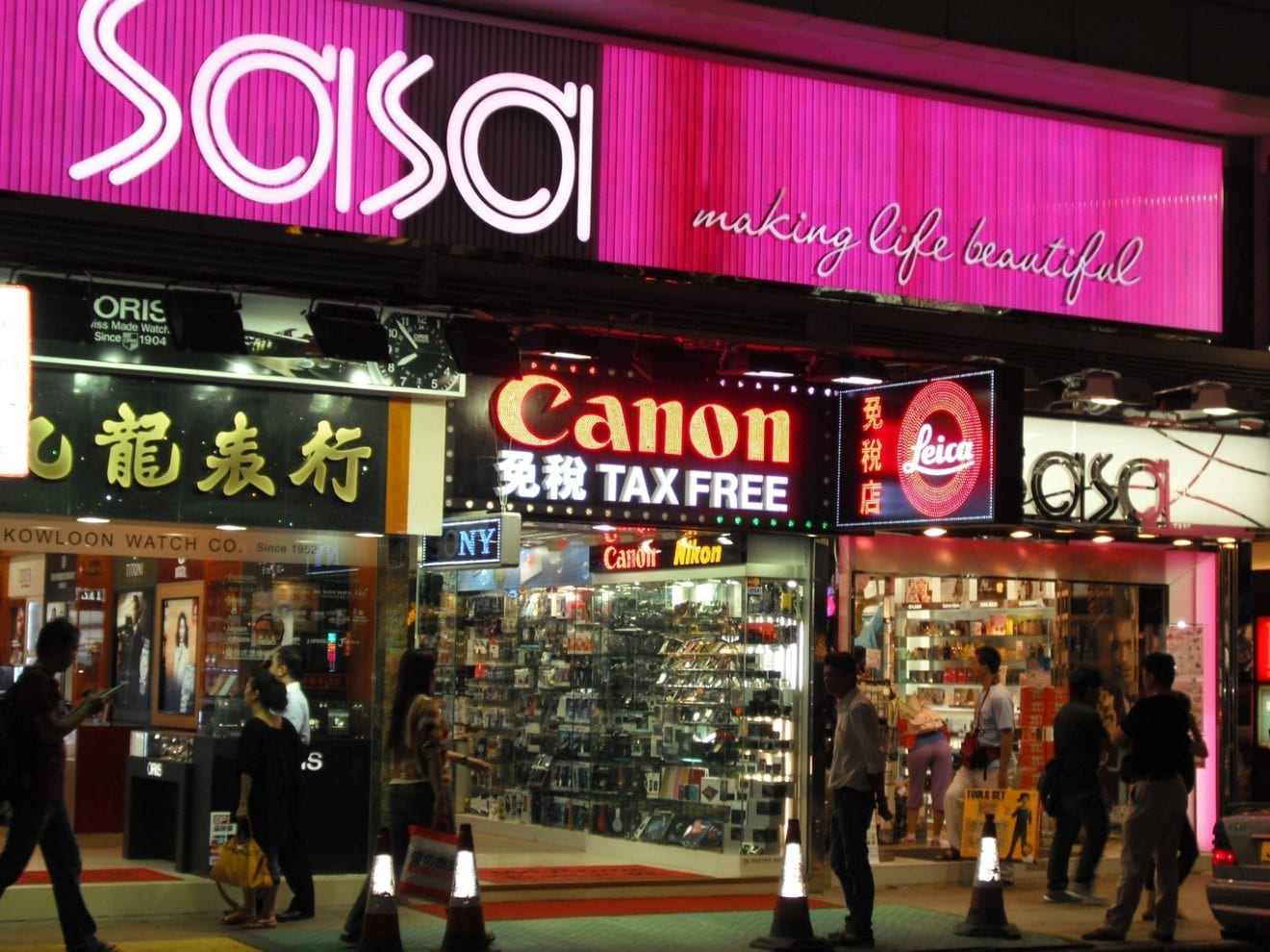
  • Sa Sa profits down more than half

    Sa Sa profits down more than half

    The Hong Kong-based company has issued a warning for investors to prepare for a profit cut to around HK$170 mln

    Cosmetics sale company Sa Sa International Holdings Limited is expecting profits to plunge more than 50 per cent for the six months ended September, according to a filing sent to Hong Kong Stock Exchange.

    These results are explained by ‘the worsening operating environment of the retail sector which has led to significant drops in both sales and gross profit and reduced operational efficiency’.

    According to the previous interim report of the company, for the six months ended September 2014, Sa Sa posted a profit of HK$339.76 million (US$43.84 million), which at that time was also down by around 5 per cent from HK$357.38 million. Now, the profit for the period is expected to be less than HK$169.88 million.

    Regarding sales for the second quarter of fiscal 2015/2016, Sa Sa has announced in another filing that turnover for the Hong Kong and Macau market declined 13.2 per cent year-on-year to HK$1.59 billion. Over this period, same stores sales dipped 10.1 per cent, while average sales per transaction declined 7.9 per cent to HK$346.

    Second quarter results
    In the filing sent to the Hong Kong Stock Exchange with data for the second quarter, the company says ‘overall consumer sentiment and Mainland Chinese tourist arrivals continued to be adversely affected by a number of factors with no significant signs of improvement’.

    ‘The strength of the Hong Kong dollar and the weaker yuan adversely affected the attractiveness of shopping in Hong Kong for both local consumers and Mainland Chinese visitors’, the company explains. ‘The impact of the ‘one-trip-per-week’ policy has gradually gained momentum, leading to a decline of 13.1 per cent and 10.1 per cent in the Group’s retail sales and same store sales in Hong Kong and Macau markets during the second quarter, respectively.’
    It is also explained that the number of transactions of Mainland Chinese customers declined 4.1 per cent, and that their average sales per transaction went down 12.5 per cent year-on-year, dragging down the overall performance of the group.

    Regarding the group performance, including Mainland China, Singapore, Malaysia and Taiwan markets, turnover declined during the second quarter of the year, 12.4 per cent year-on-year to HK$1.96 billion. Of the group’s 281 shops and counters, 110 are in Macau and Hong Kong.

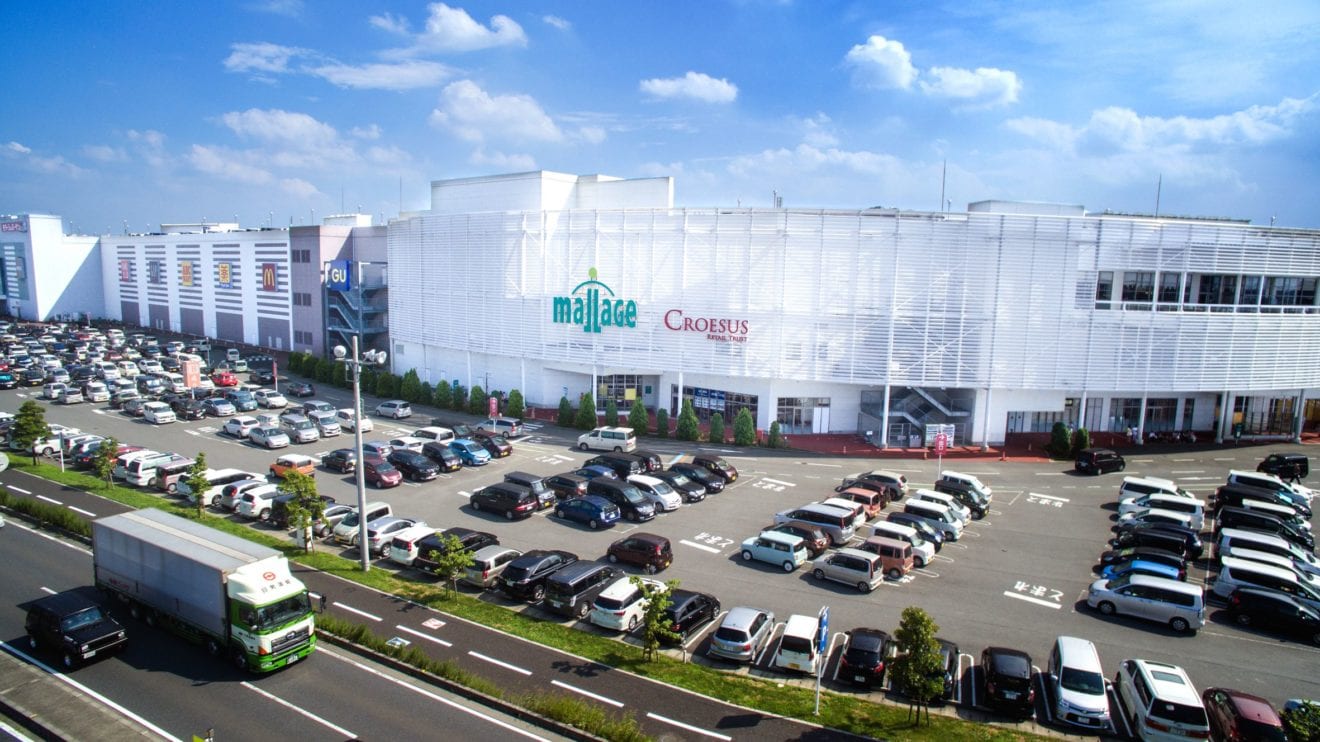
  • Croesus to buy retail mall in Japan for S$95.2m, proposes rights issue

    Croesus to buy retail mall in Japan for S$95.2m, proposes rights issue

    Mainboard-listed Croesus Retail Trust has agreed to acquire Torius Property, a completed retail mall in Japan, for eight billion yen (S$95.2 million).

    The purchase price is at a 3.7 per cent discount to the property’s valuation of 8.3 billion yen (S$98.8 million).

    The property is a large-scale suburban retail mall in the satellite town of Hisayama-machi of Kasuya-gun, which is about 13 km from central Fukuoka City in Fukuoka Prefecture, on Japan’s Kyushu Island.

    Comprising 36 single or double storey buildings, Torius Property occupies a land area of 257,173 square metres and has a net lettable area of 77,032 sqm.

    It will be the eighth property in Croesus Retail Trust’s portfolio and marks its first foray into Kyushu Island.

    The purchase will be funded by a combination of debt and equity financing. Four billion yen will come from new Japanese five-year bonds, while a rights issue is expected to raise another $69.7 million.

    The rights issue comprise 114,222,677 new units based on 22 rights units for every 100 existing units at an issue price of 61 cents per rights unit.

    Croesus said the pro forma net property income (NPI) yield for Torius Property is 7.8 per cent, compared to the actual NPI yield of 5.3 per cent for its existing portfolio, for its financial year ended June 30, 2015.

    The pro forma distribution yield of the enlarged portfolio would increase to about 9.41 per cent compared to 9.4 per cent currently.