Author: Mei Ling Tan

  • Daphne International sales slump

    Daphne International sales slump

    Hong Kong-listed shoe retailer Daphne International has reported a third quarter same store sales slump of 19.7 per cent as it continues to cull its store network.

    As earlier reported, Daphne issued a profit warning in July after reporting a fall in same store sales of 16.9 per cent in the first half of 2015, and by 17.7 per cent in the second quarter.

    In the first six months of the year, Daphne closed 181 stores – 117 directly-managed and 64 franchised stores, the majority in the second quarter. But it still has 6221 points of sale.

    Daphne operates the Daphne and Shoebox retail brands in Mainland China.

    During the third quarter, same-store sales of the group’s core brands business recorded a decline of 19.7 per cent year on year, but the company explained that was from a high base effect of 6.3 per cent growth during the same period last year.

    Overall, the same store sales decline of its core brands for the first three quarters of 2015 was 17.9 per cent.

    “The same-store sales decline was more driven by the lower average selling price, although both ASP and sales volume recorded a decrease,” the company disclosed.

    “The group continued the consolidation of the sales network, with a net closure of 219 points of sale during the third quarter (a reduction of 191 directly-managed stores and 28 franchised stores), and therefore had a total of 6002 POS under its core brands business as at September 30.”

    The one bright spot was an undefined growth in sales in its eCommerce sales during the third quarter.

  • Mall Group chairwoman wants lower import tariffs

    Mall Group chairwoman wants lower import tariffs

    “Thailand will be part of the Asean Economic Community [AEC], which comes into effect at the end of this year, with a combined 600-million population forming one big single market, representing 10 per cent of the world’s population.

    “AEC transformation will allow Thailand to become a tourist-destination hub of the world, benefiting from the country’s advantages, such as its strong logistics network and geographic location, plus dynamic growth from emerging markets in the region,” she said.

    However, the Kingdom’s current import duty charged for fashion and cosmetics brands is too high at between 30 per cent and 40 per cent, resulting in a loss of competitiveness compared with rival shopping destinations in the region, she stressed.

    “I would like the government to revise [the tax structure] and reduce the import tariff for fashion brands to about 10 per cent, so that we can compete with rival countries and make Bangkok truly an ultimate shopping destination of the world,” said The Mall Group chief.

    She added that Thailand was now facing a serious labour shortage, with an unemployment rate of just 0.03 per cent.

    The government could resolve the labour-shortage problem in the retail sector by allowing migrant workers from Myanmar, Cambodia and Laos to do jobs legally, especially in front-office work, such as sales representatives in stores, she suggested.

    “Between 30 and 40 per cent of shoppers visiting modern retail malls in downtown Bangkok, such as Siam Paragon, are foreign tourists, and 50 per cent of them are Asian.

    “In the retail sector, we [Thailand] play a leading role in the world in terms of innovation and creativity, as well as a sense of fashion. What we require by way of assistance from the government is in the area of political stability as well as tourism support, especially via a reduction in import duty,” she said. The country’s modern retail sector is, however, lagging behind other countries in regard to new technology development, such as e-commerce, she said.

    “For The Mall Group, the sales contribution from e-commerce activity is not significant, at less than 1 per cent of our annual turnover at the moment. And we don’t think the contribution will be higher than 1 per cent of sales over the next five years,” said the chairwoman.

    The group’s policy is to focus on developing mega-retail projects in Bangkok and other tourist destinations, including Hua Hin and Phuket.

    “We want to make the country good enough in terms of retail development, before expanding to somewhere else. Thailand has still a tremendous opportunity for new retail developments and world-class attractions for foreign tourists,” Supaluck said.

    By way of example, she cited Phuket’s potential to be promoted as a world-class resort island with the addition of key infrastructure, such as international convention, retail and entertainment complexes, and airline and cruise facilities.

  • Suntec City completes $410 million makeover

    Suntec City completes $410 million makeover

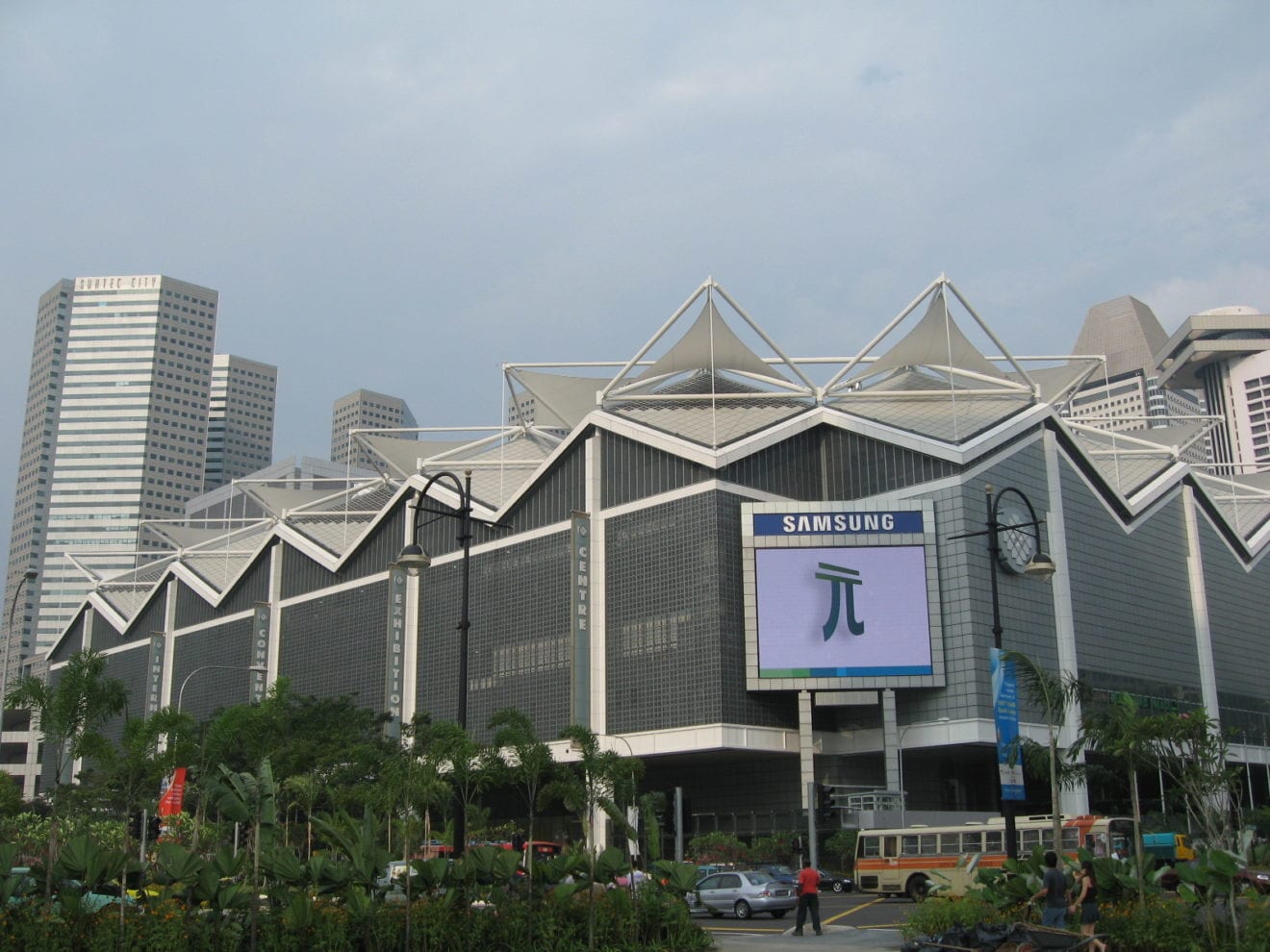
    Suntec City has finally completed its $410 million asset enhancement initiative (AEI) and officially unveiled the revamped mall on Thursday Oct 22. The AEI programme started in June 2012 and was completed in June this year. The work involved decanting low-yielding spaces and converting levels one and two of Suntec Singapore Convention & Exhibition Centre into retail space, thereby expanding the retail footprint from 855,000 to 960,000 sq ft today.

    The mall has repositioned itself as a lifestyle destination offering a range of specialty retail stores, new food and beverage concepts, and entertainment options. The recently unveiled North Wing is built on a theme of “enhanced lifestyle” and houses a lively mix of tenants that offer a diverse range of merchandise, including the gourmands’ market Pasarbella, and the debut of Mporium, dedicated to Asian designers.

  • Singapore Jewellery & Gem Fair opens doors on 2015 showcase

    Singapore Jewellery & Gem Fair opens doors on 2015 showcase

    The four-day event, which is now in its third year, is open to casual shoppers, serious investors and trade buyers.

    As the most significant fine jewellery exhibition in the region, the event covers a space equivalent to 200 tennis courts. Around 100,000 pieces of fine jewellery will be on display across 10 product-themed and country pavilions.

    International fine jewellery exhibitors include manufacturers and wholesalers from Austria, Belgium, Germany, Hong Kong, India, Israel, Italy, Japan, Switzerland, Taiwan, Thailand and the US.

    The event is exclusively endorsed by the Singapore Jewellers Association (SJA) and the Diamond Exchange of Singapore (DES).

    The Singapore Jewellery & Gem Fair 2015 is open from October 22-25 at Sands Expo and Convention Centre, Halls A & B. Admission is free.

  • Black Friday Campaign Provides Shopping Catalyst in South Korea

    Black Friday Campaign Provides Shopping Catalyst in South Korea

    South Korea is trying to stem a drop in retail spending by replicating an American shopping tradition — Black Friday.

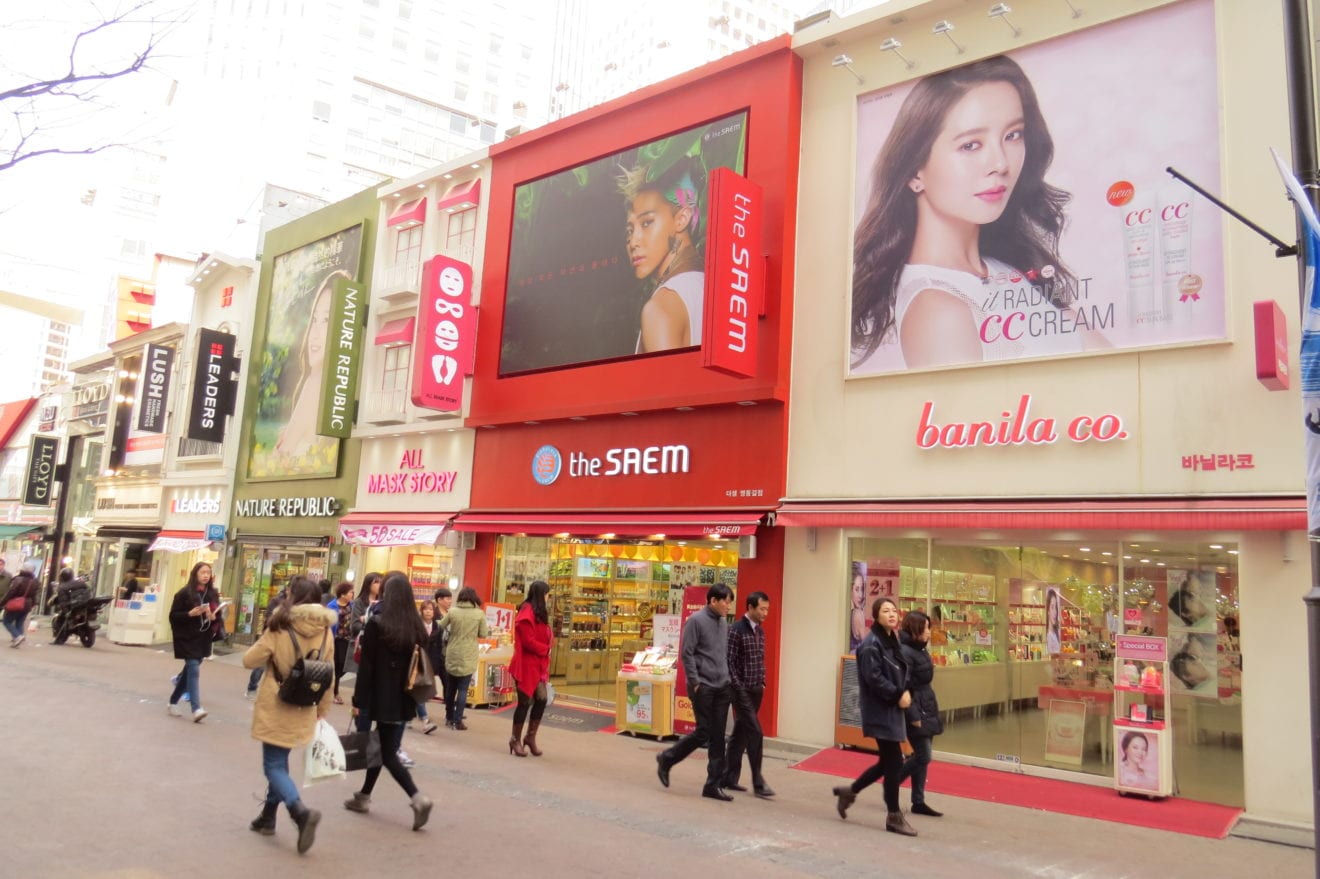
    More than 34,000 stores, including three-quarters of the country’s department stores, slashed prices by as much as 80 percent in the Korean version of bargain-oriented Black Friday through Oct 14. The two-week campaign was launched by the Korean government in an effort to offset sales lost to online commerce and to attract shoppers from neighboring China and elsewhere back into stores.

    In Korea, stores already hurt by online shopping were dealt another blow by the Middle East Respiratory Syndrome, or MERS, this year, which led to an 12 percent drop in revenue at department stores in June and another 6.5 percent decline in August. In July, sales were up very slightly, at 0.7 percent, from a year earlier as Koreans shopped ahead of the summer holiday season.

    The MERS virus has infected 186 people and killed 36 since the outbreak on May 20. It scared away tourists, reducing the number of foreign visitors by 53 percent in July, and another 27 percent in August, from a year earlier.

    Though the fallout from MERS subsided after the government declared July 28 that the virus was no longer a concern, the number of foreign tourists still continued to decline, and was down 3.8 percent in September from the previous year.

    For department stores, that has created a bleak situation, as Chinese tourists in particular are important for strong sales. So the government stepped in, figuring a western-style Black Friday campaign — which has become a seasonal retail driver in the U.S. with bargain-basement deals the day after Thanksgiving — would help stimulate interest in going back into stores in Korea.

    Sales jumped. For the two weeks through Oct. 14 at three major department stores — Lotte, Hyundai and Shinsegae — sales rose 24 percent from a year earlier, according to the finance ministry. Korean discount stores including E-mart, Home Plus and Lotte Mart reported a 3.6 percent revenue increase in the same period. The ministry estimates the overall upswing in retail sales to add about 0.1 percentage point to this year’s growth, forecast at 2.7 percent by the Bank of Korea.

    “It’s a relief, albeit temporary,” said economist Lee Jun Hyup at Hyundai Research Institute, a Seoul-based private think tank focusing on the economy. “An upturn would be meaningful in that the campaign lifted consumer spending in the weeks following the national Chuseok holiday, when people tend to cut down on shopping.”

    South Korean policymakers have been trying to expand the economy with temporary consumption tax cuts on cars and home appliances. Meanwhile, exports — which account for about half of the nation’s economic output — fell every month this year.

    Seoul’s plan is to host similar retail campaigns in the future. If successful, this could redirect local consumers back to Korean malls, which lose about 800 billion won ($707 million) every year during the peak shopping period of November and December to U.S. retailers such as Amazon.com Inc., said Lee Hyoung Ryoul, the finance ministry director in charge of organizing the event.

    In South Korea, the jicgoojok — literally, a tribe of direct buyers — increasingly buy goods from overseas online retailers at much better prices than offered at local stores. The trend is a challenge to Korea’s retailers, which have enjoyed agreements with manufacturers that allow them to charge a premium for foreign and domestic products with little concern for competition.

    A report by the Korea Customs Office last year showed that some import goods sold through exclusive dealerships including wine, lipstick, cheese and car tires were as much as 9.2 times more expensive in Korea than they were overseas.

    Unlike the U.S., where retailers control prices and offer discounts to clear out inventories ahead of the Christmas shopping season, Korean department stores often lease space to vendors without control over inventories. To stem the retail decline, the government would have to include more manufacturers and not just retailers in future Black Friday events, Lee at HRI said.

    While early results show the shopping event was successful, the discounts were limited. Most foreign brands in the high-end category, such as cosmetics and jewelry, didn’t participate, unless they were featured at select shops. Home-appliance stores directly controlled by Samsung Electronics and LG Electronics also weren’t part of the sales, according to the finance ministry.

    Still, some had their own sales — Tommy Hilfiger Kids at Lotte’s headquarters store was offering some items at a 30 percent discount last week in an event separate from the nationwide Black Friday.

    Some shoppers were disappointed that the discounts weren’t deeper — especially as they had been heavily promoted.

    “This is not much different from usual sales department stores regularly hold,” Shin Ji Hye, a 37-year-old mother said while taking a break from shopping for her toddler daughter in downtown Seoul. “I have seen some discounts on women’s clothing floors but most of them offered 10 percent. I think I will go back to online malls and wait for the real Black Friday in the U.S.”

  • How should retailers prepare for this holiday season?

    How should retailers prepare for this holiday season?

    E-commerce presents enormous opportunity for retailers. Hong Kong’s 2014 sales value of Internet retailing, excluding tax, was HK$1.5 billion (Hong Kong Trade Development Council), and it is estimated to increase to HK$2.1 billion in 2019.

    As Singles’ Day, Thanksgiving and Christmas are just around the corner, it is time to start preparing for the holiday season as traffic spikes will affect web performance or even result in downtime.

    Retailers need to prepare to serve the needs of their customers through two primary activities that lead to revenue – the shopping phase and the buying phase, to capture additional spending during holiday seasons.

    Shopping
    As customers begin the process of searching for a product or service, there are a number of potential channels available to them, including emails from retailers, websites and online search.

    Retailers should focus their efforts on improving the personalisation of their emails to increase the likelihood of opens, click-through and eventually purchases.

    This will also push more consumers into the “shopped from this website before” group, helping to create a growing, loyal customer base.

    Success here is tied to customers’ abilities to access the content they need to move from awareness to consideration in a simple, fast and reliable way – regardless of content type, device being used, or location.

    Buying
    A cohesive purchasing experience across physical and digital channels (regardless of location, device type or size) is no longer the exception for advanced retailers. It is fast becoming the norm – table stakes for success.

    “Customers increasingly expect that all parts of their relationship with a retailer – loyalty programs, past purchase history, customer service and other interactions – will be connected, regardless of how and when they interact with the retailer,” according to 2015 Retail Holiday Planning Playbook, July 2015, National Retail Federation and Prosper Insights and Analytics.

    According to The Nielsen Global Survey of E-commerce conducted in 2014, Hong Kong consumers tend to be researchers when engaging in e-commerce.

    More than three out of five respondents will check out products in the store before purchasing them online (61%), or they will often look at products online before purchasing them in the store (60%).

    Hence, retailers need to ensure their digital experiences are optimized across devices, screen sizes, operating systems, browsers and locations so customers have a consistent, reliable experience wherever they are.

    Akamai’s Performance Matters report reveals that consumers participate in e-commerce research activity more frequently on mobile devices and tablets than on desktops in three key categories: searching for products, comparing prices, and reading reviews.

    The report shows that 56% of mobile users and 57% of tablet users search for products once a week or more, compared to 37% of desktop users.

    Additionally, 15% of mobile and tablet users search daily, compared to 5% of desktop users. In terms of price comparison, 52% of mobile users and 53% of tablet users compared prices once a week or more, while 34% used their desktops to do so.

    On the reviews front, 46% of mobile users and 50% of tablet users read reviews online once a week or more, compared to 28% of desktop users.

    The ability to quickly transition from reviewing product content, images, and reviews then into a buying decision phase increases the conversion rate. Cloud-based, globally distributed technologies are a key component to success in delivering an omni-channel experience that is content rich, fast and reliable.

  • The new niches in China’s ecommerce market

    The new niches in China’s ecommerce market

    Alibaba’s sales is only 5 percent of total retail in China and JD.com’s sales of electronics products represent about 2 percent to 5 percent of total electronics retail as well, according to Dangdang.com’s CEO Li Guoqing.

    If you only look at the Chinese ecommerce giants’ recent financial report, most people would agree that the competition has settled because Alibaba alone has accounted for about 80 percent of the market share in online shopping sales. The combined sales from Alibaba and JD.com have close to about 90 percent of the Chinese online retail market.

    However, at least one executive of a Chinese e-retailer thinks the position of those leaders is not secure. “The size of the business is not equal to competitive advantage and competitive threshold.  The market will be settled only if the marketing leaders have some unique edges and generate difficult barriers to entry,” says Li Guoqing, cofounder and CEO of Dangdang.com, in a speech in One Thousand Ecommerce Professionals Seminar in China:

    Alibaba’s sales only account for about 5% of retail sales of China and that is not a enough barrier to entry. At same time, JD.com’s electronics sales only represent 2% to 5% sales of electronics products in China. If some companies get a right new business model, there are still plenty of chances to beat those current leaders.

    Li says people seldom know Vipshop, the number 4 internet retailer China 500, and Yhd.com, the number 7 internet retailer China 500, three years ago, but now they have become ecommerce leaders in their categories in China.

    In other words, new horizons may be coming for niches within China’s ecommerce market in the same way that we see companies like Warby Parker and Zappos coming up in the USA. Keep on a lookout for these small well-branded niche companies in China, while you look past the big guys like Alibaba and JD.

  • Singapore’s consumer prices improves slightly in September

    Singapore’s consumer prices improves slightly in September

    Singapore’s consumer price index (CPI) came in at -0.6 percent year on year in September, slightly improved from the 0.8 percent fall in August, largely on account of a stronger pickup in the prices of consumer services and retail items, a joint press release by the Ministry of Trade and Industry (MTI) and the Monetary of Authority of Singapore (MAS)said Friday.

    Services inflation rose to 0.8 percent in September from 0.5 percent in the previous month. This mainly reflected the rise in healthcare services fees and public road transport cost, as the dampening effects of enhanced medical subsidies and SG50-related price promotions dissipated.

    The overall price of retail items was 0.6 percent higher, reversing the 0.6 percent drop in the preceding month, largely due to more costly clothing and footwear and household durables.

    Food inflation edged down to 1.8 percent from 1.9 percent a month earlier, as the increase in the cost of prepared meals moderated slightly.

    Private road transport cost decreased by 3.2 percent, extending the 2.9 percent fall in August, owing to lower Certificate of Entitlement (COE) premiums and petrol pump prices.

    The MAS Core Inflation, which excludes the costs of accommodation and private road transport, increased to 0.6 percent from 0.2 percent in August. This mainly reflected the stronger pickup in the prices of services and retail items, MAS and MTI explained.

    Looking forward, the MAS said external sources of inflation are likely to stay generally benign, given ample supply buffers in the major commodity markets and weak global demand conditions.

    For the full year, core inflation is expected to come in at 0.5 to 1.5 percent in 2016, compared to around 0.5 percent in 2015, said MAS and MTI.

    CPI-All Items inflation could continue to be dampened by lower car prices and imputed rentals on owner-occupied accommodation, amid an expected increase in the supply of COEs and newly-completed housing units.

    Therefore, MAS expects it to be between -0.5 to 0.5 percent in 2016, compared to around -0.5 percent this year.

  • Thai Hubba is building a marketplace of fully-automated offices

    Thai Hubba is building a marketplace of fully-automated offices

    Thai co-working space Hubba has raised a pre-series A funding round, it announced yesterday. The company got US$350,000 in a round led by US-based venture capital firm 500 Startups. The round was joined by 500 Startups’ Southeast Asian fund 500 Durians and Thai fund 500 Tuk Tuks.

    Singapore-based VC Golden Gate Ventures and Thailand-based VC Ardent Capital also participated. Several local angel investors got involved as well, including Computerlogy CEO Vachara Aemavat, Playlab CEO Jakob Lykkegaard Pedersen, and Stock2morrow CEO Piyaphan Wongyara.

    Under the deal, Ruangroj “Krating” Poonpol, venture partner at 500 Tuk Tuks, will join Hubba’s board of directors.

    Hubba’s investors will be working with startups that use the company’s spaces to help mentor them, and even to potentially invest in some of them, Amarit says. The company will also work together with its investors on joint programs and activities going forward.

    Working together

    Hubba was the first co-working space in Thailand, founded by brothers Amarit and Charle Charoenphan in 2012. Today the company has a presence in seven locations and holds minority stakes in other co-working spaces like Punspace in Chiang Mai, Thailand, and Toh Lao in Vientiane, Laos.

    In the last three years, it has worked to build up the country’s startup ecosystem through its co-working space business as well as community activities and events. Last year, it also launched Pah Creative Space, a co-working space for designers and other creative freelancers.

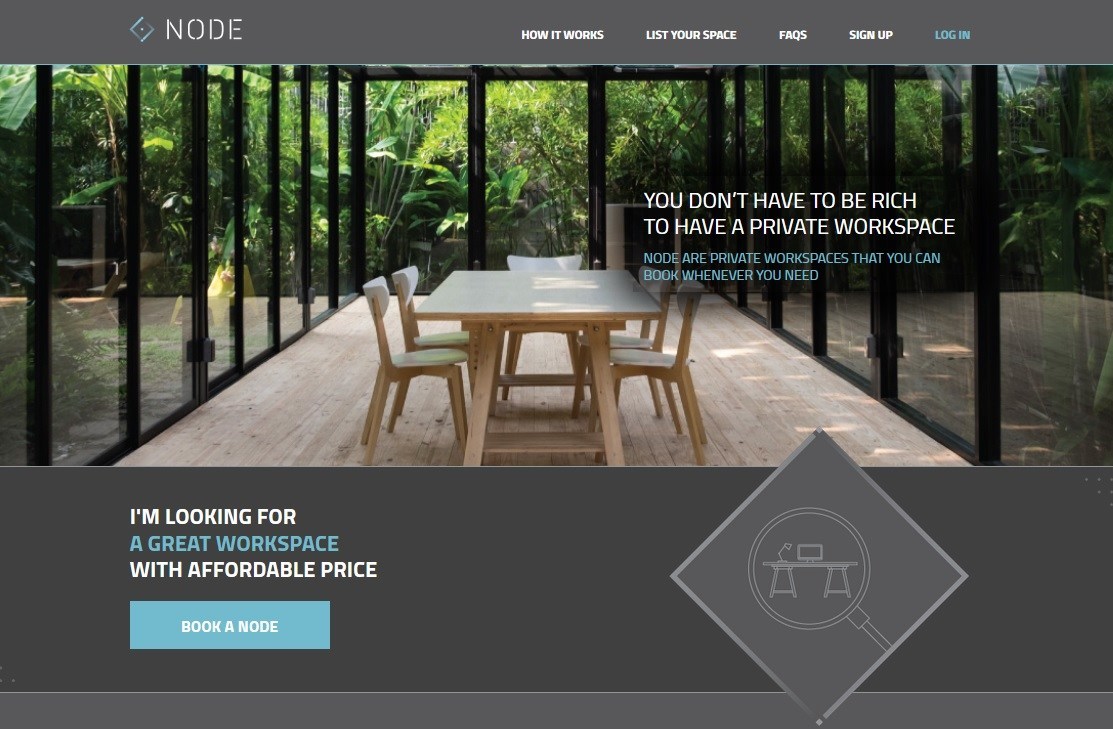
    Hubba will use the new funding to fuel two new projects, Amarit says. One of them is Hubba-to, a planned artisan co-creation community that the company plans to launch in partnership with Thai real-estate developer Sansiri. The other is Node, a prototype for an “automated office” that will “enhance efficiency and reduce unnecessary expense.”

    “It’s going to work like Airbnb for private rooms and office spaces,” Amarit says. Node offers spaces that can be rented out for specific time slots and used for offices, meeting rooms, and so on. Landlords can list their properties on the site and wait for bookings to come. Payment via credit card is handled by the site. The listings include WiFi and amenities such as pens and notepads, and are cleaned by Node staff after use.

    Node (Airbnb for working space) screenshot

    “Our killer feature is that we will have what is called Node Plus,” Amarit explains. “[Those] are spaces that have been fully equipped with IoT (internet of things) and technology that allows spaces to be fully booked on-demand and managed remotely with no need for staff (locks, lights, AC, WiFi, and security).”

    The automation will help keep operating costs and booking fees down, Amarit says. Node takes a 20 to 30 percent commission from property owners.

    Taking the Airbnb approach to professional spaces is an interesting twist on the model used by Wework, the US-based co-working space decacorn, which sub-leases existing office space to entrepreneurs and freelancers.

    “I think everyone in the co-working world is amazed and in awe of Wework and its lofty projections,” Amarit says. “However, I think the markets we work in are definitely different from Wework, so we can’t just clone it. We need to find our own Southeast Asian model and Hubba-to and Node may be the way forward.”

    Hubba expects the funding to give it enough time to pursue “multiple growth trajectories.”

    “We will look to raise again in 2016 as we build traction and momentum for both projects,” he says.

  • Maggi clears lab tests, to begin manufacturing noodles soon

    Maggi clears lab tests, to begin manufacturing noodles soon

    Nestle India, maker of the country’s highly popular Maggi, on Friday announced all samples of recently-banned instant noodles have cleared the tests conducted by three laboratories as mandated by the Bombay High Court.

    The move will now allow Maggi to be back on the shelves after it was banned over the presence of excess lead since June this year.

    “All the 90 samples, covering six variants, tested by these laboratories are clear with lead much below the permissible limits,” Nestle India said in a statement. “In compliance with the orders of the Bombay High Court, we will now commence manufacture and will start selling only after the newly-manufactured products are also cleared by the designated three laboratories.”

    The company said “it is committed to reintroduce Maggi into the retail market at the earliest”. However, analysts believe it could take up to six months to put back Maggi back on the shelves across India. “One of the challenges for Nestle is to fill up the pipeline again. From the day of production, it could take three to six months to reach out to the retailers in the far flung areas across India,” said Arvind Singhal, chairman of retail consultancy Technopak.

    Various countries, including the US, the UK, Singapore, Australia and others have found Maggi noodles safe for consumption. Nestle claims to have conducted over 3,500 tests representing over 200 million packs in both national as well as international accredited laboratories with all the reports clear. “It is never easy to build the trust again… But an excellent communication plan and a crisp ad campaign could be a way out,” said Srinivas K Reddy, director, center for marketing excellence, Lee Kong Chian School of Business, Singapore Management University.

    Retailers, however, reject the skepticism. “We missed Maggi because our customers missed it a lot,” said Darshana Shah, senior V-P, marketing, HyperCity, retail chain. “Despite the availability of many other brands, no brand was able to fill in the vacuum left by Maggi.”

  • This 22-year-old is building a Go-Jek competitor exclusively for women

    This 22-year-old is building a Go-Jek competitor exclusively for women

    A few months ago, 22-year-old Brian Mulyadi wrapped up his college degree at Boston University and returned to his home country, Indonesia, with a business idea. Things have moved fast since then.

    Brian launched a company called LadyJek – it’s an idea so absurd that I thought it was a joke when I first heard about it. Of course, Brian is serious.

    LadyJek is a motorcycle ride-hailing service exclusive to women. If you’re female, you can order a motorcycle ride through the app, and the rider arriving to pick you up will also be female.

    Yes, LadyJek is very similar to its bigger brothers, Go-Jek and GrabBike – both of which have become popular in Indonesia. Hitching a ride on the back of someone else’s motorcycle is a common form of transportation here. But for a bootstrapped startup to take it up with two well-established players sounds like an impossible battle. Or is it?

    Brandishing pink logos, stylish striped jackets, and pink helmets, LadyJek thinks it can fill a gap the two other services aren’t addressing, which is to make motorcycle rides a viable option for women.

    LadyJek-motocycle-taxi-app-for-women-uniform

    Motorcycle riding is men’s work

    “I feel that there is [something women] haven’t found in current solutions,” Brian says. “They don’t have the feeling of security and comfort they expect.”

    It goes for both riders and passengers. Female motorcycle riders may feel intrigued to participate in the opportunity to earn extra income by taking on passengers, but haven’t felt comfortable joining GrabBike or Go-Jek. Generally, motorcycle riding is considered men’s work. Female riders for these services have been spotted, but they are in a clear minority. Some have, probably unwillingly, turned into social media sensations – just google Gojek driver cewek (woman Gojek driver) to get an idea. Not every woman would feel comfortable with that.

    On the passenger’s side, female passengers may want to hire a motorcycle ride because it’s fast and convenient, but haven’t considered it much so far, because hopping onto the back of another man’s bike is deemed inappropriate and dangerous.

    LadyJek is thus not necessarily competing with Go-Jek and GrabBike, but trying to expand the market to include a group of potential riders and passengers who would have otherwise stayed away from it.

    This, Brian says, is also a reason why he thinks it’s not too big a deal that LadyJek can’t keep up with the highly subsidised fares GrabBike and Go-Jek currently offer, as both compete fiercely for market leadership in the archipelago.

    “We can not compete in price, but we can offer better customer service, and a secure environment for female riders and passengers,” Brian says.

    Three registration offices in two weeks

    It looks like he has a point. Ever since LadyJek’s launch two weeks ago, the fledgling company claims to have already signed up 1,500 female riders. The LadyJek team, which started with Brian as a single founder and his laptop, has grown to more than 40 people in a period of just a few weeks. The majority of those people handle LadyJek’s registration process for new riders, across three offices, one in West Jakarta and one each in adjacent satellite towns Bekasi and Tanggerang.

    The number of rides booked is something Brian is keeping to himself for now. “We’re still observing,” he says. He does reveal  that the app counts 15,000 active users, which means users having downloaded the app and created an account, including those that tried to order.
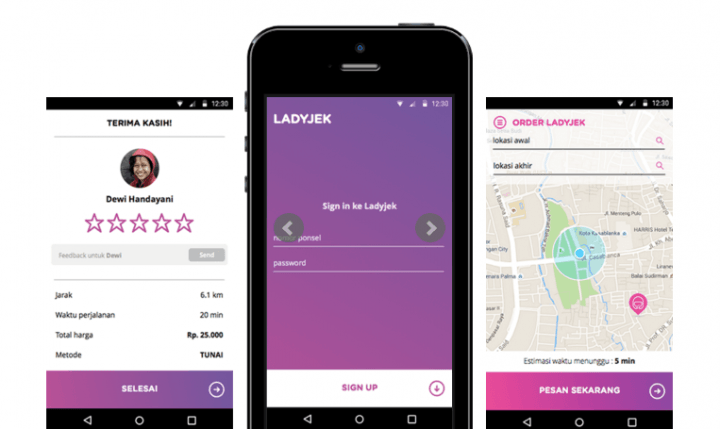
    LadyJek-motocycle-taxi-for-women-app-screenshot

    So, while we can’t yet judge how interesting the offer is from the passenger’s point of view, there’s an obvious demand from female riders. 1,500 riders in two weeks is remarkable, considering it took Go-Jek several months to get to 2,500 riders. That’s the figure the company floated in June, about half-a-year after it launched its app.

    The women’s interest may have been sparked by media reports about the decent money Go-Jek and GrabBike riders can earn. According to Go-Jek co-founder Michelangelo Moran, a rider’s income averages IDR 4 million [US$290] a month, but can be much higher. That women are excluded from this opportunity irked Brian. “LadyJek offers an equal opportunity for women to earn that extra income,” he says. “I didn’t know the response would be this big.”

    A network of women on wheels

    Go-Jek has recently expanded beyond personal transportation, and is now offering a range of services like logistics, shopping, and even ordering a masseuse or manicurist to the house.

    LadyJek too is thinking of quick expansion across different service sectors. “We’re not going to launch another food delivery or courier service,” Brian assures. “We’ll focus on our strength – we’ll know exactly what women want, and turn those into services,” he explains. However, he’s not yet ready to reveal what they might be.

    Curiously, LadyJek is not the only alternative two-wheel ride-hailing app to launch in recent weeks. There’s Blu-Jek, which seems to want to compete head-on with Go-Jek and GrabBike as a general motorcycle ride service, andOjesy, a service that claims to be Sharia-compliant and targets muslim women. With competitors seeking to carve out their niche, has Nadiem Makarim, the co-founder and CEO of Go-Jek, tried to get in touch with the LadyJek team? “No, not as far as I know,” says Brian, chuckling.

  • Airlines welcome visa free facility, offering discount

    Airlines welcome visa free facility, offering discount

    Airlines began to race offering discount in welcoming the government policy which offers visa free facility for short term visitors to Indonesia from 75 countries.

    The facility is expected to draw more visitors to the country amid the global economic malaise.

    Indonesian airlines saw the policy as benefiting air transport business that they are ready to offer significant discount for ticket price.

    Commercial Director of AirAsia Indonesia Andy Ardian Febryanto said the budget airline offered a 30 percent discount for international flights.

    Discounts are given for direct flights such as from Surabaya- Kuala Lumpur, Surabaya-Johor Bahru, Surabaya-Penang and Surabaya-Bangkok, or “Fly-Thru” flights or with transit in Kuala Lumpur or Bali, such as Surabaya-Taipei, Surabaya-Beijing, Surabaya-Seoul, Surabaya-Tokyo and Surabaya-Sydney, Andy said here on Thursday.

    “Surabaya always has a special position as the main destination and market. Although we are aware amid the worrying condition of the economy interest in traveling has dropped sharply by 70 percent , but we are optimistic that the visa free policy would recover the interest in traveling abroad,” he said.

    He said there are 22 travel agents offering discount for international flights effective as from November 1 until April 2016.

    Therefore, foreign travelers including tourists , business visitors and others could take advantage of the visa free travel to Indonesia, he added.

    Currently the airline could only offer discount for international routes as there is regulation restricting freedom to offer discount for domestic flights, he said.

    Under the new policy, visa free facility is offered for short term visitors to Indonesia from South Africa, Algeria, the United States, Angola, Argentina, Austria, Azerbaijan, Bahrain, the Netherlands, Belarus, Belgium, Bulgaria, Czech Republic, Denmark, Dominica, Estonia, Fiji, Finland, Ghana, Hungary, India, Britain, Ireland, Island, Italy, Japan, Germany , Canada, Kazakhstan, Kyrgyzstan Croatia, South Korea, Kuwait,Latvia, Lebanon, Liechtenstein, Lithuania, Luxembourg, the Maldives, Malta, Mexico, Egypt, Monaco, Norway, Oman, Panama, Papua New Guinea, France, Poland, Portugal, Qatar, China, Romania, Russia, San Marino, Saudi Arabia, New Zealand, Seychelles, Cyprus, Slovakia, Slovenia, Spain , Suriname, Sweden, Switzerland, Taiwan, Tanzania, Timor Leste, Tunisia, Turkey, United Arab Emirates, Vatican, Venezuela, Jordan, and Greece.

  • Indonesia tightens prepaid SIM card registration rules

    Indonesia tightens prepaid SIM card registration rules

    The Ministry of Communications and Information Technology has tightened the country’s prepaid SIM card registration process to combat high churn rates and abuse, including SMS spam.

    The registration requirement for prepaid SIM cards was first rolled out a decade ago, but has proven to be ineffective. Regulation No 23/2005, which allows registration via the 4444 SNS shortcode, has long been abused, industry pundits say.

    Minister of Communication and Information Technology Rudiantara said the new registration system for prepaid SIM (Subscriber Identity Module) cards will be more “accurate and careful,” especially with regards to the identity of both users as well as retailers.

    Under the new regulation, which will come into effect on Dec 15, registration will not be done by users but by authorised retailers or outlets, and will only work with valid identification.

    “The registration system for new prepaid SIM cards will be done in a one-stop manner at the reseller where users get their numbers,” Rudiantara told Digital News Asia (DNA) Oct 19.

    He said the new registration system will be applied nationwide, including remote areas, but added that the time needed to complete the process will be dependent on the number of customers.

    Once the new regulation goes live on Dec 15, manual registration via the 4444 shortcode will be discontinued, Rudiantara said.

    The chairman of Indonesia’s Telecommunication and Cellular Association (ATSI), Alexander Rusli, hailed the new policy, adding that industry players have already put in place the infrastructure to support its implementation.

    This preparation includes the ‘Retail Outlet Identity’ (ROID) system for prepaid SIM card resellers.

    But Alexander acknowledged that getting the systems ready was merely one aspect. “Technology support would not be as difficult as educating the outlets, which are huge in number.

    “Training people can’t be done in one or two days,” he told DNA in Jakarta.

    According to Alexander, under the new policy, all outlets will have to use the ROID system to identify their owners. In the case of any abuse – such as the reselling of user data, or fraud – it would be easy for the Government to track down the outlet responsible.

    Any retail or outlet which does not use the ROID system will be automatically blocked from conducting further business. It might also face further action, but such punitive measures are still being discussed, he added.

    Telco industry response

    Telecommunication service operators PT XL Axiata Tbk, PT Indosat Tbk and PT Hutchison 3 (Tri) told DNA they are prepared for the new regulation.

    XL Axiata president director and chief executive officer Dian Siswarini said her company has already prepared its IT system and educated its retail outlets on how to handle the new requirement.

    Education was the most challenging aspect, she added.

    “Actually, education for retail outlets for the first phase is done, but it must be continuous because not all retail outlet are big businesses or well educated,” she said.

    This education also included the measures resellers might face if there are violations. In fact, discussions on violations were conducted earlier this year, according to Dian.

    XL prepared its IT infrastructure to handle the new regulation in May last year, and has introduced a new standard operation procedure (SOP) for its retail outlets.

    Meanwhile ATSI’s Alexander, also Indosat president director and chief executive officer, said around 160,000 retail outlets have been educated on the ROID registration system.

    For its part, Hutchison Tri already had an online registration system in place, according to its chief sales and marketing officer Dolly Susanto.

    “We developed a next-generation system we have been using since June 2012, for the online registration of all retail outlet identities,” she said.

    Dolly said Hutchison Tri has around 200,000 resellers on its integrated online identity system. With a total of 54.8 million customers, she said her company was ready to support the new regulation.

  • Sister brands make plans to enter Philippines

    Sister brands make plans to enter Philippines

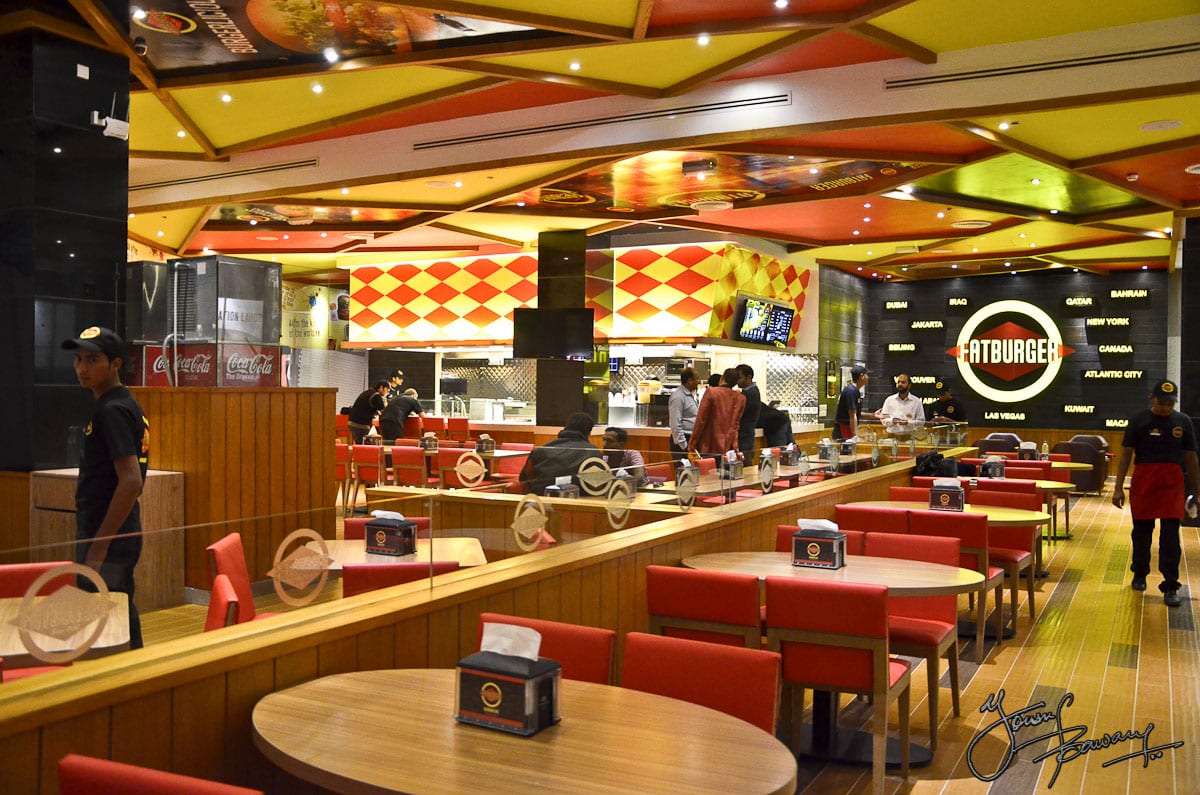
    Fatburger and its sister brand, Buffalo’s Café, have signed a master development agreement with Trimark Holdings Inc., a retail operator throughout the Philippines with a portfolio of more than 40 brands and 300 stores.

    What originally was a deal to develop pure Fatburger restaurants has now changed with plans to develop 16 co-branded Fatburger and Buffalo’s units to the area in addition to freestanding Buffalo’s locations, according to a company press release. The two companies struck a deal earlier last year to bring the burger brand to the Philippines.

    “The economy in the Philippines has seen significant growth in the past few years and shows a great amount of potential for both of our restaurants,” said Andy Wiederhorn, CEO of Fatburger and Buffalo’s Cafe. “Due to Trimark Holdings being so familiar with brand expansion in the country, we will be able to better connect with our audience resulting in our menu being well received.”

  • Flyspaces wants to be Southeast Asia’s Airbnb for office and retail spaces

    Flyspaces wants to be Southeast Asia’s Airbnb for office and retail spaces

    Flyspaces bills itself as “Airbnb for office and retail spaces.” The idea is to build a network of offices, meeting rooms, and commercial spaces that businesses and entrepreneurs can lease for short periods or whenever they need them.

    This concept isn’t new, of course. In the US, several startups like Liquidspace and Storefront are dealing with work and retail spaces. There’s also Breather, which lets users stay in quiet rooms where they can work in peace or just breath and chill out, as the name implies.

    But Flyspaces claims to be the first to bring this concept to Southeast Asia. “The idea is already a working model internationally. I just localized it to Southeast Asian markets. I decided to do it ‘cause I myself went through the pain of finding office spaces in Manila, Singapore, Kuala Lumpur, etc, and I’ve noticed the total lack of flexibility,” says founder and CEO Mario Berta.

    Mario, who comes from a sales background, served as regional CEO for Rocket Internet-backed Easy Taxi for 2.5 years and Nova Founders director for six months. He has been based in Asia for six years now, four of them in the Philippines.

    Cherry-picking tenants

    Flyspaces’ entry is timely as the region’s fast growth has heated up the real estate market.

    Citing a report by property consultancy firm Jones Lang Lasalle, Mario says some cities such as Manila and Jakarta have the lowest office vacancy rates in the world – below four percent.

    The huge demand for office spaces has made the market very “pro-landlord.”

    “Landlords can cherry-pick among possible tenants,” he says. “When I was working for Rocket Internet, I had to submit a company profile to every landlord in Manila and I kept being rejected just because the word ‘startup’ was in it. As landlords were afraid of defaulting tenants, they wanted a safe bet. I started labeling it an IT company and finally got a space.”

    As a precaution, commercial landlords would normally ask tenants to shell out six months’ worth of rent as deposit and pay another six months in advance. That lack of flexibility is a challenge for small enterprises and individual entrepreneurs who can’t afford to engage in costly long-term contracts.

    “We want to offer a complete and comprehensive selection of spaces to clients who need them on an hourly, daily, or monthly basis. These clients could be freelancers looking for a better internet connection than a coffee shop, or a company that needs meeting rooms for a couple of hours around town, or a satellite office or brand that is looking to set up a pop-up shop to test a product,” Mario explains.

    For realtors, Flyspaces also offers an attractive proposition: make money out of unutilized space that you need to maintain anyway.

    Expanding footprint

    Since its launch early this month, the company has signed up multinational office space company Regus on its site, as well as several startups providing co-working space in the Philippines, including Aspace, Acceler8, Bitspace, and Penbrothers.

    Apart from the Philippines’ capital Manila, Flyspaces is doing business in Cebu, the country’s second largest city. It will start expanding internationally to all Southeast Asian cities in December, says Mario.

    “We’ve had more than 500 sign-ups in the first seven days,” he said. “Most of these people do not have immediate need for space, but we’ve made a couple of hundreds of dollars in bookings so far.”

    Meeting rooms on the site can be rented for US$10 per hour to US$500 per hour, while offices are leased for US$100 per month per person to US$500 per month per person. Payments can be made via credit card, bank deposit, wire transfer, and soon Paypal. Just like Airbnb, Flyspaces takes a commission of 20 percent of each successful booking.

    Signing up should be a no-brainer for landlords who want to maximize their assets. The challenge for Flyspaces is how to educate the end-users about its service and have them use the platform instead of a normal phone call to landlords to inquire about rooms, says Mario.