Author: Mei Ling Tan

  • Women now running the stores at Lotte Mart

    Women now running the stores at Lotte Mart

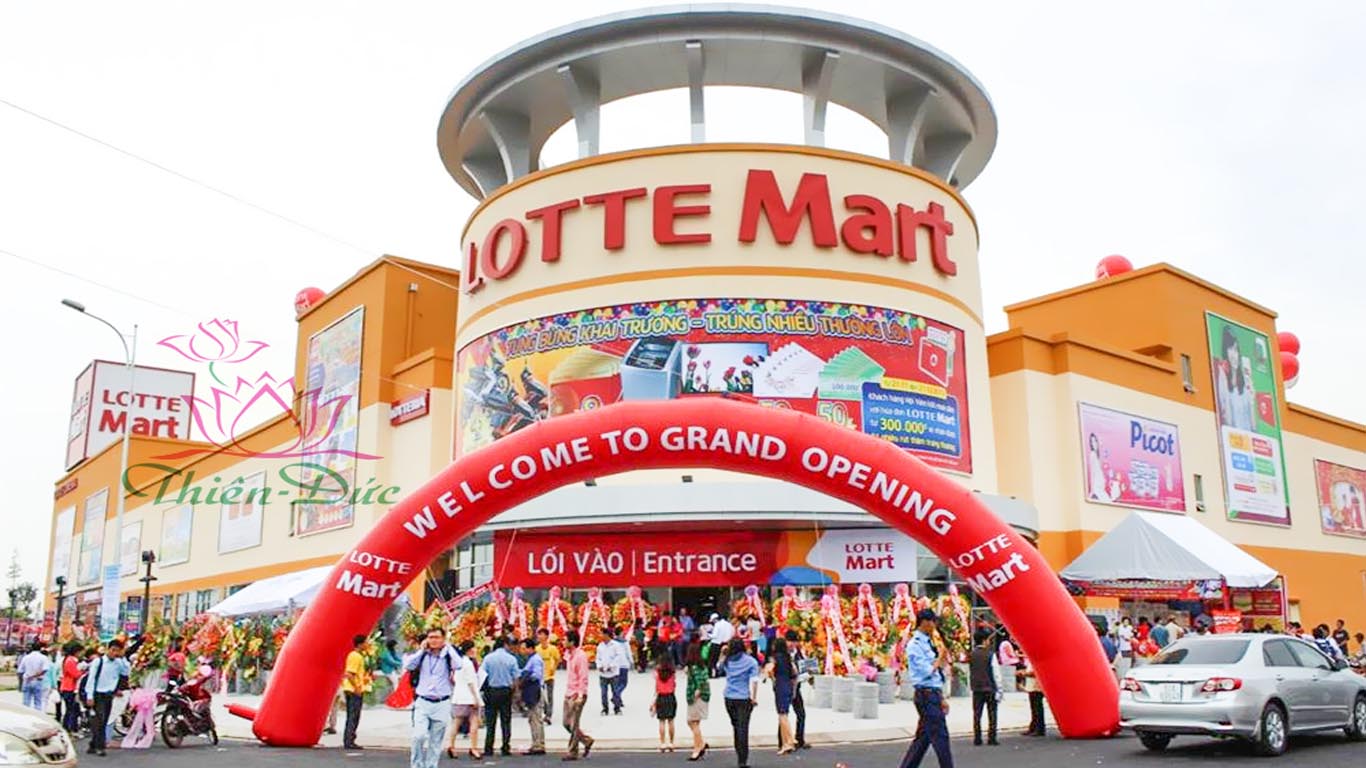
    Lotte Group believes that women know what women want. As a result, it’s moving more women into executive positions.In fact, its retail arm, Lotte Mart, has the largest number – six – which is 30 percent of the 19 women executives in the group: Julia Han, head of the home furnishing division; Kate Song, head of the babies and kids division; Kim Yoon-kyung, head of the marketing division; Seo Hyun-sun of the space merchandising innovation division; Jeong Seon-mee, head of the human resources development division; and Kim Hee-kyoung, head the Gyeonggi Nambu sales division.There’s more “women power” at Lotte Mart than at any other company in the industry, the company said Sunday.

    Decision makers from the beginning of the whole retail process to the end – product selection, marketing, consumer management and on-site sales – are women.

    The idea is that of 53-year-old Lotte Mart CEO Kim Jong-in, who was looking for a unique way to grow sales and profits. While most hypermarkets compete by opening more stores or slashing prices, Kim felt he could bring the level of competition to a new level and ultimately outperform E-Mart and Homeplus.

    “It’s true that we weren’t concerned enough about the major customers of our stores, which are women in their 30s and 40s,” Kim said. “By having women in charge at our company, we will transform from a place people go to for cheaper food products to a place where all sorts of things related to a more enjoyable life await shoppers.”

    The women executives hold a brainstorming session twice a month, dubbed Women’s Pick Cafe, a speedy discussion that deal with more than 10 topics at a time. Conclusions reached at the meeting are implemented in all stores.

    Here are the kind of ideas they come up with:

    Han (Home furnishing) – “When we publish product information on flyers, we should focus on showing actual ‘scenes’ rather than the product itself, so that customers can associate the advertisement with their own homes. Let’s show them a dinner table with food than showing them the food itself.”

    Kim (Marketing) – “When we visited neighbors 10 years ago, we used to bring canned tuna or ham products, but now we bring aromatic candles, wine or flowers. We have to bring that change in custom into our mart as well.”

    Seo (Merchandising innovation) – “What people want these days is not a luxury lifestyle but rather, a cool one. That means the supermarket has to carry a more diversified set of products.”

    Song (Babies and kids) – “For busy working moms, we opened an online version of Toys ‘R’ Us, and in the future, there will be more multibrand shops for men, because these days, men are very lonely.”

    Kim (Sales) – “When I was a store manager, I created separate rest areas for men, and they were really popular. Let’s listen to what employees are having difficulty with and figure out solutions.”

    Jeong (Human resources) – “A leader that works with the passion of a mother can change corporate culture. If more suggestions are conveyed from the bottom up, customer service can only get better.”

    The change to a more women-centered management at Lotte Mart is only three months old, but the impact is already visible. The biggest change is how products are arranged in the store. The layout is transforming as specialized brands are clustered together. Room by Home (home interior shop), Yorihada (home meal solution), Toys ‘R’ Us and Pet Garden (pet shop) are examples of such clusters.

    Even in the fresh food areas, which are pretty much the same at all hypermarkets, Lotte Mart is using lighting to differentiate product displays.

    The flow of people is also being improved in stores. Displays are raised to a height of 30 to 60 centimeters (1 to 2 feet) so customers don’t have to bend over.

    Following suggestions that too much information disturbs customers’ shopping, various advertisements that once filled the walls have been cleared out.

    The Yangdeok branch of Lotte Mart in South Gyeongsang, which opened last December and implemented all the listed changes described above, actually saw 40 percent more revenue in home furnishing and 47 percent in fashion accessories through February compared to the Guro branch in Seoul, which is of a similar size.

    Stores in Gunsan, Pangyo and Yeongjong Island have all jumped in sales by 10 to 20 percent year on year after remodeling.

    Lotte Mart plans to renew an additional 30 branches this year. It is also planning to train more than 100 female store managers and actively solicit female customers’ suggestions.

     

  • DFS partners with Jeju Tourism Organisation

    DFS partners with Jeju Tourism Organisation

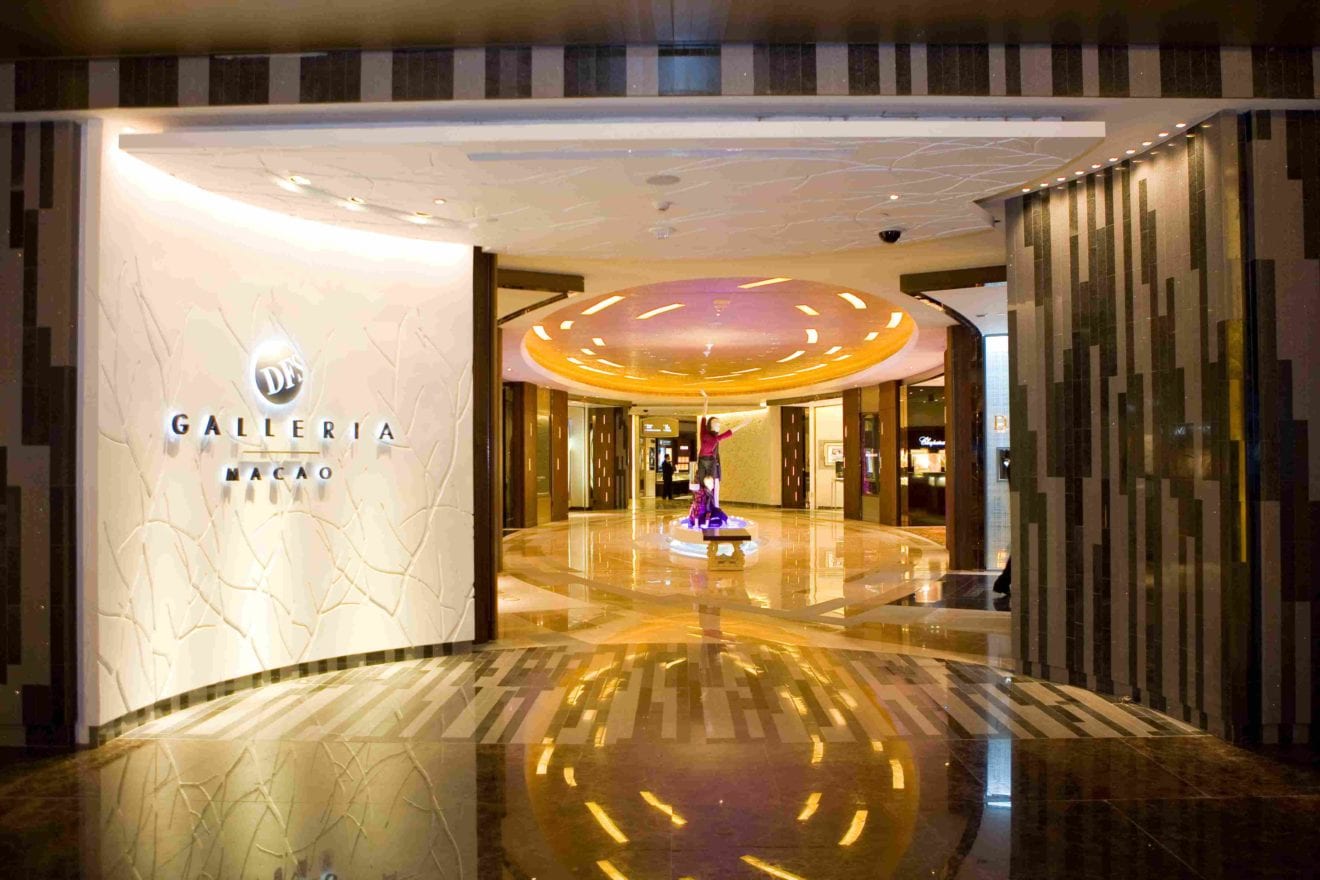
    Top DFS and JTODFS Group has signed a new supply partnership with the Jeju Tourism Organization (JTO) ‘to raise awareness and attract international tourism to Jeju Island, South Korea, as well as to provide an elevated retail experience for international tourists’.
    This new partnership has been forged after many months of discussions between the two parties, with DFS agreeing to use its global network and marketing reach to encourage tourism to Jeju. In return, it has also reached agreement to supply international luxury merchandise to JTO’s new duty free store, which is due to open in Jungmun in Southern Jeju later this year.

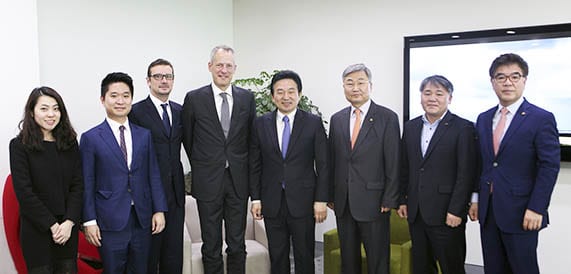
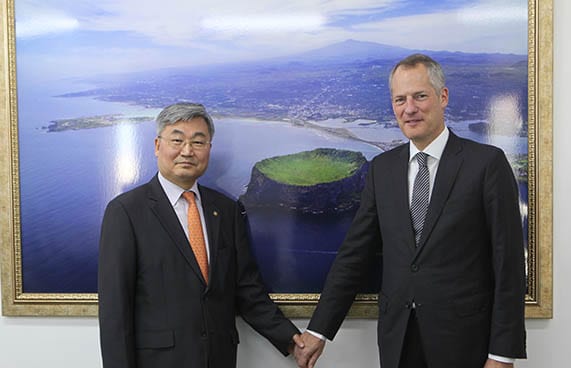
    Kab-Yeol Choi, President of JTO with Philippe Schaus, DFS

    Kab-Yeol Choi, President of JTO and Philippe Schaus, DFS CEO.

    [DFS says The Jeju Duty Free will open in its second phase by May 2016, with all brands and product offerings in place by the fourth quarter-Ed].

    According to DFS: “The store, called The Jeju Duty Free, will be located in one of the largest 5-star beachfront and gaming resorts in Jungmun and will carry global brands, as well as local offerings. There is scope for the partnership to extend to other channels in future.”

    It adds that its ‘long history’ of working with partners in Okinawa, Bali and Hainan ’is well-suited for this shared vision’.

    Kab-Yeol Choi and Philippe Schaus sign the agreement

    Kab-Yeol Choi and Philippe Schaus sign the agreement.

    Adding his comments, Hee-ryong Won, the Governor of Jeju said: “As a provincial government entity of Jeju Special Self-Governing Province, we must elevate Jeju’s value as a tourism destination by bringing high-quality duty free shopping services. We look forward to positively contributing to the development of Korea’s duty free industry.”

    Kab-Yeol Choi, President of JTO added: “We highly respect DFS’ dedication to JTO’s vision in developing Jeju as a preferred destination for tourism. The strategic partnership between JTO and DFS will allow Jungmun to offer the best duty free shopping experience and be of great assistance in attracting more international tourists to Jeju.”

    1 DFS and Jeju


    Last, but not least, Philippe Schaus, Chairman and CEO of DFS said the retailer greatly admires JTO’s creativity and foresight in developing Jungmun and the surrounding area as an international tourist destination.

    He added that the company is pleased to be able to contribute to these efforts by providing travellers with a tailored selection of high quality, luxury products.

    As announced by Korean Customs earlier this year Jeju outlets and all other specialist shops (including diplomatic) generated $481.1m in 2015.

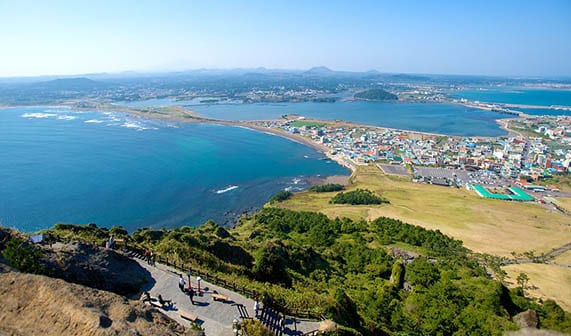
    Seongsan-Ilchulbong-Peak

    Seongsan Ilchulbong, or Sunrise Peak on Jeju Island – sometimes referred to as ‘the Hawaii of South Korea’.

    GOOD POTENTIAL FOR CHINESE VISITORS

    As DFS notes, Jeju Island is a self-governed province and Korea’s largest island, located south-west of the Korean Peninsula. A leading tourism destination in North Asia, it has been referred to as ‘the Hawaii of South Korea’, renowned for its dramatic natural beauty and boasting three UNESCO World Heritage Sites, as well as offering a wide range of leisure and cultural pursuits.

    Jungmun, in the south of the island, attracts visitors with its beaches, golf courses, high-end resorts and casinos, and an international convention centre.

    Jeju Island is forecast to attract four million visitors in 2016 and has recorded an average 44% growth in foreign travellers per year since 2010.

    DFS says that to further support the growth of international tourism, the Jeju Provincial Government, through the efforts of JTO, has begun a programme of strategic development in Jungmun to further attract ‘discerning overseas travellers’ seeking a combination of adventure and excitement but who also value luxury and convenience.

    DFS added: “In addition to several new large-scale integrated resorts and casinos, a cruise port is planned for completion in 2017 with an estimated handling capacity of one million passengers annually, enabling large cruise liners to dock near Jungmun and alleviating the limited capacity at the current port in Jeju City.”

  • Korean downtown duty free licence system under review

    Korean downtown duty free licence system under review


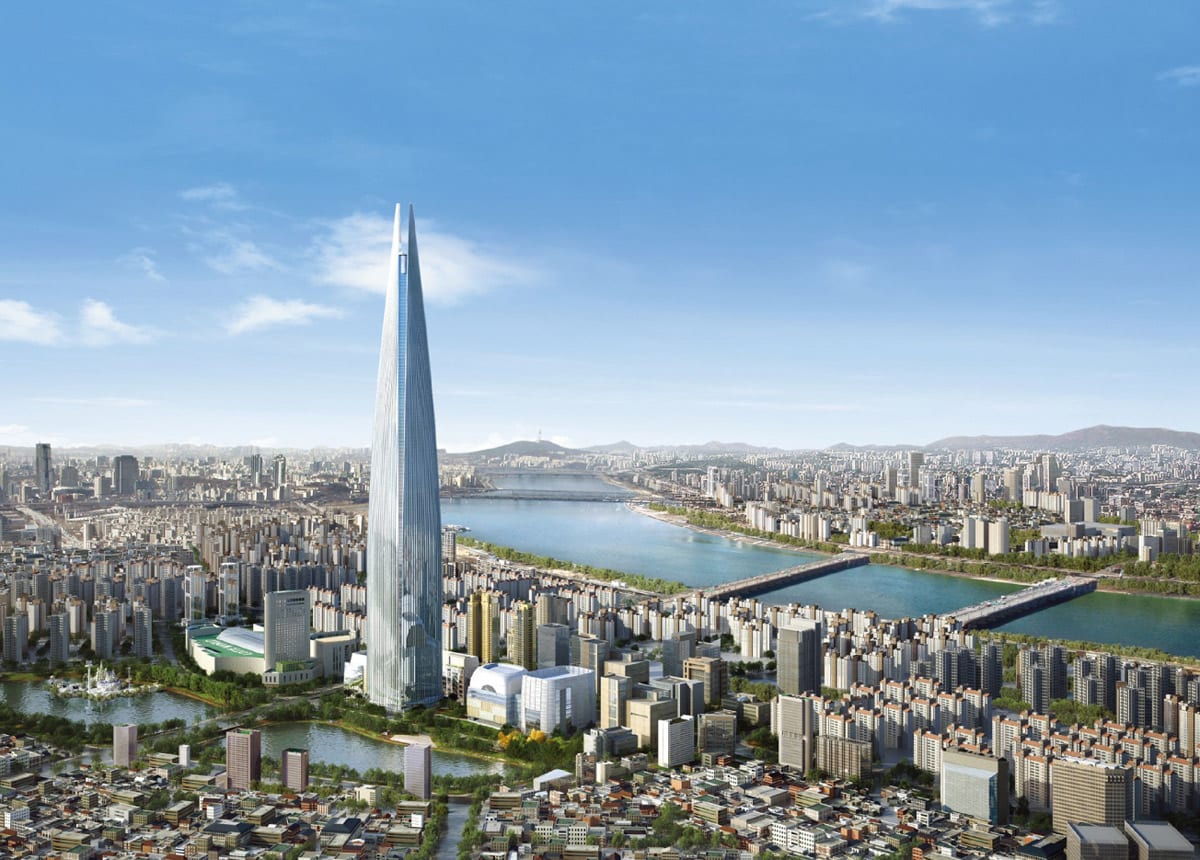
    In news that rocked the Korean travel-retail and duty-free world last November, Lotte Duty Free and Walkerhill Duty Free lost major downtown licenses to Shinsegae Duty Free and Doosan Group respectively, following a ground-breaking decision by the Korea Customs Service (KCS). But could they be granted a reprieve following a public hearing this week which discussed ways of easing regulations?

    The KCS’ decision to float key licenses—Lotte flagship and Lotte Tower stores, Walkerhill Duty Free’s downtown Seoul shop and Shinsegae’s Duty Free Busan operation—was in line with new regulations introduced in 2013. This meant contracts would expire after five years instead of the previous 10 and competition for licences would be encouraged at national level.

    The new regulations and KCS’ decision to rob Lotte of its invaluable World Tower Licence and SK Networks (Walkerhill Duty Free) of its flagship downtown duty-free operation it had operated for more than 25 years — DFNIonline understands both stores continue to trade until their futures are resolved once and for all— prompted strong criticism in Korea. It was widely believed such developments would hinder long-term investment and perhaps undermine global competitiveness of the country’s duty-free industry.

    During Wednesday’s hearing, The Korea Herald revealed officials proposed the issue of more licenses for duty-free shops in Seoul and return of 10-year expiration terms – previous terms were for five years. According to the publication, under the new proposals, the government could grant more duty-free licensees if the portion of foreigners and money spent at local duty-free shops exceeded 50% over the previous year. It could also do so if foreign visitors increased more than 300,000 in each municipality.

    While the Korean government believes the proposed new measures would make the local duty-free market more attractive compared to competition elsewhere and promote the tourist industry, the new operators do not share the same view. They believe they would only succeed in instigating “excessive rivalry” in a currently saturated market and re-invigorate Lotte and Shilla, which would not do them any favours. DFNIonline understands and appreciates both perspectives but the reality is that changes must be made for the sake of the industry.

    Quoting data released by the Seoul City government, indicating visitor numbers in the capital dropped 10.6 million last year from 11.4 million the year before, the Korean Herald report said: “The number of foreigners entering Korea via Incheon International airport and Gimpo airport also tumbled 5.9% and 11% respectively.

    ”The Korea Herald suggests the likes of Doosan Group, the heavy industry conglomerate, which confirmed to DFNIonline it is due to open its first store at the Doosan Tower in Dongdaemun in May and Shinsegae Duty Free, which already opened its new downtown store in March, believe the government has been “misled” by exaggerated tourism numbers.

    It also quoted an industry insider who commented: “New duty-free operators are set to invest K1.07trn ($896m) and hire 14,200 workers. But if we are going to have more operators even before setting the businesses, this would kill the entire duty-free market.”

    Lotte and Walkerhill Duty Free, however, refuted these claims, indicating the winners had previously urged the government to introduce more operators in the market, only to change their position once securing the licenses.

    Speaking to DFNIonline in December 2015 Lotte Duty Free marketing division managing director Bo Joon Kim said: “The reason why the duty-free market in Korea can be the world’s best is the constant investment and tremendous effort to attract foreign tourists to Korea.

    “However, if the operator changes every five years, the instability of the investment will not only hinder long-term investment, but create increased competition, which will eventually curtail service.”

    Kim also said a repeated change of operators would harm the global competitiveness of tourism in Korea and the duty-free market – Lotte Duty Free directly attracted 1.55 million foreign tourists to Korea in 2014 equating to 10.9% of the total number, he said.

    If local media reports are to be believed, the Finance Ministry will finalise the plan on duty-free operations this month. Do Lotte and Walkerhill really believe they will be granted new duty-free licences and is there a realistic chance these proposals will be implemented? Time will tell, but one thing is certain. Something has to be done.


  • Changi makes it four as World’s Best Airport

    Changi makes it four as World’s Best Airport

    For the fourth year running Singapore Changi Airport has been voted the World’s Best Airport by air travellers at the Skytrax 2016 World Airport Awards, held at the Passenger Terminal EXPO in Cologne, Germany.

    The Skytrax awards are the most comprehensive on the planet, based on 13.25m ‘customer nominations’ across 106 nationalities of air travellers using 550 airports worldwide. The survey evaluates customer satisfaction across 39 key performance indicators for airport service and product – from check-in, arrivals, transfers, shopping, security and immigration, to departure at the gate.

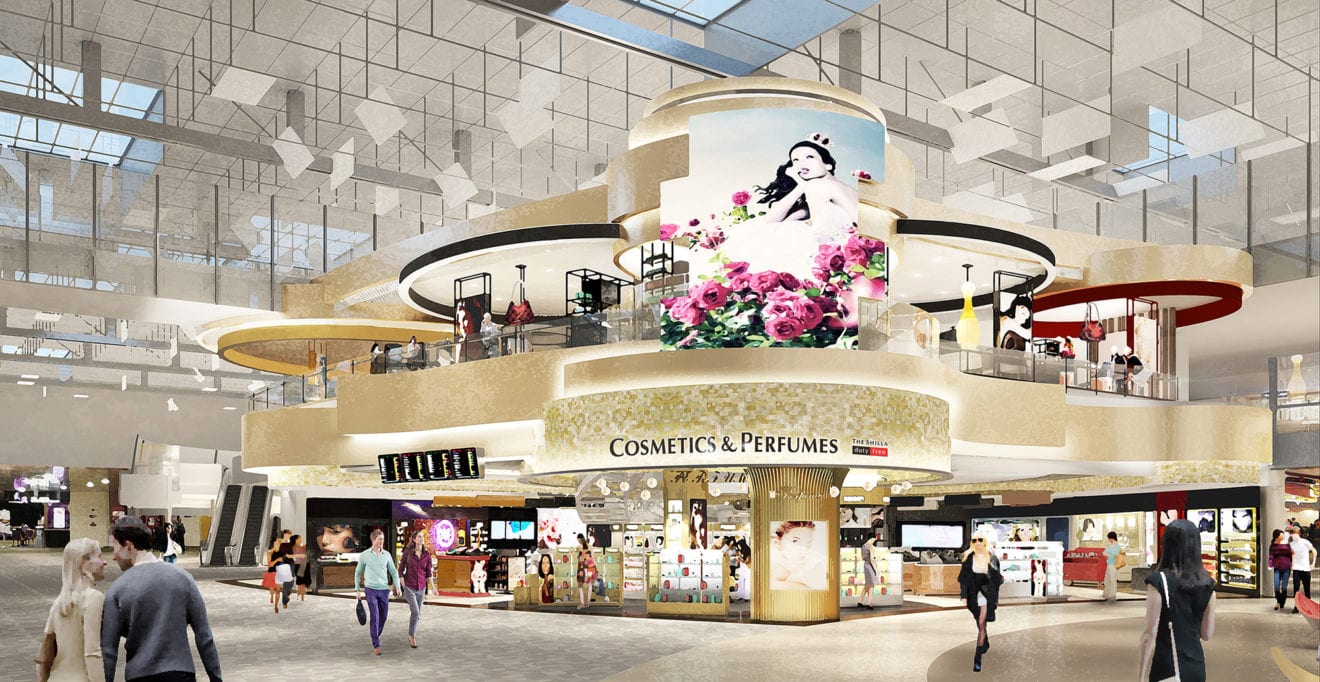
    Changi Airport was also voted Best Airport in Asia, as well as the Best Airport for Leisure Amenities, with the latter award recognising the airport’s music bar lounges, cinemas, music deck, swimming pool, napping and rest areas – plus its in-terminal Transit Hotel.

    In order, the Skytrax best airport ranking 2016 placed Singapore Changi first, ahead of second placed Incheon, Munich Airport (3); Tokyo Haneda (4); Hong Kong (5); Chūbu Centrair Nagoya (6); Zürich Airport (7); Heathrow (8); Kansai (9); and Hamad International Doha (10).

    Mr Lee Seow Hiang (left), CEO of Changi Airport Group, receiving the World’s Best Airport award from Mr Edward Plaisted (right), CEO of Skytrax. This is the seventh time that Changi Airport has picked up this top title at the World Airport Awards.

    Commenting on the award to Changi, Edward Plaisted, CEO of Skytrax said: “To be voted by customers as the world’s Best Airport four years in succession is a most remarkable achievement for Changi Airport Singapore, and is clear testament to the airport’s popularity amongst air travellers.

    “Changi Airport continues to innovate in both product and service options for its customers and focus on making the customer experience at the airport as enjoyable and relaxing as possible.

    “To be named by global travellers as the world’s favourite airport for the 6th time in ten years is great reward not only to Changi Airport management, but for staff across every section of the airport who contribute in every little way to Changi Airport operations.”

    Adding his comments, Mr Lee Seow Hiang, Changi Airport Group CEO said: “To be named the World’s Best Airport by Skytrax for the fourth year running is a significant achievement for Changi Airport and a clear affirmation that we continue to hit the right notes in our pursuit of service excellence.”

  • The 11th Edition of Eco Expo Asia set for October in Hong Kong

    The 11th Edition of Eco Expo Asia set for October in Hong Kong

    Celebrating its 11th edition this year, Eco Expo Asia, the preeminent trading platform for green businesses in Asia, will gather industry experts and leading-edge products and solutions at AsiaWorld-Expo in Hong Kong from 26 to 29 October 2016. The annual show is organised by the Hong Kong Trade Development Council (HKTDC) and Messe Frankfurt (HK) Ltd, and co-organised with the Environment Bureau of the Hong Kong Special Administrative Region (HKSAR) Government.

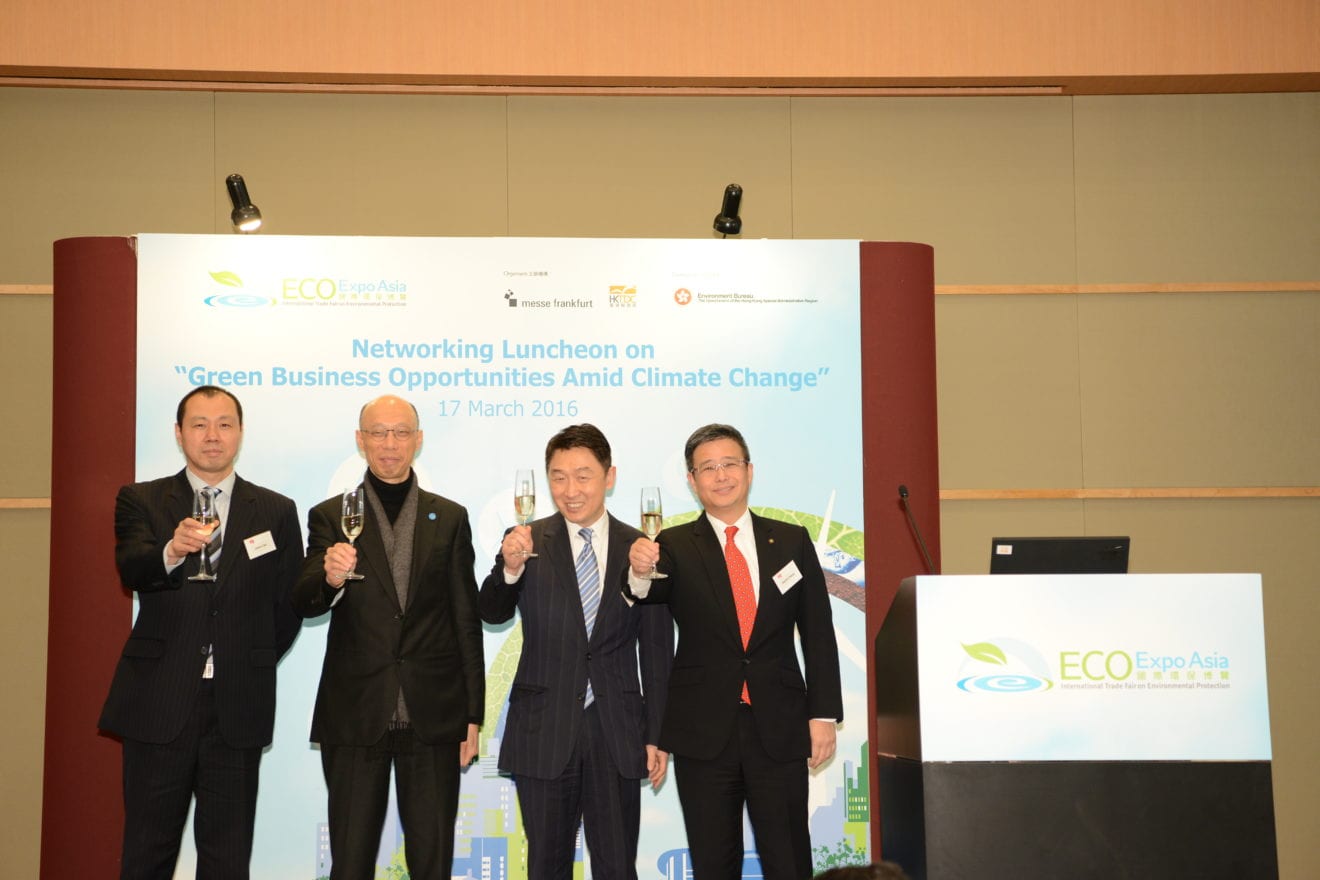
    A networking luncheon for the show was held on 17 March at the Hong Kong Convention and Exhibition Centre, which welcomed representatives from the international government and business sectors. These guests shared insights into the emerging green market in different countries.

    Four key focuses for Hong Kong environmental protection policies

    Wong Kam-sing, Secretary for the Environment of the HKSAR Government, delivered the keynote luncheon speech. Mr Wong praised Eco Expo Asia as an exceptional platform for promoting environment protection in Hong Kong as well as for representatives from different countries to exchange their views and set common objectives.

    Mr Wong highlighted the achievements Hong Kong had made in environmental protection in recent years. For example, in July 2015, the government introduced a new regulation which requires all ocean-going vessels to switch to low-sulphur marine fuel for berthing in the port of Hong Kong. Hong Kong is the first Asian city to implement such a measure, and it has improved the air quality around the Kwai Tsing Container Terminals and surrounding berths significantly.

    He added that the government will also set up an inter-departmental committee on climate change to formulate more progressive policies towards meeting emission reduction targets.

    Mr Wong elaborated: “Hong Kong has identified four key focuses for its environmental protection policies, including cleaner air supply, building energy efficiency, green transportation and waste-to-energy conversion. Related measures will be taken to address the major pollution issues of Hong Kong and to transform the city into a low-carbon, low-waste and energy-efficient one.”

    Green solutions to seize market opportunities

    Benjamin Chau, Deputy Executive Director of the HKTDC, noted that the theme of this year’s Eco Expo Asia, “Green Solutions for a Changing Climate”, echoed the mission of the government’s environmental protection policies.

    He not only pinpointed that business viability and environmental awareness are equally significant in promoting green technology in Asia, but also stressed the importance of having the local community’s support. He said: “The community’s involvement is an essential part of promoting sustainable development and environmental protection measures. As with previous years, we will extend the invitation to participate from trade professionals (on the first three days of the fair) to the general public on the last day, free of charge.”

    Ir Prof Daniel M Cheng, Chairman of the Federation of Hong Kong Industries and President of the Hong Kong Environmental Industry Association, pointed out that, since the inaugural Eco Expo Asia, which featured 128 exhibitors and drew close to 5,000 buyers, the fair has grown considerably and attracted 320 exhibitors and more than 12,000 buyers in 2015.

    Prof Cheng further explained that many major environmental protection projects have been launched in Hong Kong over the past 10 years, including the establishment of sludge treatment facilities, the EcoPark WEEE Recycling Centre and integrated waste management facilities. Apart from these large-scale projects, the Environmental Industries Council also encouraged small- and medium-sized enterprises to bring innovative ideas into the environmental protection space, and to capitalise on market opportunities. He said: “Climate change is not necessarily a challenge that is impossible to handle. We need to understand its impact and be flexible in our strategies in order to seize various market opportunities.”

    World-class expo promoting international cooperation

    Wilfred Mohr, Consul General of the Consulate General of the Kingdom of the Netherlands, also complimented Eco Expo Asia for being an excellent platform for green businesses. For the past two years, the Netherlands Consulate General has organised a national booth at the expo. It not only facilitated exchange between companies from the Netherlands and Hong Kong, but it also promoted cooperation with the Chinese mainland. From this came the establishment of sewage treatment plants by the Government of the Netherlands, in Guangdong Province. In view of this, the Netherlands Consulate General has arranged for several more Dutch enterprises from different sectors of the green industry to exhibit at the 2016 Eco Expo Asia.

    Also speaking at the luncheon, Jason Cao, Senior General Manager of Messe Frankfurt (HK) Ltd, thanked all the guests for their support for Eco Expo Asia. He encouraged the cooperation of more organisations from around the world that are interested in promoting geen development in Hong Kong and throughout Asia to capture valuable opportunities available in the Asian markets.

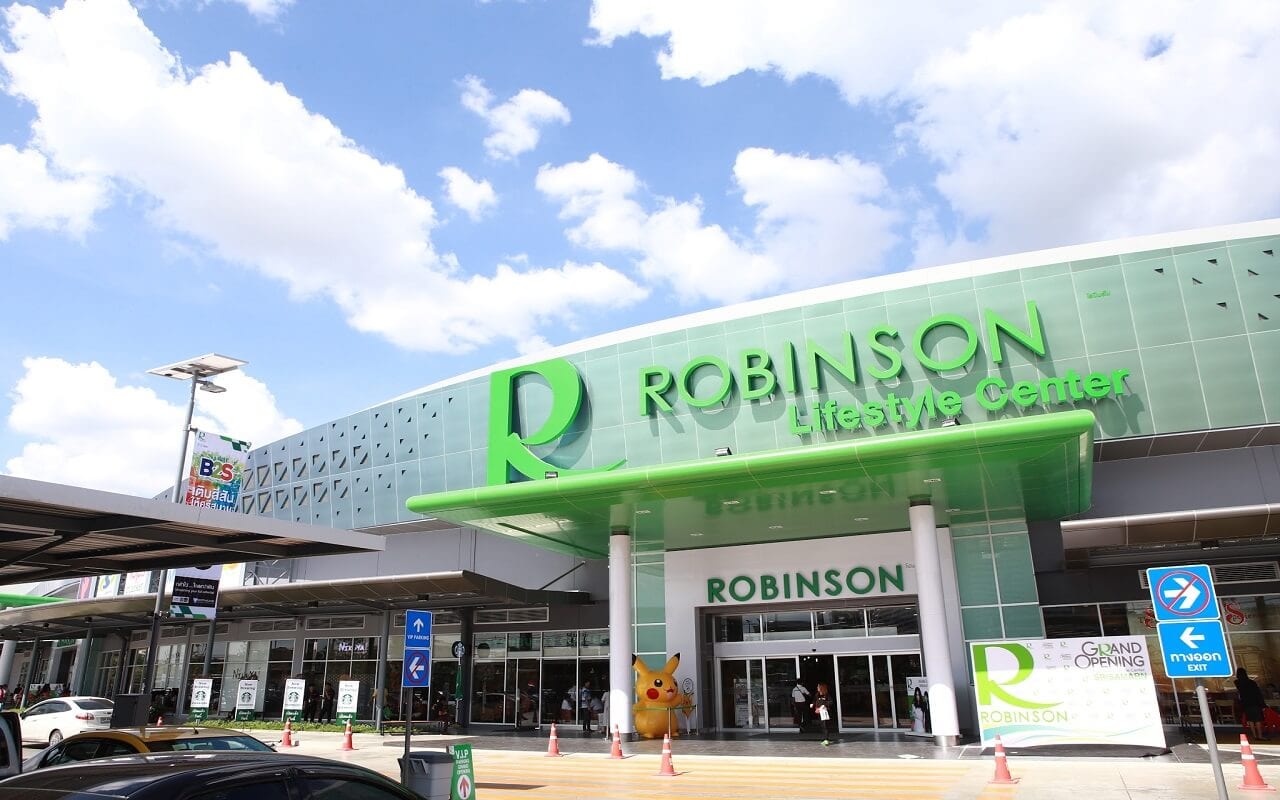
  • Thailand’s Robinson makes online push

    Thailand’s Robinson makes online push

    Major department store operator Robinson said it was turning its focus to online sales and enhancing in-store services — offering anything from ear-piercing to eye tests — rather than opening new stores this year as the economy remained sluggish.

    President Alan George Thomson said that sales from its online platform will contribute 5-7% of overall sales by 2020, from the current 1%. In that time, its online business will become Robinson’s largest segment in terms of sales, exceeding its flagship Rama 9 store in Bangkok.

    Adding to the conventional online shopping service, special kiosks will be set up in stores where customers can make orders online. Items will be delivered to the shop as soon as the next day. Customers in rural areas can thus buy items that would otherwise only be found in the cities.

    “We are transforming Robinson from a department store to a retail company,” Thomson told reporters on Wednesday. By 2017, the company will have spent 2.5 billion baht to renovate 20 of its major department stores.

    Robinson will introduce services such as ear-piercing, eye tests, smartphone-charging stations, coffee stands and even fitness centers. “We want to make retail more than just shopping,” Thomson said.

    But sluggish domestic consumption has meant that the company will open just two stores this year, down from the four or five in the past few years.

    “The economy is definitely much slower now,” Thomson said. Sales in 2015 increased a mere 5% on the year to 2.15 billion baht, underperforming its initial target of a 15% growth. “Getting sales in Thailand is not easy,” Thomson said. “We will slow down our expansion but get better profits from existing shops.”

    To improve efficiency, it will introduce centralized cashiers in its stores.

    Robinson is a part of retail giant Central Group. While Central’s flagship Central department stores target the mid- to high-income customer, Robinson’s focus is on the mass market and a younger customer base. Many of the Robinson department stores are in the Central Plaza shopping malls operated by the group’s development arm Central Pattana.

  • Rare reef fish brought in illegally

    Rare reef fish brought in illegally

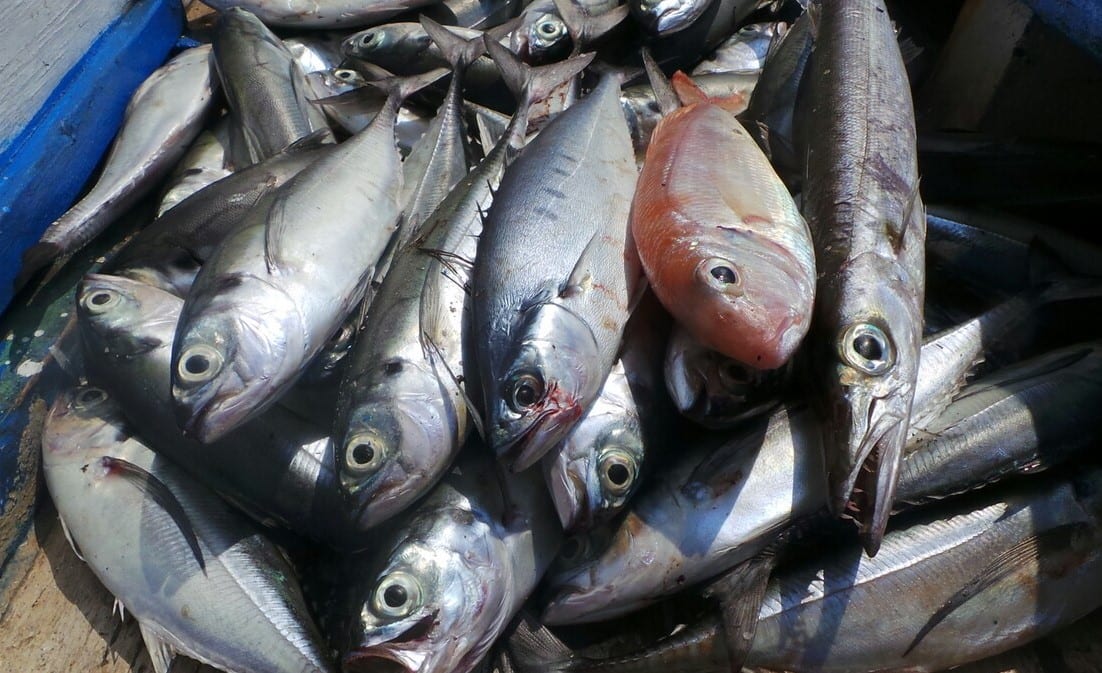
    More than 1,000 endangered but highly valued reef fish sold in Hong Kong last year were imported illegally, a university study shows.

    It was released yesterday and funded by the University of Hong Kong and the Convention on International Trade in Endangered Species.

    More than 1,000 humphead wrasse, also known as Napoleon fish, were on sale in Hong Kong live fish shops from January to December 2015, said the study.

    Since no official imports occurred in 2015 and the species is typically sold within a few weeks of import, the survey suggests that many of these fish illegally entered the SAR, said professor Yvonne Sadovy of HKU’s School of Biological Sciences.

    Humphead wrasse is one of the biggest reef fish in the world. It is reported to grow as long as two meters and can live longer than 30 years.

    The retail price of live humphead wrasse in the local seafood markets was HK$1,550 to HK$1,600 per kilogram.

    “Failure to act to ensure legal and sustainable trade in this globally threatened species will ultimately result in higher prices for humpheads and fewer fish available to consumers and to the poor fishermen. Nobody wins,” Sadovy said.

    She called for urgent action by the government to ensure that imports and sales of humpheads are legal.

    FLORA CHUNG

  • Here is What Institutional Investors Think About China Jo-jo Drugstores Inc

    Here is What Institutional Investors Think About China Jo-jo Drugstores Inc

    China Jo-jo Drugstores Inc institutional sentiment decreased to 1 in 2015 Q3. Its down -1.50, from 2.5 in 2015Q2. The ratio is negative, as 5 investment professionals opened new or increased holdings, while 2 trimmed and sold equity positions in China Jo-jo Drugstores Inc. The investment professionals in our partner’s database now have: 783,924 shares, up from 321,572 shares in 2015Q2. Also, the number of investment professionals holding China Jo-jo Drugstores Inc in their top 10 holdings was flat from 0 to 0 for the same number.

    China Jo-Jo Drugstores, Inc. is a retailer and distributor of pharmaceutical and other healthcare products found in a retail pharmacy in the People’s Republic of China. The company has a market cap of $29.26 million. The Company’s operating divisions include retail drugstores, online pharmacy, wholesale business selling products similar to those the Company carries in its pharmacies, and farming and selling herbs used for traditional Chinese medicine . It has 33.31 P/E ratio. The Firm has 59 store locations under the store brand Jiuzhou Grand Pharmacy in Hangzhou.

    It is up 28.82% since August 11, 2015 and is downtrending. It has underperformed by 26.09% the S&P500.

    Analysts await China Jo-Jo Drugstores Inc to reports earnings on July, 4.

    According to Zacks Investment Research, “China Jo-Jo Drugstores, Inc., through its contractually controlled affiliates, operates a retail pharmacy chain in China offering both western and traditional Chinese medicine. Its contractually controlled affiliates include Hangzhou Jiuzhou Grand Pharmacy Chain Co., Ltd., Hangzhou Jiuzhou Clinic of Integrated Traditional and Western Medicine General Partnership, and Hangzhou Jiuzhou Medical & Public Health Service Co., Ltd. The chain has stores throughout Hangzhou, the provincial capital of Zhejiang Province.”

    Sabby Management Llc holds 0.05% of its portfolio in China Jo-Jo Drugstores Inc for 614,149 shares. California Public Employees Retirement System owns 29,300 shares or 0% of their US portfolio. Moreover, Morgan Stanley has 0% invested in the company for 34,787 shares. The New York-based Renaissance Technologies Llc has invested 0% in the stock. Sabal Trust Co, a Florida-based fund reported 12,400 shares.

  • HK’s Li & Fung 2015 profit down, but beats forecast

    HK’s Li & Fung 2015 profit down, but beats forecast

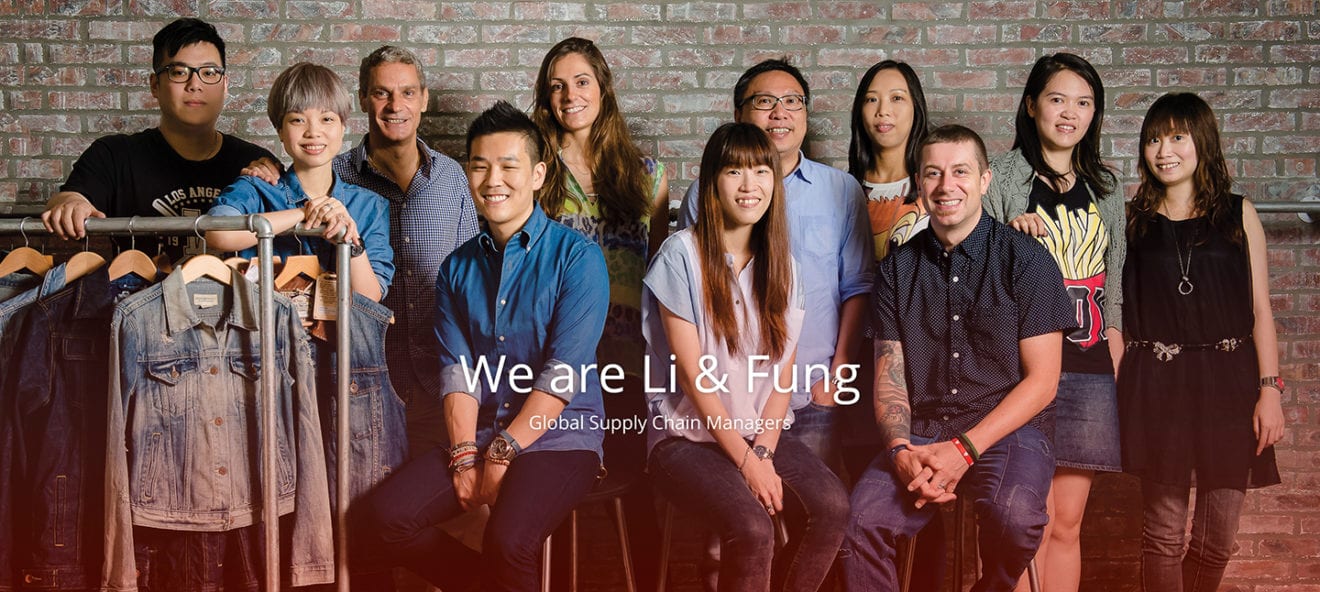
    Global exporter Li & Fung Ltd’s full-year profit fell 4.6 percent but beat analysts’ estimates, as growth in its logistics and vendor support services business helped overcome headwinds from global retail disruption and macro environment.

    The Hong Kong-based company, which grew to prominence by making clothing and toys in Asia for Western retailers, said on Thursday its net profit for the year ended Dec. 31 fell to $421 million from $441 million a year earlier.

    That compared with an average forecast of $413.2 million by 10 analysts polled by Reuters. Li & Fung, which supplies to companies like Kohl’s Corp and Wal-Mart Stores Inc, said core operating
    profit fell 15.2 percent to $512 million.

    Revenue fell to $18.8 billion from $19.3 billion a year ago, which was the biggest company by revenue for 2014 in Asia pacific in “Textiles & Apparel” industry.

    Textile companies in China are expected to post a 12-month forward revenue growth of 23 percent, the highest expected increase in the Asia-Pacific region in the “Textile & Apparel”
    sector, according to Thomson Reuters StarMine SmartEstimates, which emphasizes on recent forecasts by top-rated analysts.

    Li & Fung has refocused on its core asset-light supply-chain business following the sale of its loss-making brand-licensing and distribution business in 2014, helping it boost free cash flow and better control operating costs.

    The company, with a market value of about $5.3 billion, posted a 34 percent rise in January-June profit last year at $149 million.

    Analysts were concerned about inventory build-up at retailer level as inventories grew faster than sales growth in recent quarters. They worried that Li & Fung’s turnover would be affected as U.S. retailers focus on resolving high inventory levels.

  • Hengdeli Achieves Sustainable Growth for 2015

    Hengdeli Achieves Sustainable Growth for 2015

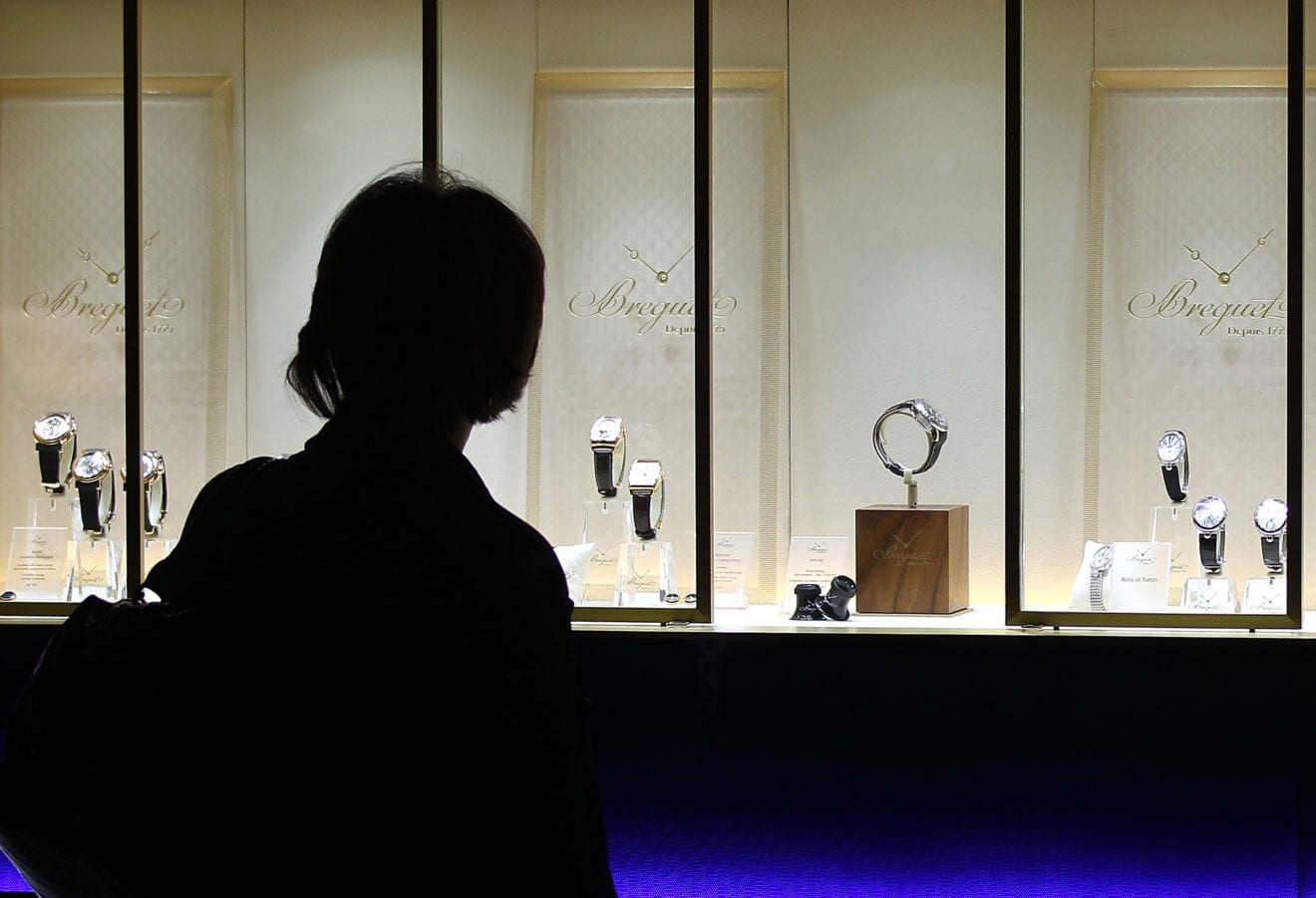
    Hengdeli Holdings Limited, a world-leading retailer of internationally renowned brand watches, announced its annual results for the year ended 31 December 2015 (the “year under review”).

    In 2015, the overall operating environment was very challenging and negatively impacted on the business development of the Group, resulting in weak sales of internationally renowned brand watches. Despite this, the Group’s industrial sector achieved relatively good results due to a series of reforms and innovations. During the year under review, the Group recorded revenues of RMB13,302,724,000, representing a year-on-year decrease of 9.9%. Retail sales amounted to RMB9,373,354,000, a year-on-year decrease of 11.6%. Revenue from industrial sector and others amounted to RMB539,991,000, a year-on-year increase of 25.9%. The Group recorded net profit of RMB190,164,000, a year-on-year decrease of 67.4%. Profit attributable to equity shareholders amounted to RMB144,868,000, a year-on-year decrease of 71.3%. This decrease in profits was mainly due to one-off revenue from the disposal of properties, which was included in the profit for the year of 2014, as well as a drop in sales and gross profit and impairment of goodwill and available-for-sale securities.

    Mr. Zhang Yuping, Chairman and the Executive Director of Hengdeli, said, “In 2015, the overall business environment remained unstable. The increasingly diversified shopping locations and consumption patterns of Mainland Chinese consumers aggravated the harsh environment for product sales as a whole in the Greater China region, especially in Hong Kong. Businesses are faced with a loss of customers and a rise in labor costs. Despite these highly challenging business circumstances, the Group held fast to its operating principle of “healthy and sustainability” to ensure business stability and to better safeguard the interest of shareholders.”

    During the year under review, the Group continued to be guided by the principle of “healthy and sustainability” along with “aiming for optimizing inventory and guaranteeing profits.” The Group also insisted on keeping in place a policy of mutual complementary and interactive operations across the Greater China region, including Mainland and Hong Kong, with mid-end brands serving as the mainstay in its brand mix in order to meet the affordability demands of the general public, and second, third and fourth tier cities as the main sales regions. The Group also continued to adjust the layout of retail network, constantly improving store quality and optimizing the inventory mix. The Group carefully steered business forward through strengthened scientific management and prudent operations. Despite the Group’s various efforts, it was unable to stem the decline in sales as affected by adverse macro condition and subdued consumer demand. Retail sales from Mainland China decreased 7.4% as compared with that of the previous year. Under dismal overall conditions, sales of Elegant Hong Kong decreased 26.8% year-on-year along in line with the overall market trends. As at 31st December 2015, after adjustments and optimization, the Group operated a total of 482 retail outlets across Mainland China, Hong Kong, Macau and Taiwan.

    The industrial sector which is engaged in the manufacture of watch accessories made substantial progress during the year under review. Based on a previously launched marketing strategy and after more than one year of re-alignment and integration, the industrial sector has established a new business model comprising upstream and downstream operations of the watch industrial chain, spanning watchcase manufacturing, packaging products and commercial space design, to production and decoration as well as self-development of brands. A number of companies in the sector have earned goodwill in their respective markets, while a wide customer base covering China, Switzerland, the U.S. and other nations in the Asia-Pacific region was established. Co-operation with brand suppliers has been increasing and a close collaborative relationship with mutual trust and interest sharing was formed. Benefiting from quality management and bold innovations, overall performance of the industrial sector improved remarkably with sales increasing by approximately 35% year-on-year, reflecting a healthy uptrend and promising growth potential. The industrial sector is seen as becoming a strong driving force for the Group’s overall development and turning into an important business arm of the Group in the foreseeable future.

    Following highly focused preparations and various enhancements , “censh.com” (www.censh.com), a new consumption model that merges the “Internet + Hengdeli”, was officially launched online during the year under review. “censh.com” is a media-based e-commerce cross-platform within the Group that operates its major flagship – “censh.com” (www.censh.com), drawing together a number of popular mobile internet software platforms, including WeChat, Weibo and other mobile communication applications. It provides a one-stop solution for six major functions, namely: e-commerce, ERP, product data management, customer resources management, call center and messaging. It offers a comprehensive online to offline service experience to watch lovers. The Group believes that with the successful online operation of “censh.com”, the online and offline resources will become highly synergistic, and will contribute significantly to the overall development of the Group.

    The Group’s customer service network and maintenance business, renowned as a top-notch, retail group leader for internationally renowned watch brands, has been fully integrated and comprehensively covers the Greater China region. During the year under review, the Group added the CK brand into its comprehensive customer services arrangements with brand suppliers, including: Tissot, Mido, and Certina from the SWATCH Group, as well as others. The Group also entered into exclusive watch maintenance agent agreements with: Movado, Milus, Blita, LOCMAN, Million Horn and others. To date, the Group has become the maintenance agent for 74 international brands such as those from the SWATCH Group and LVMH Group and also serves as the exclusive maintenance agent for 45 of those brands.

    In the brand distribution business, the Group has always maintained a sound co-operative relationship with numerous brand suppliers and brand retailers, and has received active general support from them. The Group has about 400 wholesale customers in over one hundred cities across China, distributing and exclusively distributing world-famous watch brands. For the coming year, the Group will continue to maintain and deepen its relationships with suppliers and retailers, while exploring new measures under the “new normal” economic climate to achieve harmonious growth and win-win situation.

    In the coming year, the Group will hold on to a stable and healthy growth policy, while at the same time harboring a pragmatic view and fostering an innovative spirit in the search for a new development model to benefit the Group. We will also continue to make structural adjustments while ensuring healthy growth and seeking business sustainability. The Group will maintain a healthy and stable level of sale and inventory on the one hand while investing more resources in our industrial sector to help bolster faster development. The overall aim is to open up a road of continuous development for the Group amid today’s “new normal” economic climate and generate higher value for shareholders and the community at large.

    Mr. Zhang concluded, “In 2016, as the road to full global economic recovery is still long and winding, China’s economy will also be faced with significant downward pressures. For this reason, the Group believes that under the new normal economic climate, the growth in sales for watches in the Greater China region will continue to lose steam. However, the long-term economic trend in China remains fundamentally favorable, which will offer unprecedented opportunities and challenges. By leveraging our core competitiveness, the Group will identify and take advantage of any and all new opportunities to achieve business breakthroughs and expand business despite the current headwinds and challenges. Ultimately we remain cautiously optimistic about the future prospects of the Group.”


  • China Takes Over Australia’s Domination of Bali’s Tourist Arrivals

    China Takes Over Australia’s Domination of Bali’s Tourist Arrivals

    Chinas tourists have taken over the domination of Australian tourists who so far top the list of foreign tourist arrivals in the Indonesian tourist resort Island of Bali.

    “I have predicted that the number of Chinese tourists visiting Bali will increase after the government provides them with a visa-free facility and the opening of smooth direct flights to China,” Tourism observer Dewa Nyoman said here on Sunday.

    This condition has been observed since in the past several months. Moreover, the economic conditions in Australia are not conducive of late, he said.

    In the meantime, he said, the Chinese economy is relatively encouraging now.

    Indonesian flag carrier Garuda has also expended its flight routes linking Denpasar with Shanghai after it has previously opened a flight route that connected Denpasar with Beijing and Guangzhu in 2015.

    It seems that Garuda Indonesia is focusing on its flight expansion in China as the countrys foreign tourists which conduct overseas trips are large reaching some 100 million.

    He said that based on the records of Balis Tourism Service, the number of Chinese tourists arriving in Bali increased by 30 percent in the first months of 2016, topping the foreign tourist arrivals list.

    In the January-February period, a total of 189,594 Chinese tourists arrived in Bali, up from 145,747 in the same period in 2015.

    In January – February 2015, the number of Chinese visitors in Indonesia was still recorded in the second position.

    The Australian tourists holidaying on the island of Bali in the January – February period this year declined by 0.96 percent to 154,892 people. In the same period in 2015, the number of Australian visitors were recorded at 156,395.

    Japanese tourists occupied the third place with 39,371 visitors recorded last January and February, down 2.89 percent from 40,544 in the same period last year.

    Duwa Putra expressed convince that this year the number of Chinese tourists will continue to increase, replacing the domination the Australian tourists. After all, the volume of flights from Australia is increasingly limited.

    Besides, Garuda also services passengers with its routes covering Beijing, Guangzhou and Shanghai via Denpasar and Jakarta.

    The numerous flights facilitate the desires of young Chinese who want to spend their honeymoon in Bali, he said.

  • Tourism ministry promotes Wonderful Indonesia in Auckland Festival

    Tourism ministry promotes Wonderful Indonesia in Auckland Festival

    The Indonesian tourism ministry joined the Auckland International Cultural Festival to promote Wonderful Indonesia on March 20, I Gde Pitana, deputy tourism minister in charge of the international tourism market development, said here, Sunday.

    New Zealand is a potential tourism market that needs to be exploited optimally, according to him.

    The ministry will be more serious in exploiting market in New Zealand whose people have a high prosperity level, he stated.

    In the international festival, Indonesia would present cultural and art performances, he said.

    The Indonesian delegation to the festival is headed by Titik Lestari, head of a sub-department in charge of culinary and music, of the tourism ministry.

    The delegation includes members of the Sanggar Gea Asmara art group.

    “They will present traditional dances during the Auckland International Cultural Festival, such as Bajidor Kahot dance, Cendrawasih dance, Alusia dance, and Piring dance,” he said.
    (T.H016/Uu.F001)

  • Billionaire Li Ka-shing sounds alarm over Hong Kong’s economy

    Billionaire Li Ka-shing sounds alarm over Hong Kong’s economy

    Hong Kong’s economy is at its worst in 20 years, billionaire Li Ka-shing said on Thursday, warning that the city’s stock market could fall by more than half if the financial hub does not get backing from mainland China.

    Li, who held court and joked with reporters for more than an hour during an earnings news conference, is the latest person to sound the alarm after Moody’s downgraded Hong Kong’s sovereign credit rating at the weekend, citing its links to China’s economic slowdown.

    “Today’s Hong Kong is getting worse, the worst I’ve seen in 20 years,” said Li, 88, referring to the Asia financial crisis in the late 1990s. Our home sales and retail now is worse than the SARS period. During SARS (the effect) was short-lived but now it is long,” he said, in a reference to the Severe Acute Respiratory Syndrome that crippled the city in 2003.

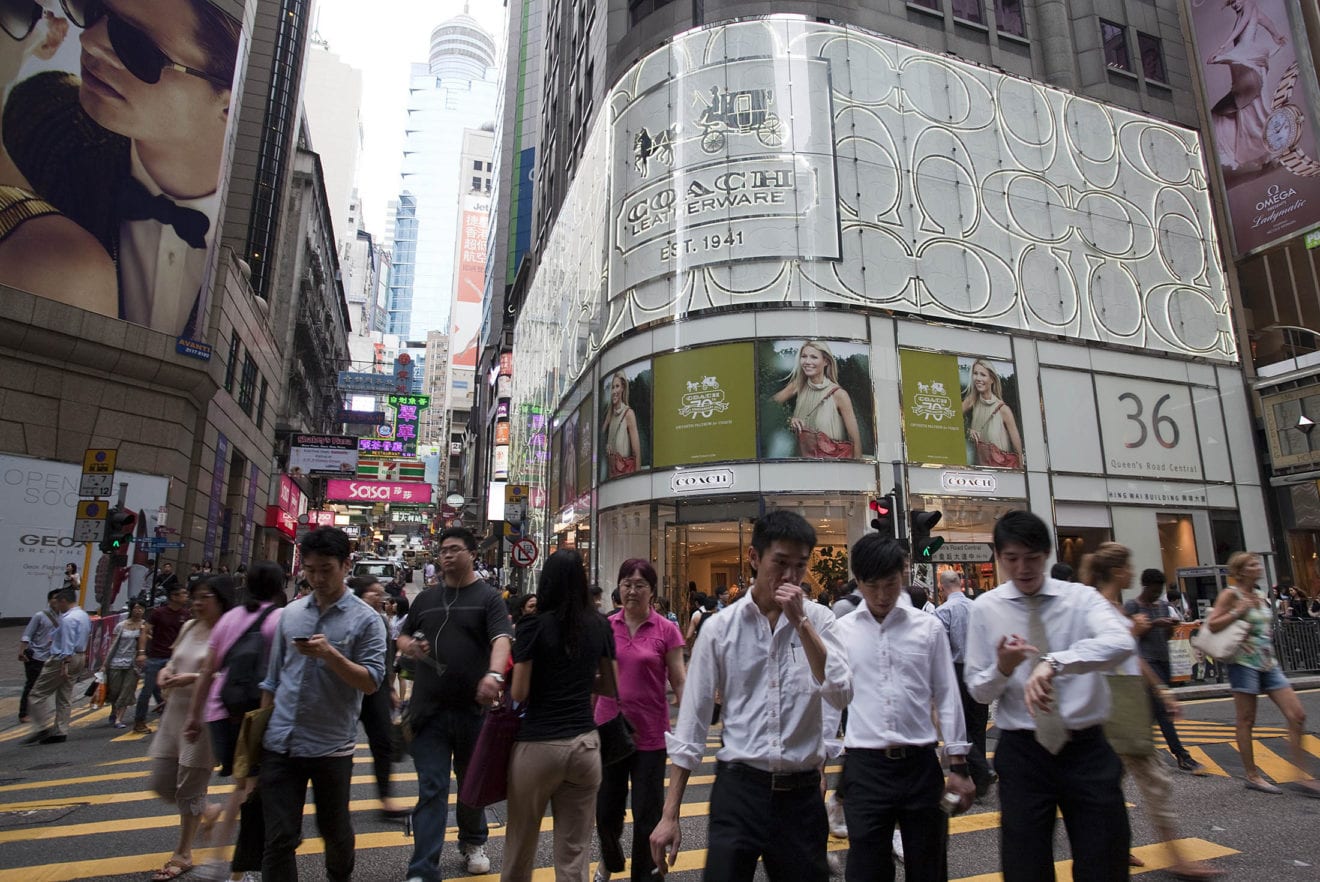
    Hong Kong retail sales, which suffered their worst decline in 13 years in 2015, have been hit by a slump in tourist from the mainland which has been blamed in part on increasing cross-border tensions and political unease on both sides.

    “If we respect tourists, no matter where they’re from, today our retail, hotels would not be this bad. So everyone has to reflect on themselves, there are a lot of issues the politicians need to reflect on how they can do better,” Li said.

    In February, Hong Kong’s Financial Secretary John Tsang said “political volatility” was threatening to undermine the economy and warned disputes would intensify ahead of this year’s elections which pit the city’s democratic opposition against pro-Beijing parties.

    A former British territory, Hong Kong is ruled under a “one country, two systems” formula that allows wide-ranging autonomy and freedoms not enjoyed in mainland China, but many in the city have voiced concern over what they see as increasing interference by Beijing in its affairs.

    Li, known as Superman for his deal-making savvy, said he does not think Hong Kong people want independence and urged residents to allow the city to be stable and prosperous.

    Earlier on Thursday, Li’s ports-to-telecoms conglomerate CK Hutchison reported a net profit of HK$31.17 billion ($4 billion) for 2015, in its first full-year earnings report after a reorganisation last year.

    Li continued to take questions from the packed conference even as company officials tried to usher him out, saying finally with a smile: “You guys are just expecting me to slip out something wrong.”


  • ASEAN tourism to launch Visit ASEAN@50 Golden Celebration in 2017

    ASEAN tourism to launch Visit ASEAN@50 Golden Celebration in 2017

    Member countries of ASEAN will celebrate the groupings 50th Anniversary in 2017 by holding a joint tourism programme under the theme “Visit ASEAN@50: Golden Celebration” with the objective of embracing ASEAN as a single and united tourism destination.

    “Visit ASEAN@50: Golden Celebration will highlight ASEANs best 50 festivals and 50 most unforgettable travel experiences, whereby visitors will enjoy a wide range of ASEAN tourism products through diverse destinations, culinary, events, and engagements with local communities,” the ASEAN Secretariat said in a statement.

    Special offers and travel promotions with affiliated partners will be rolled out for travellers to enjoy the richness of cultural, heritage, nature, and to feel the warmth of ASEAN hospitality.

    Targeting major regional and long-haul source markets, such as: China, Japan, Korea, India, Australia, UK, Germany, Russia, the UAE, USA and Canada, Visit ASEAN@50: Golden Celebration is expected to achieve 121 million international visitor arrivals to the region by the end of 2017.

    Also increase tourism receipts to USD 83 billion; and extend tourist visitations average length of stay to 6-7 days, and to more than 2 ASEAN countries.

    The official pre-launch of the Visit ASEAN@50: Golden Celebration campaign was spearheaded by ASEAN Tourism Ministers and Leaders at the ITB Berlin on 10 March 2016.

    The pre-launch was followed by two days of ASEAN cultural performances for ITB Berlin’s public audiences on 12 and 13 March at Thailand pavilion.

  • Singapore customers left hanging when Asos orders fail to arrive

    Singapore customers left hanging when Asos orders fail to arrive

    She is a loyal Asos customer who has ordered from the UK website not once, not twice, but a total of 19 times so far. But the latest experience for Ms Bernie Low, a local blogger, has been nothing short of frustrating.

    Ms Low, 22, is just one of many customers who have taken to Facebook to voice their unhappiness over missing goods ordered from the retail giant in January.

    Many of these customers had placed their orders as early as the beginning of January as they were hoping to wear their new clothes for Chinese New Year. However, Chinese New Year has come and gone but there was still no sign of their clothes.

    What has been more agonising for these customers is that they have been told time and again to wait for their deliveries by different members of the Asos social media team.

    Ms Low, who likes Asos for its free worldwide shipping, affordable prices and plus-sized offerings, had ordered five items from the store on Jan 10 this year. However, her items did not arrive on the Jan 28 delivery date that is usually stated on the email tax invoice.

    Instead, she was told that delivery would be pushed back by almost one month to Feb 24. Despite this, she told AsiaOne that she had not received any of the five items on Feb 24.

    In a blog post on Feb 18, Ms Low expressed frustration at the way the Asos team was handling its customer queries.

    “Look, there has to be something that is wrong since so many orders to Singapore have all gone missing, most likely all from the same batch and shipped together. They keep asking us to send in more details to verify the order and everyone gets told to wait even longer,” she wrote.

    “Plus many, many, many other Singaporeans have faced this problem yet no one is getting a proper response. We see the exact same responses copy pasted for every single dispute. It is very frustrating.”

    Another Asos customer, Laysie Lim, 35, told AsiaOne that she had also raised her concerns with the company after her Jan 14 order failed to arrive on Feb 3. According to Ms Lim, the retailer was holding a Chinese New Year promotion at the time and offered an 18 per cent discount on purchases.

    When she contacted Asos, the designer was told that her shipment would arrive on Feb 21 instead.

    Later, she heard from two of her colleagues that they too had not received orders made on Asos. That was when she realised that many other Singaporeans had been complaining of missing parcels on the Asos Facebook page.

    Ms Lim was then told to give her order details to Asos again, but the representative who replied told her that delivery would be further delayed till Feb 26.

    “Real sorry for this delay, I hope it doesn’t cause you too much troubles – keep an eye out for the postman Laysie,” the message from a representative identified as Danielle read.

    When asked about the cause of the delay, another representative named Holly said: “We need to allow some extra time due to postal delays in your area. We’re really sorry about this Laysie”.

    In an email response to AsiaOne, the London-based e-commerce retailer did not mention that there were any obstacles for delivery to Singapore.

    Instead, a spokesperson from Asos said that the delay was caused by incorrect address labels printed by its delivery partner.

    “One of our delivery partners recently made a change to their technology that updated the way address labels were printed. As a result many of our customers’ addresses were not printed correctly and packages were unable to be delivered,” the spokesperson said.

    According to Asos, the problem was identified and fixed on the same day.

    When asked about the feedback received so far, Asos said in an email: “We apologise to any customers who are impacted”.

    For many customers, however, an answer – not an apology – is what they are looking for.

    Both Ms Lim and Ms Low said that they would continue to order from Asos despite the disappointing experience – but only if their purchases are accounted for.

    “I’m very disappointed because I really like Asos,” Ms Low said in a phone interview with AsiaOne in February, adding that she could still forgive the store if her purchases arrive by March, or if she is given a refund. In a second interview, Ms Low said that Asos had offered to give her a refund after the clothes she ordered did not arrive on Feb 24 as promised.

    But even getting a refund might not prove to be any easier.

    Although Ms Lim told AsiaOne that she had received her refund, not all Asos customers were given a satisfactory reply to their requests.

    Facebook user Jo Koh was one of many customers who left a frustrated message on the Asos page asking for a proper response. “I have been in contact with Asos since Feb 16 for an order which (was) due to arrive on Feb 4 but never arrived,” the user wrote on Feb 24.

    As her order had not arrived by Feb 23, she decided to request for a refund instead. To her disappointment, she did not receive a reply from Asos. “I am completely disappointed! Can someone please get back to me!” she wrote.

    Another Facebook user, Daryl Aw Yeong, wrote on Feb 23 that he had gotten a refund from Asos, but not without “a heck load of trouble and it wasn’t a good experience”.

    His tactic for finally getting a response? “Spamming” the Asos Facebook page, he said.

    Going by the number of complaints posted on the Asos Facebook page thus far, it seems that “spamming” is what many of its customers have resorted to doing in the hopes of getting a response from the e-retailer on their delayed parcels.

    In response to AsiaOne’s queries on Asos’ refund process, a spokesperson said:”‘Our customer care team has a full list of all those affected by this issue. Should any customer on this list advise our team that their delivery has not yet arrived, they will be entitled to a full refund.”