Author: Mei Ling Tan

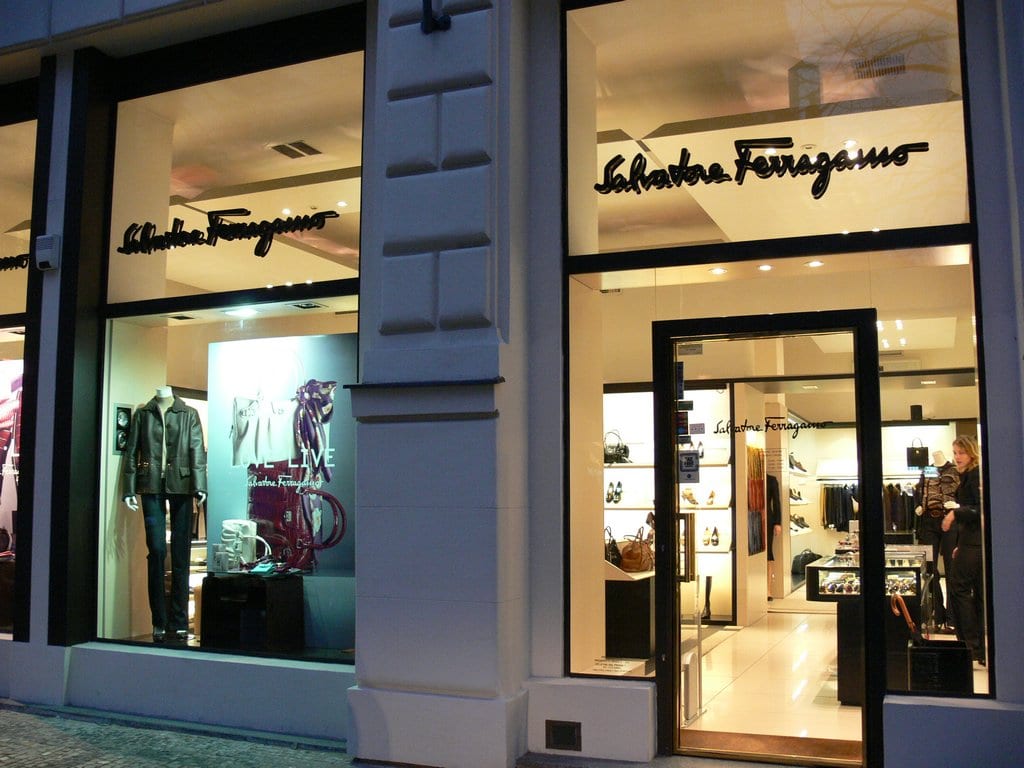
  • Salvatore Ferragamo confident despite China woes

    Salvatore Ferragamo confident despite China woes

    Italian luxury goods brand Salvatore Ferragamo is confident it can weather the impact of falling sales in China, Hong Kong and Macau.

    The company has admitted to slowing growth in Asia, its largest market, but says it will stick to its previous profit guidance and is confident activities in other markets can balance the impact. That guidance is an EBITDA or about euro 320 million – 27 million more than it achieved in 2014.

    In the first half of this year, Asia-Pacific, the brand’s largest market, was the only one where it posted a sales decline, expressed in constant exchange rates. Most of the damage was done in Hong Kong and Macau where the downturn in luxury spending has been well documented.

    In China, most of Salvatore Ferragamo’s peers are reporting challenging conditions, revising their overall expectations based on slowing luxury and discretionary spending there.

    But Salvatore Ferragamo CEO Michele Norsa told journalists at the Milan Fashion Week: “We’ve been giving a very constant and consistent indication regarding this year.”

    However, the company said it would be reviewing prices in markets where the local currency was under pressure. While he did not name China, he did cite Russia and Brazil as examples.

  • Croesus Singapore buys Fukuoka mall

    Croesus Singapore buys Fukuoka mall

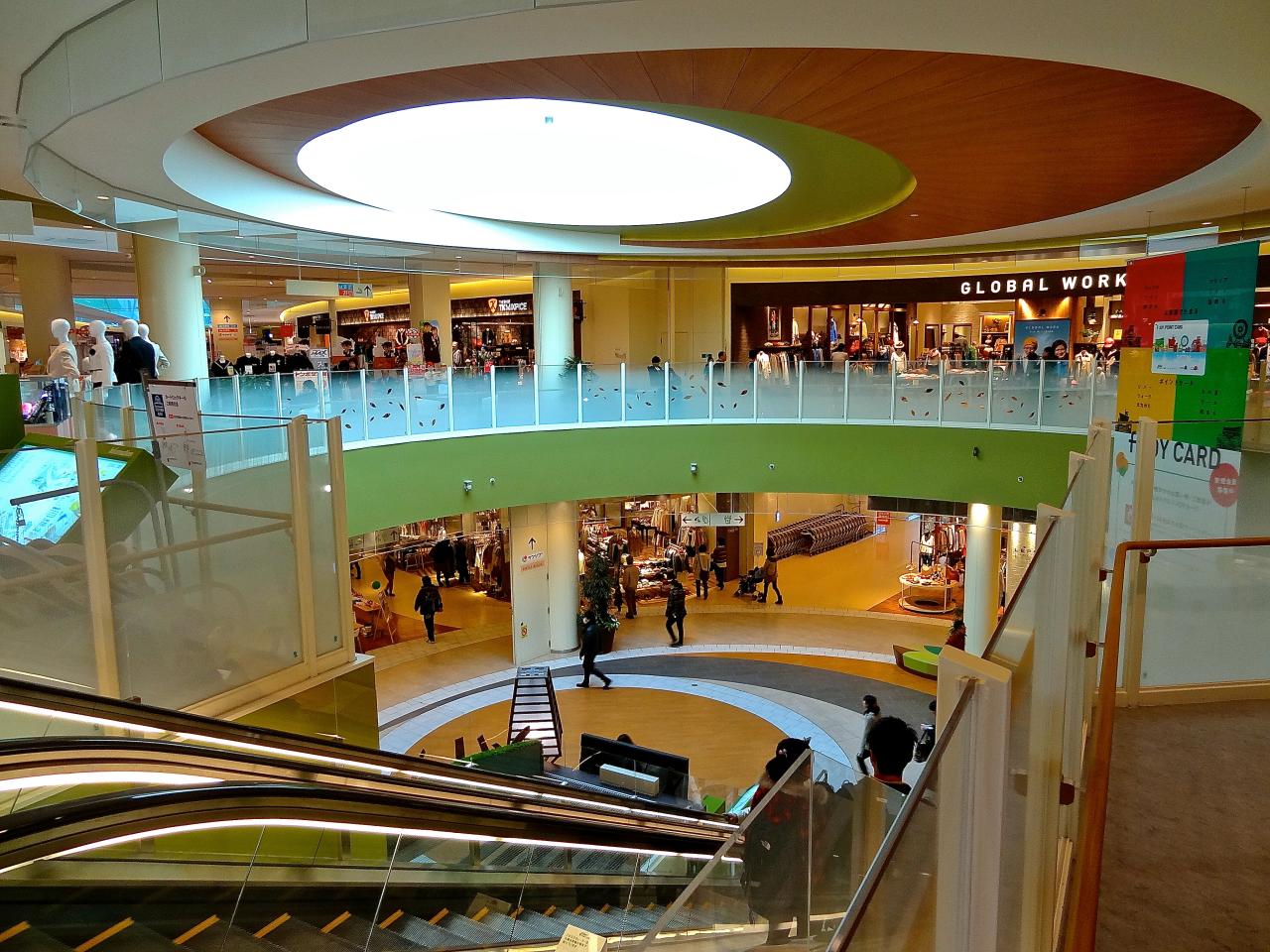
    Singapore’s Croesus Retail Trust  has bought Torius Property in Fukuoka Prefecture, Japan, for JPY 7,997 million (S$95.2 million).

    Torius, comprising 36 separate retail buildings, will be Croesus Singapore’s eighth Japanese property and marks its first foray into Kyushu Island. It is the fourth property to be bought by the trust since its IPO in May 2013.

    One of the largest properties in Fukuoka Prefecture with a diverse and unique tenant mix, Torius has a yield of 7.8 per cent.

    The deal will be funded by a rights issue.

    Torius is a large-scale suburban retail mall located in the satellite town of Hisayama-machi of Kasuya-gun, which is approximately 13 km from central Fukuoka City in Fukuoka Prefecture, on Japan’s Kyushu Island. The property occupies a land area of 257,173 sqm and has a net lettable area of 77,032 sqm. Torius Property is situated on leasehold land, with the leasehold interest in respect of the main parcel of land on which Torius Property is sited (comprising a land area of 205,543 sqm) expiring in February 2060.

  • HK eyewear brand breaks into Europe

    HK eyewear brand breaks into Europe

    Eyewear brand Mujosh has made its first appearance in Europe.

    The Hong Kong-registered label made its debut at the Silmo Paris optical fair this year, presenting its usual distinguished green wood booth concept and showcasing its select boutique products and brand new 2015 designer series containing seven authentic conceptual glasses products, two of which – the Frametone and KAO – have been introduced on Silmo Studio TV.

    Silmo is the first step for Mujosh in Europe, as the company seeks franchise and distribution partners in the European market. After Silmo, Mujosh will also attend in Hong Kong Optical fair this November.

    Established in 2010, Mujosh was created by a group with the belief that eyewear is never just about correcting bad eyesight, but about enhancing stylish looks. After five years of rapid expansion, there are now 500 Mujosh specialty stores, including standard stores and gallery boutiques.

    After the international plan was initiated at the beginning of 2015, Mujosh opened its first overseas stores in Malaysia and Thailand in August, and will open in Australia this coming November. The brand’s objective is to develop itself into a truly international player during the next five years, with at least 1000 specialty stores and mature distribution channels spreading throughout the world.

    Mujosh is owned and operated by Yfeng Group.

  • Dell Inc Announces $125B Investment In China, Including Artificial Intelligence Lab

    Dell Inc Announces $125B Investment In China, Including Artificial Intelligence Lab

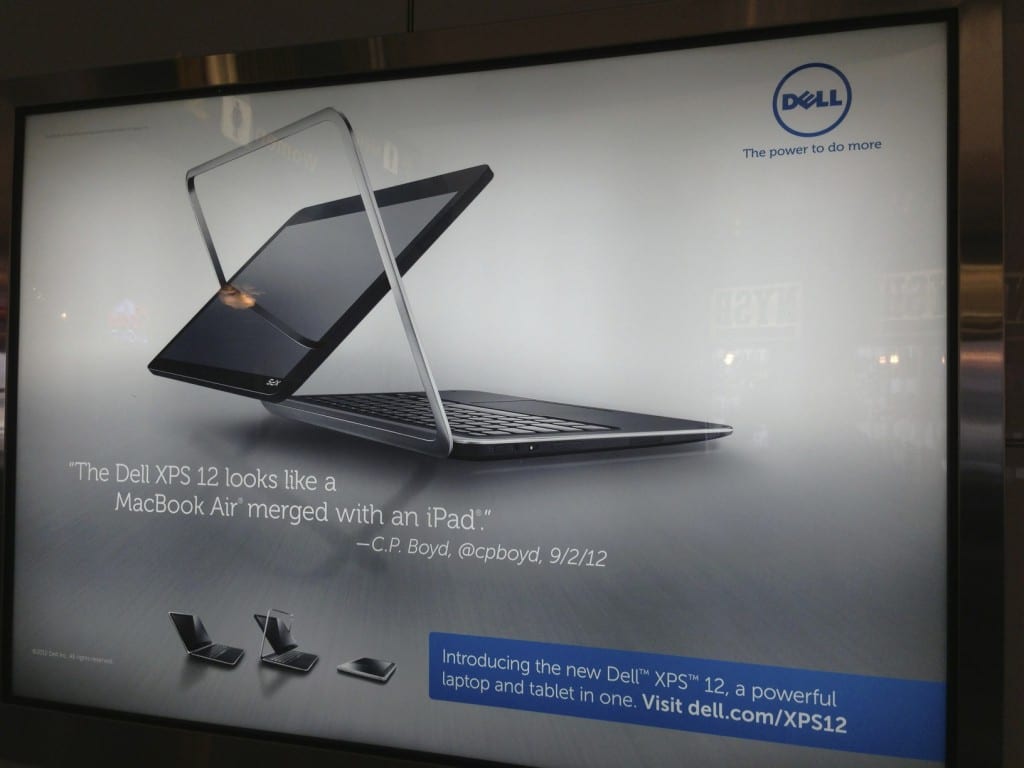
    Computer manufacturer Dell Inc. will invest $125 billion in China over the next five years, as part of a new strategy to expand in the world’s second-largest economy. The company’s CEO, Michael Dell, said in a statement Thursday that the investment would contribute $175 billion to imports and exports and help sustain one million jobs in the country.

    “The Internet is the new engine for China’s future economic growth and has unlimited potential,” Dell wrote in a statement, cited by Reuters.  “Dell will embrace the principle of ‘In China, for China’ and closely integrate Dell China strategies with national policies,” he added. The company also announced that it would be expanding its research and development team in the country, with a view to producing products tailored to the Chinese market.

    As part of the investment, Dell announced that it will create an artificial intelligence lab, in partnership with the Chinese Academy of Sciences, in the country. Dell will work with the state-controlled institute to develop advanced technology relating to cognitive systems and deep learning. It has also signed a strategic partnership agreement with Kingsoft Corp. of Beijing to co-develop and sell products relating to big data and cloud computing, Bloomberg reported.

    Dell currently has three plants, two service centers and two research and development facilities in China, as well as 11,700 retail outlets, according to China Daily. The company already employs nearly 2,000 senior engineers in its research and development team in China.

    Dell’s investment appears to follow a pattern set by other U.S. tech firms, which have made large investments to win over government and business, and partnered with Chinese firms in a bid to navigate the local market more successfully. Late last year Intel announced an investment in Chinese microchip firms, and Hewlett-Packard announced in May that it would sell a majority stake in its server, technology services and storage business in China to a Tsinghua Holdings subsidiary, IT World reported.

    Dell ranked third in global PC shipments in the second quarter after Lenovo Group Ltd and Hewlett-Packard Co, according to research firm International Data Corp. China is the company’s second-largest market, after the U.S.

  • Central Bank of Myanmar plans first real-time payments system

    Central Bank of Myanmar plans first real-time payments system

    The Central Bank of Myanmar (CBM) plans to introduce a real-time gross settlement (RTGS) system by the end of 2015.

    Deputy governor Winston Set Aung says the country’s first ever RTGS will help to reduce the size of the cash economy, as the system will allow transfers between banks to be settled immediately.

    An unnamed CBM official adds that RTGS will also support capital market development, making it easier and safer to trade stocks and bonds.

    Last year, CBM worked with NTT Data to develop a new core banking system for the settlement of government bonds, funds and collateral management. The project was funded by the Japanese government, and was part of CBM’s plans to establish a fully modernised financial sector.

    At that time, Asako Toyoda, senior manager for the Myanmar core banking project team at NTT Data, said: ‘The team suggested that the IT vendor that established the Bank of Japan’s BOJ Net [an RTGS system in Japan], which was NTT Data, should develop the CBM Net application too, and CBM agreed on it.’

    In Myanmar’s move to modernisation, CBM has the backing of the Japan International Cooperation Agency (JICA) and the World Bank. CBM is also assisting local banks and foreign banks’ branch offices in preparation of the new system.

    According to the Myanmar Times, only about 5-10% of Myanmar’s population has access to any form of banking services.

    In addition to CBM’s work, the Yangon Stock Exchange, Myanmar’s first modern bourse, is set to open in the first week of December. At present, the government issues treasury bonds, but these are illiquid, and the nation has no corporate bond market yet.

    Also, the Myanmar Payment Union (MPU) is upgrading its retail payment and settlement system, to help promote card payments. The organisation’s 21 member banks first offered debit card services in 2012 and introduced credit cards earlier this year.

  • Metro opens on Tmall

    Metro opens on Tmall

    German hypermarket retailer Metro has opened a flagship store on Alibaba’s Tmall.com, reports Inside Retail Asia.

    Metro Group has entered into a strategic alliance with Alibaba Group’s Tmall.com platform to offer German goods to Chinese consumers, according to the report.

    The firms said they are committed to exploring further collaboration opportunities in sourcing and supply chain, Inside Retail Asia said.

    Metro said its new cross-border e-shop platform will further tap the potential of the Chinese consumer market, where it already operates more than 80 stores.

    “The online storefront will sell products of Metro Group’s sales divisions’ private labels as well as supplier brands from Germany. In the first phase, over 100 products in the categories of dairy, canned foods, coffee, and chocolate from Metro Cash & Carry Germany, as well as cosmetics goods from Real are to be offered online,” Metro said in a statement.

  • Asia’s food retailers forecast fast-expanding business, DHL finds

    Asia’s food retailers forecast fast-expanding business, DHL finds

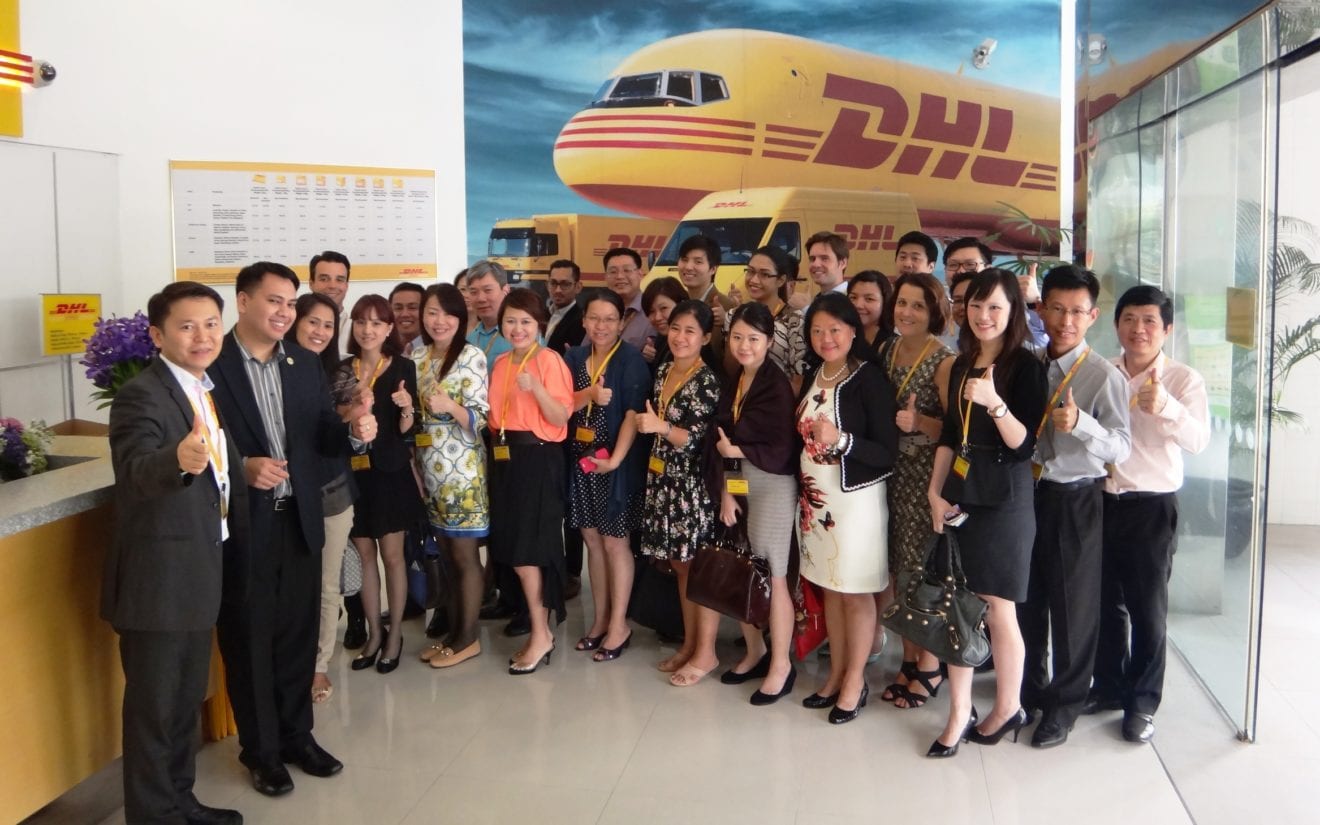
    Food retailers in some of Asia’s fastest-growing economies are expecting solid growth this year as expanding populations and rising income levels drive up demand, according to research commissioned by DHL Supply Chain.

    The logistics operator surveyed more than 300 industry decision-makers in India, Indonesia, Thailand and Vietnam for its report, Hungry for Growth: Logistics Trends in Asia’s High-Growth Food Retail Markets.

    It found that a quarter of those companies polled expected to grow by 10 percent or more this year,  with 6 out of 10 predicting growth of at least 6 percent.

    However, the report also found that up to 38 percent of those surveyed were unaware of their total logistics costs, while 37 percent lacked any KPIs or formal measurements for their supply chain performance, potentially impacting their ability to keep shelves stocked and orders filled as demand and competitive factors grow increasingly complex.

    “Rapid increases in purchasing power, coupled with surges in demand driven by population growth, will yield obvious expansionary benefits to food retailers,” said Dean Eichorn, vice president retail for DHL Supply Chain Asia Pacific.

    “However, any food retailer’s success is ultimately dependent on the agility of their supply chains when faced with demand volatility, seasonal fluctuations, and other complex market factors. Asia’s food retail industry looks set to undergo significant growth in the next year, and only with greater understanding and control of their logistics operations will companies be able to take advantage of new opportunities.”

    The research found that food retailers are increasingly at risk from unpredictability on both demand and supply sides of their operations. In the four countries surveyed, late supplier deliveries were most commonly cited as food retailers’ top concern, while 36 percent admitted that demand volatility had a major impact on their businesses.

    Issues around supply chain performance and costs varied around the region: fuel, labor, and imbalances between supply and demand ranked amongst retailers’ top cost issues.

    “Many of these concerns are amplified because a large number of food retailers don’t have visibility of their logistics operations, let alone the resources or subject expertise to improve and optimize them,” said Eichorn.

    “Food retailers need reliable, agile supply lines if they’re to focus on their core competencies and compete. This agility only comes from being able to manage the supply chain as an end-to-end process across transport, warehousing, and value-added services in a way that’s rapidly scalable without creating extra complexity.”

    The research also found that more than 60 percent of food retailers have not outsourced any aspects of their supply chains, suggesting that retailers who actively adopt third-party logistics solutions stand to gain significant first-mover advantages over their competition. Of those surveyed, 44 percent believe inventory optimization technologies would be beneficial to their overall performance, while 38 percent see advanced transport management services, like track and trace, as helping them improve reliability in meeting demand.

    “Asia’s food retailers recognize the need to innovate and change, but the technologies and process transformations required to do so aren’t their domain of expertise, and nor should they be,” said Eichorn.

    “The key to growth and expansion in Asia’s food retail industry, and those of other developing regions where we’re seeing similar trends, will be how effectively operators can take advantage of third-party expertise and managed solutions in everything from technology to end-to-end supply chain management.”

    The DHL report said food retailers in Asia’s emerging markets are headed for a period of significant disruption, driven largely by rapidly growing competition and consolidation both within and between national markets.

    For the vast majority of those retailers, the strength and agility of their supply chains will make or break how they align customer service to the rising expectations of increasing middle-class consumers, respond to demand and cost fluctuations, and develop new ways to differentiate themselves against increasingly hungry competition, the report stated.

  • Apple launches new iPhone 6s and 6s Plus, available in Singapore on Sept 25

    Apple launches new iPhone 6s and 6s Plus, available in Singapore on Sept 25

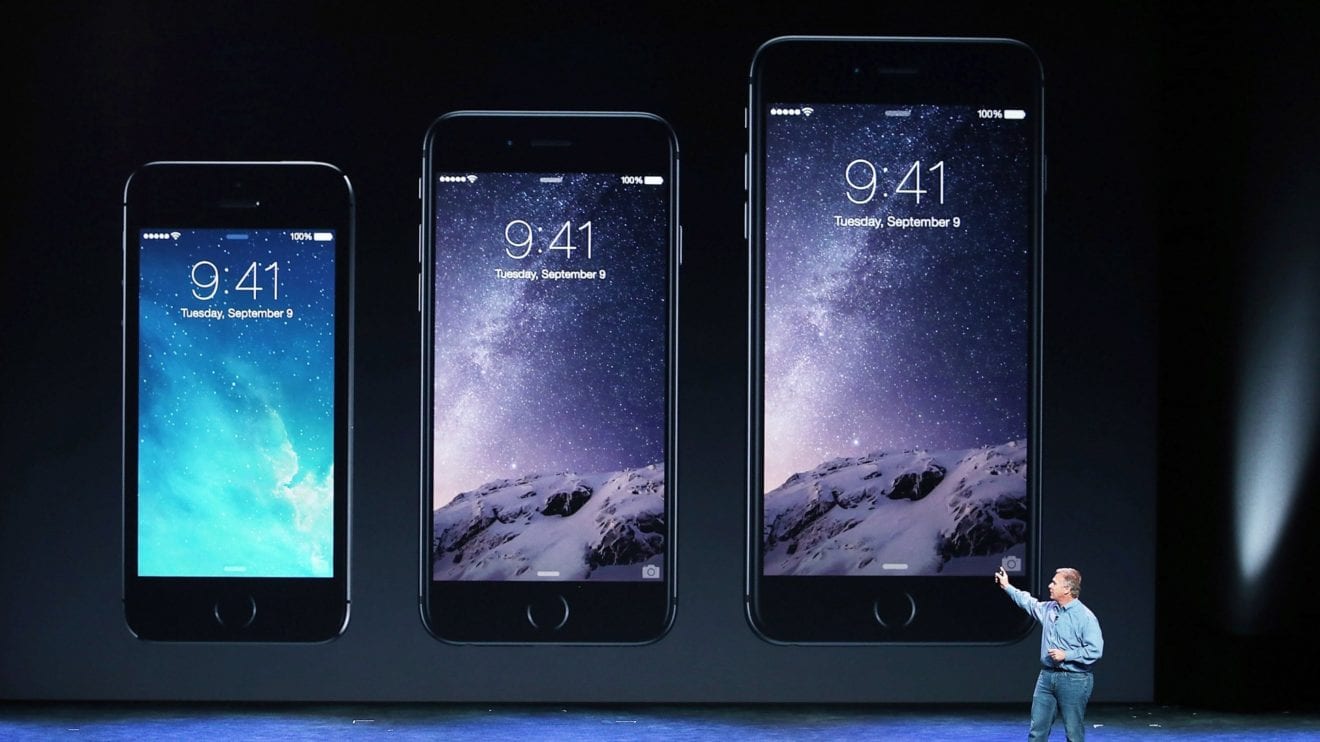
    Apple unveiled two new iPhones – iPhone 6s and iPhone 6s Plus – during a special event held at the Bill Graham Civic Auditorium.

    As with any iPhone with a “S” moniker, the new iPhones are incremental upgrades to its predecessors.

    The biggest feature being highlighted during the event is the 3D Touch, which is similar to Force Touch found on Apple Watch’s display.

    Users can press lightly on an app icon to bring up options that previously unavailable. For example, users can check in in Facebook without starting the app using 3D Touch.

    Both iPhones feature the new A9 processor and an improved 12-megapixel rear camera (up from 8-megapixel previously) that is able to shoot 4K (3,840 x 2,160 pixels) videos and Live Photos.

    Live Photos will display moving images of moments before and after the picture was taken.

    The front-facing camera gets an upgrade too with a better 5-megapixel camera that comes with Retina Flash (flash from display) for selfie lovers.

    In addition, it is now able to shoot panoramic pictures as well as slow-motion videos.

    Appearance wise, the new iPhones look exactly like its predecessors. The iPhone 6s still sports a 4.7-inch with a screen resolution of 1,334 × 750 pixels while the iPhone 6 Plus’ 5.5-inch display has a screen resolution of 1,920 x 1,080 pixels.

    However, both iPhones are slightly 0.2mm thicker than its predecessors with with the iPhone 6s measuring at 7.1mm and iPhone 6s Plus at 7.3mm. But they are now built with less-bendable 7000 Series aluminium shell to prevent the “Endgate” fiasco last year from happening again.

    Both iPhones now come in a new rose-gold colour to add to the existing gold, silver and space grey options. There is still no 32GB version for its new phones and the new iPhones will come in 16GB, 64GB and 128GB versions.

    The iPhone 6s will retail in Singapore starting from $1,048 (16GB) and the iPhone 6s Plus will start at $1,218 (16GB).

    Pre-ordering starts Sept 12.

    The new iPhones will hit Singapore’s shores on Sept 25.

  • Apple’s Latest iPhone to Hit UAE Retail Stores in September?

    Apple’s Latest iPhone to Hit UAE Retail Stores in September?

    Great news for gadget freaks in the UAE this month! A report in gulfnews.com recently stated that Apple’s next-generation phone could be launched today in the UAE!

    The tech giant is to unveil alongside Apple TV its latest handset, which will likely be called iPhone 6s or iPhone7, during a special press briefing in San Francisco, California on Wednesday. If the launch goes ahead, the rumour mill has it that the new phone will hit the retail stores by September 18.

    The first few countries that are likely to get their hands on the new product include the United States, Australia, Canada, France, Hong Kong, Japan, United Kingdom and Singapore.

    Though retailers in the UAE have not confirmed the release date,  Nicolai Solling, director of technology services at Help AG, said that if there’s going to be a product announcement, UAE consumers won’t have to wait very long.

    Apple is known to make big product announcements during the month of September, with the iPhone 6, 6 Plus, 5s and 5c introduced in September last year. The tech giant has distributed invitations to the media for an event on Wednesday, with the now famous tagline “Hey Siri, give us a hint”.

  • Ensogo allocates record B100m for marketing push

    Ensogo allocates record B100m for marketing push

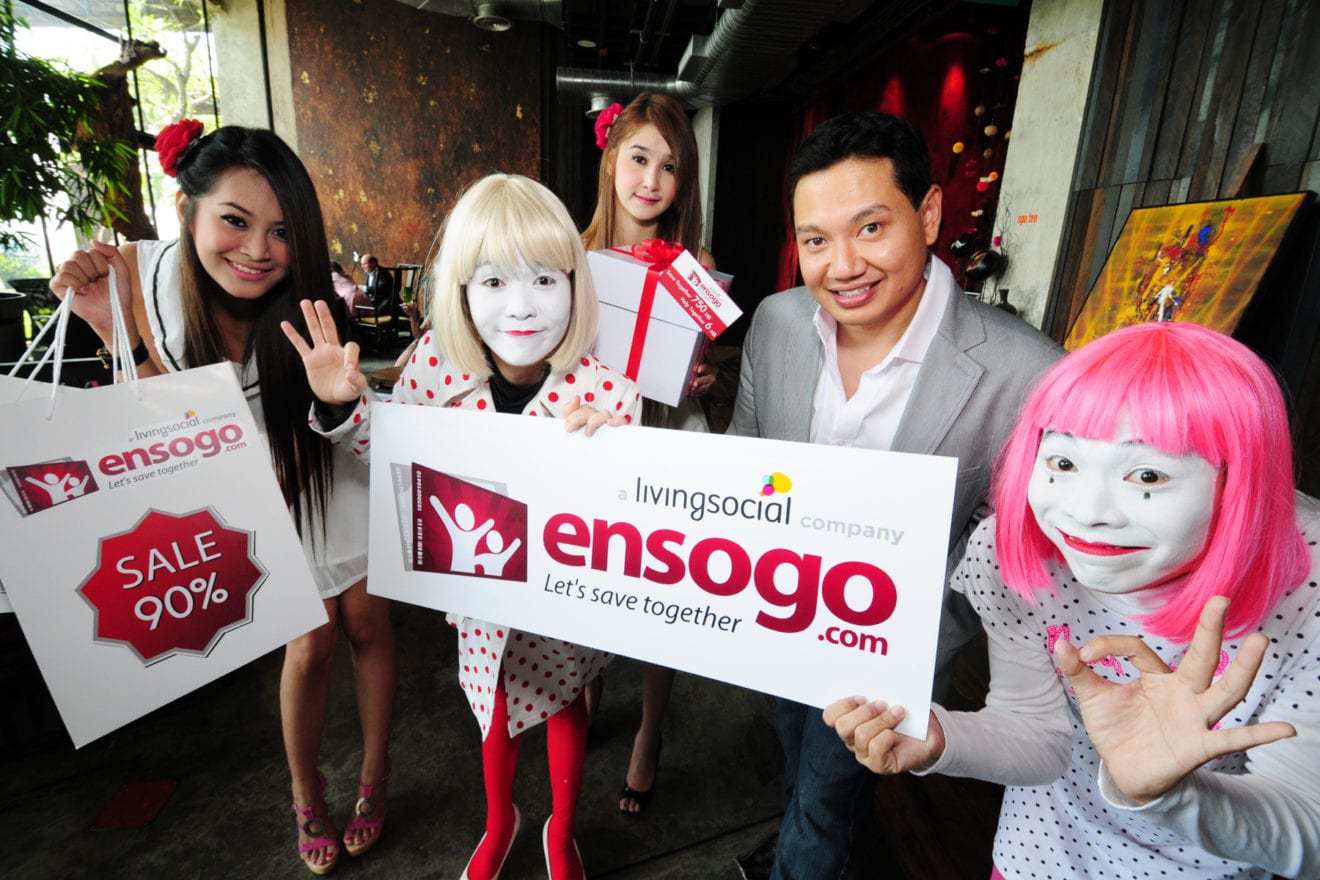
    Ensogo, a leading e-commerce site in Southeast Asia, is spending a record 100 million baht on marketing this year to promote its new product footprint.

    The aggressive push is aimed at cashing in on booming online retail in Thailand, which is expected to account for 7.5% of total retail sales by 2020, up from 1.2%, in a market worth 400 billion baht last year.

    “We are positioning ourselves as an online product and service sales site, apart from offering daily deals,” said Voravudh Varikarn, managing director of Ensogo Co.

    Ensogo is shifting its focus to high-growth product sales because the daily deal service has reached the mature stage and it is difficult to target customers in the mass market.

    He said Thailand’s e-commerce market had the potential to grow at 100% over the next five years, thanks to intense competition and the proliferation of mobile devices.

    Ensogo has set the goal of becoming a leading lifestyle shopping marketplace in Hong Kong, Thailand, Singapore, the Philippines, Indonesia and Malaysia, with a combined 500 million potential users.

    Thailand is one of the top three largest markets for Ensogo Group.

    Mr Voravudh said only 10 shopping websites were expected to dominate the market in Thailand over the next five years, down from the current 20, due to fierce competition.

    He said Ensogo was building its brand awareness to raise consumer awareness of it as an e-commerce site, instead of just a daily deal site.

    “We estimate up to 10 million Thais currently buy products and services online,” said Mr Voravudh, adding that Ensogo has 3.5 million users.

    In order to double its customers to 7 million and achieve sales growth of 80% this year, he said Ensogo would launch aggressive marketing and advertising campaigns this month. Special offers include free delivery without a minimum purchase and a one-year warranty for products’ return.

    To expand its customer base, Ensogo will also allow customers to pay for goods at the time of delivery.

    Ensogo is increasing its variety of products with a greater price range, especially for fashion and mother and child products.

    Target customers are females aged 20-45, mostly housewives. This demographic has strong purchasing power, spending an average 3,500 baht a month compared with an average of below 1,000 baht, said Mr Voravudh.

    “By the year-end, we aim for revenue from sales of products and services to account for 70% of total revenue,” he said.

    The top three best-selling products are health and beauty, house and garden, and IT gadgets. Restaurants, beauty and health, and travel are the best-selling services.

  • The Online Shopping Evolution of ‘Mobile-First’

    The Online Shopping Evolution of ‘Mobile-First’

    You may be surprised to learn that Malaysia leads the world in smartphone usage per capital, and that it is one of only five countries worldwide where 67% use their smartphones as a crucial access point to get online. Additionally, a recent Mobile Shopping Survey conducted by MasterCard, Malaysia ranks third in the rate of growth of mobile shopping in Asia (over 20% from 25.4% in 2012 to 45.6% in 2014) – further indicating that we, as a nation are become increasingly tech-savvy and shopping-savvy too.

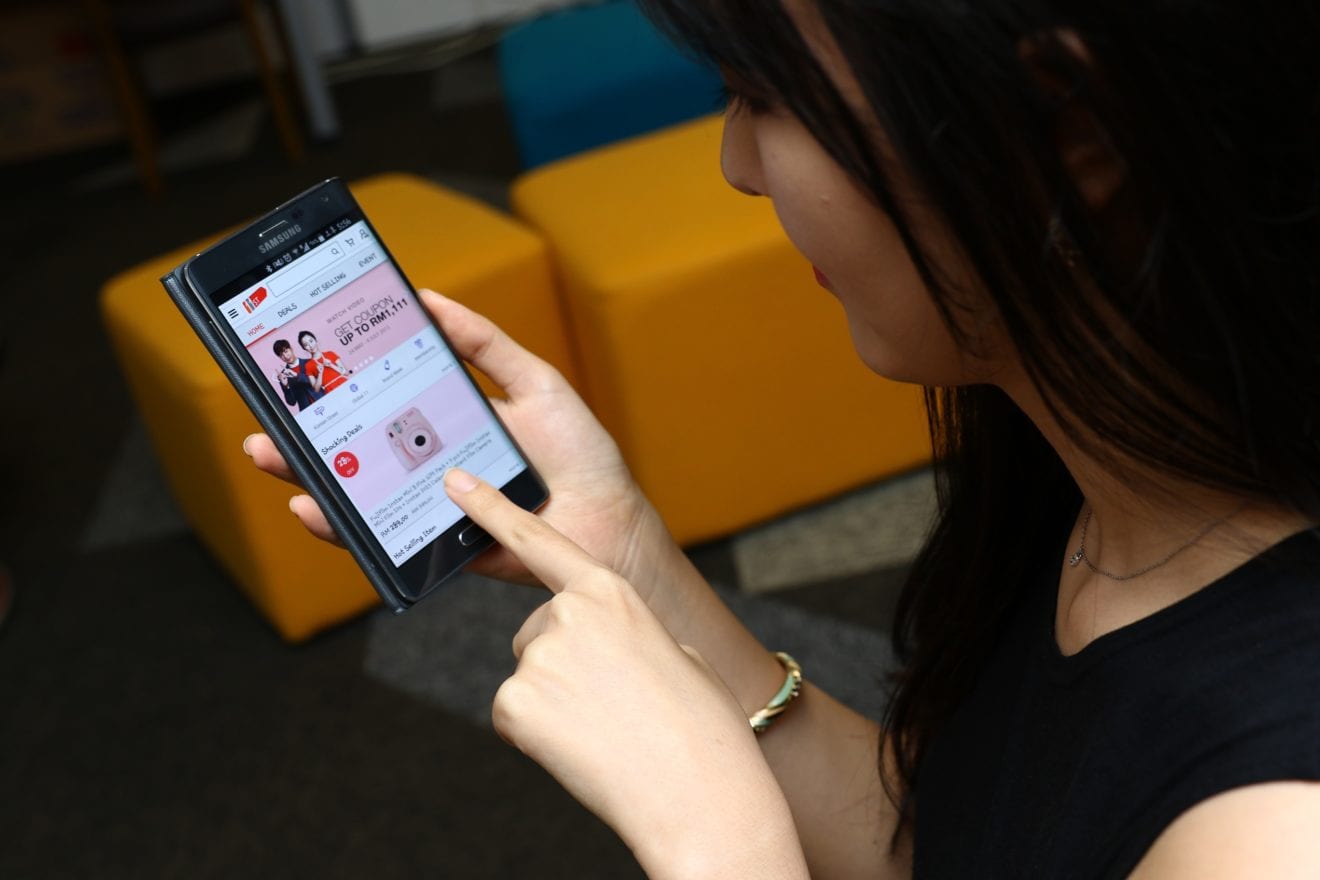
    Today Malaysia, spearheaded by a formidable and fast-growing Gen-Y population, is at the forefront of ‘mobile-first’, the emergent driver of e-commerce in its latest ‘e-volution’. Fresh supporting data by online marketplace 11street (www.11street.my) further confirms that today’s shopping trend is progressively moving toward mobile-first. 11street, one of the largest online marketplaces in Malaysia, recently revealed that close to 50% of their shoppers use smartphones to shop and purchase items online on their site.

    The reasons for the growing popularity of mobile shopping are related to a combination of factors: increased reliance on smartphones as an indispensable go-to tool; more products on offer; new players, and new apps that promise even more speed, ease, convenience, options, and incentives.

    Hoseok Kim, the CEO of 11street, shared some of the other insights gleaned from the company’s Online Shopping Index. He summarizes the main reasons behind the mobile shopping surge in Malaysia:

    Easier access for anytime, anywhere convenience

    Hundreds of thousands of products covering everything from consumer electronics to fashion, from groceries to cosmetics, from kid and baby products to services such as vouchers and much more, are now just a mobile screen click away. Consumers needn’t spend hours out of their busy schedule to shop. They save money on petrol or transportation without the hassle of traffic jams, queues and frustration that comes with it. Items purchased are delivered right to their door – at the home or office – and at a convenient time.

    Exclusive offers

    Companies are constantly providing incentives and inducements in the form of promotions, discounts, and shopping credits exclusively for mobile users. In fact, there is an active market for digital coupons with over 16 billion coupons redeemed worldwide in 2014. The expected rate is set to increase by up to 31 billion in 2019. A key promotion at 11street for mobile shoppers is the ‘Weekend Special Deals’ – it allows those that mostly shop over the weekend to save even more.

    Engaging functions

    Visually engaging displays of products are giving way to more dynamic, interactive content, where shoppers can browse, comment, and share interesting finds with their social circles. At 11street, shoppers are offered a full camera function-enabled product review mode, which allows them to view and post comments with photos for a fun shopping experience. App functions such as ‘first-hand news’ push notifications also provide shoppers with advance notice of upcoming sales.

    User-friendly interface

    Mobile apps that come with user-friendly interface enable consumers to access a desired range of items quicker, with set filters for an intuitive and interactive experience. In fact, it is due to these conveniences that mobile shopping have become a part of the Malaysian lifestyle of which consumers mostly go online when they would like to make a purchase, or conduct pre-purchase research.

    11street for example, has an ‘Event Page’ which summarizes all the promotions making it much easier for shoppers to access hot selling products and services and to see the most price- competitive deals from the moment they log in. This is especially true for the ‘Shocking Deals’ section with Lowest Price Guarantee of which shoppers are promised with the best price possible for a range of products in that section.

    Simplified yet secure payment processing

    Majority of mobile apps today are designed to accept credit cards and bank transfers for online transactions. Shoppers can also view their membership benefits, check their order status, and utilize their discount coupons while shopping on-the-go. As there has been increasing concern on mobile data security, 11street employs various security features that include an ESCROW system to put shoppers at ease. The ESCROW system releases payment to sellers only when the customers receive their products in good condition protecting them from frauds

    The growing popularity of mobile shopping here has not only made 11street’s mobile app a key component of the e-tailer’s business, but positively contributes to the overall growth of Malaysia’s e-commerce landscape by engaging with a wider net of buyers.

    As Malaysia currently has a 140% mobile penetration rate and continues growing, it’s easy to predict that the mobile-first trend will definitely continue to flourish in the country.

  • Prada seeking lower rents in Hong Kong, Macau amid China slowdown

    Prada seeking lower rents in Hong Kong, Macau amid China slowdown

    Italian fashion house Prada is trying to negotiate lower shop rents in Hong Kong and Macau to reflect weak sales and the dwindling flow of wealthy tourists from mainland China, its chairman said last week.

    However, the Hong Kong-listed group does not plan to shut stores in China, which accounts for more than a fifth of its global sales and has been hit by a rout in stock markets and last month’s surprise devaluation of the yuan.

    China’s economic slowdown is hurting the two shopping hubs, forcing several luxury brands to close shops or at least attempt to lower sky-high rents – with little luck so far.

    “Like our competitors we’ve started re-negotiating rents for shops in weak spots such as Hong Kong and Macau but landlords are not being very receptive, they’re rather rigid,” Prada chairman Carlo Mazzi said.

    “China has gone from being an El Dorado to being an interesting market. We believe it can return to be a fairly good market but it’s hard to say how long it’ll take.”

    Asia-Pacific is Prada’s biggest market, representing 36 per cent of total revenues. Greater China alone accounts for 22 per cent, or €774 million (HK$6.67 billion).

    Betting on fast-rising Chinese consumer demand, Prada picked Hong Kong for its market debut in mid-2011 and used the cash to repay debts and fund a costly retail expansion, opening 260 shops worldwide in four years.

    But after being the growth engine of the luxury sector for years, China has become a headache for big brands as its economic growth began to slow. The main stock market index has slumped almost 40 per cent since a seven-year high in mid-June.

    The Milanese group has seen profit margins fall in recent quarters as revenue weakened while costs rose. Retail sales in the Asia-Pacific region fell 17 per cent at constant currencies in the three months to the end of April, rising marginally only thanks to the foreign exchange boost.

    Prada said last month trends in the Asia-Pacific region were little changed due to persistent difficulties in Hong Kong and Macau.

    “Boosting sales is not an easy goal at this time,” Mazzi said. “The phase of massive retail investments is behind us … We need alternatives to the shop network expansion,” he added, citing e-commerce and improving returns at existing shops.

    Luxury groups are still reeling from Beijing’s clampdown on lavish gift-giving and the blow to tourism in Hong Kong from last year’s pro-democracy protests.

    Mazzi expects sales in the former British colony, where Prada has 22 shops, to recover over time but growth rates are likely to be more modest than in the past.

    “We’re limiting expansion projects in Hong Kong and Macau,” Mazzi said.

    But “even with lower sales our Chinese stores continue to have positive – though much smaller – margins. Closing shops in China is not on the table,” he added.

    “Let’s not confuse China with South American markets, knocked down by falling oil prices. China is not down on its knees, it just needs to correct some issues it has with its economy.”

    Prada, which also owns brands Miu Miu and Church’s, has just over 600 stores globally, of which 94 are in Greater China. No clear alternative market has emerged and Mazzi said Prada was not targeting expansion in any particular country.

    “There are uncertainties that hold back investments in markets where we had planned to boost our presence, such as Africa,” he said, also mentioning logistical and political problems in India.

  • World Cup soccer qualifier exposes China-Hong Kong tensions

    World Cup soccer qualifier exposes China-Hong Kong tensions

    While Hong Kong, soccer minnows ranked just 151 in the world compared to China’s 84, are unlikely to cause an upset, some say the political unease could motivate the underdogs.

    As China celebrated its struggle victory towards Japan in Beijing on Thursday, the nation’s soccer-loving President Xi Jinping might have been momentarily distracted by a much less conclusive end result.

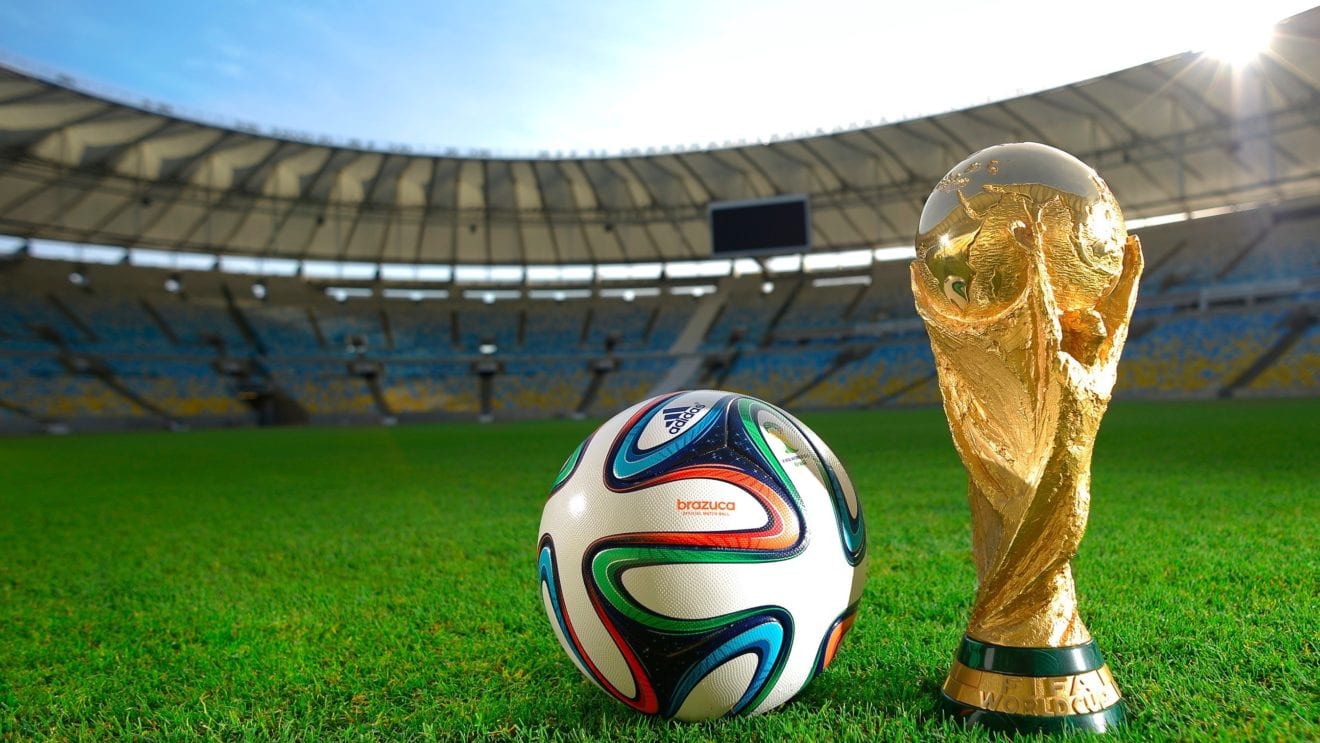
    Chinese riot police were deployed for a Federation Internationale de Football Association 2018 World Cup qualifying match between China and Chinese-ruled Hong Kong that ended peacefully in a 0-0 draw on Thursday, amid echoing tensions from Hong Kong’s democracy protests past year.

    For the day, the index plummeted 485.15 points or 2.24 percent to finish at 21,185.43 after trading between 21,170.86 and 21,692.78 on turnover of 85.82 billion Hong Kong dollars. Nevertheless the result leaves China in third place in its group behind Hong Kong and Qatar, who beat Bhutan 15-0 (though China has a game in hand over Hong Kong).

    “This team has people with black skin, yellow skin and white skin”.

    It is not easy for retail businesses to operate in Hong Kong, because the rent is simply too high.

    Chinese police have conducted days of anti-riot drills outside a 40,000-seat stadium in the southern city of Shenzhen, bordering the Chinese “special administrative zone” of Hong Kong. “This is the only way we can release some of our anger, on the sports field”, Roy Choi, a fan with a group called “Power for Hong Kong” told Reuters.

    And after the game there was further controversy when Hong Kong’s hero, goalkeeper Yapp Hung-fai, who made a number of saves to prevent China scoring, accused Chinese captain Zheng Zhi of insulting him after the match, by calling him a “dog”. Analysts said players were unwilling to take risk amid so many uncertainties. “They have arranged a lot of “local” fans to support the China team”. Soccer will develop into a obligatory topic in faculties, with new textbooks for all college students.

  • Is Seoul Asia’s new fashion window?

    Is Seoul Asia’s new fashion window?

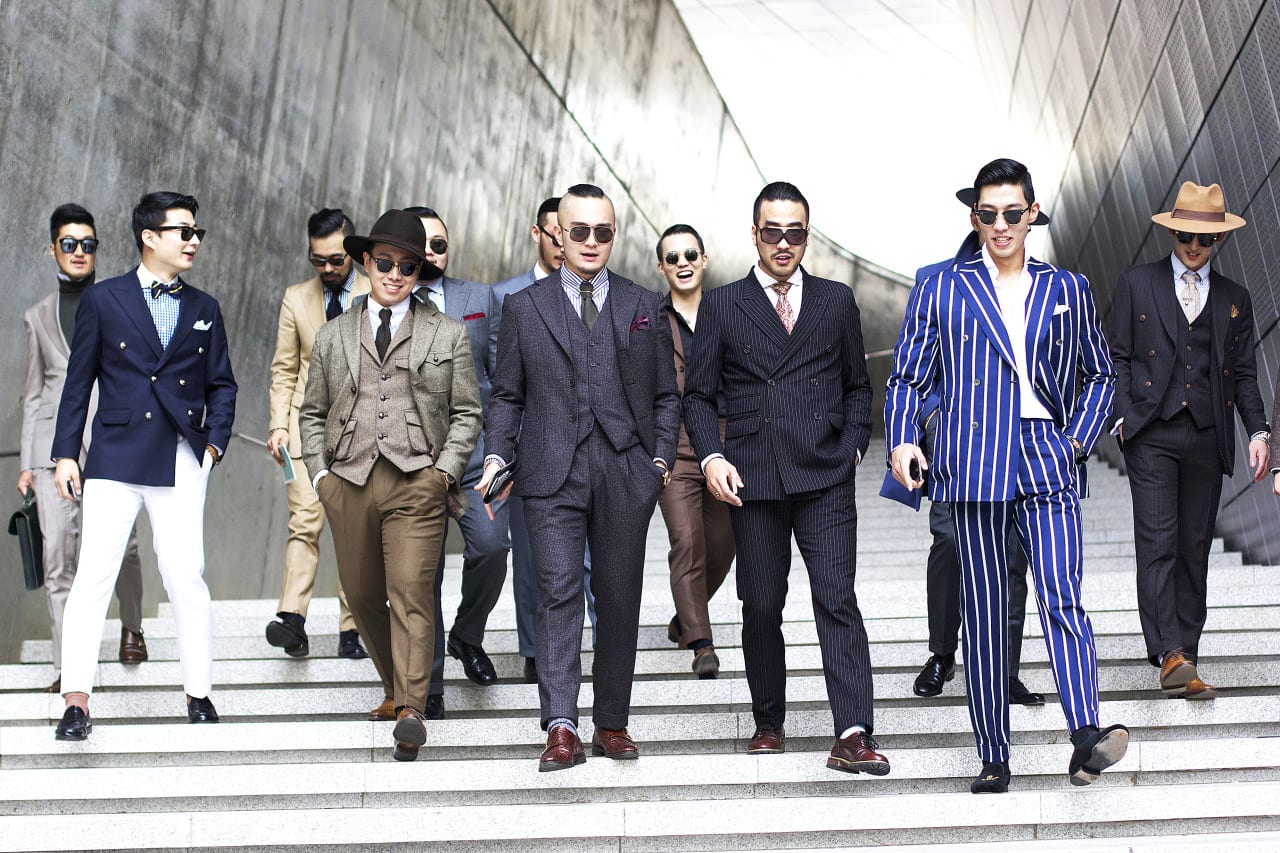
    Move over Hong Kong, Tokyo and Singapore. Seoul is emerging as Asia’s new fashion showcase, with the world’s top luxury firms seeking to cash in on the regional trend-setting popularity of South Korean pop culture.

    Fast-growing Asia is a key market driving the global luxury industry, with purchases by Chinese consumers accounting for one third of global sales, according to market researcher Bain & Company.

    And those consumers often take their style pointers from elsewhere, which is why many brand companies are increasingly focusing on the country described by Bain as Asia’s “trendsetter and influencer for fashion and luxury”.

    Over the past year, leading global fashion houses have upped their game in South Korea in a bid to reach those well-heeled Asians who take their fashion cues from popular Korean TV and pop stars.

    French powerhouse Chanel held its 2015/16 Cruise Collection in Seoul in May — its first show in South Korea.

    And in June, Christian Dior opened a six-storey flagship store — the largest in Asia — in the upscale district of Gangnam, made famous by the eponymous hit by South Korean rapper Psy.

    The world’s top luxury group LVMH, which owns Dior and Louis Vuitton, has gone a step further by directly investing in Seoul’s thriving K-pop industry.

    Last August, L Capital Asia — the investment fund arm of LVMH — bought shares worth about $80 million in YG Entertainment, a major K-pop agency.

    The deal made the French luxury empire the second-largest shareholder of YG, whose roster of K-pop acts includes Psy, G-Dragon and the boyband BigBang.

    “Global luxury firms have begun to realise that what’s popular in South Korea soon becomes popular across Asia,” said Lie Sang-Bong, a prominent fashion designer and head of the Council of Fashion Designers of Korea. Lie said luxury brands that had previously favoured Hong Kong or Singapore as the centre of their Asia business started to turn to Seoul about three years ago.

    China’s influence as a trendsetter will eventually catch-up with its importance as a market, but for now “Seoul is where they look to see the next big trend,” Lie said.

    Famed fashion critic Suzy Menkes picked Seoul as next year’s host for what will be only the second edition of the annual Conde Nast International Luxury Conference.

    “I think that (luxury brands) are thinking of this country as a hub, this city in particular as a hub, where people will go and buy things,” Menkes, the international fashion editor for Vogue, said during a visit to Seoul in July.

    The real attraction for the brand names is the promotional reach into the rest of Asia and beyond provided by the so-called Hallyu (Korean Wave) of Korean TV shows and pop music.

    The power of the Hallyu phenomenon was most recently demonstrated by the 2014 hit TV drama “My Love from Another Star” which was enormously popular in China.

    A pair of $625 Jimmy Choo shoes worn by the show’s heroine, Jun Ji-Hyun, sold out in shoe stores across Asia, while an Yves Saint Laurent lipstick she was rumoured to be wearing experienced a similar run in China.

    Rapper G-Dragon — a style icon followed by millions of fans across Asia and beyond on social media — is considered a poster child of the Hallyu boom.

    His favourite items, from Yves Saint Laurent jackets to Christian Louboutin sneakers, earn instant recognition among his followers and are discussed on dozens of websites dedicated to the styles of K-pop artists.

    Now the 27-year-old has become a front-row fashion show fixture, not just in Asian cities, but also Paris and London.

    Korean TV dramas have also proved to be a striking marketing device for the cosmetics industry, according to a May report by market researcher Euromonitor. Beauty products featured in top-rated shows or favoured by their stars fuel “rocketing demand for the relevant colour cosmetics and skin care products” in other Asian countries, especially China, the report said.

    And it isn’t only foreign brands that are benefiting from exposure in the South Korean shop window.

    A “cushion-compact” — a sponge soaked with liquid foundation — developed by AmorePacific has proved a major hit in Asia, prompting Dior to form a strategic partnership with the Korean cosmetics giant to use the “cushion” technology.

    Kate Ahn, Seoul representative of the British consumer research firm Stylus, said South Korea had effectively become a “springboard” for luxury brands to test consumer sentiment in the Asian market.

    “It’s a small country but a perfect starting point to tap into the Chinese market and beyond,” Ahn said, adding she had been bombarded with proposals from European and US firms hoping to invest in Seoul cosmetics makers in recent years.

    “They even want to invest in relatively small, little-known cosmetics firms … because they know many Asian women, especially Chinese, are closely watching beauty trends in Seoul,” she said.
  • Tag Heuer teams with JD.com

    Tag Heuer teams with JD.com

    Tag Heuer, the Swiss luxury watchmaker, has chosen to partner with JD.com to open its first online store in China.

    The exclusive partnership will see Tag Heuer open an online flagship on JD.com’s Marketplace platform.

    The store will offer product lines specially selected for China’s increasingly sophisticated online consumers, featuring cutting-edge designs across multiple price points. The store will also feature a 360-degree “virtual” product display where consumers can experience products prior to purchasing.

    JD.com says its support in brand marketing, logistics, payment and after-sales service will help ensure customers enjoy a first-rate online shopping experience.

    “JD.com’s reputation for product authenticity and unparalleled customer experience make it the ideal eCommerce partner in China for Tag Heuer, one of Switzerland’s most iconic and trusted brands,” said Tag Heuer’s GM of Greater China, Leo Poon.

    “The coming of age of China’s young consumers, combined with the explosive development of e-commerce, present an enormously exciting opportunity for innovation and growth. By deepening our access to our key target customer market in China through JD.com’s huge upwardly mobile user base, I am confident that this partnership will ignite unprecedented consumer interest in Tag Heuer’s premier luxury timepieces.”

    To mark the opening, Tag Heuer will launch sales of its “Tag Heuer Formula One Women GEM special edition” wristwatch in the Chinese market for a limited time exclusively on the JD.com platform.