Author: Mei Ling Tan

  • EasyFix, India’s Uber for repair and maintenance, raises seed funding

    EasyFix, India’s Uber for repair and maintenance, raises seed funding

    India’s EasyFix, a maintenance and repair service startup, announced today that it secured an undisclosed amount of seed funding from Axilor Ventures.

    Started in 2011, EasyFix calls itself an Uber for repair and maintenance services, such as carpentry, electrical work, and plumbing. The startup says its repairmen are all professionals and have undergone training. It claims to have serviced half a million people from Delhi, Bangalore, Chennai, Hyderabad, Kolkata Mumbai, Ahmedabad, and Pune.

    With the fresh capital, EasyFix plans to expand its geographical reach to 15 cities in India. It will also build tools to improve delivery turnaround time.

    “We have a huge unmet demand coming from existing customers and from cities we are yet to reach. We will invest in growing our field professional network from 2,000 to 5,000 strong, and tech-enabling them to ensure the home repairs experience is as close to the Uber experience as possible,” says EasyFix founder Shaifali Agarwal Holani.

    Specialized service

    This space has seen a number of new entrants and significant investments. In July, HandyHome, an on-demand electrical appliances repair service provider,raised US$500,000 in early stage funds from Bessemer Venture Partners and Kae Capital.

    Other players in the space include heavily-funded services marketplaces like UrbanClap, LocalOye, and Taskbob. UrbanClap recently bagged US$10 million from SAIF and Accel Partners, while LocalOye raised US$5 million in series A funding from Tiger Global Management and Lightspeed Venture Partners.Taskbob received US$1.2 million from Orios Venture Partners and Mayfield.

    These players are generic marketplaces providing all sorts of services – from guitar tutors, electricians, beauticians, and event managers. EasyFix specializes in the home repairs and maintenance category, which requires technical expertise.
  • DHL launches new hub at Bangkok’s international airport

    DHL launches new hub at Bangkok’s international airport

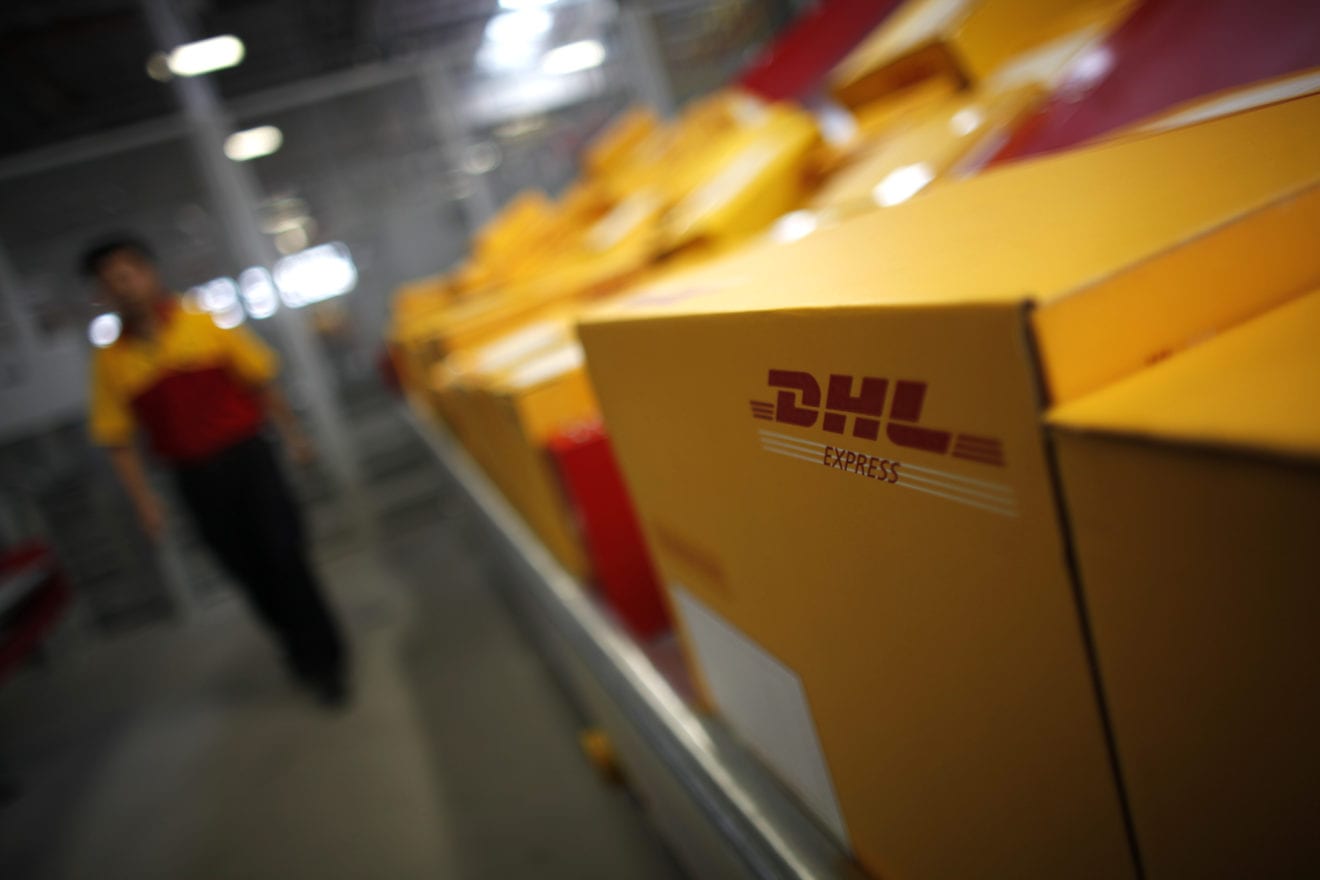
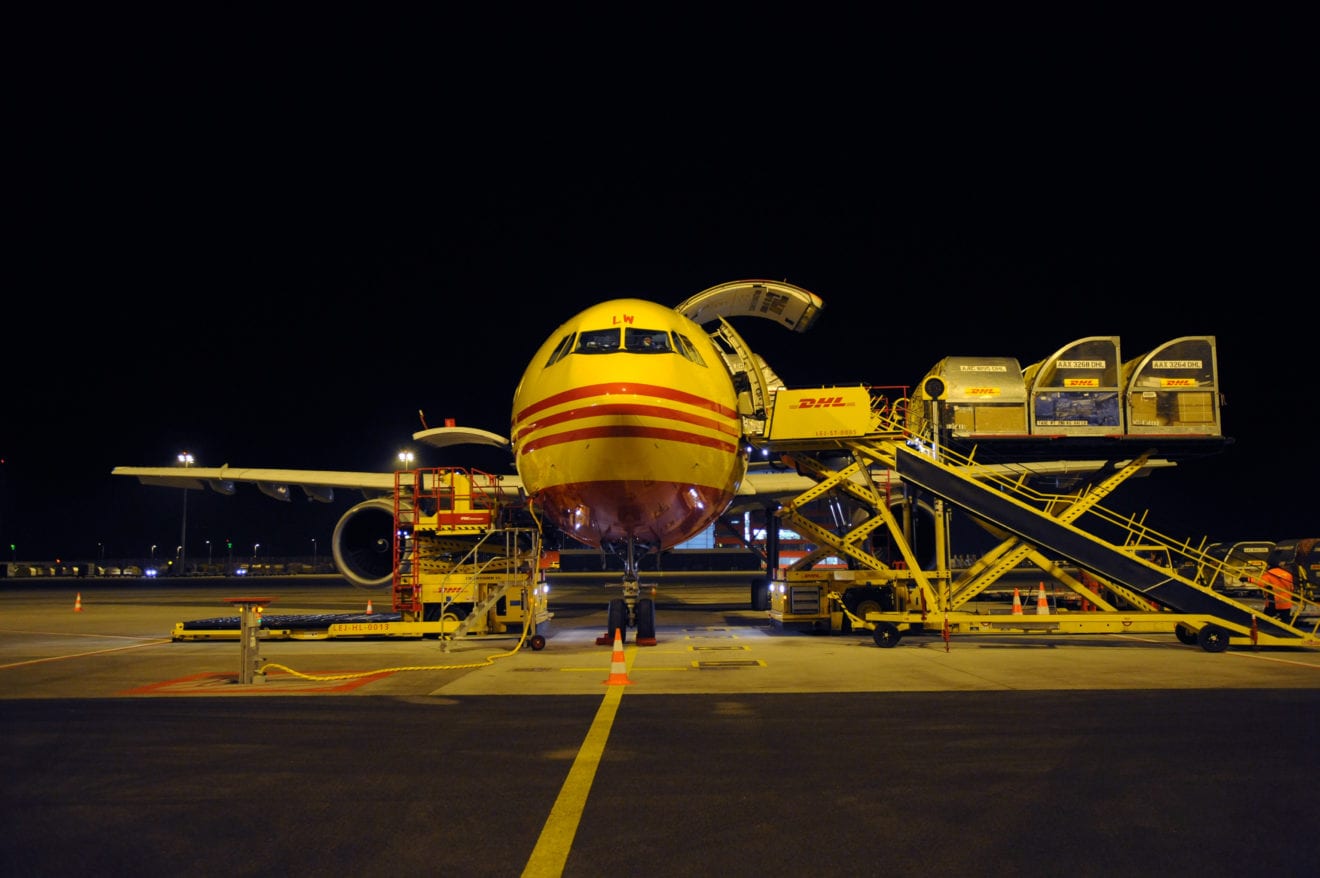
    Global logistics giant DHL launched its 22-million-dollar hub on Monday at Bangkok`s new international airport as part of the company`s strategy to boost its growth in Southeast Asia.

    “We consider Thailand as the gateway to Indochina,” Scott Price, CEO of DHL Express for Asia and the Pacific, told a news conference at Suvarnabhumi International Airport, which opened in late September.

    DHL`s 12,000 square meter (129,000 square feet) cargo facility at Suvarnabhumi is five times larger than its former facility at the old Don Muang airport and has the capacity to handle more than 23,000 pieces per hour, the company said.

    “The facility puts us in a position for very accelerated growth both in Thailand and in the region,” Price said, adding the new DHL hub is expected to process more than six million shipments per year.

    Asia currently leads the world in the air cargo industry with the inter-Asian air cargo market expanding at a rate of almost 11 percent per year and express volume expected to grow up to twice that rate, the executive said.

    Express operations in Asia account for 15 percent of DHL`s global revenues, which were 26 billion euro (33.4 billion dollars) in 2005, and the region is expected to grow three to four times faster than the rest of the world, he said.

    Bangkok is one of DHL`s six hubs in Asia along with Hong Kong, Seoul, Singapore, Sydney and Tokyo and the company has invested more than 1.7 billion dollars in the region since 2000.

    Price said the September coup that ousted former premier Thaksin Shinawatra and the military-installed government have not affected DHL`s operations in Thailand.

    “As long as foreign direct investment continues to be sought after, supported and rewarded then import and export will continue to be a significant part of the Thai economy and we`ll benefit,” Price said.

  • Rhapsody looks at kids as a new opportunity

    Rhapsody looks at kids as a new opportunity

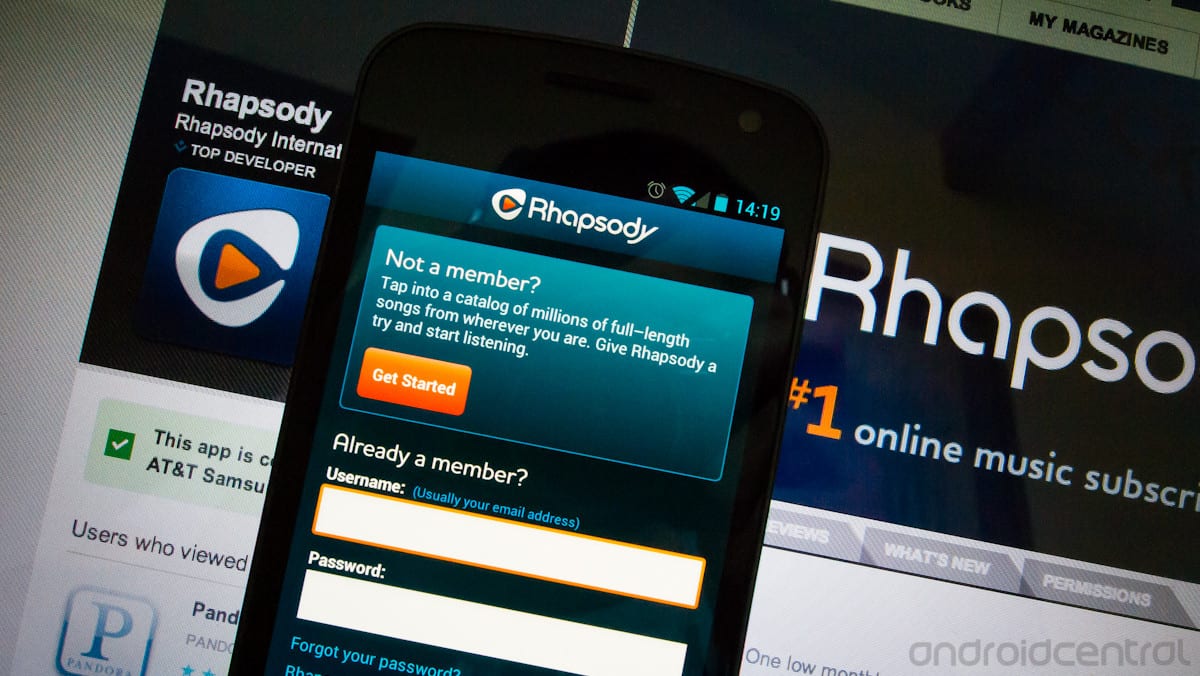
    Streaming music service Rhapsody has launched a version for kids that limits their access to only tailored programming and content that parents add. The company said it was adding the service as many of its customers have moved into “a new chapter of their life” and would like to share music with their kids. Other music and video providers have also targeted the kids market. YouTube, for example, launched a service for kids, but the service has been dogged by controversies over advertising and inappropriate content.

    Rhapsody said it had a safe and controlled environment for kids, and has added a parental verification step to make it more difficult for young kids to leave designated areas without supervision. Its playlists are also safe and fun, and designed for kids, it added. The Rhapsody Kids service is available from Thursday on Android devices at no additional cost with a Rhapsody or Napster subscription, with a version of the service for iOS expected soon.

    The kids version is rolling out as a free update to over 3 million Napster and Rhapsody premier subscribers worldwide, Rhapsody said. Rhapsody International, which runs the Rhapsody and Napster services, is facing tough competition from newer entrants in the music streaming market, like Google and Apple.

    The company said in July it had reached 3 million subscribers, up by 50 percent from a year earlier. RealNetworks, which owns 43 percent of Rhapsody, reported in a regulatory filing to the U.S. Securities and Exchange Commission that Rhapsody saw its revenue increase to US$50 million in the quarter ended June 30, up from $42 million in the same quarter last year.

    But losses increased to $12 million in the quarter from $4.7 million in the same quarter in the previous year. Parents can access Rhapsody Kids from the app’s main menu, and add songs from the Rhapsody catalog. The bookmarks are automatically downloaded for offline playback to help parents save on their data plans and phone batteries, Rhapsody said. Kids can also explore a catalog of kid-friendly music and playlists curated by the company’s editorial team.

  • DHL Express opens new quality control centre in Singapore

    DHL Express opens new quality control centre in Singapore

    DHL Express has announced the opening of a facility in Singapore that will host a new global quality control centre and serve as a centre of excellence for global service quality and business IT activities.

    “Quality is one of the main sources of differentiation in our highly competitive industry, and our Quality Control Centers are a major investment by DHL in ensuring that we continue to lead the international time definite delivery market over the long-term,” said Ken Allen, CEO, DHL Express.

    Singapore has played an important role in DHL’s global network since 1972, as one of our first international markets and a major Asian economy with a strong trade orientation. This was a key factor in the decision to base one of our four global Quality Control Centers and the centers of excellence for global service quality and business IT in Singapore.”

    DHL has been operating global quality control centres since 2007. They provide real-time tracking capabilities for individual shipments, flights and truck movements. The teams operating in the centres monitor the status of DHL’s delivery network to identify exceptional incidents and delays and take proactive action both to address them and to inform customers.  In addition, the centres allow the company’s global network operations team to identify systematic issues affecting the delivery process and take steps to resolve them, and they can also operate as a crisis centres.

    DHL’s three other global quality control centres are located in: Cincinnati, in the US; the East Midlands, in the UK; and Leipzig, in Germany.

  • Singapore’s taxi drivers unhappy with Uber, transport minister responds

    Singapore’s taxi drivers unhappy with Uber, transport minister responds

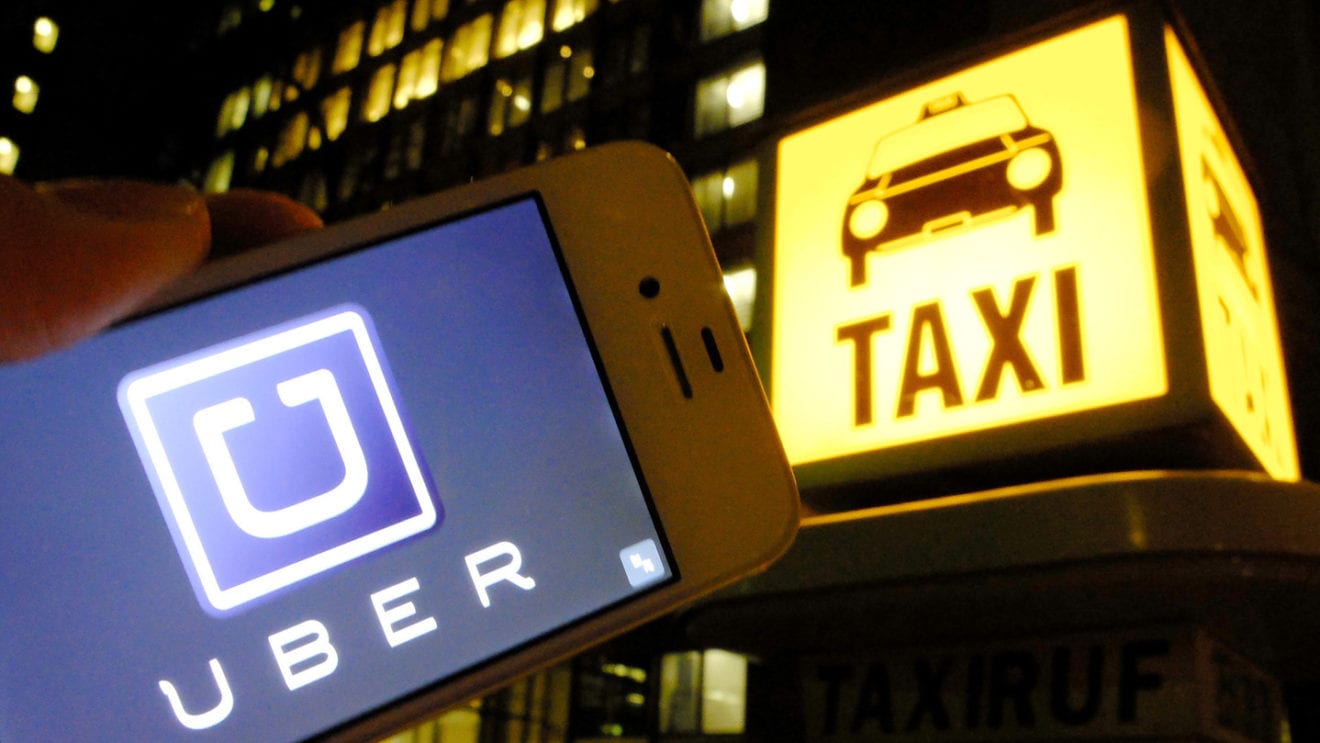
    It seems that taxi drivers in Singapore are fearful of Uber, which threatens their livelihood by using private drivers to pick up passengers.

    While they didn’t riot in the streets or overturn cars (Singapore clamps down hard on unruly behavior), they’ve privately complained to Khaw Boon Wan, the newly minted minister of transport, as he campaigned during the just-concluded general elections.

    All this was revealed in a blog post written by the minister. Khaw says his ministry is taking another look at rules governing such transportation apps.

    “Apparently, UberX signs on drivers to drive private hire cars to provide a booking type of transport service, and these drivers do not need a vocational licence unlike taxi drivers,” he says. “While taxi drivers welcome competition, they demand that the playing field be level. I think our taxi drivers have a point.”

    UberX is just one of Uber’s many services.

    It seems Khaw is taking a cautious and consultative approach, and that’s a good sign. He acknowledges that young people enjoy using services like Uber and Airbnb, and that the government must not resist innovation. He urges that “we must always be fair to players, whether incumbent or insurgents, and strike a balanced approach.”

  • Vroom! In-car heads-up display races past $100K crowdfunding target in 5 days flat

    Vroom! In-car heads-up display races past $100K crowdfunding target in 5 days flat

    Exploride drove out of India to global crowdfunding site Indiegogo last week with bated breath. The crossed fingers turned to high-fives within an hour as the creators of this transparent heads-up display (HUD) for cars watched the Indiegogo counter ratchet up to US$20,000. Half way through the fifth day, Exploride raced past its US$100,000 target. Gleeful Sunil Vallath, founder, tells me that a new surge target will be set tomorrow. Probably US$500,000.

    We wrote about Exploride a few days before it hit the crowdfunding circuit. It’s unusual to see a smart hardware device meant for the global automobile market come out of a small town in the south Indian state of Kerala. Exploride HUD lets you access music and maps, take or decline calls, read texts, and get alerts on a melt-into-the-windshield-like piece of glass fixed on top of the dashboard. You can control it all with gestures and voice.

    The Exploride team was quietly confident of its prospects on Indiegogo.

    “Our expectation was high due to the massive response and sign-ups we got on our website. In the beginning of the crowdfunding campaign, 50 percent of the backing came from those who signed up on the Exploride site. So right away, we knew that we were going to hit the goal within 10 days. But our backers proved us wrong and got us there in half the time,” Vallath says.

    Exploride founder Sunil Vallath with wife and fellow Explorider Parvathy Sreekumar

    Before Exploride two other hardware startups, also from Kerala, had successful campaigns. Mindhelix raised US$120,000 on Kickstarter for Rico, a smarthome security device made from discarded smartphones. Fin, a wearable ring that turns your palm into a numeric keypad and gesture interface, raisedUS$202,547 on Indiegogo. But the speed at which Exploride raced to its target sets a new high. It’s bound to inspire the many innovators hacking away on their smart gadgets in little corners of India.

    And who knows, they might get the attention of global VCs too. Institutional VCs may be reluctant to put seed money into hardware startups, but they’re happy to back the ones that get going on crowdfunded platforms. One out of every 10 hardware startups that raised US$100,000 or more on Kickstarter and Indiegogo went on to get funding from VCs.

  • Vromtu Offers Jakarta-Bandung Shuttle Bus Information Service for Windows Phone Users

    Vromtu Offers Jakarta-Bandung Shuttle Bus Information Service for Windows Phone Users

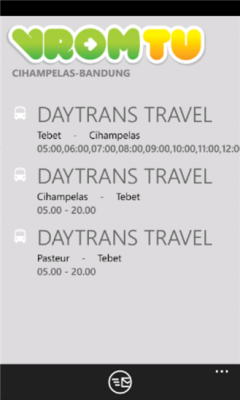
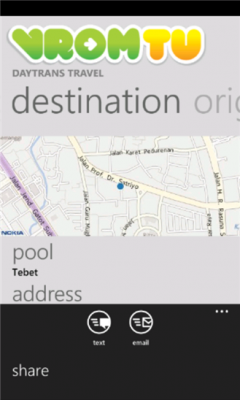
    Unlike most app developers these days, who prioritize building apps on iOS or Android, Vromtu chose to build its app on Windows Phone (WP). The app offers information on shuttle bus services in Jakarta and Bandung, including routes, departure schedules, contact numbers, and addresses, and was officially launched on Saturday.

    Vromtu is a simple service. You just need to type in the departure and arrival points, and then the app will search online and give you a list of available routes and shuttle buses. At the moment, Vromtu has data from nine shuttle bus companies which collectively account for more than a hundred bus pools.

    Aloysius Adrian, the founder of Vromtu, believes that the Windows Phone platform is on the rise both globally and locally with the arrival of the revamped WP8 and the upcoming 7.8 update. The startup’s team members are all WP users, and that’s a big part of why they built their app first for WP rather than the more mainstream platforms. The team hopes to launch an iOS version this year, while Blackberry users might need to wait a bit longer for Vromtu.

    Aloysius said that they will be focusing on fine-tuning search results and developing better shuttle directories in the near future. They are all still open to feedback. My suggestion would be to make the app available offline in its first big update, as mobile coverage can be patchy. Also, I was a bit confused as to why there are features for texting and emailing within the app when the shuttle bus companies receive orders only via telephone. Aloysius told me that the feature is built to help users share their transportation details with their friends, and not to book shuttle buses.

    Windows Phone users can download the app here, or you can use Vromtu through its mobile site m.vromtu.com.

  • Future Group opens London design studio

    Future Group opens London design studio

    Future Group subsidiary Lifestyle Fashions has opened a design studio in London, which it describes as “the fashion capital of the world”.

    The studio will “infuse the company’s brands with global designs, trends and sourcing capabilities and also curate a globally-inspired fast fashion brand for the Indian market,” the company said in a statement.

    Located in Victoria, London, the Design Studio houses an international team of designers and merchandising experts. London’s Victoria district has emerged as the new fashion hub of the city. Tom Ford and Burberry have their headquarters in the suburb and Future Lifestyle Fashions’s neighbours will include Victoria’s Secret, Burberry, Dolce & Gabbana, Moet Hennessy, Richemont and Jimmy Choo.

    “As part of this vibrant fashion ecosystem, Design Studio will tap into global talent and  networks for identifying trends, fashion design and sourcing of materials and merchandise that will fuel its fast fashion brand,” the company said.

    “Its first collection will be launched in Spring‐Summer 2016.”

    Future Lifestyle Fashions MD Kishore Biyani said Indian fashion is evolving at a rapid pace and incorporating global trends and sensibilities.

    “Women in India today shop for fresh fashion eight to 10 times in a year. Our Design Studio in London will develop a fast fashion brand that responds to these needs and infuse our brands with global sensibilities and innovation in design and sourcing.”

    The Design Studio is led by Manjula Tiwari who joined Future Group from Jabong earlier this year. Tiwari has more than two decades of experience in the fashion industry and was previously involved in introducing global brands such as Esprit and United Colors of Benetton in India. The design team in London will be led by Ainsley Dart, who has been instrumental in directing and leading large design teams of multi product, fast fashion women’s wear for global retail brands and major suppliers such as Courtalds and Dewhirst.

    Future Lifestyle Fashion markets leading international and domestic brands such as Lee Cooper, Converse, Indigo Nation, Scullers, Daniel Hechter, Giovanni, Urbana, John Miller, Jealous 21, aLL, UMM, RIG, Champion and Umbro, which are retailed through the company‐owned department store network, Central, other retail chains such as Planet Sports and Brand Factory. Most of these brands are also available at exclusive brand outlets, other department stores and fashion chains across India.

    The company also has investments in fast growing fashion brands such as Tresmode, Mineral, Desibelle, Mother Earth, Pepperone, Famozi and Turtle, and operates joint ventures with Hidesign and Clarks. With more than two dozen brands and 5 million sqft of retail space, Future Lifestyle Fashions aims to develop a globally benchmarked fashion business here in India.

  • Girard-Perregaux Singapore flagship

    Girard-Perregaux Singapore flagship

    The new Girard-Perregaux Singapore boutique is the Swiss watchmaker’s first Southeast Asian flagship.

    The Girard-Perregaux Singapore boutique is a partnership with The Hour Glass, Singapore’s exclusive distributor of Girard-Perregaux in Southeast Asia.

    The boutique has opened at The Shoppes at Marina Bay Sands.

    “Girard-Perregaux is honoured to celebrate its exclusive partnership with The Hour Glass, with the opening of its first flagship boutique in Singapore. It is indeed a privilege to be the new addition to the prestigious lineup of luxury brands retailing at Marina Bay Sands. This is a significant milestone and a hallmark of the manufacturer’s watchmaking evolution and heritage,” said Antonio Calce, CEO of Girard-Perregaux.

    The Girard-Perregaux boutique houses the most comprehensive collection of Girard-Perregaux timepieces yet in Singapore. Unveiling the core collections in dedicated sections within the boutique, watch aficionados will be enticed by Girard-Perregaux timepieces ranging from Haute Horlogerie, to iconic collections such as GP 1966, the seductive feminine Cat’s Eye collection and the Vintage 1945 which celebrated its 70th anniversary this year, to name a few.

    Upon entering the boutique, customers’ attention will be caught by the Parisian custom-made chandelier cascading from atop, evoking a touch of lightness and artistry to the boutique environment. The interior décor of the Girard-Perregaux boutique features precious wood furnishing, emanating modern and discreet sophistication.

    “Girard-Perregaux is one of the rare manufacturers today who have amassed a rich heritage and watchmaking expertise of over two centuries. This is a rare gift. The partnership between The Hour Glass and Girard-Perregaux shares a common passion for respected watchmaking codes, combined with forward-thinking innovations.We are proud to unveil the authentic world of Girard-Perregaux in one of Singapore’s most dynamic retail landscape at Marina Bay Sands,” said Wong Mei Ling, MD of The Hour Glass.

    Girard-Perregaux by The Hour Glass is located on the Bay Level of The Shoppes at Marina Bay Sands.

  • Beauty e-tailer JD.com plows ahead with strengthening its Asia reach

    Beauty e-tailer JD.com plows ahead with strengthening its Asia reach

    The Hong Kong office is intended to help JD.com expand its local market presence and warehousing capabilities, enabling it to better engage with brands and retailers across Singapore and major Southeast Asian markets, who are looking to tap the online retailer’s 118 million active users in Mainland China.

    The company plans to employ a team there to focus on targeting and attracting new retail partners from around the region.

    We have seen rapid growth in demand from our customers for Asian brands and products, and from leading brands and retailers across the region who want to reach our huge base of upwardly mobile customers,” says JD.com’s chief human resources officer, Rain Long. 

    “This new office will expand our ability to attract and service brands from around the region, and ultimately to ensure that we continue to bring our customers the most exciting and diverse selection of international products.”

    To help with warehousing, customs clearance and shipping services from Hong Kong to Mainland China, JD.com has teamed up with logistics provider, Cosco Logistics.

    “This partnership gives our customers easy access to more of the best Asian and international products, and allows more regional and global retailers to target our unrivaled base of Chinese consumers directly from Hong Kong,” said Carol Fung, Vice President of JD.com.

    Sa Sa also jumps on board..

    As part of its efforts in Hong Kong, JD.com also announced that Asian cosmetics retailer Sa Sa will launch a flagship store on its platform offering a range of international cosmetics brands and products available online in China.

    It will be synchronized with the company’s global ecommerce portal, Sasa.com, to ensure that JD.com’s customers have easy and immediate access to the full range of products available on Sa Sa’s global site.

    “We’re excited to partner with JD.com and to give Chinese consumers more extensive access than ever before to Sa Sa’s huge selection of globally renowned cosmetics brands. JD.com has an unmatched reputation for guaranteeing quality, convenience, and service, and we’re looking forward to working with them to deliver a premium online shopping experience to consumers throughout China,” said Sa Sa Chief Financial Officer, Dr. Guy Look.

  • New Disney park in China to bolster sales, Uniqlo chief says

    New Disney park in China to bolster sales, Uniqlo chief says

    Fast Retailing Co. Chairman Tadashi Yanai said Walt Disney Co.’s new park in Shanghai will help his Uniqlo casual clothing brand expand in China, shrugging off concerns over an economic slowdown in the Japanese retailer’s largest overseas market.

    “The opening of the Shanghai Disneyland gives both of us, Uniqlo and Disney, a business opportunity,” Chairman Tadashi Yanai told reporters in Shanghai, where Uniqlo will open a new Disney-inspired concept store. “Our business is getting absolutely no impact” from China’s slowdown, he said.

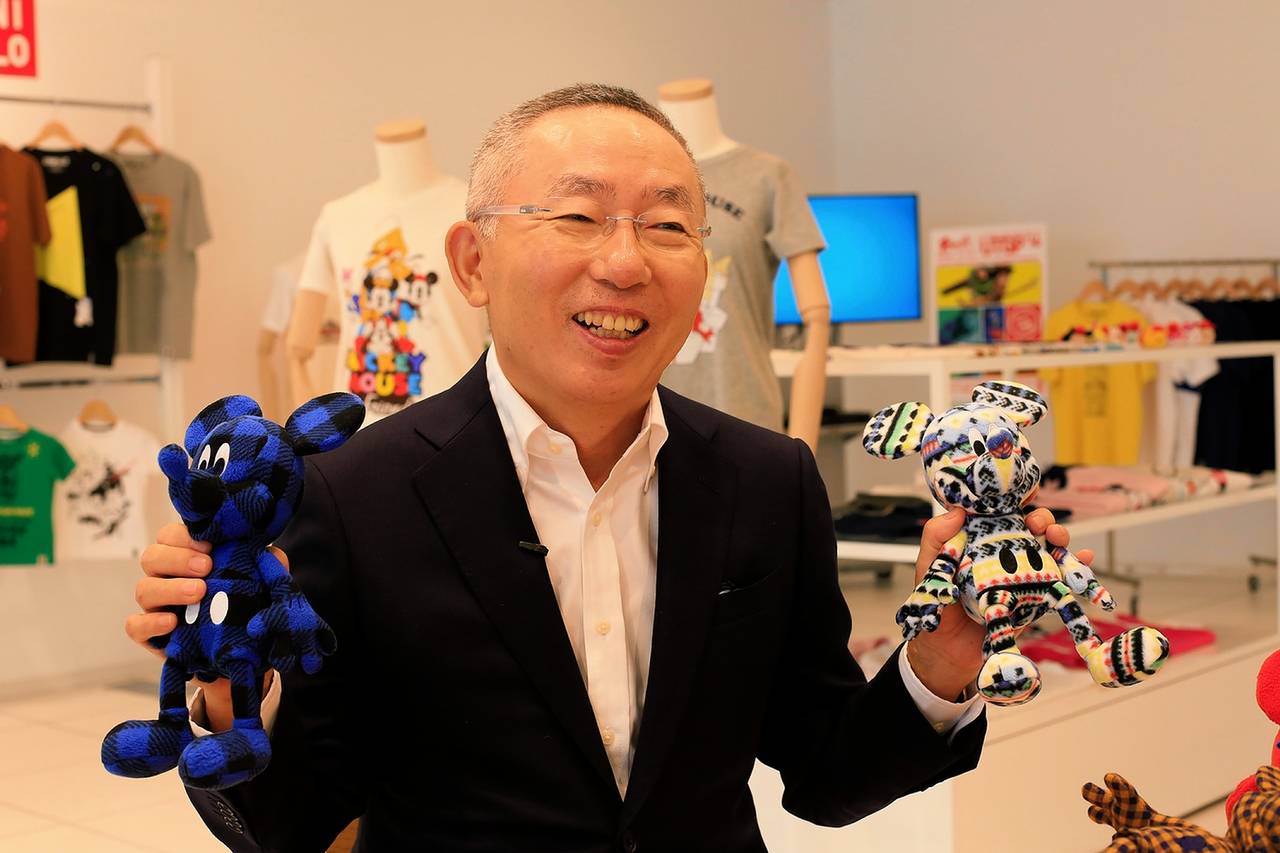
    Starting Sunday, Uniqlo will devote an entire floor at its six-story China flagship store in central Shanghai to products jointly designed with Disney. A human-sized Mickey Mouse statue greets visitors to the store, where T-shirts and toys depicting characters such as Tinker Bell, Woody of Disney Pixar’s “Toy Story” animated films, and Darth Vader from the Star Wars movies are on display.

    Japan’s richest person, Yanai plans to open 100 stores a year in China as Uniqlo competes with Hennes & Mauritz AB’s H&M and Inditex SA’s Zara to win over consumers in the world’s most populous country. The retailer’s design tie-up comes as Disney prepares to open its $5.5 billion Shanghai theme park next year, its biggest foreign investment and a bet on the country’s booming middle class.

    The Disney collaboration should help Uniqlo boost sales in China “as buzz builds around the opening of Shanghai Disneyland,” said Bloomberg Intelligence retail analyst Thomas Jastrzab. “Expanding store-specific limited edition merchandise offerings should help Uniqlo increase regular foot traffic and improve customer loyalty.”

    Fast Retailing rose 3.3 percent to ¥46,800 ($388.09) at the close of trading in Tokyo on Friday. The shares are up by 6.3 percent so far this year, compared with the 3.3 percent gain in the benchmark Topix index.

    Uniqlo has about 360 stores in mainland China, the most in any country outside Japan, where it has almost 850 shops. The company plans to expand its Greater China network, including mainland China, Hong Kong and Taiwan, to 1,000 outlets.

    China is a key market for Fast Retailing as Yanai attempts to turn Asia’s biggest clothing retailer into the world leader, with a target of ¥5 trillion in sales by 2020 from its forecast of ¥1.65 trillion for the fiscal year ended Aug. 31.

    Yanai said demand for Uniqlo products will increase amid an economic slowdown in China. Everyday clothes with basic designs and advanced materials that Uniqlo sells at affordable prices fit well as China shifts its focus to consumer purchasing from manufacturing, he said.

    “An economic slowdown in China could boost Uniqlo’s sales, particularly as shoppers increasingly look for value-for-money when purchasing clothing essentials such as T-shirts and pants,” Jastrzab said.

    China’s apparel and footwear market is highly fragmented, with market leader Bestseller AS, owner of brands such as Jack & Jones and Vera Moda, holding a 1.7 percent market share by value in 2014, according to Euromonitor International. Uniqlo ranks eighth with 0.6 percent, while Inditex is ninth with 0.5 percent and H&M is out of the top 10 with 0.4 percent.

    “Our concept of manufacturing is fundamentally different and unique,” said Yanai. “We don’t chase trends, but we would rather want to incorporate fashion into our basic clothes.”

  • Indonesia 3rd World Coffee Producer, Under Brazil

    Indonesia 3rd World Coffee Producer, Under Brazil

    Indonesia is still below Brazil and Vietnam in coffee crop productivity with 741 kg of beans per hectare per year for robusta and 808 kg for arabica.

    “The level of productivity of Indonesian coffee farmers still less than Brazil, which reached around 2,000 kg per hectare per year and Vietnam with 1,500 kg per hectare per year,” said Industry Minister Saleh Husin in Jakarta on Thursday, October 1.

    The minister promised to cooperate with relevant associations in order to increase productivity up to two-fold, or at least equal to the productivity of Vietnam.

    This effort will be taken by providing training and guidance on how to plant and coffee to get higher yield with the best quality.

    Indonesia produce coffee beans 685 thousand tons in 2014, or 8.9 percent of world coffee production with a composition of 76.7 percent and 23.3 percent Robusta and Arabica coffee respectively.

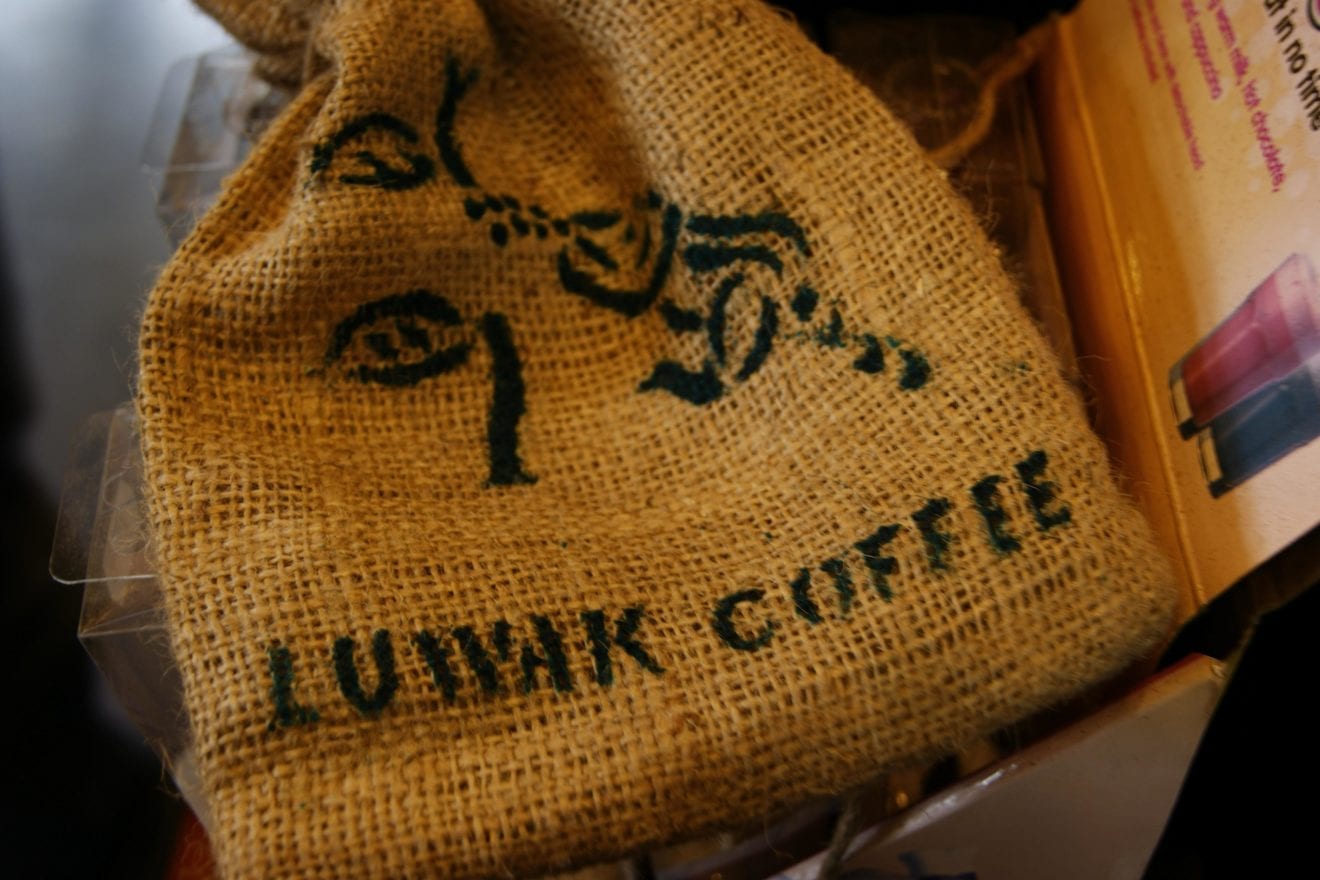
    Indonesia has various kinds of specialty coffee known around the world, such as Gayo, Mandailings, Lampung, Java, Kintamani, Toraja, Bajawa, Wamena and civet coffee.

    The export value of processed coffee products in 2014 reached 332.24 million US dollars, up 9.9 percent from 2013. Exports dominated by instant coffee, extracts, essences and concentrates of coffee generally sold in the Philippines, Malaysia, Thailand, Singapore, China and the United Arab Emirates.

  • Rents tumble on HK shopping strip that was world’s priciest

    Rents tumble on HK shopping strip that was world’s priciest

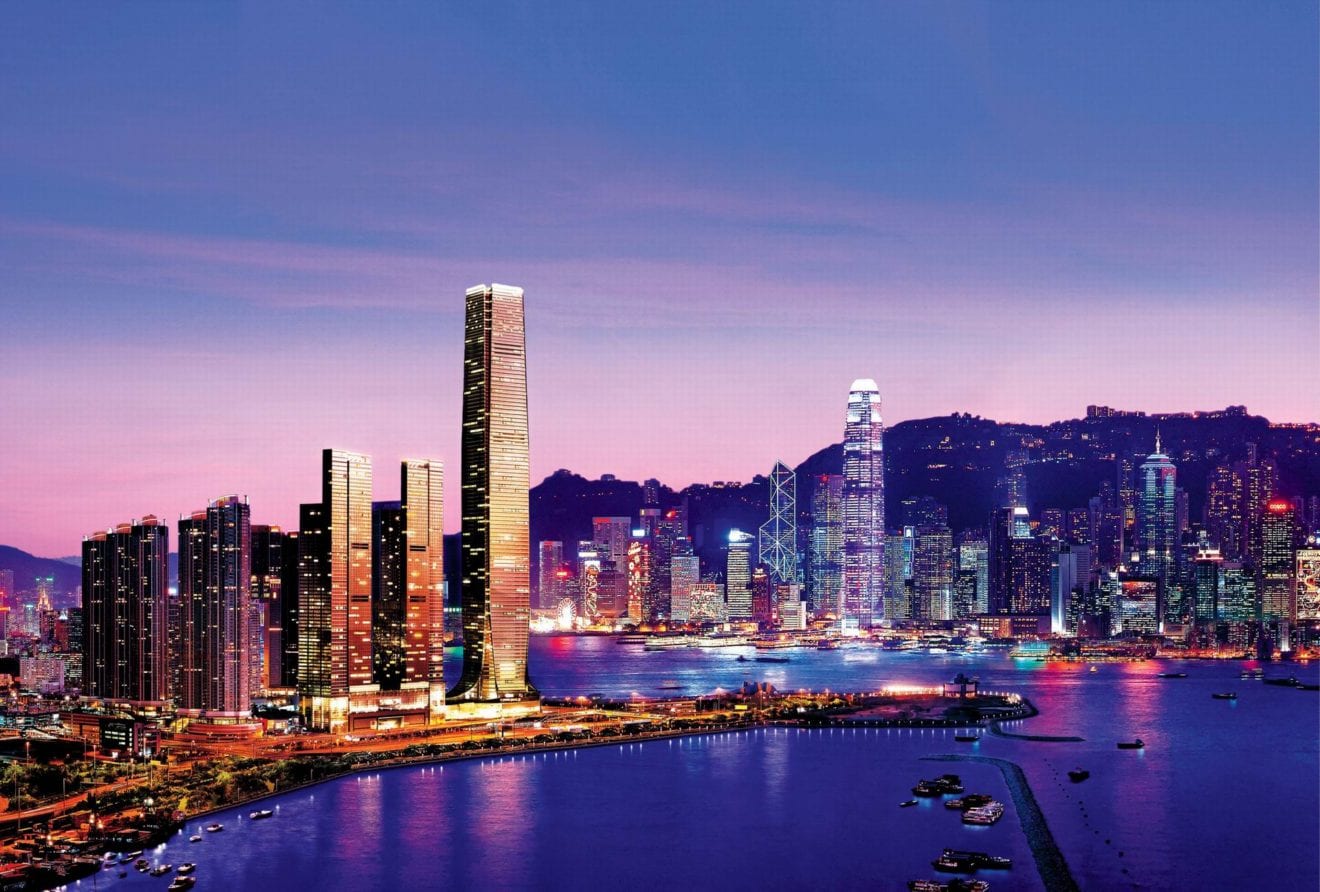
    “Landlords have to face the reality, no matter how reluctant they are,” Lawrence Wong, a director at property agent Sheraton Valuers Ltd., said in a telephone interview Saturday. “It’s still better than leaving their property empty.”

    Russell Street has lost its claim as the most expensive shopping street on the planet to New York’s Fifth Avenue, according to broker Cushman & Wakefield Inc. in November. A July research report by Jones Lang LaSalle Inc. predicted prices for space in prime locations will drop 15 percent to 20 percent in Hong Kong this year.

    Retail rents were down 12 percent in Causeway Bay and 3 percent in Central at the end of June, Oriental Daily reported earlier this month, citing data from CBRE Group Inc. The broker said in a report that the decline came after rents for shops at prime locations in Hong Kong’s four shopping districts, including Tsim Sha Tsui and Mong Kok, increased by 213 percent from 2003 to 2014.

    Hong Kong’s retail property market has slumped with China facing its slowest growth in a quarter-century. The world’s second-largest economy will announce a growth objective of 6.5 percent to 7 percent for 2016, according to eight of 15 economists in a Bloomberg News survey conducted Sept. 17-22. All of those surveyed said they expect next year’s target will fall short of the about 7 percent set by Premier Li Keqiang for 2015 growth.

    The Hong Kong government is closely monitoring developments in the city’s property market and will make policy changes if necessary, Financial Secretary John Tsang told reporters on Sunday.

    Hong Kong’s property prices are being affected by an increase in supply and volatile external factors such as a high probability that the U.S. may raise interest rates, Tsang said.

    Colourmix, run by Veeko International Holdings Ltd., will rent a 1,000 square-foot space in Causeway Bay for almost HK$1 million ($129,000) per month, 43 percent lower than what luxury Swiss watch brand Jaeger-LeCoultre is currently paying, said Wong, whose company handled the transaction.

    In Central, Hong Kong’s business district, Adidas Hong Kong Ltd. will pay 23 percent less for the space being vacated by Coach Hong Kong Ltd., according to Land Registry data. The sports brand’s rent is HK$4.34 million a month, down from HK$5.6 million paid by Coach, the designer handbag maker.

    Hong Kong’s residential market is also experiencing weaker sentiment. “Housing market outlook will likely become more cautious amid increased volatility in the global and Hong Kong’s financial markets,” the Hong Kong Monetary Authority said in a report released Friday. “The risk of downward adjustment has picked up steadily.”

  • Shiseido creates Global Travel Retail marketing team in Singapore

    Shiseido creates Global Travel Retail marketing team in Singapore

    Japanese beauty products giant Shiseido has created a Global Travel Retail (GTR) marketing team based in Singapore.

    The company said that the new team is aligned with the Group Vision 2020 and reflects the priority role of travel retail in the expansion of its brands globally,

    “Working closely with our travel retail regional teams and as a hub towards our brands’ partners, we aim at further elevating our services and product offering towards an ever more demanding global traveller,” Shiseido said.

    The team is headed by Global Shiseido Travel Retail Marketing Director Elisabeth Jouguelet-Aparicio, who reports to Group Travel Retail President Philippe Lesne.

    Underlining the group’s commitment to the travel retail channel, the team includes a dedicated travel retail exclusives products Manager (Constance Raboulin).

    The company said: “As the Global Travel Retail team, we aspire to be the beacon for brands by infusing their DNA into regional offices. We relentlessly work towards becoming an innovation hub that provide specialised and value-added services. We commit to acting as the bridge between brands and regions.”

  • Indonesia AirAsia Will be No More

    Indonesia AirAsia Will be No More

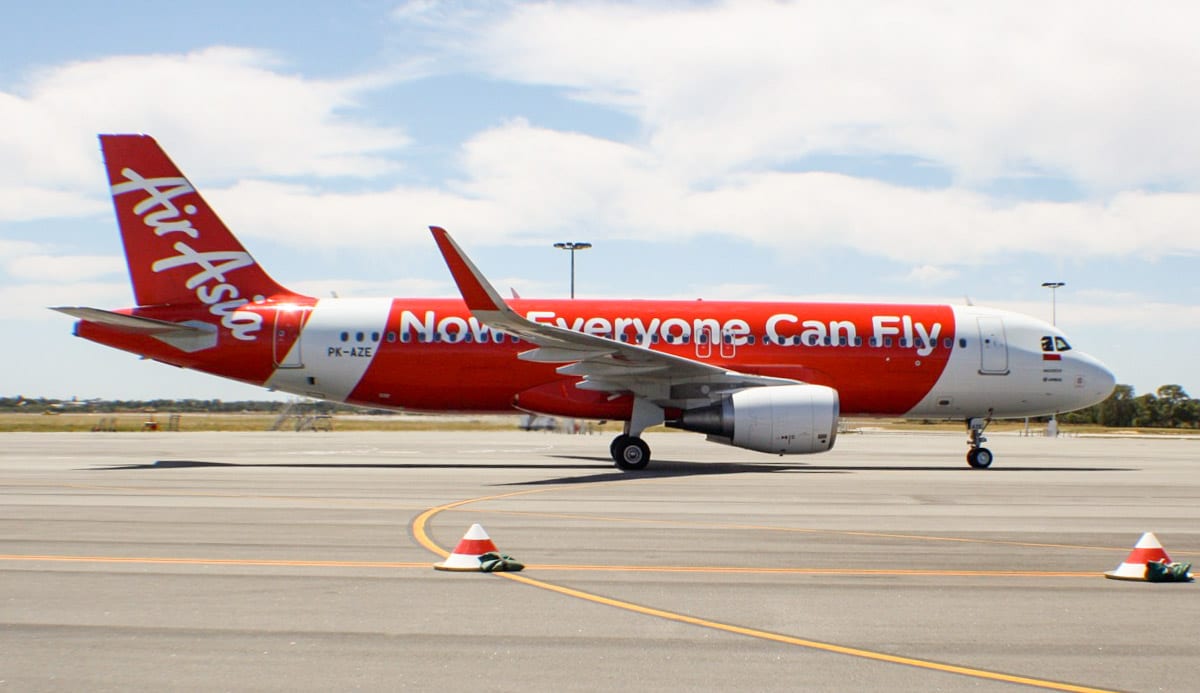
    Indonesia AirAsia airline will end its operation in Indonesia as it will be merged with Indonesia AirAsia X. Suprasetyo, director general for air transportation at the Transportation Ministry, said this merger is to improve Indonesia AirAsia’s financial condition.

    According to Suprasetyo, the merger is to save Indonesia AirAsia from having its operating license revoked because by merging with AirAsia X, Indonesia AirAsia’s equity will not be negative. “Indonesia AirAsia X’s equity is not negative because it hasn’t been audited and its operation is still less than a year,” he said on Wednesday.

    Therefore, said Suprasetyo, after the merger, there will be no more Indonesia AirAsia. All AirAsia’s operations in Indonesia are under Indonesia AirAsia X that serves medium and long-distance flights. For that, Indonesia AirAsia X will submit new business plans and process route permits again so that they can use Indonesia AirAsia’s routes. “Indonesia AirAsia is no more,” he said.

    Indonesia AirAsia is one of 13 airlines that have negative equities, based on the Transportation Ministry’s inspection in July 2015. The ministry threatened to revoke their operating licenses if their equities were not positive until September 30.

    Indonesia AirAisa president director Sunu Widiyatmoko gave no answer when asked for confirmation, while PT Indonesia AirAsia X chief executive officer Dendy Kurniawan did not comment much and chose to wait for an official announcement from the ministry.