Author: Mei Ling Tan

  • Benoy to design Haitang Bay centre

    Benoy to design Haitang Bay centre

    Global design studio Benoy has been chosen to provide masterplan and architectural design services for a new mixed use development in Haitang Bay, Hainan.

    The project, Benoy’s first in the popular island tourist destination, is the new China International Travel Service (CITS) Sanya Eyot scheme.

    The CITS Sanya Eyot development is located in the new resort area of Haitang Bay in Sanya. Rising as a high-end tourism destination, the area attracts visitors from around the world as a result of its world-class yachting community, international luxury hotel cluster and unspoiled natural assets.

    The scheme will introduce a 32,000 sqm  mixed-use, retail-led destination which will be differentiated from the traditional retail projects currently in Haitang Bay. Benoy’s Masterplan has prescribed strategies for celebrating the island landscape, placemaking and multi-layered environments, to establish a point of difference for this high-profile future scheme.

    “Benoy is incredibly excited to be working with CITS on their future addition for Haitang Bay and crafting a vision for what this development can offer. Through our design, we have aimed to embody the coastal landscape and develop a concept not yet seen before in this area,” said Chao Wu, a Benoy director.

    “Our team has brought new thinking to the retail, entertainment, cultural and art experiences within the development. Our Masterplan is animated by vibrant spaces and offset by quieter zones and there is significant diversity in the programmatic mix to ensure we arouse interest and appeal to a large visitor base.”

    Benoy’s design will feature a combination of indoor and outdoor spaces which will host a multitude of activities including art, water shows, cultural performances, recreational attractions, wellness programs, children’s zones and possibly a wedding chapel.

    Taking inspiration from Sanya’s local fauna, the Egretta Garzetta formed the concept behind the architecture of the development; the sweeping architectural lines mimic the graceful movement of the birds.

    The architecture also prioritises human-scale within the development with a number of small-scale blocks and pavilions designed along the waterfront edge. The collection of forms and differing façade treatments complement the faceted landscape and will add interest and variety to the visitor experience.

    The CITS Sanya Eyot scheme will commence construction in early 2016 and is due for completion at the end of 2018.

    Haitang bay centre by Benoy1

  • New app aids Chinese tourists in Korea

    New app aids Chinese tourists in Korea

    South Korean location-based coupon application provider YAP Company has launched a new app that provides Chinese tourists with various tourism-related information, including shopping and transportation.

    The app, dubbed Kayo, provides a selection of coupons and other information for 100,000 local shops at popular tourist destinations, including Seoul’s major shopping district of Myeongdong or the southern resort island of Jeju.

    YAP Company said it plans to adopt mobile payment services to Kayo in the near future by joining forces with leading Chinese platforms such as Alipay.

    Other features of Kayo include taxi hiring and online translation services.

    “Based on YAP’s high-tech technology, we plan to allow every Chinese visitor to South Korea to enjoy quality search services, discount information and mobile payment just by downloading Kayo,” a YAP spokesperson said. “The new application will also help local shop owners to attract more tourists.”

    The release of the new app came amid a steady rise in the number of Chinese visitors to South Korea. Last year, 6.12 million Chinese visited South Korea, spending about 14 trillion won (US$11.7 billion).

    The company expects the number of Chinese visitors to reach 10 million by 2018.

    YAP Company also operates an application, dubbed YAP, in South Korea, which allows users to download coupons and discount information related to shops located near the users, including major franchises.

    It stands out from its rivals as it uses what it calls “hybrid beacon” technology, which automatically displays discount information when a user enters registered stores.

  • Esprit ‘on the right track’

    Esprit ‘on the right track’

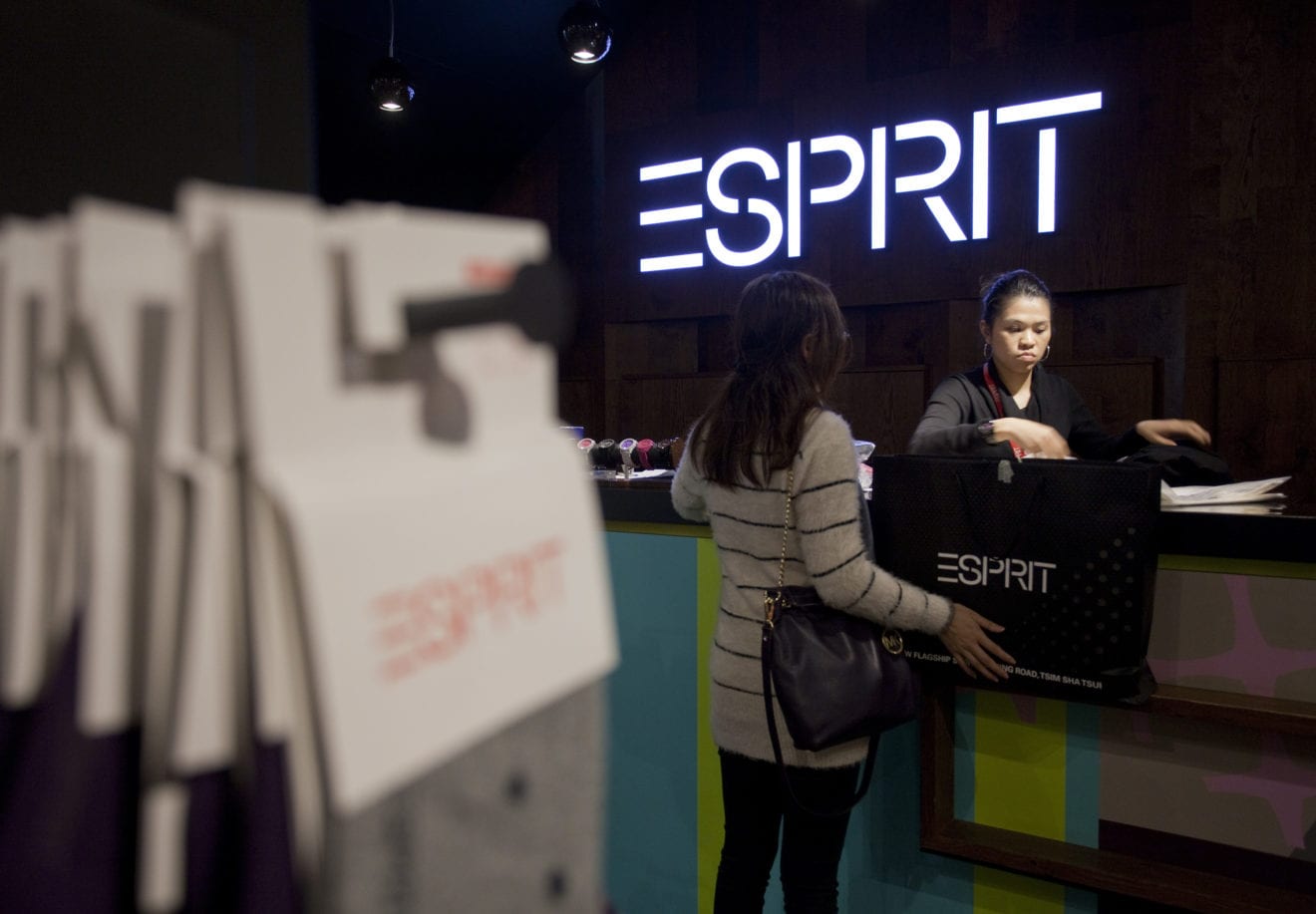
    Hong Kong listed fashion group Esprit says its full year financial loss masked a positive phase of its turnaround program.

    Full year turnover fell 11.5 per cent (or 19.8 per cent in Hong Kong dollars) and the company posted a loss of HK$3.683 billion, largely due to impairments.

    In its profit announcement the company described the year as “exceptionally challenging” with trading affected by both internal and external factors.

    “Nevertheless, from a strategic perspective, it has been a year of significant achievement as the group completed the most vital and demanding phase of our turnaround plan. We have successfully installed the foundation enabling us to enhance our products and optimise sales performance across all channels (online, offline, retail and wholesale).

    “It is encouraging to see the first signs of a positive sales trend for our new Vertical Products’, which gives us confidence we are on the right track to restoring the competitiveness of Esprit.”

    The group blamed the sales decline on reduced store numbers (down 8.8 per cent), an unusually warm winter in Europe which impacted on Autumn/Winter sales volume and prices; declining apparel sales in Germany (the total market shrunk in nine of 12 months);  internal restructuring and unfavourable exchange rates.

    Group CFO Thomas Tang said that although the challenging market had considerable impact on Esprit’s turnover, its gross margin remained stable and savings were achieved in most cost lines of our regular operations.

    “With our priority on cash preservation over the past two years, the Group is on a sound financial footing, with a healthy balance sheet that we intend to leverage to decisively execute the strategies that shall drive top line growth in the near future.”

    Esprit is debt free.

    Tang said the last financial year was devoted to the implementation of the most demanding, yet vital, part of the group’s strategic plan: the ‘Transformation’ phase. During this phase, a vertically integrated business model (‘Vertical Model’) was introduced within Esprit to enhance the speed and efficiency of its product development and supply chain processes, and thereby significantly improving the design and value for money of its products.

    More specifically, the following have been implemented:

    • Lean supply chain management (from over 350 to below 230 suppliers).
    • Category management teams (all product divisions transformed).
    • New merchandising model (buying and merchandising fully centralised).
    • Reduction in product range (30 per cent to 40 per cent reduction of options).
    • Seasonal product calendar (from 12 monthly collections to four seasons).
    • Fast-to-market product development (two to three months lead time in the Trend Division and the fast-reaction capsules in all other divisions).
    • Stock management optimisation (pending additional stock replenishment capacity and capabilities in the central distribution center).

    “More importantly, the group has observed progressively positive developments in terms of product sales performance following the introduction in February 2015 of the Spring/Summer 2015 collections, the first ones developed under the Vertical Model: Retail turnover decline has narrowed consistently over each subsequent quarter during the year (Q1 -15.0%; Q2 -10.3%; Q3 -8.3%; Q4 -6.8%).

    Same store sales rose 4.1 per cent in the quarter to August and sales in Germany, its largest market, outperformed the market in each of the last three months.

    Retail sales of the Esprit Women divisions recorded 5.3 per cent year-on-year growth for the last three months and the Trend Division (representing 2.6 per cent of group turnover), reported full year turnover growth of 29.7 per cent.

    Esprit chairman Raymond Or said the group maintained a clear focus to execute the most complex and critical phase of its transformation in the year past, and made good progress despite a difficult operating environment.

    “The growth phase that we are now embarking upon is not without its challenges, but there is much hope and excitement across all levels of our organisation as we leverage the strong foundation that we have laid over the last two years. Every successful journey takes time, and we believe that we are nearing our final destination – which is to restore the long term competitiveness of our group.”

  • RFG eyes India’s $24b franchise industry

    RFG eyes India’s $24b franchise industry

    Retail Food Group (RFG), has entered into an exclusive partnership with Franchise India, Asia’s largest integrated franchise solution company to launch its brand in India.

    Franchise India has extensive experience in pairing franchisors with qualified master franchise partners while creating a high level of interest from potential local franchisees to achieve successful international expansion for foreign brands. The organisation also runs the world’s leading franchise website.

    Andre Nell, CEO franchise of RFG, said RFG is targeting significant international growth with plans to open 130 outlets in international markets this financial year.

    “RFG’s Brand Systems are market leaders and award-winning brands in Australia, each possessing successful business models that have been proven over many years. Our goal is to replicate this success in global markets by working with motivated partners who share our vision,” said Nell.

    “RFG is looking forward to working with Franchise India and leveraging their extensive reach and intimate knowledge of franchising.”

    Franchising in India Gaurav Marya, chairman of Franchise India, said the country’s franchise industry is valued at $24 billion with year on year growth of 30 per cent.

    “India’s franchising industry continues to thrive, driven by a growing preference for internationally branded products and an emerging café culture,” said Marya.

    “The retail and food and beverage sectors have evolved over the last decade, leading to a high level of consumer interest in specialty and gourmet brands in particular. The market is expected to increase in value to around $35 billion by 2020.

    “With a rising global awareness and increasing spends on eating out among Indian consumers, the timing is opportune for RFG to enter the Indian market.”

    Under the new partnership Franchise India will use their extensive network, database and marketing systems to recruit Master Franchise Partners for RFG.

    Franchise India and RFG will be recruiting Master Franchise Partners for the Gloria Jean’s Coffees, Crust Gourmet Pizza, Donut King, Michel’s Patisserie, Brumby’s Bakery, and Pizza Capers Brand Systems.

    With the opportunity for a minimum of six licenses across India, Nell said he is confident RFG’s unique business model will be a major point of difference for potential partners.

    “RFG’s strength in brands philosophy positions us to enter the market with multiple Brand Systems, increasing our ability to effectively and efficiently provide enhanced support systems and resources to our partners in the region,” said Nell.

    “Our existing support team is currently based in India, made up of seasoned experts in franchising who, along with the experienced team at Franchise India, will be invaluable assets as we work with our prospective Master Franchise Partners to develop a successful model for their territory.”

    Behind RFG’s international expansion

    RFG’s international expansion model is based on recruiting master franchise partners who purchase a licence to develop a certain brand system in a defined territory.

    Nell said the master franchise partner model provided the company and local partners with the opportunity to forge sustainable partnerships to successfully develop RFG’s Brand Systems internationally.

    “We firmly believe our international licensees are more like our business partners. Our international model has become very collaborative and supportive as we work with partners on development schedules and growth strategies as well as marketing and training,” said Nell.

    “The benefit for partners is access to a wealth of experience in retail food franchising, proven systems and a global training and support framework, while RFG gains a partner with the strategic, operational and financial capabilities to expand each brand system within their territory.”

    Nell said RFG’s franchising expertise and strong established Brand Systems provided the company with the perfect opportunity for significant expansion into international markets.

    “Refined over 11 years and 40 global territories, RFG’s global franchising expertise and master franchise partner model provides the perfect springboard for the company’s established Australian brands to enter major new international markets.”

  • Samsung Pay hits $30m in first month

    Samsung Pay hits $30m in first month

    Samsung Electronics said Thursday its mobile payment solution has processed tractions totaling US$30 million in the month after its debut in South Korea.

    The company officially released Samsung Pay in South Korea on August 20.

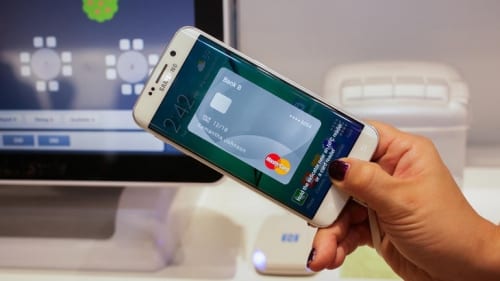
    The platform, available for Samsung’s high-end smartphones, including the Galaxy S6 and the Galaxy Note 5, supports magnetic secure transmission (MST) technology that works on traditional credit card machines.

    Like rivals Apple Pay and Android Pay, it also supports near field communication (NFC) that requires a separate transaction device.

    Over the one-month period, Samsung said around 1.5 million transactions have been made, with 60 per cent of them being from the Galaxy Note 5 phablet, a cross between a smartphone and a tablet PC showcased in August. Samsung Pay is also accepted at some 1000 ATMs operated by local bank Woori Bank across the nation.

    “Although the details on Samsung Pay usage are constantly being updated, the response we’ve received so far has been beyond our expectations,” said Rhee In-jong, Samsung Electronics VP.

    “We knew Samsung Pay would be a game changer in the mobile payment industry, and now with the user data, we are seeing the greater impact it is having on consumer behavior and on the lifestyles of our customers,” Rhee added.

    Samsung Pay is set to officially launch in the United States on Monday. Samsung added it will also reach Britain, Spain and China soon.

  • Daraz targets frontier Asian markets

    Daraz targets frontier Asian markets

    Online retailer Daraz is investing $56 million into creating beachheads on so-called ‘frontier markets’ in Asia: Myanmar, Pakistan and Bangladesh.

    Daraz is the leader in online retail in all three markets, selling apparel, accessories, shoes and beauty products for men and women, as well as a wide variety of electronics and general merchandise.

    The company is part of the Rocket Internet group which also owns Zalora and Foodpanda.

    It is planning a ‘mega sale’ on November 27, something like Amazon’s Black Friday in the US, offering a slew of special deals in the three Asian nations.

    Bangladesh, where it is putting most of its focus currently, will get the majority of the marketing spend, where it is partnering with local apparel brands such as Bata, Yellow and Ecstasy, as well as tech partners.

    Daraz Bangladesh chairman Sumeet Singh says the local site is attracting around 2 million visitors a month.

  • Lao Feng Xiang plans 20 Hong Kong stores

    Lao Feng Xiang plans 20 Hong Kong stores

    Lao Feng Xiang, the Chinese jewellery brand few in the west have ever heard of, is planning to open 20 stores in Hong Kong.

    Lured by the prospect of cheaper rents in high profile locations as Hong Kong’s luxury sector enters a decline, Lao Feng Xiang sees the foray as an opportunity to build its brand awareness outside the mainland.

    Lao Feng Xiang, controlled by the Shanghai Government, has a 167 year history in the mainland – and has a 3000 strong store network. It entered Hong Kong in May and now has two stores trading. Marketing manager Wang Ensheng told Bloomberg that as many as 20 will be trading within a few years.

    “The fact that Lao Feng Xiang opened stores in Hong Kong boosted our reputation,” Wang told Bloomberg in a telephone interview. “Mainland consumers know that we are now a player in this international jewelry hub.

    “This year is the best time to enter Hong Kong, an opportunity that we have waited for years.”

    The first Lao Feng Xiang store opened in Tsim Sha Tsui, an 80sqm boutique which sold more than HK$100 million of jewellery on its opening day.

    Shanghai flagship store in the year 1999

    “Hong Kong is a key market in our internationalisation strategy. We provide more diversified selections at the Tsim Sha Tsui store than any of our 2800 stores on the mainland,” said Wang at the time of the opening.

    “The logic is simple – we want to attract more young people to our fold,” he said.

  • Thailand’s first Virtual Reality Lab

    Thailand’s first Virtual Reality Lab

    Virtual Reality has been a popular subject lately in Asia, although not new to virtual reality, Orb Vr Labs was founded in 2014 by five passionate veterans of film, VFX, post production, telecom and product design. Based in Bangkok with an R&D office in Chang Mai, Orb VR Labs has set out to create new ways to visualize stories and is developing innovative solutions needed to build these mind-blowing immersive experiences.

    “It happened over a few days, we were discussing stuff as we normally do and our discussions kept landing back to VR, AR and 360°. Our unique combination of talents, skills and resources created a lab type of studio where our sole purpose is to create innovative ways to tell new stories, says Bryn Cadman, former VFX supervisor.

    “VR is exciting, where by film making you have to follow certain rules, virtual reality requires completely different approach and mindset. The immersive experience is very wild, The sky is not the limit”, says Lex Luther, Film Director.

    We are ready to take on challenges and we’re fully equipped with a wide assortment of  technology to  create VR and 360° experiences. “Our focus is on content creation and building the infrastructure and technology to produce cinematic virtual reality that matches the scale and quality of modern film craft”. Sreeram Ramanathan, speaks from his base in Mumbai from where he represents the Indian extension of Orb VR Labs.

    Our solutions can significantly increase mobile operators ARPU* and drive more 3G/4G/LTE data consumption. Mobile users can enjoy an innovative immersive virtual reality or 360° experience from literally any place by using in-house developed wearables. Mobile operators can benefit from this new content and deliver it to handsets over our VOD (streaming) platform. The competition is on between operators to bring added value to customers and stand out of each other, says Sven, ARPU evangelist.

    Their work includes clients such as Toyota, Nissan, Grey Advertising and Prism.

    (*) Average revenue per user (sometimes known as average revenue per unit), usually abbreviated to ARPU, is a measure used primarily by consumer communications and networking companies, defined as the revenue divided by the number of subscribers.

  • Foodpanda Malaysia expands

    Foodpanda Malaysia expands

    Foodpanda, Malaysia’s monopoly food delivery business, has relaunched its operations in Johor Bahru, in the nation’s south.

    Foodpanda Malaysia says it is “already a household name” in other major Malaysian cities – Kuala Lumpur, Ipoh, Melaka and Penang.

    “We are happy to be back in Johor Bahru. I think this service would add convenience to the residents in Johor Bahru,” said Uffe Jordan, MD of Foodpanda Malaysia.

    The relaunched service will start by offering online ordering and delivery of wellknown quick service restaurant brands such as Kenny Rogers Roasters, Nando’s, and Sakae Sushi.

    “We will be launching in the city centre and are looking forward to expand our delivery areas soon. We are also working on bringing in more local favorite restaurants in Johor Bahru,” said Uffe.

    Rocket Internet owned Foodpanda Group operates in 39 countries on five continents under its own name and the additional brand hellofood.

  • Lacoste India targets flyers

    Lacoste India targets flyers

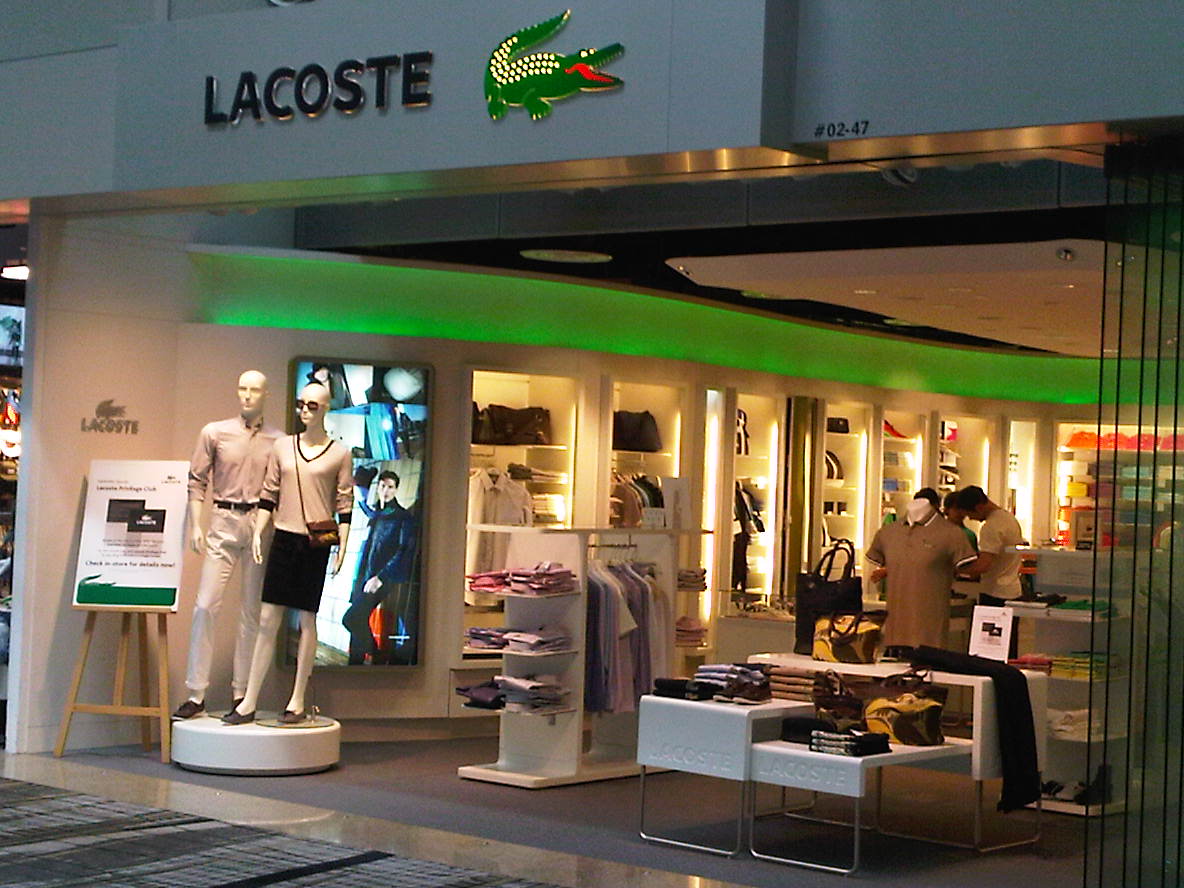
    French apparel brand Lacoste hopes to score more impulse sales by opening stores in Indian airport terminals.

    Lacoste India plans to open three new stores this year in Mumbai and Hyderabad airports and another five in shopping centres as it gradually builds its footprint in tier one cities.

    “We will be opening one outlet at the Hyderabad domestic terminal and at Mumbai airport,” Lacoste India director & CEO Rajesh Jain told PTI in an interview.

    “The new retail stores at airports would start contributing up to seven per cent of our total sales from next financial year.”

    Lacoste already operates a store inside Bangalore Airport. It is eyeing Kochi and Delhi as well.

    The company currently operates 46 stores in 18 Indian cities.

  • Korea set to woo back Chinese tourists

    Korea set to woo back Chinese tourists

    South Korea’s retail and tourism industries are preparing a slew of promotional and cultural events to woo back Chinese tourists during a long-haul holiday season, pinning their hopes on making up for a summer slump in the wake of a viral respiratory illness, sources say.

    Since the first outbreak in late May, Middle East Respiratory Syndrome (MERS) made a big dent on domestic spending as foreign tourists canceled their planned trips during the peak summer season, while South Koreans avoided shopping centers and other crowded places in June and July.

    While the viral disease hit the tourism and retail industry hard, Chinese tourists have started to return to the once-empty streets of Myeongdong, one of the capital’s most popular shopping districts, over the past month.

    The number of Chinese travellers has increasingly recovered to the previous year’s level since late August and marked an on-year rise since mid-September, the state-run Korea Tourism Organization (KTO) said.

    About 303,000 tourists with Chinese nationality entered the nation in the first two weeks of September, rising 4.8 per cent compared with the same period a year ago, it said.

    “The number of Chinese travelers has sharply risen this month, and the number is expected to completely recover during the Chinese holiday season,” Han Hwa-joon, who oversees the KTO’s Shanghai branch, said. “The recovery pace is faster than expected.”

    Chinese Thanksgiving falls on September 26-27, and together with the Chinese National Holiday running from October 1-7, the holiday season can be extended up to 12 days.

    As the Chinese holiday season draws near, major shopping centers and duty-free operators are making all-out efforts to draw Chinese tourists to make up for a shortfall in sales amid dormant domestic spending.

    According to the KTO, 164,000 Chinese travelers visited the nation during last year’s autumn holiday season and spent 2.4 million won on average, which amounts to about 400 billion won (US$341.5 million) in total.

    During this year’s Chinese National Holiday, the tourism agency expected some 210,000 Chinese will visit the nation, up 30 per cent from a year ago, considering the pace of growth over the past three years.

    “We will host a variety of events even after the Chinese holiday to make up for the fall in tourists during the peak season from June to August,” said Seo Young-chung, a KTO official in charge of Chinese tourism.

    Lotte Department Store plans to host a variety of promotional events targeting Chinese travelers during the golden weeks, providing discounts on payments made through UnionPay, China’s largest credit card issuer, and Alipay, China’s No. 1 mobile payment application.

    Shinsegae, the nation’s leading department chain, said it will give special discounts to Chinese customers, while Hyundai Department Store also started the regular sale season earlier than usual to attract the deep-pocketed travelers.

    Operators of duty-free shops have also stepped up efforts to bring back Chinese travelers, the largest consumer group, which accounted for about 70 per cent of downtown duty-free spending last year, up from around 15 per cent in 2011.

    Lotte Duty Free, the world’s fourth-largest duty-free operator, held a travel fair in Shanghai on September 9, in which senior company officials reached out to Chinese tourism officials to attract Chinese travelers.

    Hotel Shilla, part of Samsung Group and the world’s No. 6 duty-free operator, also presented various sales promotions and tour packages during the fair along with other Samsung units, with the attendance of senior officials.

    “The Korean tourism industry has mostly recovered after the Mers outbreak came under control, and it will make a full recovery in September,” Hotel Shilla CEO Lee Bu-jin told reporters during her visit to Shanghai.

  • Korea’s Churro 101 Singapore date

    Korean dessert concept Churro 101 is to open its first store in Singapore on October 3.

    Churro 101 Singapore will debut at Bugis Plus on Victoria St, serving up churros – a fried-dough pastry snack popular in Spain, France, the Philippines, Portugal, and the Southwestern US.

    It will be the four year old brand’s first store opening outside South Korea and a likely prelude to expansion into other Asian markets.

    The Singapore store will make fresh churros daily in an open kitchen, using raw materials imported from Korea.

    The 441 sqft store features European styling and will seat up to 20 customers as well as serving takeaway orders. It will trade from 10am to 10pm daily.

    While the churro concept is not new to Singapore, Churro 101 offers a unique take on the dessert, including flavours made with the brand’s own secret recipes, filled churros and a signature dark chocolate churro.

    Prices will range from $3.30 to $5.40.

  • Singapore Retail Productivity plan launched

    Singapore Retail Productivity plan launched

    Singapore’s government has unveiled ‘part 2’ of a Retail Productivity Plan for the city state.

    In a speech to the 24th Singapore Retail Industry Conference, Senior Minister of State for Trade and Industry Lee Yi Shyan said while the original Retail Productivity Plan launched in 2011 had helped retailers improve operational efficiency, more needs to be done.

    “We need to deepen the transformation of leading players, and also bring on board a large number of retailers that may be slower to adapt to fast-changing consumer preferences and consumption patterns,” he said.

    The Retail Productivity Plan 1.0 included focuses on adopting technology, upgrading human resources and introducing more customer-centric initiatives. “I am happy to note that the plan has benefited over 1900 retailers,” said the minister.

    “The retail sector is an important part of Singapore’s economy. It generated about S$35 billion in annual operating receipts and accounted for about 125,000 jobs in 2014.

    “Given that the retail sector hires many workers, we identified it as one of the priority sectors for productivity improvement. Higher productivity would lead to higher profitability for firms, higher wages for workers and a more competitive industry as a whole.”

    Lee Yi Shyan said Retail Productivity Plan 2.0 aims to improve both top-line growth and operational efficiency.

    He said it was only a matter of time before online retailing “becomes commonplace in Singapore”.

    “Some may argue that … smaller economies like Singapore may still rely on bricks-and-mortar stores for a long time to come. Do you subscribe to this argument? I personally believe… consumer preferences are changing. A study by Euromonitor International shows online spending in Singapore grew from S$1.08 billion in 2014 to S$1.22 billion in 2015. This is growth of 13 per cent over a year.”

    He said the choices are clear for Singapore retailers.

    “If we only play defensively, we would see our retail sector growing very slowly, or perhaps not at all. Our strategy therefore cannot be limited to cost-cutting and efficiency improvement. Our strategy has to be offensive, to include selling beyond the limitation of store-fronts and serving markets in the region and beyond.

    “This is why we will place great emphasis on internationalisation and helping retailers sell online in RPP 2.0. We will help companies acquire the relevant capabilities to sell online, such as investing in product development, brand-building, e-infrastructure, digital advertising, and channel fulfilment.

    “We will encourage collaborations between our retailers and experienced logistics players such as SingPost to better perform order fulfilment in Singapore and the region. We will also encourage our e-retailers to explore partnering global platforms, such as eBay, Amazon and Alibaba.com to market their products worldwide. For example, we worked with Google this year in February to organise the Great Online Shopping Festival.”

    The minister said Singapore’s bricks and mortar stores will not vanish overnight.

    “However, they will have to compete much harder for a shrinking pie by offering better and more immersive in-store experiences. This can make a difference. For example,Tangs has revamped itself to offer its shopping experience as a one-stop lifestyle destination. They extended their offerings beyond retail to include spa services and food offerings, and jazzed up their store with an area set aside for pop-up showcases for new brands.”

    He said as well as helping companies lift top-line growth, RPP 2.0 will continue to reach out to many more retailers that can benefit from efficiency improvements.

    “The use of RFID (Radio Frequency Identification) for inventory management, automated retail services and cashier-less stores are proven ways to help retailers improve efficiency and save costs. Experience in the past suggests that such technologies could save more than 20 per cent in manpower costs.

    “An interesting example of automated retail is SingVita – a fully automated store which sells health supplements. Beyond allowing for substantial manpower cost savings, the cloud-connected machines used in SingVitaalso enable the company to manage inventory and prices in real time.

    “We will also support retailers that embark on projects to analyse and improve their existing business operations. Companies can, for instance, embark on time motion studies to optimise the time that workers spend on various tasks.”

    Another example he cited was Noel Gifts, an online floral and gift retailer, which embarked on such a project with SPC to identify and reduce wastages in processes such as hamper wrapping and flower arrangement. This, in turn, enabled it to deploy its manpower to more value-adding services.

    “Singapore is an open economy, and our retail sector [will] have to compete regionally and globally. Our retailers can sell to regional and international consumers if we have unique products and services to offer. To survive, we cannot remain defensive. We need to have growth strategies that tap on markets outside of Singapore.

    “While a good majority of our retailers could improve their productivity by improving operational efficiency, at least in the short term, I believe a vast number of our retailers will have to transform to become e-retailers quickly. The trend of shopping online is unlikely to reverse, and we have to be prepared for this.

    “Let us work together to retain and enhance the vibrancy of our retail sector.”

  • Chinese millennials: the new big spenders

    Chinese millennials: the new big spenders

    Chinese millennials – China’s new rich – are looking to spend double the Asia-Pacific average on luxury items in the next year.

    The millennials – those aged 18 to 29 – are already China’s biggest spenders on luxury goods in Asia Pacific, followed by those in South Korea and Hong Kong.

    According to research from MasterCard, the most popular luxury items are high-end tech gadgets, with 25 per cent of millennials in Asia Pacific planning to buy an item such as a smartphone or tablet computer in the next year. This is followed by designer clothes and leather goods (17 per cent) and jewellery (17 per cent).

    Overall, most millennials in the region take approximately a month to consider and research their luxury purchases. More millennials in Asia Pacific (a quarter) buy on impulse than those aged over 30 (a fifth).

    Meanwhile, over a third of millennials in the region prefer Western brands over regional or local, however there is a marked difference across the region. While more than half of millennial shoppers in China, Vietnam, South Korea and Hong Kong prefer Western brands, the majority in India and Indonesia would rather buy local. The top three reasons for preferring Western brands were reliability of quality, followed by value for money and brand loyalty.

    When choosing where to buy luxury goods from, the majority of millennials still prefer purchasing from local brick and mortar stores (64 per cent), instead of local eCommerce sites (nine per cent). Meanwhile a fifth prefer to buy luxury items in-store when travelling overseas, this is especially true of Chinese millennials, 51 per cent of whom are most likely to buy a luxury item in-store while travelling.

    The results are based on interviews that took place between May and June 2015 with 2272 millennials across 14 Asia Pacific markets.

    More findings:

    • Millennials from China intend to spend on average US$4362 on luxury goods over the next year, nearly double that of the Asia Pacific average of US$2584. South Korea (US$2638) and Hong Kong (US$2584) round off the top three.
    • Overall, the majority of millennials in the region will take under a month to research and consider a luxury item before buying it (44 per cent), led by those in India (64 per cent), China (51 per cent), South Korea (48 per cent) and Taiwan (48 per cent).
    • Thai (60 per cent) and Indonesian (50 per cent) millennials are the most impulsive shoppers in the region with at least half buying luxury goods on impulse, above the regional average of 26 per cent.
    • The most careful millennial shoppers are from Vietnam – the majority will only buy a luxury item after two to six months of extensive research (45 per cent), more than the regional average of 20 per cent.
    • Over one-third of millennials across the region prefer western brands to local and Asian brands. More than one in two millennials in China (66 per cent), Vietnam (60 per cent), South Korea (59 per cent) and Hong Kong (52 per cent) would pick a western luxury brand over a local or Asian luxury brand. However, in Indonesia (61 per cent) and India (50 per cent), a large majority of millennials would rather buy luxury goods from a local brand.
    • Most millennials in the region purchase luxury goods in-store rather than online – this is especially so when they are on sale locally (43 per cent) compared to when they are at full price (23 per cent). Only a small percentage of millennials in the region shop for luxury goods on local (nine per cent) and overseas sites (four per cent).
    • Chinese millennials are the most likely to buy luxury goods in-store when travelling overseas (51 per cent), whereas the majority of consumers in India (81 per cent) and Indonesia (50 per cent) buy luxury goods locally in-store at full price.
    • Millennials in Indonesia are the most likely to spend more on luxury goods in the next year than the year before (47 per cent). Across Asia Pacific, most consumers (40 per cent) intend to spend the same amount as they did the year before, 22 per cent plan to spend less while 19 per cent plan to spend more.
  • Indonesia to Overtake Vietnam as Asia’s Largest Cement Producer

    Indonesia to Overtake Vietnam as Asia’s Largest Cement Producer

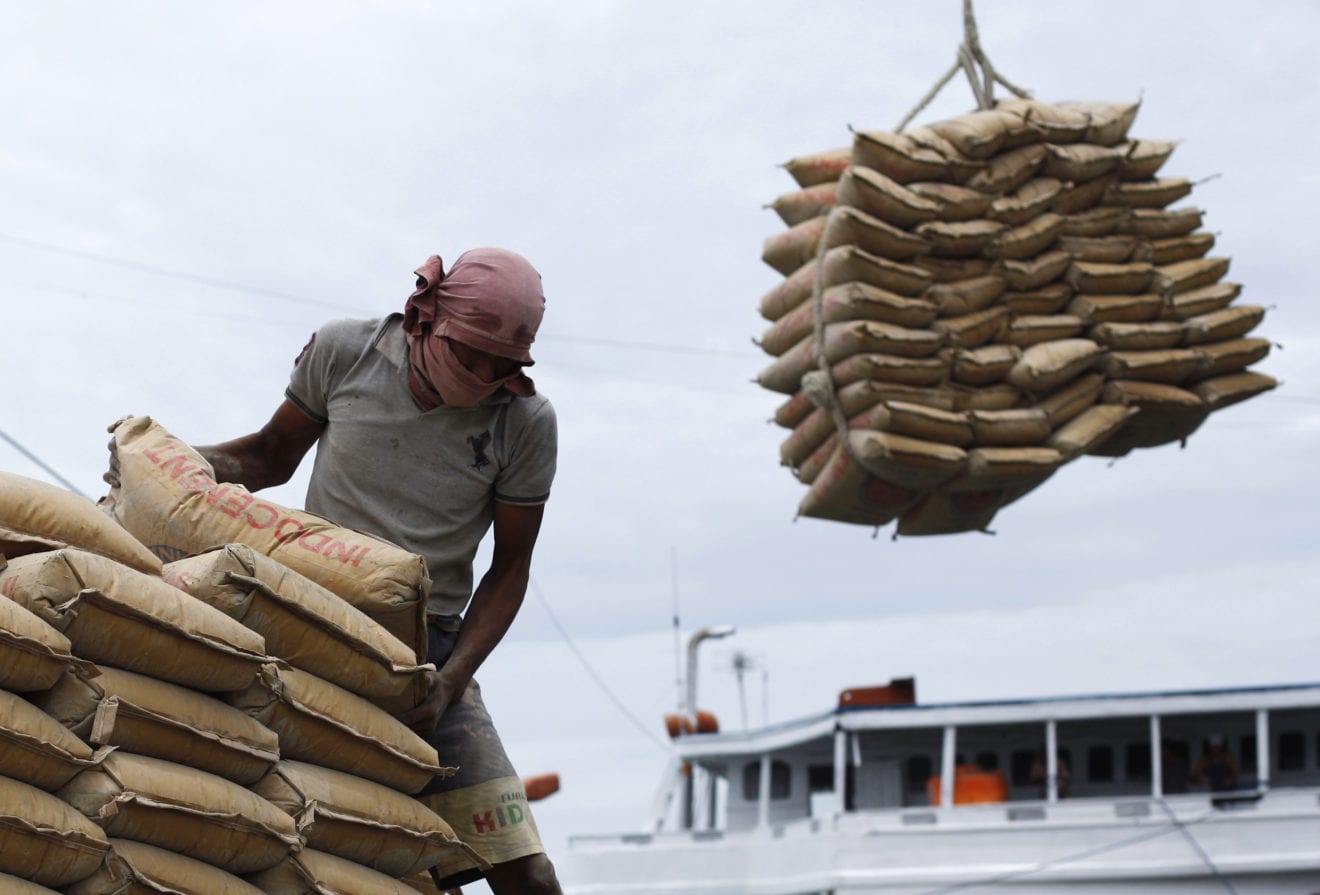
    The Indonesian Cement Association is optimistic that Indonesia could grow into Asia’s largest cement producer by 2017, as eight new production plants with a combined capacity of 24 million tonnes are set to begin operations in the next two years.

    After meeting with President Joko Widodo, the Chairman of the Indonesian Cement Association, Widodo Santoso, explained that sales of cement is expected to grow by two percent to 61,08 million tonnes in 2015 – up from 2014 sales figures that stood at 59,9 million tonnes.

    “I am sure that demand will continue to rise as many of the government’s large-scale infrastructure projects are set to commence in February next year – as such, a five percent increase is easily within reach,” said Santoso at the President’s Office on Monday, September 28.

    Santoso said that the growth in demand is accompanied by the increase of Indonesia’s national production output – it is known that Indonesia currently produces around 65 million tonnes of cement annually. In 2015, four new production plants are slated to commence their operations, while four others are set to begin churning out cement in 2016. Combined, all eight plants could produce an additional 24 million tonnes of cement per year.

    “By 2017, we are set to become Asia’s largest cement producer. Previously, the industry was dominated by Vietnam and Thailand – by next year, we should be able to cement Indonesia’s position as an industry leader,” said Santoso.

    The four plants that will begin operations in 2015 are owned by Bosowa Cement, Holcim, Merah Putih Cement, and Pan Asia Cement – all of these plants combined will add some 11-12 million tonnes of cement per year to the market.

    “This additional capacity will allow us to export a minimum of five million tonnes – quite a significant addition that could help Indonesia boost its’ trade balance,” said Santoso.