Author: Mei Ling Tan

  • Hooters Bangkok’s delightfully tacky launch party

    Hooters Bangkok’s delightfully tacky launch party

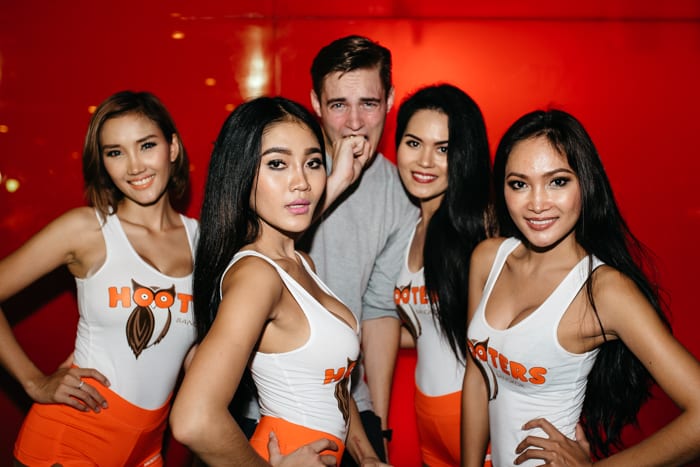
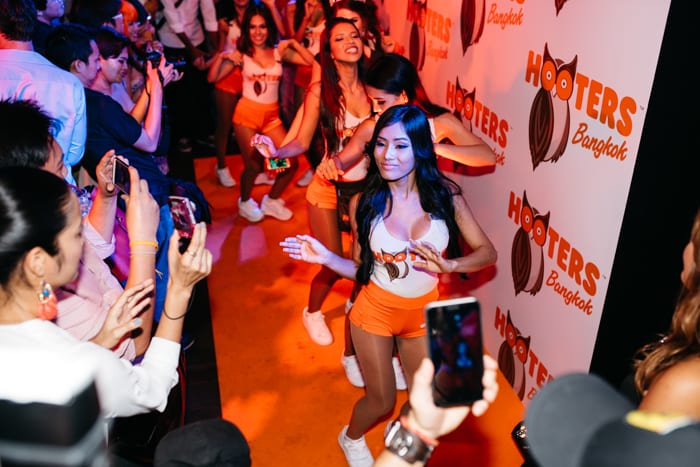
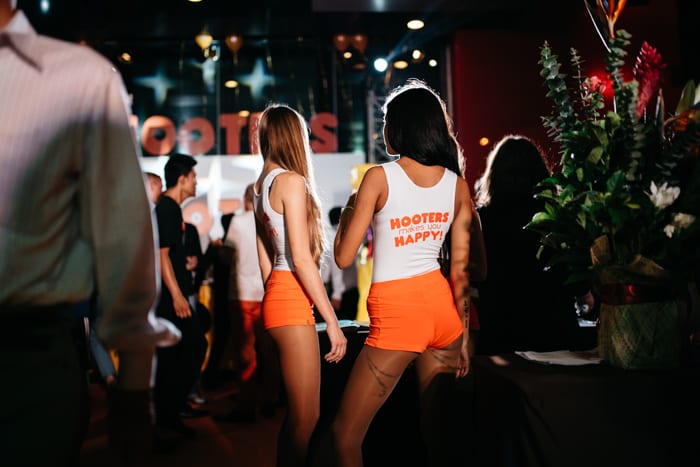
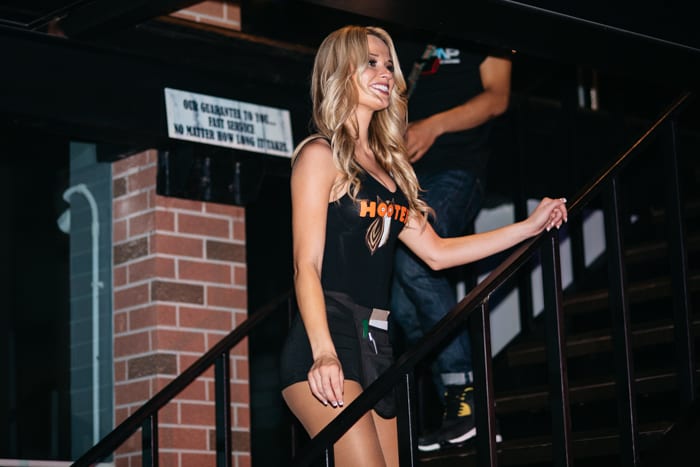
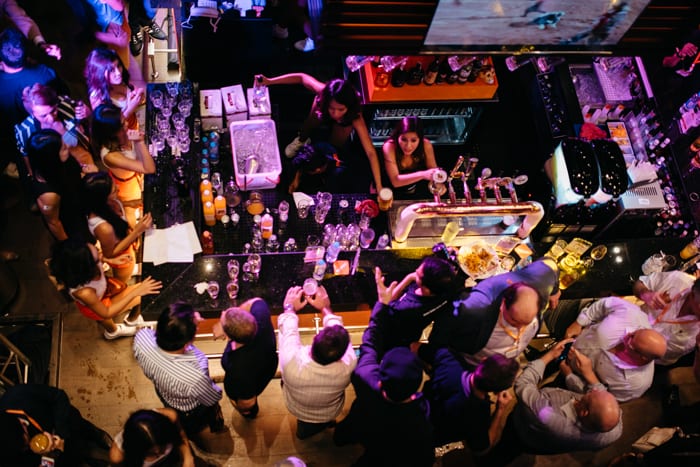
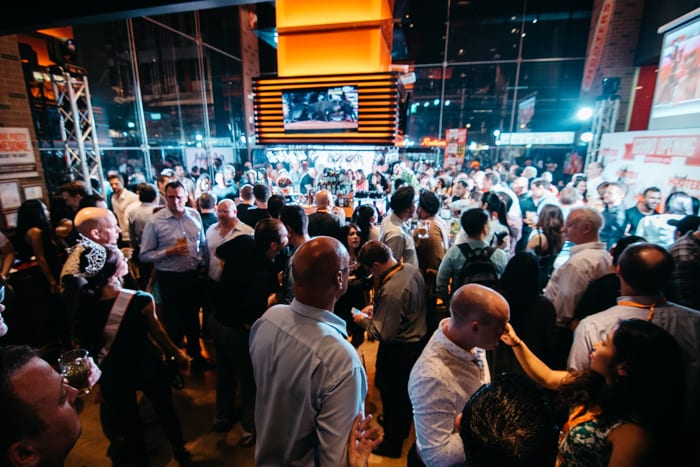
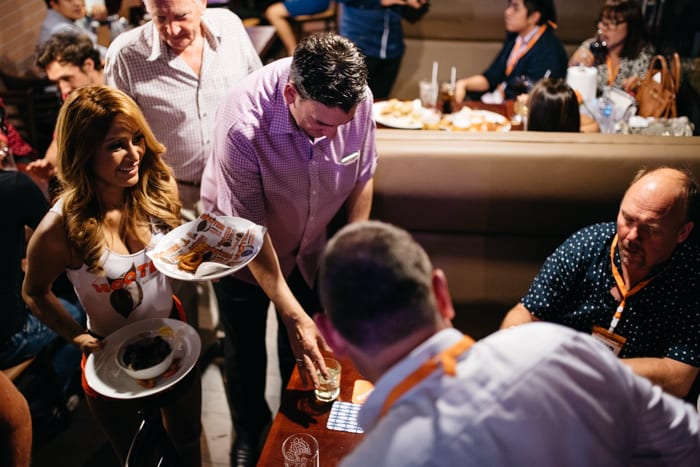
    Hooters, the long-admired American chain restaurant famous for tackiness and large-breasted female servers, opened its first Bangkok branch on Friday night.

    “Damnnnnnnnn. Look at that thang!” was the emotion on most of the (mostly male) guests who showed up at the Four Points by Sheraton hotel to get their first taste of Hooters magic.

    Of courses, they totally lost their cool because of the variations menus and breast portion sizes available.

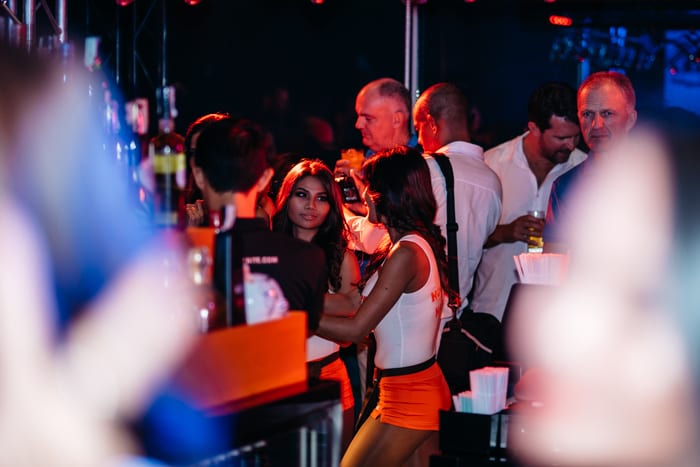
    The very ambitious Hooters “job fair” was announced in June, and the Bangkok ladies who made the cut reportedly received training by original American Hooters gals on how to strut their stuff and serve fried chicken.

    One of the trainers commented at the party that the Bangkok Hooters girls did a phenomenal job, despite the fact some ladies looked a bit annoyed as they had to squeeze through a packed crowd to serve the food

    Besides local Hooters girls, some Euro models were hired to look hot and tell the guests that they didn’t work there.

    The highlight of the night had to be an adorable cupid-shuffle dance from the waitresses, continuing Hooters’ wonderful tradition of family friendliness.

    dsc_6895

    dsc_6941

    dsc_6799

    dsc_6825

    dsc_6709_0

    dsc_6749

    dsc_6732_0

    dsc_6698-2_0

    dsc_6779

    dsc_6844

    dsc_6820

    dsc_6800

    dsc_6805

    dsc_6753

    dsc_6774

    dsc_6773

    dsc_6893

  • The Philippines-headquartered BDO Unibank Sets up Representative Office at DIFC

    The Philippines-headquartered BDO Unibank Sets up Representative Office at DIFC

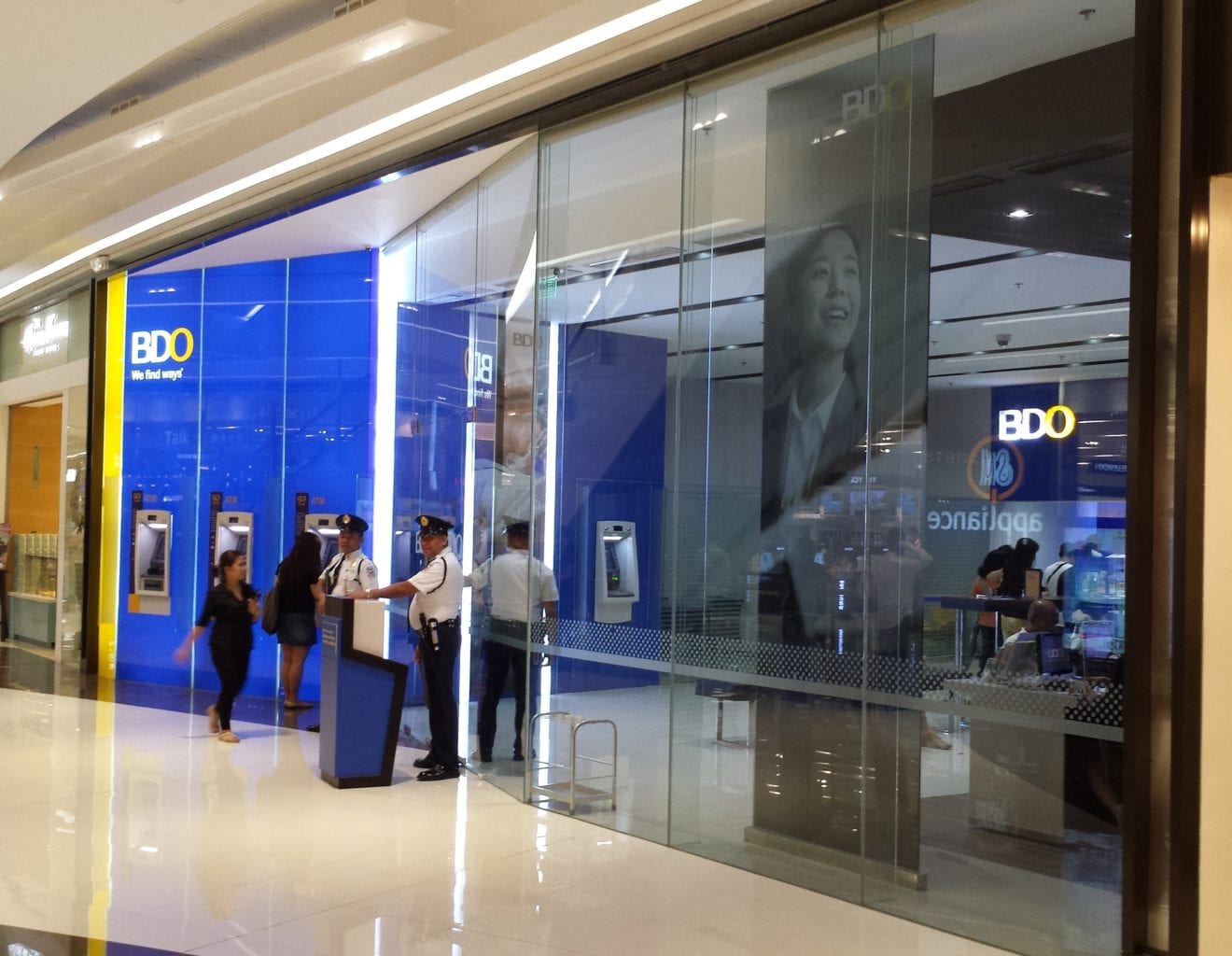
    Dubai International Financial Centre (DIFC), the financial and business gateway between the Middle East, Africa and Asia, today welcomed BDO Unibank – the first Philippine bank to operate in its premises.

    The UAE is home to an estimated 700,000 Filipino expatriates and BDO Unibank’s objectives include supporting them, while facilitating investments and money flow to the Philippines.

    Arif Amiri, Deputy CEO of DIFC Authority , said: “We are pleased to welcome BDO Unibank, a leader in the financial services field from the Philippines. This is a direct outcome of our overall strategy to facilitate integration between the Asian and Middle Eastern companies.”

    “We remain conscious of the diverse demographic constituents of the UAE and are committed to catering to the evolving requirements of each population segment,” Amiri added.

    BDO Unibank, the largest bank in the Philippines, provides a variety of corporate, commercial and retail banking services, including traditional loan and deposit products. This is in addition to treasury, trust banking, investment private banking, cash management, leasing and finance, remittance, insurance, retail cash cards and credit card services.

    Commenting on the decision to set up base in DIFC, Nestor V Tan, President and CEO – BDO Unibank said: “BDO Unibank’s establishment of a representative office in Dubai is driven by its objective to further widen our overseas network to provide support to the Overseas Filipino Workers (OFWs) and residents. This expansion into Dubai will boost our capability to service the needs of our countrymen in the entire Middle East and, hopefully, make the bank a catalyst for the progress of financial inclusion of the expatriates in the Philippines.”

    Committed to concretising its position as one of the world’s top five financial hubs, DIFC announced its 10-year growth strategy in June this year, aiming to maximise symbiosis amongst clients and further expand the Centre’s regulatory and physical infrastructure.

    Asia remains a key strategic focus for DIFC. As part of this priority, the Centre has been proactively engaging with players in the region through roadshows in China and India.

    DIFC aims to grow the financial sector’s share of the UAE economy to 18 per cent of the GDP by 2024, compared to its 12 per cent share in 2013.


  • Apple IPhone 6s, IPhone 6s Plus To Be Available At Retail Stores From Friday

    Apple IPhone 6s, IPhone 6s Plus To Be Available At Retail Stores From Friday

    Apple Inc. said Monday that its latest smartphones, the iPhone 6s and iPhone 6s Plus, will be available at the technology giant’s retail stores at 8 a.m. local time on Friday, September 25.

    The company also noted that more than 50 percent of existing devices have upgraded to iOS 9, its newest mobile operating software that was rolled out last week, marking the fastest iOS adoption ever.

    Apple said its retail stores will have the new iPhones available for walk-in customers, who should arrive at a store early. Both models will also be available on Friday from AT&T Inc. ( T ), Sprint Corp. ( S ), T-Mobile US Inc. ( TMUS ), Verizon Wireless, additional carriers and select Apple authorized resellers.

    Philip Schiller, Apple’s senior vice president of Worldwide Marketing said, “Customer response to the iPhone 6s and iPhone 6s Plus has been incredibly positive, we can’t wait to get our most advanced iPhones ever into customers’ hands starting this Friday. iOS 9 is also off to an amazing start, on pace to be downloaded by more users than any other software release in Apple’s history.”

    In early September, Apple unveiled its iPhone 6s and iPhone 6s Plus smartphones with a faster processor, new 3D Touch capabilities and an improved camera, seeking to woo customers ahead of the holiday season and to assuage investors that its flagship device still has the mojo to sustain growth.

    The phones, which look like their predecessors, are powered by A9 chip, have a new feature called 3D Touch that lets users make commands as well as avail shortcuts and menus by pressing down on the screen.

    Last Monday, Apple said it is on track to beat last year’s record for first weekend sales of iPhone 6 and 6 Plus, when sales breached the 10 million mark within just three days of its sales launch on September 19, 2014.

    The iPhone 6s and iPhone 6s Plus will be available in gold, silver, space gray and the new rose gold metallic finishes for $0 down, with 24 monthly installment payments that start at $27 and $31 respectively, from Apple’s retail stores in the U.S., Apple.com, select carriers and Apple authorized resellers.

    Both the smartphone models will also be available from Friday in Australia, Canada, China, France, Germany, Hong Kong, Japan, New Zealand, Puerto Rico, Singapore, the UK and the U.S. The iPhone will be available by reservation only in China, Hong Kong, Japan and U.S. stores in tax-free states.

    Starting this Saturday, September 26, customers will be able to visit Apple.com to reserve their iPhone for pick-up at their local Apple Store, based on availability. Apple noted that most Apple stores will also have iPhone available for walk-in customers each day.

    Every customer who buys an iPhone 6s or iPhone 6s Plus at an Apple retail store will be offered free Personal Setup to help them customize their iPhone by setting up email and show them new apps from the App Store.

    Apple-designed accessories, such as leather and silicone cases in different colors and Lightning Docks in color-matched metallic finishes, will also be available.

    While unveiling the iPhone 6s and iPhone 6s Plus earlier in September, Apple had said that the devices will come with iOS 9, which would be available as a free software update.

    iOS 9 brings more features to iPhone with a Proactive assistant that is similar to Android’s Google Now service, powerful search and improved Siri features, along with an improved security feature.

    Built-in apps on iOS 9 feature redesigned Notes app, detailed transit information in Maps, and a new News app that displays news from several sources.

    AAPL is trading at $114.33, up $0.88 or 0.78 on a volume of 4.44 million shares.


  • Myanmar retail sector ringing up sales

    Myanmar retail sector ringing up sales

    Rising incomes, an expanding economy and changing consumer patterns are attracting a growing number of international brands to Myanmar. By fuelling competition amongst existing players, their presence is expected to trigger an improvement in the range and quality of products and services on offer.

    International attention has been driven by bullish retail growth, which has expanded by an average rate of 7-15% per annum since 2011.

    Daw Win Win Tint, managing director of leading retailer City Mart Group and president of the Myanmar Retailers Association, told OBG international bands are attracted to Myanmar’s strong economic growth and increasing consumer purchasing power.

    “The average basket of goods continues to grow by around 10% per year mainly due to increasing spending power in urban cities, especially Yangon, where salaries have risen significantly,” she said.

    Fast moving

    Several international brands have made forays elsewhere the retail supply chain, making strategic greenfield investments in local processing. In the fast-moving consumer goods (FMCG) segment, Carlsberg and Heineken both opened brewing factories in Myanmar earlier this year through joint ventures with local partners, and Japan’s Kirin acquired a 55% stake in market leader Myanmar Beer for $560m in August.

    While modern retail currently accounts for just 10% of the FMCG segment, Daw Win Win Tint expects restrictions on foreign retail chains entering the Myanmar market to be lifted sometime in the future. As local purchasing power grows and Myanmar consumers have greater exposure to foreign brands via the internet and international travel, demand in the FMCG segment in particular is expected to rise.

    “There needs to be more awareness of the potential of the FMCG sector, as Myanmar has a population of approximately 51m and the prospects of becoming a manufacturing hub for South Asia,” she told OBG.

    Rising tide of consumerism

    Industry observers forecast a surge in consumer activity in the coming years, with the McKinsey Global Institute predicting in mid-2013 that Myanmar’s GDP would expand by more than four-fold by 2030, from around $45bn to $200bn. The group also predicted that rising incomes would fuel expansion of the country’s consumer class, jumping from 2.5m to 19m over the period, with consumer spending to triple to $100bn per year.

    As the country liberalises its retail market, the division of consumer spending between domestic and international retailers could see a shift. Local consumption habits continue to favour local products, though this is largely due to availability. In the beer segment for example, Myanmar Brewery accounts for more than 80% of sales.

    Though Myanmar consumers may welcome the entry of new brands and chains, such a transformation is likely to be a strain on current operators, who will have to contend with high-profile rivals with international experience and economies of scale. This will force local retailers to adapt to the changing market, which should bolster the portfolio products on offer and promote market efficiency.

    Consumer spending

    In addition to the prospect of greater competition, a decline in consumer confidence has the potential to cool sales in the shorter term. Though consumer sentiment in Myanmar remains among the most positive in the region, according to the most recent MasterCard survey, there has been a recent dip in the outlook of shoppers.

    Myanmar’s rating on the latest consumer confidence index, issued at the end of July, slipped from a regional high of 97.2 in mid-2014 to 81.6. Although still ahead of the South-east Asian average of 71 – second only to Vietnam – the 15.6-point drop was one of the sharpest recorded over the period. Although Myanmar’s position on the MasterCard index may have eased somewhat, any rating above 50 suggests that consumers remain optimistic.

    Weaker sentiment could be due in part to upcoming elections, scheduled for November, though increasing inflation is also likely to be a factor. According to the IMF, inflation reached 8% at the end of May. While low compared to an average of 23% between 2001 and 2010, this represents an increase from the 5% and 6.1% registered in FY 2011/12 and FY 2012/13, respectively.

    The ongoing depreciation of the kyat and crackdown on dollarisation could also be impacting consumer confidence, with the currency falling some 25% year-to-date against the US dollar in August. In addition to affecting the price of foreign goods, this downward movement has also increased the cost of local goods that rely on imported components.


  • Best Western Unveils First Hotel in Surabaya, Indonesia

    Best Western Unveils First Hotel in Surabaya, Indonesia

    Best Western International has unveiled its first hotel in Indonesia’s second largest city, Surabaya.

    The new BEST WESTERN Papilio Hotel is a modern midscale hotel conveniently located just 20 minutes’ drive from Juanda International Airport and close to popular attractions including Suroboyo Carnival Night Market and the MAS Mosque.

    Set in an eye-catching glass and steel building, the hotel offers a choice of spacious guest rooms, all of which come equipped with amenities designed to help guests unwind and stay productive. These include comfortable beds, ergonomic work desks, 32-inch LED TVs and complimentary Wi-Fi.

    Guests can take a cooling dip in the outdoor swimming pool, indulge in a sumptuous massage at the spa, or work up a sweat in the fitness center, while kids can make splash in the children’s pool.

    BEST WESTERN Papilio Hotel also serves up excellent local and international cuisine at the Mariposa Restaurant, and whatever the time of day, guests can relax and enjoy a drink in the lobby lounge and bar.

    And meeting planners will be able to choose from a variety of flexible function spaces, all equipped with the latest audio-visual equipment and served by a dedicated events team.

    “As Indonesia’s second largest city, Surabaya was the logical next step for Best Western International’s Indonesian expansion,” said Ron Pohl, Best Western International’s Senior Vice President of Brand Management.

    “BEST WESTERN Papilio Hotel will be an excellent addition to our rapidly growing portfolio in Indonesia, bringing modern midscale comfort to the rising number of domestic and international travelers Surabaya is now attracting,” he added.

    Olivier Berrivin, Best Western International’s Managing Director of International Operations – Asia, commented; “With its ideal location close to Surabaya’s main business district and attractions, yet away from the worst of the city’s traffic, BEST WESTERN Papilio Hotel truly offers the best of both worlds.

    “In addition to this, the hotel’s vast array of amenities exceeds its midscale status, offering guests an elevated experience at a reasonable price point. I am confident this exceptional hotel will become a firm favorite among travelers to Surabaya,” Mr. Berrivin concluded.

    The launch of BEST WESTERN Papilio Hotel increases Best Western International’s Indonesian portfolio to 15 hotels, spread across eight popular destinations.

    Best Western Unveils First Hotel in Surabaya, Indonesia

    Best Western Unveils First Hotel in Surabaya, Indonesia

    Best Western Unveils First Hotel in Surabaya, IndonesiaBest Western Unveils First Hotel in Surabaya, Indonesia

    Best Western Unveils First Hotel in Surabaya, Indonesia
  • Eslite Hong Kong adds second store

    Eslite Hong Kong adds second store

    The ranks of English language bookshops in Hong Kong may be dwindling, but someone forgot to tell Taiwanese retailer Eslite.

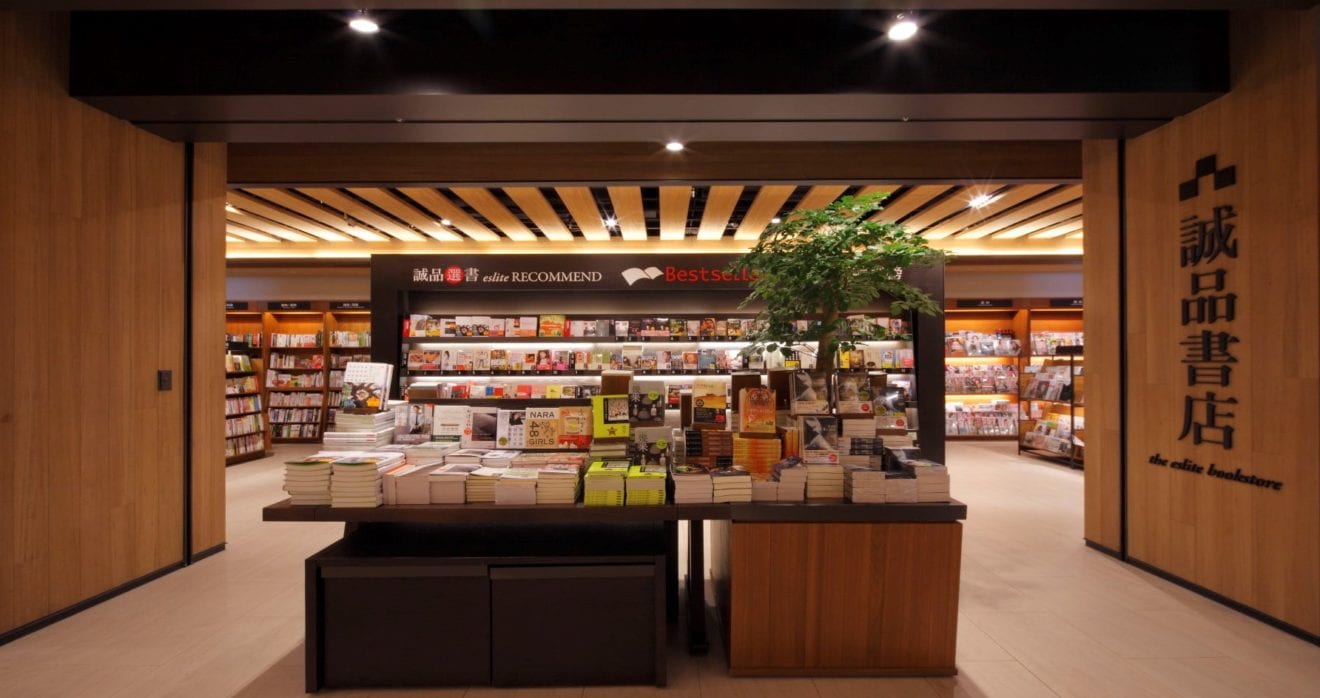
    The second store will be themed ‘Travellers, Taiwan, Diversity and Culture’, spread over two floors of Star City at 3 Salisbury Rd. It will feature more than 25,000 titles in Chinese and English and trade 12 hours a day, from 10am to 10pm.

    The doors will open on October 1 with an official launch planned for October 9.

    Eslite has enjoyed huge success with its Hysan Place store, a multi-storey venue which is as much a place to dwell as to buy books. While it cut back its trading hours from 24-seven to a late night closing, its customer numbers and sales turnover have clearly proven there remains a place for the megastore format. Reports suggest the store sold 706,000 books last year and on average its customers buy three books per visit.

    Smaller rivals like Australian chain Dymocks have closed the doors of at least three stores since 2014 and the iconic design and arts-focused Page One closed its Times Square branch last February after 18 years.

    Eslite, which has 48 stores in Taiwan, has a strategy in overseas markets of building a small number of large format stores with broad selection in major cities. It opened in Causeway Bay in August 2012. Besides books, it sells stationery and gift wares created by Taiwanese artists, and includes a cafe.

  • China’s shopping mall operators struggle against e-commerce

    China’s shopping mall operators struggle against e-commerce

    “The supply of mall space in China is outpacing demand, as growth in retail sales slows because of the country’s lower GDP growth, and in cities where mall space is abundant, vacancy rates have risen substantially,” Marie Lam, an associate managing director with ratings agency Moody’s, said in a report.

    A raft of figures pointed to waning demand at home. China’s retail sales for the first half of the year grew by just 10.4 per cent from a year earlier, the lowest rate since 2004, data released by the National Bureau of Statistics showed.

    Although acknowledging that the outlook will continue to be murky for China’s traditional retailers, Bank of China International analysts led by Tang Jiarui noted consolidation may sweep across some of the major players in the sector, discarding the weak players and leaving the stronger ones as the survivors. “The distress, on the other hand, may give birth to a mergers-and-acquisitions boom. We see some of the leading regional shopping mall operators, including Wuhan-based Zhongbai Holdings, the potential buying targets of industrial powerhouses eyeing expansion,” she said.

    Unfazed by a flagging economy, Chinese developers’ headlong rush to branch out and build more shopping malls show no signs of dying down.

    China made up of 44 per cent of total global shopping mall completions in 2014, data from real estate consultancy CBRE said. The amount of mall-space in the pipeline is even more massive, representing 60 per cent of the total worldwide.

    In 2014, the retail space under construction in China soared by more than 50 per cent year-on-year, compared with a 21.8 per cent rise of the global total for the same period.

    “Demand for mall space from retailers in China is not catching up with supply,” Lam said.

    Adding to the burden on those brick and mortar retailers are their e-commerce rivals that managed to post robust results even as the economy grew at its slowest pace in a quarter century. Online retail sales registered a 48.7 per cent jump in the first six months of 2015 from a year earlier, according to the China e-Business Research Centre.

    A study by Fung Business Intelligence Centre found department stores in China were the worst performers among all retail formats last year with many forced to close shop.

    “Fragile global and domestic economies …competition from speciality stores and online retailers were major reasons for stores’ weak performances,” the Fung report said.

    Many of traditional retailers have been shifting to asset-light business models or exploring the online-to-offline business mode to get by.

    But a transformation can be painful for any company with more uncertainty the rule going forward.

    “Success also depends on whether the changed mall can differentiate itself from other malls that have also undergone facelifts,” said Lam, who saw rising difficulty for some shopping mall property developers in refinancing the loans they took out to shift gears.

  • Buy discounted BHPetrol E-voucher at 11street

    Buy discounted BHPetrol E-voucher at 11street

    Boustead Petroleum Marketing Sdn Bhd (BHPetrol) continues to provide convenience to its customers through another great collaboration.   Beginning 28th September onwards, customers who purchase BHPetrol vouchers from 11street.my will be entitled for a special discount. The vouchers can be claimed for petrol purchases at selected BHPetrol stations in the Klang Valley.

    Limited to maximum 3 vouchers per day of RM10 per piece, the vouchers are made available on first come first serve basis to 11street.my members.  Customers will just have to redeem the vouchers via their smartphones.

    “We choose 11street.my as our partner because of its popularity in the online marketing platform.  By having BHPetrol vouchers in their marketplace at special discounted price, we hope to reach their customers as our potential customers too” said Baba Tan, BHPetrol Senior Marketing Manager. During the soft launch of the promotion, Mr Bruce Lim, 11street Vice President of Merchandising were also present.

    Lim added, “We are pleased to offer our shoppers the opportunity to be the very first in the country to purchase discounted petrol vouchers from BHPetrol. This collaboration reinforces not only that we are continuously enhancing the variety of our products and services, but also highlights our commitment to offer customers with great savings via price competitive deals at 11street.”

    The offer on the discounted BHPetrol voucher at 11street.my starts from 28th to 7th October 2015 and the redemption at selected BHPetrol stations is until 23rd October 2015.

  • Counterfeit Hong Kong-brand mooncakes found in Shenzhen

    Counterfeit Hong Kong-brand mooncakes found in Shenzhen

    As the Moon Festival on Sept. 27 draws near, Hongkongers who buy mooncakes of well-known local brands or receive them as gifts need to be careful, because they might be imitations from the mainland, Apple Daily reported Friday.

    At the Longxi market in Shenzhen’s Longgang district, reporters from the newspaper found hawkers still selling counterfeit mooncakes masquerading as products of Hong Kong’s Maxim’s Group and Wing Wah Food Manufactory Ltd., despite a recent crackdown by local authorities.

    The hawkers claim the mooncakes were imported from Hong Kong.

    However, they cost as little as HK$100 (US$12.90) per box of four, about half the price of the genuine mooncakes in Hong Kong. The counterfeits’ packaging bears the correct QR codes, but it doesn’t have the anti-fake codes that only the original products have. Maxim’s said it is aware of such imitation products and reserves the right to pursue legal action.

    It called on consumers to refrain from buying its mooncakes in grocery stores or at hawker stalls. Hong Kong-made mooncakes are popular among mainland Chinese, who buy an estimated 20 billion yuan (US$3.14 billion) worth of them a year. One reason counterfeits are rampant this year may be the official ban on mooncakes imported from Hong Kong that contain egg yolks, on the grounds of disease prevention.

    The ban has resulted in a serious shortage of the genuine mooncakes in the mainland, leading to big price hikes, the report said.

    On Taobao, the online shopping mall operated by Alibaba Group Holdings Ltd., Hong Kong-made mooncakes are much pricier than at retail stores in the city, some being offered at as much as HK$100 more per box.


  • UNIQLO Opens World’s First MAGIC FOR ALL Store in Shanghai

    UNIQLO Opens World’s First MAGIC FOR ALL Store in Shanghai

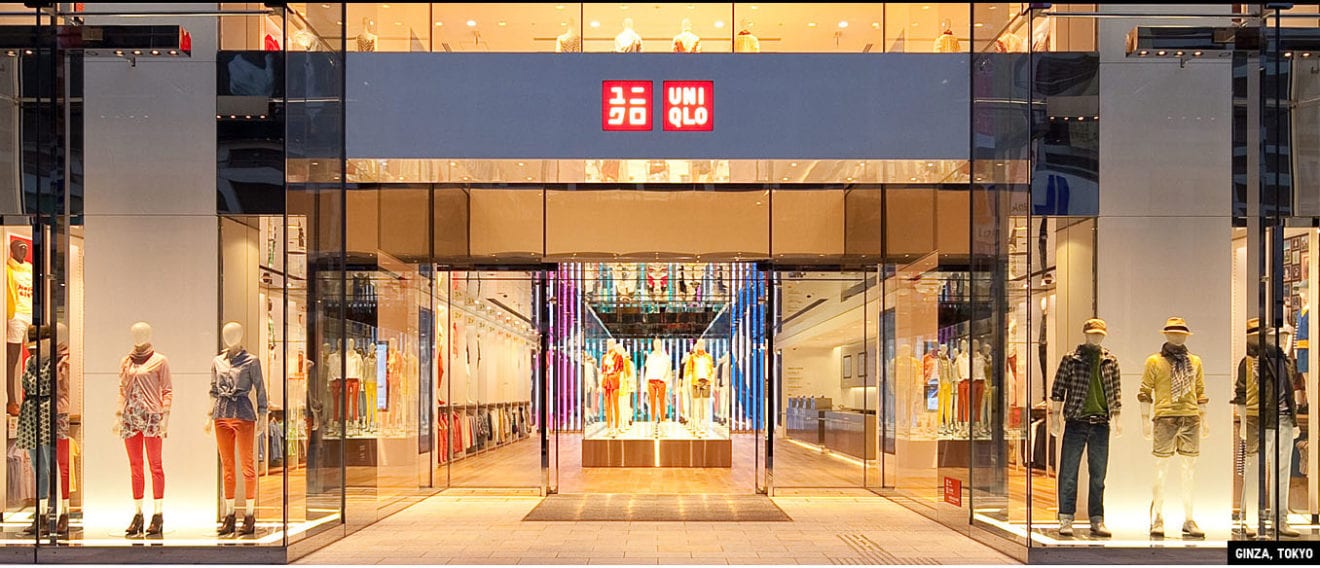
    UNIQLO is set to open its MAGIC FOR ALL store on the fifth floor of the UNIQLO Shanghai Global Flagship Store on Huai Hai Road, its largest UNIQLO store in the world, on September 27. The MAGIC FOR ALL line of LifeWear apparel is part of a global collaboration with Disney Consumer Products that aims to surprise and delight customers of all ages.

    Customers begin their MAGIC FOR ALL journey at the store’s main entrance, where a 180-centimeter-tall Mickey Mouse statue and 100 Mickey Mouse figurines await. Known as the Mickey 100 Series, the inspiration for these iconic figurines was taken from 100 exclusive new designs for Mickey Mouse, which will be on display for the first time in Shanghai. Fifteen of the designs were reproduced on colorful UTs (UNIQLO T-shirts), including five designs for children.

    Inside the MAGIC FOR ALL store, customers are treated to a series of unique and immersive experiences found only at UNIQLO in Shanghai. Tinker Bell can be seen flying across wall monitors accompanied by music, and in a world first, the store features Shout Mickey, a special area that captures joyful moments. When a customer shouts ‘Mickey’ toward the lens of a digital camera, the moment is captured and a digital image can be sent to the customer’s mobile device as a memento of the visit. The store also features a Future area, showcasing UNIQLO’s UT range of fashions, and the Colorful Fairy Tale realm for little princesses.

    Unique and innovative being central to the overall shopping experience, the store is the first in China to offer MAGIC FOR ALL options for UTme!, a custom T-shirt design service, and for MY UNIQLO, which enables customers to add special touches to items of clothing.

  • Silverlake Axis buys retail banking software firm SunGard Ambit for $12m

    Silverlake Axis buys retail banking software firm SunGard Ambit for $12m

    Singapore-listed Silverlake Axis has reached a deal to buy local firm SunGard Ambit (Singapore) Pte. Ltd. (previously known as System Access Limited) for $12 million.

    Silverlake, that provides digital economy solutions and services, told the Singapore exchange that the deal will enable it to expand its suite of software and services as well as deepen and broaden its customer relationships and geographical presence.

    On an immediate basis, the deal is expected to contribute about 15 per cent to the revenue of the enlarged Silverlake Axis Group, the company said.

    The acquisition will also enable it to add over 50 new customers to its current base of over 150 customers, extending its geographical reach to Eastern Europe, Middle East, South Asia while at the same time creating a stronger market leadership in South East Asia, it added.

    The deal will see Silverlake Axis acquire 100 percent of SAS from SunGard Asia Pacific Inc.

    “SAS brings a complementary retail banking portfolio of software and service solutions to the group’s strengths in delivering financial technology innovation to our customers. In particular, the SAS Retail Banking Product Portfolio positions Silverlake Axis for mid-tier customers while offering a broader variety of tiered deployment options from a technology and a pricing perspective. These products can be deployed on open digital platforms thereby making it possible for Silverlake Axis to address the needs of customers from mid-tier to large enterprises,” its regulatory filing said.

    Dr Raymond Kwong, Silverlake Axis chief executive and group managing director, said : “The group is constantly on the lookout for complementary software businesses to expand our suite of business enterprise software solutions. Through this acquisition, the combined and complementary multi-platform core, channels, card and payment solutions will enable us to deepen our customer solution implementation and support capabilities.”


  • Indonesia’s Stockbit gets seed funding from Ideosource

    Indonesia’s Stockbit gets seed funding from Ideosource

    Stockbit is a financial analytics platform that helps Indonesian traders understand and share information about the local stock

    market in real-time. Earlier today it announced a seed investment of an undisclosed amount from local VC firm Ideosource.

    The startup was founded in 2012 by Wellson Lo, who previously worked for consulting firm KPMG Singapore and as a trader, and Johny Susanto, a full-stack engineer. Stockbit started out as a social network that attempted to bundle the discussion about Indoneisa’s stocks into one place. “Previously, it was scattered all across Twitter, forums, and blogs,” Wellson explains.

    At the end of 2013, Stockbit added analytics features. The data comes from public sources like the Indonesian Stock Exchange (IDX). The problem with the available data, Wellson says, is that it’s not standardized. Stockbit aggregates this data and makes access to it quicker and more reliable.

    At the same time, Stockbit started to monetize through a freemium subscription model. The price for a one-month subscription is IDR 200,000 (US$13.59). In comparison, professional tools like the Bloomberg Terminal cost US$2,000 per month, the firm says.

    Stockbit’s goal is to make life easier for independent or retail investors by giving them access to high-quality financial data and sophisticated analytics tools at an affordable price. The idea is to create a more level playing field between newcomers and institutional investors, including traders from banks, insurance companies, and pension funds.

    “I found that the information gap between retail investors and institutional investors is very big,” says Wellson. “It’s never going to reach the point where it’s really level, but with better tools to analyze and better collaboration, retail investors can make better trading decisions.”

    To date, Stockbit has 15,000 registered users, while paid subscribers are still in the hundreds. According to Wellson, the figures are a result of the small size of the addressable market.

    “In Indonesia there are only 400,000 registered investors, probably of those [only] 100,000 are retail investors,” he says. “That means more than 10 percent of the addressable market is already using Stockbit.”

    Stockbit targets a narrow market, and that’s the big reason founders faced difficulties raising funds until now. Ideosource’s decision to back the venture is based on a commitment by the Indonesian Financial Services Authority to increase the number of retail investors to five million by 2017.

    Wellson says there are government outreach programs that work with schools and companies that encourage more people to consider investing in the capital market.

    Stockbit has several competitors in Indonesia, including Idsaham, Indonesia-Investments, and Infovesta. However, those sites merely aggregate stock information and don’t yet offer analytics tools. Bareksa can be seen as a possible contender, as it offers a variety of financial analytics tools and also aggregates information about the IDX, among other functions. It also recently opened up its online platform for trading mutual funds.

    The Stockbit team plans to spend the fresh capital on building out the product, which includes making mobile apps for Android and iOS, as well as recruitment and marketing.

  • Ito-Yokado to close 40 stores

    Ito-Yokado to close 40 stores

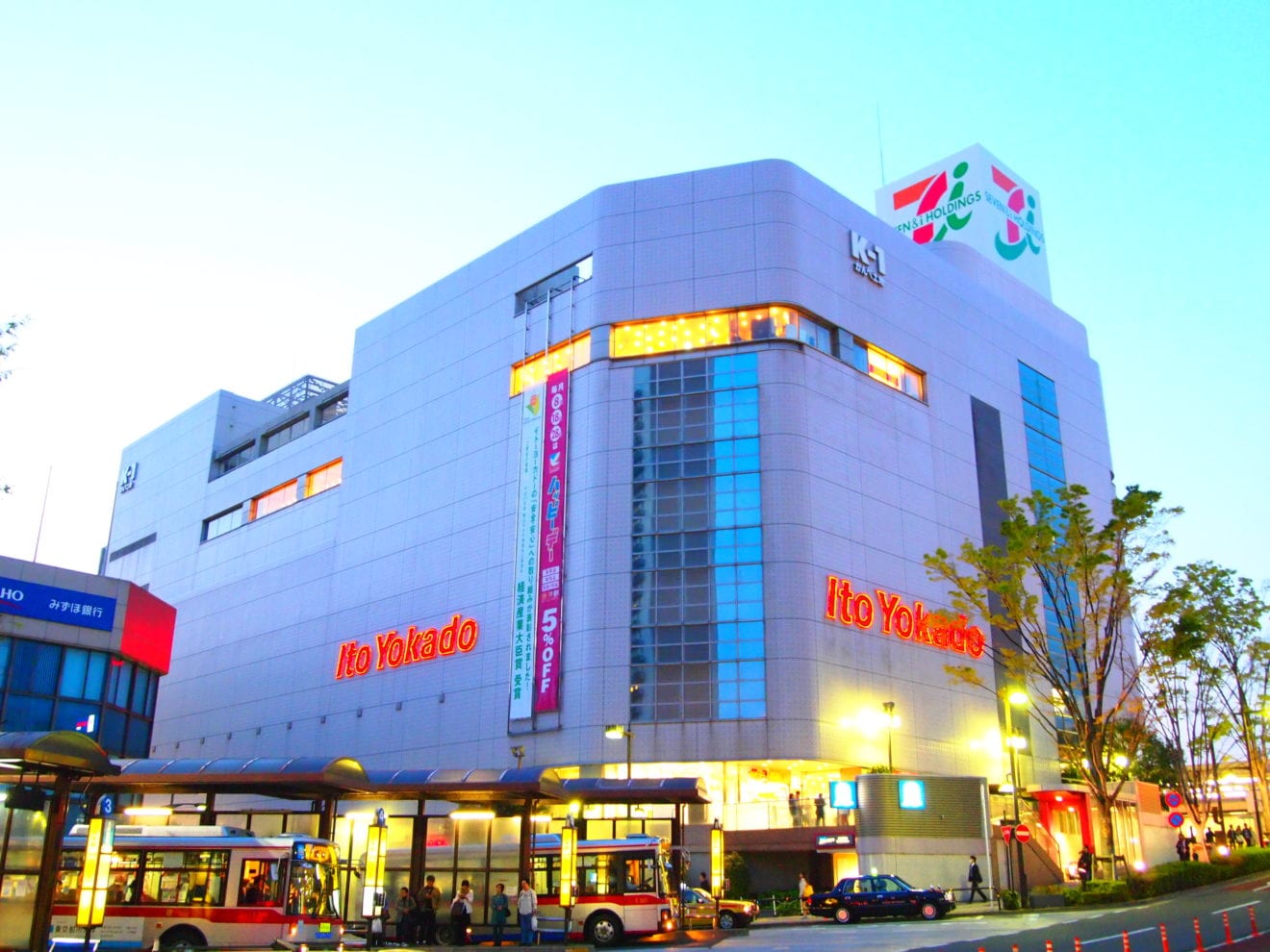
    Japanese retail giant Seven & I plans to close 40 of its Ito-Yokado branded supermarkets and general merchandise stores by 2020.

    Japan’s Nikkei reports that Seven & I, which is the parent of the 7-Eleven retail brand, expects the closures will boost profits. Forty stores represents about 20 per cent of its Ito-Yokado chain, which is struggling with lacklustre sales, especially of its apparel lines.

    “Seven & I will target money-losing and old locations outside major metropolitan areas for closings. More resources will be poured into Tokyo-area stores instead,” the Nikkei reported.

    The company’s financial year ends in February and by then, the first of the stores to be closed will be identified, with 10 more each year after that.


    While Seven & I posted a record profit in the six months to August, its Ito-Yokado arm actually lost money.

    The company says it will continue to open new stores as opportunities arise, but most likely only about one each year.

    The Nikkei reported that the company may also close some poor-performing Sogo and Seibu department stores, but there were no details of that plan.

  • Hackers target online retailers, and not just the big ones

    Hackers target online retailers, and not just the big ones

    Many small and midsized retailers assume hackers won’t bother with them. But criminals have figured out small companies are easier to penetrate, and go after them frequently, warns a security expert.

    In spite of high-profile hacks such as against eBay, many Internet retailers still do not believe that they are at risk or have been a victim of undetected hacks by criminal groups.

    In the 2014 Trustwave Global Security Report, retail was the top industry compromised, making up 35% of the attacks investigated. And 54% of those attacks were against e-commerce sites, where hackers target servers and databases that host card data.

    However, many online retailers still seriously underestimate the [black] market value of the data they possess and handle. Just take a look at Pastebin.com—the simple online text storage and sharing platform is being used by hackers to store stolen information.

    Hackers use Pastebin to prove that they conducted a successful hack. Earlier this year, as part of our security research, we found 311,095 user credentials (login/password pairs) for various services, web sites and e-mails, compromised during the last 12 months. In many cases other personal details, such as credit card numbers, addresses and phone numbers of the victims were also published by the hackers. On average each leak record on Pastebin contained 1,000 user credentials.

    Pastebin is just one illustration of the “dark side” of the Internet, where online retailers can check if web site vulnerabilities have been exploited and if their customers’ data is being targeted. 

    With the rise of the Big Data trend, information collection and analysis is becoming more important for online retailers. With more data comes more opportunity for hackers, who are looking for data/records to sell for profit. A report by Risk Based Security and the Open Security Foundation found that in 2013 there were 2,164 data breach incidents exposing 822 million data records. And 59.8% of reported incidents were the result of hacking, which accounted for 72% of exposed records.

    Cybercriminals are highly skilled technically and are also business people, who know how to make money. A recent CNN article said this: “According to one European intelligence service, there are 20-30 criminal gangs in the former Soviet Union that have hacking skills as good as most nations. There are many other groups with lesser skills. These criminals are nimble and inventive, and there are thriving cybercrime black markets where you can buy the latest hacking tools.”

    A recent Javelin Strategy & Research report found that financial institutions are doing a much better job than retailers when it comes to credit card security. Indeed, there are a number of online marketplaces and forums that solely exist to sell information gained by hackers, for example Rescator.la sells stolen credit and debit card information. In such places, customer databases from online stores are often the most expensive on the black market, because they contain correct, up-to-date and complete customer details, sometimes even with their credit card numbers.

    Completeness is a very important factor for pricing on the black market. One customer record from an online store may generate a penny, while a thousand records can easily generate at least $10, or much more, depending on the records’ quality and completeness. For example spammers prefer to purchase e-mails from Internet retailers, simply because they will get a higher click-through rate, generating more revenue, as they can send targeted spam (by country, age, wealth, area of interests, etc.)

    Hackers are also interested in the valuable information on shoppers’ computers, so e-commerce web sites are often infected with malware (an exploit pack targeting and exploiting vulnerabilities in Adobe products or popular browsers). Such attacks often remain unnoticed as they are conducted overnight or at weekends when security team is away. Experienced hackers can go undetected over a long period. For example, French computer hardware retailer LaCie disclosed in April 2014 that its web site had been breached by a malware attack that went undetected for a year. Following the breach, the retailer recommended that buyers check their credit card statements for any fraudulent charges, and keep an eye on their credit reports in case of identity theft.

    The big-name breaches that hit headlines leave many small and midsized e-business owners believing that they will not be attacked, assuming their customer databases are not big enough. This assumption is wrong because in the majority of cases hackers are not looking for customers and data from a specific web shop, they are just looking for commercially exploitable data. The more, the better. It’s much easier, faster and cheaper to hack 50 small e-boutiques than hacking one big one. Moreover, the outcome in terms of number of stolen customer records will be almost the same, probably even bigger. Imagine how much it costs to compromise Amazon.

    Large e-commerce retailers also have much more administrative, financial and legal resources to organize forensics and post-incident investigation, so many hackers try to avoid them. Instead, they often target small retailers that have no capability to fight back.

    As only a small number of Black Hats have the necessary skills, time and resources to launch attacks against the biggest players in the e-commerce industry, hackers prefer to compromise a dozen small and medium online shops per day and get their money on the “every little bit helps” principle. Hacker groups use robots, hidden behind proxies, to crawl the Web in the 24/7/365 mode. They look for known vulnerabilities, outdated versions of web application software or just brute force default or weak passwords. One would be surprised how much information can be just found in Google. And if you have a crawling farm you can compromise thousands of web sites per hour.

    Against this hacker onslaught, online retailers of all sizes need to employ an arsenal that is as flexible and up to date as the hackers’ tools. Retailers need to ensure that their hosting providers or data centers have stringent security procedures, that content management systems are up to date, third-party code is checked thoroughly before use and web sites are regularly audited for weaknesses through a combination of vulnerability scanning and penetration testing.


  • Mid-flight theft increases in Asia

    Mid-flight theft increases in Asia

    Mid-flight theft-related offences on board airplanes have become more common in several Asian countries over the past two years, including in Indonesia.

    According to daily newspaper Kompas, the latest incident occurred on a Qatar Airways flight from Doha, Qatar, to Jakarta on Sunday evening, around three hours after the airplane took off.

    When the cabin lights were switched off and most of the passengers were asleep, offenders allegedly opened the overhead compartments, removed several bags and began searching through them back at their seats or in the plane’s main aisle. When the Qatar Airways plane landed, four bags were found to have been moved, allegedly by two different people.

    It was reported by tribunnews.com that four Chinese citizens, who were allegedly members of a theft syndicate, were being questioned by the Soekarno-Hatta International Airport Police on Monday.

    “We are still developing our investigation,” said head of airport police Iptu Waluyo.

    According to aviation analyst Gerry Soejatman, airlines are responsible for handling theft cases that occur during their flights.

    “Regarding the case involving Qatar Airways, it would be better if the police were joined by Qatar Embassy officials during questioning. Then the suspects could be extradited to Qatar to face legal proceedings there,” said Gerry.

    Separately, Qatar Airways corporate communications official Koh Wei Ling said that there was no official statement yet regarding the case.

    “We are still waiting for our head office in Doha to issue the official statement,” said Ling.

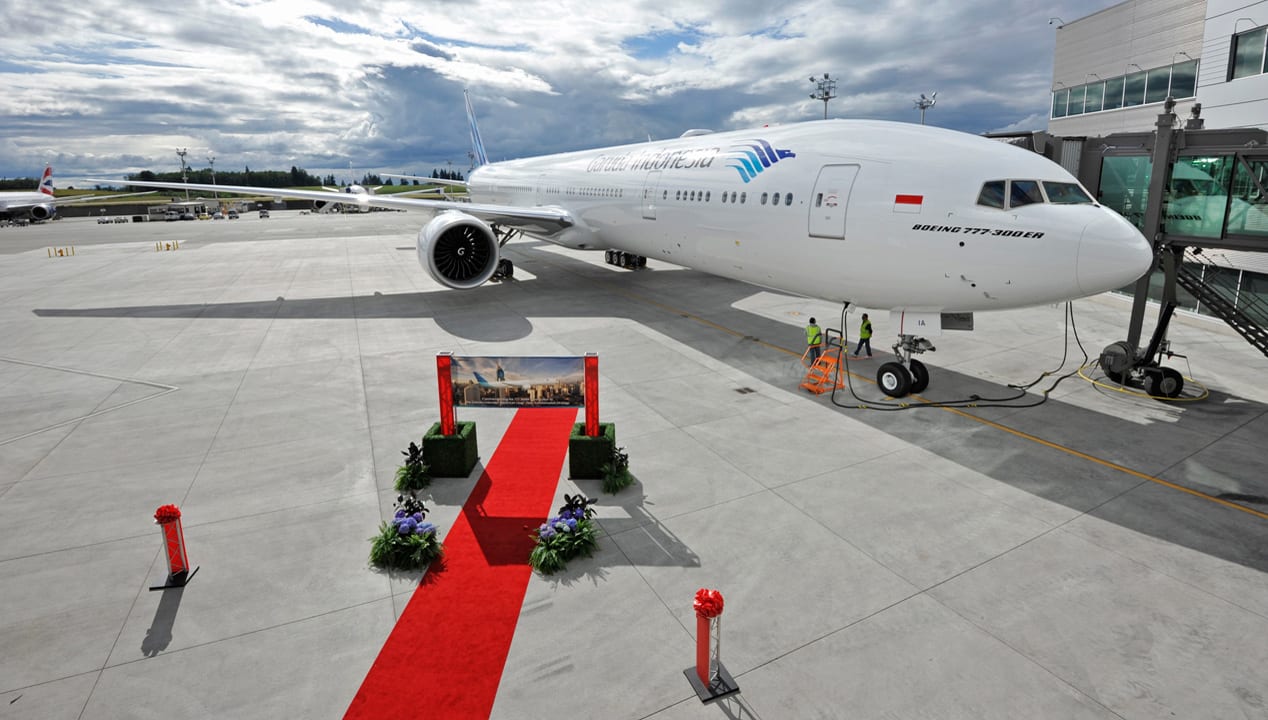
    Meanwhile, national flag carrier Garuda Indonesia has called on passengers to keep their belongings safe.

    “We always tell the crew to be alert when checking on the cabin, especially when passengers are asleep,” said Garuda Indonesia corporate communications vice president Benny S Butarbutar.

    State-owned airport operator Angkasa Pura (AP) II’s president director Budi Karya Sumadi said that theft-related offences on board airplanes were under the airline’s jurisdiction. But airport security are available to support them in bringing the alleged offenders to airport police.

    In a press release on Tuesday, Garuda Indonesia informed that these offenders usually checked-in without any luggage, stayed for only one day in their destination, owned passports and tickets issued outside Indonesia and allegedly were part of a criminal syndicate. The theft itself usually occurred during the night when passengers were asleep or at the lavatory.

    Currently Garuda is cooperating with other airlines through the Association of Asia Pacific Airlines (AAPA) to share information and conduct preventive actions, including conducting passenger profiling, issuing policies for assist air crew to prevent such incidents and providing security officers in destination cities.