Author: Mei Ling Tan

  • NTUC FairPrice opens $350m HQ

    NTUC FairPrice opens $350m HQ

    NTUC FairPrice has officially launched FairPrice Hub, its new headquarters and high-tech distribution centre.

    The $350 million complex is equipped with technological innovations to manage increasing consumer demand for the next 20 years.

    The building was formally opened by Prime Minister, Lee Hsien Loong.

    Bobby Chin, NTUC FairPrice chairman, said FairPrice Hub is “more than just a building”.

    “It is a reminder of our past. It is serving the present and it is preparing for the future. As we celebrate a new chapter in FairPrice, we are reminded that this Hub is a reflection of our history and a tribute to all our founding members and stakeholders including our past chairmen and board members, business partners, members and loyal customers,” said Chin.

    The new distribution centre, which went operational at the end of last year, features a highly automated system that combines the Automated Storage and Retrieval System (ASRS) together with the Caddy Pick system. This system, which is the first of its kind in the Asia Pacific region, uses robotic technology and autonomous vehicles mounted on a monorail system for warehousing operations. The ASRS allows FairPrice to increase its ambient storage space with a warehouse storage capacity of over 52,000 pallets. Designed to manage a throughput of 120,000 cartons per day, it is able to achieve high productivity of 200 cartons per man hour, twice the productivity rate of a conventional distribution centre that uses manual pallet movers.

    FairPrice Hub will also serve as its new headquarters for over 600 employees, who were previously located at five different premises around Singapore. Housing its staff under one roof enables FairPrice to promote closer interaction and boost morale. Staff facilities include a running track, a fully equipped gym, a multi-purpose court, training facilities including an auditorium and a clubhouse for social gatherings.

    NTUC FairPrice has also announced commitment of another $50 million to the FairPrice Foundation by 2020 to help the poor and needy, promote community bonding and support workers’ welfare.

    Said Chin: “Besides staying at the forefront of the latest consumer trends, we will continue to abide by our philosophy to serve, to care and to give. We will Do Well in order to Do Good for the community.”

    FairPrice has since donated $88 million to FairPrice Foundation, which was set up in 2006 to focus its giving efforts to provide a better life for the community.

  • Boucheron Singapore store opens

    Boucheron Singapore store opens

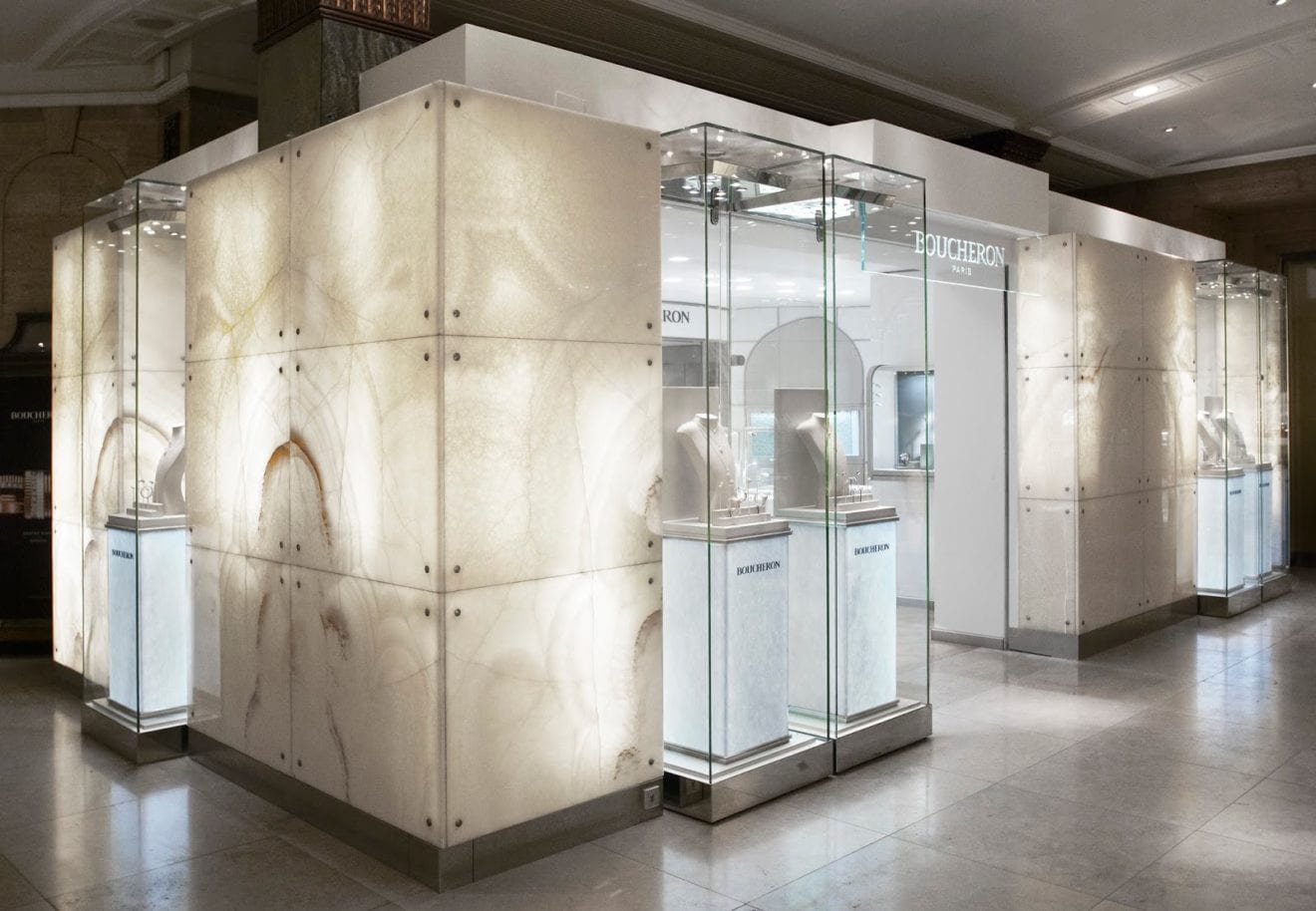
    Paris jeweller Boucheron has opened its first store in Singapore.

    Boucheron Singapore is among several new boutiques recently opened inside The Shoppes at Marina Bay Sands.

    Designed to reflect the famous jewellery brand’s Parisian flagship boutique at 26 Place Vendome, the Singapore store has a sumptuous, luxurious feel to highlight the timeless, elegant nature of its jewellery creations.

    The boutique was opened with a cocktail function early this month where more than 100 guests got the chance to view an exclusive Boucheron jewellery collection flown in from France.

  • Alibaba promises faster deliveries to US

    Alibaba promises faster deliveries to US

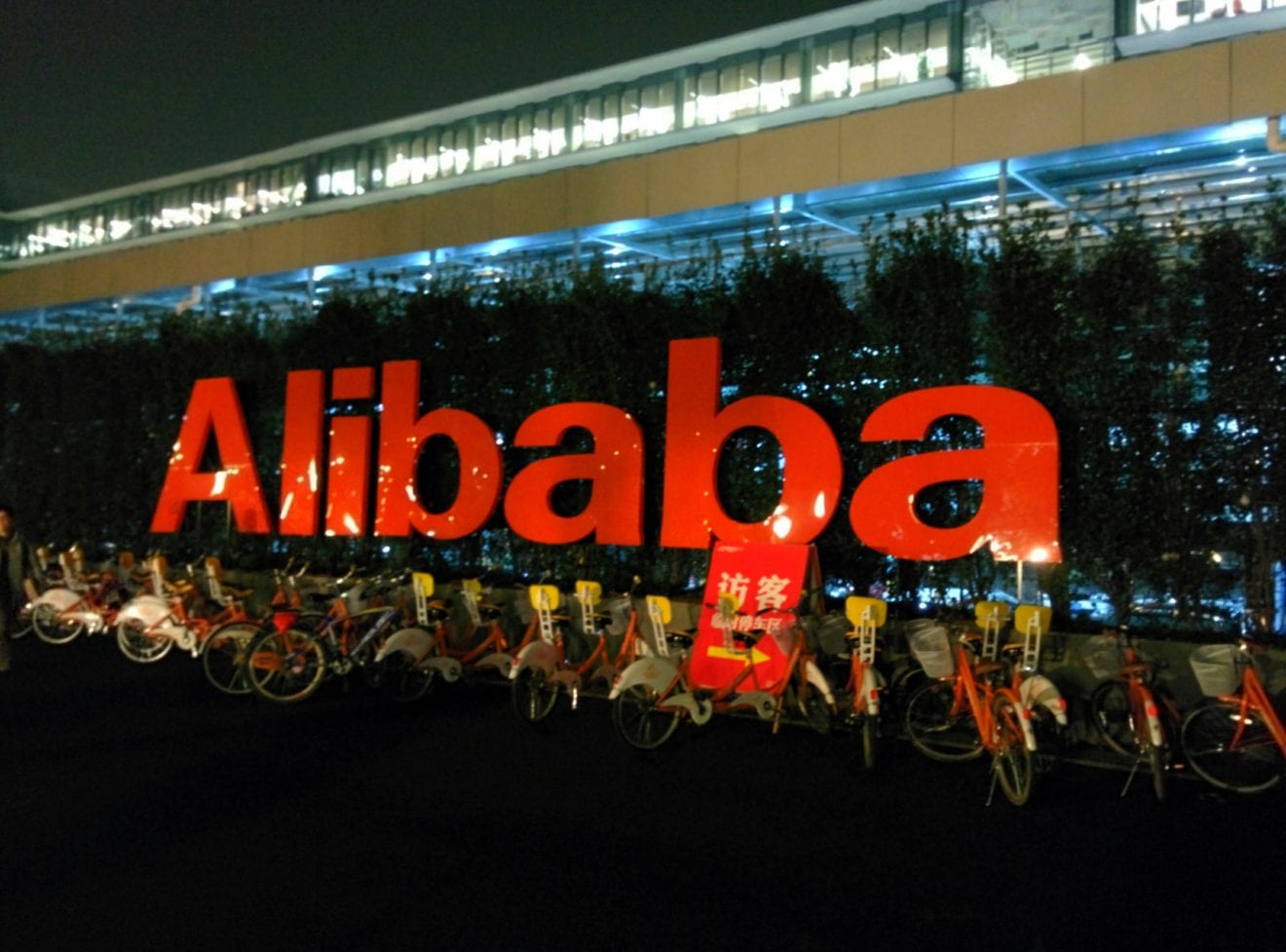
    Cainiao, Alibaba Group’s logistics affiliate, has agreed to work with the US Postal Service to speed delivery of merchandise ordered by US consumers on Alibaba’s international online shopping platforms.

    Under a Memorandum of Understanding (MoU), Cainiao and the US’s national mail carrier agreed to collaborate on the development of enhanced shipping solutions for cross-border eCommerce. In addition to helping provide more efficient shipping channels into the US for Chinese merchants and manufacturers selling on Alibaba’s AliExpress global-shopping website, the USPS will also work with Cainiao to expand its worldwide shipping capabilities, especially in South America, according to a press release.

    The global B2C cross-border eCommerce market is expected to grow from $230 billion in 2014 to $1 trillion in 2020, according to a report from global consulting firm Accenture and AliResearch, Alibaba Group’s research arm. To reduce barriers to shipping small parcels quickly on a global scale, Alibaba and related companies have been working with several national mail carriers including Singapore Post and Spanish Post.

    Cainiao VP Wan Lin cited the agreement with the USPS as “a key part of Alibaba’s globalisation strategy and our vision to enable consumers around the world to enjoy the convenience and benefits of e-commerce”.

    With more than 600,000 employees, the USPS is the leading postal and shipping service provider in the US, the world’s biggest consumer market.

    Cainiao and the USPS said by working together they are aiming to make it easier and more efficient for Chinese companies to sell and deliver goods directly to the homes of US consumers by improving the way goods purchased from China are processed and handled during international shipping.

    “As cross-border eCommerce grows rapidly, it is critical that we evolve shipping services to the next level, with shorter delivery times and easier methods to track a shipment,” said Wan in a statement.

    “The collaboration between Cainiao and USPS will enable us to create new solutions and ultimately improve the overall customer experience.”

  • Smiggle speeds Asian expansion

    Smiggle speeds Asian expansion

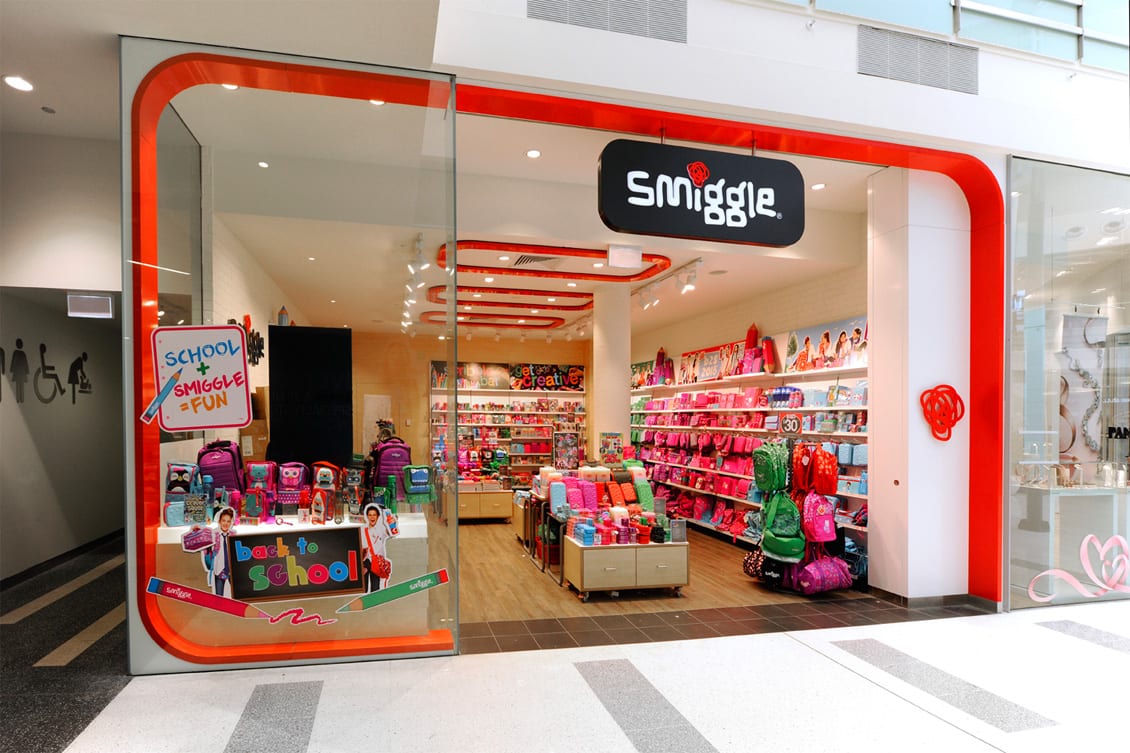
    Smiggle, the trendy, stationery retail concept from Australia, is to open stores in Hong Kong and Malaysia within 14 months.

    Smiggle – popular with students and people seeking gifts – has proven an enormous success in Singapore for its parent, Melbourne-based Premier Investments. During the announcement of the company’s trading results yesterday (read about Premier’s year here) founder and chairman Solomon Lew outlined plans to expand into Hong Kong, Malaysia, Wales and Scotland over the next 14 months.

    Based on trading figures from the company’s Singapore store network, Lew said management expected Hong Kong and Malaysia to support 50 stores within five years.

    “I am pleased to announce the expansion of the Smiggle footprint in Asia through entry into two new markets, Malaysia and Hong Kong.”

    Smiggle’s worldwide sales rose 26 per cent. The company opened 24 stores in the UK during the last trading year and expects to have another 16 open before Christmas.

    Lew says both Smiggle and its sleepwear chain Peter Alexander performed beyond expectations in the year past.

    The company opened eight new Peter Alexander stores in the first half of the current year and plans as many as 15 more over the next two years in Australia and New Zealand.

  • Lawson to accept UnionPay

    Lawson to accept UnionPay

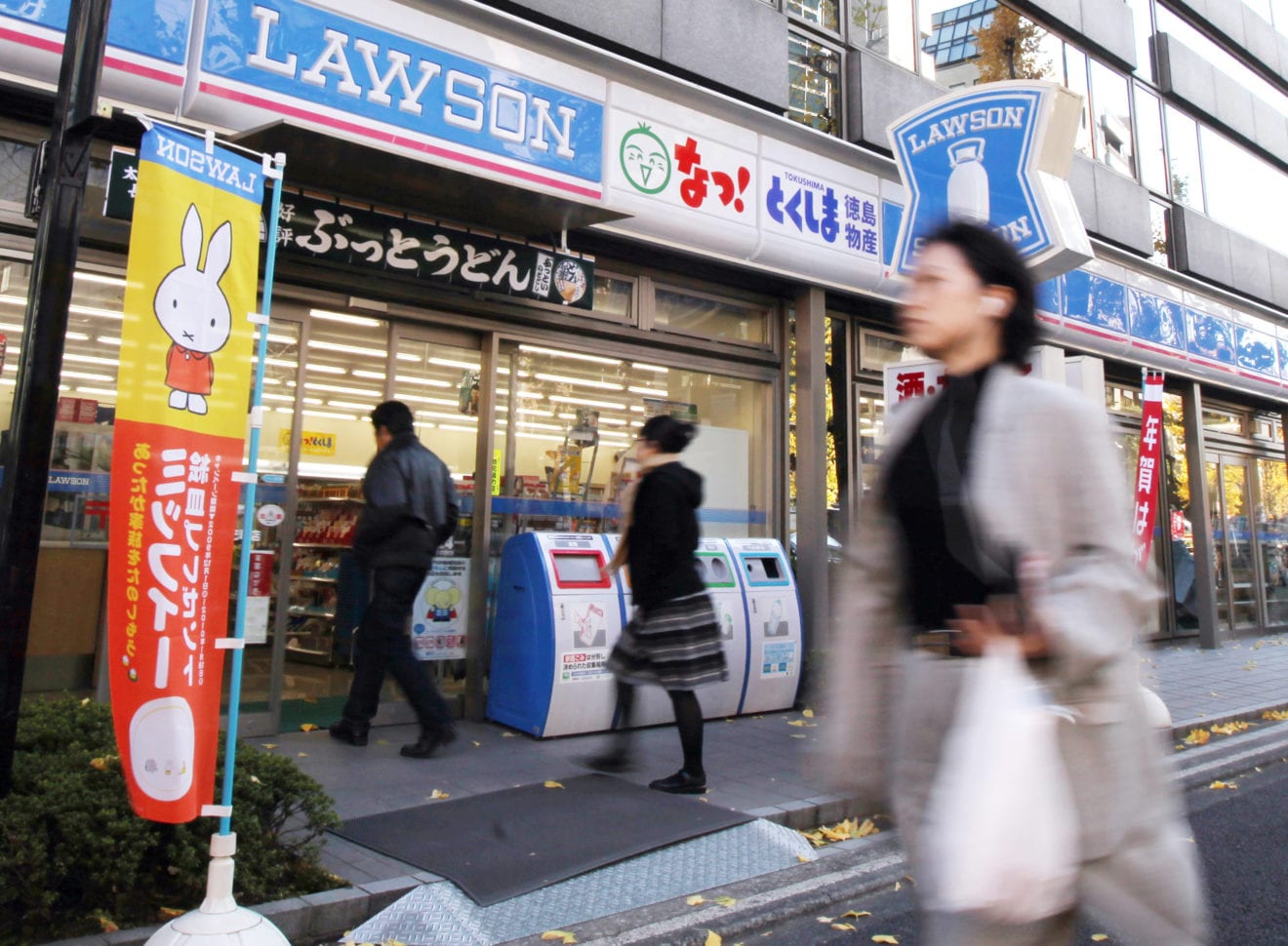
    Japanese retailer Lawson has installed 1000 ATMs in a new network to help Chinese tourists access their cash via UnionPay cards.

    And from September 24, customers will be able to pay for purchases using UnionPay credit cards at all Lawson stores in Japan – that’s 12,195 stores, trading under the Lawson, Natural Lawson and Lawson Store 100 banners.

    From September 28, customers can also withdraw Japanese yen by UnionPay credit or debit card on the newly introduced ATM network which will eventually be expanded to more than 2000.

    During the Chinese National Day holidays, a large number of Chinese tourists are expected to visit Japan. During this holiday season, Lawson will launch a coupon campaign for customers who use the UnionPay credit card for settlement. Customers who have purchased over 2000 JPY worth of goods using a UnionPay credit card can get a 200 JPY coupon ticket which can be used for their next purchase.

    The campaign runs through the month of October and the coupons can be used until November 7.

    At Lawson stores in Japan, the average shopping amount per payment is 600 JPY. Spending on credit cards is more than twice as much, at around 1300 JPY. Furthermore, in some pre-launched stores where payment by UnionPay card is already available, the average shopping amount made by UnionPay card jumps to about 3000 to 4000 JPY.

    Foreign visitors going to Lawson stores buy not only rice balls and drinks, but also confectionery and daily goods as souvenirs. This campaign will be able to meet a wide range of needs from foreign visitors to Lawson stores.

  • Hong Kong retail ‘moves to the middle’

    Hong Kong retail ‘moves to the middle’

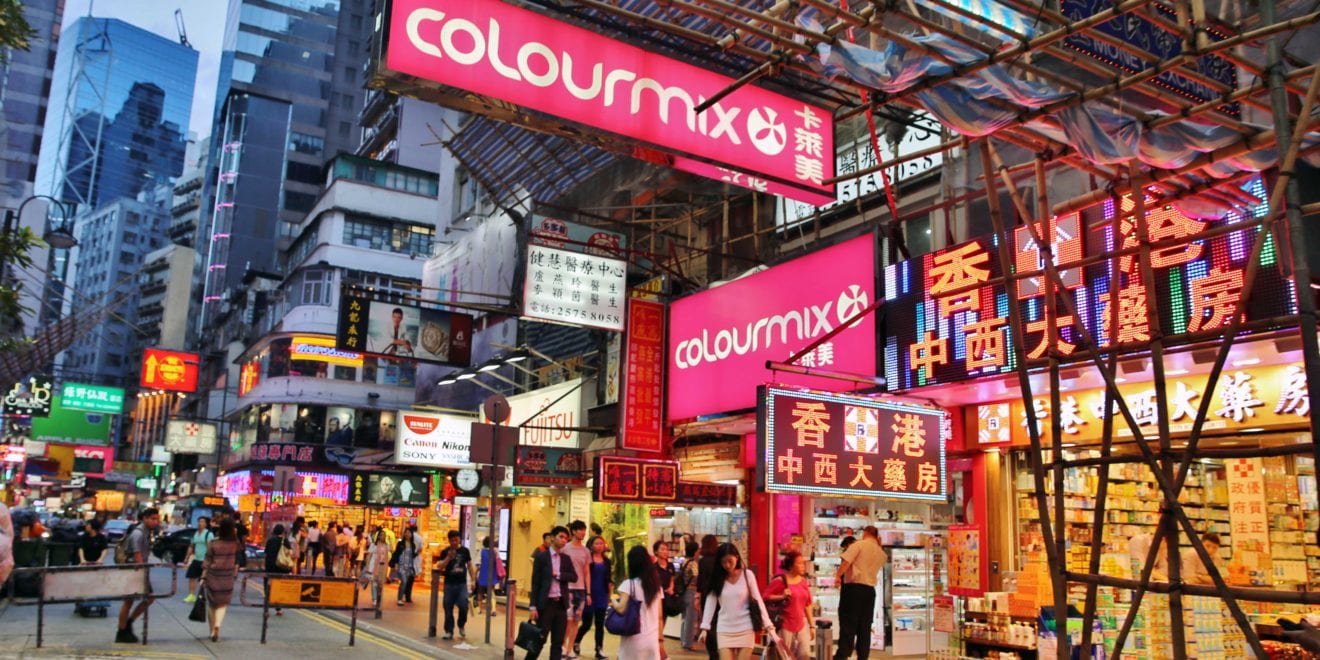
    Hong Kong retail is moving from its traditional luxury focus to the mid market and the demographics of shoppers change, according to a report from CBRE.

    Mid-market retail brands are set to overtake luxury brands  as the main driver of retail demand in the territory, according to the report, The Changing Retail Landscape: How to Survive the  Slowdown in Hong Kong?.

    The Hong Kong retail sector outperformed over the last decade with strong sales growth for high-end products. This generated an increase of 213 per cent in average rents from 2003 to 2014 for core street shops in Causeway Bay, Tsim Sha Tsui, Mong Kok and Central.

    “But the tailwind for luxury retailers has slowed since 2014 hindered by a range of factors including Chinese government’s anti-corruption measures, milder GDP growth in China, weakening Asian currencies and the loosening of policies on travel for mainland Chinese,.” says CBRE in a summary of the report.

    These are all unfavorable factors for Hong Kong’s tourism and retail sales. The total retail sales in Hong Kong from January to July 2015 edged down by 1.8 per cent year on year, while sales of watches and jewellery plunged 15 per cent in the first seven months of this year.

    “Despite the gloomy outlook  for the retail sector, opportunities are emerging for mid-market retailers.”

    “The retail sector is experiencing a structural change,” said Joe Lin, executive director, retail services, CBRE Hong Kong.

    “Over the past decade, high-street shop landlords have reaped the benefits of strong demand from luxury retailers and massive rental growth. Landlords must now be more realistic on rental negotiations, as luxury retailers are adjusting their leasing strategies to save costs, and more mid-range brands are looking to tap into prime locations at relatively affordable rental levels. This opens the door for mid-market brands to expand. In the last quarter, we saw prime street shops leased to mid-market brands following the lease expiry of the previous luxury goods retailers.”

    To cope with the slowdown, luxury retailers are consolidating their second-tier shops, which will increase space availability in the market. Some high-end fashion, cosmetics and watch and  jewellery retailers have either stopped renewing leases or surrendered spaces well ahead of  expiry. However, they will still strive to secure flagship premises in strategic locations with  prominent addresses and good visibility, which means a higher marketing value. They may also introduce secondary lines at accessible prices, targeting young consumers with a growing  demand for mid-market products.

    Consolidation by luxury retailers in Hong Kong implies that the tenant composition in some prominent retail locations will gradually change. Meanwhile, mid-range retailers previously not able to afford to lease a space in prime locations are now looking to take up vacant space  surrendered by luxury brands. Landlords are more willing to negotiate with tenants for more  affordable terms. While rents are generally falling, shops in the most strategic locations with  good footfall and visibility are not expected to run into high vacancy risks as long as landlords are prepared to be flexible in leasing terms.

    “The sales performance of luxury products is heavily reliant on the external factors mentioned,” said Marcos Chan, head of research, CBRE Hong Kong, Macau and Taiwan.

    “In contrast, the demand for mid-market goods from both tourists and local consumers is relatively steady.”

    CBRE foresees three trends in the next five years:

    • The main driver of demand for retail space are shifting from high-end consumer goods to mid-market brands;
    • Local demand will gradually regain a bigger share in total retail sales compared with tourist spending; and
    • Decentralised areas will provide a significant proportion of new retail space, offering more leasing options.

    “These trends suggest that retail market stakeholders, including  luxury and mid-market brands, and street shop and shopping mall landlords, will have to reconsider their business strategies,” said Chan.

    “Structural changes in the retail landscape will ultimately result in a more balanced and sustainable retail market in Hong Kong,” added Lin.

    “The tenant mix of both core areas and sub-markets will become more diverse, enabling both high-end and mid-market brands to offer a broader range of products to consumers. Domestic spending will get retailers’ attention and the mid-market sector will see healthy growth potential.

    “We would recommend mid-market retailers to continue to explore opportunities in emerging districts. This will ensure they obtain first-mover advantage. Meanwhile, street shop landlords should lower their rental expectations and consider leasing to mass-market brands to avoid long-term vacancy.”

    The lack of supply in the market is another reason for pushing retail rents to a high in past years. CBRE believes that supply in the next five years will ease some pressure on retailers on rental expense but new options in the core shopping districts will continue to remain limited.  The development of several new towns in more remote districts will result in substantial growth  in residential and working populations that will need to be served with by shopping facilities.

    CBRE estimates that in the next five years, 70 per cent of the new supply will be in non-core districts and 5.6 million sqft of retail space will be shopping arcades for residential estates.

    “This will provide opportunities for mid-range retailers to expand their store networks targeting the mid-to-high income households. Government statistics suggest that the catchment areas of these regional malls usually have an above-median household income.”

  • Grana opens first permanent store

    Grana opens first permanent store

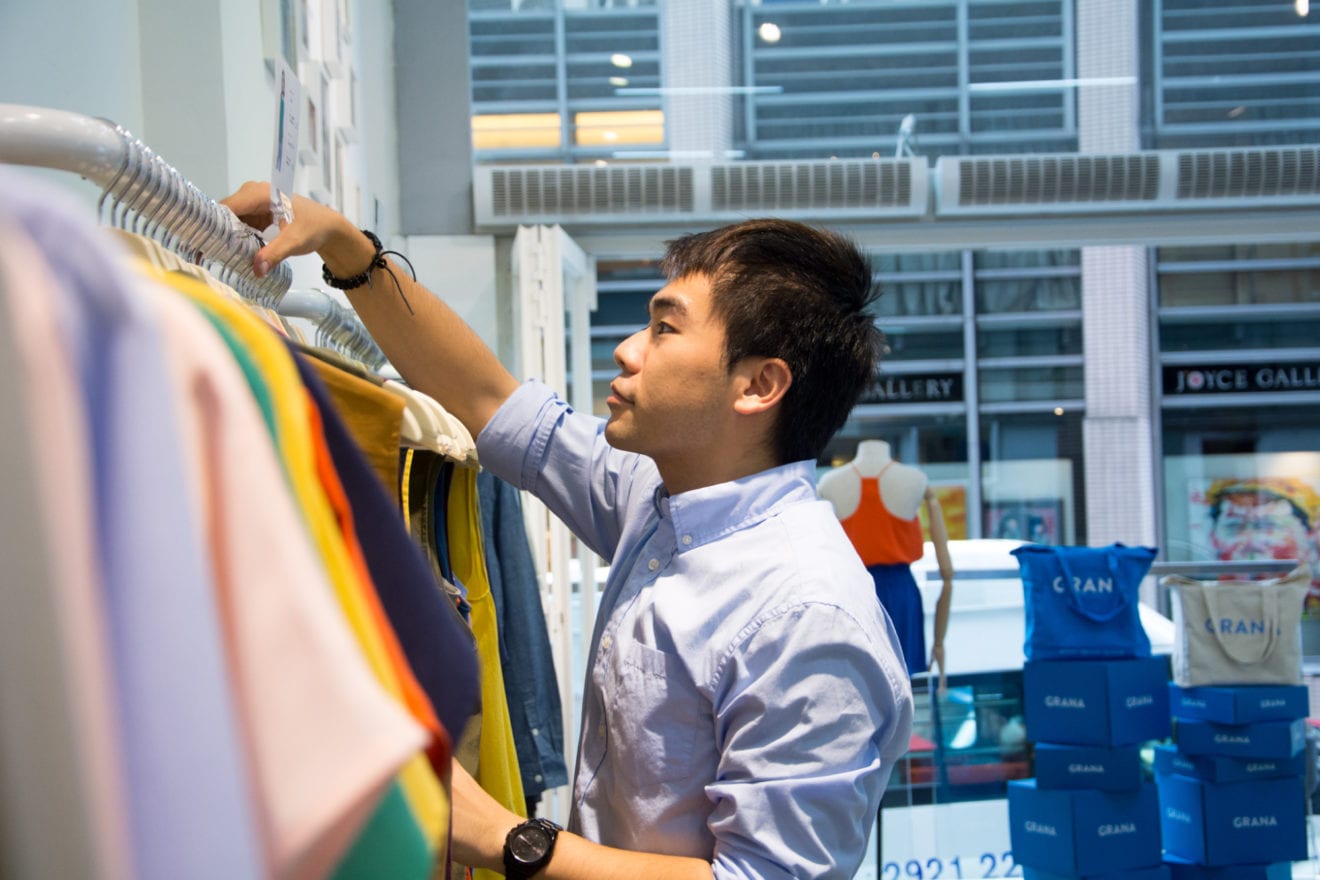
    Online fashion startup Grana has opened its first permanent physical store as it tries a new way of ensuring clothes fit the customers who order them.

    The new 1300 sqft store in Sheung Wan is branded The Fitting Room. It’s a unique hybrid retail concept, allowing customers to try a garment on, then buy clothes online instore for delivery to home or collection later in-store.

    While customers can try clothes on and see the styles first hand, they cannot purchase clothes from the store and take them home immediately.

    It aims to address the problem of online shoppers returning goods because they don’t fit, or because they don’t consider their purchase matches the colour or style of what they saw online.

    Grana is the creation of Australian Luke Grana, who was inspired by the high quality of t-shirts he came across during a trip to Peru. The site was developed with a unique business model in mind – in Grana’s own words “high-quality fashion at disruptive prices”.

    “Our business model is a little bit different; we deal directly with fabric mills instead of going through distributors or agents. Also, by operating online, we don’t have to pay rent. So when fashion retailers put in mark-ups along the way, our pricing is really simple: each of our shirts cost US$6, we retail that for US$12; jeans are US$20, we sell that for US$40. It’s a really honest and transparent pricing model and I think that’s what our, Generation Y customers prefer.”

    Of the new Sheung Wan store, Grana observes: “We bring together the best of two shopping worlds for a unique hybrid experience. Our customers can receive the tailored customer service and interaction that only a bricks-and-mortar location can provide, but with the ease of online purchasing.”

    Grana says similar hybrid stores are now being considered for Australia and the US.

    The new store is located at 108 Hollywood Rd, Sheung Wan, Hong Kong.

    Grana Hong Kong store inside

  • Korea Fashion Week extends Alibaba’s trade cooperation

    Korea Fashion Week extends Alibaba’s trade cooperation

    Chinese e-commerce giant Alibaba Group launched its Korea Fashion Week with its Taobao, Juhuasuan and Tmall online platforms in Seoul.

    Alibaba pledged to strengthen its exploration of overseas markets and to ink agreements with overseas brands to jointly explore the market, the report said.

    Imported Korean products have achieved annual sales of more than 10 billion yuan (US$1.6 billion) on Alibaba’s online retail platforms, according to statistics released by the company. Best-selling imports include beauty products, women’s clothing, daily life goods and baby products, accounting for 60% of the total market for imported Korean goods, according to statistics.

    The two nations have repeatedly announced moves to boost bilateral trade. In March, the two signed a free trade agreement. In addition, South Korea became one of the top destinations for Chinese tourists traveling abroad, the report said.

    In mid-May, Alibaba chair Jack Ma visited Seoul for the opening ceremony of the group’s Korean shop, indicating more Korean brands and products can reach Chinese consumers through the Alibaba platform.

    Samsung C&T, South Korea’s largest conglomerate with interests in construction, electronics, chemicals, finance and numerous other fields, has already moved three of its apparel brands — Beanpole, Rapido and Mvio — into the Chinese market through Tmall. It plans to cultivate China as its second domestic market, Samsung said.

    Samsung has annual revenue of US$30 billion.

    South Korea’s Eland Group began cooperating with Juhuasuan and Tmall in 2013, and reached sales of over 300 million yuan (US$47 million) last year. The group is expected to double sales to more than 600 million yuan (US$94 million) this year.

    The popularity of Korean TV dramas in China has sustained demand for Korean clothing, with 80% of the 4.32 million Chinese tourists to South Korea in 2013 shopping for clothes, shoes and bags.

    More than 200 Korean fashion brands have joined the Alibaba fashion week in Seoul, with most of them aiming to enter the Chinese market via the Alibaba retail platform. Zhang Jianfeng, president of Alibaba’s retail group, said he hopes to introduce Korean brands to Chinese consumers through their cooperation.

  • Apple retailer iBox to focus on regional markets

    Apple retailer iBox to focus on regional markets

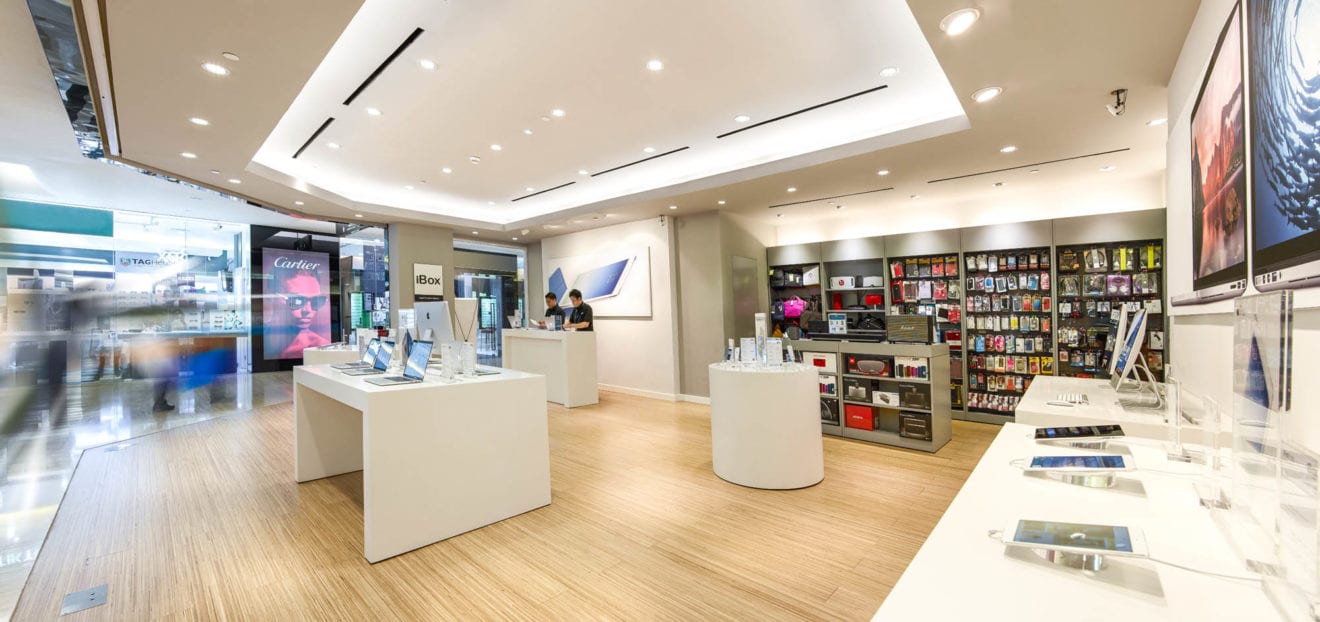
    iBox, one of Indonesia’s largest resellers of Apple products, plans to open six more retail stores by the end of 2015, mostly focusing on regional areas that are potential markets for Apple products.

    Cities on the retailer’s sights include Yogyakarta, Balikpapan and Manado, showing its effort to try and capture markets outside of major cities, particularly in Java.

    Herman Wong, director of iBox in Indonesia, elaborated that the retailer would increase the number of its nationwide retail stores to 48, from the current number of 42 to extend its reach within regional markets.

    He described the relative market for Apple products in Indonesia as still very segmented within the upper middle- to high-income bracket demographic, adding that a lack of proper awareness on the usage and capabilities of Apple’s hardware and software is what kept the giant US brand from settling in that segment.

    “For upper middle-income people in regional cities, their purchasing power would be slightly better than those of larger cities due to the lower costs of living and of goods in general,” he told on Tuesday.

    Herman also said that because Apple’s principal products, such as the iPhone and the iPad, were majorly based on data and Internet usage, and with many parts of Indonesia lacking adequate data infrastructure, Apple’ s national penetration remained very minimal.

    “Many Apple users in Indonesia are still concentrated within Java, particularly in major cities, where data infrastructure is more developed than in other areas. One way to expand awareness about Apple products is to also open training centers and provide training sessions on how to use the software and hardware,” he added.

    iBox distributes up to 40 to 45 percent of all Apple products in Indonesia. PT Data Citra Mandiri, a subsidiary of publicly listed cellphone distributor PT Erajaya Swasembada, is responsible for operating and supplying iBox stores.

    Regarding the availability of newer Apple products in Indonesia, Herman mentioned that the Apple Watch smartwatch, which was released in April, may be available in iBox stores by December. However, he could not confirm the release dates for the recently announced iPad Pro or iPhone 6S.

    Erajaya Swasembada marketing and communications manager Djatmiko Wardoyo said the strong US dollar and weak domestic economic conditions had not significantly impacted sales owing to the fact that the market for Apple products remained segmented into the upper middle- to higher-income bracket buying for the “brand” value.

  • Zalora Indonesia plans to expand marketplace to boost sales

    Zalora Indonesia plans to expand marketplace to boost sales

    Zalora’s Marketplace initiative was launched last year to give an online platform to independent designers and sellers, who can create their own branded storefront within the retailer’s site.

    The company currently manages 500 small medium enterprises (SMEs) and aims to increase these numbers significantly in the coming years.

    Managing director of Zalora Indonesia Anthony Fung, Marketplace is become a promising business in Indonesia following the government’s plans to boost SMEs or startup companies in the country.

    Speaking at a press conference, Fung said, the company was looking at ways to boost the customer base through mobile phone users.

    “We have seen a big shift in consumer behavior. We are investing a lot of money in marketing and add more people to do mobile apps,” he told reporters at a press conference at Zalora’s office in Jakarta.

    The company said, a lot of its customers actually access the e-commerce platform using their smart mobile phones. Hence, the company will invest more to maintain mobile apps. According to the Zalora’s head of marketing, Jo Bjordal, mobile users in Indonesia are below 1 per cent of total retail users while in China the figure is 8 per cent. In five to10 years from now, he said, Indonesian mobile users will reach that level (8 per cent).

    In Asia, Zalora has drawn up marketing campaigns and promotions to boost sales in the upcoming festive season. Zalora plans to hold several events to boost their sales in coming months in Indonesia and Southeast Asian countries. In Indonesia, Zalora will hold a month-long discount called Zalora Great Sale starting October 6.  Zalora will hold 11/11 Online Revolution on November 11 in collaboration with China’s Alibaba, Cyber Monday, Black Friday, Christmas sale November 27 to December 25, and National Online Shopping Day on December 12.

    Bjordal said, last year, during the Zalora Great Sale programme, the orders saw a 10-fold increase in one day compared to regular days.

    Zalora is a part of Global Fashion Group–which counts AB Kinnevik and Rocket Internet as lead investors–that operates through five leading fashion e-commerce companies, India’s Jabong, Latin America’s Dafiti, Russia’s Lamoda, Namshi in the Middle East, and Zalora in South East Asia and Australia.

    “We have a footprint around the world today. We are the number one fashion e-commerce platform in emerging markets. Zalora now has presence in Indonesia, Singapore, Malaysia, Thailand, Philippines, Vietnam and Hong Kong,”  Fung stated.

    Zalora started its Indonesian operation in 2012.

    So far, Fung said, Zalora offers 1,200 brands in Indonesia and there were plans to increase this number to 3,000 over the next six months.

    He noted it was easier now to add brands as consumers were now familiar with Zalora brands.

    The company revealed that 70 per cent of Zalora customers were female in the 18-40 years bracket.

    Warehouse and Brands

    Zalora Indonesia, which set up its new warehouse in Cibitung, Bekasi, West Java province in April this year, claims the warehouse can store up to 2 million products, making it possibly the largest such facility in the country. Zalora has a physical store in Kota Kasablanka and also in HK and Philipines.

    Zalora partners with over 1,000 local and international brands. Zalora plans to invest in the merchandising market and acquire local brands in Indonesia. Zalora will continue to be aggressive in brand acquisition, Anthony Fung said.

  • Glambot sells users’ pre-owned makeup online

    Glambot sells users’ pre-owned makeup online

    Most women have a few pieces of makeup lying around at home that they never use — a lipstick that is the wrong color or an eyeshadow set that doesn’t suit their skin tone. Now, Glambot is an online cosmetics store that resells users’ pre-owned makeup. The startup purchases used cosmetics from members and sells it online at a reduced price, enabling customers to profit from their unwanted items.

    To begin, customers send a minimum of 20 pre-owned items to Glambot. Every piece is then examined and sanitized and repackaged. Customers can earn different amounts depending on the type, brand, age and level of use of their makeup, and they can earn 30 percent more if they take their fee in Glambucks — store credits for use on the website. Glambot then prices the items at a discounted price — sometimes as much as 80 percent off — and sells them via their website.

    Numerous professionals have questioned how safe and hygienic used makeup can ever truly be, but Glambot insists that their multiple sanitization techniques — including the application of heat, the use of various alcohol solutions, detailed layered product removal, and the use of natural emollients — make the products fit for consumers.

    Are there other overbought products that could be resold in this waste-reducing way?

  • Apple Begins Hiring for Flagship Chinese Retail Store in Macau

    Apple Begins Hiring for Flagship Chinese Retail Store in Macau

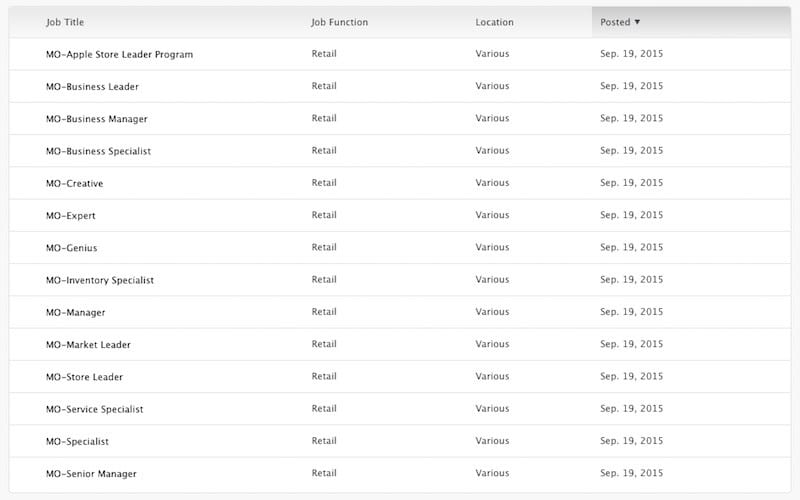
    Apple has posted several job listings for an upcoming retail store in Macau, a Special Administrative Region of China. The store is looking to fill Specialist, Creative, Genius, Store Leader and Manager positions, in addition to hiring for the Apple Store Leader Program and multiple business-related positions.

    Chinese-language newspaper Macao Daily reported in June that Apple is planning to open a flagship store in Macau, which is located across from Hong Kong, but the news went largely uncovered by mainstream media. At the time, the report claimed that Apple had not finalized a location for the upcoming store.

    Apple-Store-Macau
    Apple celebrated the grand opening of its Apple Store in Brussels today, while two new Apple Stores also open in Nanjing, China and Florence, Italy today and September 26 respectively. Apple now operates over 460 retail stores worldwide.

  • SHOW DC Invests US$265 million to Open Thailand’s First Retail & Entertainment Mega-complex

    SHOW DC Invests US$265 million to Open Thailand’s First Retail & Entertainment Mega-complex

    SHOW DC Corp Ltd., recently, announced it will open Thailand’s first retail and entertainment mega-complex in June 2016 with a total investment of US$265 million and aims to attract 100,000 visitors a day. The landmark development combines spectacular entertainment facilities with a rich mix of retailing and food & beverage. Located on almost 4.5 hectares in the heart of Bangkok’s Rama IX entertainment district, the project has a massive 150,000 square metre gross floor area that also includes the world’s largest ‘K-Town’ outside of Korea.

    Mr. Chayaditt Hutanuwatra, Chairman of SHOW DC Corp Ltd., said, “We are the first to bring to Thailand the ‘Shop & Enjoy’ concept that combines great shopping and eating with mega-entertainment, in a single complex. Visitors can indulge in the best of shopping, eating and culture from Thailand and the region. At the same time, they can enjoy Thailand’s most sophisticated entertainment offerings with a state-of-the-art Performance Hall for 5,000 people, and a 5,000 square metre Sports Arena for Asian sports entertainment that seats 1,500 people. There is also a 5,000 square metre Fantasy Dreamscape cultural walk-through phenomenon called ‘Himmapan Avatar’ that brings to life dazzling Thai legends through immersive 4D experiences using the most advanced light, sound and holographic technologies.”

    Mr. Chayaditt said that 60% of the lettable space at SHOW DC has already been leased. Among its anchor tenants is YG Entertainment – one of Korea’s top star-maker entertainment companies which is behind global K-Pop sensations such as BIGBANG, Psy, and 2NE1. YG Entertainment will operate a 5,000 square metre rooftop K-Pop culture and entertainment park with hip bars and eateries.

    “As part of our emphasis on presenting the richness of Asia, SHOW DC has an expansive 10,000 square metre Asian Food Street dedicated exclusively to restaurants. Next to that, inside the K-Town are large areas devoted to Korean fashion (K-Fashion), Thailand’s most extensive offering of Korean beauty products and services (K-Beauty), as well as celebrity food and beverage outlets, such as Psy’s ‘Psy Ramen’, and ‘After Rain’, inspired by global K-Pop sensation ‘Rain’,” Mr. Chayaditt said.

    Ms. Praparwarn Waeladeevong, Vice Chairperson of SHOW DC Corp Ltd., said, “We are the first in Thailand to design facilities on this scale specifically to handle a high number of international travellers. We have invested heavily in building generous bus parking facilities as well as carefully mapped people flows within the complex to ensure comfort and convenience to all visitors, all the time.”

    Ms. Praparwarn said that visitors to Thailand are expected to reach 37 million people a year in the next five years, and that the creation of landmark lifestyle destinations such as SHOW DC give international visitors an exciting one-stop destination for shopping and entertainment.

    One of SHOW DC’s special facilities for international visitors is a large VIP Traveller Lounge where visitors can spend time on their last day after they check-out from their hotels.

    “They can leave their bags, take a shower, or rest after checking-out from their hotel and prior to a night flight. In addition, travellers can use SHOW DC’s complimentary shuttle transport services to Bangkok’s airports,” Ms. Praparwarn said.

    Vice Chairperson added that because SHOW DC is a major new landmark in ASEAN it will help boost Thailand’s position as the shopping and entertainment capital of the ASEAN Economic Community.

  • Sino Land Named ‘Best Developer Overall in Hong Kong’ by Euromoney for the Second …

    Sino Land Named ‘Best Developer Overall in Hong Kong’ by Euromoney for the Second …

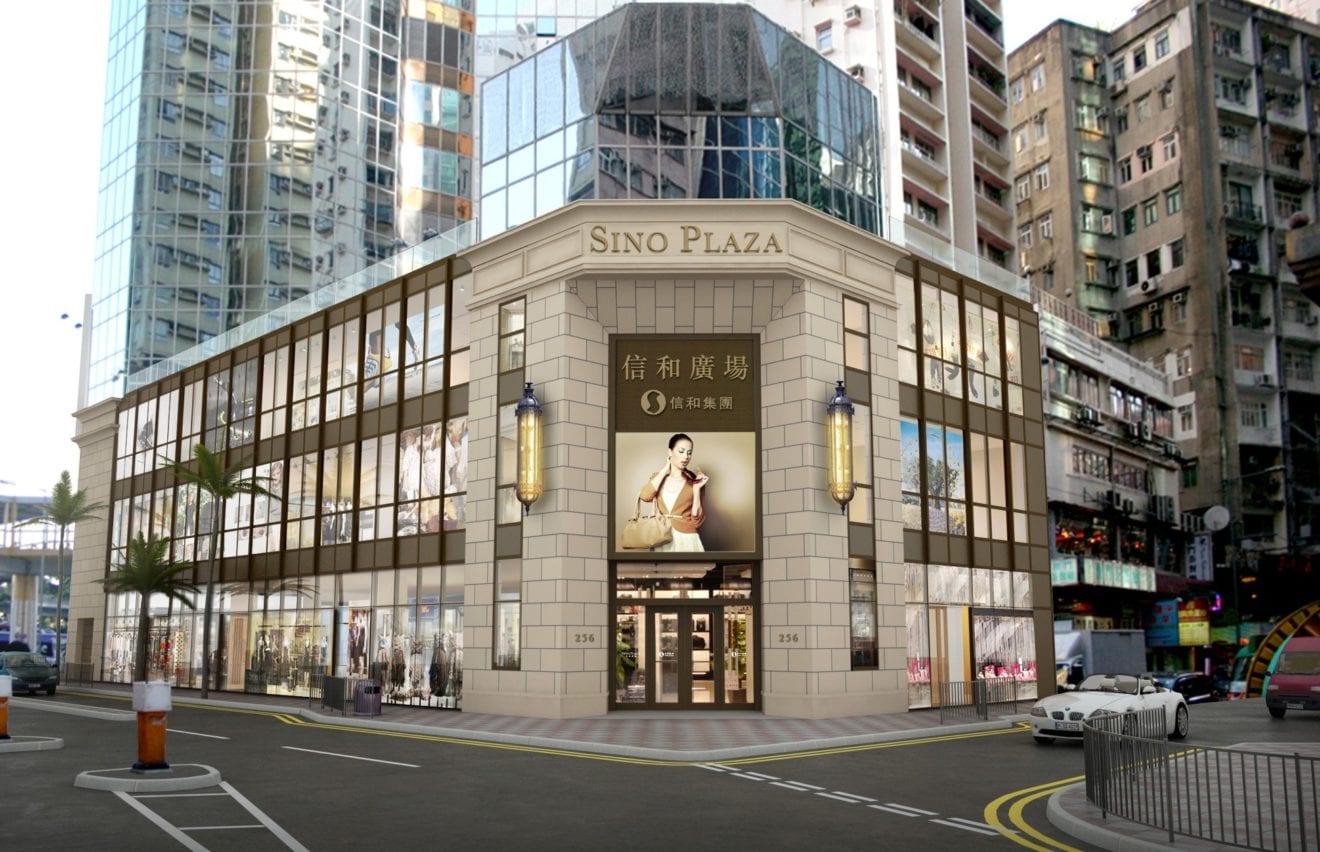
    Sino Land Company Limited has been named the ‘Best Developer Overall in Hong Kong‘ at the eleventh annual global Euromoney Real Estate Survey, the second consecutive year it has received the coveted award, in addition to being voted the best in all other eight developer categories, namely, ‘Best Residential Developer in Hong Kong‘, ‘Best Retail Developer in Hong Kong‘, ‘Best Office/Business Developer in Hong Kong‘, ‘Best Leisure/Hotel Developer in Hong Kong‘, ‘Best Mixed Developer in Hong Kong‘, ‘Best Industrial/Warehouse Developer in Hong Kong‘, ‘Best Advisor & Consultant Overall’ and ‘Best Advisor & Consultant for Agency/Letting Hong Kong’.

    Conducted by leading global finance magazine Euromoney, the annual poll is widely considered as the benchmark award for the global real estate industry. According to Euromoney, senior executives of real estate bankers, developers, investment managers, corporate end-users and advisory firms around the world have been invited to participate in the survey this year and over 1,700 valid responses were received, representing a 10.6% increase from a year ago. The awards are a testament to the Group’s continuous efforts and commitment to delivering premium projects.

    “Quality is the guiding principle of our business. We are honoured that our efforts in delivering products and services of the highest possible standards have been recognised. We would like to express our heartfelt gratitude to our business partners and those who have voted for us, their support is an encouragement for us to work even harder to deliver exceptional ‘Sino Experience’ to our customers,” remarks Mr Daryl Ng, Executive Director of Sino Land.


  • Japanese food traders target more exports to Thailand

    Japanese food traders target more exports to Thailand

    Last year, Japan’s exports of food and farm products reached 610.7 billion yen.

    Koichi Takano, director of the agriculture, forestry, fisheries and food division at the Japan External Trade Organisation (Jetro), said Thailand was a high-potential market because many Thais liked Japanese foods, while the country is a centre of Asean, which means many visitors come here.

    Thailand is Japan’s six-largest food importer, with imports last year worth 248 billion yen, up by 1.1 per cent from 2013. In the first half of this year, Japanese food imports by Thailand increased considerably, by 4.9 per cent year on year.

    Most Japanese food companies are small and medium-sized enterprises.

    Last week, Jetro Bangkok held a business-matching event between 40 Japanese food enterprises and more than 200 Thai businesses, including modern trade, retail and wholesale, hotels and restaurants. The event aimed to increase trade opportunities for Japanese producers of food and agricultural products in Thailand.

    Sachio Takiyama, director of Jetro Bangkok’s trade promotion department, said the organisation expected that each Japanese firm participating in this event would secure at least one trading contract or one business transaction with a Thai company.

    He said that with the rising popularity of Japanese restaurants here, Thailand would import more raw materials and food products from Japan.

    According to a Jetro survey in August, the number of Japanese restaurants in Thailand had grown by 11.5 per cent year-on-year to 2,364.

    Takiyama said Jetro Bangkok expected the number of Japanese restaurants in Thailand to increase by 10 per cent a year. Thus there is a strong opportunity for more exports of Japanese foods, rice and raw materials, as well as alcoholic beverages, to Thailand in the near future.

    Japanese products with high potential for export to Thai markets are premium-grade meat, alcoholic beverages, fish, and fruits and vegetables.

    Kouda Mayumi, a member of the technical staff of the beef promotion section of the Oita prefectural government, said the prefecture had started to export premium-grade beef to Thailand via Japanese importers last year, with a total volume of about 2 tonnes. She foresees strong demand in the Thai market.

    Shingo Yamashita, senior adviser to Azuma-Cho Fisheries, said demand for fresh fish in Thailand was expected to increase considerably as spending power rose along with the popularity of Japanese restaurants here.

    The company exports about 50 tonnes of buri fish, also known as yellowtail, to Thailand each year.

    Masanobu Miyazaki of JTF Trading, an importer of beef and fish from Japan to Thailand, said demand for Japanese food here had increased strongly over the past few years.

    Vegetables

    Takashi Kato, assistant manager of Bangkok Food System, an exporter of Thai vegetables to Japan and importer of Japanese food to the Thai market, said the company had exported Thai vegetables to Japan for more than 30 years.

    It foresees imports of Japanese foods to Thailand increasing, due not only to demand from Thais themselves but to the rising number of Japanese residents in this country.

    “Now, with higher demand for Japanese foods, we will import Japanese rice, vegetables and fruits to Thai markets to serve restaurants and supermarkets,” he said.

    Haruhiko Sunakawa of Okayama Fruits Company wants to export Muscat grapes to Thailand, along with other fruits such as peaches and strawberries.

    He is now looking for distributors or modern trade outlets to buy such products.

    Kyoko Yoshida, director of Shiyoshida-Syuzou, a producer and trader of shochu, a distilled beverage, said the company has started to introduce the product to the Thai market two years ago. So far, the company has exported it to some Japanese restaurants in Bangkok, and wants to seek |modern-trade partners as distributors.