Author: Mei Ling Tan

  • Amazon lures investors back from Alibaba

    Amazon lures investors back from Alibaba

    China is no longer in vogue with e-commerce investors, as money returns to the US and Amazon.com following a brief fling with Alibaba Group Holding and its 367 million customers.

    With a market value of more than US$240 billion, Amazon is once again the world’s most valuable e-commerce company, a spot it lost after Alibaba’s record-setting US$25 billion initial public offering in September. Alibaba’s current market capitalisation is at about US$180 billion, down more than 30 per cent from its peak in November.

    Alibaba reported earnings on Wednesday showing that quarterly sales grew at their slowest pace in three years, with transaction volume falling short of estimates.

    Investors viewed Alibaba as a profitable alternative to the free-spending ways of Jeff Bezos, Amazon’s chief executive officer. Now, concerns are focused on China’s cooling economy and slower consumer spending, as well as Alibaba’s reluctance to aggressively pursue business in the US. Meanwhile, Amazon impressed investors last month when it reported a surprise second-quarter profit, thanks to its fast-growing cloud-computing business and spending discipline.

    “You can’t overlook the China slowdown,” said RJ Hottovy, an analyst at Morningstar Inc. in Chicago. “Chinese consumer spending trends are in a slowdown.”  Among investors, JPMorgan Chase & Co, Wellington Management Group and TIAA-CREF Investment Management reduced their share holdings in Alibaba by an average of 42 per cent in the past three quarters, while increasing their holdings in Amazon by 65 per cent, according to data compiled by Bloomberg.

    For now, the e-commerce giants are mostly steering clear of each other’s home turf. Amazon is focusing its overseas growth ambitions on India after investments in China failed to gain traction. Alibaba in June announced plans to sell its US website 11 Main, and is looking to Russia and Brazil to expand. Rather than sell Chinese goods in the US, Alibaba is focused on encouraging American businesses to sell into China.

    While Alibaba initially benefited from interest in a new investment opportunity at its market debut, Amazon has the advantage of being publicly traded for almost two decades, said Kirthi Kalyanam, director of the Retail Management Institute at Santa Clara University.

    “Familiarity creates a big advantage for Amazon,” Mr Kalyanam said. “This is Wall Street saying, ‘If you think Alibaba is going to come into the US and take on Amazon, think again.’”
  • FamilyMart, Uny may put off business integration accord

    FamilyMart, Uny may put off business integration accord

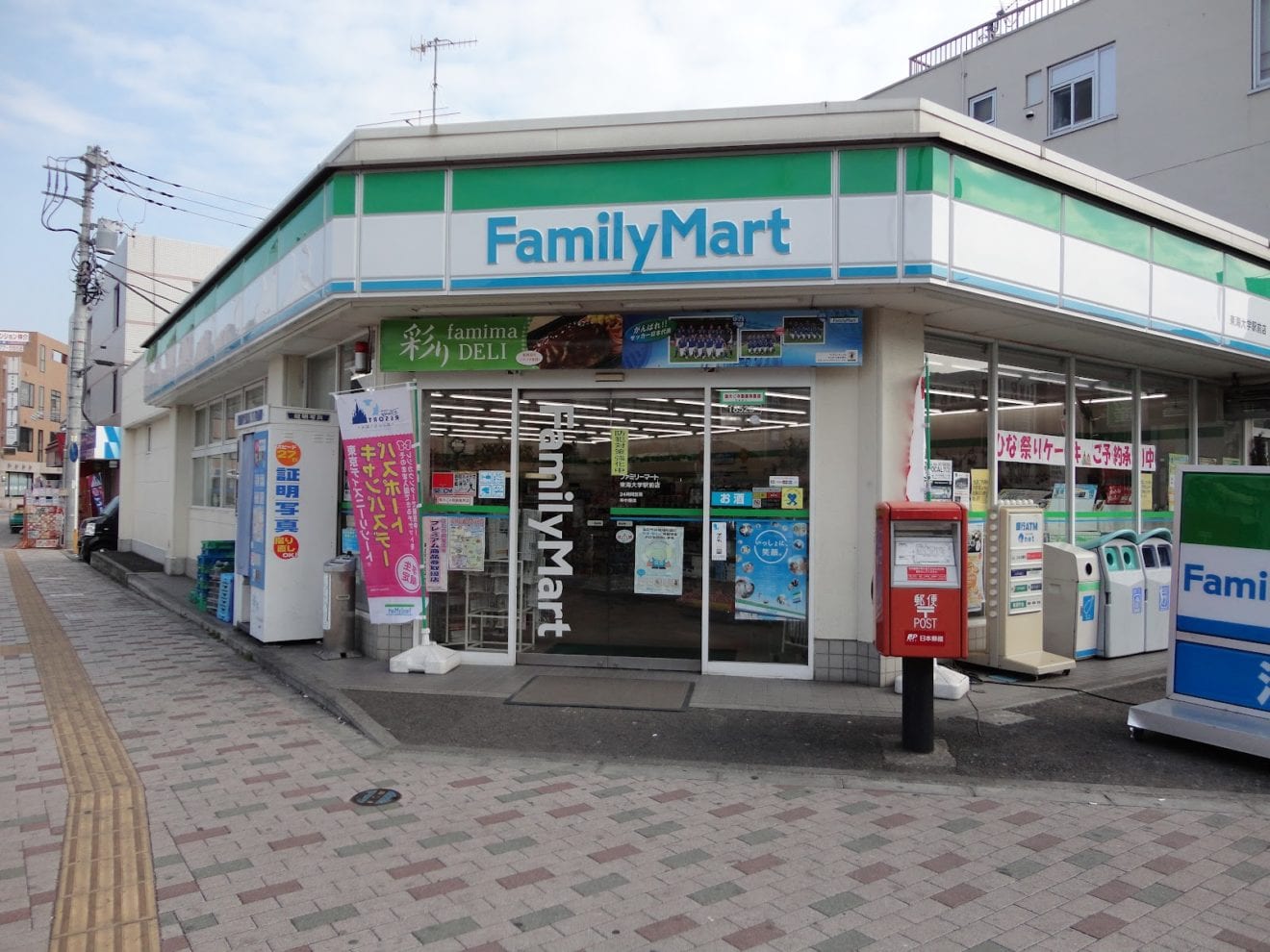
    Retailers FamilyMart Co. and Uny Group Holdings Co. are mulling putting off the conclusion of a basic accord on their planned business integration to September or later, it was learned on Thursday.

    This is because Uny’s work to draw up measures to shore up its slumping general merchandise store operations has been delayed, informed sources said. The two firms originally planned to reach a basic accord this month.

    Still, there is no change in their goal of realizing the integration in September 2016 after obtaining approval at their respective general shareholder meetings in May the same year, according to the sources.

    FamilyMart, a major convenience store operator, and Uny said in March this year that they had started negotiations on integrating their operations.

  • Pantaloons to invest Rs 125 cr this fiscal, add up to 35 stores

    Pantaloons to invest Rs 125 cr this fiscal, add up to 35 stores

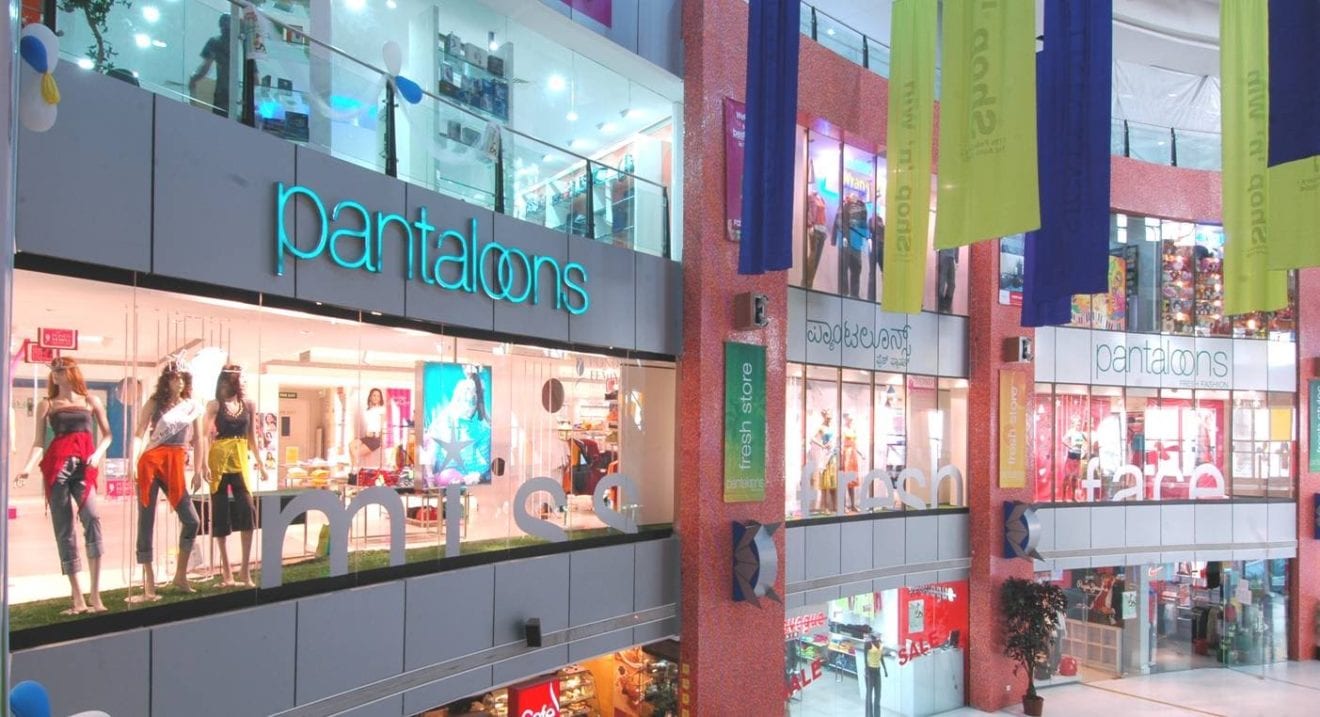
    Retail chain Pantaloons plans to invest Rs 125 crore this fiscal as it plans to add up to 35 stores across the country.

    In an investor update, Pantaloons Fashion & Retail’s parent company Aditya Birla Nuvo said: “Financial year 2015-16 capex guidance (for Pantaloons) stands at about Rs 125 crore mainly towards launch of new stores.”

    “The company is targeting to launch 30-35 stores during 2015-16 and focus will be on expanding customer reach and portfolio enrichment,” it said.

    Pantaloons, which has over 100 stores across the country, reported net sales of Rs 433.70 crore for the quarter ended June 30, 2015.

    In May, in a major restructuring exercise, Aditya Birla Group announced merger of all its branded apparel businesses into one entity, Aditya Birla Fashion and Retail Ltd.

    Under the scheme of arrangement, the apparel businesses of group holding company Aditya Birla Nuvo and of another group firm Madura Garments Lifestyle Retail would be demerged into listed firm Pantaloons Fashion & Retail Ltd (PFRL).

    Madura owns and retails brands such as Louis Philippe, Van Heusen, Allen Solly, Peter England and People and operates 1,759 stores across the country.

    In 2012, Aditya Birla Nuvo had entered into an agreement with the Future Group to infuse Rs 1,600 crore into Pantaloons and acquire a majority stake in the store chain.

  • Foxconn cancels investment plan in Indonesia

    Foxconn cancels investment plan in Indonesia

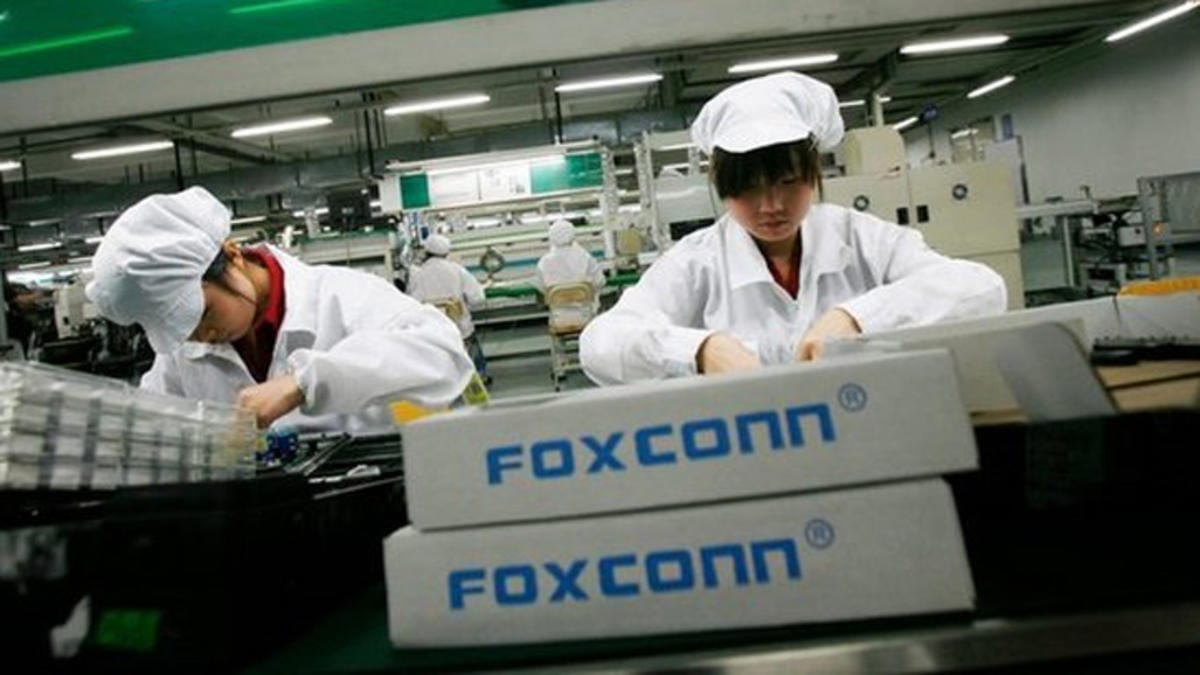
    Taiwan’s Foxconn Technology Group, the world’s biggest electronic components maker, has cancelled plans to invest in a factory in Indonesia, Kontan daily reported on Tuesday, citing the head of an Indonesian business chamber.

    Foxconn, whose flagship listed unit is Hon Hai Precision Industry Co Ltd, said last year it may invest $1 billion in Southeast Asia’s biggest economy.

    But the Apple Inc supplier had decided not to go ahead because of land issues, Indonesian Chamber of Commerce and Industry Chairman Suryo Bambang Sulisto was quoted as telling the business daily, casting doubt on the company’s broader expansion plan in Indonesia.

    Sulisto did not respond to phone calls requesting comment, while Foxconn was not immediately available to respond.

    Foxconn, which assembles products for global phone makers, is one of the companies likely to be affected by a new law due to take effect in 2017 requiring firms that sell smartphones and tablets in Indonesia to produce 40 percent of their content locally.

    Critics say the rule – part of a push by President Joko Widodo to transform Indonesia from an economy that consumes products into one that produces them – could increase costs and restrict access to technology.

    Foxconn had previously planned to invest in hardware such as phones, tablets and televisions, as well as telecommunication services in Indonesia, its spokesman told Reuters last year.

    The company had hoped to tap the domestic market of about 250 million people and use it as a base to export to the rest of Southeast Asia. But talks with authorities had stalled partly because the government was reluctant to accept Foxconn’s request for free land, sources previously said.

    Last month, Foxconn partnered with China’s Xiaomi to assemble phones in India.

  • Tesco saved 1m plastic bags Saturday

    Tesco saved 1m plastic bags Saturday

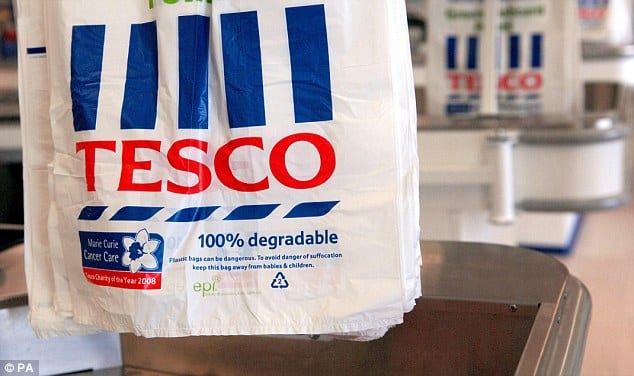
    Discount retailer Tesco Lotus said it saved a million plastic bags in the first day of a government campaign to stop use of disposable sacks on the 15th of every month.

    The Department of Environmental Quality Promotion has enrolled 15 retailers in the programme that began Saturday. Charkrit Direkwattanachai, Tesco Lotus’ head of corporate communication and sustainability, said the company has set a goal to save 40 million plastic bags in 2015 under its own “proud not to use plastic bags” campaign.

    The store began efforts to reduce plastic use in 2010 and so far has saved 50 million bags.

    According to statistics from the Pollution Control Department, the average Thai uses eight plastic bags per day; a total of 2.7 million tonnes of plastic and polystyrene foam waste or an average of 7,000 tonnes per day. Of that, 80%, or 5,300 tonnes, is plastic bags, which generally take up to 450 years to degrade.

  • Twitter appoints new boss for Indonesia

    Twitter appoints new boss for Indonesia

    Twitter has appointed Roy Simangunsong as the company’s country business head in Indonesia.

    “It’s my first day at work, so there’s no strategy to apply yet, but what is important for the audiences and advertisers are my confidence in running and developing this company. Because, at the end of the day, Twitter wouldn’t want us to innovate on things that disrupt the users’ experience,” said Roy as quoted by Antara news agency on Tuesday.

    Indonesia has around 80 million Internet users, according to Roy, and around 150 million smartphone subscribers and almost 80 percent of Twitter users worldwide access the application from their mobile phones.

    Prior to Roy, the business head position had been held by Rick Mulia from November 2014. Rick resigned in June, leaving the position vacant for two months.

    Roy was previously the country business head at Yahoo! Indonesia and other multinational companies like Microsoft and IBM. His last position before becoming Twitter Indonesia’s number one person was chief executive officer for Okezone digital media company.

  • Infrastructure to host Sail Tomini to be readied on time

    Infrastructure to host Sail Tomini to be readied on time

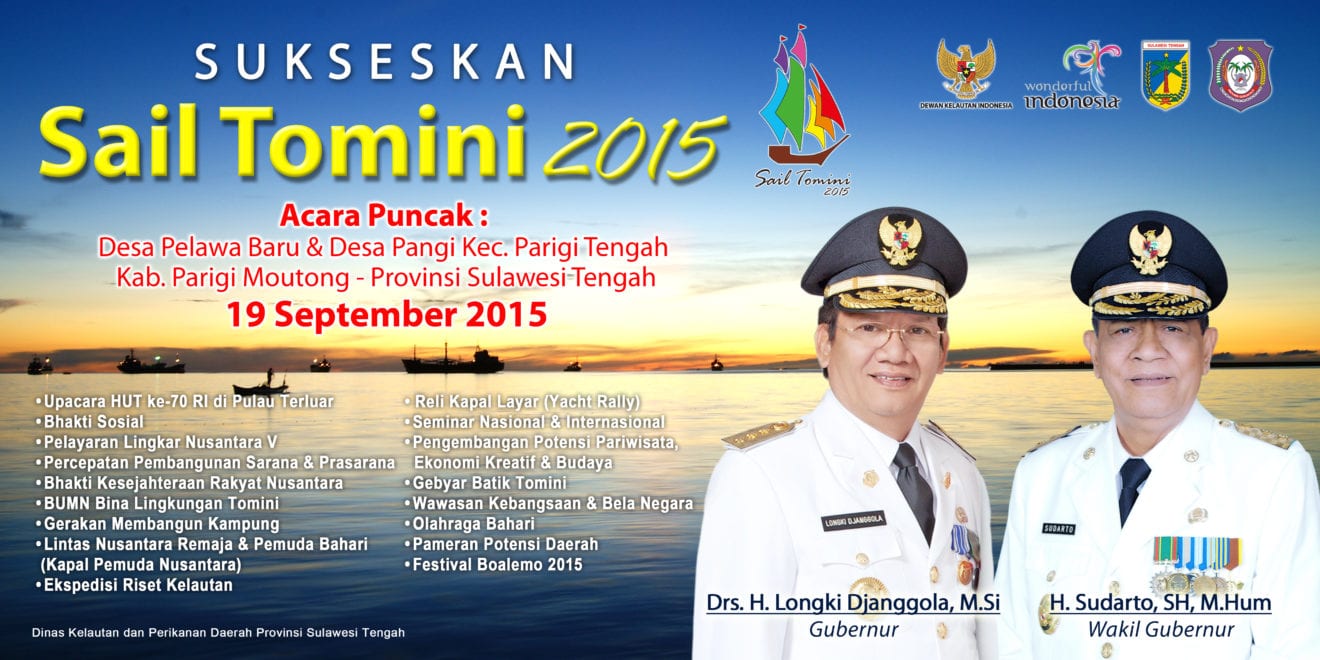
    The infrastructure necessary to host the upcoming international maritime event of Sail Tomini 2015 will be readied on time, stated Director General of Cipta Karya of the Public Works and Housing Ministry Andreas Suhono.

    “The supporting infrastructure for hosting Sail Tomini is 90 percent ready, and it will be completed on time,” Suhono noted in a written statement here on Tuesday.

    According to Suhono, the yard for hosting Sail Tominis main event and the infrastructure for providing accommodation to tourists are almost ready and expected to be completed on time.

    He pointed out that the basic infrastructure for providing accommodation includes wastewater infrastructure, integrated sanitation infrastructure, and a communal wastewater treatment plant through a community-based sanitation program, an integrated waste treatment plant, a primary drainage system for special areas, and a water supply system.

    Parigi Moutong Deputy District Head Badrun Nggai remarked in Palu, Central Sulawesi, recently that the construction of infrastructure and facilities for hosting Sail Tominis main event in Parigi Moutong district was 90 percent complete.

    “The construction of facilities and infrastructure for hosting Sail Tominis main event on September 19, 2015, is 90 percent complete,” Nggai remarked last Saturday.

    He noted that all work will be accelerated and completed on time.

    The main event of the international maritime event of Sail Tomini will be attended by President Joko Widodo and some 10 thousand guests.

    Central Sulawesi Governor Longki Djanggola emphasized that Sail Tomini is an international maritime event organized to promote tourism in Central Sulawesi province, situated in the heart of the island of Sulawesi.

    The governor stated that the success of Sail Tomini is expected to boost tourist visits to various attractions in Central Sulawesi and to increase foreign exchange earnings for the country.

    Therefore, he urged the public to participate in supporting the smooth operations, security, and success of the event.

    “Let us all work together to maintain security and order, so that this important event can run smoothly and successfully,” the governor remarked.

  • Super Delivery concept launches in Japan

    Super Delivery concept launches in Japan

    An eCommerce venture relaunched in Japan this week claims to be the world’s largest wholesale website.

    Super Delivery, launched domestically by Raccoon Co back in 2002, offers apparel and general merchandise produced or developed in Japan for supply to 134 countries. This week it opened to the world.

    It has launched with some 400 manufacturers displaying more than 100,000 items for sale on the website. More than 930 shops and companies are  registered with the eCommerce marketplace as buyers.

    Among products being sold on the portal are numerous traditional Japanese handicrafts. Echizen Shikki Kyodo Kumiai (Echizen lacquerware cooperative association) in Sabae, Fukui Prefecture, which deals with lacquerware products that have a history of more than 1500 years, will sell  over 1000 items, mainly bowls and dishes.

    Those who use the Super Delivery service can confirm the wholesale prices of products after they register themselves with the website as members, and can pay for products they buy by credit card or electronic money transfer.

  • ‘Trust us’ urges Alibaba.com

    ‘Trust us’ urges Alibaba.com

    Chinese internet giant Alibaba.com has enhanced its vetting of suppliers to boost confidence with its online customers.

    The company says it is adding new features to service designed to reassure buyers – many of them retailers in North America and Europe – that they can trust the sellers offering merchandise on Alibaba.com.

    The Alibaba Trade Assurance program, introduced in January, has been limited to transactions completed via bank transfers, but will soon also cover purchases made with credit cards, Sunny Chhabra, a US-based global marketing and business development executive with Alibaba.com, told delegates to a conference in Las Vegas.

    In addition, the program, which until now will only covered Chinese suppliers selling on the business-to-business Alibaba.com platform, will be extended to other manufacturers and distributors in other countries. India will be the next country added, he said.

    Already 54,000 Chinese suppliers, or about half the number that offer to fill bulk orders on the Alibaba site, participate in Alibaba’s Trade Assurance program. An Alibaba subsidiary called OneTouch vets companies that wish to participate. If a buyer purchases from a participating supplier Alibaba will refund the buyer’s deposit, up to a specified amount, if the goods are not delivered on time or are not of the quality specified.

    “If the supplier is at fault, the buyer gets their money back, Chhabra said. “You’ll be covered by Alibaba. We’ll go after the supplier to recoup our losses.”

    To receive compensation for poor quality, he noted, the buyer will have to engage a service that inspects the goods, either at the factory or at the buyer’s warehouse.

    Buyers now can filter suppliers at Alibaba.com by those participating in Trade Assurance. When a prospective buyer hovers over a participating supplier the amount Alibaba will guarantee appears. That amount varies based on feedback from buyers. If a supplier gets good reports from customers then Alibaba gradually increases the amount it will guarantee.

    When a retailer or other buyer purchases from a participating supplier, the two parties sign a contract on Alibaba.com and the purchase is completed on the site. That’s a departure for Alibaba.com, which, since its introduction in 2003, has served as a way for retailers, wholesalers and other bulk buyers to find mainly Chinese suppliers, but has never been a transactional site. One of the advantages for Alibaba is that now that transactions are completed on the site the Chinese eCommerce giant for the first time gets accurate information about what products companies are buying and how much they are paying, Chhabra said.

    Alibaba executives also said the company has begun allowing some foreign suppliers to sell on 1688.com, a site that until now has enabled Chinese retailers and other companies to buy from Chinese suppliers.

    Alibaba reported that its revenue from international wholesale transactions, mainly Alibaba.com, totaled $201 million, six per cent of revenue and a 12 per cent year on year increase. Revenue from domestic wholesale, mainly 1688.com, was $161 million, five per cent of revenue and a 41 per cent increase over the same period a year ago.

    The bulk of Alibaba’s revenue, more than $2.5 billion, came from its huge online marketplaces in China, primarily Taobao, where some 8.5 million sellers offer products in a wide-open online bazaar, and the more brand-friendly Tmall, which features products from such major Western companies as Nike, Apple, Burberry and Juicy Couture.

    Those Chinese marketplaces, which together account for roughly 80 per cent of online retail sales in China, accounted for 78 per cent of Alibaba’s revenue in the quarter.

  • Roll Mafia plans India roll-out

    Roll Mafia plans India roll-out

    An Indian quick service restaurant concept Roll Mafia has raised $151,000 in seed funding to commence a roll out in major Indian cities.

    Parent SLS Cuisines India plans 50 restaurants in six cities by March next year after attracting investment from Singapore’s Equentia Natural Resources and a group of private investors.

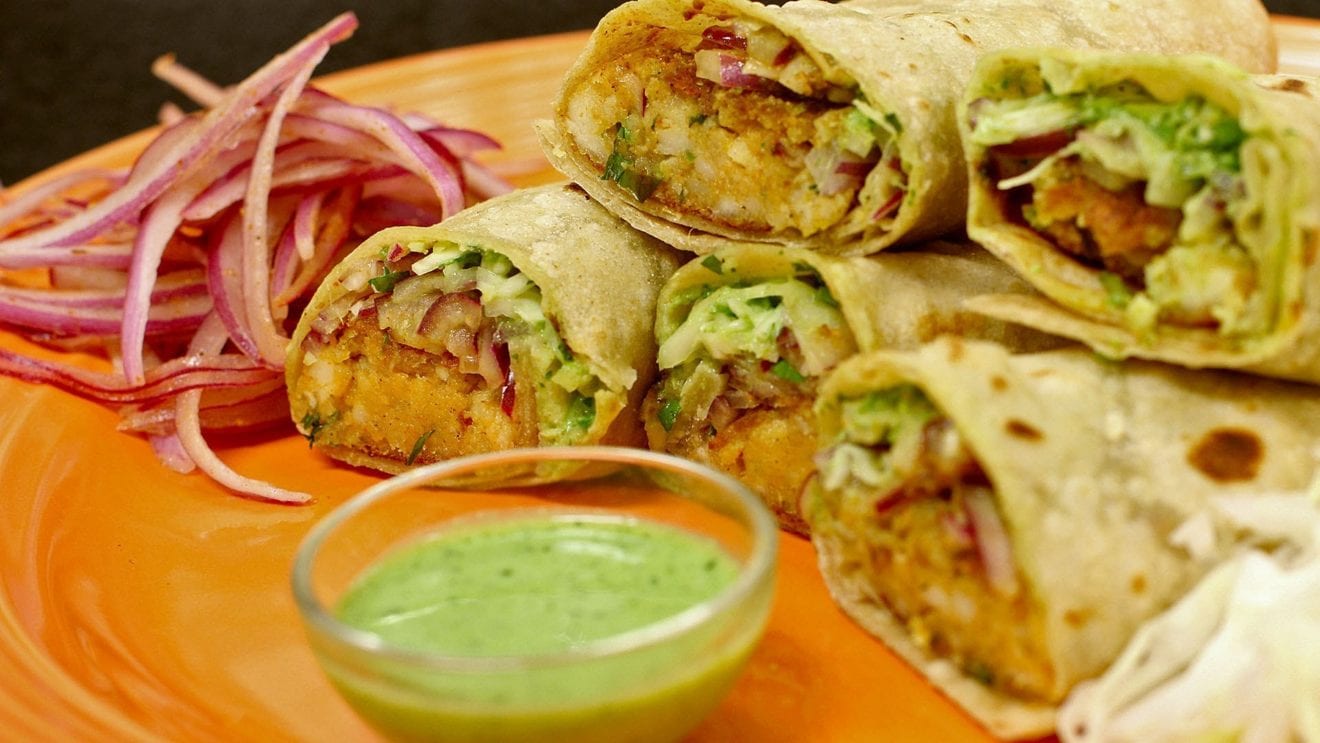
    Roll Mafia currently operates eight outlets in Pune and three in Patna, cooking and selling Indian food such as Kathi Rolls and Dum Biryani.

    “We are looking to open 50 more outlets in Mumbai, Chandigarh, Baroda, Bangalore, Delhi and Gurgaon by March 2016,” said Varun Sahay, co-founder of Roll Mafia.

    The new outlets will boost its workforce from the current 70 to around 250.

    Roll Mafia was founded in 201 by brothers Varun and Vishal Sahay. It provides delivery in some market, via an online portal, as well as takeaway and dine-in facilities.

  • Coach Singapore opens next gen store

    Coach Singapore opens next gen store

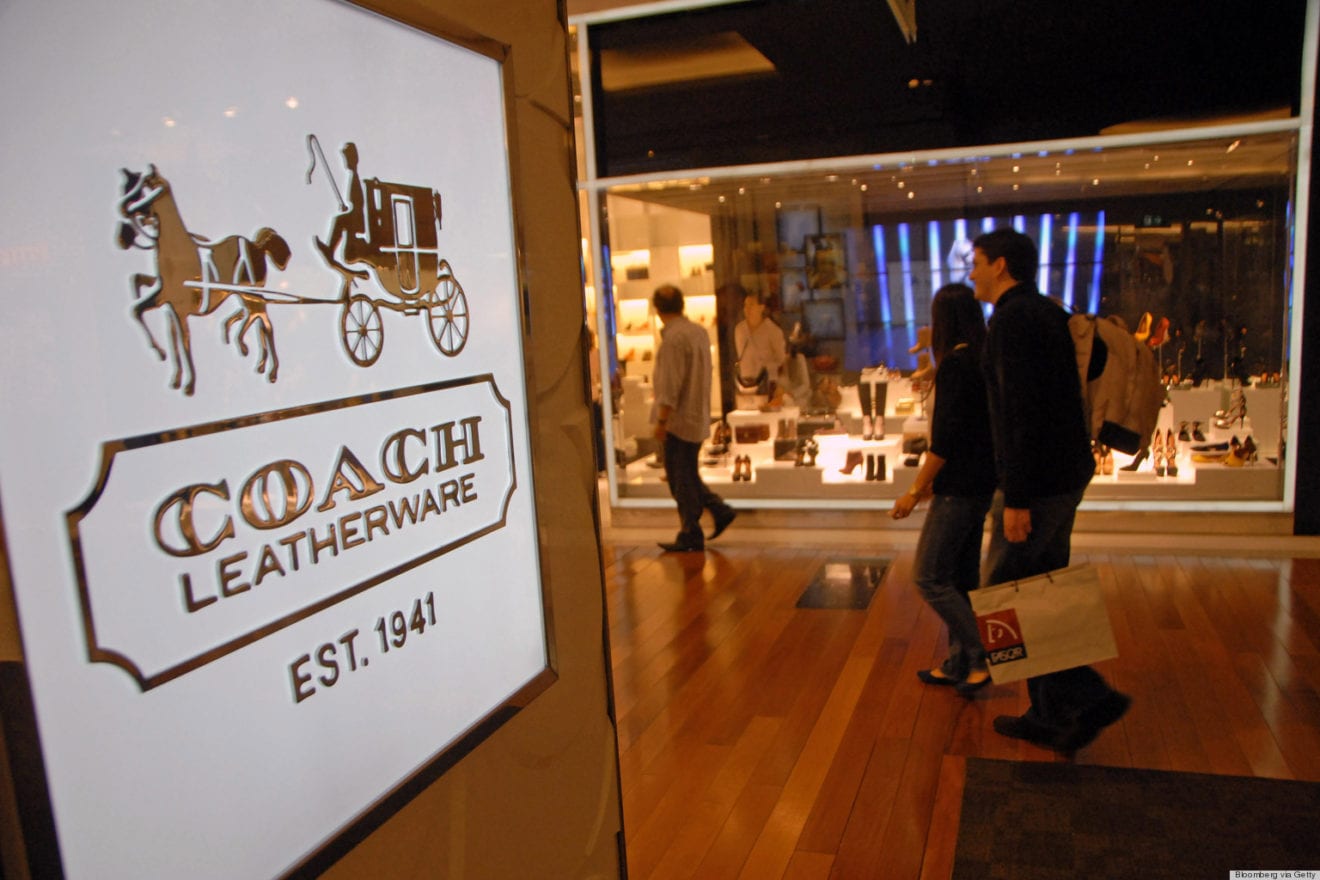
    Coach Singapore has unveiled its new generation store on Orchard Rd in the Wisma Atria shopping centre.

    The New York-headquartered brand describes the new store format as its “next generation retail concept”.

    So important is the new outlet to the brand, South Korean superstar Jay Park was flown in to preside over the launch party.

    Coach Wisma Atria Singapore

    The store, a refurbishment, features the full range of men’s and women’s lifestyle collections, and is the first by the brand to feature a counter providing complimentary personalisation services.

    “We are thrilled to unveil our modern luxury retail concept at the Coach Wisma Atria flagship store,” said Coach South East Asia and Oceania president Andrew Stanleick.

    Coach Wisma Atria 1

    “I believe the new incarnation of the Coach store that Stuart and William Sofield created will trigger a powerful change in the perception of Coach. It is sophisticated and refined, yet playful and authentic.”

    The new concept was developed by Coach executive creative director Stuart Vevers in cooperation with creative firm Studio Sofield. Coach says the design team sought to reinvent the Coach brand, drawing from a wide range of influences, placing a premium on contrasting textures and luxe materials.

  • Burger King Malaysia, Singapore sold

    Burger King Malaysia, Singapore sold

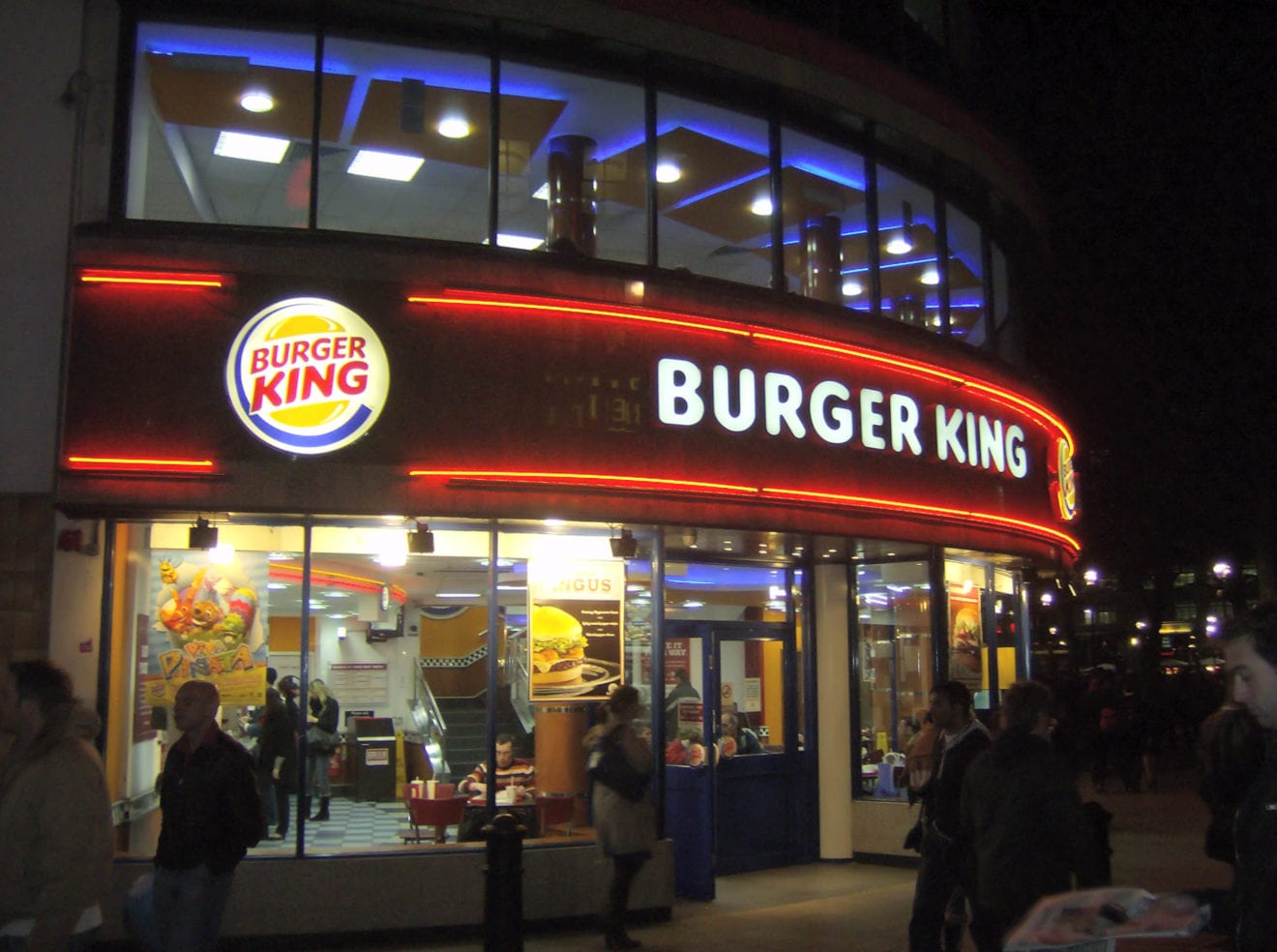
    Burger King Malaysia and Singapore has a new owner after previous franchisor Ekuinas sold out for US$18 million.

    Ekuiti Nasional Bhd (Ekuinas) has sold the operation to Newscape Capital (Newscape) with the agreement of BK Asiapac Pte Ltd, the master franchisor of the Burger King brand in the Asia Pacific region.

    Newscape is an investment company run by experienced retail operators Chua Tia Guan and Lee Thiam Wah. It successfully acquired the rights to Burger King in the two markets after a previous bid by Brahim’s Holdings Bhd was rejected by BK Asiapac in February.

    Abdul Rahman Ahmad, Ekuinas CEO, said the sale would place the Burger King brand with a franchisee with the financial strength and operational expertise to expand the brand’s operations.

    “This exercise has also enabled Ekuinas to successfully complete the restructuring of its F&B portfolio involving our exit from the Quick Service Restaurant (QSR) segment to fully focus and expand on the core Casual Dining and Beverage segments with brands such as Tony Roma’s, Manhattan Fish Market, New York Steak Shack, Coolblog and San Francisco Coffee,” he said in a statement.

    BK Asiapac president David Shear commended Ekuinas’ four year partnership and said the company looked forward to the opportunities working with Newscape.

  • Tim Ho Wan Bangkok opens

    Tim Ho Wan Bangkok opens

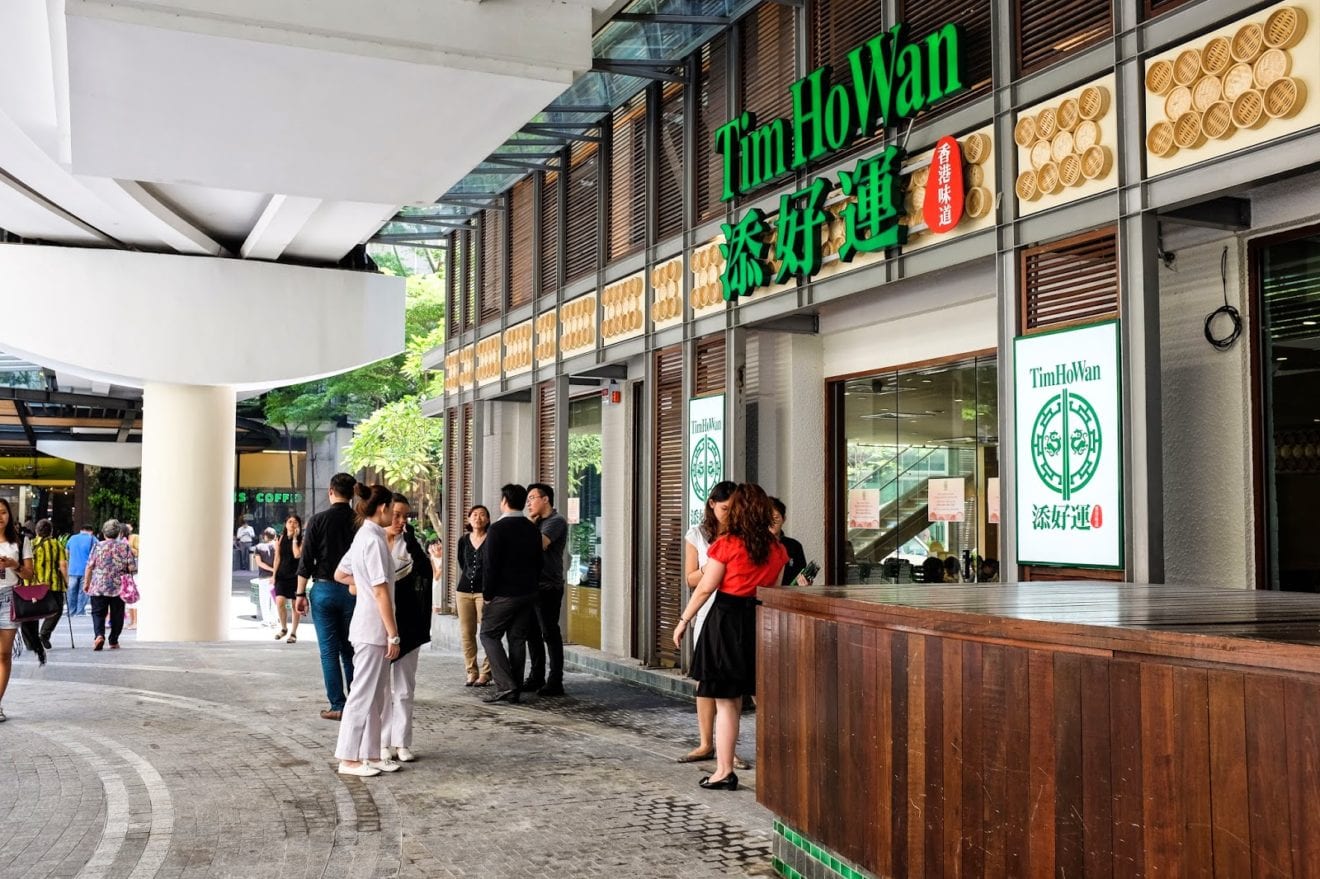
    Famous Hong Kong dim sum restaurant Tim Ho Wan has opened its first Thailand eatery – in downtown Bangkok.

    Tim Ho Wan Bangkok is located in the Terminal 21 shopping centre at Asoke. When it opened its doors this week it drew queues of hundreds of people eager to try the famous dim sum creations of founder Chef Mak.

    Affectionately referred to as “the world’s cheapest Michelin-starred restaurant”, Tim Ho Wan Bangkok is offering meals it says are even cheaper than at its original branch.

    The restaurant features a menu of 25 dim sum dishes, including the four most popular: baked bun with barbecue pork, pan fried radish cake, fluffy steamed egg cake and vermicelli roll with pig’s liver – all priced between 80 and 120 baht ($2.20 and $3.35).

    Chef Mak opened the first Tim Ho Wan in Mongkok in 2009, a small eatery with just 30 seats located in a virtual back alley. It was later awarded a one star Michelin rating.

    He launched the venture after turning his back on a career with a three star fine dining restaurant at the Four Seasons Hotel in Hong Kong called Lung King Heen.

  • Challenger Singapore shrugs off retail gloom

    Challenger Singapore shrugs off retail gloom

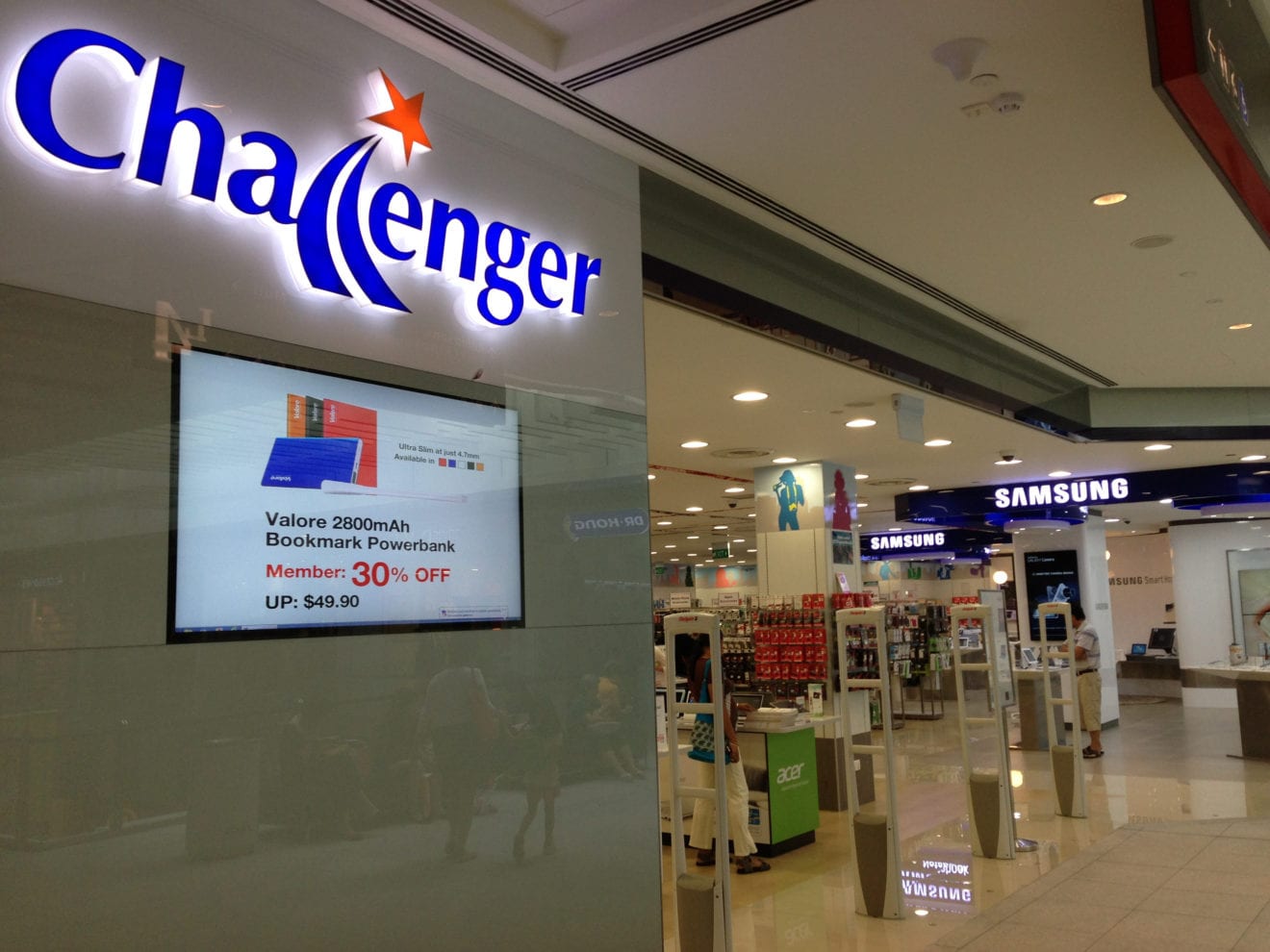
    Listed IT chain Challenger Singapore plans to open new stores this year as sales increase despite the city’s retail malaise.

    Challenger currently operates 45 stores in Singapore, a flagship megastore, 22 superstores and 22 small format stores. The company says it will continue to expand its retail footprint with three new stores planned for the second half of this year. Some stores which are not performing up to expectation will be downsized or closed when their current leases expire.

    Challenger Technologies, Singapore’s largest retailer of IT products and services, has reported a three per cent increased in second quarter sales to $84.7 million.

    It says sales were buoyed mainly by an increase in trade show activities as well as full-year operations for retail stores opened since the second half of 2014.

    These were partially offset by loss of revenue that resulting from its exit from Malaysia in the first half of last year.

    Net profit jumped 21 per cent to $3.5 million, boosted by reduced rental and operating expenses that resulted from the Malaysia exit.

    CEO Loo Leong Thye said although the company had improved its net profit, the IT retail business in Singapore continues to be challenging due to weak consumer spending power.

    “We also face higher operational costs and difficulty in hiring more staff to serve our customers to an expected level of satisfaction.”

  • Chinese medicines drive Zhongzhi growth

    Chinese medicines drive Zhongzhi growth

    Zhongzhi Pharmaceutical Holdings, which operates a network of pharmacies in the Guangdong province of China, has reported strong sales and earnings growth.

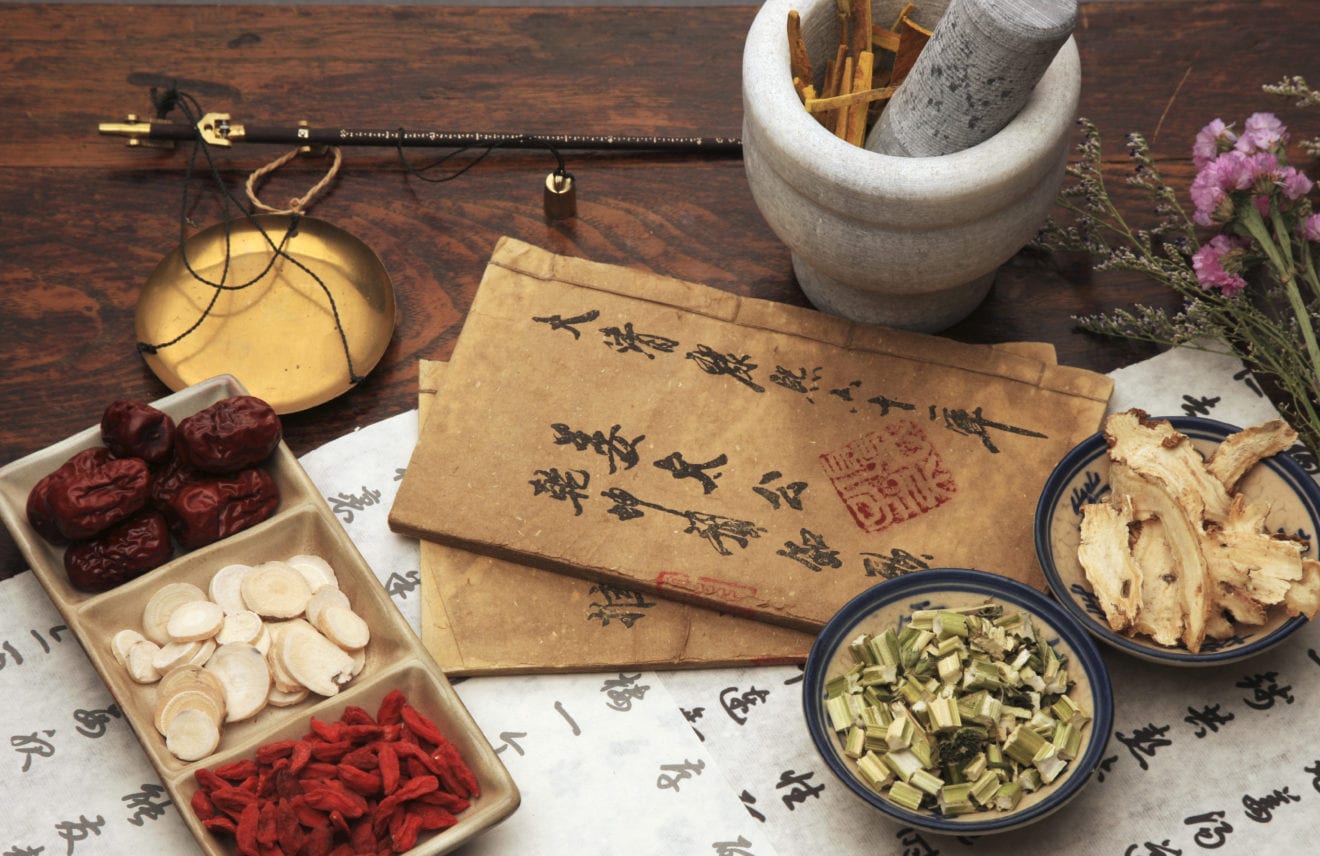
    Zhongzhi develops, manufactures and sells Chinese patent medicines, herbal remedies and food products sold under the core brands of Zeus, Liumian and Caojinghua.

    In the six months to June, the group achieved sales of RMB347.3 million, an increase of 20.6 per cent on the same period last year. Sales of ‘modern’ herbal remedies rose 44.5 per cent as a result of the group’s effort to expand its distribution and marketing network.

    “The continuous growth in the PRC pharmaceutical industry has been driven by favourable demographic trends, continuing urbanisation, the overall economy’s healthy expansion, and income growth which encourage greater public health awareness and consumption of pharmaceutical products,” the company said in its half year report.

    “The demand on pharmaceutical products will remain high and the related consumer expenditure is expected to increase year by year, which is beneficial to the further growth and development of the group. As such, it is anticipated that stable sales growth of our own-branded products in the PRC will continue in the near future.”

    In the year ahead, the company plans to expand its pharmacy network in the Guangdong province, boost its distribution network and expand its production capacity at the same time as putting more resources into researching new products and brand awareness marketing.

    Zhongshan has been operating chain pharmacies in Zhongshan under the Zeus banner for the sale of pharmaceutical products since 2001. As at June 30 it had 201 self-operated chain pharmacies in Zhongshan, five more than last year. Pharmacy sales increased by 15.9 per cent to RMB171.5 million for the six months, contributing 49.4 per cent of the company’s total revenue.