Author: Mei Ling Tan

  • Leading Tier 1 Operator in Malaysia deploys Elitecore’s Crestel Online Charging Platform

    Leading Tier 1 Operator in Malaysia deploys Elitecore’s Crestel Online Charging Platform

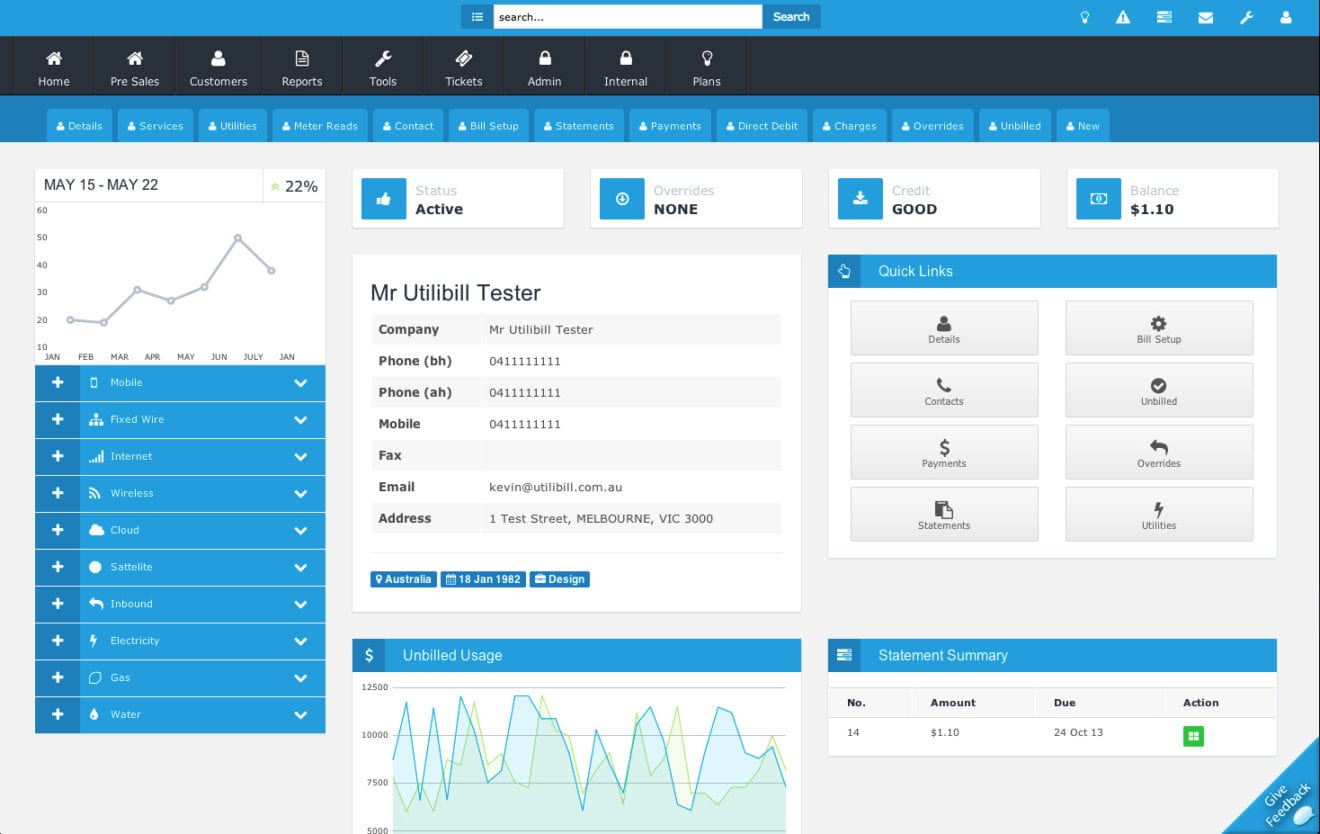
    Elitecore Technologies, a global provider of BSS and Packet Core solutios, announces that a leading Tier 1 Operator in Malaysia has deployed Elitecore’s 3GPP compliant Online Charging System (OCS) for their voice and data services; the solution enables its subscribers to keep track of their account, services and usage in real time. It supports dynamic notifications to customers prior to reaching their credit thresholds and also supports admin action in real time on threshold breach. The solution enables real-time charging of VOIP calls over SIP interface for post-paid subscribers on FTTX network.

    Elitecore’s real time OCS is a modular solution integrated with operator’s existing CRM and Billing systems, without having to go through a transformation of its existing billing system to support next generation services. The entire project was completed in just 3 months. The platform supports features such as single touch Point of Credit Governance for customer, Self Care service interaction in real time with accurate and timely information related to their usage, time/volume based rating, differential rating, advice of charges, shared balances, policy based discounting etc.

    Dhaval Vora, VP, Product Management, Elitecore says, “With our Real Time charging Solution, the operator is well prepared to support the growing demand for data services and benefit from enhanced real-time capabilities for its Data, Voice & Internet Services. Better real-time processing and instant notification of credit balance status enhances user experience and eliminates bill shock scenario.”

    The solution helps operators to add subscriber value through personalized offering, ensures optimum network utilization & greatly increases service usage and ARPU. Moreover, the solution is future ready which can support multiple networks on the same platform.

  • Henry Sy still Philippines’ richest man

    Henry Sy still Philippines’ richest man

    Property, retail and banking tycoon Henry Sy whose conglomerate owns the chain of SM Supermalls in his country and China has retained the title of the Philippines’ richest person for the eight consecutive year, with his net worth up $1.7 billion from last year to $14.4 billion.

    Forbes Philippines, which puts together the list, said Thursday that the value of Sy’s publicly traded conglomerates SM Investments rose 17 percent and SM Prime Holdings 20 percent over the past year. His companies announced record income from banking and retail businesses and two new mall partnerships in 2014. Sy also has a stake in privately owned power supplier National Grid Corp.

    John Gokongwei Jr. of JG Summit conglomerate that owns SM’s rival, mall chain Robinsons, is the second richest with a net worth of $5.5 billion.

    Forbes said Gokongwei moved up three spots after his company’s stocks rose 30 percent, boosted by revenue growth in its petrochemical business and investments in Meralco, the Philippines largest power distributor.

    JG Summit also has interests in food and beverage, airlines, telecoms, property development, banking, retail, and hotels.

    Forbes compiles the net wealth of the Philippines’ richest based on stock prices and exchange rates, with the value of private companies based on similar companies that are publicly traded.

    Alliance Global’s Andrew Tan climbed a notch to the third place despite a drop in his net worth to $4.5 billion from the previous $5.1 billion. His company’s stock price is 11 percent lower due to a drop in income from its resort and casino operations.

    Lucio Tan of LT Group whose businesses include stakes in beverages, tobacco, distilled spirits, banking and property was fourth with a net worth of $4.3 billion. Tan is also chairman of Philippine Airlines.

    Fifth was International Container Terminal Services’ Enrique Razon Jr., who is worth $4.1 billion.

    Rounding out the top 10 are George Ty, the Abotiz Family, Jaime Zobel de Ayala, David Consunji, and Tony Tan Caktiong.

  • Krispy Kreme to open 10 shops in Myanmar

    Krispy Kreme to open 10 shops in Myanmar

    Krispy Kreme announced this week that it is set to open 10 shops in Myanmar over the next five years.

    Dan Beem, Krispy Kreme’s Senior Vice President and President – International, said with a growing economy and a population eager to welcome global brands, the time is right for the company to bring its sweet treats to Myanmar.

    The company has signed a development agreement with Singapore-based Doughnut Group Pte. Limited.

    “We’re confident the Krispy Kreme experience will be as meaningful in Myanmar as it is in Memphis or Manila, or anywhere else around the world where our signature sweet treats and coffee are served,” said Pote Narittakurn, owner of Doughnut Group Pte. Limited

    Krispy Kreme has more than 1,000 retail shops in 24 countries. Its  fundraising program has, for decades, helped non-profit organizations raise millions of dollars in needed funds.

  • America’s bebe stores to enter Greater China

    America’s bebe stores to enter Greater China

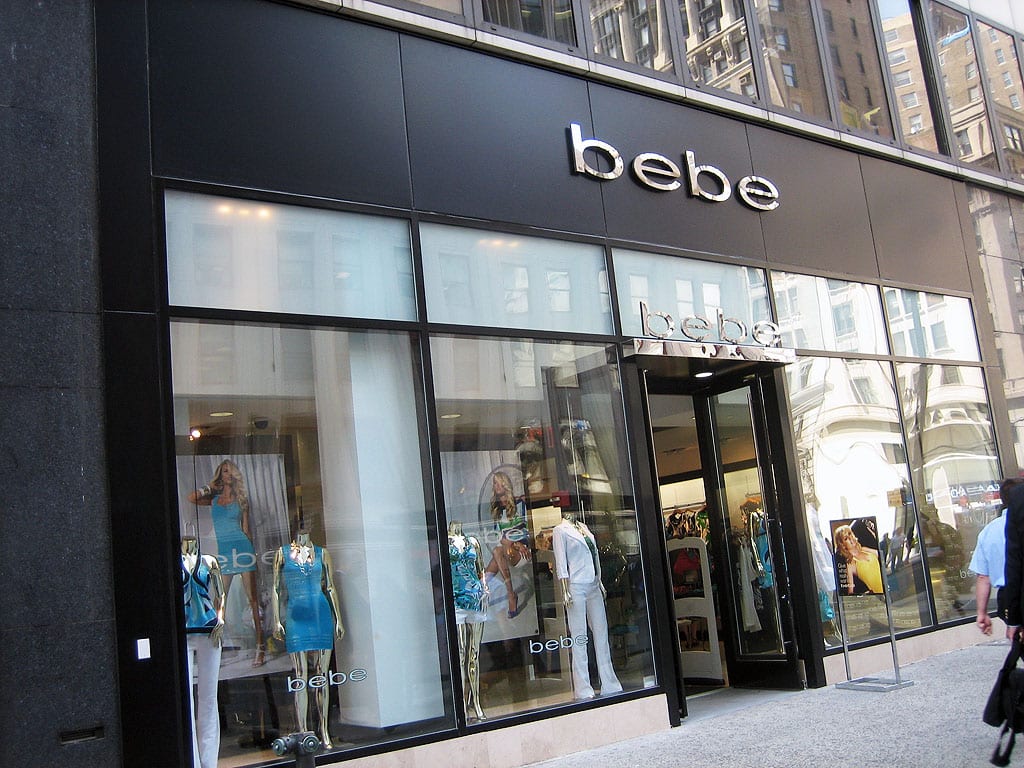
    US-based global specialty retailer of contemporary women’s apparel and accessories – bebe stores, inc. has announced that it has signed a strategic cooperation agreement with Longgoal LLC, a leading Shanghai-based agency of international high-end brands.

    In a press statement, it said the agreement includes a five-year exclusive license to open between 60 and 150 retail and wholesale bebe points of distribution in Greater China, Hong Kong, Macau and Taiwan. The first boutique is expected to open in the summer of 2016.

    “As we continue to expand our international footprint, our entrance into Greater China is a significant opportunity to accelerate that growth and reinforce bebe as a global lifestyle brand for women. We look forward to working closely with the Longgoal team, who have a proven track record of success and operational experience in introducing high profile retail brands to this key market,” said Jim Wiggett, CEO of bebe stores, inc.

    As a part of the agreement, Longgoal will open a minimum of 60 points of sale in Mainland China, including free standing boutiques and bebe shop-in-shops and identify third party retailers in certain provinces of China to sublicense the brand for retail operations. Longgoal is currently identifying potential locations in Shanghai and Beijing, including flagship boutiques. After the five-year exclusive term, Longgoal retains an option for an additional 10 year partnership with bebe based on performance.

    “bebe is truly an iconic affordable luxury brand and one that we are honored to have the opportunity to introduce to women across Greater China in a variety of ways. As style and design are among the top priorities for sophisticated woman in China, we are confident that bebe’s bold design and contemporary fashion will appeal to the ever-changing lifestyle of the confident and sexy modern Chinese woman,” said Madam Celine Chen, Chairwoman of Longgoal LLC.

    bebe plans to locally design and develop up to 30 per cent of the product for China to create trendy fashion styles to reflect the local fashion and suit the bebe woman’s lifestyle in China. In addition, the company anticipates expanding further into licensing agreements for handbags, shoes and intimates in the initial partnership phase.

    bebe complements Longgoal’s current portfolio of retail brands, including GANT, the original American Sportswear brand launched in China nearly a decade ago, and Thomas Pink, the luxury British shirt brand under the LVMH Group.

  • Philip Morris Starts Testing Investor Demand For Indonesia Cigarette

    Philip Morris Starts Testing Investor Demand For Indonesia Cigarette

    Philip Morris International Inc., which makes and sells Marlboro cigarettes outside the U.S., has started testing investor appetite for an over $1.5 billion sale of its shares in its Indonesian operation, according to people familiar with the situation, in what would be one of the biggest share sales in Southeast Asia this year.

    New York-based Philip Morris is talking to potential investors to place its shares in PT HM Sampoerna Tbk. through a rights issue and hopes to start taking orders from Sept. 21, one of the people said. Another person said a decision to go ahead would depend on market conditions.

    The sale will allow Philip Morris to comply with a pending stock-exchange rule requiring all Indonesia-listed companies to have at least 7.5% of their shares in public hands. Philip Morris currently owns 98.2% of the unit, which has a market capitalization of about $23.6 billion.

    Philip Morris is the top cigarette manufacturer in Indonesia, the world’s second-largest market for cigarettes after China. Given the limited number of freely traded shares in PT HM Sampoerna Tbk. (HMSP.JK), it is unclear at what price the shares would be sold to investors.

    The deal, if successful, would be the second largest equity-market transaction in Southeast Asia after a $1.7 billion initial public offering by Thailand’sJasmine Broadband Internet Growth Infrastructure Fund (JASIF.TH) in January. Deal activity in the region has been slowing due to volatile markets and Indonesia has been one of the worst hit.

    Indonesia’s Jakarta Composite Index is down 15.6% in the year through Tuesday’s close, the worst performer in Asia. The market has been rocked this year by a combination of negative events. Weaker-than-expected demand from China has put pressure on commodity prices, which has hurt Indonesia’s producers and exporters. At home, President Joko Widodo’s plans to increase economic growth through infrastructure spending have been met with disappointment as projects fail to mature and the government rolls out new protectionist policies.

    In late June, Philip Morris announced that the unit had engaged investment banks to assist in evaluating options for meeting the stock exchange’s mandatory float requirement, which takes effect Jan. 30, 2016. The statement didn’t name the banks or specify the amount to be raised, and Philip Morris declined to give further details.

    Goldman Sachs Group Inc., Credit Suisse Group AG, CitiBank Inc., J.P. Morgan and local firm Mandiri Sekuritas are managing the share placement.

    Bankers will be meeting investors in Indonesia, Singapore, Hong Kong, Malaysia and London for about two weeks to gauge interest in Sampoerna shares, one of the people said.

    Sampoerna sells clove cigarettes and is the distributor of Philip Morris’s Marlboro brand in Indonesia. The share should result in additional cash for Philip Morris without ceding any control in the Indonesia business. If successful, the sale will be the biggest such divestments in Indonesia this year.

  • Starbucks to open first store in Cambodia

    Starbucks to open first store in Cambodia

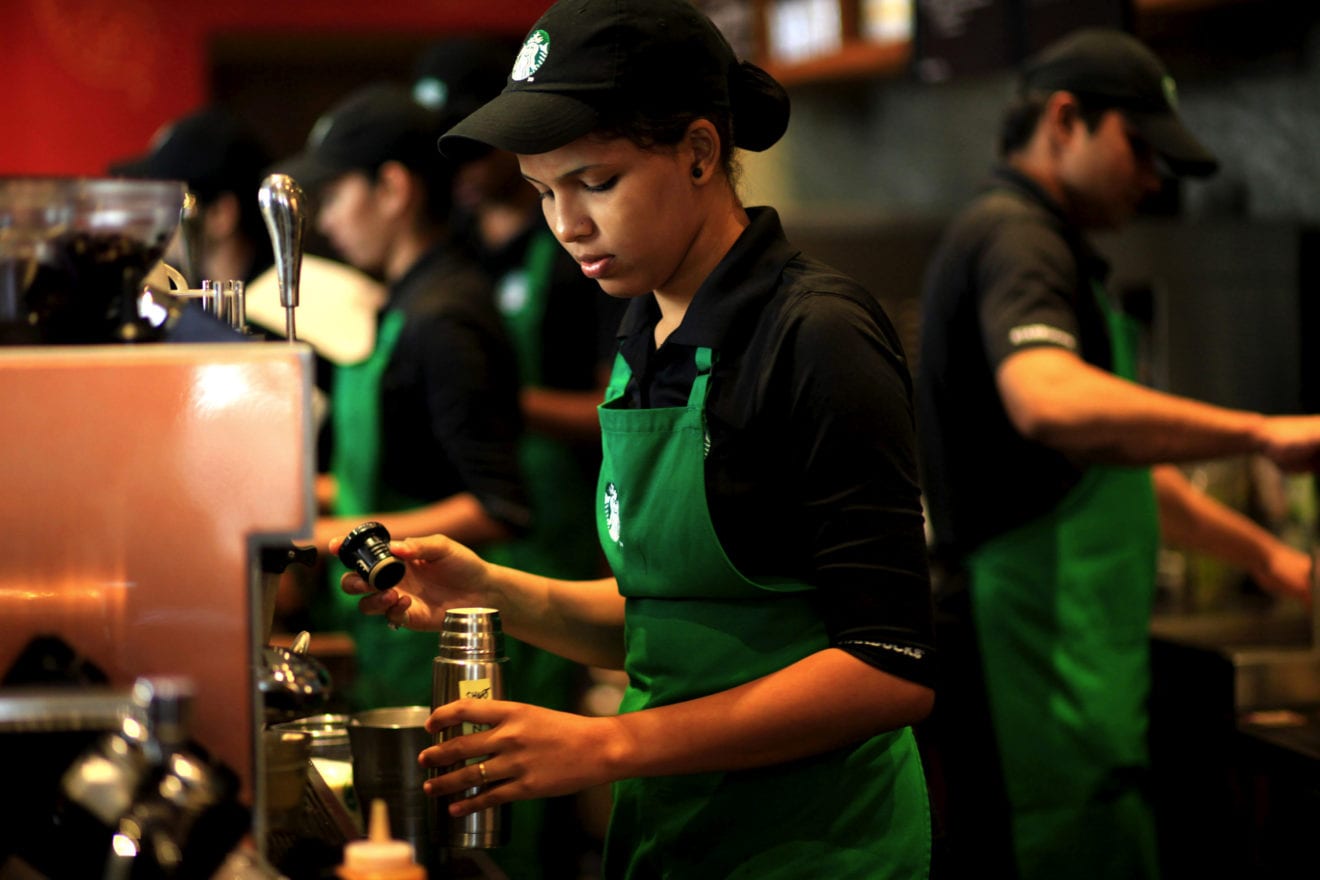
    Starbucks Coffee Company is set to open its first location in Cambodia by the end of 2015, making the country its 16th market in the fast-growing China/Asia-Pacific (CAP) region.

    The store opening is made possible through its licensing agreement with Coffee Concepts (Cambodia) Limited, which is part of Hong Kong Maxim’s Group.

    The first location will open at the newly expanded Phnom Penh International Airport and will be followed by the second store opening in early 2016 in downtown Phnom Penh.

    “Cambodia is a vibrant country with a rich cultural heritage, and we are proud to bring the  Starbucks Experience to this market,” said John Culver, group president, China/Asia Pacific, Channel Development and Emerging Brands, Starbucks Coffee Company.

    Starbucks currently operates more than 5,200 stores and employs more than 80,000 employees in the CAP region. It operates more than 150 stores in Hong Kong and Macau and 15 stores in Vietnam through Viet Idea Food and Beverages Limited, a sub-licensee of Coffee Concepts (Vietnam) Limited, also a subsidiary of Hong Kong Maxim’s Group.

    “We look forward to becoming a part of Cambodia’s local coffee culture, embracing its traditions and sharing our deep passion and knowledge of the best coffees from around the world,” Culver added.

  • Twitter Looks to Indonesia to Boost Growth

    Twitter Looks to Indonesia to Boost Growth

    A year after announcing it would open an office in Jakarta, Twitter has finally hired a team to develop business in the market of 250 million people as the company works to overcome weak global growth in users and advertising revenues.

    The Indonesia team will focus on business development and marketing, with staff dedicated to building media partnerships, selling advertising and public policy development, Parminder Singh, managing director for Twitter in Southeast Asia, India, North Africa and the Middle East said in an interview.

    Mr. Singh wouldn’t give the number of new staff, saying only that hiring is at an early stage but is growing “very rapidly.”

    “Across a spectrum of functions, we are staffed here to do business,” he said.

    In March, Twitter’s then-Chief Executive Dick Costolo visited Jakarta to announce the office opening, but Mr. Singh said it took time to get the regulatory approvals needed and set up the physical office infrastructure.

    Rick Mulia, the country business head appointed in March, resigned in June citing personal reasons. He’s since been replaced by Roy Simangunson, former country manager for Yahoo Indonesia.

    Twitter is looking to emerging markets like Indonesia that are fast embracing smartphones and social media as user growth levels off in more developed markets and revenue bounces back from a hit it took last year after the company made changes to some of its ad functions.

    In the second quarter of the year the microblogging site recorded revenues of $502 million, growth of 61% from a year earlier and well above its own projections. But user growth has been sluggish.

    Core monthly active users– those who access Twitter via the Web or mobile at least once a month–stood at 304 million in the first quarter, up from 302 million in the first three months of the year.

    Boosting those numbers is where Indonesia matters. The world’s fourth most populous country has gained global attention for its voracious use of social media, and Jakarta has been deemed the world’s most active Twitter city.

    While the company doesn’t give out user numbers by country, it considers Indonesia one of its top emerging markets and Mr. Singh called it a “bright spot” in the Asia-Pacific, a region he dubbed Twitter’s “growth engine.”

    Indonesia is “the next phase of our growth,” said Mr. Singh.

    A key part of the company’s business strategy in Jakarta, he said, will focus on building partnerships with agencies and big-name advertisers, such as banks and telecom companies, and on launching new products to draw in users.

    While more than three-fourths of the company’s users are outside the U.S., only 36% of its revenue is derived internationally.

    Targeting mobile users will also be a focus in Indonesia, since about 88% of the company’s overall advertising revenue comes from mobile. Although Internet penetration rates remain low in Indonesia, the majority of people get online through their mobile phones, and the number of smartphones is seeing rapid growth.

    Twitter’s acquisition of India-based ZipDial earlier this year could also potentially be used to help it reach millions more on feature phones. The platform allows users to access Twitter through mobile messaging. When these users were included in the company’s second quarter user data, its user base grew to 316 million from 308 million.

    “For a lot of people their first experience on the Internet will be using a mobile phone,” Mr. Singh said. “That makes us very well placed to leverage the entire mobile revolution and mobile popularity in this region.”

    In March, the company opened an office in Hong Kong to build up advertising dollars and reach out to rapidly growing developers and smartphone makers. Mr. Singh said the company “would love to be in China from a usage point of view,” but is currently focused on business development through Hong Kong.

    In June the company announced plans to double its staff in Singapore. It also has offices in India Australia, Korea, and Japan.

  • aCommerce serious about their Series B with new recruits and them joining shows confidence in our company

    aCommerce serious about their Series B with new recruits and them joining shows confidence in our company

    Veteran Cross-Border and Logistics Ecommerce Executive Leaves Arvato Bertelsmann to Join aCommerce as Group Chief Logistics Officer

    Mitch Bittermann to strengthen the cross-border and logistics capabilities of the growing end-to-end ecommerce enabler en route to Series B and arrival of ASEAN Economic Community

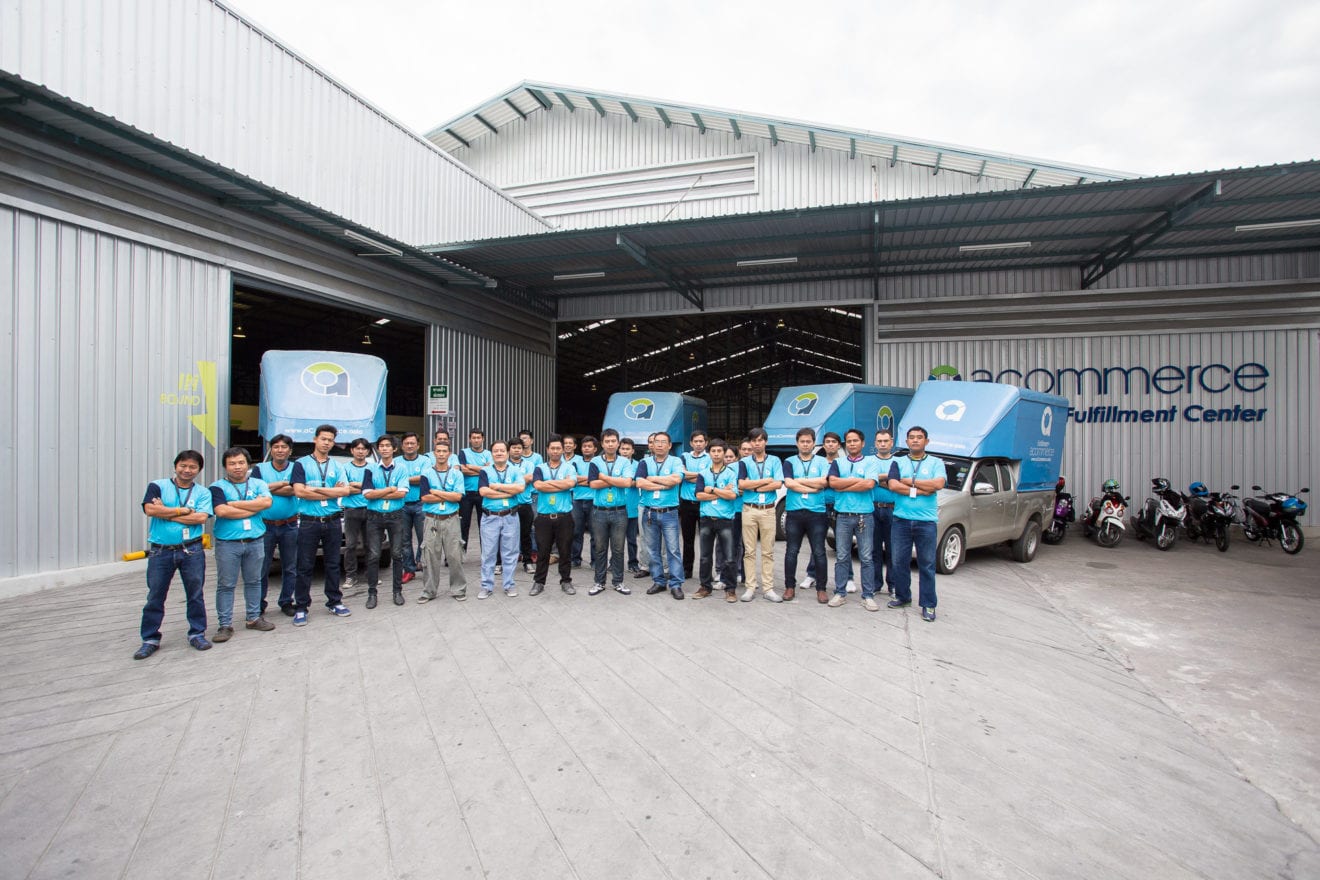
    Southeast Asia’s leading end-to-end ecommerce enabler confirmed the hire of Mitch Bittermann as their Group Chief Logistics Officer. Mitch joins aCommerce from arvato, where he was the General Manager for the Hong Kong branch and Head of arvato’s APAC Solution and Design team. As the Group CLO, Mitch will build and lead aCommerce cross-border initiatives to fulfill the increasing demand for easy intra-regional transactions in Southeast Asia as well as cross-border logistics with US, Europe and particularly, China. Mitch joins aCommerce at a time when eyes are increasingly on the region for both investment and ecommerce.

    “I’m excited to join the team at aCommerce. They’ve been at the forefront of driving ecommerce innovation in the region and are closely followed by many in the logistics space. The opportunity for cross-border in Southeast Asia is huge, with China outbound cross-border volume rapidly increasing as well as the upcoming ASEAN Economic Community (AEC) integration, the region will be a launchpad for new innovative distribution solutions,” said Mitch Bittermann, aCommerce Group CLO.

    With the ASEAN Economic Community (AEC) just around the corner, intra-regional cross-border transaction volume is expected to increase rapidly as it will open borders and stimulate trade and commerce across Southeast Asia through better logistics capabilities.

    Companies like Amazon and London-based ASOS already count Southeast Asian countries like Singapore, Thailand, and Indonesia as their fastest growing markets in Asia. Only last year, Amazon-owned Shopbop held a successful cross-border Black Friday/Cyber Monday campaign in partnership with Line and aCommerce. AEC will be a force-multiplier for this trend and allow more companies to extend their campaigns to the overseas audience.

    “With ecommerce in Southeast Asia heating up and the region being strategically positioned next to China, the world’s manufacturing and sourcing hub, there’s been a rapid increase in demand for cross-border logistics services across our client base,” said Paul Srivorakul, aCommerce Group CEO. “Having Mitch’s expertise in international logistics, we will be building out our next generation of cross-border logistics products and services to continue accelerating ecommerce in Southeast Asia.”

    Mitch helped set up Arvato’s cross-border operations in Singapore and Hong Kong serving customers in Asia and globally. With more than 10 years at Arvato, Mitch has worked on a multitude of international logistics projects including building up customer service operations in Canada, setting up distribution centers in Thailand and Europe and driving global freight optimization projects.

    En route to Series B fundraising, aCommerce has been strengthening its management team with recent additions of a new CEO and COO for Indonesia. Snorre Larstad (CEO) and Hadi Kuncoro (COO) joined aCommerce earlier last month to drive the next phase of growth of aCommerce Indonesia, which recently became aCommerce’s biggest regional operation in Southeast Asia surpassing Thailand and Philippines with 360 employees.

    “With our long term mission to make ecommerce easy in Southeast Asia, we’ve tackled the in-country logistics bottlenecks with our fulfilment centers, last-mile delivery solutions, and cash-on-delivery platform across Thailand, Indonesia, and the Philippines. Our next goal is to make intra-regional transactions as easy as possible too,” said Peter Kopitz, aCommerce Group COO.

  • Mövenpick Hotels & Resorts Highlights Expansion Plans in Indonesia

    Mövenpick Hotels & Resorts Highlights Expansion Plans in Indonesia

    Mövenpick Hotels & Resorts unveiled its ambitious expansion plans in Indonesia and Southeast Asia at the 2015 Tourism, Hotel Investment & Networking Conference (THINC Indonesia) in Bali on 2-3 September.

    The upscale Swiss hospitality group will make its debut in Indonesia in the third quarter of 2016, with the opening of Mövenpick Resort & Spa Jimbaran, overlooking picturesque Jimbaran Bay in the south of Bali.

    “As the company’s first hotel in Indonesia, this is a perfect place to start,” said Andreas Mattmüller, Chief Operating Officer for Mövenpick Hotels & Resorts in the Middle East and Asia. “Bali is a holidaymaker’s paradise, and the exclusive beach location of this resort with its unrestricted views of the bay is certainly set to be hugely popular.”

    He said the hospitality management group plans further expansion in Indonesia, with ongoing discussions about new partnerships including Jakarta, Surabaya and Bandung. “Indonesia is a key market for our expansion in this exciting region for the hospitality sector,” Mattmüller said.

    Inspired by traditional Balinese design and reflecting the fabled natural wonder of the region, the upcoming Mövenpick Resort & Spa Jimbaran is an idyllic haven of 295 rooms, including six suites, amid meandering pools and lush landscaped gardens.

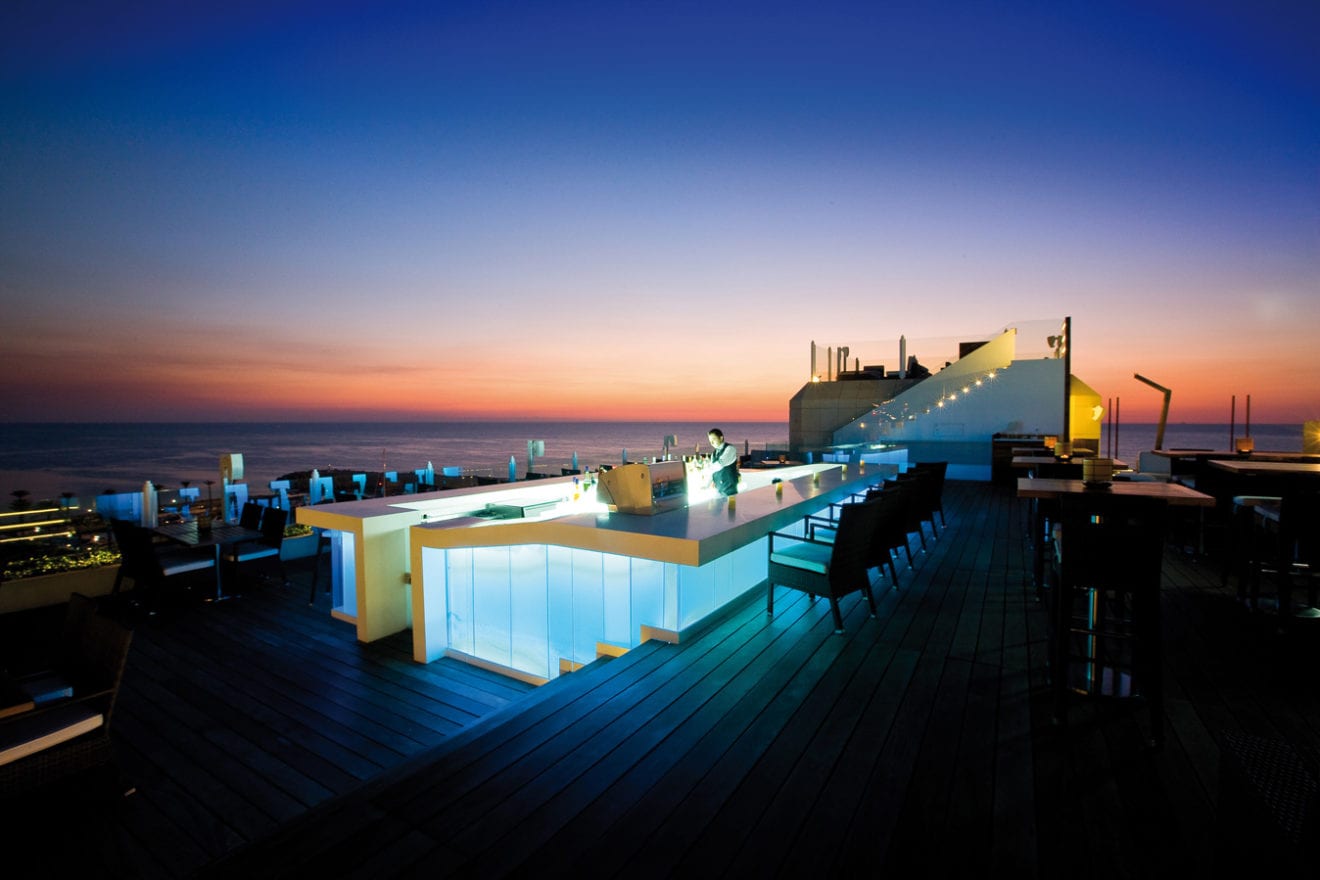
    With breath-taking sunset views from the rooftop lounge and hotel restaurant, the resort also features a 500-sqm ballroom, custom-designed kids’ club, business centre and meeting rooms, gym, library and spa, along with the Samasta Mall, which consists of a wide collection of boutiques, restaurants, gourmet market and a Mövenpick ice cream parlour.

    Mövenpick Resort & Spa Jimbaran is amongst eight hotels and resorts the group is opening over the next three years in the region, with expansion also in Thailand, Malaysia, the Philippines and Vietnam.

    Thailand is also a major focus, with the recent opening of Mövenpick Hotel Sukhumvit 15 Bangkok, followed in the first quarter of next year by the 264-room Mövenpick Siam Hotel Pattaya positioned for families and business meetings on Jomtien Beach. They add to an existing portfolio of three Mövenpick hotels in Phuket and Koh Samui, for a total of five hotels in Thailand by 2017.

    Further hotels to open across the region are Mövenpick Hotel & Convention Centre Kuala Lumpur and Mövenpick Resort & Spa Kuala Terrengganu in Malaysia; Mövenpick Resort Boracay in the Philippines; Mövenpick Hotel & State Guest House Chifeng, China; and Mövenpick Resort & Spa Quy Nhon, Vietnam.

    The existing eight-property portfolio of Mövenpick Hotels & Resorts in Asia includes four in Thailand and one each in Singapore, Vietnam, China and the Philippines.

    Hosted by HVS and co-hosted by the Ministry of Tourism of Indonesia and the Indonesia Investment Coordinating Board (BKPM), this year’s second edition of THINC Indonesia once again brings together hospitality and tourism industry stakeholders, business leaders and key decision-makers from across 17 nations to explore growth and investment opportunities in the region.

  • ‘M’ Retaurant groups up the glam factor on the Shanghai Bund

    ‘M’ Retaurant groups up the glam factor on the Shanghai Bund

    ‘M’ Restaurant Group is pleased to announce the launch of Glam, a sophisticated new Shanghai dining lounge & bar at 5 on the Bund – the same address that has been home to Shanghai institution and Bund pioneer, M on the Bund restaurant.  

    ‘M’, spearheaded by Shanghai’s legendary entrepreneur Michelle Garnaut, is famed for setting new standards of dining in Asia. Her restaurant collection began with the opening of M at the Fringe in Hong Kong (1989), from which she went on to pioneer the revival of sophistication in Shanghai with world famous M on the Bund (1999), and then further enhance Shanghai’s glamorous nightlife scene with the launch of The Glamour Bar (2006).  From here, she brought fine dining to the heart of Beijing’s Tian’anmen Square, with the opening of Capital M, (2009).

    “We look forward to bringing renewed life and energy to the heart of The Bund with an intoxicating mix of innovative and contemporary sharing plates (different from M on the Bund), fabulous cocktails, and the most extensive selection of wines by the glass offered in Shanghai.  There’s something for everyone…over 18 years of age. It’s a fun place for grownups!” says Michelle Garnaut.

    The menu, created under the watchful eye of Executive Chef Hamish Pollitt offers a delicious array of modern food designed for sharing, at prices that will have guests coming back often. With each menu, he respects the seasons, highlights local ingredients and introduces something new every month.

    Depending on the size of their appetites, guests are advised to choose one or two items from each of the sections, where favourites include the Veggie Pakoras andSweet Eggplant Pickle (RMB 36), Smoking Salmon and Salmon Caviar (RMB 48), Chili Salt-Crusted Bean Curd & Black Beans (RMB 38), Thai Tah Tah (RMB 68), 18-hour Lamb Shoulder Rogan Josh (RMB 128), and Ginger-Glazed Duck Dome Pie (RMB 108).

    The playful ‘Folly Trolley’ is stacked with a revolving selection of desserts including sweet Verrines (RMB 42) served in M’s beautiful colourful cut glasses, Alfonso’s Exploding Mango Pannacotta, Carmen Miranda’s tres fash Iles Flotante, Josephine Baker’s Chocolat Mousse, and Pavlov’s Dog … in a glass.

    A selection of madly modernistic and dramatically eclectic cocktails are on offer alongside the classics. At the vintage bar experienced mixologists are busy concocting delicious creations, many showcasing Glam Manager David’s crafted bitters, such as Saffron & Spice, Fellini Martini, Evening Thyme, Fire & Ice, or Mrs Peacock’s Folly.

    Guests enter the sensuous space through a glittering crystal waterfall, revealing low tables and dark jewel tone interiors inspired by the feathery tail of a Peacock. Designers Duncan Miller Ullmann (DMU) have ultimately created a warm and alluring interior. A comfortable mix of bespoke furniture and dark mirrored ceilings emphasize a series of works exclusively designed for Glam by famed cinematographer / artist / writer Christopher Doyle. It’s Glam on the Bund!

  • F J Benjamin narrows FY15 loss

    F J Benjamin narrows FY15 loss

    Retail group F J Benjamin’s net loss for the financial year ended 30 June narrowed from S$22.1 million to S$16.99 million.

    Revenue slid 20 per cent year on year to S$293.41 million amid a challenging year on the back of reduced business in North Asia, currency volatility as well as lower tourist arrivals. The group rationalised its store portfolio, which caused it to incur impairment charges for store closures, early termination of leases, stock provisions and redundancies.

    “While this has impacted turnover, it has yielded significant improvements in the productivity of its stores across the region,” the group said.

    Loss per share came to 2.99 Singapore cents, versus a loss per share of 3.89 cents a year ago.

     No dividend was declared for the current year. In the corresponding period a year ago, a first and final dividend of 0.25 cents per share was announced.

    It said: “The group will complete its rationalisation and planned closure of two remaining stores by end December 2015. To address the shift in consumer trend and structural change in retail environment, it has also undertaken a restructuring of its in-house brand, Raoul, to improve performance on a reduced cost base.”

    It expects consumer sentiment to remain muted given global economic and political uncertainty. Meanwhile, it is striving to further improve inventory management and cost efficiencies.

  • Carrefour online store + Carrefour easy store

    Carrefour online store + Carrefour easy store

    French retailer Carrefour is embracing advanced technology to bring shoppers closer to its services in the fast-changing retail landscape.

    In June, the company launched its second Easy Carrefour store in Xuhui District. It’s a new initiative to cater to changing consumer habits and demand for neighborhood services in locations near residential or commercial areas.

    By the end of this year, Carrefour plans to open about 10 Easy Carrefour stores in Shanghai, Olivier Tollet, new format projects director of Carrefour China, told Shanghai Daily.

    “We have a much bigger plan but currently we’re still in the pilot phase,” he said.

    Regarding its e-commerce operations, Carrefour also launched its online shopping store www.carrefour.cn for its Shanghai customers in mid June and Tollet said he is pleased to see it working smoothly during the trial period.

    Shopping online

    “The basic idea of our website is to bring Carrefour products closer to consumers and all the products will be available for online shoppers,” he said.

    “Our intention is to duplicate the service wherever there’s a Carrefour presence in China, but we’ll go step by step for both formats,” he added.

    Easy Carrefour is offering products in three categories — immediate consumption, take-away, and groceries.

    By covering these categories, Easy Carrefour hopes consumers can find the right products and services when they need them.

    The Easy Carrefour store on Chaling Road N. also provides mobile top-up and credit card reimbursement in an effort to link consumers with online-to-offline services.

    Carrefour is looking for new locations for its Easy stores, and Tollet said they are targeting a combination of residential areas, transportation hubs and office areas.

    People living around or people passing by are basically the key customers Easy Carrefour aims to serve. Easy Carrefour is a new format adapted for people who value their time and convenience while shopping. It’s also adjusting the operations of the Easy Carrefour store step by step, with more services likely in the future.

    Commenting on Carrefour China’s e-commerce operations, Tollet said logistics is one of its key strengths as the chain can rely on its existing stores in more than 70 cities all over China.

    Merchandise ordered by consumers will be delivered from stores to their doorsteps, while packages ordered from e-commerce websites have to go through several dispatch hubs before delivery.

    Pick-up stations

    Currently, three out of Carrefour’s 29 outlets in Shanghai act as pick-up stops or stations for return of goods.

    Earlier this year, Carrefour China restructured its merchandise department and set up six territory merchandise centers to streamline supply chain management and leverage the advantages of a centralized procurement model.

    “The restructuring of the merchandise team is aimed at having new logistics capability to support the development of new formats such as our Easy stores and online shopping website,” Tollet added.

    Carrefour’s e-commerce operation is expected to launch in Beijing at the end of this year and eventually will be available all over the country.

  • Chinese shoppers keep Japan’s tills ringing

    Chinese shoppers keep Japan’s tills ringing

    According to the English-language Japan news site RocketNews 24, a few weeks ago two families got into a fight at a large retail outlet in Kobe over disposable diapers. Both families had come to the store when it opened in order to buy as many diapers as they could, only to discover that the store had already sold out. Apparently these two families knew each other from previous diaper-buying binges and harbored mutual resentments that turned physical. A store employee called the police, who broke up the fight. Neither party filed a complaint or disclosed what the argument was about.

    RocketNews speculates that the two families resell the diapers in China, since both have members who are Chinese nationals. Japanese diapers are particularly popular in China, and, in fact, this particular brand — Merries, made by Kao — is sold in China. Nevertheless, there’s obviously enough demand to support a lucrative resale market.

    It’s not as if the Chinese don’t make and sell their own disposable diapers, but when it comes to their children, consumers will pay a premium for Japanese products because they don’t trust domestic makers. This sensibility has been growing since 2008, when locally made baby formula caused the deaths of six children and sent thousands to the hospital after somebody adulterated it with melamine to make it seem as if the protein content was higher.

    It is illegal to import Japanese formula made in certain prefectures because of radiation fears, but apparently there’s substantial black-market trade in the product. Last month, 425 kg of smuggled formula made in Gunma Prefecture was discovered by authorities in Hunan province with an estimated retail value of ¥800,000.

    It’s often said that despite the diplomatic frictions that exist between Japan and China, they are dependent on each other economically and, as far as Japan’s dependence goes, it is very much influenced by Chinese consumers’ trust of Japanese products, which runs pretty deep.

    Some economists thought that China’s stock market plunge and the resulting government-approved devaluation of the yuan would hurt sales of Japanese goods both in China and in Japan, where Chinese tourists seem to be supporting the Japanese economy. But according to Luo Yiwen, the president of home electronics retailer Laox, speaking at an Aug. 13 news conference, the stock and currency issues aren’t having any negative effect on sales at his store’s duty-free shop, which caters mainly to Chinese visitors. As it stands, sales for January to June at the shop have more than doubled since the same period in 2014 to ¥45 billion, with profits increasing nearly eightyfold to ¥4.6 billion. Laox received 1.49 million Chinese customers last year, four times the number for the previous year, and “much more than we expected,” he said. He predicts not only that the devaluation of the yuan will not hurt sales, but that they’ll go up even more. He projects a net profit this year of ¥8.3 billion on sales of ¥90 billion.

    The two reasons for the strong Chinese tourist market are the lower yen and fewer visa restrictions for Chinese tourists. The Nihon Keizai Shimbun cites a third reason: more cheap flights between China and Japan thanks to the proliferation of low-cost carriers. The economic value of Chinese tourism in Japan bottomed out in 2011 at ¥813 billion due to the March 11 disaster, but rebounded to ¥1.8 trillion the next year. In 2014 the economic value was ¥2.3 trillion.

    In that year, 2.4 million Chinese came to Japan, which is actually less than the number of visitors from Taiwan, which was 2.8 million. The difference is that per person, the Chinese spent more: ¥231,000 compared to ¥125,000 for the Taiwanese and ¥147,000 for visitors from Hong Kong, who are counted separately from mainlanders.

    In fact, Chinese account for one-third of all the tourist money spent in Japan, and this figure is rising. The amount of money Chinese visitors spent increased by 83 percent from 2013 to 2014. More to the point, 55 percent of the money Chinese spend in Japan is for shopping. For all tourists, the average spent on shopping is 35 percent. In contrast, Chinese spend less on accommodation than visitors from other countries, which suggests they are more concerned with buying stuff than sightseeing.

    Also, according to a Tourism Agency survey cited in the Nikkei, it isn’t just rich Chinese who are spending. More middle-class Chinese are coming and buying things. Broken down by category, the agency says that 76 percent of Chinese buy “confections,” 63 percent cosmetics and perfume, 55 percent food, liquor and cigarettes, and 52 percent drugs and toiletries. Only 37 percent buy appliances, but when they buy them, they buy a lot. The average spent by all foreign tourists on electronics is ¥65,000. Chinese on average spend ¥88,000.

    Chinese tourists, in fact, seem to be single-handedly keeping Japanese department stores in business. Although airport duty-free shops are the main venue for Chinese purchases followed by “shopping centers,” department stores that offer tariff-free sales to foreigners are a strong third and, according to the Nikkei, the reason is that they know the designer brands they buy in department stores are “authentic,” meaning not knock-offs. (For what it’s worth, both real designer goods and their fake counterparts tend to be made in China.) And if it seems unwise to purchase such goods in department stores, which tend to charge more, they’re likely still cheaper than those bought in China, which may be subject to tariffs.
  • Parkson’s shares hit 9 ½-year low after sinking into red

    Parkson’s shares hit 9 ½-year low after sinking into red

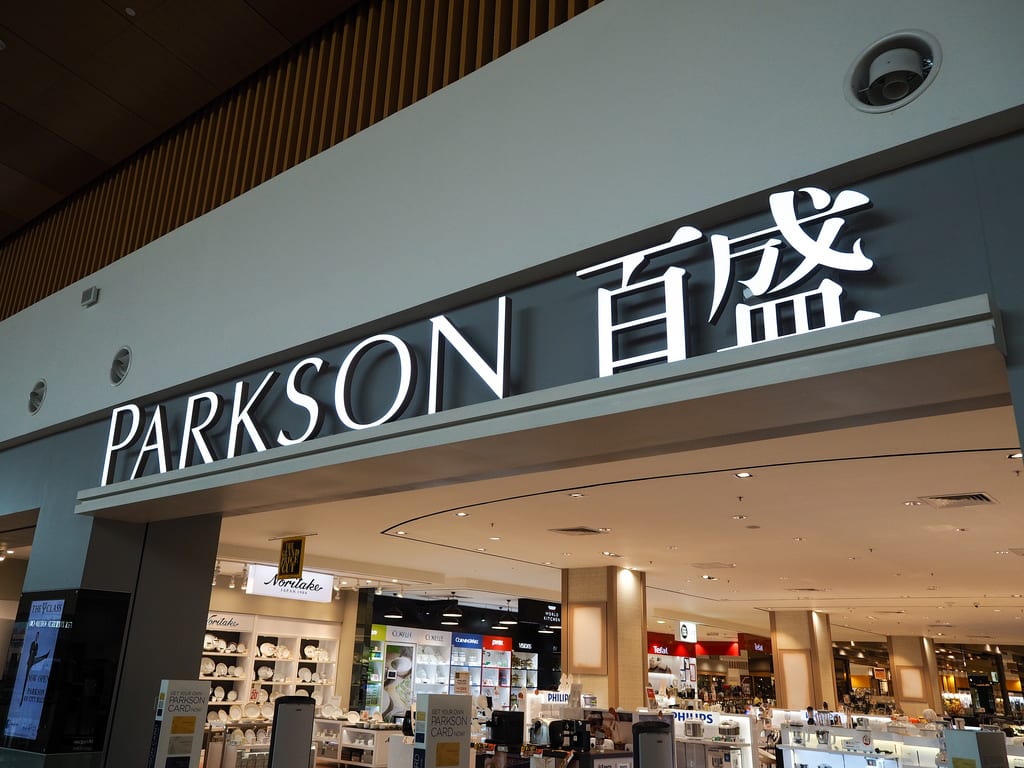
    Parkson Holdings Bhd’s share price contracted as much as 7.14% to its nine-and-half-year low in the morning trade, making it one of the top losers across the bourse, after the department store operator sank into losses in its latest quarterly results.

    At 2.41pm, Parkson rebounded a little from its intra-day low (RM1.04) to trade at RM1.06, still down six sen or 5.36%, after some 571,800 shares changed hands.

    The current price gives Parkson a market capitalisation of RM1.16 billion.

    In its fourth quarter ended June 30 (4QFY15), Parkson posted a net loss of RM90.95 million or 8.75 sen per share, compared with a net profit of RM26.76 million or 2.56 sen per share last year, largely on weaker retail sentiments.
    This is despite revenue for 4QFY15 rising 5.2% to RM859.04 million, from RM816.51 million last year, mainly due to slightly better figures from China, Vietnam, Myanmar and Indonesia.

    The group’s retailing division registered a weaker set of results for FY15, with revenue increasing only by 4% to RM3.64 billion; while operating profit contracted by 41% to RM190 million, compared with FY14.

    Parkson said its operation in Malaysia saw same-store sales contracting 4.5% for FY15, as consumer sentiments were affected by rising cost of living and the depreciating ringgit.

    For the full year, Parkson’s net profit plunged 69% to RM42.84 million or 4.06 sen per share, against RM138.15 million or 13 sen per share in FY14; while revenue rose 5.4% to RM3.74 billion, against RM3.55 billion last year.

    Despite the lower earnings, Public Investment Bank has upgraded Parkson to ‘outperform’, as it views its weak share price as an opportunity to accumulate, but lowered its target price to RM1.48.

    “We believe the recent slump in share price has deemed Parkson attractive, considering there is still growth in sales and profits going forward, assuming no one-offs incurred,” said the investment bank.

    “We think further weakness in Parkson’s share price is not justified, as the group’s fundamentals remain intact, with more than RM2.7 billion cash and undemanding valuation of 10.6 times and 10 times of financial year 2016 (FY16) and financial year 2017 (FY17) respectively,” it added.

    Additionally, PIVB said the recent announcement of 10 sen per share cash distribution, which will come after its internal reorganisation is completed, is fairly rewarding to shareholders, yielding 8.9% of its current share price


  • Online to offline seen as a marriage of convenience

    Online to offline seen as a marriage of convenience

    The eating habits of urban Chinese have changed dramatically since the proliferation of takeaway food delivery apps brought restaurant-quality meals to almost everyone’s front door.

    Engineer Zhao Baijun, 29, now eats in more often than he eats out.

    “Before these apps, most restaurants did not offer deliveries. I had very few choices, mostly fast food chains,” he said.

    Besides the convenience for busy people like Zhang, online to offline means extra sales for traditional food suppliers and beyond. Connecting online to offline is the new Holy Grail for the biggest players in China’s Internet shopping explosion, whether they be domestic or overseas operators.

    Recently, China’s largest e-commerce company Alibaba and electronics retailer Suning agreed a multi-billion dollar deal on platforms, logistics and payments.

    Alibaba will pay about 28 billion yuan (US$4.5 billion) for 19.99 percent of Suning, becoming its second-largest shareholder, while Suning will buy no less than 28 million new shares in Alibaba for 14 billion yuan.

    Suning owns more than 1,600 stores and 3,000 aftersales service centers which will now be “seamlessly connected” with Alibaba’s online network. A Suning online sales center on Tmall.com, part of Alibaba’s retail operation, completes the new setup. The arrangement was described as a “wedding” by Alibaba chairman Jack Ma.

    “If we do not integrate with offline, we will not have a future,” he said. The deal is set to reshuffle China’s e-commerce deck and help Alibaba in its battle against archrival JD.com.

    E-commerce companies are queueing up to find stores to align themselves with.

    In its quest for existing networks of physical stores, JD.com announced it had taken a 10 percent stake in domestic supermarket chain Yonghui Superstores for 4.31 billion yuan.

    Early last year, Alibaba became the main shareholder of Hong Kong-listed department store operator Intime. In July, after the cap on the number of shares foreign firms can hold in Chinese e-commerce platforms was lifted, Walmart took a 100 percent stake in Yhd.com.

    The local advantages of Yhd.com combined with Walmart’s global procurement resources, retail stores and supply chain will be a huge fillip to Walmart’s campaign to win over China’s consumers.

    For Zhao, the most important aspect of the rapidly evolving industry is that he can have a decent meal in the comfort of his own home.