Author: Mei Ling Tan

  • Hong Kong banks launch hotline to fight back against torrent of phone scams

    Hong Kong banks launch hotline to fight back against torrent of phone scams

    All retail banks in Hong Kong have set up hotlines for customers to verify the identities of their employees in a bid to battle a flood of phone scam cases.

    Banking chiefs said yesterday the hotlines – some exclusively for the purpose of verifying employees’ information – would be available through the websites of the Hong Kong Monetary Authority and Hong Kong Association of Banks, with each of the 21 retail banks also putting hotline information on their websites.

    Phone scams have evolved and increased in recent months, with scammers posing as bank employees trying to sell products to government departments and even the central government’s liaison office. Hongkongers have handed over more than HK$182 million over the past couple of months in cases that most often involve fake mainland officials.

    However, the authority’s deputy chief executive, Arthur Yuen Kwok-hang, said so far banks had received only 200 calls regarding cold-callers.

    “The numbers are low – much lower than we anticipated. I think this is because there isn’t this awareness among the public yet,” said Yuen.

    Yesterday, the Mandatory Provident Fund Schemes Authority – which handles the retirement funds of Hongkongers – received an inquiry about a suspicious call from its hotline. The MPFA confirmed the hotline only took incoming calls and reiterated that “it never contacts people to sell MPF products or set up meetings”.

    HKAB chairman George Leung Siu-kay said banks would never ask for full personal information of clients over the phone or by email.

    “[A bank employee] will only ask for partial information – like the last three digits of a Hong Kong identity card number,” said Leung. “They will never ask for passwords.” He also warned against calling back phone numbers on the caller ID.

    Leung said there were no statistics on the number of scam cases banks had dealt with since July, but they would “keep watch for suspicious transactions, especially among vulnerable groups”.
  • Hong Kong mobile operator SmarTone prepares retailers to join the mobile e-commerce bandwagon

    Hong Kong mobile operator SmarTone prepares retailers to join the mobile e-commerce bandwagon

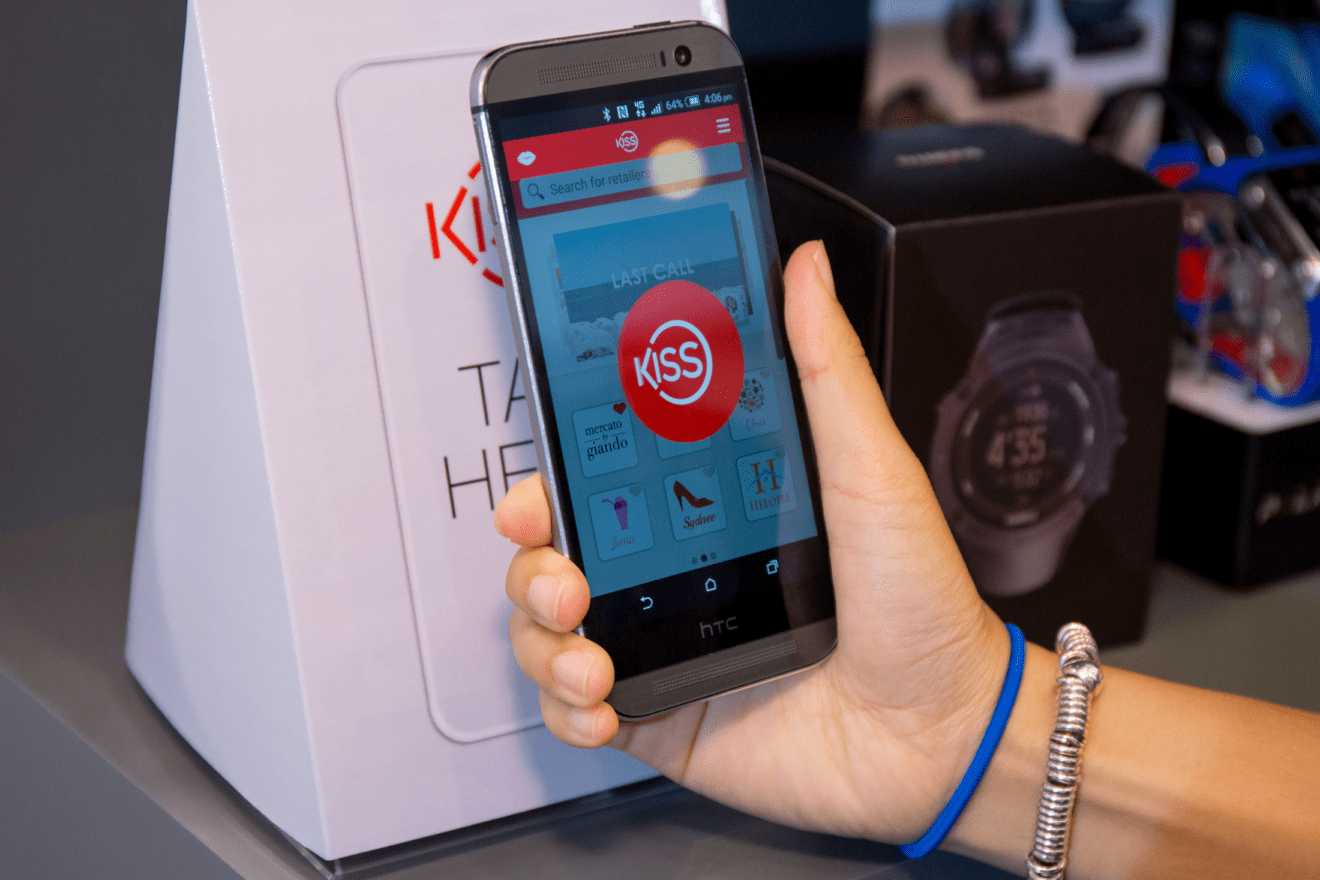
    Mobile network operator SmarTone Telecommunications hopes to roll out its new service called “Kiss” this December as the first batch of retailers in the city have signed up for the ambitious offline-to-online marketing and payments platform.

    “We’ve already started signing up stores, including [those run by] medium-sized retailers. Some bigger retailers are looking at it, too,” Douglas Li, the outgoing chief executive at SmarTone told the South China Morning Post.

    Li, who drove the platform’s two-year development, said SmarTone “should run Kiss for five to seven years to fully realise the value of how uniquely focused the platform is to help retailers”.

    He said there could be an opportunity to license the platform’s technology to telecommunications network operators outside Hong Kong.

    “It’s an internet business so the actual cost of implementation is not huge. The only question is how quickly it can scale up,” Li said. “If it does well in a foreign country, the sky’s the limit.”

    Launched last month, Kiss enables retailers to connect with consumers through a platform that links digital marketing and loyalty programmes with data analytics and mobile payment.

    Merchants are charged a monthly fee and provided with tools to create their mobile storefronts on the platform, directly message customers and launch targeted campaigns.

    “Retailers need to adapt to new thinking because the world has changed,” Li said. “You need only look across the border to see how online and mobile [e-commerce] are impacting the traditional bricks-and-mortar retailers. We’re offering retailers in Hong Kong a way to get into this [kind of operation].”

    Alibaba Group, JD.com Ctrip.com and Qunar have become China’s leading business-to-consumer e-commerce platform operators by providing convenience, choice and low prices to entice people to buy goods and services online through smartphones and tablets.

    Research firm eMarketer has forecast mobile e-commerce sales to make up 10.9 per cent of total retail sales in China next year and 55.5 per cent of all online retail shopping as the sector grows 51 per cent to US$506 billion, up from an estimated US$334 billion this year.

    “We hope to build a critical mass of connected retailers in Hong Kong so that Kiss will have a strong appeal for consumers,” said SmarTone chief technology officer and recently named interim chief executive Stephen Chau Kam-kun.

    Chau said SmarTone was signing up a mix of merchants with “high-value, low-frequency buyers” and “low priced, high-frequency buyers”.

    Kiss, operated by SmarTone subsidiary Kissco Marketing Services, also includes in its package a single-purpose Android tablet as tap-only mobile payment terminal, capabilities for customer data analytics and a Bluetooth beacon for the store, configured to push greetings and promotions to nearby consumers with the free Kiss app.

    Consumers use the Kiss Wallet feature to store credit card details, retailer cash credits and promotional Kiss Dollars. Kiss Pay is the digital token used for purchases and redeeming rewards.

    UnionPay International is the launch credit card partner for Kiss, although efforts are underway to add Visa and MasterCard.

    Li, , who resigned in April, said he left “a roadmap” to be implemented over the next two years to further develop the Kiss platform.

  • Milan Station’s interim sales in Macau drop 78.6 per cent

    Milan Station’s interim sales in Macau drop 78.6 per cent

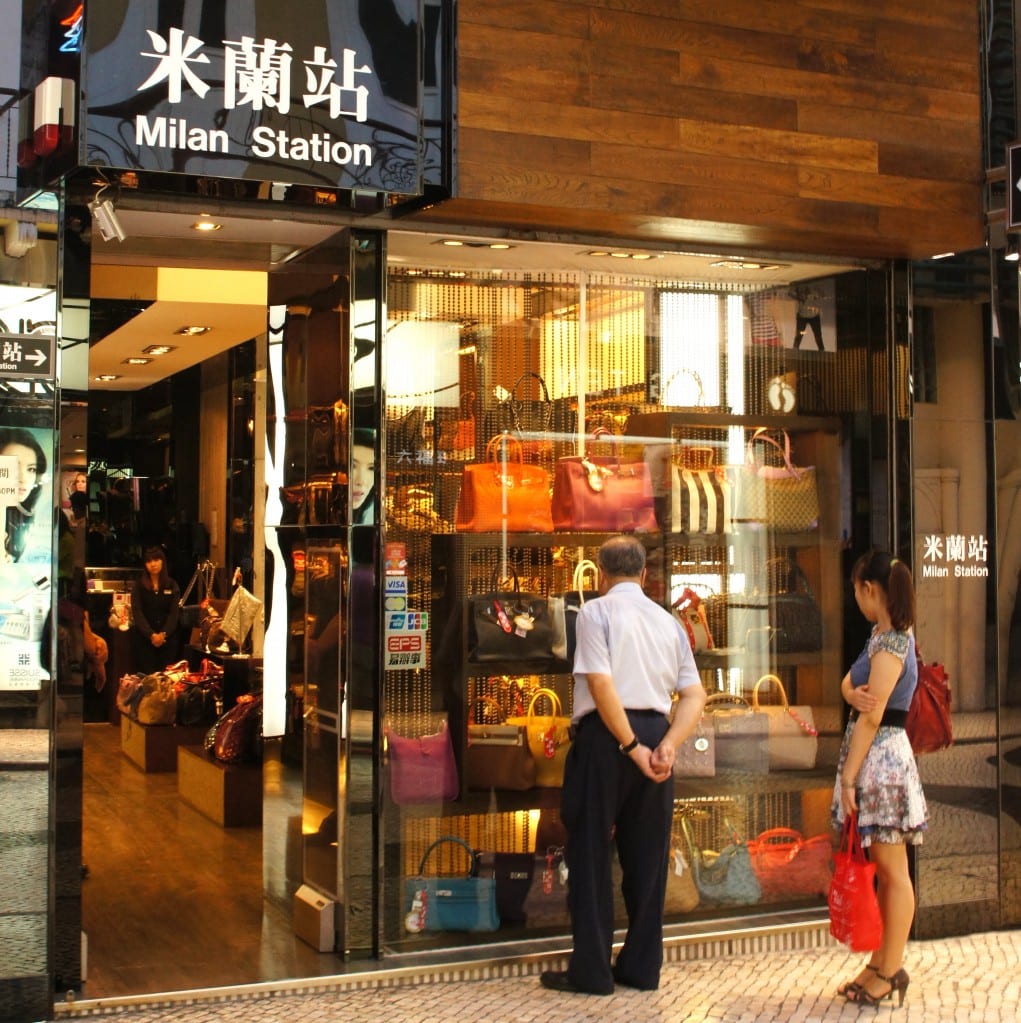
    Luxury handbag store chain Milan Station Holdings Ltd. has reported a sharp 78.6 per cent year-on-year decline in its retail revenue derived from the Macau market for the first six months of this year, the company announced in its results filing with the Hong Kong Stock Exchange.
    The company said its business in the city has been significantly affected as the gambling industry and tourism trade had ‘hit their troughs’. Milan Station’s retail revenue in Macau in the interim period was HK$11.8 million, representing 5.7 per cent of overall sales revenue.

    During the interim period, Milan Station closed its retail stores in Macau; while its points of sale in ‘exclusive clubhouses’ was unsatisfactory.
    By price range of product, revenue derived from Milan Station’s items priced at above HK$50,000 – comprising over half of the company’s sales revenue – saw a 31.1 per cent year-on-year decline to HK$118.3 million. As Milan Station has also sold less in Hong Kong, Mainland China and Singapore, the retailer’s overall retail revenue plunged 36.6 per cent to HK$208.8 million.

    The company said its loss for the period decreased significantly by 65.6 per cent to HK$6.8 million, under what it called ‘effective cost control’ and a one-off gain of about HK$12 million from the disposal of a property.

  • Vietnam leads SE Asian smartphone rush

    Vietnam leads SE Asian smartphone rush

    Vietnam is the fastest growing smartphone market in South East Asia, where sales topped $8bn in the first half of the year according to new figures.

    Data from market researcher GfK indicated that, overall, some 39.8m smartphones were sold in the region, up from 36.6m in the corresponding period of 2104.

    Sales volumes in Vietnam rose 27% in the first half of 2015 compared to the same period a year earlier to reach to total of 6m, making it the third largest smartphone market in the region, Inside Retail Asia reported.

    Thailand was the second-fastest growing market, up 13% to a total of 6.6m, a figure which also put in second place in terms of market size. The Philippines was the third fastest-growing market, up 10%.

    Indonesia, however, remains the largest market in terms of volume, with 14.9m units shifted in six months.

    Sales growth was sluggish in the mature markets of Singapore and in Malaysia, where consumers have cut back on their spending since the introduction of a general sales tax.

    GfK has also started tracking the mobile handset market in Myanmar and reported that 3m units had been sold in the first half, with most of these being smartphones (89%).

    “The availability of a wide range of lower price options nowadays have made it possible and much more affordable for price-sensitive consumers in these developing markets to switch over and own their first smartphone,” said Gerard Tan, GfK account director for technology.

    He pointed out that in the first half of 2013 just 15% of smartphones sold in the region had cost under $100, a proportion that has now climbed to 35%.

    Indonesia, he added, was the country with the most number of entry level smartphone brands and consumers in the region.

    This transformation is being almost entirely driven by Chinese brands, which now account for around 25% of the region’s market compared to 4% in 2013.

    “The perception of Chinese brands has been elevated considerably as a result of their heightened marketing campaigns and the opening up of dedicated showrooms and retail counters,” Tan said.

  • Happy Fresh pilots next hour grocery delivery in Southeast Asia

    Happy Fresh pilots next hour grocery delivery in Southeast Asia

    Groceries delivered to customers’ doorstep in an hour by professional shoppers. This was the promise of online grocery delivery service Happy Fresh when it started last March in Kuala Lumpur and Jakarta.

    Today, the service is available as well in Bangkok and will soon open in Taipei.

    “Our plan is to become Southeast Asia’s leading food marketplace company, and we want to operate in all major, traffic-congested mega cities in the region,” said Markus Bihler, Group CEO and Co-founder of HappyFresh.

    Bihler is optimistic that online grocery delivery in the region is poised for take off.

    “The outlook for the retail industry in Southeast Asia has never been more promising. Opportunities abound in this region with its ever more sophisticated and food-loving consumers, growing populations and steady economies,” he said, adding that Kuala Lumpur and Jakarta, in particular, are very interesting markets.

    “Spending power and credit card penetration are higher in KL than in Jakarta, and in general people are more used to buying things online there. Jakarta, on the other hand, is interesting because we really feel we can solve a huge problem here. We all know about the infrastructure challenges this city faces, and the traffic problems this often leads to,” he explained.

    Happy Fresh believes that with online grocery shopping, it’s one fewer trip customers need to make, which often translates into several hours saved that they can now spend on other activities.

    “In Indonesia, Bihler he said middle and upper-income consumers will continue to drive the growth of modern, online retailers as customers are increasingly quality-conscious, demanding higher levels of service and quality,” Biller said.  “Demand for processed foods and dairy is growing, particularly in urban areas, driven by changing lifestyles as people work longer hours and seek greater convenience.

    Happy Fresh targets to bring the service to the capital cities of Southeast Asia one step at a time.

    Though it does not plan to set up a physical store, it partners with the most established offline grocery retailers in a locality. In-house trained professional shoppers who pick  the best fresh products for customers also provide an advantage.

    Delivery hours are based on the opening hours of its partner stores, which is usually between 10 a.m. and 10 p.m.

    “Our message to our partners is simple: Focus on what you are really good at, which is running grocery stores. Then let us help you bring your brand and your products to an incremental set of customer groups: those one mobile devices, those who would like to order from their home, office or wherever they happen to be, and those who value the convenience of next hour delivery,” he said.

    Happy Fresh also strive to help partners reach customers that are normally outside of their catchment area or would have otherwise ordered a pizza rather than next hour ingredients for home cooking.

    Bihler said they offer ready to use solution to its retail partners at no upfront cost, a  fleet of drivers, and customer service agents. “In short: we help supermarkets grow, reach new customers and move into digital,” he said.

    “The food industry is among those that will always remain a physical, haptic, very sensual core. Yet – as any other – it will see heavy disruption by mobile technologies, ever-changing supply chains and faster lifestyles,” he added.

  • Thailand’s MEGA in JV with Sydna Farma to set up pharma unit in Indonesia

    Thailand’s MEGA in JV with Sydna Farma to set up pharma unit in Indonesia

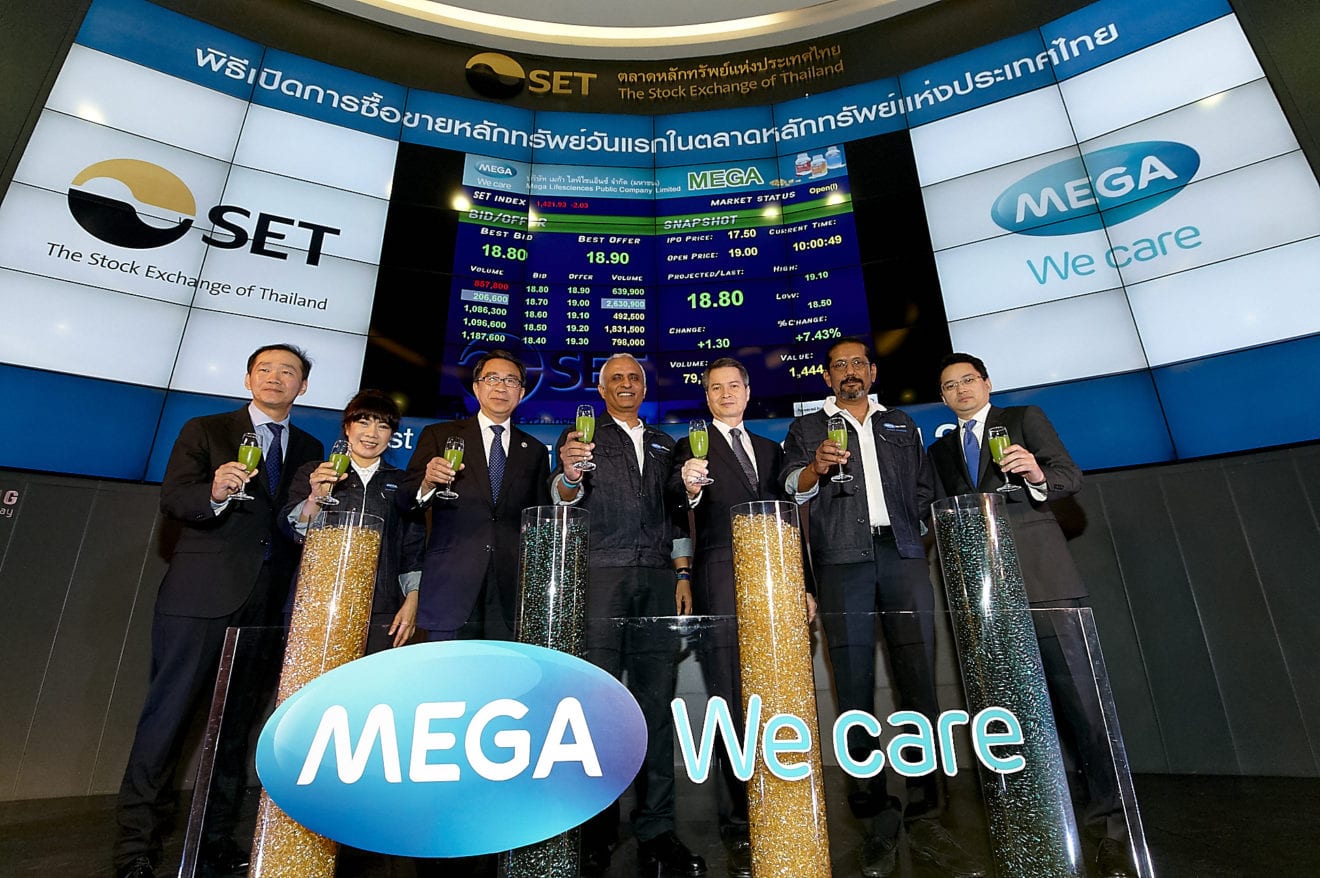
    Thailand-based pharmaceutical firm Mega Lifesciences Ltd (MEGA)  plans to set up a production plant in Indonesia with Sydna Farma. MEGA inked a partnership with the Indonesian Sydna Farma last week for the same.

    The Thai company will hold over 50 per cent in the venture, according to MEGA’s chief executive officer Vivek Dhawan. The firm has earmarked an initial investment of $1 million by early 2017. “As planned, we will take around two years to study the market and do the research and development on our products and set up the plant right after that,” he said.

    Indonesia’s pharmaceutical market is estimated to be around $6.24 billion, taking one-fourth of the total healthcare market at $23 billion. “Indonesia is the largest pharmaceutical market in ASEAN with a strong growth rate of 12.5 per cent per annum. This joint venture will strengthen our presence in this region and drive our growth significantly,” he said.

    MEGA recorded revenues of 7.77 billion baht and net profit of 547.88 million baht in 2014. It hopes the net profit will grow 10 per cent this year riding on  factors such as baht depreciation, lower production cost and the launch of supplementary products. Over 70 per cent of its revenue comes from export and the rest from domestic market, which remained largely unaffected by the slowdown.

    The company hopes to double its revenue and profit in the next five years, following its aggressive expansion in ASEAN and Africa regions. “We see a great potential in Myanmar and in Africa as they still lack of good quality food and medicine. Therefore, the proportion of our revenue from these countries should increase from 10 per cent currently to 20 per cent soon,” he added.

    Each year the company has allocated the budget of $1-2 million for doing research and development on products to boost its market share and profit margin.

  • Myanmar sets daily wage minimum to boost apparel manufacturing

    Myanmar sets daily wage minimum to boost apparel manufacturing

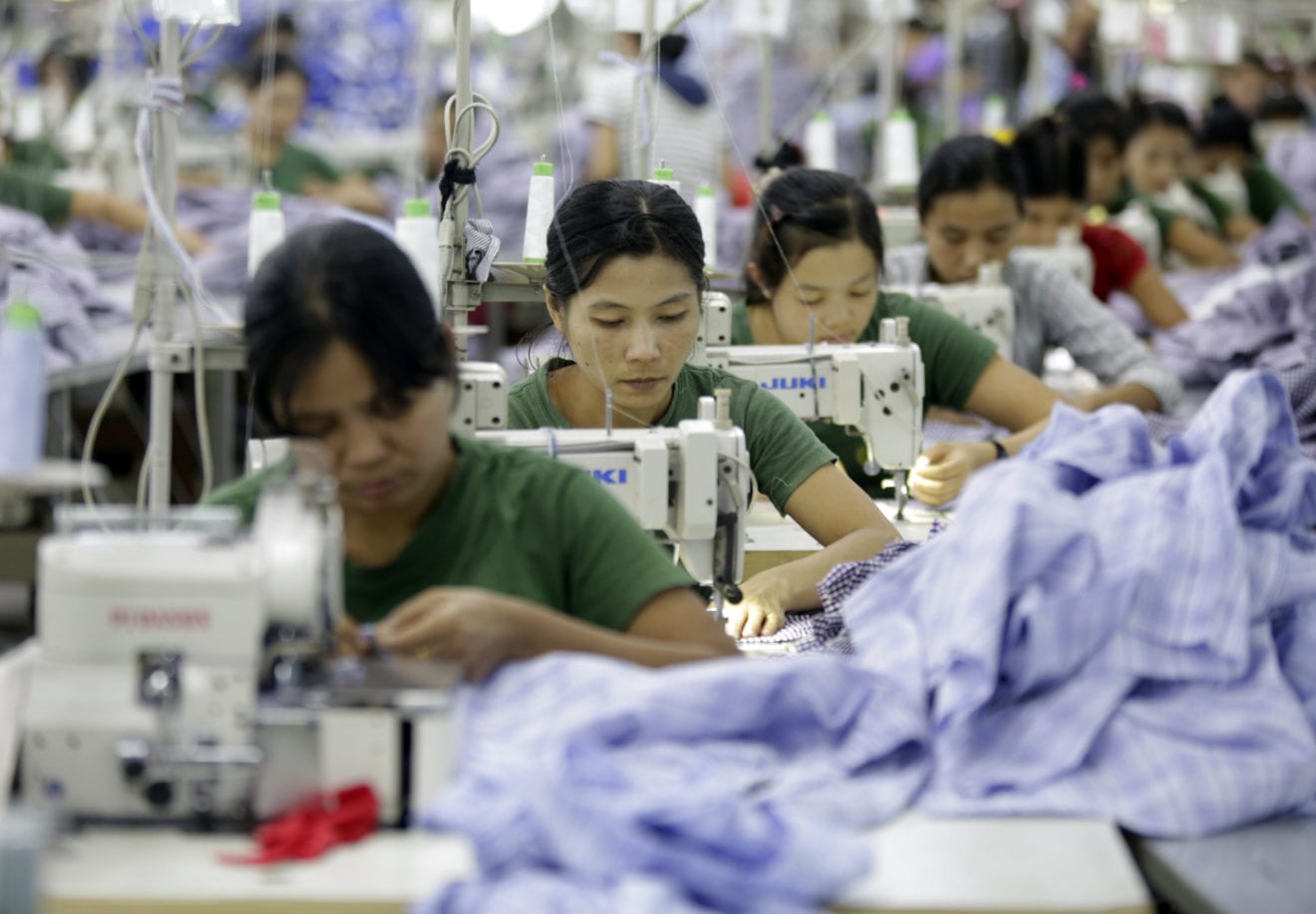
    Last year Gap Inc. was the first U.S. retailer to return to Myanmar for its apparel manufacture, a major sign of the potential return of the country’s once-thriving garment industry.

    But demonstrations by labor unions over working conditions and pay have hampered progress in the three years since U.S. sanctions were lifted, after which Myanmar also attempted its first minimum wage boost.

    Even with the increase in minimum wage that is apparently acceptable to most labor groups and factory owners, Myanmar will still have among the lowest wages in the world. And its standards for factory conditions are seen as lower than in Bangladesh, the site one of the deadliest garment factory collapses in history.

    The government was under pressure not to raise the wage too high out of fear that retailers would turn to South Korea, China, and other countries with established manufacturing. The wage is for eight-hour days in a six-day week; it doesn’t address overtime pay or working conditions. Last year Myanmar exported $1.5 billion of clothes and materials, up from $1.2 billion in 2013 and $947 million in 2012, according to the Global Trade Atlas.

    Still, the stability and the raise, if slight, is seen as an encouragement to more investment by U.S. and other apparel retailers, which can now count on an official wage structure to help them determine costs. Gap and H&M already source goods from there. The country’s economy is predicted to grow 8% this year, according to the World Bank.

  • Indonesia’s Snapcart Turns The Humble Receipt Into Big Data For Brands And Retailers

    Indonesia’s Snapcart Turns The Humble Receipt Into Big Data For Brands And Retailers

    Smartphones could give retailers and brands unprecedented insight into consumer spending and behavior just by allowing you to photograph your receipt.

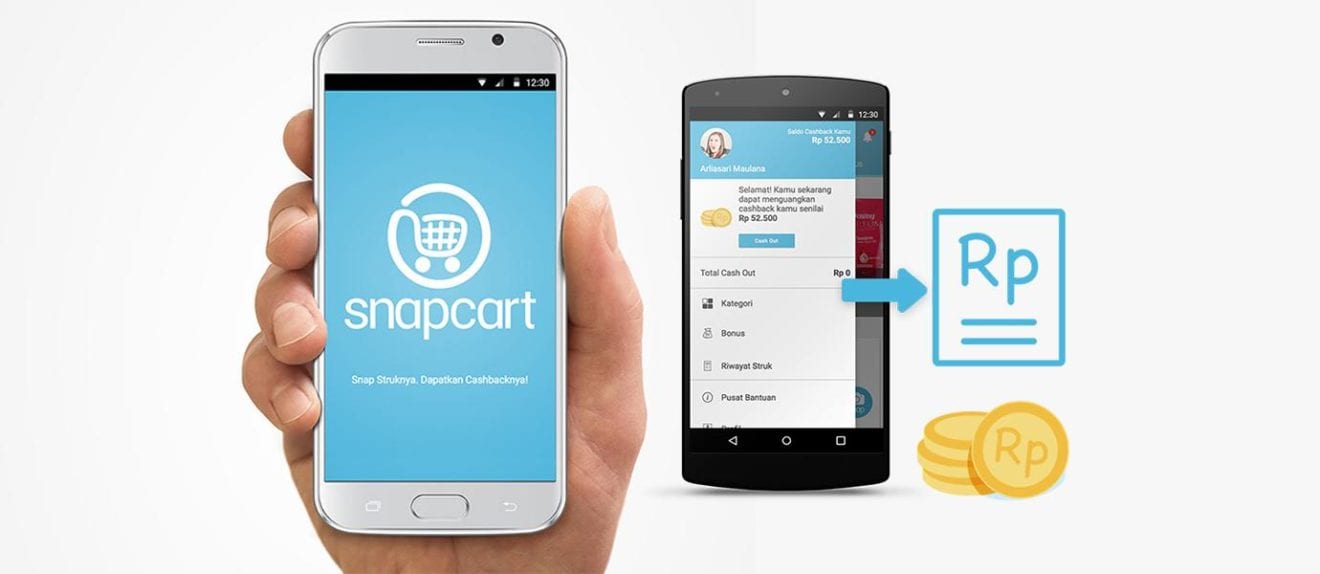
    That’s the premise of a new technology startup that launched in Indonesia today. Snapcart is backed by Ardent Capital — the VC firm behind Southeast Asia’s logistics network aCommerceand numerous e-commerce startups — and it aims to turn oft-discarded receipts into data gold mines.

    The theory is simple. Physical retailers and brands know little about consumers and their shopping habits beyond survey-based data and estimates from research firms like Nielsen. Yet, the precious information is contained within a small piece of paper that shoppers typically throw away with little regard: the receipt. Snapcart is incentivizing users to take photos of their receipts and upload them into its app in exchange for cashback and rewards.

    On paper, it’s a win-win — what consumer doesn’t like free stuff? And what brand or advertisers isn’t willing to pay up (incentives) to get fresh insight into their customers?

    The concept isn’t entirely new. Ibotta, a U.S. company backed by over $20 million from investors, provides cash back for access to similar data. Unlike Ibotta, which requires users to photo both their receipt and individual product barcodes for in-store purchases, Snapcart uses artificial intelligence to pull product information right from a receipt, so users take just one photo.

    Jakarta-based Snapcart has launched with two prominent, global brands — Nestlé and L’Oréal — but says it is in talks with another 20 or so partners. Founder Reynazran Royono — formerly with Proctor and Gamble and Boston Consulting — told TechCrunch he came up with the idea when reflecting on his experience as a consultant and a spell at e-commerce firm Berniaga.com, now OLX.co.id. Online retailers have access to a treasure trove of shopper data that physical retailers can only dream of, Royono said, and Snapcart aims to help change things.

    The main challenge looks to be gaining scale among shoppers — Snapcart claims it has 12,000 pre-launch installs of its app. Snapcart said it will initially work with brands, which it is leveraging for marketing and other opportunities for exposure among consumers, and over time it plans to include physical retailers through in-store integrations. It is first focused on grocery items, because they are daily necessities, but will branch out into other verticals over time, Royono explained.

    The company is starting live in Indonesia, Southeast Asia’s biggest country with a population of 250 million and ample opportunity, but Royono said he plans to expand across Southeast Asia towards the end of 2016. Snapcart is currently raising new funding, which he said should give it a good 18 months of runway.

    “Snapcart is the most promising big data business in Southeast Asia we’ve seen so far,” Adrian Vanyl, CEO of Ardent Capital, said in a statement. “For brands, it is data they’ve fantasized about, but never had any practical way to actually collect.”

  • Arsenal FC picks Indosat as official telecoms partner

    Arsenal FC picks Indosat as official telecoms partner

    Arsenal Football Club has selected Indonesian operator Indosat as the club’s official telecommunications partner in Indonesia. Under the terms of the 2-year partnership, Indosat will offer club-related benefits and incentives to its customers and Arsenal fans in Indonesia. This will include official Arsenal signed merchandise, tickets to see the team in action at Emirates Stadium and access to exclusive match and player content such as match highlights, club news, interviews and photography.


  • Air Asia to connect 4 more cities with Kuala Lumpur

    Air Asia to connect 4 more cities with Kuala Lumpur

    Low-cost carrierAir Asia today said it will connect four more Indian cities with its hub in Kuala Lumpur to take the number of destinations linked to the Malaysian capital to 12.

    Its Executive Director and CEO Aireen Omar announced here that four more Indian cities will be connected with the Malaysian capital.

    She, however, did not specify the cities which will be connected or offer details on the timelines by when the new flights will start.

    The airline, which entered the country in 2008, had launched a Visakhapatnam-Kuala Lumpur service in May, which was followed up by a flight to Goa from the Malaysian capital.

    Other Indian cities it connects with Kuala Lumpur include Tiruchirappalli, Kochi, Kolkata, Chennai, Bengaluru and Hyderabad.

    Omar today said it is also increasing the frequency of the Kochi-Kuala Lumpur route to 14 per week, from the present 10 per week, starting November 19.

    The airliner has chosen Bengaluru as its operating hub in the country.

    “India is an important market to us, and together with AirAsia India, we are committed towards providing the Indian consumers with low fares and high-value services. We entered the Indian market with Tiruchirappalli as AirAsia Berhad’s first destination back in 2008, and today, we serve eight cities to Kuala Lumpur and beyond,” she said.

    She said factors like exhaustion of traffic rights sometimes hampers its plans and added that the airline has already sought to increase bilateral rights so that AirAsia Berhad can expand frequencies on existing routes.

    The average flight load of the Visakhapatnam-Kuala Lumpur route since its launch in May has been 78 per cent, she added.

  • Thai AirAsia sets up Utapao base

    Thai AirAsia sets up Utapao base

    Thai AirAsia (FD, Bangkok Don Mueang) has set about establishing a base in Utapao with the launch of flights to Hangzhou, China on September 1. The 3x weekly charter service runs until October 24.

    Airline Route indicates the AirAsia (AK, Kuala Lumpur Int’l) subsidiary will also launch a 4x weekly service to Nanning on September 25 followed by a 3x weekly Nanchang service on September 26.

    Flights are on-board an A320-200.

    Currently, Thai AirAsia serves forty-four destinations spread across eleven countries including China, India, Macau, Myanmar, Vietnam, Hong Kong, Malaysia, Cambodia, Singapore, and Indonesia. It has four bases in Thailand, Bangkok’s Don Mueang airport, Chiang Mai, Krabi and Phuket.

  • Garuda tickets available at Indomaret

    Garuda tickets available at Indomaret

    National flag carrier Garuda Indonesia is teaming up with minimarket chain Indomaret to allow air passengers to buy tickets from the chain’s outlets across the country in a bid to boost the airline’s sales.

    For payments, Garuda works with electronic payment provider Finnet, a subsidiary of state telecommunications company PT Telekomunikasi Indonesia (Telkom).

    Garuda Indonesia commercial director Handayani said the company expected passengers would buy tickets from at least 20 percent of Indomaret’s 11,400 outlets.

    In ticket sales, the company expects the partnership to account for 830,000 transactions a year, or around 1.6 million tickets assuming that each buyer buys two tickets.

    “With their strategic sites, Indomaret outlets will open up consumer access to our services, including in places with little access to the Internet and ATMs,” Handayani said in a statement on Wednesday.

    She added that Indomaret ticketing services would be focused on domestic flights for individual customers.

    “People who go to Indomaret will tend to buy small numbers of tickets for domestic flights. The average ticket price will be between Rp 400,000 and Rp 500,000,” she said.

    Garuda’s low-cost subsidiary carrier Citilink has cooperated with Indomaret since January 2014.

    Indomaret records around 150 million transactions with 37.5 million customers monthly, according to Wiwiek Yusuf, the marketing director of PT Indomarco Prismatama, which runs the chain.

    “Of that figure, 15 million transactions, or 10 percent, are virtual,” he said, adding that Garuda would add to the list of the chain’s virtual payments, which currently includes electricity bills, phone credit and concert tickets.

    Online ticket purchasing makes up 28 percent of Garuda’s total transactions, with the remainder carried out through traditional channels such as travel agents.

    The airline’s partnership with Indomaret adds to its current relationship with Telkom, which runs Garuda’s call center. However, Garuda customers who book tickets through the call center can only pay with credit cards or through the ATMs of 18 banks.

    Telkom enterprise and business service director Muhammad Awa-luddin said the cooperation would mark the first non-bank channel for Garuda.

    “Finnet has hundreds of dealers and is connected to 77 banks, so we envision no problems,” he said.

    The cooperation is part of Garuda’s efforts to meet a target of carrying 25 million passengers this year.

    The airline carried 11.55 million passengers in the first half of the year, up 15.3 percent from last year, of which 9.4 million were domestic passengers.

    “With this cooperation, we should reach more than 20 million,” Handayani said.

    She added that she would rely on the growth of Indomaret outlets for expanding consumer access, with the firm looking to reach 12,000 outlets this year.

    Other than the domestic market, Garuda is also eyeing increased inbound flights after Coordinating Maritime Affairs Minister Rizal Ramli announced on Tuesday the waiving of visas for citizens of 47 more countries, adding to 30 countries granted visa exemptions in June.

    “We will engage with foreign tourist boards and travel agents. We have to be aggressive in introducing Indonesia to those countries, beyond Bali and Jakarta,” Handayani said.

    The company booked US$27.7 million in net income in the January-June period, a sharp increase from its net loss of $203 million in the same period last year, on the back of lower operating expenses and strong passenger growth.

  • Retail building oversupply reaches alarming level in HCM City

    Retail building oversupply reaches alarming level in HCM City

    A Cushman & Wakefield’s report shows that the retail rent in the second quarter fell by 5 percent compared with the same period last year. Meanwhile, the supply is forecast to soar to 1.5 million square meters by 2020, 200 percent higher than today.

    According to Savills Vietnam, the total retail premises area which has been put into operation by August, had reached 940,000 square meters. It is expected that the market would have an additional 200,000 square meters from 10 projects.

    In the eastern part of HCM City, which is considered the ‘hottest spot’, at least 300,000 square meters of trading floor – a basement of apartment blocks – would become operational in 2015-2018.

    The retail supply boom in the eastern part of the city is attributed to the city’s policy on increasing infrastructure investment in the area. However, the existing shopping malls in the area remain poorly patronized.

    Viet An Hoa’s CEO Tran Khanh Quang warned that 300,000 square meters of retail premises was too high and may lead to an oversupply.

    The retail premises area in the southern part of HCM City has also been increasing. According to Savills Vietnam, there are about 151,000 square meters of modern retail premises under exploitation, including 60,000 square meters, or 40 percent, in Phu My Hung new urban area.

    It is expected that 80,000 more square meters of retail premises will hit the market by 2016.

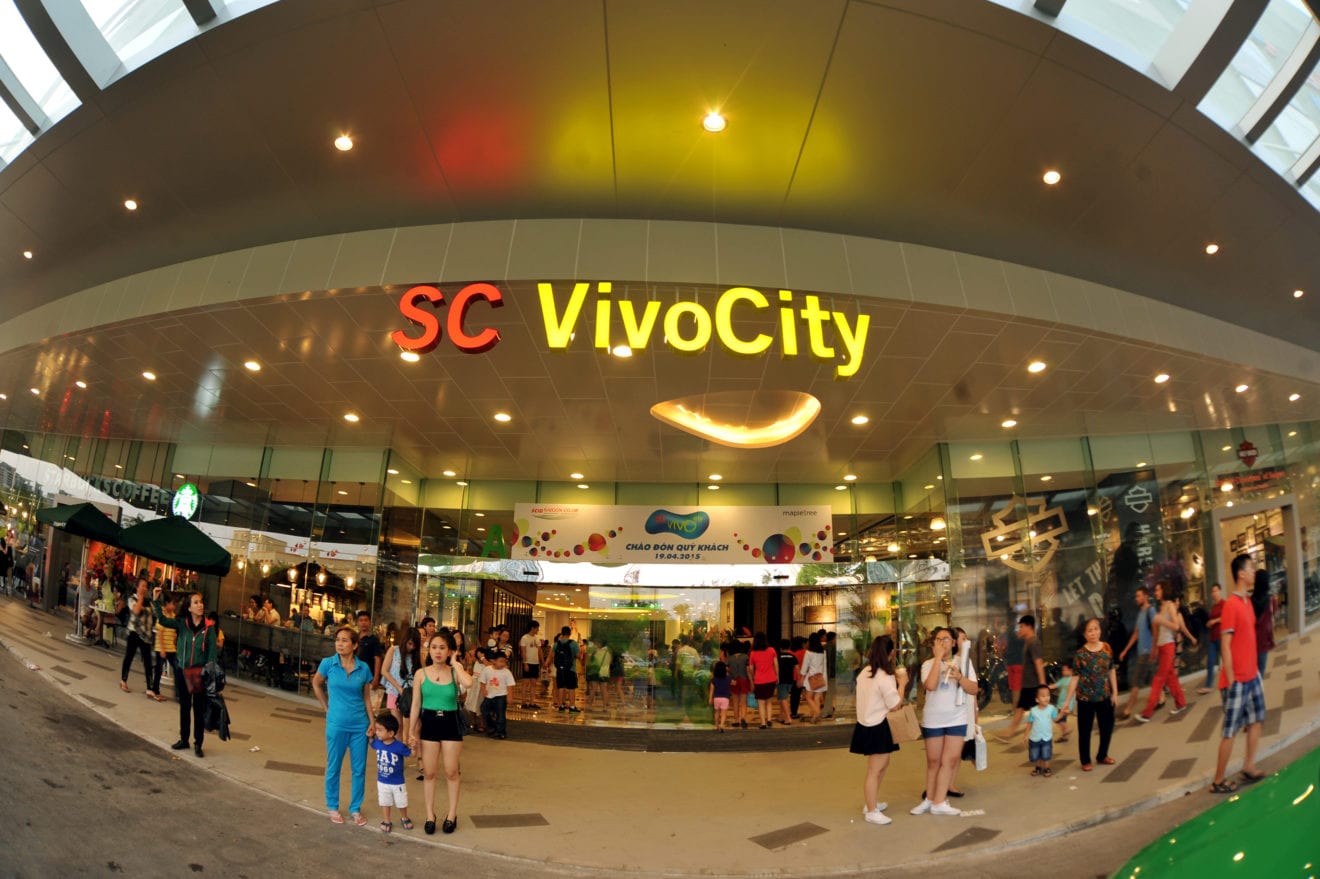
    SC Vivo City (41,000 square meters), Crescent Mall (45,000) and Parkson Paragon (12,800) are the three largest shopping malls in the southern area of the city. But they are not crowded on week days.

    “The retail premises are in oversupply,” said Nguyen Van Duc, Deputy Director of Dat Lanh Real Estate.

    “Even the shopping malls in advantageous areas are deserted these days,” he said, adding that investors should not ‘be overly excited with retail building projects’.

    He went on to say that it was a ‘blunder’ for project developers to set up shopping areas in the basement of buildings.

    The shopping malls at apartment buildings, together with separate shopping malls above ground, will lead to an oversupply of retail premises.

    However, Le Thi Kim Hoa from Cushman & Wakefield is optimistic about the market, saying that the supply would force rental prices of retail premises down, which will benefit customers.

    Savills Vietnam’s Nguyen Thi Van Khanh noted that, compared with Bangkok, which has 8 million square meters of retail premises, and Singapore with 4 million, the retail premises total area of less than 1 million was ‘modest’.


  • A 10-day sports extravaganza awaits in Singapore

    A 10-day sports extravaganza awaits in Singapore

    Singapore’s winning sporting streak continues with the upcoming BNP Paribas Women’s Tennis Association (WTA) Finals Singapore presented by SC Global at the Singapore Sports Hub from October 23 to November 1, 2015.

    In a culmination of what has been an exciting season, the top names in women’s tennis will come together for the WTA Finals. Household names like Serena Williams, Martina Hingis, Sania Mirza and many more will face off for court supremacy and a grand prize of US$7 million.

    A host of other events will also take place to complement the main action on court. The WTA Legends Classic will see tennis icons like Martina Navratilova and Arantxa Sánchez-Vicario playing for the fans’ delight while the WTA Rising Stars Invitational will give up-and-coming talents from Asia and the rest of the world a chance to play on Centre Court and make their mark on a world-class stage.

    Between matches, fans will have multiple opportunities to get closer to the action than ever before. Spectators can visit the outdoor Fan Zone, which will feature interactive tennis-themed games and star-studded player appearances. They can also witness the preparation secrets of their favorite tennis stars at the player practice sessions.

    Beyond the activities at the Singapore Sports Hub, fans can expect a star-studded extravaganza at the Singapore Tennis Evening at Marina Bay Sands on October 30. Fans and tennis stars alike will convene to celebrate the annual achievements of the best women’s tennis players, alongside the Southeast Asian debut of UK artiste Paloma Faith who will perform her hits.

    With Singapore’s Golden Jubilee in full swing, a slew of exciting flight, hotel, dining and retail deals have been lined up for this festive occasion. Singapore’s location at the heart of Southeast Asia also makes it easily accessible to tennis fans from around the region to catch all the action.


  • Sandara Park is newest int’l endorser of Pinoy fashion retail brand

    Sandara Park is newest int’l endorser of Pinoy fashion retail brand

    Korean super star Sandara Park whose road to international fame started in the Philippines decided to return to where it all started by endorsing a local fashion retail brand.

    “Hey guys! It’s me Sandara Park. And guess what? I’m the newest member of Team Penshoppe. I had a great time shooting my first campaign and I love the clothes,” Park said in an Instagram clip as she broke the news to her fans.

    The Korean superstar made the announcement Thursday with a caption, saying she’s “happy” to be the newest face of the local retailer.

    She also included a teaser photo of the campaign shot by photographer Cliff Watts who flew in from New York for the shoot.

    The shoot took place last month at Golden ABC’s Studio 1155 and Gallery.

    The long list of international celebrity endorsers include Cara Delevingne, Kendall Jenner, Nina Dobrev, Leighton Meester, Ed Westwick, Josh Bowman, Mario Maurer, Ian Somerhalder and the world’s highest paid male model, Sean O’Pry.