Author: Mei Ling Tan

  • UBS Capitulates, Slashes Hang Seng Forecast

    UBS Capitulates, Slashes Hang Seng Forecast

    As China devalues yuan and the U.S. is on track to raise rates, Hong Kong, whose currency is pegged to the dollar, is in trouble.

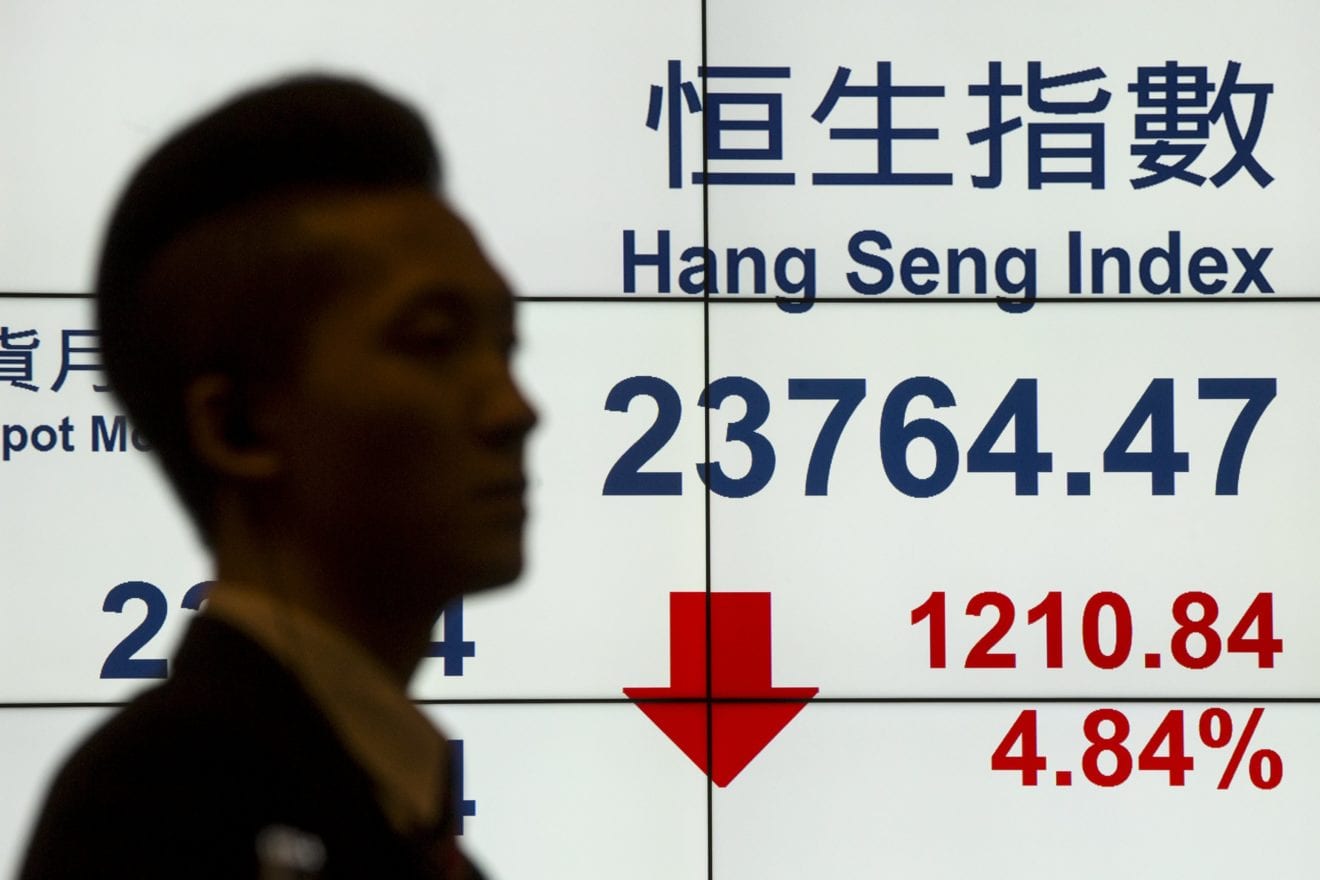
    Forecasting “black sky”, UBS now sees the Hang Seng Index to end the year at 19,775, another 5.5% downside from its current level. The Hang Seng Index has fallen by about 25% since its late April high.

    Apart from China slowdown, “we have seen a combination of the three pillars of Hong Kong’s economy weakening (tourism and re-export) or showing signs of weakness (property),” wrote Spencer Leung.

    The Hang Seng Index is now valued at only 9.4 times forward earnings, a good 0.8 times standard deviation below its 2-year average, but “the current valuation of Hong Kong equity may not be attractive enough to compensate for potential earnings downside.” UBS estimates Hong Kong companies’ earnings could drop 31% next year.

    It is not easy for retail businesses to operate in Hong Kong, because the rent is simply too high. UBS estimates that ground-level stores in prime shopping districts in Hong Kong will have to see their rental expenses drop 70% from their peak to break even. Last week, U.S. handbag bag Coach closed its flagship shop in the Central shopping district.

    Overnight, the iShares MSCI Hong Kong ETF rose 0.5%.

  • Philippines mall magnate tops rich list

    Philippines mall magnate tops rich list

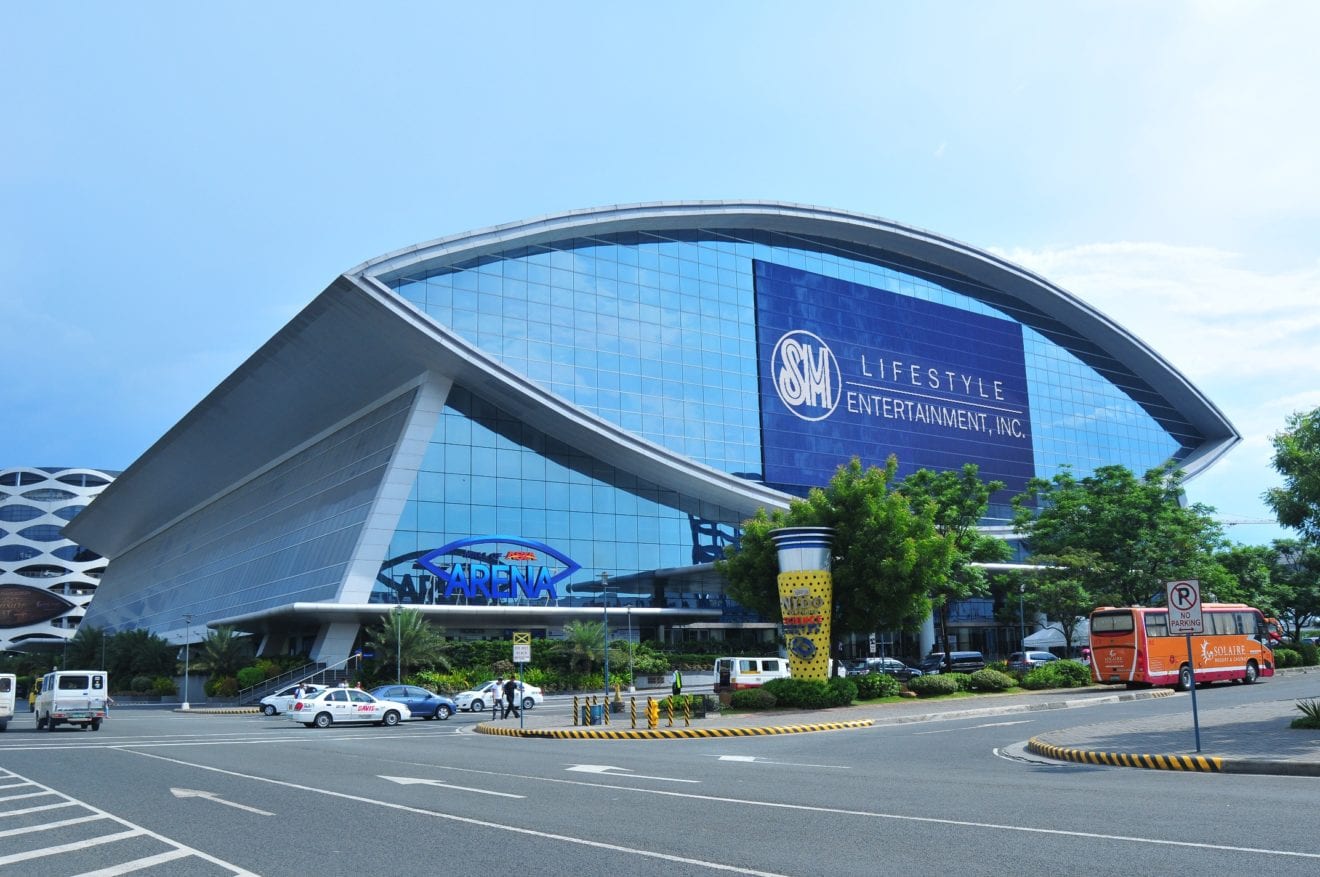
    Henry Sy, the founder of the Philippines mall giant SM has maintained his place at the top of the nation’s rich list for the eighth consecutive year.

    Sy’s various business interests include property, retail and banking and his net worth is estimated byForbes Philippines as US$14.4 billion – up $1.7 billion on the 2014 figure.

    Forbes calculated Sy’s SM Investments rose 17 per cent in value during the last year and SM Prime Holdings by 20 per cent.

    Besides his retail interests, the 90 year old Sy who was born in Xiamen, China, has shares in power supplier National Grid Corp.

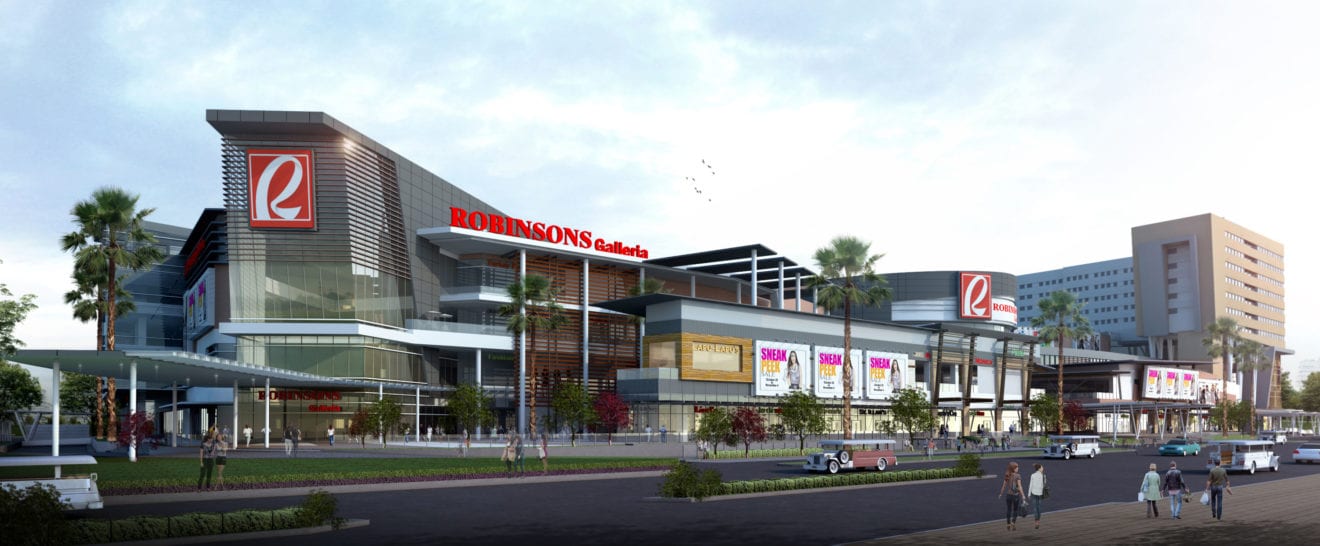
    Second on the list is another retailer: John Gokongwei Jr, one of the family which owns the parent company of Robinsons malls in the Philippines, amongst other assets including energy, airlines, telecommunications and food. His net worth is estimated at $5.5 billion.

  • Robinsons Retail takes control of Saver’s

    Robinsons Retail takes control of Saver’s

    Robinsons Retail Holdings, the Philippines-based department store operator, has taken a 90 per cent stake in home appliance chain Saver’s Appliance Depot.

    Saver’s operates 24 stores in Central Luzon and eight in Cagayan Valley

    Robinsons Retail president and COO Robina Gokongwei-Pe says partnering with Saver’s will strengthen and expand its exposure in the consumer electronics and appliance market.

    “As the economy expands, discretionary spending is seen to surge ahead and this format should be a strong beneficiary,” said Gokongwei-Pe. “Also, the increasing scale of the group is expected to strengthen our market position in the industry.”

    The settlement date of the deal and the purchase price has not yet been revealed.

    MD Jaime Uy will continue in his role after the purchase.

    “We are happy to become part of the Robinsons Retail Family. The group has proven track record in growing and retaining the equity value of the companies of businesses that they acquired,” Uy said.

  • Online security ‘paramount’ for shoppers

    Online security ‘paramount’ for shoppers

    A sense of security is paramount for nearly one quarter of shoppers when evaluating whether to purchase goods from a retailer online, according to a new survey from Worldpay, a payments provider.

    Assuring customers they are in safe hands throughout the entire payment experience should be a priority for retailers, according to 3500 online shoppers polled globally.

    Similarly, for one in four online shoppers, seeing payment authentication and digital certificate logos displayed prominently on a retail site’s homepage is the single most reassuring element in the purchasing process. Forty-six per cent of consumers globally admit this would help address their concerns.

    Transparency around online security is particularly important in China, where 70 per cent of shoppers said they feel more secure shopping when payment authentication and certificate logos are clearly displayed, indicating that this simple measure will go a long way in addressing the misgivings of online customers.

    Shoppers also want security transparency when retailers store personal and payment details. Thirty-one per cent of shoppers worldwide say they don’t want a retail website to store their payment details, and South Koreans and Australians are most averse to the idea with over 50 per cent saying they don’t want this information stored online. In China and Japan, 65 per cent of shoppers expect reassurance that their details will be kept safe by the retailer and want a clear explanation of how this will be done.

    Stuart Thornton, VP of business development in APAC with Worldpay, said: “Nagging doubts about the security of their payment details can add up over the multiple stages of the purchasing journey for shoppers and stop them from ever clicking ‘buy’, even if they really want a product. When selling online, retailers need to step in and reassure customers that their information is in safe hands, from the second they start browsing a site to the moment they receive an email confirming their purchase”.

    At checkout, shoppers expect the ability to use their preferred payment method and want the process to be simple and intuitive. Sixty-five per cent globally have abandoned their purchase at the checkout stage as a result of not being able to pay how they wish.

    Nearly 60 per cent of shoppers worldwide would drop out of a purchase if their preferred payment method was displayed on a retail site’s homepage but wasn’t available at checkout. Forty per cent of shoppers globally admit they would not take the time to look for their preferred payment method at checkout if it was not easy to find. This figure is even higher in Japan, where 62 per cent of shoppers say they wouldn’t search for their preferred payment method if it wasn’t already clearly indicated on the website.

    Retailers must also manage consumer expectations by clearly indicating what they can expect at each stage of the payments journey, particularly when redirecting them to a third-party website. Ninety-four per cent of shoppers globally say this is important, and one-fifth would instantly drop a transaction if ushered to a third-party site without warning. In Japan, nearly 30 per cent of shoppers would drop out if unexpectedly redirected to a third-party site to enter additional details.

    “Purchasing products online demands a certain level of trust between retailers and shoppers, and making the process simple and transparent is absolutely essential,” said Thornton.

    “Retailers will struggle to inspire confidence in their customers if they cannot deliver on shoppers’ expectations and give them peace of mind throughout the online shopping journey”.

    The need for retailers to act as a source of reassurance for shoppers is equally strong when it comes to handling errors or providing customer support. Nearly two-thirds of online shoppers (64 per cent) want a clear and immediate explanation of exactly what went wrong. When it comes to additional support, 27 per cent want to be able to call customer support, while 24 per cent want the option to email a support representative.

    Clear error messages also head off any potential confusion as to whether a transaction has been processed. Ninety-six per cent of shoppers say it is important they receive an email confirming that their order has been processed and their payment accepted.

    Adds Thornton: “If there is one thing to take away from these findings it is that the online payments journey is inextricably linked to the user experience. If retailers cannot reassure customers that their transaction will be quick, secure, and managed to the highest standard of professionalism throughout the payment journey they will struggle to keep shoppers engaged”.

    The research was carried out in partnership with KAE Marketing Intelligence, which conducted a desktop analysis of 350 top retail sites and surveyed 3500 online shoppers in 14 countries across North America, South America, EMEA, and APAC.
  • SSI hunts ASEAN retail brands

    SSI hunts ASEAN retail brands

    Leading Philippines retail group SSI says it is actively seeking to acquire brands and suppliers in the region that can help it build its ASEAN retail portfolio.

    “We continue to seek brands and suppliers that manufacture within the Asean region that would allow us to make the most of Asean free trade agreement. That is a key to our expansion and success in the recent past – to expand our retail concepts in new geographic areas,” SSI president Anthony T. Huang told the Manila Times.

    ASEAN, which comes into effect later this year, groups 10 economies in Southeast Asia, creating a free trade zone with less restricted borders. Participating countries are Indonesia, Malaysia, the Philippines, Singapore, Thailand, Brunei, Cambodia, Laos, Myanmar and Vietnam.

    “We’re hopeful because we have ongoing discussions [with potential acquisitions and partners] but nothing final at this time,” Huang said.

    “We’ve really been focused on the new acquisitions that we have to roll out next year and on the existing brand portfolio that we’re continuously rolling out and the continued expansion of FamilyMart,” he said.

    SSI is also in talks with other foreign brands outside the ASEAN group as it builds a portfolio of lifestyle and fashion brands. Its most recent deal was to partner with Canadian fashion label Joe Fresh.

    Huang says foreign brands find the Philippines appealing because the culture is westernised, it has a young population, strong growth and rising middle class with discretionary income.

    “We have the youngest population in the region. ‘Youngest market’, that’s the magic formula.

    “We’re seeing continued interest that many of the international retail concepts that should be in the market are in fact already in the market. But interests from new concepts are coming in to expand in the region,” he said in the interview.

    SSI’s portfolio already includes 115 brands.

  • Blackmores, Sanger to open stores on JD.com

    Blackmores, Sanger to open stores on JD.com

    JD.com says it has secured partnerships with Australian brands Blackmores, a leading Australian natural health company, and Sanger Australia, the Australian meat sales and marketing business of the Bindaree Beef Group.

    Both brands will open stores on JD.com’s direct sales channel and will use the company’s same-day delivery services. Sanger Australia will also leverage JD.com’s cold chain logistics network to ensure that its meat products are delivered fresh to Chinese customers from Australia.

    The announcements follow the successful launch in late June of a dedicated Australian Mall for authentic imported Australian products on JD.com’s cross-border platform, JD Worldwide. Since its launch, dozens of Australian brands have successfully sold their products to Chinese consumers through Australian Mall. The most popular product categories in the first two months of the program include health  care, baby care products and fresh food.

    “We’re pleased to be working with leading Australian brands to build winning eCommerce strategies for this market and help them take advantage of our large and growing base of upwardly mobile Chinese consumers,” said Carol Fung, VP of JD.comand president of JD.com’s FMCG Business Unit.

    “Blackmores is a long-time partner, and we are very excited to be expanding the range of their outstanding healthcare products available to our rapidly growing user base. With demand for Australian fresh produce growing exponentially, the addition of Sanger Australia’s world-class beef to our platform is an outstanding development for our customers.”

    Blackmores Asia MD Peter Osborne said his company has been working with JD.com since 2013.

    “Our increased engagement is testament to our strong relationship and commitment to growing our China business. Working with JD.com not only ensures we get our products to consumers quickly, but will also enable us to initiate targeted and specialised marketing campaigns leveraging JD’s data analytics capabilities.”

  • Qantas announces Hugh Jackman as global ambassador

    Qantas announces Hugh Jackman as global ambassador

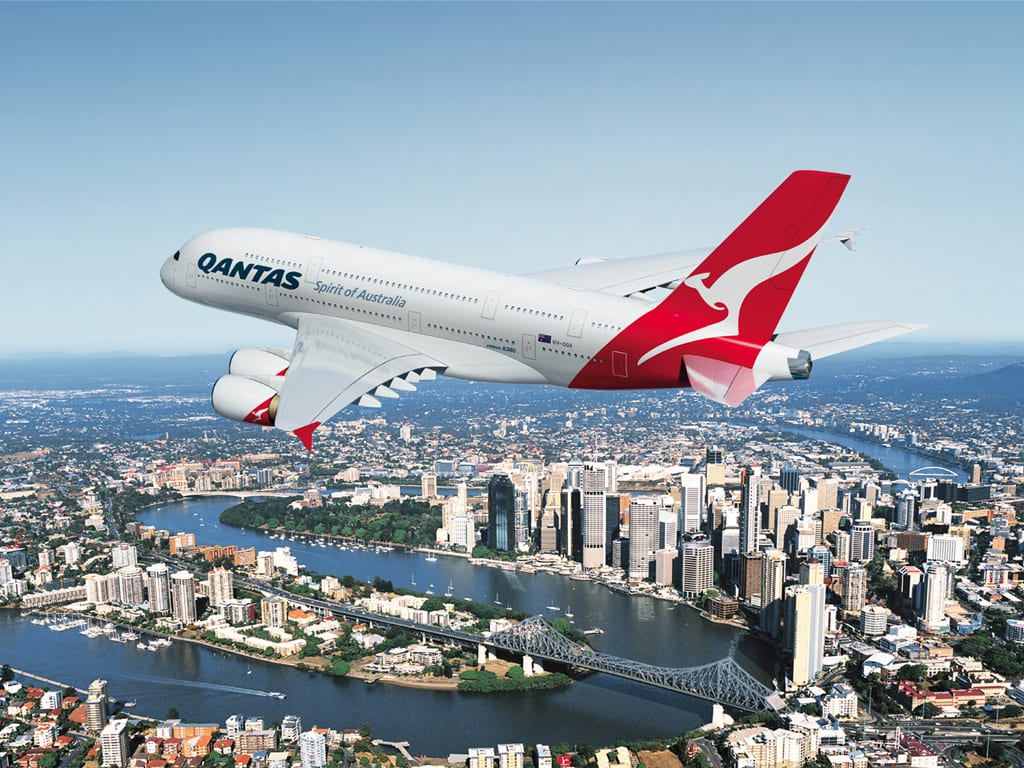
    The “Boy from Oz” Hugh Jackman and Australia’s national carrier Qantas have announced a new partnership to promote Australia on the global stage.

    The award-winning actor has signed on to become an official global ambassador for the airline and will also work with Qantas on community projects in Australia, with further detail to be announced soon.  

    The international superstar is one of Australia’s most successful and highly regarded performers with a career spanning 30years from his early days in “Correlli” right after his graduation from Western Australian Academy of Performing Arts, to his recent stage and screen successes including the X-Men films, The Boy from Oz stage show, the film version of Les Misérables and the soon to be released fantasy film Pan.

    Jackman said he was proud to become a Qantas Ambassador and was looking forward to teaming up with Qantas to highlight the best of Australia.

    “I travel a lot and like all Aussies, I get a buzz whenever I see the familiar red tail and the kangaroo logo, no matter where I am in the world.  Qantas is great airline with great people and represents the very best of our wonderful  country,” Jackman said.

    “Qantas has always had a vital role in promoting Australia as a tourism destination and I’m looking forward to playing my part as we work together to showcase our amazing cities, landscapes and experiences in the U.S., Asia and beyond.

    “What I also love about Qantas is the role it plays in the community.  It’s inspiring to see an Australian company stand up for causes that make a difference and I know it’s something that the Qantas team and its employees are really passionate about.

    “The Qantas projects I will be getting involved with will create opportunities for Australians to learn, to work and to reach their potential.  I will also be working directly with Qantas employees to build on the fantastic community work they already do and I can’t wait to get started later this year.”

    Qantas CEO Alan Joyce said the airline was thrilled to welcome Hugh Jackman in to the Qantas family as an ambassador.

    “Hugh represents everything that the world loves about Australians and he has used his enormous international success to promote Australia as well as highlight causes that are close to his heart.

    “We will build on the work both Qantas and Hugh are already doing and together we believe we have the capacity to create some truly life changing opportunities,” Joyce said.  

    Further details in relation to the Hugh Jackman/Qantas community initiatives will be announced in coming weeks.

    Qantas has also recently been announced as a co-sponsor of Jackman’s upcoming “Broadway To Oz” arena shows across Australia in November and December.

  • Hooters Bangkok to open this month

    Hooters Bangkok to open this month

    Hooters Bangkok opens its doors this week on Sukhumvit Soi 15, kickstarting a THB100 million (US$2.8 million) marketing campaign to raise brand awareness in the country.

    The Hooters Thailand franchise was secured by Destination Resorts, the company behind DoubleTree Resort by Hilton Phuket at Surin Beach, DusitD2 Phuket Resort, Sri Racha International Golf at Sri Racha Hills, Hard Rock Café Phuket at Patong Beach, Novotel Phuket Karon Beach Resort & Spa, Novotel Hua Hin Cha Am Beach Resort & Spa and the Swissotel Resort Phuket.

    It also operates the Four Points by Sheraton hotel on Bangkok’s Sukhumvit 15, where Hooters Bangkok is located, a 253 sqm, two storey bar to be officially opened on September 18.

    Since securing the franchise, Destination Resorts has opened its first restaurant in the holiday resort of Phuket and has a third under construction on Pattaya’s Beach Rd, a massive 810 sqm complex with 50 high definition televisions screening sport, two bars and two outdoor areas.

    Destination Resorts will open 30 Hooters restaurants across Southeast Asia in partnership with the American brand owner over five years. A fourth is planned for Samui next year.

  • South Korea retail sales easing upwards

    South Korea retail sales easing upwards

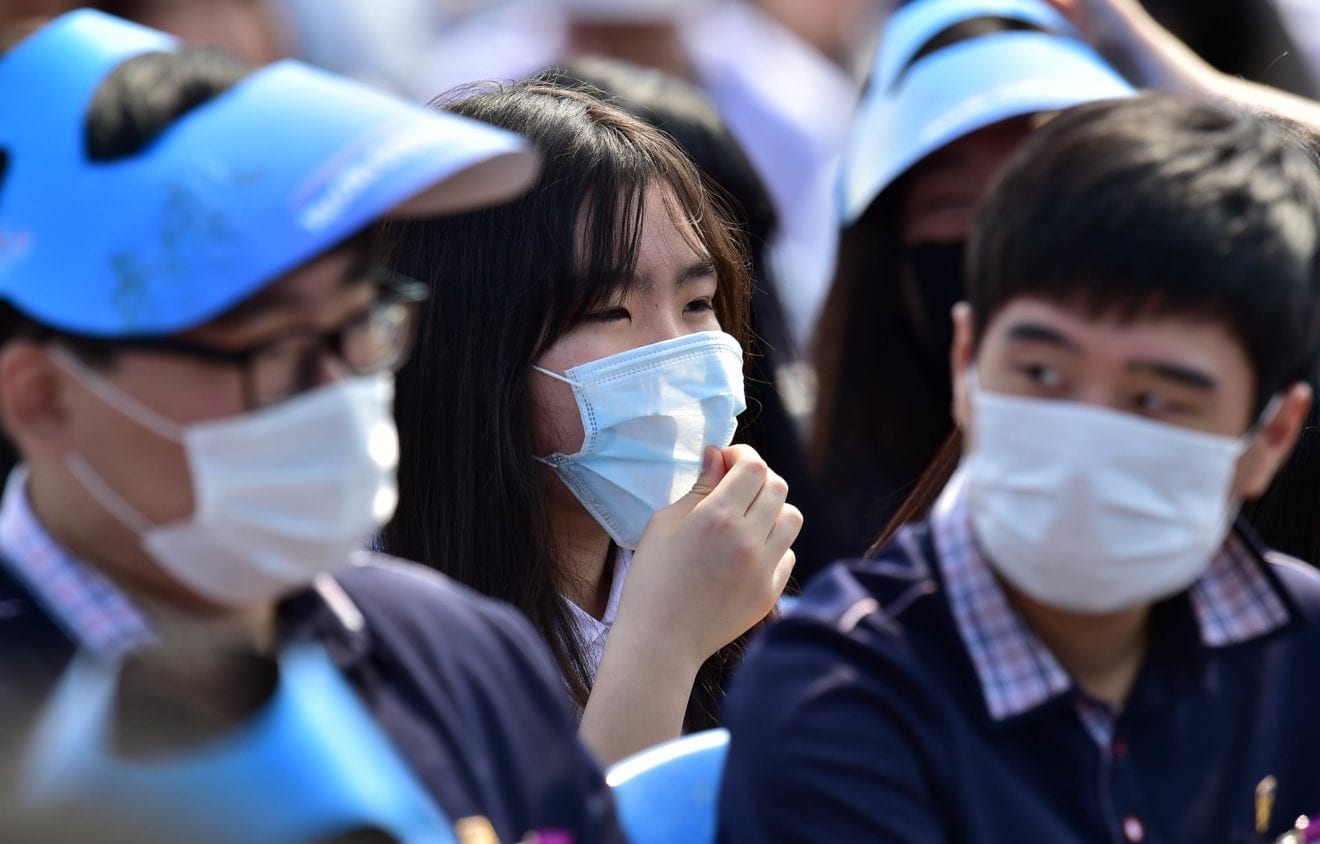
    South Korean retailers are breathing a sigh of relief as consumers return to stores in the wake of the MERS scare receding.

    South Korea retail sales rose 0.5 per cent in July to 30.14 trillion won (US$25.6 billion) after receding 0.6 per cent in June.

    Statistics Korea said sales rose month on month as well as year on year.

    “The fallout of the MERS outbreak that caused demand to slump seems to have receded in July, leading to a slight rise in consumer spending,” a spokesman for Statistics Korea said.

    “While things have not returned to normal, sales are rising in areas that were most affected by the outbreak.”

    The MERS outbreak hit in late May. Thirty-six people subsequently died and a further 186 were infected before the outbreak was brought under control and confirmed over by health officials in July.

    The value of online transactions rose by 21.2 per cent, driven by sales of food and cosmetics as cautious shoppers opted to have products delivered rather than visit stores and risk exposure.

    Online shopping accounted for 15.8 per cent total retail sales in July.

    In stores, food and beverage sales rose 3.8 per cent year on year in July and electronics sales by 3.2 per cent. Department store sales rose 0.4 per cent, having fallen 12 per cent in June.

    Sales at convenience stores rose 33.6 per cent and at supermarkets by three per cent.

  • Capillary Technologies raises $45m for expansion

    Capillary Technologies raises $45m for expansion

    Singapore-based Capillary Technologies has secured $45 million in new funding to expand its back end services to multichannel retailers.

    Capillary Technologies offers a cloud-based platform which powers end-to-end customer engagement, loyalty and social CRM solutions for more than 170 major brands across 20,000 stores, serving over 150 million consumers primarily in Asia, including India, South East Asia, China and the Middle East.

    Customers include industry leaders such as Pizza Hut, KFC, Puma, United Colors of Benetton, Pantaloons, Arvind Brands, Madura Garments, Red Tag, Bata, Courts, Lee and Timberland.

    The company says it has raised $45 million in a series C funding round led by an affiliate of private equity firm Warburg Pincus. Existing investors Sequoia Capital and Norwest Venture Partners also participated.

    Capillary will use the capital infusion to expand its offerings to enable clients to develop an omni-channel view of their customers, both organically by broadening its product suite, as well as inorganically via the acquisition of MartJack, Asia’s leading multi-channel commerce provider.

    Capillary’s cloud-based platform, which can integrate into virtually any point-of-sale device, offers a one-stop solution for retail marketers to engage with their customers, by capturing and analysing customer data, and enabling targeted customer communications to increase loyalty and engagement. By combining big data with a robust analytics engine, Capillary optimises the relevance and profitability of personalized offers to consumers in real-time, significantly increasing both loyalty and sales.

    “Warburg Pincus needs no introduction for the kind of strategic direction and commitment they bring to the table, in addition to the investment. This funding round validates our model and vision of enabling retailers to harness the power of the cloud and to provide a deeper connect for consumers across channels. It also puts us on the path to being one of Asia’s true product bellwethers, which will establish us as a strong contender on the global map of Enterprise SaaS solutions,” said Aneesh Reddy, co-founder and CEO of Capillary Technologies.

    “The retail sector in Asia is undergoing a significant transformation, as organised retail develops in tandem with eCommerce, and as retailers invest in tools to drive consumer loyalty and retention across online and offline channels,” said Nitin Nayar, MD of Warburg Pincus.

    Concurrent with the capital raising, Capillary has also expanded its portfolio in areas of multi-channel commerce enablement, online-to-offline, predictive analytics and customer experience to expand its product and customer service capabilities.

    MartJack is Asia’s leading multi-channel commerce platform serving over 250 companies, including major global brands such as Walmart, Unilever, Future Group, Lulu, Clarks, Body Shop and Aramex, who use its cloud platform to develop online storefronts enabling digital commerce with shoppers.

    Its ready-to-use software platform provides a one-shop digital commerce solution to brands across Asia, featuring 30+ payment partners, 10+ logistics partners and 70+ service partners (e.g. digital marketing, web development, catalog management, design services).

  • US wine giant Robert Mondavi to launch online in China

    US wine giant Robert Mondavi to launch online in China

    Famed Californian winery Robert Mondavi is to join Alibaba Group’s Tmall.com online shopping marketplace to reach more consumers in China, the world’s largest wine-consuming market.

    Robert Mondavi says its exclusive Tmall flagship store will be the California company’s first and only online sales channel in China. The outlet will sell US-bottled labels such as Robert Mondavi Winery, Robert Mondavi Private Selection, Woodbridge by Robert Mondavi, and Twin Oaks by Robert Mondavi. The Robert Mondavi brand is owned by alcoholic beverage maker Constellation Brands, which bills itself on its website as the world’s top premium wine producer.

    Philip Kingston, senior vice president of international for Constellation Brands, said the company in recent years has “seen a very encouraging uptake in Chinese tourists visiting our wineries in California, as well as wine sales in China.”

    Opening a store on Tmall – China’s largest B2C online marketplace and part of Alibaba Group, whose retail shopping sites in the PRC have 367 million annual active buyers – “allows us to sell our wines to Chinese consumers in a marketplace which we believe will build our brand,” Kingston said in a statement.

    “It also strengthens our presence in China as we expect to benefit from Alibaba’s sophisticated data-analytics capabilities and extensive customer insights.”

    The growth and sheer size of China’s consumer class in recent years has made the country a top market for the world’s vintners. China’s wine consumption in 2014 was more than double that of second placed US, according to data from research firm IWSR.

    Tmall said with the opening of the Robert Mondavi Wines flagship store, it was launching a  “Tmall Vineyard Direct” program, promising to connect with more wineries around the world to allow them to sell directly to Chinese consumers through Tmall. Gary Clubb, head of Tmall international business development, said  “working directly with the winery itself is key to a robust supply chain and allows us to leverage the power of the Alibaba ecosystem to pioneer innovative sales and marketing campaigns to the 367 million buyers on our platforms”.

    Tmall has been aggressively recruiting Western retailers and brands selling products in a range of categories, from fast-moving consumer goods to apparel, to build up Alibaba’s cross-border online sales.

  • Kumamon arrives in Thailand

    Kumamon arrives in Thailand

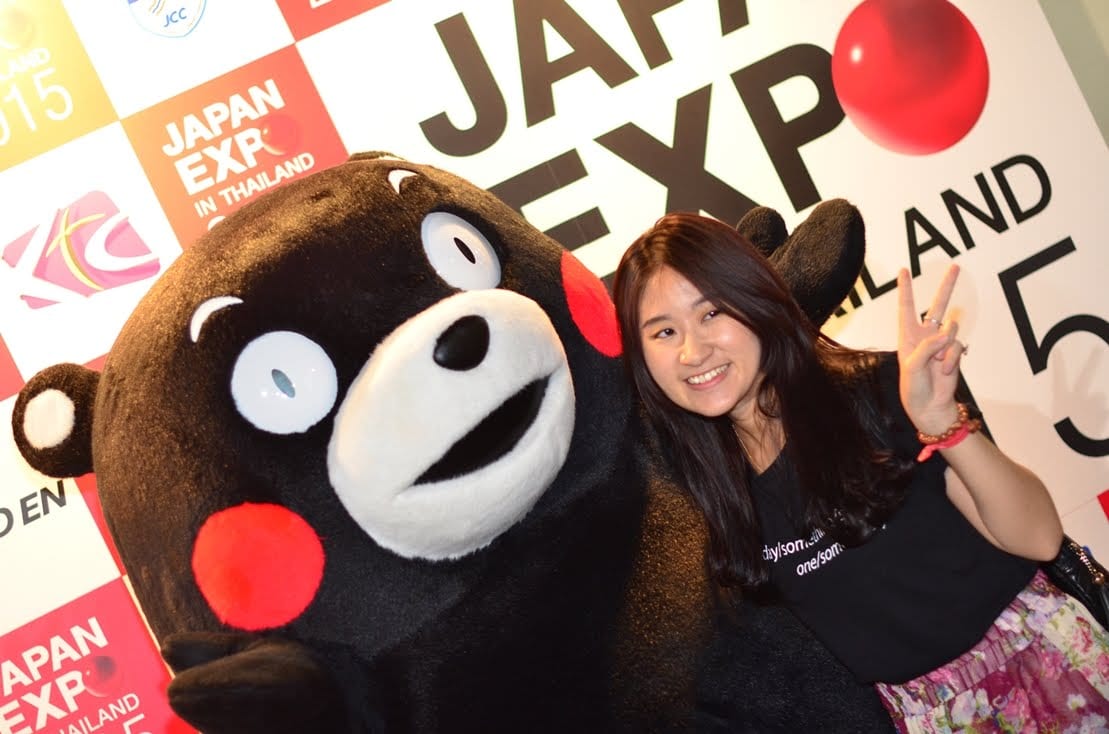
    The first official theme stores of Japanese bear character Kumamon have opened in Thailand’s capital city, Bangkok.

    Kumamon is a mascot created by the government of Kumamoto Prefecture in Japan. It was created in 2010 for a campaign called to draw tourists to the region after the Kyushu Shinkansen line opened. Now it has grown into an internationally-recognised character, especially in Southeast Asia where Japanese and Korean cartoon and animated characters, and fashion trends, are quickly adopted.

    The first Kumamon store opened on the third floor of Siam Paragon shopping centre, at B-Trends in late July. That was followed by a more recent opening at Studio B Trend in the Emporium shopping centre.

    The Thai rights to Kumamon have been acquired by ICC International, who invited Kumamon’s creators to visit Thailand during a recent trade fair.

    ICC says it plans to open more themed stores inside premium department stores in Bangkok and in other Thai provinces.

  • Vietnam retailer plans 8000 c-stores

    Vietnam retailer plans 8000 c-stores

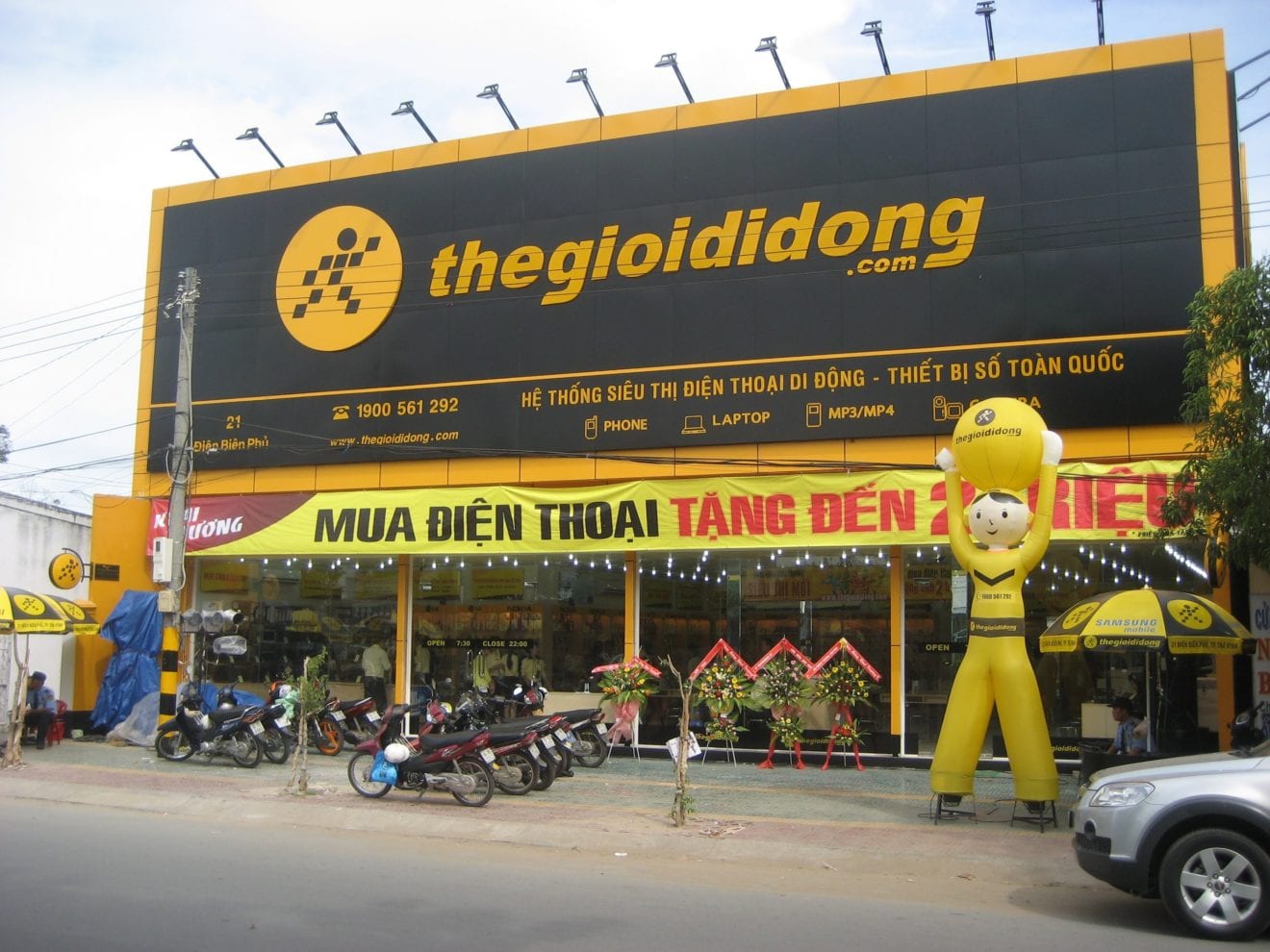
    The Gioi Di Dong, a Vietnam retailer known for its 450-strong chain of bright yellow phone retail stores says it will launch a new convenience store format in October.

    Dang Thanh Phong, a spokesman for the company which is also known as Mobile World Investment Corporation, said the company plans to open between 6000 and 8000 convenience stores by 2020, and take up to15 per cent of convenience food and grocery market.

    Mobile World also currently operates 37 electronic stores known as Dien May Xanh.

    Vietnam’s convenience store sector remains in its infancy despite relatively recent forays by Circle K and FamilyMart. 7-Eleven, the world’s largest c-store operator, recently signed a Vietnam partner in IFB Vietnam, which owns the local Pizza Hut franchise. But 7-Eleven is planning just 1000 stores over the next decade, a fact that tests the credibility of Mobile World’s ambitions.

    The first five new The Gioi Di Dong convenience stores will open in October, with as many as 50 trading by the end of this year according to information obtained by the Saigon Times Online.

    In an initial year-long trial phase, the company will invest up to VND50 billion (US$2.24 million) refining the concept.

    The Gioi Di Dong says its stores will have a footprint of between 150 and 400 sqm depending on their location and will trade from 6am to 9pm – shorter hours than the c-stores of established international brands, some of which trade around the clock.

    A month out from the first opening the chain’s brand name has yet to be chosen.

    CEO Tran Kinh Doanh was quoted on news website Zing.vn says the new store network will target customers of traditional markets and grocery stores.

    While it may lack experience in convenience or food retailing, The Gioi Di Dong has a strong pedigree in retailing: In the first seven months of this year it reported sales of VND12.92 trillion, or US$566.26 million – a year on year increase of 158 per cent.

  • Samsung Electronics unveils ‘future of shopping’

    Samsung Electronics unveils ‘future of shopping’

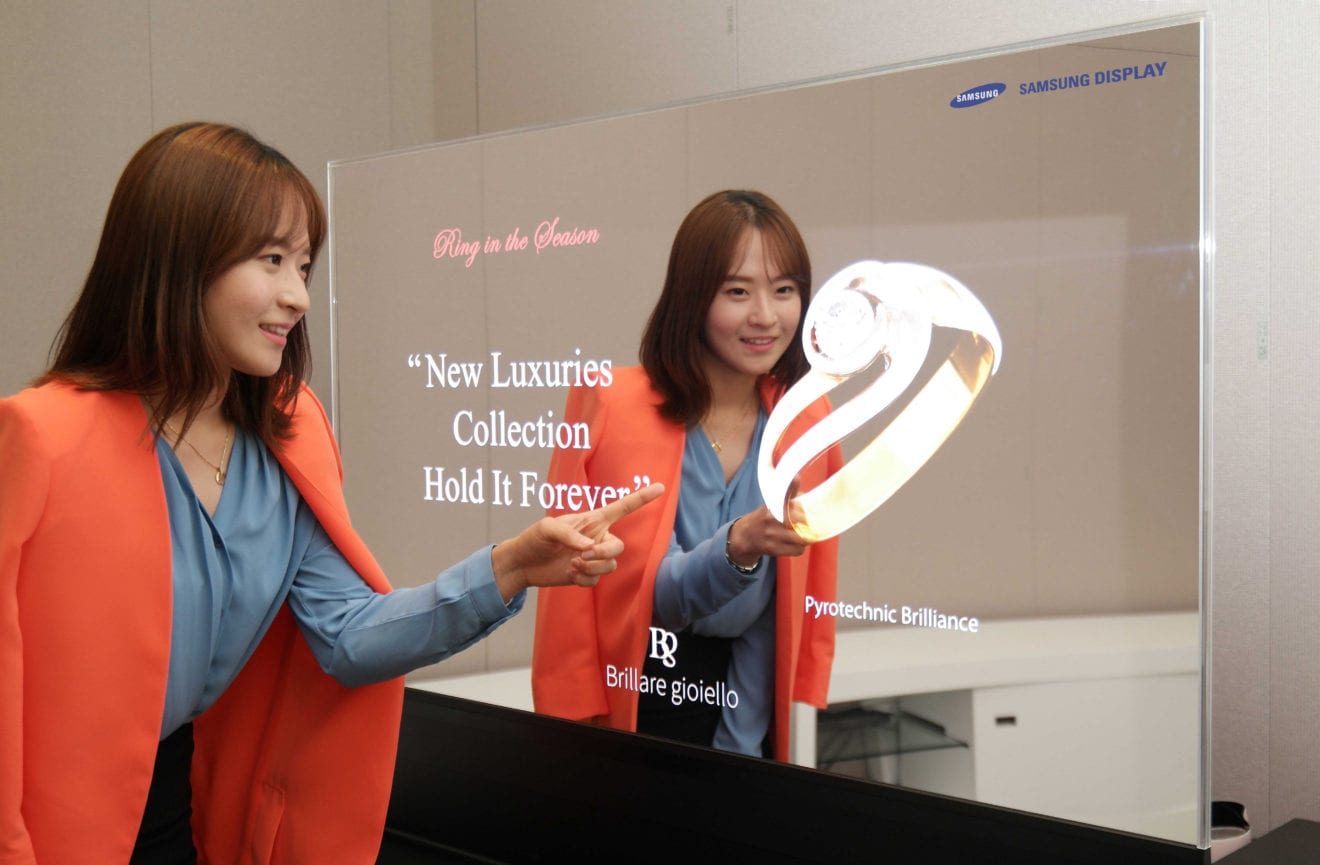
    The future is here. Pause to window shop and read information about the products displayed on the other side of a transparent OLED “window”.

    Try on outfits through virtual reality, and see how they look from all directions.

    Samsung Electronics will reveal new products using smart signage that will realize futuristic smart shopping at the IFA (Internationale Funkausstellung) 2015, in Berlin in a special space set up so visitors can experience ‘smart shopping’ through smart signage solutions such as transparent OLED and smart LED signage.

    Samsung’s transparent OLED will be revealed for the first time at the IFA. It boasts a penetration ratio of 45 per cent, which is the highest in the world, and full HD resolution.Through smart signage embedded with touch functions, virtual fitting solutions that can be used at apparel stores will also be exhibited. Customers can make a model in the screen try on the clothes instead, and see what they would look like through virtual reality. Information related to accessories that match the outfit can be provided for convenience.

    A mirror display that suggests beauty tips and information on makeup according to the user’s schedule, skin type and weather will also be revealed. The most unique part of the mirror display is that it reflects the user just like a mirror through the use of hi-tech reflecting panels.

    In addition, a smart LED signage solution with higher definition will be exhibited. The product has a high resolution with a pixel pitch (that’s the space between pixels) of 1.5mm and 2.5mm. It can be set up indoors, making it possible to be used in the lobbies of shopping malls or large scale displays.

    Samsung is also planning to show various LED signage products. “

    We are planning to suggest ideas of various usages of our signage products at the IFA. By introducing Europe to LED smart signage, we are determined to push into the global digital signage market,” said a spokesman.

  • Pay by watch in Singapore NFC trial

    Pay by watch in Singapore NFC trial

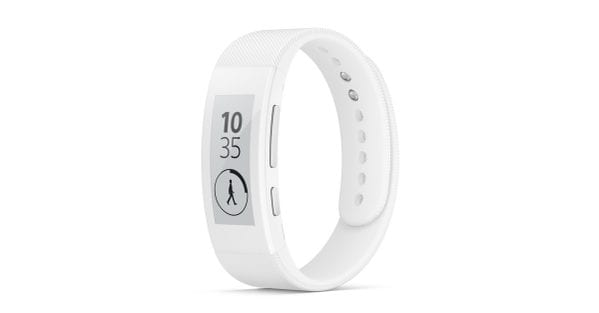
    Sony, Singtel and the Land Transport Authority have teamed up in a Singapore NFC technology trial allowing commuters to ‘pay by watch’ on public transport.

    Commuters wearing Sony SG50 SmartBands with Near Field Communication (NFC) technology will be able to make mobile payments on public transport in the future if the trial goes to plan.

    The trial involves EZ-Link, NETS and TransitLink – and the LTA says it’s part of an on-going effort to leverage technology to bring greater convenience to commuters through new, innovative and convenient ways to pay for travel.

    In addition to public transit, some 200 commuters in the trial will be able to use their SG50 SmartBand at a myriad of retail and merchant outlets including food and beverage outlets and libraries. They can also track their daily activities and sleep quality, and synchronise the measurements into their smartphones via Bluetooth for visual tracking and display.

    LTA CEO Chew Men Leong said the combination of wearable technology that enables faster, easier and more convenient transit transactions, with mobile retail payment services and lifestyle/wellness tracking, is an exciting development for commuters.

    “Insights provided by the trial will help LTA assess the performance of fare transactions using the smart band and gather feedback in assessing the potential use of wearable technology in public transit.”

    Some 200 commuters will participate in the trial which ends on February 29 next year. During the trial, participants will wear the Sony SG50 SmartBand encoded with a digital CEPAS card designed for fast, convenient and reliable contactless payments on public transit.

    The participants will only need to hold up their wrists to the fare card reader on buses and at MRT/LRT stations to pay for their journeys, making the travel experience faster and more convenient. To top-up the stored value in the band, participants simply need to place the band on the card reader of a top-up device, just as they would a transit card. For greater convenience, they can also opt to register for automatic top-up services.

    For greater mobility, participants can establish a Bluetooth connection with the Singtel mWallet app to check their band’s stored value balance and transactions while on the move. In future, the wearable may also be topped up through the app, at a later stage.