Author: Mei Ling Tan

  • Odel to build Mega Mall in 3 years

    Odel to build Mega Mall in 3 years

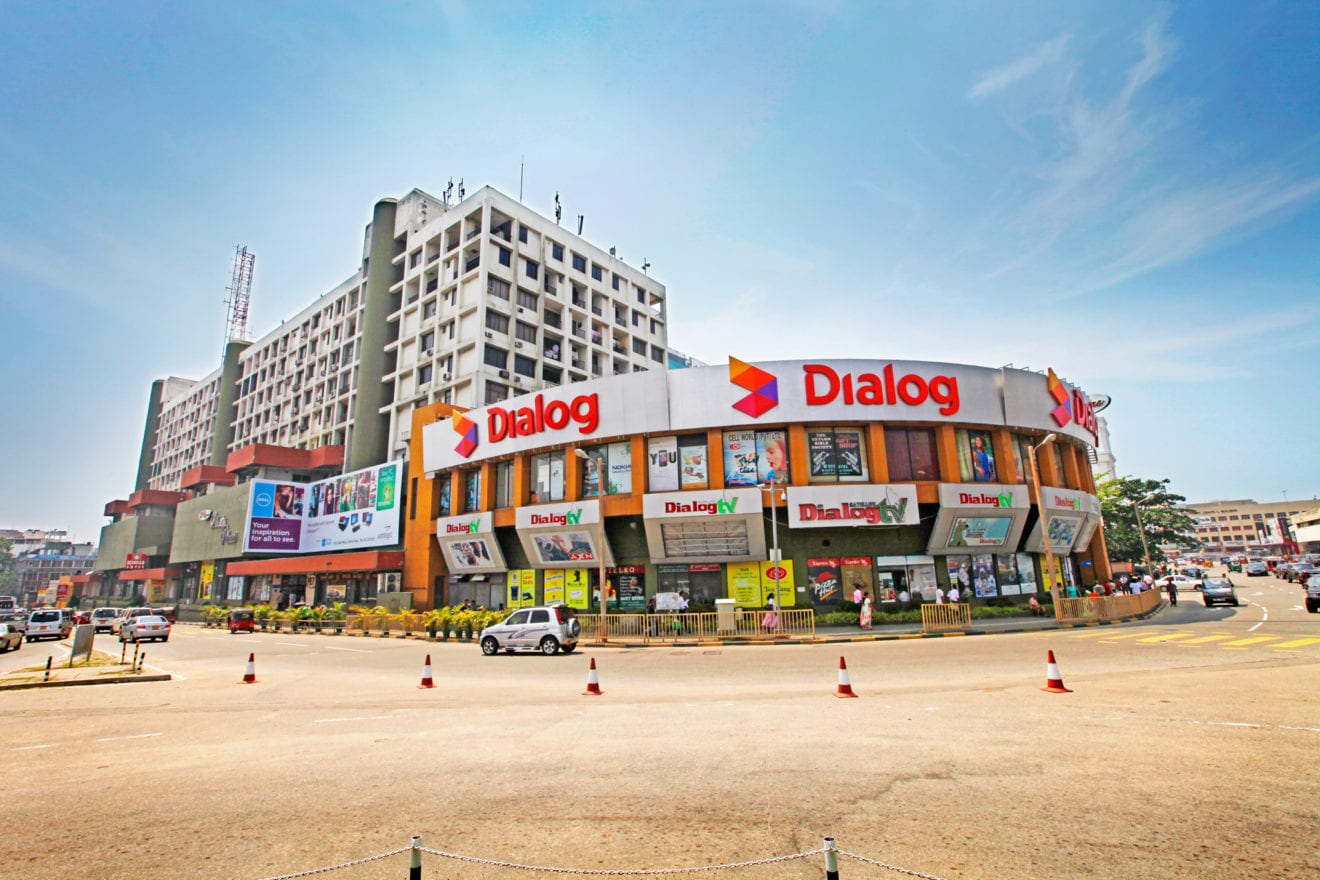
    Sri Lanka’s Odel PLC (Odel) is aiming at upgrading its Ward Place Odel flagship store to improve quality of offerings to customers and plans to build a Mega Mall of 300,000 sq. feet adjoining the Odel flagship store along with car park amenities. Addressing shareholders at the release of the 2014 Annual Report, Chairman of Odel PLC (Odel), Ashok Pathirage said the Mall is projected to be completed within three years.

    “We intend to bring our Softlogic Brands portfolio to Odel. During the year, ‘Mothercare’ has already been promoted inside Odel stores. We continue to develop customer care to enhance and facilitate standards and to bring our retail store floor space to international standards. We will be also launching Bodyshop branded products at Odel in the Q3 of FY2015/2016,” Pathirage said.

    He noted that whilst the company serves customers through 20 stores, their new Business Model aims at smaller outlets and one Big Mall.

    “Thus, we have closed down some of our bigger outlets including Maharagama and Jaela, with other outlets currently under evaluation,” Pathirage said.

    Softlogic Holdings Plc initially acquired nearly a 45% stake in Odel for over Rs.2.7 billion and since then has gradually increased its stake to 93% of issued share capital of the company by acquiring a further 47.46% stake for over Rs.2.8 billion from Parkson Retail Asia Ltd (PRA), the Singapore-listed department store subsidiary of Parkson Holdings Bhd. The total investment in acquisition that was concluded in mid-September 2014 amounted to over Rs.5.5 billion.

    Odel acquired 99.99% of Softlogic Brands Private Ltd on 20th March 2015 for a total consideration of over Rs. 599.99 million from Softlogic Retail Pvt Ltd and Dai Nishi Securities, which are subsidiaries of Softlogic Holdings PLC.

    Analysts have outlined that the retail sales worldwide will reach US $22.492 trillion this year, and that the global retail market will see steady growth over the next few years. In 2018, worldwide retail sales are projected to increase by 5.5% to reach US $ 28.3 trillion.

    “We will continue to invest in the businesses that give us profitable returns and opportunities for capital appreciation over the next 3 – 5 years. Softlogic’s Retail operations have plans to increase island-wide expansion of retail space and our brand acquisitions are backed by careful assessments. Softlogic Retail has ambitious plans to target a total retail space of 335,000sq.ft. in three years,” Chairman Pathirage said.

  • Singapore’s Impressive Food Security

    Singapore’s Impressive Food Security

    In many parts of the world, food security is emerging as a serious threat. Increasing population, land and water constraints, changes in dietary habits with increasing affluence, the impact on global food production of floods and droughts in major food producing areas, falling food exports, and a rising number of importing countries – all are contributing to these uncertainties. The problem is likely to be compounded in the future by climate change.

    In the years to come, food security in most countries will become more complex than ever. For Singapore, among the world’s most open economies and one that is highly dependent on international trade, the situation is likely to be even more complex. The city-state’s volume of external trade is about 3.5 times its annual gross domestic product. A decline in the economies of its major trading partners is therefore likely to have an impact on Singapore’s own economy, including its food security.

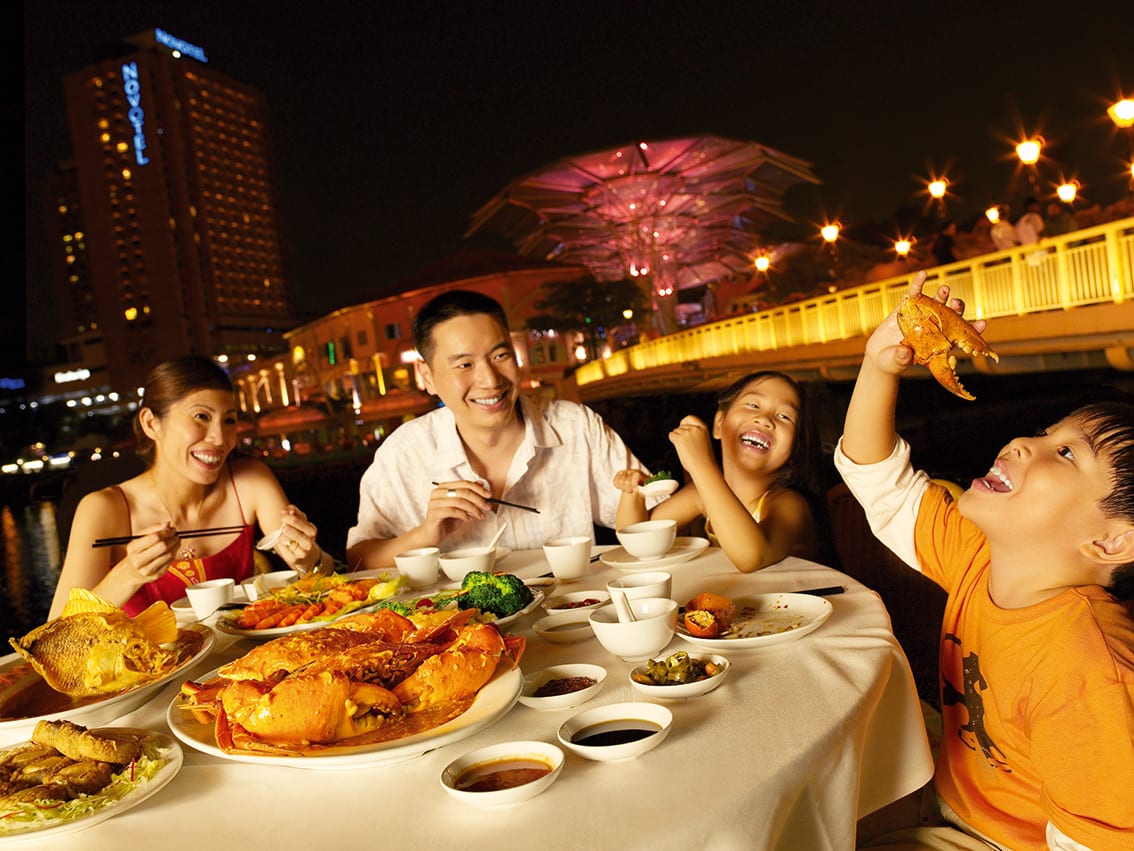
    Economist Intelligence Unit recently ranked Singapore as the second-most food secure country in the world, behind only the United States. The Unit’s Global Food Security Index is based on three factors, affordability, availability, and quality and safety. Singapore ranks 1st, 11th and 13th on these three criteria, respectively. That puts it ahead of major food-producing countries like Malaysia (34), Brazil (36) and Australia (9). This achievement is largely attributable to the Agri-Food and Veterinary Authority (AVA), and comes despite a heavy dependency on food imports. At present, Singapore imports almost 90 percent of its food, and less than 1 percent of its land area is used for agriculture.

    Through its Food Security Roadmap, AVA has diversified sources of food and optimization of local production. These policies, especially those that seek to diversify the source of food imports, are important as they help to spread the risks associated with Singapore’s high levels of food imports.

    The Sino-Singapore food zone established in Jilin Province, China, in 2010, is just one example of food diversification efforts. The Jilin food zone has been designed as a foot-and-mouth disease-free-zone so that it can be an important source of pork. Not without its challenges, it is meant to enhance the city-state’s food security. This will provide further resilience against food supply disruptions.

    AVA has also ensured increased local food production over time through the provision of the Food Fund. Investments in new farming techniques such as hydroponics have contributed to a 30 percent increase in local vegetable production over the past 10 years. By the end of 2014, some 40 percent of local farms had benefited from this Fund.

    Singapore’s net imports for food, beverages and alcohol (clustered in one group) are quite high, at approximately S$15.57 billion ($10.9 billion) in 2014. Some of Singapore’s most important trade partners, like the United States and Australia, place great importance on the city-state’s retail food market. The U.S. sees Singapore as diverse, dynamic, highly developed, extremely competitive, and very strict with its sanitary requirements. Customers in Singapore are considered to be open to a wide range of foreign concept foods, conscious of food safety and health, and aware of sustainable products. However, they are not necessarily willing to pay more for them.

    In 2013, the U.S. exported retail food products to Singapore worth approximately $575 million, making tiny Singapore its 13th largest market. Exports were led by dairy, prepared foods, fresh fruits, and pork products. For Australia, Singapore was its 9th largest market for food, beverage and agribusiness products in 2014, with exports of A$1.1 billion ($760 million) the same year, principally animal fats, dairy products, red meats, sugars and sugar confectionery and pork.

    Direct imports are not the only reason for Singapore’s international relevance. Its location and trading hub status makes it a vital market for exporters. For example, the percentage of imported food that is re-exported to other countries is approximately 20-25 percent.

    Resilience

    From a policy perspective, Singapore has managed to accomplish the difficult task of becoming a food secure country by boosting the resilience of its food supply. Policy alternatives such as diversification of sources, the Food Fund, and facilitating food imports are all important components of a well planned and coordinated strategy. Nonetheless, the next 50 years are likely to be more complex as alternative possibilities depend on external forces and are subject to global change over which the city-state will have no control.

    Globally, increasing resilience has been acknowledged as an effective strategy against fluctuations in supplies. This encompasses partnerships, financing, trade, technology, and research and development, all of which are already part of Singapore’s strategy.

    What else can the city-state do? One alternative is to reduce food waste. Another would be to continue investing in innovative food science and emerging technologies. High-tech, visitor-friendly urban agriculture on the East Coast, or even in very fashionable 50-plus story buildings designed by the nation’s most innovative architects could be very significant options.

    Highly sophisticated greenhouses that control their environments (temperature, carbon dioxide levels, air flow and nutrients) and situated on ships adapted for this purpose could be another alternative. Projects as visionary as the Marina Reservoir (with a catchment that is about one-sixth the size of Singapore’s total land area) or as innovative as Pulau Semakau (the world’s first offshore landfill) for highly intensive agriculture could represent additional possibilities.

    Agricultural investment or contract farming abroad – something that other countries, financial services, life insurance, and pension schemes have done – is a distinct possibility. Stable nations such as Australia, the United States, or Brazil may provide attractive business possibilities.

    Singapore continues to develop its food security strategies, seeking opportunities and addressing risks in an increasingly complex environment. One relevant lesson that other Asian countries could learn from the city-state is the understanding that food security does not mean food self-sufficiency, since no country can be self-sufficient in all food products. National food security depends on both domestic production and imports, and requires effective distribution, in addition to diversification, partnerships, and good long-term planning. These are the reasons why Singapore, which imports most of its food, has become the second-most food secure country in the world.
     

  • Traditional retailers transforming to stay afloat

    Traditional retailers transforming to stay afloat

    The impact of e-commerce on the retail industry in China has meant traditional retailers have been transforming themselves by investing in new sectors, shifting to asset-light business models or exploring the online-to-offline business mode, Shanghai’s China Business News reports.

    It has been forecast that nearly 80% of retail sales growth in Shanghai between 2014 and 2016 will come from the city’s second-tier commercial areas, according to a research report on commercial real estate and shopping centers.

    Beijing, which accounts for 16.66% of the country’s total number of high-net-worth individuals, is considered by retailers to be a market with great growth potential.

    A major factor affecting brands’ considerations in making inroads into a shopping mall is its geographic location. A mall in an area with a low vacancy rate is usually more attractive than that with a high vacancy rate, said Fan Hongjuan, head of retail services at DTZ East China.

    For instance, the vacancy rate in shopping centers in Hangzhou is as low as under 2%, while the rates in Shenyang, Chengdu and Chongqing are more than 10%, Fan added.

    High vacancy rates usually stem from shopping center operators’ incompetence in attracting brands. Brand operators are largely unwilling to set up in shopping centers in remote areas because low business turnover might not offset high rental costs. Even in downtown areas, some shopping centers located in remote parts of the country have been experiencing sluggish business, according to some industry experts.

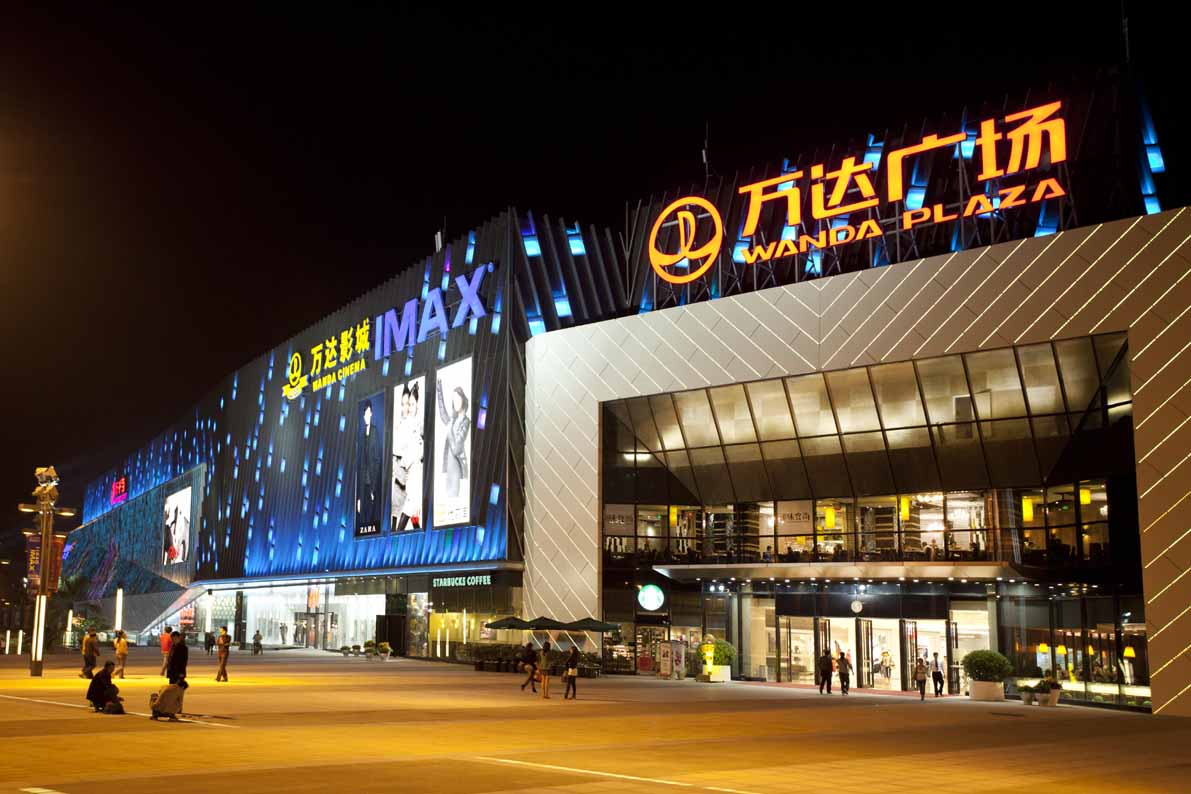
    Under the circumstances, traditional retail business operators are seeking to transform their operating models. Property conglomerate Dalian Wanda Group has devised plans to undergo restructuring of its unprofitable businesses. It has closed a number of its department stores and plans to convert 29 of its 89 karaoke parlors into other types of entertainment outlets, in response to the slump in businesses affected by the country’s slowing economy.

    The business conglomerate has also been engaged in transforming toward an “asset-light” business model in recent years.

    Meanwhile, Beijing Wangfujing Department Store (Group) has been exploring an online-to-offline business mode to cater to consumers born in the 1980s and 1990s, who are expected to be the main force of consumption in the near future, according to the report.

  • Investors switch to Hong Kong office property market amid troubled outlook for retail sector

    Investors switch to Hong Kong office property market amid troubled outlook for retail sector

    Institutional investors are diverting their capital to Hong Kong’s office property market in the wake of a troubled outlook for the retail sector, where yields have been compressed by soaring asset prices.

    Property consultants expect more big-ticket transactions to emerge in the office investment market over the next 12 to 18 months, with investors targeting en-bloc sales.

    John Davies, an executive director of the Hong Kong institutional investment properties team at property consultant CBRE, said interest in office properties was increasing, given that the retail sector was heading for a correction and the mass residential market was under pressure.

    The office sector had become sought after by both investors and end-users because it had offered “stable but steady growth in rental income” since 2010, he said.

    The solid fundamentals of the office sector, including a low vacancy rate and a lack of major new supply from now until 2020, made investors more confident, Davies said.

    “It is quite interesting to see [office demand from] the financial sector in Central has not grown, but the insurance sector, global sourcing firms and engineering consultants doing a lot of regional infrastructure projects have been expanding in decentralised locations in the past decade,” he said.

    For instance, Kowloon Bay was becoming a favourite address among multinational corporations setting up headquarters in Hong Kong.

    There has been chatter in the market that an investor is in talks with Swire Properties to acquire an office project in Kowloon Bay for an estimated US$1 billion. If the deal eventuates, it would be the biggest office transaction in Hong Kong.

    In a stock exchange filing on August 30, Swire revealed it was considering selling its entire interest in a wholly owned subsidiary that holds an office development project in Kowloon Bay.

    Swire won the 46,235 sq ft site in November 2013 in a government tender for HK$2.6 billion, or HK$4,753 per square foot. The project is scheduled for completion in 2017.

    Jonathan Lai, an associate director at Ricacorp Properties, said there was a limited number of quality en-bloc office projects available for sale on the market.

    “Investors are willing to pay a premium for it,” he said.

    Lai said the Kowloon Bay project could prove attractive to real estate funds looking for stable income for three to five years.

    Davies expects more large deals in the next 12 to 18 months.

  • Li Ka-shing’s Moves in China Reveal Good Timing

    Li Ka-shing’s Moves in China Reveal Good Timing

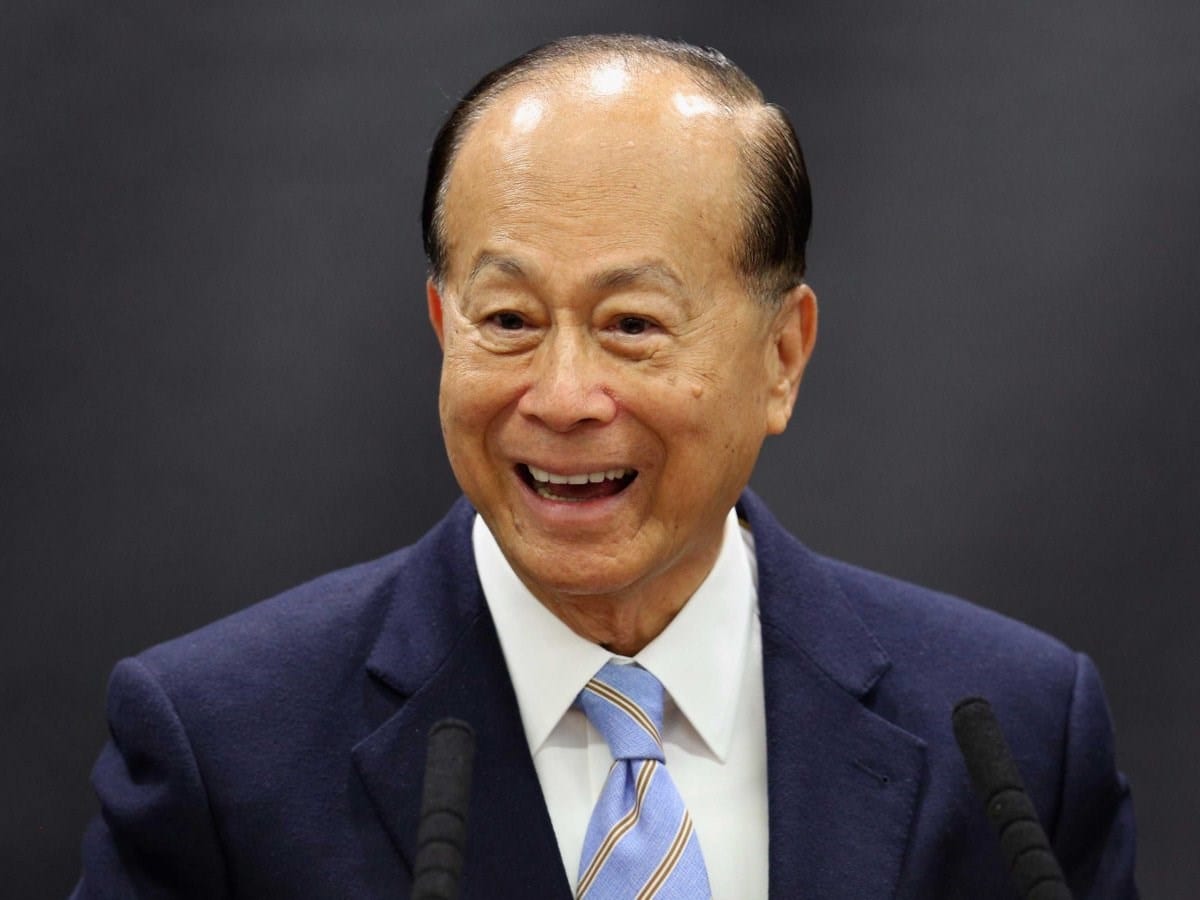
    As investors around the world fret over China’s economic tremors, Hong Kong tycoon Li Ka-shing has less reason to press the panic button: he has been quietly accelerating moves to cut his reliance on the world’s second-largest economy.

    Mr. Li, nicknamed Superman in Hong Kong for the business acumen that made him one of Asia’s richest men, has been trimming his property portfolio in China since 2011. He has also sold off parts of his ports and retail holdings in Hong Kong, which is a conduit for China’s international trade and finance.

    Instead, the 87-year-old tycoon has pivoted his two main conglomerates—Hutchison Whampoa Ltd. and Cheung Kong Holdings Ltd.—toward the old world of Europe. He has spent more than $20 billion in the past 18 months on deals that include buying the U.K.’s second-largest mobile-phone operator, a Dutch drugstore chain and a U.K. train-car maker, as well merging his Italian telecommunications company with a larger rival. Those deals were valued at more than his combined European acquisitions in the previous decade.

    Even before the spree, Europe had overtaken Greater China as the biggest contributor to Hutchison’s operating profit, by a small margin, in 2012. Last year the region accounted for 42% of the total, as Greater China shrunk to 30%.

    In a sign that easy returns from the boom years of China may be over, three people close to Mr. Li’s business say the moves were spurred in part by his belief that he can make more money in Europe—long seen as a collection of plodding economies—than in China, hitherto a magnet for investors because of its rapid growth rates. Company officials have said that the size and scale of investment opportunities in Europe exceed those of Hong Kong, where there is little left for Mr. Li to plow funds into.

    Now, as global markets stumble on concerns over China’s slowing economy, falling stock prices and a sudden devaluation in the Chinese currency, Mr. Li’s moves appear prescient, cementing his status among investors as an oracle. Company insiders and academics who study Mr. Li, however, say that the tycoon was also motivated by a weak euro that made European assets offering steady returns cheaper relative to China.

    “What Mr. Li really excels at is the timing of his selling,” said Woody Wu, an accounting professor at the Chinese University of Hong Kong. “He sells as long as the price is right. He’s a genius when it comes to finance.”

    Mr. Li, who is valued at $24.8 billion by Forbes as of Sept. 5, presides over an empire that is divided roughly into quarters: property, telecommunications, ports and infrastructure as well as retail and energy. Earlier this year, Mr. Li folded his two flagship firms together into CK Hutchison Holdings Ltd. and spun off their property businesses into a separate company, Cheung Kong Property Holdings Ltd. The companies’ combined market value is about $77 billion.

    Both companies outperformed Hong Kong’s benchmark Hang Seng Index, which has fallen nearly 24% since June 12. Shares of CK Hutchison are off 10% over the same period, while the property arm took a 21% hit, showing Mr. Li isn’t immune to any slowdown in China.

    Most of Mr. Li’s property portfolio is in China and nothing thrills Mr. Li like a development deal, according to two people who have worked closely with him. When entertaining clients over bowls of pili nuts at his office on the 70th floor in Hong Kong’s central business district, Mr. Li once pointed to the city’s skyline and boasted that one in eight buildings were made by him, according to a person who has visited him.

    He was among the first foreign developers to enter China after its leader Deng Xiaoping, with whom Mr. Li had close ties, began opening up the nation’s economy. He retained good relationships with subsequent presidents Jiang Zemin and Hu Jintao, although he is seen by China watchers as less close to the current president, Xi Jinping.

    In 2008, Mr. Li surprised observers when he sold a 40-story office tower in the heart of Shanghai’s blossoming financial district to a private investor for 4.9 billion yuan (US$769 million). Three years later, the building fetched a half billion yuan less when it was resold as the market dipped, people familiar with the matter said at the time.

    Mr. Li hasn’t made any significant land acquisitions in China since at least 2012 and has sold off malls and housing developments.

    “It shows [Mr. Li’s companies] are bearish on the market going forward,” said Samuel Hui, a conglomerates analyst at broker CLSA.

    One person close to Mr. Li said he had lost the advantage in know-how for construction that he held in the 1990s in the face of competition from rising Chinese property moguls such as Dalian Wanda Group’s Wang Jianlin, who has replaced Mr. Li as Asia’s richest man.

    Other potential motives attributed by company insiders and academics for Mr. Li’s step back range from the possible souring of his relations with the nation’s power brokers, to the tycoon preparing to hand over the business reins to his eldest son, Victor Li.

    “The more important reason why he’s moving away from China is that his influence there is dissipating,” said Joseph Fan, a finance professor at the Chinese University of Hong Kong who has studied Mr. Li’s career.

    In Hong Kong, where Mr. Li started his empire manufacturing plastic flowers in the 1950s, he has shifted the domicile of his businesses to the Cayman Islands. Last year, he sold a quarter of his Hong Kong retail chain to Singapore sovereign-wealth fund Temasek Holdings Pte. Ltd. Most recently, Qatar’s sovereign-wealth fund bought 16.5% of his electricity assets in the city.

    People close to Mr. Li say he remains in empire-building mode.

    “You still see that energy and strong interest into making deals—megadeals,” said a person familiar with Mr. Li. “I don’t see that he’s tired of doing this.”

  • Qantas adds more flight to Sydney from Hong Kong

    Qantas adds more flight to Sydney from Hong Kong

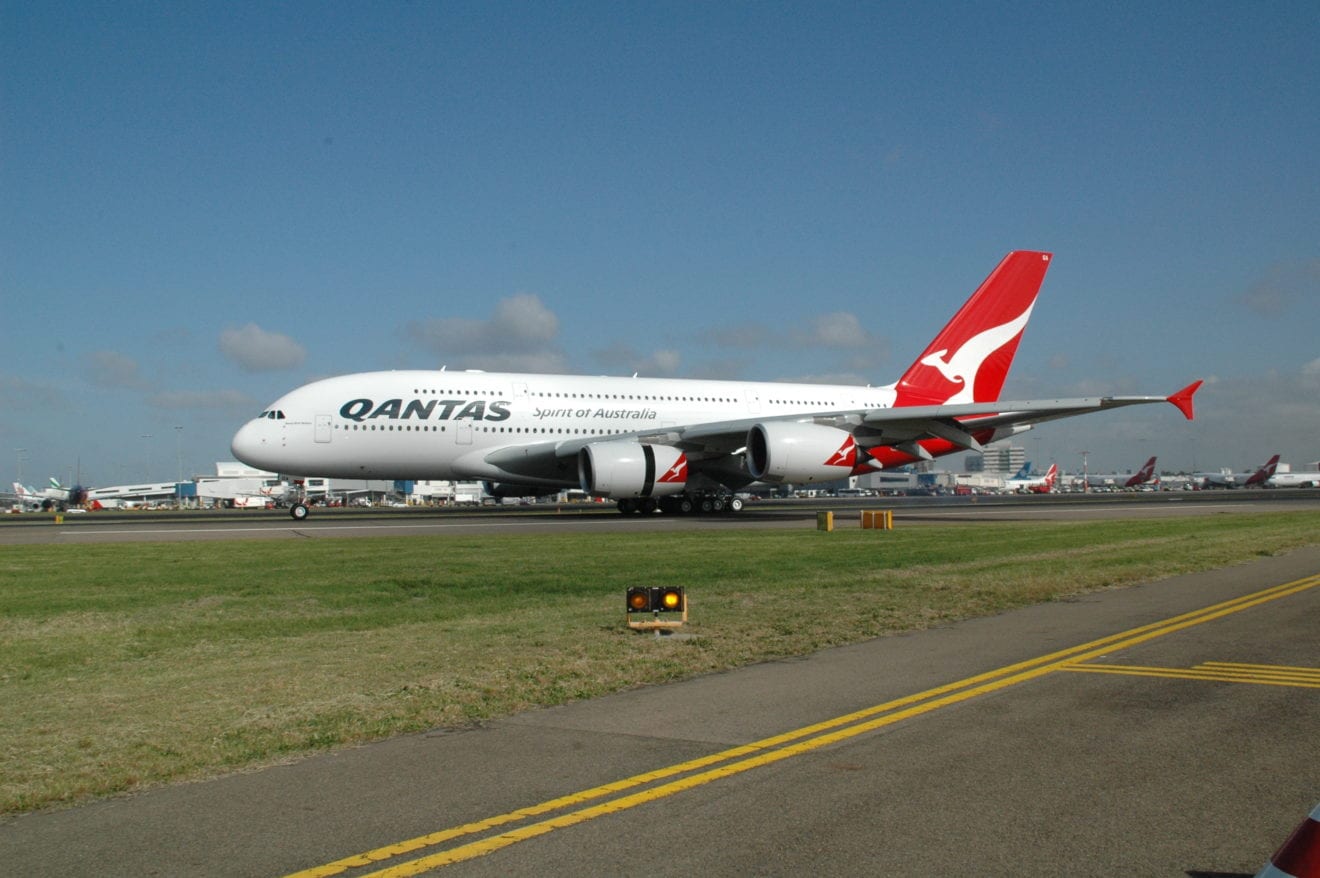
    Qantas will add more flights between Hong Kong and Sydney, Australia as a result of increasing demand from travellers.

    From 26 October 2015*, Qantas will operate an additional four Hong Kong-Sydney services each week, on top of the current daily services available to Sydney, Melbourne and Brisbane.

    Qantas International CEO Gareth Evans said the airline was pleased to offer customers more choice from Hong Kong, on a route that is experiencing strong demand from customers.

    “Customers travelling from Hong Kong will have the choice of double daily flights to Sydney on peak days of the week for business travel and we’ll look at expanding beyond that if the opportunity is available,” said Mr Evans.

    The four new Hong Kong-Sydney services will be operated by Qantas’ refurbished A330 aircraft with lie-flat seats in Business and new Economy seats, the first time customers travelling on this route will experience the airline’s latest international product.^

    The new services have been made possible by Qantas’ continued focus on more efficient use of aircraft across its fleet. It coincides with the airline also today announcing an increase in services from Manila to Sydney from four to five per week between early December 2015 and late March 2016 and follows an additional 140 international services recently announced to operate to Australia from Singapore, Jakarta and New Zealand over the upcoming summer holiday season.

    “We’re pleased to add to the seasonal services we’re set to operate from Asia later this year, with the new services again representing the dynamic nature of our network, which has the flexibility to offer our customers more flights during peak seasons,” said Mr Evans.

    With the new services, Qantas will operate 25 services per week from Hong Kong to Australia, in addition to daily services which operate from Shanghai to Australia. From 21 January to 16 February, Qantas will upgrade its B747 services to daily A380 services between Sydney and Hong Kong. 

    Schedule*

    Flight

    Dep

    Arr

    Days of week

    Aircraft

    QF118 HKG-SYD

    2135

    1000+1

    Monday, Tuesday, Wednesday, Thursday

    A330

    QF117 SYD-HKG

    1315

    1940

    Monday, Wednesday, Thursday

    A330

    1340

    2005

    Tuesday

    A330


    * Flights subject to regulatory approval.

    ^ All aircraft subject to change for operational requirements.

  • Tesco Nears $6B Deal To Sell South Korea Unit

    Tesco Nears $6B Deal To Sell South Korea Unit

    A group led by MBK Partners Ltd., North Asia’s biggest independent buyout firm, is trying to close a deal to buy Tesco Plc’s business in South Korea for about $6 billion, including debt. The acquisition, if completed, would be the country’s biggest private equity deal, Bloomberg reported, citing people familiar with the matter.

    The group, which includes South Korea’s National Pension Service, got exclusive negotiating rights Wednesday to take over Tesco’s Homeplus business. If the deal goes through, it would give the MBK-led group a retail chain that stands second only to market leader E-Mart of the family-run Shinsegae Group Co., through more than 900 stores and over $7 billion in annual revenue.

    The deal would also allow U.K.’s Tesco to pay off its massive debt of 21.7 billion pounds ($33.2 billion). The Bloomberg report added that Tesco is also looking at options to sell its analytics business, Dunnhumby.

    MBK’s consortium reportedly beat a rival consortium led by New York private equity firm KKR & Co. The South Korean business is considered Tesco’s “crown jewel” in Asia, Bloomberg reported, citing estimates from Credit Suisse (SIX:) Group AG.

    The business has a valuation of 4 billion pounds, more than the 1.6 billion-pound valuation of Dunnhumby, a U.K customer science company owned by Tesco. However, Homeplus posted a net loss of 300.1 billion won ($255 million) for the year ending February 28, down from last year’s profits of 463 billion won. Revenues for the company also reportedly shrank to 8.6 trillion won, down 4 percent, due to weak household spending. Homeplus reportedly had a market share of 25 percent, behind E-Mart’s 29 percent.

    Tesco posted a loss of 6.4 billion pounds ($9.56 billion) in April, the biggest-ever in its 96-year history. The Bloomberg report added that the company’s chief executive Dave Lewis is trying to revive sales for the company’s market-leading grocery business, which is facing a severe price war due to the expansion of German discount retailers Aldi and Lidl.

    The retailer entered South Korea in 1999 through a joint venture with Samsung (KS:) Group in which Tesco held an 81 percent stake initially, Bloomberg reported. It came in with an investment of 130 million pounds and slowly bought out Samsung’s stake.

    Tesco’s shares have fallen close to 20 percent in the past one year while London’s benchmark has seen a decline of nearly 11 percent in the same period. On Wednesday, the stock was up 0.11 percent in mid-morning trade.

  • Intel announces availability of 6th Gen Intel Core processor in Singapore

    Intel announces availability of 6th Gen Intel Core processor in Singapore

    Intel Singapore has announced the local retail availability of its new 6th Gen Intel Core processor brought to market in partnership with PC manufacturers, including Singapore-based Aftershock PC.

    Co-founded in 2012 by two Singaporean brothers, Aftershock PC is one of the fastest growing gaming PC makers in Asia, and will be introducing new devices powered by the 6th generation Intel Core processors. Customers will immediately be able to experience and purchase Aftershock PC’s latest line-up of desktop and laptop gaming PCs at the IT fair COMEX this weekend, taking place between September 3 and September 6, 2015.

    In gaming, even a split second of lag may mean the difference between winning and losing a match. The 6th Gen Intel Core processor feature capabilities that smoothen gameplay and help gamers sharpen their competitive edge.

    Compared to a 5 year old PC1, the 6th generation Intel Core processor offers up to 2.5x faster performance; up to 30x graphics improvement; up to 3x longer battery life; and is optimized for Windows 10.

    The new Aftershock PC range of gaming powerhouses kicks the gears up a notch by combining the unbridled power of the 6th generation Intel Core processors with other high-end components, including NVIDIA’s latest discrete graphics cards with support for G-SYNC display technology, speedy solid state drives (SSDs), premium full HD displays, and blazing fast Intel Dual Band Wireless-AC 7265.

    “The new 6th generation Intel Core CPUs will enable our machines to not only run fast and cool, but with great battery performance. We are very excited to see the consumer response to our new line-up,” said Marcus Wee, Managing Director, Aftershock PC.

    Sumner Lemon, Country Manager, Intel Malaysia and Singapore, said, “Intel’s collaborations and deep engagement with local PC makers, such as Aftershock PC, help us to bring exciting products to market. We look forward to working more closely with Aftershock PC to empower them for further growth and success with our best-in-class processors.”

  • China is buying about one-fifth of the world’s Apple Watches

    China is buying about one-fifth of the world’s Apple Watches

    Demand from China has helped drive the massive success of the iPhones 6, but will it do the same for the Apple Watch? The early numbers look a bit muted, though still promising.

    Since the device’s release in May, research firm RedTech Advisors/TalkingData estimates that over 1 million of the watches have been sold in China. Sales for the three-month period ending in June topped out at over 626,000, which the company calculates to equal 22% of estimated global sales of 2.8 million devices.

    That’s lower than China’s overall contribution to Apple’s revenues. While the company doesn’t disclose disclose iPhone sales by region, last quarter Apple generated 26% of its revenues from China, driven by sales of its smartphone.

    Growth of the Apple Watch is slowing in China, and sales aren’t expected to increase until November, when China’s e-commerce companies launch their Cyber Monday-esque Single’s Day deals, and then later through Chinese New Year in February.

    RedTech said the uptake for the Apple Watch in China has been slower than other Apple products, but attributes this to a lack of supply rather than demand. The company estimates that 30% of activated Apple watches in China came from “grey market” third-party vendors during the product’s release, but as supply increased, grey-market sales plummeted to 13%. Right now, the firm calculates that 40% of Apple Watch sales are coming from official Apple Stores, another 28% come from its official Chinese online store, and the remainder from third-party vendors, gifts, and overseas vendors.

    Apple is aggressively expanding its retail presence in China, and plans to double its number of retail outlets in China by 2016 to 40.

    It may be difficult determine whether the Apple Watch has been a success for some time, either in China or globally. Smart wristbands, unlike phones, are a relatively new type of hardware. IDC estimates that Apple globally has 19% of wearable market share, a remarkable feat given that Apple’s watch has only been available for just over a three month period.

    But one Apple supplier from Taiwan complained that orders for watch components were lower than anticipated, which suggests Apple had even higher expectations.

  • Hong Kong home prices could begin falling next year, says JP Morgan

    Hong Kong home prices could begin falling next year, says JP Morgan

    Hong Kong home prices could fall by 5 per cent to 10 per cent over the next three years, according to JP Morgan, which warned of the risks of an economic slowdown in the city.

    A slowdown marked by falling retail sales and a softening mainland economy would adversely affect home purchasing power and buying desire, said  Cusson Leung, head of conglomerates and property research at JP Morgan.

    Leung told a press briefing on Friday there were a number of factors that could affect the performance of Hong Kong property market, such as credit leverage and capital flow, while adding that he did not see any immediate risk of over-leveraging of real estate or capital outflow.

    The unemployment rate is expected to rise

    However, he raised concerns over a potential slowdown of the city’s economy, linked to the risk of further decline in the mainland China economy.

    “Retail sales are declining and international brands are talking about network consolidation in Hong Kong,” he said. “The unemployment rate is expected to rise.”

    Leung said the impact of the negative factors would become more obvious early next year. “2016 will be a more difficult year when compared with 2015. Home prices could see a decline,” he said.

    While saying that JP Morgan had not yet reached a house view on the degree of home price falls, he said it was possible prices could drop by 5 per cent to 10 per cent a year over the next three years, starting from next year.

    Hong Kong home prices rose 13.5 per cent last year and 8 per cent in the first half of this year, according to the data from the Rating and Valuation Department.

    Leung said home prices were unlikely to see a sharp plunge of 30 per cent in a year unless a crisis or really bad unexpected news hit the market.

    Residential transactions in Hong Kong last month plunged 27.8 per cent month on month to 3,896, according to Land Registry data released on Wednesday, prompting some analysts to predict a modest decline in home prices in the second half of this year. Alva To, senior managing director of real estate services firm DTZ/Cushman & Wakefield, predicted home prices could see a decline of 5 per cent to 10 per cent from current levels this year.

    Leung, however, expects prices to remain stable this year, but begin falling next year.

    Centaline Property Agency said its secondary home price index hit a record high of 146.78 yesterday, up 0.91 per cent week on week.

    The decline in property transactions in the past two months was more related to a slowdown in project releases than the wealth effect from the stock market crash, Leung said.

    His comments came a day after Sun Hung Kai Properties sold out all 328 flats at phase two of its Century Link development in Tung Chung.

  • Chang Beer producer says ‘cheers’ to Manhattan

    Chang Beer producer says ‘cheers’ to Manhattan

    Asian beverage producer ThaiBev has now completed a multi-site implementation of Manhattan Associates’ warehouse management technology, as it looks to improve service levels and fulfil orders more profitably.

    Using the vendor’s Warehouse Management Solution (WMS), the Chang Beer producer is aiming to grow its business and expand its reach across its local market of Thailand and into new territories, while it also hopes to benefit from better inventory management and improved stock visibility.

    The project was delivered by a joint team from Manhattan and ThaiBev’s distributor arm Thai Beverage Logistics, as well as IT infrastructure and managed services partner TCC Technology (TCCT). The Manhattan solution, which has been embedded into ThaiBev’s existing SAP ERP system, is hosted at TCCT’s data centre.

    ThaiBev is working towards its “2020 Vision”, which is centred on the development of five core principals: growth, diversity, brand, reach and professionalism. Its latest investment in technology has been made with these business goals in mind.

    Kosit Suksingha, senior vice president at ThaiBev, commented: “In Thailand alone, Thai Beverage Logistics operates a supply network comprising three regional DCs and a series of provincial warehouses.

    “With Manhattan’s WMS technology and with TCCT’s complementary hosting infrastructure, we have improved product availability for our trade customers and are now able to fulfil customer orders within 24 hours of receiving the order.”

    He added that the technology is driving top-line sales growth and helping to improve the organisation’s operating margins.

    Manhattan has recently announced supply chain partnerships with baby and maternity products retailer Mothercare and fashion house Paul Smith, with both companies looking to improve their stock visibility and behind-the-scenes systems.


  • Erajaya announces joint ventures in Singapore and Malaysia

    Erajaya announces joint ventures in Singapore and Malaysia

    Indonesia-based distributor and retailer Erajaya Group has announced joint ventures in both Singapore and Malaysia. Erajaya has formed a joint venture with Alphabright to set up Era International Network in Singapore. The company has also teamed up with Malaysian citizen Li Chau Ging to form Era International Network in Malaysia. The moves form part of Erajaya’s plan to expand its distribution and retail footprint in both countries.

    Alphabright, which was established a year ago, is the sole distributor of ZTE mobile phones in Singapore. Erajaya will hold a 70% stake in Era International Network in Singapore, with Alphabright controlling the remaining 30%.

    Erajaya will hold a 95% stake in Era International Network in Malaysia, with Li Chau Ging controlling the remaining 5%. The new venture in Malaysia builds on Erajaya’s purchase of a 60% stake in CG Computers in 2014 – a business that included Apple reseller Switch. Li Chau Ging is an existing business partner for Erajaya in Malaysia due to the company’s prior investment in CG Computers.

  • BlackBerry Passport Silver Edition Now Available in Hong Kong

    BlackBerry Passport Silver Edition Now Available in Hong Kong

    BlackBerry Limited on September 2 announced the beginning of sales of the BlackBerry Passport Silver Edition in Hong Kong. From last week (September 2nd, 2015), customers in Hong Kong are able to purchase the new BlackBerry Passport Silver Edition, a premium device built for business professionals who want a smartphone with the mobile tools they need to get things done – without sacrificing style or portability.

    The BlackBerry Passport Silver Edition is in a class all its own, featuring a stunning silver finish with refined, curved corners, large square touch screen display and reinforced stainless steel frame for extra strength and durability. An essential business tool, the device delivers the same productivity enjoyed by other BlackBerry Passport products, as well as an updated QWERTY touch-enabled keyboard, battery power that lasts more than a full day of mixed use, and BlackBerry 10 OS 10.3.2, according to BlackBerry.

    “The new BlackBerry Passport Silver Edition combines cutting-edge technology with purposeful, globally recognized design,” said Gallant Leon, Managing Director, North Asia at BlackBerry. “It brings together BlackBerry’s latest OS platform, enhanced productivity features, and a refined industrial design based on customer and user feedback to deliver an unmatched experience for professionals who value precision and focus.”

    Inspired by actual passports, the universal symbol of mobility, the size and form factor of BlackBerry Passport Silver Edition is portable enough to easily tuck into pockets and use wherever you go. Key features of the device include:

    Large High-Resolution Square Screen –The BlackBerry Passport includes a 4.5” square screen, 1440×1440 pixel (453 dpi) HD display and Corning Gorilla Glass 3 for added strength.

    Innovative BlackBerry Keyboard – The BlackBerry Passport’s revolutionary keyboard brings innovation to input with a responsive touch surface like a trackpad that lets you perform many touch functions directly on the keyboard. Scroll web pages, flick to type or slide along the keys to move the cursor, leaving the full screen space for viewing.

    BlackBerry 10 OS 10.3.2 – The BlackBerry Passport comes preloaded with the new BlackBerry 10.3.2 operating system, including features such as BlackBerry Assistant and Amazon Appstore.

    Best-in-Class Battery Life – The 3450 mAh battery is the largest among the top selling smartphones and phablets and, when tested against a very active user, provides up to 30 hours of mixed use – BlackBerry’s  best battery power to date.

    Dual app storefronts preloaded for access to a huge selection of apps for work and play:

    BlackBerry World – BlackBerry World offers essential business and productivity apps for professionals looking to drive efficient communications and collaboration including Box, Evernote, Cisco WebEx Meetings and Documents to Go.

    Amazon Appstore – Discover and download popular Android apps and games through the Amazon Appstore including Candy Crush Saga, Pinterest, SoundCloud, Kindle and Amazon Shopping.

    BlackBerry Assistant – The BlackBerry Assistant is BlackBerry’s first digital assistant and can be used with voice and text commands to help users manage work and personal email, contacts, calendar and other native BlackBerry 10 applications. BlackBerry Assistant intelligently determines how to respond based on how the user interacts with it – if you type, it responds silently, if you speak, it speaks back and if you activate over Bluetooth, it speaks back with additional context because it assumes you might not have access to the screen.

    BlackBerry Blend – BlackBerry Blend 1.2 brings a new refreshed UI and additional functionality and is now available for all BlackBerry 10 smartphones. BlackBerry Blend brings messaging and content on your BlackBerry smartphone to your computer or tablet. Get instant message notifications, read and respond to your work and personal email, BBM and text messages, and access your documents, calendar, contacts and media in real time on whatever device you are on, powered by your BlackBerry.  BlackBerry Blend works across multiple operating systems including Mac, Windows, iOS and Android.

    Premium Components – The device is built for the most demanding user with durable materials mixed with top-of-the-line technology, including a Quad Core 2.2 GHZ Processor, 3 GB RAM, 13 MP OIS rear camera and 32 GB memory expandable with a Micro SD card up to 128 GB.

    BlackBerry Natural Sound – BlackBerry Passport comes with powerful speakers and a quad microphone system that delivers a high-quality listening experience. BlackBerry Natural Sound Technology is built in to adapt Wi-Fi and cellular call sound depending upon phone position and background noise, automatically adjusting volume so you don’t have to.

    The BlackBerry Passport Silver Edition is available from September 2nd 2015, through Broadway Photo Supply Ltd, Fortress, Hong Kong Suning, Chung Yuen Electrical Co., Ltd and other authorized retailers; and through operator partners 3 Hong Kong and SmarTone Mobile Communications Limited, at a recommended retail price of HK$5,388.

  • Chow Tai Fook changes strategies to tackle tough market

    Chow Tai Fook changes strategies to tackle tough market

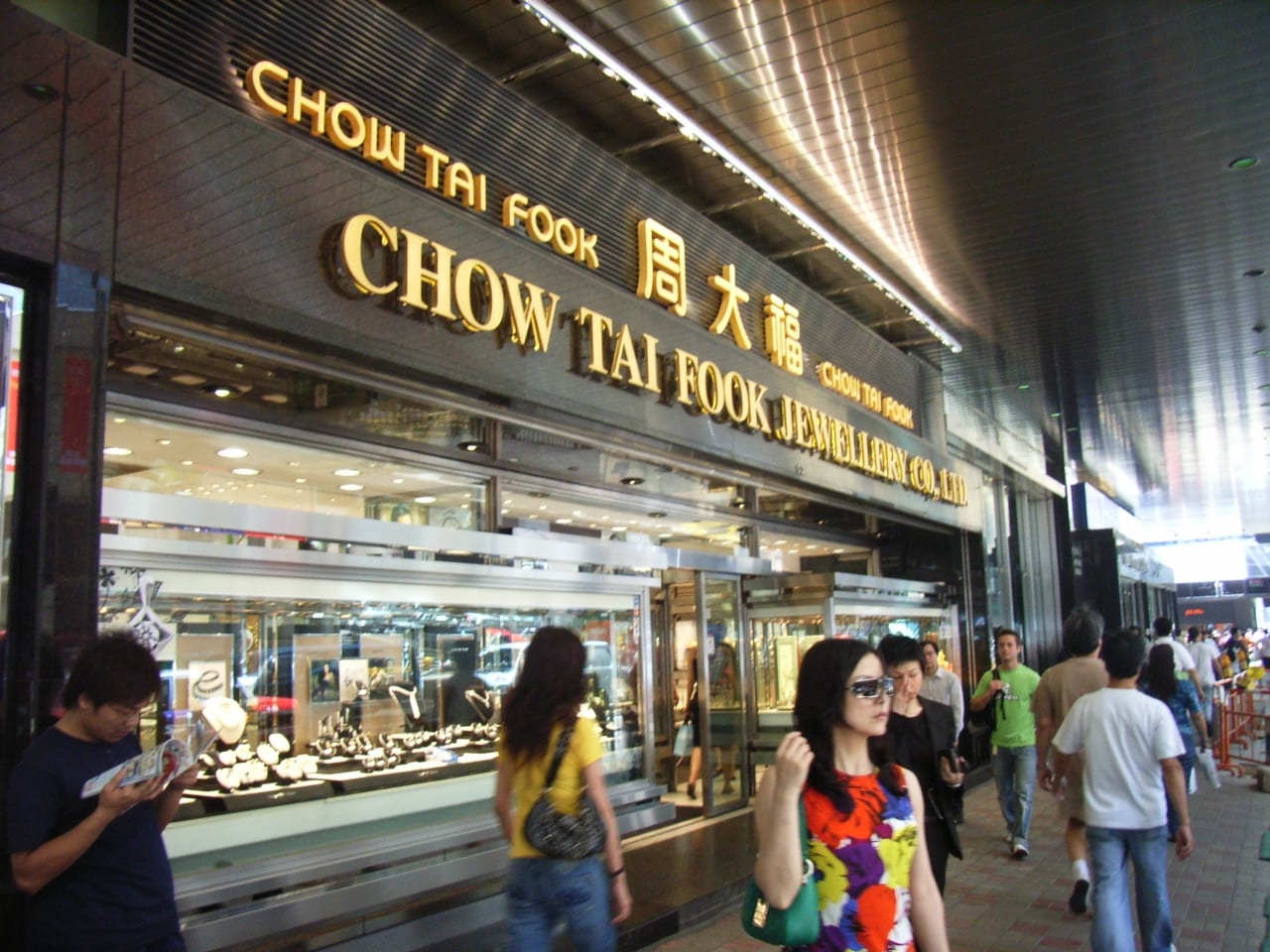
    Chow Tai Fook Jewellery Group is renegotiating store rents and consolidating its retail network in order to manage rental costs, chairman Henry Cheng Kar-shun said on Thursday.

    Amid a downturn in the city’s retail landscape, the largest Hong Kong-listed jeweller in terms of market capitalisation had also shifted focus to smaller-priced items to attract customers, Cheng said.

    Business is getting tougher for retailers, with sales in July dropping 2.8 per cent from a year earlier to HK$37.6 billion, following a 0.4 per cent fall in June. The drop in July was the biggest since March’s decline of 2.9 per cent.

    Sales of jewellery, watches, clocks and gifts all recorded a smaller decrease of 5 per cent, after four months of double-digit falls.

    “There are a number of external factors that are out of our control, such as the macroeconomic conditions, the central government’s policies and the devaluation of China’s currency,” Cheng said. “What we can do is do our best to operate the business well.

    “While we are still making profits in all of our [Hong Kong] stores, we may consider cutting some to maximise profits. For example, if we have three shops on one street, we may opt for two in order to cut costs.”

    Facing a sluggish retail market, commercial landlords are now willing to set more realistic prices and reduce rents.

    Cheng said the company was renegotiating with landlords to lower rents and the extent of rent cuts would depend on the business performance of the store concerned, said Cheng, suggesting the average cut could be between 20 and 30 per cent.

    Chow Tai Fook in June reported net profit for the year ended March fell about 25 per cent to HK$5.46 billion from the previous year.

    Revenue dropped 17 per cent to HK$64.28 billion.

    The average selling price of gem-set jewellery fell 12.7 per cent and that of gold products declined 1.2 per cent.

    The company extended its e-commerce network to strengthen its capability to reach more online customers, particularly the younger generation, said Cheng, adding the online division was making profits.

    He was speaking at an event to mark the company’s unveiling of a diamond piece centred on a 24 D-colour internally flawless diamonds cut from a 507.55 carat rough diamond, known as the Cullinan Heritage, that Chow Tai Fook acquired for HK$275 million in 2010.

  • HSBC to rebrand Britsh retail operation as HSBC UK..

    HSBC to rebrand Britsh retail operation as HSBC UK..

    The bank, which is based in Britain and has operations in 73 countries, announced in June that it would rebrand its UK business – and fuelled speculation it could potentially sell them off – as a result of the rules that require high street banking to be ringfenced from investment banking.

    HSBC announces today that the name of its UK ring-fenced bank will be HSBC UK.

    It was not immediately clear whether the red and white logo that HSBC uses across its global operations, and which features on airbridges at Heathrow airport, will remain part of its UK facias.

    “Adding “UK” [will] distinguish the ring-fenced bank from the non-ring-fenced bank”, it helpfully pointed out.

    The famous old Midland Bank name will NOT be revived on the high street after finance giant HSBC decided against restoring the brand.

    Feedback indicated that the HSBC brand represents strength and connectivity, supporting the domestic and global ambitions of our customers.

    The news comes just days after HSBC became the latest UK bank to be affected by a processing error which temporarily affected payments to customers.

    However, a person close to the bank said the decision about the branding of its ring-fenced operation should not lead investors to draw conclusions about the outcome of the domicile review.

    But in a statement this morning, HSBC said that after a “consultation process with retail, private and commercial banking customers, as well as customer-facing staff” (we wonder how much that cost), it had chose to opt for HSBC UK.

    But the business was bought by HSBC in 1992 and branches were re-named in 1999.

    It has been hit by the banking levy introduced since the financial crisis – seen as a key reason why HSBC is considering relocating away from London and possibly back to Hong Kong where it originated.

    While HSBC’s bill from the Bank Levy will reduce over time, the impact on its overall tax burden remains unclear because of a new Corporation Tax surcharge that the Chancellor has also chose to implement on banks which make profits of more than £25m.