Author: Mei Ling Tan

  • Kase targets journey retail sector

    Kase targets journey retail sector

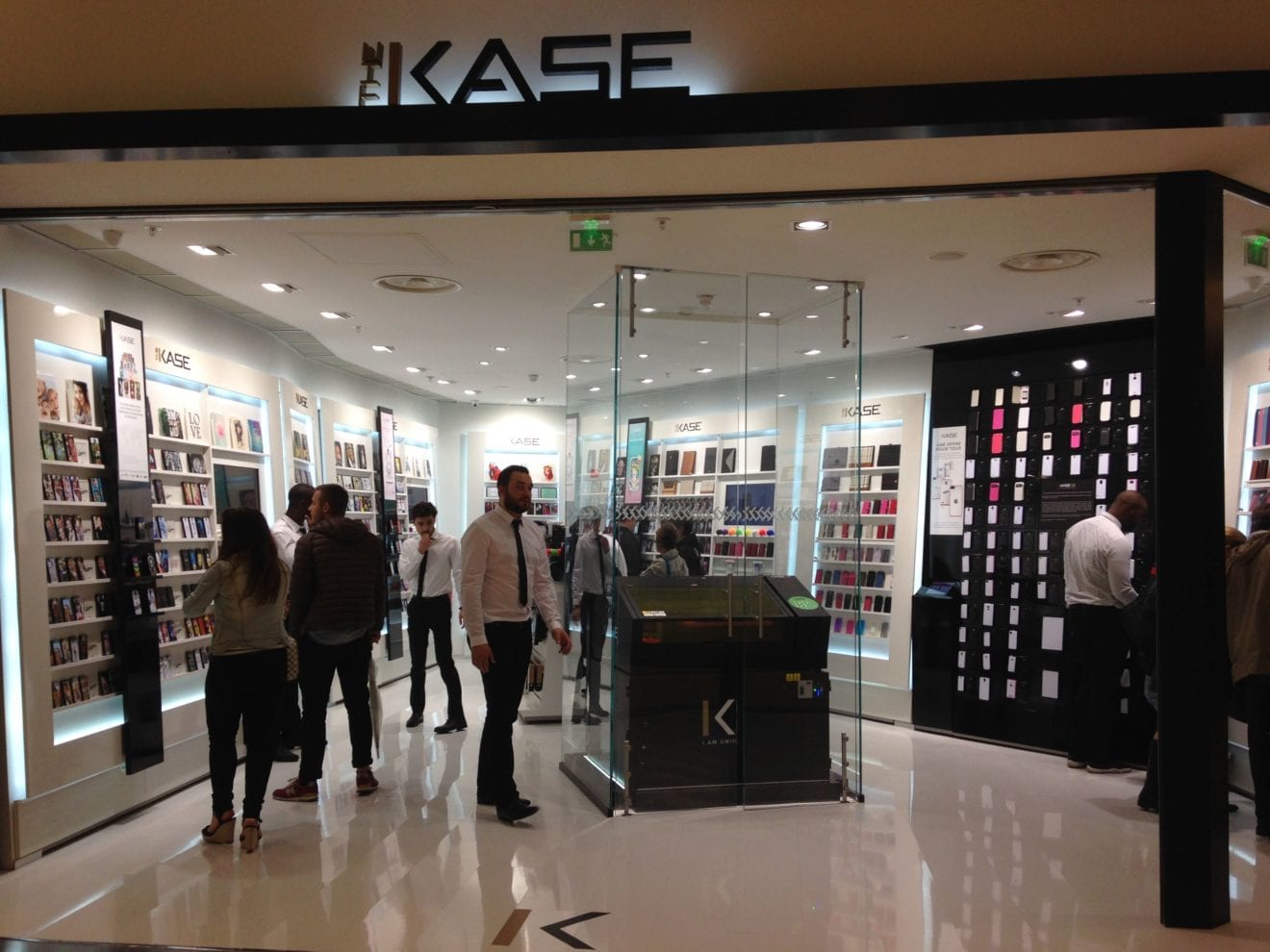
    Cell phone case idea Kase is about to broaden its journey retail presence after the early success of its first airport retailer within the Philippines.

    Kase opened a retailer in Manila’s Ninoy Aquino Worldwide Airport in February in partnership with Regent Distributors. It contains a broad vary of instances for smartphones and tablets – a excessive margin retail enterprise which has already confirmed widespread in non-travel places in 150 markets together with Singapore, Hong Kong, India, the US, Germany and France.

    The corporate says its first airport retailer, simply 33sqm, is attaining gross sales at ranges “completely past all expectations”.

    A key level of distinction making Kase so common is the customisation out there in-store. Buyers can take their telephones in, and utilizing an iPad select from hundreds of various designs and modify them to go well with their private preferences earlier than having the case printed inside eight minutes in-store. They will even present their very own designs – uploadable by way of the shop’s WiFi.

    Kase believes the idea is right for journey retail, requiring area as small as 15 sqm in a shop-in-shop, 22 sqm for a pop up store or between 30 sqm and 60 sqm for a standalone boutique.

    Says Kase cofounder Steve Rosenblum: “The Kase gives travel-retail an incredible alternative to capitalise on a market in fixed enlargement. It’s estimated that in 2016 1 billion smartphones and 400 million tablets can be bought – double the variety of 2012. As well as, the marketplace for equipment is rising equally quickly, up 80 per cent in 2012 and anticipated to point out 120 per cent progress subsequent yr, representing an enormous US$50 billion. More and more, covers for these things are being thought-about a style accent in their very own proper.”

    Rosenblum says Kase has signed up a grasp franchisee in Indonesia and others in South Africa, Center East and Europe.

  • China win for McArthur Glen Designer Retailers

    China win for McArthur Glen Designer Retailers

    McArthurGlen Designer Retailers has been awarded the ‘Greatest Abroad Purchasing Centre of the Yr’ award by China’s main journey commerce publication Journey Weekly China.

    McArthurGlen was nominated by a panel of professional journey business judges in March alongside Stylish Outlet Buying and Premium Retailers. The ultimate determination was then voted for by the readers of Journey Weekly China and its website.

    McArthurGlen says the award is testomony to the work that Amie Chang and the McArthurGlen China group have been doing which has seen document tax-free gross sales figures throughout the 20 centres from Chinese language buyers in 2014. In 2015, China has now turn into the most important supply of worldwide spenders at McArthurGlen Designer Retailers.

    McArthurGlen Group, the European proprietor, developer and supervisor of designer retailers, was based in Europe by Kaempfer Companions in 1993. The pioneer of designer outlet retailing within the area, McArthurGlen has since developed almost 600,000 sqm of outlet area, with a present worth of over euros 5 billion (US$5.9 billion). The corporate manages 20 McArthurGlen Designer Retailers throughout eight nations: Austria, Belgium, France, Germany, Greece, Italy, the Netherlands and the UK. The centres are house to probably the most sought-after luxurious and premium manufacturers, and supply fashion-savvy clients year-round financial savings of 30-70 per cent in vibrant and classy buying environments.

    In 2013, the Kaempfer Companions bought a 50 per cent curiosity in McArthurGlen to the Simon Property Group, the world’s largest retail property proprietor.

    McArthurGlen is because of open a brand new outlet mall at Vancouver Airport in spring 2015. Different new centres in planning are in Provence (Marseille), Ghent (between the Belgian cities of Brussels and Bruges), Remscheid (close to the German metropolis of Cologne and east of Düsseldorf), Málaga (southern Spain) and two new centres in Istanbul.

  • Marimekko Singapore opens first retailer

    Marimekko Singapore opens first retailer

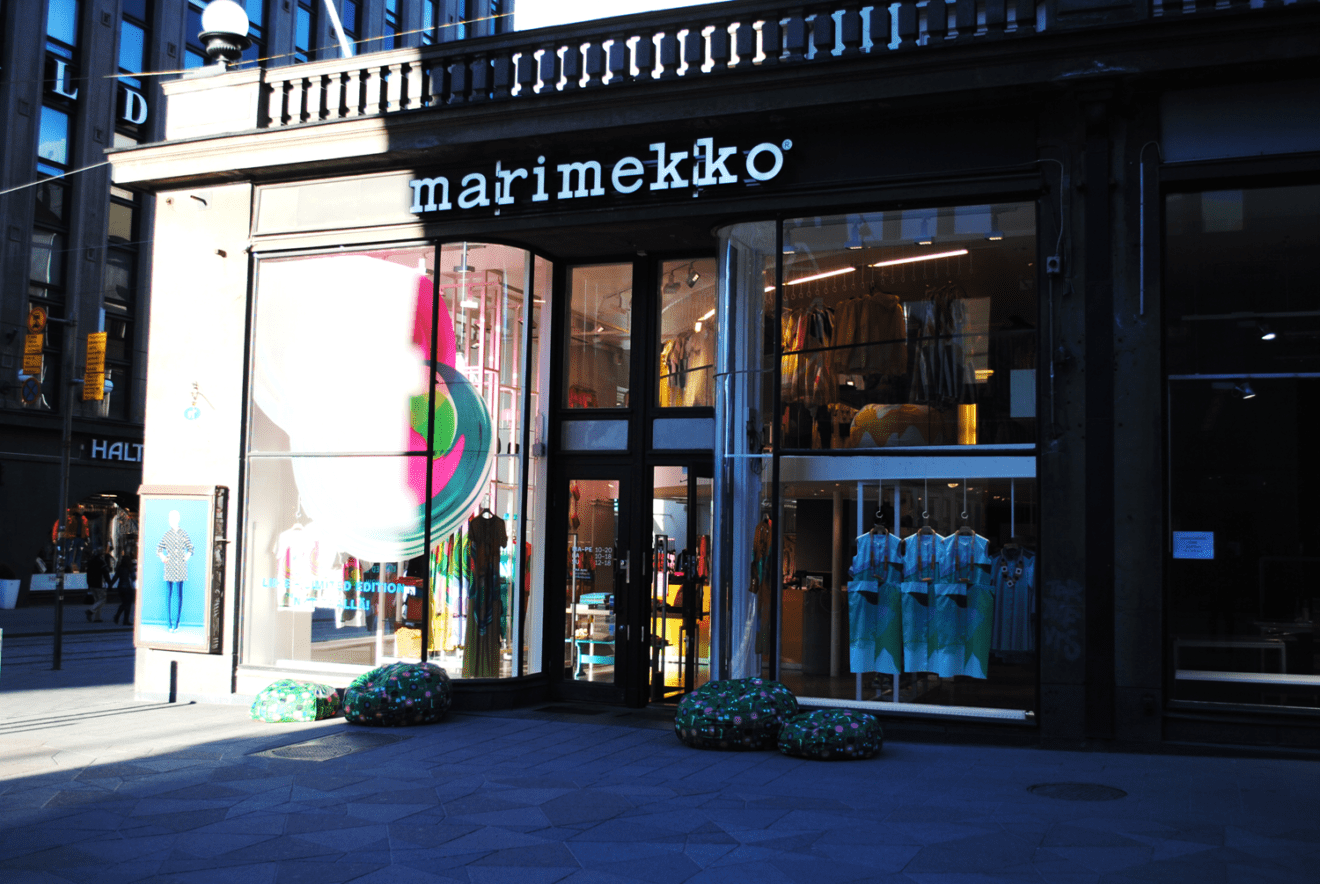
    Marimekko Singapore has opened its first retailer – within the Capitol Piazza buying centre.

    The Finnish model says this and the brand new Thailand retailer which opened in Bangkok in April, reveal its persevering with give attention to Asian enlargement.

    The corporate says it should open extra retailer-owned shops in Singapore and the remainder of Southeast Asia over the subsequent few years.

    “In our enlargement, we have now targeted at the start on areas with excessive progress potential,” says Päivi Lonka, CSO.

    “The Asia-Pacific area is our second-largest market space, and we have already got a reasonably robust foothold in East Asia. Thus, increasing into Southeast Asia felt like a pure transfer.

    “Singapore is a contemporary metropolis and really engaging to us, as it’s thought-about one of many area’s prime enterprise hubs and buying locations.”

    In April, Thailand’s first Marimekko retailer opened in Bangkok.

    “The town is in an fascinating stage of improvement from the retail viewpoint. It’s turning into an more and more essential worldwide metropolis, the place numerous high-class malls have been opened just lately,” stated Lonka.

    Marimekko merchandise are bought in 140 shops in about 40 nations and final yr, model gross sales totalled euro 187 million, with firm shops accounting for euro 94 million of that.

  • SSI brings Canadian fashion retailer Joe Fresh to PH

    SSI brings Canadian fashion retailer Joe Fresh to PH

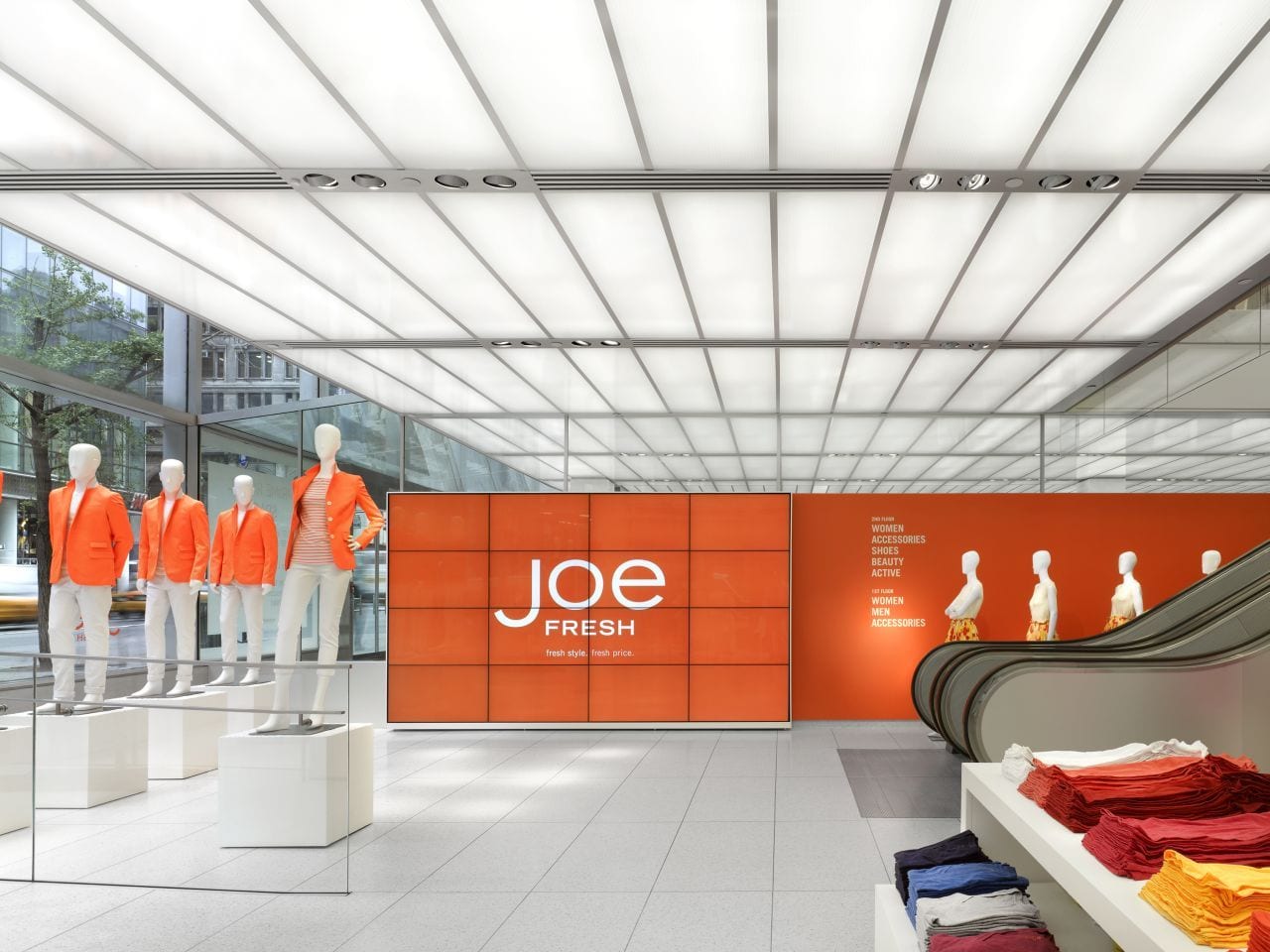
    Specialty retailer SSI Group has entered into a deal to bring to the Philippines Joe Fresh, one of Canada’s leading fashion retailers.

    In a disclosure to the Philippine Stock Exchange, SSI said it had entered into a franchise partnership with Loblaw Companies Ltd. and its affiliates, the owners of Joe Fresh, to open free- standing Joe Fresh stores in the local market starting first half of 2016.

    “We are very excited for the addition of Joe Fresh to our portfolio of brands. Joe Fresh further strengthens our lineup of value brands, allowing us to tap and delight an even broader base of Philippine consumers,” SSI president Anthony Huang said in a press statement.

    “We are pleased to introduce Joe Fresh to the expanding Philippines retail landscape. There is no better partner than SSI Group, Inc. to deliver our message of essential, modern style and exceptional value to this dynamic market. Building on SSI Group’s unparalleled expertise in the region, we look forward to creating an exciting and accessible new fashion choice for consumers in the Philippines,” said Mario Grauso, President of Joe Fresh.

    Founded in 2006, Joe Fresh offers what have been described as “well-designed” and “well-priced” collections for women, men and children. Assortments include apparel, accessories, footwear and cosmetics. The brand is sold in over 350 locations in Canada, including 12 freestanding stores and using online platform JoeFresh.com. In the United States, Joe Fresh is available in four freestanding stores and online.

    Since 2014, Joe Fresh has entered new overseas markets like Egypt, Saudi Arabia, South Korea, and the United Arab Emirates with local partners.

    For its part, the Tantoco family-led SSI represents 112 brands in more than 740 stores across the Philippines. In partnership with Ayala Land, Inc. and FamilyMart Japan, SSI also operates the FamilyMart chain of convenience stores and, together with Ayala Land, the Wellworth department store chain.

  • MERS fears drive Koreans on-line

    MERS fears drive Koreans on-line

    South Koreans are more and more turning to on-line channels for grocery purchasing as they eschew their traditional visits to grocers amid the continued unfold of Center East Respiratory Syndrome (MERS), business knowledge exhibits.

    South Korea has reported 150 MERS infections because the first case was confirmed on Might 20, the most important outbreak outdoors of Saudi Arabia the place the respiratory sickness was first reported in 2012. As of Monday morning (June 15) 16 individuals have died from the illness.

    Knowledge by the nation’s three largest grocers — E-mart, Residence Plus and Lotte Mart – exhibits well being considerations are driving Koreans on-line, with eCommerce orders and order quantities rising within the double digits as MERS infections and MERS-related deaths rise.

    Market chief E-mart noticed its on-line gross sales soar 63.1 per cent between June 1 and June 11, in contrast with the identical interval a yr earlier. The variety of orders additionally jumped 51.9 per cent.

    By product class, ready-to-cook house meals gross sales shot up 90.1 per cent adopted by a 83 per cent rise in recent meals and 69.9 per cent improve in processed meals.

    Tesco’s House Plus reported a 48.1 per cent improve in on-line gross sales and a 37.5 per cent rise when it comes to order worth. Lotte Mart noticed its on-line gross sales develop 26.eight per cent in contrast with a 10 per cent gross sales stoop at its brick-and-mortar branches.

    The unprecedented unfold of the doubtless lethal virus has emerged as a bugbear for Asia’s fourth-largest financial system that’s already grappling with limping exports.

    Final week, the central financial institution slashed the coverage price to a brand new low of 1.5 per cent as a part of “pre-emptive” efforts to stop MERS from adversely affecting sentiment and consumption.

  • Singapore company buys 51% stake in SunMoon Food Company

    Singapore company buys 51% stake in SunMoon Food Company

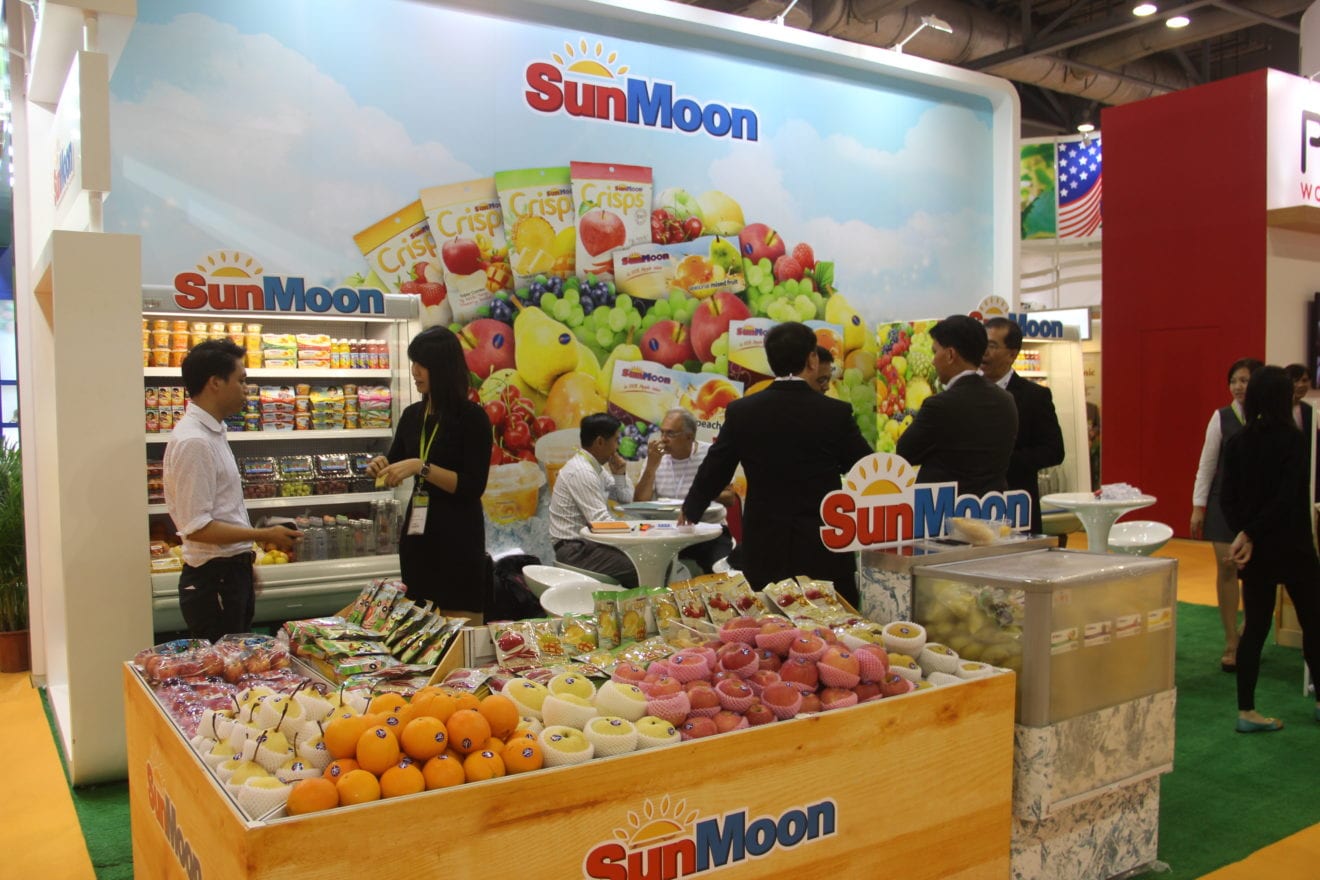
    Singapore-listed SunMoon Food Company Tuesday said it had reached a deal to buy 51 per cent stake in Harvest Season Singapore, that runs fruit stores in China, for S$3.1 million.

    SunMoon will buy 510,000 ordinary shares in Harvest Season as part of the deal.

    The deal will see SunMoon issue 60 million new shares at 5.18 cents each to seller Zhang Jiang Quan, who owns Harvest Season. At this price point, SunMoon’s purchase consideration is S$3.11 million.The new shares constitutes 18.82 per cent of SunMoon’s current issued share capital.

    Harvest Season operates six fruit stores in and around Shanghai, PRC. The company claims to be a “fast expanding, premium-concept fruit retailer” operating six stores in Zhenjiang and Nanjing in the Jiangsu province. The province is home to a population size of more than 100 million and is one of the fastest growing middle income regions in China, SunMoon said in its regulatory filing.

    “Harvest Season operates complementary online and store-based delivery channels, thereby allowing it to reach out to a wider field of consumers who can benefit from both the convenience of delivery and immediate purchase of fresh, quality fruits from its physical stores. The fresh, stylish and upbeat concept for its stores which sell a combination of imported and domestic fruits, juices and convenience foods attracts all age groups,” the regulatory filing added.

    Explaining the rationale behind the proposed acquisition, SunMoon said: “The company believes that it can tap on and benefit from this growing consumption in China of fruit staples through retail and online delivery channels by acquiring a controlling stake in Harvest Season SG, which will, by completion, have a cash and NTA (net tangible assets) position of at least S$3 million earmarked for working capital and the development of more stores in China.”

  • Brazilian On-line Consumers Are Enamored with AliExpress

    Brazilian On-line Consumers Are Enamored with AliExpress

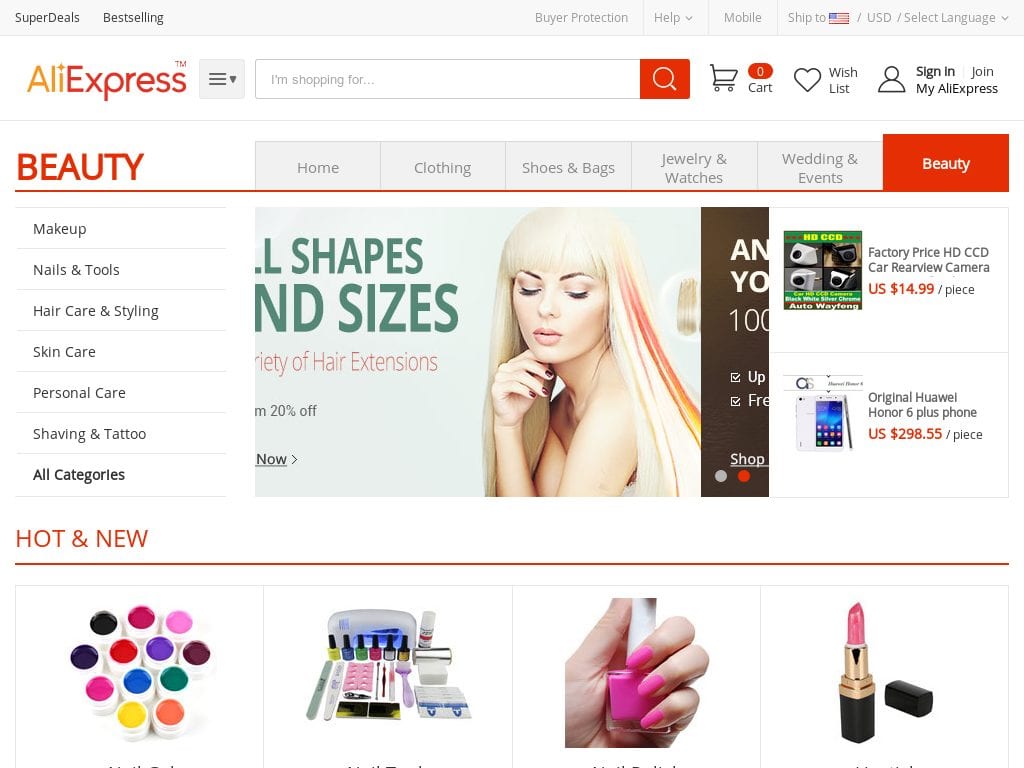
    Enterprise is booming in Brazil for Alibaba’s AliExpress.

    Regardless of the language barrier, lengthy delivery occasions, and cost inconveniences, increasingly Brazilians have been drawn to AliExpress because of the excessive value of many gadgets in Brazil. Even with import duties, which is greater than 60 %, many merchandise, together with garments and baggage, are cheaper on AliExpress by as much as two-thirds, in response to China Day by day.

    “AliExpress is now my favourite abroad buying web site as a result of it presents higher costs and extra choices,” stated Amanda Bernardo, who boasts over a million views on her on-line buying movies, through which she lately featured gadgets purchased from AliExpress.

    Bruno Calheiros, an exhibition designer who makes a middle-class revenue of $2,540 per thirty days, prefers to buy on-line over going to modern malls.

    “I used to purchase garments, home equipment and health gear from Ebay and Amazon, however extra so from AliExpress since I attempted it. I simply like it,” stated Calheiros. He added that he has beneficial AliExpress to lots of his acquaintances.

    On final yr’s Singles Day sale on November 11th, Brazilian spending on Alibaba’s web sites was second solely to that of the Russians.

    Current findings from analysis agency E-Bit revealed that middle-class Brazilians accounted for 62 % of internet buyers from the nation in 2014. Final yr, Brazilian internet buyers totaled 51.5 million individuals, together with 10.2 million individuals who shopped on-line for the primary time. The variety of on-line orders is predicted to rise 19 % to 123 million orders in 2015.

    Spending by Brazilian internet buyers rose 24 % final yr to $11.three billion, and analysis agency eMarketer predicts that it might attain $26.17 billion in 2018.

    In quantity, Chinese language companies accounted for 55 % of all Brazilian on-line purchasing for a complete of $2.1 billion final yr, in accordance with E-Bit.

  • H&M opens 1st retailer in Macao

    H&M opens 1st retailer in Macao

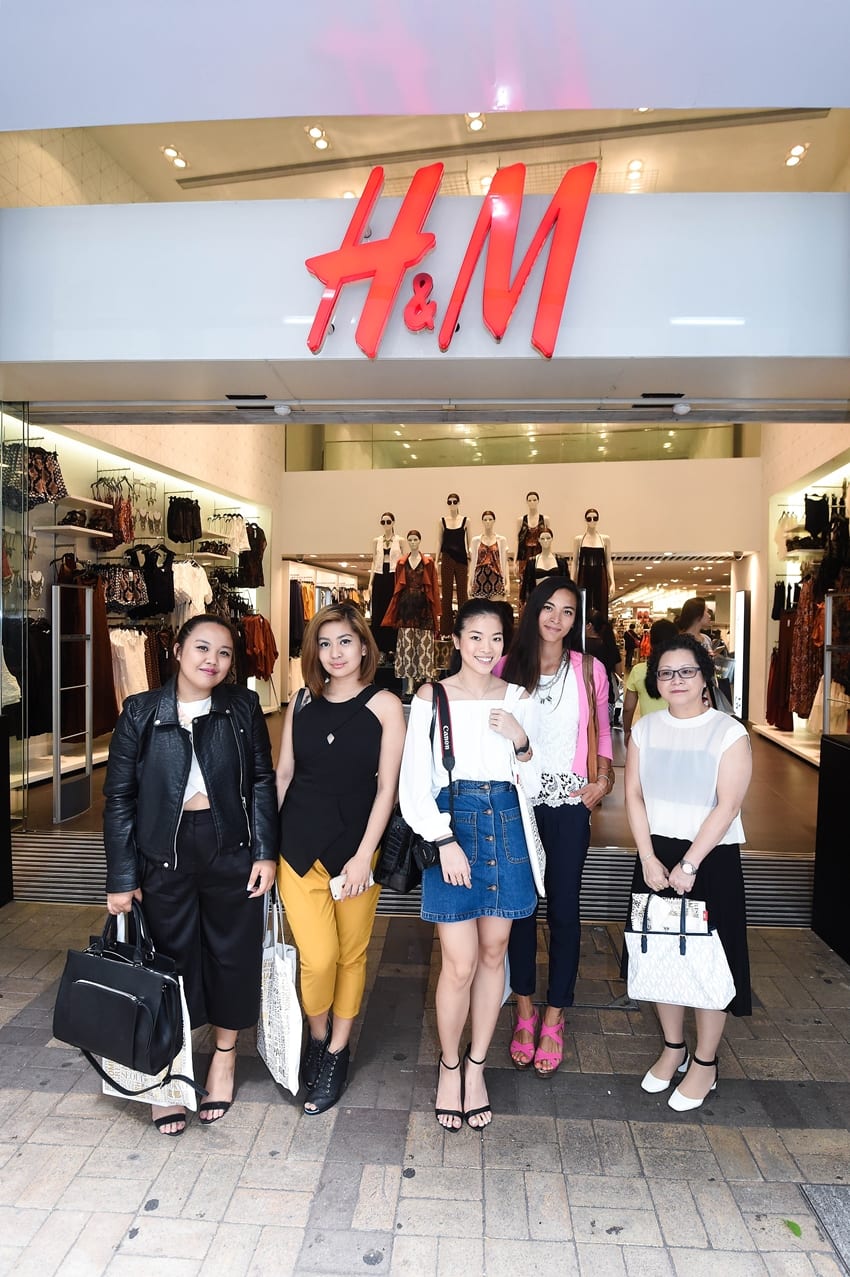
    Common excessive road trend model H&M opened its first retailer in Macao at Shoppes at Venetian on Saturday, including to the mall’s present providing of over 350 worldwide manufacturers.

    Overlaying an space of 19,000 sq. ft, the retail area is unfold over two flooring. It presents seasonal trend and newest developments for each women and men. The style model additionally launched H&M’s Summer time 2015 assortment on the identical day.

    The brand new retailer hosted a gap ceremony on Saturday attended by senior representatives of Sands Retail – the operator of Shoppes at Venetian – and H&M, in addition to worldwide type icon and Las Vegas Sands Corp. enterprise associate David Beckham.

    “The primary H&M in Macao will function a magnet for top road trend lovers from across the area,” stated David Sylvester, Government Vice President of International Retail, Las Vegas Sands Corp. “Shoppes at Venetian’s dynamic retail combine turned even richer at present, and reinforces Sands Retail’s place because the operator of a few of Asia’s most sought-after buying locations among the many area’s many fashionistas. Shoppes at Venetian is an iconic shopping center that pulls over 75,000 individuals per day, and I am assured that it’ll show to be a terrific platform for H&M.”

  • Accenture and Quick Retailing be a part of forces to develop digitally enabled shopper providers

    Accenture and Quick Retailing be a part of forces to develop digitally enabled shopper providers

    Quick Retailing, the dad or mum firm of Japanese trend chain retailer Uniqlo, is forming a three way partnership with administration consulting agency Accenture to speed up the digital innovation of shopper providers for its clients globally.

    Increasing on a long-standing relationship, the 2 corporations will discover methods to increase their collaboration to ship personalised buyer experiences throughout all of Quick Retailing’s retail channels.

    Quick Retailing – which has operations throughout Asia, Europe and the USA – owns seven main manufacturers: Uniqlo, GU, Principle, Comptoir des Cotonniers, Helmut Lang, Princesse tam.tam and J Model. To enhance the personalised multi-channel expertise for Quick Retailing’s clients, Accenture will assist the retailer develop new digital enterprise fashions that embed buyer innovation, knowledge analytics and digitised operations in product improvement, merchandising, manufacturing, logistics, advertising, gross sales and customer support. This could allow shoppers to pick, attempt, buy and obtain services anytime and anyplace, which is a key goal of Quick Retailing’s working mannequin.

    As a part of the initiative, Accenture will assist Quick Retailing construct a cloud-based know-how platform, together with provide chain and buyer relationship administration techniques, to gather actionable buyer insights that may allow the personalisation of the client expertise. The know-how, together with provide chain and buyer relationship administration methods, will probably be absolutely reworked as a cloud based mostly infrastructure. Accenture Digital will present the digital commerce, mobility and analytics capabilities wanted to rework the client expertise.

    Underneath the joint initiative, Accenture may even assist Quick Retailing practice and recruit the expertise mandatory to construct an enhanced buyer expertise staff, looking for candidates with expertise in digital applied sciences together with mobility, analytics and cloud. As well as, the 2 corporations will set up an advisory panel that features main teachers, opinion leaders and start-up corporations to assist form Quick Retailing’s future digital providers for its clients.

    “We’re pursuing a coherent technique to determine an revolutionary enterprise scheme that seamlessly combines actual and digital markets and to take the lead within the altering retail business,” stated Tadashi Yanai, Chairman, President and CEO, Quick Retailing.

    “By way of this collaborative framework with Accenture, Quick Retailing will globally current and introduce the potential of an revolutionary enterprise mannequin past the retail business and speed up creating the world’s main direct enterprise mannequin. Quick Retailing, partnering with Accenture, will improve retailer technique, create a state-of-the-art provide chain community and develop progressive expertise to satisfy the buyer calls for within the period of digitalisation.”

    “Immediately’s retail clients are a formidable pressure with shifting expectations, demanding a seamless expertise – whether or not in shops or on-line – that’s on their phrases. Main retailers know that digital is the important thing to creating the seamless expertise clients need, and we’ll work with Quick Retailing to make sure they’re making sensible funding decisions to create new worth whereas making certain environment friendly and efficient operations throughout their complete organisation,” stated Gianfranco Casati, group chief government, Progress Markets at Accenture.

  • Cracking the native advertising code

    Cracking the native advertising code

    Journey, books, electronics, style, classifieds and now native providers – e-commerce has disrupted the established order in virtually each sector. With Amazon venturing into grocery (Kirana Now), Snapdeal getting into providers and Flipkart able to comply with go well with, on-demand providers look like the subsequent frontier for competitors within the crowded e-retail area.

    Take a look at what’s within the pipeline. Amazon lately launched Amazon Residence Providers within the US market. It’s anticipated to launch an identical service in India quickly. On-line market main Snapdeal has gone a step additional with its service platform to incorporate utility funds and a market for monetary providers apart from house providers. Given the large investor curiosity within the class, a handful of extremely localised house providers start-ups (comparable to UrbanClap, LocalOye, Taskbob and UrbanPro) have additionally thrown their hats within the ring .

    This can be a huge shift, thoughts you. From being on-line marketplacesfor merchandise you at the moment are shifting into providers, you’re aggregating photographers and tutors and handymen, and organising a extremely fragmented however big market. Take a look at some numbers. The homecare and set up providers market in India is estimated at Rs 90,000 crore; the laundry market at Rs 200,000 crore yearly, of which 95 per cent is unorganised.

    You possibly can see why e-commerce corporations are muscling in, however does it actually assist the native man who want to supply a extremely personalised service? Apparently sure, it broadens the potential shopper base and provides him an opportunity to scale up shortly. Specialists say an entry in providers can even assist the massive horizontal gamers trim prices and enhance margins. The incremental value of supply of providers is decrease and may probably give higher returns on funding.

    Says Devangshu Dutta, chief government, Third Eyesight, “A seek for margin enchancment and a want to be ‘the e-commerce of every thing’ are the prime drivers to enter the providers aggregation area. Merchandise e-commerce has moved from inventory-led fashions to marketplaces, however as soon as all prices are labored into the equation, even these are margin-negative, if not for the marketplace then for the sellers on the marketplace. Aggregating extra providers can be a method to generate additional margins and in addition defray customer-acquisition and retention prices over a wider base of companies.”

    For giant horizontal gamers, the power to cross-sell providers can result in higher margins in comparison with area of interest gamers. Additionally native providers may be seen as a differentiator. It permits e-retailers to not simply goal the retail share of the buyer pockets however all the consumption basket. “Why would they need to restrict themselves to only retail merchandise when there’s a lot of value-add they will present by way of providers,” asks Pragya Singh, VP, retail & shopper merchandise division, Technopak.

    Jabong.com co-founder & MD Praveen Sinha, who has invested in two native providers start-ups, Zimmber and Wassup, says, “Native providers is the subsequent part of ecommerce and can see big progress offered corporations are capable of execute it nicely. Nevertheless, operational complexity is the most important problem right here.”

    So what are the challenges an e-commerce market is more likely to encounter when it decides to combination providers? How ought to it tweak its provide chain community to reap the benefits of the rising demand for hyper-local providers?

    The larger the higher
    An eretailer can ship a product to any location from its centralised warehouse by way of courier companions however the identical concept does not work in providers. Execution is a problem as you can’t replicate a profitable mannequin in lots of geographies on the similar time.

    That stated, massive horizontal retailers with their established provide chain networks have a bonus over smaller gamers/start-ups within the class. Contemplate Snapdeal, which presently provides house/set up providers, and monetary providers by means of RupeePower. “The house and set up providers enterprise is an extension of our residence and dwelling class, providing an assortment of 10 lakh merchandise and end-to-end residence providers that embrace furnishings set up, electrical, plumbing, pest management and professional residence cleansing providers,” says Saurabh Bansal, vice-president, residence, Snapdeal.

    On-line classifieds platform Quikr can also be engaged on a service providing. Pranay Chulet, co-founder and the CEO of Quikr, says, “We’re launching a sub-brand referred to as Quikrservices, which can allow higher interplay between consumers and sellers. Providers is a unique ballgame. The supply of purchaser and vendor on the similar time is necessary. It isn’t so simple as delivery a product to the buyer’s doorstep.”

    Specialists reckon providers might be cracked however solely at scale. Merely put, until you’re very giant in measurement you can’t hope to offer customised service. Extra quantity means higher customisation and aggressive pricing. “Service suppliers are additionally capable of get extra enterprise from a platform, to allow them to supply higher costs,” provides Chulet.

    However scale can solely clear up 50 per cent of the issues. Delivering a standardised service expertise is an enormous problem. Says Debadutta Upadhyaya, co-founder, Timesaverz, a cellular market for providers, “Standardisation of processes, talent verification, background checks and tender talent coaching of service companions are a should.” Timesaverz is current in Mumbai, Pune, Bengaluru. It fees a 20 per cent fee from service companions for each transaction and noticed 10x income progress final yr over the earlier yr.

    On its half, Snapdeal has tied-up with service suppliers resembling EasyFix and Hicare with confirmed capabilities. “We’re working to make sure that professionals who carry out end-user duties are educated in buyer communication and repair supply,” says Bansal.

    Most gamers are making in depth use of know-how to attach a buyer with a service supplier who’s greatest suited to service her distinctive want. In a approach it additionally makes the native providers enterprise extra clear and environment friendly, says Varun Khiatan, founder, UrbanClap. UrbanClap is an internet market that gives providers in 20 classes together with private providers and occasions.

    Nevertheless, service just isn’t a simple area to function in. Aggregation of native providers are open not solely to ecommerce gamers, but in addition to look big Google on the one hand (by way of search outcomes and advertisements) and native aggregators (sector-specific information bulletins in a metropolis like Noida). “Most home providers, for example, are extra high-involvement than merchandise buys and the last-mile, last-minute connectivity with the client is the place the connection is made or damaged. In such instances native aggregators with a hands-on strategy may have a aggressive benefit,” says Dutta.

    Internet-net, whereas search and repair aggregation might seem a low-margin recreation, over time, technology-powered giant e-commerce platforms have the potential to leverage the excessive volumes it provides and organise this extremely fragmented market within the course of.
  • Jewelry and watch companies prime performers in luxurious area

    Jewelry and watch companies prime performers in luxurious area

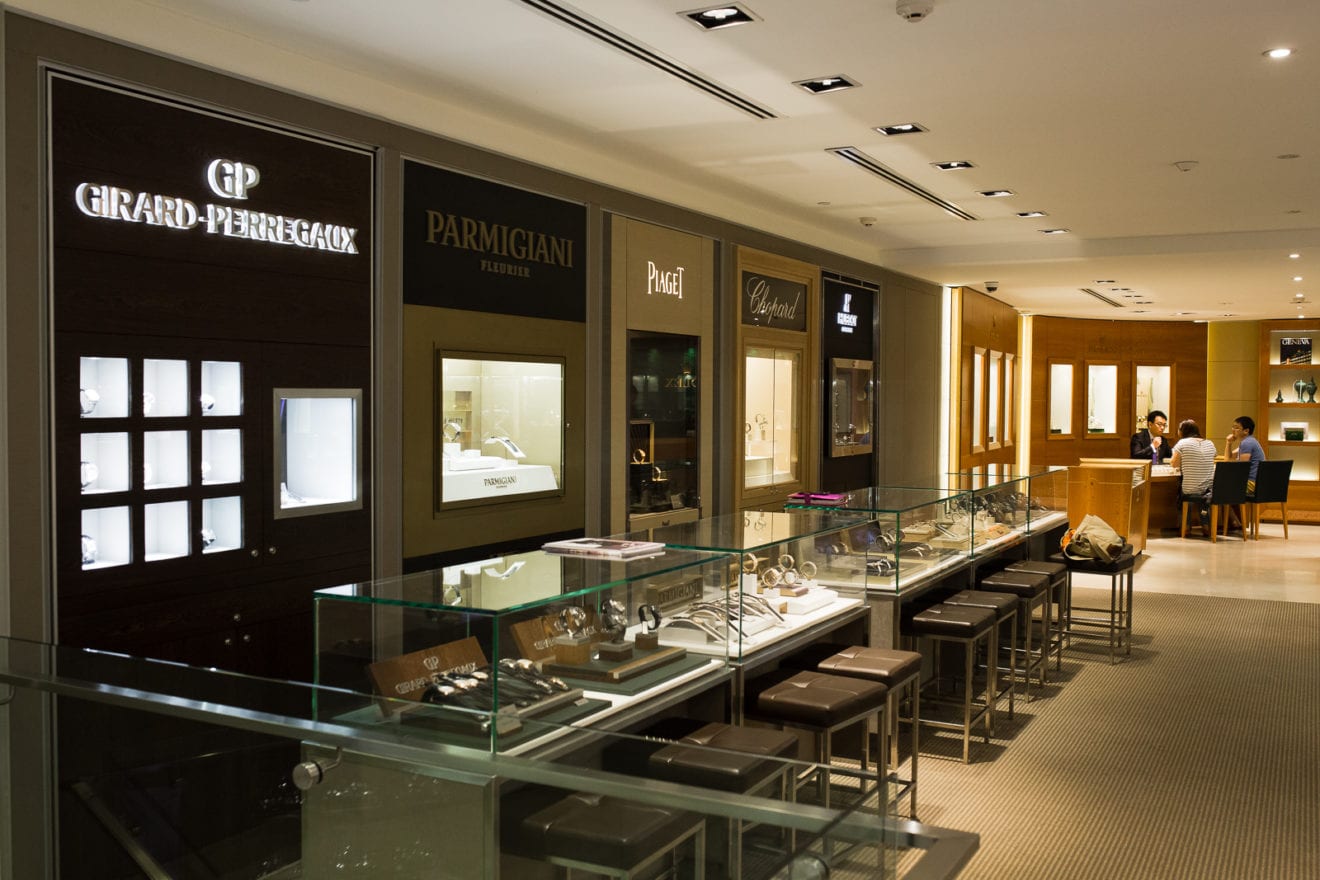
    India has bounced again and is confidently rising within the luxurious markets as different BRIC nations wrestle to collect tempo, says Deloitte’s annual International Powers of Luxurious Items report. By the top of final fiscal, world’s 100 largest luxurious items corporations had generated gross sales of $214.2 billion regardless of foreign money headwinds and intense technological disruption. Developed economies just like the US and Europe look like on the rebound, thus, boosting the buying energy of upscale clients.

    The Indian financial system, too, is recovering from its stoop.Jewelry and watch corporations are prime performers, producing the second-largest share of the posh items sale. Corporations like Titan, Gitanjali Gems and PC Jeweller all make the minimize as newcomers within the Deloitte’s prime 100 luxurious manufacturers. The research additionally established that the channels on which luxurious shoppers store are always evolving, making it crucial for corporations to know the altering wishes and shopping for behaviours.

    “A number of key points of the posh sector shall be unrecognisable within the subsequent few years. The travelling luxurious shopper will change the idea of nationwide boundaries; millennial shoppers will characterize a big proportion of gross sales quantity in luxurious; and the aggressive forces pushed by know-how will proceed to disrupt at a quicker tempo.” stated Gaurav Gupta, senior director, Deloitte, India.

  • Might retail inflation at Three-month excessive of 5.01%

    Might retail inflation at Three-month excessive of 5.01%

    Shopper Worth Index-based inflation rose to a three-month excessive of 5.01 per cent in Might, even because the meals phase noticed a decline within the fee of worth rise, official knowledge confirmed on Friday.

    The inflation had stood at four.87 per cent in April 2015 and eight.33 per cent in Might 2014. Whereas it justifies the Reserve Financial institution of India (RBI)’s cautious stance in slicing the coverage fee earlier this week, RBI was extra nervous about meals inflation, which declined.

    Meals inflation was right down to four.80 per cent from 5.11 per cent in April 2015. Within the year-ago interval, it had stood at eight.89 per cent.

    Whereas the meals inflation was greater within the city areas at four.84 per cent towards four.74 per cent within the rural elements, the state of affairs was fairly reverse in case of mixed inflation. General inflation stood at 5.52 per cent in villages and four.41 per cent within the city areas.

    Whilst meals inflation was down, the costs of pulses rose on the elevated fee. Inflation in pulses elevated to 16.62 per cent in Might from 12.52 per cent. This was the one phase amongst meals gadgets that noticed double-digit inflation. Earlier this month, the Cupboard had determined to import pulses to tame costs.

    Sugar costs noticed a decline, although. In April, costs dropped 5.99 per cent, whereas in Might these turned cheaper by 7.Three per cent.

    The sugar sector has been battling a state of affairs of glut. Earlier this week, the Cupboard gave the sector a tender mortgage of Rs 6,000 crore to pay a part of its Rs 21,000-crore dues to farmers.

    Nevertheless, corporations weren’t glad as a result of it didn’t remedy the issue of over-supply and depressed costs.

    Elsewhere, home lease, an city phenomenon, inched down barely from four.65 per cent to four.64 per cent.

    Nevertheless, gasoline and lightweight noticed inflation rise to five.96 per cent

  • Compensation fund for Bangladesh manufacturing unit victims reaches US$30 million goal

    Compensation fund for Bangladesh manufacturing unit victims reaches US$30 million goal

    A fund set as much as compensate the victims of Bangladesh’s Rana Plaza manufacturing unit collapse has lastly reached its US$30-million (RM112 million) goal, the UN’s Worldwide Labour Group stated Monday, greater than two years after the catastrophe left over 1,100 garment staff lifeless.

    With all of the funding now secured, the final households nonetheless awaiting a payout will obtain their cash “within the coming weeks”, stated the ILO, which chairs the Rana Plaza Coordination Committee.

    The committee, which was established in 2013 and represents all business stakeholders, had estimated it might want US$30 million to completely and pretty compensate the households of the over 1,100 garment staff who died and a few 1,500 others who have been injured within the nation’s worst-ever industrial accident.

    By April 24, on the second anniversary of the catastrophe, the committee had raised US$27 million and was capable of pay compensation to 70% of the greater than 2,800 claimants, the ILO stated in a press release.

    “Additional donations, together with one vital sum pledged late final week imply that US$30 million has now been reached and all ultimate funds might be made,” it added.

    The event was welcomed by ILO director-general Man Ryder.

    “This can be a milestone however we nonetheless have essential enterprise to cope with,” he was quoted as saying within the assertion.

    “We should now work collectively to make sure that accidents could be prevented sooner or later, and that a strong nationwide employment damage insurance coverage scheme is established in order that victims of any future accidents can be swiftly and justly compensated and cared for.”

    Bangladeshi police final week charged 41 individuals together with the proprietor of the Rana Plaza manufacturing unit complicated, Sohel Rana, with homicide.

    He was arrested on the western border with India as he tried to flee the nation within the days after the April 24, 2013 catastrophe.

    Rana turned Bangladesh’s public enemy primary after survivors recounted how hundreds of them have been pressured to enter the compound initially of the working day regardless of complaints about cracks showing within the partitions.

    The catastrophe highlighted appalling security issues in Bangladesh’s US$25 billion garment business, the world’s second largest after China’s.

    A number of Western retailers had clothes made at Rana Plaza, together with Italy’s Benetton, Spain’s Mango and the British low-cost chain Primark. All three have been amongst a variety of worldwide manufacturers that contributed to the compensation fund.

  • Alibaba eyes Latin American enterprise

    Alibaba eyes Latin American enterprise

    Alibaba is enthusiastic about doing enterprise in Latin America, notably in Mexico, Brazil and Argentina, the e-commerce firm stated in Mexico Metropolis over the weekend.

    Chinese language shoppers are keen to acquire Latin American merchandise, particularly recent produce corresponding to Mexico’s avocado, stated Sherri Wu, head of Alibaba’s Worldwide E-commerce Enterprise Improvement for the Americas.

    “Proper now individuals love this meals. Final month, we bought over 10,000 orders (of avocado) via our channels, and we might like to have extra to supply to our clients,” stated Wu.

    Because the finish of 2014, Alibaba has been promoting avocados by way of its Tmall platform.

    “We noticed that avocado was an enormous success in 2014,” stated Wu.

    Chilean cherries and Argentine prawns have additionally loved an analogous success by way of the platform, added Wu.

    The necessity for “unique” foodstuff in China comes from a rising center class, that are extra serious about high quality items from overseas.

  • 11street Spreads Raya Joy with RM5 Million Giveaway Festive Campaign

    11street Spreads Raya Joy with RM5 Million Giveaway Festive Campaign

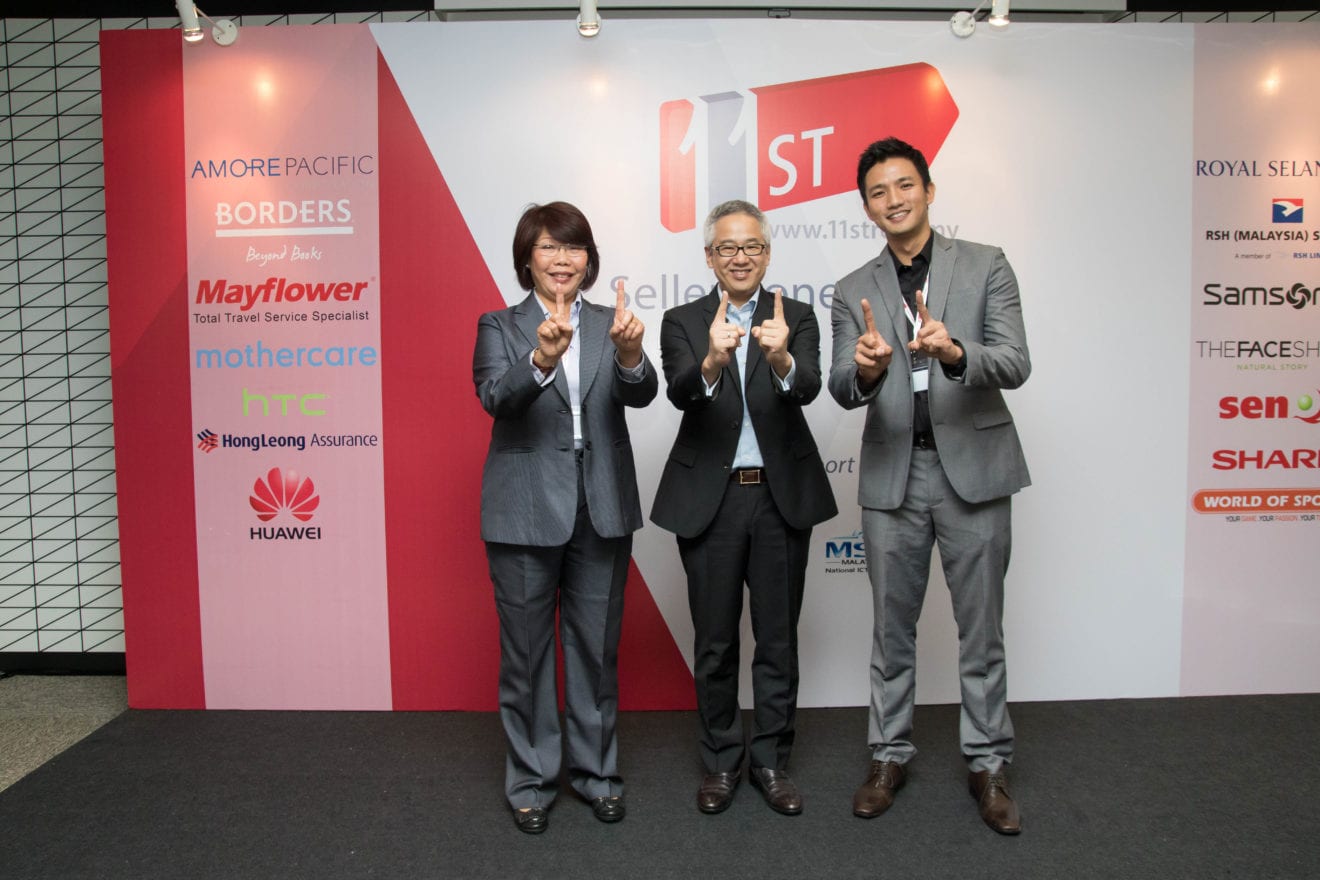
    In conjunction with the upcoming Raya festivities, 11street (www.11street.my), one of the largest online marketplaces in Malaysia today announced that its Hari Raya campaign is officially launched to give relief on consumers’ festival shopping.

    The Hari Raya campaign which began on June 1st, 2015 aims to give away more than RM5 million worth of discounts for over 130,000 product items under selected categories such as Fashion, Home & Living and Electronics.

    11street’s Chief Executive Officer, Hoseok Kim says, “Our Hari Raya campaign focuses on spreading the joy of the Raya celebrations by offering a wide variety of products range from fashion, accessories, personal gadgets, home appliance and more at great prices. We are committed to offer Malaysians more values via online shopping during this festive season.”

    At 11street, consumers can get their Raya apparels from top brands including MariBeli Butik, Era Maya, Benua Clothing, Hari Hari, Qish Qish and Zariya, as well as ready-to-wear collections by designers namely Ruzz Gahara and MyApparelZoo at great prices. Modern and versatile, the fashion range for kids, ladies and men feature high quality fabrics and exquisite designs.

    Featuring a variety of modern and fashionable home decoration deals, 11street’s Home & Living will be the perfect and easiest gateway to give your home a makeover without spending much time.

    Consumers can also find popular travel gadgets on 11street at unbeatable prices to keep families entertained during their ‘balik kampung’ journey. Through 11street’s extensive range of camera phones and selfie-friendly options, selfie-enthusiasts can find the perfect accessories they need to capture memorable moments at family occasions.

    The Raya discount coupons available on 11street range from 20%-50% and rebate up to RM200 applicable to all items selling under the selected categories, Fashion and Electronic starting from June 1st, 2015, whereas the promotion on Home & Living items will only begin July 5th, 2015.

    Consumers can visit the Hari Raya Promotion Page to find out more on the great offers at 11street.

    Buka Puasa with 11street’s Dining E-vouchers

    Furthermore, in light of the approaching Ramadhan, 11street will be offering value meal vouchers from many popular dining restaurants namely GTower Hotel, Checkers Café under Dorsett Regency KL, Papa John’s Pizza and more, where consumers can enjoy a delicious and convenient dining experience for Buka Puasa. The e-vouchers will be available under 11street’s ‘Shocking Deals’ section with lowest price guarantee starting from June 15th, 2015 until July 17th, 2015.

    “E-vouchers are gaining popularity in Malaysia and is a common trend for the e-commerce market, as a majority of consumers prefer to buy vouchers for more tangible discount on daily essentials. Today, e-vouchers are ranked as one of the best-selling items on 11street since its conception,” Kim adds.

    Kim concludes, “Given the level of savings available, we sincerely hope that Malaysians will find relief in shopping online at 11street especially with the price increases under the recently imposed Goods and Services Tax (GST). We will continue enriching our consumer’s shopping experiences by helping them to find what they love from a great variety of quality products at unbeatable prices.”